
Gut Health
Explore the science of the gut microbiome, probiotics, prebiotics, and the gut-brain axis. Every guide is backed by gastroenterology research and clinical studies on digestive wellness.
Start Here
Start with the flagship guide for foundational research.
The Complete Guide to Gut Health: Transform Your Microbiome in 30 Days
Your gut microbiome—home to 100 trillion microorganisms—influences everything from digestion and immunity to mood and metabolism. This complete guide covers the science behind gut health, practical dietary strategies, a 30-day transformation protocol, and the best products and supplements to restore your microbiome.
Foundational Research Roadmap
This flagship guide synthesizes clinical evidence into actionable protocols. Master this guide first before exploring niche subtopics.

The 14-Day Gut-Friendly Meal Planning System
Fourteen planned days of gut-friendly meals with a gentle four-step fiber ladder, low-FODMAP swaps, shopping lists and a symptom log that adds itself up.
SUBTOPIC MAP
Browse by subtopic
The archive is organized so readers can move from the pillar into the exact slice they need.

Fiber Rich Foods for Constipation - Fiber-Focused Meals
Constipation relief through diet hinges on understanding fiber and how it works in the gut. Dietary fiber is split into two main types: soluble fiber, which dissolves in water to form a gel that softens stool, and insoluble fiber, which adds bulk and helps move stool through the gut. A balanced mix of both types supports gut motility and nourishes the microbiome, ultimately promoting regular bowel movements.
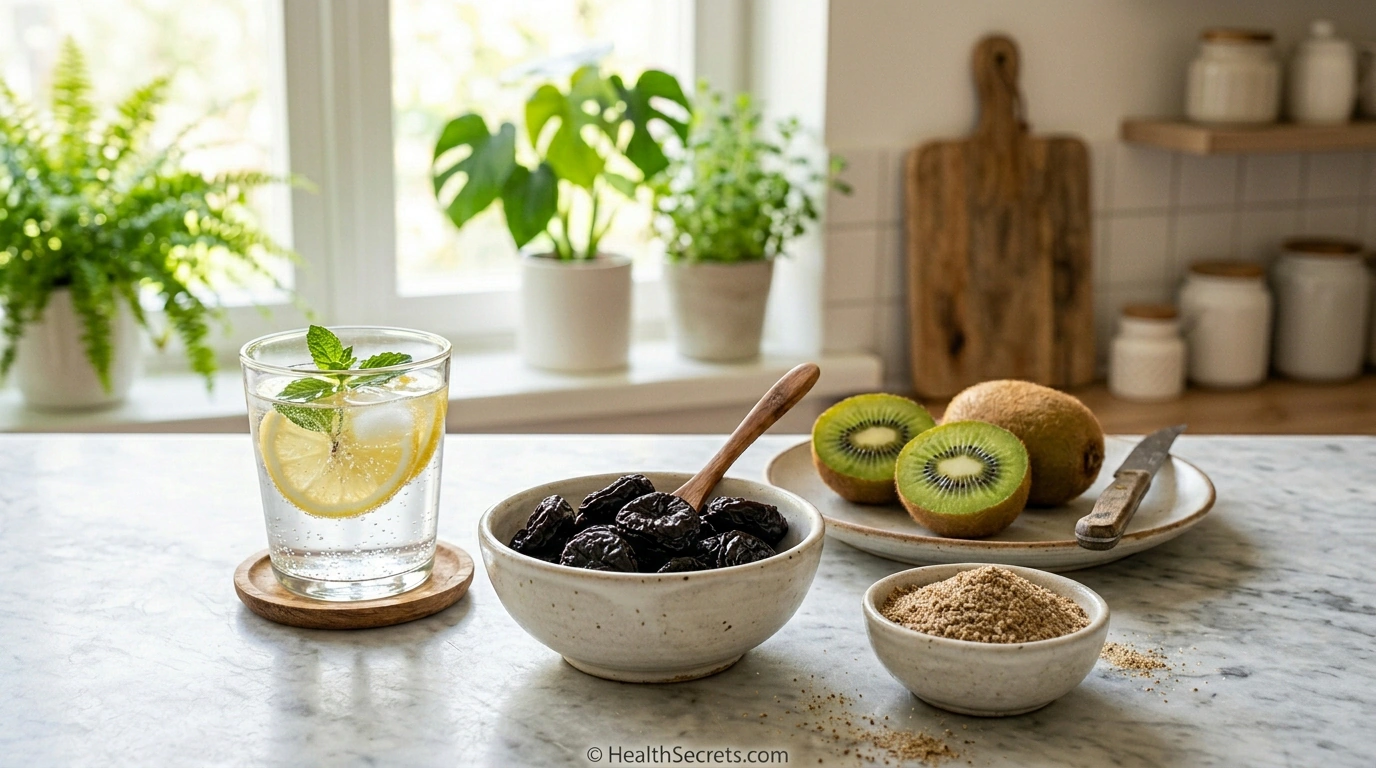
Constipation Relief: Natural Remedies That Work Fast
Constipation affects up to 15% of adults worldwide, but fast-acting natural remedies — from hydration and fiber-rich foods to magnesium supplements and proper toilet posture — can restore regular bowel movements without harsh medications.
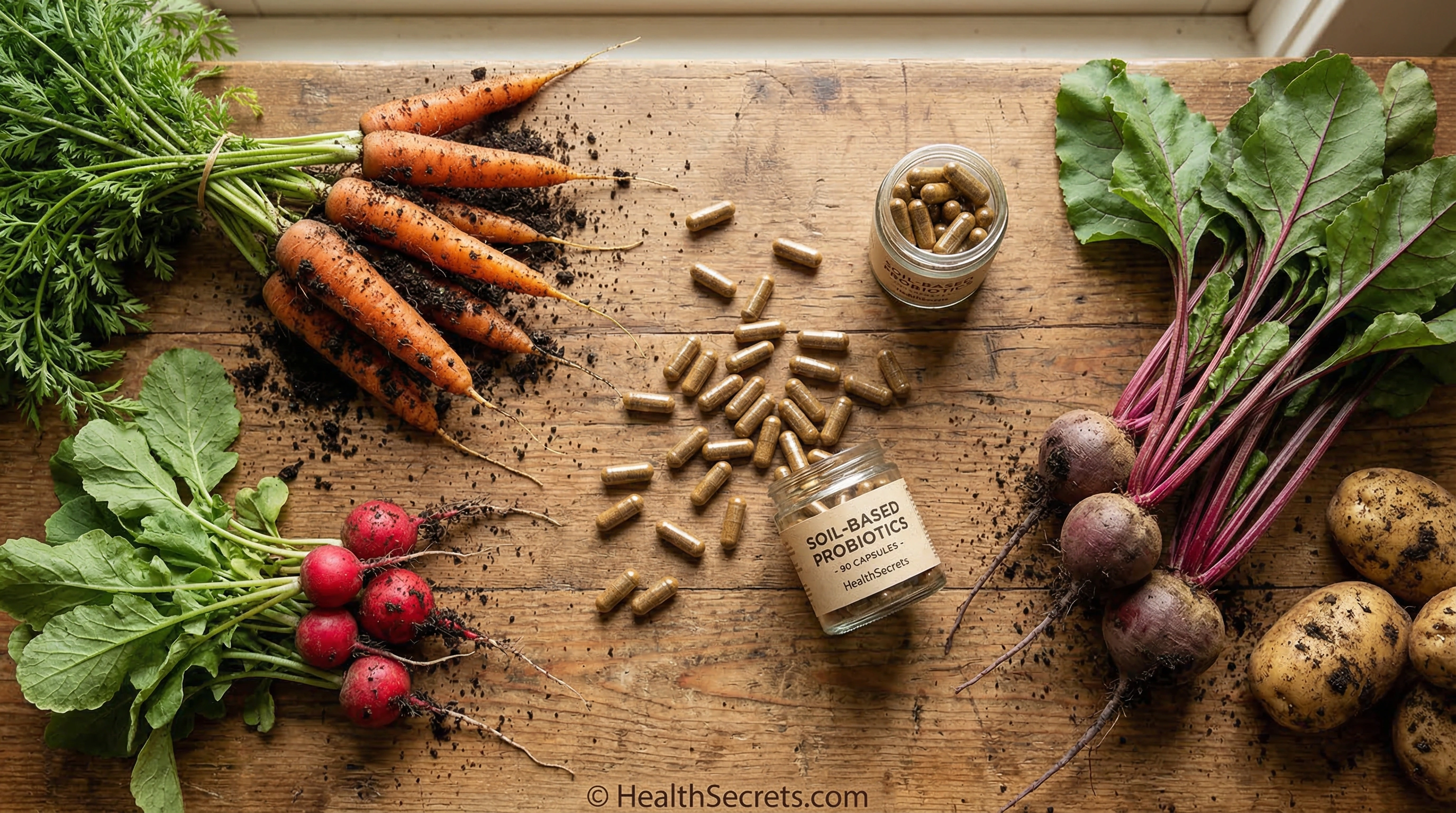
Soil-Based Probiotics: Complete Guide
Soil-based probiotics (SBOs) are spore-forming bacteria — primarily Bacillus species — that survive stomach acid far better than traditional probiotics, making them a compelling option for people with SIBO, histamine intolerance, or anyone looking for a shelf-stable, research-backed probiotic supplement.
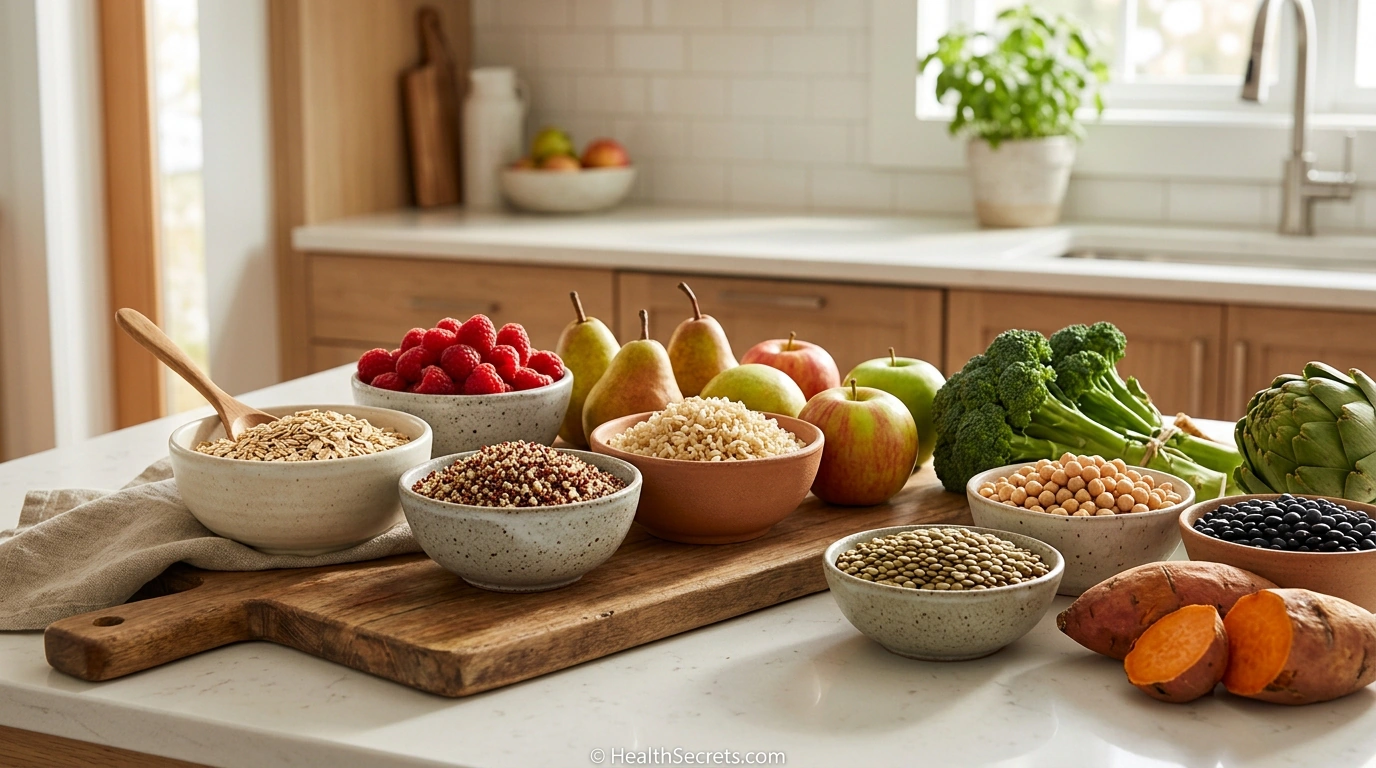
Diverticulitis Diet: Foods to Eat and Avoid
Diverticulitis diet management requires a two-phase approach: a temporary low-fiber or clear liquid diet during acute flares to rest the colon, followed by a long-term high-fiber prevention diet targeting 25–35 grams daily. Understanding which foods to eat and avoid during each phase can reduce flare-ups and support lasting colon health.
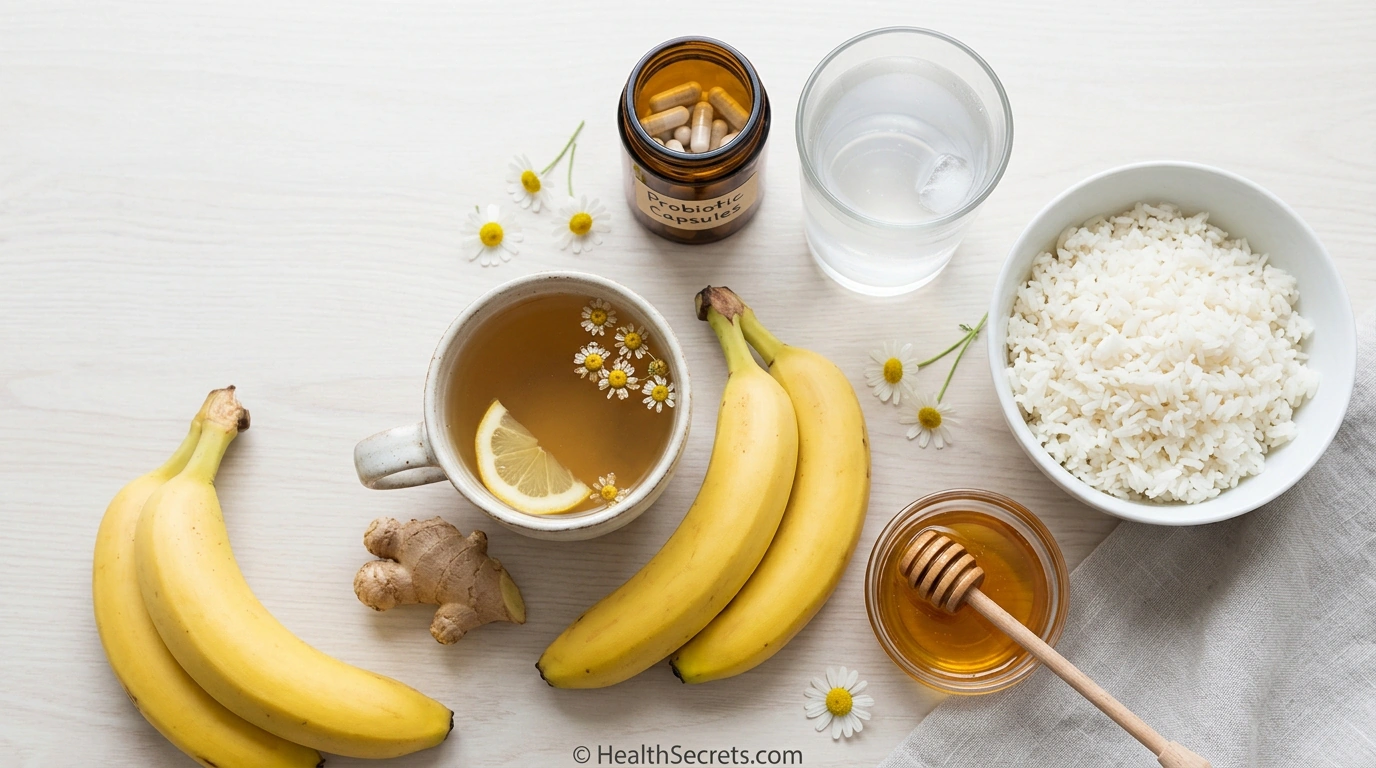
Diarrhea Natural Remedies: Fast Relief That Works
Learn 15+ evidence-based natural remedies to stop diarrhea fast — from proven probiotics and electrolyte replacement to binding foods and herbal teas — plus when to see a doctor immediately.

Gastroparesis Natural Management: Complete Guide
Gastroparesis — sometimes called "stomach paralysis" — slows or stops food from moving through your digestive tract. This evidence-based guide covers the causes, symptoms, dietary modifications, prokinetic herbs like ginger and artichoke, vagus nerve support techniques, and natural management strategies backed by research.

Acid Reflux Natural Remedies: 12 Ways to Find Relief
Acid reflux affects over 60 million Americans monthly, but natural remedies like dietary changes, herbal supplements, and lifestyle modifications can provide lasting relief without relying on long-term medication. This evidence-based guide walks you through 12 proven strategies to calm heartburn, strengthen your lower esophageal sphincter, and restore digestive comfort.
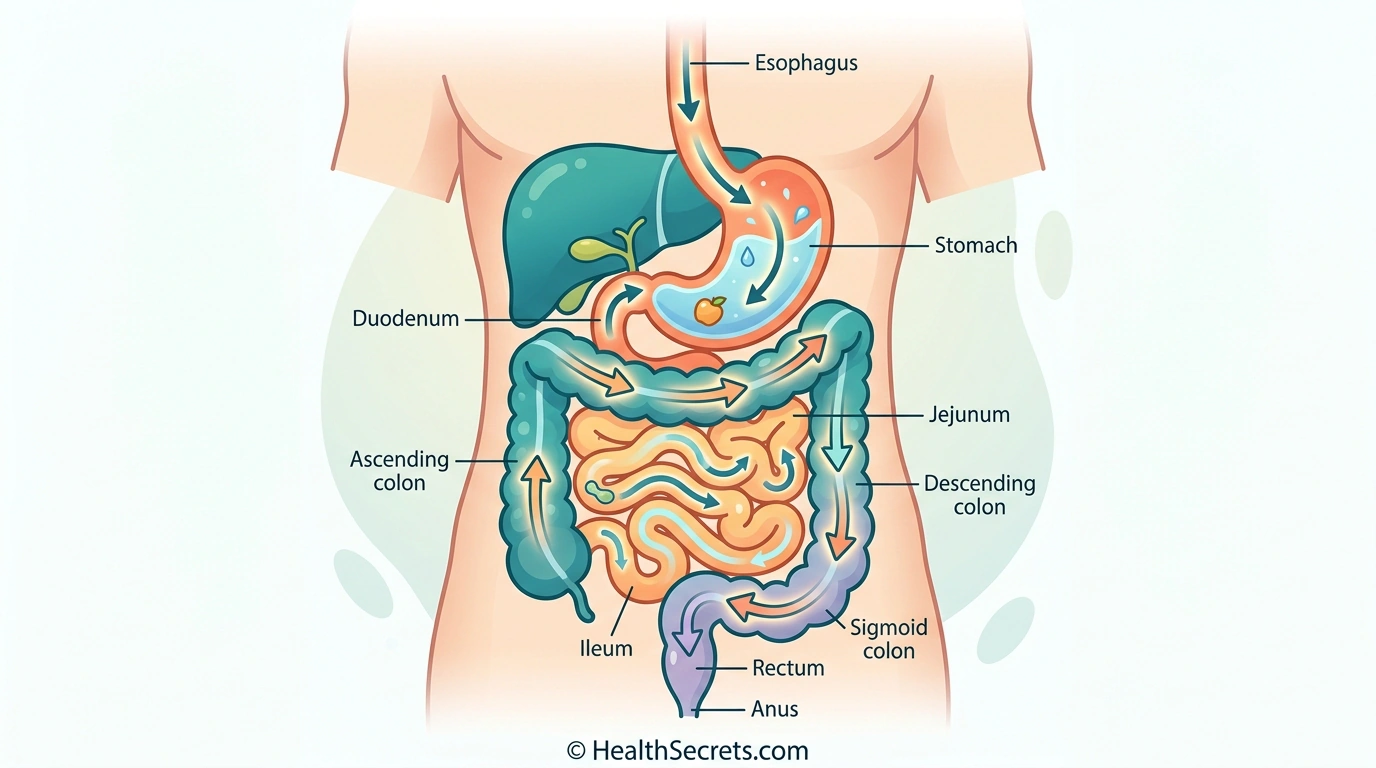
Gut Motility: How to Improve Digestive Transit
Gut motility — the coordinated muscular movement that pushes food through your digestive tract — is the foundation of healthy digestion. When motility slows, bloating, constipation, and even small intestinal bacterial overgrowth (SIBO) can follow. This guide walks you through six evidence-based steps to restore and optimize your digestive transit naturally.
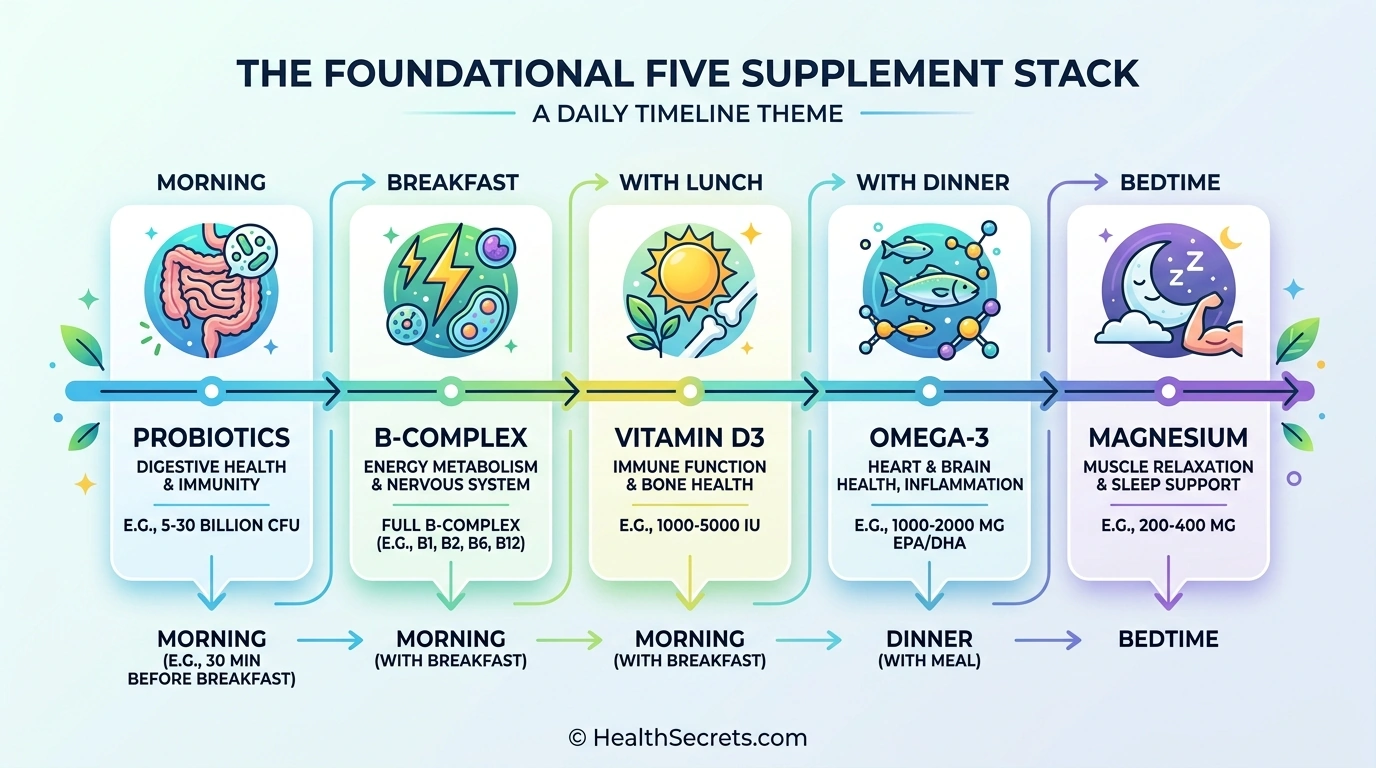
Histamine Intolerance: Complete Management Guide
Histamine intolerance affects an estimated 1–3% of the population, causing symptoms that mimic allergies but stem from impaired histamine breakdown. This complete management guide covers the root causes, diagnostic approaches, low-histamine diet strategies, and evidence-based natural support to help you regain control of your health.
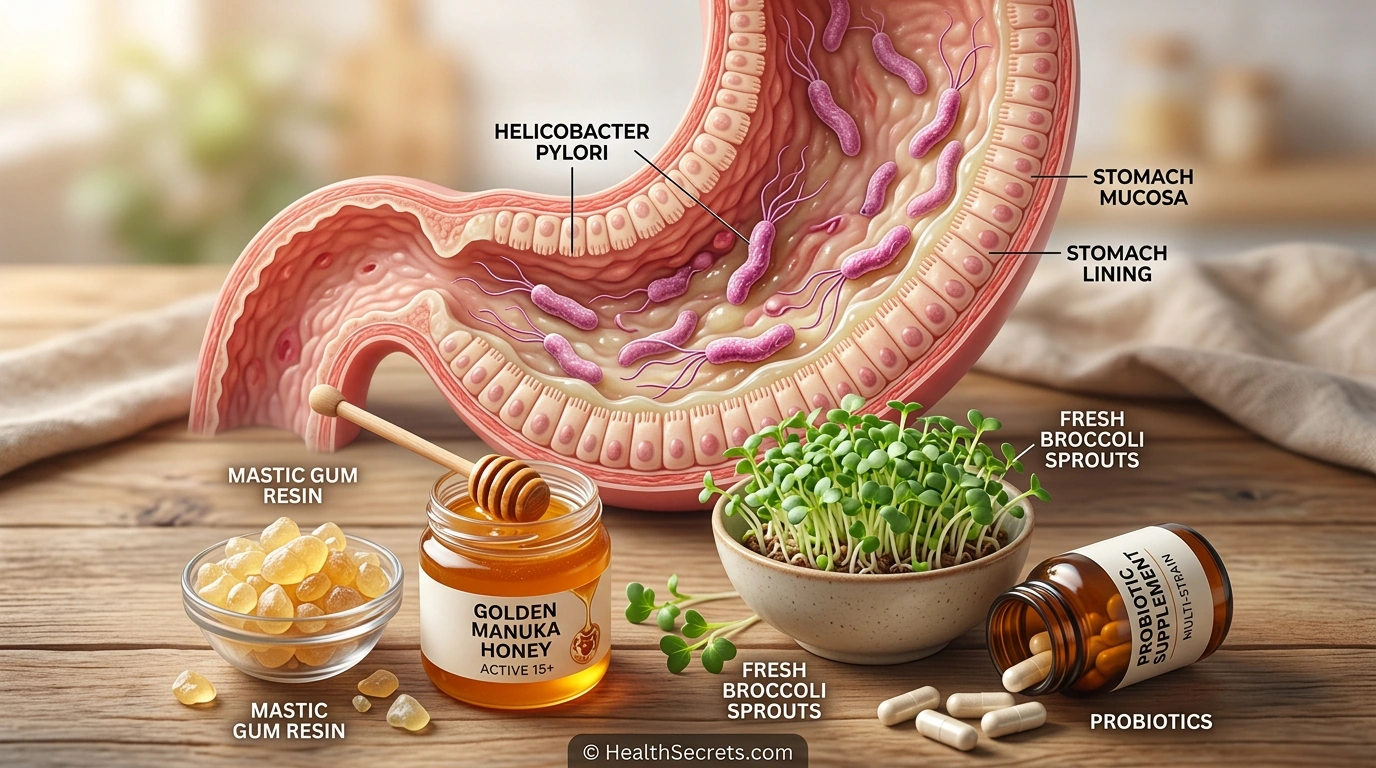
H. Pylori Natural Treatment: Evidence-Based Protocol
H. pylori infects roughly half the world's population, often causing gastritis and peptic ulcers. This evidence-based condition guide explores natural antimicrobials like mastic gum, manuka honey, and sulforaphane-rich broccoli sprouts that research shows can help combat this stubborn bacterium — alongside conventional treatment or as a complementary protocol.

Fermented Foods for Gut Health: Complete Guide
Fermented foods like sauerkraut, kimchi, kefir, and kombucha deliver live beneficial bacteria and bioactive compounds that support gut health, improve digestion, and strengthen immunity. This complete guide walks you through the science, step-by-step recipes, and practical tips to start fermenting at home today.
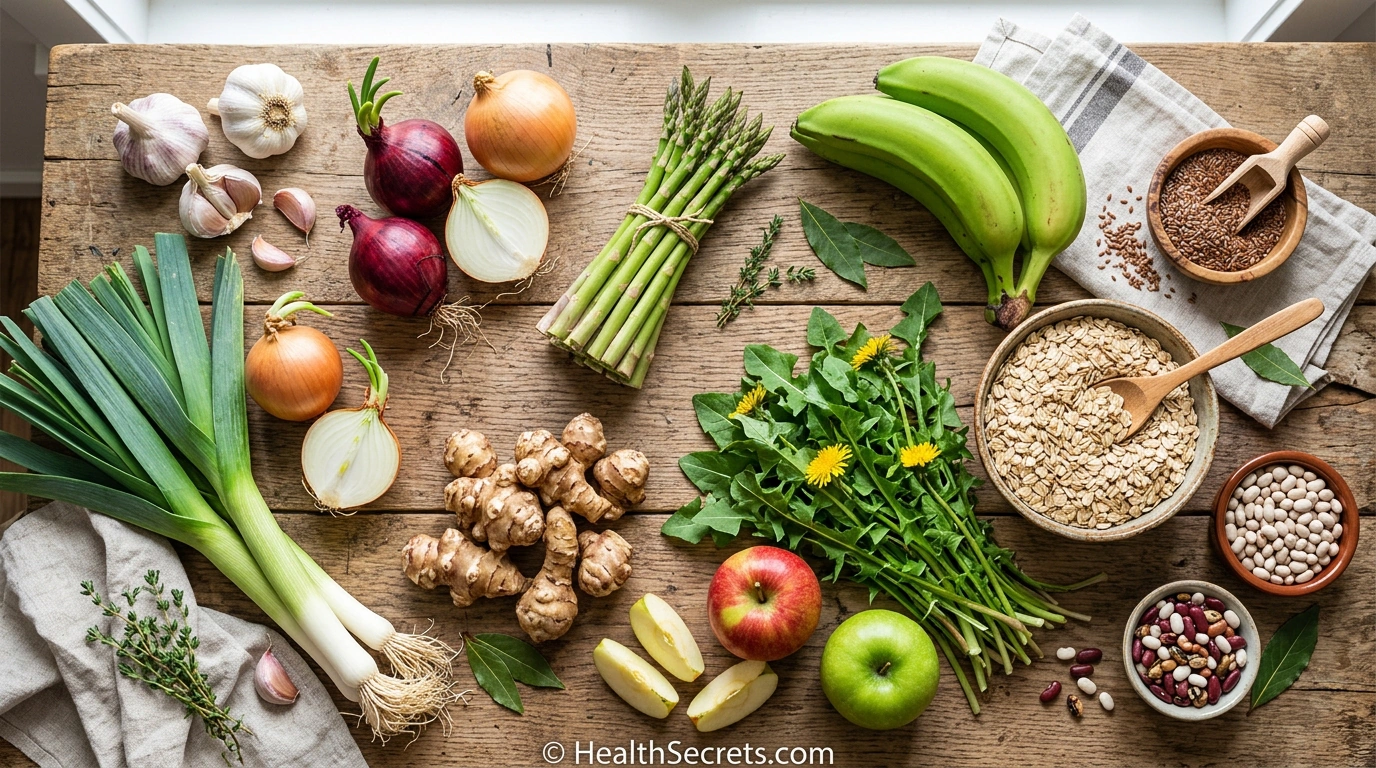
Prebiotic Foods Guide: Feed Your Beneficial Bacteria
Prebiotic foods fuel the beneficial bacteria in your gut, helping produce short-chain fatty acids that strengthen your immune system, reduce inflammation, and improve digestion. This guide covers the best prebiotic-rich foods, fiber types, and how to add them to your diet safely.
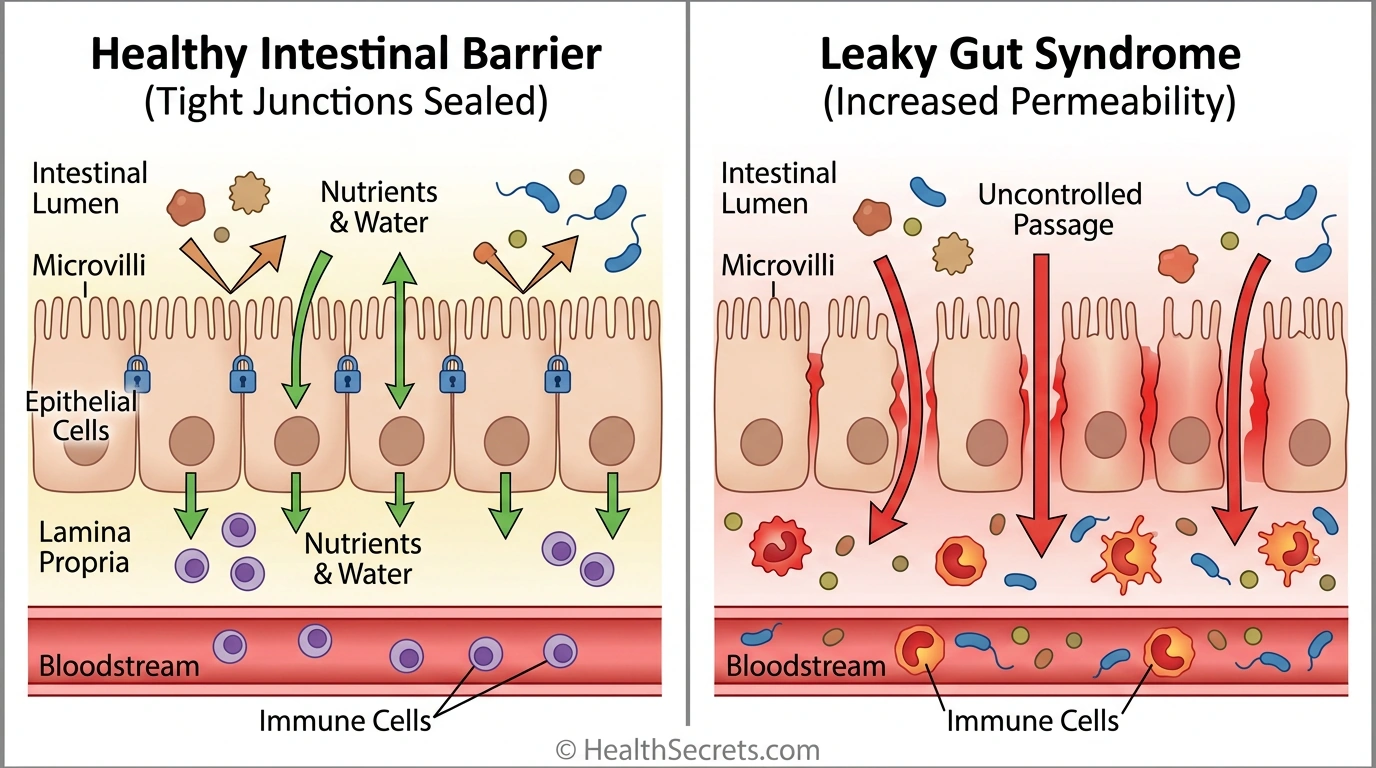
Healing Leaky Gut Syndrome: Complete Evidence-Based Protocol
Leaky gut syndrome (increased intestinal permeability) occurs when tight junctions in the intestinal lining break down, allowing toxins, bacteria, and food particles into the bloodstream. This complete guide covers the 5R Protocol, best supplements like L-glutamine and zinc carnosine, root causes, symptoms, diagnosis, and proven gut barrier repair strategies.
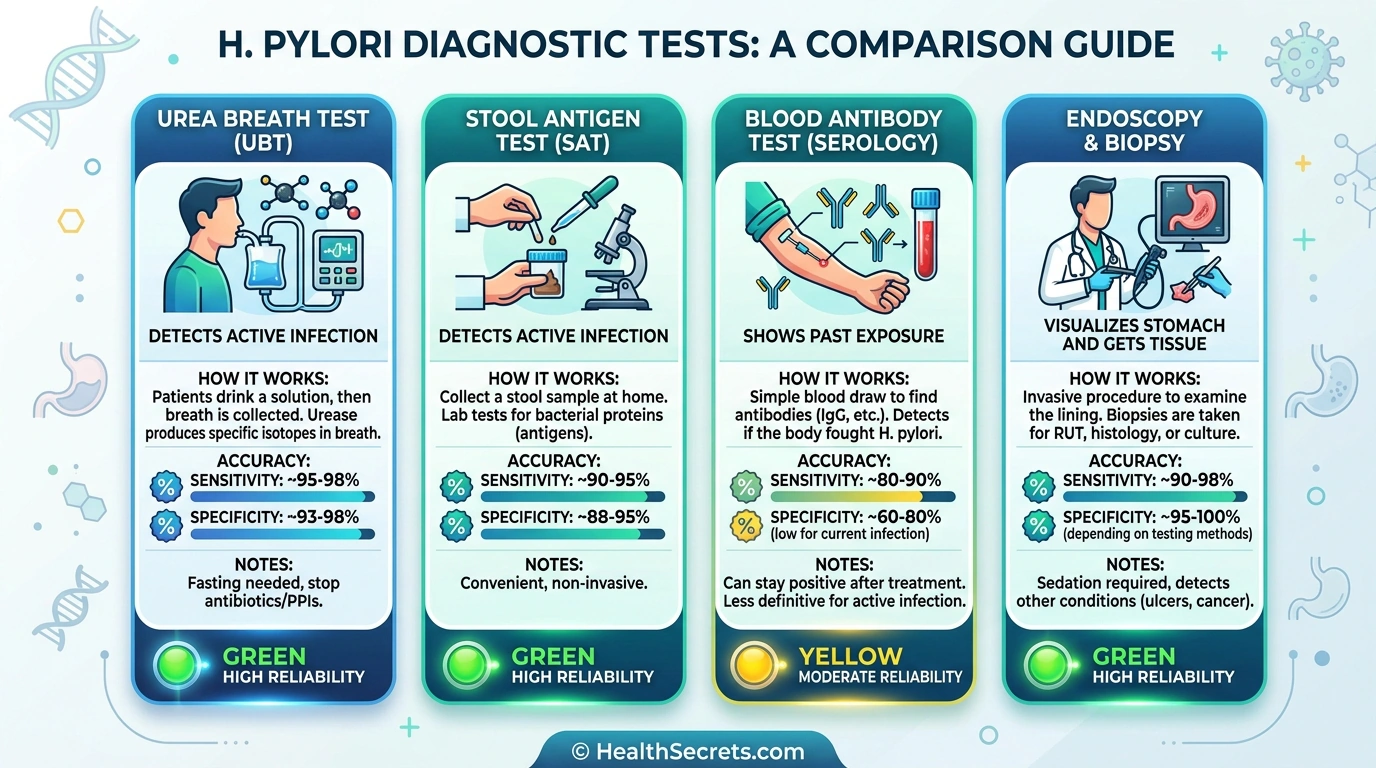
SIBO Treatment Guide: Natural Protocols That Work
Small intestinal bacterial overgrowth (SIBO) affects up to 80% of people diagnosed with IBS, causing chronic bloating, gas, and digestive distress. This evidence-based condition guide walks you through a proven 4-phase treatment protocol — from herbal antimicrobials and dietary strategies to prokinetics and relapse prevention — so you can address the root causes and restore healthy gut function.

Best Probiotics for Gut Health: Top 12 Science-Backed Supplements
Choosing the best probiotics for gut health can feel overwhelming with thousands of products on the market. We spent over 200 hours researching clinical studies to identify the 12 best science-backed probiotic supplements for 2025, covering everything from strain specificity and CFU count to delivery technology and third-party testing.
Natural IBS Relief: 10 Evidence-Based Strategies That Actually Work
Irritable bowel syndrome affects up to 15% of the global population, but natural relief is within reach. This evidence-based guide walks you through 10 proven strategies—from the low FODMAP diet and targeted probiotics to peppermint oil and gut-directed hypnotherapy—so you can take control of your IBS symptoms starting today.
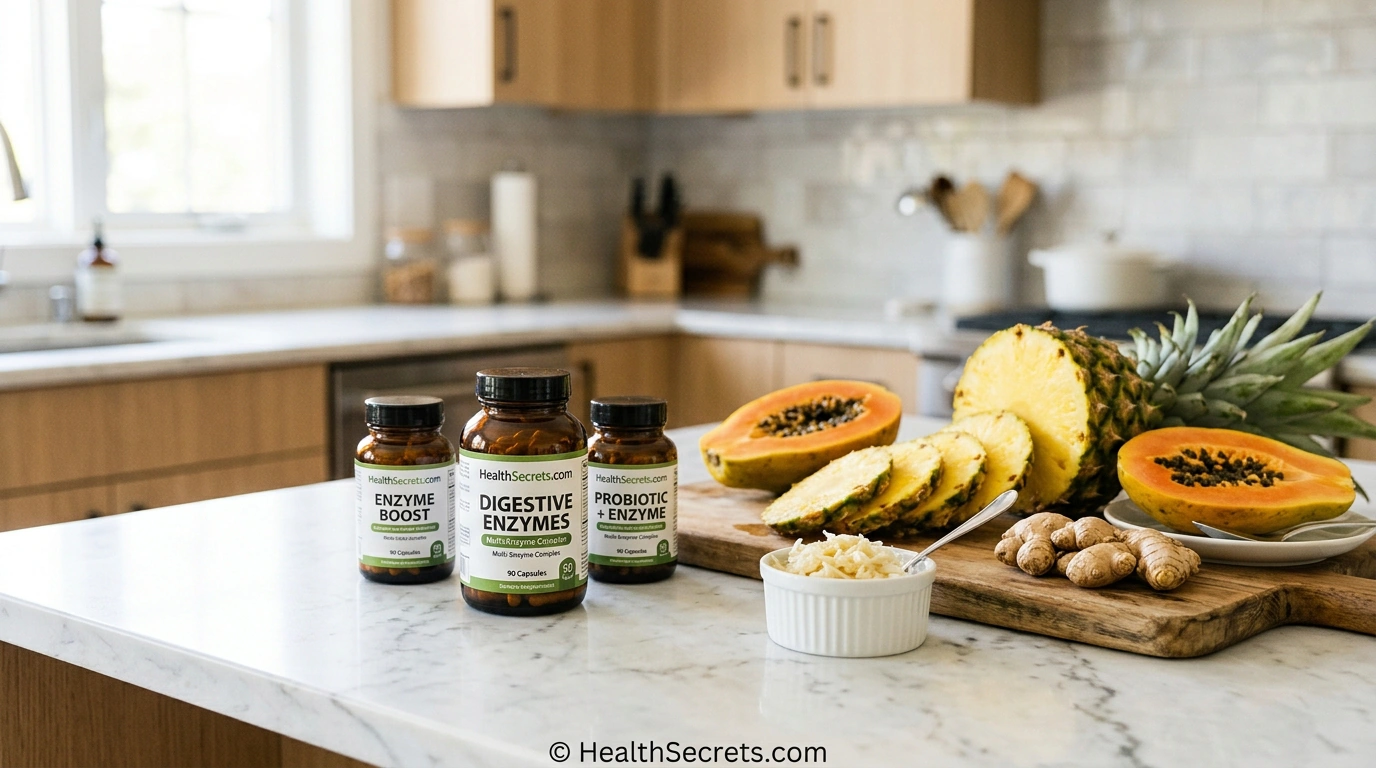
Best Digestive Enzymes: Complete Review and Buying Guide
Expert-reviewed guide to the best digestive enzyme supplements in 2025. Compare 10 top products including Enzymedica, NOW Foods, and Pure Encapsulations with real testing data.
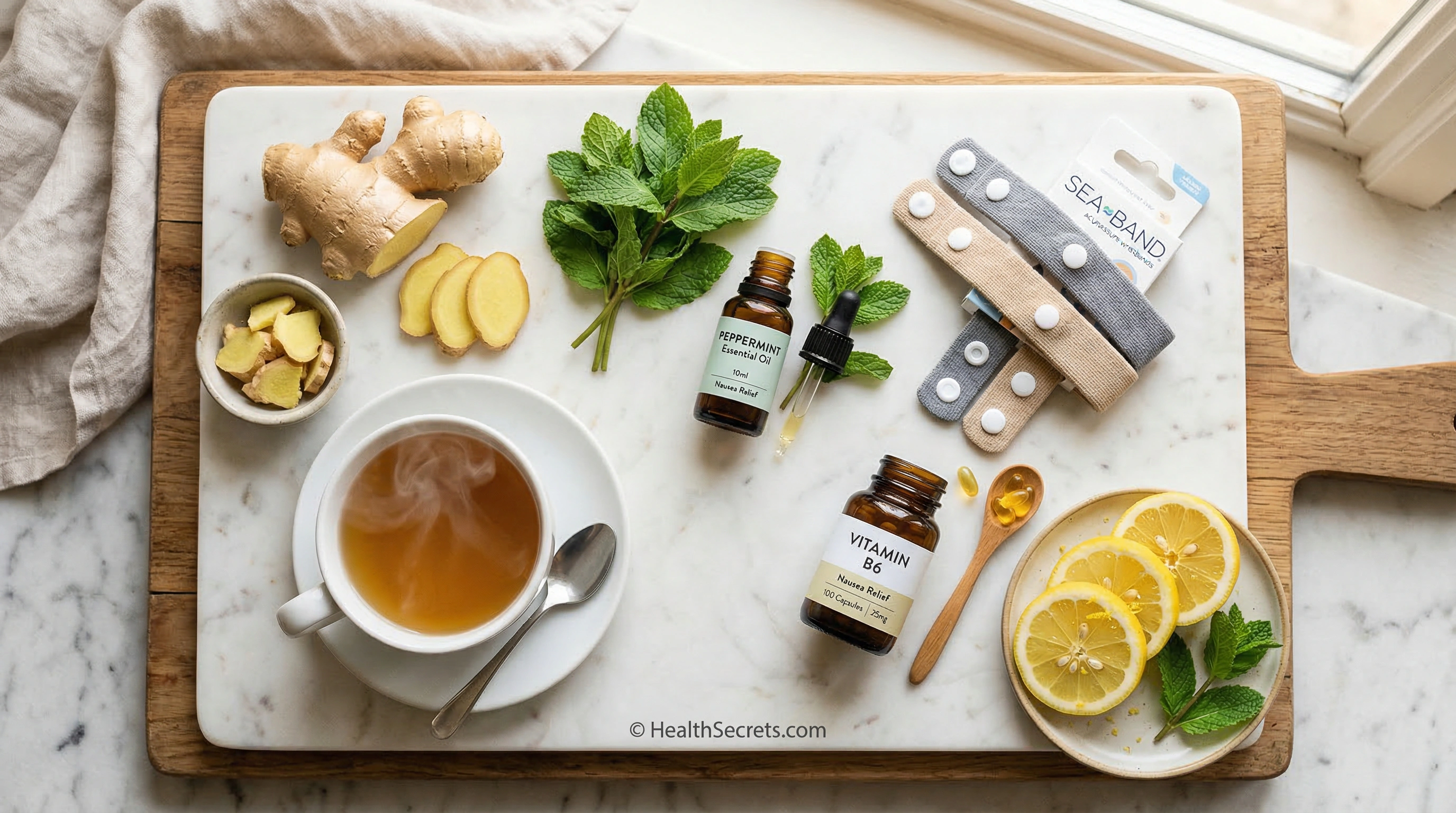
Natural Remedies for Nausea: Quick Relief Methods
Discover evidence-based natural remedies for nausea including ginger, acupressure P6 point stimulation, peppermint aromatherapy, and vitamin B6—with step-by-step dosing, techniques, and guidance for pregnancy, motion sickness, and digestive nausea.
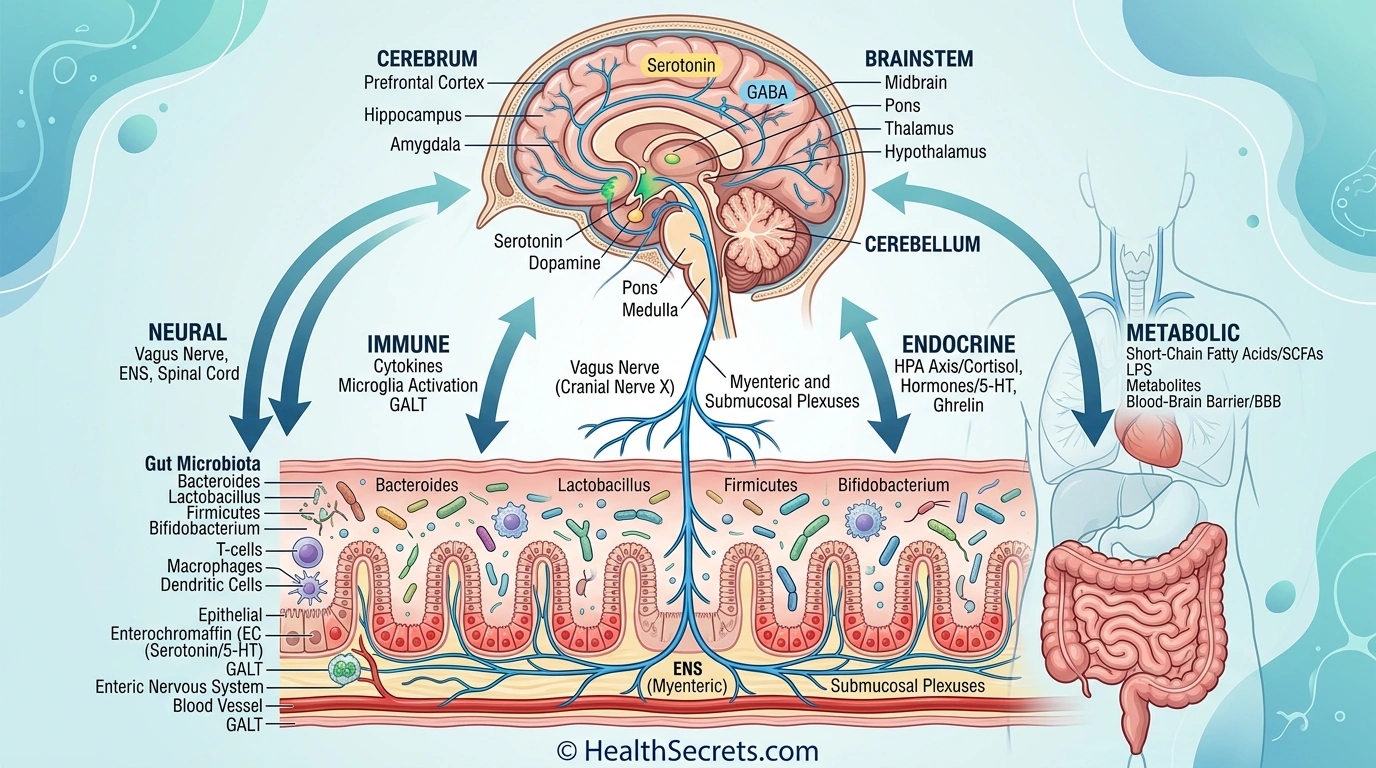
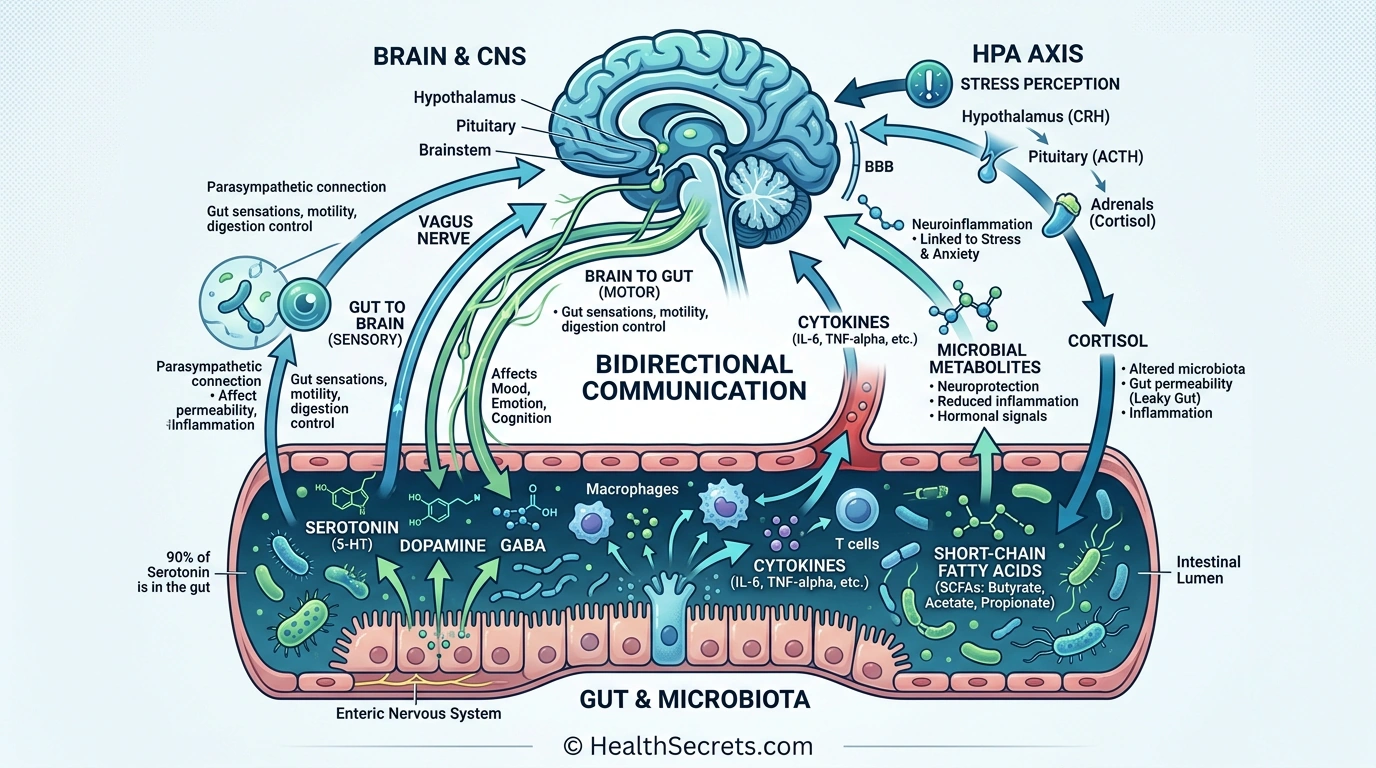
The Gut-Brain Axis Explained: How Your Gut Affects Your Mind
The gut-brain axis is a bidirectional communication network connecting your gastrointestinal tract to your central nervous system through the vagus nerve, neurotransmitters, immune signaling, and microbial metabolites — directly influencing mood, cognition, anxiety, and mental health.

Candida Overgrowth: Natural Treatment Protocol
Candida overgrowth occurs when the yeast *Candida albicans* multiplies beyond healthy levels in your gut, mouth, or skin — triggering bloating, brain fog, fatigue, and recurrent infections. This evidence-based guide covers root causes, symptoms, the anti-candida diet, natural antifungal supplements, and a phased treatment protocol to restore microbial balance.

Collagen for Gut Health: Complete Guide
Collagen supplements provide key amino acids—glycine, proline, and glutamine—that support gut barrier integrity and intestinal lining repair. This evidence-based guide reviews the best collagen types, forms, and products for gut health, with dosing protocols and expert-reviewed recommendations for 2025.
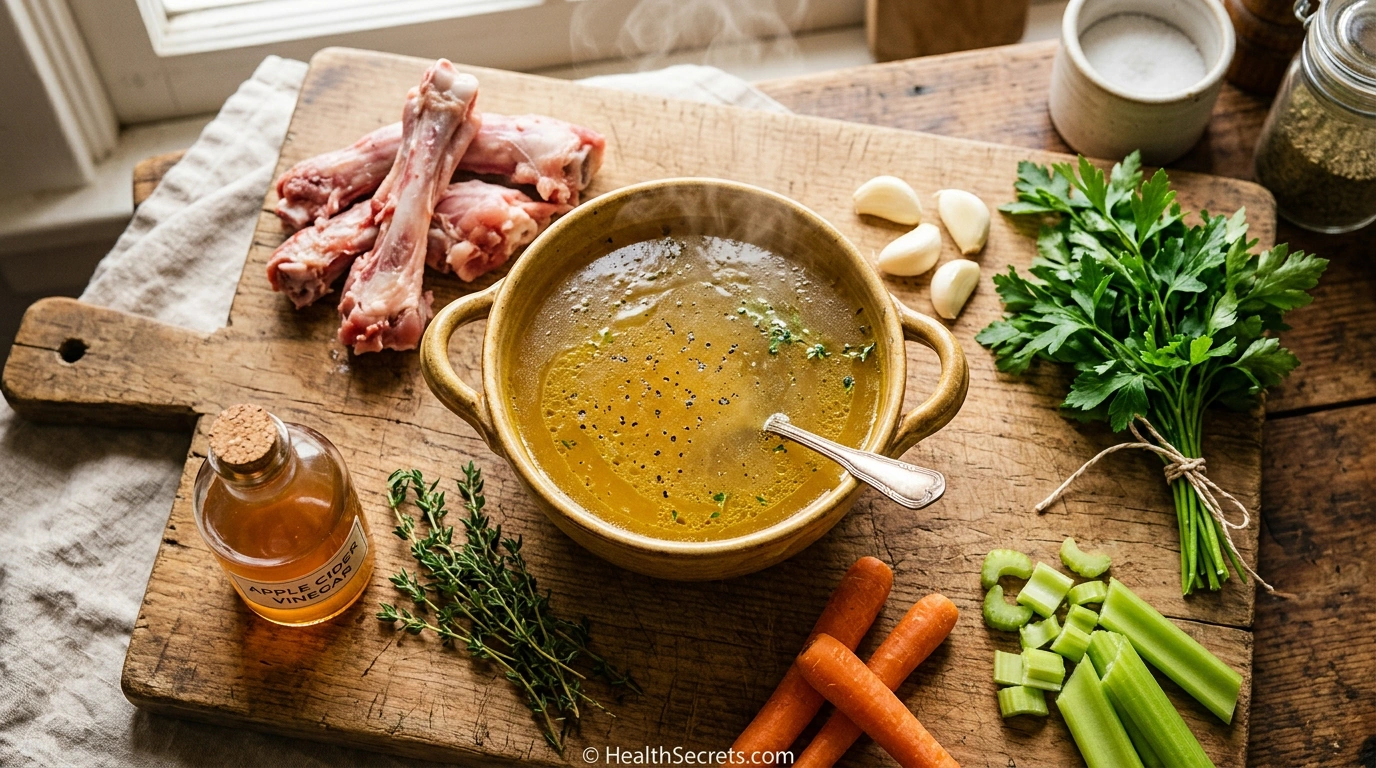
Bone Broth for Gut Health: Benefits and How to Make It
Bone broth is a nutrient-dense liquid made by slow-simmering animal bones and connective tissue, rich in collagen, gelatin, glutamine, and glycine — amino acids that strengthen the gut lining, reduce intestinal inflammation, and support digestive healing. This guide covers the science, a complete recipe, and the best products to buy.
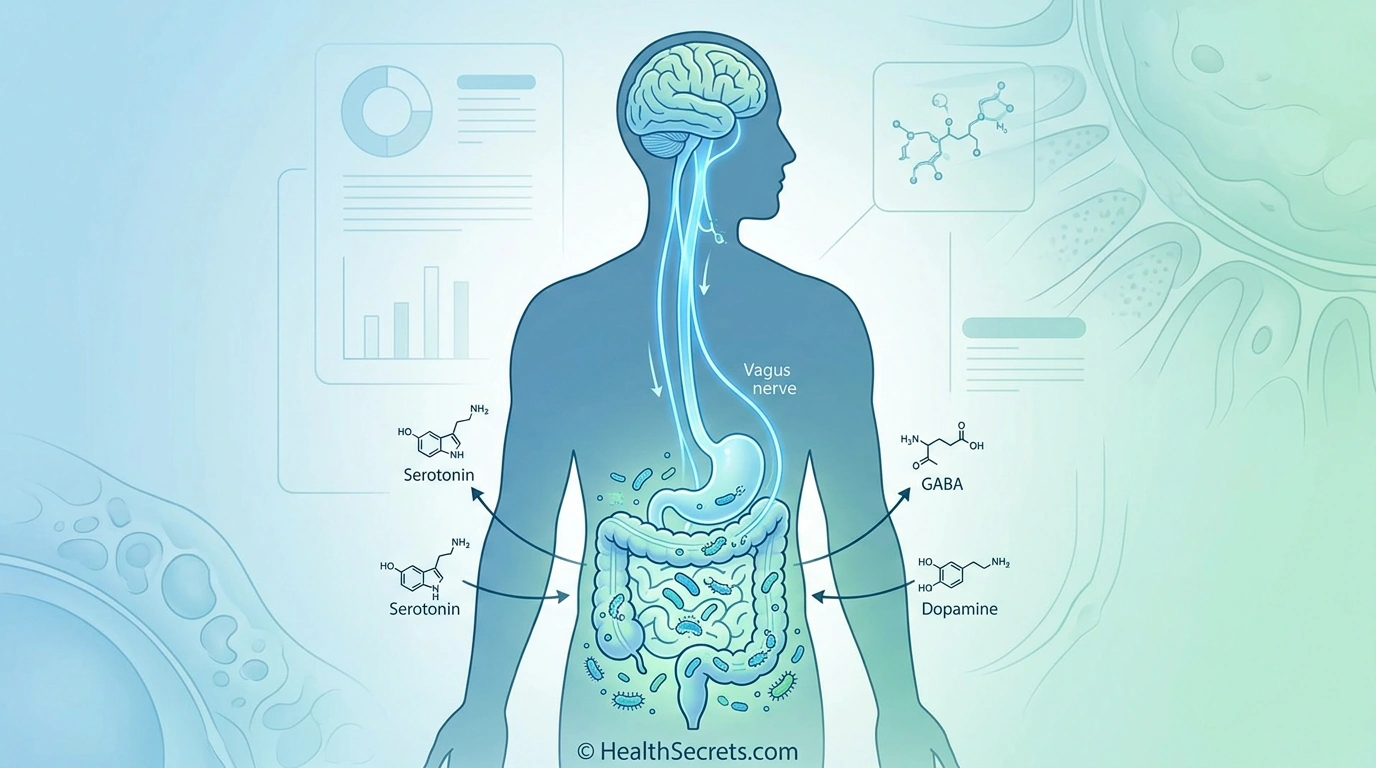
Gut Health and Mental Health: The Complete Connection
Your gut and brain communicate constantly through a sophisticated network of nerves, hormones, and microbial metabolites. Understanding the gut-mental health connection reveals why healing your digestive system may be one of the most powerful steps you can take for anxiety, depression, and overall emotional well-being.
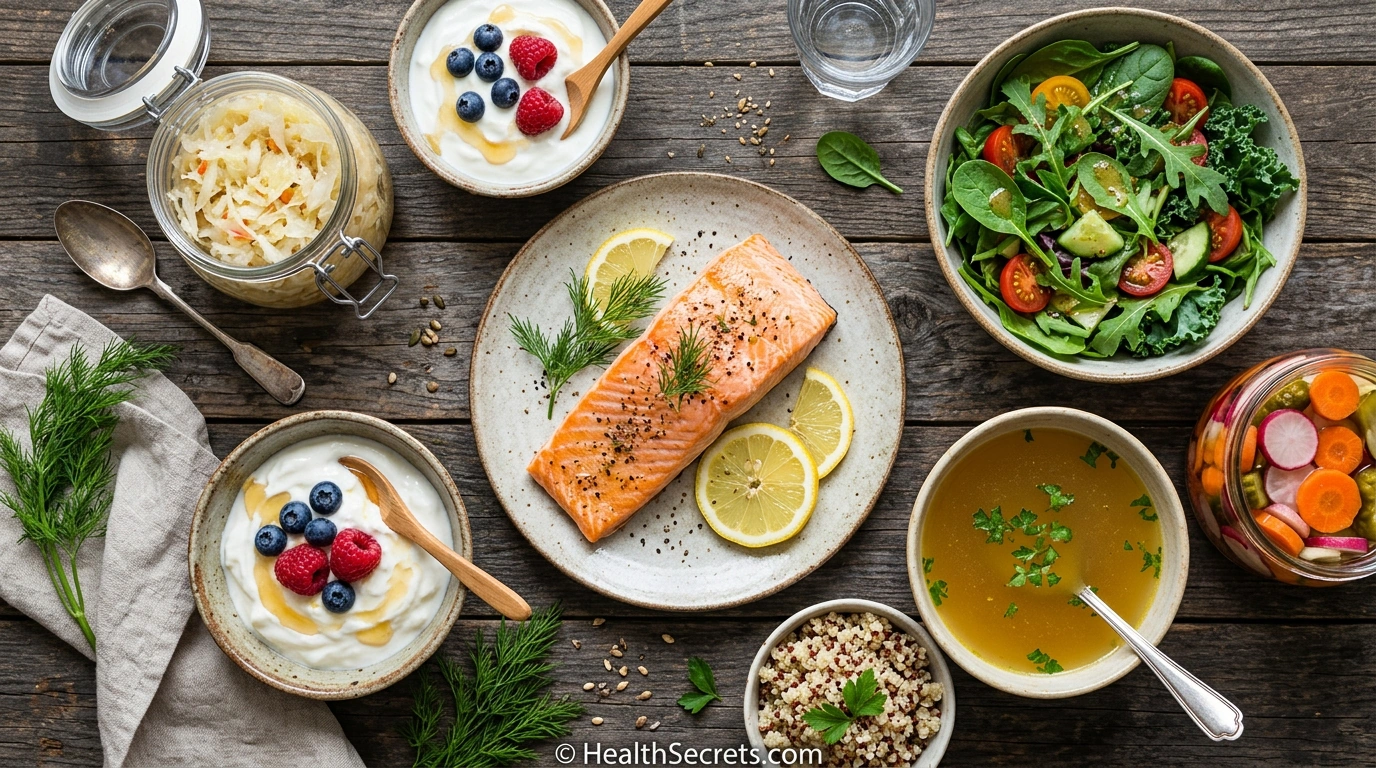
Gut Health Meal Plan: 7-Day Anti-Inflammatory Menu
This 7-day gut health meal plan features anti-inflammatory recipes, fermented foods, 30+ plant foods, a complete shopping list, and meal prep strategies to transform your microbiome and support digestive health.
Understanding Gut Health: The Foundation of Whole-Body Wellness
Your gut is home to roughly 38 trillion microorganisms collectively known as the gut microbiome — a living ecosystem that weighs about as much as your brain and influences nearly every system in your body. Far from being a simple digestive tube, the gastrointestinal tract houses around 70% of your immune cells and produces more than 90% of your body's serotonin, the neurotransmitter most associated with mood regulation. This is why researchers increasingly describe the gut as the body's "second brain."
The connection runs through the gut-brain axis, a bidirectional communication network linking the enteric nervous system in your digestive tract to your central nervous system via the vagus nerve, immune signaling, and microbial metabolites. When the balance of beneficial and harmful bacteria shifts — a state called dysbiosis — it has been associated in clinical research with conditions ranging from irritable bowel syndrome and inflammatory bowel disease to anxiety, depression, and metabolic disorders.
The most reliable way to support a healthy microbiome is also the simplest: eat a diverse range of plant foods. Fiber-rich foods act as prebiotics, feeding beneficial bacteria that ferment them into short-chain fatty acids like butyrate, which nourish the cells lining your colon and help maintain the gut barrier. Fermented foods such as yogurt, kefir, sauerkraut, and kimchi introduce live probiotic cultures, while polyphenol-rich foods like berries, green tea, and dark chocolate further encourage microbial diversity.
Lifestyle factors matter just as much as diet. Chronic stress, inadequate sleep, overuse of antibiotics, and a sedentary routine all reduce microbial diversity. Conversely, regular physical activity, quality sleep, and stress-management practices have measurable benefits for gut composition. Our guides below translate the latest gastroenterology and microbiome research into practical, evidence-based steps you can apply today.
This overview is for educational purposes and is not a substitute for personalized medical advice. Always consult a qualified healthcare professional before making changes to your diet, supplement, or treatment routine.
Gut Health FAQ
Gut Health Frequently Asked Questions
Clinical, evidence-based answers to key questions about gut health.
Gut health refers to the balance, diversity, and integrity of the gastrointestinal tract and its microbiome—a complex ecosystem of over 100 trillion microorganisms. It is central to overall vitality because the gut microbiome regulates nutrient absorption, produces critical neurotransmitters like serotonin, trains over 70% of the immune system, and protects against systemic chronic inflammation.
Evidence-based strategies include eating 30 or more diverse plant foods weekly to nourish beneficial bacteria, regularly consuming fermented foods (kefir, sauerkraut, kimchi) for live probiotics, getting 7 to 9 hours of restorative sleep, managing chronic psychological stress, and staying adequately hydrated with purified water.
Clinically validated supplements include targeted multi-strain probiotics (specifically Lactobacillus and Bifidobacterium species), prebiotic fibers (such as inulin and partially hydrolyzed guar gum), L-glutamine (which fuels enterocytes and supports gut barrier tight junctions), and digestive enzymes when pancreatic insufficiency is present.
The gut-brain axis is a bidirectional biochemical communication superhighway connecting the central nervous system and the enteric nervous system. Signaling occurs via the vagus nerve, microbial metabolites (short-chain fatty acids like butyrate and acetate), endocrine hormones, and immune cytokines.
Intestinal permeability occurs when tight junction proteins (zonulin, occludin) loosen, allowing toxins, microbial fragments, and undigested food particles into the bloodstream. It can be repaired by removing inflammatory dietary triggers, managing cortisol, consuming bone broth or collagen peptides, and supplementing with zinc carnosine and L-glutamine.