
If you've ever experienced the sudden, sharp pain of a diverticulitis flare, you know how quickly it can upend your daily routine. That intense lower-left abdominal pain, the fever, the nausea — it's enough to make you rethink everything on your plate. And for good reason: diet plays a central role in both managing acute flares and preventing future episodes. [3] [4]
Diverticulitis affects millions of adults, with prevalence climbing sharply after age 40. By age 60, roughly half of all adults have developed diverticula — small pouches that bulge outward through weak spots in the colon wall. While most people with diverticulosis never experience problems, up to 25–30% will develop diverticulitis at some point, and the consequences can range from mild discomfort to hospitalization and surgery. [19]
The good news? A well-planned diverticulitis diet can make a significant difference. Research consistently shows that dietary choices influence both the severity of flares and the likelihood of recurrence. This guide walks you through exactly what to eat and avoid during each phase of the condition — from the acute flare liquid diet to the long-term high-fiber prevention plan that keeps your colon healthy.
For more on building a strong digestive foundation, see our complete guide to gut health. If you're also dealing with bloating alongside digestive issues, our guide on bloating relief offers additional strategies.
What Is Diverticulitis and How Does It Differ from Diverticulosis?
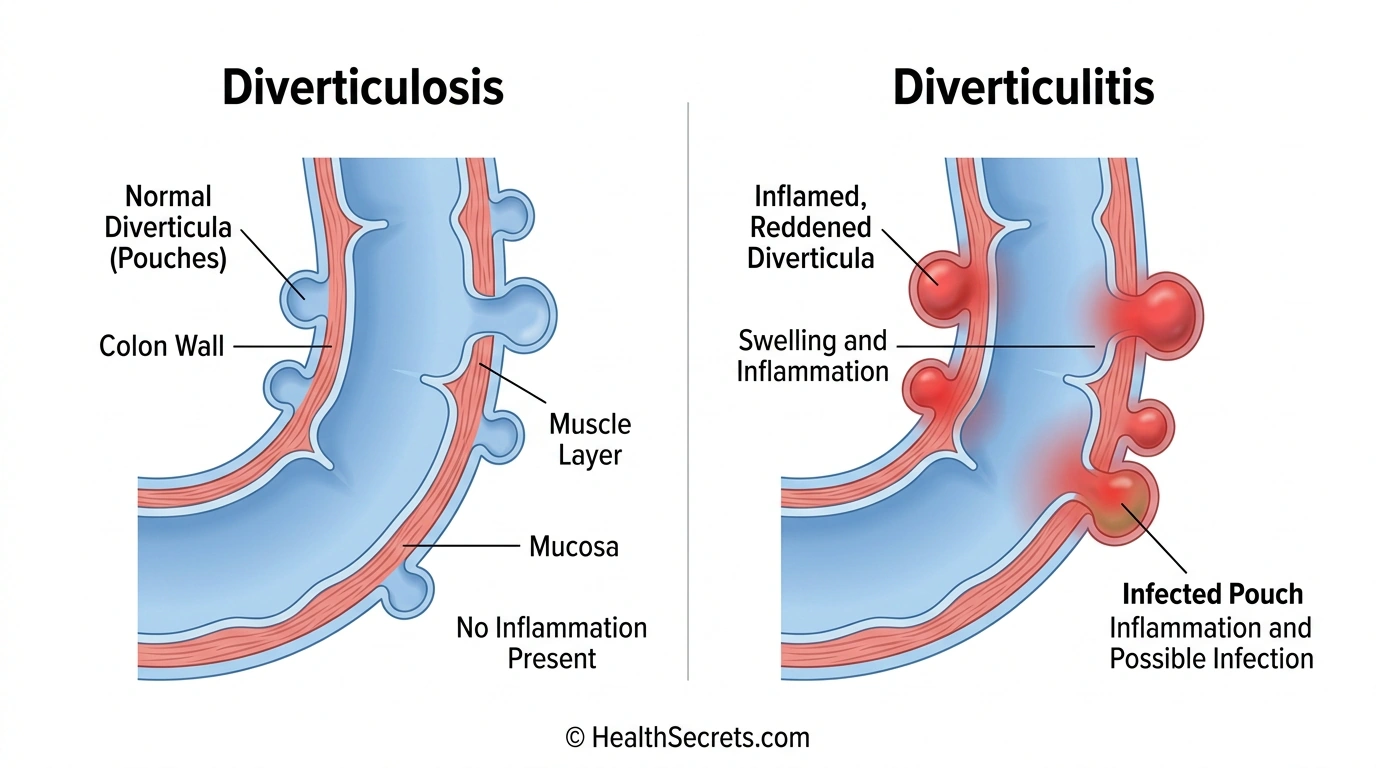
Diverticulitis is the inflammation or infection of diverticula — small, bulging pouches that form in the walls of the large intestine. It differs from diverticulosis, which is simply the presence of these pouches without inflammation. While diverticulosis is common and usually harmless, diverticulitis causes pain, fever, and digestive disruption that often requires medical treatment.
What Are Diverticula and How Do They Form?
Diverticula develop when weak spots in the colon wall give way under pressure, causing small balloon-like pouches to push outward. This typically occurs in the sigmoid colon (the lower-left section), where pressure from stool passage is highest. The condition becomes increasingly common with age — affecting up to 50% of adults by age 60 and up to 70% by age 80.
Diverticulosis vs. Diverticulitis: What's the Difference?
Diverticulosis refers to the presence of diverticula without symptoms or inflammation. Most people with diverticulosis never know they have it — the pouches are often discovered incidentally during a colonoscopy or imaging study performed for other reasons.
Diverticulitis occurs when one or more diverticula become inflamed or infected. This triggers an immune response that causes pain, fever, and potentially serious complications including abscess formation, perforation, fistula, or bowel obstruction.
| Feature | Diverticulosis | Diverticulitis |
|---|---|---|
| Definition | Pouches present, no inflammation | Pouches inflamed or infected |
| Symptoms | Usually none | Pain, fever, nausea, bowel changes |
| Treatment | High-fiber diet for prevention | Antibiotics, diet changes, possibly surgery |
| Prevalence | ~50% of adults over 60 | ~25–30% of those with diverticulosis |
What Causes Diverticulitis and Who Is Most at Risk?
Diverticulitis develops when diverticula become inflamed, most likely due to increased pressure in the colon combined with changes in gut bacteria and localized immune responses. While the exact trigger remains under investigation, several well-established risk factors — including low-fiber diets, obesity, physical inactivity, and smoking — significantly increase your likelihood of developing the condition.
Dietary Risk Factors
- Low-fiber diet: A Western-style diet low in fiber is the most consistently identified dietary risk factor [7]. Insufficient fiber leads to harder stools and increased colonic pressure, contributing to diverticula formation and inflammation.
- Red and processed meat: Multiple studies link high red meat consumption with increased diverticulitis risk. A large prospective study found that men following a fiber-rich, plant-focused diet had significantly lower risk compared to those on a Western diet.
- Processed foods: Diets high in refined grains, added sugars, and processed foods are associated with higher inflammation and increased diverticular disease risk.
Non-Dietary Risk Factors
- Age: Risk increases significantly after 40 and climbs steeply after 60.
- Obesity: A BMI above 30 is associated with a hazard ratio of 4.4 for complicated diverticular disease [12].
- Physical inactivity: Sedentary lifestyles increase colonic transit time and intra-colonic pressure.
- Smoking: Cigarette smoking independently increases the risk of diverticulitis and its complications [17].
- Medications: Regular use of NSAIDs, corticosteroids, and opioids are associated with elevated risk.
- Genetics: Family history plays a role — first-degree relatives of affected individuals have higher risk.

The Bristol & Fermentation Log
The seven-type Bristol Stool Form Scale as a scoring key, wired to a fourteen-day transit, bloating and tolerance log so a fiber increase is judged on data instead of guesswork.
What Are the Symptoms of a Diverticulitis Flare?
The hallmark symptom of diverticulitis is sudden, severe abdominal pain — most commonly in the lower-left side — often accompanied by fever, nausea, and changes in bowel habits. Symptoms can range from mild discomfort manageable at home to severe complications requiring emergency care.
Primary Symptoms
- Abdominal pain: Sudden onset, usually lower-left quadrant; may be constant or cramping
- Fever and chills: Temperature above 100.4°F (38°C) indicates infection
- Nausea and vomiting: Common during acute flares
- Changes in bowel habits: Constipation, diarrhea, or alternating between both
- Bloating and gas: Abdominal distension and discomfort
- Loss of appetite: Reduced desire to eat during inflammation
- Blood in stool: Occasionally present; may indicate more serious complications
Mild vs. Severe Diverticulitis
Mild (uncomplicated): Localized pain, low-grade fever, manageable at home with antibiotics and diet changes.
Severe (complicated): High fever, intense pain, signs of abscess, perforation, fistula, or obstruction. Requires hospitalization and possibly surgery.
How Is Diverticulitis Diagnosed?
Diverticulitis is typically diagnosed through a combination of physical examination, blood tests showing elevated white blood cell counts, and CT scan imaging, which is the gold standard for confirming the diagnosis. A CT scan can reveal inflamed diverticula, abscess formation, and other complications with high accuracy.
- Physical examination: Tenderness in the lower-left abdomen, often with guarding
- Blood tests: Elevated white blood cell count (WBC) and C-reactive protein (CRP) indicating infection and inflammation
- CT scan with contrast: The primary diagnostic tool — reveals diverticula, inflammation, abscess, or perforation
- Colonoscopy: Typically performed 6–8 weeks after a flare resolves, not during acute inflammation, to rule out other conditions including colorectal cancer
What to Ask Your Doctor
- Is this a mild or complicated case?
- Do I need antibiotics or can I manage with diet alone?
- When should I schedule a follow-up colonoscopy?
- Should I see a gastroenterologist for ongoing management?
What Are the Conventional Treatment Options for Diverticulitis?
Conventional treatment for diverticulitis depends on severity and ranges from outpatient management with oral antibiotics and dietary modifications to hospitalization with IV antibiotics, bowel rest, and potentially surgery for complicated cases. Most mild, uncomplicated episodes resolve within 7–10 days with conservative treatment.
Mild (Outpatient) Treatment
- Antibiotics: Oral antibiotics (typically 7–10 day course) for bacterial infection
- Dietary modification: Clear liquid diet transitioning to low-fiber, then high-fiber
- Pain management: Acetaminophen preferred; NSAIDs should be avoided as they may worsen the condition
- Rest: Physical rest to support healing
Severe (Hospital) Treatment
- IV antibiotics: Intravenous antibiotics for serious infections
- Bowel rest: Nothing by mouth (NPO) with IV fluids
- Abscess drainage: CT-guided percutaneous drainage if abscess is present
- Surgery: Required for perforation, obstruction, fistula, or recurrent severe episodes. May involve sigmoid resection with or without temporary colostomy.
What Natural Dietary Approaches Support Diverticulitis Management?
The most effective natural approach to diverticulitis is a two-phase dietary strategy: a temporary low-fiber or clear liquid diet during acute flares to rest the colon, followed by a permanent transition to a high-fiber diet (25–35g daily) for long-term prevention [5]. This evidence-based approach addresses both immediate symptom relief and recurrence reduction.
Phase 1: What Should You Eat During an Acute Diverticulitis Flare?
During an active flare, the goal is to minimize digestive workload and allow the inflamed colon to heal.
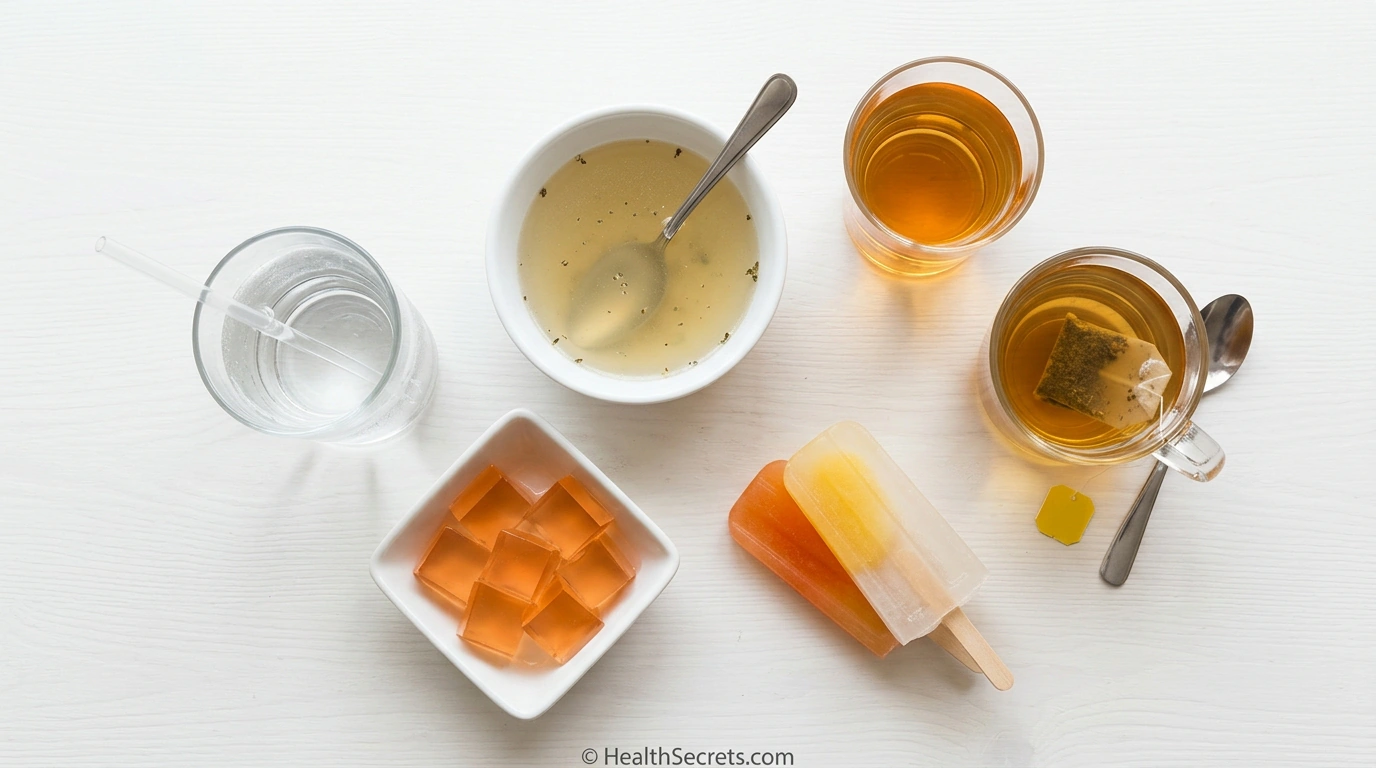
Stage 1 — Clear Liquid Diet (First 2–3 Days):
- Clear broths (chicken, beef, vegetable)
- Pulp-free fruit juices (apple, cranberry, grape)
- Plain gelatin and ice pops (no fruit pieces)
- Tea or coffee without cream
- Water and clear sports drinks
- Avoid: All solid foods, dairy, anything with fiber or residue
Stage 2 — Low-Residue Diet (Next 1–2 Weeks):
- White bread, white rice, plain pasta
- Well-cooked vegetables without skins (carrots, green beans, squash)
- Canned or cooked fruits without skins or seeds (applesauce, peeled peaches)
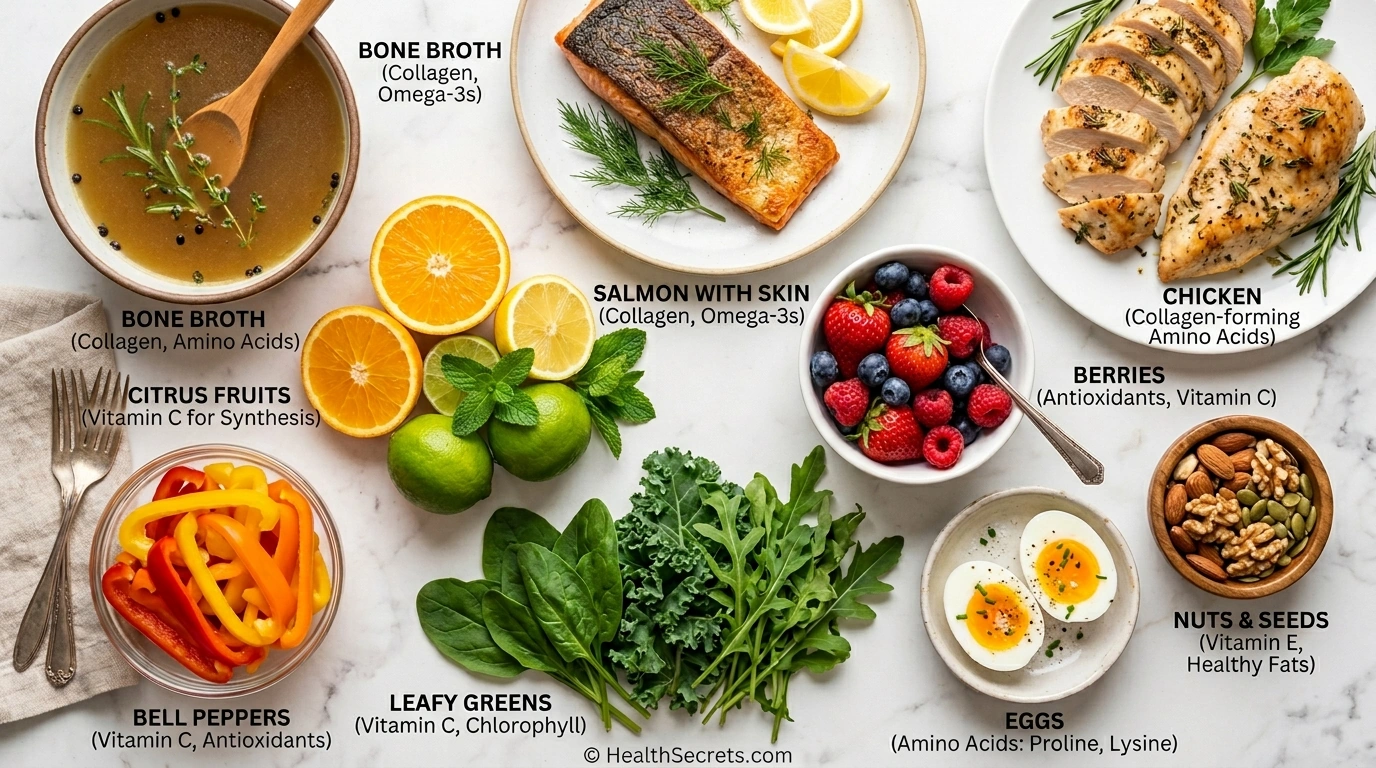
- Lean proteins (chicken, turkey, fish, eggs)
- Yogurt and mild cheeses (if tolerated)
- Smooth nut butters in small amounts
- Avoid: Raw vegetables, raw fruits, whole grains, nuts, seeds, popcorn, spicy foods
Phase 2: What High-Fiber Foods Prevent Future Diverticulitis Flares?
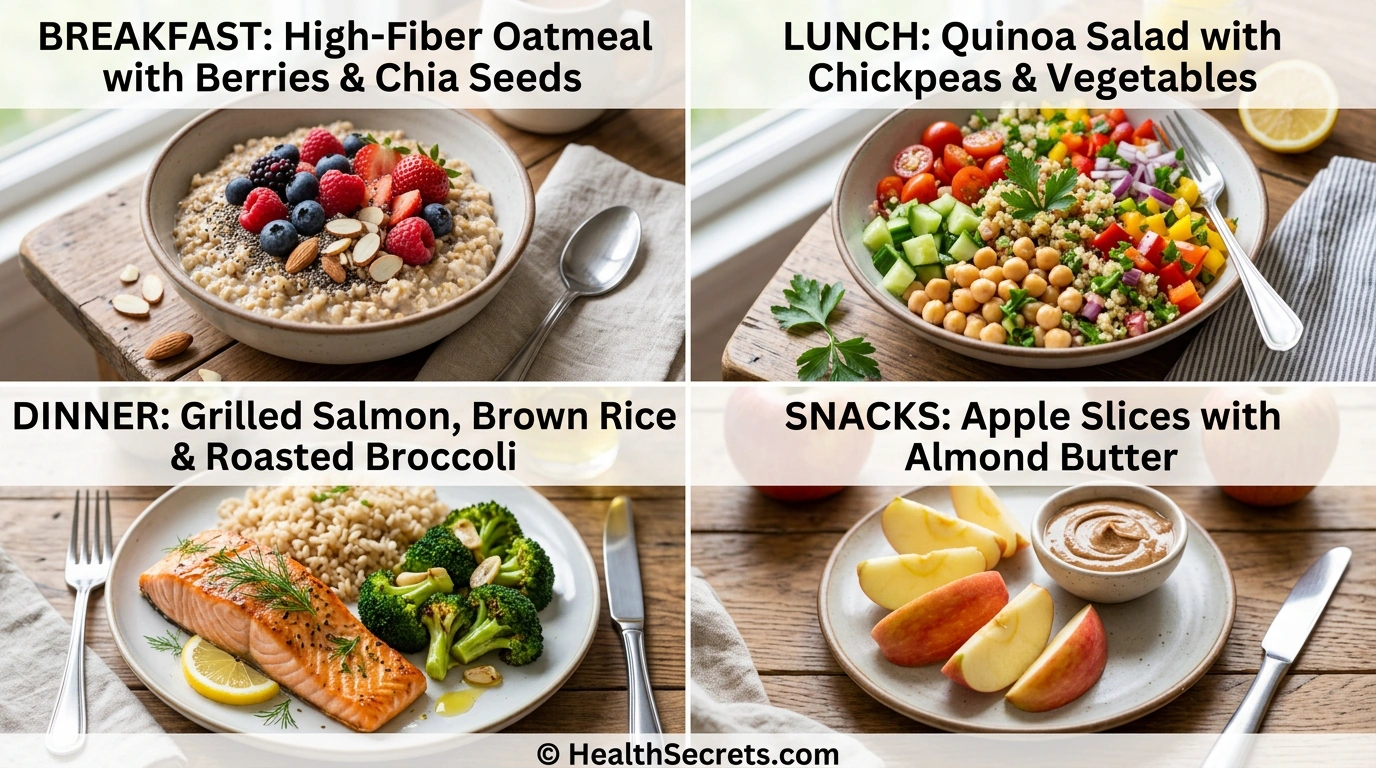
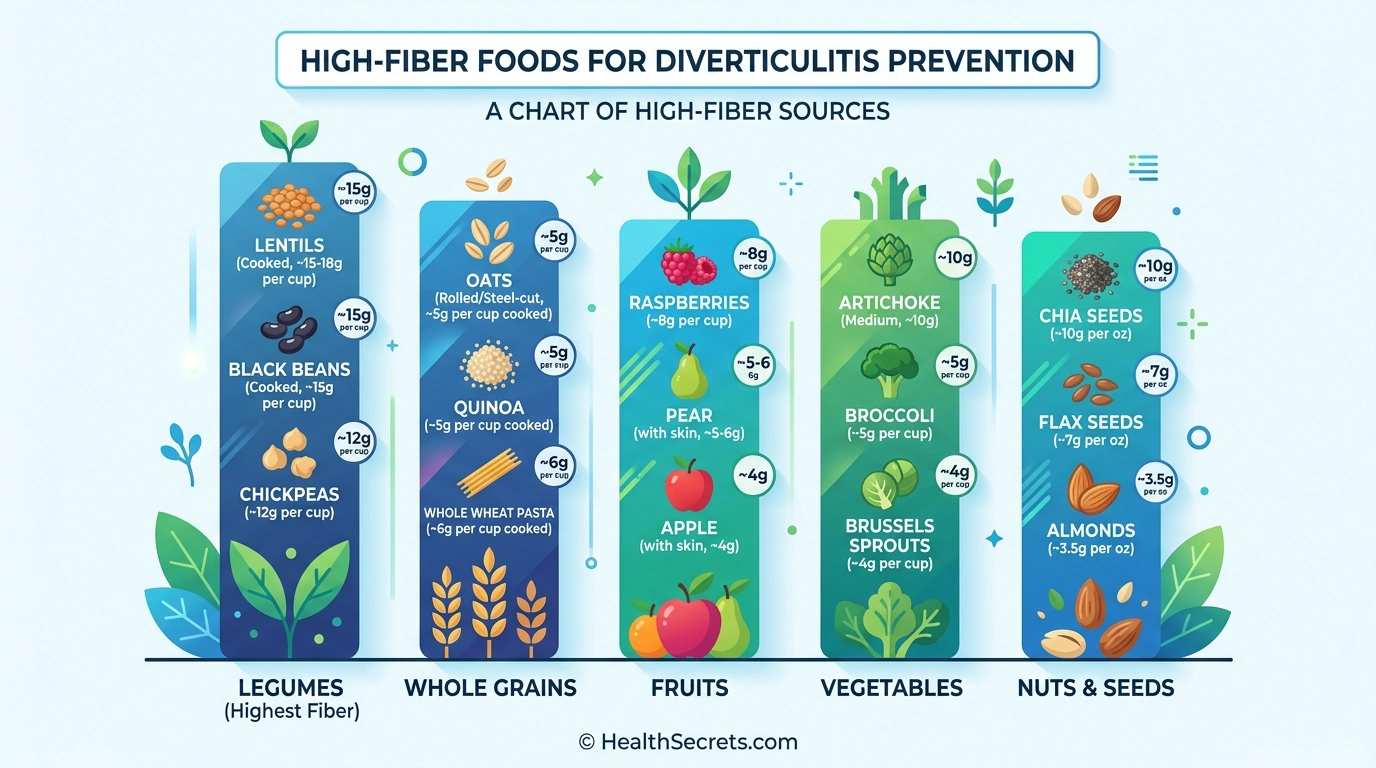
Once the flare resolves, gradually transition to a high-fiber diet over 2–4 weeks. A 2019 meta-analysis found that consuming 30g of fiber per day reduces diverticular disease risk by 41% compared to low-fiber intake.
| Food Category | Examples | Fiber per Serving |
|---|---|---|
| Legumes | Lentils, chickpeas, black beans | 7–15g |
| Whole Grains | Oats, barley, quinoa, brown rice | 5–8g |
| Fruits | Raspberries, pears, apples (with skin) | 3–8g |
| Vegetables | Broccoli, artichokes, sweet potatoes | 3–5g |
| Nuts & Seeds | Almonds, chia seeds, flaxseeds | 2–5g |
For more on fiber-rich prebiotic foods, see our prebiotic foods guide. Learn about resistant starch for colon health as another beneficial dietary strategy.
Do Probiotics Help with Diverticular Disease?
Emerging research suggests probiotics may support diverticular disease management [15] [16]. A 2024 systematic review and meta-analysis of 13 studies found that probiotic therapy was associated with significant improvement in abdominal pain (SMD 0.63; 95% CI: 0.38–0.88). Strains including Lactobacillus and Bifidobacterium show the most promise.
Probiotics are not a replacement for dietary management but may serve as a helpful complement. For more on the role of beneficial bacteria, see our guide on probiotics for gut health.
Can Fiber Supplements Help?
If reaching 25–35g of daily fiber through food alone proves difficult, fiber supplements can bridge the gap:
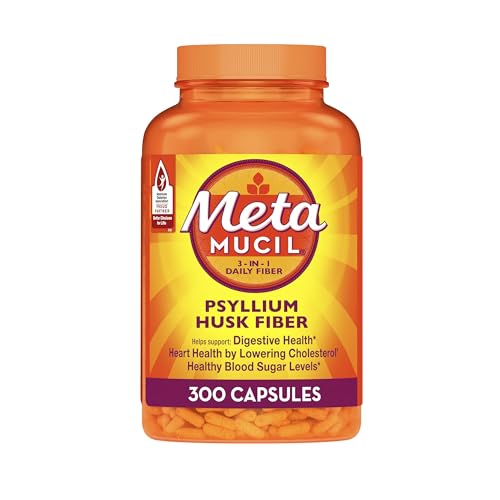
- Psyllium husk (Metamucil): Soluble fiber; gentle, well-studied for digestive health
- Methylcellulose (Citrucel): Non-fermentable; produces less gas than other fibers
- Wheat dextrin (Benefiber): Dissolves clear; easy to add to beverages
Important: Start with a low dose (5g) and increase gradually. Always take fiber supplements with at least 8 ounces of water.
Can You Prevent Diverticulitis from Recurring?
Yes — research shows that a combination of high-fiber eating, regular physical activity, maintaining a healthy weight, adequate hydration, and avoiding smoking significantly reduces the risk of diverticulitis recurrence. The American Gastroenterological Association recommends these lifestyle measures as first-line prevention [18].
The Nuts and Seeds Myth: Debunked
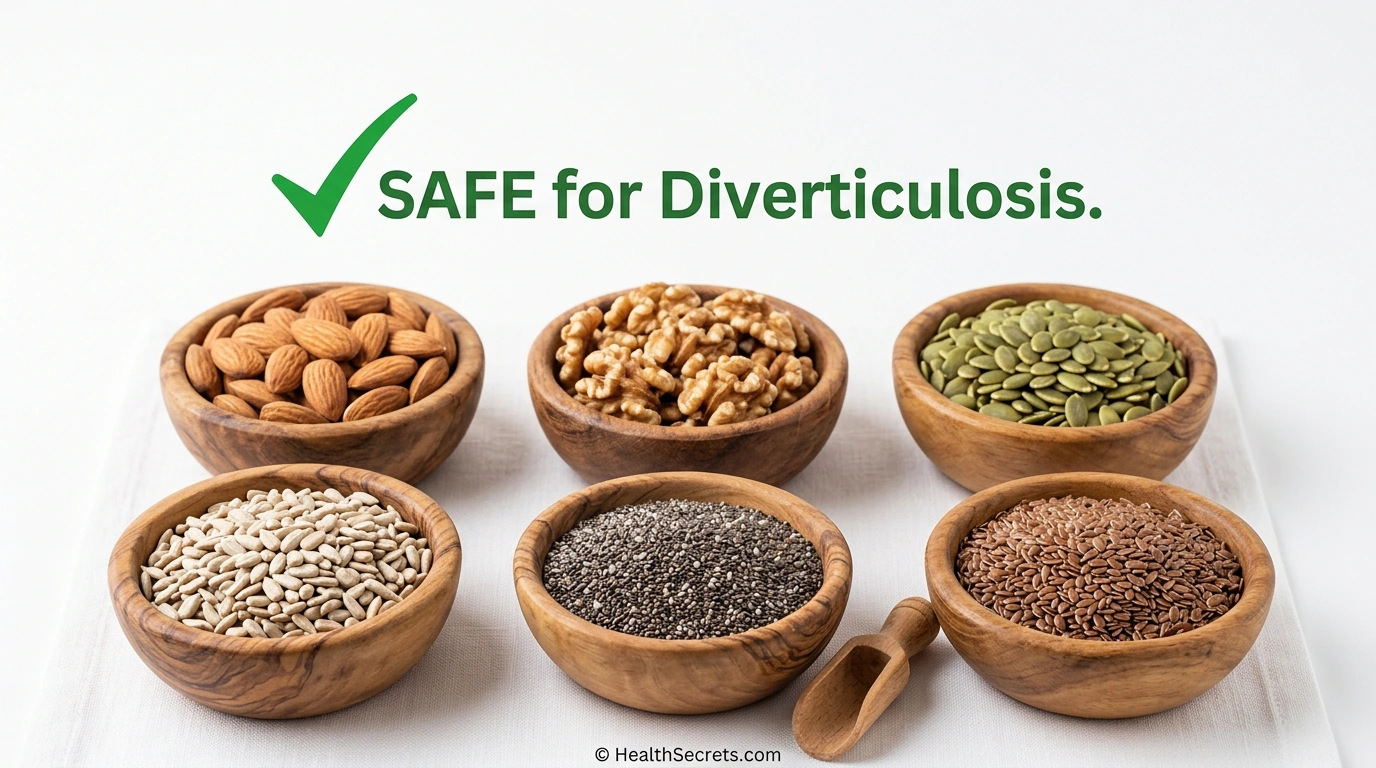
For decades, doctors advised patients with diverticulosis to avoid nuts, seeds, and popcorn, believing they could lodge in diverticula and trigger inflammation.
This advice is now considered outdated and incorrect. A 2026 mixed-methods systematic review encompassing over two million person-years found no significant increase in diverticulitis risk from nut consumption (HR 0.89, 95% CI 0.71–1.12). In fact, moderate nut intake may be modestly protective, with a linear 5% risk reduction per additional weekly serving.
Nuts and seeds are safe to eat during remission and provide beneficial fiber, healthy fats, and nutrients [10] [13]. However, they should still be avoided during an acute flare as part of the standard low-residue diet.
Lifestyle Prevention Strategies
- Exercise regularly: Aim for at least 30 minutes of moderate activity most days. Walking, swimming, and yoga all support healthy colonic motility.
- Maintain a healthy weight: Obesity (BMI >30) increases complicated diverticular disease risk by more than 4-fold.
- Stay hydrated: Drink 8–10 glasses of water daily, especially when eating a high-fiber diet.
- Don't smoke: Smoking independently increases diverticulitis risk and complications.
- Limit red meat: Replace with fish, poultry, legumes, and plant-based protein sources.
- Don't ignore bowel urges: Regular, unstrained bowel movements reduce colonic pressure.
For an overall anti-inflammatory approach to eating, check out our guide on anti-inflammatory lifestyle strategies.
When Should You See a Doctor for Diverticulitis?
You should seek immediate medical attention if you experience severe abdominal pain, high fever above 101°F, persistent vomiting, inability to pass gas or stool, or significant blood in your stool. These may indicate complicated diverticulitis requiring urgent treatment including hospitalization or surgery.
Emergency Warning Signs
- Severe, worsening abdominal pain
- Fever above 101°F (38.3°C) with chills
- Persistent nausea and vomiting
- Inability to eat, drink, or keep fluids down
- Significant rectal bleeding
- Signs of peritonitis (rigid, board-like abdomen)
When to Schedule a Follow-Up
- After any diverticulitis episode: follow-up with gastroenterologist
- Colonoscopy 6–8 weeks after flare resolves (to rule out other conditions)
- Recurrent episodes: discuss long-term management and possible surgical options
- For dietary guidance: consult a registered dietitian experienced in GI conditions
For more on gut-healing foods that support recovery, see our dedicated guide.
Action Plan
What Steps Should You Take First to Manage Your Diverticulitis Diet?
Follow the sequence below, work through each phase in order, and use the checklist as your practical implementation guide.
Start by identifying whether you are in an acute flare (requiring temporary dietary restriction) or in remission (requiring long-term fiber-focused prevention). Then follow this phased action plan to systematically improve your diet and reduce recurrence risk.
Phase 1 — During Acute Flare (Days 1–14):
- Follow clear liquid diet for 2–3 days (broths, pulp-free juices, gelatin, water)
- Transition to low-fiber/low-residue foods as symptoms improve
- Take prescribed antibiotics as directed
- Stay hydrated (8+ glasses of clear fluids daily)
- Use acetaminophen for pain (avoid NSAIDs)
Phase 2 — Transition to Prevention (Weeks 2–6):
- Begin adding fiber gradually — increase by 5g per week
- Introduce one new high-fiber food every 2–3 days
- Track fiber intake (target: 25–35g daily)
- Increase water intake to 8–10 glasses daily
- Consider a psyllium husk supplement if needed
Phase 3 — Long-Term Prevention (Ongoing):
- Maintain 25–35g fiber daily from diverse whole food sources
- Exercise 30+ minutes most days
- Maintain healthy body weight
- Limit red meat to 1–2 servings per week
- Include probiotic-rich foods (yogurt, kefir, sauerkraut)
- Schedule annual check-up with gastroenterologist
Metamucil Psyllium Fiber Supplement Capsules
Editor's ChoiceMetamucil Psyllium · Daily fiber supplementation for diverticulosis prevention
Renew Life Colon Care Probiotic 80 Billion CFU
Best for Colon HealthRenew Life · Targeted colon flora support during remission
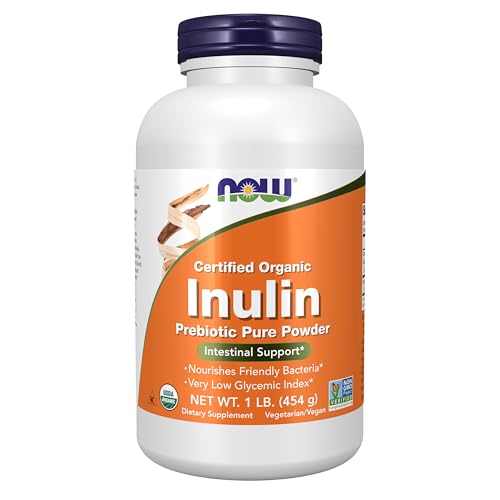
NOW Foods Organic Inulin Prebiotic Powder
Best PrebioticNOW Foods · Gentle prebiotic fiber support for gut bacteria
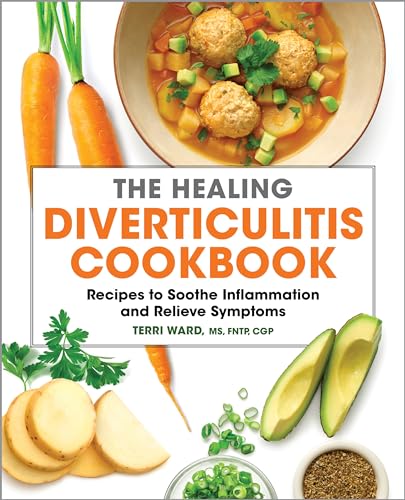
The Healing Diverticulitis Cookbook
Best CookbookThe Healing · Meal planning through both flare and prevention phases
Pure Enrichment PureRelief XL Heating Pad
Best for Flare ComfortPure Enrichment · Abdominal pain relief during diverticulitis flares
Read the detailed review cards below before opening any retailer link
Top Recommended Products
Metamucil Psyllium
Metamucil Psyllium Fiber Supplement Capsules
Psyllium husk is the most well-researched fiber supplement for diverticular disease management. Metamucil's capsule form makes it convenient for daily use without the texture issues of powder supplements.
Pros
- + Most studied fiber for digestive health
- + gentle soluble fiber
- + easy capsule form
- + no mixing required
Cons
- - Requires 5 capsules per serving for full dose
Why we included it: Psyllium husk is the most well-researched fiber supplement for diverticular disease management. Metamucil's capsule form makes it convenient for daily use without the texture issues of powder supplements.
As an Amazon Associate, Health Secrets earns from qualifying purchases. Product links open on Amazon, where current pricing and availability are displayed. We only feature products discussed in our editorial guides.
Renew Life
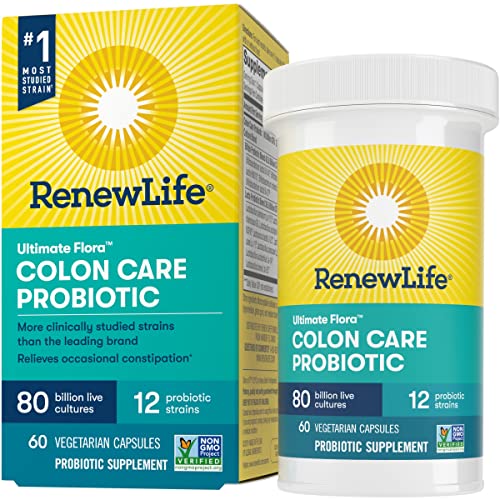
Renew Life Colon Care Probiotic 80 Billion CFU
Renew Life's colon-specific formula delivers 80 billion CFU with delayed-release technology, ensuring beneficial bacteria reach the large intestine where diverticula form. The multi-strain formula supports the gut flora balance that research links to reduced diverticular inflammation.
Pros
- + High CFU count specifically for colon health
- + delayed-release reaches the colon
- + multiple Lactobacillus and Bifidobacterium strains
- + dairy-free
Cons
- - Higher price point than general probiotics
Why we included it: Renew Life's colon-specific formula delivers 80 billion CFU with delayed-release technology, ensuring beneficial bacteria reach the large intestine where diverticula form. The multi-strain formula supports the gut flora balance that research links to reduced diverticular inflammation.
As an Amazon Associate, Health Secrets earns from qualifying purchases. Product links open on Amazon, where current pricing and availability are displayed. We only feature products discussed in our editorial guides.
NOW Foods
NOW Foods Organic Inulin Prebiotic Powder
Inulin is a gentle prebiotic fiber that selectively feeds beneficial Bifidobacteria in the colon — the same bacteria associated with reduced diverticular inflammation. NOW Foods offers a clean, organic option that dissolves easily into smoothies, coffee, or water.
Pros
- + Organic and Non-GMO
- + dissolves easily in beverages
- + gentle prebiotic that feeds beneficial bacteria
- + affordable
Cons
- - May cause gas if introduced too quickly
Why we included it: Inulin is a gentle prebiotic fiber that selectively feeds beneficial Bifidobacteria in the colon — the same bacteria associated with reduced diverticular inflammation. NOW Foods offers a clean, organic option that dissolves easily into smoothies, coffee, or water.
As an Amazon Associate, Health Secrets earns from qualifying purchases. Product links open on Amazon, where current pricing and availability are displayed. We only feature products discussed in our editorial guides.
The Healing
The Healing Diverticulitis Cookbook
This cookbook provides practical recipes specifically designed for each phase of diverticulitis management — from clear liquids and low-residue meals during flares to high-fiber dishes for long-term prevention. Having dedicated recipes removes guesswork from an already stressful condition.
Pros
- + Recipes for both flare recovery and prevention phases
- + organized by dietary stage
- + includes meal plans
- + practical and accessible
Cons
- - Some recipes may require ingredient substitutions based on individual tolerance
Why we included it: This cookbook provides practical recipes specifically designed for each phase of diverticulitis management — from clear liquids and low-residue meals during flares to high-fiber dishes for long-term prevention. Having dedicated recipes removes guesswork from an already stressful condition.
As an Amazon Associate, Health Secrets earns from qualifying purchases. Product links open on Amazon, where current pricing and availability are displayed. We only feature products discussed in our editorial guides.
Pure Enrichment
Pure Enrichment PureRelief XL Heating Pad
Heat therapy is one of the most effective non-pharmaceutical approaches to managing diverticulitis flare pain. The PureRelief XL provides consistent, adjustable heat across the full abdominal area, and its auto shut-off feature ensures safe, worry-free use.
Pros
- + Extra-large size covers full abdomen
- + multiple heat levels
- + moist heat option
- + auto shut-off safety feature
Cons
- - Requires electrical outlet
- - not portable
Why we included it: Heat therapy is one of the most effective non-pharmaceutical approaches to managing diverticulitis flare pain. The PureRelief XL provides consistent, adjustable heat across the full abdominal area, and its auto shut-off feature ensures safe, worry-free use.
As an Amazon Associate, Health Secrets earns from qualifying purchases. Product links open on Amazon, where current pricing and availability are displayed. We only feature products discussed in our editorial guides.
Further Reading
Further Reading
"Mayo Clinic on Digestive Health"
by Mayo Clinic Staff
Expert medical guidance on diverticular disease; clear explanations of diagnosis and treatment; dietary strategies for multiple digestive conditions; evidence-based lifestyle recommendations
Why it adds value here
Mayo Clinic's digestive health guide provides authoritative, physician-reviewed information on diverticular disease management within the broader context of GI health. It's an invaluable reference for anyone navigating a new diagnosis.
Best for: Comprehensive understanding of diverticular disease within the broader context of digestive health
View book detailsFurther Reading
"Fiber Fueled: The Plant-Based Gut Health Program"
by Will Bulsiewicz, MD, MSCI
Science-backed approach to increasing dietary fiber; gut microbiome optimization strategies; practical meal plans and recipes; guidance on building fiber tolerance gradually
Why it adds value here
Dr. Bulsiewicz's fiber-focused approach directly addresses the core dietary strategy for diverticulitis prevention — gradually building a diverse, high-fiber diet that supports beneficial gut bacteria and reduces colonic inflammation.
Best for: Building a high-fiber, plant-focused diet for long-term diverticulitis prevention
View book detailsAEO FAQ
Frequently Asked Questions
12 common questions answered
Yes, nuts and seeds are safe to eat with diverticulosis and during remission from diverticulitis. A 2026 systematic review of over two million person-years found no significant increase in diverticulitis risk from nut consumption. In fact, moderate nut intake may provide a small protective effect. However, avoid nuts and seeds during an acute flare as part of the low-residue diet protocol.
A clear liquid diet is typically followed for 2–3 days during an acute diverticulitis flare. Once symptoms begin improving, you can gradually transition to soft, low-fiber foods for another 1–2 weeks before slowly reintroducing high-fiber foods. Always follow your healthcare provider's specific guidance for your case.
Aim for 25–35 grams of fiber per day from a variety of whole food sources including fruits, vegetables, whole grains, and legumes. A meta-analysis found that consuming 30g of fiber daily reduces diverticular disease risk by 41%. Increase fiber intake gradually over 2–4 weeks to avoid gas and bloating, and drink plenty of water.
Yes, popcorn is considered safe to eat with diverticulosis and during diverticulitis remission. The old advice to avoid popcorn has been debunked by research showing no link between popcorn consumption and diverticulitis risk. Popcorn is actually a whole grain that provides beneficial fiber. Avoid it only during active flares.
Diverticulosis (the pouches themselves) cannot be reversed, but diverticulitis flares can be effectively managed and prevented. With a consistent high-fiber diet, regular exercise, healthy weight maintenance, and proper hydration, many people significantly reduce or eliminate future flares. Some cases of recurrent, complicated diverticulitis may require surgical removal of the affected colon segment.
Probiotics show emerging promise for diverticular disease management. A 2024 meta-analysis found that probiotic therapy was associated with significant improvement in abdominal pain. Multi-strain formulas with Lactobacillus and Bifidobacterium species are most studied. However, avoid starting probiotics during an acute flare — introduce them during remission and consult your doctor first.
No specific foods have been definitively proven to trigger diverticulitis flares. However, a diet low in fiber and high in red meat, processed foods, and refined grains is associated with increased risk. Individual triggers vary — some people find spicy foods, alcohol, or high-fat foods worsen symptoms. Keeping a food diary can help identify personal triggers.
During an acute flare on a clear liquid diet, plain black coffee or tea without cream is generally allowed. During remission, moderate coffee consumption is typically fine for most people with diverticulosis. However, if caffeine worsens your symptoms, consider reducing intake. Prioritize water and hydrating fluids.
Increase fiber gradually — add about 5 grams per week rather than making sudden changes. Introduce one new high-fiber food every 2–3 days to identify any that cause discomfort. Drink at least 8–10 glasses of water daily to help fiber move through your system. Consider starting with soluble fibers (oats, psyllium, beans) which tend to be gentler than insoluble fibers.
Research suggests plant-based diets are associated with lower diverticulitis risk. A large prospective study found that vegetarian and high-quality diets (rich in fruits, vegetables, whole grains, and legumes) were linked to reduced risk compared to Western-style diets high in red meat and processed foods. You don't need to be fully vegetarian — simply shifting toward more plant-based meals can be protective.
Most people can begin transitioning back to a normal high-fiber diet within 1–2 weeks after a mild diverticulitis flare, once symptoms fully resolve. The transition should be gradual — increase fiber by about 5g per week over 2–4 weeks. Work with your healthcare provider to determine the right timeline for your specific case.
Yes, regular physical activity is associated with reduced diverticulitis risk. Exercise promotes healthy bowel motility, reduces colonic transit time, and helps maintain a healthy weight — all factors that lower diverticular disease risk. Aim for at least 150 minutes of moderate exercise per week, such as brisk walking, swimming, or cycling.

The Gentle Fiber Ladder Workbook
A 21-day step-by-step framework to gradually increase dietary fiber without painful gas, bloating, or digestive spasms.
What's Inside This Complete Digital System:
Instant PDF download • Lifetime updates • 60-day money-back guarantee
Test Your Knowledge
Take our Gut Health Quiz and see how much you really know about gut health.
Was this article helpful?
Written & Reviewed By Experts

Author
Dr. Priya SharmaMD, FACE — American College of Endocrinology
Endocrinologist and metabolic health specialist with a fellowship from the American College of Endocrinology. Dr. Sharma's clinical practice and research focus on thyroid disorders, hormonal optimization, metabolic syndrome, and the relationship between gut health and endocrine function. She has been featured in leading medical publications and speaks internationally on integrative endocrinology.

All content is evidence-based, peer-reviewed by qualified professionals, and updated regularly. Our editorial team follows strict guidelines for accuracy and transparency.
References & Citations
20 sources cited
Medical Disclaimer
This article is for informational purposes only and does not constitute medical advice. Read the full medical disclaimer. Always consult with a qualified healthcare provider before starting any new supplement, treatment, or major dietary change.
The Complete Guide to Gut Health
Explore our foundational comprehensive guide covering all clinical protocols, dietary strategies, and evidence for gut health.
You Might Also Like
Fiber Rich Foods for Constipation - Fiber-Focused Meals
Constipation relief through diet hinges on understanding fiber and how it works in the gut. Dietary fiber is split into two main types: soluble fiber, which dissolves in water to form a gel that softens stool, and insoluble fiber, which adds bulk and helps move stool through the gut. A balanced mix of both types supports gut motility and nourishes the microbiome, ultimately promoting regular bowel movements.
→Constipation Relief: Natural Remedies That Work Fast
Constipation affects up to 15% of adults worldwide, but fast-acting natural remedies — from hydration and fiber-rich foods to magnesium supplements and proper toilet posture — can restore regular bowel movements without harsh medications.
→Soil-Based Probiotics: Complete Guide
Soil-based probiotics (SBOs) are spore-forming bacteria — primarily Bacillus species — that survive stomach acid far better than traditional probiotics, making them a compelling option for people with SIBO, histamine intolerance, or anyone looking for a shelf-stable, research-backed probiotic supplement.
→Discussion
0No comments yet
Be the first to share your thoughts, clinical insights, or questions about this protocol.