Few digestive complaints are as universally frustrating as bloating. That tight, swollen feeling in your abdomen can strike after meals, during hormonal shifts, or seemingly out of nowhere — and it affects an estimated 16–31% of the general population [1]. Whether you're dealing with occasional post-meal discomfort or chronic daily bloating, the right natural approach can make a dramatic difference.
Bloating relief doesn't have to come from a pharmacy shelf. From herbal teas backed by centuries of traditional use and modern clinical trials, to evidence-based dietary strategies like the low-FODMAP approach, nature offers powerful tools for calming your digestive system. This guide covers 15 of the most effective natural remedies, organized from fast-acting solutions to long-term strategies, so you can find what works best for your body.
The information in this article is for educational purposes only and is not intended as medical advice. Always consult your healthcare provider before starting any new supplement or making significant dietary changes, especially if you have existing health conditions.
How Were These 15 Natural Bloating Remedies Chosen?
Each remedy on this list was selected based on three criteria: clinical evidence from peer-reviewed research (prioritizing PubMed and NIH sources from 2020–2026), safety profile for general adult use, and practical accessibility. We prioritized remedies with at least one randomized controlled trial or systematic review supporting their use for bloating, gas, or related digestive symptoms. Remedies are organized into two categories — immediate relief options that work within hours and long-term strategies for preventing recurrent bloating.
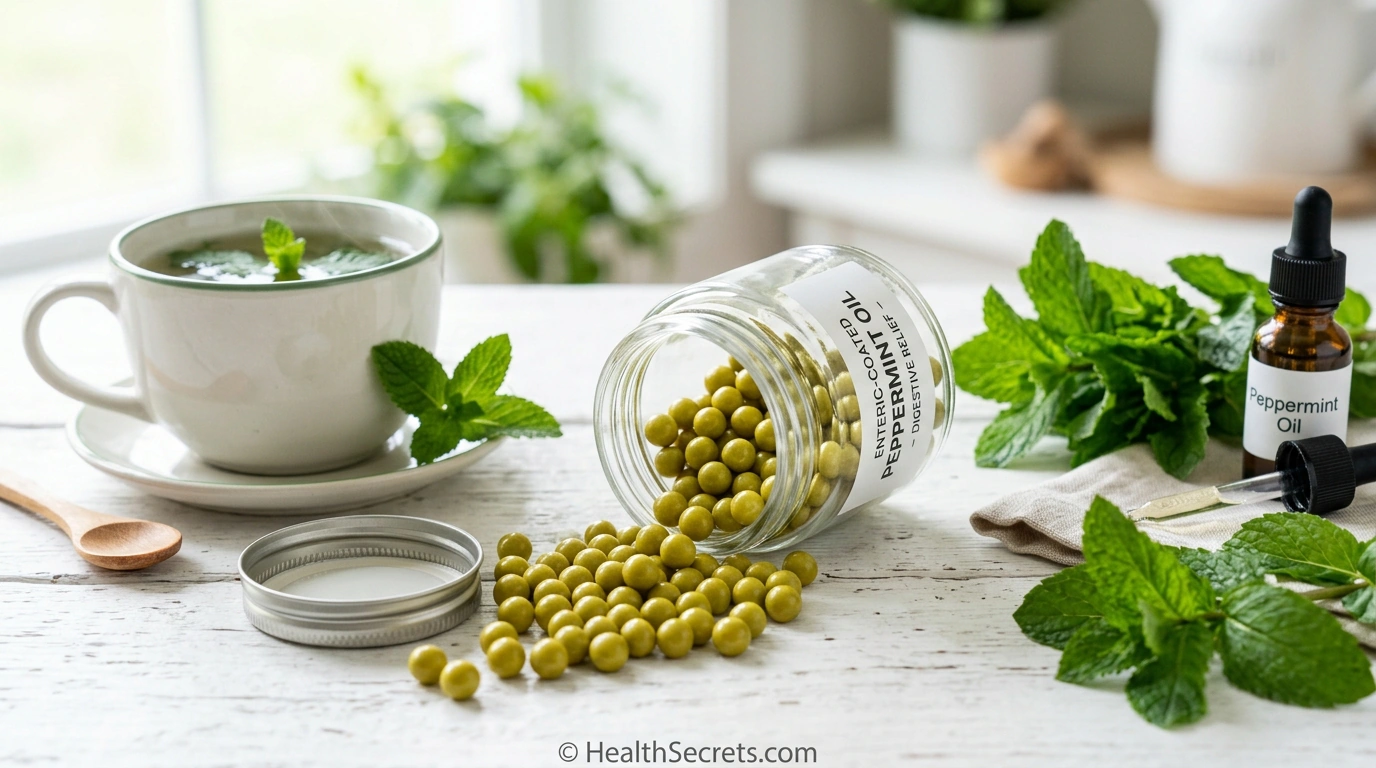
1. Peppermint Oil: Why Is It the Top Natural Remedy for Bloating?
Peppermint oil is one of the most extensively studied natural treatments for abdominal bloating and gas. The active compound menthol relaxes smooth muscle in the gastrointestinal tract, reducing spasms that trap gas and cause that uncomfortable pressure. Enteric-coated capsules deliver menthol directly to the intestines for targeted relief.
A comprehensive review published in BMC Complementary Medicine and Therapies found that peppermint oil significantly reduced abdominal pain, discomfort, and IBS severity compared to placebo [2]. The PERSUADE trial — a large randomized controlled trial — confirmed that small-intestinal-release peppermint oil significantly reduced abdominal pain and discomfort in IBS patients [3]. For quick relief, steep 1–2 teaspoons of dried peppermint leaves in hot water for 5–10 minutes, or take an enteric-coated capsule (180–200 mg) 30 minutes before meals.
Best for: Immediate gas and bloating relief, IBS-related bloating, post-meal discomfort
The Low-FODMAP Cheat Sheet
A four-page green / amber / red FODMAP food map with Monash-style portion thresholds, plus a seven-day single-variety reintroduction grid that turns elimination into an actual diagnosis.
2. Ginger: How Does Ginger Help Reduce Bloating and Gas?
Ginger is a potent digestive aid that accelerates gastric emptying — helping food move from your stomach to your small intestine faster, which reduces the fermentation that causes gas and bloating. Research shows that 1,500 mg of ginger daily can significantly improve nausea and upper GI symptoms [4].
Ginger contains gingerols and shogaols, compounds with anti-inflammatory and prokinetic properties. A pilot study found that 3 grams of ginger powder daily significantly improved all dyspepsia symptoms including fullness, early satiety, and belching [5]. Brew fresh ginger tea by simmering 1-inch sliced ginger root in hot water for 10 minutes, or take a standardized ginger supplement (250–500 mg) with meals.
Best for: Post-meal bloating, slow digestion, nausea with bloating
3. Fennel Seeds: Can Fennel Really Calm a Bloated Stomach?
Fennel seeds have been used for centuries as a digestive remedy, and modern research confirms their effectiveness. The key compound anethole acts as an antispasmodic, relaxing intestinal muscles to allow trapped gas to pass. Fennel also has antibacterial and anti-inflammatory properties that support a healthier gut microbiome [6].
A 2024 randomized controlled trial comparing fennel capsules to dimethicone (a standard anti-gas medication) found that fennel was comparably effective at reducing postoperative flatulence [7]. Chew half a teaspoon of fennel seeds after meals, brew fennel tea, or take fennel extract capsules. Many traditional cultures serve fennel seeds as an after-dinner digestive aid — a practice now validated by science.
Best for: Gas-predominant bloating, post-meal digestive discomfort, mild cramping
4. Probiotics: Which Probiotic Strains Are Best for Bloating?
Not all probiotics help with bloating — specific strains matter. Clinical trials show that Lactobacillus acidophilus NCFM combined with Bifidobacterium lactis Bi-07 significantly improved bloating severity at both 4 weeks (p=0.02) and 8 weeks (p<0.01) compared to placebo [8]. Multi-strain synbiotic formulas have also shown promise in reducing gas and abdominal discomfort.
A systematic review of 27 studies examining 20 different probiotics for gut health found that several strains demonstrated significant benefits for bloating as both primary and secondary endpoints [9]. Look for supplements containing L. acidophilus, B. lactis, or L. plantarum strains at doses of 1–10 billion CFU. Start with a lower dose to minimize initial gas that can occur as your microbiome adjusts.
Best for: Chronic bloating, IBS-related bloating, gut dysbiosis, antibiotic recovery
5. Low-FODMAP Diet: How Effective Is the Low-FODMAP Approach for Bloating?
The low-FODMAP diet is one of the most evidence-backed dietary strategies for bloating relief. FODMAPs are fermentable carbohydrates that draw water into the intestines and feed gas-producing bacteria. A 2026 review of 24 studies found that 50–75% of IBS patients experienced significant improvement on a low-FODMAP diet, with one RCT showing 57% improvement versus 20% in controls [10].
Johns Hopkins Medicine reports that the low-FODMAP diet reduces symptoms in up to 86% of people with IBS [11]. High-FODMAP foods to limit include onions, garlic, wheat, beans, and certain fruits. This is a three-phase approach: strict elimination (2–6 weeks), systematic reintroduction, and personalized long-term maintenance. Work with a dietitian for best results, as long-term restriction may reduce beneficial Bifidobacteria.
Best for: IBS bloating, food-intolerance bloating, SIBO, chronic gas
6. Digestive Enzymes: Do Enzyme Supplements Actually Reduce Bloating?
Digestive enzyme supplements can provide targeted relief when bloating stems from difficulty breaking down specific foods. Lactase supplements help those with lactose intolerance digest dairy, while alpha-galactosidase (Beano) breaks down complex carbohydrates in beans and cruciferous vegetables that cause gas [12].
A clinical trial published in Nutrition and Dietary Supplements found that a multi-digestive enzyme and herbal supplement effectively reduced post-meal abdominal distension in healthy subjects without adverse effects [13]. Comprehensive enzyme formulas containing lipase, amylase, and protease can support overall digestive efficiency. Take digestive enzymes at the beginning of meals for best results.
Best for: Food intolerance bloating, dairy-related gas, bean and vegetable-related bloating
7. Walking After Meals: Why Does Light Exercise Relieve Bloating So Quickly?
A 10–20 minute walk after meals is one of the simplest and fastest ways to reduce bloating. Physical movement stimulates peristalsis — the wave-like muscle contractions that move food and gas through your digestive tract. Walking also helps gas bubbles coalesce and pass more easily, reducing that trapped-gas feeling.
Research consistently shows that physical activity accelerates gastric emptying and colonic transit time. Even gentle movement like walking at a comfortable pace can reduce post-meal bloating within 15–30 minutes. Make post-meal walks a daily habit, especially after larger meals. Avoid vigorous exercise immediately after eating, as this can worsen symptoms.
Best for: Post-meal bloating, gas-related pressure, constipation-related bloating
8. Abdominal Massage: How Do You Massage Away Bloating?
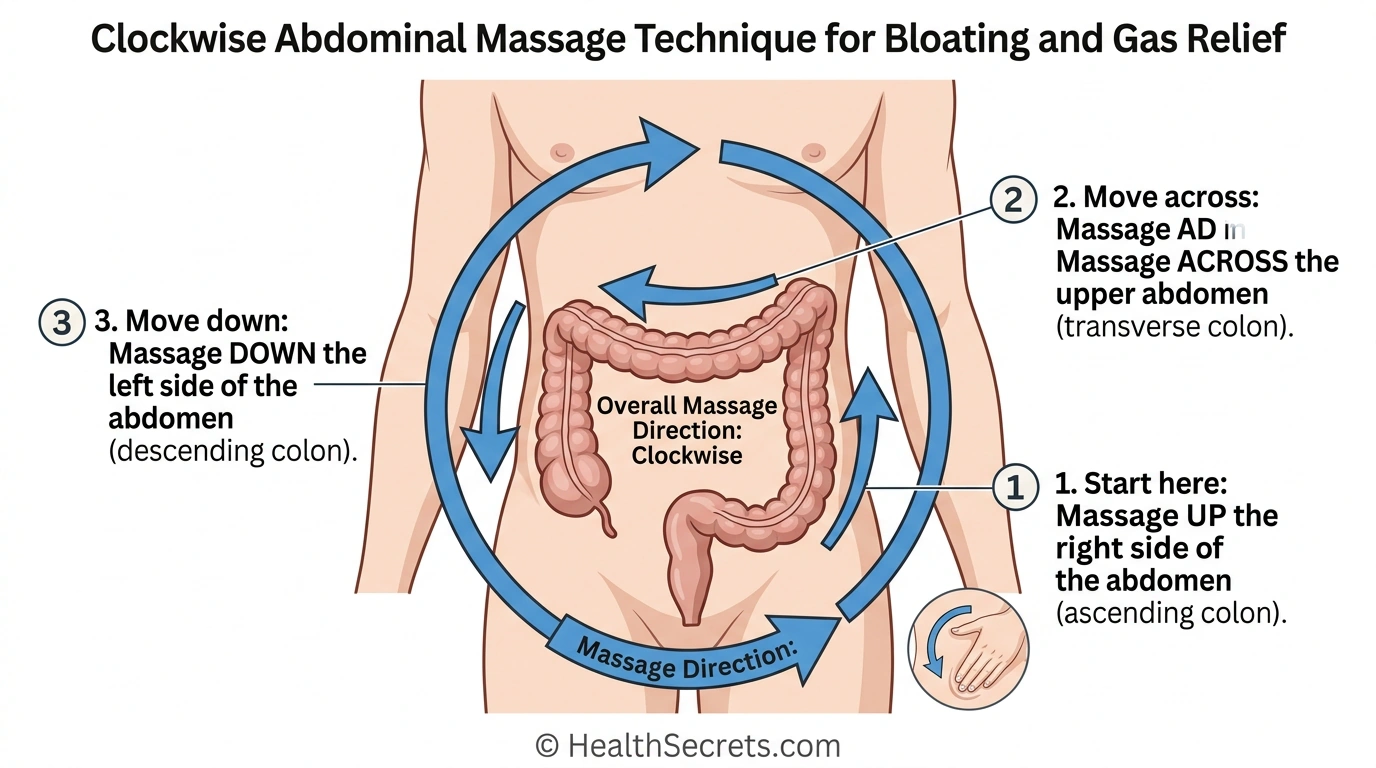
Clockwise abdominal massage follows the natural path of your colon and can physically help move trapped gas through your digestive system. This technique has been used in clinical settings for managing constipation and bloating, with research showing improvements in bowel function and symptom relief.
To perform a self-massage: lie on your back with knees bent, place your palms flat on your lower right abdomen, and apply gentle pressure in a clockwise circular motion following the path of your colon — up the right side, across the top, and down the left side. Repeat for 5–10 minutes. Combine with deep breathing for enhanced relaxation of the GI tract.
Best for: Trapped gas, constipation-related bloating, stress-related digestive tension
9. Apple Cider Vinegar: Can ACV Help With Bloating and Digestion?
Apple cider vinegar (ACV) may support digestion by stimulating stomach acid production, which is essential for properly breaking down food. Low stomach acid (hypochlorhydria) is an underrecognized cause of bloating — when food isn't adequately broken down in the stomach, it ferments in the intestines, producing gas [14].
While large-scale clinical trials are limited, apple cider vinegar for gut health has a long history of traditional use supported by preliminary research. Dilute 1–2 tablespoons of raw, unfiltered ACV in a glass of water and drink 15–20 minutes before meals. Start with a smaller amount to assess tolerance. Avoid if you have acid reflux or esophageal issues, as ACV can worsen these conditions.
Best for: Low stomach acid, slow digestion, occasional post-meal bloating
10. Activated Charcoal: Does Activated Charcoal Actually Absorb Gas?
Activated charcoal works by adsorbing gas molecules and toxins in the digestive tract, potentially reducing flatulence and bloating. Brigham and Women's Hospital lists activated charcoal as an effective over-the-counter gas remedy, and it has been used for decades in clinical settings for reducing intestinal gas [15].
Take activated charcoal capsules (560–1,000 mg) between meals — not with meals, as it can bind to nutrients and medications. This remedy is best for occasional use rather than daily supplementation. Allow at least 2 hours between activated charcoal and any medications or supplements to prevent absorption interference.
Best for: Acute gas and bloating episodes, food poisoning recovery, occasional relief
11. Yoga Poses: Which Yoga Positions Help Release Trapped Gas?
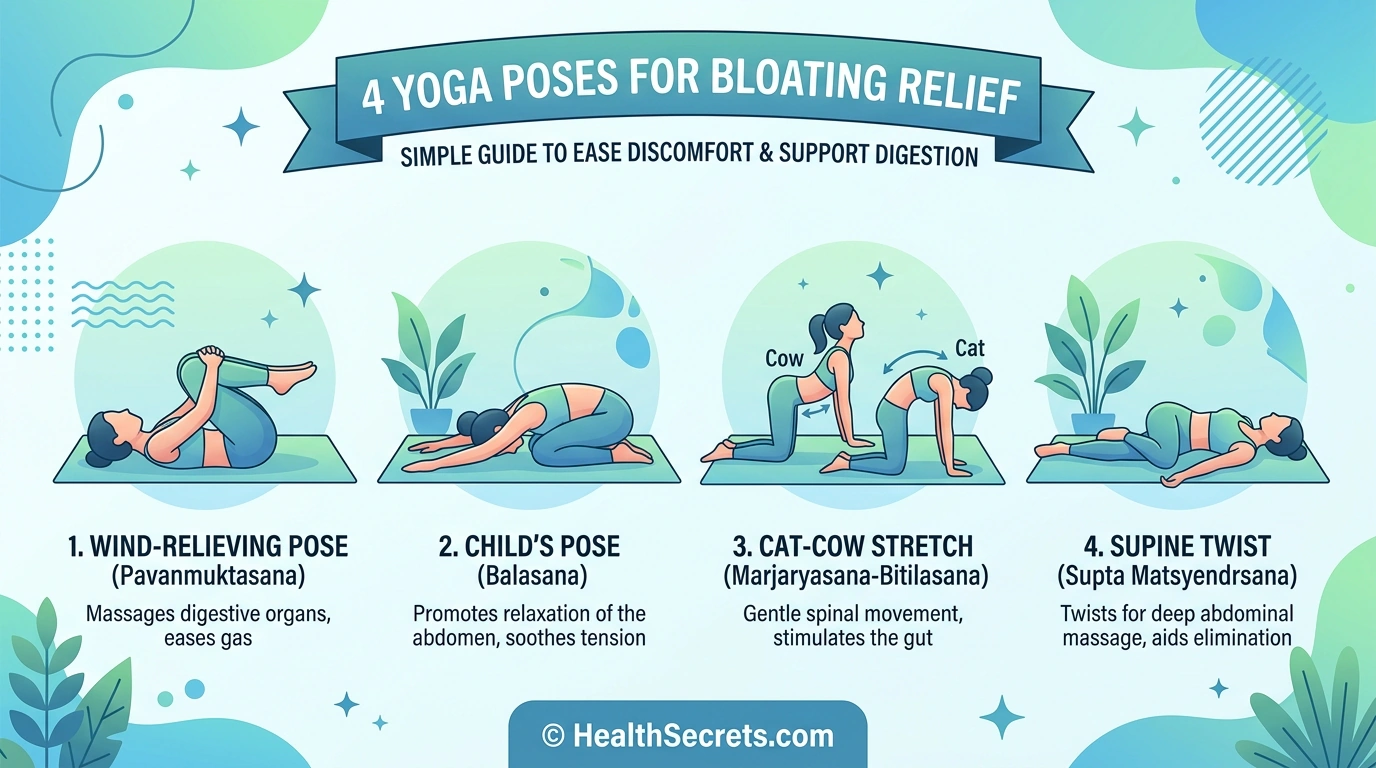
Specific yoga poses create gentle compression and release patterns in the abdomen that physically help move trapped gas. Wind-Relieving Pose (Pawanmuktasana), Child's Pose, Cat-Cow stretches, and Supine Twist are particularly effective for bloating relief.
Wind-Relieving Pose is aptly named — lying on your back, draw one knee toward your chest and hold for 30 seconds, then switch. This applies gentle pressure to the ascending and descending colon. Cat-Cow stretches stimulate peristalsis through rhythmic compression and extension. Practice these poses for 10–15 minutes when bloating strikes, or incorporate them into a daily routine for prevention.
Best for: Trapped gas, stress-related bloating, constipation, overall digestive support
12. Mindful Eating: How Does Eating Slowly Prevent Bloating?
Eating too fast is one of the most common yet overlooked causes of bloating. When you rush through meals, you swallow excess air (aerophagia) and don't chew food thoroughly, leaving larger food particles for gut bacteria to ferment. Slowing down can dramatically reduce both air-swallowing and fermentation-related gas.
Practice chewing each bite 20–30 times before swallowing. Put your fork down between bites. Avoid talking while chewing, drinking through straws, and chewing gum — all of which increase air swallowing. Eating smaller, more frequent meals instead of large portions also reduces the digestive burden and minimizes post-meal bloating.
Best for: Air-swallowing bloating, post-meal distension, chronic daily bloating
13. Stress Management: Why Does Stress Make Bloating Worse?
The gut-brain axis is a bidirectional communication system that means stress directly impacts your digestive function. Stress activates the sympathetic nervous system (fight-or-flight), which slows digestion, alters gut motility, and increases visceral sensitivity — making you more aware of normal gas levels that you'd otherwise ignore.
Chronic stress also disrupts the gut microbiome, promoting the growth of gas-producing bacteria. Deep breathing exercises (4-7-8 technique), meditation, and progressive muscle relaxation can activate the parasympathetic nervous system to restore normal digestive function. Even 5–10 minutes of deep breathing before meals can improve gastric motility and reduce bloating.
Best for: Stress-related bloating, IBS flares, anxiety-driven digestive symptoms
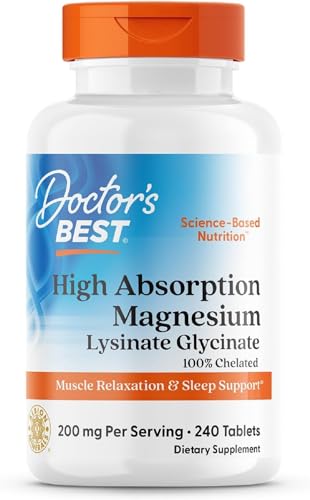
14. Magnesium Supplementation: How Does Magnesium Help With Bloating?
Magnesium plays a crucial role in muscle relaxation — including the smooth muscle of your GI tract. When constipation contributes to bloating (a very common scenario), magnesium draws water into the intestines and relaxes bowel muscles to promote regular movement. Magnesium glycinate is well-absorbed and gentle on the stomach.
Many adults are magnesium-deficient, which can contribute to both constipation and muscle cramping in the digestive tract. A dose of 200–400 mg of magnesium glycinate or citrate daily can support natural constipation relief and reduce bloating. Take magnesium in the evening, as it also supports better sleep — and poor sleep itself worsens digestive symptoms.
Best for: Constipation-related bloating, muscle tension in the GI tract, overall digestive regularity
15. Elimination Diet: How Do You Identify Your Personal Bloating Triggers?
If bloating is a chronic issue, an elimination diet can help you identify the specific foods triggering your symptoms. The process involves removing common trigger foods (dairy, gluten, eggs, soy, FODMAPs) for 2–4 weeks, then reintroducing them one at a time while monitoring symptoms in a food diary.
This systematic approach is considered the gold standard for identifying food intolerances. Common triggers include lactose (dairy), fructose (fruits, honey), fructans (wheat, onions, garlic), and sugar alcohols (sorbitol, xylitol in sugar-free products). Testing options like SIBO breath tests, celiac screening, and comprehensive stool analysis can supplement dietary investigation if elimination alone doesn't resolve symptoms.
Best for: Chronic unexplained bloating, suspected food intolerances, recurring gas patterns
Action Plan
What Should You Do First to Start Relieving Bloating Naturally?
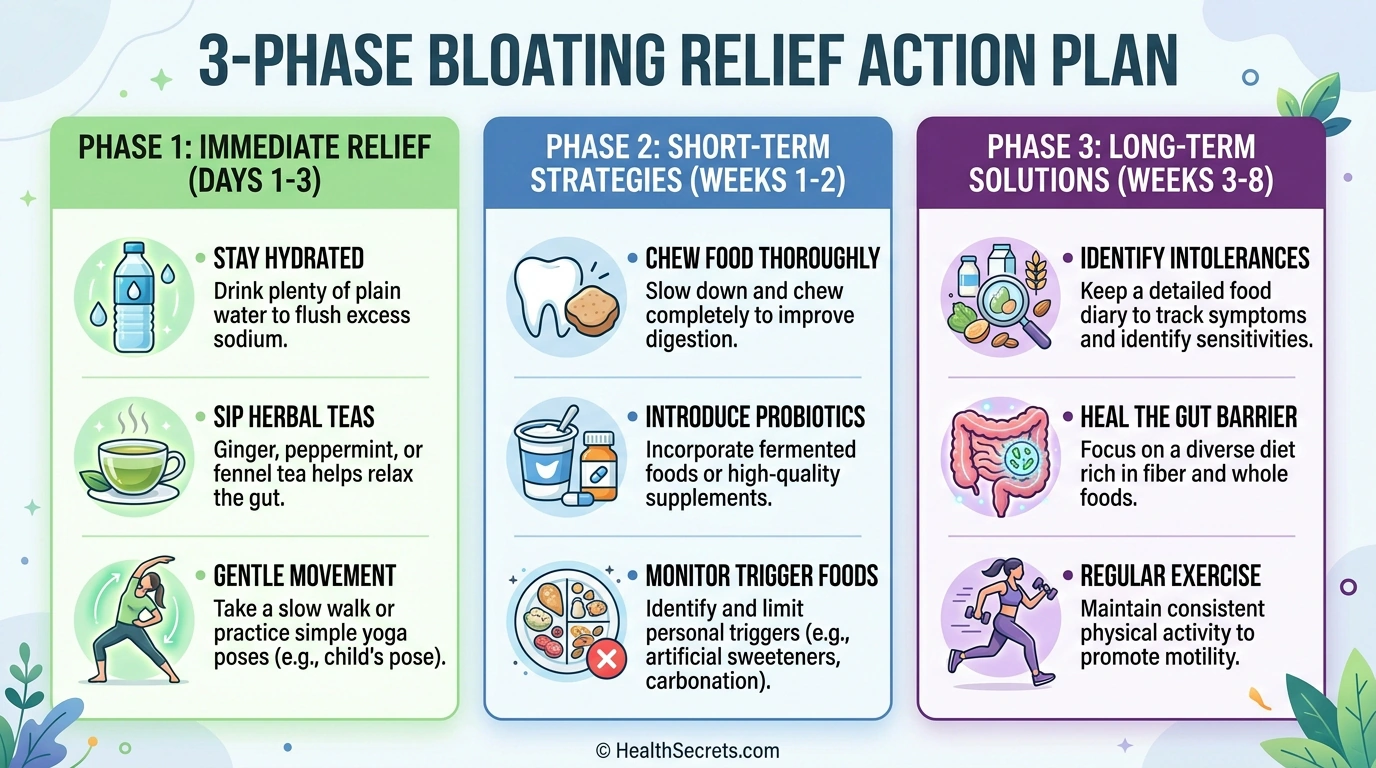
Follow the sequence below, work through each phase in order, and use the checklist as your practical implementation guide.
Start with the fastest-acting remedies and build toward long-term solutions. This phased approach ensures you get immediate relief while addressing root causes for lasting results.
Phase 1 — Immediate Relief (Days 1–3):
- Try peppermint tea or enteric-coated peppermint oil capsules before meals
- Take a 15–20 minute walk after each meal
- Practice mindful eating: chew thoroughly, eat slowly, avoid straws and gum
- Try abdominal self-massage for 5–10 minutes when bloating strikes
Phase 2 — Short-Term Strategies (Weeks 1–2):
- Add ginger tea or a ginger supplement to your daily routine
- Begin a food diary to track meals and bloating episodes
- Start a daily magnesium supplement (200 mg glycinate)
- Incorporate 10 minutes of yoga poses targeting digestion
Phase 3 — Long-Term Solutions (Weeks 3–8):
- Introduce a quality probiotic with L. acidophilus and B. lactis strains
- Consider a low-FODMAP elimination phase with dietitian guidance
- Implement daily stress management practices (deep breathing, meditation)
- Consult a healthcare provider if bloating persists despite these interventions