Your gut doesn't just digest food — it's a living ecosystem housing trillions of microorganisms that influence everything from your immune response to your mood. And here's the thing: the single most powerful tool you have to reshape that ecosystem is sitting on your plate. [1] [2]
Research from Stanford University demonstrated that dietary changes can measurably shift gut microbial diversity and reduce inflammatory markers in just a few weeks. A 2021 landmark study found that a diet rich in fermented foods increased overall microbial diversity and decreased 19 inflammatory proteins in healthy adults. That's not a supplement. That's not a medication. That's food. [3] [5]
Whether you're dealing with bloating, working through a leaky gut protocol, or simply want to build a more resilient digestive system, the gut healing foods on this list are backed by science and easy to work into everyday meals [13]. We've organized 30 of the best options into six categories — fermented, prebiotic, anti-inflammatory, collagen-rich, fiber-rich, and polyphenol-rich — so you can build a gut-healing plate that actually works. [11]
For a deeper dive into the science behind digestive wellness, check out our complete gut health guide.
How Did We Choose These 30 Gut-Healing Foods?
Every food on this list earned its spot through a combination of published scientific evidence, practical accessibility, and real-world versatility. We prioritized foods supported by peer-reviewed research — primarily from PubMed and NIH databases published between 2020 and 2026 — that demonstrate at least one of these four gut-healing mechanisms:
- Microbiome diversity — increases beneficial bacterial populations or overall species richness
- Anti-inflammatory action — reduces gut inflammation markers (IL-6, TNF-alpha, CRP)
- Gut barrier support — strengthens tight junctions and intestinal lining integrity
- Prebiotic feeding — provides substrates that beneficial bacteria ferment into short-chain fatty acids (SCFAs)
We also considered how easy each food is to find at a typical grocery store and how naturally it fits into everyday meals. No exotic superfoods that collect dust in your pantry — every item here is something you can realistically eat several times a week.
| Category | Key Benefits | Top Foods | Best For |
|---|---|---|---|
| Fermented Foods | Increase microbial diversity, lower inflammation | Kimchi, kefir, sauerkraut | Overall microbiome health [4] [6] |
| Prebiotic-Rich Foods | Feed beneficial bacteria, boost SCFAs | Garlic, onions, Jerusalem artichoke | Growing good bacteria |
| Anti-Inflammatory Foods | Reduce gut inflammation, calm irritation | Turmeric, ginger, fatty fish | Inflamed or irritated guts |
| Collagen & Gelatin Sources | Repair gut lining, strengthen tight junctions | Bone broth, collagen peptides | Leaky gut, barrier repair |
| Fiber-Rich Foods | Bulk stool, feed microbiome, regulate transit | Oats, flaxseeds, legumes | Regularity and microbiome fuel |
| Polyphenol-Rich Foods | Antioxidant protection, prebiotic-like effects | Blueberries, green tea, dark chocolate | Microbiome diversity boost |

Is Your Gut Ruining Your Day?
Get the free printable tracker thousands of readers use to pinpoint exactly what's causing their gut issues — no restrictive diets required.
1. Fermented Foods: Which Ones Actually Improve Your Gut Bacteria?
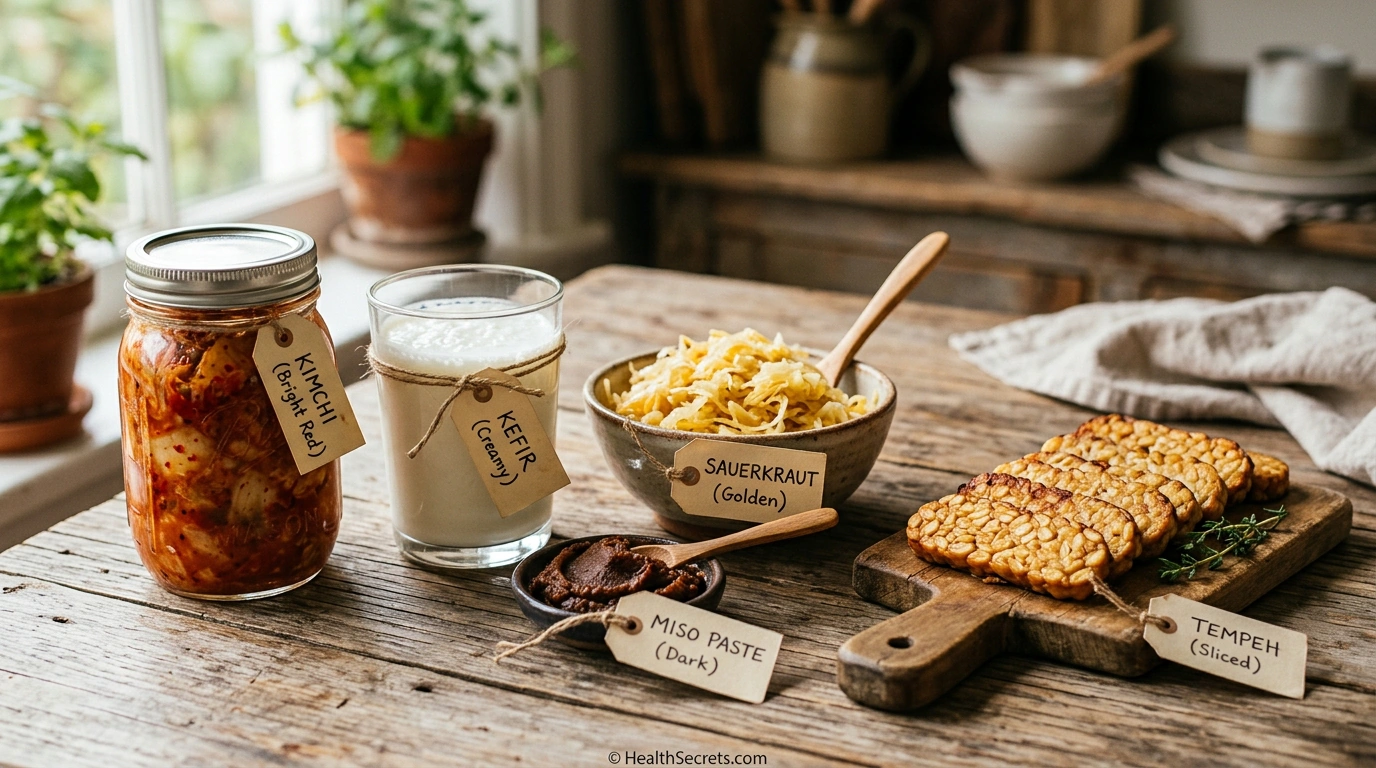
Fermented foods are among the most effective gut-healing foods you can eat. A 2021 Stanford study found that a 10-week high-fermented-food diet increased microbial diversity and reduced levels of 19 inflammatory proteins, including interleukin-6. These foods introduce live beneficial microorganisms directly into your digestive tract while providing postbiotic metabolites that support gut health.
For a complete breakdown of fermentation and gut health, see our fermented foods guide.
🥬 1. Kimchi
This Korean staple is loaded with Lactobacillus strains that survive stomach acid and colonize the gut. Rich in fiber, vitamins A and C, and anti-inflammatory compounds.
How to eat it: As a side dish, in grain bowls, stirred into scrambled eggs, or on top of avocado toast.
🥛 2. Kefir
A fermented milk drink containing 30+ strains of bacteria and yeasts — far more diverse than yogurt. Research shows it improves lactose digestion and reduces gut inflammation.
How to eat it: Drink straight, blend into smoothies, or pour over granola.
🥒 3. Sauerkraut
Fermented cabbage rich in Lactobacillus plantarum and vitamin C. Look for raw, unpasteurized versions in the refrigerated section — shelf-stable jars have been heat-treated and contain no live cultures.
How to eat it: Top sandwiches, serve alongside proteins, or add to grain bowls.
🍵 4. Miso
A Japanese fermented soybean paste containing Aspergillus oryzae and beneficial bacteria. Provides enzymes that aid digestion and isoflavones with anti-inflammatory properties.
How to eat it: Stir into warm (not boiling) water for soup, use as a glaze for fish, or whisk into salad dressings.
🫘 5. Tempeh
Fermented soybeans with a firm texture and nutty flavor. Fermentation breaks down phytic acid, improving mineral absorption, and produces beneficial compounds for gut bacteria.
How to eat it: Slice and pan-fry, crumble into stir-fries, or marinate and grill.

The 14-Day Gut-Friendly Meal Planning System
Fourteen planned days of gut-friendly meals with a gentle four-step fiber ladder, low-FODMAP swaps, shopping lists and a symptom log that adds itself up.
2. Prebiotic-Rich Foods: What Should You Eat to Feed Good Gut Bacteria?
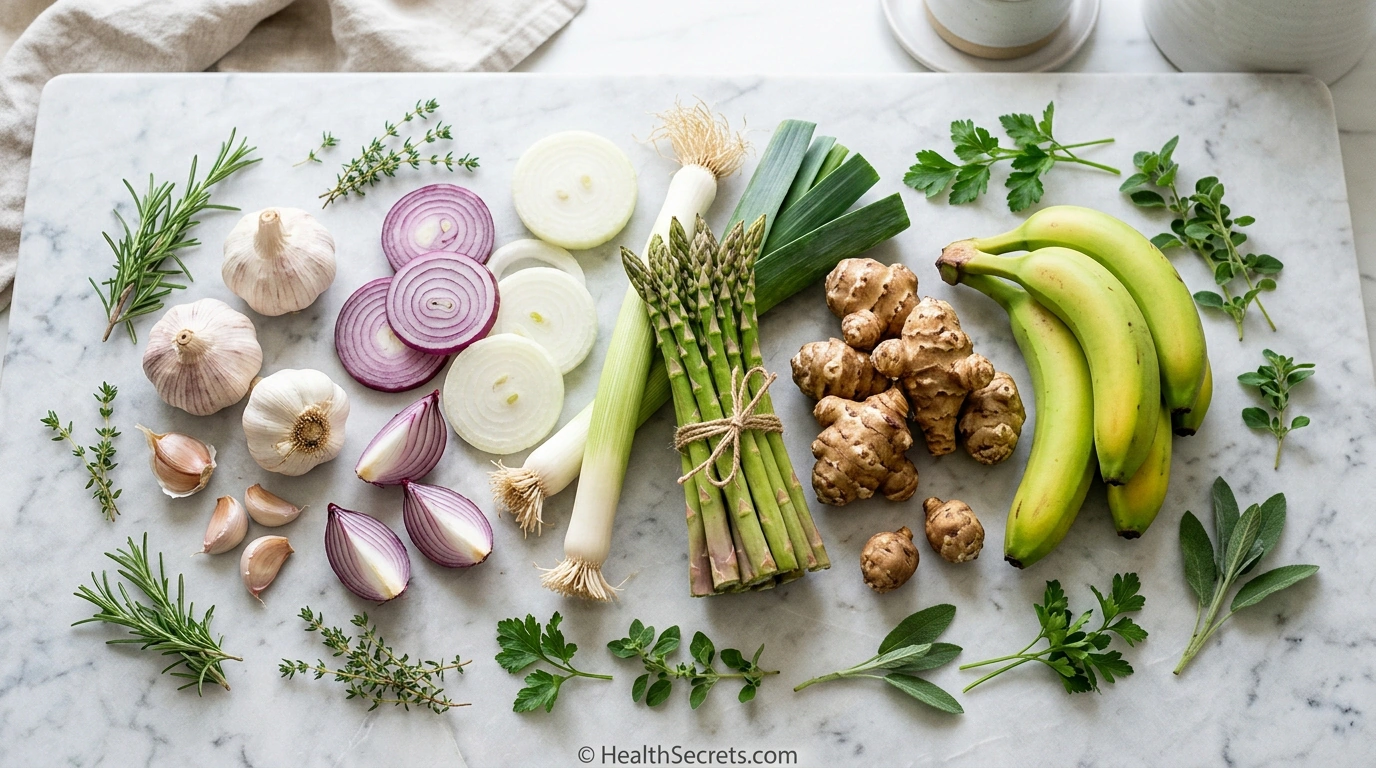
Prebiotics are non-digestible fibers that serve as fuel for beneficial gut bacteria, particularly Bifidobacterium and Lactobacillus species. When gut bacteria ferment these fibers, they produce short-chain fatty acids (SCFAs) like butyrate, propionate, and acetate — compounds that strengthen the intestinal barrier, reduce inflammation, and support immune function.
Learn more in our dedicated prebiotic foods guide.
🧄 6. Garlic
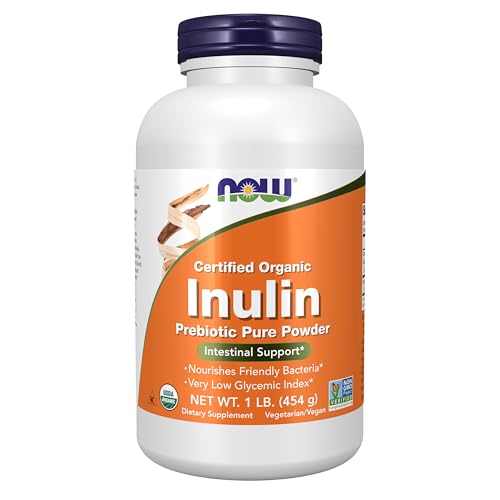
Contains inulin and fructooligosaccharides (FOS) that selectively feed Bifidobacteria. Also has antimicrobial properties from allicin that help reduce pathogenic bacteria.
How to eat it: Add raw to dressings, roast whole cloves, or sauté as a base for nearly any savory dish.
🧅 7. Onions
Rich in inulin and FOS — a medium onion provides about 2–3 grams of prebiotic fiber. Cooking softens the flavor but preserves most prebiotic content.
How to eat it: Caramelize for depth of flavor, add raw to salads, or include in soups and stews.
🌿 8. Leeks
A milder cousin of onions with similar prebiotic properties. Excellent source of inulin and vitamin K.
How to eat it: Sauté as a side dish, add to potato soup, or roast until tender.
🌱 9. Asparagus
Contains inulin-type fructans that stimulate beneficial Bifidobacteria growth. Also provides folate and anti-inflammatory saponins.
How to eat it: Roast with olive oil, grill alongside proteins, or shave raw into salads.
🌻 10. Jerusalem Artichoke (Sunchoke)
One of the richest natural sources of inulin — up to 76% of its dry weight. A prebiotic powerhouse that dramatically boosts Bifidobacterium populations.
How to eat it: Roast like potatoes, slice thin for chips, or purée into soups. Start with small portions if you're not used to high-inulin foods — they can cause gas initially.
🍌 11. Green (Slightly Unripe) Bananas
Contain resistant starch that functions as a prebiotic, feeding beneficial bacteria in the colon. As bananas ripen, resistant starch converts to sugar, so slightly green is better for gut health.
How to eat it: Slice into smoothies, add to oatmeal, or enjoy as a snack.
3. Anti-Inflammatory Foods: Which Foods Calm Gut Inflammation?
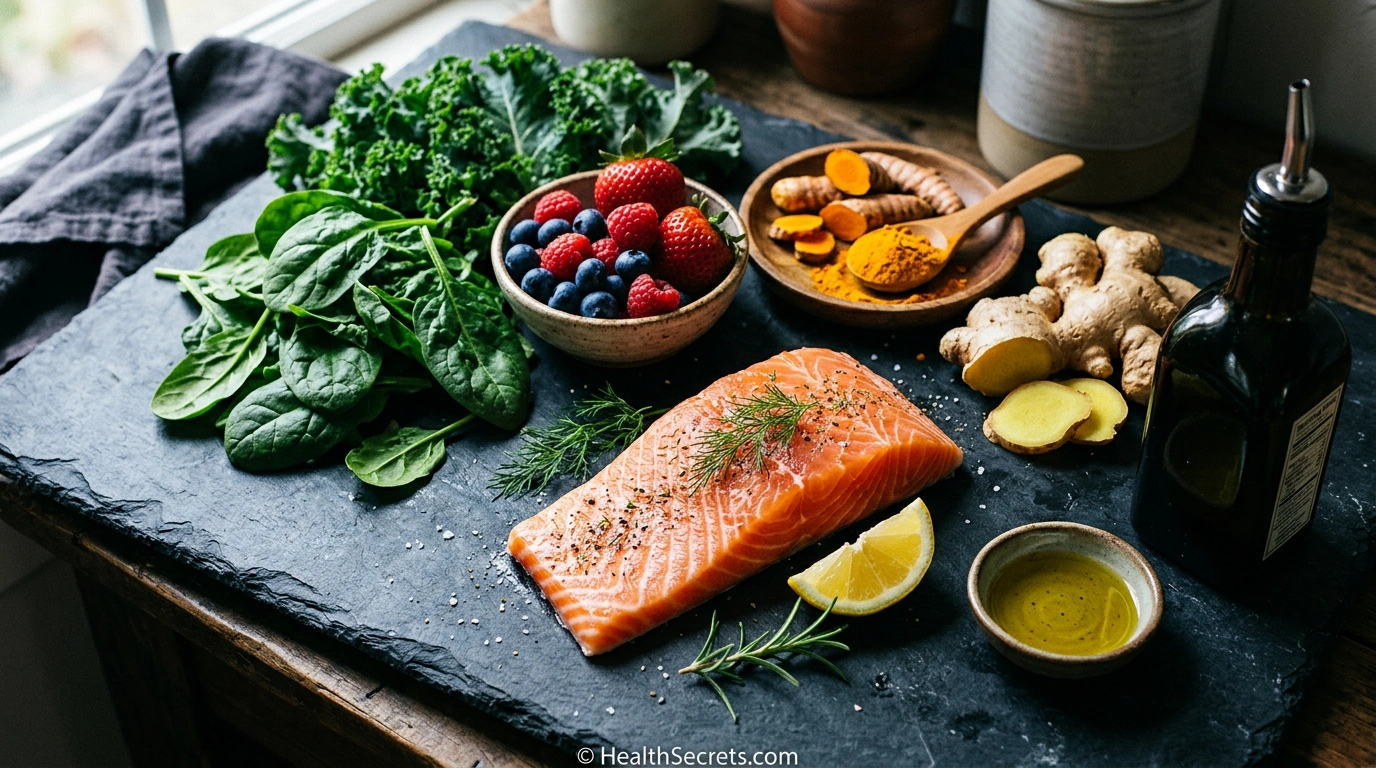
Chronic gut inflammation damages the intestinal lining, disrupts the microbiome, and contributes to conditions ranging from IBS to inflammatory bowel disease [14]. Anti-inflammatory foods work by reducing pro-inflammatory cytokines, inhibiting NF-κB pathways, and providing antioxidant protection to gut epithelial cells. Research confirms that anti-inflammatory dietary patterns measurably lower CRP and IL-6 levels [15].
For a comprehensive anti-inflammatory eating strategy, see our anti-inflammatory diet guide and anti-inflammatory foods for gut health.
🟡 12. Turmeric
Curcumin, turmeric's active compound, inhibits NF-κB — a master regulator of inflammation. Studies show it reduces intestinal inflammation and may help maintain remission in ulcerative colitis.
How to eat it: Add to curries, golden milk (with black pepper for absorption), soups, or smoothies. Always pair with black pepper and fat.
🫚 13. Ginger
Contains gingerols and shogaols that reduce gut inflammation, accelerate gastric emptying, and relieve nausea. Clinical trials show anti-inflammatory effects comparable to NSAIDs in the digestive tract.
How to eat it: Grate fresh into stir-fries, steep as tea, blend into smoothies, or add to dressings.
🐟 14. Fatty Fish (Salmon, Sardines, Mackerel)
Rich in omega-3 fatty acids (EPA and DHA) that produce specialized pro-resolving mediators — compounds that actively resolve gut inflammation rather than just suppressing it.
How to eat it: Aim for 2–3 servings per week. Bake, grill, or add canned sardines to salads.
🫐 15. Mixed Berries (Blueberries, Raspberries, Strawberries)
Packed with anthocyanins and ellagic acid that reduce intestinal inflammation and protect gut epithelial cells from oxidative damage.
How to eat it: Add to oatmeal, yogurt, smoothies, or eat fresh as a snack.
🥬 16. Dark Leafy Greens (Spinach, Kale, Swiss Chard)
Rich in fiber, folate, and a unique sugar called sulfoquinovose (SQ) that feeds beneficial gut bacteria. Also provide anti-inflammatory vitamins A, C, and K.
How to eat it: Sauté with garlic, blend into smoothies, add to soups, or use as a salad base.
🫒 17. Extra Virgin Olive Oil
Contains oleocanthal with anti-inflammatory potency similar to ibuprofen, plus polyphenols that support beneficial Lactobacillus and Bifidobacterium growth.
How to eat it: Use as primary cooking oil, drizzle on finished dishes, or make salad dressings.
4. Collagen and Gelatin Sources: Can These Foods Actually Repair Your Gut Lining?
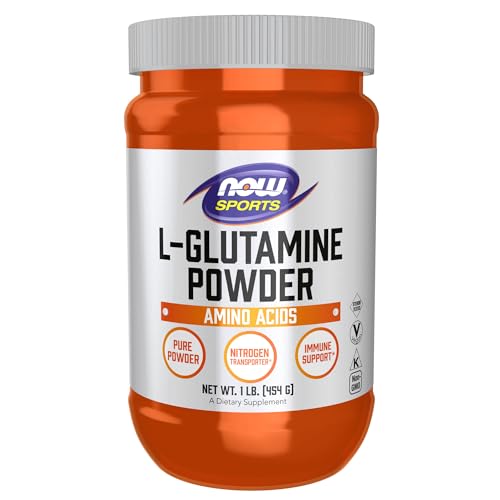
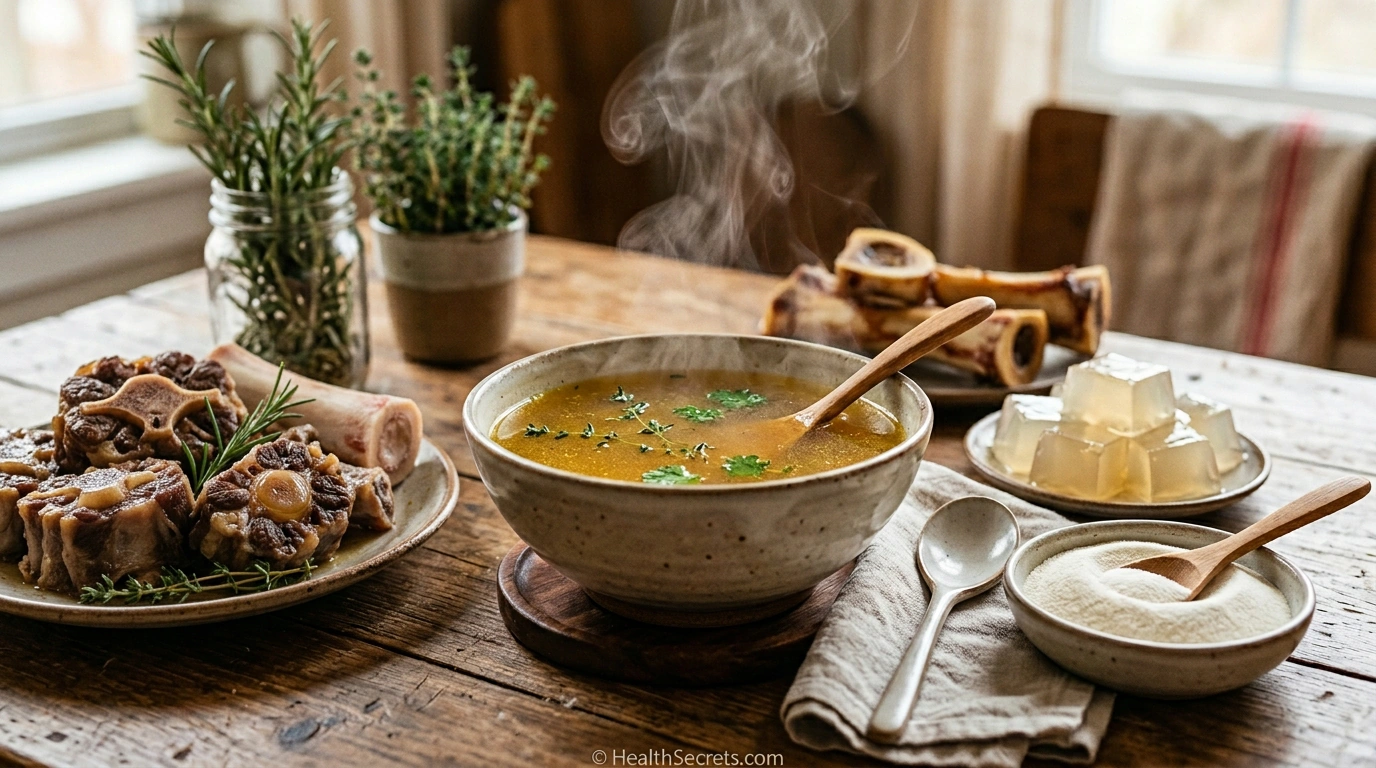
Yes — and the evidence is growing. Collagen-rich foods provide amino acids (glutamine, glycine, and proline) that are critical building blocks for intestinal epithelial cells [7] [8]. A 2026 review in Nutrients confirmed that bone broth nutrients fortify the gut barrier, reduce intestinal permeability, and calm inflammation. Glutamine in particular is the preferred fuel source for enterocytes — the cells lining your intestines.
For more on gut barrier repair, see our guides on bone broth for gut healing and collagen for gut health.
🍲 18. Bone Broth
Slow-simmered animal bones release collagen, gelatin, glutamine, glycine, and minerals (calcium, magnesium, phosphorus) that directly support intestinal barrier integrity. Research shows these compounds reduce intestinal permeability and lower inflammatory markers.
How to eat it: Sip warm as a daily tonic, use as a base for soups and stews, or cook grains in broth instead of water. Aim for 1–2 cups daily during gut-healing protocols.
💊 19. Collagen Peptides
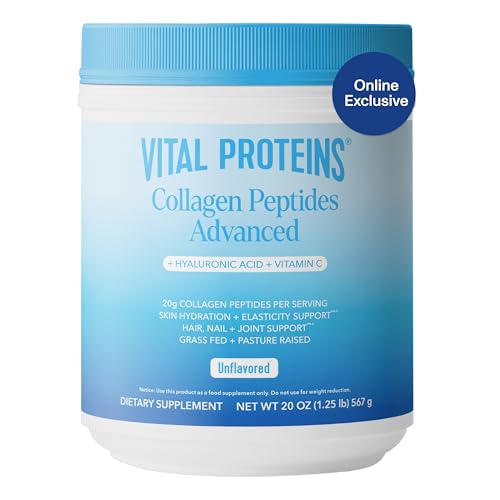
Hydrolyzed collagen supplements provide concentrated amino acids for gut repair. A study in the Journal of Medical Internet Research found that 93% of participants who took 20g daily collagen peptides for 6 weeks experienced reduced digestive symptoms including bloating [9].
How to eat it: Dissolve in coffee, smoothies, oatmeal, or soups — it's flavorless and dissolves easily.
🍮 20. Gelatin
Cooking collagen creates gelatin, which coats the digestive tract and may protect the gut lining. Provides the same amino acid profile as collagen in a different form.
How to eat it: Make homemade gummies, add to soups for body, or use in desserts like panna cotta.
🍖 21. Slow-Cooked Meats
Low-and-slow cooking breaks down connective tissue into bioavailable gelatin and collagen. Braised short ribs, pulled pork shoulder, and stewed chicken thighs are all excellent sources.
How to eat it: Use a slow cooker or Dutch oven. The more connective tissue in the cut, the more gut-healing compounds you get.
5. Fiber-Rich Foods: How Does Dietary Fiber Support Your Microbiome?
Dietary fiber is the primary fuel source for your gut microbiome. When bacteria ferment fiber, they produce short-chain fatty acids — butyrate in particular nourishes colonocytes (colon cells), strengthens tight junctions, and has potent anti-inflammatory effects. Research consistently shows that higher fiber intake correlates with greater microbial diversity and lower risk of inflammatory bowel conditions.
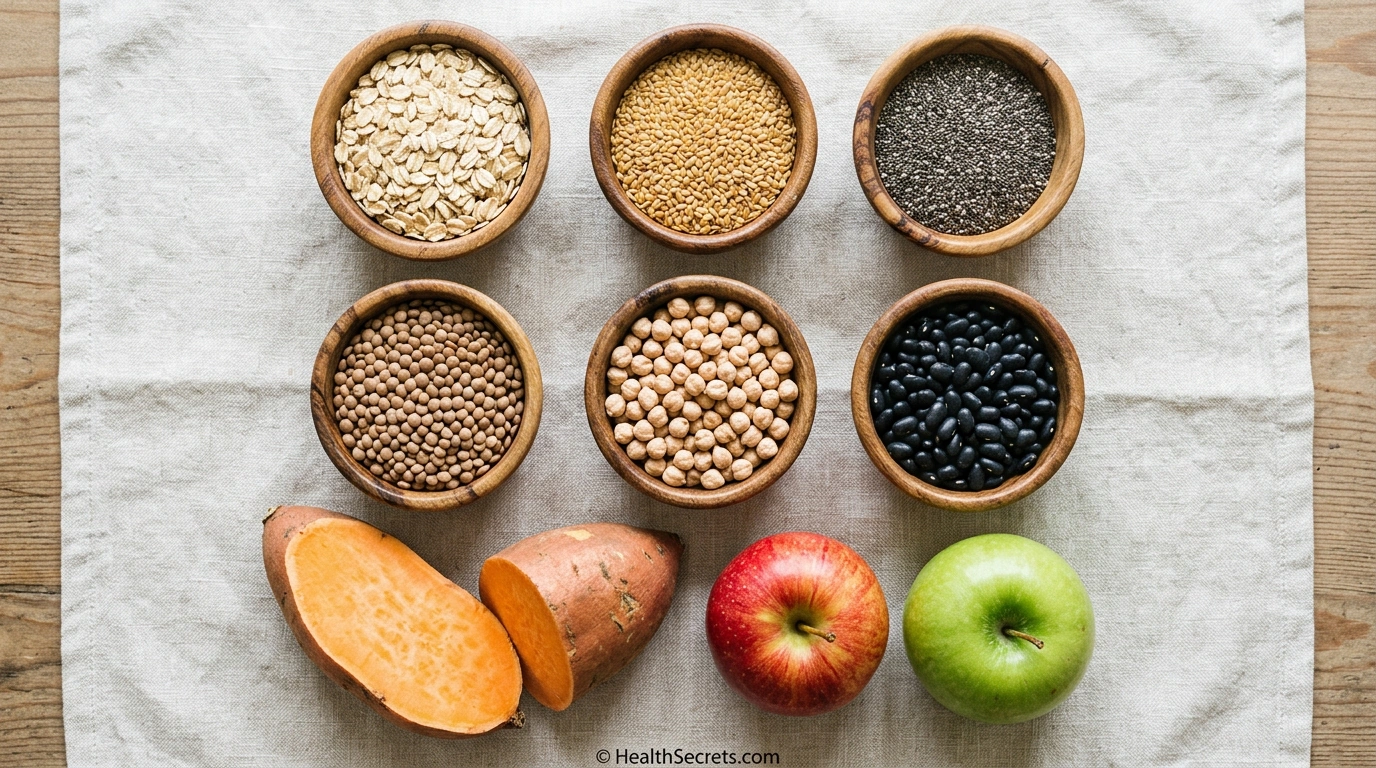
🥣 22. Oats
Contain beta-glucan, a soluble fiber with proven prebiotic effects that increases Bifidobacterium and Lactobacillus populations. Also provides a gentle, soothing coating for irritated digestive tracts.
How to eat it: Overnight oats, porridge, added to smoothies, or baked into muffins.
🌾 23. Flaxseeds
Rich in both soluble and insoluble fiber plus omega-3 ALA. The mucilage (gel-like fiber) soothes the intestinal lining while feeding beneficial bacteria.
How to eat it: Always grind before eating for nutrient access. Add to smoothies, oatmeal, yogurt, or baking. Start with 1 tablespoon daily.
🌱 24. Chia Seeds
Absorb up to 12 times their weight in water, forming a gel that supports healthy transit time and feeds gut bacteria. Also provide omega-3s and minerals.
How to eat it: Make chia pudding, add to smoothies, sprinkle on yogurt, or stir into oatmeal.
🫘 25. Legumes (Lentils, Chickpeas, Black Beans)
Among the best sources of resistant starch and prebiotic fiber. Studies show regular legume consumption significantly increases Bifidobacterium populations and SCFA production.
How to eat it: Add to soups, stews, salads, and grain bowls. Canned varieties are convenient — just rinse to reduce sodium.
🍠 26. Sweet Potatoes
Provide both soluble and insoluble fiber plus resistant starch (especially when cooked and cooled). Rich in beta-carotene, an antioxidant that supports gut mucosal health.
How to eat it: Bake, roast, mash, or add to soups. Cooling cooked sweet potatoes increases resistant starch content.
🍎 27. Apples
Contain pectin, a soluble fiber with strong prebiotic activity that increases butyrate production. The "apple a day" wisdom has microbiome science behind it.
How to eat it: Eat with the skin on (most of the fiber and polyphenols are there). Slice with nut butter, add to salads, or bake.
6. Polyphenol-Rich Foods: Do Polyphenols Really Change Your Gut Bacteria?
Absolutely. About 90–95% of ingested polyphenols reach the colon, where they interact directly with gut microbiota [10]. Research published in the International Journal of Molecular Sciences (2026) confirms that polyphenols act as a "new generation of prebiotics" — suppressing pathogenic bacteria while stimulating beneficial species like Akkermansia muciniphila, a keystone species for gut barrier health.
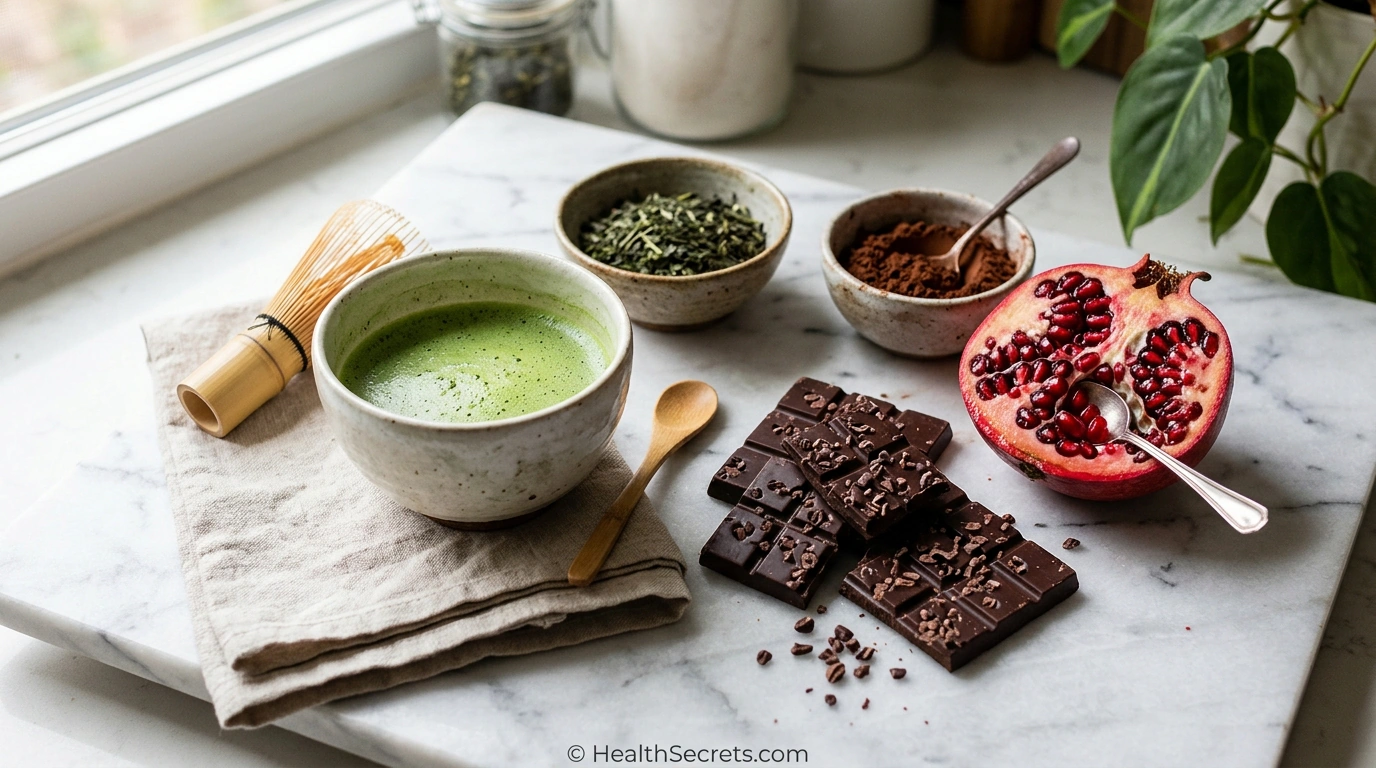
🍵 28. Green Tea
Rich in catechins (especially EGCG) that increase Bifidobacterium and Lactobacillus while reducing Clostridium species. Also provides L-theanine for calm focus.
How to eat it: Brew 2–3 cups daily. Steep at 160–180°F for 2–3 minutes to avoid bitterness. Matcha provides even more concentrated polyphenols.
🍫 29. Dark Chocolate (70%+ Cacao)
Cacao polyphenols (flavanols) are fermented by gut bacteria into anti-inflammatory metabolites. Studies show dark chocolate consumption increases Bifidobacterium and Lactobacillus populations.
How to eat it: 1–2 squares daily of 70%+ dark chocolate. Add cacao nibs to smoothies or oatmeal for an unprocessed option.
🍇 30. Pomegranate
Contains ellagitannins that gut bacteria convert into urolithins — potent anti-inflammatory and gut-barrier-strengthening compounds. Urolithin A specifically enhances mitochondrial function in gut cells.
How to eat it: Eat fresh seeds, drink pure pomegranate juice (no added sugar), or sprinkle over salads and yogurt.
Action Plan
What Should You Do First to Start Eating More Gut-Healing Foods?
Follow the sequence below, work through each phase in order, and use the checklist as your practical implementation guide.
You don't need to overhaul your entire diet overnight. Start with a phased approach that lets your microbiome adapt gradually — adding too many high-fiber and fermented foods at once can cause temporary bloating and gas.
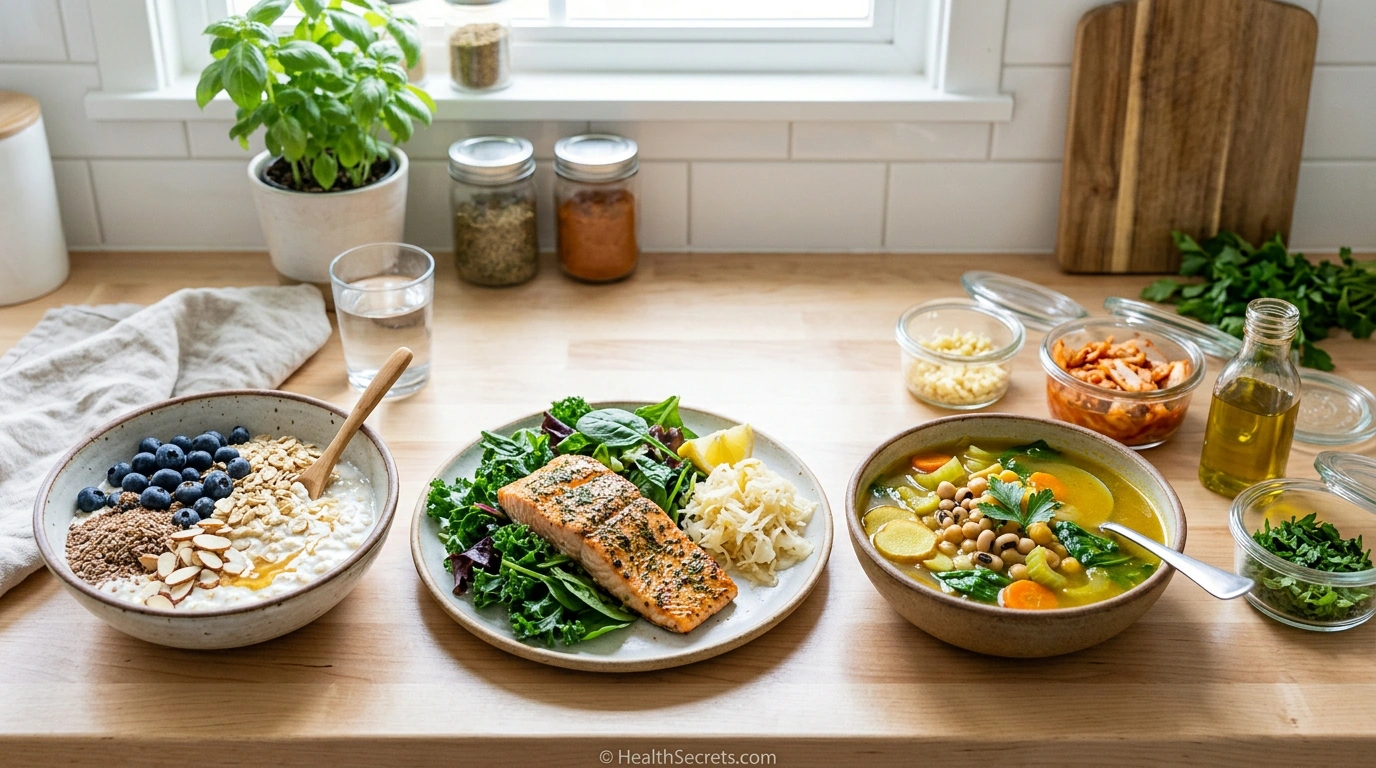
Phase 1 — Week 1–2: Foundation (Pick 3–5 Foods)
- Add one fermented food daily (kefir at breakfast or sauerkraut at dinner)
- Include garlic and onions in cooking most days
- Switch to extra virgin olive oil as your primary cooking fat
- Eat 1–2 servings of berries daily
- Drink 1–2 cups of bone broth or add collagen peptides to coffee
Phase 2 — Week 3–4: Expand (Add 5–8 More Foods)
- Add a second fermented food (kimchi, miso soup, or tempeh)
- Include oats or chia seeds at breakfast
- Add legumes to 3–4 meals per week
- Start drinking green tea (2–3 cups daily)
- Include fatty fish 2–3 times per week
Phase 3 — Week 5+: Optimize (Full Diversity)
- Rotate through all 6 food categories weekly
- Try new prebiotic foods (Jerusalem artichoke, asparagus, leeks)
- Add polyphenol variety (pomegranate, dark chocolate)
- Aim for 30+ different plant foods per week
- Remove or minimize processed foods, artificial sweeteners, and excess sugar
Timeline for Results:
- Week 1–2: Reduced bloating, improved regularity
- Week 3–4: Noticeable energy and digestion improvements
- Week 5–8: Measurable microbiome diversity shifts, reduced inflammation
For a structured approach, try our gut health meal plan.