Your gut microbiome — the trillions of bacteria living in your digestive tract — is shaped more by what you eat than by any other single factor. Research from the American Gut Project found that people who eat 30 or more different plant foods per week have significantly greater microbial diversity than those who eat fewer than 10 [1]. A landmark Stanford study demonstrated that a diet rich in fermented foods increased microbiome diversity and reduced 19 inflammatory markers in just 10 weeks [2].
This 7-day meal plan puts that science on your plate. Every day incorporates fiber-rich whole foods (targeting 25–35g daily), at least one serving of fermented foods, anti-inflammatory omega-3s and polyphenols, and over 30 different plant foods across the week. The meals are practical, delicious, and designed for real life — with batch-cooking strategies, a complete shopping list, and customization options for dietary restrictions.
Whether you're working on healing your gut, managing IBS, or simply want to eat in a way that supports your overall gut health, this plan provides the structure to get started.
What Does This 7-Day Gut Health Meal Plan Include?
This plan provides 7 days of complete meals — breakfast, lunch, dinner, and two snacks — designed around five core gut-healing principles: high fiber (25–35g daily), daily fermented foods, anti-inflammatory omega-3s and polyphenols, 30+ different plant foods per week, and gut-supportive proteins like bone broth and collagen. Each day delivers approximately 1,800–2,200 calories, adjustable based on your individual needs.
| Nutrient | Daily Target | Key Sources |
|---|---|---|
| Fiber | 25–35g | Vegetables, fruits, grains, legumes |
| Omega-3 | 1–2g | Salmon, sardines, walnuts, flaxseed |
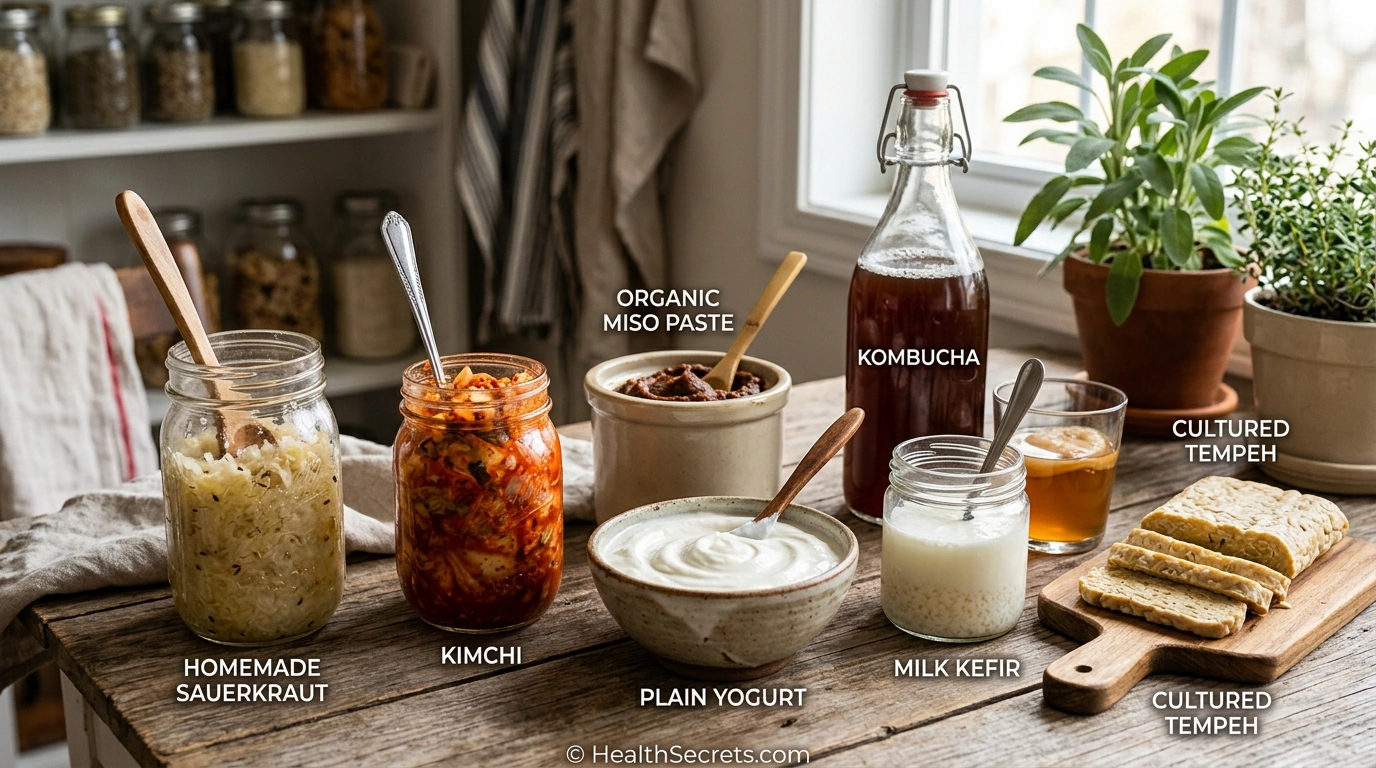
| Fermented foods | 1–2 servings | Yogurt, kefir, sauerkraut, kimchi, miso |
| Plant diversity | 5–7+ types/day | Varied vegetables, fruits, herbs, spices |
| Water | 8–10 cups | Water, herbal tea, bone broth |
| Foods to emphasize: Colorful vegetables, berries, leafy greens, fatty fish, extra virgin olive oil, bone broth, fermented foods, whole grains, legumes, nuts, seeds, turmeric, ginger, garlic |
Foods to minimize: Processed foods, added sugars, refined carbohydrates, trans fats, artificial additives, excessive alcohol

The Low-FODMAP Cheat Sheet
A green / amber / red FODMAP food map with portion sizes, a symptom baseline and a fillable reintroduction log that adds up your scores, so you can see which foods suit you.
What Should You Eat on Day 1 (Monday)?
Day 1 focuses on building your fiber foundation with overnight oats, omega-3-rich salmon, and your first serving of fermented sauerkraut. Today introduces 12 different plant foods and delivers approximately 30g of fiber.
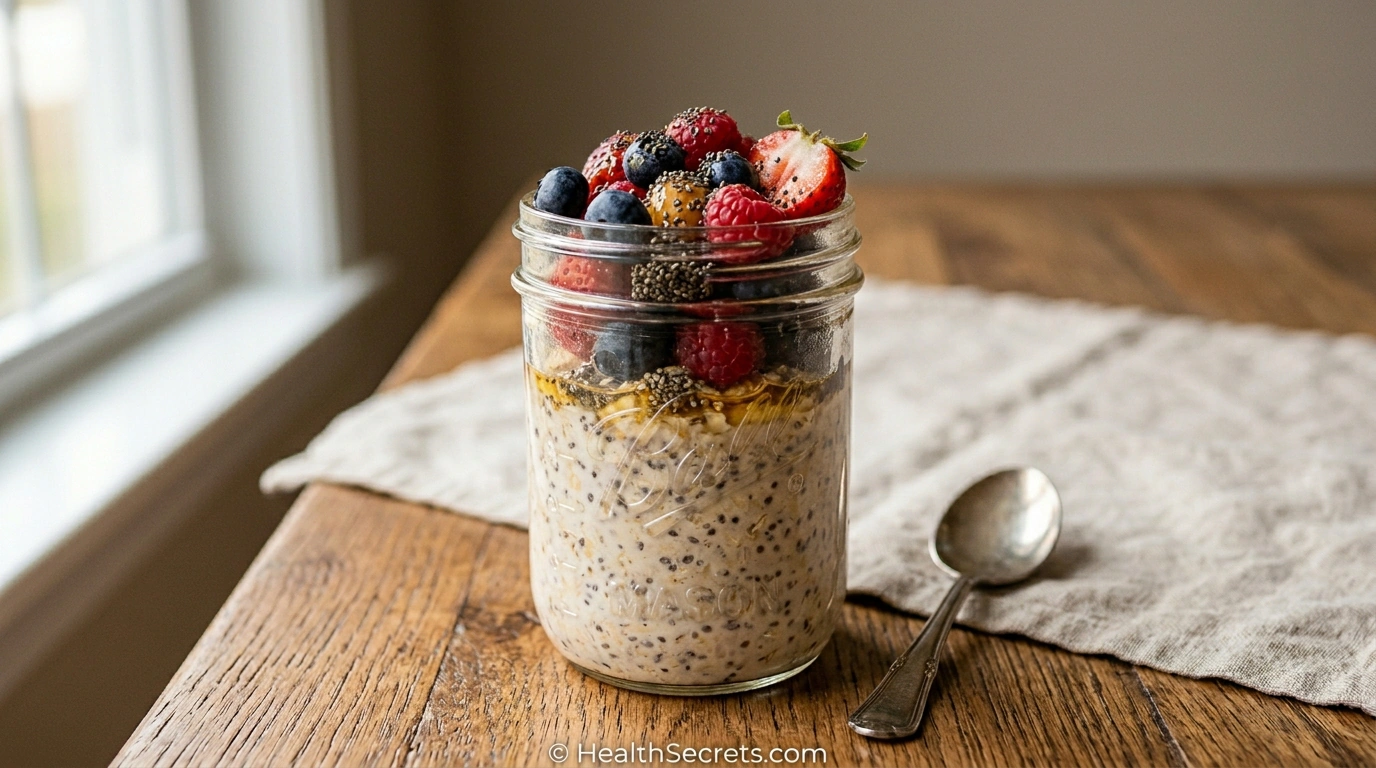
🌅 Breakfast: Overnight Oats with Yogurt and Berries
- 1/2 cup rolled oats, 1/2 cup plain Greek yogurt, 1/2 cup almond milk, 1 tbsp chia seeds, 1/2 cup mixed berries, 1 tsp honey, 1/4 tsp cinnamon
- Mix oats, yogurt, milk, chia seeds in a jar. Refrigerate overnight. Top with berries, honey, and cinnamon.
- Gut benefits: Fiber (oats, chia), probiotics (yogurt), antioxidants (berries), resistant starch (oats)
🍝 Lunch: Mason Jar Salad with Quinoa and Salmon
- 1/2 cup cooked quinoa, 3 oz grilled salmon, 2 cups mixed greens, 1/2 cup cherry tomatoes, 1/4 cup cucumber, 1/4 avocado, olive oil + lemon dressing
- Layer dressing at bottom, then quinoa, salmon, vegetables, greens on top. Shake before eating.
- Gut benefits: Omega-3 (salmon), fiber (quinoa, vegetables), polyphenols (olive oil), diverse plants
🌟 Dinner: Baked Cod with Roasted Vegetables and Sauerkraut
4 oz cod, 1 cup broccoli, 1 cup Brussels sprouts (halved), 1 medium sweet potato (cubed), 2 tbsp olive oil, 1/4 cup sauerkraut, thyme and rosemary
Toss vegetables with oil and herbs. Roast at 400°F for 25 min. Bake cod at 400°F for 12–15 min. Serve with sauerkraut (unheated to preserve probiotics).
Gut benefits: Omega-3 (cod), fiber (vegetables), probiotics (sauerkraut), anti-inflammatory (olive oil, herbs)
🍎 Snack 1: Greek yogurt (1/2 cup) with ground flaxseed and blueberries
🍎 Snack 2: Apple slices with 2 tbsp almond butter
💧 Hydration: 8–10 cups water + 1–2 cups ginger or peppermint tea
What Should You Eat on Day 2 (Tuesday)?
Day 2 features probiotic-rich kefir, gut-healing bone broth, prebiotic-packed onions and garlic, and anti-inflammatory turmeric. Today adds 10 new plant foods to your weekly total.
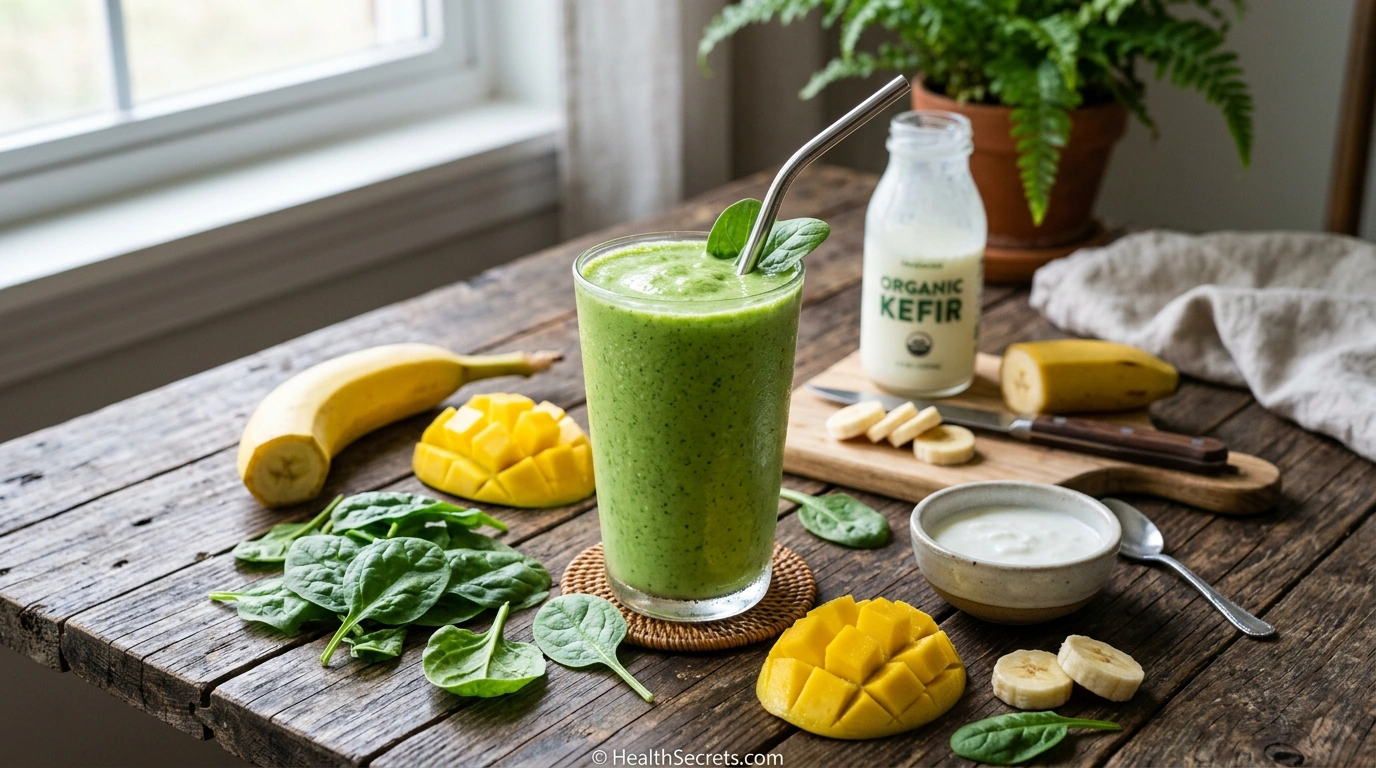
🌅 Breakfast: Green Smoothie with Kefir
- 1 cup kefir, 1 cup spinach, 1/2 banana, 1/2 cup frozen mango, 1 tbsp ground flaxseed, 1 tsp honey
- Blend all ingredients until smooth.
- Gut benefits: Probiotics (kefir), fiber (spinach, banana, flaxseed), omega-3 (flaxseed)
🍝 Lunch: Lentil Vegetable Soup
- 1 cup cooked lentils, 2 cups vegetable broth, 1 cup diced tomatoes, 1/2 cup carrots, 1/2 cup celery, 1/4 cup onion, 2 cloves garlic, 1 tsp cumin, 1 tsp turmeric
- Sauté onion and garlic in olive oil. Add vegetables, broth, lentils, spices. Simmer 20 min.
- Gut benefits: Fiber (lentils, vegetables), prebiotics (onion, garlic), anti-inflammatory (turmeric)
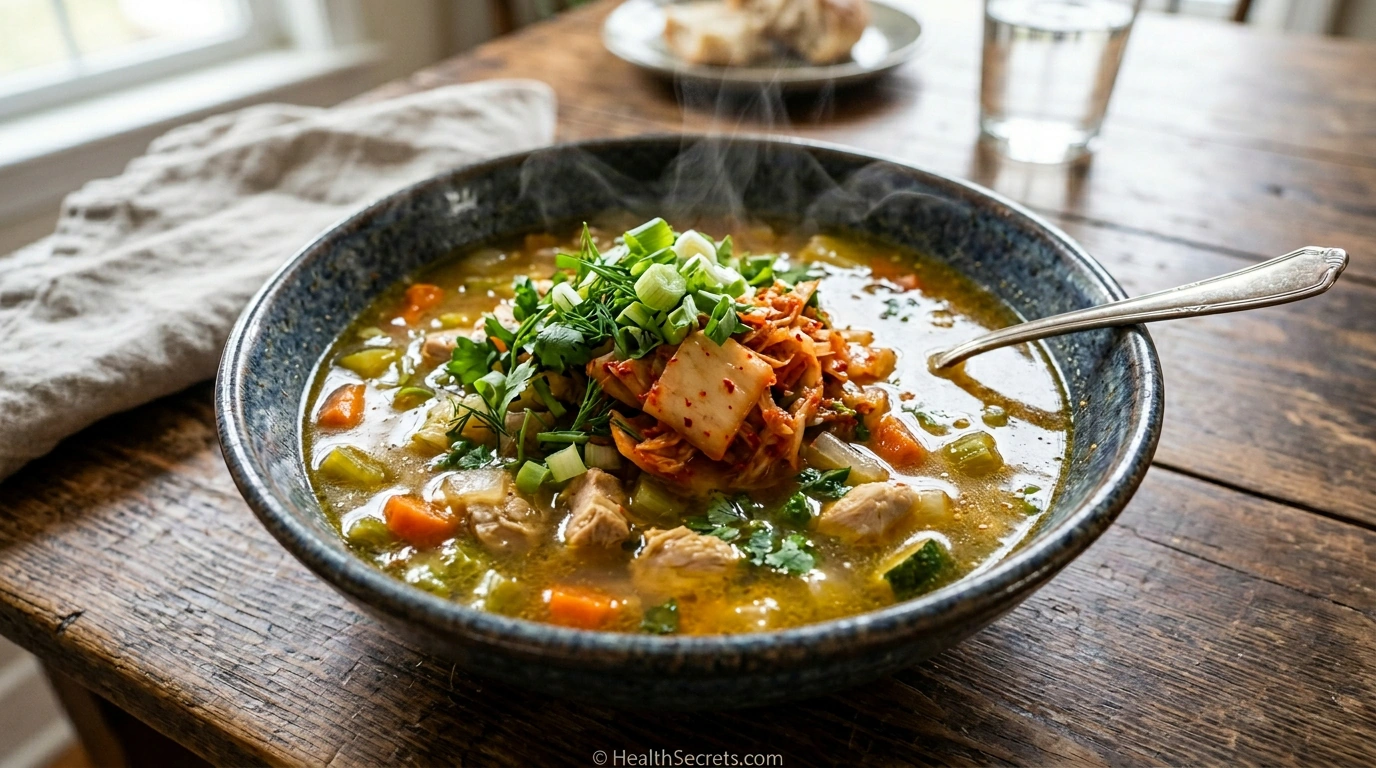
🌟 Dinner: Chicken Bone Broth Soup with Kimchi
2 cups chicken bone broth, 3 oz shredded chicken, 1 cup kale (chopped), 1/2 cup carrots, 1/2 cup zucchini, 1/4 cup kimchi, parsley and thyme
Heat bone broth. Add chicken and vegetables. Simmer 10 min. Top with kimchi (unheated) and herbs.
Gut benefits: Collagen and amino acids (bone broth), fiber (vegetables), probiotics (kimchi), gut lining repair [5]
🍎 Snack 1: Carrot sticks with 1/4 cup hummus
🍎 Snack 2: Kombucha (8 oz) with a handful of walnuts
💧 Hydration: 8–10 cups water + 1 cup bone broth
What Should You Eat on Day 3 (Wednesday)?
Day 3 introduces tempeh (fermented soybean protein), prebiotic asparagus, and a second round of omega-3-rich salmon. The variety keeps building toward the 30+ plant goal.
🌅 Breakfast: Veggie Omelet with Sauerkraut
- 2 eggs, 1/2 cup spinach, 1/4 cup bell peppers (diced), 1/4 cup mushrooms, 1/4 cup sauerkraut, 1 tbsp olive oil
- Sauté vegetables in olive oil. Pour beaten eggs over vegetables. Cook until set. Serve with sauerkraut.
- Gut benefits: Protein (eggs), fiber (vegetables), probiotics (sauerkraut)
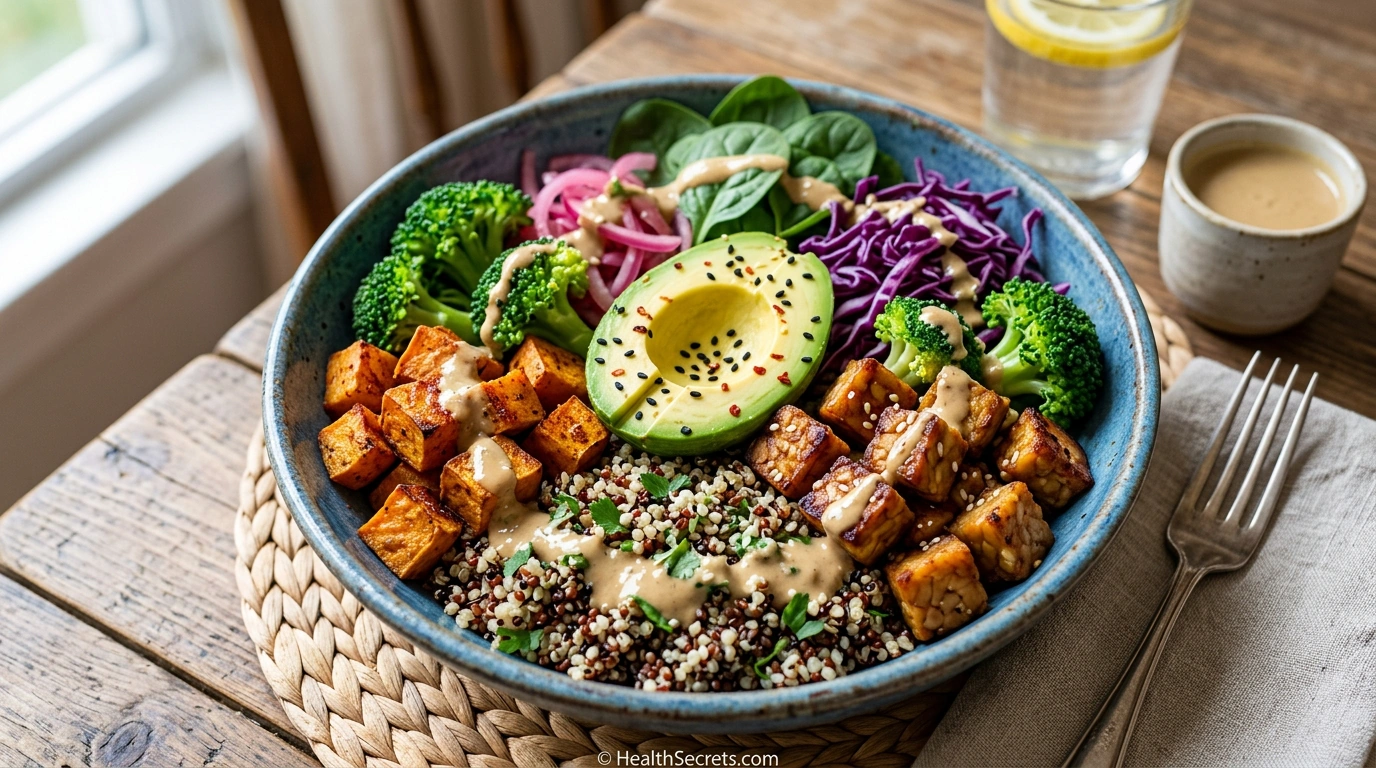
🍝 Lunch: Quinoa Buddha Bowl with Tempeh
- 1/2 cup cooked quinoa, 3 oz tempeh (cubed, sautéed), 1 cup roasted sweet potato, 1 cup steamed broccoli, 1/4 avocado, 2 tbsp tahini dressing
- Arrange quinoa, tempeh, and vegetables in a bowl. Drizzle with tahini.
- Gut benefits: Fiber (quinoa, vegetables), probiotics (tempeh), healthy fats (avocado, tahini)
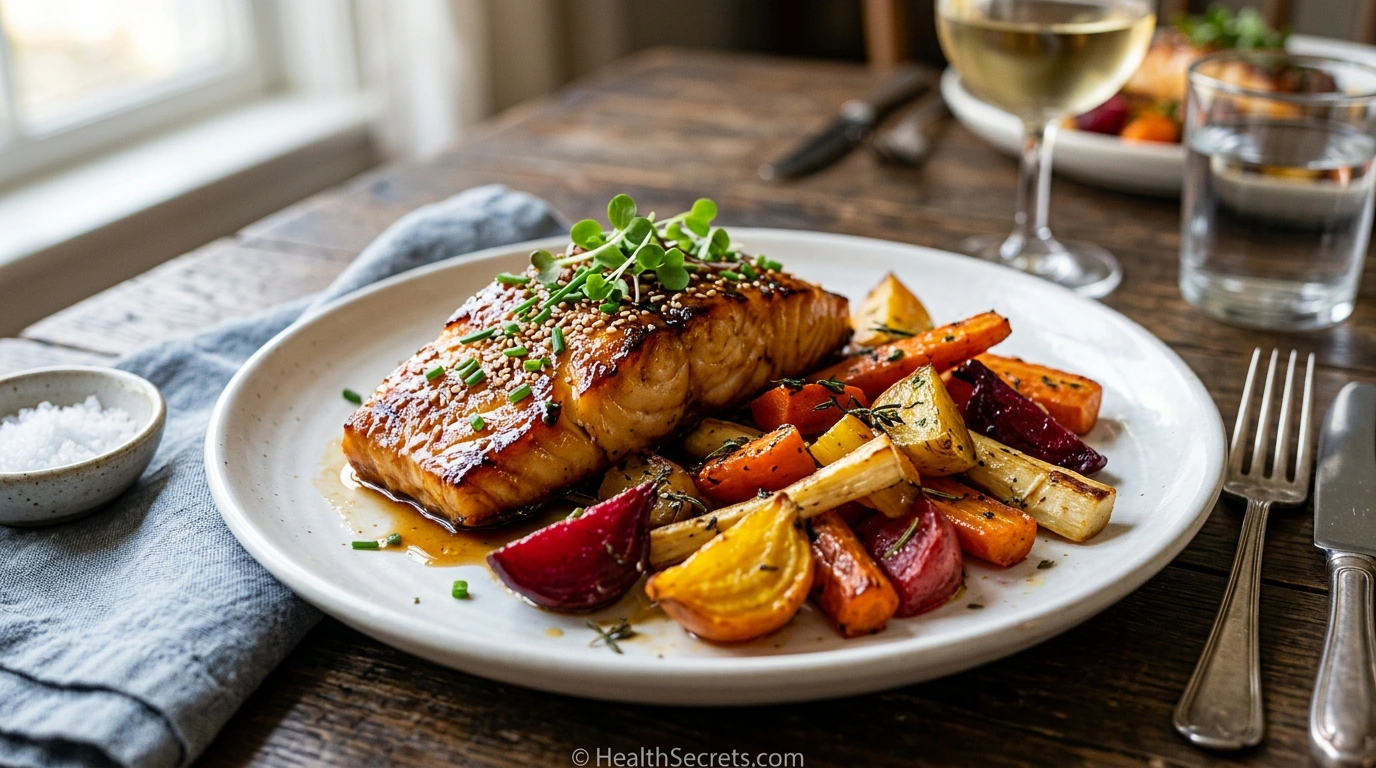
🌟 Dinner: Baked Salmon with Asparagus and Brown Rice
4 oz salmon, 1 cup asparagus, 1/2 cup brown rice, 2 tbsp olive oil, lemon, garlic
Toss asparagus with oil and garlic. Roast at 400°F for 15 min. Bake salmon at 400°F for 12–15 min. Serve with brown rice and lemon.
Gut benefits: Omega-3 (salmon), prebiotic fiber (asparagus), anti-inflammatory (olive oil, garlic)
🍎 Snack 1: Chia pudding (3 tbsp chia + 3/4 cup almond milk, overnight) with berries
🍎 Snack 2: Celery sticks with almond butter
💧 Hydration: 8–10 cups water + 1–2 cups green tea
What Should You Eat on Day 4 (Thursday)?
Day 4 brings a smoothie bowl, fermented vegetables with lunch, and an anti-inflammatory beef stir-fry with ginger and garlic. Kefir returns as a probiotic-rich snack.
🌅 Breakfast: Smoothie Bowl with Yogurt
- 1/2 cup Greek yogurt, 1/2 cup frozen berries, 1/2 banana, 1/4 cup low-sugar granola, 1 tbsp hemp seeds, 1 tbsp shredded coconut
- Blend yogurt, berries, and banana until thick. Pour into bowl. Top with granola, hemp seeds, coconut.
- Gut benefits: Probiotics (yogurt), fiber (berries, granola), omega-3 (hemp seeds)
🍝 Lunch: Chicken Salad with Fermented Vegetables
- 3 oz grilled chicken, 2 cups mixed greens, 1/2 cup cherry tomatoes, 1/4 cup cucumber, 1/4 cup shredded carrots, 1/4 cup sauerkraut or kimchi, olive oil + ACV dressing
- Arrange greens, vegetables, and chicken. Top with fermented vegetables and dressing.
- Gut benefits: Protein (chicken), fiber (vegetables), probiotics (fermented vegetables)
🌟 Dinner: Beef Stir-Fry with Vegetables and Quinoa
4 oz grass-fed beef (sliced thin), 1 cup broccoli, 1/2 cup bell peppers, 1/2 cup snap peas, 1/2 cup quinoa, coconut oil, coconut aminos, ginger, garlic
Stir-fry beef in coconut oil with ginger and garlic. Add vegetables. Cook until tender-crisp. Serve over quinoa with coconut aminos.
Gut benefits: Protein (beef), fiber (vegetables, quinoa), anti-inflammatory (ginger, garlic)
🍎 Snack 1: Kefir (1 cup) with honey and cinnamon
🍎 Snack 2: Cucumber slices with 1/4 cup guacamole
💧 Hydration: 8–10 cups water + 1 cup bone broth
What Should You Eat on Day 5 (Friday)?
Day 5 features a sweet potato hash breakfast, omega-3-packed sardines for lunch, and a miso-glazed cod dinner that introduces three new fermented food sources. Root vegetables add prebiotic fiber and antioxidants.
🌅 Breakfast: Sweet Potato Hash with Eggs and Sauerkraut
- 1 medium sweet potato (cubed), 1/4 cup onion (diced), 1/4 cup bell peppers (diced), 2 eggs, 1/4 cup sauerkraut, 2 tbsp olive oil, paprika
- Sauté sweet potato, onion, peppers in olive oil until tender. Make wells, crack eggs into wells. Cover, cook until eggs set. Top with sauerkraut and paprika.
- Gut benefits: Fiber (sweet potato, vegetables), protein (eggs), probiotics (sauerkraut), prebiotic (onion)
🍝 Lunch: Sardine Salad with Whole Grain Crackers
- 1 can sardines (in olive oil), 2 cups mixed greens, 1/2 cup cherry tomatoes, 1/4 cup cucumber, 1/4 avocado, 5 whole grain crackers, lemon juice
- Arrange greens and vegetables in bowl. Top with sardines and avocado. Drizzle with lemon juice. Serve with crackers.
- Gut benefits: Omega-3 (sardines), fiber (vegetables, crackers), healthy fats (avocado)
🌟 Dinner: Miso-Glazed Cod with Roasted Root Vegetables
4 oz cod, 2 tbsp miso paste, 1 tbsp honey, 1 cup carrots (sliced), 1 cup parsnips (sliced), 1 cup beets (cubed), 2 tbsp olive oil
Mix miso and honey. Brush on cod. Bake 400°F 12–15 min. Toss root vegetables with olive oil. Roast 400°F 30 min.
Gut benefits: Omega-3 (cod), probiotics (miso), fiber (root vegetables), anti-inflammatory (olive oil)
🍎 Snack 1: Greek yogurt (1/2 cup) with granola and raspberries
🍎 Snack 2: Handful of mixed nuts (1/4 cup) and 1 small orange
💧 Hydration: 8–10 cups water + 1–2 cups chamomile or ginger tea
What Should You Eat on Day 6 (Saturday)?
Day 6 is your weekend cooking day — buckwheat pancakes for a leisurely breakfast, a warming lentil curry for lunch, and grilled chicken with kimchi for dinner. New plant foods include buckwheat, pineapple, and green beans.
🌅 Breakfast: Buckwheat Pancakes with Berries and Yogurt
- 1 cup buckwheat flour, 1 egg, 1 cup almond milk, 1 tsp baking powder, 1/2 cup mixed berries, 1/4 cup plain Greek yogurt, 1 tbsp maple syrup
- Mix flour, egg, almond milk, baking powder. Cook pancakes on griddle. Top with berries, yogurt, maple syrup.
- Gut benefits: Fiber (buckwheat), probiotics (yogurt), antioxidants (berries), gluten-free option
🍝 Lunch: Lentil and Vegetable Curry with Brown Rice
- 1 cup cooked lentils, 1 cup coconut milk, 1 cup diced tomatoes, 1/2 cup spinach, 1/4 cup onion, 2 cloves garlic, 1 tbsp curry powder, 1 tsp turmeric, 1/2 cup brown rice
- Sauté onion and garlic in coconut oil. Add curry powder, turmeric. Add lentils, coconut milk, tomatoes. Simmer 15 min. Stir in spinach. Serve over brown rice.
- Gut benefits: Fiber (lentils, vegetables, brown rice), anti-inflammatory (turmeric, curry), prebiotic (onion, garlic)
🌟 Dinner: Grilled Chicken with Fermented Vegetables and Quinoa
4 oz grilled chicken breast, 1/2 cup cooked quinoa, 1 cup steamed green beans, 1/4 cup kimchi, 2 tbsp olive oil, lemon
Grill chicken with olive oil and lemon. Steam green beans. Serve chicken over quinoa with green beans and kimchi.
Gut benefits: Protein (chicken), fiber (quinoa, green beans), probiotics (kimchi), anti-inflammatory (olive oil)
🍎 Snack 1: Smoothie with kefir (1 cup), spinach (1 cup), pineapple (1/2 cup), chia seeds (1 tbsp)
🍎 Snack 2: Bell pepper slices (1 cup) with 1/4 cup hummus
💧 Hydration: 8–10 cups water + 1 cup kombucha
What Should You Eat on Day 7 (Sunday)?
Day 7 wraps the week with avocado toast and sauerkraut for breakfast, a gut-healing bone broth ramen for lunch, and a final salmon dinner. Sunday is also your prep day for next week.
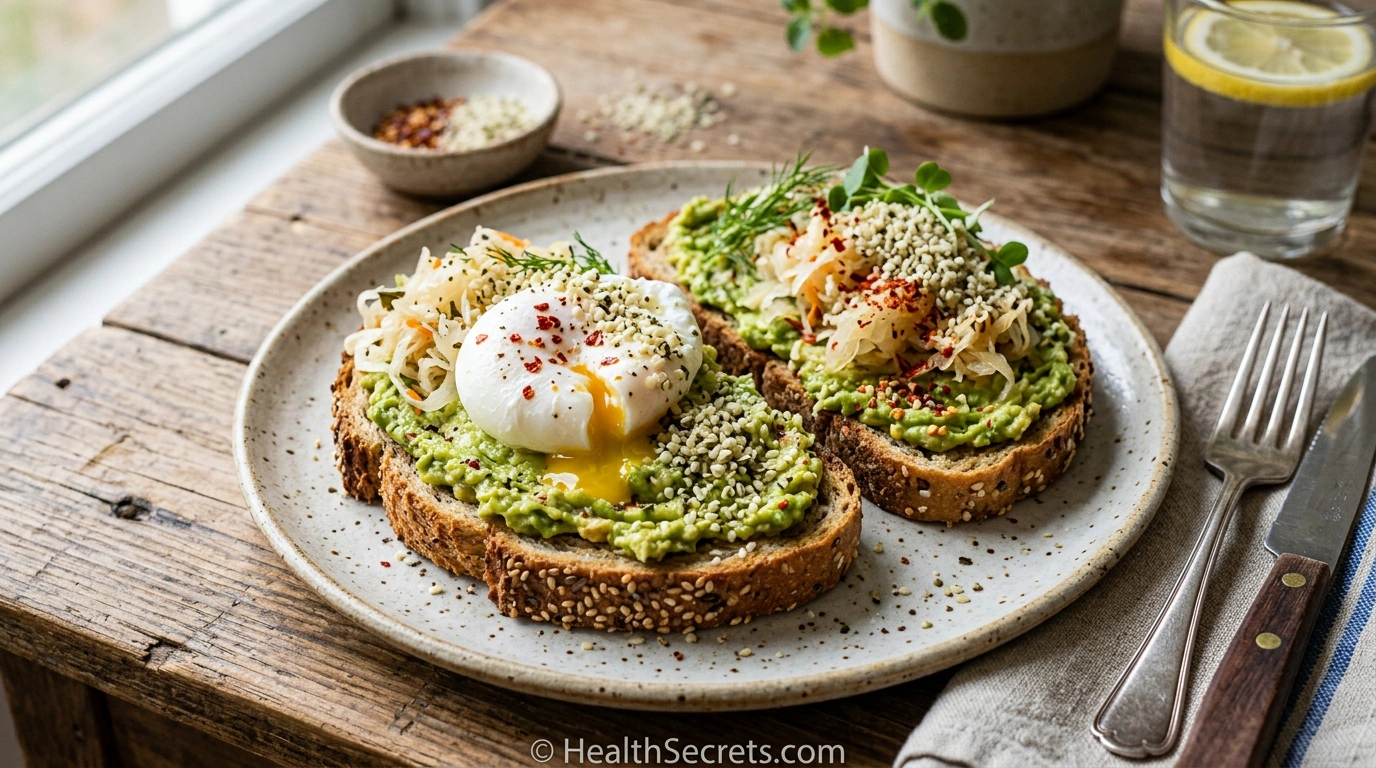
🌅 Breakfast: Avocado Toast with Sauerkraut and Poached Egg
- 2 slices whole grain bread, 1/2 avocado (mashed), 1 poached egg, 2 tbsp sauerkraut, red pepper flakes, hemp seeds
- Toast bread. Spread avocado. Top with poached egg, sauerkraut, red pepper flakes, hemp seeds.
- Gut benefits: Fiber (whole grain bread), healthy fats (avocado), protein (egg), probiotics (sauerkraut), omega-3 (hemp seeds)
🍝 Lunch: Chicken Bone Broth Ramen with Vegetables
- 2 cups chicken bone broth, 2 oz rice noodles, 3 oz shredded chicken, 1/2 cup bok choy, 1/4 cup mushrooms, 1/4 cup carrots (julienned), 1 soft-boiled egg, 2 tbsp miso paste, green onions
- Heat bone broth. Cook rice noodles. Add chicken, vegetables, miso. Top with soft-boiled egg and green onions.
- Gut benefits: Collagen (bone broth), fiber (vegetables), probiotics (miso), gut lining repair [5]
🌟 Dinner: Baked Salmon with Roasted Brussels Sprouts and Sweet Potato
4 oz salmon, 1 cup Brussels sprouts (halved), 1 medium sweet potato (cubed), 2 tbsp olive oil, balsamic vinegar, garlic
Toss Brussels sprouts and sweet potato with olive oil and garlic. Roast 400°F 25 min. Bake salmon 400°F 12–15 min. Drizzle with balsamic vinegar.
Gut benefits: Omega-3 (salmon), fiber (Brussels sprouts, sweet potato), anti-inflammatory (olive oil, garlic)
🍎 Snack 1: Chia pudding with blueberries and almond butter
🍎 Snack 2: Handful of walnuts (1/4 cup) and 1 small apple
💧 Hydration: 8–10 cups water + 1–2 cups peppermint or chamomile tea
What Do You Need to Buy for This Meal Plan?
This organized shopping list covers all 7 days. Buy organic where possible, especially for the "Dirty Dozen" produce items. Estimated weekly cost: $85–$120 depending on location and brand choices.
Proteins
- Wild-caught salmon fillets (2 × 4 oz)
- Wild-caught cod fillets (2 × 4 oz)
- Canned sardines in olive oil (1 can)
- Organic chicken breast (2) + shredded chicken (6 oz)
- Grass-fed beef stir-fry strips (4 oz)
- Eggs (1 dozen)
- Tempeh (1 package, 8 oz)
- Dry or canned lentils (2 cups cooked)
Vegetables
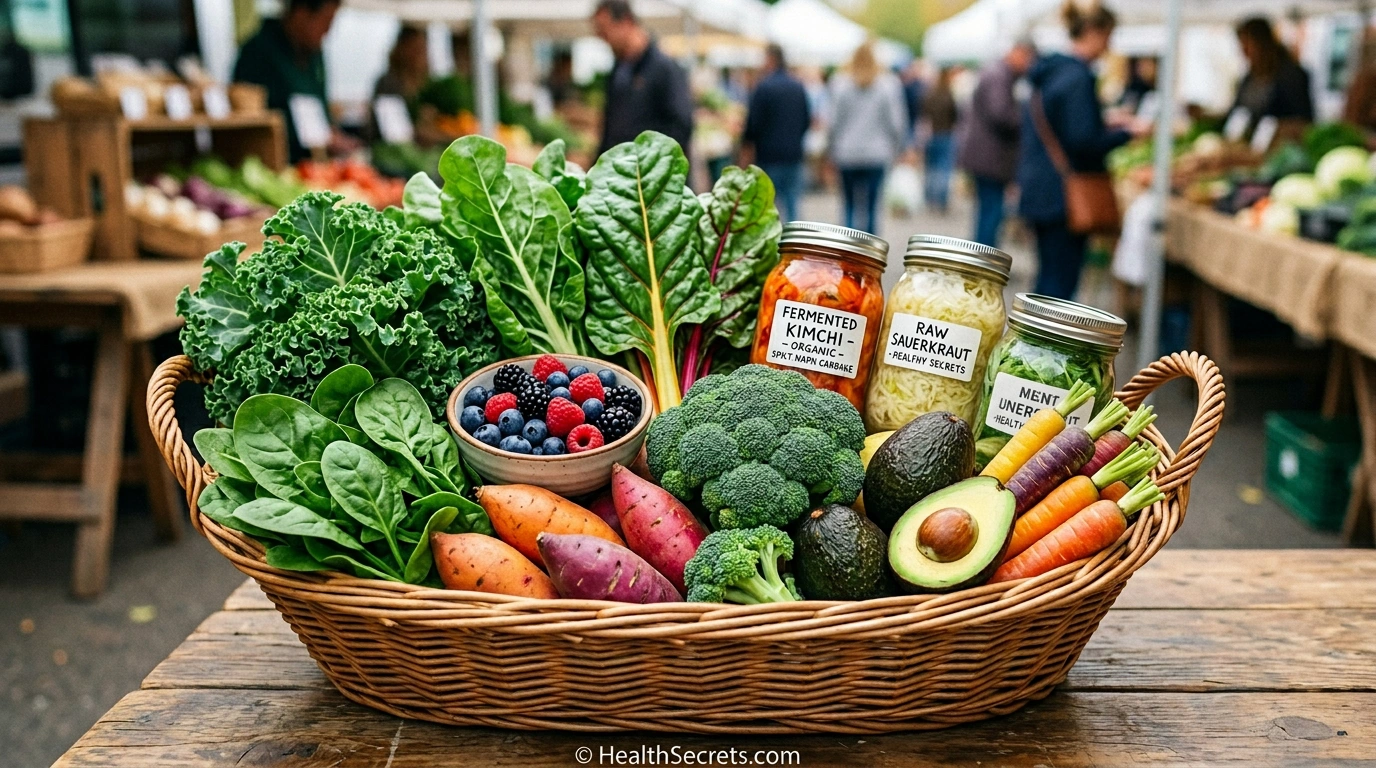
- Leafy greens: Spinach (2 bunches), kale (1 bunch), mixed greens (2 containers), bok choy (1 bunch)
- Cruciferous: Broccoli (2 heads), Brussels sprouts (1 lb)
- Root vegetables: Sweet potatoes (3 medium), carrots (1 lb), beets (1 lb), parsnips (1 lb)
- Prebiotic: Onions (2), garlic (1 bulb), asparagus (1 bunch)
- Other: Bell peppers (3), cherry tomatoes (1 pint), cucumber (2), zucchini (2), mushrooms (8 oz), celery (1 bunch), snap peas (1 cup), green beans (1 cup)
Fruits
- Mixed berries (2 cups), blueberries (1 cup), raspberries (1 cup)
- Bananas (3), apples (3), oranges (2), lemons (2)
- Mango (1, frozen okay), pineapple (1 cup, frozen okay)
Whole Grains
- Rolled oats, quinoa, brown rice, buckwheat flour
- Whole grain bread (1 loaf), whole grain crackers (1 box)
- Rice noodles (1 package)
Healthy Fats
- Extra virgin olive oil, coconut oil
- Avocados (3)
- Walnuts, almonds, mixed nuts
- Chia seeds, ground flaxseed, hemp seeds
- Almond butter (1 jar)
Fermented Foods
- Plain Greek yogurt (2 containers, 24 oz each)
- Kefir (1 bottle, 32 oz)
- Sauerkraut (1 jar, 16 oz) — raw, unpasteurized
- Kimchi (1 jar, 16 oz)
- Kombucha (4 bottles, 16 oz each)
- Miso paste (1 container)
Herbs, Spices, and Pantry
- Fresh: Ginger, garlic, parsley, thyme, rosemary, green onions
- Dried: Turmeric, cumin, cinnamon, paprika, curry powder, red pepper flakes
- Chicken bone broth (4 cups), vegetable broth (2 cups)
- Apple cider vinegar, balsamic vinegar, coconut aminos, tahini, hummus
- Honey, maple syrup, coconut milk (1 can), diced tomatoes (1 can)
- Unsweetened almond milk, herbal teas (ginger, peppermint, chamomile, green tea)
- Low-sugar granola, shredded coconut
How Do You Meal Prep for This Gut Health Plan?
Strategic meal prep on Sunday saves 4–5 hours during the week and ensures you stay consistent with gut-healthy eating. A well-organized prep session makes weeknight meals a 10–15 minute assembly process.
Sunday Batch Cooking (2–3 hours)
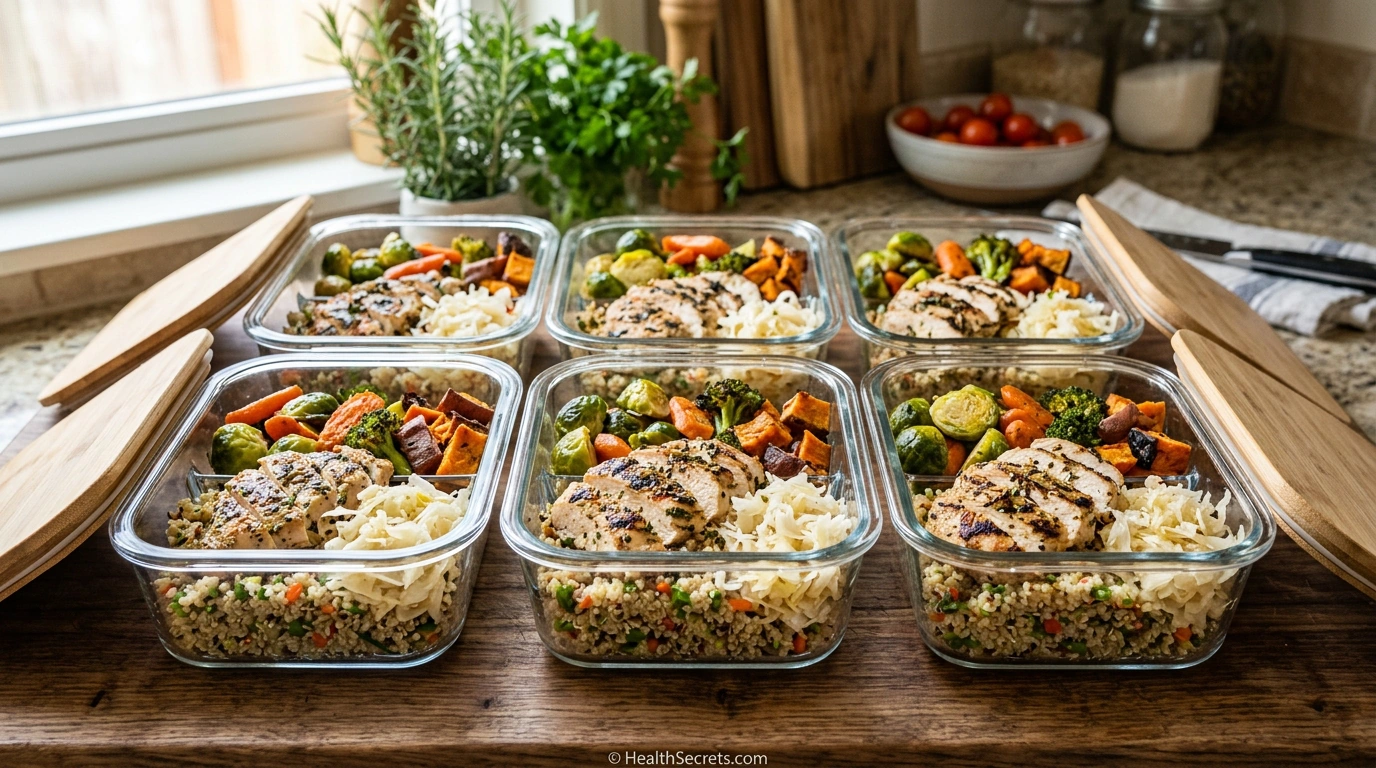
- Proteins: Grill 2–3 chicken breasts, portion salmon fillets (refrigerate 3–4 days)
- Grains: Cook 2 cups quinoa + 2 cups brown rice (refrigerate up to 5 days, freeze up to 3 months)
- Roasted vegetables: Sheet pan with broccoli, Brussels sprouts, sweet potato, carrots (refrigerate 4–5 days)
- Bone broth: Make a large batch in slow cooker (24 hrs) or Instant Pot (2 hrs) — freeze in 1–2 cup portions
Nightly Prep (10 minutes)
- Overnight oats/chia pudding: Mix in jar, refrigerate overnight
- Mason jar salads: Assemble 3–4 days in advance (dressing at bottom, greens on top)
- Snack portions: Pre-cut vegetables, portion nuts into 1/4 cup bags, divide hummus into containers
Storage Tips
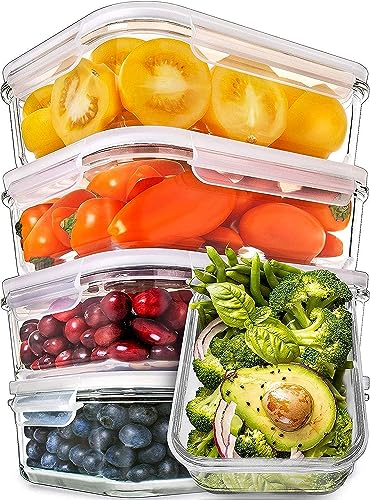
- Use glass containers (BPA-free) — better for gut health than plastic
- Label everything with dates
- Refrigerate prepared meals 3–5 days, freeze proteins and grains up to 3 months
- Keep fermented foods in the fridge — never heat sauerkraut or kimchi (kills probiotics)
Time-Saving Tools
- Instant Pot: Pressure cook grains, beans, and bone broth in a fraction of the time
- Slow cooker: Set bone broth or soups in the morning, dinner ready by evening
- Sheet pan meals: Roast protein + vegetables together for easy one-pan cleanup
What Are the Nutritional Benefits of This Meal Plan?
This 7-day plan delivers a comprehensive nutritional profile designed specifically to support gut microbiome health, reduce intestinal inflammation, and promote digestive function. Research shows that dietary patterns — not individual nutrients — have the greatest impact on microbiome composition [6].
- Fiber diversity feeds different bacterial species. This plan includes soluble fiber (oats, lentils, chia seeds), insoluble fiber (vegetables, whole grains), resistant starch (cooked and cooled potatoes, overnight oats), and prebiotic fibers like inulin from onions, garlic, and asparagus. Each fiber type feeds different beneficial bacteria, producing short-chain fatty acids (SCFAs) that fuel colon cells and reduce inflammation [3].
- Fermented foods provide live cultures daily. By including yogurt, kefir, sauerkraut, kimchi, miso, tempeh, and kombucha across the week, this plan delivers diverse Lactobacillus and Bifidobacterium strains. The Stanford trial showed that 6 servings of fermented foods daily significantly increased microbiome diversity within 10 weeks [2].
- Anti-inflammatory compounds protect gut lining. Omega-3 fatty acids from salmon, sardines, walnuts, and flaxseed reduce pro-inflammatory cytokines in the gut [4]. Polyphenols from berries, olive oil, green tea, and colorful vegetables feed beneficial bacteria and have prebiotic-like effects [7]. Turmeric (curcumin) and ginger provide additional anti-inflammatory support.
- Bone broth and collagen support intestinal repair. The glycine, proline, and glutamine in bone broth directly fuel intestinal epithelial cells, supporting tight junction integrity and reducing intestinal permeability (“leaky gut”) [5].
Customization Options
| Dietary Need | Substitutions |
|---|---|
| Vegetarian/Vegan | Replace animal proteins with legumes, tofu, tempeh, nuts, seeds. Use coconut yogurt/kefir with live cultures. |
| Gluten-Free | Substitute quinoa, rice, buckwheat, or gluten-free oats for wheat-based grains. Check sauces for hidden gluten. |
| Dairy-Free | Use coconut yogurt and coconut kefir (with live cultures). Consider a probiotic supplement for additional support. |
| Low-FODMAP (IBS) | Limit onions, garlic, beans, apples. Choose low-FODMAP vegetables (carrots, zucchini, bell peppers). Consult a registered dietitian. |
| Nut Allergy | Substitute sunflower seeds, pumpkin seeds, or sunflower seed butter for all nuts and nut butters. |
What Should You Do First to Start This Gut Health Meal Plan?
Start with Sunday meal prep and gradually introduce fermented foods over the first week. Don't try to change everything at once — building sustainable gut-healthy habits is more important than perfection. Follow this phased approach for the best results.
Phase 1: Prep Weekend (Saturday–Sunday)
- Print or save the shopping list from this article
- Shop for all ingredients (budget approximately $85–$120)
- Batch cook proteins: grill chicken, portion salmon
- Prepare grains: cook quinoa and brown rice
- Roast a sheet pan of vegetables
- Make overnight oats for Monday morning
- Start bone broth in slow cooker or Instant Pot
Phase 2: Week 1 (Days 1–7)
- Follow the meal plan day by day
- Start fermented foods at 1–2 tablespoons per serving
- Drink 8–10 cups of water daily
- Track your fiber intake (aim for 25g minimum)
- Note any digestive changes in a food journal
- Prep each evening for the next day
Phase 3: Week 2+ (Build Habits)
- Increase fermented food portions to 1/4–1/2 cup per serving
- Experiment with new plant foods to exceed 30+ varieties
- Continue meal prepping every Sunday
- Adjust portions based on hunger and energy levels
- Add complementary habits: 7–9 hours sleep, stress management, 150 min exercise weekly