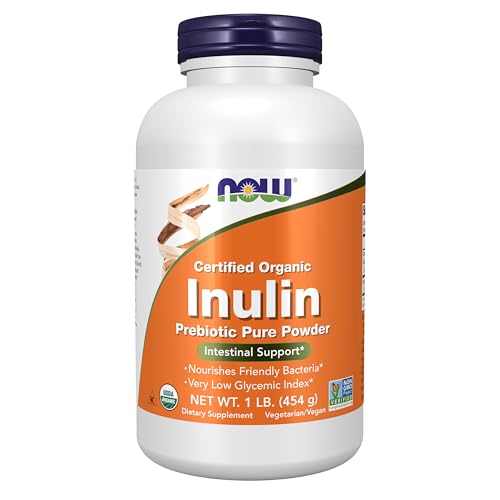
Your gut microbiome contains trillions of microorganisms that influence everything from digestion and immunity to mood and metabolic health. Research published in 2024 confirms that targeted probiotic supplementation can measurably shift microbial composition within weeks, while prebiotic fibers provide the fuel these beneficial organisms need to thrive [1]. Yet walking through the supplement aisle — or scrolling through endless Amazon listings — reveals a dizzying landscape of CFU counts, proprietary blends, and marketing claims that make informed decisions genuinely difficult.
The difference between a probiotic that delivers real benefits and one that wastes your money often comes down to strain specificity, colony-forming unit potency, survivability through stomach acid, and whether the product matches your particular health goal. A single-strain Lactobacillus rhamnosus GG supplement works beautifully for digestive regularity, while a high-potency multi-strain formula may better support someone recovering from antibiotic treatment [2]. Prebiotics like inulin and FOS add another dimension by selectively feeding beneficial bacteria already in your gut [8].
We spent over 100 hours researching clinical trials, comparing formulations, and evaluating real-world user outcomes to identify the 11 best probiotic, prebiotic, and synbiotic supplements available in 2026. Whether you need maximum potency for gut restoration, a travel-friendly shelf-stable option, or an affordable prebiotic powder, this guide matches you with the right product backed by the strongest evidence.
If you are new to gut health optimization, start with our Gut Health Complete Guide for foundational concepts. For detox support that complements probiotic use, explore our Gut Detox Protocol. Those interested in timing their supplements for maximum absorption should read our Supplement Timing and Absorption Guide, and anyone combining multiple supplements will benefit from our Supplement Interactions Guide.
What Should You Look for When Choosing a Probiotic or Prebiotic Supplement?
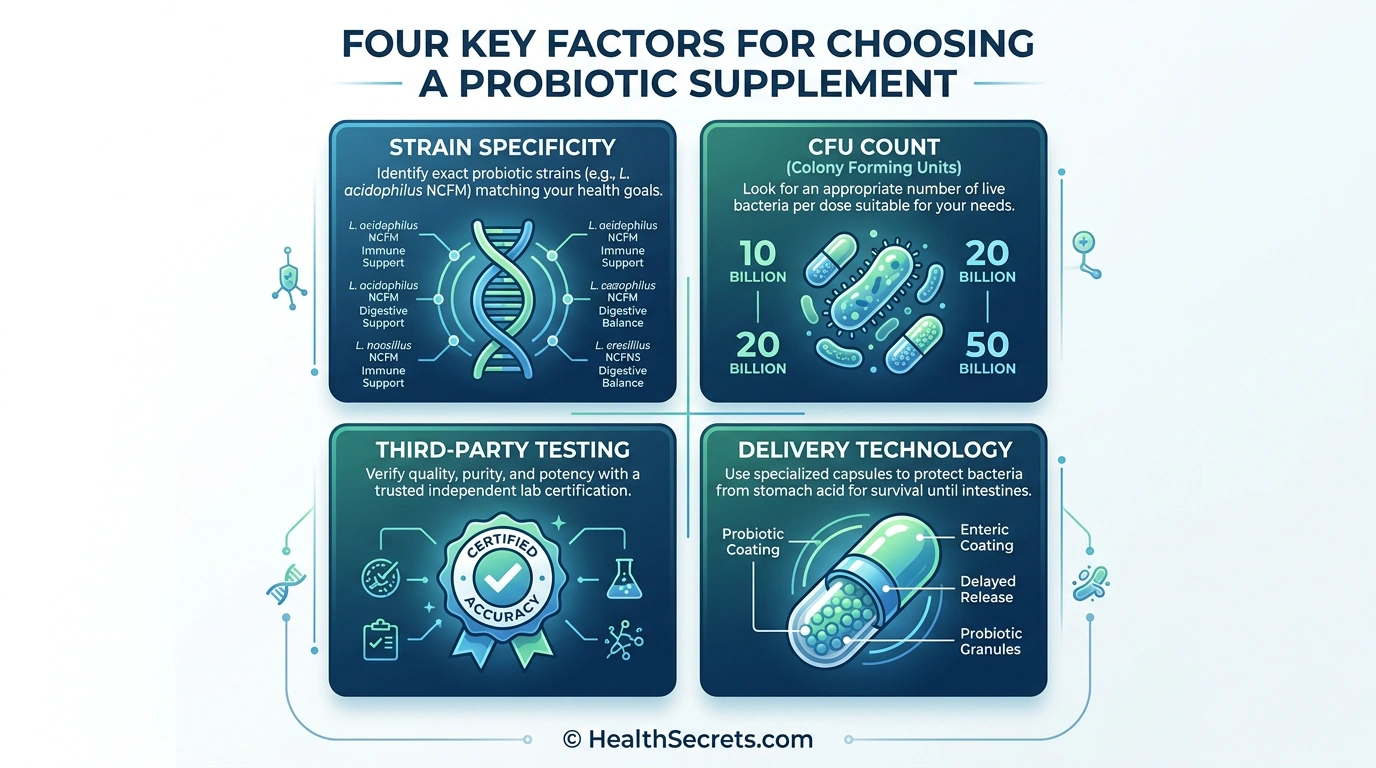
The most important factors in selecting an effective probiotic or prebiotic supplement are strain specificity for your health goal, adequate CFU count with expiration-date guarantees, a delivery mechanism that survives stomach acid, and third-party testing for purity. Understanding these four pillars helps you avoid the majority of ineffective products on the market.
How Do CFU Counts Affect Probiotic Effectiveness?
Colony-forming units measure the number of viable microorganisms per dose. Research indicates that effective therapeutic doses range from 1 billion to 100 billion CFU depending on the condition being addressed [1]. General digestive maintenance typically requires 10–25 billion CFU daily, while acute conditions like antibiotic recovery may benefit from 50–100 billion CFU. Always look for products that guarantee CFU counts at expiration, not just at manufacture, since viability decreases over time.
Why Does Strain Specificity Matter More Than CFU Count?
Not all probiotic strains produce the same health effects. Lactobacillus rhamnosus GG has extensive evidence for digestive and immune health [2][3], while Saccharomyces boulardii specifically prevents antibiotic-associated diarrhea [4][5]. Multi-strain formulas offer broader coverage but may be less targeted. Match the specific strains in a product to your primary health concern rather than simply choosing the highest CFU number.
What Delivery Technologies Ensure Probiotics Survive Stomach Acid?
Standard vegetable capsules expose probiotics to destructive stomach acid, potentially killing 60–70% of organisms before they reach the intestines. Delayed-release capsules, enteric coatings, and microencapsulation technologies significantly improve survival rates. Spore-forming probiotics like Bacillus subtilis naturally resist stomach acid without special delivery technology. Look for products specifying their delivery mechanism on the label.
How Do You Choose Between Probiotics, Prebiotics, and Synbiotics?
Probiotics introduce beneficial bacteria directly, prebiotics feed existing beneficial bacteria, and synbiotics combine both approaches. A 2026 systematic review found that synbiotic supplementation produced greater reductions in inflammatory biomarkers than either probiotics or prebiotics alone [10]. For most people, starting with a quality probiotic and adding a prebiotic fiber supplement provides the flexibility to adjust each component independently.

The Supplement Seal Verifier
What six certification programs each test, the label claims that test nothing, and a ten-bottle audit sheet that counts your verified products.
How Did We Evaluate These Probiotic and Prebiotic Supplements?
We evaluated over 40 probiotic, prebiotic, and synbiotic supplements using a rigorous methodology that assessed clinical evidence for included strains, CFU potency guarantees, delivery technology, third-party testing, ingredient transparency, and real-world user outcomes. Products earning recommendation demonstrated superiority across multiple evaluation criteria.

Strain Research Depth
We cross-referenced every strain in each product against published clinical trials in PubMed and the Cochrane Library. Products containing strains with robust human clinical data — particularly randomized controlled trials — scored highest. We specifically verified that claimed health benefits matched the evidence for the actual strains included, not just the genus or species.
Potency and Stability Verification
We prioritized products guaranteeing CFU counts through expiration date rather than only at manufacture. Products with third-party testing from organizations like NSF International, USP, or ConsumerLab received higher scores. We also evaluated storage requirements and shelf-stability claims against the delivery technology employed.
Delivery Mechanism Assessment
We evaluated each product's capsule technology, coating, or formulation for its ability to protect organisms through gastric transit. Delayed-release capsules, enteric coatings, BIO-tract technology, and spore-forming strains all received credit for addressing this critical survival challenge.
Value and Accessibility Analysis
We calculated cost-per-billion-CFU to normalize pricing across different potency levels. Subscription discounts, availability through major retailers, and transparent labeling all contributed to our accessibility scoring.
How Do You Use Probiotic and Prebiotic Supplements Effectively?
For optimal results, take probiotics on an empty stomach or with a light meal, start with a lower dose and increase gradually over two weeks, store according to label instructions, and pair with prebiotic fiber to support colonization. Consistency matters more than timing — daily use for at least 4–8 weeks produces the most reliable benefits.

What Is the Best Time of Day to Take Probiotics?
Most probiotics perform best when taken 30 minutes before breakfast or at bedtime, when stomach acid levels are lowest. However, delayed-release and enteric-coated capsules can be taken with meals since their delivery technology protects against stomach acid. Saccharomyces boulardii is acid-resistant and can be taken at any time [4]. The most important factor is choosing a consistent time you will not forget.
How Should You Introduce Prebiotic Fiber to Avoid Digestive Discomfort?
Start prebiotic fiber at one-quarter to one-half the recommended dose and increase gradually over 2–3 weeks. Inulin and FOS can cause bloating, gas, and cramping when introduced too quickly because they rapidly increase fermentation in the colon [8]. Mixing prebiotic powder into room-temperature water or smoothies improves tolerability. If symptoms persist beyond two weeks at a given dose, reduce the amount and increase more slowly.
Can You Take Probiotics and Prebiotics Together?
Yes, and research suggests this combination produces superior outcomes. A 2026 systematic review found that synbiotic supplementation significantly reduced inflammatory markers compared to probiotics or prebiotics alone [10]. Take prebiotic fiber at the same time as your probiotic to provide immediate fuel for the incoming beneficial organisms. Alternatively, some people prefer taking prebiotics in the morning and probiotics at bedtime.
Are There Safety Concerns with Probiotic and Prebiotic Supplements?
Probiotics and prebiotics are generally safe for healthy adults, with side effects typically limited to temporary gas, bloating, and digestive changes during the first 1–2 weeks of use. However, immunocompromised individuals, those with central venous catheters, and critically ill patients should avoid probiotics without medical supervision due to rare but serious infection risks [1][13].
Who Should Avoid Probiotic Supplements?
Individuals with severely compromised immune systems, those receiving chemotherapy or immunosuppressive therapy, patients with short bowel syndrome, and people with central venous catheters face elevated risk of probiotic-related bacteremia or fungemia [1]. Premature infants should only receive probiotics under strict medical supervision. If you take immunosuppressive medications, consult your healthcare provider before starting any probiotic supplement.
What Are Common Side Effects and How Long Do They Last?
Initial side effects include increased gas, bloating, mild cramping, and changes in bowel habits. These symptoms reflect the gut microbiome adjusting to new microbial populations and typically resolve within 7–14 days of consistent use. Starting at a lower dose and increasing gradually minimizes these effects. If symptoms persist beyond three weeks or worsen significantly, discontinue use and consult your healthcare provider.
Can Probiotics Interact with Medications?
Probiotics may reduce the effectiveness of certain antifungal medications when using yeast-based probiotics like Saccharomyces boulardii. Antibiotics can kill probiotic bacteria, so separate dosing by at least 2 hours when taking both concurrently [6]. Immunosuppressive drugs create a theoretical risk environment for probiotic use. Always disclose probiotic use to your healthcare provider, especially when starting new medications.
What Is the Best Step-by-Step Plan for Starting Probiotic and Prebiotic Supplements?
Begin with a single moderate-potency probiotic for two weeks, then layer in a prebiotic fiber at a reduced dose, and gradually increase both over 6–8 weeks while monitoring your digestive response. This phased approach minimizes side effects while building toward optimal microbiome support.

Phase 1: Foundation (Weeks 1–2)
- Choose a multi-strain probiotic with 25–50 billion CFU based on your primary health goal
- Take on an empty stomach at a consistent time daily
- Track digestive symptoms in a simple journal
- Store supplement according to label instructions (refrigerate if required)
Phase 2: Integration (Weeks 3–4)
- Add a prebiotic fiber supplement at half the recommended dose
- Continue daily probiotic at the same dose
- Note any changes in bloating, gas, or bowel habits
- Increase prebiotic to full dose if tolerated well by end of week 4
Phase 3: Optimization (Weeks 5–8)
- Consider increasing probiotic potency if symptoms warrant
- Incorporate prebiotic-rich foods (garlic, onions, bananas, asparagus) alongside supplementation
- Evaluate whether a synbiotic formula might simplify your regimen
- Schedule a check-in with your healthcare provider to discuss results
Phase 4: Maintenance (Ongoing)
- Continue daily probiotic and prebiotic supplementation at your optimal dose
- Rotate probiotic strains every 3–6 months for microbial diversity
- Support supplement use with a fiber-rich diet and adequate hydration
- Reassess product quality annually as new research and formulations emerge