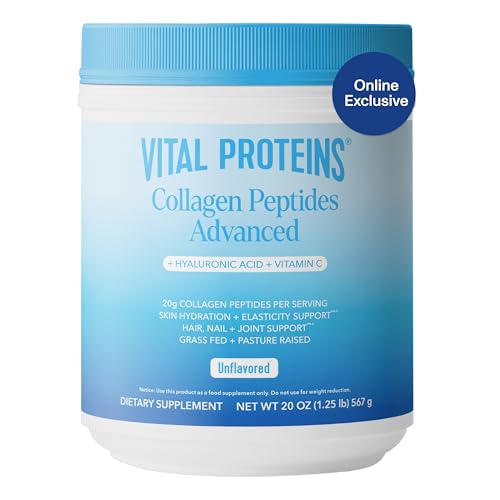
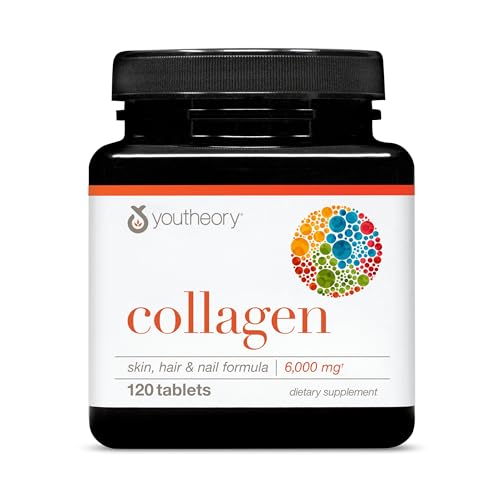
Collagen has become one of the most talked-about supplements in the gut health space — and for good reason. As the most abundant protein in your body, collagen provides the structural scaffolding for your intestinal lining, and its unique amino acid profile (rich in glycine, proline, and glutamine) plays a direct role in maintaining gut barrier integrity and reducing intestinal inflammation.
But with dozens of collagen products on the market — peptides, gelatin, marine, bovine, multi-collagen blends — choosing the right one for gut health can feel overwhelming. Not all collagen supplements are created equal, and the type, source, and processing method all affect how well they support your digestive system.
This guide breaks down the science behind collagen for gut health, explains which types and forms are most effective for gut lining repair, and reviews the best collagen supplements specifically chosen for their gut-healing potential. Whether you're working on healing leaky gut or simply optimizing your digestive wellness, we'll help you find the right collagen for your needs.
What Should You Look for When Choosing a Collagen Supplement for Gut Health?
The best collagen supplements for gut health contain Types I and III collagen from grass-fed bovine or wild-caught marine sources, are hydrolyzed for optimal absorption, provide at least 10 grams per serving, and carry third-party testing for purity. The source, processing method, and amino acid profile all influence gut-healing effectiveness.
Which Collagen Types Matter Most for Gut Health?
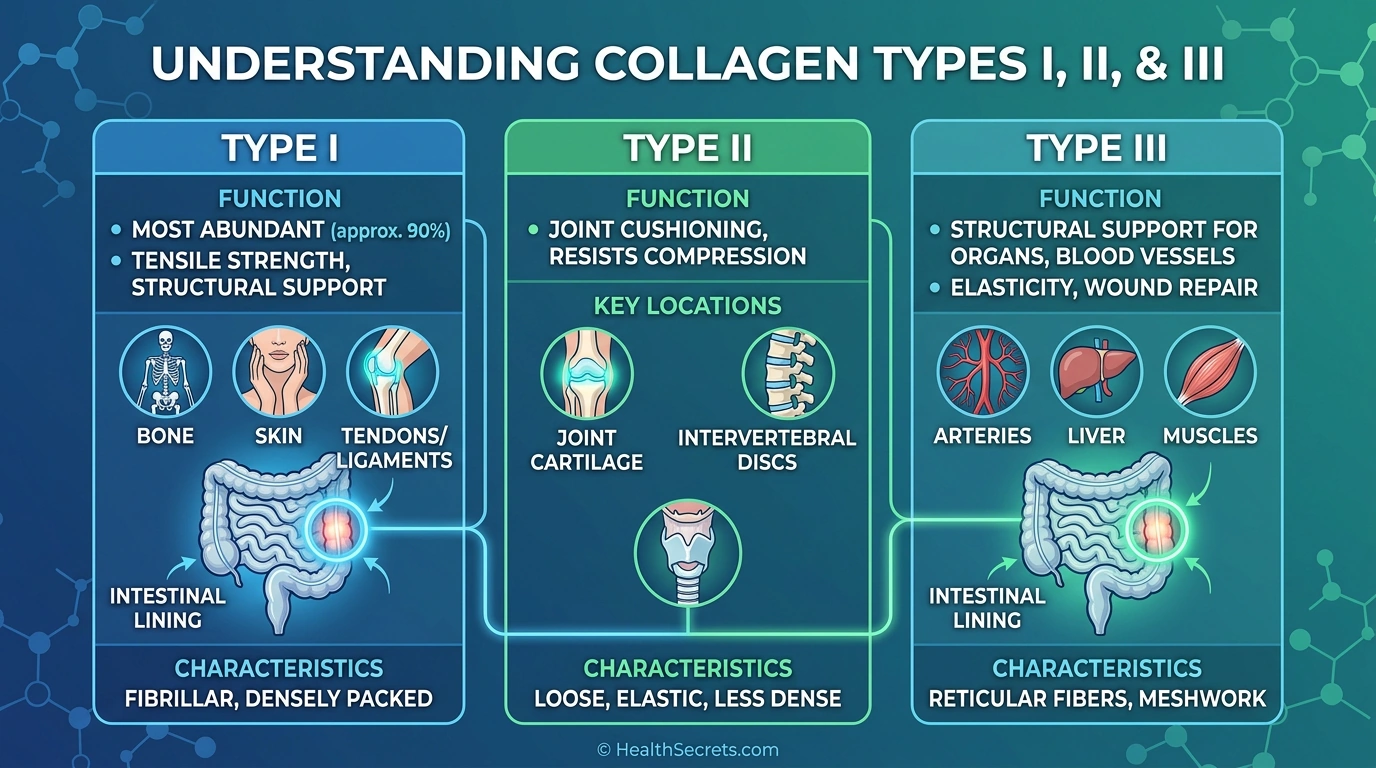
Of the 28 identified collagen types, Types I and III are most relevant for gut health. Type I collagen makes up approximately 90% of your body's collagen and provides the structural framework for your intestinal lining, including the tight junctions that prevent intestinal permeability (leaky gut). Type III collagen, found alongside Type I in muscles, blood vessels, and organs, supports the structural integrity of the intestinal wall.
Type II collagen is primarily found in cartilage and is more relevant for joint health than gut repair. However, multi-collagen formulas containing Types I, II, and III can offer broader benefits if you're addressing multiple health goals simultaneously.
What Is the Difference Between Collagen Peptides and Gelatin for Gut Health?
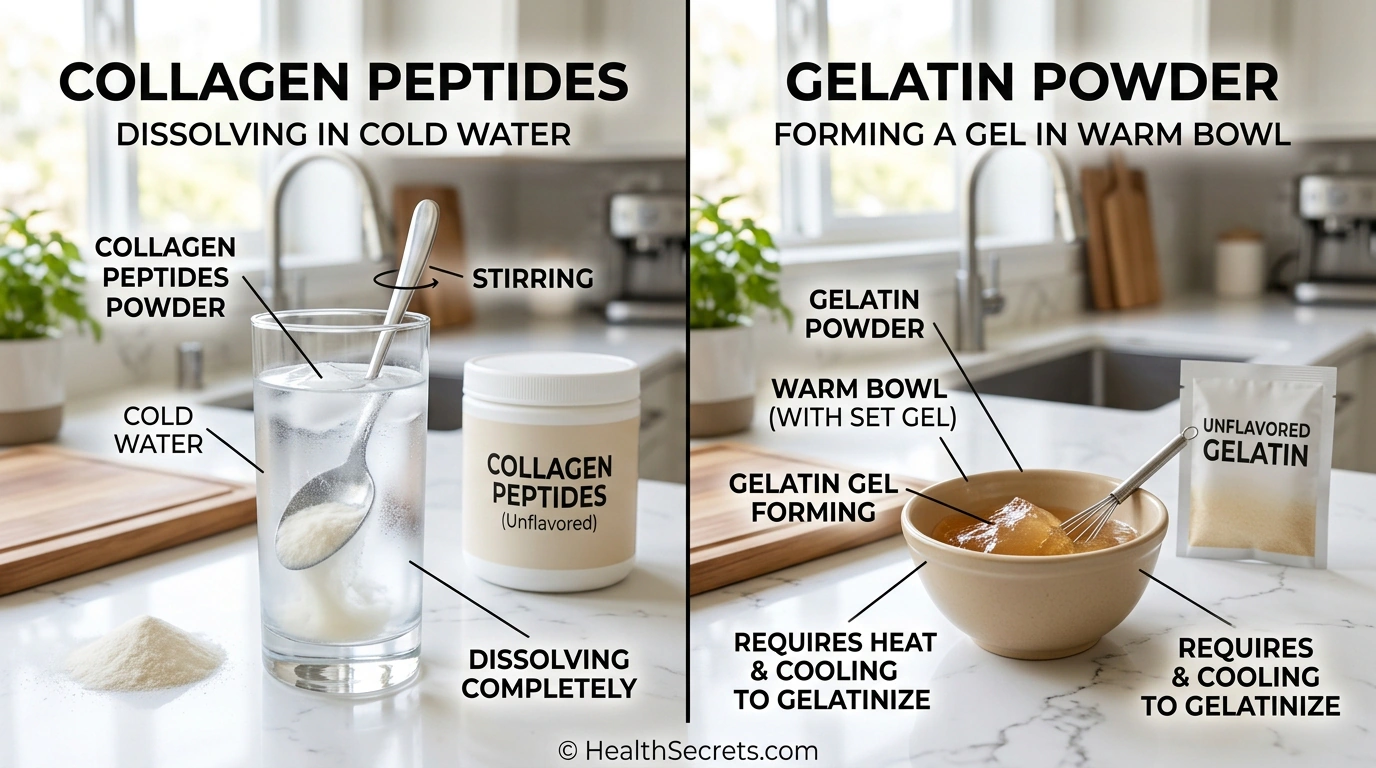
Both collagen peptides and gelatin come from the same source — animal connective tissue — but they differ in processing and functionality:
- Collagen peptides (hydrolyzed collagen): Broken down into smaller molecules (2–5 kDa), dissolve in hot or cold liquids, absorb quickly, ideal for daily supplementation
- Gelatin: Partially hydrolyzed collagen with larger molecules, only dissolves in hot liquids, gels when cooled, coats the intestinal lining — beneficial for gut-healing protocols like GAPS, AIP, and SCD
For general gut health supplementation, collagen peptides are more convenient and better absorbed. For specific gut-healing protocols, gelatin may offer additional benefits by physically coating and soothing the small intestine.
Why Are Glycine, Proline, and Glutamine So Important for Gut Repair?
Collagen's unique amino acid profile makes it particularly valuable for gut repair:
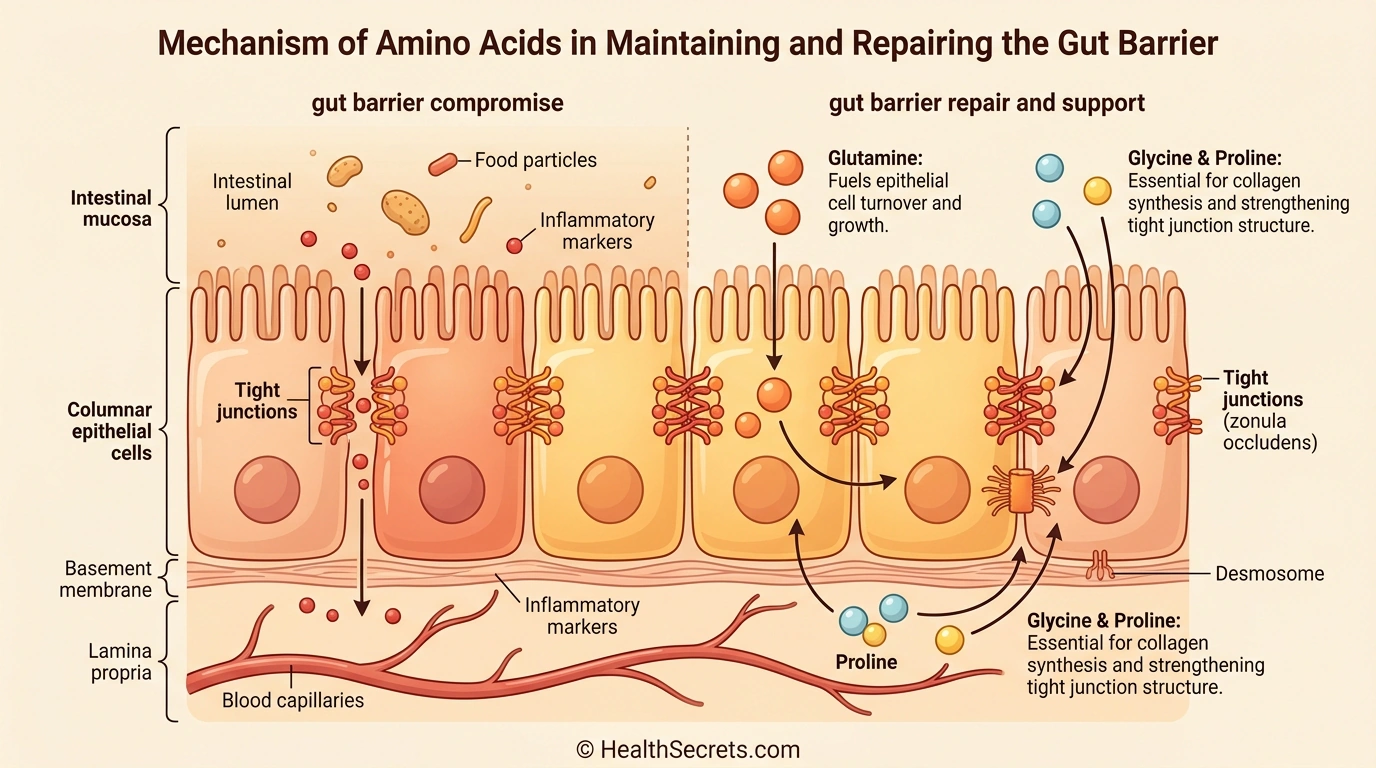
- Glycine (25–30% of collagen): Anti-inflammatory amino acid that protects the intestinal mucosa, supports bile acid conjugation for digestion, and helps maintain gut barrier integrity [1][2]
- Proline (15–17% of collagen): Essential for collagen synthesis and tissue repair, helps rebuild the intestinal lining after damage [3]
- Glutamine: The primary fuel source for intestinal epithelial cells (enterocytes), strengthens tight junctions, and supports immune cells in the gut-associated lymphoid tissue (GALT) [4][5]
These three amino acids work synergistically — glycine reduces inflammation, proline rebuilds structural tissue, and glutamine fuels the cells that maintain your gut barrier.
Should You Choose Bovine or Marine Collagen for Gut Health?
| Feature | Bovine Collagen | Marine Collagen |
|---|---|---|
| Types | I and III | Primarily Type I |
| Source | Grass-fed cattle | Wild-caught fish |
| Best for | General gut health, leaky gut | Targeted intestinal repair |
| Absorption | Good (hydrolyzed) | Slightly faster (smaller peptides) |
| Bovine collagen is the most versatile choice for gut health due to its combination of Types I and III. |
Marine collagen offers higher concentrations of Type I for targeted intestinal lining repair and may be preferred by those avoiding red meat.

Is Your Gut Ruining Your Day?
Get the free printable tracker thousands of readers use to pinpoint exactly what's causing their gut issues — no restrictive diets required.
How Did We Evaluate These Collagen Supplements for Gut Health?
We evaluated over 40 collagen supplements across seven criteria: collagen type and source relevance for gut health, amino acid profile, third-party testing, ingredient purity, dissolubility and taste, value per gram, and user reviews focused on digestive improvements. Products were scored on a 100-point scale.
| Criteria | Weight | What We Assessed |
|---|---|---|
| Collagen type relevance | 25% | Types I & III content, gut-specific amino acids |
| Source quality | 20% | Grass-fed, pasture-raised, wild-caught sourcing |
| Third-party testing | 20% | NSF, USP, Informed Sport, heavy metal testing |
| Purity | 15% | No fillers, artificial ingredients, or allergens |
| Value per gram | 10% | Cost per 10g serving of collagen |
| We prioritized products with transparent sourcing, clinically relevant dosing (10–20g per serving), and verified digestive health benefits. Products with undisclosed sources, proprietary blends, or failed third-party testing were excluded. |

Evidence-Based Supplement Organizer & Safety Log
Track your daily intake, verify third-party certifications, and prepare clear questions for your clinician.
How Do You Use Collagen Supplements Effectively for Gut Health?
For optimal gut health benefits, take 10–20 grams of hydrolyzed collagen peptides daily, ideally mixed into a morning beverage or smoothie with vitamin C–rich foods. Consistency over 8–12 weeks is key, as collagen's gut-healing effects are cumulative and require sustained daily intake [6].
When Is the Best Time to Take Collagen for Gut Health?
There's no strict optimal timing, but many gut health practitioners recommend taking collagen first thing in the morning on an empty stomach or mixed into your first meal. Morning intake allows collagen amino acids to reach the intestinal lining before heavier foods create digestive competition. However, consistency matters far more than timing — choose a time that works for your routine.
How Should You Combine Collagen with Other Gut-Healing Nutrients?
- Vitamin C is essential for collagen synthesis — pair your supplement with citrus fruits, berries, or bell peppers [7]
- Zinc supports collagen production and gut barrier repair
- L-glutamine can complement collagen's gut-healing amino acid profile [4]
- Bone broth provides collagen plus additional minerals and gelatin for a whole-food approach
- Prebiotic foods support the microbiome alongside collagen's structural repair
- Fermented foods add beneficial bacteria to complement structural healing

How Long Does It Take for Collagen to Improve Gut Health?
Most people notice digestive improvements within 4–8 weeks of consistent daily use. A 2022 study found that 20 grams of collagen peptides daily reduced bloating and improved bowel frequency within 8 weeks [6]. For more significant gut barrier repair (such as with leaky gut), practitioners typically recommend 12–16 weeks of sustained supplementation alongside dietary interventions.
Are There Any Safety Concerns with Collagen Supplements for Gut Health?
Collagen supplements are generally well-tolerated with minimal side effects for most adults. The most common complaints are mild bloating, a lingering aftertaste, and feelings of fullness — typically during the first week of use. However, certain individuals should exercise caution before supplementing [8].
Who Should Be Cautious with Collagen Supplements?
- People with kidney disease — collagen is high in hydroxyproline, which can increase oxalate levels
- Those with fish or shellfish allergies — avoid marine collagen; choose bovine alternatives
- Individuals with histamine intolerance — some collagen products (especially bone broth–based) may contain higher histamine levels
- Those with IBD during active flares — one study found marine-derived collagen peptides may aggravate inflammation in active colitis; consult your gastroenterologist [9]
While collagen is generally safe at doses up to 30–40 grams daily, most evidence supports 10–20 grams as the effective range for gut health. Start with 10 grams daily and increase to 20 grams after 1–2 weeks if well tolerated.
What Steps Should You Take to Start Using Collagen for Gut Health?
Begin by choosing a high-quality collagen peptide powder from grass-fed bovine or wild-caught marine sources, start with 10 grams daily mixed into your morning routine, and pair it with vitamin C and a gut-supportive diet for maximum benefit over 8–12 weeks.
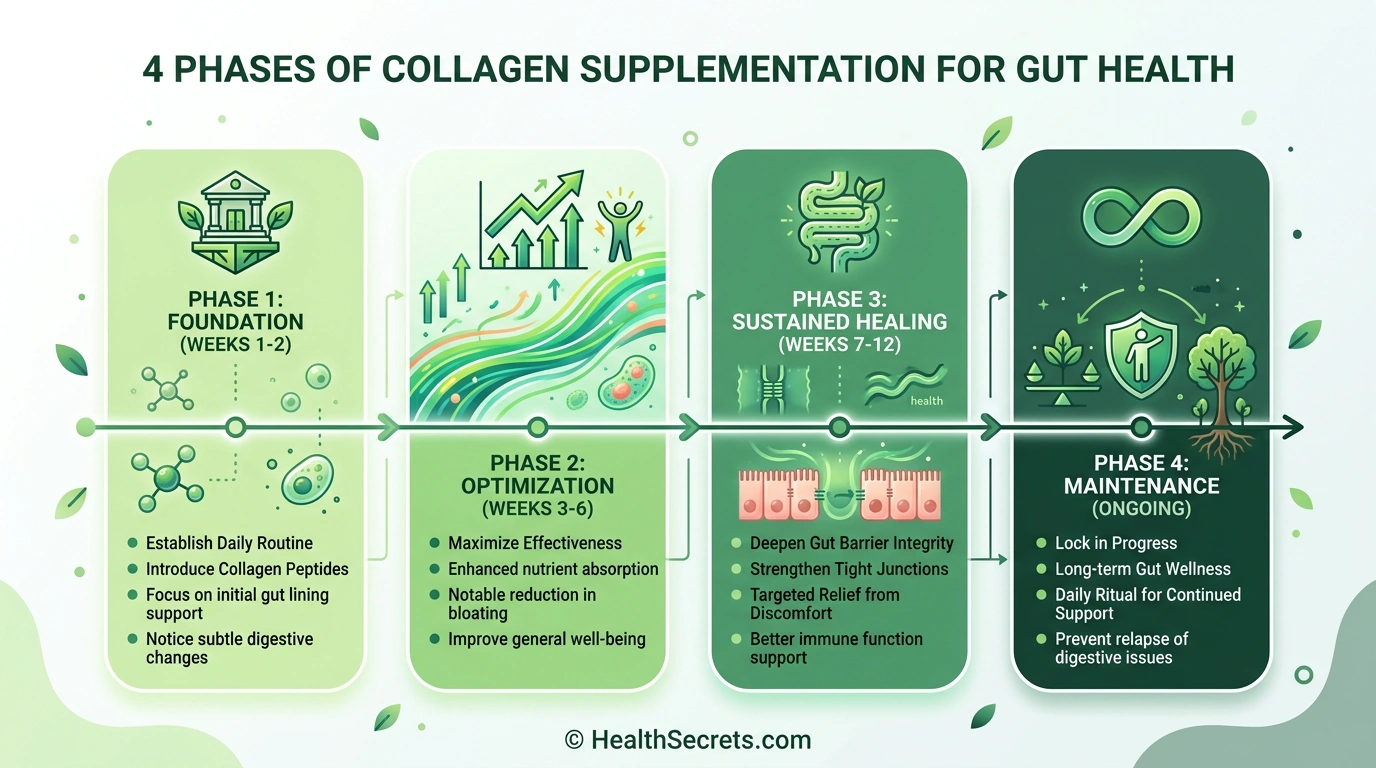
Phase 1: Foundation (Weeks 1–2)
- Choose a collagen supplement matched to your dietary needs (bovine, marine, or multi-collagen)
- Start with 10 grams daily mixed into coffee, tea, smoothie, or water
- Add vitamin C–rich food to the same meal (berries, citrus, bell peppers)
- Track baseline digestive symptoms (bloating, bowel regularity, discomfort)
Phase 2: Optimization (Weeks 3–6)
- Increase to 15–20 grams daily if well tolerated
- Incorporate gut-healing foods alongside supplementation
- Consider adding gelatin-based recipes (gummies, bone broth) for gut-coating benefits
- Include fermented foods 3–4 times weekly for microbiome support
Phase 3: Sustained Healing (Weeks 7–12+)
- Maintain 15–20 grams daily for continued gut lining repair
- Compare current digestive symptoms to your baseline
- Continue pairing with vitamin C, zinc, and prebiotic fiber
- Consult a practitioner if symptoms haven't improved after 12 weeks
Phase 4: Maintenance (Ongoing)
- Maintain 10–15 grams daily as a long-term maintenance dose
- Rotate between collagen sources (bovine, marine) every few months
- Support natural collagen production through diet: bone broth, citrus, leafy greens, berries