Few things disrupt your day — or your confidence — like a sudden bout of diarrhea. Whether it's food poisoning, a stomach bug, antibiotic side effects, or stress, your body is telling you something is wrong, and you want relief now. The good news is that most cases of acute diarrhea resolve within 1–3 days, and the right natural remedies can cut that timeline significantly while keeping you comfortable and hydrated [7]. [9]
But here's the critical part most people miss: the biggest danger from diarrhea isn't the diarrhea itself — it's dehydration. Every loose stool pulls water and essential electrolytes from your body, and if you don't replace them, you can go from uncomfortable to medically serious fast. That's why the remedies in this guide prioritize hydration first, symptom relief second, and gut recovery third. [12] [15]
This step-by-step protocol draws from clinical evidence, WHO guidelines, and gastroenterology best practices to give you a complete action plan. Whether you're dealing with a one-day stomach bug or managing chronic IBS-related diarrhea, these remedies work with your body's natural healing processes — not against them.
For a comprehensive overview of digestive wellness, see our complete guide to gut health. If you're dealing with related digestive issues, our guides on constipation relief and digestive enzymes may also help.
What Do You Need to Know Before Treating Diarrhea Naturally?
Before reaching for any remedy, you need to understand what type of diarrhea you're dealing with and whether it's safe to manage at home [8] [11]. Most acute diarrhea (lasting less than 14 days) from viral infections, food poisoning, or dietary triggers resolves safely with the natural approaches in this guide. Chronic diarrhea (lasting more than 4 weeks) requires medical evaluation.
What Are the Different Types of Diarrhea?
Understanding the type helps you choose the right remedies:
- Acute diarrhea (1–14 days): Usually viral or food-related. Most common and most responsive to natural treatment.
- Persistent diarrhea (14–28 days): May indicate infection, food intolerance, or medication reaction. See a doctor if approaching 2 weeks.
- Chronic diarrhea (4+ weeks): Often points to IBS, IBD, celiac disease, SIBO, or other conditions requiring diagnosis [1].
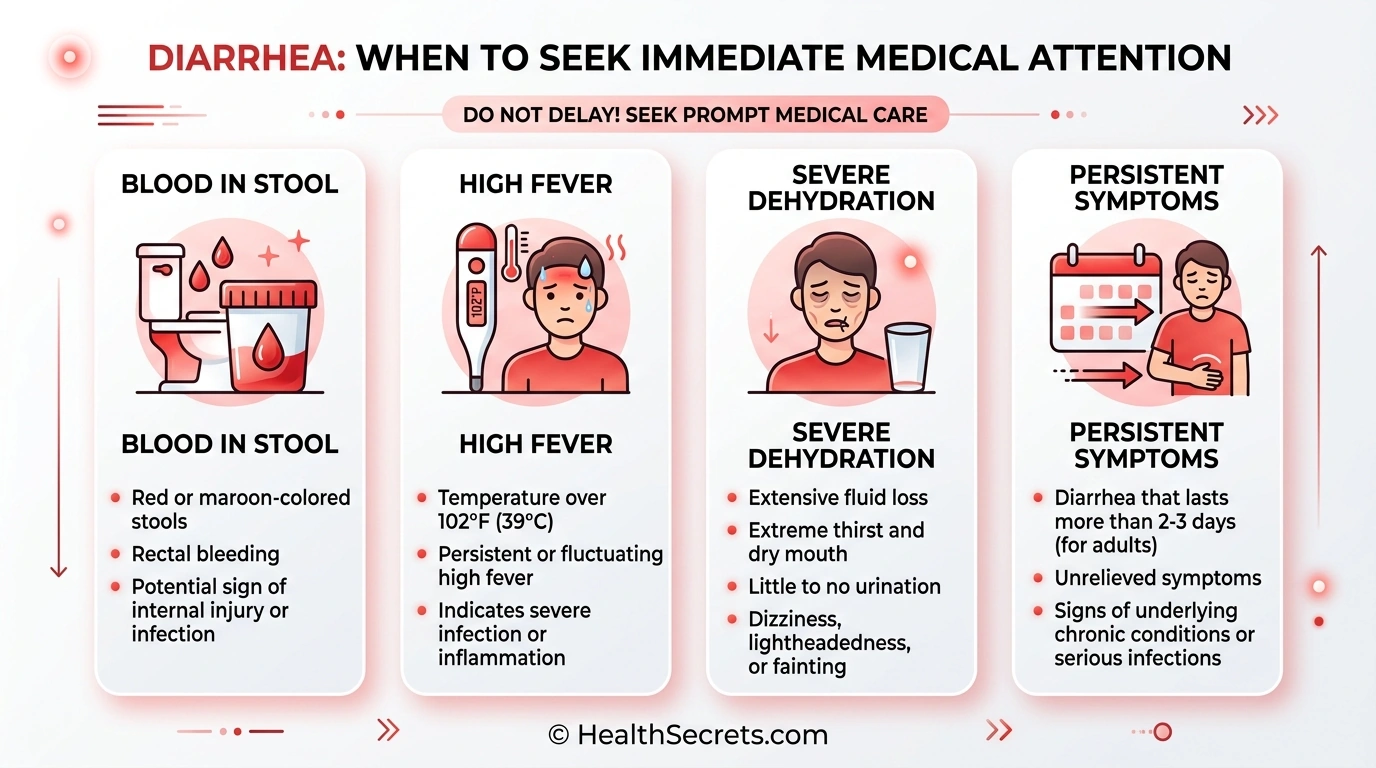
🚨 When Should You See a Doctor Immediately?
Seek medical attention right away if you experience any of these red flags:
- Blood or pus in stool, or black tarry stools
- Fever above 102°F (39°C)
- Severe abdominal pain (not just cramping)
- Signs of dehydration: dizziness, dark urine, no urination for 8+ hours, dry mouth
- Diarrhea lasting more than 3 days without improvement
- Recent antibiotic use (possible C. difficile infection)
- Recent travel to developing countries
- Diarrhea in infants, elderly, or immunocompromised individuals
- Severe weakness or inability to keep any fluids down
Expected timeline: Viral diarrhea typically resolves in 2–3 days. Food poisoning clears in 1–3 days. Antibiotic-associated diarrhea varies but often improves within a week of finishing antibiotics with probiotic support.
How Do You Prevent Dehydration During Diarrhea?
Rehydration is the single most important step — more critical than stopping the diarrhea itself. Every loose stool depletes water, sodium, potassium, and chloride. The WHO estimates that dehydration from diarrheal disease causes significant morbidity worldwide, and proper oral rehydration can prevent the vast majority of complications.
Start immediately — don't wait until you feel thirsty.
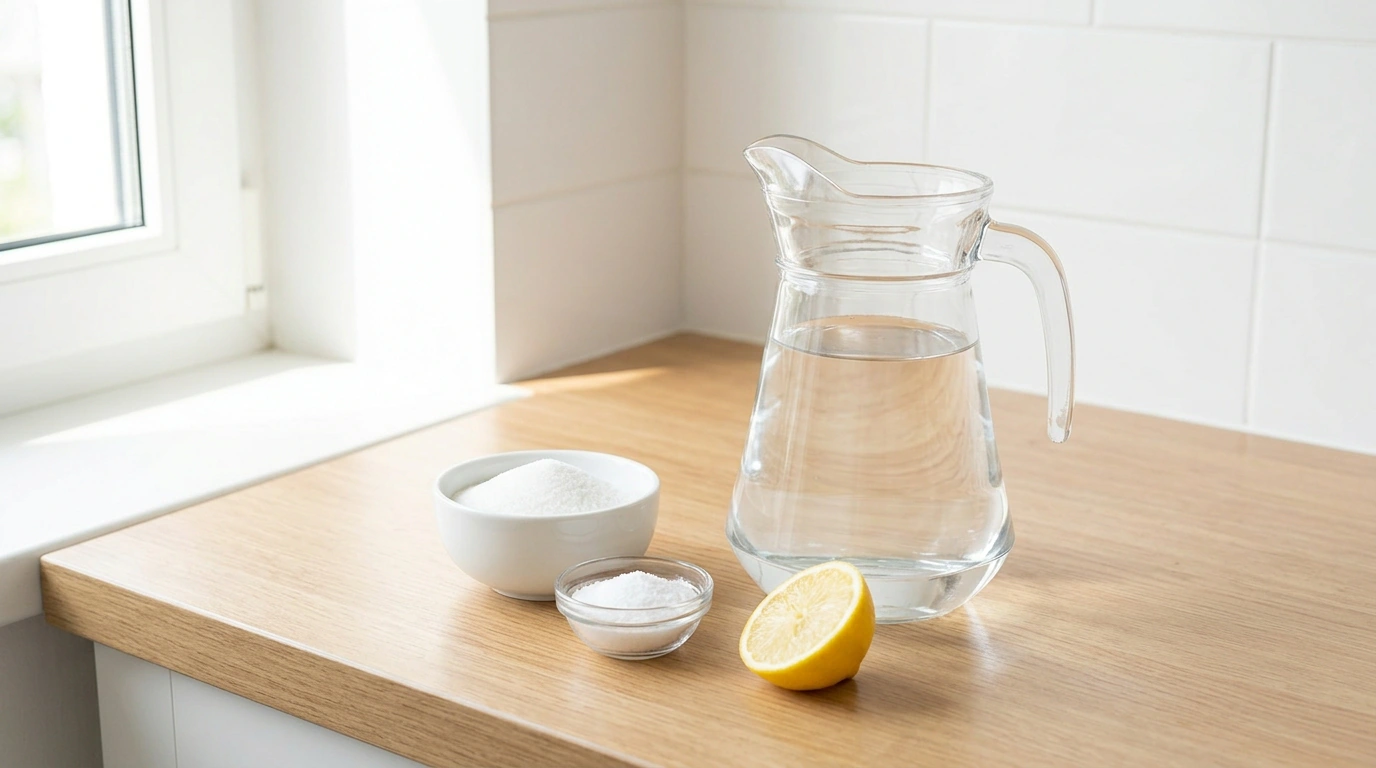
Homemade Oral Rehydration Solution (ORS)
- 1 liter of clean water
- 6 teaspoons of sugar
- ½ teaspoon of salt
- Optional: squeeze of lemon for taste and potassium
Sip small amounts frequently throughout the day. Don't gulp large amounts — this can trigger more vomiting or diarrhea.
Best Fluids for Diarrhea
- Water — plain, room temperature
- Coconut water — natural electrolytes (potassium, sodium, magnesium)
- Bone broth — electrolytes plus gut-healing amino acids (glycine, glutamine)
- Clear broths — chicken or vegetable
- Diluted fruit juice (half juice, half water)
- Herbal teas — ginger, chamomile, peppermint (see Steps 4–5)
Fluids to Avoid
- Coffee and caffeinated drinks (stimulate bowel motility)
- Alcohol (dehydrating, irritates gut lining)
- Full-strength fruit juice (high sugar draws more water into intestines)
- Carbonated beverages (gas and bloating)
- Milk (lactose is harder to digest during diarrhea)
How much to drink: Aim for at least 1 cup (8 oz) of fluid after every loose stool, plus your normal daily intake. Adults should target 2–3 liters total per day during diarrheal episodes.
The One-Page Doctor Visit Agenda
A single printable sheet that prioritises three concerns, reconciles every medication and supplement, and closes with a teach-back block so nothing is lost on the walk to the car.
How Do You Use the BRAT Diet to Stop Diarrhea Fast?
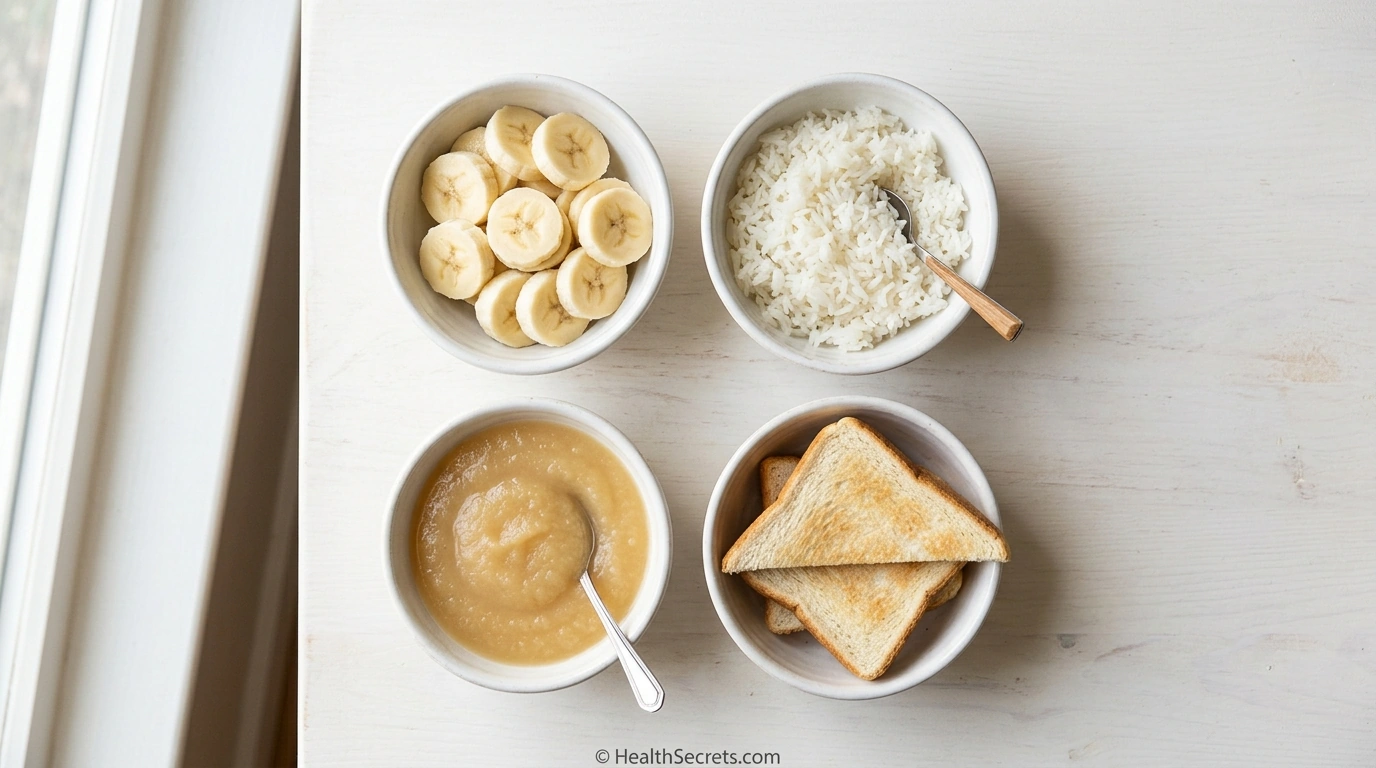
The BRAT diet — Bananas, Rice, Applesauce, Toast — has been recommended for decades because these foods are bland, low in fiber, and binding. While modern gastroenterologists note it's too restrictive for prolonged use, it remains an effective short-term strategy for the first 24–48 hours of acute diarrhea.
Why These Foods Work
- Bananas: Rich in pectin (soluble fiber that absorbs excess water) and potassium (replaces lost electrolytes). Ripe bananas are easiest to digest.
- White rice: Binding, easy to digest, provides calories without irritating the gut. Cook until very soft.
- Applesauce: Pectin content helps firm stools. Choose unsweetened varieties.
- Toast: Plain white toast provides easily digestible carbohydrates. Avoid butter or spreads.
Expanded Bland Foods (Add After 24 Hours)
- Boiled potatoes (no skin, no butter)
- Plain oatmeal (cooked with water, not milk)
- Saltine crackers
- Plain chicken breast (boiled or baked)
- Steamed carrots (pectin, gentle fiber)
- Eggs (scrambled or boiled)
- Clear soups
Foods to Strictly Avoid During Diarrhea
- Dairy products (except yogurt with live cultures for some people)
- Fatty, fried, or greasy foods
- Spicy foods
- Raw vegetables and high-fiber foods
- Beans and legumes (gas-producing)
- Artificial sweeteners (sorbitol, xylitol — osmotic laxative effect)
- Citrus fruits (acidic, can irritate)
- Nuts and seeds
Duration: Follow strict BRAT for 24–48 hours maximum, then gradually reintroduce bland foods. Return to normal diet within 3–5 days as stools normalize.
Which Probiotics Stop Diarrhea Fastest?
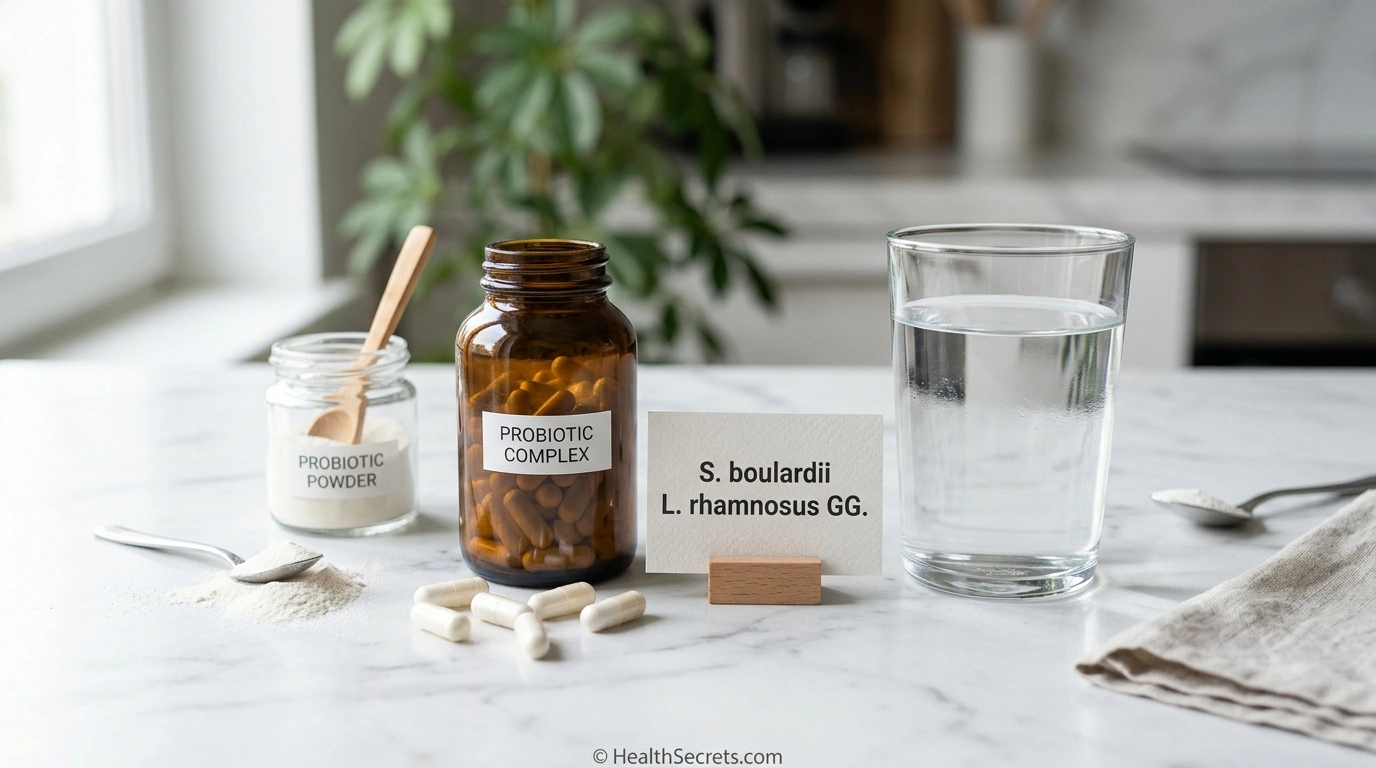
Probiotics are the most evidence-backed natural treatment for diarrhea. A systematic review and meta-analysis found that Saccharomyces boulardii — a beneficial yeast — significantly reduced both the frequency and duration of acute diarrhea, cutting average duration from 4.8 days to 3.6 days [2] [4]. A 2026 meta-analysis of 10 RCTs confirmed that S. boulardii CNCM I-745 also significantly reduced pro-inflammatory cytokines (TNF-α and IL-8) during diarrheal episodes [5].
Best Probiotic Strains for Diarrhea
Tier 1 (Strongest evidence):
- Saccharomyces boulardii — Best overall for all types of diarrhea. Unique advantage: it's a yeast, so antibiotics don't kill it. Can be taken during antibiotic courses.
Dose: 250–500mg (5–10 billion CFU), 2–3x daily.
- Lactobacillus rhamnosus GG — Strong evidence for viral and antibiotic-associated diarrhea, especially in children. Dose: 10–20 billion CFU daily.
Tier 2 (Good evidence):
- Lactobacillus casei — Survives stomach acid well, effective for infectious diarrhea. Dose: 5–10 billion CFU daily.
- Bifidobacterium lactis — Supports immune response during gut infections. Dose: 5–10 billion CFU daily.
When to Start Probiotics
- Antibiotic-associated diarrhea: Start S. boulardii on the same day as antibiotics (take 2 hours apart). Continue for 2 weeks after finishing antibiotics.
- Stomach flu / food poisoning: Start as soon as symptoms begin.
- Traveler's diarrhea: Best used preventively — start 5 days before travel and continue throughout trip.
- IBS-D (chronic): Take daily as part of long-term management. Bifidobacterium infantis 35624 has the strongest evidence for IBS.
Probiotic Foods During Diarrhea
Once past the first 24 hours, plain yogurt with live active cultures can be beneficial — the fermentation process pre-digests lactose, making it easier to tolerate than milk. Fermented foods like miso soup (warm, soothing, probiotic) are excellent during recovery.
How Do Herbal Teas and Natural Compounds Calm Diarrhea?
Herbal remedies provide dual benefits during diarrhea: they deliver fluids for hydration and bioactive compounds that reduce inflammation, cramping, and intestinal spasms. These are best used alongside hydration and probiotics, not as standalone treatments.
Ginger Tea
Ginger's gingerols and shogaols inhibit prostaglandin synthesis, reduce gut inflammation, and calm nausea — making it uniquely effective for diarrhea with nausea (common in stomach flu and food poisoning).
- How to make: Slice 1 inch of fresh ginger, steep in hot water for 10 minutes
- Dose: 2–3 cups daily
- Bonus: Promotes healthy digestive motility without overstimulating
Chamomile Tea
Chamomile is both anti-inflammatory and antispasmodic, reducing intestinal cramping while calming the nervous system — particularly valuable for stress-related diarrhea.
- How to make: Steep 1 tea bag or 1 tablespoon dried flowers for 5–10 minutes
- Dose: 3–4 cups daily
- Bonus: Promotes sleep during recovery
Peppermint Tea
Peppermint's menthol relaxes intestinal smooth muscle, reducing spasms and urgency. Clinical evidence supports peppermint for IBS-D symptoms.
- How to make: Steep 1 tea bag for 5 minutes
- Dose: 2–3 cups daily
- Caution: Avoid if you have GERD — peppermint relaxes the lower esophageal sphincter

Anti-Diarrhea Tea Blend (Homemade)
Combine chamomile + peppermint + fresh ginger in equal parts. Steep for 10 minutes. Drink 3–4 cups daily for synergistic anti-inflammatory, antispasmodic, and digestive benefits.
Psyllium Husk
Paradoxically, this fiber supplement helps both constipation and diarrhea. In diarrhea, psyllium absorbs excess water in the colon, adding bulk and firmness to loose stools.
- Dose: 1 teaspoon mixed in 8 oz of water, 2–3 times daily
- Important: Drink immediately after mixing — psyllium gels quickly
- Start low: Begin with ½ teaspoon and increase as tolerated
What Supplements Speed Up Diarrhea Recovery?
Beyond probiotics, several supplements have clinical evidence for reducing diarrhea duration and supporting gut recovery.
Zinc (WHO-Recommended)
The World Health Organization recommends zinc supplementation for diarrhea management, particularly in children [6]. Zinc supports intestinal cell regeneration, enhances immune response, and reduces both severity and duration of diarrheal episodes.
- Adult dose: 20mg daily for 10–14 days
- Children's dose: 10mg daily for 10–14 days
- Best form: Zinc picolinate or zinc gluconate
- Timing: Take with food to avoid nausea
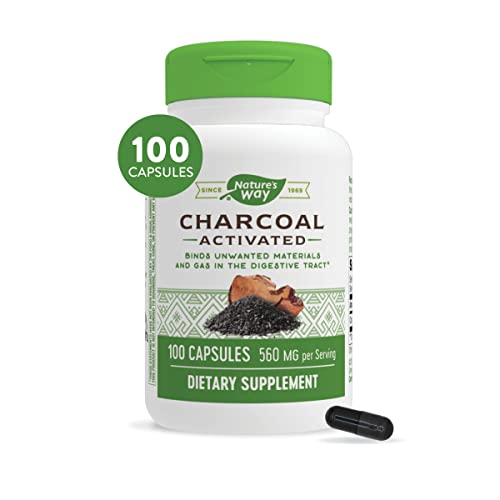
Activated Charcoal (Food Poisoning)
Activated charcoal binds toxins in the gut, making it specifically useful for food poisoning-related diarrhea. It works best when taken early — within the first few hours of symptoms.
- Dose: 500–1,000mg, 2–3 times daily
- Duration: 1–2 days only (not for prolonged use)
- Critical rule: Take 2 hours away from ALL medications and supplements — charcoal binds to everything
- Note: Turns stool black (normal and harmless)
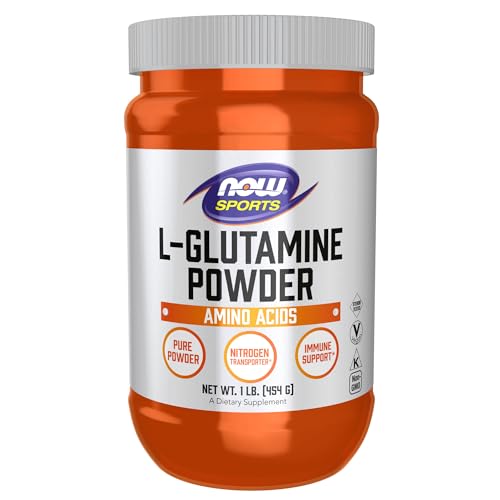
L-Glutamine (Gut Lining Repair)
L-glutamine is the primary fuel source for intestinal cells (enterocytes) and supports repair of the gut lining damaged during diarrheal episodes. It's most valuable during recovery phase.
- Dose: 5g (1 teaspoon), 2–3 times daily
- Timing: On an empty stomach or mixed into bone broth
- Duration: Continue for 2–4 weeks after diarrhea resolves for full gut repair
Apple Cider Vinegar
ACV has antimicrobial properties and contains pectin that may help firm stools. Evidence is primarily anecdotal, but many people report benefit.
- Dose: 1–2 tablespoons diluted in 8 oz of water, 2–3 times daily
- Caution: Always dilute — undiluted ACV can damage tooth enamel and irritate the throat
- Avoid: If you have stomach ulcers or severe acid reflux
What Are the Most Common Mistakes When Treating Diarrhea Naturally?
Avoiding these common errors can mean the difference between a quick recovery and a prolonged illness. Most mistakes stem from well-intentioned but misguided instincts.
- Mistake 1: Taking anti-diarrheal medication too early. Over-the-counter anti-diarrheals (loperamide) can be helpful for convenience, but in food poisoning or bacterial infections, your body uses diarrhea to flush out pathogens. Stopping this process too early can prolong infection. Let the first 24 hours run their course unless directed otherwise by a doctor.
- Mistake 2: Drinking too much plain water without electrolytes. Water alone doesn't replace the sodium and potassium you're losing. This can lead to electrolyte imbalances. Always include electrolyte sources — ORS, coconut water, or bone broth.
- Mistake 3: Eating too much too soon. Your gut needs rest [10]. Eating large meals, high-fiber foods, or dairy too early overwhelms a healing digestive system. Start with the BRAT diet and expand gradually [14].
- Mistake 4: Skipping probiotics during antibiotic courses. Many people don't know that S. boulardii can be taken safely during antibiotic treatment (since it's a yeast, not a bacterium). Starting probiotics proactively can prevent antibiotic-associated diarrhea entirely.
- Mistake 5: Ignoring persistent symptoms. If diarrhea hasn't improved after 3 days, or if it keeps recurring, don't keep self-treating. See a doctor — you may have an underlying condition like celiac disease, SIBO, or parasitic infection that needs specific treatment.
- Mistake 6: Consuming "clear liquids" that contain sugar. Sports drinks, soda, and full-strength juice contain far too much sugar, which has an osmotic effect that actually worsens diarrhea by pulling more water into the intestines.
Is It Safe to Treat Diarrhea at Home? When Should You Stop?
Most acute diarrhea is safe to treat at home with the natural remedies in this guide, and resolves within 1–3 days [13]. However, certain situations require professional medical evaluation — and recognizing these early is essential.
Stop home treatment and see a doctor if:
- Diarrhea persists beyond 3 days without any improvement
- You develop signs of dehydration despite fluid intake (dizziness, rapid heartbeat, confusion)
- Fever develops or worsens
- Blood appears in stool
- Abdominal pain becomes severe or localized
- You're unable to keep any fluids down for more than 12 hours
- Symptoms worsen despite following the protocol
Special populations requiring earlier medical attention:
- Infants and young children: Dehydrate faster than adults. Seek medical care if diarrhea persists more than 24 hours.
- Elderly adults: Higher risk of dehydration complications. Lower threshold for seeking care.
- Pregnant women: Dehydration can affect the pregnancy. Consult your OB-GYN.
- Immunocompromised individuals: Cannot fight infections as effectively. See a doctor early.
- People on medications: Some medications interact with natural remedies (activated charcoal with nearly everything, ginger with blood thinners).
Regarding chronic diarrhea (4+ weeks): If you experience ongoing loose stools, this guide's acute remedies will provide temporary relief but won't address the root cause. Chronic diarrhea often indicates IBS-D, inflammatory bowel disease, celiac disease, food intolerances, or other conditions. Request stool analysis, blood work, and potentially endoscopy through your healthcare provider.
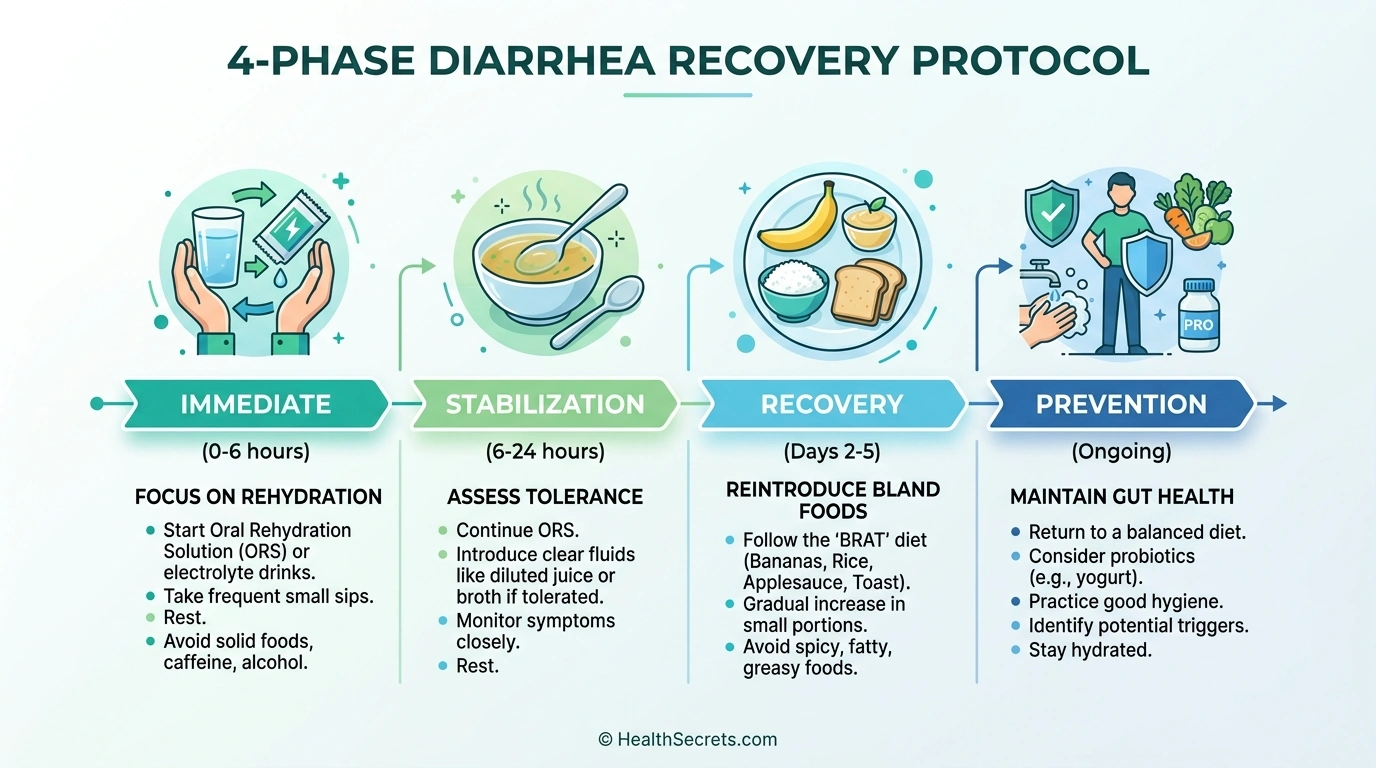
What Should You Do First When Diarrhea Strikes?
This condensed action plan gives you the complete protocol at a glance. Start at Phase 1 immediately when symptoms begin and progress through each phase as you improve.
Phase 1 — Immediate (First 6 Hours):
- Start sipping ORS or coconut water — small amounts every 15 minutes
- Take Saccharomyces boulardii (250–500mg) — first dose immediately
- Avoid all solid food for 2–4 hours if nausea is present
- Prepare ginger tea and sip warm
- If food poisoning suspected, take activated charcoal (500mg)
Phase 2 — Stabilization (Hours 6–24):
- Continue frequent fluid intake (1 cup after every loose stool)
- Begin BRAT diet — small portions, eat slowly
- Take second probiotic dose (S. boulardii 250–500mg)
- Start zinc supplement (20mg with food)
- Drink chamomile or peppermint tea between meals
- Rest — avoid strenuous activity
Phase 3 — Recovery (Days 2–5):
- Expand diet to include boiled chicken, steamed vegetables, plain oatmeal
- Continue probiotics for 2 weeks minimum
- Continue zinc for 10–14 days total
- Begin L-glutamine (5g daily) for gut lining repair
- Gradually reintroduce normal foods — one new food per meal
- Monitor for trigger foods during reintroduction
Phase 4 — Prevention (Ongoing):
- Maintain daily probiotic for 4–6 weeks post-episode
- Practice thorough hand hygiene
- If travel-related, take S. boulardii preventively on future trips
- If recurring, investigate underlying causes with your doctor