
If you've been dealing with chronic bloating, excessive gas, abdominal pain, and irregular bowel habits that never seem to resolve despite dietary changes, you may be dealing with small intestinal bacterial overgrowth — commonly known as SIBO. This condition occurs when bacteria that normally reside in the large intestine migrate into and proliferate in the small intestine, where they ferment carbohydrates and produce gas before your body can properly absorb nutrients.
SIBO is not a fringe diagnosis. Research suggests it underlies 60–80% of irritable bowel syndrome (IBS) cases, making it one of the most underdiagnosed causes of chronic digestive complaints [3]. The good news? A landmark Johns Hopkins study found that herbal antimicrobials are at least as effective as the antibiotic rifaximin for treating SIBO [1] — meaning effective natural treatment options exist.
Important: SIBO is a medical condition that benefits from professional diagnosis and monitoring. While this guide covers evidence-based natural treatment strategies, work with a qualified gastroenterologist or functional medicine practitioner for proper testing, treatment planning, and follow-up. Do not self-diagnose or self-treat without professional guidance.
What Is SIBO and Why Does It Cause So Many Digestive Problems?
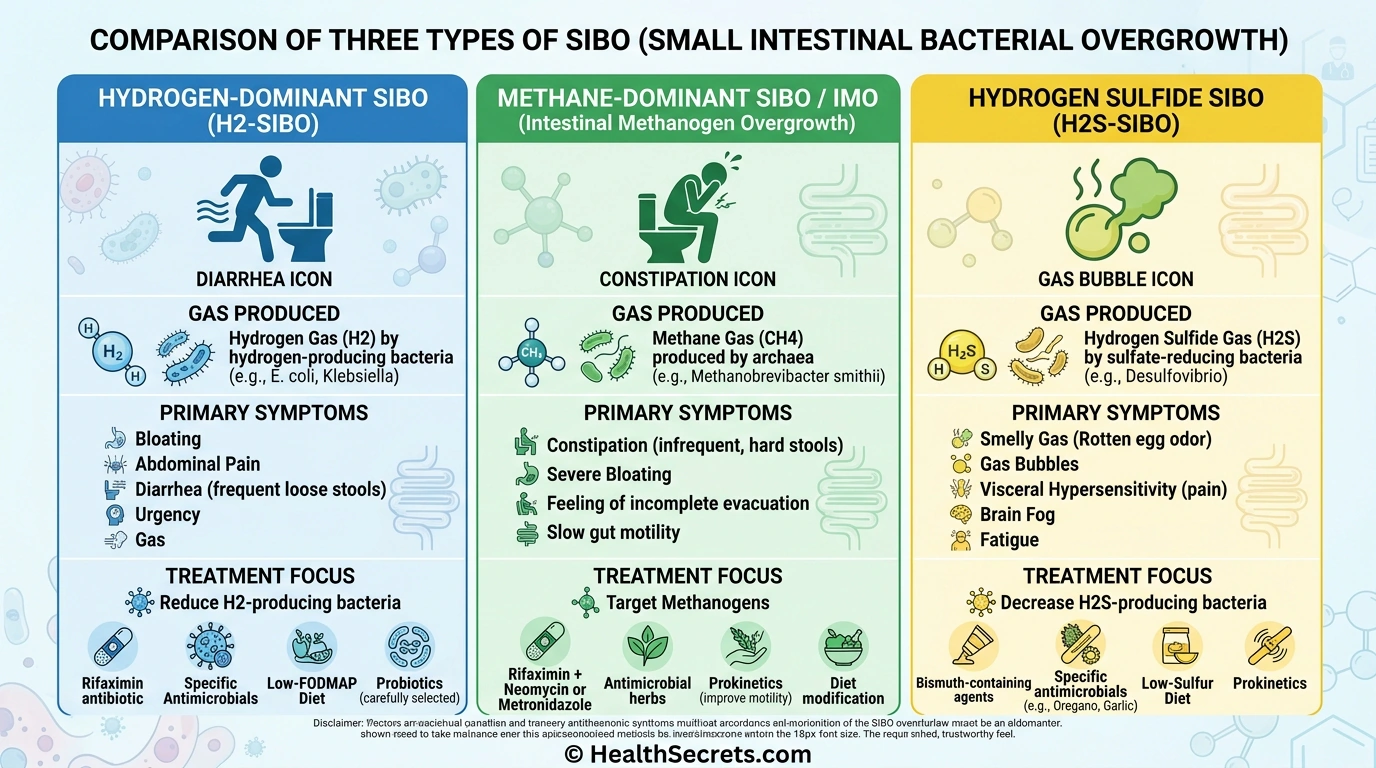
SIBO is a condition where excessive bacteria colonize the small intestine, an area that should contain relatively few microorganisms compared to the colon. When these misplaced bacteria encounter partially digested carbohydrates, they ferment them and produce gases (hydrogen, methane, or hydrogen sulfide) that cause the hallmark symptoms of bloating, distension, pain, and altered bowel habits.
Your small intestine is designed for nutrient absorption, not bacterial fermentation. When overgrowth occurs, it disrupts this function in several ways: bacteria consume nutrients (especially B12 and iron) before you can absorb them, they damage the intestinal lining causing increased permeability ("leaky gut"), and their metabolic byproducts trigger inflammation and immune activation.
Three Types of SIBO
| Type | Gas Produced | Primary Symptom | Treatment Focus |
|---|---|---|---|
| Hydrogen-dominant SIBO | Hydrogen (H₂) | Diarrhea, urgency, bloating | Rifaximin or herbal antimicrobials (berberine, oregano oil, neem) |
| Methane-dominant (IMO) | Methane (CH₄) | Constipation, bloating, fullness | Rifaximin + neomycin, or allicin + berberine; prokinetics essential |
| Hydrogen Sulfide SIBO | Hydrogen sulfide (H₂S) | Diarrhea, rotten egg gas, brain fog | Bismuth + rifaximin; limit sulfur-rich foods; emerging research |
| Note on IMO: Methane-dominant SIBO is now more accurately called Intestinal Methanogen Overgrowth (IMO) because methane is produced by archaea (not bacteria), which can colonize both the small and large intestine [2]. |

The Vagal Reset Breathing Cards
Four cut-out breathing patterns with exact counts and the moment each fits, a ten-session log that averages your before-and-after tension, and when breathwork is the wrong tool.
What Causes SIBO and Why Does It Keep Coming Back?
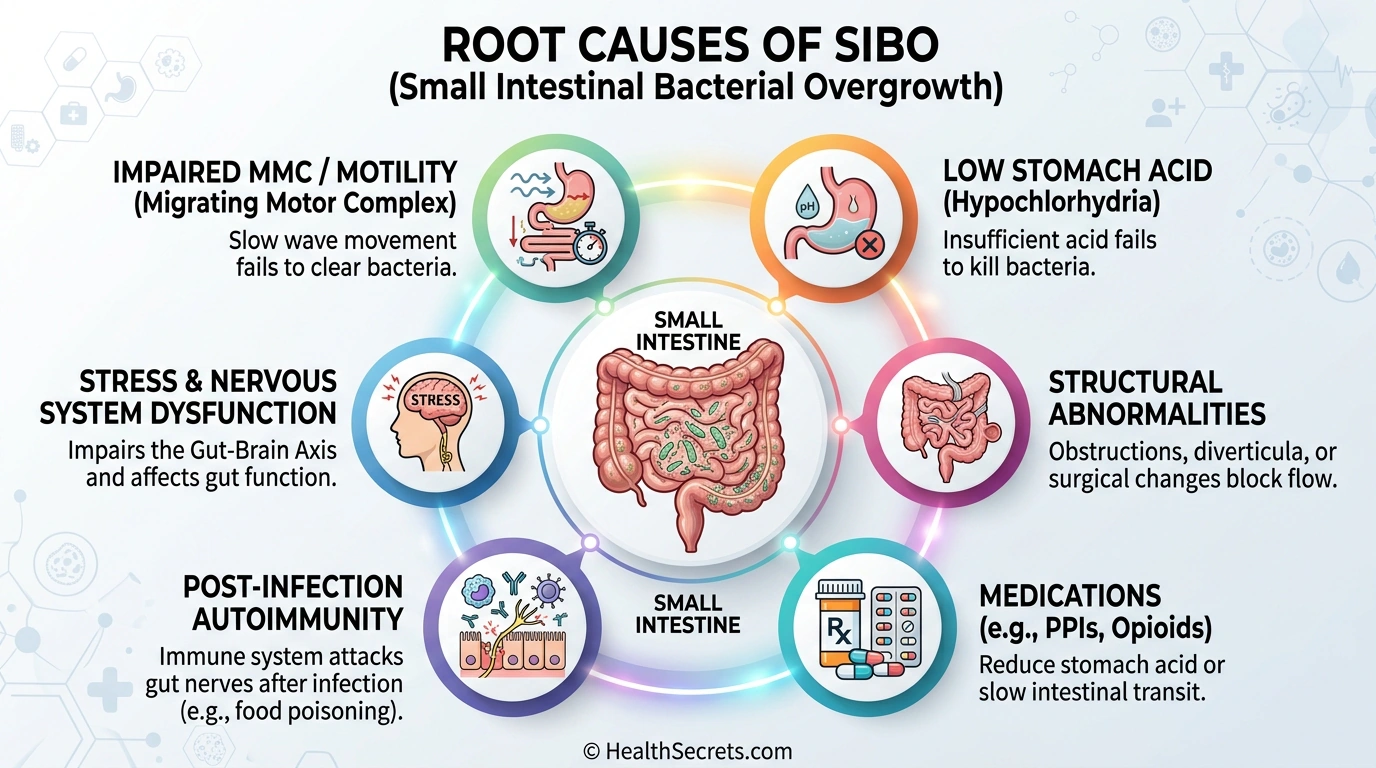
SIBO is not a random event — it develops when the body's natural protective mechanisms against bacterial overgrowth fail. Understanding the root causes is essential because treating SIBO without addressing these underlying factors leads to the high relapse rates (up to 44% within 9 months) that frustrate so many patients.
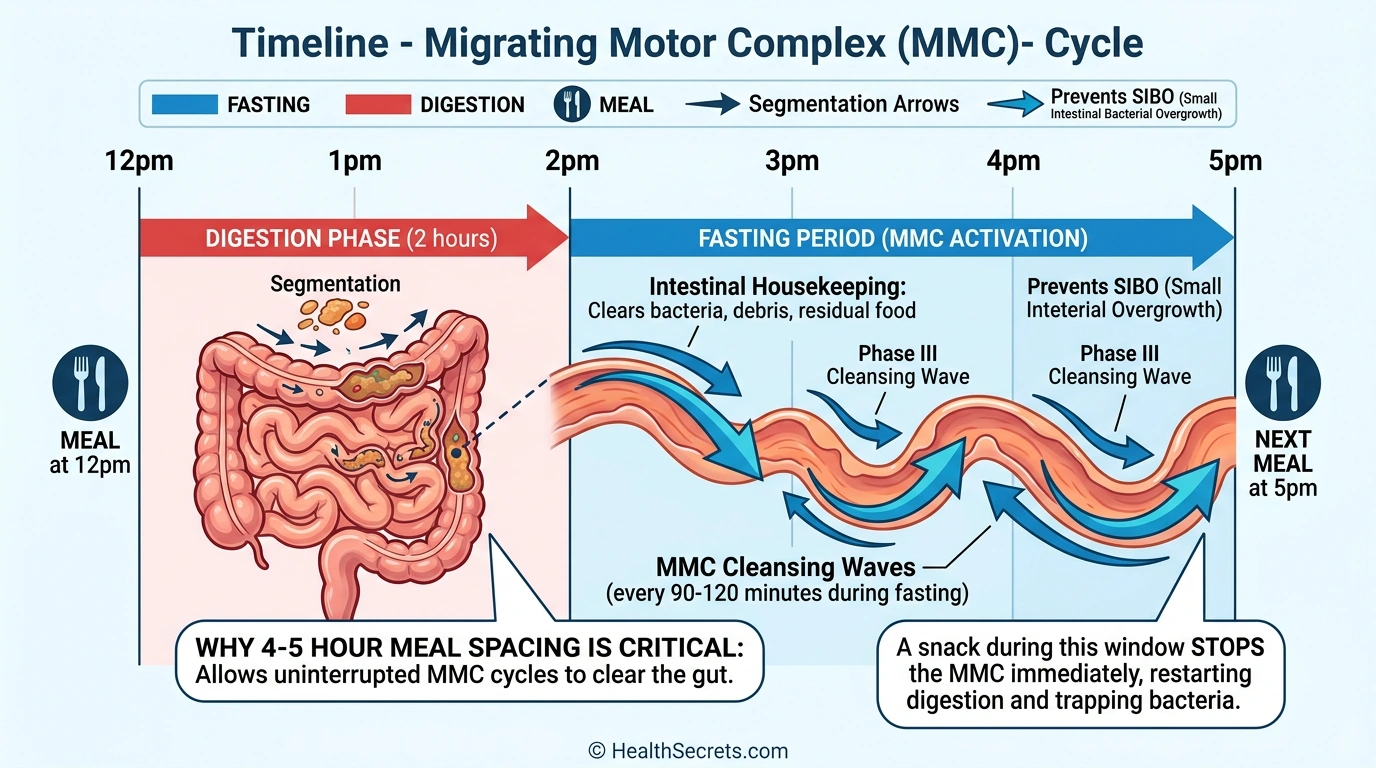
The MMC is a cyclical pattern of electrical activity that sweeps bacteria and debris from the small intestine into the colon every 90–120 minutes between meals. When the MMC is damaged — most commonly from food poisoning that triggers anti-vinculin antibodies — bacteria accumulate in the small intestine. This is the single most common cause of SIBO recurrence.
Stomach acid is your first defense against bacterial overgrowth. Proton pump inhibitors (PPIs like omeprazole), aging, H. pylori infection, and chronic stress all reduce stomach acid, allowing bacteria to survive passage into the small intestine. Long-term PPI use significantly increases SIBO risk.
Surgical adhesions, diverticula, blind loops from prior surgery, strictures from Crohn's disease, and ileocecal valve dysfunction can all create stagnant areas where bacteria accumulate.
Medications:
- PPIs — reduce acid barrier against bacteria
- Opioids — slow intestinal motility dramatically
- Repeated antibiotics — disrupt microbiome balance
- Immunosuppressants — reduce immune surveillance
Food poisoning (especially from Campylobacter, Salmonella, E. coli) can trigger autoimmune damage to the nerves controlling gut motility. The body produces anti-CdtB antibodies that cross-react with vinculin, a protein essential for MMC function. This is why many people develop chronic IBS symptoms after a bout of food poisoning.
Chronic stress activates the sympathetic nervous system ("fight or flight"), which suppresses digestive function including MMC activity, stomach acid production, and enzyme secretion — all protective factors against SIBO.
What Are the Symptoms of SIBO and How Do You Recognize Them?
SIBO symptoms overlap significantly with IBS, which is why it's so commonly misdiagnosed as "just IBS." The hallmark feature is symptoms that worsen after eating — particularly after consuming fermentable carbohydrates — because that's when misplaced bacteria have the most fuel to ferment. Bloating that progressively worsens throughout the day and is worst in the evening is a classic SIBO pattern.
Core digestive symptoms:
- Abdominal bloating and distension (often visibly distended by evening)
- Excessive gas (belching and/or flatulence)
- Abdominal pain or cramping (typically in the central or lower abdomen)
- Diarrhea (hydrogen-dominant), constipation (methane-dominant), or alternating
- Nausea, especially after meals
- Early satiety (feeling full quickly)
Nutritional deficiency symptoms (from malabsorption):
- Fatigue and weakness (B12, iron deficiency)
- Brain fog and difficulty concentrating
- Pale skin or easy bruising (iron deficiency anemia)
- Tingling or numbness in hands/feet (B12 deficiency neuropathy)
- Bone pain or osteoporosis (vitamin D and calcium malabsorption)
- Unexplained weight loss
Associated symptoms:
- Skin conditions (rosacea, eczema, acne)
- Joint pain
- Restless legs syndrome
- Mood changes (anxiety, depression — via gut-brain axis)
- Food sensitivities that seem to multiply over time
- Histamine intolerance symptoms (flushing, headaches, itching after high-histamine foods)
How Do You Test for SIBO Accurately?
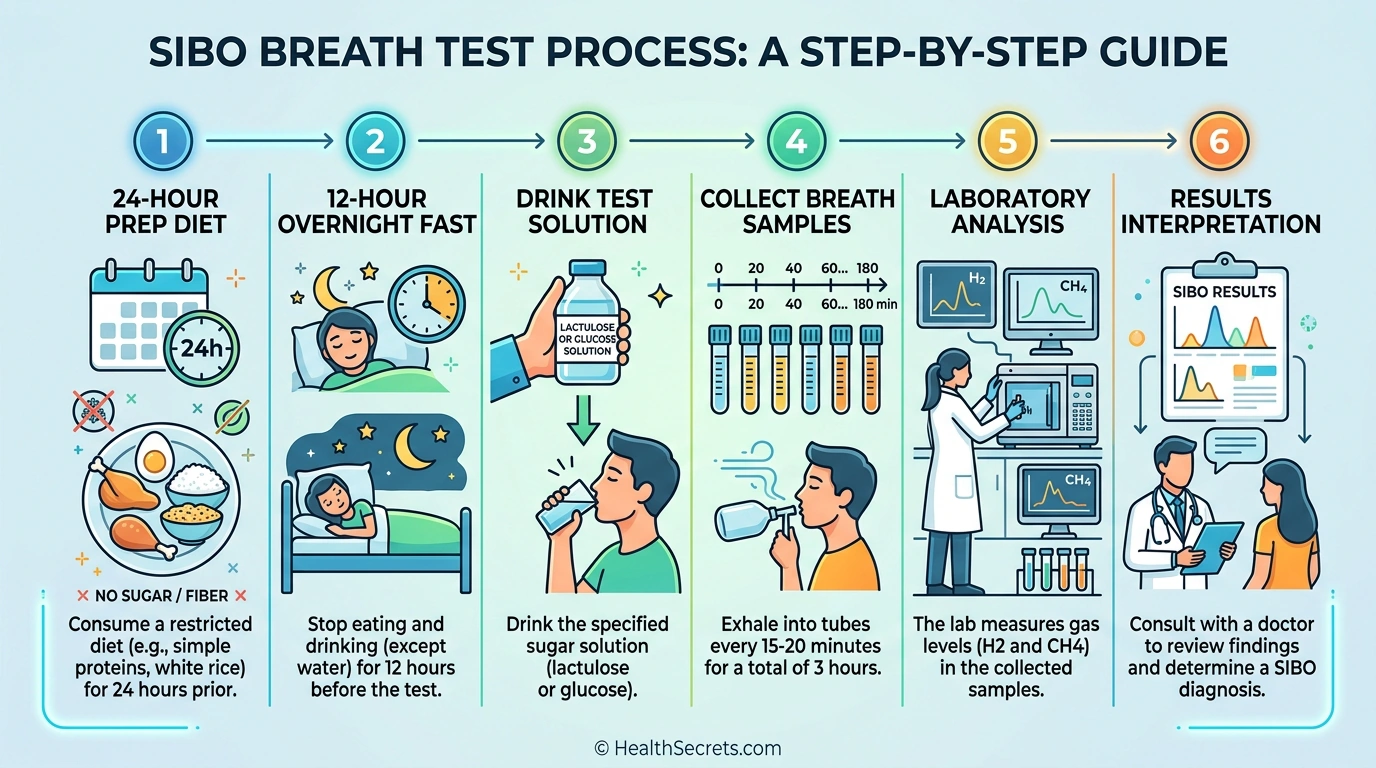
The standard non-invasive test for SIBO is a hydrogen-methane breath test, which measures gases produced by bacterial fermentation in the small intestine after consuming a sugar substrate. Accurate diagnosis is essential because the type of SIBO (hydrogen vs. methane vs. hydrogen sulfide) determines the optimal treatment approach [6].
Lactulose breath test (most common):
- You drink a lactulose solution and breathe into collection tubes every 15–20 minutes for 3 hours
- Lactulose is not absorbed in the small intestine, so any gas produced before it reaches the colon indicates bacterial overgrowth
- Pros: Tests the entire small intestine; widely available
- Cons: Higher false-positive rate, especially with fast transit [4]
Glucose breath test:
- Uses glucose instead of lactulose
- Glucose is absorbed in the upper small intestine, so it only tests the proximal portion
- Pros: More specific, fewer false positives
- Cons: May miss distal SIBO (overgrowth in the lower small intestine)
Positive results (2017 North American Consensus):
- Hydrogen: Rise of ≥20 ppm above baseline within 90 minutes
- Methane: ≥10 ppm at any point during the test
- Hydrogen sulfide: Newer trio-smart test measures H₂S directly
Test preparation (critical for accuracy):
- 24-hour prep diet (white rice, plain chicken, eggs, clear broth only)
- 12-hour overnight fast
- No antibiotics or prokinetics for 4 weeks prior
- No probiotics for 2 weeks prior
- No laxatives for 1 week prior
What Are the Conventional Medical Treatments for SIBO?
Conventional SIBO treatment centers on antibiotic therapy to reduce bacterial overgrowth, followed by dietary modification and sometimes prokinetic medications to prevent relapse. The specific antibiotic protocol depends on your SIBO type as identified by breath testing [2].
Hydrogen-dominant SIBO:
- Rifaximin 550mg three times daily for 14 days (1,650mg/day total)
- Rifaximin is the most studied antibiotic for SIBO — it acts locally in the gut with minimal systemic absorption
- Eradication rates: approximately 50–70% per course; some patients need 2–3 courses
Methane-dominant SIBO (IMO):
- Rifaximin 550mg three times daily PLUS neomycin 500mg twice daily for 14 days
- Methane producers (archaea) are resistant to rifaximin alone — dual therapy is significantly more effective
- Neomycin targets the archaea directly
Hydrogen sulfide SIBO:
- Rifaximin PLUS bismuth subsalicylate (Pepto-Bismol) 524mg four times daily
- H₂S SIBO treatment is the least established — emerging research area
Limitations of antibiotics alone:
- Relapse rates of 13–44% within 9 months without addressing root causes
- Multiple courses may be needed
- Does not address underlying motility dysfunction, low stomach acid, or structural issues
- Does not include dietary strategy or prokinetic support
This is why a comprehensive protocol that includes antimicrobials, diet, digestive support, and relapse prevention is far more effective than antibiotics alone.
What Natural Treatments Are Most Effective for SIBO?
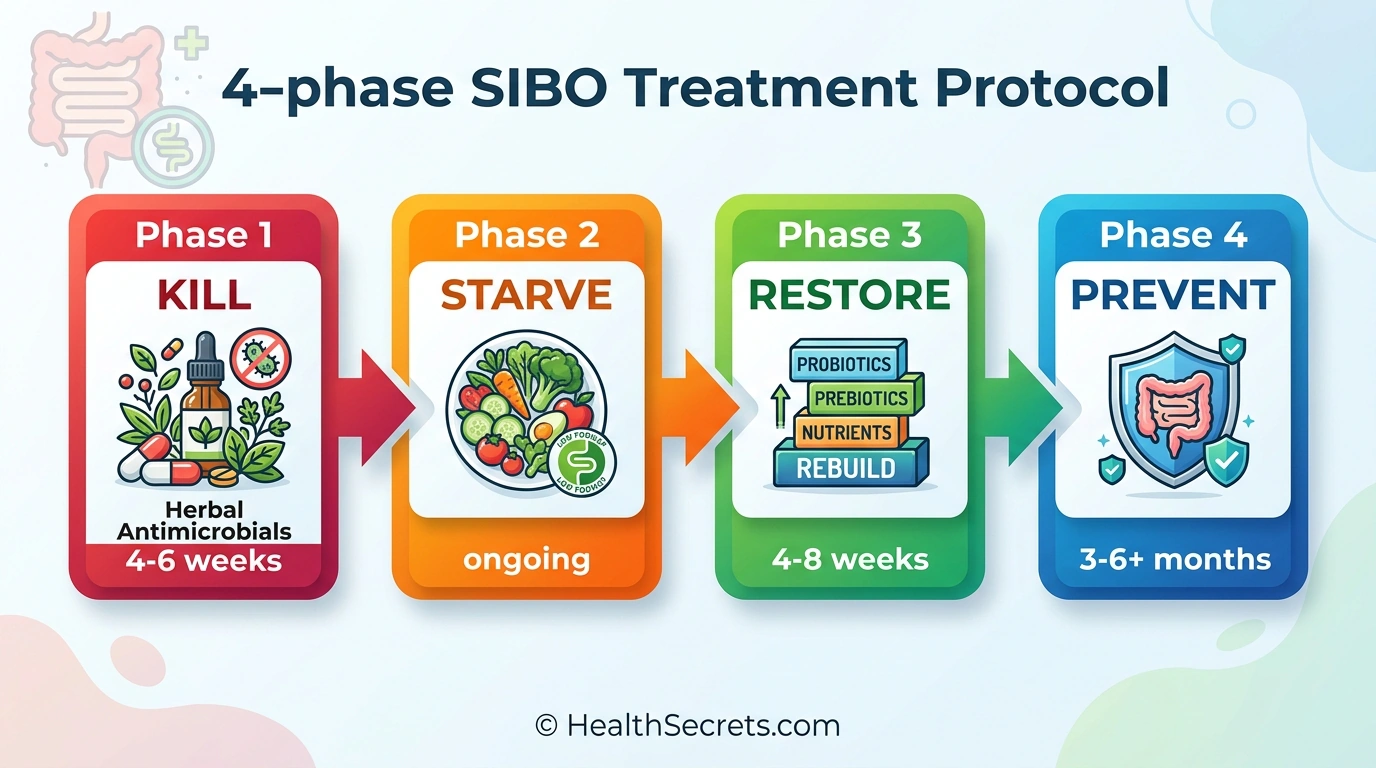
Natural SIBO treatment follows a structured 4-phase protocol that addresses not just the overgrowth itself but the underlying causes that allowed it to develop. A landmark 2014 study from Johns Hopkins found that herbal antimicrobial therapy had a 46% response rate compared to 34% for rifaximin — making herbal protocols a legitimate first-line treatment option [1].
Phase 1: Kill — Herbal Antimicrobials (4–6 Weeks)
Herbal antimicrobials target bacterial overgrowth while generally preserving more beneficial bacteria than prescription antibiotics. The standard protocol uses two herbal formulas simultaneously for 4–6 weeks.
| Herb | Mechanism | Dosage | Best For |
|---|---|---|---|
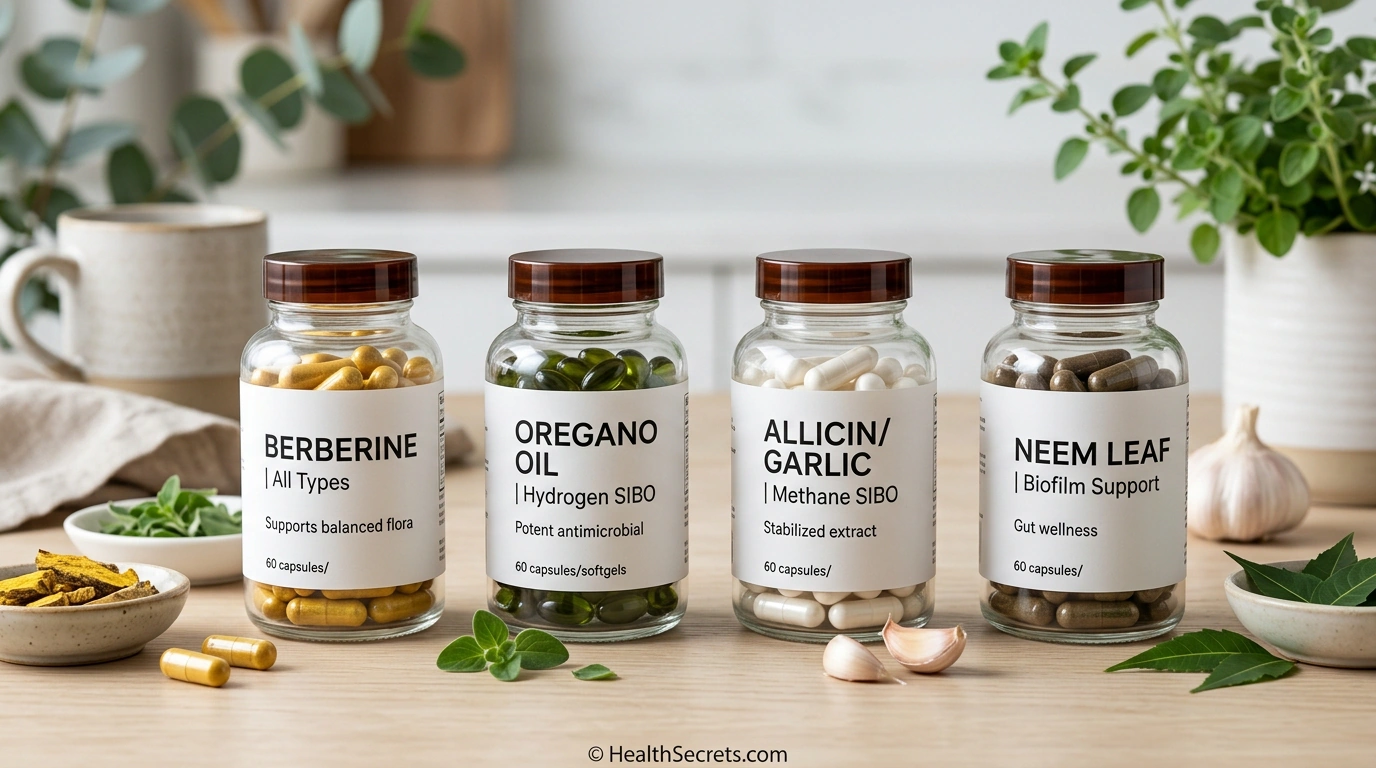
| Berberine | Disrupts bacterial cell membranes; anti-inflammatory | 500mg 2–3x daily with meals | Hydrogen and methane SIBO |
| Oregano oil | Carvacrol and thymol destroy bacterial cell walls | 200mg emulsified oil 2x daily | Hydrogen-dominant SIBO |
| Allicin (garlic extract) | Targets methane-producing archaea directly | 450mg 2–3x daily | Methane-dominant SIBO/IMO |
| Neem | Broad-spectrum antimicrobial and biofilm disruptor | 300–500mg 2x daily | Mixed SIBO, biofilm-forming bacteria |
Protocol tip: Combine two herbs (e.g., berberine + oregano oil for hydrogen SIBO, or berberine + allicin for methane SIBO). More than two simultaneously doesn't improve outcomes and increases cost.
A 2023 randomized clinical trial (BRIEF-SIBO study) is further investigating berberine vs. rifaximin head-to-head for SIBO eradication [5].
Phase 2: Starve — SIBO-Specific Diet
Dietary modification reduces the fuel supply for overgrown bacteria while treatment is ongoing. The goal is to starve bacteria without starving yourself.
| Diet Approach | Best For | Duration | Key Features |
|---|---|---|---|
| Low FODMAP | Most SIBO patients during active treatment | 2–6 weeks (not long-term) | Restricts fermentable carbs; well-researched for IBS/SIBO |
| Bi-Phasic Diet | SIBO patients wanting structured phased approach | Phase 1: 4–6 weeks; Phase 2: 4–6 weeks | Combines low FODMAP with SCD; designed specifically for SIBO by Dr. Nirala Jacobi |
| Specific Carbohydrate Diet (SCD) | SIBO with IBD or complex gut issues | Ongoing during treatment | Eliminates all complex carbs; more restrictive |
| Elemental Diet | Severe or refractory SIBO | 14–21 days | Liquid predigested nutrition; 80–85% eradication rate but difficult to complete |
| Critical meal timing rule: Space meals 4–5 hours apart with NO snacking between meals. This allows the MMC (your gut's cleansing wave) to activate — it only works during fasting periods. Grazing and frequent snacking suppress the MMC and worsen SIBO. |
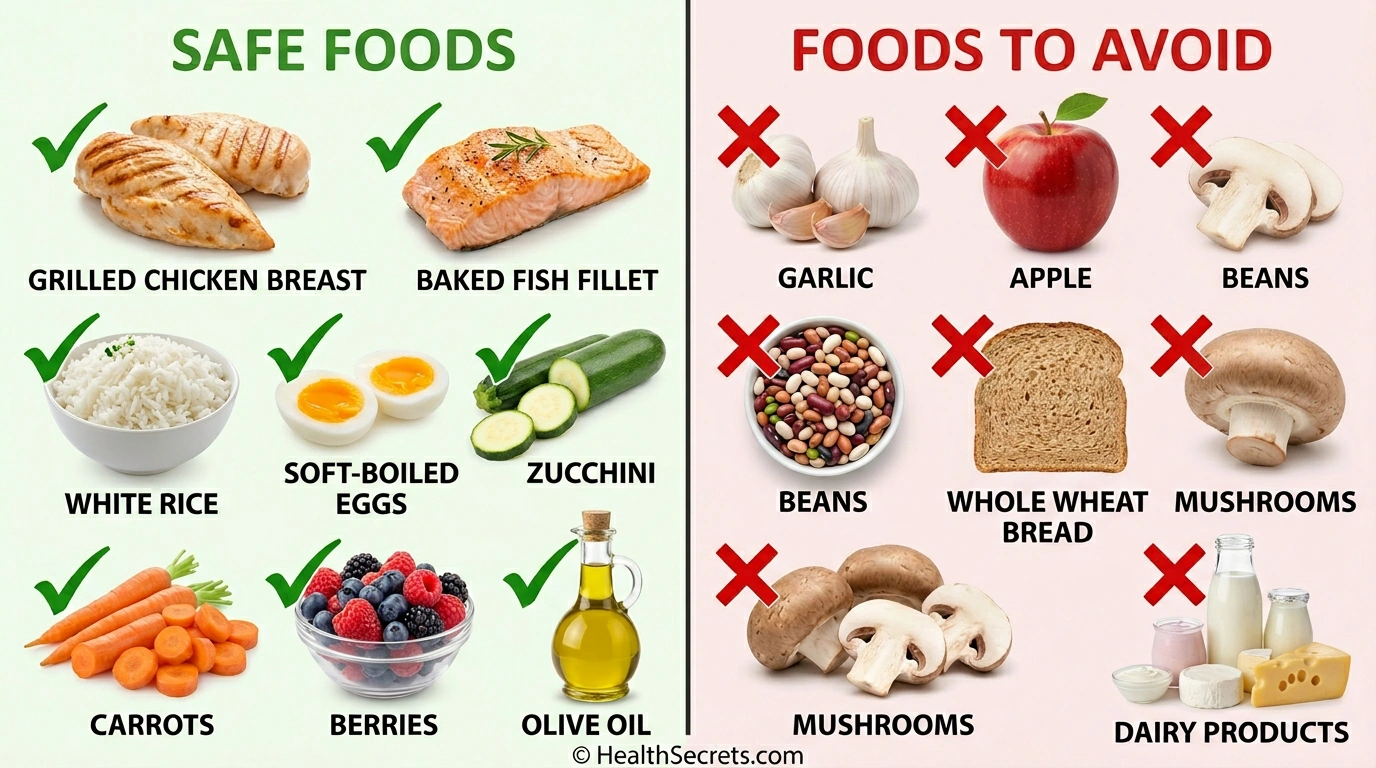
Foods generally safe during SIBO treatment: Proteins (chicken, fish, eggs, tofu), low-FODMAP vegetables (zucchini, carrots, cucumber, spinach, bell peppers), small portions of rice, bone broth, olive oil, and SIBO-friendly foods.
Foods to avoid: High-FODMAP foods (garlic, onions, wheat, beans, apples, pears, cauliflower, mushrooms, dairy with lactose), sugar alcohols (sorbitol, mannitol, xylitol), and excess fiber during the active treatment phase.
Phase 3: Restore — Rebuild Gut Function
Prokinetics (critical for relapse prevention):
- Prokinetics stimulate the MMC to keep bacteria moving out of the small intestine
- Natural options: Ginger (Iberogast or Motilpro — 5-HTP + ginger), partially hydrolyzed guar gum (PHGG)
- Prescription options: Low-dose erythromycin (50mg at bedtime), low-dose naltrexone (LDN), prucalopride
- Start prokinetics AFTER completing antimicrobial treatment
- Take at bedtime on an empty stomach (MMC is most active during sleep)
Digestive support:
- Betaine HCl — restores stomach acid if hypochlorhydria is present (common in SIBO patients)
- Digestive enzymes — support carbohydrate, protein, and fat breakdown to reduce bacterial fermentation fuel
- Bile acid support — ox bile if fat malabsorption is present
Selective probiotics:
- Soil-based probiotics (Bacillus species) are generally safe and may help during SIBO treatment
- Saccharomyces boulardii — beneficial yeast that doesn't colonize the small intestine; anti-inflammatory
- Caution with Lactobacillus-heavy probiotics — may worsen hydrogen SIBO in some patients; introduce gradually after treatment
- See our complete guide to probiotics and gut health
Phase 4: Prevent Relapse — Address Root Causes
- Continue prokinetics for 3–6 months minimum after treatment
- Maintain meal spacing (4–5 hours, no snacking) — this is the single most actionable relapse prevention strategy
- Address stress — vagus nerve activation through deep breathing, meditation, cold exposure
- Treat underlying conditions — hypothyroidism, diabetes, Ehlers-Danlos syndrome, adhesions
- Retest with a breath test 2–4 weeks after completing antimicrobials to confirm eradication
- Gradually reintroduce foods — expand diet slowly over 4–8 weeks after successful treatment
What Should You Eat and Avoid During SIBO Treatment?
Diet is the second pillar of SIBO treatment — it reduces the fermentable fuel supply for overgrown bacteria while ensuring adequate nutrition. The low FODMAP diet is the most well-researched dietary approach for SIBO, with studies showing significant symptom improvement in 50–80% of IBS/SIBO patients [7].
Safe foods during active treatment:
- Proteins: Chicken, turkey, fish, eggs, firm tofu, tempeh
- Vegetables: Zucchini, carrots, cucumber, spinach, lettuce, bell peppers, green beans, bok choy
- Grains (limited): White rice, oats (small portions), rice noodles
- Fats: Olive oil, coconut oil, avocado oil, ghee, small amounts of butter
- Fruits (limited): Blueberries, strawberries, citrus (small portions), unripe banana
- Broths: Bone broth, clear chicken/vegetable broth
Foods to strictly avoid:
- High-FODMAP vegetables: Garlic, onions, cauliflower, mushrooms, asparagus, artichokes
- Legumes: Beans, lentils, chickpeas (high in fermentable fibers)
- High-FODMAP fruits: Apples, pears, watermelon, mango, cherries
- Wheat and gluten-containing grains (fructans are highly fermentable)
- Dairy with lactose: Milk, soft cheeses, yogurt, ice cream
- Sugar alcohols: Sorbitol, mannitol, xylitol (in sugar-free products)
- Excess fiber supplements during active treatment
Meal spacing protocol: Eat 2–3 structured meals per day with 4–5 hours between each meal. No snacking. This activates your MMC, which is your primary defense against bacterial re-accumulation. Drink water between meals freely.
What Lifestyle Changes Support SIBO Recovery?
Lifestyle factors directly impact the nervous system functions that control gut motility, stomach acid production, and immune surveillance — all critical defenses against SIBO. Addressing these factors isn't optional; it's essential for preventing relapse.
Vagus nerve activation (parasympathetic support):
- The vagus nerve controls the MMC, stomach acid secretion, and digestive enzyme release
- Daily practices: Slow deep breathing (5 minutes before meals), gargling, singing, humming, cold water face immersion
- Goal: Shift from "fight or flight" to "rest and digest" before eating
Stress management:
- Chronic stress suppresses the MMC and reduces stomach acid — two primary SIBO drivers
- Meditation, yoga, gentle walking after meals, adequate sleep (7–9 hours)
- Consider professional support for chronic anxiety or trauma
Movement:
- Gentle movement after meals supports gut motility (10–15 minute walk)
- Avoid intense exercise immediately after eating (diverts blood away from digestion)
- Regular moderate exercise supports overall motility
Sleep:
- The MMC is most active during sleep — poor sleep directly impairs gut motility
- Aim for 7–9 hours nightly
- Finish eating 3–4 hours before bed to maximize overnight MMC activity
What Supplements Are Most Important for SIBO Treatment?
SIBO-specific supplements fall into four categories: antimicrobials (Phase 1), digestive support (Phase 3), prokinetics (Phase 3–4), and biofilm disruptors (adjunct). Using the right supplements at the right phase is critical — timing matters as much as product selection.
Herbal antimicrobials (Phase 1 — 4–6 weeks):
- Berberine 500mg 2–3x daily — broad-spectrum against hydrogen and methane producers
- Oregano oil 200mg emulsified 2x daily — potent against hydrogen-dominant bacteria
- Allicin 450mg 2–3x daily — specifically targets methane-producing archaea
- Neem 300–500mg 2x daily — broad-spectrum antimicrobial with biofilm-disrupting properties
Digestive support (Phase 3 — ongoing):
- Betaine HCl — titrate dose to restore stomach acid (start with 650mg with protein meals, increase as needed)
- Digestive enzymes — broad-spectrum with protease, lipase, amylase, DPP-IV
- Ox bile 125–500mg with fatty meals if fat malabsorption is present
Prokinetics (Phase 3–4 — 3–6 months minimum):
- Ginger (Iberogast 20 drops or MotilPro — ginger + 5-HTP) at bedtime
- Partially hydrolyzed guar gum (PHGG) 5g daily — prebiotic that supports motility
- Take on an empty stomach at bedtime for maximum MMC activation
Biofilm disruptors (adjunct — during Phase 1):
- NAC 600mg 2x daily — disrupts bacterial biofilms and replenishes glutathione
- Bismuth — targets hydrogen sulfide SIBO specifically
- Take 30 minutes before antimicrobials to break biofilm protection
What Is the Step-by-Step SIBO Treatment Protocol?
Follow this structured 4-phase protocol over approximately 3–6 months for the best outcomes. Each phase builds on the previous one. Do not skip phases — especially Phase 4 (relapse prevention), which most people neglect and which determines long-term success.
Weeks 1–2: Preparation
- Get a breath test through your practitioner or an at-home kit to confirm SIBO type
- Begin low FODMAP diet to reduce symptoms while awaiting results
- Start meal spacing: 3 meals per day, 4–5 hours apart, no snacking
- Begin vagus nerve exercises (deep breathing before meals, gargling)
- Record baseline symptoms (bloating severity, bowel habits, energy) for tracking
Weeks 3–8: Phase 1 — Kill (Antimicrobials)
- Start herbal antimicrobial protocol (2 herbs, taken with meals):
- Hydrogen SIBO: berberine 500mg 3x/day + oregano oil 200mg 2x/day
- Methane SIBO: berberine 500mg 3x/day + allicin 450mg 3x/day
- Mixed: berberine 500mg 3x/day + neem 300mg 2x/day
- Add NAC 600mg 2x daily as biofilm disruptor (take 30 min before antimicrobials)
- Continue strict low FODMAP diet during treatment
- Maintain 4–5 hour meal spacing
Weeks 9–12: Phase 3 — Restore
- Stop antimicrobials, begin prokinetics (ginger/5-HTP formula at bedtime)
- Start digestive enzyme with each meal
- Consider betaine HCl if low stomach acid is suspected (belching test or practitioner guidance)
- Introduce soil-based probiotic or S. boulardii
- Retest with breath test 2–4 weeks after stopping antimicrobials
- Begin gradual food reintroduction (one new food every 3 days)
Months 4–6+: Phase 4 — Prevent Relapse
- Continue prokinetics for minimum 3–6 months
- Maintain meal spacing habit permanently (this is your #1 relapse prevention tool)
- Continue stress management and vagus nerve practices daily
- Address any underlying conditions (thyroid, adhesions, diabetes) with your practitioner
- If symptoms return, retest and consider another course of antimicrobials
- Gradually liberalize diet, monitoring symptoms with each addition
Integrative Therapeutics Berberine Complex
Editor's ChoiceIntegrative Therapeutics · Broad-spectrum SIBO antimicrobial therapy targeting hydrogen and methane bacteria
ADP Oregano Oil (Biotics Research)
Best For Hydrogen SIBOADP Oregano · Hydrogen-dominant SIBO antimicrobial therapy with sustained-release delivery
Allimax 180mg Stabilized Allicin
Best For Methane SIBOAllimax 180mg · Methane-dominant SIBO/IMO targeting archaea that produce methane gas
NOW Foods NAC 600mg
Best Biofilm DisruptorNOW Foods · Breaking bacterial biofilms during SIBO antimicrobial treatment and antioxidant support
Jarrow Formulas Saccharomyces Boulardii + MOS
Best Probiotic For SIBOJarrow Formulas · Safe probiotic support during and after SIBO treatment without worsening overgrowth
Enzymedica Digest Gold
Best Digestive SupportEnzymedica Digest · Comprehensive digestive enzyme support to reduce bacterial fermentation fuel during SIBO treatment
Read the detailed review cards below before opening any retailer link
Top Recommended Products
Integrative Therapeutics
Integrative Therapeutics Berberine Complex
Berberine is the most versatile SIBO antimicrobial — effective against both hydrogen and methane producers, with additional anti-inflammatory and gut barrier benefits. The Johns Hopkins study confirmed herbal protocols including berberine match rifaximin efficacy.
Pros
- + Clinical-grade berberine
- + well-researched for SIBO (Johns Hopkins study used berberine-based protocols)
- + also supports blood sugar regulation
- + well-tolerated
Cons
- - Higher price point
- - may cause GI upset initially
- - not recommended during pregnancy
Why we included it: Berberine is the most versatile SIBO antimicrobial — effective against both hydrogen and methane producers, with additional anti-inflammatory and gut barrier benefits. The Johns Hopkins study confirmed herbal protocols including berberine match rifaximin efficacy.
As an Amazon Associate, Health Secrets earns from qualifying purchases. Product links open on Amazon, where current pricing and availability are displayed. We only feature products discussed in our editorial guides.
ADP Oregano
ADP Oregano Oil (Biotics Research)
ADP Oregano's emulsified sustained-release technology delivers oregano oil's antimicrobial compounds directly to the small intestine rather than being destroyed by stomach acid. This is the oregano oil formulation most commonly used in clinical SIBO protocols.
Pros
- + Emulsified for intestinal delivery
- + sustained release reduces GI irritation
- + high carvacrol content
- + practitioner-recommended
Cons
- - Must be taken 3x daily
- - some people experience heartburn
- - tablet form may be large
Why we included it: ADP Oregano's emulsified sustained-release technology delivers oregano oil's antimicrobial compounds directly to the small intestine rather than being destroyed by stomach acid. This is the oregano oil formulation most commonly used in clinical SIBO protocols.
As an Amazon Associate, Health Secrets earns from qualifying purchases. Product links open on Amazon, where current pricing and availability are displayed. We only feature products discussed in our editorial guides.
Allimax 180mg
Allimax 180mg Stabilized Allicin
Allicin is the most targeted natural antimicrobial for methane-dominant SIBO. Methane producers (archaea) are notoriously resistant to many antimicrobials, but allicin from garlic has shown consistent clinical effectiveness. Allimax's patented stabilization ensures the allicin remains active.
Pros
- + Stabilized allicin specifically targets methane-producing archaea
- + well-tolerated
- + no garlic odor
- + used in clinical SIBO protocols
Cons
- - Higher cost for effective dosing (need 6–9 capsules/day)
- - limited direct SIBO clinical trials
- - available mainly through practitioners
Why we included it: Allicin is the most targeted natural antimicrobial for methane-dominant SIBO. Methane producers (archaea) are notoriously resistant to many antimicrobials, but allicin from garlic has shown consistent clinical effectiveness. Allimax's patented stabilization ensures the allicin remains active.
As an Amazon Associate, Health Secrets earns from qualifying purchases. Product links open on Amazon, where current pricing and availability are displayed. We only feature products discussed in our editorial guides.
NOW Foods
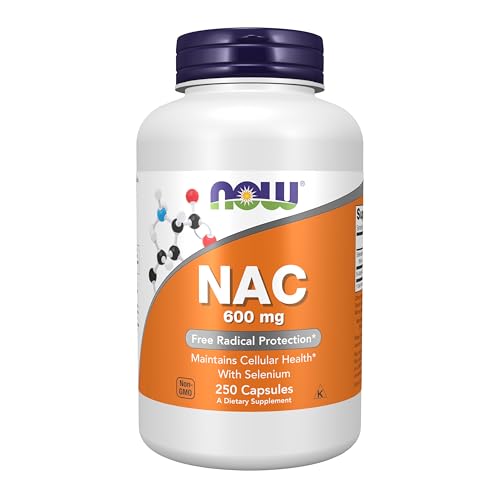
NOW Foods NAC 600mg
SIBO bacteria often form protective biofilms that make them resistant to antimicrobials. NAC is one of the most effective biofilm disruptors, taken 30 minutes before your herbal antimicrobials to "strip" the biofilm and allow the antimicrobials to reach the bacteria directly.
Pros
- + Disrupts bacterial biofilms increasing antimicrobial effectiveness
- + replenishes glutathione
- + excellent value
- + well-researched
Cons
- - Sulfur smell
- - may cause GI upset
- - take separately from antimicrobials for biofilm effect
Why we included it: SIBO bacteria often form protective biofilms that make them resistant to antimicrobials. NAC is one of the most effective biofilm disruptors, taken 30 minutes before your herbal antimicrobials to "strip" the biofilm and allow the antimicrobials to reach the bacteria directly.
As an Amazon Associate, Health Secrets earns from qualifying purchases. Product links open on Amazon, where current pricing and availability are displayed. We only feature products discussed in our editorial guides.
Jarrow Formulas
Jarrow Formulas Saccharomyces Boulardii + MOS
Most SIBO patients are told to avoid all probiotics, but S. boulardii is uniquely safe because it's a beneficial yeast, not a bacterium. It won't colonize the small intestine or worsen bacterial overgrowth, and its anti-inflammatory properties support gut healing during and after treatment.
Pros
- + Beneficial yeast — cannot contribute to bacterial overgrowth
- + anti-inflammatory
- + supports gut barrier
- + MOS binds pathogenic bacteria
- + doesn't require refrigeration
Cons
- - Lower CFU than multi-strain probiotics
- - yeast-based (avoid if fungal overgrowth)
- - limited strains
Why we included it: Most SIBO patients are told to avoid all probiotics, but S. boulardii is uniquely safe because it's a beneficial yeast, not a bacterium. It won't colonize the small intestine or worsen bacterial overgrowth, and its anti-inflammatory properties support gut healing during and after treatment.
As an Amazon Associate, Health Secrets earns from qualifying purchases. Product links open on Amazon, where current pricing and availability are displayed. We only feature products discussed in our editorial guides.
Enzymedica Digest
Enzymedica Digest Gold
When food isn't fully digested before reaching the small intestine, it becomes fuel for SIBO bacteria. Digest Gold's broad-spectrum formula ensures thorough breakdown of proteins, fats, and carbohydrates, reducing the substrate available for bacterial fermentation.
Pros
- + Broad-spectrum enzymes (protease
- + lipase
- + amylase
- + cellulase
- + DPP-IV)
- + works across multiple pH levels
- + reduces undigested food available for bacterial fermentation
- + well-tolerated
Cons
- - Does not replace stomach acid (add betaine HCl if needed)
- - may need 2 capsules for large meals
- - some people with histamine issues react to enzyme products
Why we included it: When food isn't fully digested before reaching the small intestine, it becomes fuel for SIBO bacteria. Digest Gold's broad-spectrum formula ensures thorough breakdown of proteins, fats, and carbohydrates, reducing the substrate available for bacterial fermentation.
As an Amazon Associate, Health Secrets earns from qualifying purchases. Product links open on Amazon, where current pricing and availability are displayed. We only feature products discussed in our editorial guides.
Further Reading
Further Reading
"Healing SIBO: Fix the Real Cause of IBS, Bloating, and Weight Issues in 21 Days"
by Dr. Shivan Sarna
21-day treatment plan; SIBO-specific meal plans and recipes; supplement protocols by SIBO type; breath test interpretation guide; relapse prevention strategies; expert interviews with leading SIBO practitioners
Why it adds value here
This is the most accessible and practical SIBO treatment book available. It distills complex clinical protocols into actionable daily steps, with specific meal plans and supplement dosing schedules.
Best for: Anyone newly diagnosed with SIBO who wants a clear, practical treatment roadmap with meal plans and supplement protocols
View book detailsFurther Reading
"The SIBO Solution: Your Comprehensive Guide to Eliminating Small Intestinal Bacterial Overgrowth"
by Dr. Sylvie McCracken
Detailed SIBO pathophysiology; breath test interpretation; comprehensive antimicrobial protocols (herbal and pharmaceutical); elemental diet guide; prokinetic strategies; food reintroduction protocols; root cause assessment
Why it adds value here
This book provides the clinical depth needed to understand advanced SIBO treatment, including the elemental diet option for refractory cases and detailed guidance on prokinetic selection — the most overlooked aspect of SIBO treatment.
Best for: Readers who want deep understanding of SIBO mechanisms, testing interpretation, and advanced treatment strategies including elemental diet protocols
View book detailsAEO FAQ
Frequently Asked Questions
10 common questions answered
A typical herbal antimicrobial protocol takes 4–6 weeks, with some patients needing 2–3 rounds. Including the restore and relapse prevention phases, expect 3–6 months for a complete treatment cycle. The antimicrobial phase itself is comparable in duration to prescription antibiotics, and the Johns Hopkins study showed herbal antimicrobials achieve similar eradication rates to rifaximin.
Yes — a 2014 Johns Hopkins study found herbal antimicrobials (including berberine, oregano oil, and neem-based formulas) achieved a 46% response rate compared to 34% for rifaximin. Herbal protocols also served as effective rescue therapy for patients who failed rifaximin. However, work with a qualified practitioner rather than self-treating, as SIBO type determines the optimal herbal combination.
SIBO relapse occurs in up to 44% of patients within 9 months, primarily because the root causes weren't addressed. The most common drivers of relapse are impaired MMC (migrating motor complex) from post-infectious autoimmunity, ongoing PPI use, structural issues, and failure to use prokinetics after treatment. Maintaining 4–5 hour meal spacing and continuing prokinetics for 3–6 months after treatment are the most effective relapse prevention strategies.
The lactulose breath test is most commonly used because it evaluates the entire small intestine, while the glucose breath test is more specific but only tests the upper small intestine. A positive result shows hydrogen rising ≥20 ppm or methane ≥10 ppm within 90 minutes. The newer trio-smart test also measures hydrogen sulfide. Proper preparation (24-hour prep diet, 12-hour fast) is critical for accurate results.
It depends on the type. Saccharomyces boulardii (a beneficial yeast) and soil-based probiotics (Bacillus species) are generally safe and may even help during SIBO treatment. However, high-dose Lactobacillus-based probiotics can worsen hydrogen SIBO in some patients by adding more bacteria to an already overgrown small intestine. Introduce standard probiotics gradually after SIBO eradication is confirmed.
SIBO is a specific, testable condition (bacterial overgrowth in the small intestine), while IBS is a symptom-based diagnosis. Research suggests that 60–80% of people diagnosed with IBS actually have underlying SIBO. The key difference is that SIBO has identifiable causes and targeted treatments, while IBS is often managed with symptom relief only. If you have IBS, getting a SIBO breath test is strongly recommended.
The MMC is a cyclical pattern of electrical activity that sweeps bacteria and debris from your small intestine into the colon every 90–120 minutes — but only during fasting periods between meals. When the MMC is impaired (commonly from food poisoning, medications, or nerve damage), bacteria accumulate and SIBO develops. This is why meal spacing (4–5 hours, no snacking) is the single most important habit for both treating and preventing SIBO.
Not exactly. Traditional SIBO refers to bacterial overgrowth producing hydrogen or hydrogen sulfide in the small intestine. Methane is produced by archaea (not bacteria), which can overgrow in both the small and large intestine. This is why methane-dominant SIBO has been reclassified as Intestinal Methanogen Overgrowth (IMO). The distinction matters because IMO requires different treatment — typically allicin or neomycin added to the standard protocol.
During treatment, you should notice gradual improvement in bloating, gas, and bowel regularity over 2–4 weeks. However, some patients experience a temporary die-off reaction (increased symptoms for a few days) when bacteria are being killed. The definitive way to confirm eradication is a follow-up breath test 2–4 weeks after completing antimicrobials. Don't rely on symptoms alone — gas levels on the breath test are the objective measure.
Both. Hydrogen-dominant SIBO more commonly causes weight loss due to malabsorption and diarrhea. Methane-dominant SIBO/IMO is more associated with weight gain because methane slows intestinal transit, increasing calorie absorption and causing constipation. Methane also appears to directly affect metabolism. Treating the underlying SIBO can help normalize weight in either direction.

Stress Recovery Micro-Habits Workbook
Seven five-minute practices with the evidence for each, a chooser for every kind of moment, and a thirty-day log that shows your baseline settle.
What is inside:
PDF e-book + free online edition • 60-day money-back guarantee
Test Your Knowledge
Take our Gut Health Quiz and see how much you really know about gut health.
Was this article helpful?
Researched & Fact-Checked
Author
Health Secrets Editorial TeamThe Health Secrets editorial team researches, writes and fact-checks every guide against the primary studies and clinical guidelines it cites.
Fact-Checked By
Health Secrets Editorial TeamAll content is evidence-based, checked against peer-reviewed research, and updated regularly. Our editorial team follows strict guidelines for accuracy and transparency.
References & Citations
15 sources cited
Medical Disclaimer
This article is for informational purposes only and does not constitute medical advice. Read the full medical disclaimer. Always consult with a qualified healthcare provider before starting any new supplement, treatment, or major dietary change.
The Complete Guide to Gut Health
Explore our foundational comprehensive guide covering all clinical protocols, dietary strategies, and evidence for gut health.
You Might Also Like
H. Pylori Natural Treatment: Evidence-Based Protocol
H. pylori infects roughly half the world's population, often causing gastritis and peptic ulcers. This evidence-based condition guide explores natural antimicrobials like mastic gum, manuka honey, and sulforaphane-rich broccoli sprouts that research shows can help combat this stubborn bacterium — alongside conventional treatment or as a complementary protocol.
→Natural IBS Relief: 10 Evidence-Based Strategies That Actually Work
Irritable bowel syndrome affects up to 15% of the global population, but natural relief is within reach. This evidence-based guide walks you through 10 proven strategies—from the low FODMAP diet and targeted probiotics to peppermint oil and gut-directed hypnotherapy—so you can take control of your IBS symptoms starting today.
→Constipation Relief: Natural Remedies That Work Fast
Constipation affects up to 15% of adults worldwide, but fast-acting natural remedies — from hydration and fiber-rich foods to magnesium supplements and proper toilet posture — can restore regular bowel movements without harsh medications.
→Discussion
0No comments yet
Be the first to share your thoughts, clinical insights, or questions about this protocol.