You've probably heard glutathione called the "master antioxidant" — and honestly, that's not marketing hype. It's one of those rare cases where the nickname actually undersells what this molecule does. Every single cell in your body produces glutathione. Your liver is basically swimming in the stuff. And here's what most people don't realize: without adequate glutathione, your body's entire detoxification system starts to stall. [1] [6]
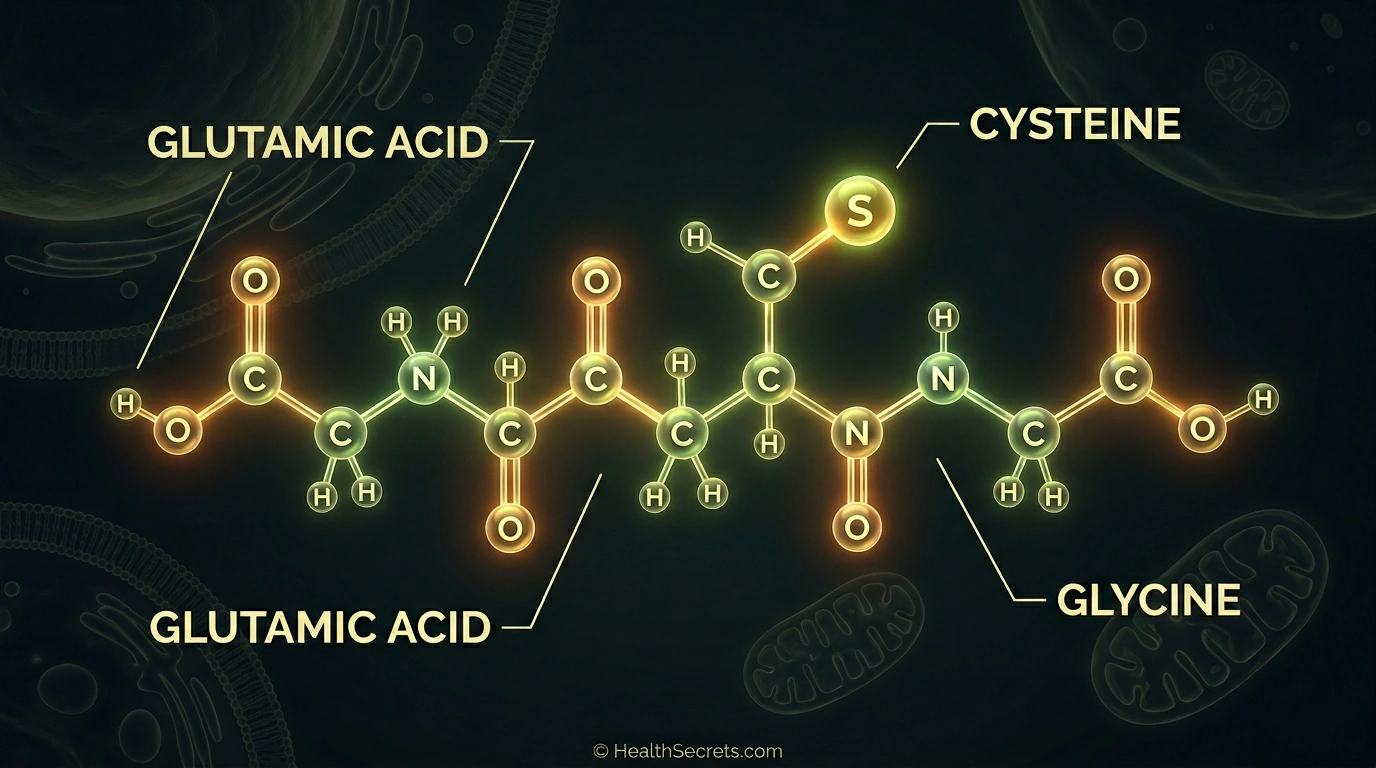
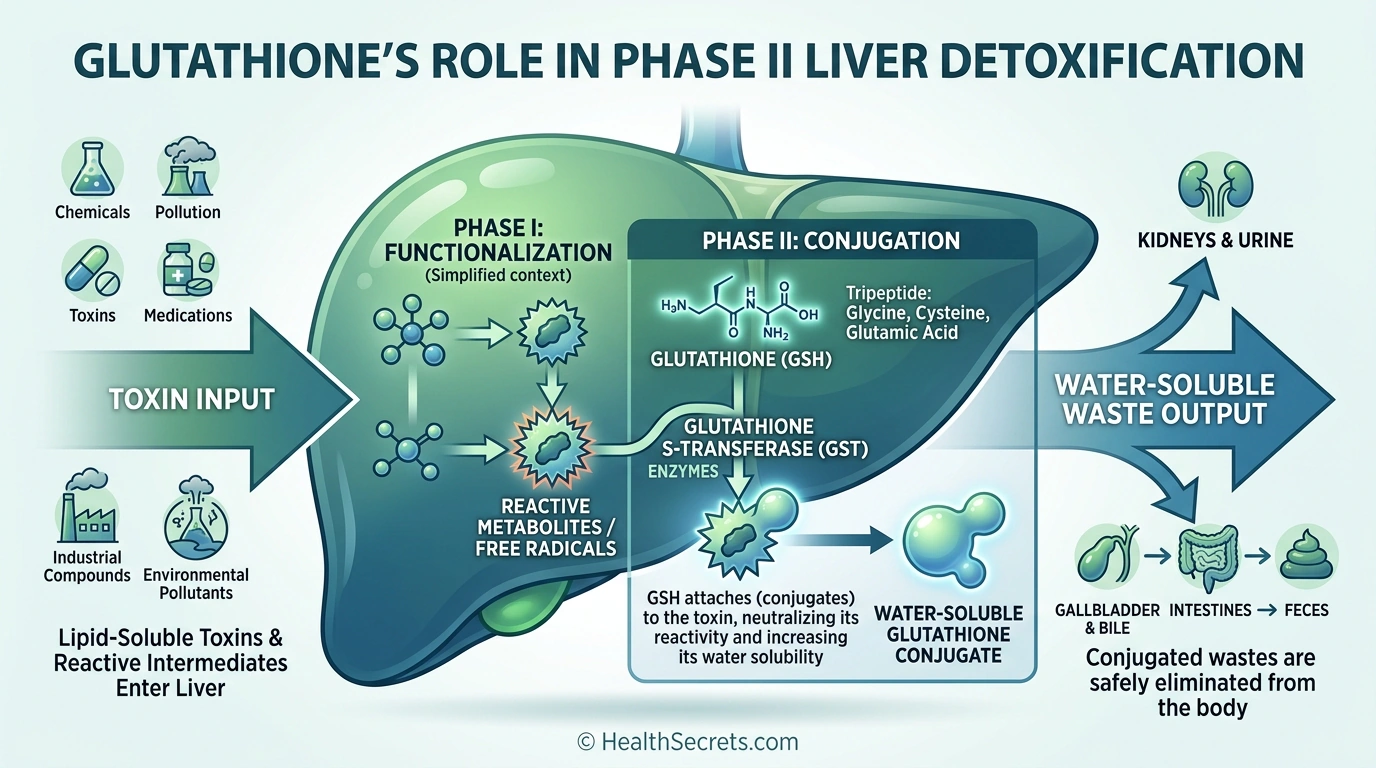
Glutathione is a tripeptide — built from three amino acids (cysteine, glycine, and glutamic acid) — and it plays a central role in Phase II liver detoxification, antioxidant defense, immune regulation, and cellular protection. Research from the past decade has confirmed what integrative practitioners have known for years: glutathione status is a reliable marker of overall health. [9] [11]
But here's the catch. Glutathione levels naturally decline with age, stress, poor diet, toxin exposure, and chronic illness [15]. And supplementing isn't as straightforward as popping a capsule — standard oral glutathione gets destroyed in the digestive tract before it ever reaches your cells. [17]
In this guide, you'll learn exactly how glutathione works, why your levels might be low, which supplement forms actually get absorbed, and whether precursors like NAC might be a smarter strategy than direct supplementation. Everything here is backed by peer-reviewed research.
For a broader look at evidence-based detoxification strategies, check out our complete detox guide.
What Is Glutathione and Why Is It Called the "Master Antioxidant"?
Glutathione (GSH) is a tripeptide antioxidant composed of three amino acids — cysteine, glycine, and glutamic acid — found in virtually every cell in your body. It earned the title "master antioxidant" because it not only neutralizes free radicals directly but also regenerates other antioxidants like vitamins C and E, making it the backbone of your entire antioxidant defense system [5] [12] [13].
Your body produces glutathione endogenously — meaning it makes it internally, unlike most vitamins you need to get from food. Concentrations are highest in the liver, which makes sense given the liver's role as your primary detoxification organ. Glutathione exists in two forms: reduced (GSH), which is the active form, and oxidized (GSSG), which is the spent form. The ratio of GSH to GSSG is actually used as a biomarker of oxidative stress.
Here's what makes glutathione so critical:
- Detoxification: Drives Phase II conjugation in the liver, binding to toxins, heavy metals, and metabolic waste products for elimination
- Antioxidant defense: Directly neutralizes reactive oxygen species (ROS) and reactive nitrogen species
- Immune regulation: Supports T-cell function, natural killer cell activity, and lymphocyte proliferation
- Cellular protection: Shields mitochondria from oxidative damage, supporting energy production
- DNA repair: Assists in DNA synthesis and repair processes
- Enzyme activation: Serves as a cofactor for glutathione peroxidase and glutathione S-transferase enzymes
Research published in the Journal of Clinical Biochemistry and Nutrition describes glutathione as essential for maintaining cellular homeostasis, neutralizing oxidative stress, preventing lipid peroxidation, and regulating immune responses [16].
The problem? Glutathione levels decline steadily after age 20 — and they drop faster with chronic illness, environmental toxin exposure, and lifestyle factors. Understanding how to maintain and restore glutathione levels is foundational to any serious liver detox protocol.

The Supplement Seal Verifier
What six certification programs each test, the label claims that test nothing, and a ten-bottle audit sheet that counts your verified products.
How Does Glutathione Work in the Body?
Glutathione functions through multiple interconnected mechanisms — detoxification, antioxidant recycling, and immune modulation. It's not just one pathway; it's an entire system that keeps your cells functioning under stress. Here's how each mechanism works.
How Does Glutathione Support Liver Detoxification?
Glutathione is the primary conjugation agent in Phase II liver detoxification. When your liver processes toxins — from medications, alcohol, heavy metals, pesticides, or metabolic byproducts — it attaches glutathione molecules to these compounds through a process called glutathione conjugation (catalyzed by glutathione S-transferase enzymes). This makes the toxins water-soluble so your body can excrete them through bile or urine.
Without sufficient glutathione, Phase II detox slows down — and partially processed toxins can accumulate, potentially causing more damage than the original compounds. This is why glutathione status directly impacts how well your body handles environmental exposures. Research confirms glutathione's critical role in hepatic detoxification and toxin elimination.
For more on supporting this pathway naturally, see our milk thistle guide — silymarin is one of the few botanicals shown to directly increase glutathione production in liver cells.
How Does Glutathione Protect Against Oxidative Stress?
Glutathione neutralizes free radicals both directly and indirectly. As a direct antioxidant, it donates electrons to reactive oxygen species, converting them to harmless compounds. But its indirect role is arguably more important: glutathione regenerates vitamins C and E after they've been used up fighting free radicals.
This recycling function means glutathione acts as a force multiplier for your entire antioxidant network. It also boosts endogenous antioxidant enzymes — superoxide dismutase (SOD), catalase, and glutathione peroxidase — which require adequate GSH to function properly.
How Does Glutathione Support Immune Function?
Glutathione plays a direct role in immune cell activity. Research published in Nutrients demonstrated that liposomal glutathione supplementation elevated body stores of GSH and improved markers of immune function, including enhanced natural killer (NK) cell cytotoxicity and lymphocyte proliferation [8]. T-cells, your frontline adaptive immune defenders, require optimal glutathione levels to proliferate and function effectively.
When GSH is depleted, immune cells become sluggish and less responsive to threats.
This connection between glutathione status and immune resilience is why practitioners increasingly recommend GSH support for individuals dealing with frequent infections, chronic illness, or immune system challenges.
How Well Is Glutathione Absorbed? (The Bioavailability Problem)
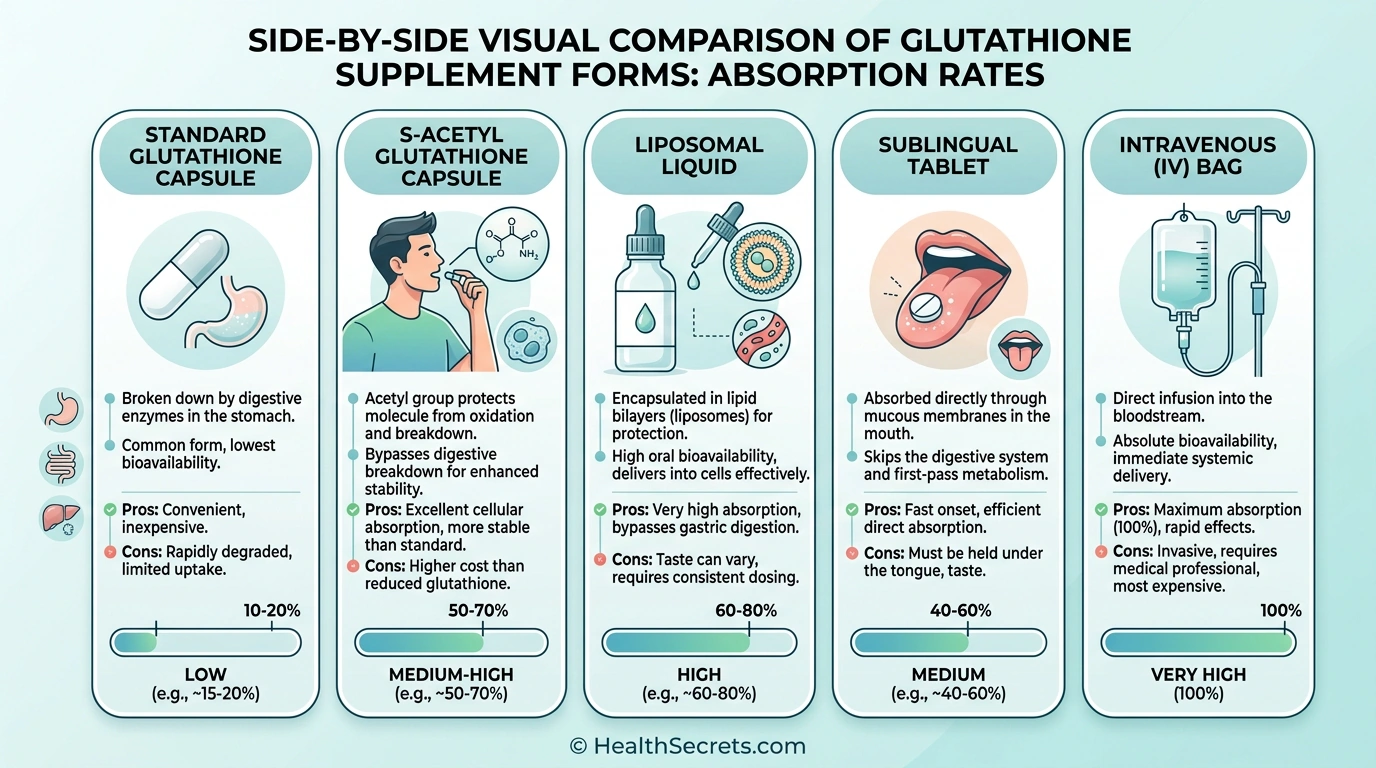
This is the single biggest challenge with glutathione supplementation — and the reason most cheap glutathione supplements are essentially useless. Standard oral glutathione has a bioavailability below 1%. Your digestive enzymes (particularly gamma-glutamyltransferase in the intestinal lining) break the tripeptide apart before it can be absorbed intact.
A 2026 study in Food and Chemical Toxicology confirmed that native GSH oral bioavailability remains extremely low due to enzymatic degradation and poor gastrointestinal absorption, driving the development of novel delivery systems.
Here's how different forms compare:
| Form | Bioavailability | Pros | Cons | Best For |
|---|---|---|---|---|
| Reduced GSH (standard oral) | Very low (<1%) | Affordable, widely available | Poor absorption, broken down in gut | Budget-conscious users |
| Liposomal GSH | High (up to 64x improvement) | Excellent absorption, clinical evidence | More expensive, some taste issues | Therapeutic use, immune support |
| S-Acetyl GSH | Moderate-High | Acid-resistant, good stability | Less clinical data than liposomal | Daily maintenance, convenience |
| Sublingual GSH | Moderate | Bypasses digestive system | Limited product options, compliance | Those with GI sensitivity |
| IV GSH | Highest (100%) | Immediate, full bioavailability | Expensive, requires clinical setting | Acute needs, clinical protocols |
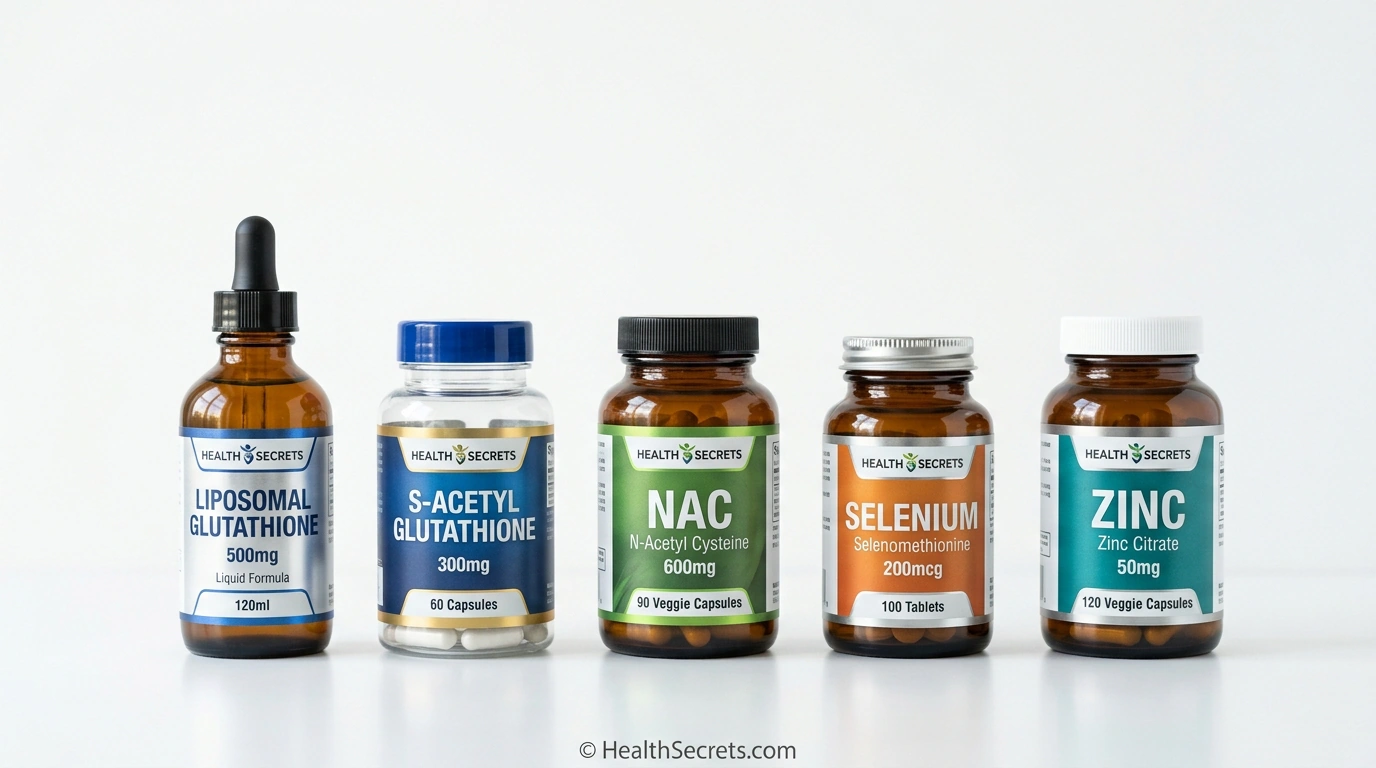
| Liposomal glutathione encapsulates GSH molecules within phospholipid spheres that protect them through the digestive tract and facilitate cellular uptake [14]. A study in the European Journal of Clinical Nutrition found that liposomal GSH administration elevated body stores of GSH and improved immune markers more effectively than non-liposomal forms [2] [3]. |
S-Acetyl glutathione (SAG) uses an acetyl group bonded to the sulfur atom of cysteine, protecting the molecule from enzymatic breakdown [10]. A 2026 safety assessment published in Food and Chemical Toxicology confirmed SAG's safety profile and its effectiveness as a bioavailable GSH precursor [18].
The bottom line: if you're supplementing glutathione directly, choose liposomal or S-acetyl forms. Standard reduced glutathione capsules are not cost-effective for most people.
How Much Glutathione Should You Take?
Dosing depends on your goals, the form you're using, and whether you're taking direct glutathione or precursors. Here are evidence-based recommendations.
| Purpose | Direct GSH (Liposomal/S-Acetyl) | NAC (Precursor) | Duration |
|---|---|---|---|
| General maintenance | 250–500 mg daily | 600 mg daily | Ongoing |
| Detox support | 500–1,000 mg daily | 1,200 mg daily (divided) | 2–3 months |
| Immune support | 500–750 mg daily | 600–1,200 mg daily | Ongoing or seasonal |
| Athletic recovery | 500–1,000 mg daily | 1,200–1,800 mg daily | Training cycles |
| Therapeutic (clinical) | 1,000+ mg daily | 1,800 mg daily | Under medical supervision |
| Timing: Liposomal glutathione is best taken on an empty stomach for optimal absorption. S-acetyl glutathione can be taken with or without food. NAC is typically taken with meals to minimize GI discomfort. |
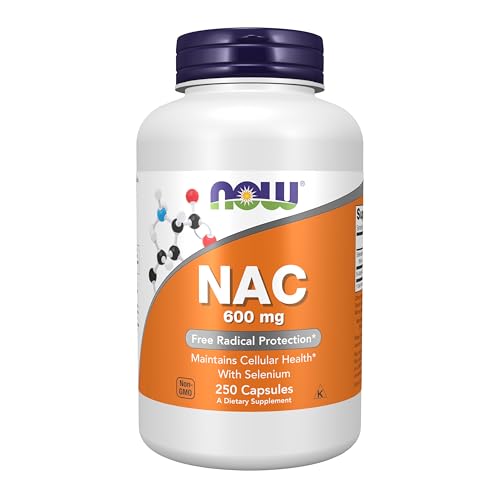
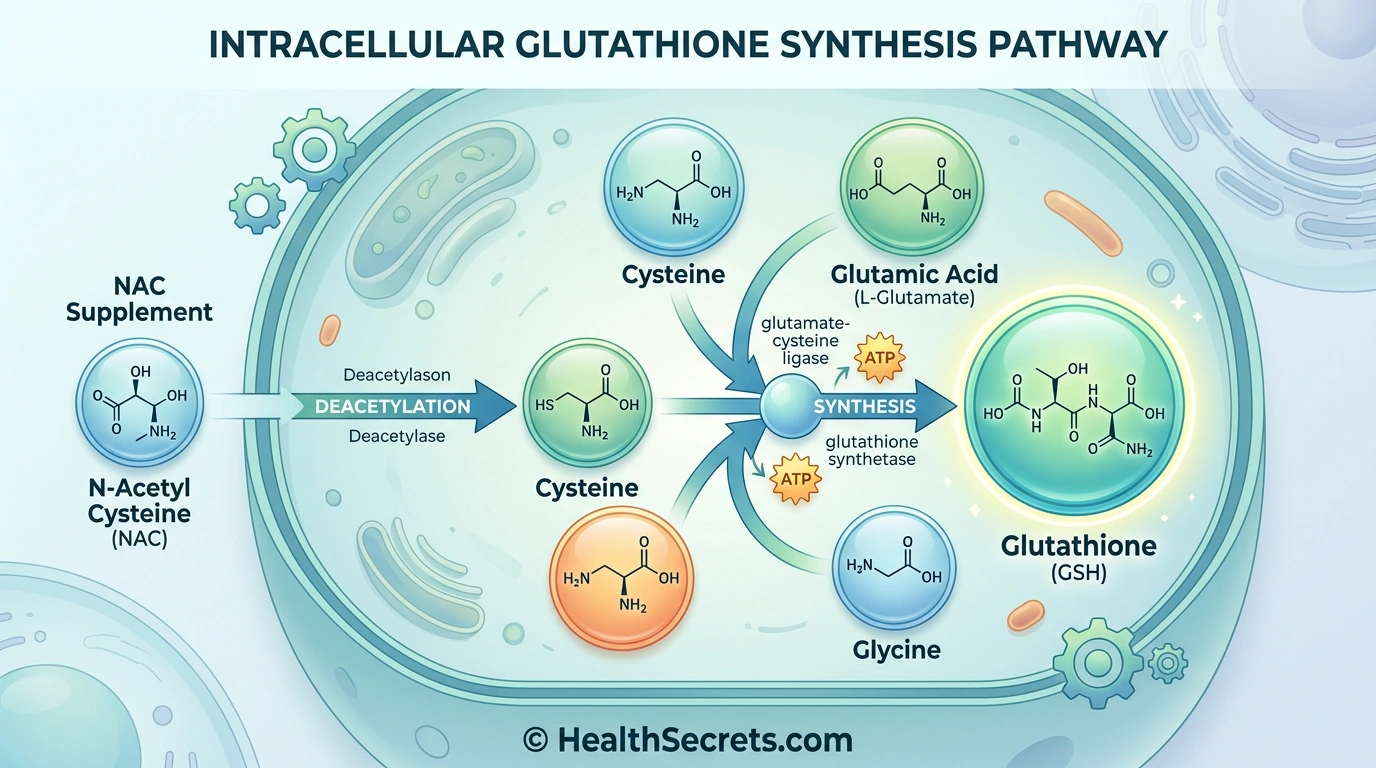
The precursor approach — using NAC (600–1,800 mg) combined with glycine (3–5 g) and supporting nutrients (selenium, vitamin C, alpha-lipoic acid) — is often more cost-effective than direct GSH supplementation and has robust clinical evidence [7]. NAC provides cysteine, the rate-limiting amino acid in glutathione synthesis, and has been extensively studied for boosting intracellular GSH levels.
Can You Get Enough Glutathione from Food?
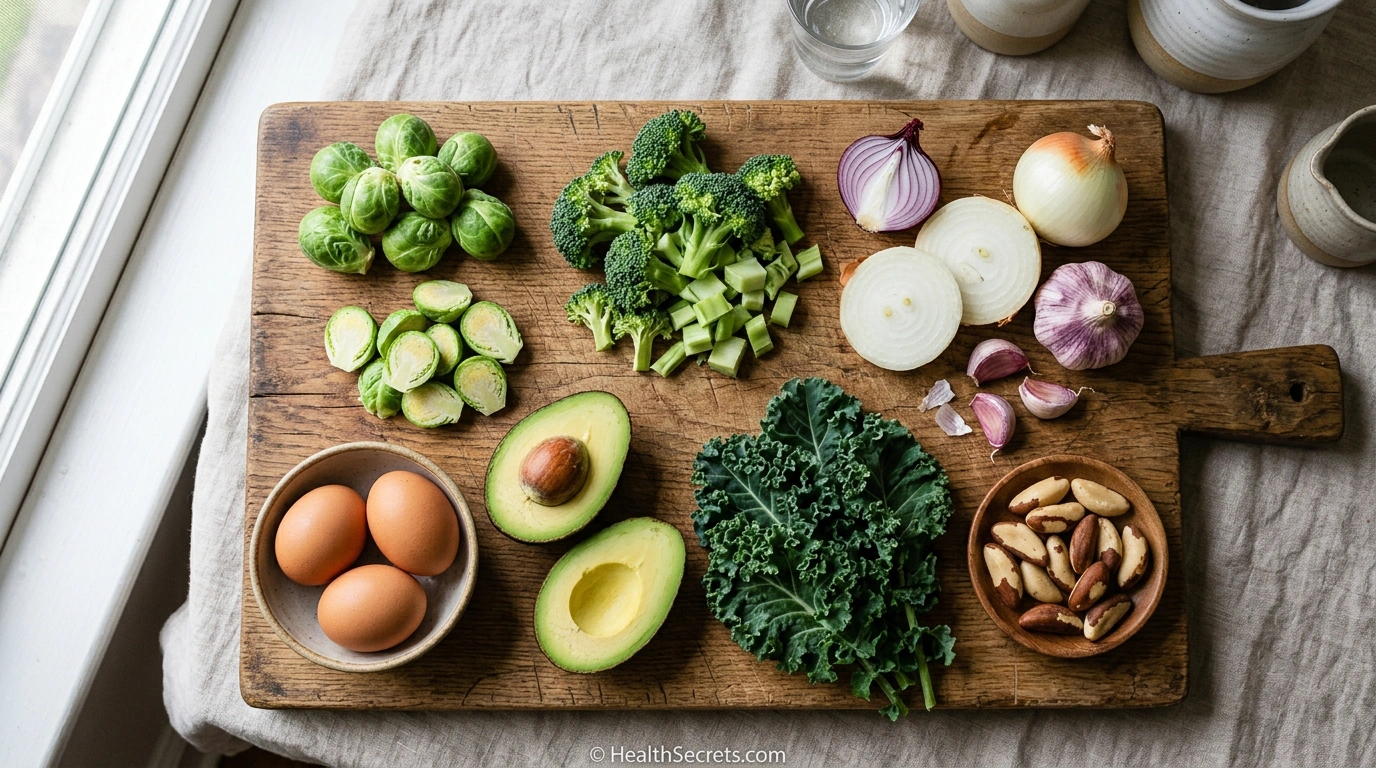
Your body synthesizes glutathione internally, so the goal with food isn't to consume glutathione directly (dietary GSH is mostly broken down during digestion) — it's to provide the raw materials and cofactors your body needs to produce it efficiently.
Sulfur-rich foods (provide cysteine and support GSH synthesis):
- Cruciferous vegetables: broccoli, Brussels sprouts, cauliflower, kale, cabbage
- Allium vegetables: garlic, onions, shallots, leeks
- Eggs (particularly the yolks)
- Grass-fed meat and organ meats
Foods containing glutathione precursors:
- Whey protein (rich in cysteine — undenatured whey is best)
- Bone broth (glycine-rich)
- Spinach, avocado, asparagus (contain small amounts of GSH)
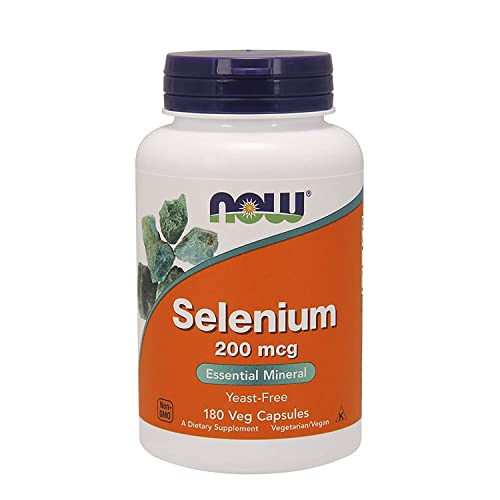
- Brazil nuts (selenium — cofactor for glutathione peroxidase)
The balanced approach: For general health, prioritize sulfur-rich foods daily, adequate protein intake (for amino acid supply), and selenium-rich foods. For therapeutic goals — active detoxification, immune recovery, or chronic illness support — food alone typically isn't sufficient, and supplementation with liposomal GSH or NAC becomes practical.
For more on foods that support your body's detox pathways, see our detox diet guide.
Is Glutathione Safe? Side Effects and Interactions to Know
Glutathione has an excellent safety profile. It's produced endogenously, and supplementation at standard doses (250–1,000 mg daily) is well-tolerated by most people. The 2026 safety assessment of S-Acetyl glutathione found no genotoxic, mutagenic, or toxic effects even at high doses in animal studies.
Common side effects (rare, mild):
- GI upset: bloating, cramping, or loose stools — usually at high doses (>1,000 mg). Reduce dose or take with food.
- Allergic reactions: Extremely rare. Discontinue and consult a healthcare provider if rash or difficulty breathing occurs.
- Zinc depletion: Long-term high-dose NAC may reduce zinc levels. Consider a zinc supplement if using NAC chronically.
Drug interactions:
- Chemotherapy: Glutathione may interfere with certain chemotherapy drugs by protecting cancer cells from oxidative damage [20]. Always consult your oncologist before supplementing during treatment.
- Nitroglycerin: NAC may potentiate the blood pressure-lowering effects. Monitor closely.
- Immunosuppressants: Theoretical interaction — glutathione enhances immune function, which could counteract immunosuppressive therapy.
Contraindications:
- Asthma (inhaled glutathione can trigger bronchospasm — oral and liposomal forms are not associated with this risk)
- Active cancer treatment (consult oncologist)
- Pregnancy/breastfeeding: Insufficient data at supplement doses — food-based support preferred
What Can Glutathione Actually Do for You?
Glutathione supplementation is well-supported for specific outcomes, but it's not a miracle molecule. Here's what to realistically expect — and what it won't do.
What glutathione CAN do (with consistent use):
- Reduce markers of oxidative stress (measurable in blood work within 4–8 weeks)
- Support liver detoxification capacity during environmental or dietary toxin exposure
- Improve immune markers including NK cell activity and lymphocyte function
- Support skin brightness and reduce hyperpigmentation (emerging evidence)
- Improve exercise recovery and reduce oxidative damage from intense training
- Complement protocols for chronic inflammation and brain health
What glutathione WON'T do:
- Cure any disease or replace medical treatment
- Produce overnight results (4–8 weeks minimum for noticeable changes)
- Work effectively in standard oral capsule form (bioavailability matters)
- Compensate for poor diet, chronic sleep deprivation, or ongoing toxin exposure
Realistic timeline:
- Weeks 1–2: Minimal noticeable effects (building intracellular stores)
- Weeks 3–4: Some improvement in energy, recovery, and mental clarity
- Weeks 5–8: Measurable changes in oxidative stress markers, improved resilience
- Months 3+: Full benefits realized with consistent use and lifestyle support
Individual variation is significant. People with severe depletion (chronic illness, heavy toxin exposure, genetic polymorphisms affecting GSH enzymes) may respond more dramatically than healthy individuals looking for optimization.
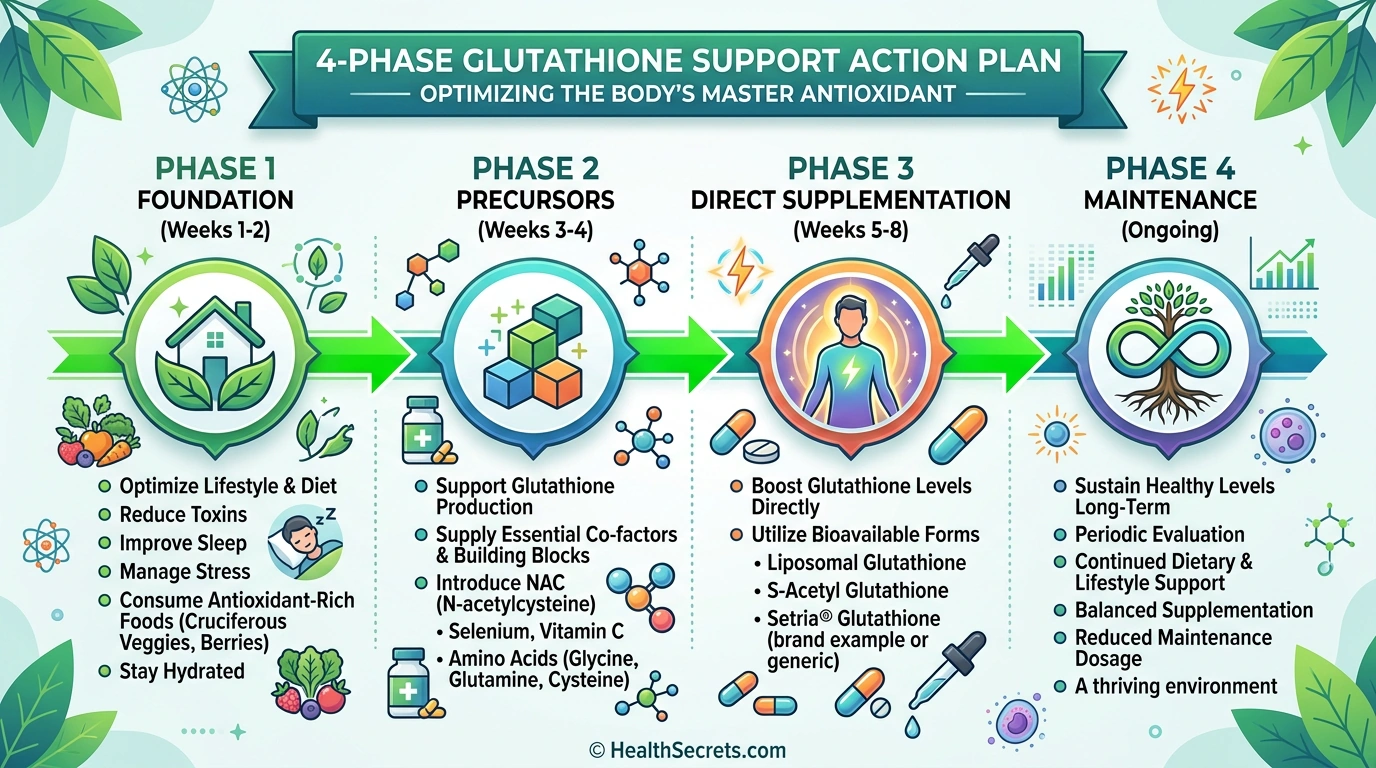
Action Plan
What Should You Do First to Support Glutathione Levels?
Follow the sequence below, work through each phase in order, and use the checklist as your practical implementation guide.
Start with foundational diet and lifestyle changes, then layer in targeted supplementation based on your needs. This phased approach builds a sustainable glutathione support strategy over 8–12 weeks.
Phase 1 — Foundation (Weeks 1–2):
- Increase sulfur-rich foods: 2+ servings daily of cruciferous vegetables, garlic, onions
- Ensure adequate protein: 0.8–1 g per pound of body weight (provides glutathione amino acids)
- Add 1–2 Brazil nuts daily (selenium for glutathione peroxidase)
- Prioritize 7–9 hours of quality sleep (sleep deprivation depletes GSH)
Phase 2 — Precursor Support (Weeks 3–4):
- Start NAC: 600 mg daily with food (increase to 1,200 mg in week 4 if tolerated)
- Add glycine: 3 g daily (can mix in water or smoothie)
- Add vitamin C: 500–1,000 mg daily (helps recycle glutathione)
- Consider alpha-lipoic acid: 300–600 mg daily (regenerates GSH)
Phase 3 — Direct Supplementation (Weeks 5–8, if needed):
- Add liposomal or S-acetyl glutathione: 250–500 mg daily
- Continue NAC and supporting nutrients
- Reduce toxin exposure: minimize alcohol, processed foods, unnecessary medications
- Consider blood work to assess oxidative stress markers and GSH:GSSG ratio
Phase 4 — Maintenance (Ongoing):
- Maintain NAC at 600 mg daily or glutathione at 250 mg daily
- Continue sulfur-rich diet and lifestyle practices
- Increase supplementation during periods of stress, illness, or increased toxin exposure
- Reassess every 3–6 months