
If you've been dealing with chronic inflammation or persistent pain, you've almost certainly heard about CBD. It's in oils, capsules, gummies, and creams — and the claims range from reasonable to wildly exaggerated. So what does the science actually say?
Here's the honest picture: CBD has real anti-inflammatory properties backed by peer-reviewed research. It works through your body's endocannabinoid system to reduce pro-inflammatory cytokines, modulate immune cell function, and inhibit pain signaling pathways. Clinical studies show that doses of 25–75 mg daily can reduce chronic pain by 30–40% in some people. But it's not a miracle cure, individual responses vary enormously, and the unregulated market means quality is a serious concern — roughly 70% of CBD products are mislabeled.
This guide cuts through the noise. You'll learn exactly how CBD works for inflammation, what the clinical evidence shows and where it falls short, how to dose it, how to choose between full-spectrum, broad-spectrum, and isolate, and how to avoid wasting money on junk products.
Learn more about evidence-based approaches to inflammation and how turmeric supports anti-inflammatory pathways. For a broader look at supplement quality, see our supplements guide.
What Is CBD and How Does It Differ from THC?
Cannabidiol (CBD) is one of over 100 cannabinoids in the Cannabis sativa plant. Unlike THC, CBD does not produce a "high" — it doesn't bind strongly to CB1 receptors in the brain. Derived primarily from hemp (cannabis with less than 0.3% THC), CBD interacts with the body's endocannabinoid system to produce anti-inflammatory, analgesic, and anxiolytic effects without intoxication.
CBD was first isolated in 1940, but Dr. Raphael Mechoulam's research in the 1960s revealed its structure and therapeutic potential. The discovery of the endocannabinoid system in the 1990s explained how CBD actually works. When the 2018 Farm Bill legalized hemp-derived CBD federally, the market exploded — bringing both genuine therapeutic promise and serious quality concerns.
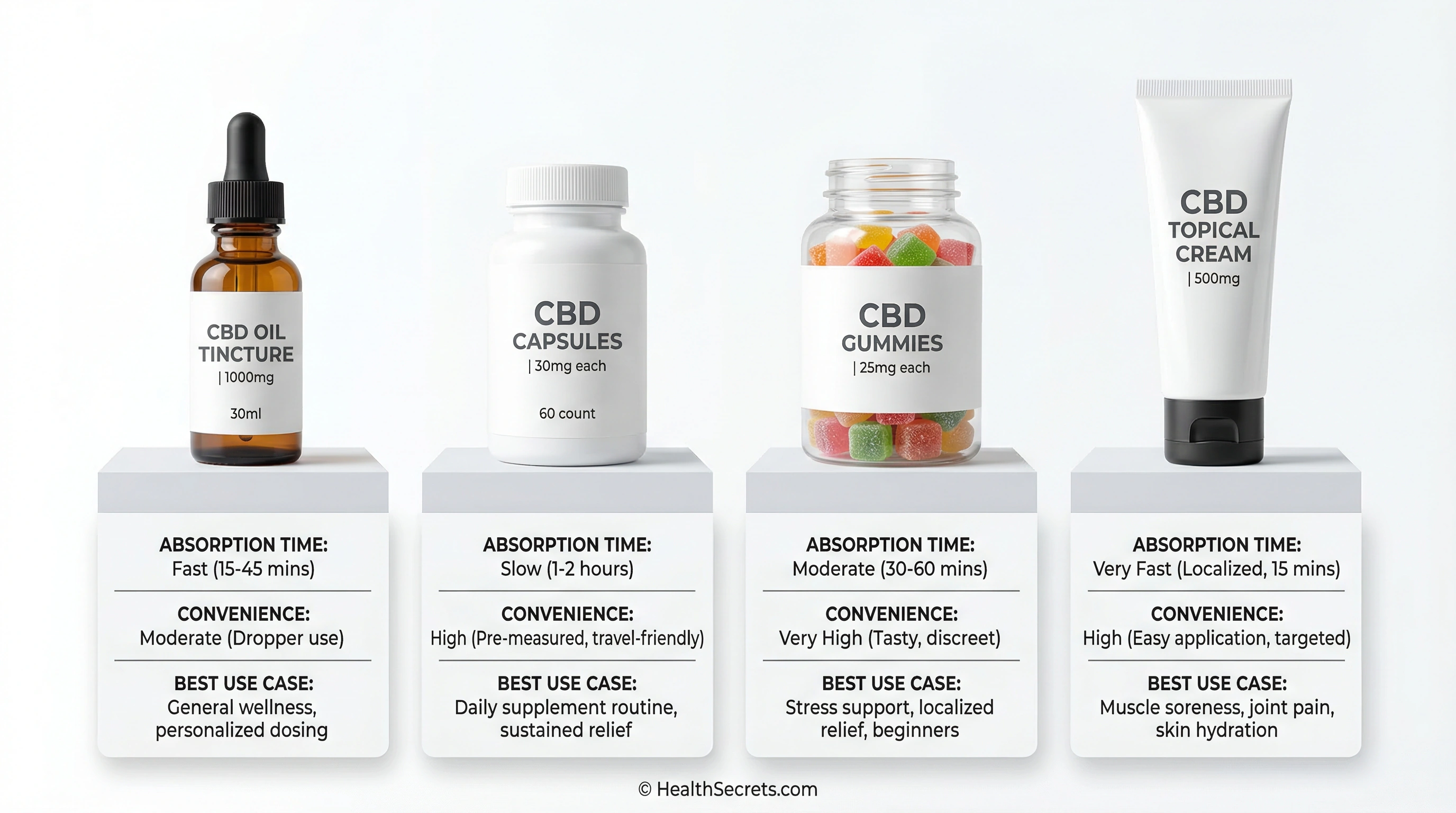
The key distinction: hemp contains less than 0.3% THC and is the legal source of CBD, while marijuana contains more and remains federally illegal. CBD comes in several forms — oils and tinctures (sublingual, fastest absorption), capsules and softgels (convenient), edibles like gummies (slower onset, longer duration), and topicals for localized pain [4].

Are You Unknowingly Inflaming Your Body?
Get the free Health Vitals & Nutrient Checklist — the daily guide that shows you which habits and supplements are silently triggering inflammation.
How Does CBD Reduce Inflammation and Pain in the Body?
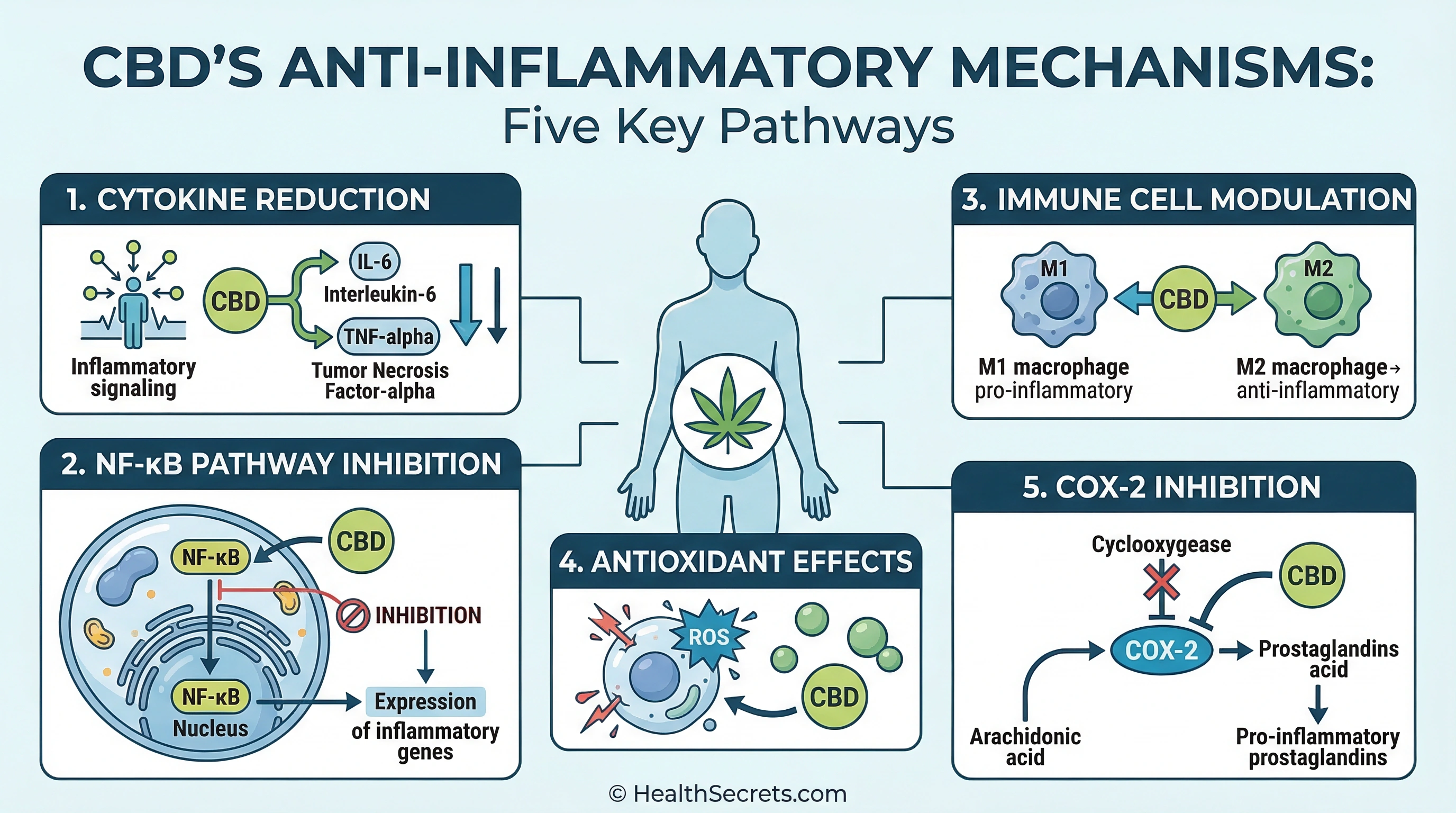
CBD reduces inflammation through multiple overlapping mechanisms: it inhibits pro-inflammatory cytokines (IL-6, TNF-alpha, IL-1β), blocks the NF-κB inflammatory master switch, increases anti-inflammatory IL-10, shifts macrophages toward anti-inflammatory phenotypes, and acts as a direct antioxidant. These broad-spectrum anti-inflammatory actions explain why CBD shows promise across diverse pain and inflammatory conditions.
How Does CBD Interact with the Endocannabinoid System?
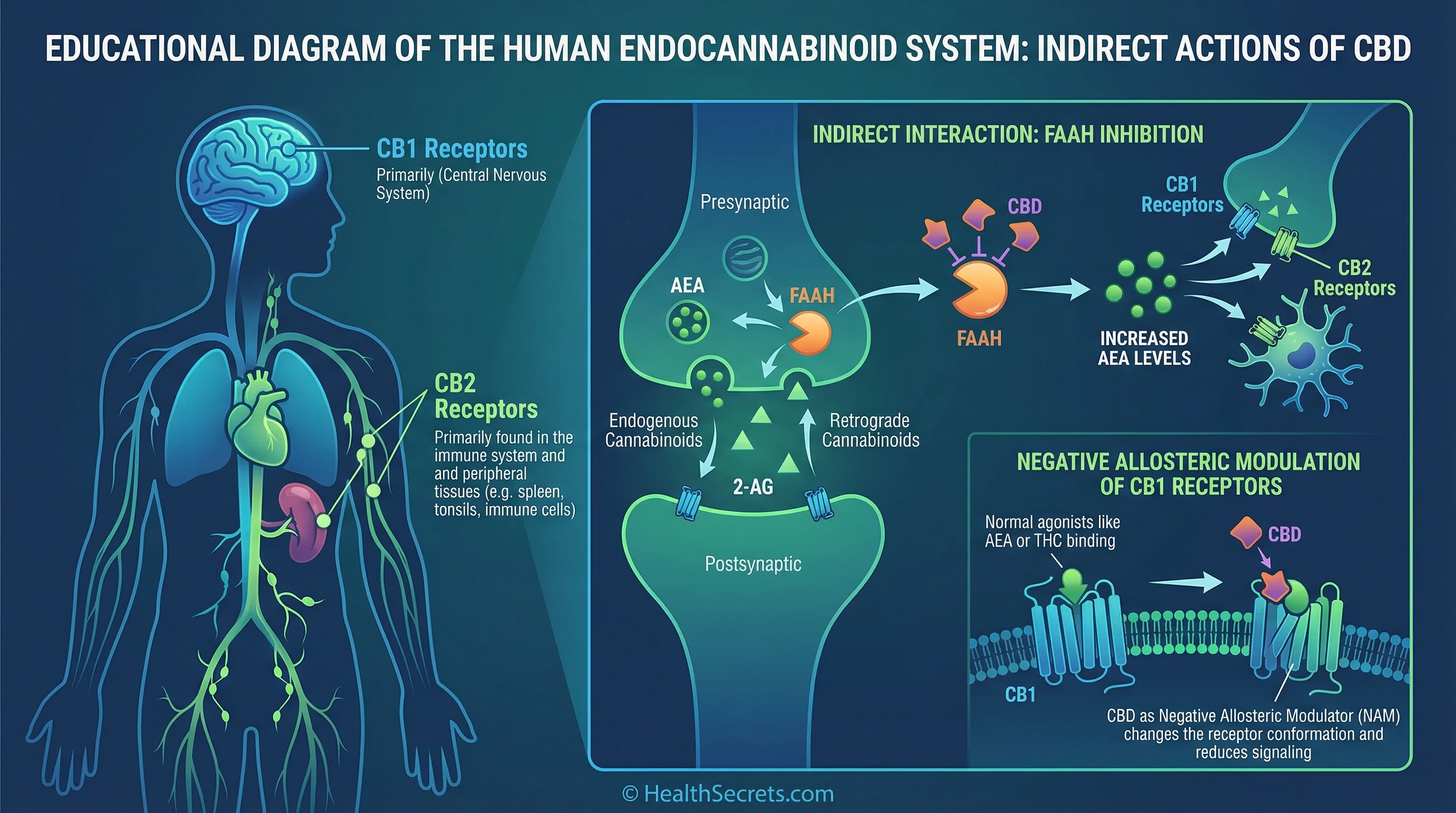
Your body has an endocannabinoid system (ECS) — a regulatory network controlling pain, inflammation, mood, sleep, and immune function. It includes endocannabinoids (anandamide and 2-AG), receptors (CB1 in the brain, CB2 in the immune system), and breakdown enzymes.
CBD works indirectly. Rather than binding strongly to CB1 or CB2 like THC, it inhibits the FAAH enzyme that breaks down anandamide — effectively boosting your natural endocannabinoid levels. It also interacts with serotonin (5-HT1A), vanilloid (TRPV1), and PPARγ receptors, which explains its wide-ranging effects on pain, inflammation, mood, and anxiety [1].
What Are CBD's Specific Anti-Inflammatory Mechanisms?
- Cytokine modulation: CBD reduces production of pro-inflammatory cytokines IL-6, TNF-alpha, and IL-1β while increasing anti-inflammatory IL-10, promoting resolution of inflammation [3].
- NF-κB pathway inhibition: NF-κB is the master regulator of inflammation. CBD directly inhibits its activation, reducing the entire downstream cascade. Research in rheumatoid arthritis synovial fibroblasts showed CBD reduced IL-6, IL-8, and MMP-3 production under inflammatory conditions [2].
- Immune cell modulation: CBD shifts macrophages from pro-inflammatory M1 toward anti-inflammatory M2 phenotype, reduces Th1/Th17 cells, and increases regulatory T cells (Tregs) that suppress excessive immune responses.
- Antioxidant and COX-2 effects: CBD scavenges free radicals directly and inhibits COX-2 expression — the same enzyme targeted by NSAIDs — through a different pathway. Research at the Paris Brain Institute found CBD's anti-inflammatory effect involves dual inhibition of oxidative stress and glucose metabolism in immune cells [5].

Evidence-Based Supplement Organizer & Safety Log
Track your daily intake, verify third-party certifications, and prepare clear questions for your clinician.
How Well Is CBD Absorbed and What Affects Its Effectiveness?
Oral CBD has low bioavailability — roughly 6–19% reaches your bloodstream due to extensive first-pass liver metabolism. However, taking CBD with fatty foods can increase absorption by 4–5 times because CBD is fat-soluble. Sublingual administration (holding oil under the tongue for 60–90 seconds) bypasses some first-pass metabolism for faster onset in 15–45 minutes.
The form matters. Sublingual oils absorb fastest (15–45 minutes). Capsules and edibles take 1–2 hours but last longer. Topical CBD works locally on skin and joints without entering the bloodstream significantly.
The three main CBD formulations also differ:
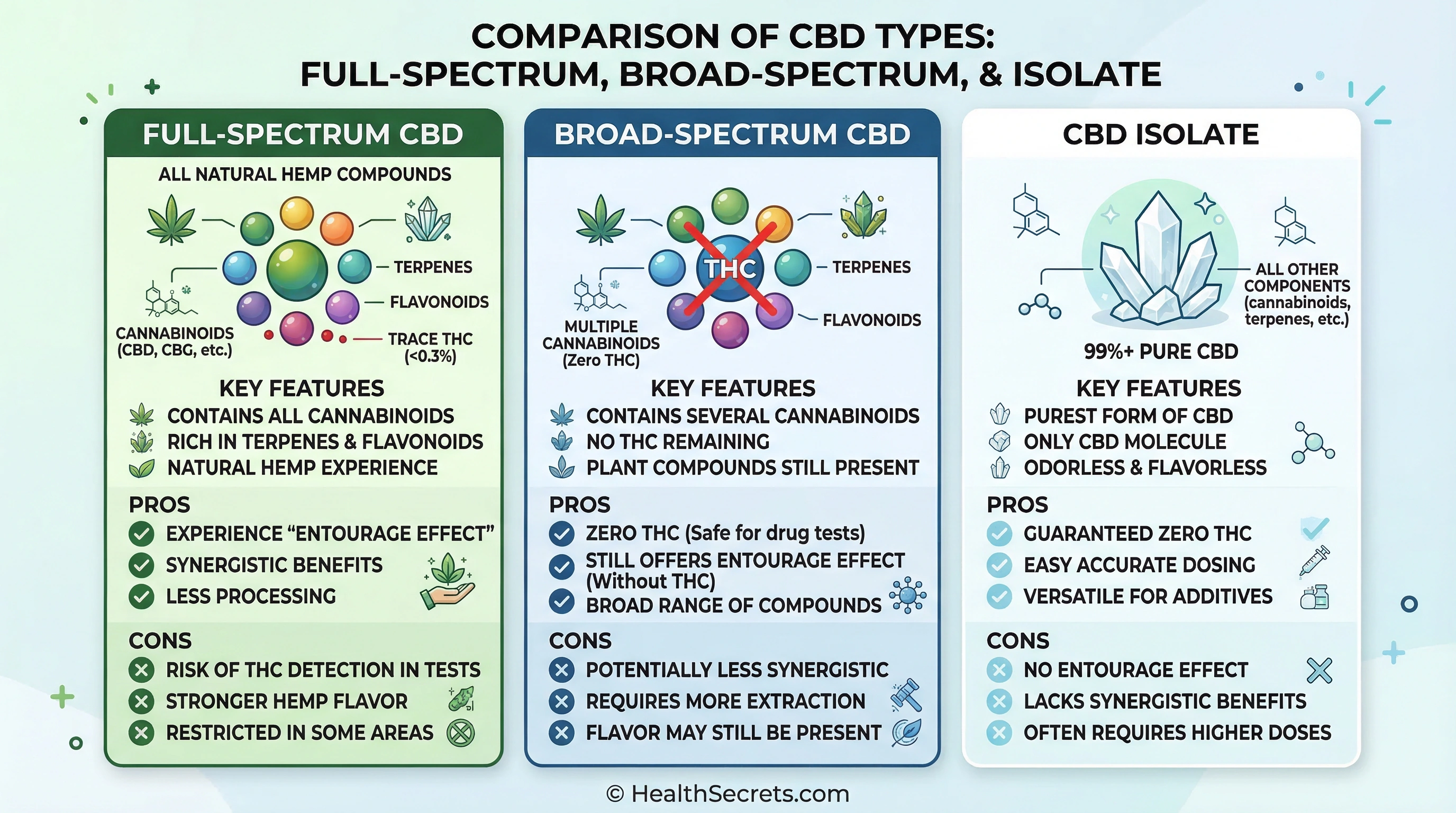
- Full-spectrum contains all cannabinoids (CBD, CBG, CBN, trace THC under 0.3%), terpenes, and flavonoids — the "entourage effect" makes this generally most effective
- Broad-spectrum has multiple cannabinoids and terpenes but zero THC — partial entourage effect, good for those avoiding THC
- Isolate is 99% pure CBD with no other compounds — precise dosing, no THC risk, but potentially less effective
Research from the University of Sydney found evidence supporting a "pharmacokinetic entourage effect" where cannabis constituents interact to alter each other's plasma levels, potentially explaining why full-spectrum products feel more effective at lower doses [6].
How Much CBD Should You Take for Inflammation and Pain?
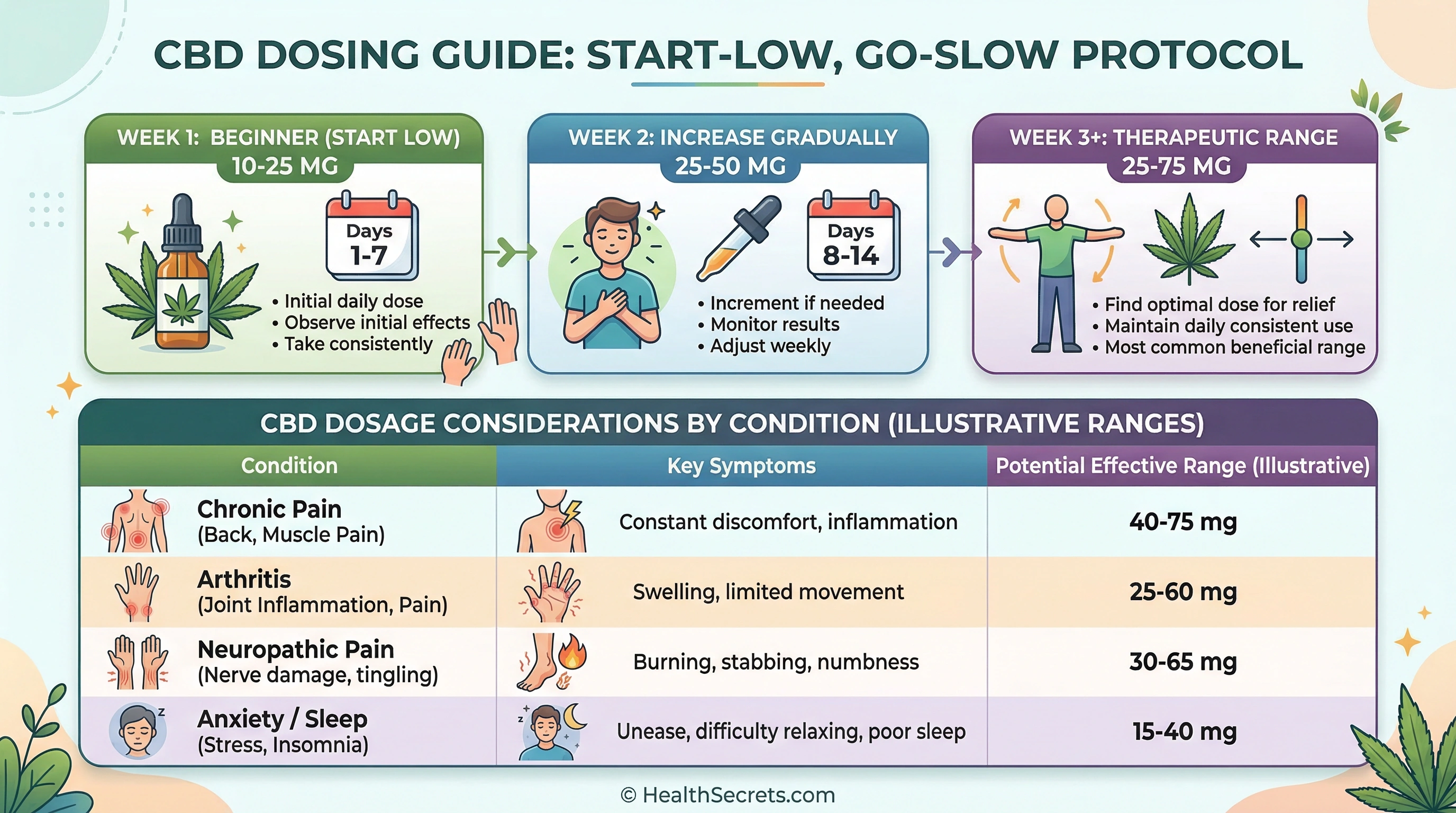
There is no universal CBD dose — effective amounts vary widely based on body weight, metabolism, condition severity, and product type. Clinical research generally supports starting at 10–25 mg daily and gradually increasing to 25–75 mg daily for chronic pain and inflammation. The Arthritis Foundation recommends starting at 5–10 mg twice daily and increasing every few days until relief is found.
What Does the Research Say About Dosing?
A consensus recommendation for chronic pain management suggests starting with CBD-predominant products at 5–40 mg daily, titrating upward every 7 days based on response [14].
| Condition | Starting Dose | Therapeutic Range | Notes |
|---|---|---|---|
| Mild-moderate chronic pain | 10–25 mg/day | 25–50 mg/day | Divided 2x daily |
| Severe chronic pain | 25 mg/day | 50–100 mg/day | Medical supervision at higher doses |
| Arthritis (OA/RA) | 10–25 mg/day oral | 25–50 mg/day + topical | Add topical to affected joints |
| Neuropathic pain | 25 mg/day | 50–100 mg/day | Often requires higher doses |
| Pain-related anxiety/sleep | 10–25 mg/day | 25–75 mg/day | Take 1–2 hours before bed for sleep |
Timing and practical tips:
- Take with fatty food to increase absorption significantly
- Use sublingual oil for fastest onset (hold 60–90 seconds under tongue)
- Effects are cumulative — allow 2–4 weeks before judging effectiveness
- Divide daily dose into 2 administrations (morning and evening) to maintain steady blood levels
- Long-term use appears safe in studies up to 6 months with no serious adverse effects
Can You Get CBD from Food Sources?
No, you cannot obtain therapeutic amounts of CBD from food. While trace amounts of cannabinoids exist in hemp seeds and hemp seed oil, these contain negligible CBD — typically less than 0.0005% by weight. Hemp seeds are nutritious (rich in omega-3 and omega-6 fatty acids, protein, and minerals), but they are not a source of CBD.
This is a critical distinction because many products sold on Amazon labeled as "hemp oil" or "hemp extract" are actually hemp seed oil with zero CBD content. A 2021 investigation found that 95% of Amazon hemp products provided no third-party lab reports, and many made impossible claims about cannabinoid content CBD Oracle Lab Study.
For therapeutic anti-inflammatory effects, you need CBD extracted from hemp flowers, not seeds. Supplementation is the only reliable way to achieve effective doses. That said, combining CBD supplementation with an anti-inflammatory diet rich in omega-3 fatty acids, colorful vegetables, and turmeric creates a synergistic approach to managing inflammation.
Is CBD Safe and What Are the Drug Interaction Risks?
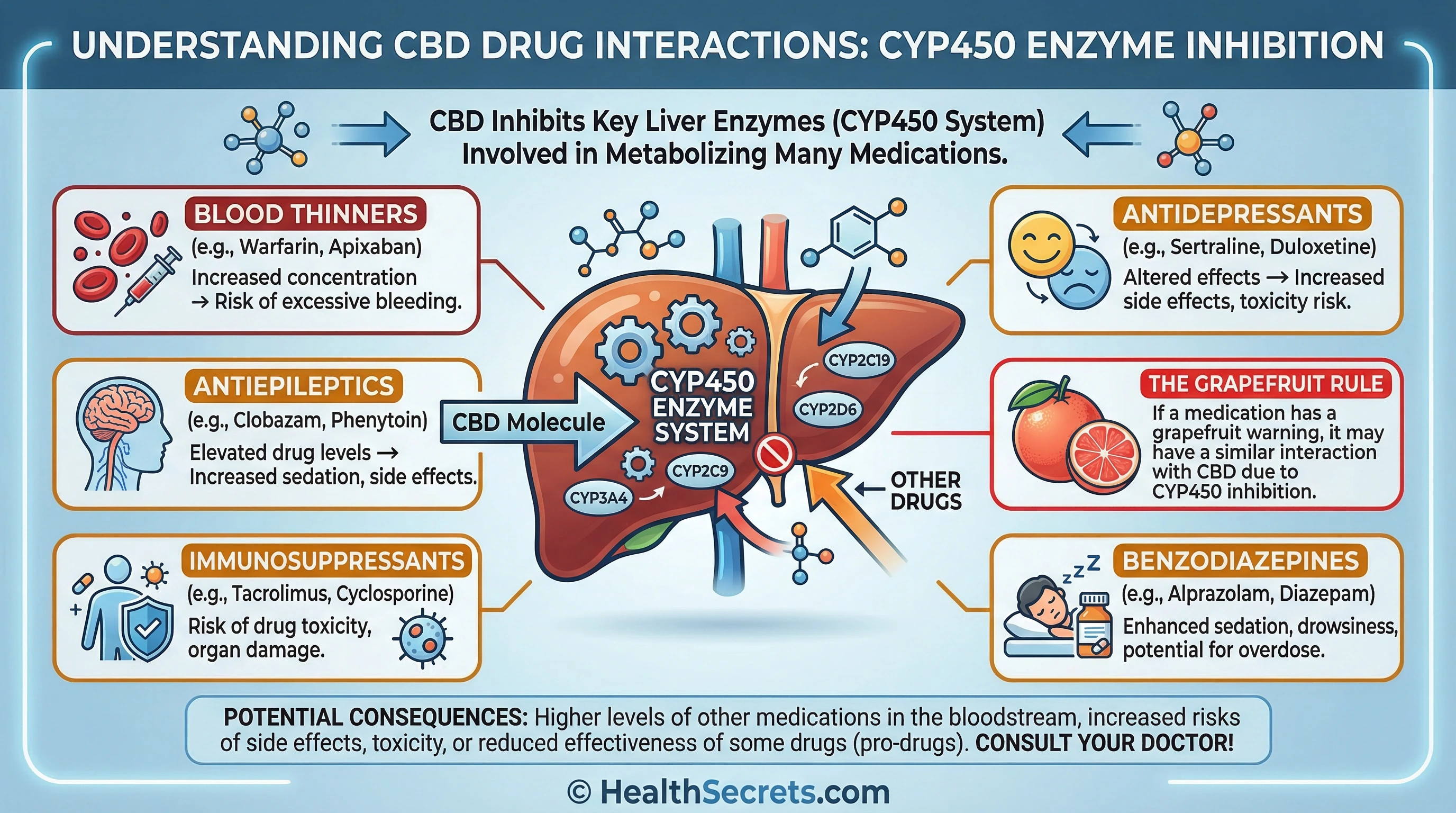
CBD is generally well-tolerated in clinical studies, with side effects that are mild and dose-dependent. However, the most significant safety concern is drug interactions — CBD inhibits CYP450 liver enzymes (particularly CYP3A4, CYP2C19, and CYP2D6), which can increase blood levels of many medications and potentially cause toxicity. If your medication carries a grapefruit warning, it likely interacts with CBD.
What Are the Common Side Effects?
Common (5–10% of users): Fatigue and drowsiness (most frequent — reduce dose or take at night), diarrhea (usually at doses above 100 mg), appetite changes, and dry mouth.
Less common: Dizziness, nausea at high doses, and rarely, mood changes. These typically resolve with dose reduction [8].
Which Medications Interact with CBD?
CBD's CYP450 enzyme inhibition can increase blood levels of [9]:
- Blood thinners (warfarin) — increased bleeding risk
- Antiepileptics (clobazam, valproate) — increased levels and side effects
- Immunosuppressants (tacrolimus, cyclosporine) — increased toxicity risk
- Antidepressants (SSRIs, tricyclics) — increased levels
- Benzodiazepines — increased sedation
- Opioids — increased sedation (though CBD may reduce opioid needs)
Always consult your doctor before using CBD if you take any prescription medications. Drug level monitoring may be necessary [11].
Who Should Avoid CBD?
- Pregnant or breastfeeding: Insufficient safety data; animal studies show high-dose CBD may affect fetal development
- Severe liver disease: CBD is extensively metabolized by the liver
- Low blood pressure: CBD may lower blood pressure further
What Can CBD Actually Do for Your Pain and Inflammation?
CBD can meaningfully reduce chronic pain and inflammation for many people, but it's not a cure-all. The most honest assessment based on current research: expect modest to moderate improvements (30–40% pain reduction in responders), primarily through anti-inflammatory and endocannabinoid-modulating effects. Some people experience significant relief; others notice little difference. Individual variation is the rule, not the exception.
What CBD can realistically do:
- Reduce chronic inflammatory pain by 30–40% in responders
- Improve sleep quality disrupted by pain
- Lower anxiety that amplifies pain perception
- Reduce joint inflammation when used topically alongside oral dosing
- Serve as part of a comprehensive pain management strategy
What CBD will NOT do:
- Cure chronic pain or inflammatory diseases
- Replace prescription medications for severe conditions
- Work equally well for everyone
- Produce immediate dramatic results — it takes 2–4 weeks
Important limitations of the research: Most CBD pain studies have fewer than 100 participants, run for only 4–12 weeks, use varying doses and formulations, and lack long-term follow-up. Large, rigorous randomized controlled trials are still needed. The systematic review of clinical and preclinical evidence confirms CBD's analgesic potential but emphasizes the need for more high-quality human data [13].
Combine CBD with proven anti-inflammatory strategies: an anti-inflammatory diet, regular exercise, stress management, and quality sleep. Consider stacking with natural pain relief alternatives for a comprehensive approach.
Action Plan
What Should You Do First If You Want to Try CBD for Pain?
Follow the sequence below, work through each phase in order, and use the checklist as your practical implementation guide.
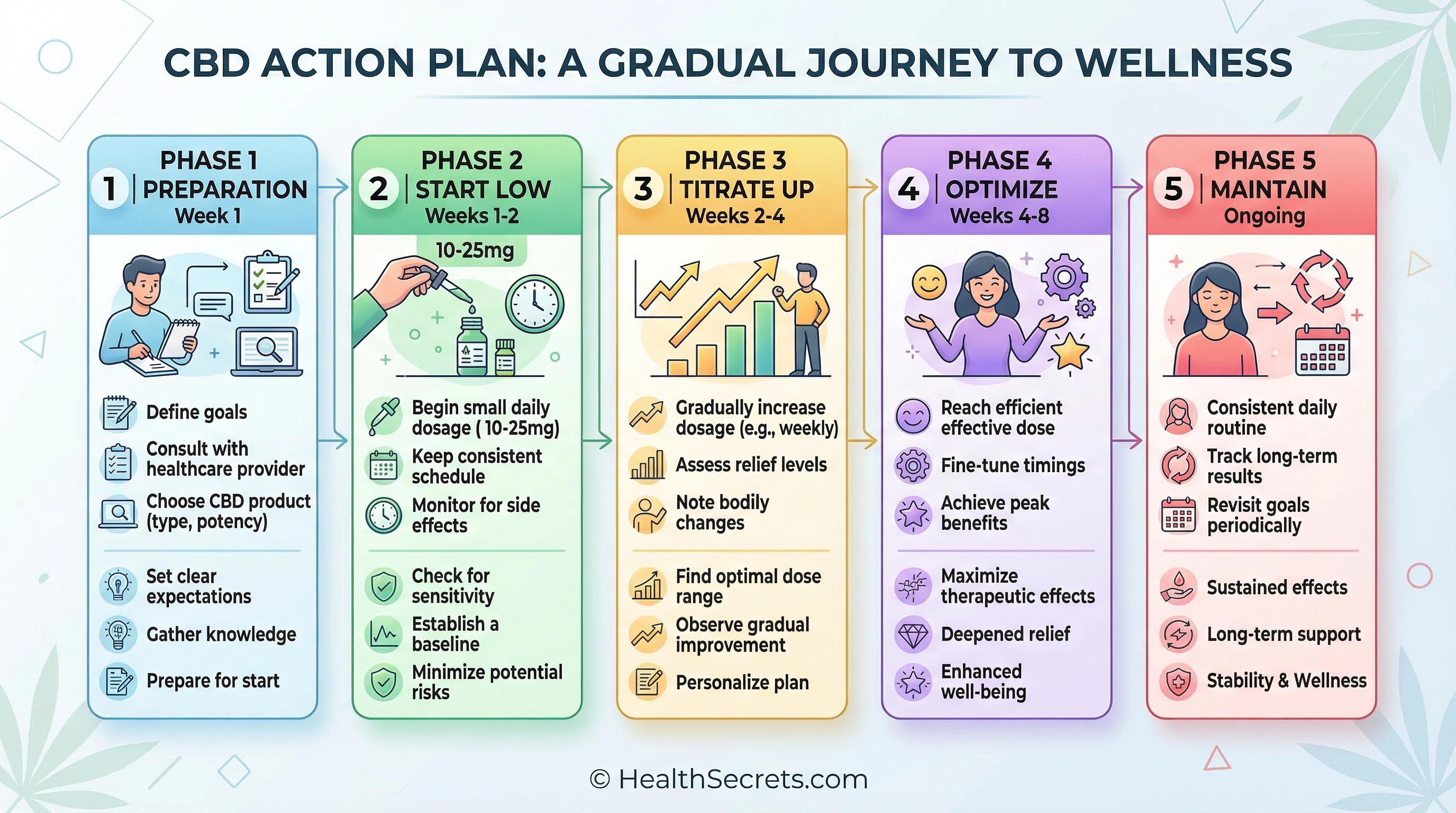
Start by consulting your doctor about drug interactions, then choose a reputable full-spectrum CBD product with third-party testing (COA). Begin at 10–25 mg daily with fatty food, increase gradually every week, and give it a full 2–4 weeks before assessing. Track your pain levels daily on a 0–10 scale to objectively measure whether CBD is working for you.
Phase 1 — Preparation (Week 1):
- Consult your doctor, especially if you take medications (CYP450 interactions)
- Check your state's CBD laws and workplace drug testing policy
- Choose a reputable brand with accessible COA (certificate of analysis)
- Select form: sublingual oil (most versatile) or capsules (most convenient)
- Choose full-spectrum for maximum effect, or broad-spectrum/isolate if avoiding THC
Phase 2 — Start Low (Weeks 1–2):
- Begin at 10–25 mg daily, divided into 2 doses (morning and evening)
- Take with fatty food (increases absorption 4–5x)
- Hold sublingual oil under tongue for 60–90 seconds
- Track pain levels daily (0–10 scale) and note side effects
Phase 3 — Titrate Up (Weeks 2–4):
- If well-tolerated with insufficient relief, increase by 5–10 mg every 5–7 days
- Target range: 25–75 mg daily for most inflammatory pain conditions
- Add topical CBD to affected joints if dealing with arthritis
- Continue daily tracking
Phase 4 — Optimize (Weeks 4–8):
- Assess overall effectiveness — at least 30% pain reduction is a meaningful response
- Combine with anti-inflammatory diet, exercise, and stress management
- Consider adding turmeric/curcumin for synergistic effects
- If no benefit after 8 weeks at adequate doses, CBD may not be effective for you
Phase 5 — Maintain (Ongoing):
- Continue effective dose (effects are cumulative)
- Reassess every 3–6 months
- Monitor for new drug interactions if starting medications
- Stay with the same reputable brand for consistency
).jpg)
Lazarus Naturals High Potency Full Spectrum CBD Tincture
Editor's ChoiceLazarus Naturals · Overall value — high potency at an affordable price for chronic pain and inflammation
).jpg)
Charlotte's Web Original Formula CBD Oil
Most TrustedCharlotte's Web · Those who want the most established, research-backed CBD brand for chronic inflammation
).jpg)
CBDistillery Full Spectrum CBD Oil Tincture
Best BudgetCBDistillery Full · Budget-conscious users seeking effective full-spectrum CBD for pain relief
).jpg)
NuLeaf Naturals Full Spectrum Hemp CBD Oil
Highest PotencyNuLeaf Naturals · Those with severe pain needing maximum CBD concentration per serving
).jpg)
Medterra CBD Isolate Oil Tincture
Best THC-FreeMedterra CBD · Those who must avoid all THC (drug testing, THC sensitivity) but want quality CBD for inflammation
).jpg)
CBDfx CBD + Turmeric and Spirulina Gummies
Best Anti-Inflammatory ComboCBDfx CBD · Those seeking CBD combined with turmeric for synergistic anti-inflammatory effects
Read the detailed review cards below before opening any retailer link
Top Recommended Products
Lazarus Naturals
Lazarus Naturals High Potency Full Spectrum CBD Tincture
Lazarus Naturals consistently ranks as the best value CBD brand with USDA organic certification, accessible COAs, and one of the most generous assistance programs in the industry.
Pros
- + USDA certified organic
- + third-party lab tested every batch
- + affordable assistance program for veterans
- + disabled
- + and low-income
- + high potency 50 mg/mL
- + CO2 extracted
- + Pre-measured precise doses
- + no taste
- + USDA organic
- + affordable
- + coconut oil base enhances absorption
- + great for travel
Cons
- - Earthy hemp taste may be strong for some
- - Slower onset than sublingual oil (1–2 hours)
- - cannot easily adjust dose in small increments
Why we included it: Lazarus Naturals consistently ranks as the best value CBD brand with USDA organic certification, accessible COAs, and one of the most generous assistance programs in the industry.
As an Amazon Associate, Health Secrets earns from qualifying purchases. Product links open on Amazon, where current pricing and availability are displayed. We only feature products discussed in our editorial guides.
Charlotte's Web
Charlotte's Web Original Formula CBD Oil
For targeted joint and muscle pain relief, a quality topical CBD cream applied directly to affected areas provides localized anti-inflammatory action complementing oral CBD use.
Pros
- + Most recognized CBD brand globally
- + US Hemp Authority certified
- + whole-plant extraction preserves terpenes and cannabinoids
- + extensive research backing
- + multiple flavors
- + Full-spectrum CBD for localized relief
- + menthol provides immediate cooling sensation
- + botanical ingredients (arnica
- + vitamin B6)
- + trusted brand
- + good for arthritis joints
Cons
- - Premium pricing compared to competitors
- - Does not enter bloodstream significantly
- - should be combined with oral CBD for systemic inflammation
Why we included it: For targeted joint and muscle pain relief, a quality topical CBD cream applied directly to affected areas provides localized anti-inflammatory action complementing oral CBD use.
As an Amazon Associate, Health Secrets earns from qualifying purchases. Product links open on Amazon, where current pricing and availability are displayed. We only feature products discussed in our editorial guides.
CBDistillery Full
CBDistillery Full Spectrum CBD Oil Tincture
CBDistillery delivers reliable quality at the most accessible price point, making it ideal for those starting their CBD journey or managing costs long-term.
Pros
- + Affordable pricing
- + US Hemp Authority certified
- + multiple potency options
- + accessible COAs
- + non-GMO hemp
Cons
- - Lower potency per mL than premium brands
- - limited flavor options
Why we included it: CBDistillery delivers reliable quality at the most accessible price point, making it ideal for those starting their CBD journey or managing costs long-term.
As an Amazon Associate, Health Secrets earns from qualifying purchases. Product links open on Amazon, where current pricing and availability are displayed. We only feature products discussed in our editorial guides.
NuLeaf Naturals
NuLeaf Naturals Full Spectrum Hemp CBD Oil
NuLeaf Naturals offers the purest, most concentrated full-spectrum CBD oil on the market — ideal for those who need high doses for severe pain without unnecessary additives.
Pros
- + Highest potency per mL
- + single ingredient — just hemp extract and hemp seed oil
- + no additives or flavoring
- + extensive size options
- + third-party tested
Cons
- - Only one product (no capsules
- - gummies
- - or topicals)
- - unflavored taste
- - premium pricing
Why we included it: NuLeaf Naturals offers the purest, most concentrated full-spectrum CBD oil on the market — ideal for those who need high doses for severe pain without unnecessary additives.
As an Amazon Associate, Health Secrets earns from qualifying purchases. Product links open on Amazon, where current pricing and availability are displayed. We only feature products discussed in our editorial guides.
Medterra CBD
Medterra CBD Isolate Oil Tincture
Medterra is the gold standard for THC-free CBD — perfect for athletes, employees with drug testing, or anyone who cannot risk THC exposure while still wanting quality CBD for pain.
Pros
- + Zero THC guaranteed
- + NSF certified facility
- + US Hemp Authority
- + affordable
- + flavorless and odorless
- + multiple potency options
Cons
- - No entourage effect (isolate)
- - may be less effective than full-spectrum for inflammation
Why we included it: Medterra is the gold standard for THC-free CBD — perfect for athletes, employees with drug testing, or anyone who cannot risk THC exposure while still wanting quality CBD for pain.
As an Amazon Associate, Health Secrets earns from qualifying purchases. Product links open on Amazon, where current pricing and availability are displayed. We only feature products discussed in our editorial guides.
CBDfx CBD
CBDfx CBD + Turmeric and Spirulina Gummies
The combination of CBD and turmeric targets inflammation through complementary pathways — CBD via the endocannabinoid system and NF-κB, turmeric via COX-2 and LOX enzymes — creating a powerful anti-inflammatory stack.
Pros
- + Combines CBD with turmeric (curcumin) for dual anti-inflammatory action
- + vegan and organic
- + tastes good
- + pre-measured doses
- + broad-spectrum (THC-free)
Cons
- - Broad-spectrum not full-spectrum
- - sugar content
- - slower absorption than sublingual
Why we included it: The combination of CBD and turmeric targets inflammation through complementary pathways — CBD via the endocannabinoid system and NF-κB, turmeric via COX-2 and LOX enzymes — creating a powerful anti-inflammatory stack.
As an Amazon Associate, Health Secrets earns from qualifying purchases. Product links open on Amazon, where current pricing and availability are displayed. We only feature products discussed in our editorial guides.
Further Reading
Further Reading
"CBD: A Patient's Guide to Medicinal Cannabis"
by Leonard Leinow and Juliana Birnbaum
Detailed dosing protocols by condition; explanation of the endocannabinoid system; full-spectrum vs. isolate guidance; drug interaction warnings; real patient case studies
Why it adds value here
This is the most practical, patient-friendly CBD guide available — it provides specific dosing recommendations organized by condition, which is exactly what most readers need when starting CBD for pain.
Best for: Anyone wanting a comprehensive, practical guide to using CBD for pain, inflammation, and other conditions
View book detailsFurther Reading
"The CBD Bible: Cannabis and the Wellness Revolution That Will Change Your Life"
by Dr. Dani Gordon
Medical-grade CBD education from a practicing physician; safety and drug interaction guidance; condition-specific protocols; quality assessment criteria; honest limitations of evidence
Why it adds value here
Written by a board-certified physician who actually prescribes cannabinoid medicine, this book bridges the gap between hype and evidence — providing the medical perspective most CBD books lack.
Best for: Readers who want a physician's perspective on CBD science, safety, and clinical applications for pain and inflammation
View book detailsAEO FAQ
Frequently Asked Questions
12 common questions answered
Hemp-derived CBD with less than 0.3% THC is federally legal under the 2018 Farm Bill, but state laws vary. Most states allow hemp-derived CBD, but a few (including Idaho and Nebraska) have stricter regulations. Always check your state's specific laws before purchasing. The FDA has not approved CBD as a dietary supplement, creating a regulatory gray area.
Pure CBD will not cause a positive drug test — standard tests detect THC, not CBD. However, full-spectrum CBD products contain trace THC (up to 0.3%), which may trigger a positive result at high doses or with sensitive tests. If you undergo drug testing, use broad-spectrum or CBD isolate products that are certified THC-free.
Sublingual CBD oil typically takes 15–45 minutes for initial effects, while capsules and edibles take 1–2 hours. However, the full anti-inflammatory benefits are cumulative — most people need 2–4 weeks of consistent daily use before seeing meaningful pain reduction. Don't judge effectiveness based on a single dose.
Full-spectrum contains all cannabinoids including trace THC plus terpenes and flavonoids, providing the "entourage effect" for maximum effectiveness. Broad-spectrum has multiple cannabinoids and terpenes but zero THC. Isolate is 99% pure CBD with no other compounds. Research suggests full-spectrum is most effective for pain, but broad-spectrum or isolate are better if you must avoid THC.
CBD can interact with many medications by inhibiting CYP450 liver enzymes, potentially increasing drug blood levels and side effects. Medications with known interactions include blood thinners (warfarin), antiepileptics, immunosuppressants, antidepressants, and benzodiazepines. A simple rule: if your medication has a grapefruit warning, CBD likely interacts. Always consult your doctor before combining CBD with prescription drugs.
Clinical studies up to 6 months show no serious adverse effects from CBD at moderate doses (25–75 mg daily). Side effects are mild and dose-dependent — primarily fatigue, diarrhea, and dry mouth. Longer-term safety data is limited since widespread CBD use is relatively recent. Avoid CBD if pregnant, breastfeeding, or if you have severe liver disease.
Amazon prohibits the sale of CBD products on its platform. Products labeled as "hemp oil" or "hemp extract" on Amazon are typically hemp seed oil, which contains zero CBD and no therapeutic cannabinoids. A 2021 study found 95% of Amazon hemp products lacked third-party lab reports. Always purchase CBD from reputable brand websites or authorized retailers.
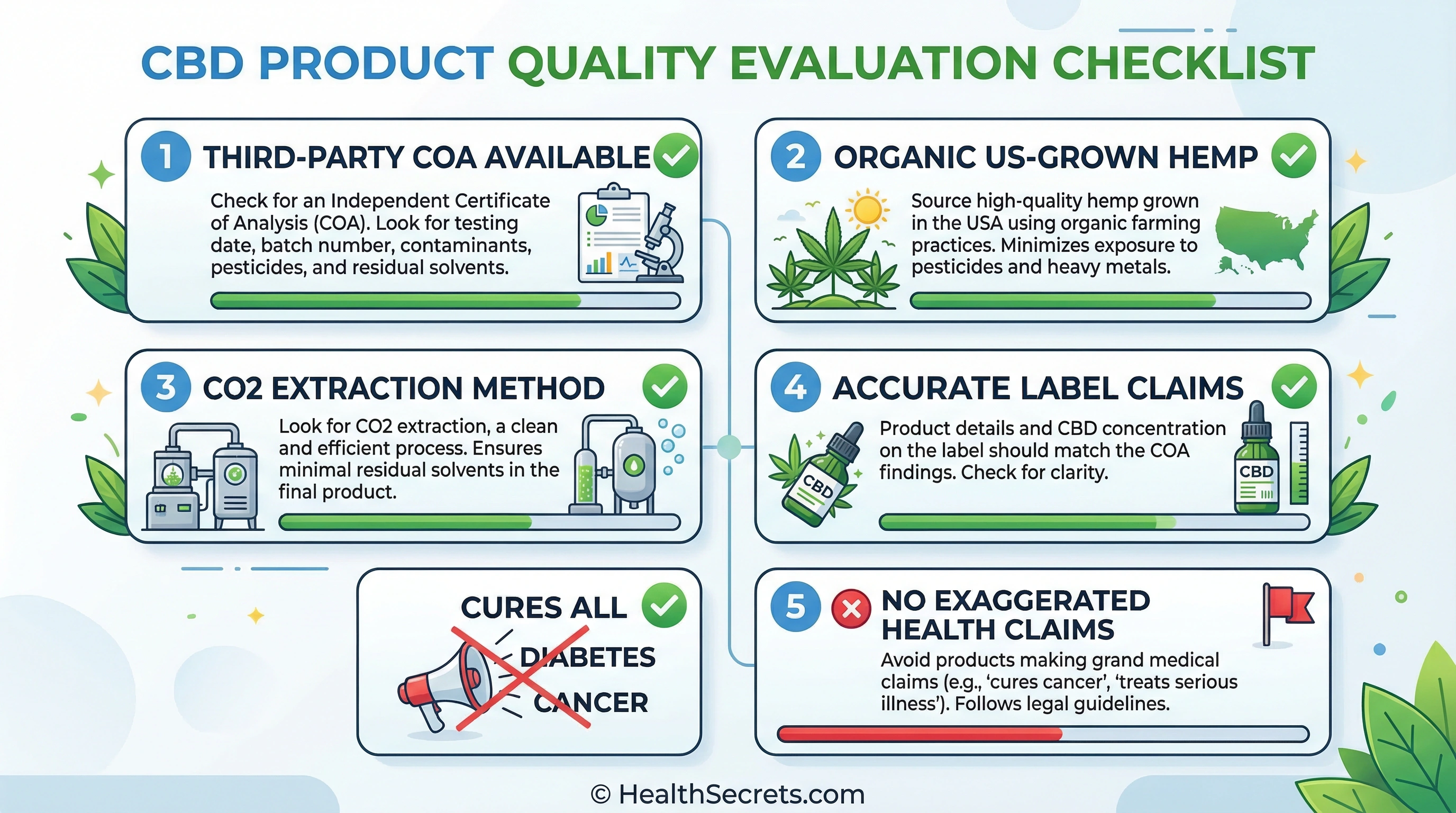
Look for five key indicators: (1) third-party lab testing with an accessible Certificate of Analysis (COA) verifying potency and purity, (2) organic, US-grown hemp, (3) CO2 extraction method, (4) clear labeling with exact CBD content per serving, and (5) no health claims that sound too good to be true. Avoid products without COAs — this is the single biggest red flag.
No. CBD is non-psychoactive and does not produce a "high." Unlike THC, CBD does not bind strongly to CB1 receptors in the brain responsible for intoxication. Full-spectrum CBD products contain trace THC (less than 0.3%), which is far too little to cause any psychoactive effect. You can use CBD and function normally throughout your day.
CBD and ibuprofen work through different anti-inflammatory mechanisms — CBD modulates the endocannabinoid system and inhibits NF-κB, while ibuprofen inhibits COX enzymes directly. CBD has fewer gastrointestinal side effects than long-term NSAID use, but its anti-inflammatory effects are generally milder and take longer to develop. CBD is not a direct replacement for NSAIDs but may complement them or serve as an alternative for those who cannot tolerate NSAIDs.
A combination of oral full-spectrum CBD oil (25–50 mg daily) plus topical CBD cream applied directly to affected joints provides the most comprehensive approach for arthritis. The oral dose addresses systemic inflammation while the topical provides localized relief. The Arthritis Foundation recommends starting at 5–10 mg twice daily and adjusting upward.
Yes, and this is one of CBD's most well-supported benefits. Anxiety amplifies pain perception, and CBD has documented anxiolytic effects at doses of 25–75 mg daily through serotonin receptor (5-HT1A) modulation. By reducing anxiety, CBD can break the anxiety-pain cycle and improve both pain levels and sleep quality.
Evidence-Based Supplement Organizer & Safety Log
Track your daily intake, verify third-party certifications, and prepare clear questions for your clinician.
What's Inside This Complete Digital System:
Instant PDF download • Lifetime updates • 60-day money-back guarantee
Test Your Knowledge
Take our Inflammation Quiz and see how much you really know about inflammation.
Was this article helpful?
Researched & Fact-Checked
Author
Health Secrets Editorial TeamThe Health Secrets editorial team researches, writes and fact-checks every guide against the primary studies and clinical guidelines it cites.
Fact-Checked By
Health Secrets Editorial TeamAll content is evidence-based, checked against peer-reviewed research, and updated regularly. Our editorial team follows strict guidelines for accuracy and transparency.
References & Citations
20 sources cited
Medical Disclaimer
This article is for informational purposes only and does not constitute medical advice. Read the full medical disclaimer. Always consult with a qualified healthcare provider before starting any new supplement, treatment, or major dietary change.
The Complete Guide to Inflammation
Explore our foundational comprehensive guide covering all clinical protocols, dietary strategies, and evidence for inflammation.
You Might Also Like
What Causes Inflammation in the Body?
Chronic inflammation is caused by diet (refined sugar, seed oils, processed foods), chronic stress, poor sleep, gut dysbiosis, sedentary lifestyle, environmental toxins, excess visceral fat, smoking, and excessive alcohol. Unlike acute inflammation that heals injuries, chronic inflammation silently drives heart disease, diabetes, cancer, and autoimmune conditions.
→Capsaicin for Pain: Hot Pepper Compound Guide
Capsaicin — the compound that makes chili peppers burn — is one of nature's most effective topical pain relievers. By depleting substance P from nerve endings, capsaicin offers clinically proven relief for osteoarthritis, neuropathic pain, and chronic musculoskeletal conditions without the systemic side effects of oral painkillers.
→Chronic Inflammation: Causes, Effects and Solutions
Chronic inflammation is a silent driver behind most modern diseases — from heart disease and diabetes to cancer and Alzheimer's. This evidence-based guide explains what chronic inflammation is, what causes it, how to test for it, and the proven diet, lifestyle, and supplement strategies that can help you reduce it naturally.
→Discussion
0No comments yet
Be the first to share your thoughts, clinical insights, or questions about this protocol.