Detox. It's one of those words that gets thrown around so loosely you'd think everyone needs a 3-day juice cleanse just to function. Walk into any health food store and you'll find shelves stacked with "detox teas," charcoal lemonades, and foot pads that supposedly pull toxins through your soles. Social media? Even worse — influencers hawking $200 cleanse kits like your liver is just sitting there doing nothing. [10] [20]
Here's the thing, though. Your body already has an incredibly sophisticated detoxification system. Your liver alone runs a multi-phase biochemical operation that processes everything from alcohol and medications to pesticides and heavy metals — 24 hours a day, 7 days a week. Your kidneys filter roughly 200 quarts of blood daily. Your lungs, skin, gut, and lymphatic system all pitch in too.
So no — you don't need a juice fast. But that doesn't mean there's nothing you can do.
Because here's the reality most "detox is a myth" articles won't tell you: your detox systems can absolutely be overwhelmed or impaired. Chronic alcohol use depletes glutathione — your liver's most critical antioxidant [4]. Nutritional deficiencies starve the enzymes that make Phase II detoxification work. Genetic variations like MTHFR mutations can slow methylation pathways. Environmental toxin exposure is at an all-time high.
This guide takes an evidence-based approach to detoxification — no gimmicks, no fear-mongering. You'll learn exactly how your body's detox pathways work (all three phases), which supplements actually have clinical evidence behind them, what to eat and avoid, and a safe protocol you can follow [17] [18]. We'll debunk the myths that waste your money and give you the science that actually moves the needle.
If you're looking for specific liver support, check out our guide on how to support your liver naturally. For heavy metal concerns, see our heavy metal detox and chelation guide.
What Is Detoxification and Why Does It Actually Matter?
Detoxification is the continuous biochemical process by which your body identifies, neutralizes, and eliminates harmful substances — including environmental pollutants, metabolic waste, medications, alcohol, and hormones. It's not something you "do" for a weekend; it's something your body does every second of every day.
Your primary detox organs each handle different roles. The liver is the central processing hub — it runs a sophisticated enzyme system that transforms fat-soluble toxins into water-soluble compounds your body can excrete. Your kidneys filter approximately 200 quarts of blood daily, removing waste products through urine.
Lungs exhale carbon dioxide and volatile organic compounds.
Skin eliminates some toxins through sweat. Your digestive system removes waste and houses gut bacteria that metabolize certain toxins. And your lymphatic system — often overlooked — collects cellular waste, toxins, and pathogens from tissues.
So why does any of this matter if the body handles it automatically? Because the system has limits.
Modern life exposes us to an unprecedented chemical load. The CDC's National Report on Human Exposure to Environmental Chemicals has identified over 300 measurable chemicals in Americans' blood and urine — heavy metals, pesticides, phthalates, flame retardants, and more. Add chronic alcohol use, multiple medications, processed food additives, and chronic stress, and the detox machinery can fall behind.
When these systems are impaired or overwhelmed, toxins accumulate. That doesn't mean you need a juice cleanse — it means you need to support your existing systems through nutrition, lifestyle, and targeted supplementation.
For a deeper dive into gut-based elimination, see our gut detox protocol guide.

Want Everyday Habits That Actually Stick?
Download the free printable habit checklist — evidence-backed clinical frameworks for daily energy, cellular recovery, and longevity.
How Does Liver Detoxification Work in the Body?
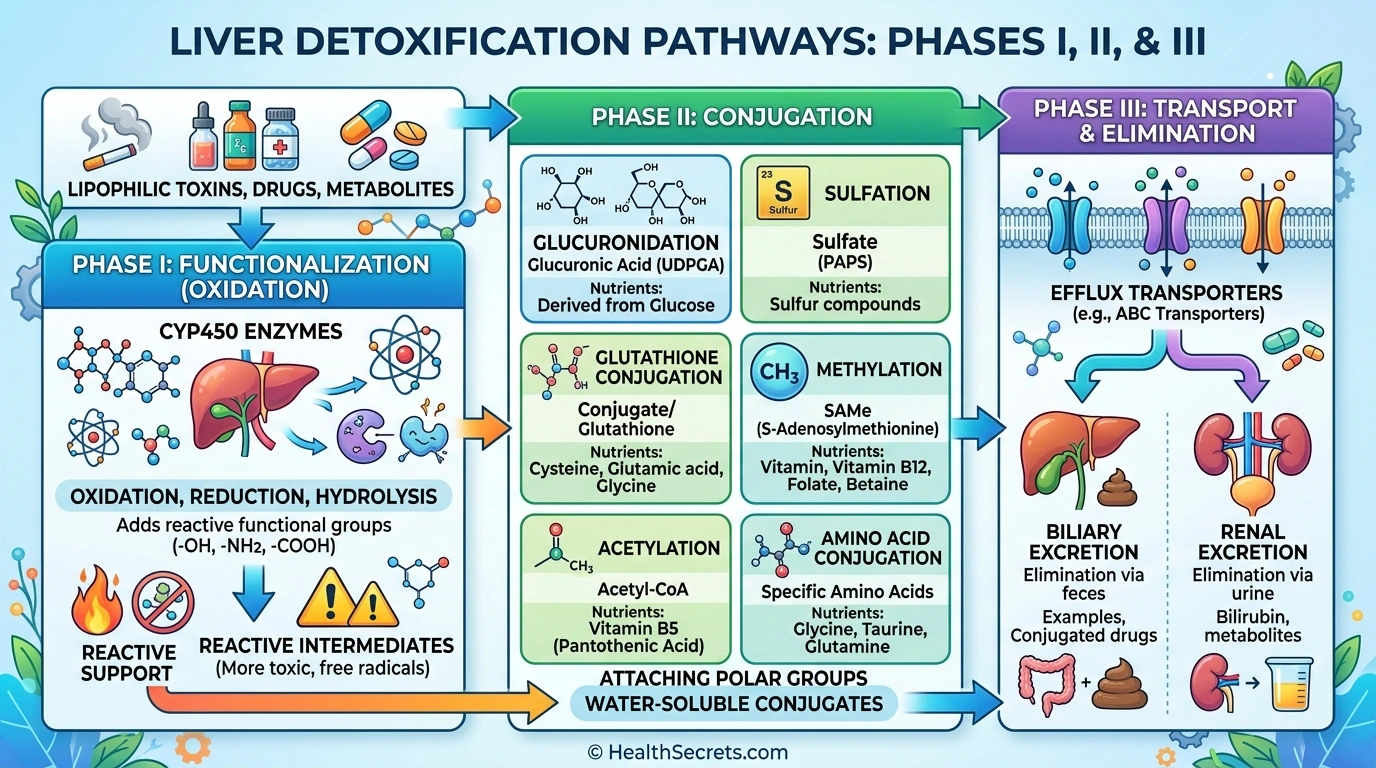
Liver detoxification is a multi-phase biochemical process that converts fat-soluble toxins into water-soluble compounds your body can safely eliminate through urine and bile. The process involves three distinct phases — each requiring specific nutrients and enzymes — and a failure at any stage can create compounds more dangerous than the original toxins.
Understanding these phases isn't just academic. It's the foundation for knowing which supplements actually help and why certain nutritional deficiencies can impair your body's ability to handle toxic exposure.
Phase I: How Do Cytochrome P450 Enzymes Modify Toxins?
Phase I is the first line of defense [19]. The cytochrome P450 (CYP450) superfamily of enzymes — over 50 different variants, primarily located in liver cells — uses oxidation, reduction, and hydrolysis reactions to add reactive groups (hydroxyl, carboxyl, amino) to fat-soluble toxins. This makes them more reactive and prepares them for Phase II conjugation.
CYP450 enzymes are responsible for metabolizing approximately 75% of all drugs, plus endogenous hormones, caffeine, alcohol, pesticides, and environmental chemicals. Different CYP isoforms handle different substrates — CYP3A4 alone processes over 50% of prescription medications.
- The critical problem: Phase I creates intermediate metabolites that can be MORE toxic than the original compound. These reactive intermediates generate free radicals and can damage DNA and proteins if Phase II doesn't neutralize them quickly enough.
- Nutrients needed for Phase I: B vitamins (B2, B3, B6, B12, folate), vitamins C and E, flavonoids, and adequate protein.
- Factors that increase Phase I activity: Smoking, alcohol, caffeine, charbroiled meats, cruciferous vegetables, St. John's wort.
- Factors that decrease Phase I: Grapefruit juice, curcumin (at high doses), aging, liver disease, and nutritional deficiencies.
Phase II: How Does Conjugation Make Toxins Water-Soluble?
Phase II is where the real magic of detoxification happens. Conjugation reactions attach water-soluble molecules to the reactive intermediates from Phase I, rendering them harmless and ready for excretion. There are six major Phase II pathways:
- Glutathione conjugation — The most important pathway. Neutralizes free radicals, heavy metals, pesticides, and drug metabolites. Requires glutathione, NAC, selenium, and vitamin C.
- Sulfation — Processes neurotransmitters, hormones, and drugs. Requires sulfur amino acids: cysteine, methionine, taurine, and MSM.
- Glucuronidation — Handles bilirubin, hormones, and drugs. Supported by calcium-D-glucarate and fish oils.
- Acetylation — Processes sulfa drugs and histamine.
- Amino acid conjugation — Uses glycine and taurine to conjugate various toxins.
- Methylation — Processes hormones, neurotransmitters, and heavy metals. Requires B6, B12, folate, methionine, SAMe, and betaine.
Phase II must keep pace with Phase I. If Phase I is overactive (from smoking, alcohol, or medication load) and Phase II is sluggish (from nutritional deficiencies), toxic intermediates accumulate — potentially causing more cellular damage than the original toxins.
Phase III: How Are Toxins Finally Eliminated From the Body?
Phase III is the transport and elimination stage. Water-soluble conjugates from Phase II are moved out of liver cells and excreted through two primary routes:
- Bile: Toxins are excreted into bile, dumped into the intestines, and eliminated in stool. Dietary fiber is critical here — it binds to toxins in the gut and prevents enterohepatic recirculation (reabsorption back into the bloodstream).
- Urine: Filtered by the kidneys and excreted.
Support Phase III with: Adequate hydration (8–10 glasses daily), fiber (25–35g daily), and healthy gut bacteria (probiotics).

Metabolic Health Habit Dashboard
Nine daily habits from the diabetes-prevention trials, ticked each evening for four weeks. Every day scores itself, every week adds up, and one dashboard page shows what changed.
What Causes Impaired Detoxification?
Impaired detoxification occurs when the body's enzymatic pathways are overwhelmed, under-resourced, or genetically compromised — leading to a buildup of toxic intermediates and environmental chemicals that the liver and kidneys can't process efficiently. Multiple factors can degrade these systems simultaneously.
- Genetic variations play a larger role than most people realize. Mutations in MTHFR genes impair methylation (Phase II). COMT variants affect catechol metabolism. GST (glutathione S-transferase) polymorphisms reduce glutathione conjugation capacity — meaning some people are genetically less equipped to detoxify certain compounds.
- Nutritional deficiencies are probably the most common cause. Every Phase I and Phase II pathway requires specific nutrients — B vitamins, amino acids, antioxidants, minerals [7]. A standard Western diet often falls short of these requirements.
- Chronic alcohol use is devastating. Alcohol depletes glutathione — the single most important molecule for Phase II detoxification — while simultaneously increasing Phase I activity, creating a perfect storm of accumulating toxic intermediates.
- Medication burden matters too. Acetaminophen (Tylenol) depletes glutathione at therapeutic doses. Multiple medications burden CYP450 enzymes. Long-term NSAID use can impair kidney function.
Additional factors include:
- Chronic disease (liver disease, kidney disease, diabetes)
- Environmental toxic overload (heavy metals, pesticides, mold, air pollution)
- Poor gut health (dysbiosis, constipation — toxins get reabsorbed)
- Chronic stress (cortisol impairs liver function and diverts resources)
For information on heavy metal exposure specifically, see our heavy metal detox and chelation guide.
What Are the Signs Your Detoxification System May Be Struggling?
Signs of impaired detoxification are often nonspecific — fatigue, brain fog, headaches, skin issues, and chemical sensitivities — which is why they're frequently dismissed or attributed to other causes. These symptoms overlap with many conditions, so they're signals to investigate further, not self-diagnose.
Common signs include:
- Persistent fatigue and brain fog, especially after meals
- Heightened sensitivity to perfumes, cleaning products, or smoke
- Recurring headaches or migraines with no clear trigger
- Skin issues — acne, rashes, eczema that don't respond to topical treatment
- Digestive problems — bloating, constipation, irregular bowel movements
- Hormonal imbalances, particularly estrogen dominance
- Unexplained muscle or joint pain
- Dark circles under the eyes
- Bitter taste in the mouth or coated tongue
⚠️ Important: These signs are NOT diagnostic on their own. Many conditions — thyroid disorders, sleep apnea, food intolerances, autoimmune diseases — cause similar symptoms. If symptoms persist despite lifestyle changes, see your doctor for proper evaluation including liver function tests (AST, ALT, GGT, bilirubin) [14].
Testing options to discuss with your doctor:
- Liver function panel (AST, ALT, GGT, bilirubin, alkaline phosphatase)
- Heavy metal testing (blood, urine, or hair analysis)
- Genetic testing (MTHFR, COMT, GST mutations)
- Organic acids testing
- Glutathione levels
What Are the Best Evidence-Based Strategies for Supporting Detoxification?
The most effective detox strategies combine three pillars: optimizing nutrition to fuel detox enzymes, adopting lifestyle habits that support elimination pathways, and using targeted supplements with actual clinical evidence — not trendy cleanses with zero science behind them.
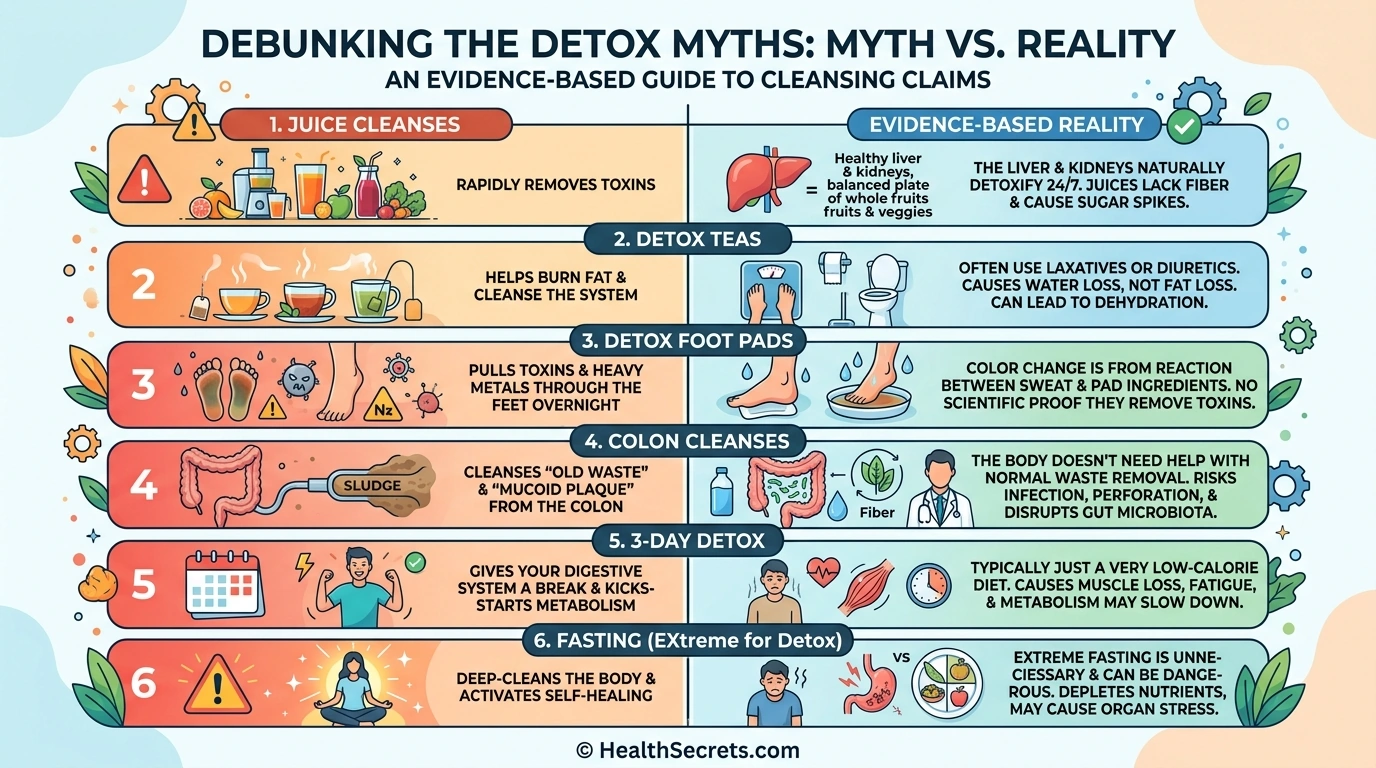
Let's be clear about what doesn't work first. A 2015 review found no compelling research supporting "detox" diets for eliminating toxins. A 2017 review confirmed that juice cleanses and detox diets cause temporary weight loss from calorie restriction, which rebounds immediately. The NIH's National Center for Complementary and Integrative Health states there have been no studies on long-term effects of detoxification programs [15].
What actually works:
- Nutritional support — Providing the amino acids, B vitamins, antioxidants, and minerals your liver's Phase I and Phase II pathways need to function optimally
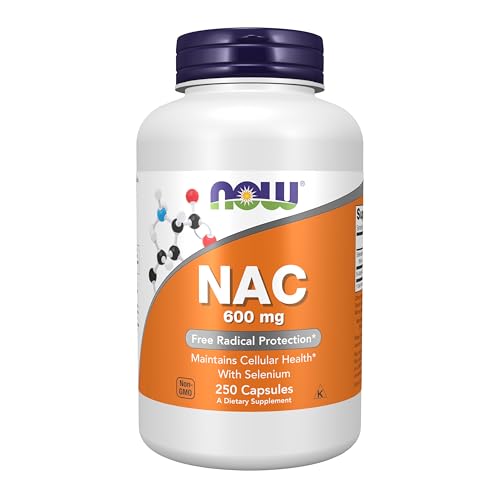
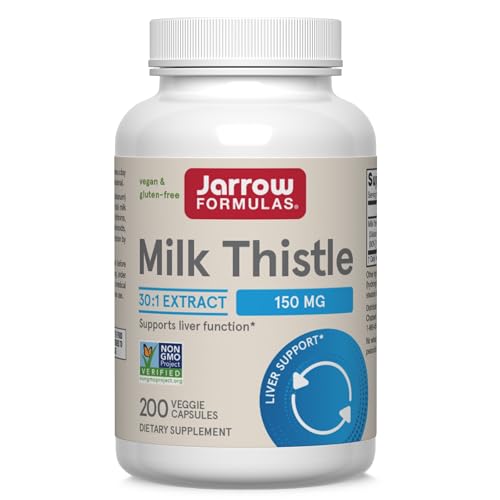
- Targeted supplementation — NAC (glutathione precursor), milk thistle (liver protector), liposomal glutathione, B-complex, selenium — all backed by clinical research
- Dietary optimization — Cruciferous vegetables, sulfur-rich foods, adequate protein, fiber, hydration
- Lifestyle factors — Regular exercise, adequate sleep (7–9 hours), stress management, reduced toxic exposure
- Elimination pathway support — Hydration for kidneys, fiber for gut, movement for lymphatic drainage
The following sections break each of these down in detail.
What Should You Eat (and Avoid) to Support Natural Detoxification?
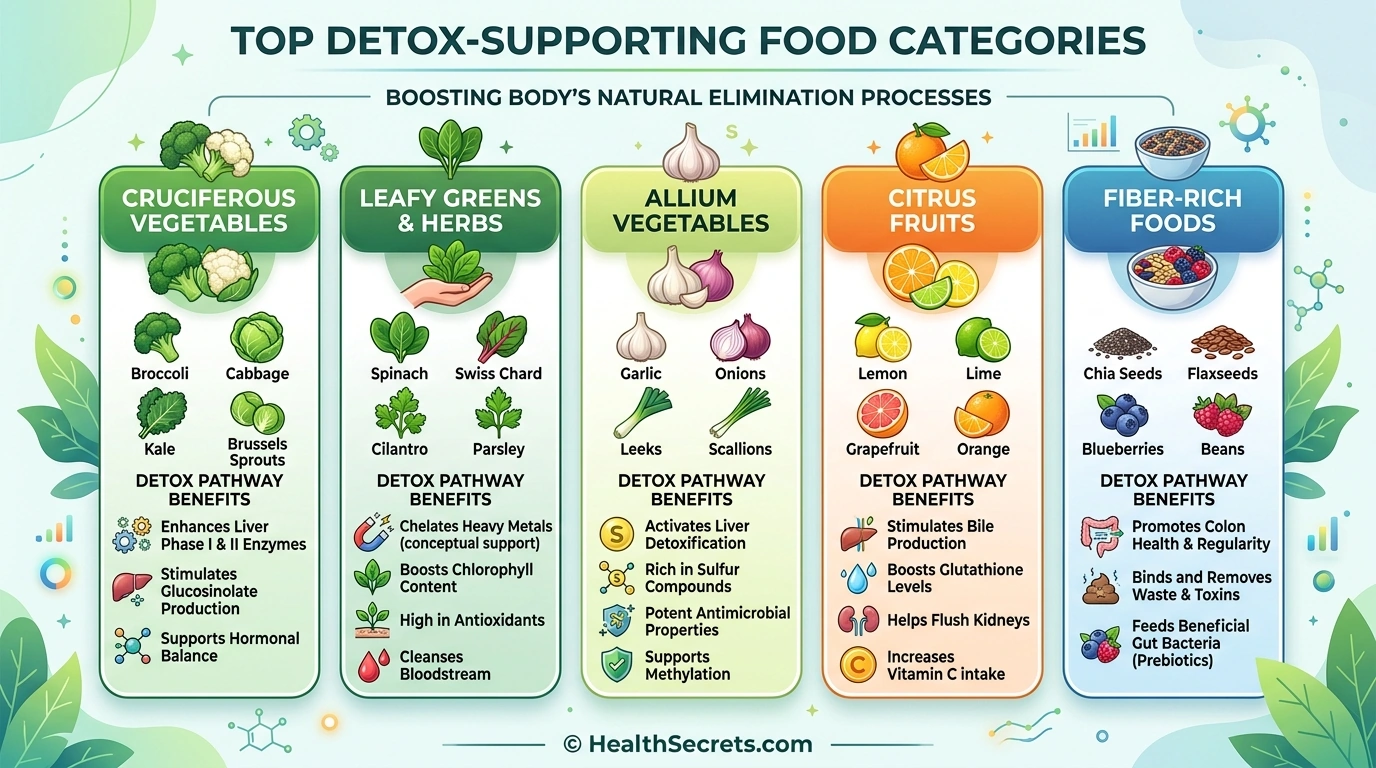
An evidence-based detox diet emphasizes foods that supply the specific nutrients your liver's Phase I and Phase II pathways require — cruciferous vegetables for glucosinolates, sulfur-rich foods for glutathione production, adequate protein for amino acid conjugation, and fiber to prevent toxin reabsorption in the gut.
Foods to Emphasize
- Cruciferous vegetables (broccoli, cauliflower, Brussels sprouts, kale, cabbage) — Contain glucosinolates converted to I3C and DIM, which support Phase II detoxification and estrogen metabolism
- Sulfur-rich foods (garlic, onions, eggs, leeks) — Support glutathione production and sulfation pathways [1]
- Antioxidant-rich foods (berries, leafy greens, green tea, dark chocolate) — Protect against free radicals generated during Phase I
- High-fiber foods (vegetables, fruits, whole grains, legumes) — Bind toxins in the gut, promote regular elimination, prevent enterohepatic recirculation. Aim for 25–35g daily
- Healthy fats (avocados, olive oil, nuts, seeds, fatty fish) — Support cell membrane integrity and reduce inflammation
- Herbs and spices (turmeric, ginger, cilantro, parsley) — Anti-inflammatory and support various detox pathways
- Adequate protein — Provides glycine, cysteine, methionine, and taurine essential for Phase II conjugation reactions
- Hydration — Water, herbal teas (dandelion, milk thistle tea, green tea). Minimum 8–10 glasses daily
Foods to Minimize or Avoid
- Alcohol — Burdens liver, depletes glutathione, damages hepatocytes
- Processed foods — Additives and preservatives create additional burden
- Excess sugar — Promotes inflammation, feeds harmful gut bacteria
- Trans and hydrogenated fats — Inflammatory, burden liver metabolism
- High-pesticide conventional produce — Choose organic for the EWG "Dirty Dozen" (strawberries, spinach, apples, grapes, etc.)
- Large predatory fish — High mercury (swordfish, king mackerel, tilefish, shark). Choose low-mercury options: salmon, sardines, anchovies
- Charred or heavily processed meats — Produce heterocyclic amines and polycyclic aromatic hydrocarbons
For a structured eating plan, see our 7-day detox diet plan.
What Lifestyle Changes Best Support Your Body's Detox Systems?
The most impactful lifestyle changes for detoxification are reducing toxic exposure, exercising regularly, managing stress, and getting adequate sleep — collectively, these support liver function, lymphatic drainage, and elimination more effectively than any single supplement or diet change.
Reduce toxic exposure:
- Switch to natural cleaning products (avoid synthetic fragrances, chlorine bleach)
- Choose personal care products free of parabens, phthalates, and synthetic fragrances
- Filter drinking water (activated carbon or reverse osmosis)
- Avoid plastic food containers — especially when heated (BPA, phthalates leach)
- Buy organic produce when possible, especially the "Dirty Dozen"
Exercise (30 minutes most days):
- Improves circulation and liver blood flow
- Drives lymphatic drainage through muscle contractions
- Induces sweating (minor elimination pathway)
- Reduces inflammation and supports metabolic health
Stress management:
- Chronic stress elevates cortisol, which impairs liver function and diverts metabolic resources
- Effective approaches: meditation, yoga, deep breathing, time in nature, adequate social connection
Sleep (7–9 hours nightly):
- The liver is most metabolically active during sleep
- Glymphatic system (brain's waste-clearance system) operates primarily during deep sleep
- Sleep deprivation increases inflammatory markers and impairs detox enzyme activity
Additional support:
- Sauna (infrared or traditional, 15–30 minutes, 2–3x weekly) — Benefits include relaxation, improved circulation. Note: evidence for "sweating out toxins" is limited; kidneys and liver do the heavy lifting
- Dry brushing — Brush toward the heart before showering to support lymphatic flow
- Deep breathing exercises — Diaphragm movement pumps lymphatic fluid
- Avoid smoking — Introduces thousands of toxic compounds
- Limit alcohol — No more than 1 drink/day for women, 2 for men (ideally less)
Which Supplements Actually Support Detoxification? (Evidence-Based)
Three supplements stand above the rest for detoxification support: N-acetylcysteine (NAC) as a glutathione precursor, milk thistle (silymarin) as a liver protector, and liposomal glutathione for direct antioxidant support. Each has substantial clinical evidence — unlike the vast majority of "detox" supplements on the market.
N-Acetylcysteine (NAC): Why Is It the Gold Standard for Liver Support?
NAC is the precursor to glutathione — the single most important molecule for Phase II detoxification [13]. It's so effective that hospitals use intravenous NAC as the standard treatment for acetaminophen overdose. A systematic review and meta-analysis found that NAC administration significantly improved liver function markers, including reduced ALT levels in NAFLD patients [5] [6] [9]. A randomized controlled trial comparing NAC (1,200mg twice daily) against rosuvastatin and vitamin E in NASH patients demonstrated NAC's efficacy in reducing liver inflammation [8].
- Dosing: 600–1,800mg daily in divided doses
- Best absorbed: On empty stomach (take with food if nausea occurs)
- Benefits: Replenishes glutathione, protects liver cells, supports Phase II, mucolytic, antioxidant
- Safety: Generally safe; may cause nausea, distinctive sulfur smell
- Caution: May interact with nitroglycerin and blood thinners — consult your doctor
Milk Thistle (Silymarin): Does It Really Protect the Liver?
Milk thistle's active compound, silymarin, is one of the most studied hepatoprotective agents in the world. A 2024 systematic review and meta-analysis concluded that silymarin can regulate energy metabolism, attenuate liver damage, and improve liver histology in NAFLD patients. Earlier meta-analyses of 412 patients across nine clinical trials showed silymarin significantly reduced AST and ALT liver enzymes.
- Dosing: 200–400mg silymarin (standardized to 70–80% silymarin), 2–3 times daily
- Benefits: Protects liver cells, antioxidant, anti-inflammatory, promotes liver cell regeneration, increases glutathione levels
- Safety: Well-tolerated; mild digestive upset rare
- Caution: May interact with medications metabolized by CYP450 enzymes
For a complete deep dive, see our milk thistle for liver health guide.
Glutathione: How Do You Boost the "Master Antioxidant"?
Glutathione is your body's most critical detoxification molecule — essential for Phase II conjugation, free radical neutralization, heavy metal binding, and recycling other antioxidants (vitamins C and E). It's made from three amino acids: glutamine, cysteine, and glycine.
The challenge?
Oral glutathione is poorly absorbed — it's largely broken down in the digestive tract. Research on liposomal glutathione shows improved bioavailability. A clinical study found that liposomal glutathione supplementation elevated body stores of GSH and significantly enhanced immune markers including natural killer cell cytotoxicity (up to 400% increase at 2 weeks) [12].
Better options for boosting glutathione:
- NAC (600–1,200mg daily) — Most cost-effective; proven to increase glutathione production
- Liposomal glutathione (375–500mg daily) — Better absorption than standard oral
- S-acetyl glutathione — Acetylated form with improved stability
- Glutathione precursors — Glycine, glutamine, whey protein
- Cofactors — Vitamin C (500–1,000mg), selenium (200mcg), alpha-lipoic acid (300–600mg)
Learn more in our glutathione master antioxidant guide.
Additional Liver Support Supplements
- Alpha-lipoic acid (ALA): Antioxidant that regenerates glutathione and vitamins C/E, chelates heavy metals. 300–600mg daily.
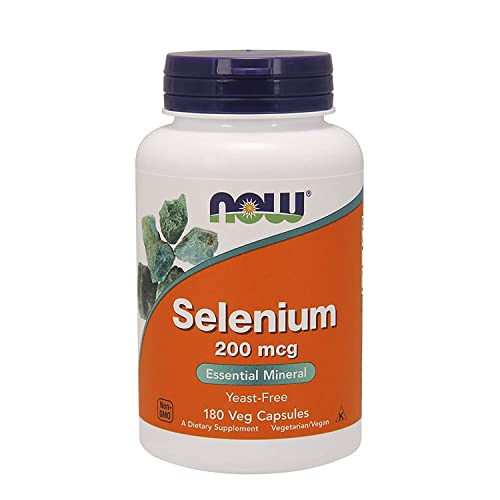
- Selenium: Essential cofactor for glutathione peroxidase. 200mcg daily. Food source: 1–2 Brazil nuts daily.
- B-complex (methylated forms): Essential for Phase I and Phase II (especially methylation). B2, B3, B6, methylcobalamin (B12), methylfolate. Critical for those with MTHFR mutations.
- DIM (Diindolylmethane): From cruciferous vegetables. Supports Phase II estrogen metabolism. 100–200mg daily.
- Calcium-D-Glucarate: Supports glucuronidation. Prevents enterohepatic recirculation. 500–1,000mg daily.
How Do You Start a Safe, Evidence-Based Detox Protocol?
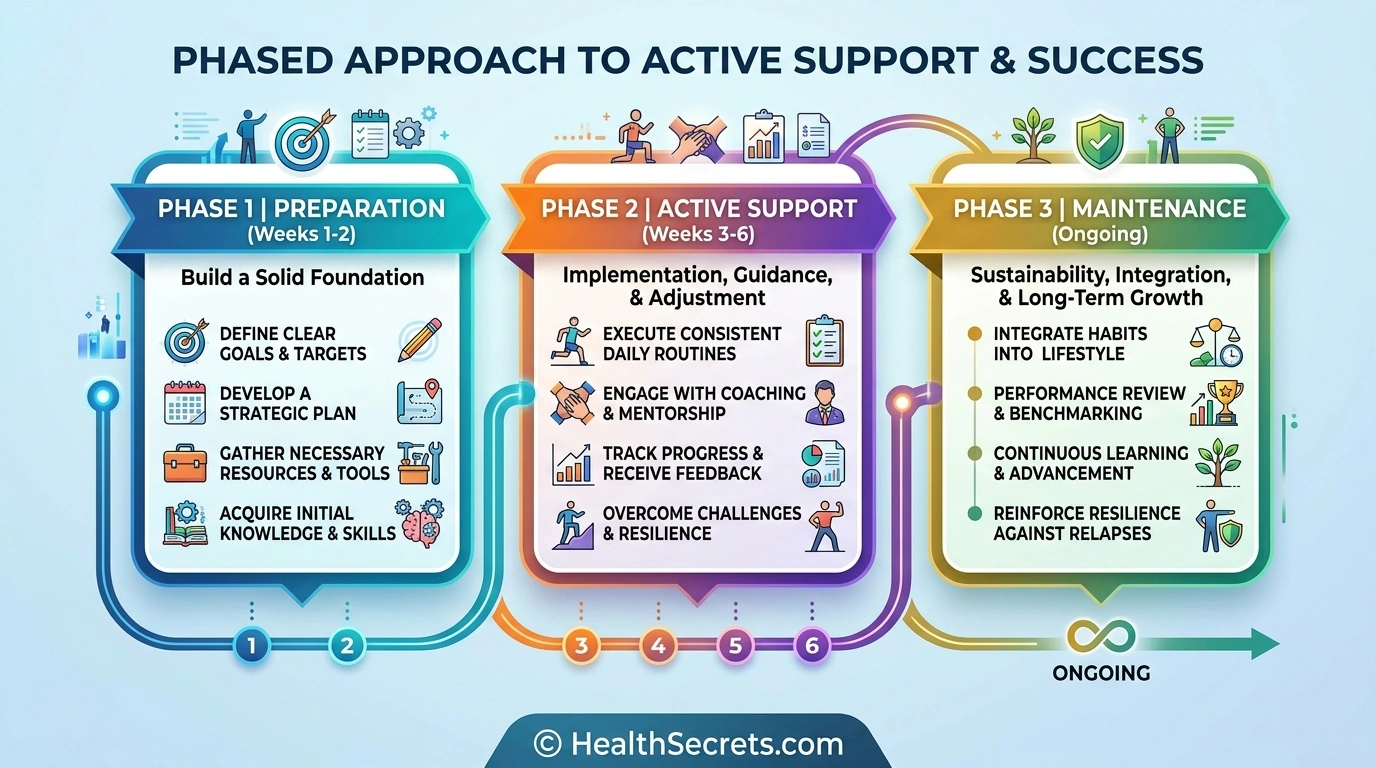
A safe detox protocol follows three phases over 6+ weeks: preparation to reduce toxic burden, active support with targeted supplementation, and ongoing maintenance. This phased approach prevents the detox side effects (headaches, fatigue, irritability) that come from trying to do too much too fast.
Phase 1: Preparation (Weeks 1–2)
- Eliminate: Alcohol, caffeine (taper gradually), refined sugar, processed foods. Optionally reduce dairy and gluten.
- Add: Whole foods — vegetables, fruits, lean proteins, healthy fats, legumes, whole grains
- Hydrate: 8–10 glasses of water daily (add lemon for flavor, not "detox")
- Sleep: Commit to 7–9 hours nightly
- Reduce exposure: Switch to natural cleaning and personal care products, filter water
- Goal: Lower the incoming toxic burden so your body can start catching up
Phase 2: Active Support (Weeks 3–6)
- Continue everything from Phase 1
- Start supplements:
- NAC: 600mg twice daily (empty stomach or with food if nausea)
- Milk thistle: 300mg silymarin twice daily
- B-complex (methylated forms): 1 daily with food
- Vitamin C: 1,000mg daily
- Selenium: 200mcg daily
- Increase detox foods: 1–2 servings cruciferous vegetables daily, sulfur-rich foods (garlic, onions), fiber to 25–35g daily
- Support elimination: Probiotic supplement or fermented foods daily, ensure 1–2 bowel movements daily
- Lifestyle: Exercise 30 minutes daily, dry brushing before showers, sauna 2–3x weekly if accessible, stress management practice
- Goal: Actively support Phase I, Phase II, and Phase III detoxification pathways
Phase 3: Maintenance (Ongoing)
- 80/20 rule: 80% clean eating, 20% flexibility — sustainability matters
- Continue core habits: Whole foods, vegetables, hydration, exercise, stress management, sleep
- Periodic supplement support: NAC and milk thistle especially after alcohol consumption, medication courses, or known toxic exposure
- Regular practices: Sauna, dry brushing, movement
- Minimize ongoing exposure: Natural products, filtered water, organic produce for highest-pesticide items
- Goal: Maintain healthy detoxification capacity and prevent toxic buildup over time [16]
Action Plan
What Should You Do First to Support Your Body's Detoxification?
Follow the sequence below, work through each phase in order, and use the checklist as your practical implementation guide.
Start with the lowest-effort, highest-impact changes: increase water intake to 8–10 glasses daily, add one serving of cruciferous vegetables per day, eliminate or reduce alcohol, and commit to 7–9 hours of sleep. These four steps alone meaningfully improve detox capacity before you add any supplements.
Week 1–2 (Quick Wins):
- Increase water intake to 8–10 glasses daily
- Add 1 serving cruciferous vegetables daily (broccoli, cauliflower, kale)
- Eliminate or significantly reduce alcohol
- Switch to a natural cleaning product for your most-used cleaner
- Commit to 7–9 hours of sleep nightly
Week 3–4 (Build Foundation):
- Start NAC 600mg daily (increase to twice daily in week 4)
- Start milk thistle 300mg silymarin daily
- Increase fiber to 25–35g daily (vegetables, legumes, whole grains)
- Begin 30 minutes of daily exercise (walking counts)
- Add garlic and onions to daily cooking
Week 5–6 (Optimize):
- Add B-complex (methylated forms) and selenium 200mcg
- Introduce dry brushing before showers
- Try sauna sessions 2–3x weekly if accessible
- Establish a daily stress-management practice (10 minutes minimum)
- Evaluate progress: energy, mental clarity, digestion, skin
Ongoing:
- Maintain 80/20 eating approach
- Continue core supplements during periods of increased toxic exposure
- Annual liver function panel with your doctor
- Reassess toxic exposure in home and personal care products