
Here's something that genuinely surprised me when I first dug into the research: milk thistle has been used to protect livers for over 2,000 years. That's not a typo. Ancient Greek physicians documented it. Roman naturalists wrote about it. And somehow—after millennia of use—modern science keeps confirming what traditional healers figured out long before we had microscopes or clinical trials.
The active compound responsible for milk thistle's liver-protective reputation is called silymarin, a complex of flavonolignans extracted from the seeds of Silybum marianum. And while "liver support supplement" gets thrown around loosely in the wellness world, milk thistle actually has a substantial body of clinical evidence behind it—fatty liver disease, hepatitis, cirrhosis, even emergency mushroom poisoning.
But—and this matters a lot—not all milk thistle supplements are created equal. Standardization, bioavailability, and dosing make an enormous difference between a supplement that works and one that's basically expensive dust.
In this guide, you'll learn exactly how silymarin protects liver cells, what the clinical evidence actually shows (and where it falls short), how much to take, which forms absorb best, and how to choose a quality product that's worth your money. Whether you're dealing with fatty liver, supporting your liver through medication use, or just want to give your hardest-working organ some backup—this is the evidence-based breakdown you need.
What Is Milk Thistle and What Does Silymarin Actually Do?
Milk thistle (Silybum marianum) is a flowering plant in the daisy family that produces a complex of liver-protective compounds collectively called silymarin. Extracted from the plant's seeds, silymarin contains several active flavonolignans—with silybin (also called silibinin) making up 50–70% of the complex and doing most of the heavy lifting for liver protection.
The silymarin complex includes four primary compounds:
- Silybin A and B — the most potent and well-researched components (50–70% of silymarin)
- Silydianin — contributes to anti-inflammatory effects
- Silychristin — supports antioxidant activity
- Isosilybin A and B — additional hepatoprotective compounds
Why does standardization matter so much? Because raw milk thistle seed contains only about 1.5–3% silymarin by weight. A quality supplement concentrates this to 70–80% silymarin, which is the standardization used in most clinical trials. If a product doesn't specify silymarin content or standardization percentage, you're essentially guessing at what you're getting [1].
The traditional use is genuinely ancient. Greek physician Dioscorides documented milk thistle for snake bites in the first century AD. European herbalists prescribed it specifically for liver and gallbladder conditions throughout the Middle Ages. Modern pharmacological research—starting seriously in the 1960s with German researchers—has validated these traditional applications with increasingly rigorous clinical evidence [2].
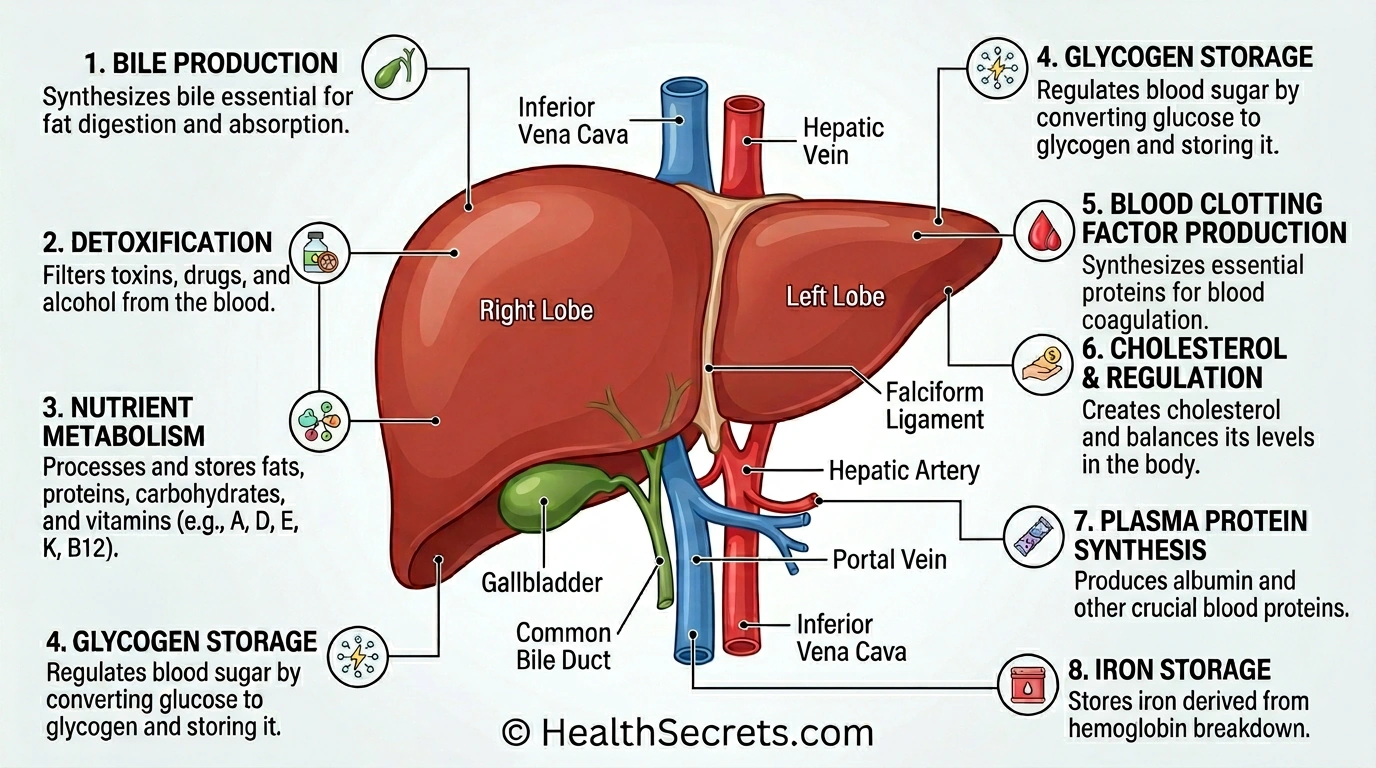
How Does Milk Thistle Protect Your Liver? (The Mechanisms That Matter)
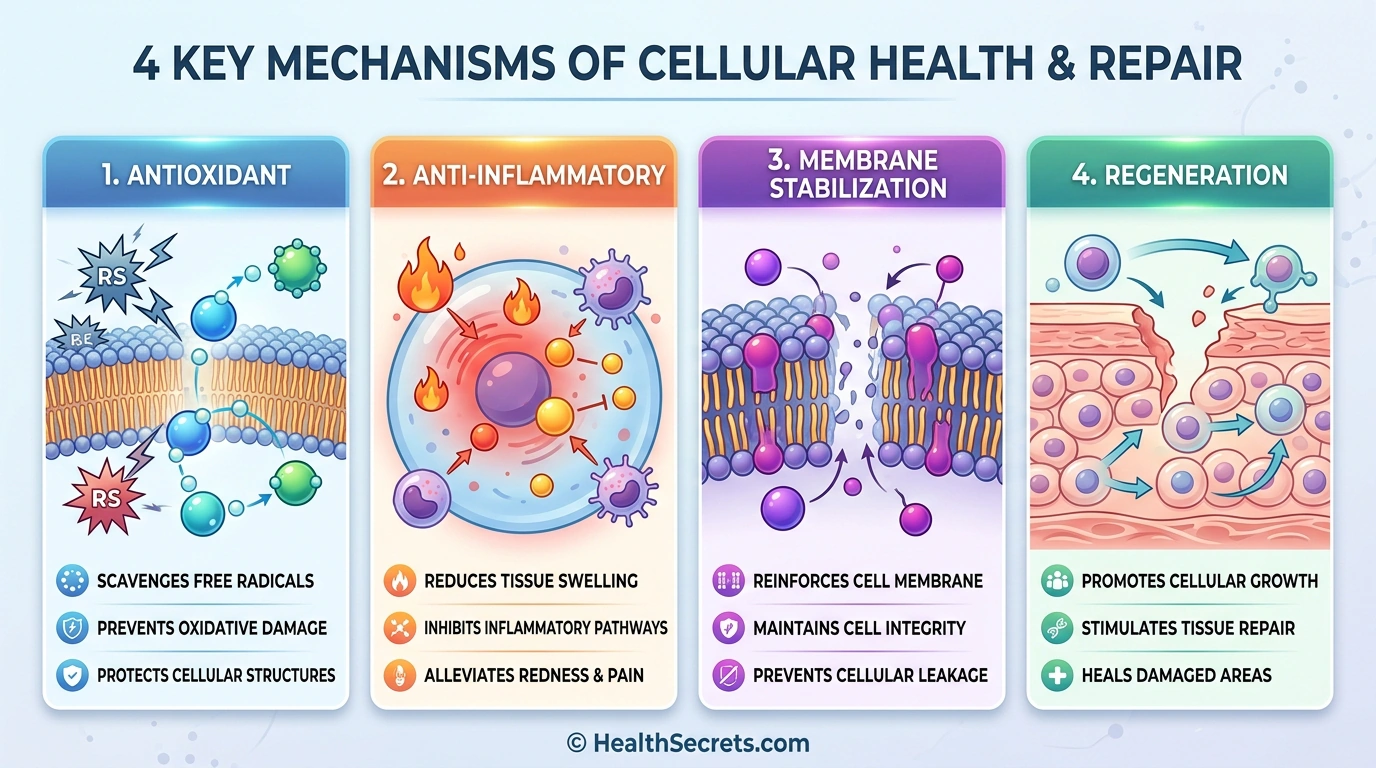
Silymarin protects liver cells through multiple overlapping mechanisms—it's not a one-trick compound. Research shows it works as a potent antioxidant, an anti-inflammatory agent, a cell membrane stabilizer, and a stimulator of liver regeneration, which is why it's effective across such a wide range of liver conditions.
How Does Silymarin Work as an Antioxidant?
Silymarin is one of the most potent natural free radical scavengers studied for liver protection. It directly neutralizes reactive oxygen species (ROS) and increases the liver's own antioxidant defenses—particularly glutathione, often called the body's master antioxidant. Studies show silymarin can increase hepatic glutathione levels by 35% or more, which is significant because glutathione depletion is a hallmark of liver damage [3].
How Does Silymarin Reduce Liver Inflammation?
Silymarin inhibits the NF-κB inflammatory pathway—the same master switch targeted by many pharmaceutical anti-inflammatories. It also suppresses pro-inflammatory cytokines including TNF-α, IL-1β, and IL-6, and blocks the COX-2 enzyme. A 2024 review confirmed that silymarin's anti-inflammatory effects extend well beyond the liver, though hepatic inflammation remains its strongest clinical application [4].
How Does Silymarin Protect Liver Cell Membranes?
This is actually one of the more fascinating mechanisms. Silymarin physically embeds itself into liver cell membranes, altering their structure in a way that blocks toxins from entering. It literally changes the membrane's lipid composition to make it less permeable to harmful substances—alcohol metabolites, drug byproducts, environmental toxins, even the deadly toxins from Amanita phalloides (death cap mushrooms). In cases of mushroom poisoning, intravenous silibinin is actually used as an emergency treatment in European hospitals [5].
How Does Silymarin Help the Liver Regenerate?
Silymarin stimulates RNA polymerase I activity in liver cells, which increases ribosomal protein synthesis. In practical terms, this means damaged liver cells can repair themselves faster. It also promotes hepatocyte proliferation without promoting tumor growth—an important distinction. This regenerative effect is why milk thistle shows benefit in chronic liver diseases where ongoing damage and repair are happening simultaneously [6].

Evidence-Based Supplement Organizer & Safety Log
Track your daily intake, verify third-party certifications, and prepare clear questions for your clinician.
How Well Is Silymarin Absorbed? (The Bioavailability Problem)
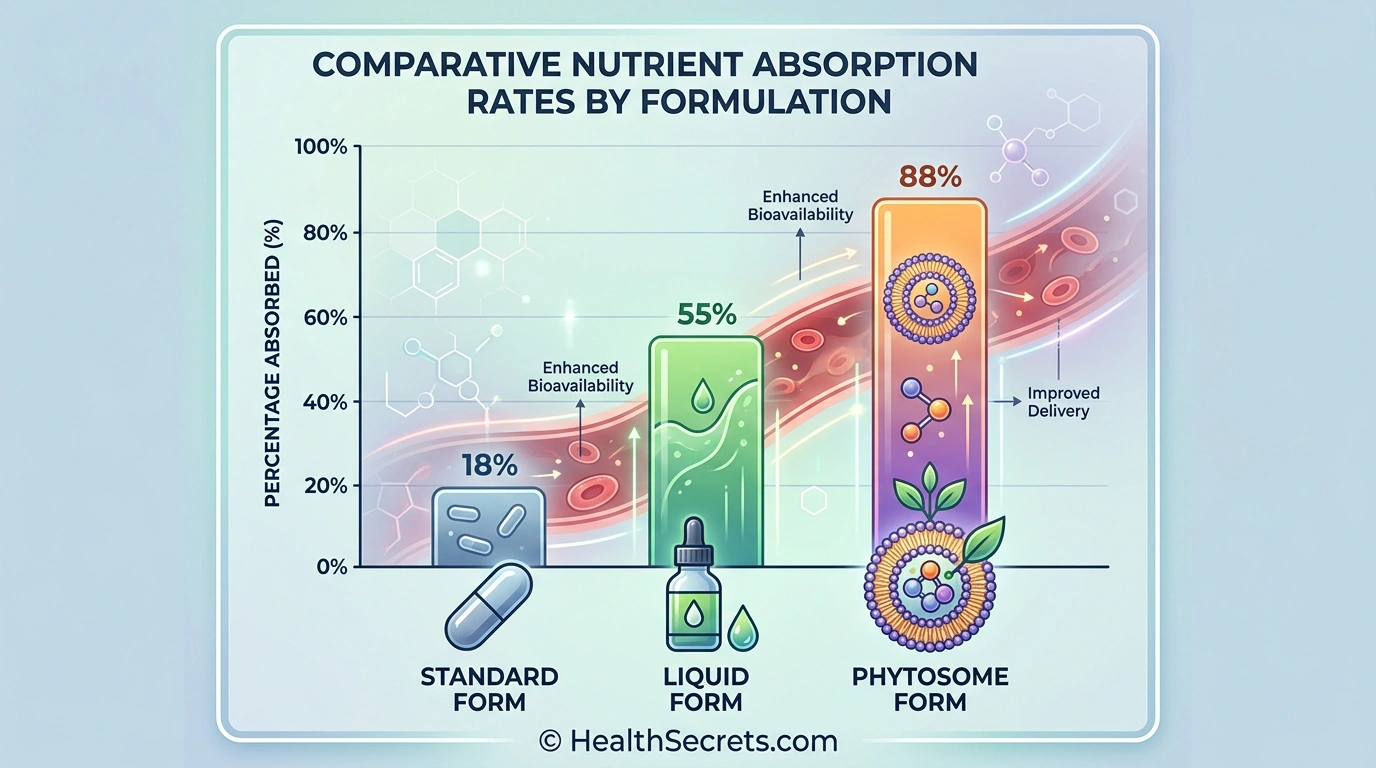
Silymarin has notoriously poor bioavailability—only about 20–50% of an oral dose is absorbed from the gut, and what does get absorbed undergoes rapid first-pass metabolism in the liver and intestines. This is the single biggest challenge with milk thistle supplementation, and it's why formulation matters enormously.
Standard silymarin extract has low water solubility (less than 50 μg/mL), which limits absorption. The compound is rapidly conjugated by phase II enzymes (glucuronidation and sulfation) and excreted in bile, with a half-life of only about 6 hours [7].
Enhanced absorption forms:
| Form | Absorption vs Standard | How It Works | Best For |
|---|---|---|---|
| Standard extract (70–80%) | Baseline | Concentrated silymarin | General support, budget |
| Silymarin phytosome (Siliphos) | 3–5x better | Bound to phosphatidylcholine | Therapeutic use, best evidence |
| Silybin-PC complex (Meriva-type) | 4.6x better | Lecithin-bound silybin | Clinical liver conditions |
| Liquid/tincture extract | Variable | Alcohol extraction | Those who dislike capsules |
| Practical absorption tips: |
- Take with food containing fat — silymarin is fat-soluble, and meals with healthy fats significantly improve absorption
- Divide doses — 2–3 smaller doses throughout the day maintain more stable blood levels than one large dose
- Piperine (black pepper extract) may modestly enhance absorption, though evidence is limited specifically for silymarin
- Avoid tea form — milk thistle tea contains very little silymarin (the compound doesn't extract well in water) [8]
How Much Milk Thistle Should You Take? (Dosing by Condition)
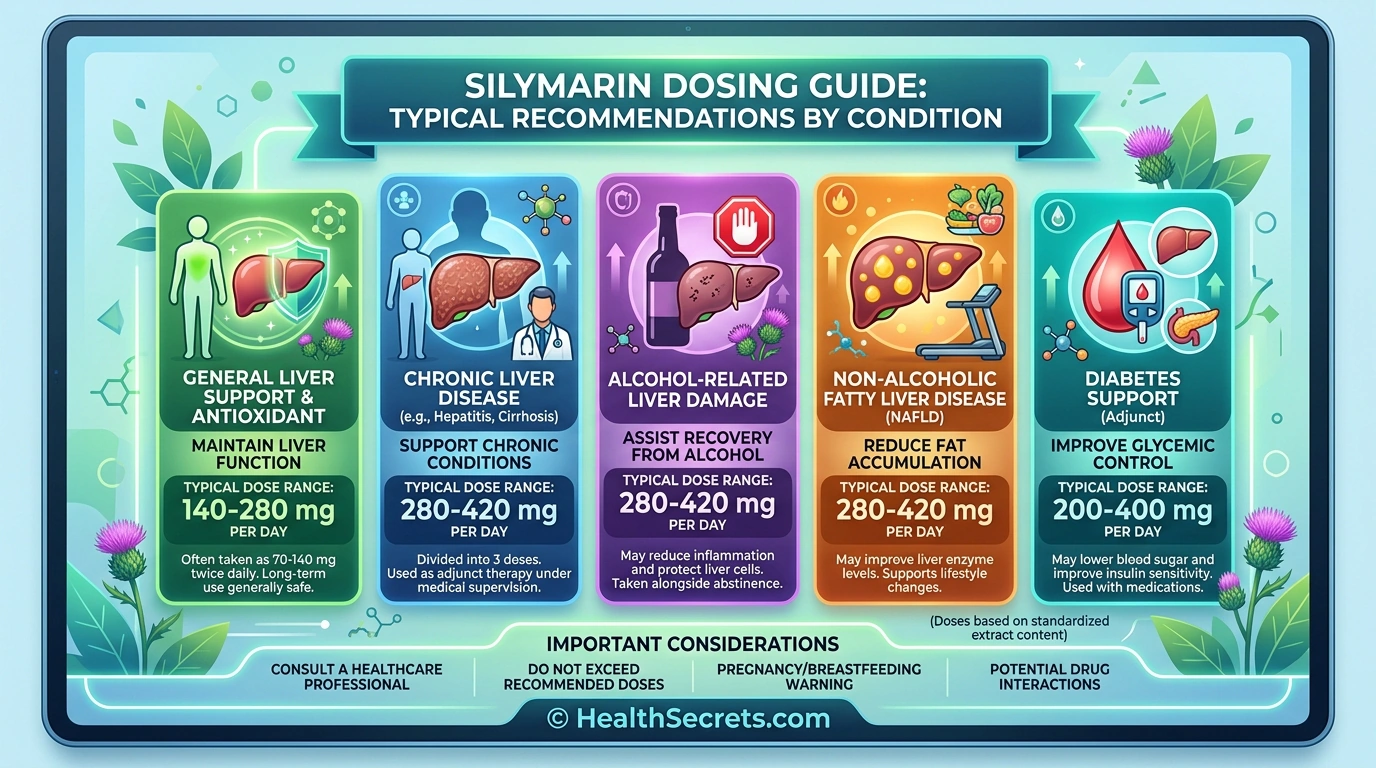
Dosing depends significantly on your goal and the form you're using. Most clinical trials use standardized silymarin extract (70–80% silymarin), and the doses below reflect that standard. If using a phytosome form, effective doses are typically lower due to better absorption.
| Purpose | Silymarin Dose | Frequency | Duration |
|---|---|---|---|
| General liver support | 140–280 mg/day | 1–2x daily with meals | Ongoing |
| Fatty liver (NAFLD) | 420–600 mg/day | Divided 2–3x daily | 8–24 weeks minimum |
| Alcoholic liver disease | 420–600 mg/day | Divided 3x daily | 12+ weeks |
| Hepatitis support | 420–600 mg/day | Divided 3x daily | 12–24 weeks |
| Liver cirrhosis | 420–800 mg/day | Divided 3x daily | Long-term (under supervision) |
| Important dosing notes: |
- Silymarin phytosome forms: Effective at lower doses (120–240 mg silybin-phytosome, equivalent to higher standard doses in terms of blood levels)
- Always take with meals containing some fat for optimal absorption
- Minimum trial period: Give it at least 8–12 weeks before evaluating effectiveness—liver enzymes don't change overnight
- Consistency matters more than dose — daily use yields cumulative benefits; sporadic use is far less effective
- Studies have demonstrated safety at doses up to 1,500 mg/day with no serious adverse effects [9]
Can You Get Enough Silymarin from Food Alone?
The honest answer is no—not in therapeutic amounts. While you can consume milk thistle seeds and leaves, the silymarin content is simply too low for meaningful liver protection without concentrated supplementation.
Food sources of milk thistle:
- Milk thistle seeds — Can be ground and added to smoothies, oatmeal, or salads (about 1.5–3% silymarin by weight)
- Milk thistle tea — Steeped from seeds, but silymarin is poorly water-soluble, so extraction is minimal
- Young milk thistle leaves — Edible in salads (traditionally eaten in Mediterranean cuisine), but very low silymarin content
The math doesn't work for food alone:
- To get 420 mg silymarin from raw seeds (at ~2.5% silymarin), you'd need roughly 17 grams of seeds daily
- That's achievable but impractical—and absorption from raw seeds is even worse than from standardized extracts
- Milk thistle tea delivers perhaps 10–20 mg silymarin per cup at best
The balanced approach:
- Daily supplement: Standardized extract providing 280–600 mg silymarin (therapeutic protection)
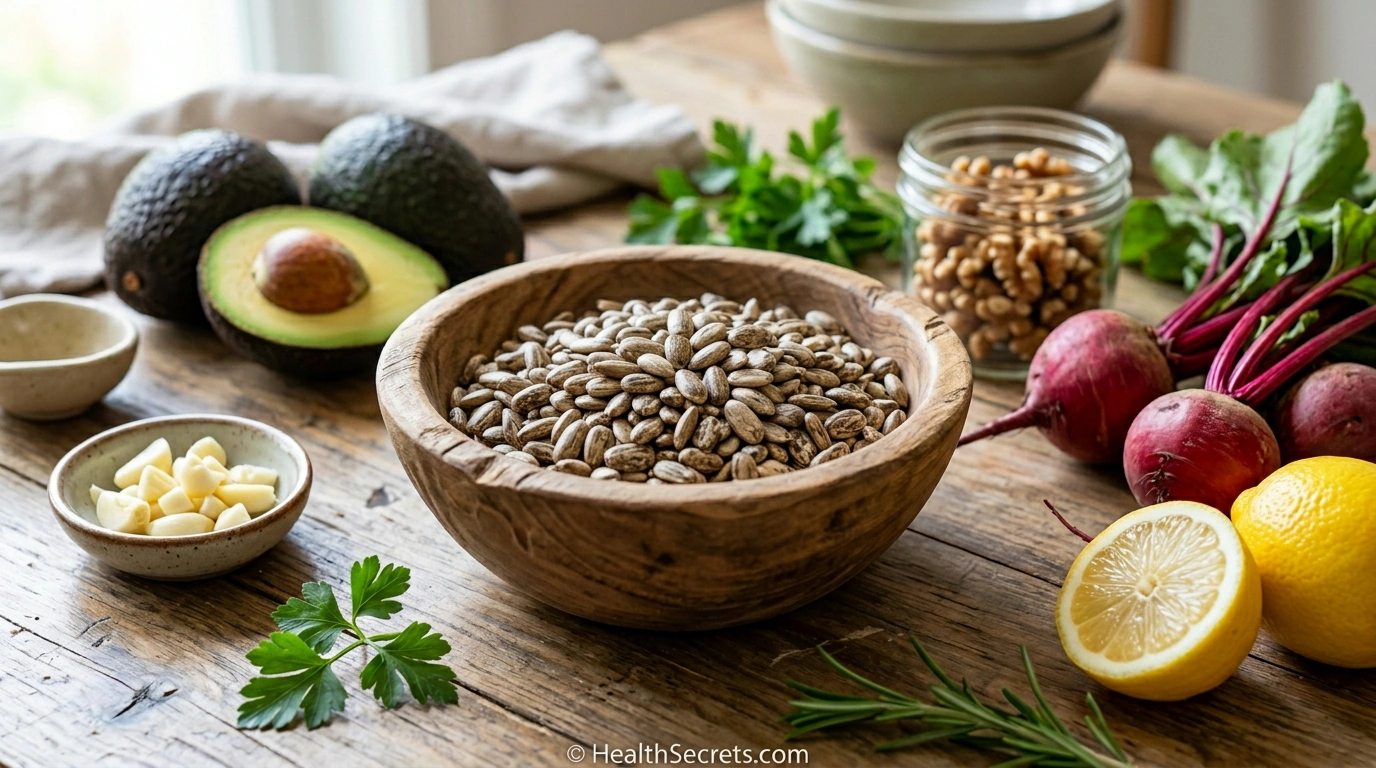
- Dietary support: Include liver-supporting foods—cruciferous vegetables, garlic, beets, leafy greens, artichoke
- Complementary supplements: Consider pairing with NAC (N-acetyl cysteine) for glutathione support, which works synergistically with silymarin
- Lifestyle foundation: No supplement replaces the basics—a comprehensive detox approach includes reducing alcohol, maintaining healthy weight, and minimizing toxin exposure [10]
Is Milk Thistle Safe? Side Effects, Drug Interactions, and Who Should Be Careful
Milk thistle has one of the best safety profiles of any herbal supplement—and that's not just anecdotal. Clinical trials lasting up to 41 months have demonstrated excellent tolerability with minimal adverse effects at therapeutic doses.
Common side effects (rare and mild):
- Mild gastrointestinal symptoms — bloating, gas, nausea, diarrhea (typically at higher doses, resolves with dose reduction)
- Headache — occasional, usually transient
- Allergic reactions — possible in people allergic to ragweed, chrysanthemums, marigolds, or daisies (same plant family, Asteraceae) [11]
| Drug Category | Interaction | Risk Level | Action |
|---|---|---|---|
| Diabetes medications | May lower blood sugar | Moderate | Monitor glucose closely |
| Blood thinners (warfarin) | Theoretical CYP2C9 effect | Low–Moderate | Monitor INR |
| Statins | May alter metabolism | Low | May actually be protective |
| Immunosuppressants | May affect levels (sirolimus) | Moderate | Consult doctor |
Importantly, a comprehensive safety review found that silymarin has low drug interactions overall and does not have major effects on most cytochrome P450 enzymes—though caution is warranted with narrow therapeutic window drugs [12] [13].
Who should avoid or use caution:
- Pregnant or breastfeeding women — insufficient safety data; avoid supplemental doses
- Ragweed/daisy family allergy — possible cross-reactivity
- Hormone-sensitive conditions — theoretical estrogenic effects at very high doses
- People on multiple medications — consult your healthcare provider, especially with chemotherapy drugs [14]

The Supplement Seal Verifier
What USP, NSF, NSF Certified for Sport, ConsumerLab, BSCG and Informed Choice each actually test for, the label claims that mean nothing, and a bottle-by-bottle audit sheet.
What Can Milk Thistle Actually Do for Your Liver? (Honest Expectations)
Milk thistle is one of the most evidence-backed herbal supplements for liver health—but it's not a miracle cure. Setting realistic expectations helps you use it effectively and avoid disappointment.
What silymarin CAN do (evidence-supported):
- Reduce elevated liver enzymes (ALT, AST) — multiple studies show 20–40% reductions in NAFLD patients over 8–24 weeks [15]
- Protect liver cells from ongoing damage — alcohol, medications (especially acetaminophen), environmental toxins
- Support liver regeneration — stimulates protein synthesis in damaged hepatocytes
- Reduce liver inflammation — measurable decreases in inflammatory markers
- Improve insulin resistance in NAFLD — emerging evidence shows metabolic benefits beyond the liver
- Complement medical treatment — particularly as adjunct therapy in hepatitis and chemotherapy-related liver stress
What silymarin CANNOT do:
- Reverse advanced cirrhosis — it may slow progression, but severely scarred liver tissue doesn't regenerate
- Replace medical treatment — for hepatitis B/C, liver cancer, or acute liver failure
- Undo ongoing liver abuse — continuing heavy alcohol use while taking milk thistle won't protect you
- Work immediately — meaningful changes take 8–12 weeks minimum at therapeutic doses
- Compensate for poor quality supplements — unstandardized or low-potency products won't deliver clinical results
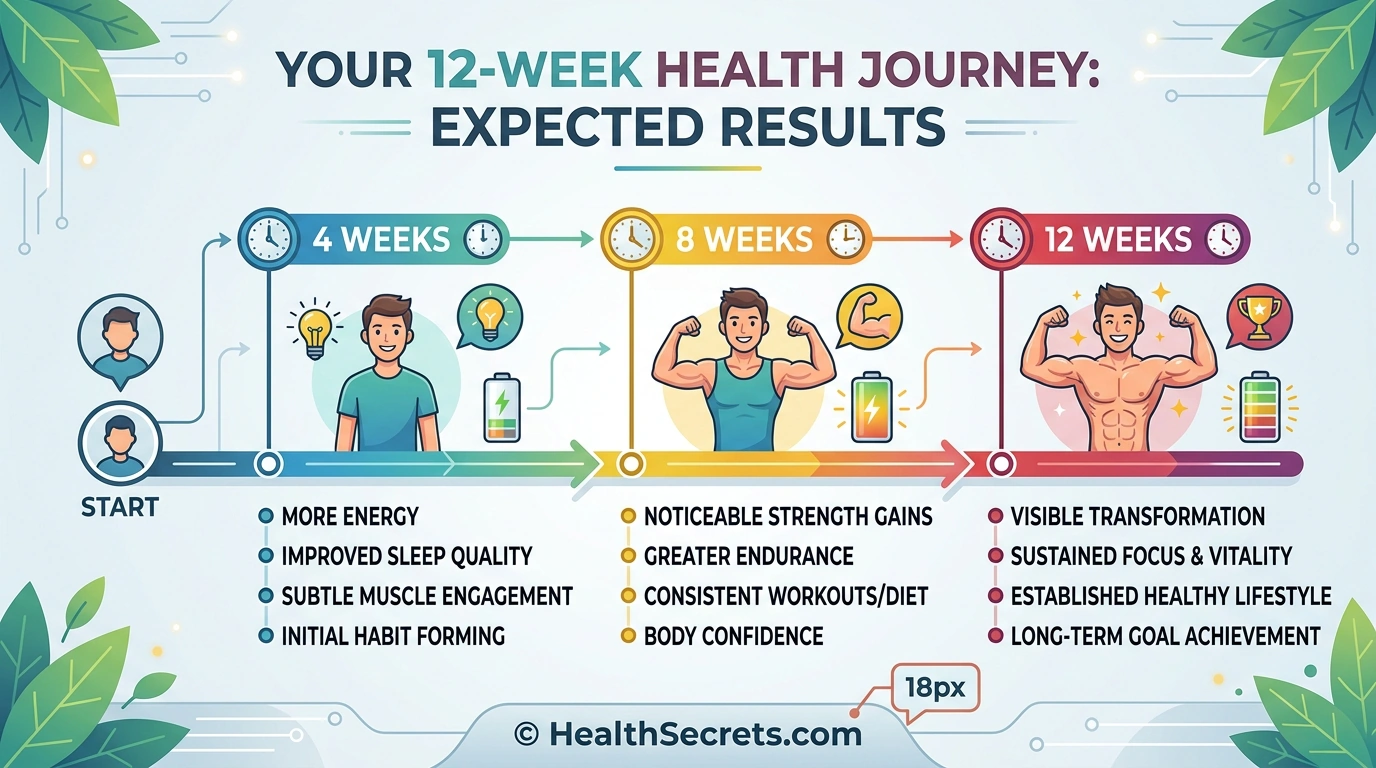
Realistic timeline:
- Weeks 1–4: Minimal noticeable changes; silymarin is accumulating and working at the cellular level
- Weeks 4–8: Some people notice improved energy and digestion; liver enzymes may begin trending down
- Weeks 8–12: Blood work may show measurable improvements in ALT/AST; inflammation reduction becomes significant
- Weeks 12–24+: Full therapeutic effects; sustained improvement in liver function markers
Individual variation is real. Some people respond dramatically, others see modest benefits. Genetics, baseline liver health, concurrent medications, diet, and alcohol use all influence outcomes [16].
Action Plan
What Should You Do First to Support Your Liver with Milk Thistle?
Follow the sequence below, work through each phase in order, and use the checklist as your practical implementation guide.
Start with an evidence-based, phased approach that builds sustainable liver protection. Don't try to do everything at once—layering changes over weeks gives your body time to adapt and lets you identify what's actually helping.
Phase 1 — Foundation (Weeks 1–2):
- Get baseline liver function tests (ALT, AST, GGT, bilirubin) from your doctor
- Choose a quality milk thistle supplement standardized to 70–80% silymarin
- Start at 140–280 mg silymarin daily with meals containing fat
- Review current medications with your healthcare provider for interactions
Phase 2 — Therapeutic Dose (Weeks 3–8):
- Increase to your target dose (420–600 mg silymarin daily for liver conditions)
- Divide into 2–3 doses throughout the day
- Support with liver-friendly diet: cruciferous vegetables, beets, garlic, leafy greens
- Reduce or eliminate alcohol consumption
- Add complementary support: NAC for glutathione production
Phase 3 — Evaluate and Optimize (Weeks 8–12):
- Retest liver enzymes—compare to baseline
- Assess how you feel: energy, digestion, overall wellbeing
- Consider upgrading to phytosome form if standard extract isn't producing results
- Implement comprehensive liver detox strategies alongside supplementation
Phase 4 — Long-Term Maintenance (Ongoing):
- Continue maintenance dose (140–420 mg daily) if well-tolerated
- Retest liver function every 3–6 months
- Maintain liver-supportive lifestyle: healthy weight, minimal alcohol, regular exercise
- Review supplement quality annually—brands change formulations
Jarrow Formulas Milk Thistle 150mg
Editor's ChoiceJarrow Formulas
Thorne Siliphos Milk Thistle Phytosome
Best Enhanced AbsorptionThorne Siliphos
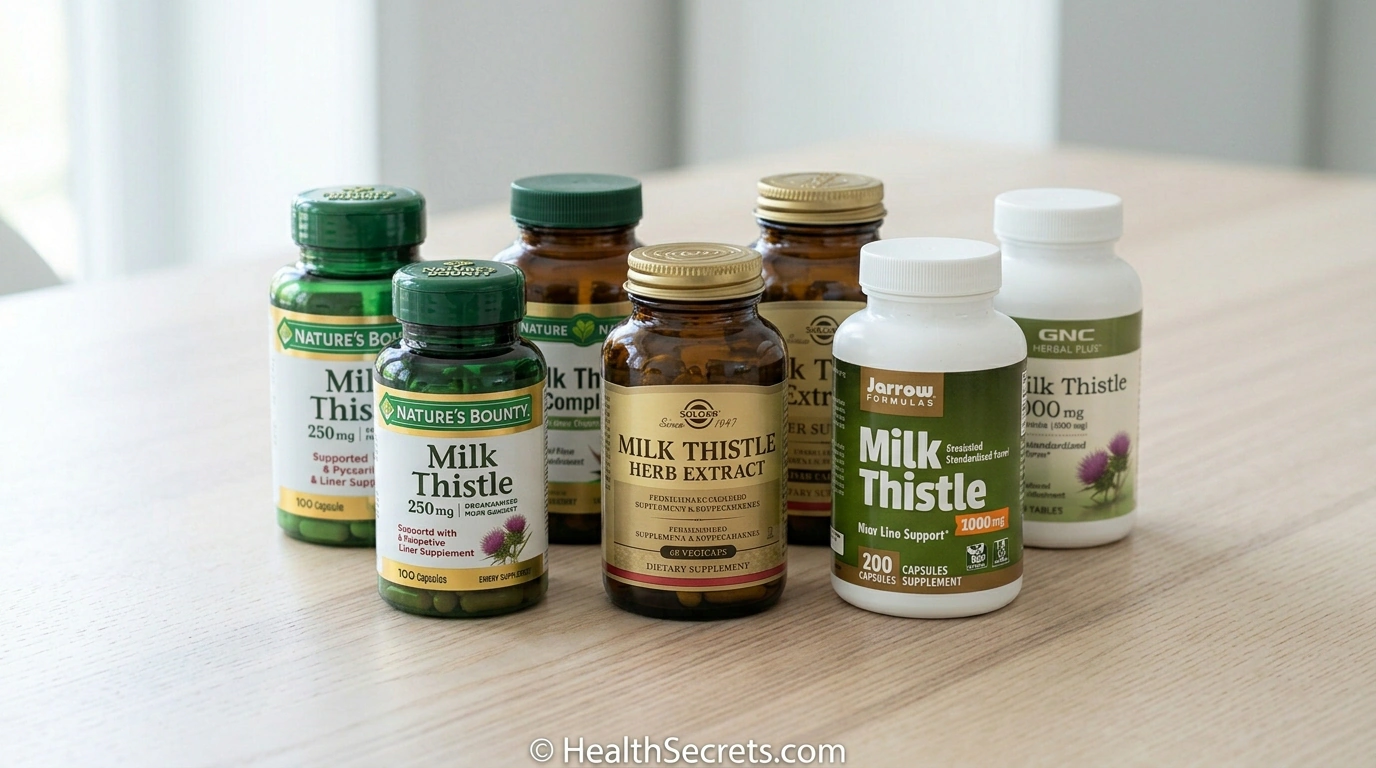
Nature's Bounty Milk Thistle 250mg
Best Budget OptionNature's Bounty
Liver Support Complex with Milk Thistle and NAC
Best Combination Liver FormulaLiver Support
Herb Pharm Milk Thistle Liquid Extract
Best Liquid ExtractHerb Pharm
Life Extension Advanced Milk Thistle
Best for Fatty Liver (NAFLD)Life Extension
Read the detailed review cards below before opening any retailer link
Top Recommended Products
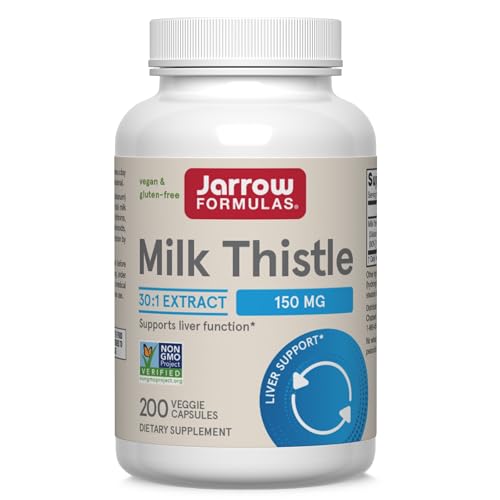
Jarrow Formulas
Jarrow Formulas Milk Thistle 150mg
Best combination of quality, standardization, and value for anyone starting milk thistle or maintaining general liver support.
Pros
- + Exceptional value per serving
- + flexible dosing (1–3 capsules)
- + trusted brand with decades of quality manufacturing
Cons
- - Standard extract form — not phytosome
- - so bioavailability is baseline
As an Amazon Associate, Health Secrets earns from qualifying purchases. Product links open on Amazon, where current pricing and availability are displayed. We only feature products discussed in our editorial guides.
Thorne Siliphos
Thorne Siliphos Milk Thistle Phytosome
The best option when bioavailability matters — particularly for fatty liver, hepatitis support, or anyone who hasn't seen results with standard extracts.
Pros
- + Superior bioavailability
- + NSF Certified
- + lower dose needed for equivalent blood levels
Cons
- - Higher per-bottle cost compared to standard extracts
As an Amazon Associate, Health Secrets earns from qualifying purchases. Product links open on Amazon, where current pricing and availability are displayed. We only feature products discussed in our editorial guides.
NOW Silymarin
NOW Silymarin Milk Thistle 300mg
Pros
- + High potency reduces pill burden
- + synergistic formula with complementary liver herbs
- + NOW Foods affordability
Cons
- - Artichoke extract may cause digestive discomfort in sensitive individuals
As an Amazon Associate, Health Secrets earns from qualifying purchases. Product links open on Amazon, where current pricing and availability are displayed. We only feature products discussed in our editorial guides.
Nature's Bounty
Nature's Bounty Milk Thistle 250mg
The best entry point for trying milk thistle without a significant financial commitment.
Pros
- + Lowest cost per day among quality options
- + widely available in stores
- + trusted brand with long market presence
Cons
- - Lower silymarin standardization may require more capsules for therapeutic doses
As an Amazon Associate, Health Secrets earns from qualifying purchases. Product links open on Amazon, where current pricing and availability are displayed. We only feature products discussed in our editorial guides.
Gaia Herbs
Gaia Herbs Milk Thistle Seed
The best choice for anyone who values organic certification, environmental sustainability, and full supply chain transparency.
Pros
- + Full organic certification and supply chain transparency
- + liquid capsule format for improved absorption
- + environmentally responsible company
Cons
- - Higher price per serving compared to conventional extracts
As an Amazon Associate, Health Secrets earns from qualifying purchases. Product links open on Amazon, where current pricing and availability are displayed. We only feature products discussed in our editorial guides.
Liver Support
Liver Support Complex with Milk Thistle and NAC
Pros
- + Simplifies supplement routine
- + synergistic effects may exceed individual ingredients
- + often more cost-effective than buying separately
Cons
- - Individual ingredient doses may be lower than standalone products — check labels carefully
As an Amazon Associate, Health Secrets earns from qualifying purchases. Product links open on Amazon, where current pricing and availability are displayed. We only feature products discussed in our editorial guides.
Herb Pharm
Herb Pharm Milk Thistle Liquid Extract
Best alternative form for anyone who can't or prefers not to take capsules.
Pros
- + Flexible dosing
- + good for capsule-averse individuals
- + reputable brand with decades of herbal expertise
Cons
- - Silymarin extraction in alcohol/water is less efficient than standardized concentrated extracts
As an Amazon Associate, Health Secrets earns from qualifying purchases. Product links open on Amazon, where current pricing and availability are displayed. We only feature products discussed in our editorial guides.
Life Extension
Life Extension Advanced Milk Thistle
The best option for diagnosed fatty liver disease or anyone needing maximum therapeutic liver protection.
Pros
- + Sophisticated dual-absorption formula
- + specifically formulated for serious liver support
- + Life Extension reputation for science-based products
Cons
- - Premium pricing — overkill for simple maintenance use
As an Amazon Associate, Health Secrets earns from qualifying purchases. Product links open on Amazon, where current pricing and availability are displayed. We only feature products discussed in our editorial guides.
Further Reading
Further Reading
"The Liver Healing Diet"
by Michelle Lai, MD and Asha Kasaraneni, MD
Physician-authored liver nutrition guide with meal plans, condition-specific dietary recommendations (NAFLD, alcoholic liver, hepatitis), clear supplement guidance from specialists who treat liver disease daily
Why it adds value here
Pairs perfectly with milk thistle supplementation by providing the dietary foundation that maximizes liver recovery.
Best for: Anyone with liver concerns who wants a comprehensive dietary approach alongside supplementation
View book detailsFurther Reading
"Adaptogens: Herbs for Strength, Stamina, and Stress Relief"
by David Winston and Steven Maimes
Detailed milk thistle monograph with clinical applications, broader herbal medicine context for liver-supporting herbs, practical protocols combining multiple herbs safely
Why it adds value here
Provides deeper understanding of milk thistle within the broader herbal medicine tradition, helping readers make informed decisions about combining herbs.
Best for: Readers interested in herbal medicine beyond just milk thistle
View book detailsAEO FAQ
Frequently Asked Questions
12 common questions answered
Most people need 8–12 weeks of consistent daily use before seeing measurable changes in liver enzymes. Some notice improved energy and digestion within 4–6 weeks. Clinical trials showing significant liver enzyme reductions typically run 12–24 weeks. Consistency matters more than dose—daily use is essential.
Yes. Clinical studies lasting up to 41 months have shown milk thistle to be safe for long-term daily use. Many practitioners recommend ongoing use for people with chronic liver conditions or continuous exposure to liver-stressing medications or alcohol.
Milk thistle is the plant (Silybum marianum); silymarin is the active compound complex extracted from its seeds. Raw milk thistle contains only 1.5–3% silymarin. Quality supplements concentrate this to 70–80% silymarin, which is the clinically effective form.
Timing matters less than consistency and food pairing. Take milk thistle with meals containing fat for optimal absorption. If taking multiple daily doses, splitting between breakfast and dinner works well. The most important thing is taking it consistently every day.
Milk thistle has relatively low drug interaction potential. The main concerns are with diabetes medications (may lower blood sugar), blood thinners (theoretical anticoagulant enhancement), and immunosuppressants like sirolimus. Always consult your doctor if you take prescription medications.
Yes—clinical evidence supports milk thistle for NAFLD. Studies show 420–600 mg silymarin daily can reduce liver enzymes (ALT, AST) by 20–40% over 8–24 weeks. It also appears to improve insulin resistance, which is an underlying driver of fatty liver. However, it works best combined with diet and weight management.
Milk thistle can help protect against further alcohol-related liver damage and may support recovery of mildly damaged liver tissue. However, it cannot reverse cirrhosis or severe scarring, and it is absolutely not a substitute for reducing or eliminating alcohol consumption. The liver must be given the chance to heal.
Prioritize 70–80% silymarin standardization, third-party testing (USP, NSF, ConsumerLab), reputable brands with GMP certification, and explicit silymarin content (not just "milk thistle extract" weight). For better absorption, consider phytosome forms like Siliphos.
Not for therapeutic purposes. Silymarin is poorly water-soluble, so tea extraction yields minimal active compound—perhaps 10–20 mg per cup versus the 280–600 mg needed for therapeutic effects. Milk thistle tea may be pleasant to drink, but standardized capsules or phytosome forms deliver far more silymarin.
Yes—milk thistle and NAC (N-acetyl cysteine) work through complementary mechanisms and are often combined. Silymarin protects liver cells and boosts glutathione production; NAC directly provides the building blocks for glutathione synthesis. Many integrative practitioners recommend this combination for comprehensive liver support.
Research supports silymarin's ability to protect against liver damage from certain medications, particularly acetaminophen (Tylenol) and some chemotherapy drugs. In Europe, intravenous silibinin is used as an emergency treatment for death cap mushroom poisoning. For ongoing medication use, discuss prophylactic milk thistle with your doctor.
There is insufficient safety data for milk thistle supplementation during pregnancy or breastfeeding. While culinary amounts of milk thistle seeds are generally considered safe, concentrated supplements should be avoided unless specifically recommended by your healthcare provider.
Evidence-Based Supplement Organizer & Safety Log
Track your daily intake, verify third-party certifications, and prepare clear questions for your clinician.
What's Inside This Complete Digital System:
Instant PDF download • Lifetime updates • 60-day money-back guarantee
Test Your Knowledge
Take our Supplement Science Quiz and see how much you really know about supplements.
Was this article helpful?
Written & Reviewed By Experts

Author
Dr. Emily FosterRD, MS Clinical Nutrition
Registered dietitian with a master's in clinical nutrition and 12 years of experience in functional medicine. Emily specializes in therapeutic nutrition, gut microbiome health, and evidence-based dietary interventions for chronic disease. She has worked with leading gastroenterology clinics and has been published in peer-reviewed nutrition journals.

All content is evidence-based, peer-reviewed by qualified professionals, and updated regularly. Our editorial team follows strict guidelines for accuracy and transparency.
References & Citations
20 sources cited
Medical Disclaimer
This article is for informational purposes only and does not constitute medical advice. Read the full medical disclaimer. Always consult with a qualified healthcare provider before starting any new supplement, treatment, or major dietary change.
The Complete Guide to Supplements
Explore our foundational comprehensive guide covering all clinical protocols, dietary strategies, and evidence for supplements.
You Might Also Like
Iron Supplements: Complete Guide for Anemia and Energy
Iron is the most common nutrient deficiency worldwide, affecting over 2 billion people and causing fatigue, weakness, and anemia. This evidence-based guide covers iron supplement forms, proper dosing, absorption optimization, testing protocols, and the best products to safely correct deficiency and restore energy.
→Collagen Supplements: Complete Guide for Skin, Joints and Gut
Collagen supplements — the most abundant protein in your body — have strong clinical evidence for improving skin elasticity, reducing joint pain, and supporting gut health. This comprehensive product review covers collagen types, sources (marine vs bovine vs chicken), dosing, essential cofactors like vitamin C, and the 10 best collagen supplements for every goal and budget.
→Magnesium for Anxiety: The Most Underrated Natural Remedy
Magnesium is one of the most effective and underrated natural remedies for anxiety. It enhances GABA receptor function, blocks excitatory glutamate, and lowers cortisol — addressing anxiety at the neurochemical level. Magnesium glycinate (200–400 mg daily) is the best form, with clinical evidence showing meaningful anxiety reduction within 2–6 weeks.
→Discussion
0No comments yet
Be the first to share your thoughts, clinical insights, or questions about this protocol.