Your liver performs over 500 vital functions every single day — filtering 1.4 liters of blood per minute, processing every toxin you eat, drink, and breathe, and quietly keeping you alive without ever asking for a break. It is your body's master detoxifier, and the internet is flooded with "liver detox" products promising to cleanse it. But here's the truth most wellness marketers won't tell you: your liver doesn't need a detox — it IS the detox.
That doesn't mean you're powerless. While juice cleanses and detox teas are largely marketing hype, decades of research from institutions like the National Institutes of Health and major medical journals confirm that you can optimize your liver's natural detoxification pathways through targeted nutrition, evidence-based supplements, and strategic lifestyle changes. The difference between a gimmick and genuine liver support comes down to understanding how your liver actually works — and giving it exactly what it needs to do its job.
This guide takes you through a step-by-step, science-based approach to supporting your liver. You'll learn the three phases of hepatic detoxification, which foods and supplements have real clinical evidence behind them, what toxins to eliminate from your life, and how to build a daily liver support protocol that actually works. No juice fasts. No miracle pills. Just biochemistry-backed strategies you can start today.
What Do You Need to Know Before Starting a Liver Support Protocol?
Before optimizing your liver health, you need to understand that the liver is not a passive filter that gets "clogged" — it is a dynamic biochemical factory that actively transforms toxins through enzymatic pathways. Supporting these pathways requires specific nutrients, not generic cleanses. This protocol is designed for generally healthy adults who want to optimize liver function, reduce toxic burden, and prevent long-term liver damage.
Who Is This Protocol For?
This step-by-step liver support guide is ideal for anyone who:
- Consumes alcohol regularly (even moderately)
- Takes over-the-counter medications like acetaminophen frequently
- Has been told they have mildly elevated liver enzymes
- Works or lives in environments with chemical exposure
- Eats a standard Western diet high in processed foods
- Wants to proactively protect their liver health long-term
Who Should Consult a Doctor First?
- Have diagnosed liver disease (hepatitis, cirrhosis, NAFLD)
- Take prescription medications (supplements may interact)
- Are pregnant or breastfeeding
- Have jaundice, persistent right-side abdominal pain, or dark urine
- Have a history of alcohol dependence
Expected Timeline
| Timeframe | What to Expect |
|---|---|
| Week 1–2 | Improved digestion, reduced bloating as dietary changes take effect |
| Week 3–4 | Better energy levels, improved mental clarity as liver burden decreases |
| Month 2–3 | Measurable improvements in liver enzymes (ALT, AST) if previously elevated |
| Month 3–6 | Significant reduction in liver fat (if applicable), sustained energy and vitality |

Are You Unknowingly Inflaming Your Body?
Get the free Health Vitals & Nutrient Checklist — the daily guide that shows you which habits and supplements are silently triggering inflammation.
How Do You Understand the Three Phases of Liver Detoxification?
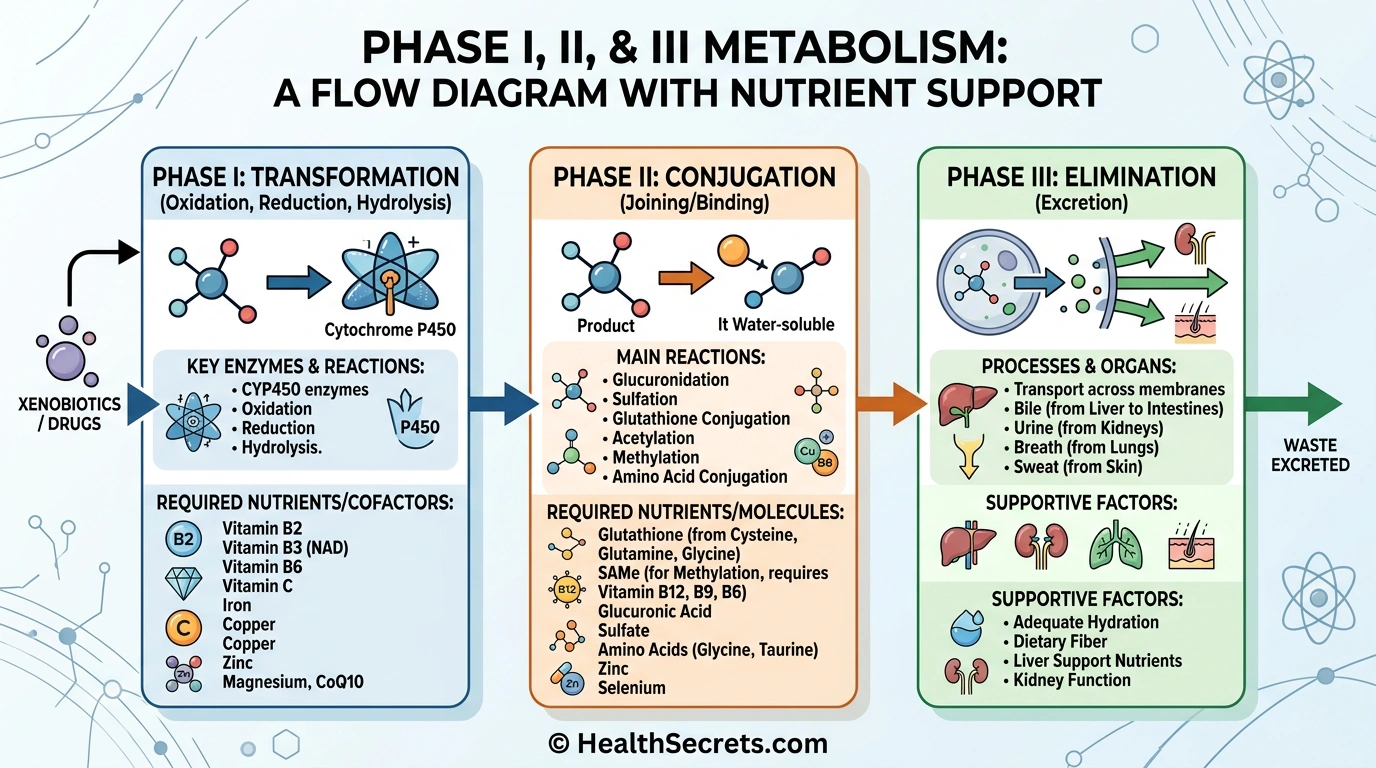
Your liver detoxifies through a sophisticated three-phase system: Phase I transforms fat-soluble toxins into intermediate metabolites using cytochrome P450 enzymes, Phase II conjugates those intermediates into water-soluble compounds through six distinct pathways, and Phase III transports the neutralized toxins out of liver cells for elimination through bile and urine. Understanding these phases is the foundation for every support strategy that follows [1].
How Does Phase I (Transformation) Work?
Phase I uses over 50 cytochrome P450 enzymes to oxidize, reduce, or hydrolyze fat-soluble toxins — including drugs, hormones, pesticides, and metabolic waste — into intermediate metabolites. The critical problem: these intermediates are often more toxic and reactive than the original compounds, generating significant free radical damage [2].
Nutrients that support Phase I:
- B vitamins (B2, B3, B6, B12, folate)
- Glutathione and antioxidants (vitamins C, E, selenium)
- Flavonoids from colorful fruits and vegetables
Factors that accelerate Phase I (increasing toxic intermediate production):
- Alcohol, caffeine, cigarette smoke
- Grilled or charred meats
- Certain medications and pesticides
How Does Phase II (Conjugation) Neutralize Toxic Intermediates?
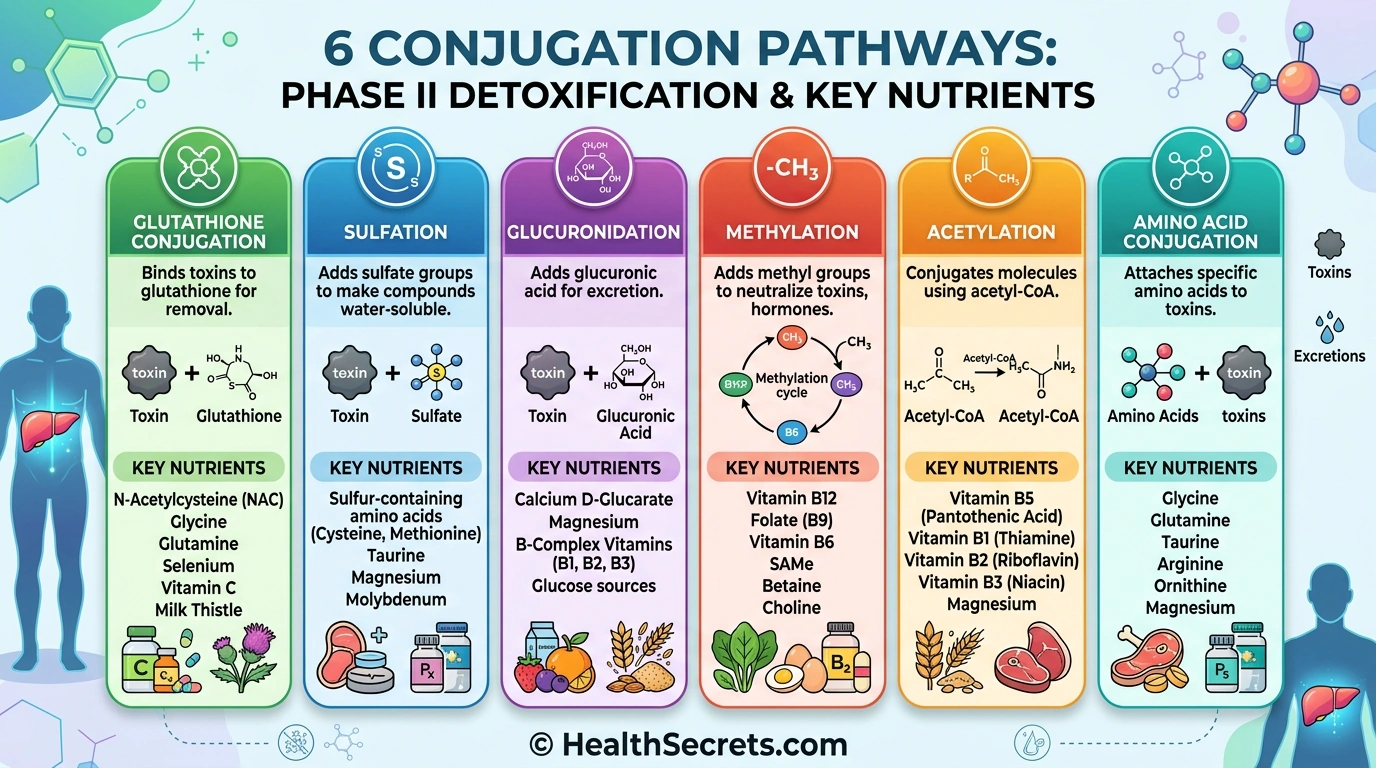
Phase II attaches molecules to Phase I intermediates, making them water-soluble and far less toxic. There are six conjugation pathways, each requiring specific nutrients [1][3]:
| Pathway | Function | Key Nutrients |
|---|---|---|
| Glutathione conjugation | Neutralizes free radicals, protects liver cells | NAC, selenium, vitamin C |
| Sulfation | Detoxifies hormones, neurotransmitters | Cysteine, methionine, MSM |
| Glucuronidation | Processes bilirubin, hormones, drugs | Magnesium, B vitamins |
| Methylation | Detoxifies hormones, heavy metals | SAMe, folate, B12, choline |
| Acetylation | Processes sulfa drugs, histamine | Vitamin B5, vitamin C |
If Phase I runs faster than Phase II, toxic intermediates accumulate and cause cellular damage. The goal of liver support is to keep both phases in balance — never accelerate Phase I without also supporting Phase II.
How Does Phase III (Elimination) Remove Toxins From the Body?
Phase III uses transport proteins (P-glycoprotein, MRP2) to move conjugated toxins out of liver cells into bile for fecal elimination or into blood for kidney filtration. Supporting bile flow, gut health, hydration, and dietary fiber are essential to prevent toxin reabsorption through enterohepatic circulation [4].

Evidence-Based Supplement Organizer & Safety Log
Track your daily intake, verify third-party certifications, and prepare clear questions for your clinician.
How Do You Recognize Signs That Your Liver Needs Support?
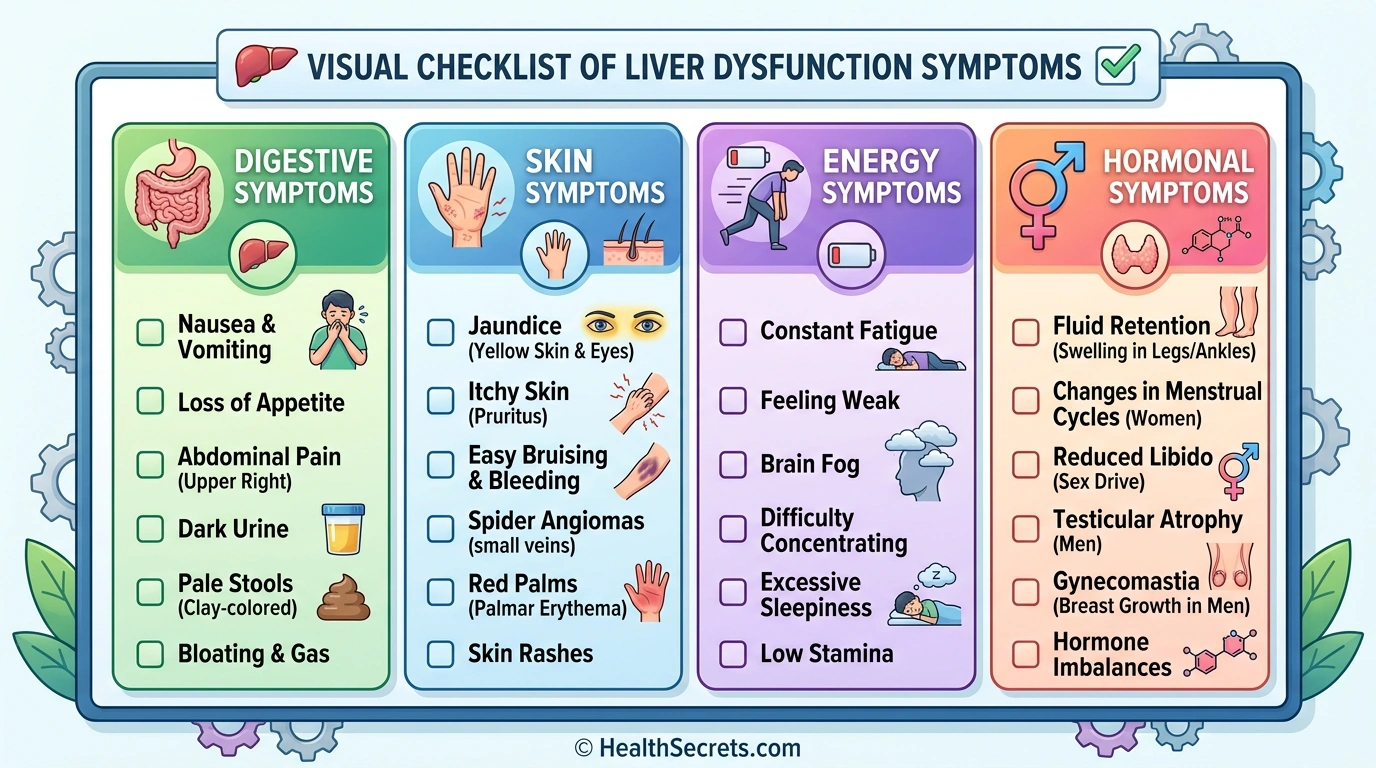
The most common signs of suboptimal liver function include persistent fatigue, brain fog, bloating after fatty meals, skin issues like itching or rashes, chemical sensitivities, and unexplained mood changes. Your liver is remarkably resilient — it can lose up to 75% of its function before symptoms become obvious — so early, subtle signs deserve attention before they escalate [5].
What Are the Early Warning Signs of Poor Liver Function?
Digestive indicators:
- Bloating and gas, especially after fatty meals
- Nausea or loss of appetite
- Intolerance to fatty foods
- Light-colored stools (indicating bile flow issues)
Energy and cognitive indicators:
- Chronic fatigue that doesn't improve with rest
- Brain fog and difficulty concentrating
- Mood swings, irritability, or unexplained anxiety
Skin indicators:
- Itchy skin without rash
- Dark spots or patches
- Spider veins (small visible blood vessels)
Hormonal indicators:
- PMS or irregular periods
- Estrogen dominance symptoms
- Chemical sensitivities (perfumes, cleaning products)
What Risk Factors Increase Your Need for Liver Support?
- Regular alcohol consumption (even moderate)
- Obesity or metabolic syndrome (NAFLD affects ~25% of adults globally) [6]
- Frequent acetaminophen or NSAID use
- Exposure to pesticides, heavy metals, or industrial chemicals
- High-sugar, high-processed-food diet
- Chronic stress and poor sleep
When Should You See a Doctor Instead of Self-Supporting?
jaundice (yellowing of skin or eyes), severe abdominal pain, vomiting blood, dark tarry stools, confusion, or extreme weakness.
Schedule a doctor appointment for: persistent fatigue, elevated liver enzymes (ALT, AST, GGT), risk factors for liver disease, or suspected fatty liver.
How Do You Optimize Your Diet to Support Liver Detoxification?
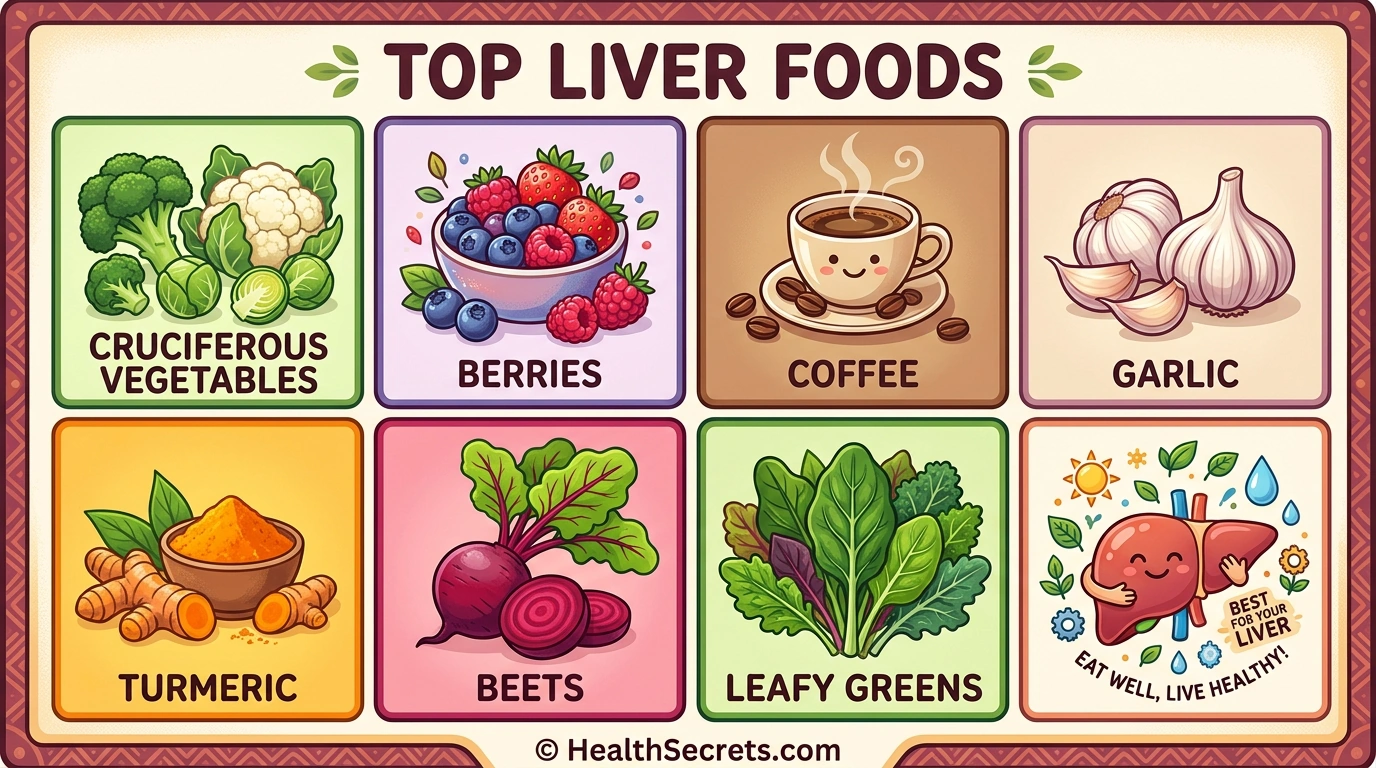
The most effective dietary strategy for liver support centers on cruciferous vegetables (which activate Phase II enzymes), sulfur-rich foods like garlic and onions (which fuel glutathione production), antioxidant-dense berries, and coffee — one of the most well-researched liver protectors in nutritional science. A 2015 review in the World Journal of Hepatology confirmed that dietary compounds can significantly modulate both Phase I and Phase II detoxification pathways [1].
Which Foods Are Most Powerful for Liver Health?
Cruciferous vegetables (Top priority):
- Broccoli, cauliflower, Brussels sprouts, cabbage, kale, bok choy
- Contain glucosinolates that convert to sulforaphane and indole-3-carbinol
- Directly induce Phase II detox enzymes and support glutathione production [1]
- Target: 1–2 cups daily, lightly steamed (add mustard powder to boost sulforaphane)
Coffee (Surprising liver protector):
- Contains cafestol, kahweol, and chlorogenic acid
- A meta-analysis found coffee consumption associated with a 35% decreased risk of liver fibrosis [7]
- Reduces liver enzymes, protects against cirrhosis and liver cancer, increases glutathione
- Target: 2–3 cups daily (filtered)
Garlic and onions:
- Rich in sulfur compounds (allicin, quercetin) that activate Phase II enzymes
- Support glutathione synthesis and provide antimicrobial benefits
- Target: 1–2 cloves garlic daily, onions regularly
Beets:
- Contain betaine (trimethylglycine) supporting methylation (Phase II)
- Protect liver cells and stimulate bile flow
- Target: 1 cup cooked beets 2–3 times per week
Berries and green tea:
- Anthocyanins (berries) and EGCG (green tea) reduce oxidative stress and liver fat
- Target: 1 cup berries daily, 3–5 cups green tea
Turmeric:
- Curcumin reduces liver inflammation, protects liver cells, supports Phase II
- Target: 1–2 tsp daily or 500–1,000 mg curcumin supplement (with black pepper for absorption)
Liver-Supporting Foods at a Glance
| Food | Key Compounds | Liver Benefit | Daily Target |
|---|---|---|---|
| Broccoli/Brussels sprouts | Sulforaphane, I3C | Activates Phase II enzymes | 1–2 cups |
| Coffee | Cafestol, chlorogenic acid | Reduces fibrosis risk 35% | 2–3 cups |
| Garlic | Allicin, sulfur compounds | Boosts glutathione synthesis | 1–2 cloves |
| Blueberries | Anthocyanins | Reduces oxidative stress | 1 cup |
| Turmeric | Curcumin | Anti-inflammatory, Phase II | 1–2 tsp |
Which Supplements Have Real Evidence for Supporting Liver Function?
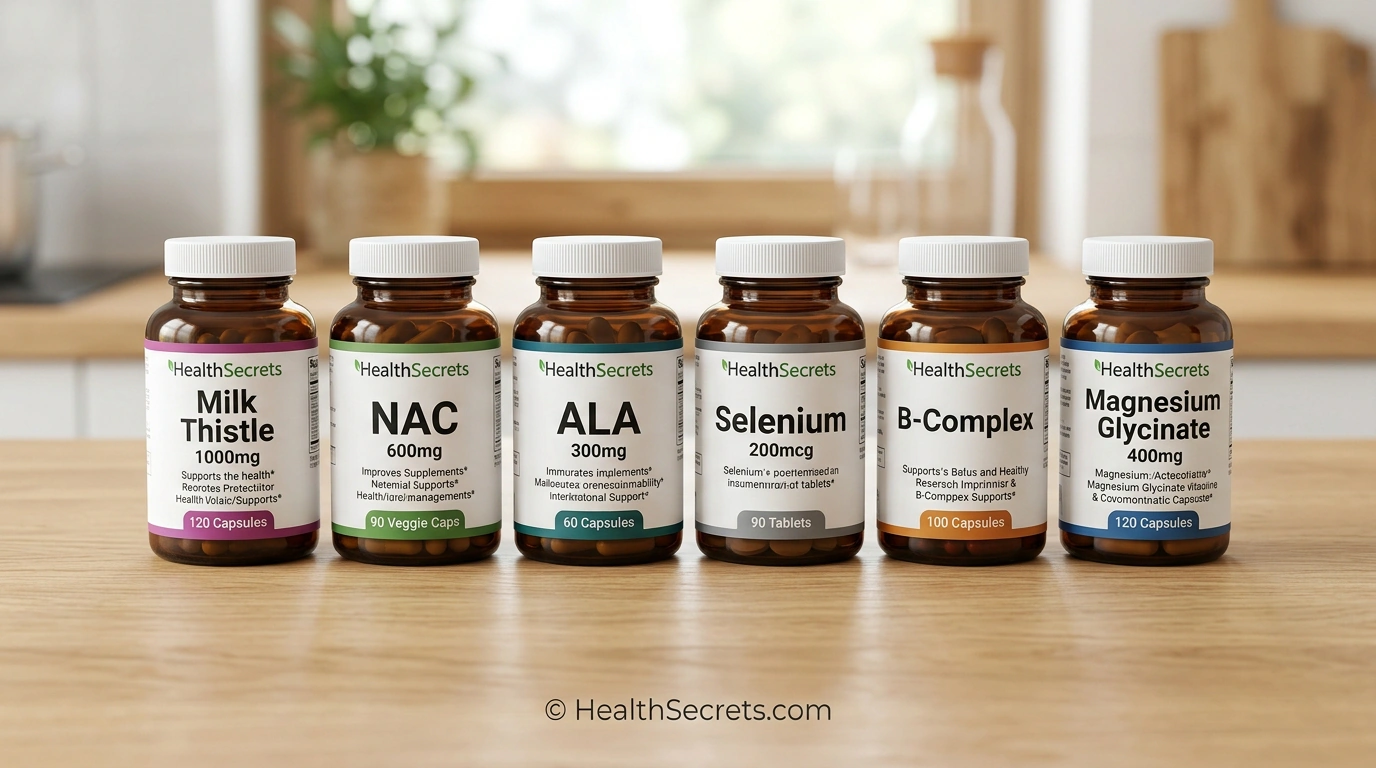
The three supplements with the strongest clinical evidence for liver support are milk thistle (silymarin), N-acetyl cysteine (NAC), and alpha-lipoic acid. Milk thistle has been used for over 2,000 years and modern research confirms it reduces liver enzymes and supports regeneration. NAC is so effective at protecting liver cells that hospitals use it as the standard treatment for acetaminophen overdose. Alpha-lipoic acid regenerates the body's other antioxidants, including glutathione itself [8][9].
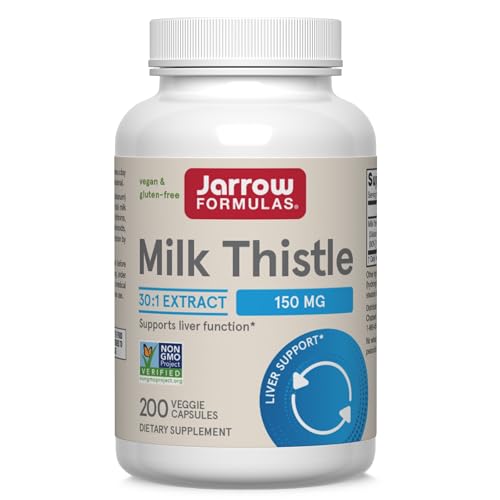
How Does Milk Thistle (Silymarin) Protect the Liver?
Milk thistle extract, standardized to 70–80% silymarin, is the gold standard liver support supplement. Clinical evidence shows it:
- Reduces liver enzymes (ALT, AST) in liver disease patients
- Acts as a potent antioxidant and anti-inflammatory in liver tissue
- Stimulates liver cell regeneration through protein synthesis activation
- May help fatty liver disease and alcohol-related liver damage
Dosing: 140–420 mg silymarin daily, divided into 2–3 doses with meals. For a detailed guide, see our complete milk thistle for liver health guide [10].
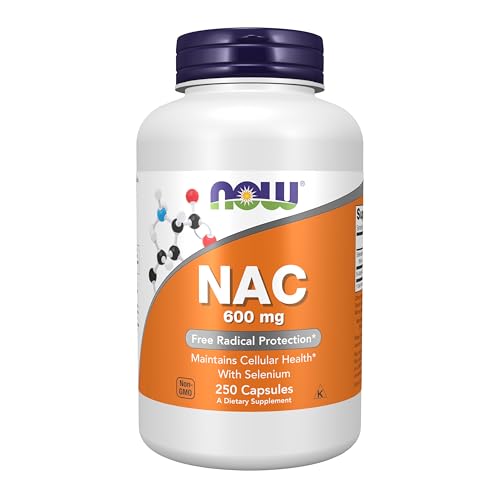
Why Is NAC Considered Essential for Liver Detoxification?
NAC (N-Acetyl Cysteine) is the direct precursor to glutathione — the liver's master antioxidant responsible for Phase II conjugation. A 2021 systematic review confirmed NAC significantly impacts liver health through multiple mechanisms including boosting intracellular glutathione, reducing oxidative stress, and protecting against drug-induced liver injury [8].
Dosing: 600–1,800 mg daily in divided doses. Start with 600 mg and increase gradually.
What Other Supplements Support Liver Detoxification?
- Liposomal glutathione (250–500 mg/day): Directly supplies the master antioxidant; liposomal form improves absorption
- Alpha-lipoic acid (300–600 mg/day): Regenerates glutathione, vitamins C and E; improves insulin sensitivity for fatty liver
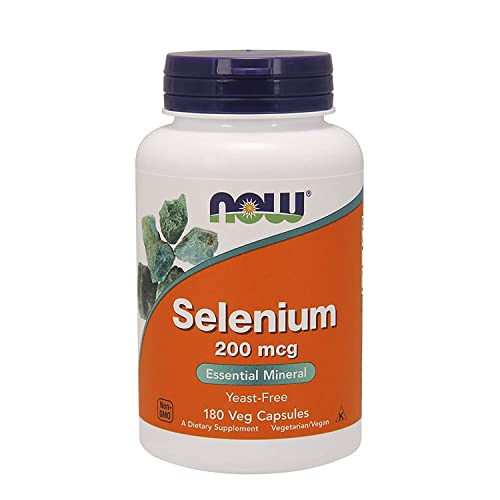
- Selenium (200 mcg/day): Cofactor for glutathione peroxidase; essential for glutathione function [11]
- B-complex vitamins: Cofactors for both Phase I and Phase II enzymes; foundational for all detox pathways
- Magnesium glycinate (300–400 mg/day): Supports glucuronidation (Phase II), reduces inflammation, aids elimination
What Lifestyle Changes Have the Biggest Impact on Liver Health?
The three lifestyle factors with the greatest proven impact on liver health are maintaining a healthy weight (just 10% weight loss significantly reduces liver fat), regular exercise (which reduces liver fat even without weight loss), and limiting alcohol consumption. Research consistently shows these behavioral changes outperform any supplement for long-term liver protection [6][12].
How Does Exercise Directly Benefit Your Liver?
- Aerobic exercise (150 min/week): Reduces liver fat, improves insulin sensitivity, decreases inflammation
- Resistance training (2–3x/week): Independently reduces liver fat and improves metabolic markers
- Key finding: Exercise reduces liver fat even without weight loss on the scale [12]
- Recommended: Mix of cardio and strength training, at least 4–5 days per week
How Much Alcohol Is Safe for Your Liver?
Alcohol is directly hepatotoxic — it damages liver cells and depletes glutathione. Safe limits are at most 1 drink/day for women and 2 drinks/day for men, but research increasingly suggests less is better. Include alcohol-free days each week. If you have any liver concerns, consider eliminating alcohol entirely.
What Other Lifestyle Strategies Protect the Liver?
- Sleep 7–9 hours: Your liver regenerates during sleep; detox processes peak at night
- Manage stress: Chronic stress increases cortisol, which impairs detoxification capacity
- Stay hydrated: 8–10 glasses of water daily supports kidney elimination and bile flow
- Intermittent fasting (16:8): Gives the liver a metabolic break, promotes autophagy (cellular cleanup), may reduce liver fat [13]
How Do You Eliminate Liver Toxins from Your Diet and Environment?
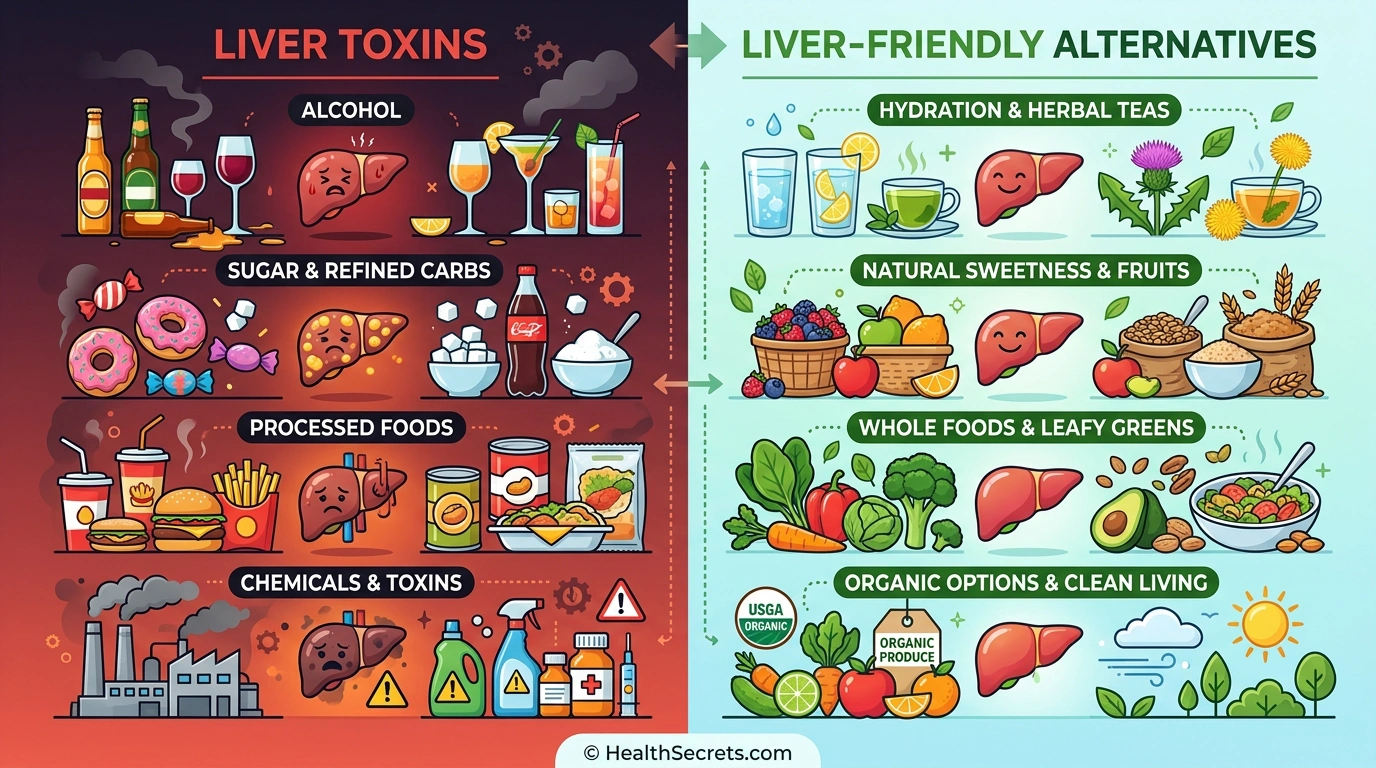
Reducing your liver's toxic burden is equally as important as adding liver-supportive foods and supplements. The top dietary liver toxins to eliminate are excess alcohol, high-fructose corn syrup (a major driver of non-alcoholic fatty liver disease), and acetaminophen overuse — the leading cause of acute liver failure in the United States. Environmental toxins like pesticides, heavy metals, and household chemicals add to the cumulative burden your liver must process daily [14].
What Dietary Toxins Should You Eliminate First?
- Alcohol: Directly damages liver cells, depletes glutathione, causes fatty liver → inflammation → cirrhosis
- Excess sugar and fructose: High-fructose corn syrup causes NAFLD; limit added sugars, eliminate sugary beverages
- Trans fats: Increase liver inflammation and fat accumulation; avoid completely
- Processed foods: Artificial additives, preservatives, and colors burden detoxification pathways
- Aflatoxins: Mold toxins in poorly stored peanuts, corn, and grains; highly hepatotoxic and carcinogenic
How Do You Reduce Environmental Toxin Exposure?
- Pesticides: Buy organic for the Dirty Dozen, wash all produce thoroughly
- Heavy metals: Filter drinking water, limit large predatory fish (mercury), test home for lead
- Household chemicals: Switch to natural cleaning products, ventilate well, avoid synthetic air fresheners
- Plastics (BPA, phthalates): Use glass or stainless steel containers, never heat food in plastic, filter water
How Do You Manage Medications Safely?
Limit to less than 3 g/day. Never combine with alcohol. If you use it regularly, supplement with NAC (600 mg) to protect glutathione stores. Acetaminophen overdose is the leading cause of acute liver failure — treat it with respect.
- NSAIDs (ibuprofen, naproxen): Use sparingly at the lowest effective dose
- Avoid hepatotoxic herbs: Kava, comfrey, and chaparral can damage the liver
- Review all medications with your doctor to minimize unnecessary liver burden
How Do You Build a Daily Liver Support Protocol That Works?
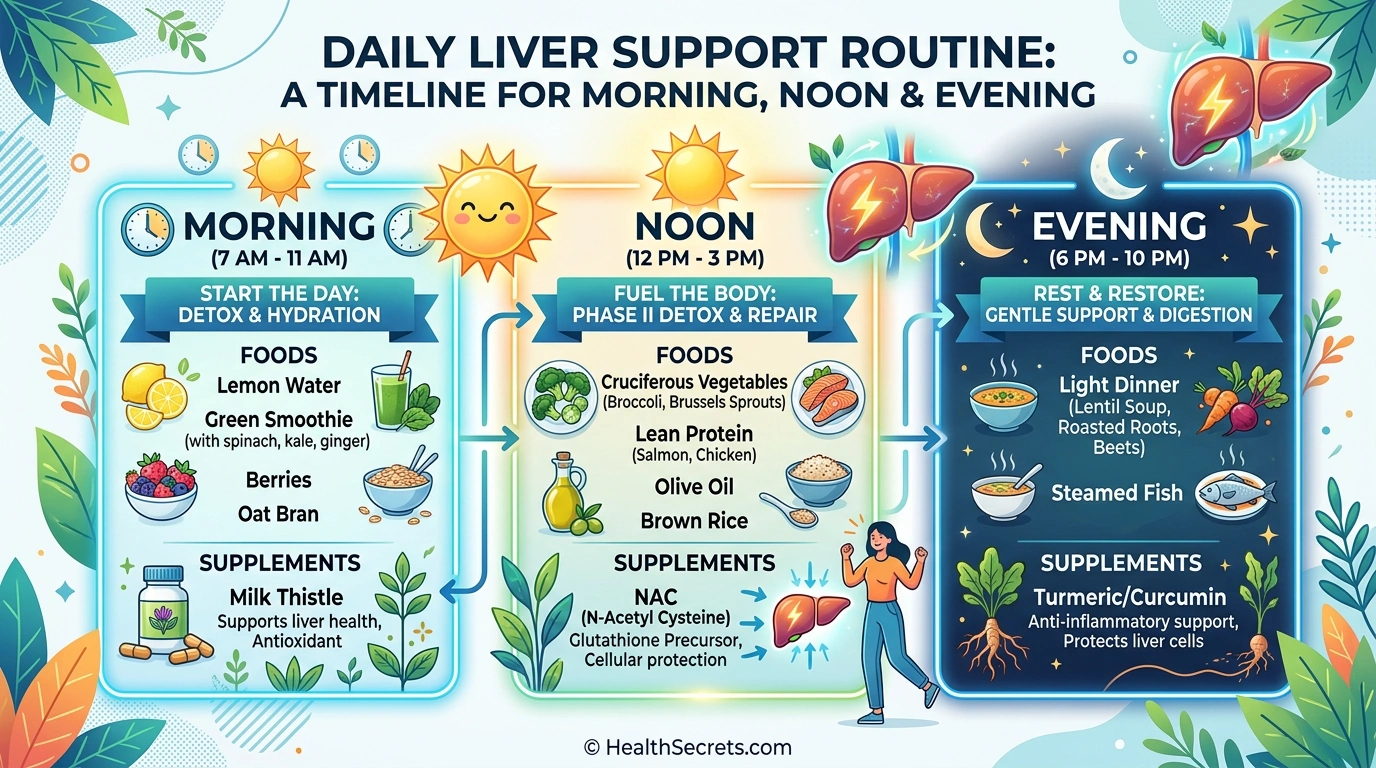
An effective daily liver support protocol combines targeted nutrition at every meal, strategic supplement timing for optimal absorption, and consistent lifestyle habits. Start with the dietary foundation, layer in evidence-based supplements over the first two weeks, and maintain the lifestyle practices long-term. This protocol is designed for sustainable, ongoing liver optimization — not a short-term "cleanse" [1][8].
What Does a Daily Liver Support Routine Look Like?
Morning:
- Warm lemon water (stimulates liver enzymes and bile flow)
- Green tea or coffee (2–3 cups total throughout the day)
- Breakfast: Oatmeal with berries, walnuts, ground flaxseed
- Supplements with breakfast: Milk thistle 140 mg, NAC 600 mg, B-complex, vitamin C 1,000 mg, probiotic
Lunch:
- Large salad with leafy greens, cruciferous vegetables, and beets
- Protein: Wild-caught fish, organic poultry, or legumes
- Healthy fats: Avocado, olive oil, walnuts
- Supplements with lunch: Omega-3 (1–2 g EPA/DHA), magnesium 200 mg
Dinner (3 hours before bed):
- Vegetable-heavy meal featuring broccoli, Brussels sprouts, or cauliflower
- Garlic and onions in every dinner
- Whole grains or sweet potato
- Supplements with dinner: NAC 600 mg, alpha-lipoic acid 300 mg, magnesium 100–200 mg
Evening:
- Dandelion root or milk thistle herbal tea
- No food 3 hours before bed
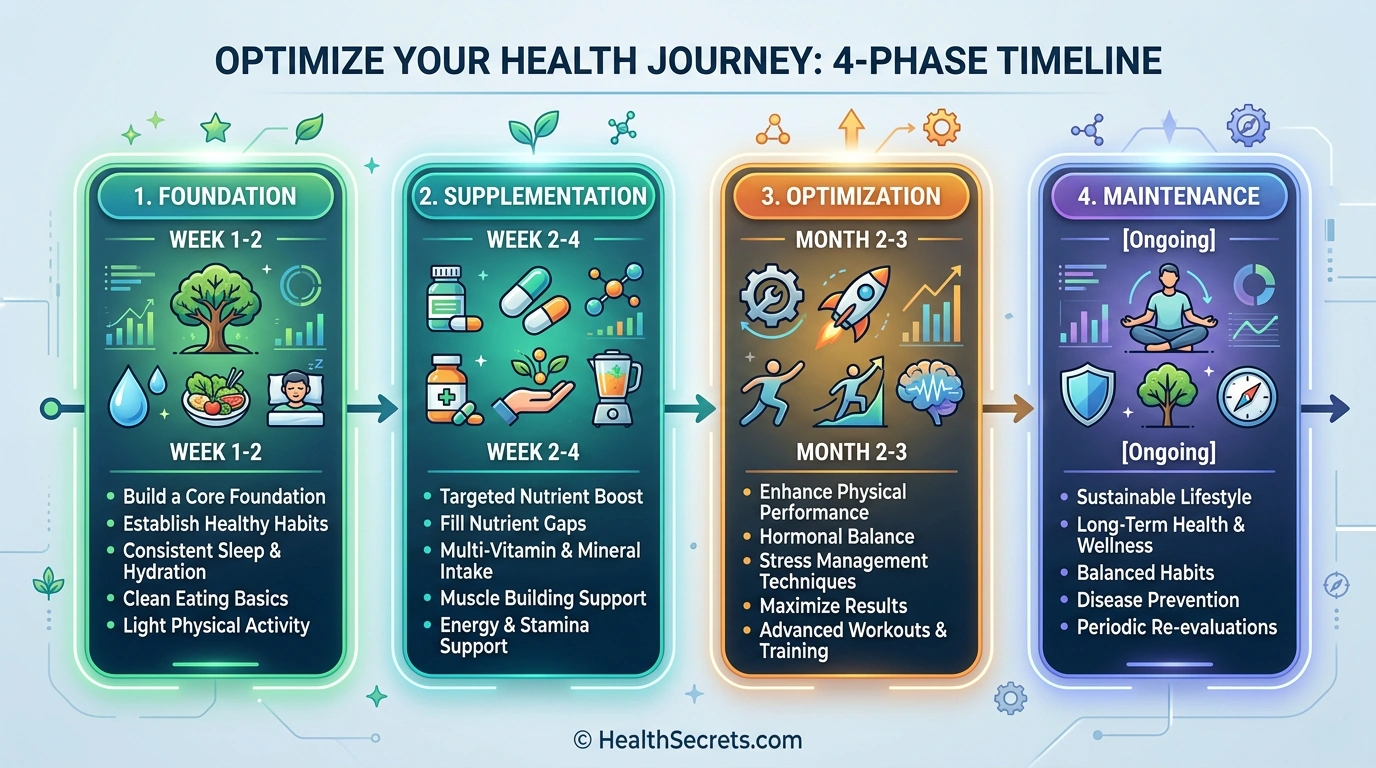
What Is the Phased Implementation Timeline?
| Phase | Timeline | Actions |
|---|---|---|
| Foundation | Week 1–2 | Add cruciferous vegetables daily, start coffee/green tea, eliminate processed foods |
| Supplementation | Week 2–4 | Start milk thistle and NAC, add B-complex and magnesium |
| Optimization | Month 2–3 | Add ALA, increase exercise, reduce alcohol, implement fasting |
| Maintenance | Ongoing | Maintain diet and supplements, quarterly blood work, reassess as needed |
What Are the Most Common Liver Detox Mistakes to Avoid?
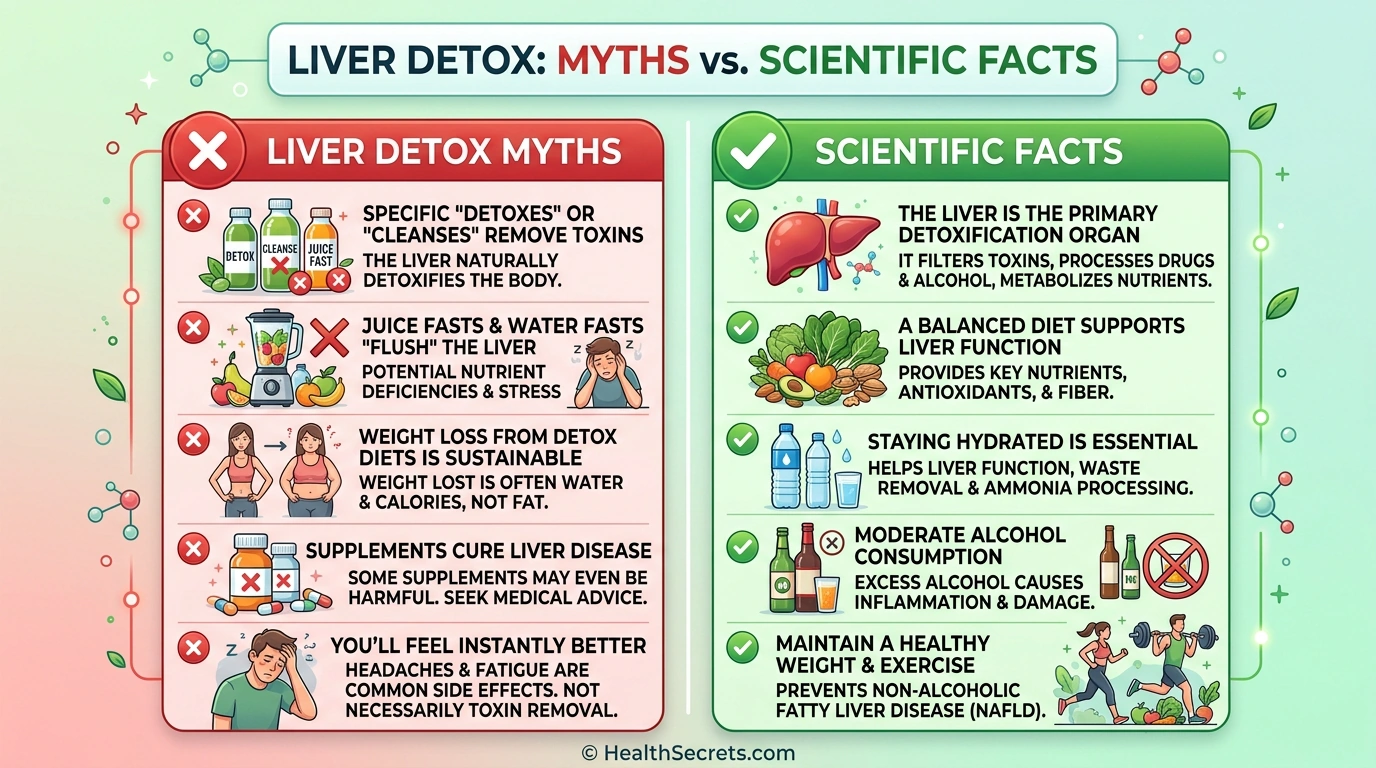
The biggest mistake people make with liver health is falling for commercial "liver detox" products — juice cleanses, detox teas, and supplement cocktails that have zero clinical evidence and can actually harm your liver. The second most common mistake is supporting Phase I without Phase II, which accelerates the production of toxic intermediates without ensuring they get neutralized. Understanding what doesn't work is just as important as knowing what does [15].
Myth vs. Fact: What Actually Works?
| Myth | Reality | What Works Instead |
|---|---|---|
| Juice cleanses detox your liver | No evidence; high sugar can worsen fatty liver | Eat whole cruciferous vegetables daily |
| Detox teas flush liver toxins | Most are just laxatives; no liver benefit | Drink coffee and green tea (actual evidence) |
| You can "feel" toxins leaving | Symptoms are from calorie restriction or caffeine withdrawal | Gradual dietary improvements; no dramatic symptoms |
| Everyone needs a liver detox | Healthy livers detoxify efficiently without intervention | Focus on reducing toxic burden and supporting pathways |
| Detox = permanent weight loss | Cleanse weight loss is water and muscle, not fat | Sustainable diet and exercise for real fat loss |
Expert Optimization Tips
- Cook cruciferous vegetables lightly — heavy cooking destroys the enzymes that produce sulforaphane. Add mustard powder after cooking to restore enzyme activity.
- Take NAC on an empty stomach or with a light meal — heavy meals can reduce absorption.
- Don't combine too many new supplements at once — start with milk thistle and NAC for two weeks before adding others.
- Track liver enzymes — get baseline ALT, AST, and GGT levels before starting, then recheck at 3 months to measure progress.
- Prioritize sleep — liver regeneration and peak detox activity occur during deep sleep between 1–3 AM.
Is a Liver Support Protocol Safe? When Should You Stop?
A diet-and-lifestyle-based liver support protocol is safe for most healthy adults, with the supplements recommended here having strong safety profiles at the suggested doses. Milk thistle is one of the most well-tolerated supplements studied, and NAC has been used safely in clinical settings for decades. However, you should stop supplementation and consult a doctor if you develop new symptoms like abdominal pain, yellowing skin, dark urine, or unusual fatigue — these may indicate a liver issue requiring medical evaluation, not self-treatment [10][8].
What Are Potential Side Effects?
- Milk thistle: Rarely causes mild GI upset (bloating, diarrhea). Very safe long-term.
- NAC: May cause nausea or GI discomfort at higher doses. Start low (600 mg) and increase gradually.
- Alpha-lipoic acid: Can lower blood sugar — monitor if diabetic.
- Selenium: Do not exceed 400 mcg/day (toxicity risk at high doses).
Who Should Avoid This Protocol Without Medical Supervision?
- People with diagnosed liver disease (hepatitis, cirrhosis, liver cancer)
- Anyone on blood thinners, immunosuppressants, or chemotherapy drugs
- Pregnant or breastfeeding women
- People with Wilson's disease or hemochromatosis
- Anyone scheduled for surgery (stop NAC 2 weeks before)
Action Plan
What Should You Do First to Support Your Liver Health?
Follow the sequence below, work through each phase in order, and use the checklist as your practical implementation guide.
Start with the dietary foundation this week — it requires no supplements, no purchases, and has zero risk. Add cruciferous vegetables to every meal, switch to coffee or green tea, eliminate processed foods and excess sugar, and reduce or eliminate alcohol. This single step will reduce your liver's toxic burden more than any supplement can.
Phase 1: This Week (Foundation)
- Add 1–2 cups cruciferous vegetables daily (broccoli, Brussels sprouts, cauliflower)
- Drink 2–3 cups coffee or green tea daily
- Eliminate processed foods, added sugars, and sugary beverages
- Add garlic and onions to daily meals
- Reduce or eliminate alcohol
- Increase water intake to 8–10 glasses daily
Phase 2: This Month (Supplementation)
- Start milk thistle (140 mg silymarin with breakfast)
- Start NAC (600 mg with breakfast)
- Add B-complex and magnesium glycinate (200–400 mg)
- Get baseline liver enzyme blood work (ALT, AST, GGT)
- Begin 150 min/week aerobic exercise
Phase 3: Month 2–3 (Optimization)
- Increase NAC to 1,200 mg/day (600 mg twice daily) if tolerated
- Add alpha-lipoic acid (300 mg) and selenium (200 mcg)
- Implement 16:8 intermittent fasting (if appropriate)
- Switch to organic produce for the Dirty Dozen
- Replace plastic food containers with glass
- Recheck liver enzymes at 3 months
Phase 4: Ongoing Maintenance
- Maintain supplement protocol and liver-supporting diet
- Quarterly blood work review
- Annual comprehensive liver panel
- Reassess toxic exposures and lifestyle factors