Your immune system never clocks out. Right now — while you're reading this sentence — billions of specialized cells are patrolling your bloodstream, scanning tissues, and neutralizing threats you'll never even notice. It's a staggering operation, and most of us only think about it when something goes wrong: the scratchy throat that spirals into a week-long cold, the stomach bug that floors the entire household, or the lingering fatigue that won't lift no matter how much you rest.
Here's what caught my attention while researching this piece: roughly 70% of your immune system lives in your gut [1]. That single fact reshapes everything we thought we knew about staying healthy. It means that what you eat, how you sleep, and the stress you carry around don't just affect how you feel — they physically alter your body's ability to boost your immune system naturally and fight off infections, viruses, and even abnormal cell growth.
The science has moved fast. A 2024 review published in Frontiers in Immunology found that age-associated changes in both innate and adaptive immunity are heavily modulated by the gut microbiota, suggesting that interventions targeting the microbiome could effectively reverse immune decline [2]. Meanwhile, emerging research on trained immunity — the idea that your innate immune system can actually remember past threats and respond more effectively — is reshaping immunology from the ground up [3].
But let's be honest: most "immune-boosting" advice online ranges from vaguely unhelpful to outright misleading. Megadose this vitamin. Drink that miracle juice. The reality is more nuanced — and, frankly, more empowering. Because the strategies that genuinely strengthen your immune system aren't exotic or expensive. They're grounded in how your body actually works.
This guide walks you through 15 evidence-based strategies to improve immune function, drawn from peer-reviewed research published between 2020 and 2026. You'll learn exactly how your immune system operates, which nutrients it depends on, and which lifestyle habits either support or sabotage it. No hype. No magic pills. Just what the science actually says.
What Is the Immune System and Why Does It Matter for Your Health?
The immune system is a complex, multi-layered network of cells, tissues, organs, and chemical signals that defends your body against pathogens — bacteria, viruses, fungi, parasites, and abnormal cells including cancer. It is not a single organ but a coordinated system spanning your bone marrow, thymus, spleen, lymph nodes, tonsils, and the vast mucosal lining of your gut.
Your immune defenses operate through two interconnected branches.
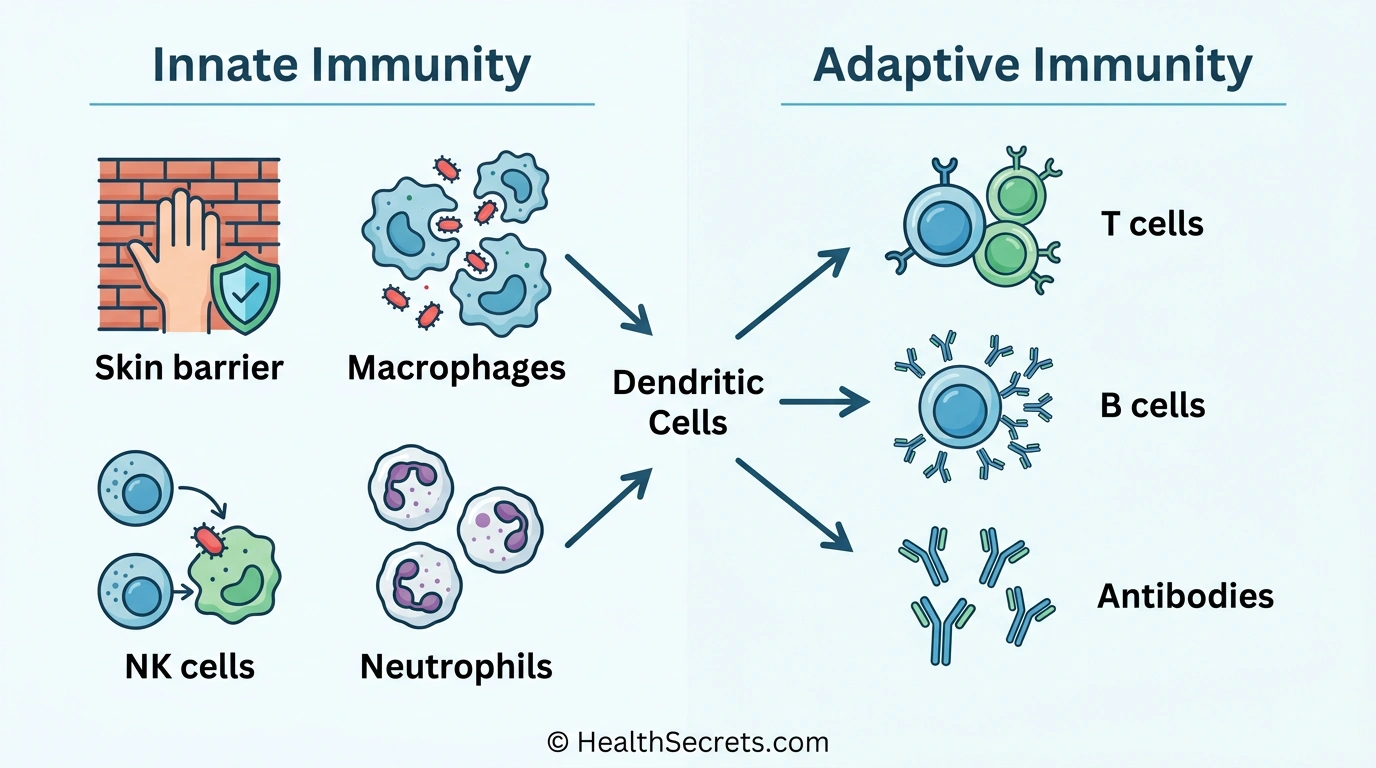
Innate immunity is your first responder — it activates within minutes, deploying physical barriers (skin, mucous membranes), inflammatory signals, and specialized cells like neutrophils, macrophages, and natural killer (NK) cells that attack anything foreign without needing to identify it first [8].
Adaptive immunity is slower but surgical: T cells and B cells learn to recognize specific pathogens and build immunological memory so future encounters trigger faster, more powerful responses [9].
Recent research has blurred this neat division. A landmark 2024 study in PMC on trained immunity demonstrated that innate immune cells can retain functional "imprints" of past encounters through epigenetic reprogramming and metabolic rewiring — giving them a memory-like capacity once thought exclusive to adaptive immunity [3]. This discovery opens entirely new avenues for boosting natural defenses.
The numbers tell a compelling story. Your body produces roughly 3.8 million white blood cells every second. Your gut alone houses approximately 70% of all immune cells in the body — a region called gut-associated lymphoid tissue (GALT) [1]. And your immune system's effectiveness is not fixed at birth; it is continuously shaped by your diet, sleep, stress levels, physical activity, and environmental exposures.
When this system works well, you barely notice it. When it doesn't — whether from nutrient deficiencies, chronic stress, poor sleep, or gut dysbiosis — the consequences cascade: frequent infections, slow wound healing, chronic fatigue, autoimmune flares, and increased vulnerability to serious disease.

Tired of Confusing Health Numbers?
Get the free 7-point clinical worksheet that takes the guesswork out of your daily vitals, blood pressure, and immune recovery metrics.
How Does Your Immune System Actually Work in the Body?
Your immune system operates through a sophisticated cascade of recognition, signaling, and response that involves hundreds of different cell types, thousands of signaling molecules, and constant communication between organs. Understanding these mechanisms reveals exactly where natural interventions can make the biggest difference.
When a pathogen breaches your physical barriers — a cut in the skin, inhaled virus particles, contaminated food — pattern recognition receptors (PRRs) on innate immune cells detect molecular signatures unique to microbes, called pathogen-associated molecular patterns (PAMPs). This triggers an immediate inflammatory response: blood vessels dilate, immune cells rush to the site, and chemical messengers called cytokines coordinate the counterattack [8].
If the innate response doesn't clear the threat, dendritic cells carry fragments of the pathogen to lymph nodes, where they present these antigens to T cells. This activates the adaptive arm: helper T cells (CD4+) coordinate the broader response, cytotoxic T cells (CD8+) directly destroy infected cells, and B cells produce antibodies that tag pathogens for destruction. Crucially, memory T and B cells persist for years or even decades, enabling rapid responses to previously encountered threats [9].
What Role Does the Gut Play in Immune Function?
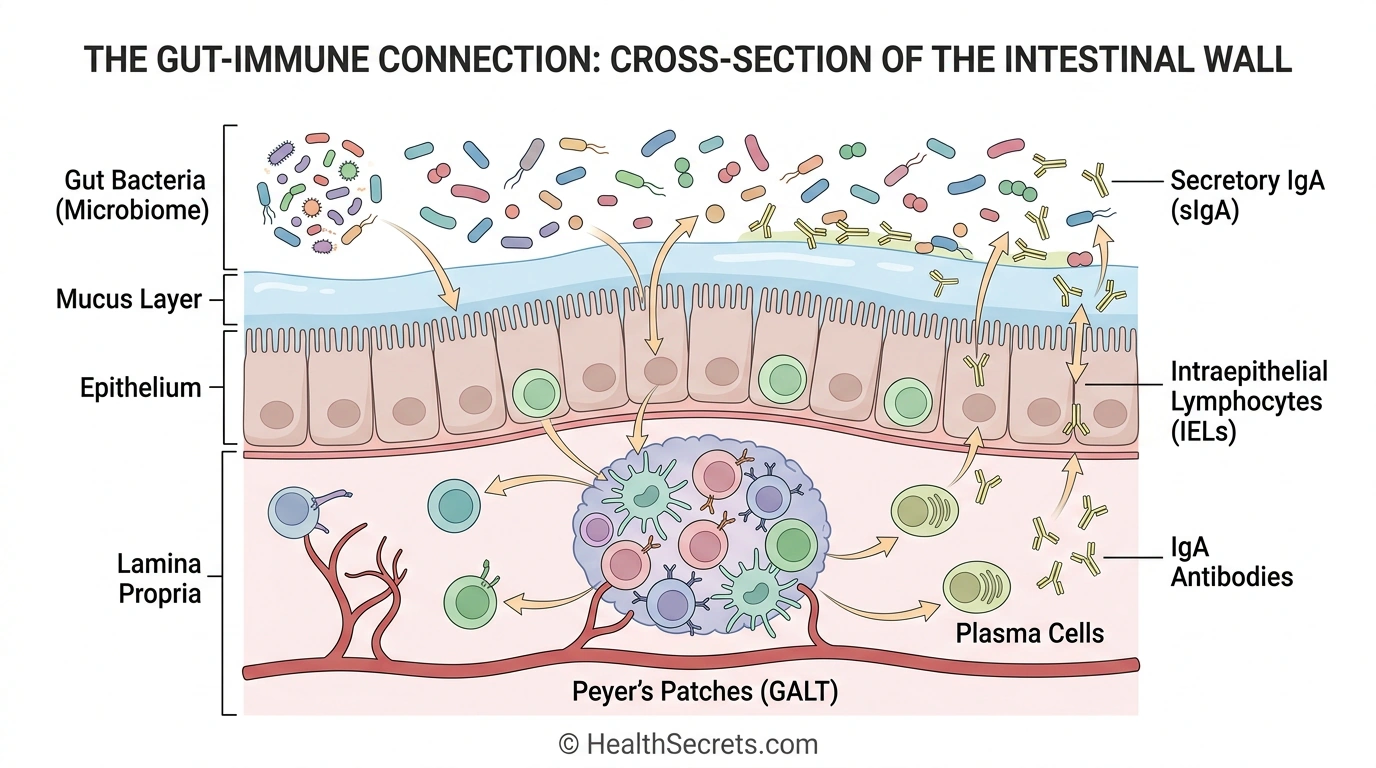
The gut-immune connection is arguably the most important discovery in modern immunology. Approximately 70% of your immune tissue — including Peyer's patches, intraepithelial lymphocytes, and vast populations of IgA-producing B cells — resides in the gastrointestinal tract [1]. Your gut microbiota directly trains and modulates both innate and adaptive immunity through metabolite production, barrier maintenance, and immune cell education.
A 2024 review in Frontiers in Immunology demonstrated that age-related immune decline (immunosenescence) is intimately linked to gut microbiota composition, and that centenarians — people who live past 100 — maintain gut microbial profiles resembling those of much younger individuals [2]. This suggests that maintaining gut microbiome health is one of the most powerful strategies for preserving immune function throughout life.
What Are Cytokines and Why Do They Matter?
Cytokines are small signaling proteins released by immune cells that orchestrate the immune response. Pro-inflammatory cytokines (like IL-6, TNF-α, and IL-1β) amplify immune activity during infections, while anti-inflammatory cytokines (like IL-10 and TGF-β) dial it back to prevent tissue damage. The balance between these signals determines whether your immune response is protective or destructive — and chronic imbalance drives conditions from autoimmune disease to chronic inflammation [10].

Home Blood Pressure Tracking Kit
Choose and fit a validated monitor, measure the way the guidelines ask, and log 30 days morning and evening; the kit works out your weekly averages and fills in a one-page summary for your clinician.
What Weakens Your Immune System Over Time?
Immune dysfunction rarely happens overnight. It builds gradually through the accumulation of dietary deficiencies, lifestyle habits, environmental exposures, and chronic stress that erode your body's defensive capacity. Understanding these root causes is the first step toward reversing them.
- Nutrient deficiencies are the most common and most correctable cause of weakened immunity. Deficiencies in vitamins C, D, A, and E, along with zinc, selenium, and iron, significantly impair both innate and adaptive immune responses [4]. Vitamin D deficiency alone affects an estimated 1 billion people worldwide and is consistently associated with increased susceptibility to infections [11].
- Poor diet quality — specifically diets high in refined sugar, ultra-processed foods, and industrial seed oils — promotes systemic inflammation and damages gut barrier integrity. High sugar intake has been shown to suppress neutrophil phagocytic activity (the ability of immune cells to engulf pathogens) for up to five hours after consumption [12].
- Chronic stress elevates cortisol, which suppresses lymphocyte production, reduces NK cell activity, and shifts immune balance toward a pro-inflammatory state. A 2026 comprehensive review in PMC documented that chronic psychological stress fundamentally reprograms immune cell function through glucocorticoid receptor signaling, impairing both viral defense and wound healing [5].
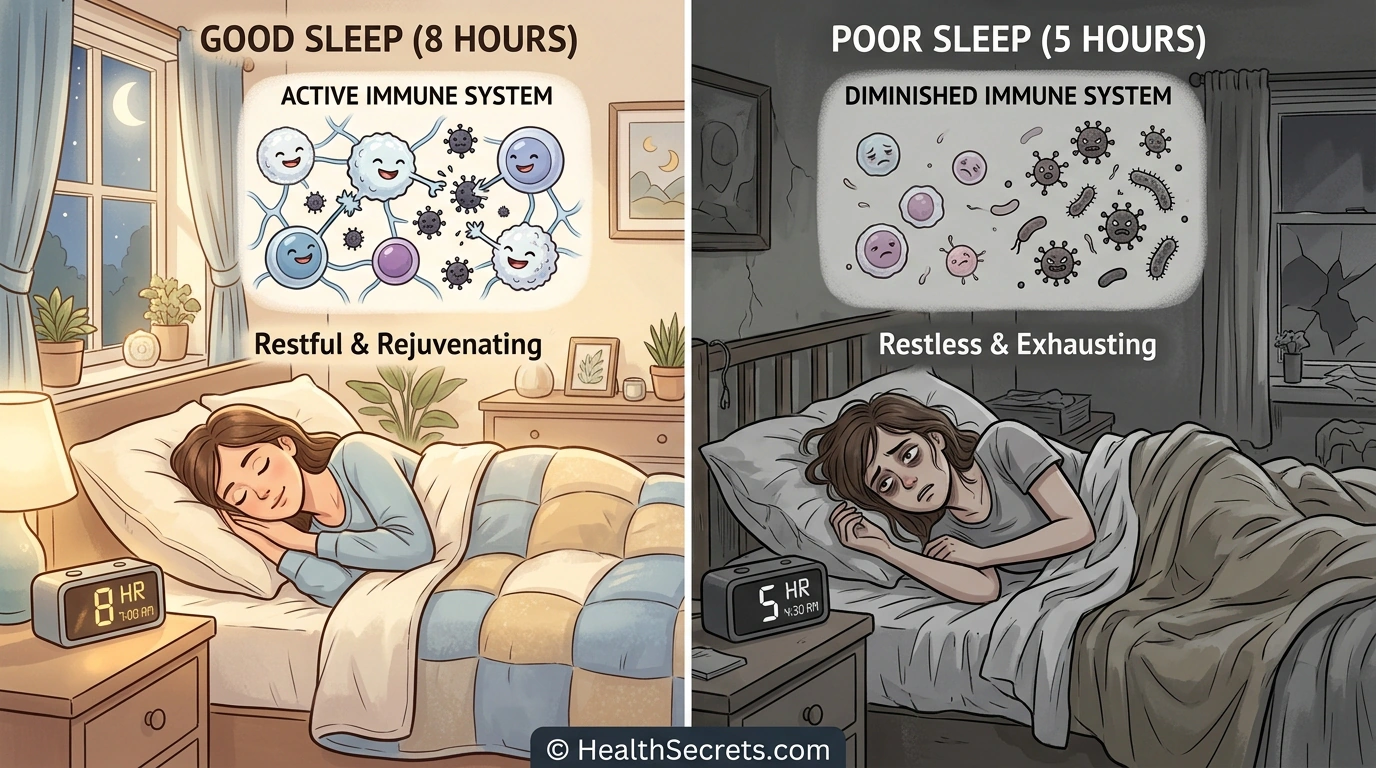
- Sleep deprivation is devastating to immune function. Studies show that sleeping fewer than 6 hours per night increases susceptibility to the common cold by 4.2 times compared to sleeping 7+ hours. Even a single night of poor sleep reduces NK cell activity by up to 70% [13].
Sedentary lifestyle, excessive alcohol consumption, smoking, environmental toxins, chronic infections, and gut dysbiosis each independently impair immune function — and they compound each other. Someone who eats poorly, sleeps badly, and lives under chronic stress faces dramatically higher infection risk than any single factor alone suggests.
What Are the Signs That Your Immune System Is Weakened?
A weakened immune system announces itself through a pattern of recurring symptoms that many people dismiss as "just getting older" or "being stressed." Recognizing these warning signs early allows you to intervene before minor dysfunction becomes chronic immune compromise.
The most telling sign is frequent infections — catching every cold that circulates, recurring sinus infections, urinary tract infections that keep coming back, or wounds that take noticeably longer to heal. If you're sick more than 2–3 times per year with infections that linger beyond normal duration, your immune system is struggling.
Other key signs include:
- Persistent fatigue that doesn't resolve with adequate rest
- Chronic or recurrent digestive issues — bloating, diarrhea, constipation (remember: 70% of immunity lives in the gut)
- Slow wound healing — cuts, scrapes, and bruises that take weeks to resolve
- Frequent cold sores or shingles flares — reactivation of latent viruses signals immune suppression
- Joint pain or body aches without clear cause
- Skin problems — eczema flares, unexplained rashes, fungal infections
- Allergies worsening — an overreactive immune system often coexists with underperformance against real threats
- Mood disturbances — depression, anxiety, and brain fog are increasingly linked to immune-mediated neuroinflammation
| Symptom Category | Specific Signs | What It Suggests | When to Act |
|---|---|---|---|
| Infection frequency | 3+ colds/year, recurring UTIs, slow-clearing infections | Impaired pathogen defense | After 2nd recurring infection |
| Energy & recovery | Persistent fatigue, slow wound healing, prolonged illness | Reduced immune cell activity | If lasting 2+ weeks |
| Digestive | Chronic bloating, food sensitivities, irregular bowel | Gut immune dysfunction | If persistent 4+ weeks |
| Skin & mucous membranes | Cold sores, fungal infections, eczema flares | Barrier immunity compromised | If recurrent pattern emerges |
| If multiple signs cluster together, consult a healthcare provider. Blood tests measuring complete blood count (CBC), immunoglobulin levels, and inflammatory markers (CRP, ESR) can provide objective assessment. |
What Are the 15 Best Evidence-Based Strategies to Boost Your Immune System Naturally?
Strengthening your immune system naturally requires a multi-pronged approach targeting nutrition, lifestyle, and environmental factors simultaneously. The following 15 strategies are ranked by strength of evidence and practical impact, drawn from clinical research published between 2020 and 2026.
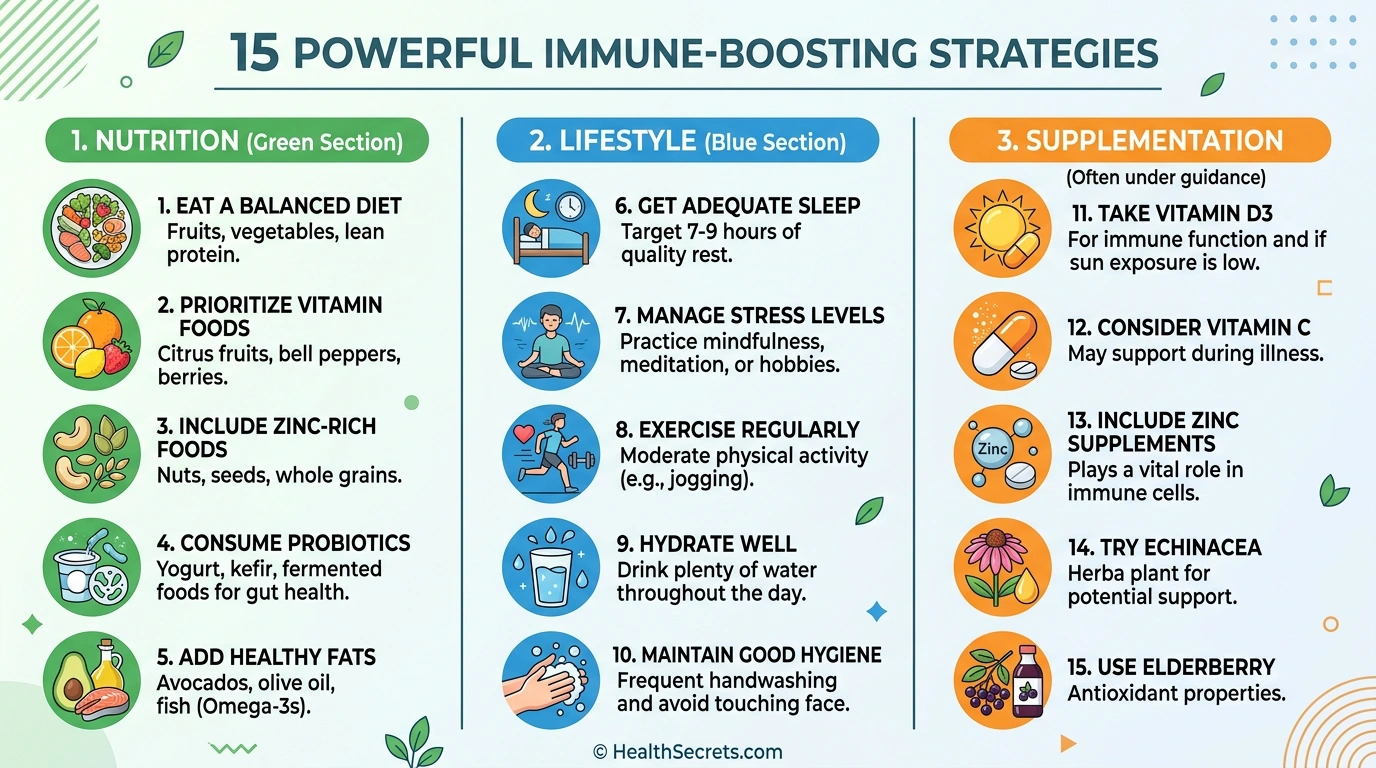
These strategies work synergistically — implementing several together produces far greater results than any single intervention. The most impactful categories are:
- Optimize vitamin D levels (the single most impactful nutrient for immunity)
- Prioritize sleep quality (7–9 hours, consistent schedule)
- Eat immune-supporting foods (diverse, whole-food, plant-rich diet)
- Ensure adequate zinc intake (critical for T cell function)
- Supplement vitamin C strategically (not megadoses — consistent adequate intake)
- Support gut health with probiotics and prebiotics
- Exercise moderately and consistently (150+ minutes/week)
- Manage chronic stress (cortisol is immunosuppressive)
- Incorporate medicinal mushrooms (beta-glucans stimulate innate immunity)
- Add selenium-rich foods (thyroid and immune function)
- Use elderberry during cold/flu season (evidence for duration reduction)
- Eliminate immune suppressors (sugar, excessive alcohol, smoking)
- Get adequate sunlight and time in nature (vitamin D + microbiome diversity)
- Stay hydrated (lymphatic function depends on fluid balance)
- Cultivate social connections and positive emotions (psychoneuroimmunology is real)
The following sections break these down into actionable detail across diet, lifestyle, and supplementation.
What Should You Eat and Avoid to Strengthen Your Immune System?
Diet is the foundation of immune health — not because any single food is magical, but because your immune system requires a constant supply of specific nutrients to manufacture immune cells, produce antibodies, and regulate inflammatory responses. Consistent, diverse, nutrient-dense eating outperforms any supplement protocol.
Which Foods Actively Support Immune Function?
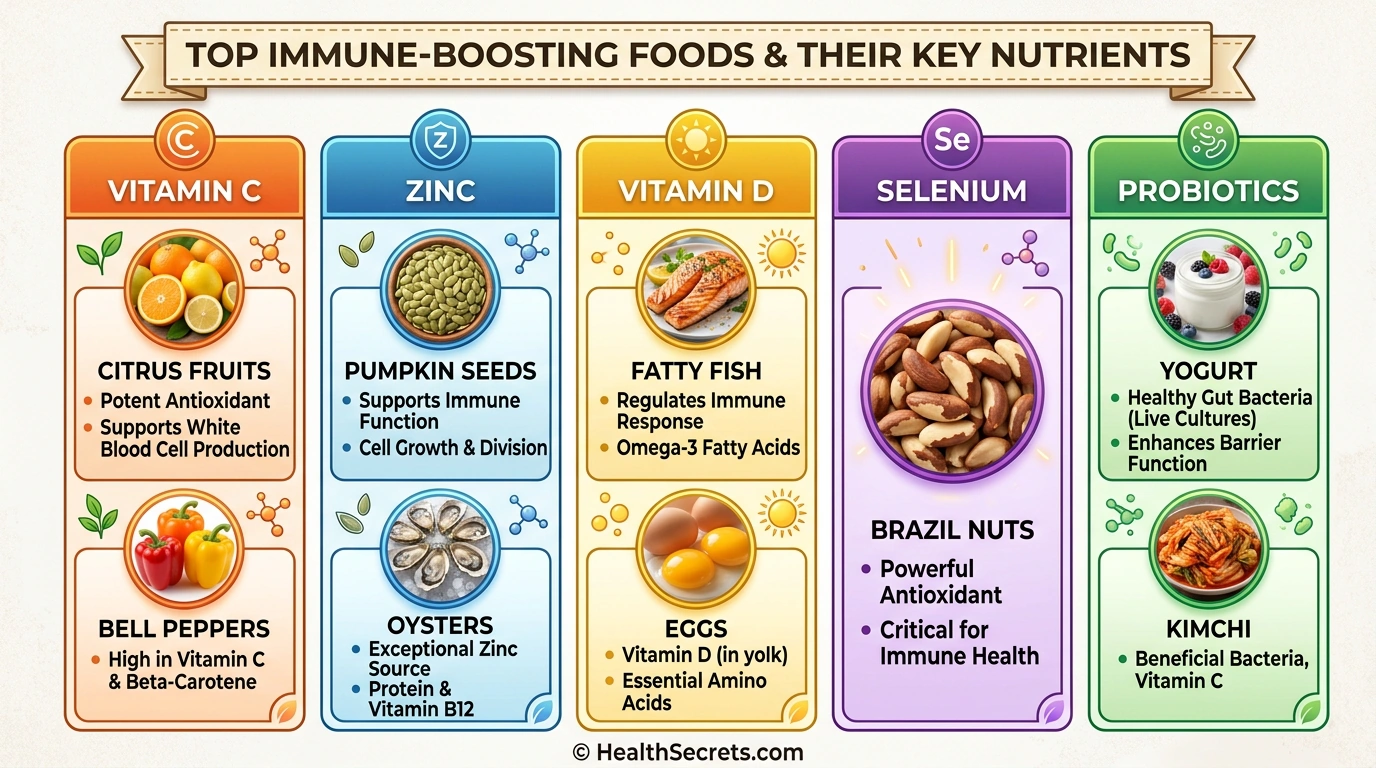
The most immune-boosting foods share common properties: they're rich in antioxidants, contain bioactive compounds that modulate immune signaling, and provide the raw materials for immune cell production.
- Citrus fruits and bell peppers provide vitamin C, which supports epithelial barrier function and enhances the activity of both neutrophils and lymphocytes. A single medium orange delivers about 70mg of vitamin C — close to the daily recommended intake [14].
- Fatty fish (salmon, sardines, mackerel) provide omega-3 fatty acids (EPA and DHA) that resolve inflammation and enhance macrophage function. Aim for 2–3 servings per week [15].
- Garlic contains allicin and other sulfur compounds that enhance NK cell activity and stimulate macrophage function. Fresh, crushed garlic (let it sit 10 minutes before cooking to activate allicin) delivers the strongest effects. Learn more about garlic's immune benefits.
- Fermented foods — yogurt, kefir, sauerkraut, kimchi, miso — provide live probiotic bacteria that directly support the gut immune system. A 2021 Stanford study found that a high-fermented-food diet increased microbiome diversity and decreased inflammatory markers over 10 weeks [16].
- Dark leafy greens (spinach, kale, Swiss chard) provide folate, vitamin A precursors, and polyphenols essential for immune cell proliferation.
- Nuts and seeds (especially Brazil nuts for selenium, pumpkin seeds for zinc, almonds for vitamin E) cover multiple immune-critical minerals in small servings.
- Green tea contains EGCG (epigallocatechin gallate), a potent antioxidant that enhances T cell function and has direct antiviral properties [17].
Which Foods Suppress Your Immune System?
Just as important as what you add is what you eliminate:
- Refined sugar — Suppresses neutrophil phagocytosis for hours after consumption. The American Heart Association recommends no more than 25g (women) or 36g (men) daily [12]
- Ultra-processed foods — Contain emulsifiers and additives that damage gut barrier integrity
- Excessive alcohol — Impairs macrophage function, disrupts gut microbiome, reduces antibody production
- Industrial seed oils (soybean, corn, sunflower in excess) — Promote pro-inflammatory omega-6 dominance
- Artificial sweeteners — Alter gut microbiome composition unfavorably
| Immune-Boosting Food | Key Compounds | Immune Mechanism | Daily Serving |
|---|---|---|---|
| Citrus fruits | Vitamin C, flavonoids | Enhances neutrophil and lymphocyte function | 1–2 servings |
| Fatty fish | Omega-3 (EPA/DHA) | Resolves inflammation, enhances macrophages | 2–3x per week |
| Garlic | Allicin, sulfur compounds | Stimulates NK cells and macrophages | 1–2 cloves |
| Fermented foods | Live probiotics, organic acids | Supports gut-immune axis, reduces inflammation | 1–2 servings |
| Brazil nuts | Selenium | Supports T cell maturation, antibody production | 2–3 nuts |
What Lifestyle Changes Have the Biggest Impact on Immune Health?
Nutrition provides the raw materials, but lifestyle factors determine whether your immune system can actually use them. Sleep, exercise, stress management, and environmental exposure collectively account for as much immune variation as genetics — and unlike your genes, these factors are entirely within your control.
How Does Sleep Affect Your Immune System?
Sleep is not optional for immune function — it is essential infrastructure. During deep sleep, your body releases cytokines that direct immune responses, produces and distributes T cells, and consolidates immunological memory. Disrupting this process has immediate, measurable consequences [13].
Research consistently shows that sleeping fewer than 6 hours per night increases infection susceptibility by 4x and reduces vaccine effectiveness by up to 50%. Even partial sleep restriction (sleeping 6 hours instead of 8 for one week) reduces antibody response to flu vaccination by 50% [18]. Learn more in our sleep optimization guide.
Actionable sleep targets:
- 7–9 hours per night (adults)
- Consistent sleep/wake times (±30 minutes)
- Dark, cool bedroom (65–68°F / 18–20°C)
- No screens 60 minutes before bed
- No caffeine after 2 PM
Does Exercise Boost or Suppress Immunity?
Moderate, consistent exercise enhances immune function through multiple mechanisms: it increases circulation of immune cells, reduces systemic inflammation, improves gut microbiome diversity, and stimulates the release of anti-inflammatory myokines from working muscles [19].
A 2026 study from São Paulo State University found that decades of consistent endurance exercise reprogrammed older adults' immune systems to function like those of much younger individuals — with fewer inflammatory markers and more anti-inflammatory markers compared to sedentary peers [20].
However, the relationship follows a J-curve: moderate exercise (150–300 minutes/week of brisk walking, cycling, swimming) enhances immunity, while excessive intense exercise without adequate recovery can temporarily suppress it. The "open window" of reduced immunity after extreme exertion lasts 3–72 hours.
How Does Chronic Stress Damage Immune Function?
Chronic psychological stress fundamentally reprograms immune cell behavior. The 2026 comprehensive review in PMC documented that sustained cortisol elevation suppresses lymphocyte proliferation, reduces NK cell cytotoxicity, impairs antibody production, and shifts immune balance toward chronic low-grade inflammation [5].
Effective stress management strategies with immune benefits:
- Mindfulness meditation — 15–20 minutes daily reduces inflammatory markers
- Deep breathing exercises — Activates parasympathetic nervous system, lowers cortisol
- Time in nature — Forest bathing increases NK cell activity for up to 7 days
- Social connection — Strong social ties are associated with stronger immune responses
- Yoga or tai chi — Combines physical activity with stress reduction
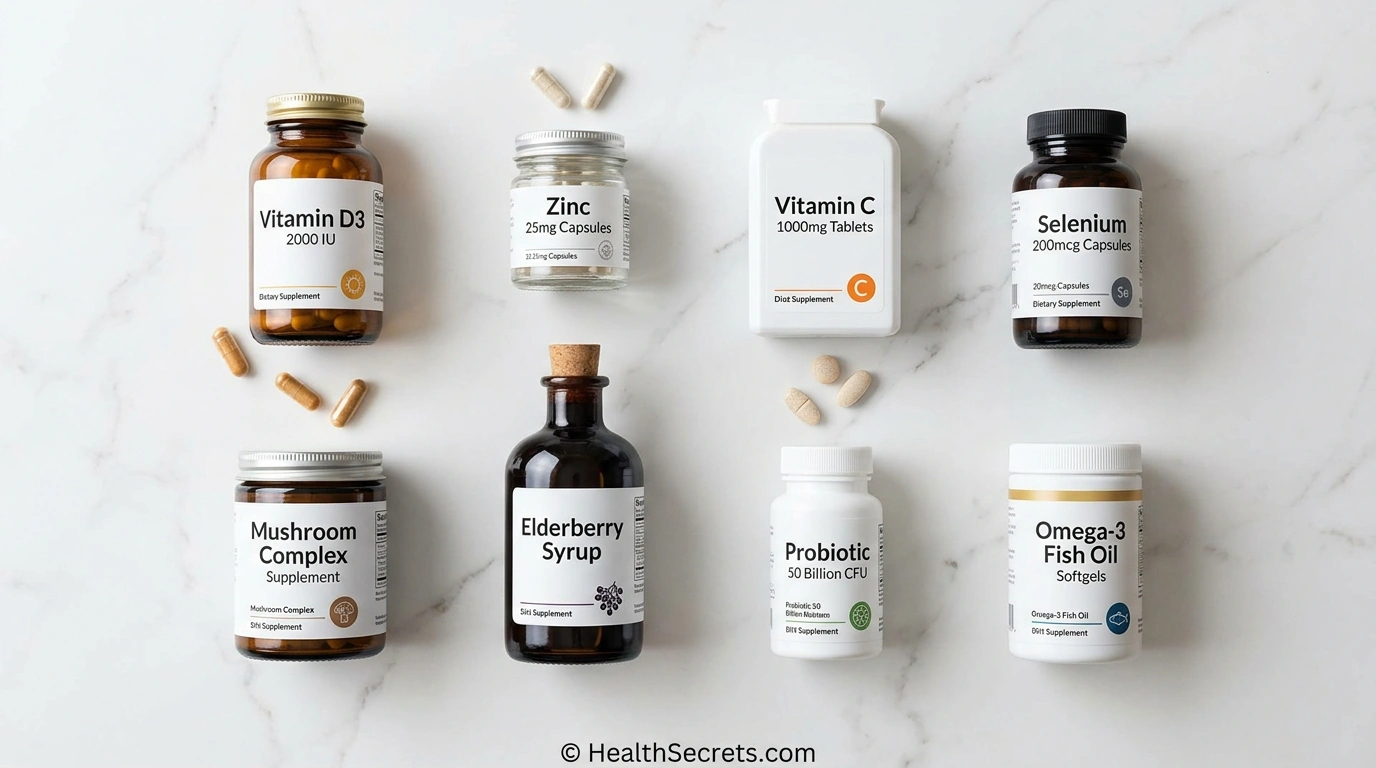
Which Supplements Actually Support Immune Function?
Supplements should fill gaps — not replace a nutrient-dense diet. That said, several nutrients have robust clinical evidence for immune support, particularly when dietary intake falls short or during periods of increased demand (winter months, high stress, travel, illness recovery).
How Much Vitamin D Do You Need for Optimal Immunity?
Vitamin D is arguably the most important immune nutrient. It activates antimicrobial peptides (defensins and cathelicidins), modulates T cell and macrophage function, and helps prevent the cytokine storms associated with severe respiratory infections [11]. Deficiency affects an estimated 42% of American adults and is consistently linked to increased infection rates.
Dosing: 2,000–5,000 IU daily (aim for serum levels of 40–60 ng/mL). Get tested annually. Take with fat-containing meals for absorption.
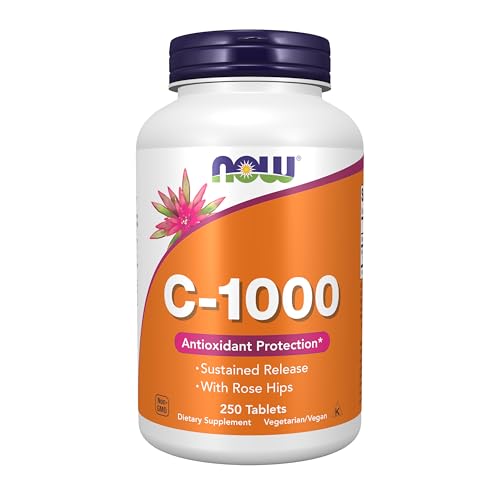
Is Vitamin C Actually Effective for Preventing Illness?
Vitamin C supports epithelial barrier function, enhances neutrophil chemotaxis and phagocytosis, promotes lymphocyte proliferation, and acts as a powerful antioxidant protecting immune cells from oxidative damage [14].
A meta-analysis of 29 trials found that regular vitamin C supplementation (200mg+/day) reduced cold duration by 8% in adults and 14% in children, with more pronounced effects in people under physical stress [21].
Dosing: 500–1,000mg daily in divided doses. Higher doses (2,000mg+) don't provide additional benefit and may cause GI distress.
Why Is Zinc So Critical for Immune Defense?
Zinc is required for the development and function of virtually every immune cell type — neutrophils, macrophages, NK cells, T cells, and B cells. Even mild zinc deficiency impairs immune function more than any other single nutrient deficiency [22].
Dosing: 15–30mg daily (zinc picolinate or zinc glycinate for best absorption). During acute illness, short-term doses of 75mg zinc acetate lozenges within 24 hours of symptom onset may reduce cold duration by 33%.
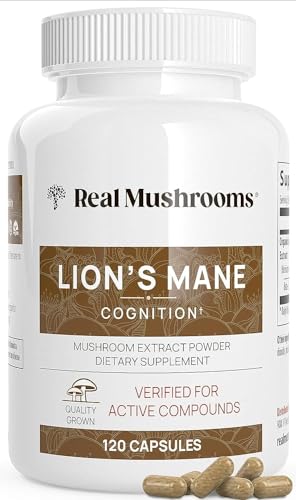
Do Medicinal Mushrooms Actually Boost Immunity?
Medicinal mushrooms contain beta-glucans — complex polysaccharides that bind to receptors on innate immune cells and directly stimulate their activity. A 2023 randomized controlled trial found that Reishi (Ganoderma lucidum) beta-glucan significantly enhanced CD3+, CD4+, and CD8+ T-lymphocyte populations, NK cell counts, and NK cell cytotoxicity in healthy adults compared to placebo [6].
Key immune-supporting mushrooms:
- Reishi — Immune modulation, anti-inflammatory
- Turkey Tail (Trametes versicolor) — Contains PSK and PSP polysaccharides used alongside cancer treatments in Japan
- Chaga — Antioxidant, stimulates white blood cell production
- Lion's Mane — Gut immune support, nerve growth factor
- Shiitake — Contains lentinan, enhances innate immunity
Is Elderberry Effective for Immune Support?
Elderberry (Sambucus nigra) contains anthocyanins and other polyphenols with antioxidant and immune-modulating properties. A 2024 study found that elderberry juice augmented the fecal microbiota composition in ways that support immune function [7]. Harvard Health notes that while test-tube and animal studies show elderberry extracts stimulate immune cells, human clinical evidence remains limited [23].
Dosing: 500–1,000mg elderberry extract daily during cold/flu season, or as directed on standardized supplements.
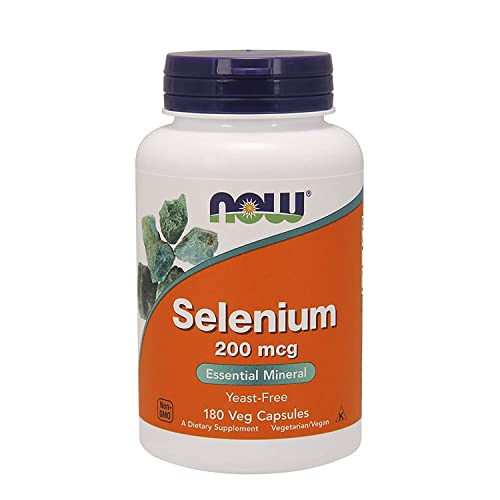
Should You Take Selenium for Immune Health?
Selenium is essential for T cell maturation, antibody production, and cytotoxic effector cell function. Research confirms that selenium deficiency heightens susceptibility to viral infections and may worsen outcomes in respiratory illness [24].
Dosing: 100–200mcg daily. Two Brazil nuts provide approximately 150mcg — often sufficient without supplementation.
| Supplement | Key Mechanism | Evidence Level | Daily Dose |
|---|---|---|---|
| Vitamin D3 | Activates antimicrobial peptides, modulates T cells | Strong (multiple meta-analyses) | 2,000–5,000 IU |
| Vitamin C | Enhances neutrophils, lymphocytes, antioxidant | Strong (29+ RCTs) | 500–1,000mg |
| Zinc | Required for all immune cell types | Strong (multiple RCTs) | 15–30mg |
| Selenium | T cell maturation, antibody production | Moderate-Strong | 100–200mcg |
| Medicinal mushrooms | Beta-glucans stimulate innate immune cells | Moderate (growing RCTs) | 500–1,500mg extract |
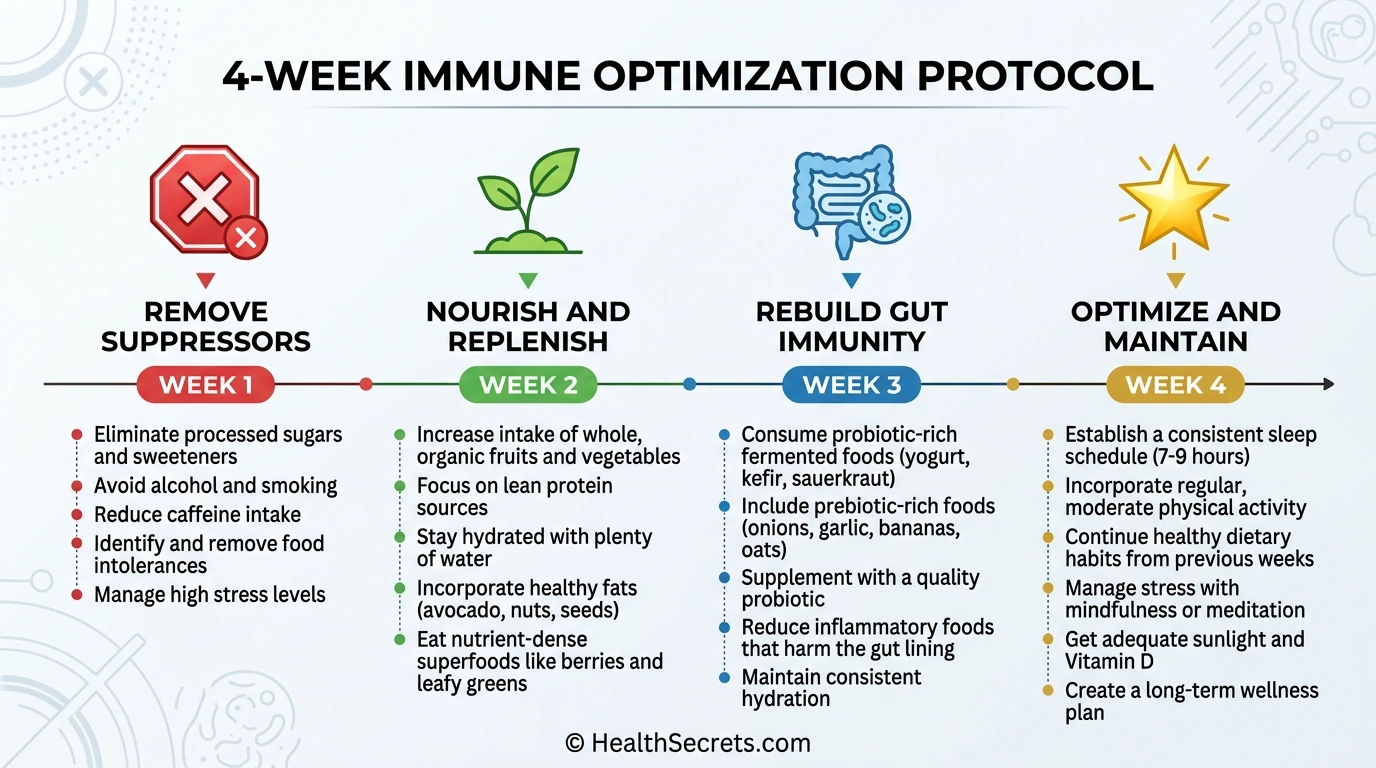
How Do You Start a 30-Day Immune Optimization Protocol?
Building robust immunity doesn't happen overnight, but a structured 30-day protocol can create measurable improvements in immune markers, energy levels, and infection resistance. This phased approach prevents overwhelm and allows your body to adapt gradually.
Week 1: Remove Immune Suppressors
The fastest way to improve immune function isn't adding things — it's removing what's actively suppressing it.
- Eliminate added sugar (aim for under 25g/day)
- Remove ultra-processed foods (anything with ingredients you can't pronounce)
- Cut alcohol to zero or maximum 1 drink, 2x per week
- Stop smoking or vaping (non-negotiable)
- Begin sleep hygiene protocol: consistent bedtime, dark room, no screens 60 min before bed
- Start food diary to identify patterns
- Hydration target: 8+ glasses of water daily
Week 2: Nourish and Replenish
Now add the foundational nutrients your immune system depends on.
- Start vitamin D3: 2,000–5,000 IU daily with fat-containing meal
- Add vitamin C: 500mg twice daily
- Add zinc: 15–30mg daily with food
- Eat 2–3 servings fatty fish this week (or start omega-3 supplement: 2g EPA/DHA)
- Add 2 Brazil nuts daily (selenium)
- Include garlic in meals 4+ times this week
- Eat 5+ servings colorful fruits and vegetables daily
- Begin stress management: 10 minutes daily meditation or deep breathing
Week 3: Rebuild Gut Immunity
With toxins removed and nutrients replenished, focus on the gut-immune axis.
- Add fermented foods: 1–2 servings daily (yogurt, kefir, sauerkraut, kimchi)
- Start probiotic supplement: multi-strain, 20–50 billion CFU
- Increase prebiotic fiber: garlic, onions, bananas, asparagus, oats
- Target 30+ different plant foods this week (diversity drives microbiome diversity)
- Start medicinal mushroom supplement (reishi or turkey tail extract)
- Add elderberry if in cold/flu season
- Exercise: 30 minutes moderate activity 5 days this week
Week 4: Optimize and Maintain
Fine-tune your protocol and establish sustainable habits.
- Continue all Week 1–3 habits
- Increase exercise to 150+ minutes/week
- Add forest bathing or outdoor time: 2+ hours/week in nature
- Deepen stress management: try yoga, tai chi, or longer meditation sessions
- Review sleep data: are you consistently hitting 7–9 hours?
- Get vitamin D levels tested (target: 40–60 ng/mL)
- Social connection: schedule meaningful in-person interactions weekly
- Assess: fewer infections? More energy? Better digestion? Adjust protocol accordingly.
Ongoing Maintenance:
- 80/20 rule: maintain immune-supporting habits 80% of the time
- Continue core supplements year-round (vitamin D, zinc, vitamin C)
- Intensify protocol during high-risk periods (winter, travel, high stress)
- Re-test vitamin D annually
- Keep gut health as a top priority — fermented foods and diverse plants consistently
Action Plan
What Should You Do First to Boost Your Immune System?
Follow the sequence below, work through each phase in order, and use the checklist as your practical implementation guide.
Start with the highest-impact, lowest-effort changes. The actions below are organized into three phases — immediate wins this week, foundational changes over weeks 2–3, and long-term optimization. Pick one item from Phase 1 today.
Phase 1: This Week (Quick Wins)
- Cut added sugar below 25g/day
- Set a consistent sleep schedule (same bedtime ±30 minutes)
- Start vitamin D3 (2,000–5,000 IU/day)
- Add one fermented food serving daily
- Begin 10-minute daily stress management practice
Phase 2: Weeks 2–3 (Build Foundation)
- Add zinc (15–30mg/day) and vitamin C (500–1,000mg/day)
- Hit 30+ different plant foods per week
- Exercise 150+ minutes per week (moderate intensity)
- Start probiotic supplement or increase fermented food variety
- Eliminate ultra-processed foods
Phase 3: Month 2+ (Optimize)
- Add medicinal mushroom supplement
- Get vitamin D blood test (target 40–60 ng/mL)
- Implement weekly nature time (2+ hours)
- Consider elderberry during cold/flu season
- Review and adjust based on results