Stress has become the silent epidemic of modern life. The American Psychological Association reports that 76% of adults experience health impacts from stress, including headaches, fatigue, and difficulty sleeping. Left unchecked, chronic stress elevates cortisol levels, disrupts immune function, and increases the risk of cardiovascular disease, anxiety, and depression.
The good news? Science has identified dozens of techniques that reliably reduce stress — and many of them cost nothing, require no equipment, and can be practiced anywhere. This guide walks you through 20 evidence-based stress management techniques organized into a practical, step-by-step protocol you can start today.
If you're exploring the connection between mental health and overall wellness, our complete mental wellness guide covers the full picture. For sleep-specific strategies, see our sleep optimization guide.
What Do You Need to Know Before Starting a Stress Management Protocol?
Before beginning any stress management program, it helps to understand that effective stress relief is not one-size-fits-all. The most successful approach combines multiple techniques — physical, mental, and lifestyle-based — tailored to your specific stress patterns, schedule, and preferences. Most techniques show measurable benefits within 2–4 weeks of consistent practice.
Who Are These Stress Management Techniques For?
These 20 methods are suitable for most healthy adults experiencing everyday or chronic stress. If you have a diagnosed anxiety disorder, PTSD, or other mental health condition, work with a healthcare professional to integrate these techniques into your treatment plan.
What Results Should You Expect from Stress Management?
Some techniques provide immediate relief (deep breathing, PMR), while others build resilience over time (meditation, exercise). Research from Stanford Medicine confirms that calming the body directly calms the mind, making physical relaxation techniques an excellent starting point [1]. A 2023 meta-analysis found that mindfulness and relaxation interventions are the most effective at changing cortisol levels in healthy adults [3].

The Vagal Reset Breathing Cards
Four cut-out breathing patterns with exact counts and the moment each fits, a ten-session log that averages your before-and-after tension, and when breathwork is the wrong tool.
How Do You Use Breathing Techniques to Reduce Stress Instantly?
Controlled breathing is one of the fastest, most accessible stress relief techniques available. A 2023 systematic review found that breathing exercises significantly reduce anxiety and stress in adults by activating the parasympathetic nervous system and lowering heart rate within minutes [5].
What Is Diaphragmatic Breathing and How Does It Work?
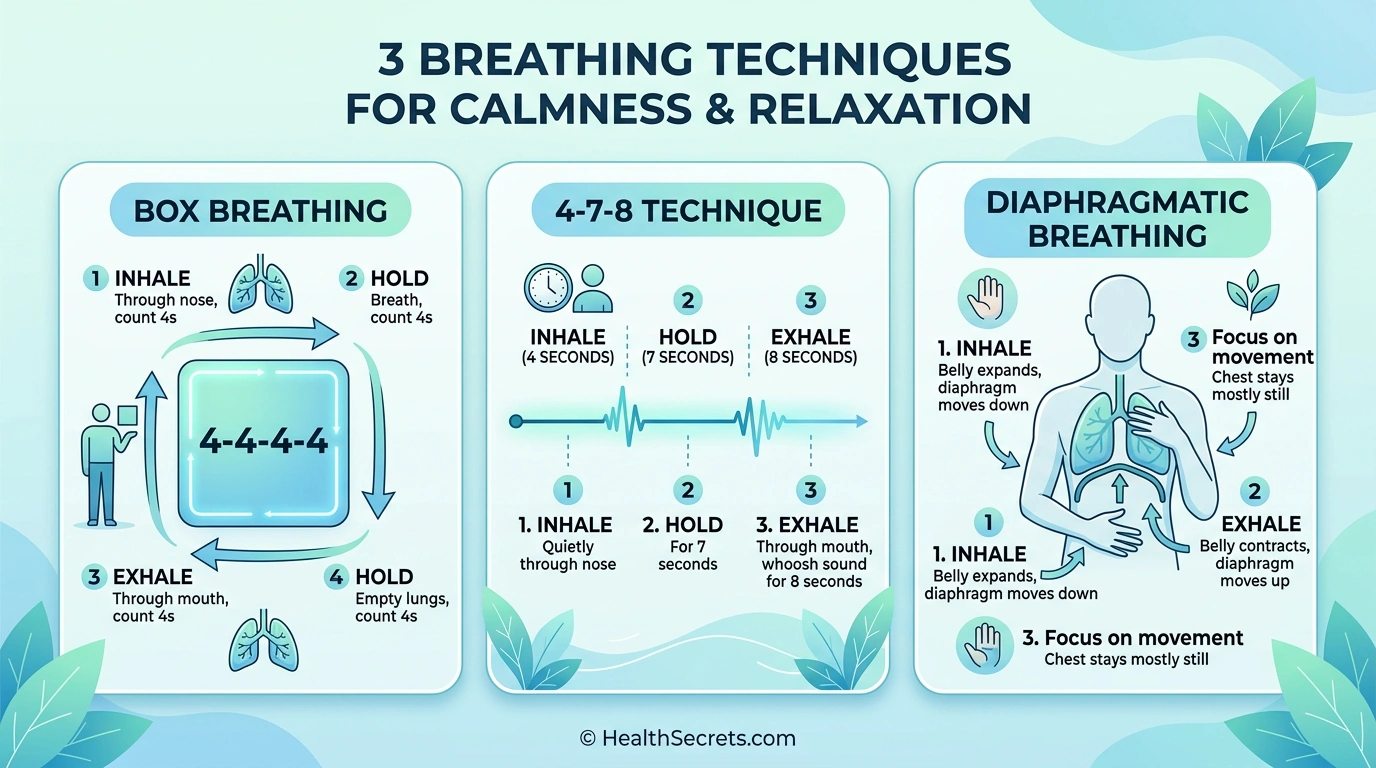
Diaphragmatic (belly) breathing involves inhaling deeply through the nose so your abdomen — not your chest — expands. Exhale slowly through pursed lips. Practice for 5–10 minutes, aiming for 6 breaths per minute. This technique stimulates the vagus nerve and shifts your nervous system from fight-or-flight to rest-and-digest mode.
How Does Box Breathing Reduce Acute Stress?
Box breathing uses a simple 4-4-4-4 pattern: inhale for 4 seconds, hold for 4 seconds, exhale for 4 seconds, hold for 4 seconds. Used by Navy SEALs and first responders, this technique quickly reduces acute stress and improves focus. Repeat for 4–6 cycles whenever you feel overwhelmed.
What Is the 4-7-8 Breathing Method for Relaxation?
Developed by Dr. Andrew Weil, the 4-7-8 technique involves inhaling for 4 seconds, holding for 7 seconds, and exhaling for 8 seconds. The extended exhale maximizes parasympathetic activation and is particularly effective before sleep.
How Does Progressive Muscle Relaxation Reduce Stress and Tension?
Progressive muscle relaxation (PMR) systematically tenses and releases muscle groups to build awareness of physical tension and induce deep relaxation. A 2024 systematic review of 46 studies covering more than 3,400 adults confirmed that PMR is effective for reducing stress, anxiety, and depression — and its efficacy increases when combined with other techniques [6].
How Do You Practice Progressive Muscle Relaxation Correctly?
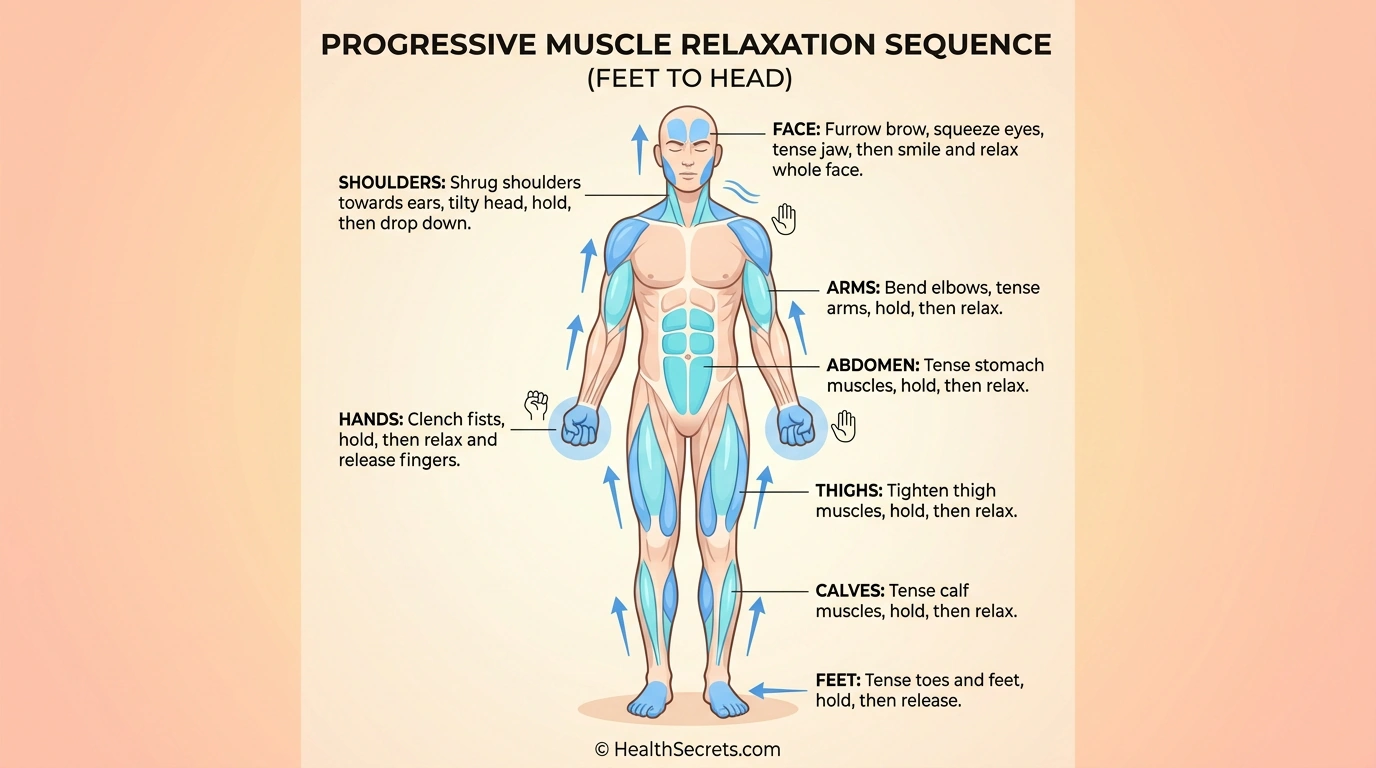
Start from your feet and work upward. Tense each muscle group for 5–7 seconds, then release for 15–20 seconds. Notice the contrast between tension and relaxation. A full session takes 15–20 minutes and can be done lying down or seated.
Key muscle groups to target: feet, calves, thighs, abdomen, hands, arms, shoulders, neck, and face.
What Does the Research Say About PMR for Stress?
PMR improves sleep quality, reduces anxiety in clinical settings, and lowers physiological stress markers. A 2021 study confirmed that PMR produces both psychological and physiological relaxation states, with effects comparable to guided imagery and deep breathing [7].
How Can Meditation and Mindfulness Lower Your Stress Levels?
Meditation is one of the most extensively researched stress management techniques. A large 2024 multi-site randomized controlled trial found that self-administered mindfulness interventions significantly reduce stress, with body scan meditation producing the strongest effect (d = 0.56) [8].
What Type of Meditation Works Best for Stress Reduction?
Mindfulness meditation — focusing on present-moment awareness without judgment — is the most studied form. Other effective approaches include:
- Body scan meditation: Systematically directing attention through each body part to release tension
- Loving-kindness meditation: Generating feelings of warmth and compassion, which reduces stress reactivity
- Guided visualization: Using mental imagery to create calming scenarios
- Transcendental meditation: Using a mantra to achieve deep relaxation
How Long Should You Meditate for Stress Relief?
Research shows benefits starting at 10 minutes daily, with 20–30 minutes producing stronger effects. Consistency matters more than duration — daily 10-minute sessions outperform occasional longer sessions [2]. Apps and guided audio tracks can help beginners establish a routine.
What Types of Exercise Are Most Effective for Stress Relief?
Exercise is a powerful stress buffer. A 2022 meta-analysis found that physical activity significantly lowers cortisol levels (SMD = -0.37) and improves sleep quality (SMD = -0.30) [18]. The Mayo Clinic confirms that almost any form of exercise acts as a stress reliever by boosting endorphins and providing mental distraction [15].
How Does Aerobic Exercise Reduce Cortisol and Stress?
Moderate aerobic activity — brisk walking, jogging, swimming, or cycling for 30 minutes — reliably reduces cortisol when performed consistently. Research shows that vigorous exercise (70% heart rate reserve) produces the strongest cortisol-dampening effect, but moderate intensity offers the best balance of benefit and sustainability [17].
Why Are Yoga and Tai Chi Especially Effective for Stress?
Yoga and tai chi combine physical movement with breathwork and mindfulness, engaging the parasympathetic nervous system on multiple levels. A meta-analysis of 40 studies (3,817 participants) found tai chi significantly reduced stress (effect size 0.66), anxiety (0.66), and depression (0.56) [16]. Yoga has similarly strong evidence for cortisol reduction and emotional regulation.
How Much Exercise Do You Need for Stress Management?
The CDC recommends 150 minutes of moderate aerobic activity per week (about 30 minutes, 5 days) [4]. Even a single 10-minute walk can reduce stress in the moment. Additional activities to consider:
- Swimming — rhythmic movement combined with controlled breathing
- Dancing — combines exercise with social connection and creative expression
- Hiking — merges exercise with nature exposure for compounded benefits
How Does Spending Time in Nature Reduce Stress?
Nature exposure is one of the most underutilized stress management tools. A 2024 systematic review confirmed that nature exposure therapies significantly lower cortisol, reduce anxiety, and improve mood — with forest bathing (Shinrin-yoku) showing particularly strong effects [9].
What Is Forest Bathing and How Does It Reduce Cortisol?
Forest bathing involves slowly walking through a natural forest environment while engaging all five senses. A 2026 field study from the Medical University of Vienna found that just 20 minutes in a forest produces measurable relaxation effects, including improved sympathovagal balance and reduced cortisol [11]. A narrative review confirmed forest bathing effectively lowers cortisol levels and reduces sympathetic nerve activity [9].

What If You Don't Have Access to a Forest?
Urban parks, gardens, and even viewing nature through a window provide measurable benefits. A meta-analysis found that any form of natural exposure — active or passive — reduces salivary cortisol (mean reduction: -0.06 μg/dL), lowers blood pressure, and improves restorative outcomes [10].
Simple nature-based stress management techniques:
- Take walking meetings outdoors
- Garden for 20–30 minutes
- Eat lunch in a park
- Keep plants in your workspace
- Listen to nature sounds recordings
How Do Cognitive and Emotional Strategies Help Manage Chronic Stress?
Cognitive and emotional techniques address the mental patterns that amplify stress. These approaches work by changing how you interpret and respond to stressors — building long-term resilience rather than just providing temporary relief.
How Does Journaling Reduce Stress and Anxiety?
Expressive writing — putting stressful thoughts on paper — reduces cortisol reactivity and improves immune function. A systematic review of 20 RCTs found journaling effective for managing anxiety, PTSD, and depression [12]. Positive affect journaling (writing about positive experiences) specifically reduced perceived stress, anxiety, and mental distress in a 12-week RCT [13].
Effective journaling approaches for stress:
- Expressive writing: Write freely about stressful events for 15–20 minutes
- Gratitude journaling: List 3–5 things you're grateful for daily
- Cognitive processing: Write about a problem, potential solutions, and worst-case vs. realistic scenarios
How Does CBT-Based Cognitive Reframing Reduce Stress?
Cognitive behavioral techniques teach you to identify automatic negative thoughts ("catastrophizing," "all-or-nothing thinking") and replace them with balanced, evidence-based perspectives. Even without formal therapy, practicing thought reframing during stressful moments can reduce emotional reactivity. Research on writing about past failures showed attenuated cortisol responses to subsequent psychosocial stress [14].
Why Is Social Connection Important for Stress Management?
The CDC identifies connecting with others as a foundational stress management strategy [4]. Social support provides emotional buffering, practical problem-solving, and a sense of belonging that directly counters the isolation that chronic stress creates. Activities like volunteering, joining community groups, and maintaining regular check-ins with friends all build this protective social network.
How Can Nutrition and Supplements Support Stress Resilience?
What you eat directly affects your body's stress response. Anti-inflammatory diets rich in omega-3 fatty acids, magnesium, and B vitamins support healthy cortisol regulation, while processed foods and excess caffeine can amplify stress. Targeted supplements provide additional support when lifestyle changes alone aren't enough.
What Foods Help Reduce Stress Naturally?
- Magnesium-rich foods: Dark leafy greens, almonds, avocados, dark chocolate
- Omega-3 sources: Fatty fish (salmon, sardines), walnuts, flaxseeds
- B vitamin sources: Whole grains, eggs, legumes, leafy greens
- Probiotic foods: Yogurt, kefir, sauerkraut (gut-brain axis support)
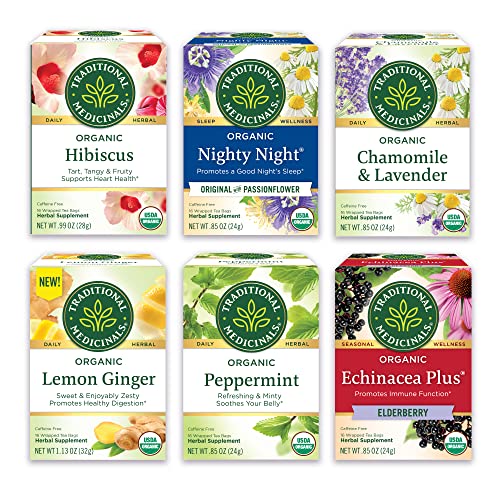
- Herbal teas: Chamomile, lavender, passionflower
Which Supplements Have Evidence for Stress Reduction?
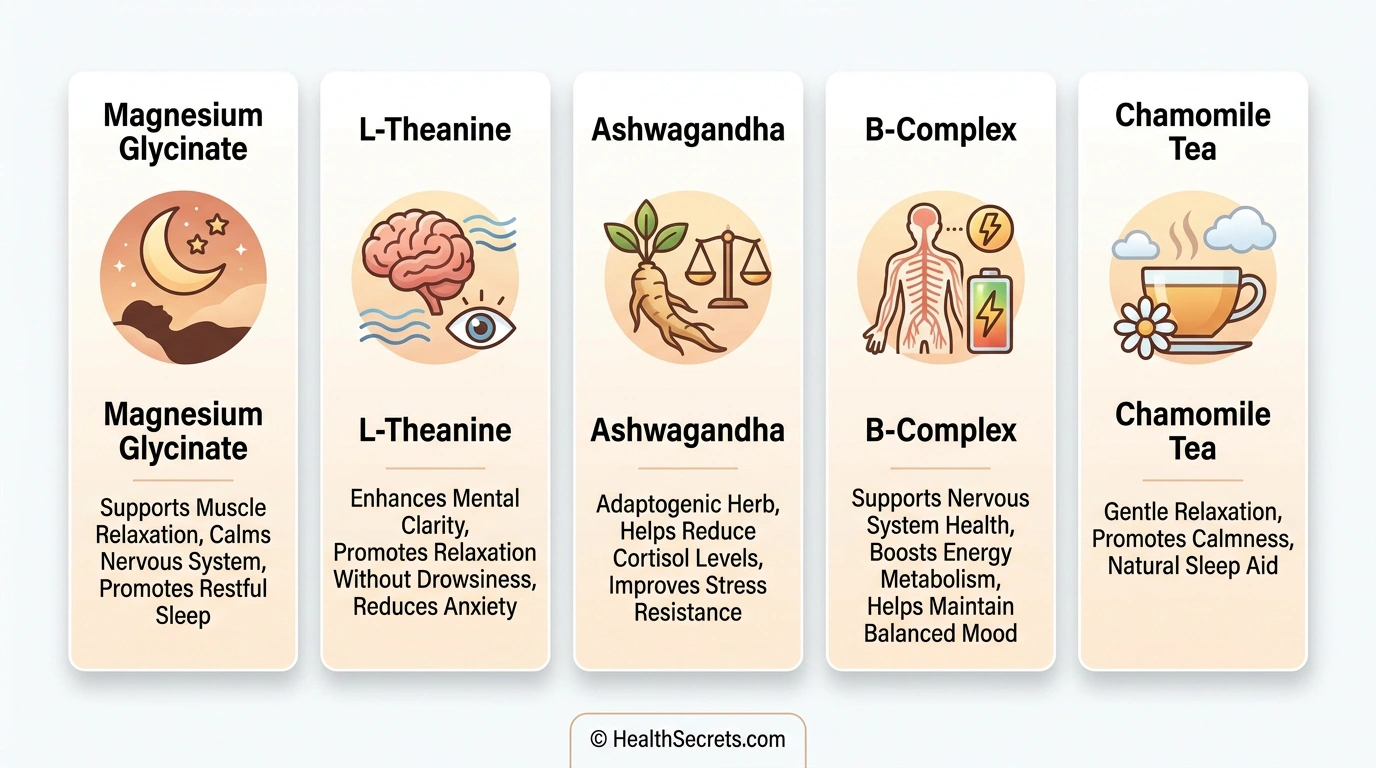
- Ashwagandha (KSM-66): Research suggests ashwagandha extracts may lower stress, anxiety, and cortisol levels, with doses of 300–600mg daily showing benefits for generalized anxiety [19]
- Magnesium glycinate: Supports muscle relaxation, sleep quality, and nervous system function (200–400mg daily)
- L-theanine: An amino acid from green tea that promotes calm without drowsiness (200mg daily)
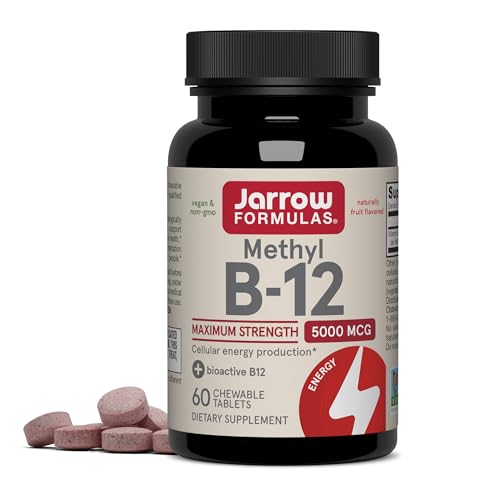
- B-complex vitamins: Support neurotransmitter production (serotonin, dopamine) during periods of chronic stress
- Rhodiola rosea: An adaptogen that improves stress resilience and mental fatigue
For more on the gut-brain connection and mental health, explore how digestive health influences your stress response.
What Are the Most Common Stress Management Mistakes to Avoid?
The most common mistake is treating stress management as a one-time fix instead of a daily practice. Consistency beats intensity — 10 minutes of daily practice outperforms an occasional hour-long session. Building sustainable habits matters more than finding the "perfect" technique.
Top mistakes to avoid:
- Trying too many techniques at once: Start with 2–3 methods and add more gradually
- Expecting instant results: Most techniques require 2–4 weeks of consistent practice to show full benefits
- Only using reactive strategies: Build proactive habits (morning meditation, regular exercise) rather than only using techniques when stress peaks
- Ignoring sleep: Poor sleep amplifies stress response; prioritize 7–9 hours nightly
- Skipping the basics: No supplement replaces proper sleep, nutrition, and movement
- Using stress relievers that backfire: Alcohol, excessive screen time, and emotional eating provide temporary relief but worsen chronic stress
How Do You Create a Personalized Stress Management Routine?
Combine at least one technique from each category:
- Immediate relief: Breathing technique or PMR (use during acute stress)
- Daily practice: Meditation or journaling (10–20 minutes)
- Regular activity: Exercise or yoga (3–5 times per week)
- Weekly reset: Nature time or social connection
- Ongoing support: Nutritional optimization and targeted supplements
Are Stress Management Techniques Safe? When Should You See a Doctor?
Most stress management techniques are extremely safe for healthy adults, with virtually no adverse effects reported in clinical studies. Breathing exercises, meditation, journaling, and nature exposure carry no known risks. However, there are important situations where professional guidance is essential.
See a healthcare provider if:
- Stress causes persistent sleep disruption (more than 2 weeks)
- You experience panic attacks or overwhelming anxiety
- Stress leads to substance use or self-medication
- Physical symptoms persist (chest pain, chronic headaches, digestive issues)
- You have thoughts of self-harm
Supplement safety notes:
- Ashwagandha may interact with thyroid medications, sedatives, and immunosuppressants
- Magnesium at high doses can cause digestive upset; start with 200mg
- L-theanine is generally well-tolerated but may interact with blood pressure medications
- Always consult your healthcare provider before adding supplements, especially if pregnant, nursing, or taking medications
Action Plan
What Should You Do First to Start Managing Stress Today?
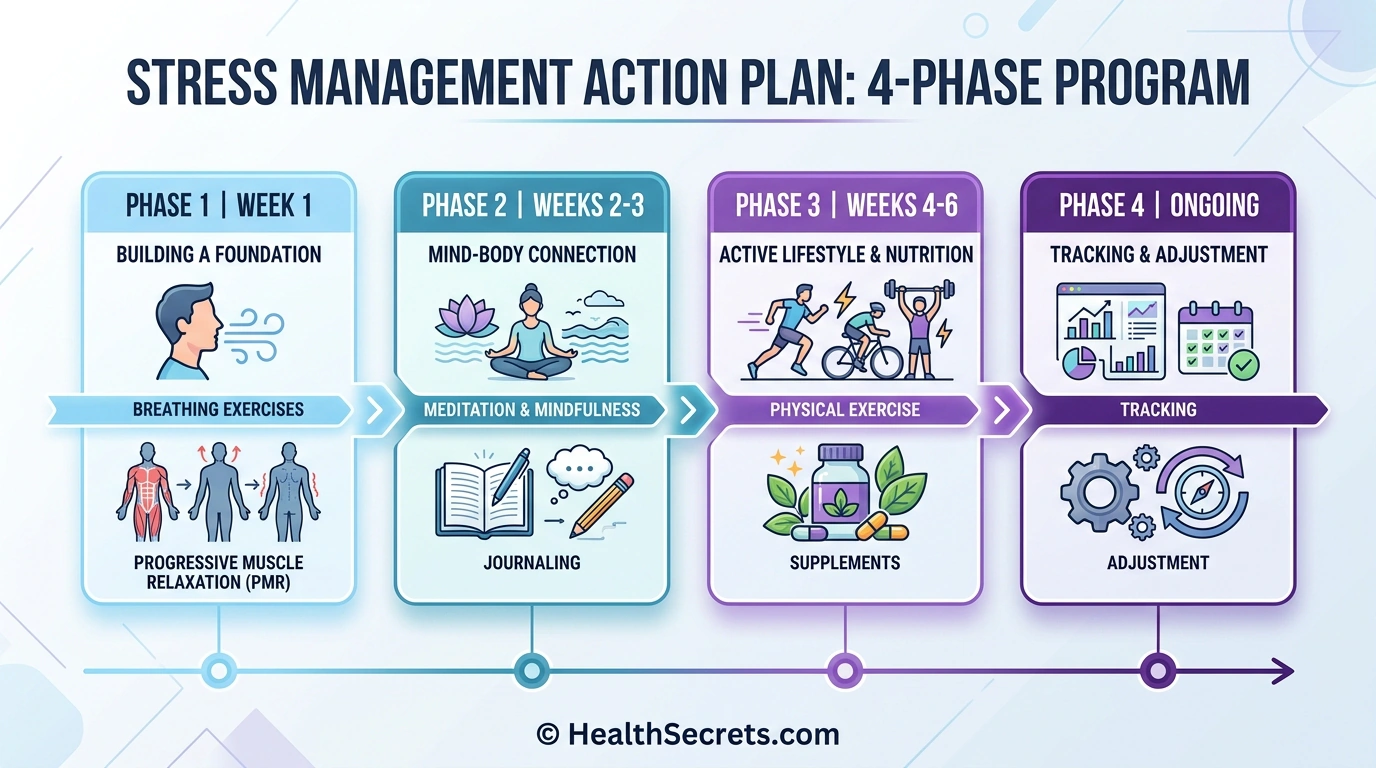
Follow the sequence below, work through each phase in order, and use the checklist as your practical implementation guide.
Start with one breathing technique and one daily practice. You don't need to overhaul your entire lifestyle — small, consistent changes compound into significant stress reduction over 2–4 weeks. Follow this phased approach to build a sustainable stress management routine.
Phase 1 — This Week (Immediate Relief):
- Learn box breathing (4-4-4-4 pattern) and practice twice daily for 5 minutes
- Try one PMR session before bed using a guided audio track
- Take one 20-minute walk in nature
Phase 2 — Weeks 2–3 (Build Daily Habits):
- Add 10 minutes of mindfulness meditation each morning
- Start a gratitude journal (3 items each evening)
- Begin 30 minutes of moderate exercise 3 times per week
Phase 3 — Weeks 4–6 (Optimize and Expand):
- Add yoga or tai chi once per week
- Consider magnesium glycinate or L-theanine supplementation
- Schedule weekly nature time (minimum 1 hour)
- Build social support routines (weekly check-ins with friends or community)
Phase 4 — Ongoing (Sustain and Refine):
- Track which techniques provide the most benefit for your stress patterns
- Rotate techniques to prevent habituation
- Reassess every 3 months and adjust your protocol