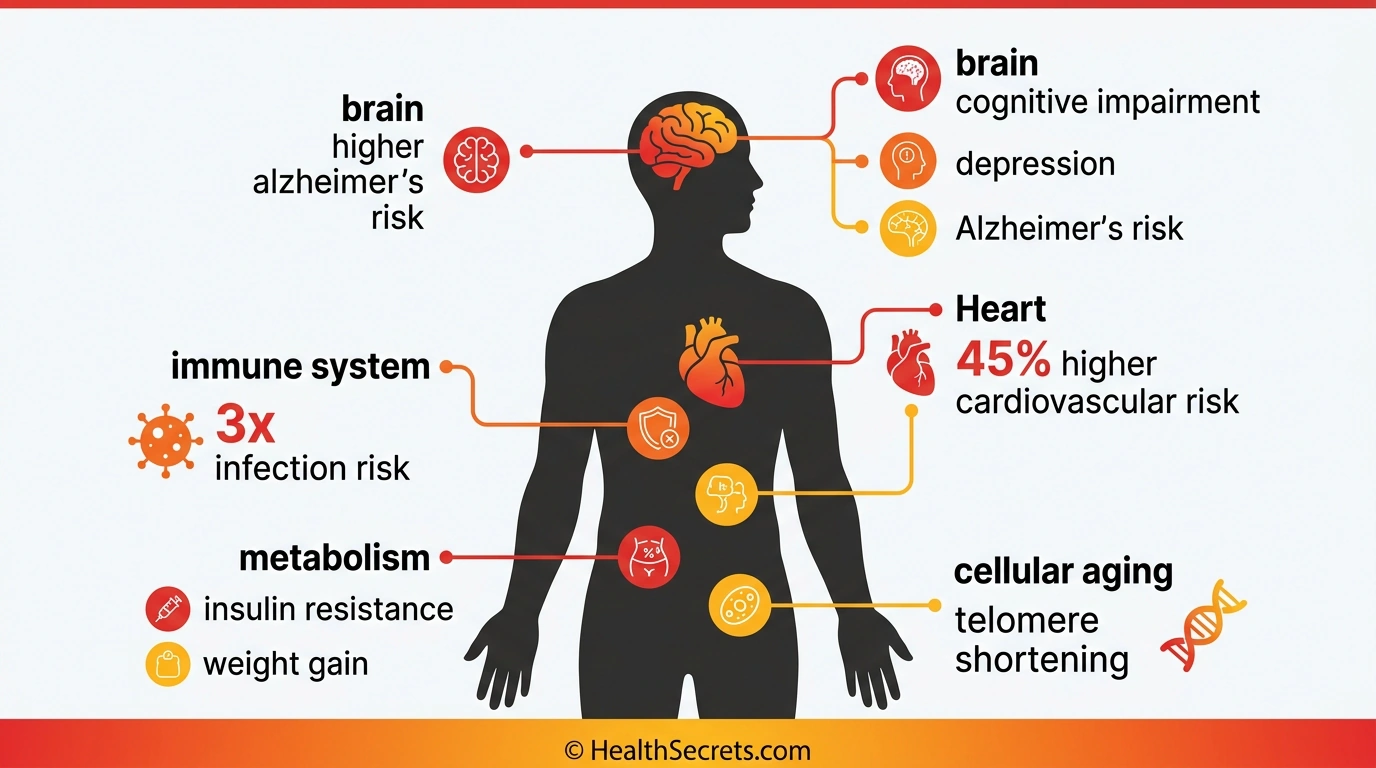
Sleep optimization isn't a luxury — it's the single most powerful health intervention most people are ignoring. You spend roughly one-third of your life asleep, and every system in your body — from your brain to your immune cells to your cardiovascular system — depends on the quality of those hours. Yet 35% of American adults consistently get fewer than 7 hours per night, according to the CDC, and the consequences are staggering: doubled depression risk, 45% higher cardiovascular disease risk, 3x greater susceptibility to infections, and accelerated biological aging.
Here's what makes sleep optimization different from simply "getting more sleep." It's about aligning your circadian rhythm with natural light-dark cycles, engineering your bedroom environment for deep and REM sleep, using evidence-based supplements strategically, and tracking your progress with objective data. Morning light exposure alone — 10,000 lux for 30 minutes — can improve sleep quality by up to 40% and reduce the time it takes to fall asleep by 50% [1]Somnologie [1]. That's a free intervention with profound effects.
This comprehensive guide covers everything you need: the science of sleep architecture, circadian rhythm optimization, sleep hygiene fundamentals, evidence-based supplements like magnesium and L-theanine, sleep tracking metrics, common sleep disorders, and advanced strategies for those who want to push their sleep quality even further. Whether you're dealing with chronic insomnia, struggling with daytime fatigue, or simply want to perform at your best — optimizing your mental wellness starts with optimizing your sleep.
What Is Sleep Optimization and Why Does It Matter?
Sleep optimization is the systematic, evidence-based approach to improving every dimension of your sleep — duration, quality, efficiency, and timing — so your body and brain can perform the critical restoration processes that only happen during sleep. It matters because sleep isn't passive rest; it's an active biological process that governs cognitive function, hormonal balance, immune defense, metabolic health, and emotional regulation.
The scope of sleep's influence is difficult to overstate. During deep sleep (Stage N3), your body releases growth hormone for tissue repair, strengthens immune function, and clears metabolic waste from the brain through the glymphatic system — including beta-amyloid proteins linked to Alzheimer's disease [4]Science [4]. During REM sleep, your brain consolidates memories, processes emotional experiences, and enhances creative problem-solving.
The statistics paint a concerning picture. The CDC reports that roughly 70 million Americans suffer from chronic sleep problems [23]. Insufficient sleep costs the U.S. economy an estimated $411 billion annually in lost productivity. And the health consequences extend far beyond feeling tired: chronic sleep deprivation is independently associated with obesity, type 2 diabetes, cardiovascular disease, depression, weakened immunity, and accelerated aging [3]Healthcare [3].
Sleep optimization affects virtually everyone — shift workers, parents, students, athletes, executives, and older adults whose sleep architecture naturally changes with age. The good news is that most sleep problems respond well to behavioral and environmental interventions, and the improvements are often dramatic within just 2–4 weeks of consistent practice.

Can't Sleep Through the Night?
Download the free Sleep Audit & Recovery Guide — used by our readers to identify the exact bedroom triggers and stress habits wrecking their rest.
How Does Sleep Work in the Body?
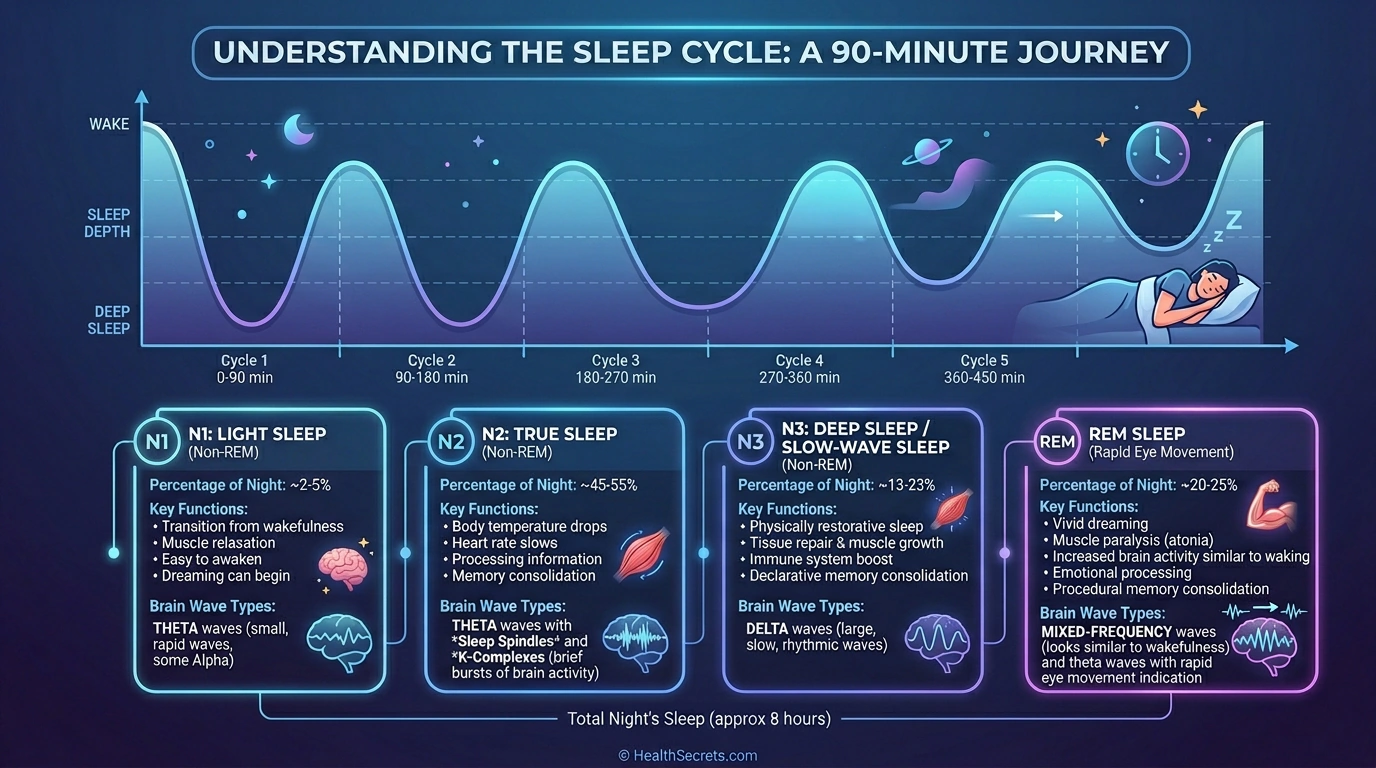
Sleep operates through a precisely orchestrated architecture of four stages that cycle approximately every 90 minutes, repeating 4–6 times per night. Each stage serves distinct biological functions, and disrupting any stage compromises specific aspects of your health, cognition, and recovery.
What Are the Four Stages of Sleep?
- Stage N1 (Light Sleep) accounts for 5–10% of your night and lasts just a few minutes per cycle. Brain waves transition from alpha to theta waves (4–7 Hz), muscle tone decreases, and you're easily awakened. This is the gateway into deeper sleep.
- Stage N2 (Light Sleep) makes up 45–55% of total sleep — the largest portion. Heart rate slows, body temperature drops, and your brain produces sleep spindles and K-complexes, which play roles in memory consolidation and sensory gating. Each N2 period lasts 10–25 minutes and lengthens in later cycles.
- Stage N3 (Deep Sleep / Slow-Wave Sleep) is the restorative powerhouse, comprising 13–23% of your night. Delta waves (0.5–4 Hz) dominate brain activity. This stage concentrates in the first half of the night and handles physical restoration: growth hormone release, tissue repair, bone building, immune strengthening, and metabolic regulation. It's also when the glymphatic system clears brain waste most actively [5][5].
- REM (Rapid Eye Movement) Sleep accounts for 20–25% of your night, with periods lengthening in the second half. Brain activity resembles waking states while your body experiences temporary muscle paralysis (atonia). REM handles memory consolidation — especially emotional and procedural memories — learning integration, creativity, and emotional processing [6][6].
How Do Sleep Cycles Affect Your Health?
Sleep cycles progress in roughly 90-minute intervals: N1 → N2 → N3 → N2 → REM. The first half of the night is dominated by deep sleep (physical restoration), while the second half favors REM sleep (cognitive and emotional restoration). This is why cutting sleep short — setting an alarm that steals your final cycles — disproportionately reduces REM sleep. And it's why alcohol, which suppresses REM in the first half of the night, is particularly damaging to sleep quality even when total sleep time appears adequate.
Adults need 7–9 hours to complete enough cycles for full restoration. Research consistently shows that fewer than 7 hours is associated with increased all-cause mortality, impaired cognitive function, and elevated disease risk [2]Sleep [2]. Sleep debt accumulates and cannot be fully recovered by weekend "catch-up" sleeping.

Better Sleep Environment Workbook
Run a structured two-week bedroom experiment to optimize temperature, light, and noise before buying gadgets.
What Causes Poor Sleep Quality?
Poor sleep quality stems from a combination of circadian rhythm disruption, environmental factors, behavioral habits, physiological imbalances, and underlying sleep disorders. Understanding the root causes is essential for targeted optimization rather than generic advice.
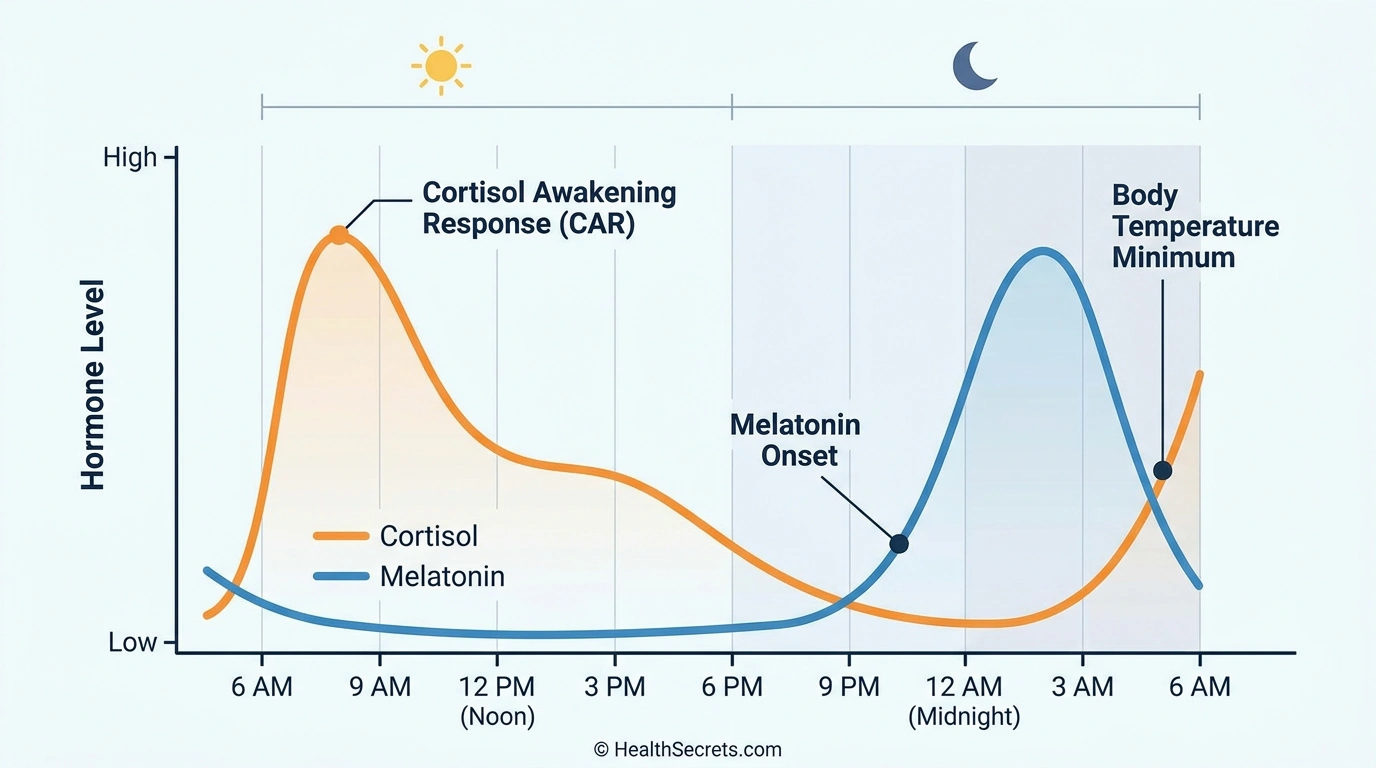
- Circadian rhythm disruption is the most common and underappreciated cause. Your suprachiasmatic nucleus (SCN) — the master clock in the hypothalamus — synchronizes your sleep-wake cycle primarily through light exposure. Modern life sabotages this system: artificial lighting at night suppresses melatonin by up to 50%, irregular schedules create "social jet lag," and insufficient morning light fails to properly reset the clock [1]Somnologie [1].
- Environmental factors include bedroom temperature (too warm disrupts deep sleep and REM), light pollution (even dim light during sleep impairs melatonin production), noise disturbances, and uncomfortable bedding. Research shows that room temperatures above 68°F (20°C) significantly reduce sleep quality [14][14].
- Behavioral triggers are pervasive: caffeine consumption after 2 PM (half-life of 5–6 hours means 25% remains in your system 12 hours later), alcohol before bed (disrupts REM architecture and increases awakenings in the second half of the night), evening screen exposure (blue light at 460–480 nm is the most potent melatonin suppressor), large meals within 3 hours of bedtime, and vigorous exercise too close to sleep [13][13].
- Psychological factors — stress, anxiety, depression, and racing thoughts — account for the majority of insomnia cases. Chronic stress elevates cortisol, which directly opposes melatonin's sleep-promoting effects. The bidirectional relationship between sleep and mental health means that poor sleep worsens anxiety and depression, which further degrades sleep quality.
- Medical conditions including chronic pain, hormonal changes (menopause, thyroid disorders), medication side effects, and undiagnosed sleep disorders (sleep apnea, restless leg syndrome) can all undermine sleep quality despite good sleep habits.
What Are the Signs and Consequences of Poor Sleep?
The consequences of chronic poor sleep extend far beyond daytime fatigue — they represent a cascading failure across virtually every organ system. Recognizing these signs early allows for intervention before serious health damage accumulates.
How Does Sleep Loss Affect Your Brain?
Cognitive impairment is the most immediate and measurable consequence. One night of sleep deprivation reduces memory consolidation by approximately 40% [7]Nature Neuroscience [7]. After 24 hours awake, reaction time and decision-making are impaired equivalently to a blood alcohol concentration of 0.08% — the legal driving limit [8]Occupational and Environmental Medicine [8]. Chronic short sleep (fewer than 6 hours) is associated with increased beta-amyloid accumulation in the brain and elevated Alzheimer's disease risk.
Does Poor Sleep Increase Depression and Anxiety Risk?
Sleep problems are present in roughly 90% of depression cases, and chronic insomnia doubles the risk of developing major depression [9][9]. Sleep deprivation increases anxiety by approximately 30% through amygdala hyperactivation — your brain's fear center becomes overreactive while the prefrontal cortex (rational decision-making) becomes underactive.
What Happens to Your Metabolism Without Enough Sleep?
Sleep restriction to 5 hours per night for just one week reduces insulin sensitivity by 30–40%, pushing glucose tolerance to prediabetic levels [10][10]. Hunger hormones shift dramatically: ghrelin (hunger) increases 15% while leptin (satiety) decreases 15%, leading to 300–500 extra calories consumed daily. Chronic short sleep doubles the risk of type 2 diabetes.
How Does Sleep Deprivation Affect Your Heart?
Sleeping fewer than 6 hours per night increases hypertension risk by 45% and is associated with increased heart attack and stroke risk through chronic elevation of inflammatory markers (CRP, IL-6) and accelerated atherosclerosis [11][11].
Can Poor Sleep Weaken Your Immune System?
Research demonstrates that individuals sleeping fewer than 7 hours are 3 times more likely to develop a cold when exposed to rhinovirus compared to those sleeping 8+ hours [12][12]. Sleep deprivation also reduces vaccine antibody response by approximately 50%, meaning immunizations are less effective without adequate sleep.
Additional consequences include accelerated telomere shortening (a biomarker of biological aging), chronic systemic inflammation, impaired wound healing, and reduced athletic performance and recovery.
What Are the Best Evidence-Based Strategies for Sleep Optimization?
The most effective sleep optimization strategies fall into five categories, listed by impact: circadian rhythm alignment, sleep hygiene fundamentals, environmental engineering, evidence-based supplementation, and relaxation techniques. Research consistently shows that behavioral interventions outperform pharmacological approaches for long-term sleep improvement.
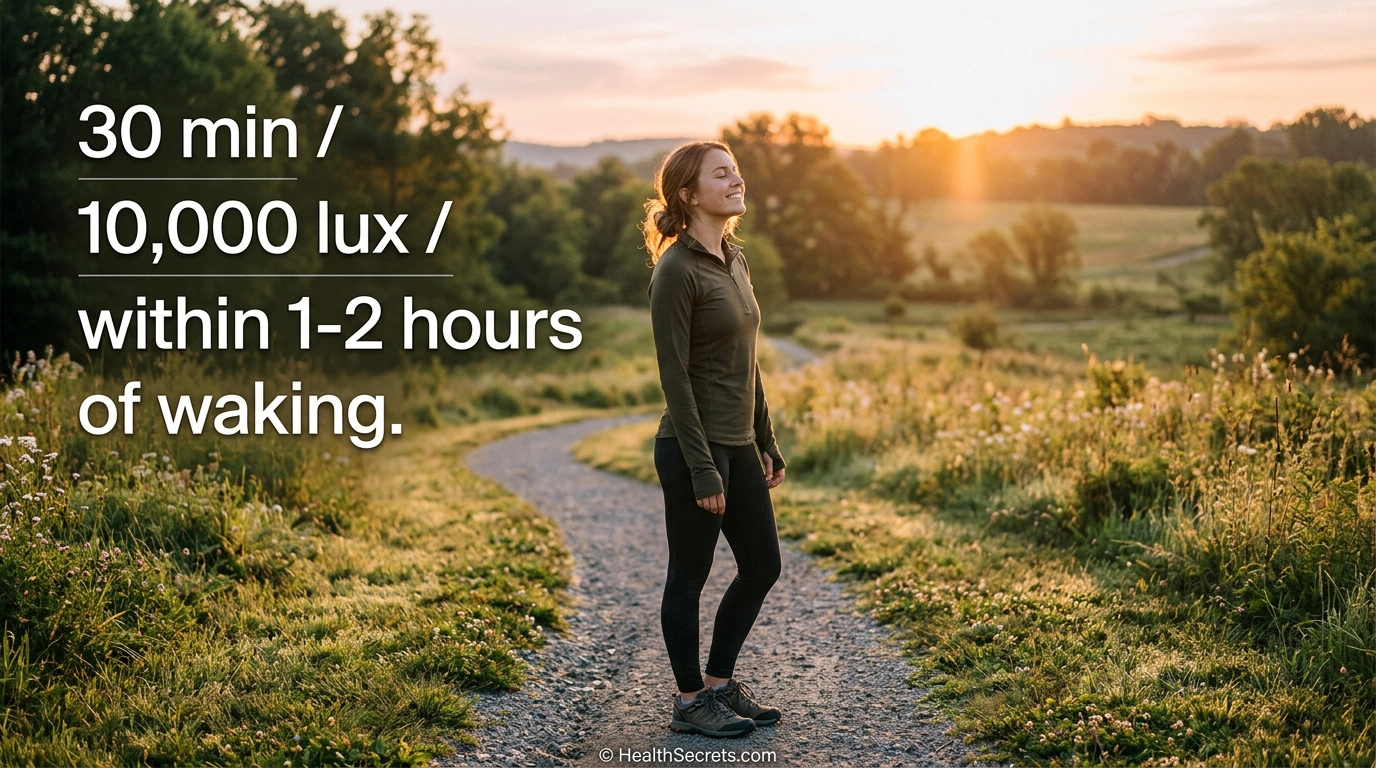
- Circadian rhythm optimization is the highest-impact intervention. Morning bright light exposure (10,000 lux for 30 minutes within 1–2 hours of waking) resets your master clock, improves sleep quality by up to 40%, and reduces sleep latency by 50%. Evening dim light (below 10 lux after sunset) preserves natural melatonin production. A consistent sleep-wake schedule — same times daily including weekends, with less than 30 minutes variation — entrains your circadian rhythm more effectively than any supplement.
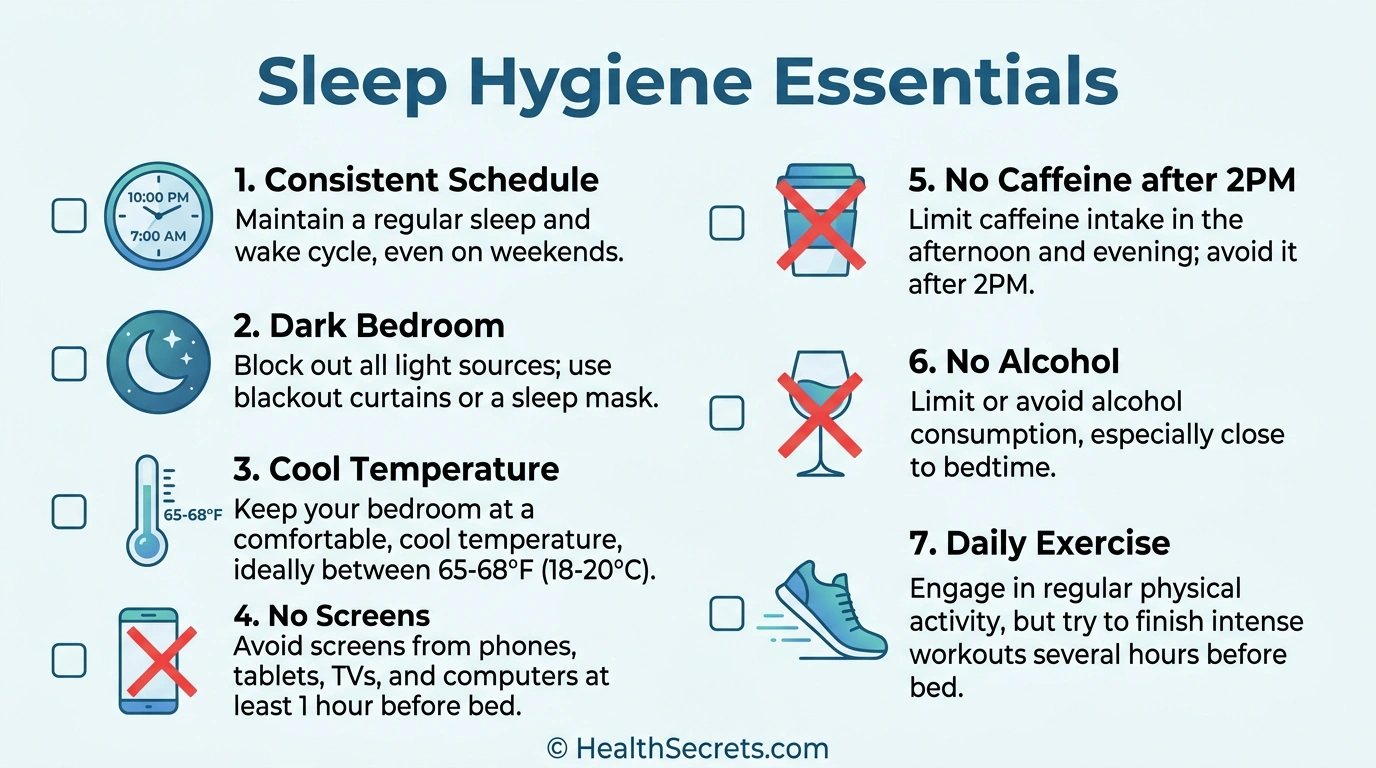
- Sleep hygiene encompasses the behavioral habits that either support or sabotage sleep: avoiding caffeine after 2 PM, eliminating alcohol before bed, stopping screen exposure 2–3 hours before sleep, finishing meals 3 hours before bed, and exercising daily (but not within 3 hours of bedtime).
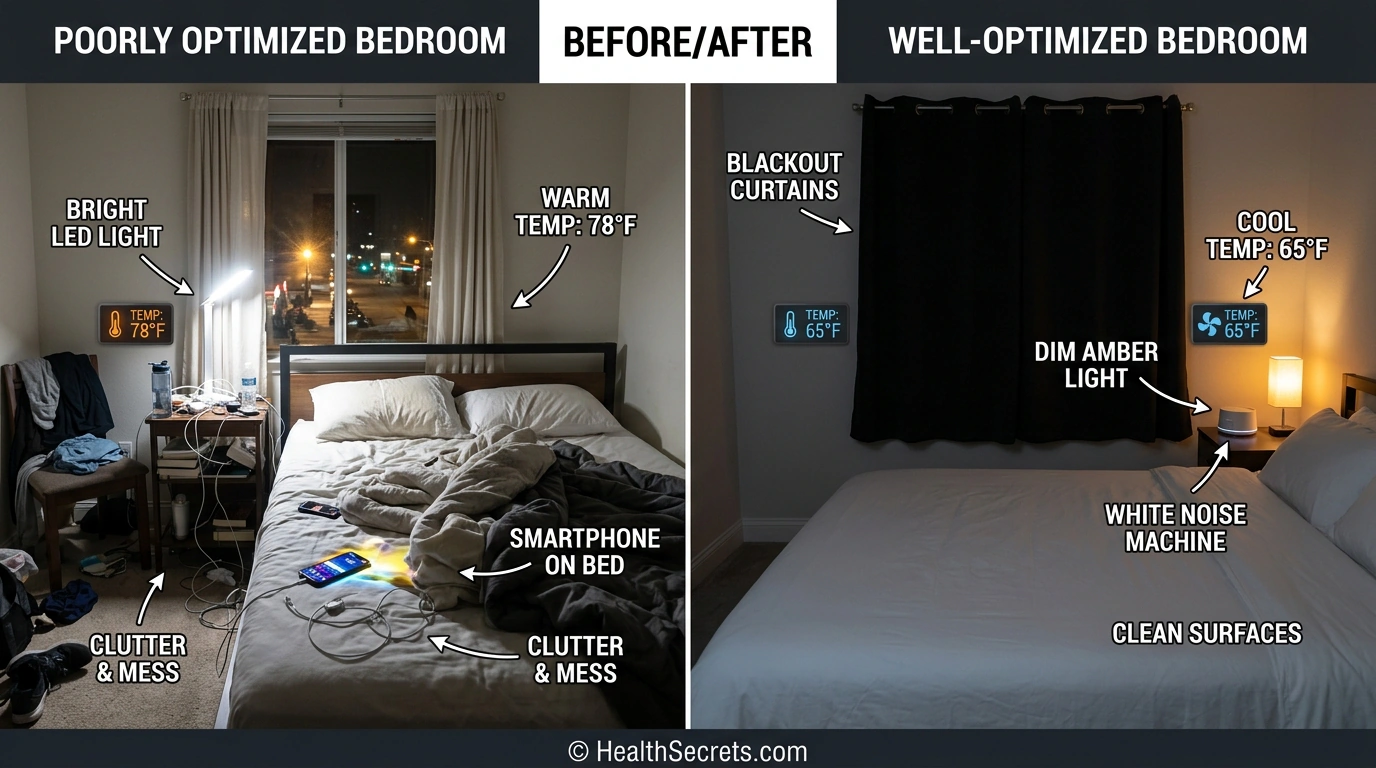
- Environmental optimization means engineering your bedroom for sleep: complete darkness (blackout curtains, eye mask, covered LEDs), cool temperature (65–68°F / 18–20°C), minimal noise (below 30 decibels, or masked with white/pink noise), and comfortable, supportive bedding.
- Evidence-based supplements — magnesium glycinate, L-theanine, glycine, and low-dose melatonin — can enhance sleep quality when used strategically alongside behavioral interventions. They work best as complements to good sleep hygiene, not replacements for it.
- Relaxation techniques including 4-7-8 breathing, body scan meditation, yoga nidra (NSDR), and progressive muscle relaxation activate the parasympathetic nervous system and reduce the hyperarousal that prevents sleep onset. For detailed mental wellness strategies that complement sleep optimization, explore our mental wellness guide.
What Should You Eat (and Avoid) for Better Sleep?
Diet directly influences sleep quality through its effects on neurotransmitter production, blood sugar regulation, circadian rhythm, and core body temperature. The best sleep-promoting dietary pattern emphasizes tryptophan-rich foods, magnesium, complex carbohydrates at dinner, and strategic meal timing — while avoiding sleep-disrupting substances in the hours before bed.
Sleep-promoting foods and nutrients:
- Tryptophan-rich foods (turkey, chicken, eggs, dairy, nuts, seeds) — the amino acid precursor to serotonin and melatonin
- Magnesium-rich foods (dark leafy greens, pumpkin seeds, almonds, dark chocolate, avocado) — supports GABA activity and muscle relaxation
- Complex carbohydrates at dinner (sweet potatoes, brown rice, oats) — increase tryptophan availability in the brain by facilitating its transport across the blood-brain barrier
- Tart cherry juice — one of few natural food sources of melatonin; research shows it can modestly improve sleep duration and quality [19][19]
- Fatty fish (salmon, sardines, mackerel) — omega-3 fatty acids and vitamin D support circadian rhythm regulation
- Kiwi — two kiwis one hour before bed improved sleep onset, duration, and efficiency in clinical research
Foods and substances to avoid:
- Caffeine after 2 PM — half-life of 5–6 hours; reduces deep sleep even when you fall asleep normally
- Alcohol within 3 hours of bed — initially sedating but fragments sleep architecture, suppresses REM, and increases awakenings
- Spicy or acidic foods near bedtime — can cause acid reflux when lying down
- High-sugar foods before bed — blood sugar spikes and crashes trigger cortisol release and awakenings
- Large meals within 3 hours of bed — digestion raises core body temperature and causes discomfort
Meal timing matters: Finish eating at least 3 hours before bed to align with your circadian rhythm. Late eating disrupts peripheral clocks in the liver and gut, impairing glucose tolerance and sleep quality. Time-restricted eating (finishing food intake by early evening) supports circadian alignment and has been associated with improved sleep parameters.
What Lifestyle Changes Improve Sleep Quality?
Lifestyle modifications form the foundation of sustainable sleep optimization. Unlike supplements or gadgets, these changes address the root causes of poor sleep and produce compounding benefits over time for both sleep and overall health.
How Does Morning Light Exposure Reset Your Sleep?
Morning bright light exposure is the single most powerful lifestyle intervention for sleep. Within 1–2 hours of waking, expose yourself to bright light — ideally natural sunlight (10,000–100,000 lux) for at least 30 minutes. This resets your suprachiasmatic nucleus, advances your circadian clock for earlier sleep onset, triggers the cortisol awakening response for daytime alertness, and boosts serotonin production (which converts to melatonin in the evening). Indoor lighting provides only 100–500 lux — insufficient for circadian entrainment. Even a cloudy day delivers 1,000–10,000 lux outdoors. If sunlight isn't available, a 10,000-lux light therapy box for 30 minutes is an effective alternative [21]Current Psychiatry Reports [21].
Does Exercise Improve Sleep Quality?
Regular physical activity is one of the most well-documented sleep enhancers. A 2024 UT Austin study confirmed that physical activity lengthens REM latency, indicating deeper initial sleep stages before transitioning to REM. Exercise improves sleep quality through multiple pathways: reducing anxiety and stress hormones, increasing adenosine accumulation (the sleep-pressure molecule), raising then lowering core body temperature, and supporting circadian rhythm stability.
The key is timing: morning or afternoon exercise is ideal. Avoid vigorous exercise within 3 hours of bedtime, as elevated core temperature and cortisol can delay sleep onset. Aim for 150 minutes of moderate aerobic exercise plus 2 strength training sessions weekly.
How Does Stress Management Affect Sleep?
Chronic stress is one of the primary drivers of insomnia. Elevated cortisol directly opposes melatonin, maintaining hyperarousal when your body should be winding down. Effective stress management practices for sleep include:
- 4-7-8 breathing — Inhale 4 seconds, hold 7, exhale 8 seconds. Activates the parasympathetic nervous system.
- Body scan meditation — 10–20 minutes before bed, progressively relaxing each body part.
- Yoga nidra / NSDR (Non-Sleep Deep Rest) — 20–30 minute guided relaxation that reduces stress markers and improves sleep quality.
- Journaling — Writing worries or a gratitude list before bed externalizes racing thoughts.
- Nature exposure — Daytime time outdoors reduces cortisol and supports circadian rhythm.
For a deeper look at natural approaches to mental wellness and stress management, including the gut-brain connection's role in mood and sleep, explore our related guides.
Why Does Bedroom Environment Matter So Much?
- Darkness: Even dim light during sleep (from LEDs, streetlights, or devices) suppresses melatonin and disrupts sleep architecture. Invest in blackout curtains, cover all LED indicators, and use a quality sleep mask. Blue light from screens suppresses melatonin for about twice as long as green light of comparable brightness, shifting circadian rhythms by up to 3 hours.
- Temperature: The optimal bedroom temperature is 65–68°F (18–20°C). Your body needs to drop its core temperature by about 2–3°F to initiate sleep. A warm bath 90 minutes before bed paradoxically helps — it raises skin temperature, causing vasodilation and rapid heat loss afterward, accelerating the natural temperature drop.
- Sound: Aim for below 30 decibels. White noise machines or pink noise (lower-frequency emphasis, like rain or ocean waves) effectively mask disruptive environmental sounds. Research suggests pink noise may specifically enhance deep sleep and memory consolidation [20]Frontiers in Human Neuroscience [20].
Which Supplements Support Sleep Optimization?
Evidence-based sleep supplements work best as complements to circadian rhythm alignment and sleep hygiene — not substitutes. The following supplements have the strongest research support, with magnesium glycinate being the most broadly recommended starting point for most adults.
Does Magnesium Help You Sleep Better?
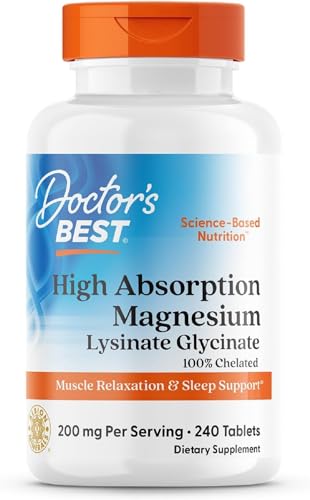
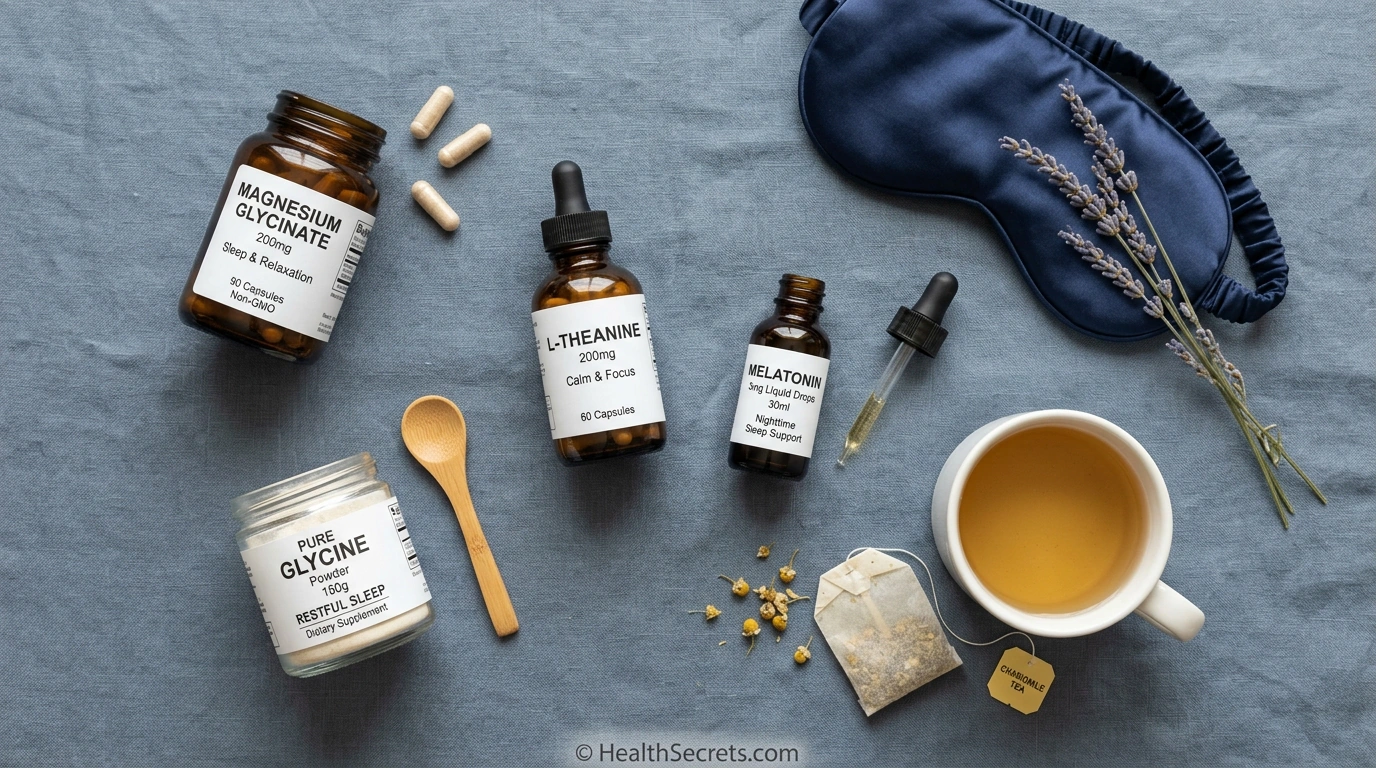
Magnesium is involved in over 300 enzymatic reactions and plays a direct role in sleep regulation through GABA receptor activation and NMDA receptor modulation, calming neural activity. Magnesium glycinate (300–500 mg, 1–2 hours before bed) is the preferred form because glycine itself has independent sleep-promoting properties — it lowers core body temperature and promotes relaxation. Magnesium threonate (Magtein) specifically crosses the blood-brain barrier and may reduce racing thoughts at bedtime. A 2023 randomized controlled trial demonstrated that magnesium L-threonate significantly improved deep sleep score, REM sleep score, mood, and daytime alertness compared to placebo [18][18]. Avoid magnesium oxide — poor bioavailability and primarily a laxative.
Should You Take Melatonin for Sleep?
Melatonin (0.3–5 mg, 30–60 minutes before bed) reduces sleep latency by 7–12 minutes and is most effective for circadian rhythm resetting — jet lag, shift work, or delayed sleep phase disorder. Critically, less is often more: 0.3–1 mg (physiological dose) frequently outperforms higher doses, which can cause morning grogginess and may suppress natural production over time. Quality varies dramatically — studies have found some supplements contain up to 400% of the stated dose. Use melatonin strategically for circadian resets rather than as a nightly sleep aid [15]PLoS ONE [15].
How Does L-Theanine Promote Better Sleep?
L-theanine (200–400 mg, 30–60 minutes before bed), an amino acid found in green tea, promotes relaxation by increasing alpha brain waves — the pattern associated with calm, focused states. It reduces anxiety without sedation and improves sleep quality by decreasing nighttime awakenings. L-theanine combines synergistically with magnesium — both support GABAergic and serotonergic pathways [16][16].
Additional evidence-based options:
- Glycine (3 g before bed) — lowers core body temperature, improves subjective sleep quality and reduces daytime sleepiness [31]Sleep and Biological Rhythms [31]
- Apigenin (50 mg) — a chamomile flavonoid that acts as a mild GABA-A receptor agonist with sedative properties
- Magnesium L-threonate (1,500–2,000 mg / ~144 mg elemental Mg) — specifically crosses the blood-brain barrier to calm overactive neural circuits
Optimal sleep supplement stack: Magnesium glycinate 300–500 mg + L-theanine 200–400 mg + Apigenin 50 mg + Glycine 3 g. Add melatonin 0.3–1 mg only if needed for circadian resetting.
How Do You Start a Sleep Optimization Protocol?
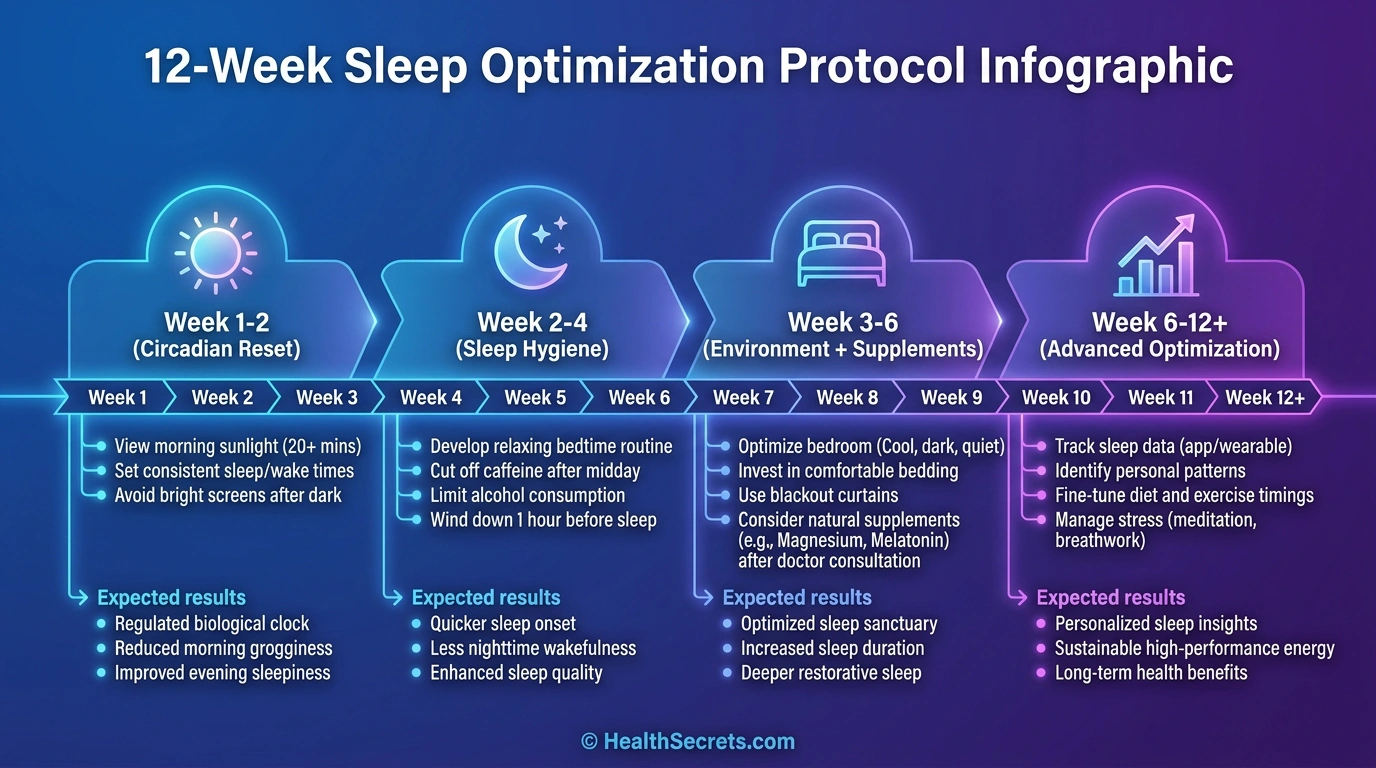
The most effective approach is phased implementation over 8–12 weeks, starting with the highest-impact interventions and layering additional strategies as habits solidify. Attempting everything simultaneously leads to overwhelm and inconsistency.
Phase 1: Circadian Rhythm Reset (Weeks 1–2)
This phase alone can transform your sleep. Focus exclusively on:
- Morning light exposure: 30 minutes of bright light (outdoor sunlight or 10,000-lux light therapy box) within 1–2 hours of waking — every single day.
- Evening dim light: After sunset, switch to amber/red lighting below 10 lux. Use blue light blocking glasses if screens are necessary.
- Consistent schedule: Choose a fixed bedtime and wake time (including weekends) with less than 30 minutes variation. Set a bedtime alarm.
Phase 2: Sleep Hygiene Fundamentals (Weeks 2–4)
With circadian rhythm established, optimize your habits:
- Caffeine cutoff: No caffeine after 2 PM (earlier if you're a slow metabolizer).
- Alcohol elimination before bed: Avoid alcohol within 3 hours of bedtime.
- Screen curfew: No screens 2–3 hours before bed (or use amber blue-light-blocking glasses).
- Meal timing: Finish eating 3 hours before bed.
- Exercise timing: Daily physical activity — morning or afternoon, not within 3 hours of sleep.
Phase 3: Environment and Supplements (Weeks 3–6)
Optimize your sleep environment and introduce supplements:
- Bedroom: 100% dark (blackout curtains + eye mask), 65–68°F, quiet (white/pink noise machine if needed).
- Start magnesium glycinate: 300–500 mg, 1–2 hours before bed.
- Add L-theanine if needed: 200–400 mg for anxiety-related sleep difficulty.
- Melatonin only for circadian issues: 0.3–1 mg if delayed sleep phase persists.
Phase 4: Advanced Optimization (Weeks 6–12+)
Fine-tune with advanced techniques:
- Pre-bed relaxation routine: 4-7-8 breathing, body scan meditation, or yoga nidra (20–30 minutes).
- Temperature manipulation: Warm bath 90 minutes before bed → accelerated core temperature drop.
- Sleep tracking: Use wearable data to identify patterns and adjust.
- Stimulus control: If awake for 20+ minutes, leave bed, do a relaxing activity in dim light, return only when sleepy.
- Napping protocol: 20–30 minutes before 3 PM only, avoid entirely if you have insomnia.
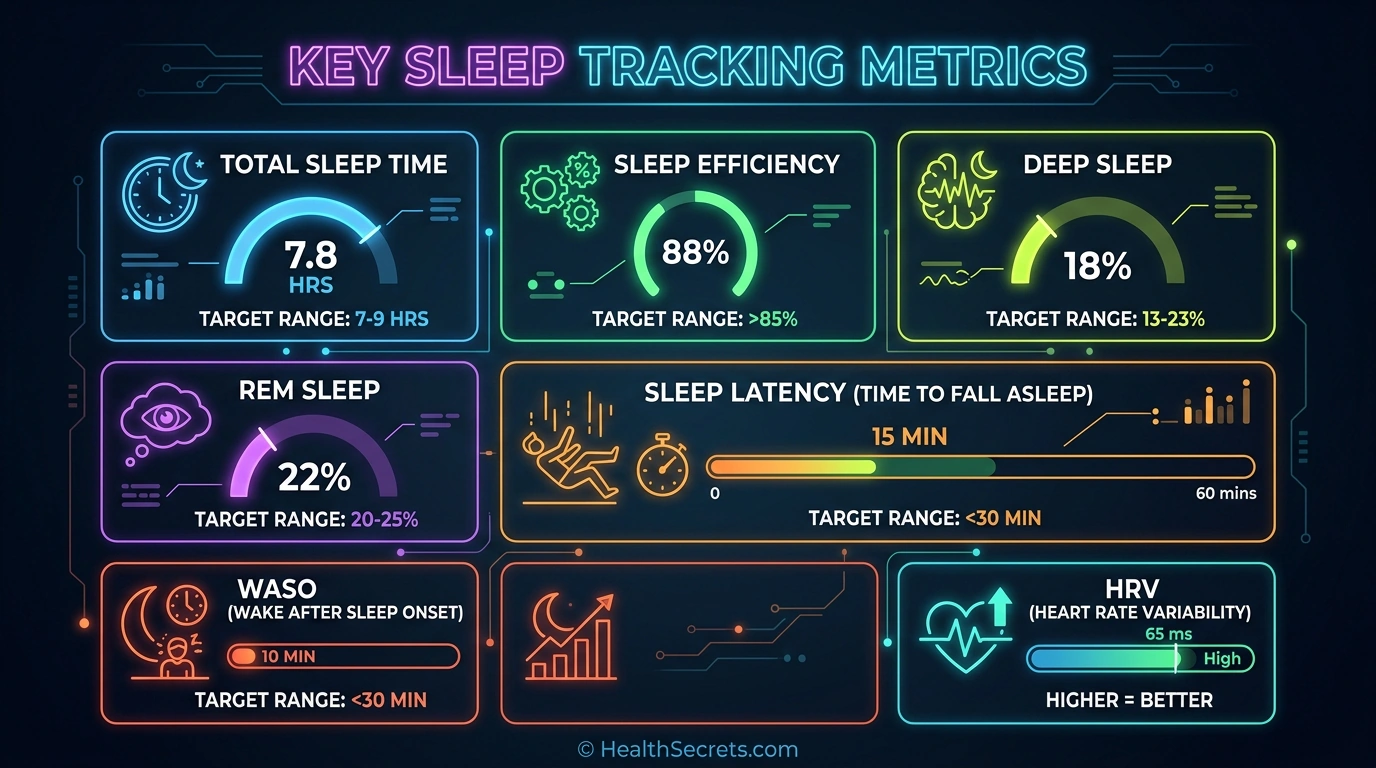
Expected timeline: Weeks 1–2 = adjustment period (may feel tired initially). Weeks 2–4 = falling asleep faster, fewer awakenings, more stable mood. Weeks 4–8 = significantly improved sleep efficiency (>85%), increased deep and REM sleep, improved cognitive function. Months 3–6+ = sustained optimization, reduced disease risk markers, enhanced performance and resilience.
Action Plan
What Should You Do First to Optimize Your Sleep?
Follow the sequence below, work through each phase in order, and use the checklist as your practical implementation guide.
Start with the three highest-impact actions this week — circadian rhythm alignment, caffeine timing, and bedroom darkness — then build systematically using the phased checklist below.
Phase 1: This Week (Days 1–7)
- Get 30 minutes of bright light within 1–2 hours of waking (go outside or use 10,000-lux light box)
- Set a consistent bedtime and wake time — same every day, including weekends
- Switch to dim amber/red lighting after sunset
- Stop all caffeine after 2 PM
- Make your bedroom completely dark (blackout curtains, cover LEDs, or use eye mask)
Phase 2: Weeks 2–3
- Set bedroom temperature to 65–68°F (18–20°C)
- Establish a screen curfew 2–3 hours before bed
- Start magnesium glycinate 300–500 mg, 1–2 hours before bed
- Begin a pre-bed wind-down routine (reading, stretching, breathing exercises)
- Eliminate alcohol within 3 hours of bedtime
Phase 3: Weeks 4–6
- Add L-theanine 200–400 mg if anxiety affects sleep
- Practice 4-7-8 breathing or body scan meditation nightly (10–20 minutes)
- Try a warm bath 90 minutes before bed
- Start tracking sleep with a wearable or app (focus on weekly trends)
- Finish eating 3 hours before bed
Phase 4: Weeks 7–12+
- Review sleep data — target efficiency >85%, deep sleep 13–23%, REM 20–25%
- Experiment with pink noise during sleep
- Optimize sleep position (back or side, elevate head if snoring)
- Consider CBT-I if insomnia persists beyond 3 months
- Consult a sleep specialist for loud snoring, gasping, or excessive daytime sleepiness