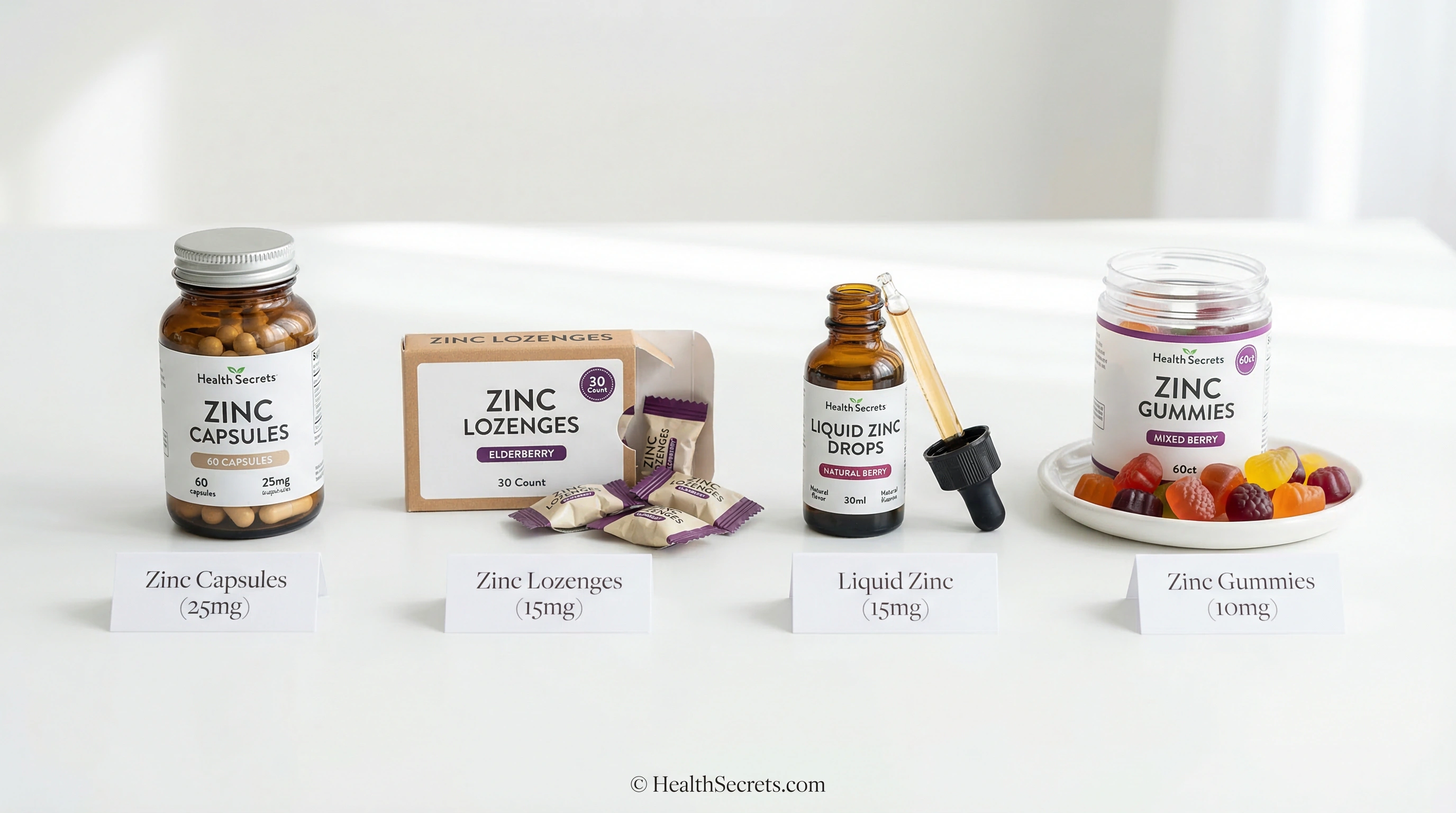
Here's something that caught me off guard when I first dug into the research: zinc is involved in over 300 enzymatic reactions in your body. Three hundred. And yet—this is the wild part—roughly 2 billion people worldwide are estimated to be deficient in this single trace mineral. If you've been getting sick more often than you'd like, healing slowly, or just feeling run down, zinc might be the missing piece you haven't considered. [14]
The connection between zinc and your immune system isn't some fringe wellness claim. It's one of the most well-documented nutrient-immunity relationships in modern science. We're talking decades of research showing that zinc is essential for T cell development, natural killer cell activity, and even your body's ability to fight off the common cold [18]. Without adequate zinc, your immune system essentially operates with one hand tied behind its back.
But here's where it gets tricky: not all zinc supplements are created equal. The form you choose, the dose you take, and even when you take it can dramatically affect how much your body actually absorbs. And too much zinc? That creates its own set of problems—including depleting copper, another essential mineral.
In this guide, we'll walk through exactly how zinc supports your immune function, which forms absorb best, evidence-based dosing for daily maintenance versus acute illness, food sources, safety considerations, and our top product recommendations [3]. Whether you're looking to optimize your supplement stack or just want to understand why zinc matters so much, you're in the right place.
What Is Zinc and Why Is It So Important for Your Immune System?
Zinc is an essential trace mineral that acts as a cofactor for over 300 enzymes and plays a direct role in immune cell development, antioxidant defense, and wound healing. Your body cannot produce or store zinc in large amounts, making consistent daily intake critical for maintaining immune readiness.
Unlike iron or calcium, zinc doesn't get a lot of attention—until you're deficient. Then the consequences become obvious fast. Zinc is classified as a "gatekeeper of the immune system" by researchers, and that label is well earned. It's required for the development and function of virtually every type of immune cell in your body, from the neutrophils that respond first to infection to the T cells that coordinate your adaptive immune response.
Zinc participates in DNA synthesis, protein synthesis, cell division, and gene expression. For your immune system specifically, it's essential for thymulin—a hormone produced by the thymus gland that's required for T cell maturation. No zinc, no thymulin. No thymulin, compromised T cell function. It's that straightforward.
The mineral also functions as an antioxidant and anti-inflammatory agent, helping protect immune cells from oxidative damage during their battle against pathogens. Research from the Proceedings of the Nutrition Society and Frontiers in Immunology consistently shows that even mild zinc deficiency leads to measurable immune impairment [16].

The Supplement Seal Verifier
What six certification programs each test, the label claims that test nothing, and a ten-bottle audit sheet that counts your verified products.
How Does Zinc Strengthen Your Immune Defense?
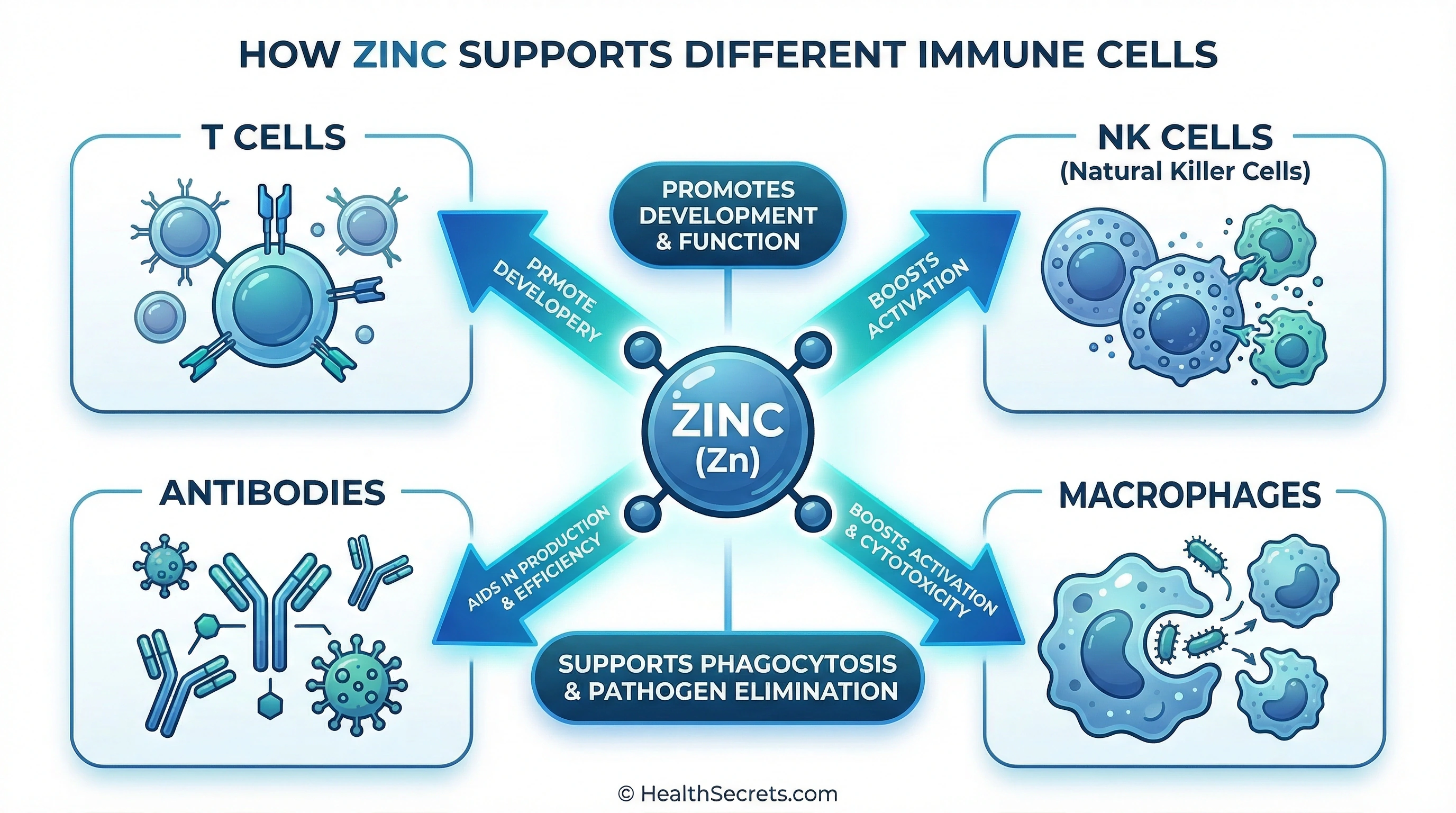
Zinc strengthens immunity through multiple mechanisms: it supports T cell and NK cell development, enhances antibody production, blocks viral replication, reduces inflammatory cytokines, and maintains skin and mucosal barriers. These combined effects make zinc one of the most multifaceted immune-supporting nutrients available [1].
How Does Zinc Support T Cell Function?
T cells are the commanders of your adaptive immune system, and zinc is non-negotiable for their development. The thymus gland—where T cells mature—requires zinc-dependent thymulin to function properly. Studies show that zinc deficiency causes thymic atrophy (shrinkage), directly reducing T cell output [20] [22]. A 2026 study in Immunometabolism confirmed that zinc supplementation at just 30 mg/day increased T cell proliferation in elderly adults with low baseline zinc levels [15] [17]. Zinc also influences the balance between Th1 and Th2 immune responses, helping your body mount the right type of defense against different threats [12].
How Does Zinc Activate Natural Killer Cells?
Natural killer (NK) cells are your body's first-line defense against virus-infected cells and tumor cells. A 2026 study published in Frontiers in Nutrition found that just 14 days of zinc supplementation (10 mg/day) significantly enhanced NK cell cytotoxicity in healthy young adults—including those who were omnivores, vegetarians, and vegans [8]. The researchers noted that 72% of all participants were classified as zinc deficient at baseline, highlighting how common subclinical deficiency is.
Does Zinc Have Direct Antiviral Properties?
Yes—zinc ions can directly inhibit viral replication. In laboratory studies, zinc blocks the enzyme RNA-dependent RNA polymerase, which many viruses (including rhinoviruses and coronaviruses) need to replicate. This is why zinc lozenges have shown effectiveness against the common cold: they deliver zinc ions directly to the throat where rhinoviruses attach. A 2017 meta-analysis found that zinc lozenges providing over 75 mg/day shortened cold duration by 33% on average [6].
How Does Zinc Reduce Inflammation?
Zinc modulates the NF-κB signaling pathway—a master regulator of inflammatory gene expression. When zinc levels are adequate, NF-κB activity stays in check, reducing production of pro-inflammatory cytokines like IL-6 and TNF-alpha. During zinc deficiency, NF-κB becomes overactive, creating a pro-inflammatory state that paradoxically weakens immune effectiveness. This anti-inflammatory role is particularly relevant for managing chronic inflammation and supporting long-term immune resilience.
How Well Is Zinc Absorbed—and Which Form Is Best?
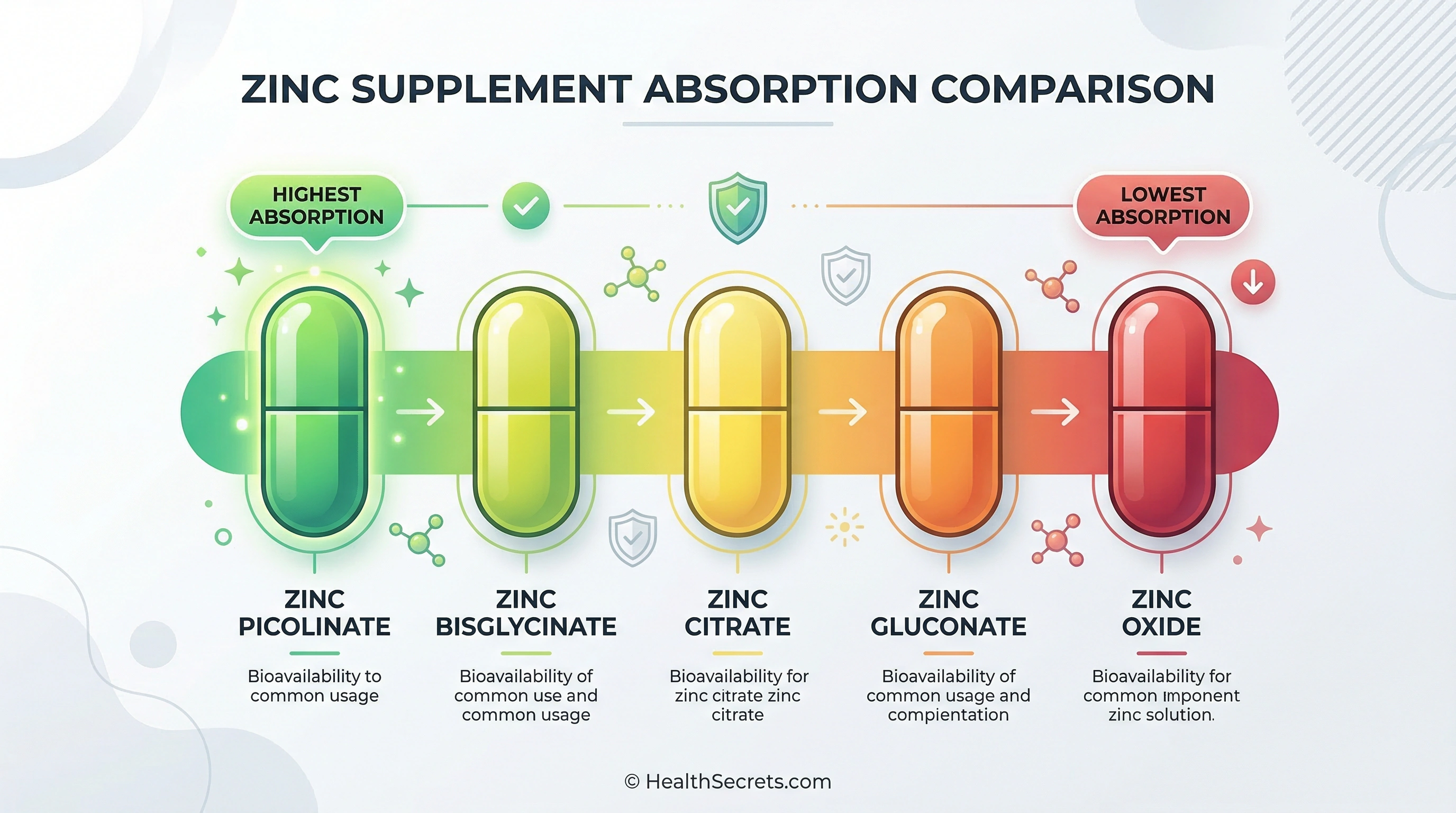
Zinc absorption varies dramatically by form: zinc picolinate and zinc bisglycinate show the highest bioavailability (60–70% absorption), zinc citrate and gluconate are moderately well absorbed (50–60%), while zinc oxide and zinc sulfate are poorly absorbed (30–40%) and more likely to cause GI upset [9].
A landmark study comparing zinc picolinate, zinc citrate, and zinc gluconate found that zinc picolinate significantly increased zinc levels in hair, urine, and red blood cells, while the other forms showed only minor, insignificant changes [4]. A 2024 narrative review in Nutrients confirmed that zinc glycinate and zinc gluconate tend to outperform zinc oxide in clinical absorption studies [10].
Here's a practical breakdown of the main forms:
| Form | Absorption | Best For | GI Tolerance |
|---|---|---|---|
| Zinc Picolinate | High (60–70%) | Daily supplementation | Excellent |
| Zinc Bisglycinate | High (60–70%) | Sensitive stomachs | Excellent |
| Zinc Citrate | Moderate (50–60%) | General use | Good |
| Zinc Gluconate | Moderate (50–60%) | Lozenges for colds | Good |
| Zinc Acetate | Moderate (50–60%) | Cold lozenges | Fair |
| Phytates in grains, legumes, and nuts can reduce zinc absorption by 15–50%. If you eat a plant-heavy diet, consider taking zinc supplements away from high-phytate meals [11]. Vitamin C and animal protein enhance zinc absorption—another reason the vitamin C and zinc combination is so popular for immune support. |
How Much Zinc Should You Take for Immune Support?
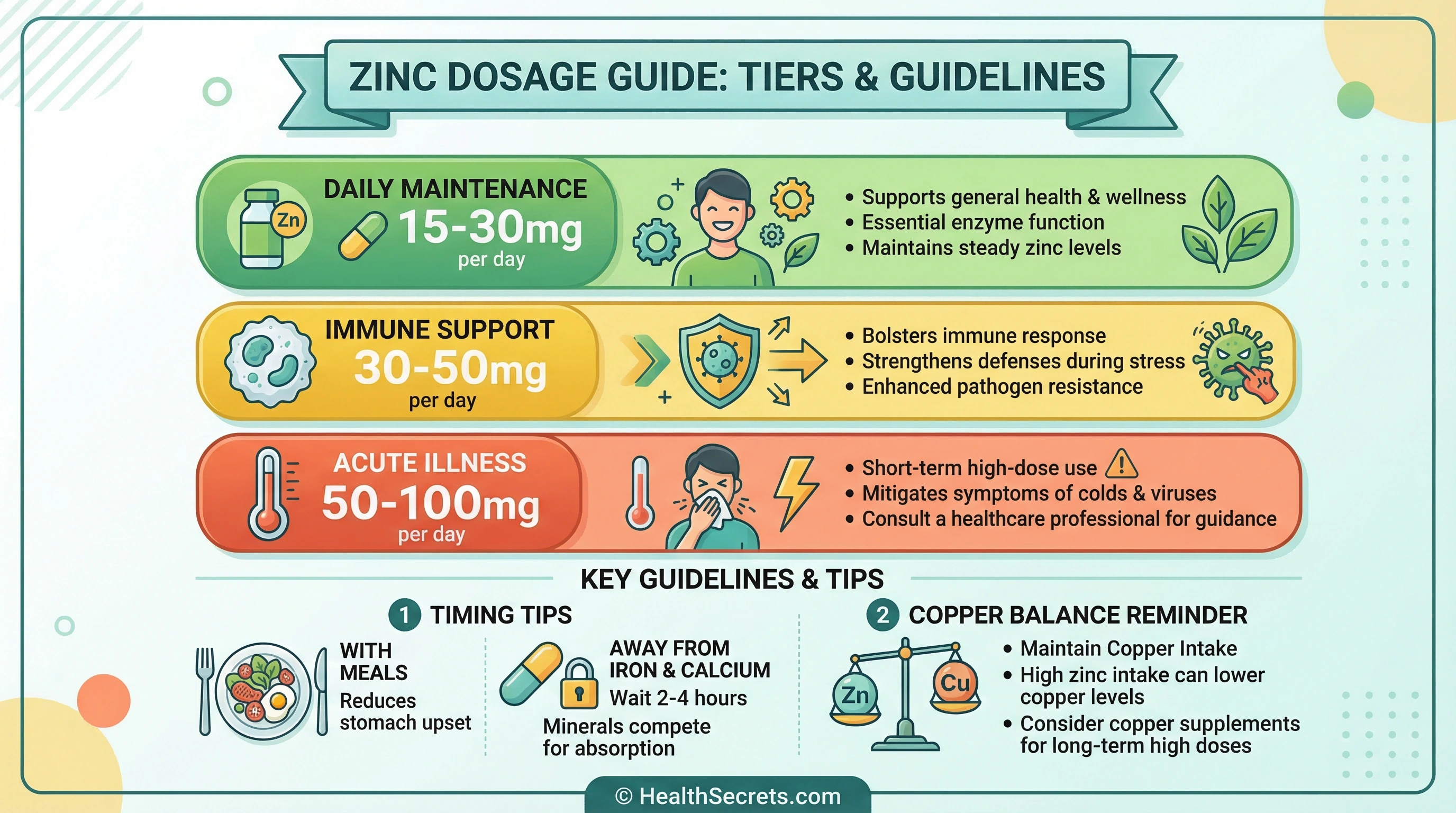
For daily immune maintenance, 15–30 mg of elemental zinc is sufficient for most adults. For active immune support during cold and flu season, 30–50 mg daily is appropriate. During acute illness, short-term doses of 50–100 mg (divided into 2–3 doses) can be used for 5–7 days maximum before returning to maintenance levels.
| Purpose | Daily Dose | Duration | Notes |
|---|---|---|---|
| Daily Maintenance | 15–30 mg | Ongoing | With food if sensitive |
| Immune Support | 30–50 mg | Seasonal | Add copper at 2 mg |
| Acute Illness | 50–100 mg | 5–7 days max | Divided doses with food |
| Cold Lozenges | 75–100 mg | Until symptoms resolve | Start within 24 hours |
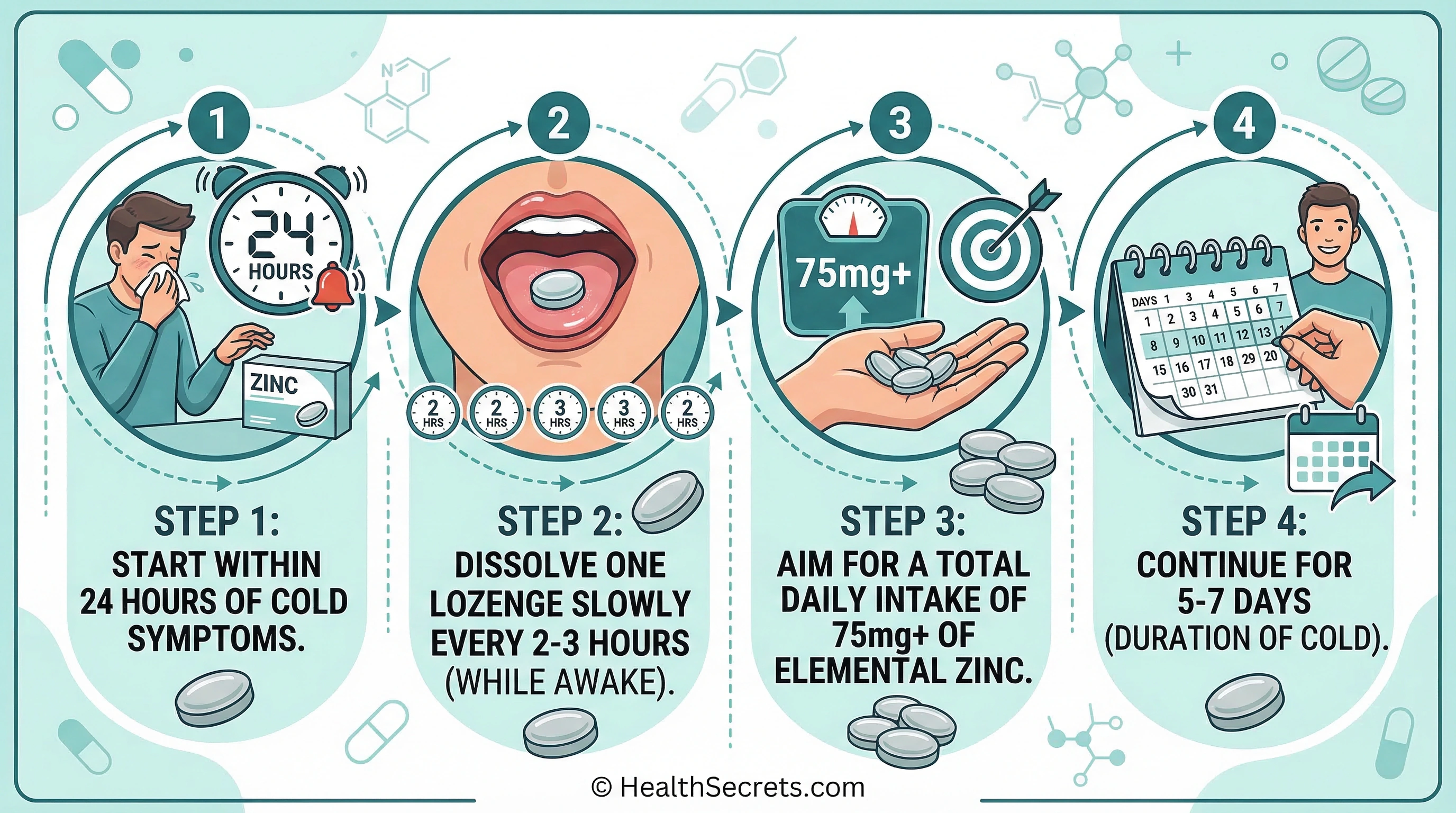
| Cold and flu lozenge protocol: At the first sign of cold symptoms (within 24 hours), dissolve one zinc lozenge (13–23 mg zinc) every 2–3 waking hours. Aim for 75+ mg total daily zinc from lozenges. Continue for 5–7 days or until symptoms resolve. Zinc acetate lozenges showed a 40% reduction in cold duration in meta-analyses, while zinc gluconate showed a 28% reduction. |
Timing matters: Take zinc supplements with meals to minimize nausea. Avoid taking zinc at the same time as calcium, iron, or copper supplements—they compete for absorption. If you take a comprehensive supplement stack, space zinc at least 2 hours from these minerals.
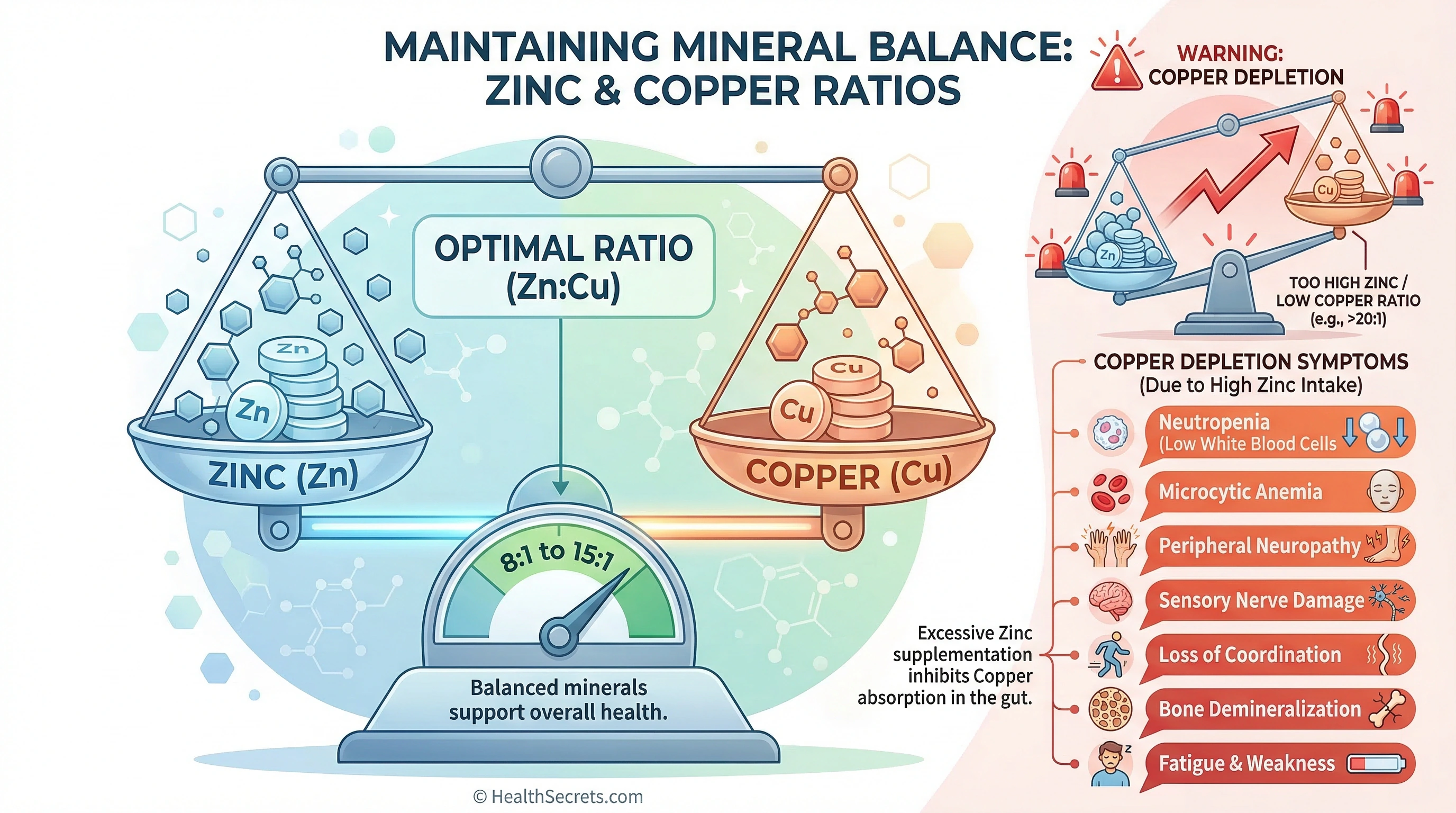
Copper balance is critical: The NIH Tolerable Upper Intake Level for zinc is 40 mg/day for long-term use. Doses above this can inhibit copper absorption over time, leading to copper deficiency (symptoms: anemia, neutropenia, neurological issues). If supplementing above 30 mg zinc daily for more than 2–3 months, add 1–2 mg copper to maintain a healthy 8:1 to 15:1 zinc-to-copper ratio.
Can You Get Enough Zinc From Food Alone?
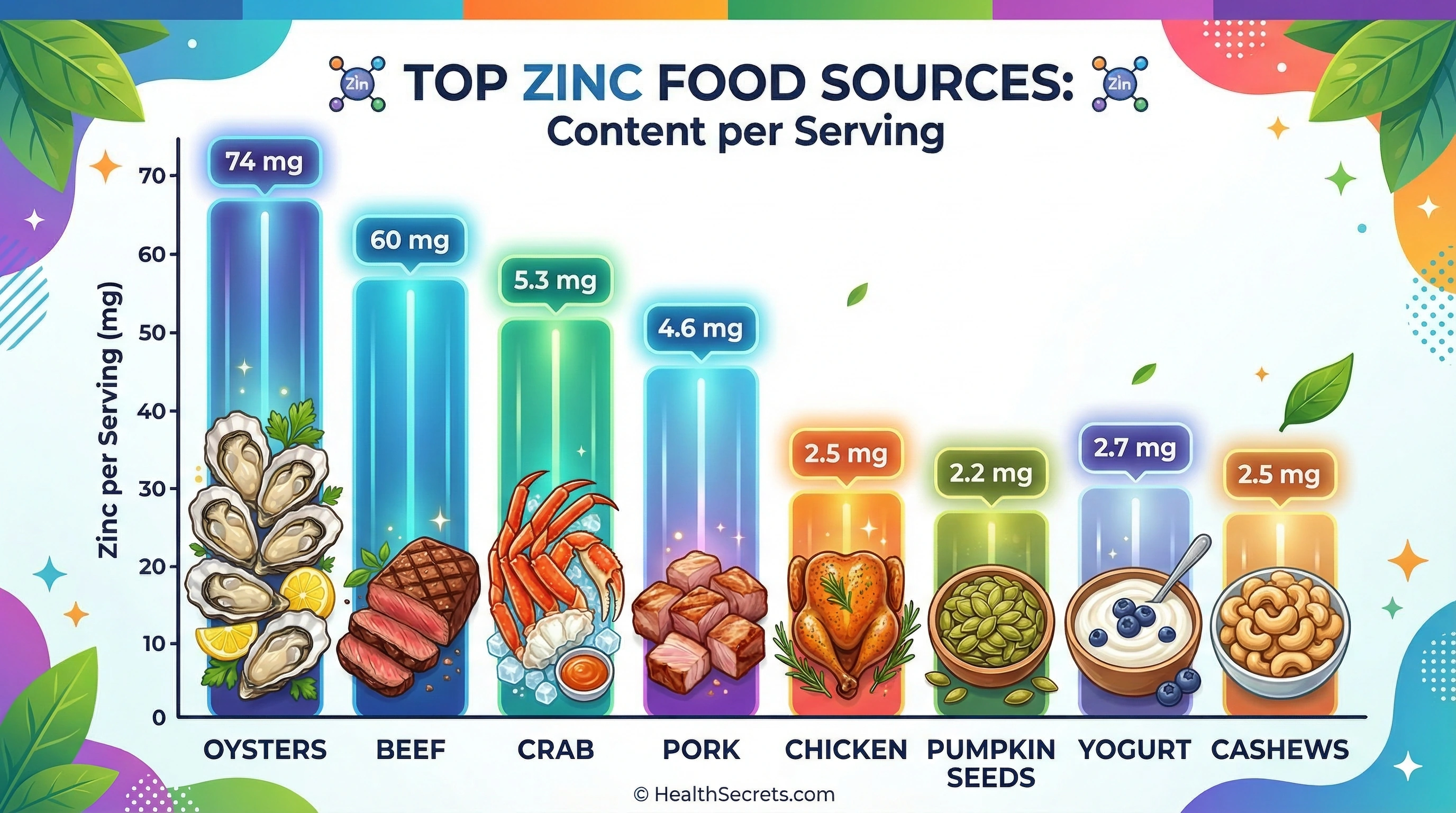
Yes, if you eat a varied diet rich in animal proteins—oysters provide 74 mg per serving (673% DV), and red meat, poultry, and shellfish are all excellent sources. However, plant-based eaters absorb up to 50% less zinc due to phytates, and reaching therapeutic immune-support doses (30–50 mg) through food alone is challenging for most people.
| Food | Zinc per Serving | % Daily Value | Bioavailability |
|---|---|---|---|
| Oysters (3 oz) | 74 mg | 673% | Very High |
| Beef chuck roast (3 oz) | 7 mg | 64% | High |
| Crab (3 oz) | 6.5 mg | 59% | High |
| Pumpkin seeds (1 oz) | 2.2 mg | 20% | Moderate |
| A balanced approach works best: eat zinc-rich foods daily and supplement to fill gaps—especially during cold and flu season or if you're in a higher-risk group (vegetarian, elderly, pregnant, or managing digestive conditions). |
Is Zinc Safe? Side Effects and Drug Interactions You Should Know
Zinc is generally very safe at recommended doses (15–40 mg daily). The most common side effect is nausea when taken on an empty stomach. Long-term use above 40 mg/day risks copper depletion, reduced HDL cholesterol, and paradoxically, immune suppression. Key drug interactions include antibiotics and diuretics.
- Common side effects: Nausea (take with food), metallic taste (especially with lozenges), mild stomach cramps at higher doses. Zinc sulfate and zinc oxide are the worst offenders for GI upset—this is one reason we recommend picolinate or bisglycinate forms.
- Copper depletion (the big concern): Chronic zinc intake above 50 mg/day can cause clinically significant copper deficiency within weeks to months [13]. Symptoms include anemia, low white blood cell counts, and neurological problems. The NIH explicitly warns that doses of 50 mg or more over a period of weeks can inhibit copper absorption and reduce immune function—the very thing you're trying to improve.
- Drug interactions: Zinc can reduce absorption of tetracycline and quinolone antibiotics (take 2 hours apart). Thiazide diuretics increase urinary zinc excretion. Penicillamine (used for rheumatoid arthritis and Wilson's disease) interacts significantly with zinc—consult your doctor.
- Who should be extra cautious: Those on blood thinners, immunosuppressive medications, or long-term antibiotics. Pregnant and breastfeeding individuals should not exceed 40 mg/day without medical supervision.
What Can Zinc Actually Do for Your Immune System?
Zinc supplementation can measurably improve immune cell function, shorten cold duration by 1–3 days, reduce infection frequency in deficient individuals, and support faster wound healing. However, zinc is not a cure for infections, cannot prevent illness entirely, and works best as part of a comprehensive approach including sleep, nutrition, and stress management.
What zinc can do:
- Restore impaired immune function in deficient individuals (often within 2–4 weeks)
- Shorten common cold duration by 33–40% when lozenges are started early
- Enhance NK cell activity and T cell proliferation
- Reduce frequency of respiratory infections in elderly and at-risk populations
- Support skin barrier function and wound healing
What zinc cannot do:
- Cure active infections (it supports, not replaces, your immune response)
- Prevent COVID-19 or influenza (research is inconclusive for prevention)
- Compensate for poor sleep, chronic stress, or inadequate nutrition
- Work optimally in isolation—zinc pairs best with vitamin C, vitamin D, and a nutrient-rich diet
Realistic timeline: Most people notice improvements in wound healing and reduced illness frequency within 4–8 weeks of consistent supplementation. If you're significantly deficient, improvements in energy, taste/smell, and immune resilience may be noticeable within 2–3 weeks.
Action Plan
What Should You Do First to Optimize Your Zinc Intake?
Follow the sequence below, work through each phase in order, and use the checklist as your practical implementation guide.
Start by assessing your risk for zinc deficiency, then choose the right form and dose for your goals. A phased approach ensures you build zinc levels safely without disrupting copper balance or causing GI side effects.
Phase 1 (Week 1–2): Assess and Start
- Evaluate your diet for zinc-rich foods (oysters, red meat, shellfish, pumpkin seeds)
- Identify deficiency risk factors (vegetarian/vegan, elderly, digestive conditions, frequent illness)
- Choose a well-absorbed zinc form (picolinate, bisglycinate, or citrate)
- Start at 15–30 mg daily with meals
Phase 2 (Week 3–4): Optimize
- If targeting immune support, increase to 30–50 mg daily
- Add 1–2 mg copper if dosing above 30 mg
- Space zinc 2 hours from iron, calcium, and copper supplements
- Combine with vitamin C and vitamin D for synergistic immune support
Phase 3 (Month 2+): Maintain
- Settle into a maintenance dose of 15–30 mg daily
- Keep zinc lozenges on hand for acute cold symptoms
- Reassess zinc intake seasonally and during periods of stress or illness
- Consider serum zinc testing if symptoms of deficiency persist