The immune supplement market has exploded into a multi-billion dollar industry — and sorting science-backed products from overhyped formulas has never been harder. With thousands of options claiming to "boost" immunity, most people end up overwhelmed or taking supplements that don’t deliver meaningful benefits.
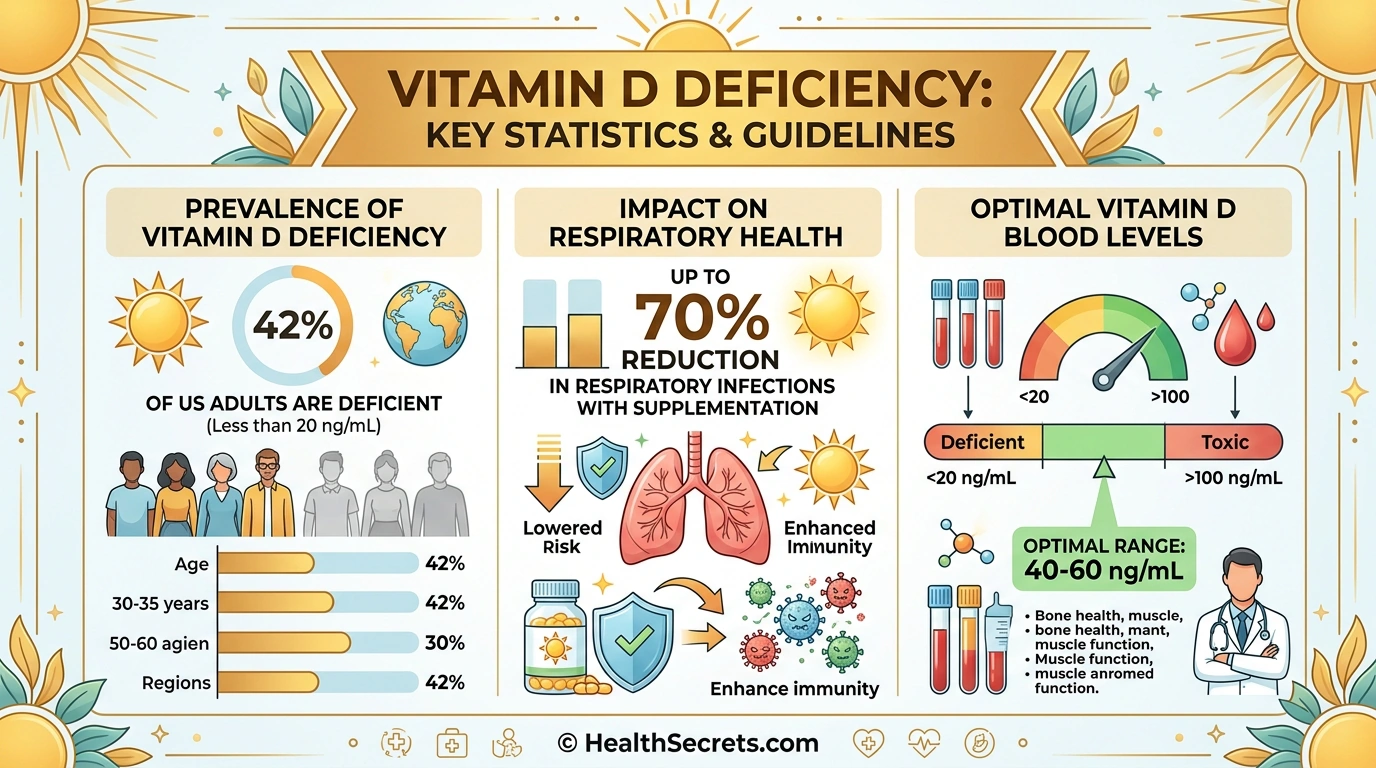
Here’s what the science tells us: your immune system requires specific nutrients to function optimally. Research shows that a significant portion of adults are deficient in key immune nutrients like vitamin D, zinc, and vitamin C — and targeted supplementation can genuinely help fill those gaps [1][2].
But "boosting" immunity isn’t quite the right framing. Quality supplements support optimal immune function by ensuring your body has the raw materials for a balanced, effective immune response. Overactivating the immune system can be just as problematic as an underperforming one — especially for people with autoimmune conditions [3].
We spent over 40 hours researching clinical evidence, analyzing ingredient quality, verifying third-party testing, and comparing prices to identify the 10 best immune boosting supplements that genuinely deliver. Every product on this list contains research-backed ingredients at clinically meaningful doses.
What Should You Look for in the Best Immune Boosting Supplements?
The best immune boosting supplements combine clinically validated ingredients at research-backed doses, transparent labeling, third-party quality testing, and bioavailable forms your body can absorb. Avoiding proprietary blends, inflated claims, and under-dosed formulas is just as important as choosing the right ingredients [8].
Which Ingredients Have the Strongest Evidence for Immune Support?
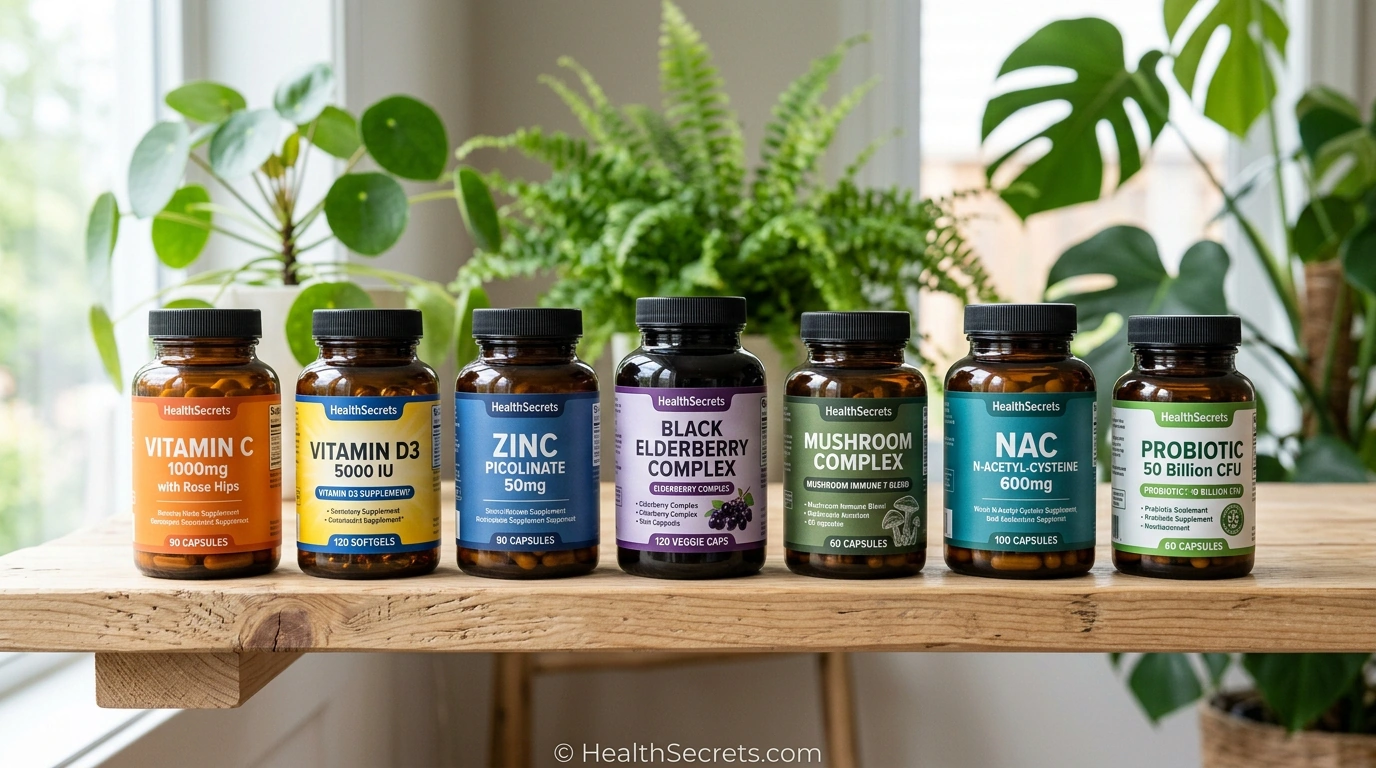
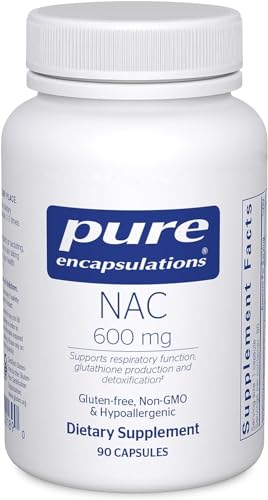
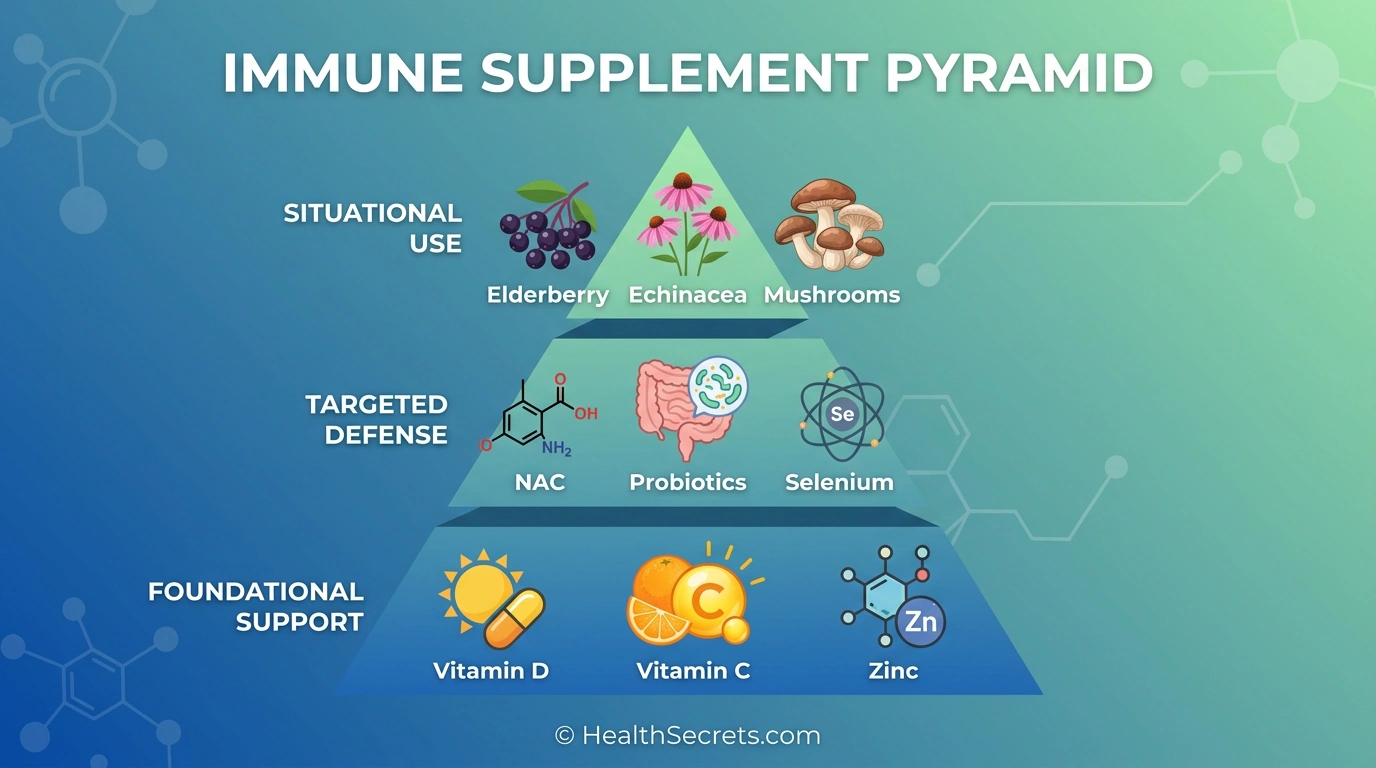
The nutrients with the most robust evidence are vitamin C (200–1,000 mg/day), vitamin D3 (1,000–5,000 IU/day), and zinc (15–30 mg/day). These three form the foundation of evidence-based immune supplementation. Beyond the basics, elderberry, NAC, probiotics (specific strains), and medicinal mushrooms have growing clinical support [1][2][9].
What Quality Markers Should You Check Before Buying?
- Third-party testing: USP Verified, NSF Certified, or ConsumerLab Approved seals
- Clinically meaningful doses: Compare label amounts to clinical study doses
- Bioavailable forms: Zinc picolinate over oxide, D3 over D2, methylated B vitamins
- No proprietary blends: Exact amounts of every ingredient visible
- GMP certification: Ensures manufacturing quality standards
- Transparent sourcing: Reputable brands disclose ingredient origins [8]

Are You Unknowingly Inflaming Your Body?
Get the free Health Vitals & Nutrient Checklist — the daily guide that shows you which habits and supplements are silently triggering inflammation.
How Did We Evaluate These Immune Support Products?
We evaluated over 40 immune supplement products using systematic criteria prioritizing clinical evidence, ingredient quality, and real-world value. Our process ensures every recommendation is backed by science, not marketing [8].
Our evaluation criteria:
- Clinical evidence (30%): Ingredients supported by peer-reviewed research from PubMed and Cochrane databases
- Dosing accuracy (25%): Clinically meaningful doses verified against research-backed amounts
- Bioavailability (15%): Ingredients in forms the body efficiently absorbs
- Third-party testing (15%): Independent verification by USP, NSF, or ConsumerLab
- Value (10%): Cost per daily serving relative to quality
- Transparency (5%): Full ingredient and manufacturing disclosure

Evidence-Based Supplement Organizer & Safety Log
Track your daily intake, verify third-party certifications, and prepare clear questions for your clinician.
How Do You Use Immune Supplements Effectively for Best Results?
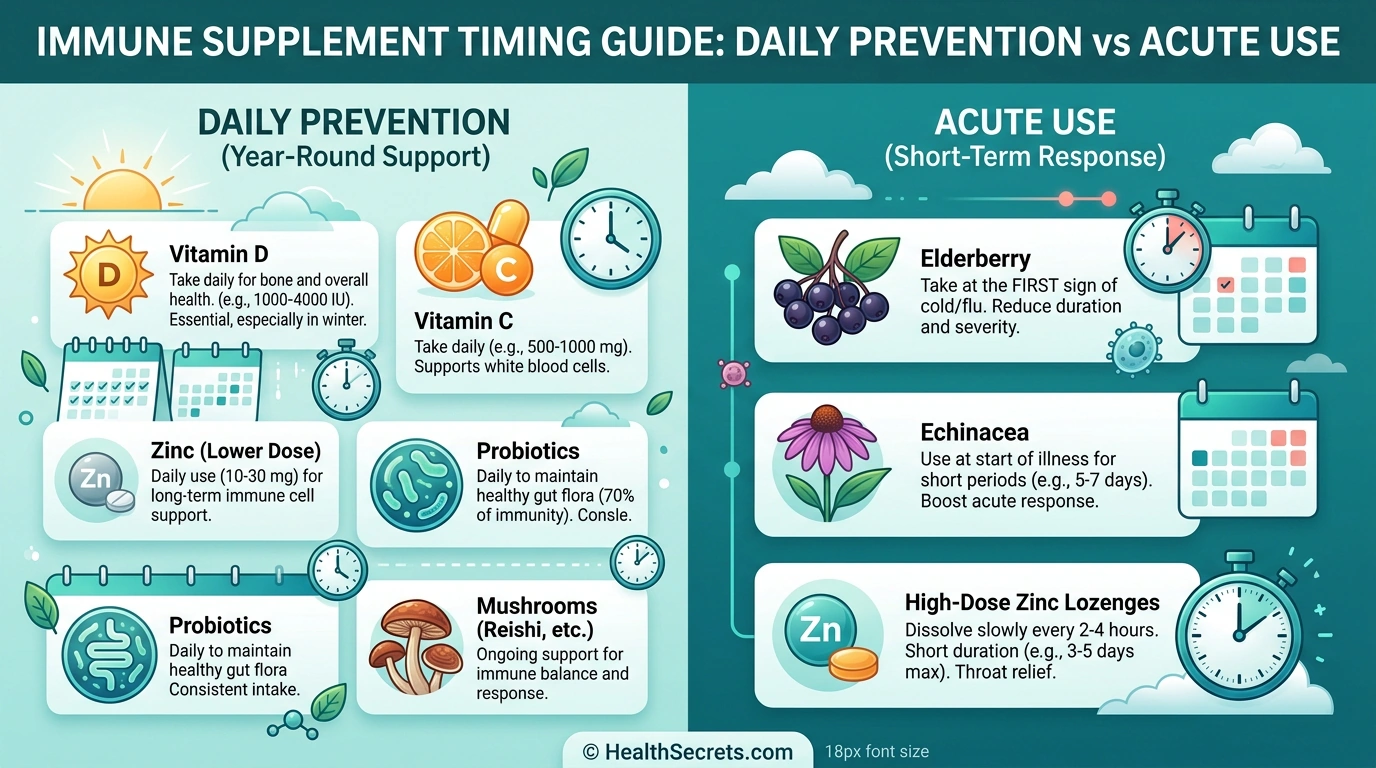
For optimal results, take immune supplements consistently as part of a daily routine rather than only when sick. Fat-soluble vitamins (D3, K2) should be taken with a meal containing fat, while vitamin C and zinc are best taken with food to minimize stomach upset [2][10].
Should You Take Immune Supplements Daily or Only When Sick?
Daily (preventive) use is recommended for foundational nutrients like vitamin D, vitamin C, and zinc — these work best when tissue levels are maintained consistently.
Acute use (at first sign of symptoms) is the better strategy for elderberry, echinacea, and high-dose zinc lozenges [5][11].
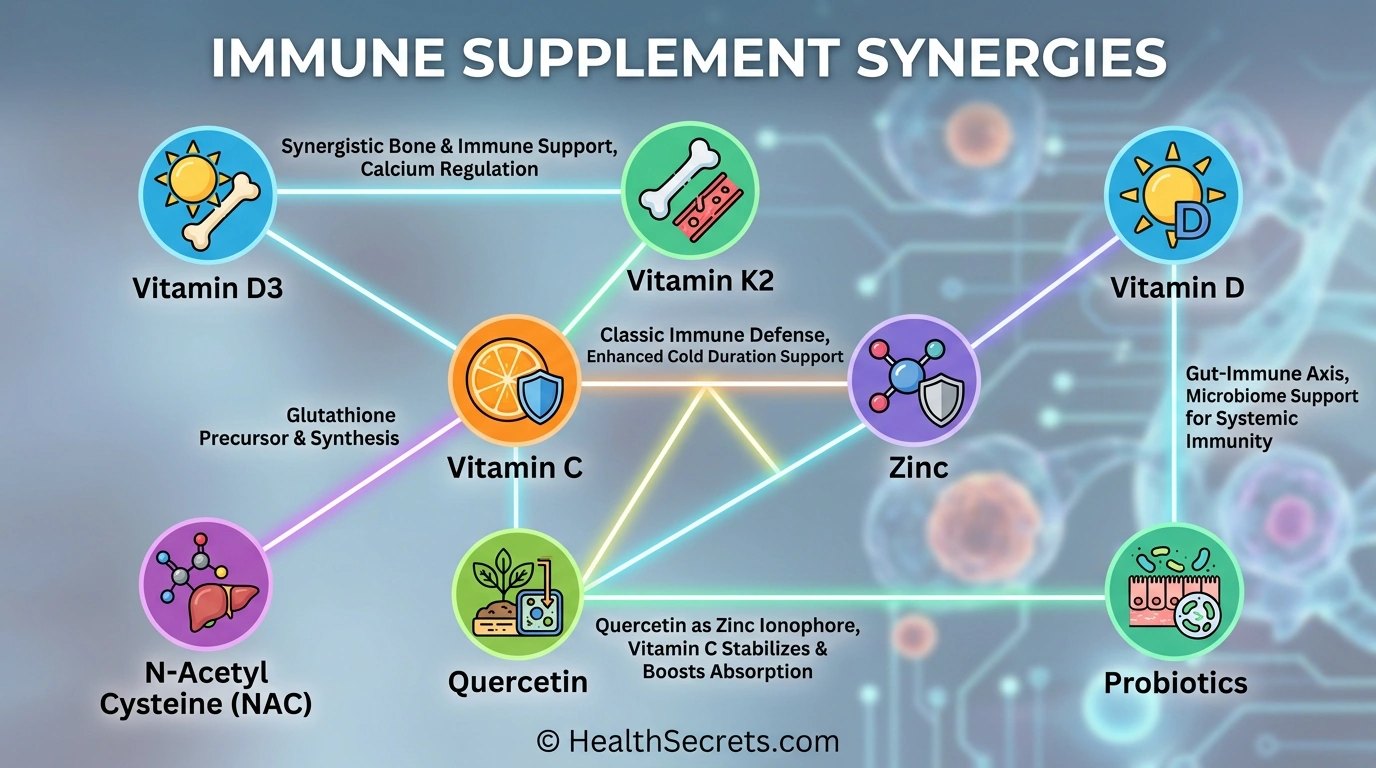
What Immune Supplement Combinations Work Well Together?
- Vitamin D3 + K2: K2 directs calcium properly when D3 increases absorption
- Vitamin C + Zinc: Complementary mechanisms — C supports neutrophils, zinc supports T-cells
- NAC** + Vitamin C:** Both support glutathione and antioxidant defense
- Vitamin D + Probiotics: D supports gut barrier where most immune cells reside
- Quercetin** + Vitamin C:** Quercetin acts as a zinc ionophore; C recycles quercetin [12]
Who Should NOT Take Certain Immune Supplements?
People with autoimmune conditions (lupus, RA, MS, Hashimoto’s) should avoid immune-stimulating supplements like elderberry, echinacea, and astragalus. Immune-modulating options (vitamin D, probiotics, medicinal mushrooms) are generally safer but still require medical consultation [3].
Are There Any Safety Concerns with Immune Boosting Supplements?
Most immune supplements are safe for healthy adults at recommended doses, but several carry interaction risks. Zinc above 40 mg/day long-term can cause copper deficiency, vitamin D toxicity is possible above 10,000 IU/day without monitoring, and elderberry may interact with immunosuppressants [2][13].
What Are the Most Common Side Effects?
- Zinc: Nausea and metallic taste at higher doses; copper depletion above 40 mg/day long-term [13]
- Vitamin C: GI distress above 2,000 mg/day; may increase kidney stone risk in susceptible people [14]
- Elderberry: Mild GI symptoms; raw berries are toxic — only use commercially prepared extracts [5]
- Echinacea: Allergic reactions possible in ragweed-allergic people; limit to 8–10 weeks [11]
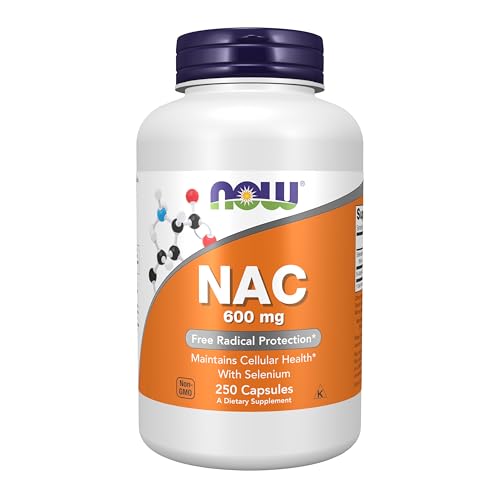
- NAC: GI side effects at higher doses; may interact with nitroglycerin and blood thinners [6]
Which Medications Interact with Immune Supplements?
Action Plan
What Should You Do First to Build an Immune Supplement Routine?
Follow the sequence below, work through each phase in order, and use the checklist as your practical implementation guide.
Start with three foundational nutrients — vitamin D3, vitamin C, and zinc — since these address the most common deficiencies and have the strongest evidence. Then add targeted supplements based on individual needs after 2–4 weeks [1][2].
Phase 1 — Foundation (Weeks 1–2):
- Get vitamin D levels tested (25-hydroxyvitamin D blood test)
- Start vitamin D3 (2,000–5,000 IU/day with a fat-containing meal)
- Add vitamin C (500–1,000 mg/day with food)
- Add zinc picolinate (15–30 mg/day; don’t exceed 40 mg/day long-term)
Phase 2 — Targeted Additions (Weeks 3–4):
- For antioxidant support: add NAC (600 mg 1–2x/day)
- For daily immune modulation: add a medicinal mushroom blend
- For gut-immune support: add a probiotic with immune-specific strains
- Keep elderberry on hand for acute cold/flu use
Phase 3 — Optimize (Month 2+):
- Retest vitamin D after 3 months; target 40–60 ng/mL
- Support supplements with anti-inflammatory diet and exercise
- Reassess seasonally (increase D3 in winter; elderberry for cold/flu season)
- Combine with lifestyle strategies to boost immunity