If you've ever explored the world of herbal immune support, chances are you've come across astragalus — though you may not have realized just how significant this root really is. Known as Huang Qi (黄芪) in Traditional Chinese Medicine, astragalus has been a cornerstone of immune tonics for over two millennia. And unlike many ancient remedies that crumble under scientific scrutiny, astragalus is actually holding up remarkably well.
Modern research confirms what TCM practitioners have long observed: astragalus root enhances multiple arms of the immune system, from T cell proliferation to natural killer cell activity. Its polysaccharides bind to immune cell receptors and activate critical signaling pathways, while its saponins and flavonoids provide potent antioxidant and anti-inflammatory protection.
But astragalus isn't for everyone — and it's definitely not for every situation. If you have an autoimmune condition, or you're in the middle of an acute infection with fever, this herb may do more harm than good. Understanding when to use astragalus (and when to avoid it) is just as important as understanding its benefits.
For a broader overview of immune-supporting supplements, see our complete guide to boosting your immune system naturally. You can also explore our best immune supplements roundup and our comprehensive supplements guide for additional context.
What Is Astragalus and What Does It Do for Your Immune System?
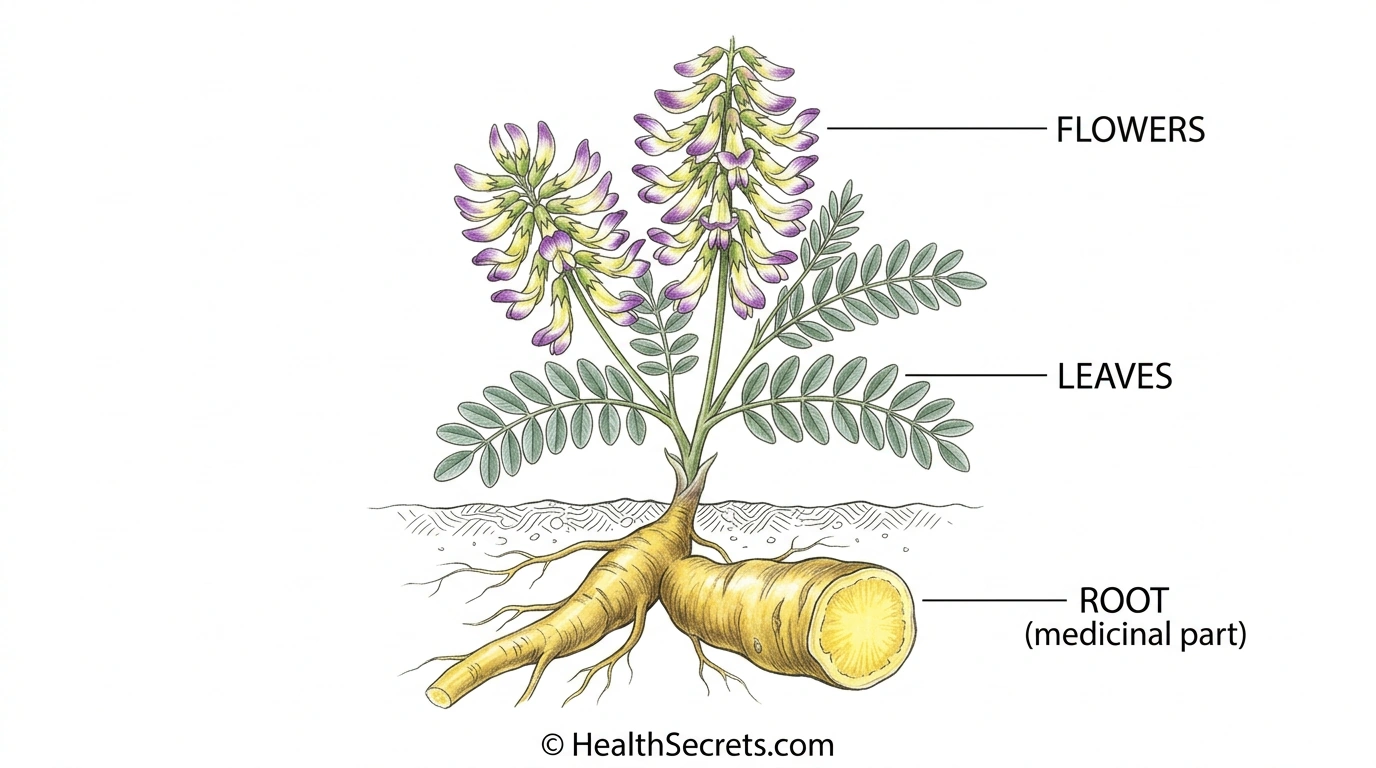
Astragalus membranaceus is a flowering legume native to northern China and Mongolia whose root contains polysaccharides, saponins (astragalosides), and flavonoids that work together to modulate and strengthen immune function. In Traditional Chinese Medicine, it's classified as a superior Qi tonic that strengthens Wei Qi — the body's defensive energy — making it one of the most important herbs for long-term immune resilience.
The root is the medicinal part, typically harvested from plants aged 4–7 years for maximum potency. Astragalus contains three primary classes of bioactive compounds:
What Are Astragalus Polysaccharides and Why Do They Matter?
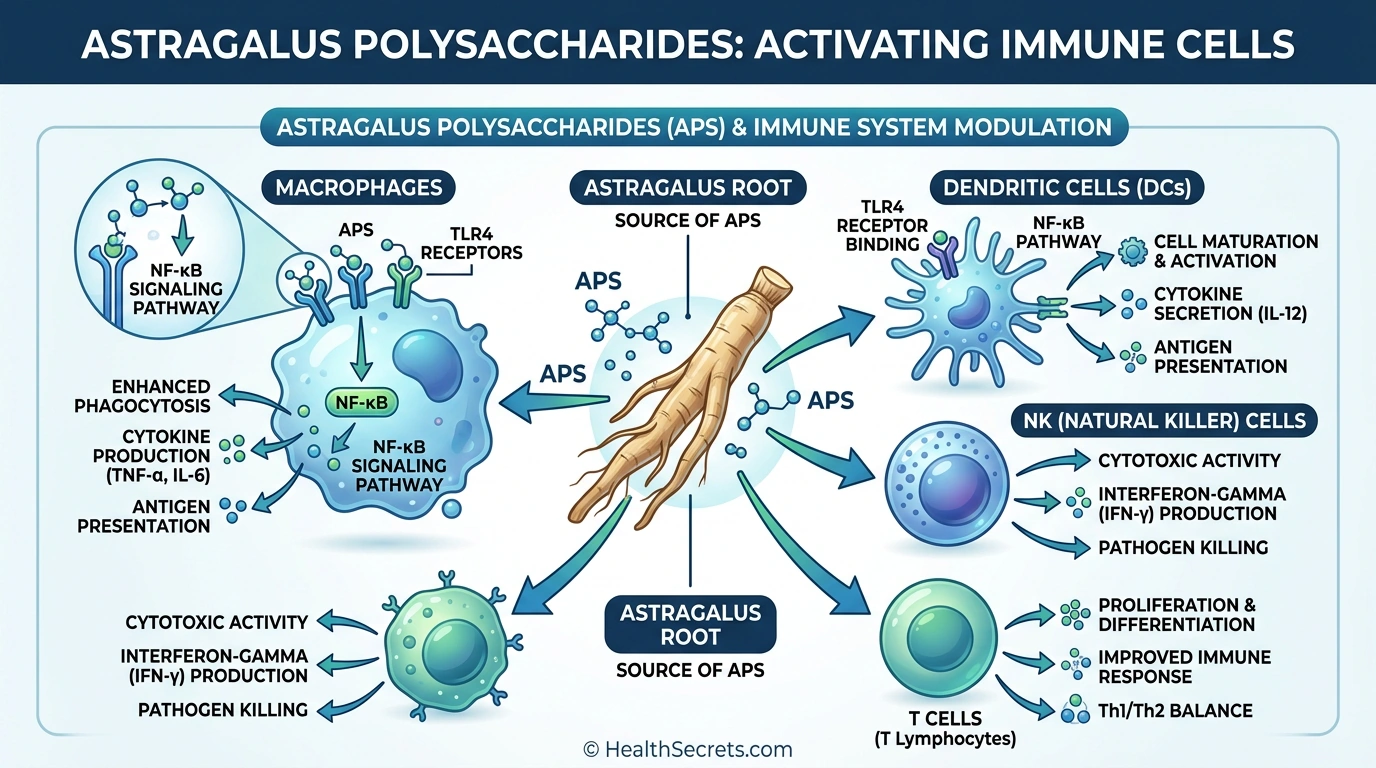
- Astragalus polysaccharides (APS) are the most extensively researched immune-active compounds. They bind to Toll-like receptors (TLR4) on immune cells, activating the NF-κB and MAPK signaling pathways that trigger immune cell proliferation, cytokine production, and pathogen clearance. A 2020 study confirmed that APS enhanced macrophage immune function specifically through NF-κB p65/MAPK signaling ([1]Exp Ther Med [1]).
- Saponins (astragalosides) provide adaptogenic, anti-inflammatory, and cardioprotective effects. Astragaloside IV, the most studied saponin, has shown potential telomerase-activating properties in vitro.
- Flavonoids deliver antioxidant and anti-inflammatory support, protecting immune cells from oxidative damage during their pathogen-fighting activities.

Tired of Confusing Health Numbers?
Get the free 7-point clinical worksheet that takes the guesswork out of your daily vitals, blood pressure, and immune recovery metrics.
How Does Astragalus Work in the Body to Strengthen Immunity?
Astragalus enhances immunity through multiple interconnected mechanisms: it activates macrophages and dendritic cells via TLR4 receptor binding, promotes T cell and NK cell proliferation through cytokine signaling, and provides antioxidant protection that shields immune cells from self-inflicted oxidative damage during pathogen clearance. These effects are primarily driven by astragalus polysaccharides.
How Does Astragalus Enhance T Cell and NK Cell Function?
Astragalus polysaccharides directly promote T cell proliferation and activity. A 2026 study published in Frontiers in Immunology demonstrated that APS acts as a precise immune modulator — not merely a booster — reprogramming the immune microenvironment by activating macrophages, dendritic cells, and other immune cells through surface receptor binding ([4]Front Immunol [4]). Research also shows APS enhances CD8+ T cell cytotoxicity by downregulating the Tim-3 immune checkpoint, increasing expression of activation markers like CD69 and granzyme B ([3]J Ethnopharmacol [3]).
For NK cells, APS significantly increases cytotoxicity and the expression of IFN-γ, granzyme B, and perforin — critical molecules for killing infected and abnormal cells ([5]Pharmaceuticals [5]).
How Does Astragalus Activate Macrophages?
APS stimulates macrophages through TLR4-mediated MyD88-dependent signaling, increasing the production of nitric oxide, TNF-α, IL-1β, and IL-6. When TLR4 or MyD88 was inhibited in studies, these immune-activating effects were significantly reduced, confirming the specific mechanism ([2]Sci Rep [2]).
What Are the Adaptogenic Properties of Astragalus?
As a classified adaptogen, astragalus helps the body maintain immune homeostasis during physical and emotional stress. Chronic stress suppresses immune function through HPA axis dysregulation; astragalus normalizes this response. A randomized controlled trial in rowers found that standardized astragalus extract attenuated exercise-induced immunosuppression, helping maintain immune cell counts after strenuous exertion ([7]J Int Soc Sports Nutr [7]).

Home Blood Pressure Tracking Kit
Choose and fit a validated monitor, measure the way the guidelines ask, and log 30 days morning and evening; the kit works out your weekly averages and fills in a one-page summary for your clinician.
How Well Is Astragalus Absorbed by the Body?
Astragalus polysaccharides are primarily absorbed through the gastrointestinal tract, where they interact with gut-associated lymphoid tissue (GALT) and Toll-like receptors on intestinal immune cells. Bioavailability varies significantly by form — traditional decoctions extract compounds through prolonged simmering, while standardized extracts offer more consistent and concentrated delivery of active polysaccharides.
The polysaccharides don't need to be fully absorbed systemically to exert immune effects — much of their activity occurs through direct interaction with gut immune cells, which house approximately 70% of the body's immune tissue. However, astragalosides (saponins) do enter systemic circulation and distribute to organs including the liver, kidneys, and thyroid.
Absorption enhancers:
- Traditional decoction (simmering 30–60 minutes): Extracts compounds more thoroughly than simple infusion
- Standardized extracts: Concentrated and consistent polysaccharide content
- Taking with food: Generally well-tolerated either way; food may improve GI comfort
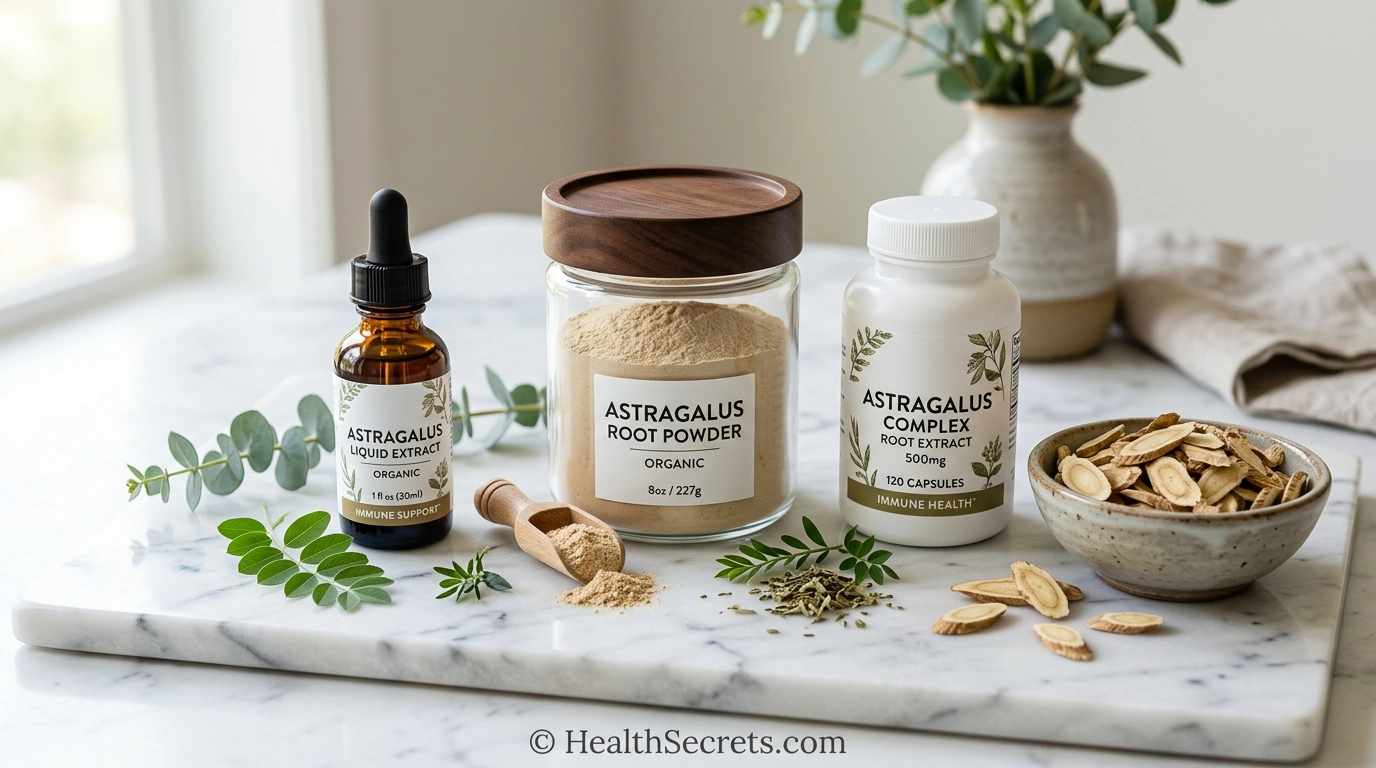
Forms ranked by bioavailability:
- Standardized extract capsules (most consistent)
- Liquid tinctures (fast absorption)
- Root powder (traditional, flexible dosing)
- Dried root tea/decoction (most traditional, requires preparation)
How Much Astragalus Should You Take for Immune Support?
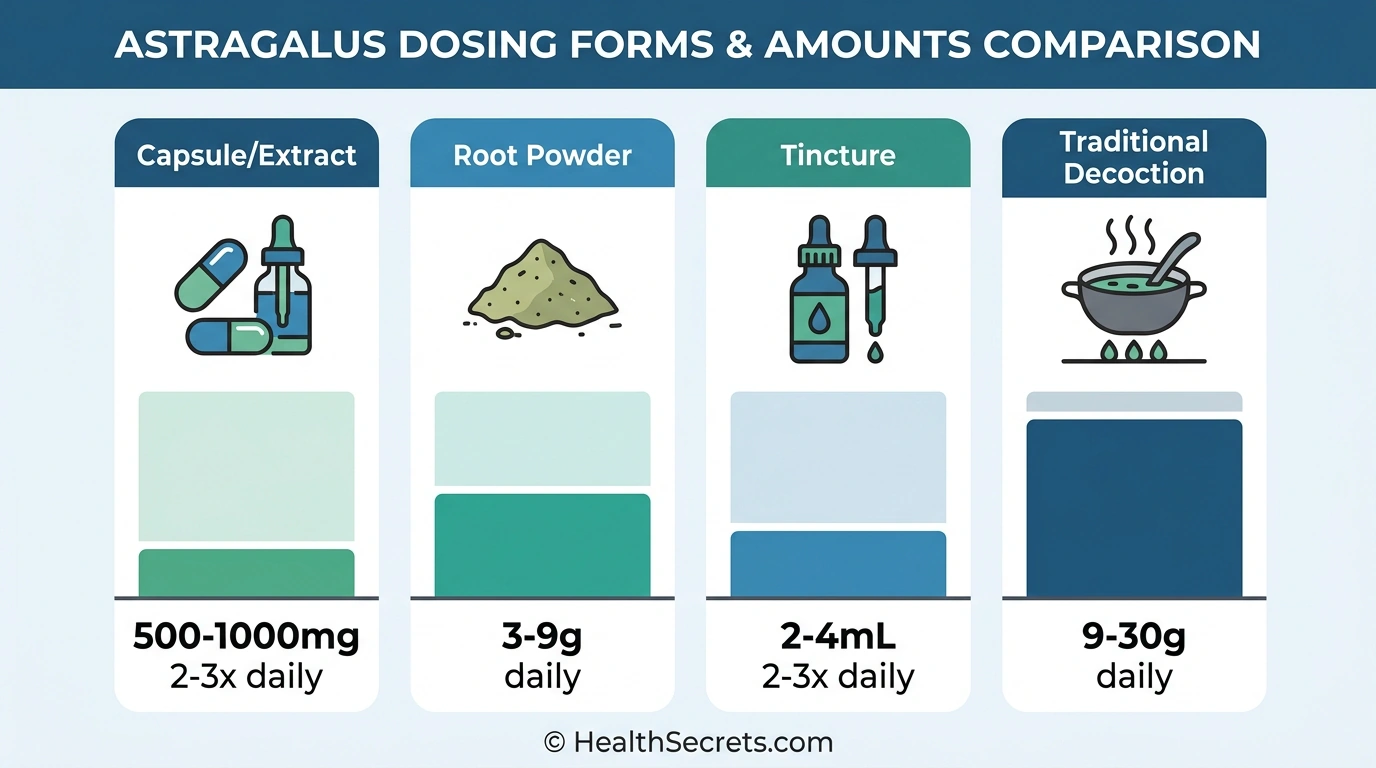
For general immune support, most clinical research and supplement manufacturers recommend 1,000–2,000 mg of standardized astragalus root extract daily, split into 2–3 doses. Traditional Chinese Medicine uses higher amounts of raw dried root — typically 9–30 g daily in decoction form — but the concentration of active compounds differs significantly between raw root and standardized extracts.
| Form | Dose | Frequency | Duration |
|---|---|---|---|
| Standardized Extract | 500–1,000 mg | 2–3x daily | Months (tonic) |
| Root Powder | 3–9 g | 1–2x daily | Months (tonic) |
| Tincture | 2–4 mL | 2–3x daily | Months (tonic) |
| Dried Root Decoction | 9–30 g | 1x daily | Months (tonic) |
| Timing: Astragalus is a tonic herb, meaning it builds effects over weeks to months. Start 4–6 weeks before cold and flu season for preventive use. Some practitioners recommend cycling — 3 months on, 1 month off — though continuous use is also considered safe at recommended doses. |
The NCCIH notes that taking up to 60 grams per day for as long as 4 months does not appear to cause adverse effects, though a thorough safety evaluation has not been completed (NCCIH, Astragalus Fact Sheet [10]).
Can You Get Enough Astragalus from Food Alone?
Unlike vitamins or minerals, astragalus is not a nutrient found in everyday foods — it's a medicinal herb consumed intentionally as a supplement or prepared as a traditional decoction. While astragalus root slices can be simmered into soups, broths, and teas (a common practice in Chinese cuisine), achieving consistent therapeutic doses through dietary preparation alone is difficult without standardized measurement.
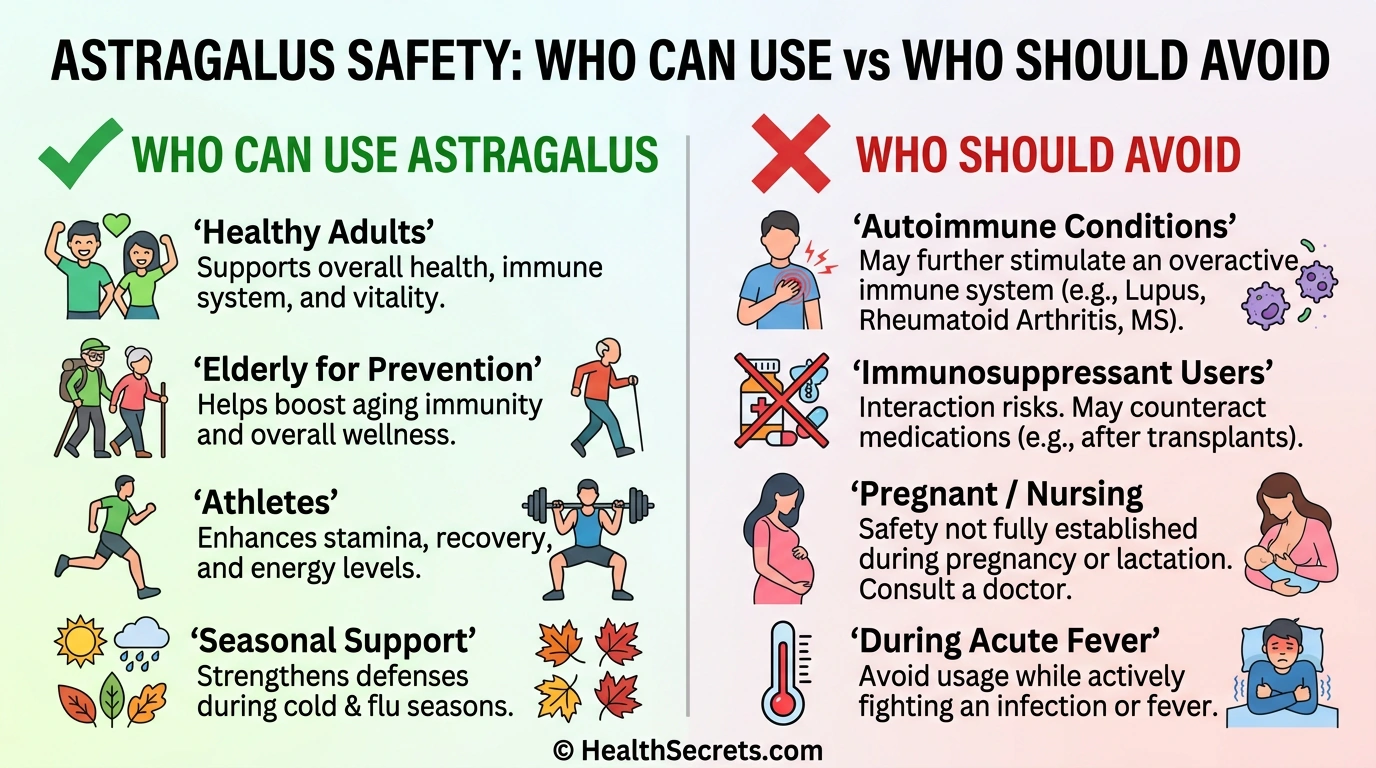
In Traditional Chinese Medicine, astragalus root is commonly added to chicken soup or congee (rice porridge) for nourishing, immune-supportive meals. However, the polysaccharide content varies significantly based on root quality, age, growing conditions, and preparation method.
Practical food-based approaches:
- Astragalus chicken broth: Simmer 15–30 g dried root slices in broth for 1–2 hours
- Astragalus tea: Decoct 3–6 g dried root per cup for 30–60 minutes
- Astragalus congee: Add root slices to rice porridge during cooking
For consistent, therapeutic-level immune support, standardized supplements are more practical and reliable than food preparation alone.
Is Astragalus Safe to Take Long-Term?
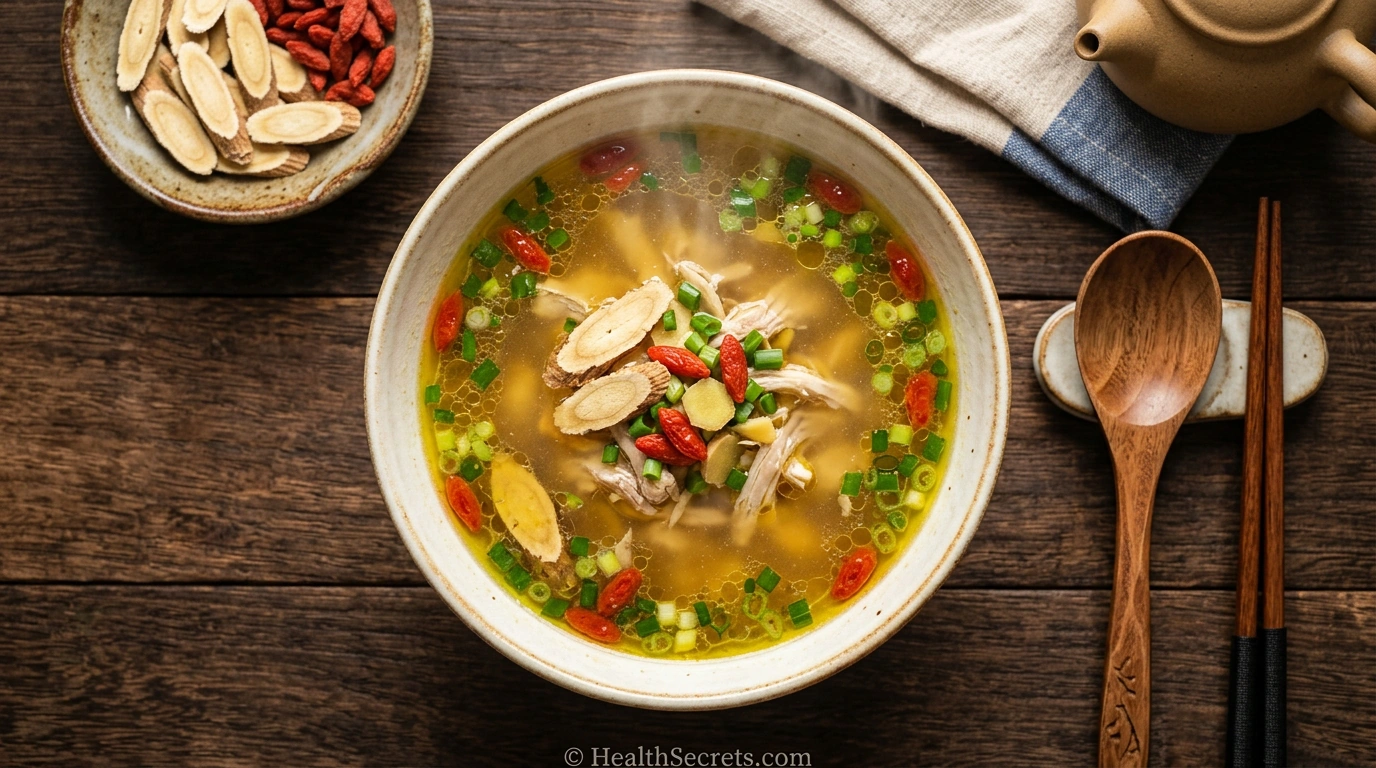
Astragalus is generally considered safe and well-tolerated at recommended doses, with thousands of years of traditional use and a low side-effect profile in clinical studies. However, it carries important contraindications for people with autoimmune conditions, those taking immunosuppressant medications, and potentially during pregnancy — making it essential to understand who should avoid this herb entirely.
Common side effects (rare): Mild digestive upset (bloating, gas), allergic reactions (rash, itching) — generally manageable by reducing dose or taking with food.
Contraindications (CRITICAL):
- Autoimmune conditions: Astragalus stimulates immune activity and may worsen symptoms of rheumatoid arthritis, lupus, multiple sclerosis, Crohn's disease, and psoriasis. The NCCIH explicitly warns that people with autoimmune diseases should avoid astragalus (NCCIH [10]).
- Immunosuppressant medications: May counteract cyclosporine, tacrolimus, azathioprine, and corticosteroids used for transplant or autoimmune management (WebMD [11]).
- Lithium: Astragalus may decrease lithium elimination, potentially increasing levels and side effects.
- Pregnancy and breastfeeding: Insufficient safety data; animal studies suggest potential fetal toxicity (MSD Manual).
- Surgery: Stop 2 weeks before scheduled surgery due to theoretical bleeding and immune effects.
- Acute infection with fever: Traditional TCM principle advises against using tonics during active infection (may "trap the pathogen").
What Can Astragalus Actually Do for Your Immune Health?
Astragalus is best understood as a long-term immune tonic that strengthens resilience over weeks to months — not a quick-fix remedy for acute illness. Clinical evidence shows it can meaningfully reduce respiratory infection frequency in vulnerable populations, and laboratory research confirms robust immune cell activation, but it won't replace vaccines, proper hygiene, or medical treatment for serious infections.
What astragalus CAN do:
- Reduce frequency of upper respiratory infections when taken preventively (clinical evidence showed a 44% reduction in children with nephrotic syndrome — [8]Evid Based Complement Alternat Med [8])
- Enhance T cell, NK cell, and macrophage activity (consistent laboratory and some clinical evidence)
- Support immune recovery after illness or intense physical stress
- Provide adaptogenic stress resilience that indirectly supports immune function
What astragalus CANNOT do:
- Cure or prevent specific diseases
- Replace medical treatment for serious infections
- Work immediately — effects build over weeks of consistent use
- Safely enhance immunity in people with autoimmune conditions
Realistic timeline: Expect 4–8 weeks of consistent daily use before noticing meaningful differences in infection frequency or overall resilience.
Action Plan
What Should You Do First to Start Using Astragalus for Immune Support?
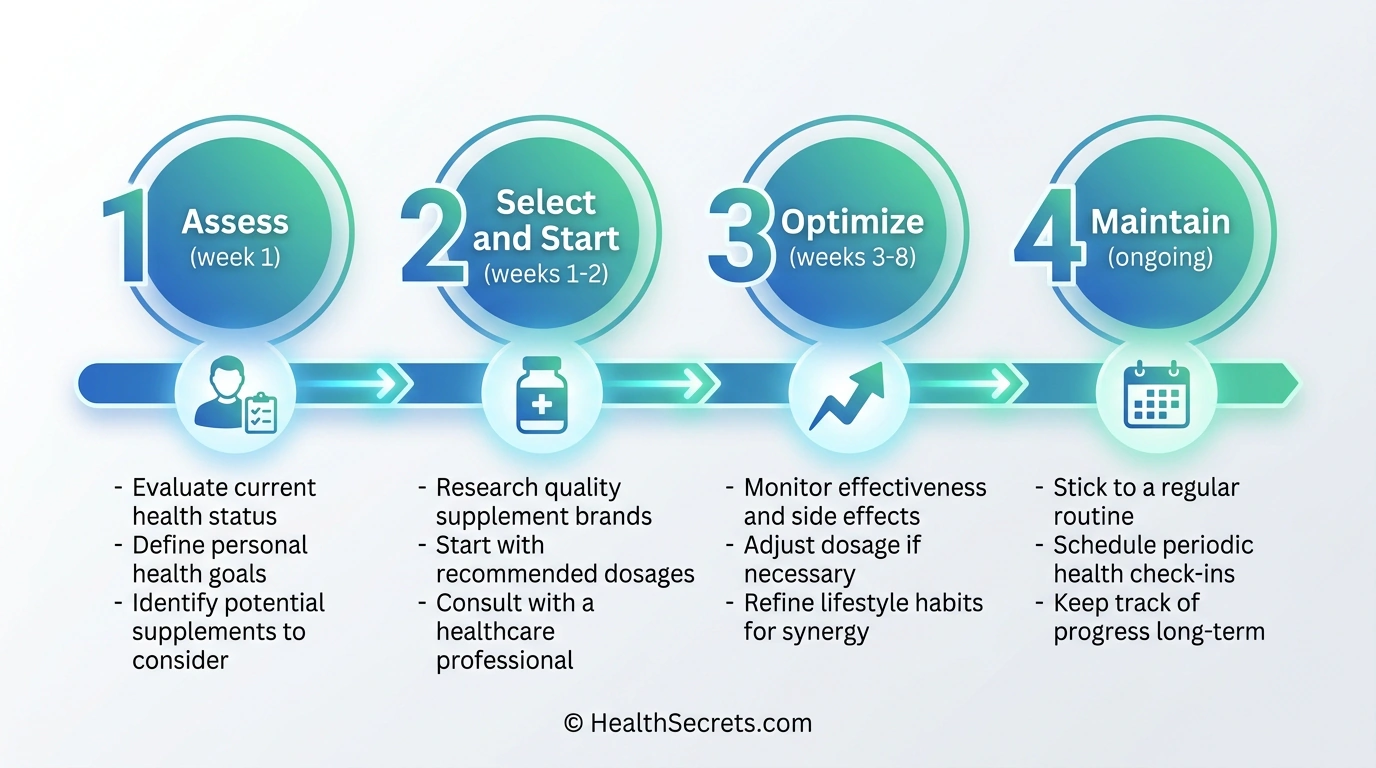
Follow the sequence below, work through each phase in order, and use the checklist as your practical implementation guide.
Begin by assessing whether astragalus is appropriate for you — confirming you don't have autoimmune conditions or take immunosuppressant medications — then select a quality supplement standardized to polysaccharides from Astragalus membranaceus root, and start with a moderate dose of 500–1,000 mg daily, ideally 4–6 weeks before cold and flu season.
Phase 1 — Assess (Week 1):
- Confirm no autoimmune conditions (RA, lupus, MS, Crohn's, psoriasis)
- Review current medications for interactions (immunosuppressants, lithium, blood thinners)
- Consult healthcare provider if you have chronic health conditions
Phase 2 — Select and Start (Weeks 1–2):
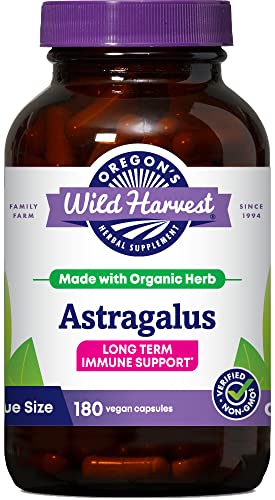
- Choose a quality astragalus supplement (A. membranaceus root, standardized to polysaccharides, third-party tested)
- Start with 500 mg twice daily with meals
- Monitor for any digestive discomfort or allergic reactions
Phase 3 — Optimize (Weeks 3–8):
- Increase to 1,000 mg twice daily if well-tolerated and seeking therapeutic support
- Consider combining with zinc (15–30 mg), vitamin C, and vitamin D for comprehensive immune support
- Add elderberry at the first sign of illness for acute support
Phase 4 — Maintain (Ongoing):
- Continue throughout cold/flu season (3–6 months)
- Consider cycling: 3 months on, 1 month off (optional)
- Stop during acute fever/infection and resume after recovery
- Evaluate overall infection frequency after one full season