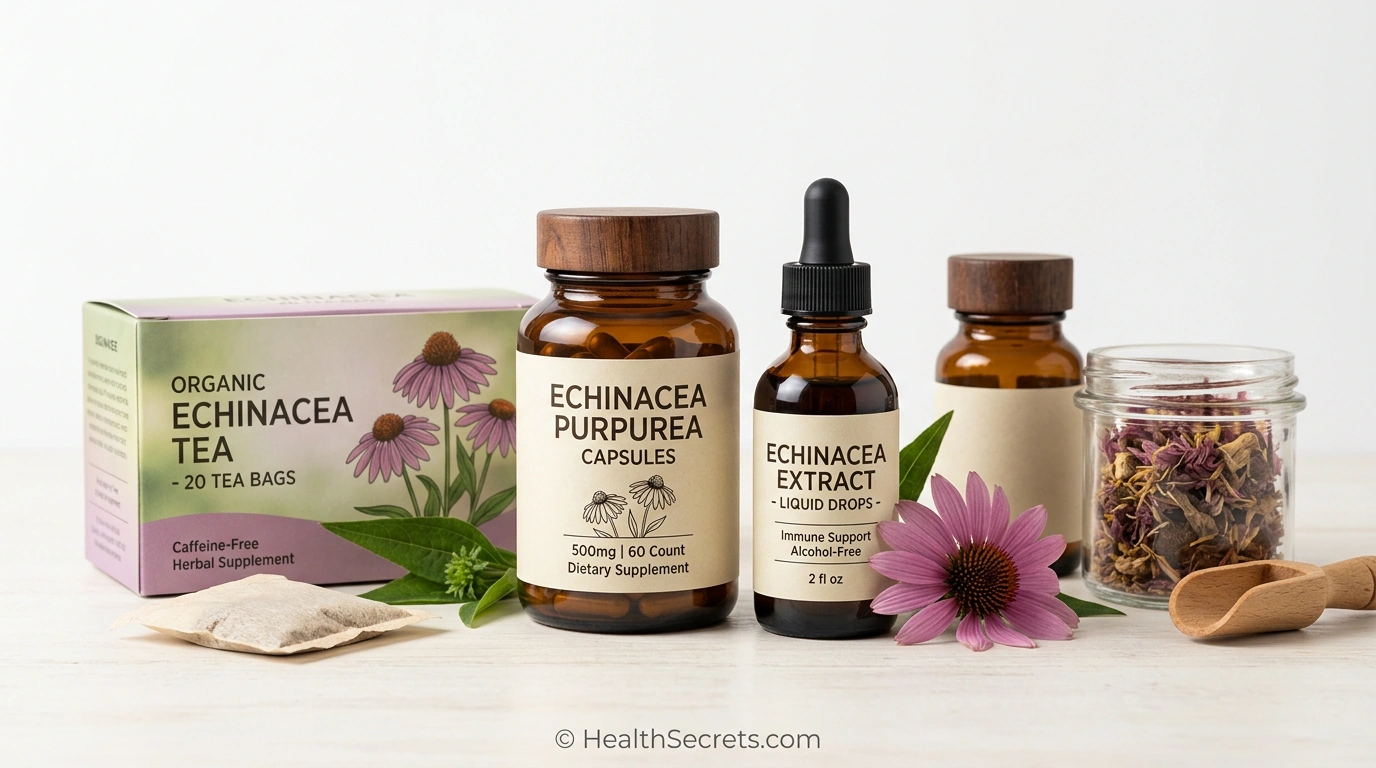
Echinacea sits in a strange place in the supplement world. It is one of the top-selling herbal remedies on the planet, used by millions every cold season, yet the scientific debate about whether it actually works continues to simmer. Some studies show clear benefits, others show nothing at all, and the average person is left wondering whether that bottle of echinacea in the medicine cabinet is doing anything useful. [1] [3]
The truth, as usual, lies somewhere in the middle. The research on echinacea is neither a slam dunk nor a complete failure. What the evidence does show is that species, preparation, dosing, timing, and product quality all matter enormously. A cheap, poorly standardized echinacea capsule and a high-quality liquid extract standardized to active compounds are not the same product, and they do not produce the same results [18]. [4]
In this guide, you will learn what echinacea actually does in your body, what the clinical research shows about cold prevention and treatment, how to choose the right species and form, evidence-based dosing protocols, and which products are worth your money. [5] [6]
Related reading: How to Boost Your Immune System Naturally · Elderberry for Immune Support · Zinc and Immune Function · Vitamin D and Immunity · Immune-Boosting Foods · Medicinal Mushrooms for Immunity [7] [8]
What Is Echinacea and What Does It Do for the Immune System?
Echinacea is a genus of flowering plants in the daisy family (Asteraceae), native to North America, that has been used for centuries by Native Americans to treat infections and wounds. Modern research has identified several active compounds, including alkamides, polysaccharides, and caffeic acid derivatives like chicoric acid, that modulate immune cell activity rather than simply "boosting" immunity. [10] [11]
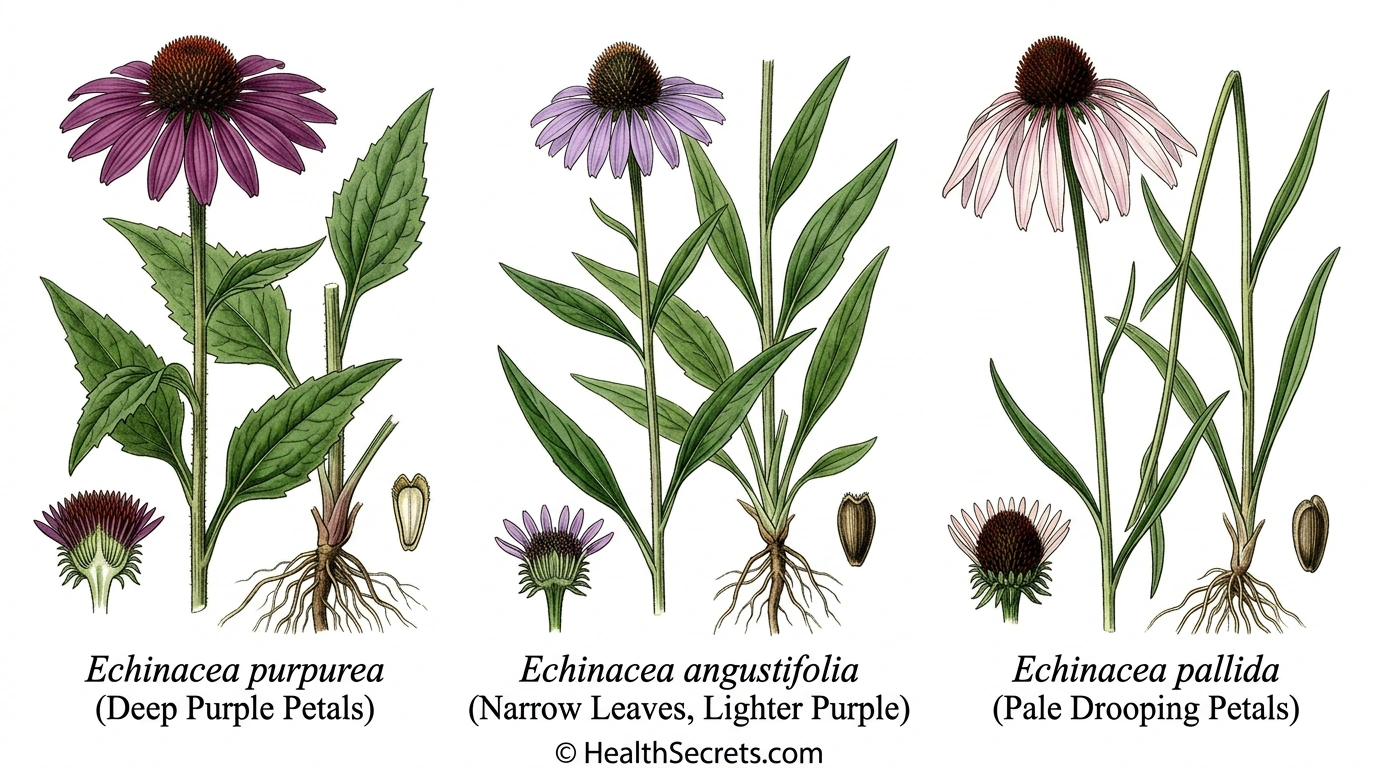
The Three Main Species
- Echinacea purpurea (Purple Coneflower) is the most commonly used and most extensively studied species. Both the aerial parts (flowers, leaves, stems) and roots are used in supplements. It is easier to cultivate, making it the most widely available species in commercial products.
- Echinacea angustifolia (Narrow-Leaf Coneflower) was traditionally preferred by Native American healers, who primarily used the root. It is more difficult to cultivate and less common in supplements, but some researchers suggest it may have stronger immunomodulatory activity due to higher alkamide concentrations in the root.
- Echinacea pallida (Pale Purple Coneflower) is the least studied of the three. Its root is sometimes included in combination products, but the evidence base is limited compared to the other two species.
Active Compounds
Echinacea's immune effects come from several compound classes working together.
Alkamides are the primary immune-modulating compounds, particularly concentrated in roots, and a 2024 review in ScienceDirect confirmed they are the key active constituents responsible for anti-inflammatory and immunomodulatory effects [20]. [15]
Polysaccharides stimulate innate immune cells, especially macrophages.
Caffeic acid derivatives, particularly chicoric acid, provide antioxidant and anti-inflammatory activity.
Glycoproteins and essential oils contribute additional antimicrobial properties.

Are You Unknowingly Inflaming Your Body?
Get the free Health Vitals & Nutrient Checklist — the daily guide that shows you which habits and supplements are silently triggering inflammation.
How Does Echinacea Work in the Body to Support Immunity?
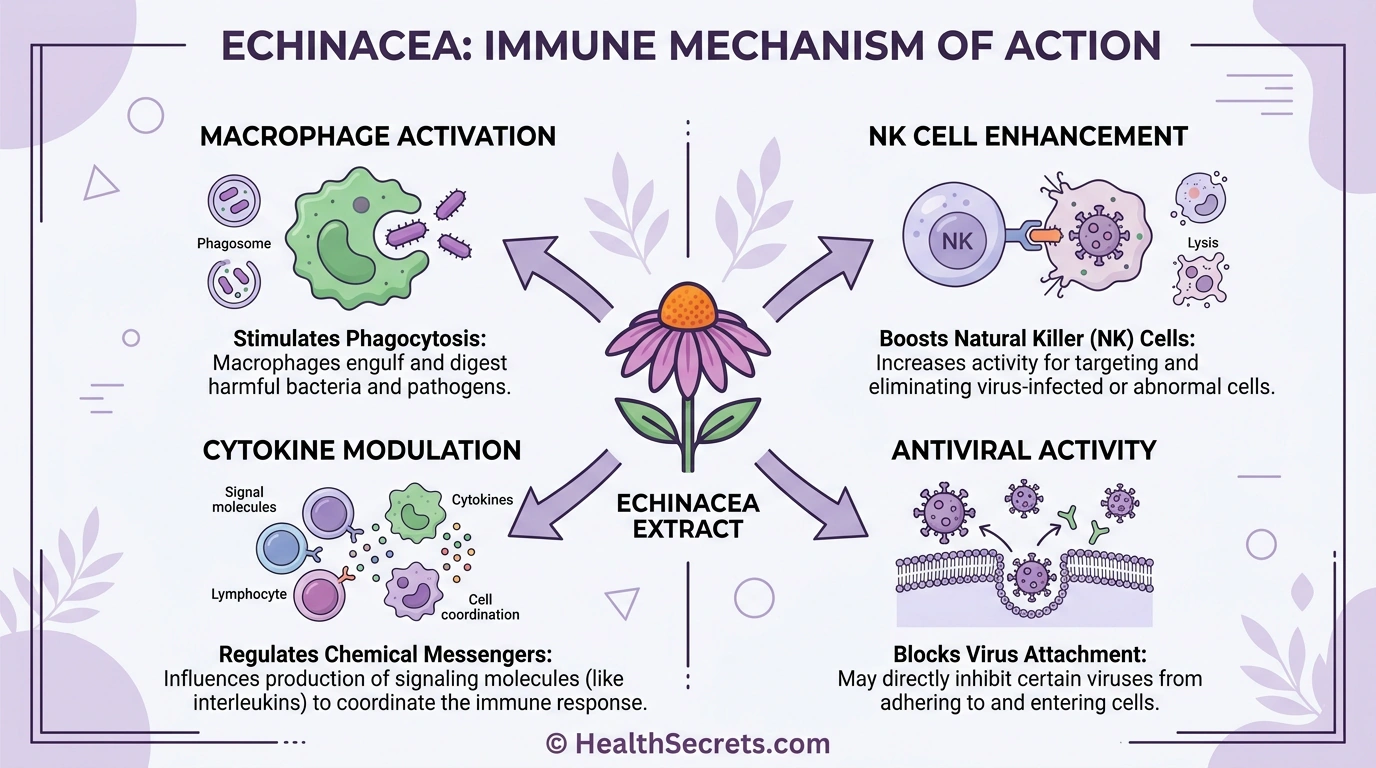
Echinacea works primarily by modulating the innate immune system rather than simply stimulating it. Its alkamides and polysaccharides activate macrophages, natural killer cells, and neutrophils while simultaneously regulating cytokine production to balance the immune response. This dual action means echinacea can enhance immune activity when the system is underperforming and help calm excessive inflammation. [16] [19]
How Does Echinacea Activate Innate Immune Cells?
Echinacea's polysaccharides and alkamides increase macrophage phagocytic activity, meaning immune cells become more efficient at engulfing and destroying pathogens. Research shows enhanced natural killer cell function and improved neutrophil pathogen-killing ability. A systematic review published in Molecules (PMC8320399) documented that echinacea preparations stimulate white blood cell proliferation and mobilize immune cells to infection sites.
How Does Echinacea Modulate Cytokine Production?
The same systematic review found that echinacea preparations decrease pro-inflammatory cytokines IL-6, IL-8, and TNF-alpha while increasing anti-inflammatory IL-10. This cytokine modulation is what distinguishes echinacea as an immune modulator rather than a simple immune stimulant. It helps the body mount an appropriate response without triggering excessive inflammation that worsens symptoms.
Does Echinacea Have Direct Antiviral Properties?
Preliminary research suggests echinacea may inhibit viral replication, particularly for respiratory viruses, though the mechanisms are not fully understood. The antiviral effects appear to complement the immunomodulatory activity, creating a two-pronged defense [12]. A 2026 review in the Journal of Family and Community Medicine noted that E. purpurea alcoholic extracts reduced antibiotic use by up to 70% in upper respiratory infections, suggesting meaningful clinical impact on infection severity.

Evidence-Based Supplement Organizer & Safety Log
Track your daily intake, verify third-party certifications, and prepare clear questions for your clinician.
How Well Is Echinacea Absorbed by the Body?
Echinacea's bioavailability depends heavily on the preparation method and the specific active compounds being measured. Alkamides are well absorbed from liquid extracts (alcohol-based tinctures), reaching peak blood levels within 30 minutes. Polysaccharides are better extracted by water, which is why dual-extraction methods that use both alcohol and water capture the full spectrum of active compounds.
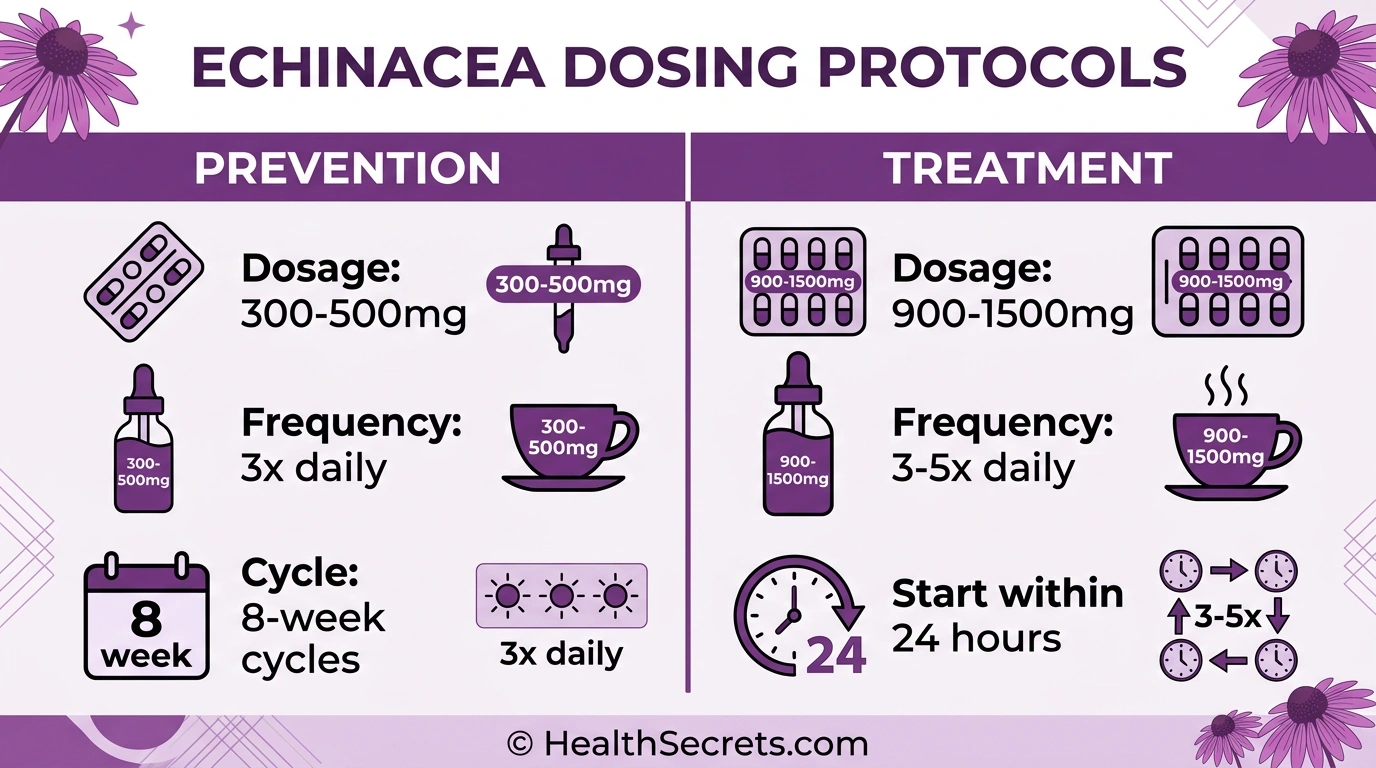
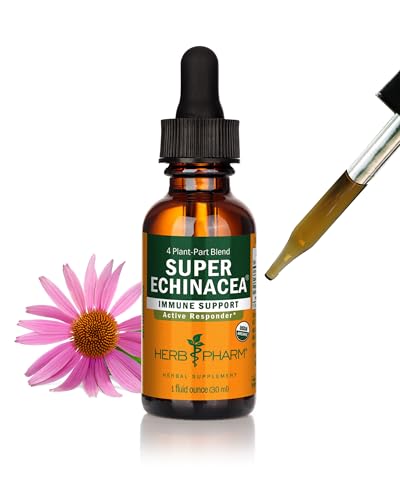
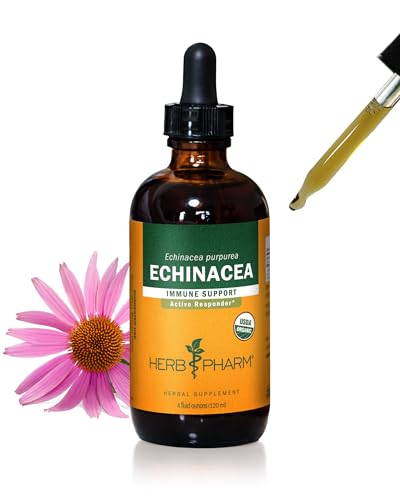
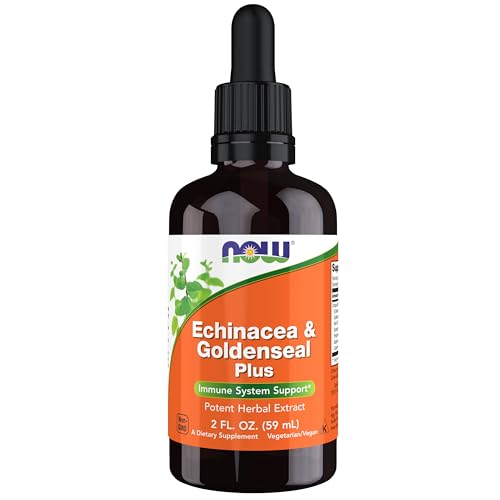
- Liquid extracts and tinctures generally have the highest bioavailability because alkamides dissolve readily in alcohol and are absorbed quickly through the oral mucosa.
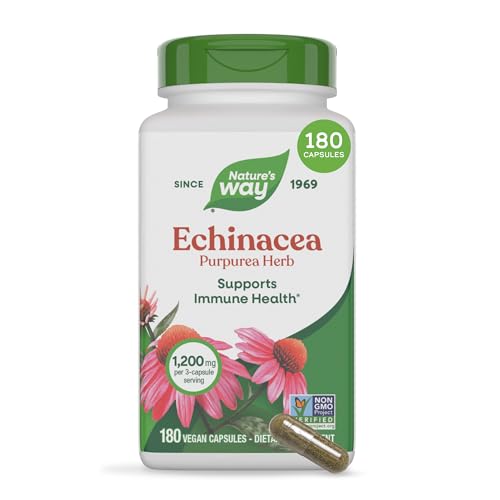
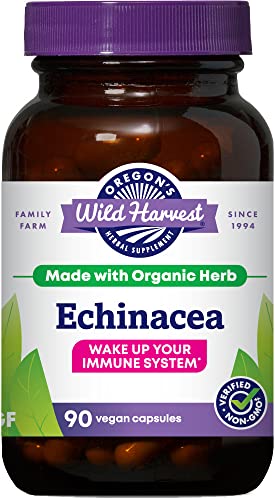
- Capsules and tablets containing dried herb or standardized extracts are convenient but may have slightly lower bioavailability depending on the extraction process.
- Teas extract primarily water-soluble compounds (polysaccharides, caffeic acid derivatives) but are weaker in alkamides.
- Fresh-pressed juice from E. purpurea aerial parts, used in several European clinical studies, preserves a broad compound profile and has strong evidence behind it.
For maximum absorption, look for products standardized to alkamides (2–4%), polysaccharides (4%), or chicoric acid (2–4%). Taking echinacea with food does not significantly affect absorption.
How Much Echinacea Should You Take for Immune Support?
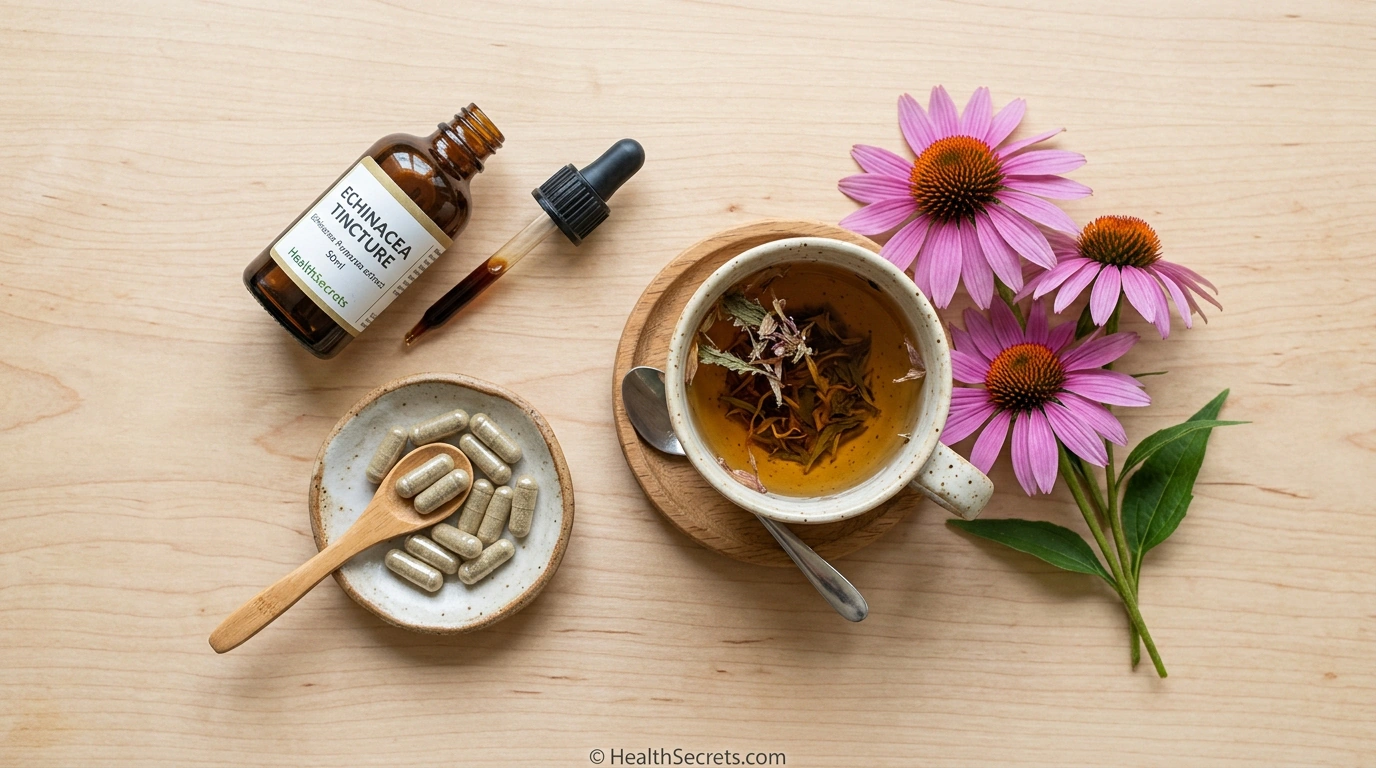
For cold prevention, the evidence supports 300–500 mg of standardized echinacea extract three times daily (or 2–3 mL tincture three times daily) throughout the cold season. For acute treatment, higher doses of 900–1,500 mg daily in divided doses, started within 24 hours of the first symptoms, show the strongest results for reducing cold duration and severity.
| Purpose | Daily Dose | Frequency | Duration | Timing |
|---|---|---|---|---|
| Prevention | 300–500 mg extract | 3× daily | 8 weeks on, 1 week off | With or without food |
| Acute treatment | 900–1,500 mg extract | 3–5× daily | 7–10 days | At first sign of symptoms |
| Tincture (prevention) | 2–3 mL | 3× daily | 8 weeks on, 1 week off | With or without food |
| Tincture (acute) | 3–5 mL | 3–5× daily | 7–10 days | At first sign of symptoms |
| Tea | 1–2 cups | 3× daily | During symptoms | Throughout the day |
| Timing is critical. The strongest clinical results come from starting echinacea at the very first sign of illness — the initial tickle in the throat or first sneeze. Effectiveness drops significantly when treatment begins more than 24 hours after symptom onset. For prevention, some herbalists recommend cycling 8 weeks on and 1 week off to prevent tolerance, though no strong evidence shows long-term continuous use is harmful. |
Can You Get Echinacea's Benefits from Food or Tea Alone?
Unlike many supplements that have dietary equivalents, echinacea is not a nutrient found in common foods. It is exclusively a botanical medicine, meaning supplementation is the only way to obtain its active compounds. Echinacea tea provides some benefits, particularly from water-soluble polysaccharides and caffeic acid derivatives, but concentrations are considerably lower than capsules or tinctures.
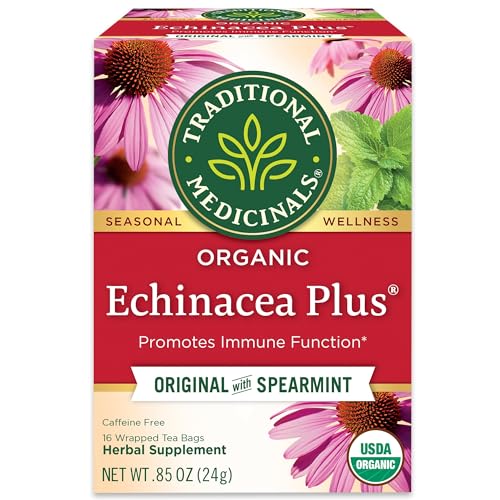
If you prefer tea, choose products that combine echinacea with complementary immune herbs like elderberry or peppermint. However, for therapeutic dosing during acute illness, a standardized extract or tincture is a more reliable delivery method. Tea works best as a gentle, pleasant daily prevention strategy during cold season rather than a stand-alone treatment.
Is Echinacea Safe to Take Regularly?
Echinacea is well-tolerated by most adults with a long safety record spanning centuries of traditional use and decades of modern research. Serious side effects are rare, and millions of doses are taken annually worldwide. However, certain populations should exercise caution or avoid it entirely, and potential drug interactions exist.
Common side effects (uncommon): mild digestive upset, nausea, dizziness, or headache.
Allergic reactions are the most significant risk, particularly for people allergic to plants in the Asteraceae family (ragweed, chrysanthemums, marigolds, daisies). Symptoms can range from mild rash to severe anaphylaxis in rare cases.
Who should avoid echinacea:
People with autoimmune diseases (rheumatoid arthritis, lupus, multiple sclerosis) unless supervised by a healthcare provider
Those taking immunosuppressive medications (post-transplant drugs, autoimmune treatments)
Anyone with Asteraceae family allergies
People with progressive systemic diseases (tuberculosis, HIV/AIDS) — consult a healthcare provider first
Pregnancy and breastfeeding: Limited safety data exists. Some sources consider short-term use acceptable, but consult your healthcare provider.
Children over 2 years can generally use lower, weight-based doses under pediatric guidance.
Drug interactions are minimal but include potential effects on CYP450 liver enzymes, which could alter metabolism of certain medications. Echinacea may slightly increase caffeine levels and could theoretically counteract immunosuppressant drugs. Consult your pharmacist if you take multiple medications.
What Can Echinacea Actually Do for Your Immune Health?
Echinacea provides modest but real benefits for cold prevention and treatment based on the available evidence. A meta-analysis (PMC7106401) found it reduces cold incidence by 10–20% and may shorten duration by approximately 1–1.5 days. These are meaningful but not dramatic effects, and echinacea should be viewed as one tool in a comprehensive immune support strategy.
- What echinacea can do: modestly reduce your risk of catching a cold, slightly shorten cold duration when started early, reduce symptom severity, and support immune function as part of a broader wellness approach.
- What echinacea cannot do: cure colds (no cure exists), prevent all respiratory infections, replace adequate sleep, nutrition, and stress management, or treat serious conditions like influenza, COVID-19, or bacterial infections that require medical care.
- Realistic timeline: Preventive benefits may take 2–4 weeks of consistent use to become apparent. For acute treatment, symptom improvement typically begins within 24–48 hours of starting high-dose protocols. Individual responses vary considerably. Some people notice clear benefits, while others see minimal difference. Product quality and timing are the biggest variables affecting results.
What Should You Do First to Start Using Echinacea for Immune Support?
The best approach is to start with a high-quality product before cold season hits, establish your prevention protocol, and have a treatment-dose supply ready for when symptoms first appear. Here is a phased action plan for incorporating echinacea into your immune support strategy.
Phase 1 — Prepare (Week 1):
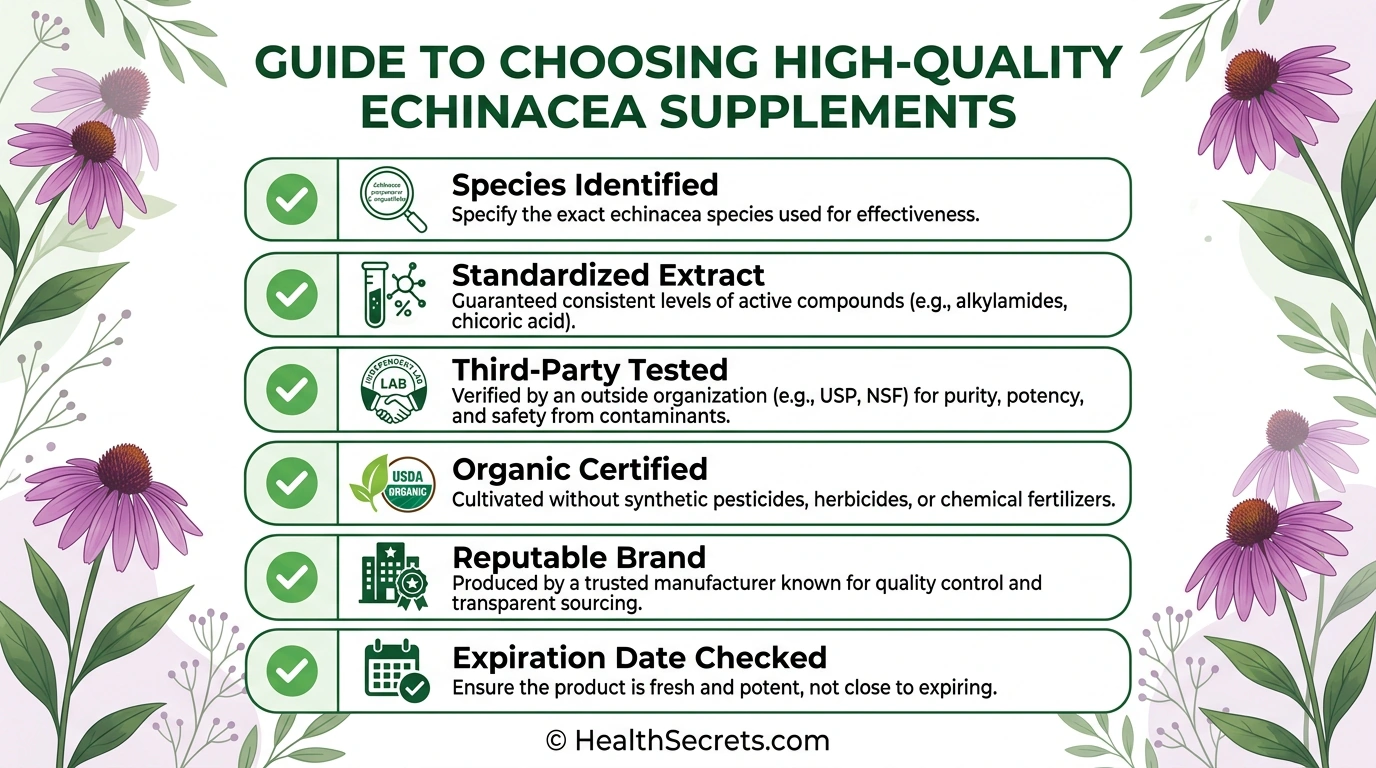
- Choose a high-quality echinacea product (E. purpurea or E. angustifolia, standardized, third-party tested)
- Purchase both a daily prevention product (capsules) and an acute treatment product (liquid extract)
- Review the contraindications list to confirm echinacea is appropriate for you
Phase 2 — Prevention Protocol (Weeks 2–9):
- Begin daily prevention dosing: 300–500 mg standardized extract, three times daily
- Take a 1-week break after 8 weeks of continuous use
- Combine with other immune supports: vitamin D, zinc, adequate sleep, and a nutrient-dense diet
Phase 3 — Acute Treatment (As Needed):
- At the first sign of cold symptoms, switch to treatment dosing: 900–1,500 mg daily in divided doses
- Continue for 7–10 days or until symptoms resolve
- Add rest, hydration, and supportive measures (warm liquids, elderberry)
Phase 4 — Evaluate and Adjust:
- Track how many colds you catch during the season compared to previous years
- Note symptom severity and duration when using acute treatment
- Adjust product, dose, or strategy based on your individual response