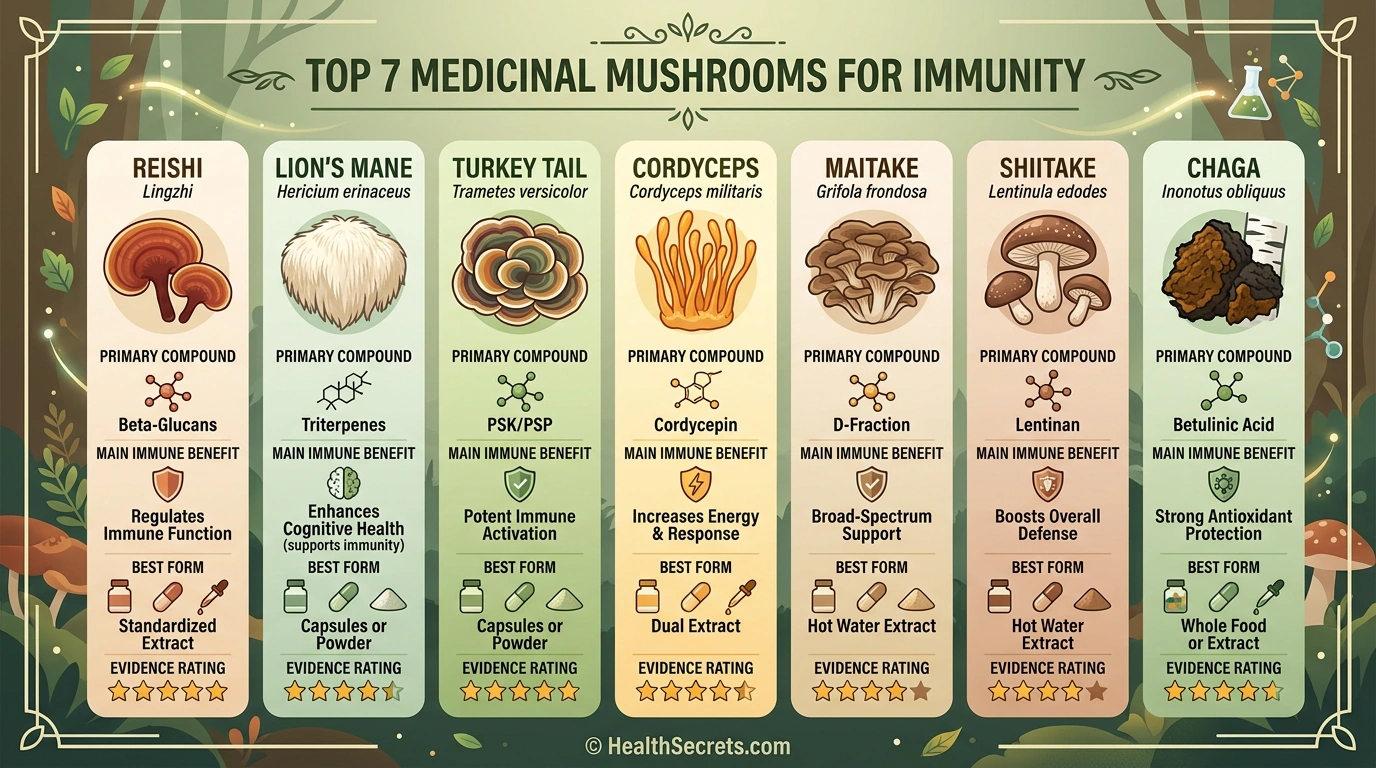
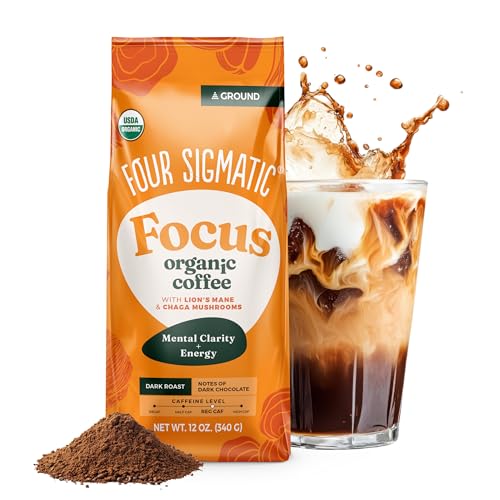
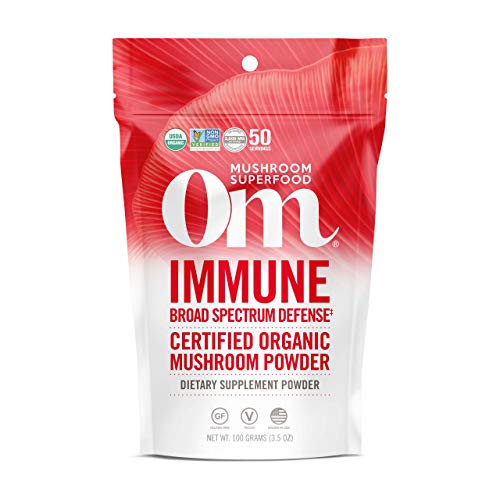
For thousands of years, traditional healers across Asia relied on mushrooms not just as food, but as potent medicine. Today, modern science is catching up — and the research is genuinely impressive. Medicinal mushrooms contain unique bioactive compounds, particularly beta-glucans, that interact directly with your immune cells in ways no other natural substance can replicate. [3] [10]
What makes these fungi so fascinating is that they don't just "boost" your immune system. They modulate it — strengthening a weak response while calming an overactive one. That bidirectional regulation is something most immune supplements simply can't offer. [11] [14]
Whether you're looking to support everyday immune resilience, recover from illness faster, or complement a treatment plan, medicinal mushrooms deserve a serious look. In this guide, you'll learn which mushrooms have the strongest evidence, how to choose quality supplements, and exactly how to use them. [15] [16]
If you're new to natural immune support, mushrooms pair well with foundational strategies like optimizing vitamin D levels and supporting your gut microbiome. [18] [19]
What Are Medicinal Mushrooms and Why Do They Support Immunity?
Medicinal mushrooms are fungi that contain bioactive compounds — primarily beta-glucans, triterpenes, and polysaccharide-protein complexes — with demonstrated effects on immune cell function [5]. Used in Traditional Chinese Medicine and Japanese Kampo medicine for over 2,000 years, these mushrooms are now backed by hundreds of peer-reviewed studies confirming their immune-modulating properties. [20]
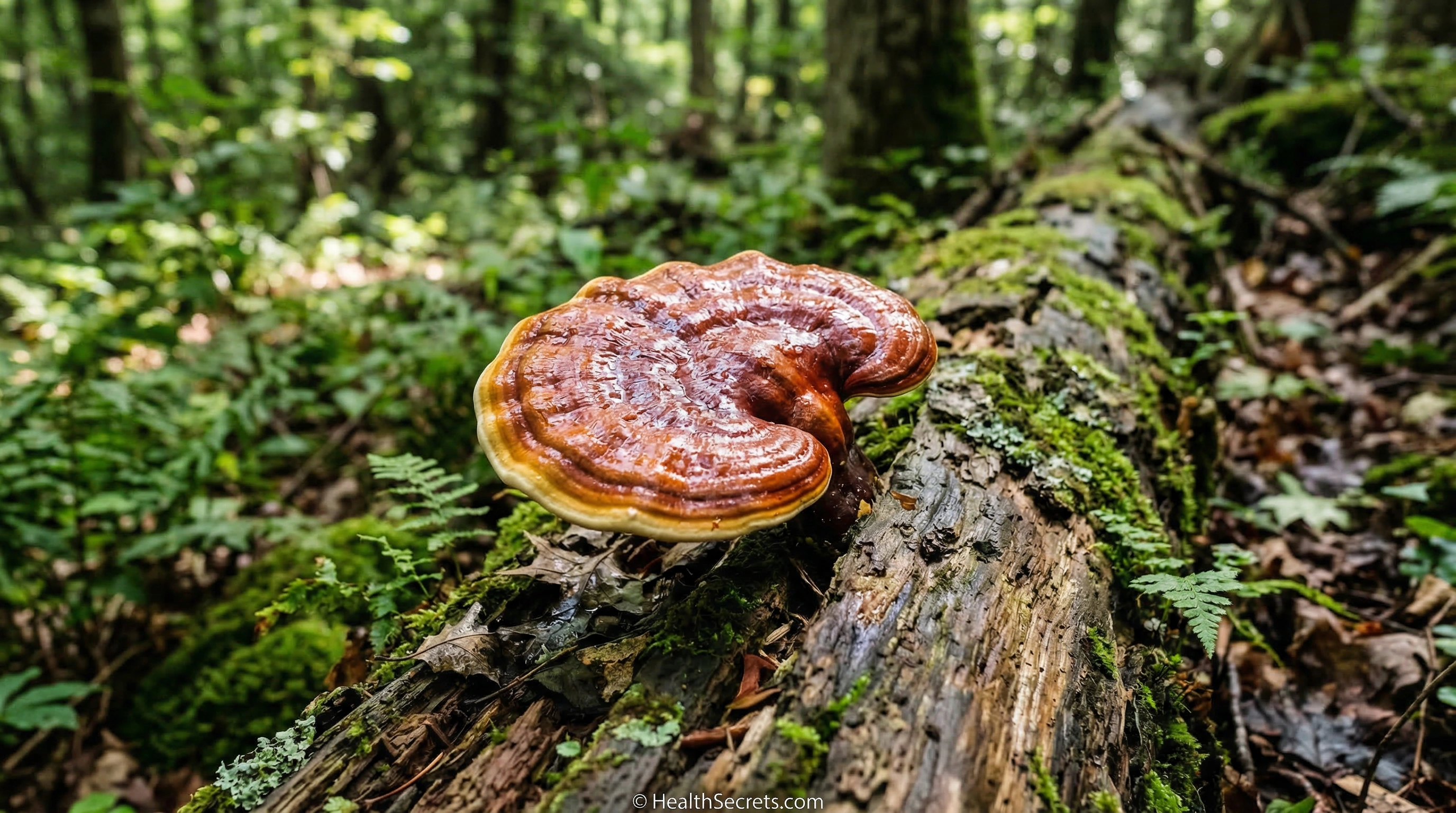
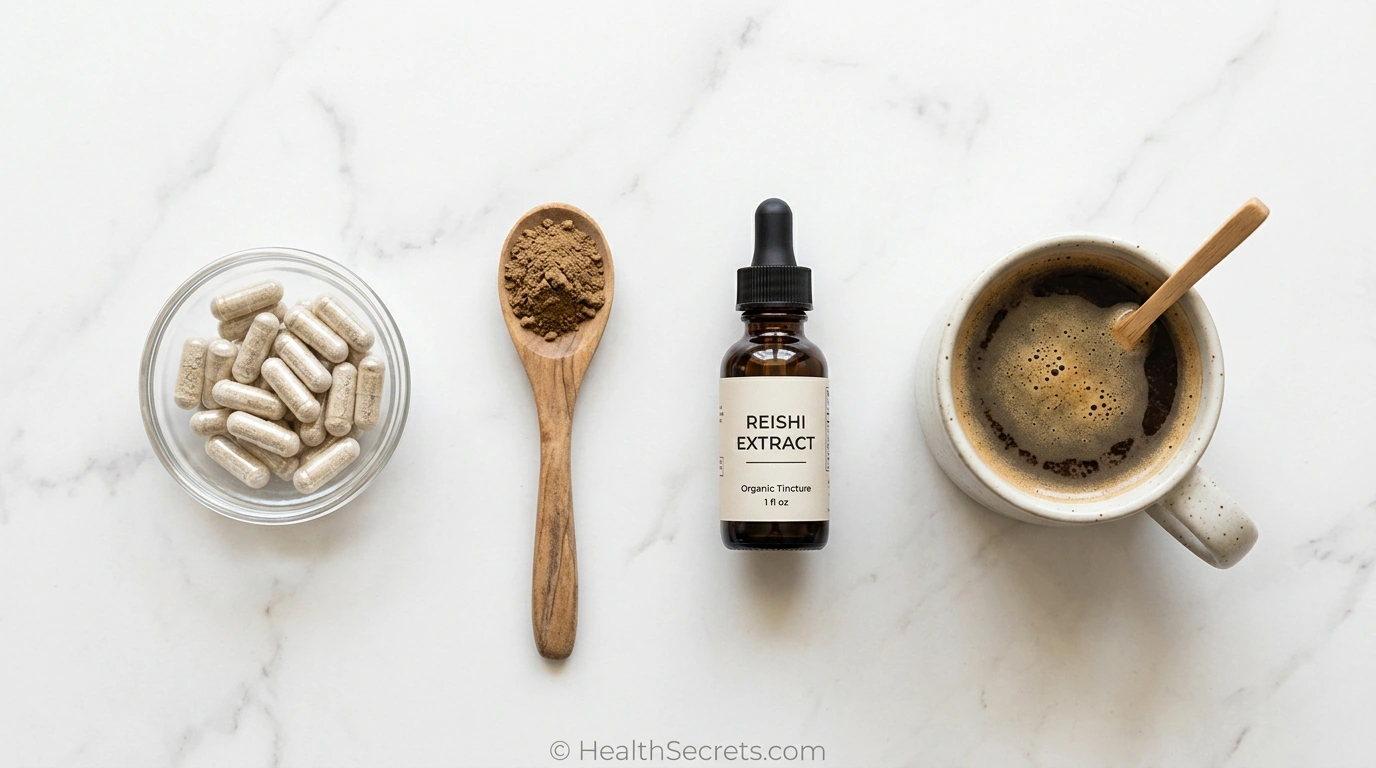
Unlike culinary mushrooms you might toss into a stir-fry, many medicinal species (like reishi and chaga) are too tough or bitter to eat directly. Instead, they're consumed as concentrated extracts, powders, or tinctures that deliver therapeutic levels of active compounds.
What Are Beta-Glucans and Why Do They Matter for Immunity?
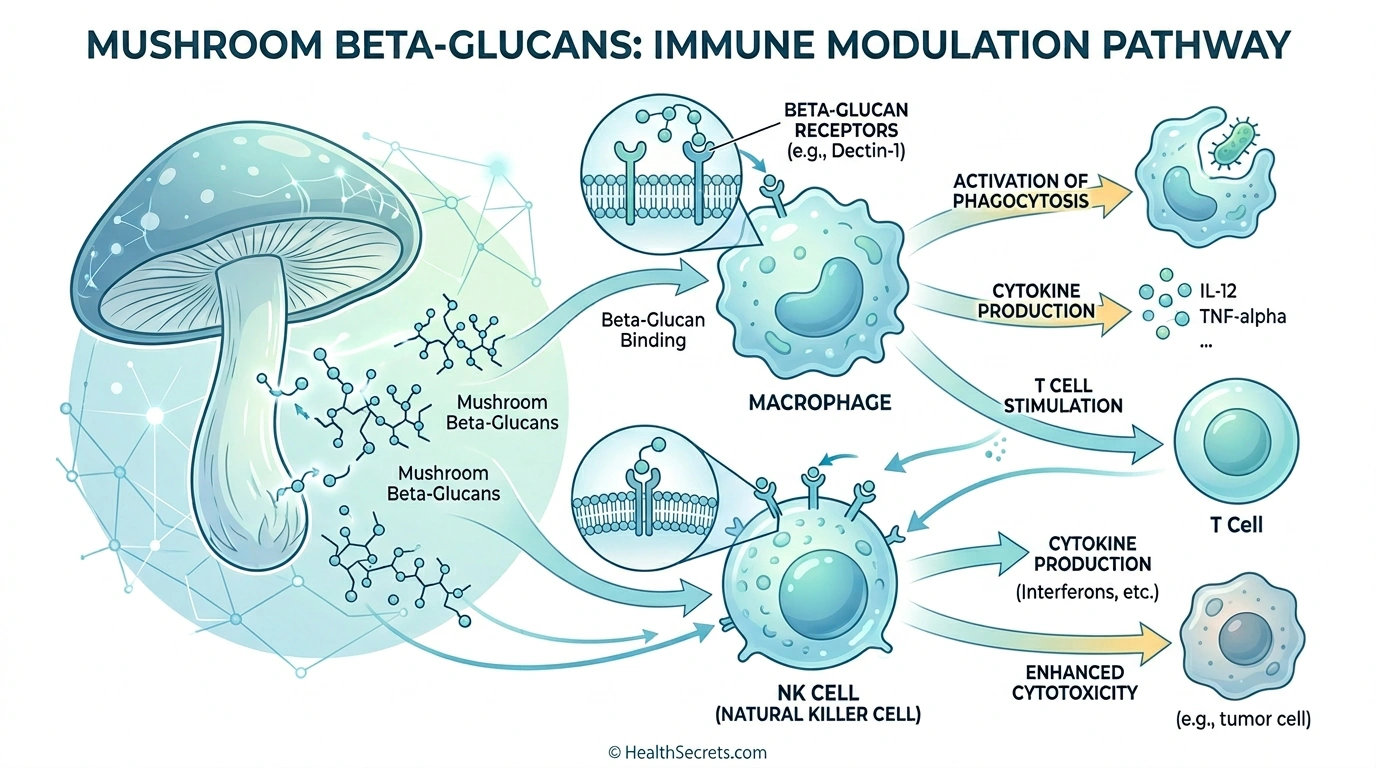
Beta-glucans are complex polysaccharides that serve as the primary immune-active compounds in mushrooms. They bind directly to receptors on immune cells — particularly Dectin-1 and complement receptor 3 (CR3) on macrophages and natural killer (NK) cells — triggering a cascade of immune activation. Different mushroom species produce beta-glucans with distinct molecular structures, which is why combining multiple species often yields synergistic effects.
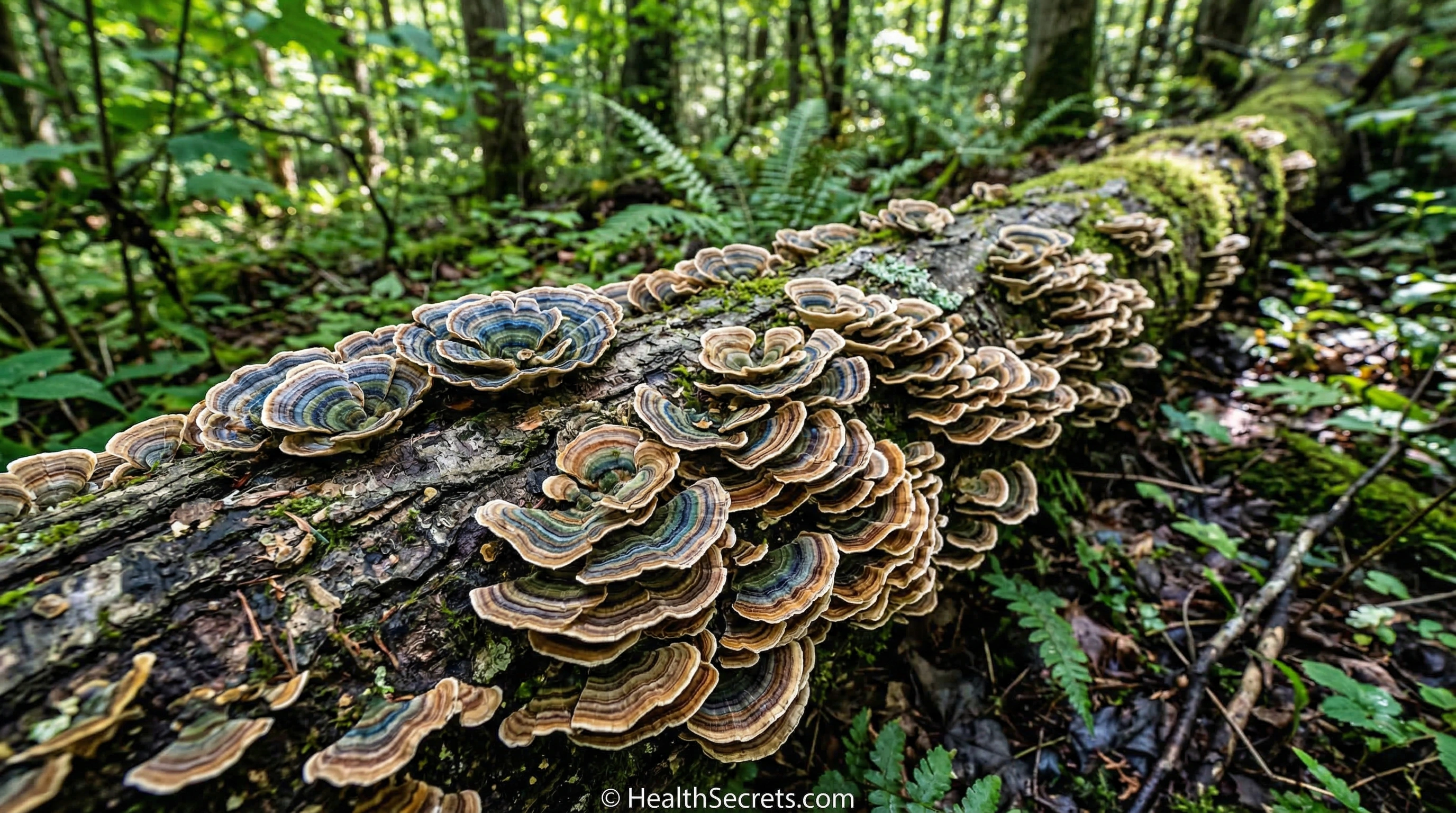
Beyond beta-glucans, mushrooms contain triterpenes (especially abundant in reishi), which provide anti-inflammatory and antioxidant benefits. Turkey tail's unique polysaccharide-protein complexes PSK and PSP have been studied extensively in oncology settings. And ergosterol, a provitamin D precursor found in many species, converts to vitamin D2 when exposed to UV light — adding another layer of immune support.

The Supplement Seal Verifier
What six certification programs each test, the label claims that test nothing, and a ten-bottle audit sheet that counts your verified products.
How Do Medicinal Mushrooms Modulate the Immune System?
Medicinal mushrooms work through immune modulation — a bidirectional process that enhances weak immune responses while calming overactive ones [1]. This makes them fundamentally different from simple "immune boosters." Research shows they activate innate immunity, support adaptive immunity, reduce chronic inflammation, and nourish the gut microbiome where roughly 70% of immune tissue resides [6].
How Do Mushrooms Activate Innate Immune Cells?
Beta-glucans stimulate macrophages to increase phagocytosis (the engulfing and destroying of pathogens) and enhance NK cell cytotoxicity. A 2023 randomized controlled trial found that reishi beta-glucan increased NK cell cytotoxic activity by 83.1% compared to placebo, while also boosting NK cell counts by 19.5%. These innate immune cells serve as your body's first line of defense against infections and abnormal cells.
How Do Mushrooms Support Adaptive Immunity?
Mushroom compounds enhance T cell proliferation and function, support B cell antibody production (particularly secretory IgA), and help balance the Th1/Th2 immune response. Turkey tail's PSK has been shown to increase CD4+ and CD8+ T-lymphocyte counts in clinical trials. This adaptive immune support improves your body's ability to recognize specific threats and build immunological memory.
How Do Mushrooms Reduce Chronic Inflammation?
Triterpenes in reishi and polyphenols in chaga downregulate pro-inflammatory cytokines like TNF-α and IL-6, while supporting anti-inflammatory pathways. Chronic low-grade inflammation weakens immune surveillance over time, so this anti-inflammatory action indirectly strengthens overall immune competence. Cordyceps compounds also modulate the NF-κB signaling pathway, a master regulator of inflammatory gene expression.
How Well Are Mushroom Supplements Absorbed?
The bioavailability of mushroom compounds depends heavily on the extraction method, the part of the mushroom used, and whether you choose fruiting body or mycelium products [13]. Hot water extraction unlocks water-soluble beta-glucans, while alcohol extraction captures fat-soluble triterpenes. Dual-extracted products offer the most comprehensive compound profile.
Fruiting body extracts are generally far superior to mycelium-on-grain (MOG) products. Independent testing has shown that many MOG supplements contain 50–70% grain starch with minimal beta-glucan content. Look for products that specify "fruiting body" and list verified beta-glucan percentages (ideally 20%+ for most species).
For reishi and chaga specifically, dual extraction (both hot water and alcohol) is essential because their most valuable compounds span both water-soluble and fat-soluble categories. Taking mushroom supplements with food generally improves tolerance and may enhance absorption. Vitamin C-rich foods may also support the uptake of certain mushroom polysaccharides.
| Extract Type | Compounds Captured | Best For |
|---|---|---|
| Hot Water | Beta-glucans, polysaccharides | Turkey tail, shiitake, maitake |
| Alcohol (Ethanol) | Triterpenes, sterols | Reishi, chaga |
| Dual Extraction | Full spectrum compounds | Reishi, chaga (ideal) |
| Whole Powder (no extraction) | Lower concentration, fiber | Culinary use, gentle support |
How Much Medicinal Mushroom Should You Take Daily?
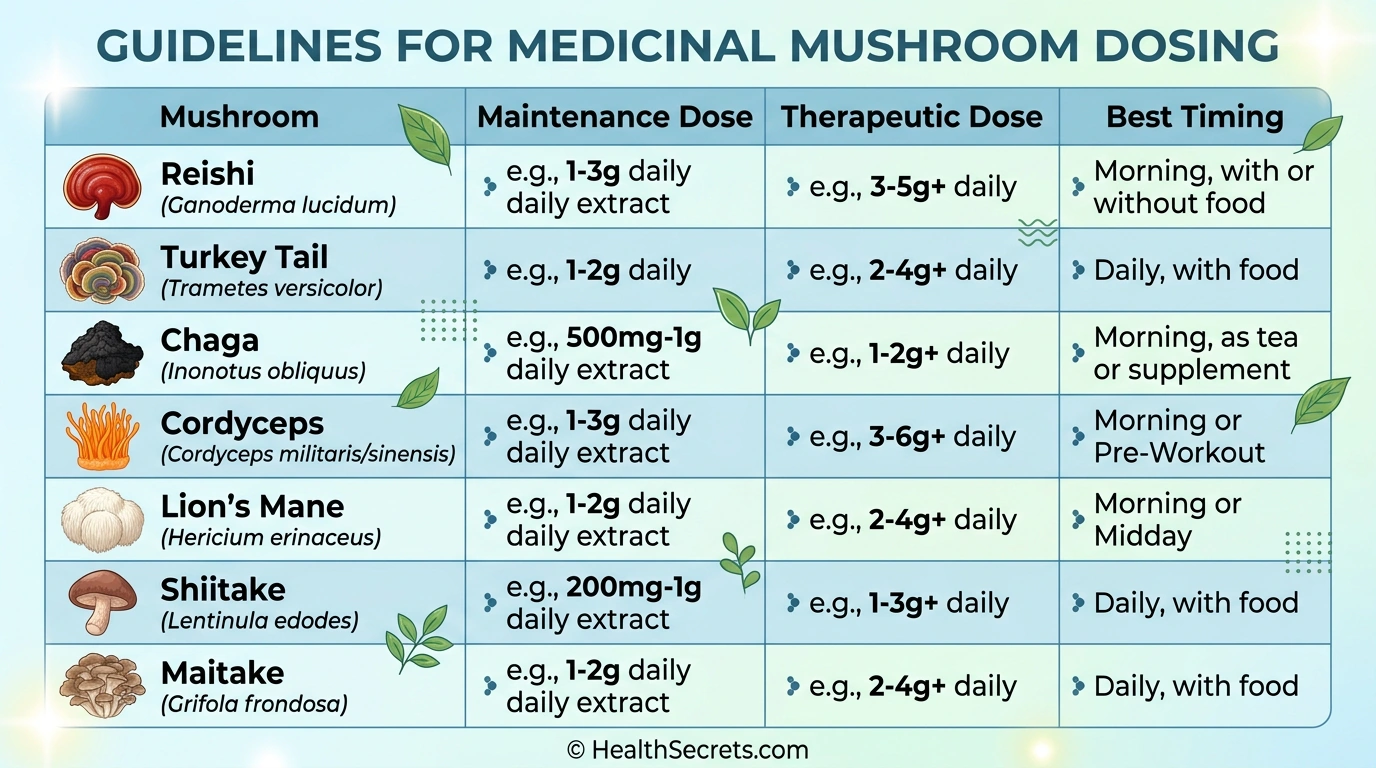
Most medicinal mushroom extracts are effective at 1–3 grams per day, though optimal dosing varies by species, extract concentration, and health goal. Maintenance doses sit at the lower end, while therapeutic protocols for specific conditions typically use higher amounts. Consistency matters more than any single dose — benefits accumulate over weeks to months of regular use.
| Mushroom | Maintenance Dose | Therapeutic Dose | Best Timing |
|---|---|---|---|
| Reishi | 1–1.5 g extract/day | 2–3 g extract/day | Evening (calming) |
| Turkey Tail | 1–2 g extract/day | 2–3 g extract/day | Anytime, with food |
| Chaga | 1–1.5 g extract/day | 2–3 g extract/day | Morning, as tea |
| Cordyceps | 1–1.5 g extract/day | 2–3 g extract/day | Morning (energizing) |
| Lion's Mane | 1 g extract/day | 2–3 g extract/day | Morning or midday |
| Stacking mushrooms (combining multiple species) is safe and often beneficial due to synergistic effects. A common immune stack combines reishi, turkey tail, and cordyceps. Multi-mushroom blends offer convenience for this approach. Some practitioners recommend cycling — for example, five days on, two days off — though clinical evidence for cycling specifically is limited. |
Can You Get Enough Immune Benefits from Eating Mushrooms?
Culinary mushrooms like shiitake, maitake, and lion's mane do provide meaningful immune-supporting compounds when eaten regularly — but they deliver lower concentrations than concentrated extracts. Eating 3–5 shiitake mushrooms several times per week contributes to general immune health, though therapeutic doses for specific conditions typically require supplemental extracts.
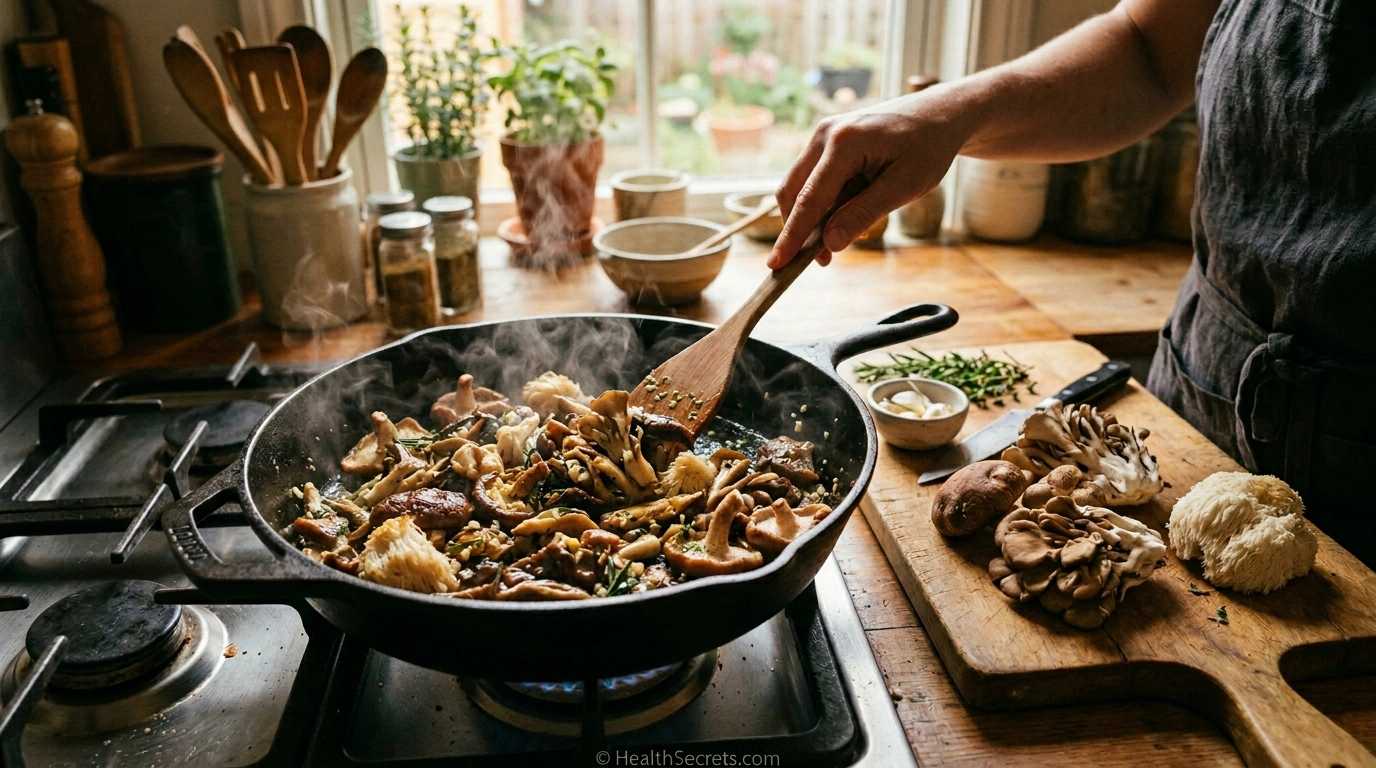
The best approach combines both dietary mushrooms and targeted supplements. Cook with shiitake, maitake, and lion's mane regularly for their culinary and nutritional value (they're excellent sources of B vitamins, selenium, and zinc), then supplement with species that aren't edible in whole form — reishi, turkey tail, chaga, and cordyceps.
One practical trick: place store-bought mushrooms gill-side-up in direct sunlight for 15–30 minutes before cooking. This UV exposure converts ergosterol into vitamin D2, significantly boosting their vitamin D content. Given that vitamin D plays a critical role in immune regulation, this simple step adds meaningful benefit.
Are Medicinal Mushrooms Safe to Take?
Medicinal mushrooms have thousands of years of traditional use and are generally considered very safe, with side effects being rare and typically mild. The most common complaints are digestive upset (usually from starting with too high a dose) and occasional dry mouth. Serious adverse reactions are extremely uncommon in published literature.
However, certain populations should exercise caution:
- Immunosuppressant users: Mushrooms that stimulate immune activity could theoretically interfere with drugs designed to suppress it. Organ transplant recipients should avoid immune-stimulating mushrooms entirely.
- Blood thinner users: Reishi has mild anticoagulant properties and may amplify the effects of warfarin or similar medications.
- Pre-surgery: Discontinue reishi at least two weeks before scheduled surgery due to potential bleeding risk.
- Pregnant or breastfeeding: Limited safety data exists, so most practitioners advise avoidance as a precaution.
- Autoimmune conditions: While mushrooms modulate rather than simply stimulate, discuss use with your rheumatologist or immunologist, especially if you're on biologics.
- Diabetes medications: Maitake and reishi may lower blood sugar, potentially amplifying the effects of diabetes drugs.
Always inform your healthcare providers about mushroom supplements you're taking, particularly before any medical procedures or changes to your medication regimen.
What Can Medicinal Mushrooms Actually Do for Your Immune System?
Medicinal mushrooms offer genuine, research-supported immune benefits — but they work gradually and aren't miracle cures. You should expect subtle improvements in immune resilience over 4–12 weeks of consistent use, such as getting sick less often, recovering faster, or feeling more overall vitality. They are not a replacement for foundational lifestyle factors like quality sleep and a nutrient-dense diet.
The strongest clinical evidence exists for turkey tail as an adjunct in cancer care, where PSK has demonstrated improved survival rates in multiple large trials. For general immune support, the evidence is promising but more limited in terms of large-scale human trials. Reishi's immune-modulating effects are well-documented in smaller studies, and the NK cell activation data is compelling.
What mushrooms won't do: cure diseases on their own, replace medical treatment for serious conditions, or produce dramatic overnight changes. Individual responses vary based on baseline health, gut microbiome composition, and the quality of the product you choose. If you're dealing with frequent infections or chronic inflammation, mushrooms are a valuable tool — but they work best as part of a comprehensive immune support strategy.
Action Plan
What Should You Do First to Start Using Medicinal Mushrooms?
Follow the sequence below, work through each phase in order, and use the checklist as your practical implementation guide.
Begin with a single high-quality mushroom supplement matched to your primary health goal, then expand your protocol gradually over 4–8 weeks. Starting simple lets you assess tolerance and identify what works before adding complexity. Below is a phased action plan to integrate medicinal mushrooms effectively.
Phase 1 — Foundation (Weeks 1–2):
- Choose one mushroom based on your goal: reishi for general immune modulation, turkey tail for immune stimulation, or cordyceps for energy plus immunity
- Select a fruiting body extract with verified beta-glucan content (20%+ is ideal)
- Start at half the recommended dose with food to assess tolerance
- Add culinary mushrooms (shiitake, maitake) to your diet 3–4 times per week
Phase 2 — Build (Weeks 3–6):
- Increase to full recommended dose if well tolerated
- Consider adding a second mushroom species or switching to a multi-mushroom blend
- Track how you feel: energy, frequency of illness, sleep quality, digestion
- Establish consistent daily timing (reishi at night, cordyceps in morning)
Phase 3 — Optimize (Weeks 7–12):
- Evaluate results and adjust species or dosing as needed
- Explore complementary practices: gut health support, elderberry for acute immune support
- Consider rotating mushroom species seasonally for broader immune coverage
- Consult a practitioner if targeting a specific health condition