Here's something that might surprise you: the single most effective thing you can do for your immune system tonight costs absolutely nothing [20]. No supplement, no superfood, no fancy protocol. Just sleep. [2]
And yet, roughly one in three adults regularly gets less than the recommended seven hours. We wear sleep deprivation like a badge of honor — pulling late nights, waking up early, grinding through fatigue with another cup of coffee. Meanwhile, our immune systems are quietly falling apart. [9] [14]
The relationship between sleep and immunity runs deep — and it goes both ways [11]. Poor sleep weakens your defenses, and when your body is fighting an infection, it literally forces you to sleep more. That's not laziness. That's your immune system commandeering your energy. [18]
If you're looking to boost your immune system naturally, understanding the sleep connection might be the single biggest lever you can pull. Let's dig into what actually happens when you close your eyes — and what happens when you don't.
What Is the Sleep-Immune Connection and Why Does It Matter?
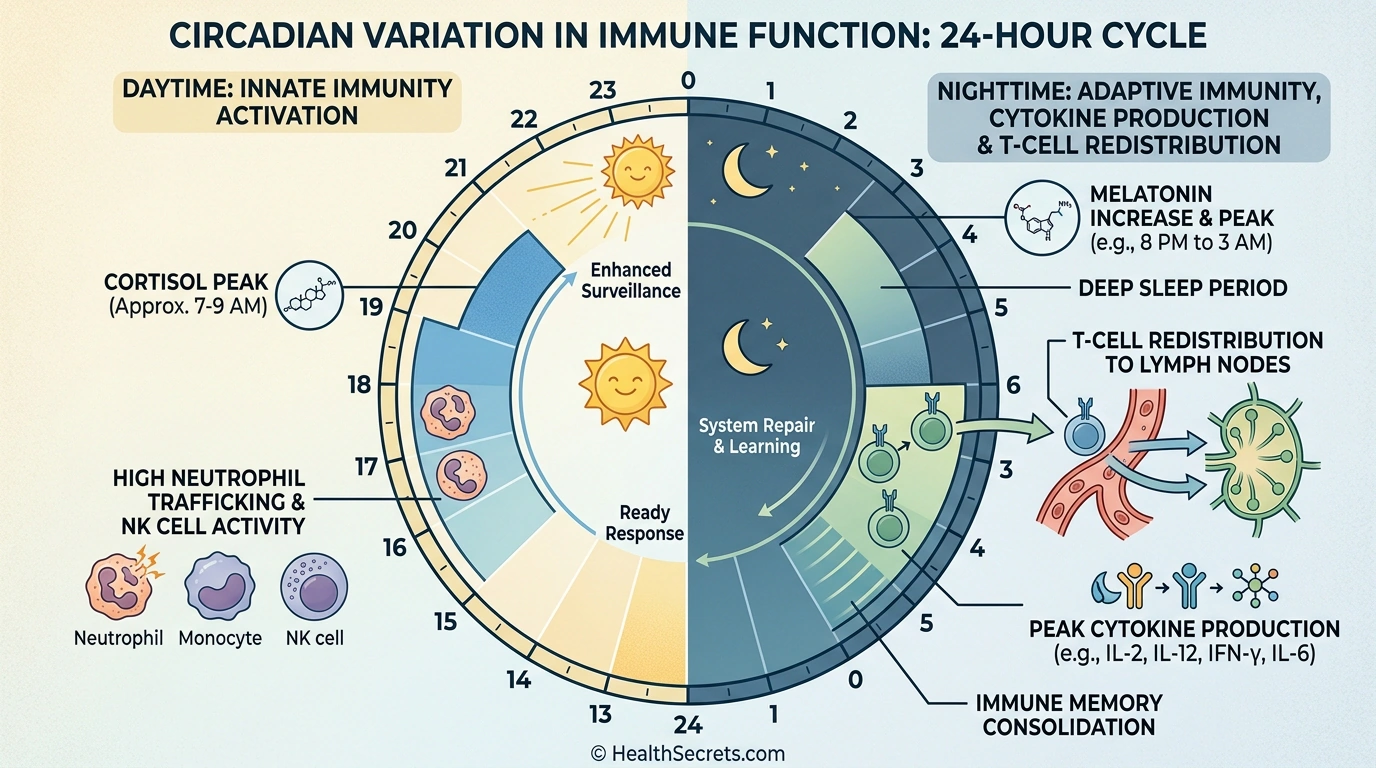
The sleep-immune connection refers to the bidirectional relationship between sleep quality and immune system function [12]. During sleep, your body ramps up production of infection-fighting cytokines, redistributes immune cells to lymph nodes for enhanced surveillance, and consolidates immune memory — essentially "teaching" your immune system to recognize and respond to future threats more effectively.
This isn't some vague wellness concept. It's hard biology.
When you sleep, your immune system shifts into a fundamentally different mode of operation. Think of it like a city that does its infrastructure repairs at night when traffic is low. Your body uses the relative quiet of sleep to perform critical immune maintenance that simply can't happen effectively while you're awake and active.
Why does your immune system need sleep specifically?
The answer comes down to hormones and energy allocation. During waking hours, your body prioritizes functions like movement, cognition, and stress response.
Cortisol — your primary stress hormone — runs high during the day and naturally suppresses certain immune activities. When you sleep, cortisol drops, growth hormone surges, and your immune system gets the green light to do its most important work.
Research published in Communications Biology found that sleep deprivation triggers a cascade of immune dysregulation, increasing pro-inflammatory signaling and contributing to both infection susceptibility and chronic disease risk [8]. A 2024 review in Annals of Indian Academy of Neurology confirmed that sleep enhances immune efficiency by promoting cytokine production and supporting T-cell activity [6] [7].
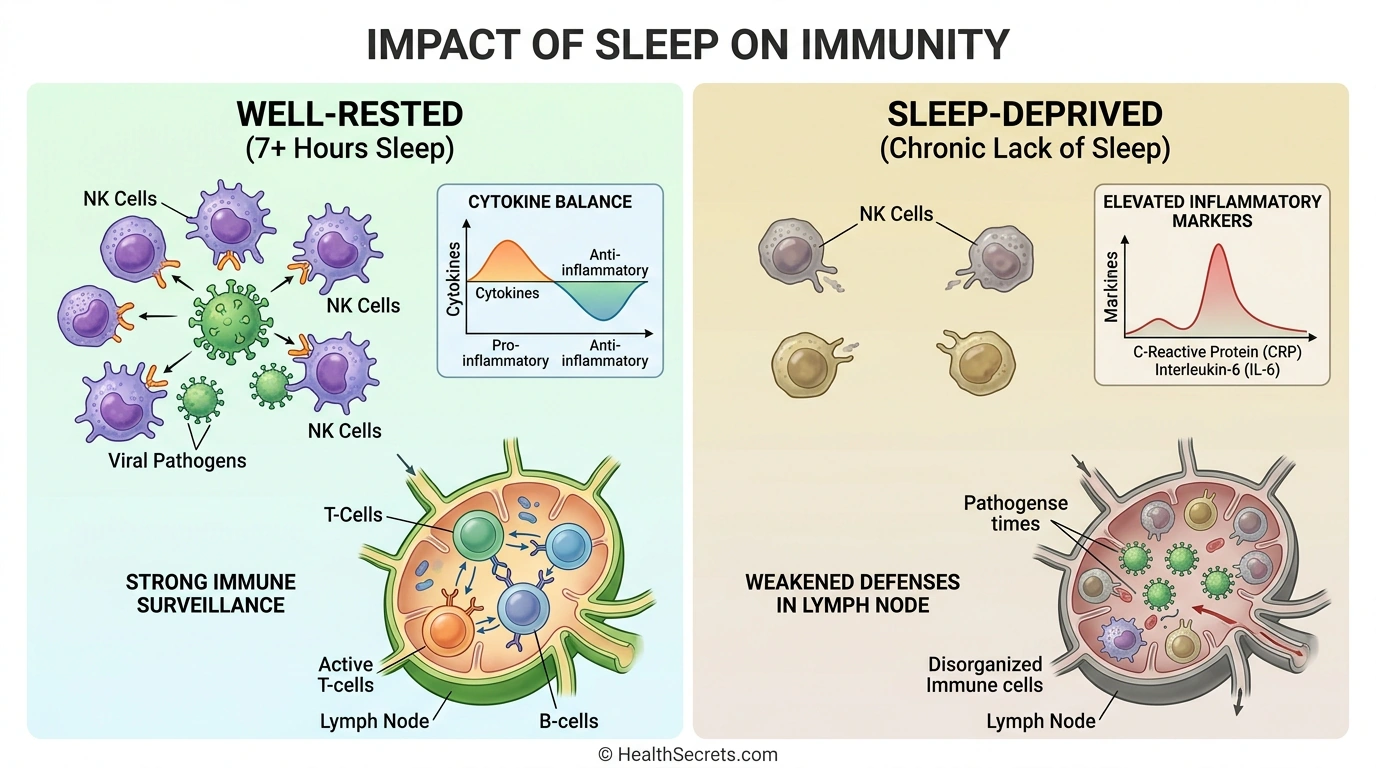
The statistics are frankly alarming. According to a landmark study, people who sleep fewer than seven hours per night are roughly three times more likely to develop a cold after being exposed to the virus. And it's not just colds — sleep deprivation has been linked to impaired vaccine responses, increased inflammatory markers, and even heightened cancer risk through reduced NK cell function.

Can't Sleep Through the Night?
Download the free Sleep Audit & Recovery Guide — used by our readers to identify the exact bedroom triggers and stress habits wrecking their rest.
How Does Sleep Affect Your Immune System at a Cellular Level?
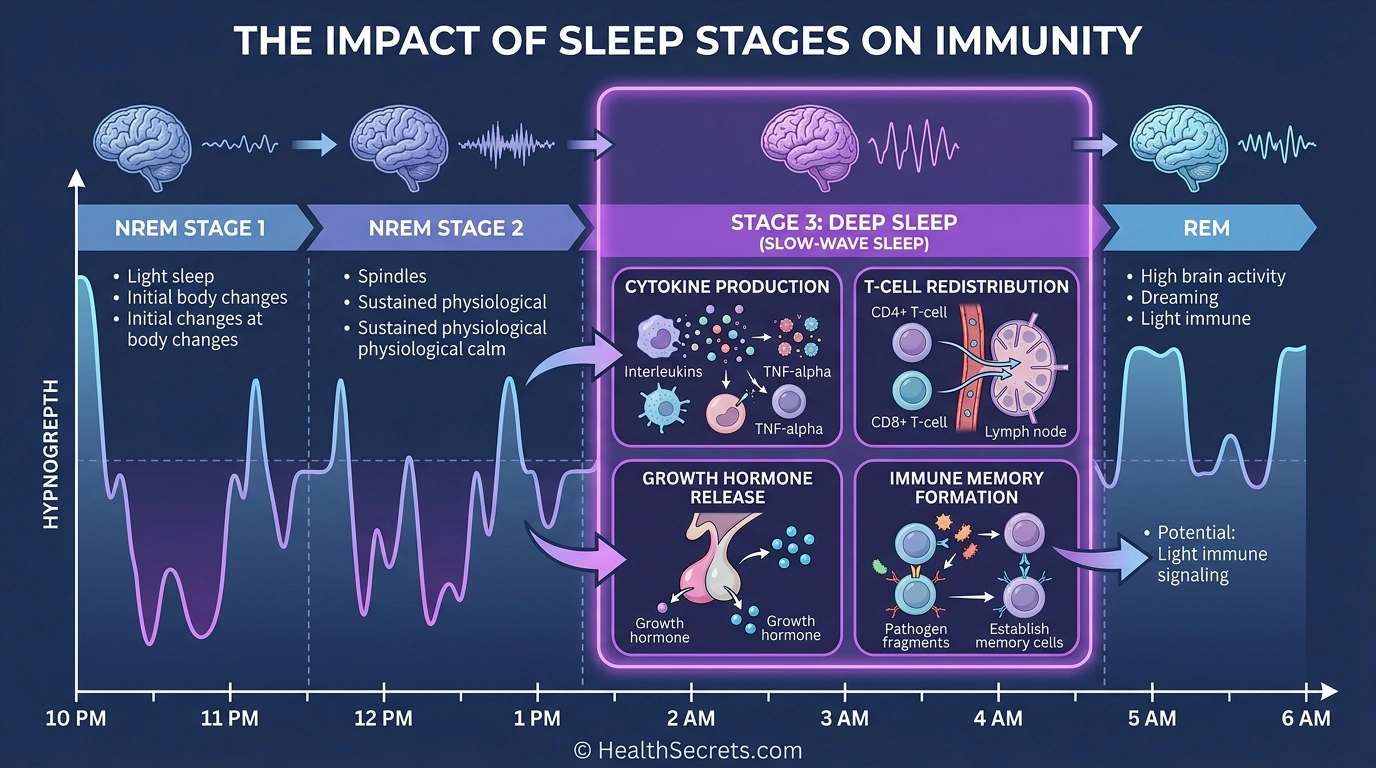
Sleep regulates immunity primarily through cytokine production, T-cell redistribution, immune memory consolidation, and hormonal shifts that collectively create an optimal environment for immune surveillance and response. The most critical immune work occurs during deep slow-wave sleep (Stage 3 NREM), when growth hormone peaks and pro-inflammatory cytokines like IL-1 and TNF-alpha support adaptive immune processes.
What happens to your immune cells during deep sleep?
During Stage 3 slow-wave sleep, several critical immune processes kick into high gear. Growth hormone release peaks — and growth hormone directly supports immune cell proliferation. T cells migrate from the bloodstream into lymph nodes, where they're more likely to encounter antigens presented by dendritic cells. This is essentially your immune system's "training session," where it learns to recognize and remember threats.
Cytokine production — particularly IL-1, IL-6, IL-12, and TNF-alpha — increases during sleep. While these molecules are often associated with inflammation (and they can cause problems when chronically elevated), during sleep they serve a protective, orchestrating role. They help coordinate the immune response and promote the formation of memory T and B cells.
How does sleep deprivation disrupt this process?
A 2026 study published in The Journal of Immunology found that even a single night of 24-hour sleep deprivation in healthy young adults altered immune cell profiles to resemble those of individuals with obesity — a condition known to drive chronic inflammation [4] [17]. The immune system, it turns out, is exquisitely sensitive to sleep.
The effects stack up quickly:
| Sleep Loss Duration | Key Immune Effects | Infection Risk |
|---|---|---|
| 1 night (total deprivation) | NK cell activity drops ~70%; pro-inflammatory cytokines spike; cortisol stays elevated | Significantly increased |
| Several days (partial restriction) | Reduced T-cell function; impaired antibody production; elevated CRP and IL-6 | 3–4x higher for respiratory infections |
| Chronic (weeks to months) | Persistent low-grade inflammation; weakened vaccine response; altered immune stem cell DNA | Substantially increased; slower recovery |
| Research from Mount Sinai's Icahn School of Medicine demonstrated that chronic insufficient sleep — even losing just 90 minutes per night — alters the DNA structure inside immune stem cells. Most troublingly, catching up on sleep didn't fully reverse these changes. |
Why does melatonin matter for immunity beyond sleep?
Melatonin isn't just a sleep signal. It's an active immune modulator with direct antioxidant properties. It regulates the function of T cells, NK cells, and macrophages [15]. When blue light exposure suppresses melatonin production at night, you're not just disrupting sleep — you're directly impairing immune regulation. This is one reason why circadian rhythm disruption (from shift work, jet lag, or irregular schedules) consistently predicts weakened immunity.

Better Sleep Environment Workbook
Heat, light, sound and air measured against their targets, a bedroom audit that counts itself, fixes at three price points, and two 14-day experiments that show which change helped you.
What Are the Key Immune Benefits of Optimal Sleep?
Consistently getting 7–9 hours of quality sleep strengthens virtually every branch of the immune system — from enhanced NK cell activity and faster antibody production to improved vaccine responses and reduced chronic inflammation. These benefits begin accumulating within days of improving sleep habits and compound over time.
Does better sleep actually reduce how often you get sick?
Yes — and the evidence is remarkably clear. The Carnegie Mellon cold study remains one of the most cited: researchers deliberately exposed participants to rhinovirus and tracked who developed symptoms. Those sleeping fewer than 7 hours were 2.94 times more likely to develop a cold. Those under 5 hours? 4.5 times more likely. Sleep duration predicted infection risk more strongly than age, stress levels, or smoking status.
Beyond colds, adequate sleep supports faster recovery when you do get sick. Cytokines like IL-1 and TNF-alpha actively induce sleepiness during infection — that overwhelming drowsiness when you're coming down with something isn't weakness. It's your immune system redirecting energy toward fighting the pathogen. Don't fight it.
Can sleep improve your vaccine response?
Multiple studies have shown that sleep-deprived individuals produce approximately 50% fewer antibodies after vaccination compared to well-rested individuals — and this reduced protection can persist for months. Research on hepatitis B, influenza, and COVID-19 vaccines consistently shows that adequate sleep in the days surrounding vaccination significantly boosts antibody production.
If you're planning to get a flu shot or any vaccination, prioritizing sleep in the week before and after may be one of the simplest ways to maximize its effectiveness.
Does sleep reduce chronic inflammation?
Good sleep is fundamentally anti-inflammatory. During restful sleep, your body regulates inflammatory cytokines, promotes anti-inflammatory signaling, and reduces oxidative stress [10]. Chronic sleep deprivation does the opposite — it creates a persistent state of low-grade systemic inflammation linked to heart disease, type 2 diabetes, neurodegeneration, and even certain cancers.
For more on managing inflammation naturally, explore our complete anti-inflammatory guide.
How does sleep support immune memory?
Immune memory — your body's ability to "remember" pathogens it has encountered before — forms primarily during sleep. Research shows that the redistribution of T cells to lymph nodes during sleep facilitates antigen presentation and the formation of long-lasting memory T and B cells. This is why consistent, quality sleep over time builds progressively stronger immune defenses.
What Are the Risks of Chronic Sleep Deprivation for Immunity?
Chronic sleep deprivation creates a persistent inflammatory state that weakens both innate and adaptive immunity, increases susceptibility to infections, impairs wound healing, reduces vaccine effectiveness, and raises the risk of autoimmune conditions and chronic diseases including cardiovascular disease and certain cancers.
The risks aren't theoretical. They show up in blood work, infection rates, and long-term health outcomes.
Who is most vulnerable to sleep-related immune problems?
- Shift workers face particular risk. Rotating schedules disrupt circadian rhythm — and the immune system follows circadian patterns, with innate immunity more active during the day and adaptive immunity ramping up at night. Chronic circadian disruption is associated with increased infection rates and even higher cancer risk.
- Older adults experience natural changes in sleep architecture — less deep slow-wave sleep — which may partly explain age-related immune decline (immunosenescence). Prioritizing sleep quality becomes increasingly important with age. Learn more about maintaining immunity as you age.
- People with sleep disorders — insomnia, sleep apnea, restless leg syndrome — experience compounded immune effects. Sleep apnea, in particular, creates repeated oxygen desaturation events that trigger inflammation independently of sleep loss.
Some medications, chronic stress, and gut health imbalances can also interfere with sleep quality, creating a vicious cycle that progressively weakens immune function.
How Can You Optimize Sleep to Strengthen Your Immune System?
Optimizing sleep for immunity requires attention to four pillars: consistent timing (same bed and wake times daily), environment optimization (cool, dark, quiet), light management (morning sun, evening dimness), and pre-sleep habits (stress reduction, limiting stimulants). Most people see measurable improvements within 1–2 weeks of consistent changes.
What's the ideal sleep duration for immune health?
For most adults aged 18–64, the sweet spot is 7–9 hours per night. Adults over 65 typically need 7–8 hours. Individual variation exists, but consistently sleeping under 7 hours significantly increases infection risk, while sleeping far beyond 9 hours regularly may indicate underlying health issues.
Critically, sleep quality matters as much as quantity. Seven hours of uninterrupted, deep sleep provides better immune support than nine hours of fragmented, restless sleep.
How should you set up your sleep environment?
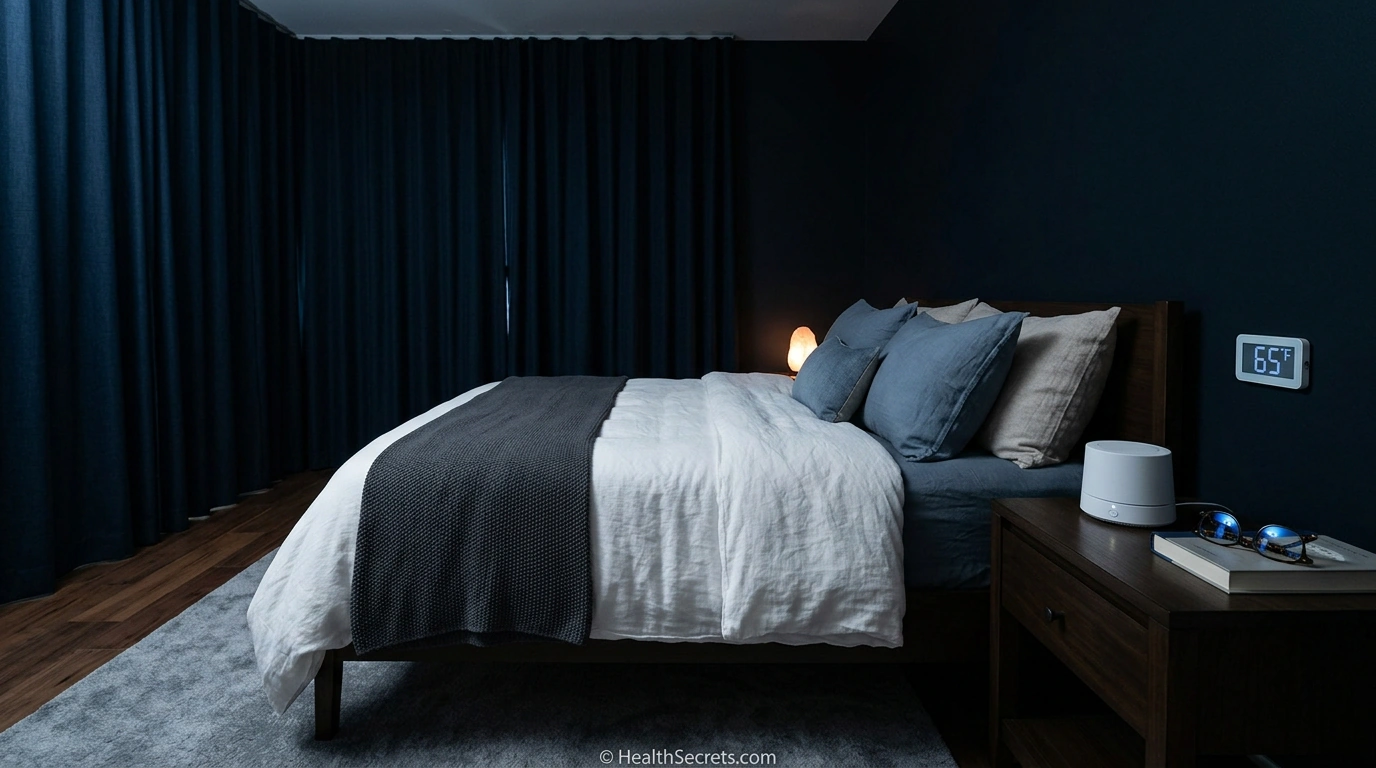
- Temperature: 60–67°F (15–19°C) — your body needs to cool down to initiate sleep
- Darkness: Complete darkness using blackout curtains or an eye mask; even small amounts of light suppress melatonin
- Sound: Minimize noise or use a white noise machine to mask disruptions
- Air quality: Keep the bedroom well-ventilated; consider a HEPA air purifier if allergies disrupt sleep
What daily habits support better sleep and immunity?
Morning (within 30–60 minutes of waking):
- Get 10–30 minutes of bright natural sunlight — this sets your circadian clock and promotes robust melatonin production later
- Exercise if possible — morning or afternoon exercise improves sleep quality
Afternoon:
- Cut off caffeine by 2 PM (caffeine has a 5–6 hour half-life and disrupts sleep architecture even if you fall asleep)
- Stay physically active — regular exercise supports both immunity and sleep
Evening (2–3 hours before bed):
- Dim lights and limit screen time — blue light suppresses melatonin
- Finish your last large meal 3–4 hours before bed
- Avoid alcohol — it may help you fall asleep but significantly disrupts deep sleep and REM
Bedtime:
- Follow a consistent 30–60 minute wind-down routine (reading, gentle stretching, warm bath)
- Practice stress reduction — meditation, deep breathing (4-7-8 technique), journaling
- Keep the bedroom reserved for sleep (and intimacy) — no work, no screens
What Diet and Lifestyle Changes Support Better Sleep and Immunity?
Sleep-promoting foods include tryptophan-rich proteins (turkey, eggs, cheese), magnesium-rich foods (leafy greens, nuts, seeds), and natural melatonin sources (tart cherries, walnuts, tomatoes). Combined with regular moderate exercise, stress management practices, and strategic supplement use when needed, these dietary choices create a foundation for both better sleep and stronger immune function.
Which foods help you sleep better?
| Nutrient/Compound | Top Food Sources | How It Helps Sleep |
|---|---|---|
| Tryptophan | Turkey, chicken, eggs, cheese, nuts | Precursor to serotonin and melatonin |
| Magnesium | Leafy greens, pumpkin seeds, almonds, dark chocolate | Relaxes muscles, calms nervous system, supports GABA |
| Melatonin | Tart cherries, walnuts, tomatoes, grapes | Directly supplies the sleep-regulating hormone |
| Complex carbohydrates | Sweet potatoes, oats, brown rice | Promotes tryptophan uptake into the brain |
| Glycine | Bone broth, collagen, gelatin | Lowers core body temperature, improves sleep quality |
| For comprehensive dietary strategies to support immunity, check out our guide on immune-boosting foods. |

Which supplements can support sleep quality?
If diet and lifestyle changes aren't enough, certain supplements have evidence supporting their use for sleep:
- Magnesium glycinate or threonate: 300–400 mg before bed — relaxes the nervous system without the laxative effect of other forms
- Melatonin: 0.5–3 mg, 30–60 minutes before bed — best for circadian rhythm issues; start with the lowest dose
- L-Theanine: 200–400 mg — promotes relaxation without sedation; found naturally in tea
- Glycine: 3 grams before bed — improves subjective sleep quality and next-day alertness
Always consult your healthcare provider before starting sleep supplements, especially if you take medications. For broader supplement strategies, see our immune supplement guide.
Action Plan
What Should You Do First to Improve Sleep for Immune Health?
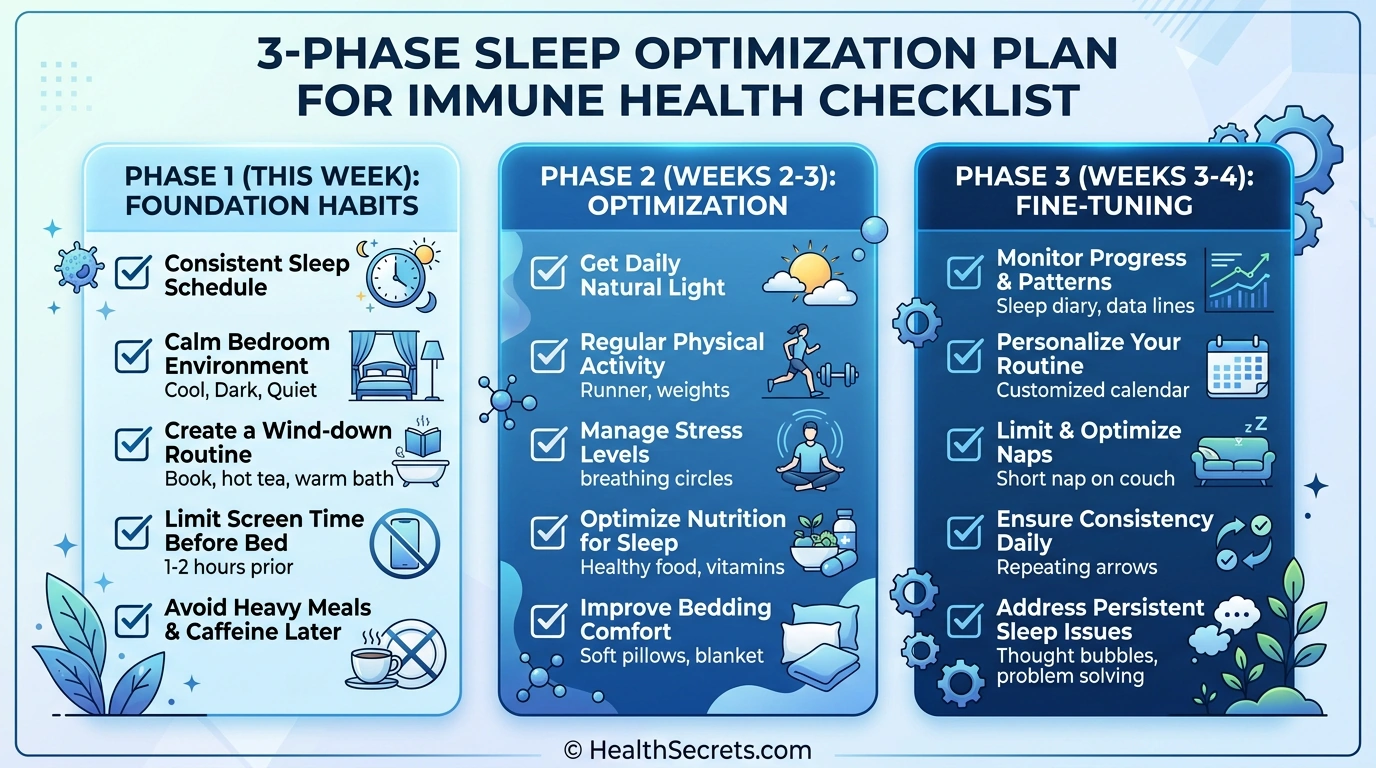
Follow the sequence below, work through each phase in order, and use the checklist as your practical implementation guide.
Start with the highest-impact, lowest-effort changes: set a consistent sleep and wake time (even on weekends), make your bedroom completely dark and cool, and get morning sunlight within 30 minutes of waking. These three changes alone can meaningfully improve sleep quality and immune function within one to two weeks.
Phase 1 — This Week (Foundation):
- Set a fixed bedtime and wake time — stick to it 7 days a week
- Make your bedroom completely dark (blackout curtains or eye mask)
- Set bedroom temperature to 60–67°F (15–19°C)
- Get 10–30 minutes of morning sunlight daily
Phase 2 — Weeks 2–3 (Optimization):
- Cut caffeine after 2 PM
- Stop screens 1–2 hours before bed (or use blue light blockers)
- Establish a 30-minute wind-down routine
- Finish last large meal 3–4 hours before bed
Phase 3 — Weeks 3–4 (Fine-Tuning):
- Add magnesium glycinate (300–400 mg) before bed if needed
- Incorporate 10 minutes of meditation or deep breathing before sleep
- Track sleep quality and note immune improvements (fewer colds, faster recovery)
- Address any persistent sleep issues with a healthcare provider