Have you noticed that colds hit harder than they used to? That a minor cut takes longer to heal, or that the flu knocks you flat for a week instead of a few days? You are not imagining it. Your immune system aging is real, measurable, and — here is the good news — partially within your control.
Scientists call this process immunosenescence: the gradual, age-related decline in how well your body detects and fights off infections, abnormal cells, and chronic inflammation. It begins quietly in your twenties, picks up speed through midlife, and accelerates significantly after sixty. The result is a body that responds more slowly to new threats, produces fewer protective antibodies, and struggles to keep chronic inflammation in check.
But aging does not have to mean surrendering to every virus that comes your way. Decades of research in gerontology, immunology, and nutritional science have identified concrete strategies — from targeted nutrients and moderate exercise to specific vaccines and stress management — that can slow immune decline and add years of functional immunity.
In this guide, you will learn exactly what happens to your immune system as you age, why chronic inflammation accelerates the process, and which evidence-based strategies genuinely help. Whether you are looking to protect yourself or support an aging loved one, these approaches are backed by the latest research from PubMed, NIH, and leading gerontology journals.
Related reading: The Ultimate Guide to Your Immune System · Inflammation and Pain Relief Guide · Sleep Optimization Guide
What Is Immunosenescence and Why Does Your Immune System Decline with Age?
Immunosenescence is the progressive deterioration of the immune system driven by natural aging. It affects every branch of immunity — from the neutrophils that rush to wounds to the T cells that remember past infections — and it accelerates after age 60, increasing vulnerability to infections, cancer, and chronic disease. While inevitable, the rate of decline is strongly influenced by lifestyle choices.
The term itself combines "immuno" (immune) with "senescence" (biological aging), and researchers have studied it extensively since the early 2000s. A landmark 2024 review in Frontiers in Immunology confirmed that immunosenescence involves thymic involution, inflammaging, cellular metabolic shifts, and changes in how blood-forming stem cells behave — all converging to weaken your defenses over time [1].
How Does Thymus Involution Reduce Your T Cell Defenses?
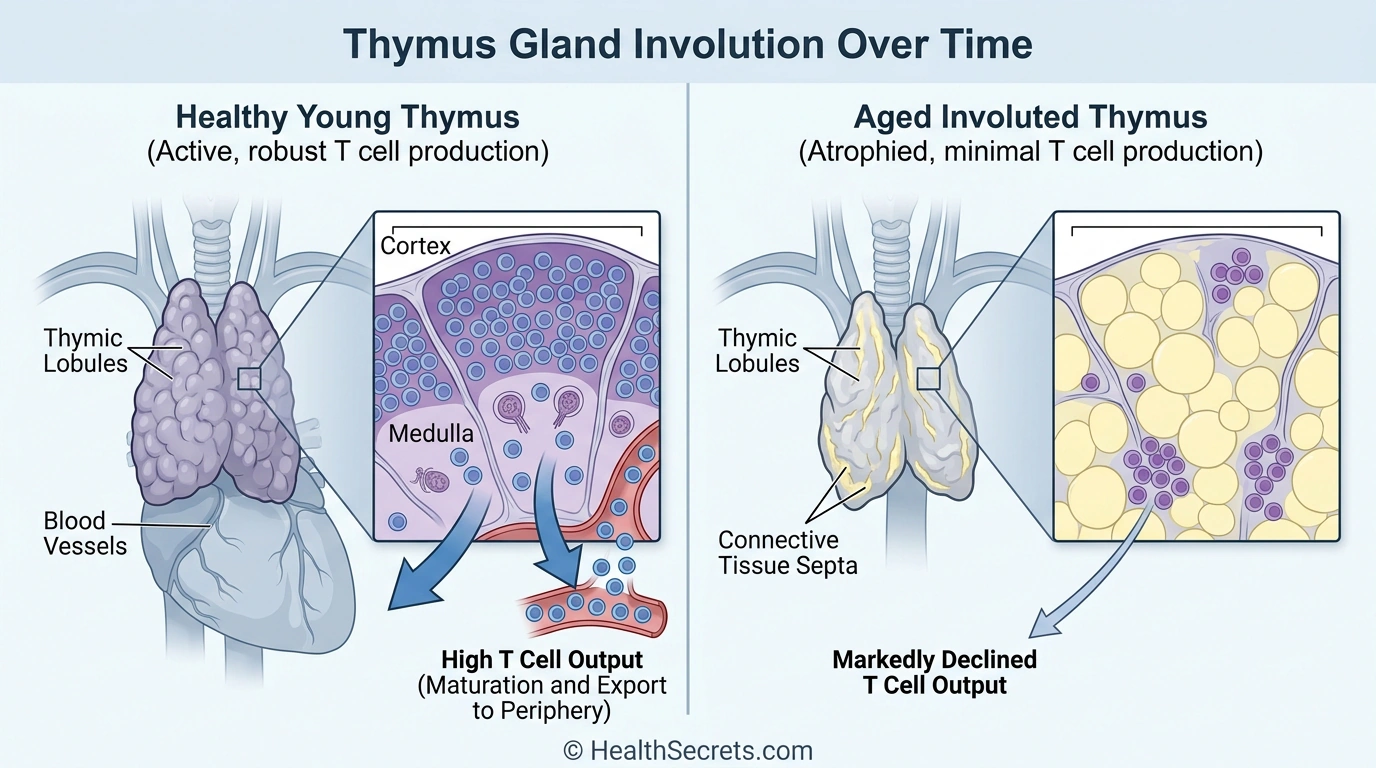
The thymus gland, located behind your breastbone, is where T cells mature and learn to distinguish threats from your own healthy tissue. Starting around puberty, the thymus gradually shrinks — a process called thymic involution — replacing functional tissue with fat. By age 60 to 70, the thymus is largely fatty tissue producing very few new naive T cells [2].
This matters because naive T cells are your immune system's scouts for unfamiliar threats. With fewer of them, your body relies increasingly on memory T cells, which only recognize pathogens you have encountered before. The result: slower responses to new infections, weaker vaccine responses, and a reduced ability to detect early-stage cancers [3].
Unfortunately, the thymus does not regenerate on its own. Research into thymus rejuvenation therapies is underway but not yet clinically available, making it all the more important to support the T cells you do have through nutrition, exercise, and lifestyle strategies [4].
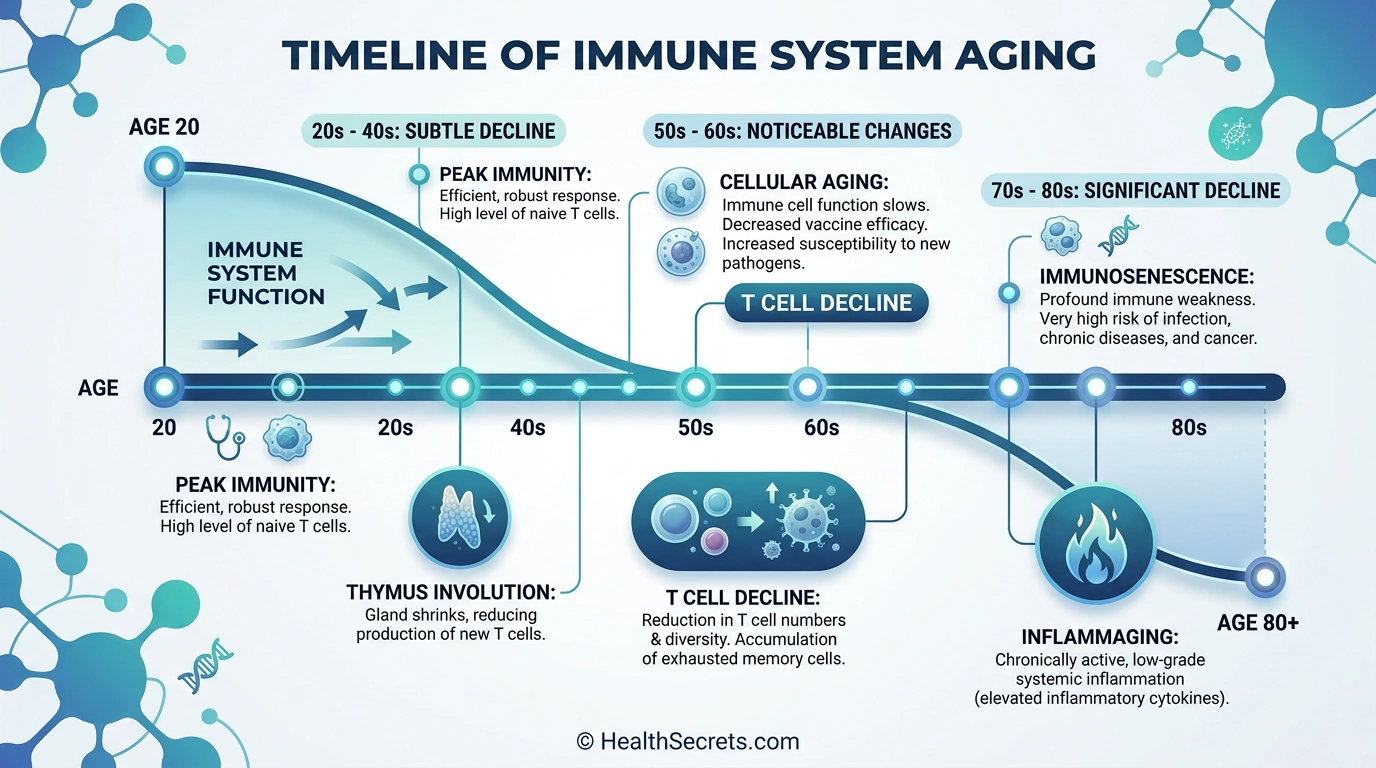
What Is the Timeline of Immune System Aging?
Immune decline is not a sudden event — it unfolds over decades:
- 20s–40s: Subtle, gradual decline in thymic output; most people do not notice changes.
- 50s–60s: Noticeable acceleration; vaccine responses weaken, infections take longer to clear.
- 70s–80s+: Significant immunosenescence; higher infection severity, slower wound healing, elevated cancer risk.
Critically, biological age and chronological age are not the same thing. A 70-year-old who exercises regularly, eats well, and manages stress can have an immune profile closer to someone a decade or more younger [5].

The Preventive Screening Timeline
US screening ages and intervals in one age-ordered table, five questions that change your plan, and a tracker that works out when each test is next due.
How Does Immune System Aging Work Inside Your Body?
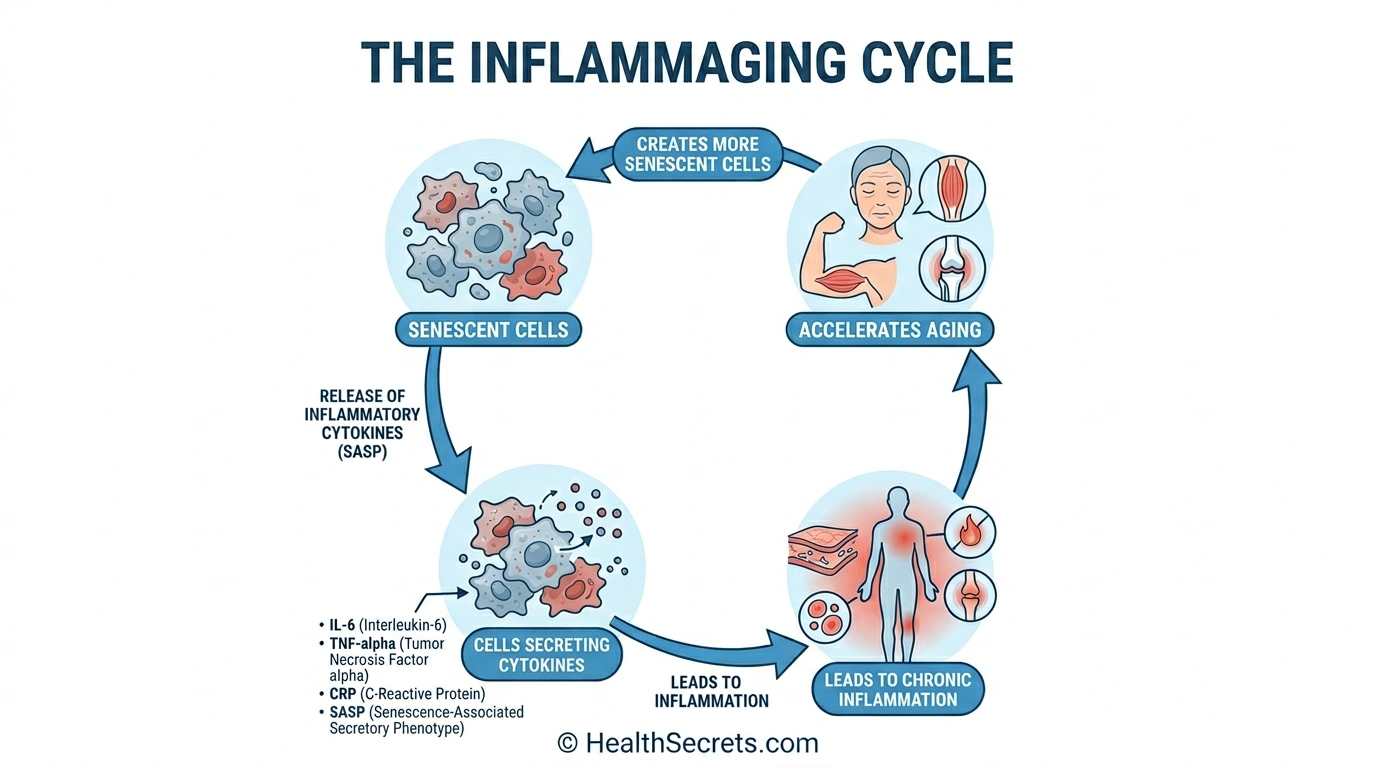
Immunosenescence operates through several interconnected mechanisms: chronic low-grade inflammation (inflammaging), declining innate immune cell function, and the progressive loss of adaptive immune capacity. Together, these changes create a vicious cycle where inflammation accelerates aging, which in turn worsens inflammation.
What Is Inflammaging and Why Is It Dangerous?
Inflamm-aging — or inflammaging — is a chronic, low-grade inflammatory state that develops with age. It is characterized by persistently elevated levels of pro-inflammatory cytokines, particularly interleukin-6 (IL-6), tumor necrosis factor-alpha (TNF-α), and C-reactive protein (CRP) [6].
The causes are multifactorial: accumulated senescent cells that secrete inflammatory compounds, gut microbiome shifts (dysbiosis), chronic latent infections like cytomegalovirus, obesity, and chronic stress. A 2024 systematic review confirmed that elevated IL-6 is the most reliable peripheral inflammation marker in older adults with various comorbidities [7].
Inflamm-aging does not just weaken immunity — it actively drives disease. Research links it to cardiovascular disease, Alzheimer's, type 2 diabetes, certain cancers, and frailty. It creates a feedback loop: inflammation accelerates cellular aging, which produces more inflammation [8].
How Do Innate Immune Cells Change with Age?
Your innate immune system — the first responders — experiences measurable decline:
- Neutrophils: Phagocytic (bacteria-eating) capacity drops, slowing response to infections [9].
- Macrophages: Antigen presentation becomes impaired, reducing their ability to activate T cells.
- Natural killer (NK) cells: Cytotoxic activity decreases, weakening surveillance against infected and cancerous cells.
- Dendritic cells: Function deteriorates, further impairing the bridge between innate and adaptive immunity.
The net effect is a slower, weaker initial response to pathogens, leading to more severe infections and longer recovery times in older adults [1].
How Does Adaptive Immunity Decline with Age?
The adaptive immune system — your targeted, memory-based defense — suffers from both T cell and B cell dysfunction:
- T cells: Fewer naive T cells (due to thymic involution), reduced diversity, slower proliferation, and an accumulation of exhausted memory cells.
- B cells: Antibody production declines in both quantity and quality, with reduced response to new antigens.
- Vaccine efficacy: Standard influenza vaccines are only 30–50% effective in adults over 65, compared to 70–90% in younger adults. High-dose and adjuvanted formulations improve this somewhat [10][11].
A 2026 Nature study using single-cell RNA sequencing on over 16 million immune cells from 300+ healthy adults aged 25–90 provided the most detailed map yet of how immune cell composition shifts with age, confirming these declines across multiple cell types [12].
What Are the Key Benefits of Actively Supporting Your Aging Immune System?
Proactively supporting immune health as you age can slow immunosenescence, reduce inflammaging, improve vaccine responses, and lower your risk of infections, chronic disease, and frailty. Research consistently shows that targeted nutrition, regular exercise, and strategic supplementation can add 10–15 years of functional immune capacity.
Can Targeted Nutrition Strengthen Aging Immunity?
Absolutely. Nutritional intervention is one of the most evidence-backed approaches to countering immunosenescence. Key benefits include:
- Protein intake of 1.0–1.2 g/kg body weight prevents sarcopenia and supports immune cell production — critical since elderly adults often consume inadequate protein [13].
- Vitamin D supplementation (1,000–2,000 IU daily) reduces respiratory infection risk in deficient older adults, with roughly 80% of elderly individuals being deficient [14].
- Zinc (8–11 mg daily) supports T cell function and wound healing — elderly adults are frequently deficient due to reduced intake and impaired absorption [15].
- Probiotics with Lactobacillus and Bifidobacterium strains reduce respiratory and gastrointestinal infections in older adults by supporting gut health, where roughly 70% of immune function resides [16].
Does Exercise Really Make Your Immune System Younger?
Yes — and the evidence is compelling. A 2026 study found that lifelong endurance exercisers had fewer inflammatory markers and more anti-inflammatory markers than sedentary peers of the same age, effectively displaying a younger immune phenotype [17].
Specific benefits include:
- Moderate aerobic exercise (150 min/week): Reduces inflammaging markers, improves immune cell circulation, and enhances vaccine response [18].
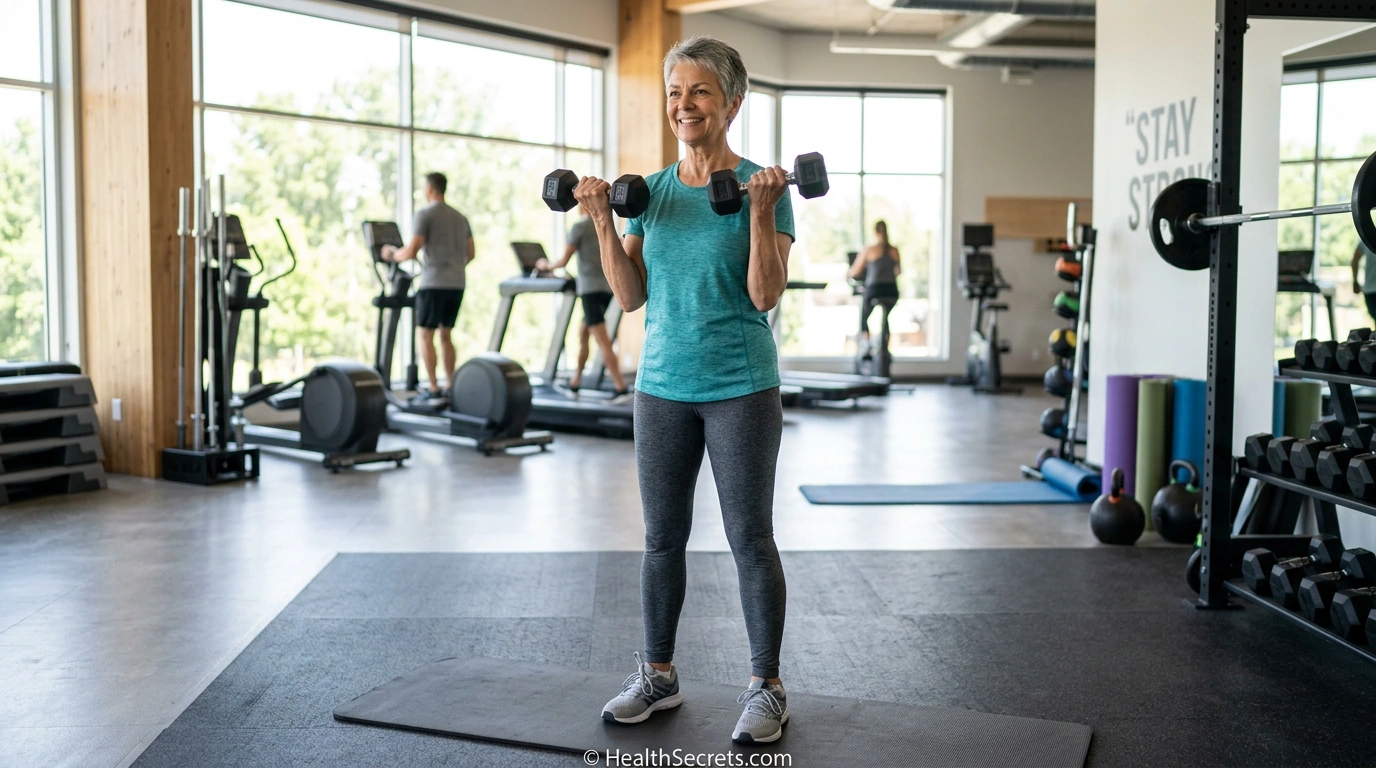
- Resistance training (2–3 days/week): Preserves muscle mass (which correlates with immune function) and improves immune markers in elderly adults [19].
- Outdoor exercise: Provides vitamin D from sunlight and reduces stress through nature exposure.
Physical activity promotes apoptosis of aging T lymphocytes and stimulates synthesis of new, functional immune cells. Even starting exercise at age 70–80 produces measurable immune benefits [5].
How Does Supplementation Help Senior Immunity?
Strategic supplementation fills the nutritional gaps that are nearly universal in older adults:
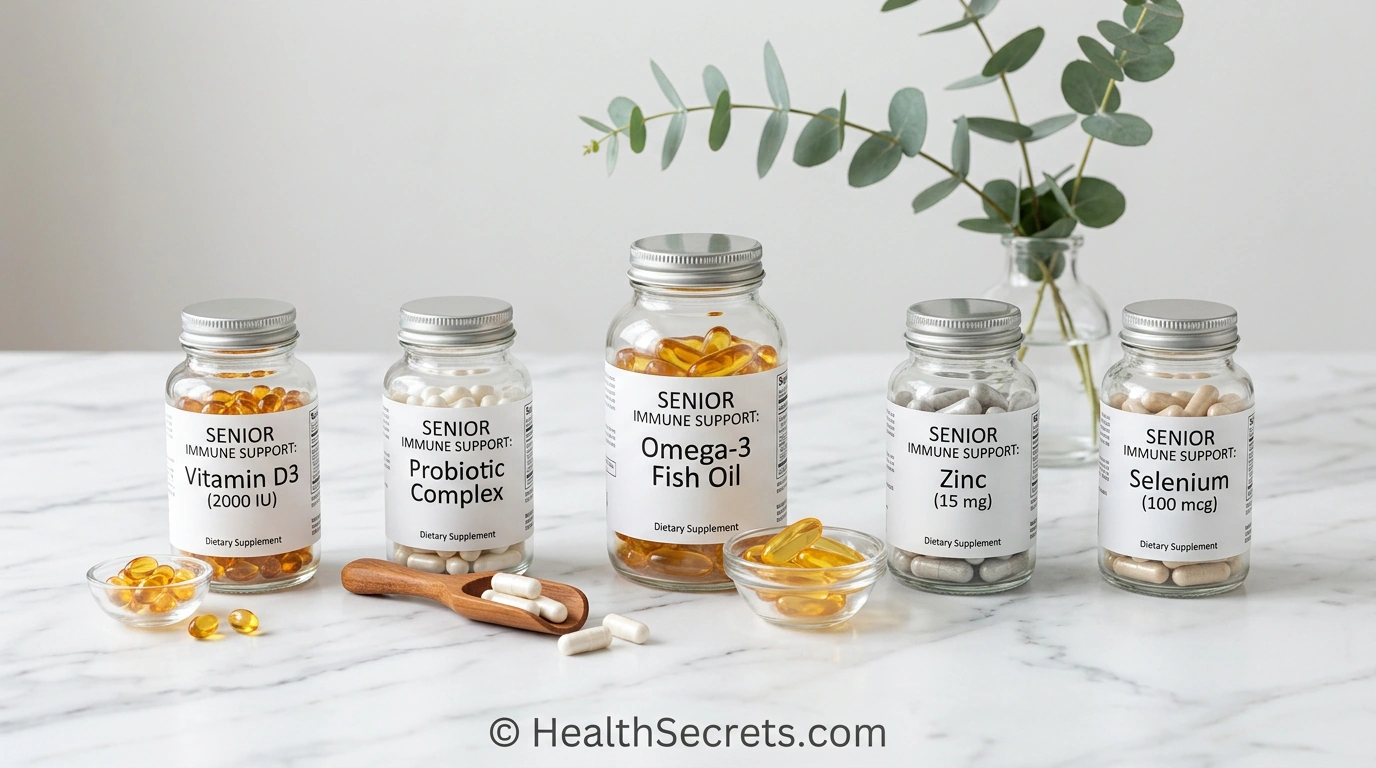
- Vitamin D3 is the most impactful single supplement, reducing infection risk and improving vaccine response in the 80% of seniors who are deficient [14].
- Omega-3 fatty acids (1,000–2,000 mg EPA+DHA) directly reduce inflammaging by lowering pro-inflammatory cytokine levels [20].
- Senior-specific multivitamins with higher B12, vitamin D, and calcium (and lower iron) help fill multiple nutrient gaps simultaneously.
- Quality matters: look for third-party testing from USP, NSF, or ConsumerLab to ensure purity and potency.
What Are the Risks and Consequences of Ignoring Immune System Aging?
Unchecked immunosenescence leads to increased infection susceptibility, dramatically reduced vaccine efficacy, slower wound healing, elevated cancer risk, and paradoxically higher rates of autoimmune disease. Infections like pneumonia and influenza remain leading causes of death in adults over 65, largely because of age-related immune decline.
Increased Infection Susceptibility
Pneumonia, influenza, urinary tract infections, and skin infections all become more frequent and severe. Pneumonia alone is a leading cause of hospitalization and death in elderly populations [21].
Reduced Vaccine Efficacy
Standard flu vaccines are only 30–50% effective in older adults versus 70–90% in young adults. Pneumococcal vaccines, while still recommended, also show reduced efficacy. However, newer formulations (high-dose flu vaccines, adjuvanted vaccines, Shingrix for shingles at 90%+ efficacy) have significantly improved outcomes [10][11].
Increased Cancer Risk
As immune surveillance declines, the body becomes less effective at identifying and eliminating abnormal cells. This contributes to the higher cancer incidence seen in older adults [3].
Chronic Inflammation Cascade
Inflamm-aging contributes to a cascade of age-related diseases: cardiovascular disease, Alzheimer's, type 2 diabetes, and general frailty. It is both a consequence and an accelerator of immunosenescence [8].
Autoimmune Paradox
Despite overall immune weakening, autoimmune diseases paradoxically increase with age due to loss of self-tolerance and the chronic inflammatory environment [1].
How Can You Practically Maintain Strong Immunity as You Age?
Maintaining aging immunity requires a multi-pronged approach: optimize nutrition with adequate protein and key micronutrients, exercise consistently at moderate intensity, stay current on recommended vaccines, prioritize sleep quality, manage chronic stress, and maintain strong social connections. Small, consistent changes compound over time.
Nutrition Protocol for Aging Immunity
- Increase protein to 1.0–1.2 g/kg body weight from lean meats, fish, eggs, dairy, and legumes.
- Supplement vitamin D3 at 1,000–2,000 IU daily (test levels and adjust with your doctor).
- Ensure adequate zinc (8–11 mg/day) and selenium (55–70 mcg/day) from diet or supplements.
- Take a quality probiotic with multi-strain Lactobacillus and Bifidobacterium (10–20 billion CFU daily).
- Add omega-3s at 1,000–2,000 mg EPA+DHA daily from fish oil or algae oil.
Exercise Prescription for Seniors
- Aerobic: 150 minutes per week of moderate activity (walking, cycling, swimming, dancing).
- Resistance: 2–3 sessions per week targeting all major muscle groups.
- Avoid overtraining: Consistent moderate exercise outperforms sporadic intense sessions.
- Get outside: 10–30 minutes of midday sun for vitamin D when weather permits.
Critical Vaccines for Older Adults
- Influenza (annually): High-dose or adjuvanted formulas for 65+ offer better protection.
- Pneumococcal: PCV13 (Prevnar 13) first, then PPSV23 (Pneumovax 23) one year later.
- Shingles (Shingrix): Two doses, 2–6 months apart; 90%+ effective for 50+ adults.
- COVID-19: Annual updated boosters, especially for 65+.
- Tdap: Booster every 10 years for tetanus, diphtheria, and pertussis.
Even with reduced efficacy compared to younger adults, vaccines remain one of the most powerful tools for preventing serious illness in seniors [10].
What Supplements Should Seniors Avoid in Excess?
- Vitamin A: Toxic at high doses (liver damage risk).
- Iron: Unless diagnosed with deficiency — excess increases oxidative stress.
- Vitamin E: Very high doses (above 400 IU) may increase mortality risk.
Always consult your doctor before starting supplements, especially if you take blood thinners, diabetes medications, or other prescriptions.
What Diet and Lifestyle Changes Best Support Immunity as You Age?
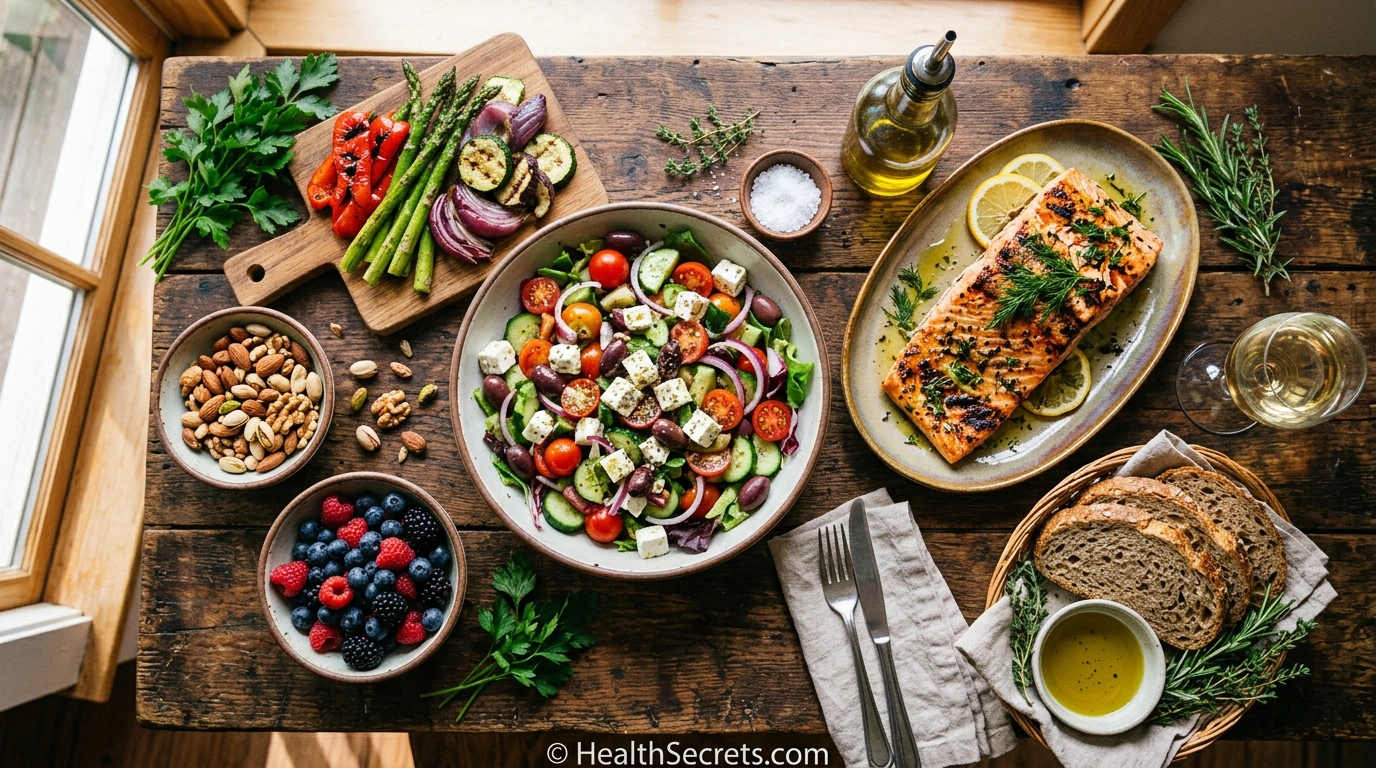
The Mediterranean diet offers the strongest evidence for supporting aging immunity — its emphasis on vegetables, fruits, whole grains, fish, olive oil, and nuts reduces inflammaging markers and improves immune cell function. Combined with quality sleep, stress management, and social connection, dietary changes create a comprehensive foundation for immune resilience.

The Mediterranean Diet Advantage
Research consistently links the Mediterranean dietary pattern to lower inflammaging, better immune markers, and longer healthspan. Emphasize:
- Colorful vegetables and fruits (antioxidants, polyphenols)
- Fatty fish 2–3 times weekly (omega-3s)
- Extra virgin olive oil as primary fat (anti-inflammatory oleocanthal)
- Nuts and seeds daily (vitamin E, selenium, zinc)
- Whole grains over refined carbohydrates
- Fermented foods like yogurt and kefir (probiotic support) [22]
Why Is Sleep Critical for Aging Immunity?
Sleep deprivation directly accelerates immunosenescence and increases inflammaging markers. Older adults need 7–9 hours, though quality matters as much as quantity. Strategies include maintaining a consistent sleep schedule, keeping the bedroom dark and cool, limiting screens before bed, and addressing sleep disorders like apnea with your doctor [23].
How Does Chronic Stress Accelerate Immune Aging?
Chronic stress elevates cortisol, which suppresses immune function and accelerates cellular aging. Elderly adults face unique stressors: health challenges, loss of loved ones, financial concerns, and isolation. Effective approaches include meditation, yoga, tai chi, maintaining hobbies, therapy, and staying socially engaged [24].
Why Does Social Connection Matter for Immunity?
Loneliness is not just an emotional issue — it is an immune health crisis. Research shows that social isolation increases inflammatory markers, impairs immune cell function, and raises mortality risk comparable to smoking 15 cigarettes a day. Strategies: maintain friendships, join community groups, volunteer, prioritize family time, and consider pet companionship [25].
What Should You Avoid?
- Smoking: Directly accelerates immunosenescence and increases infection and cancer risk.
- Excessive alcohol: Suppresses immunity and increases inflammation.
- Sedentary living: Accelerates every aspect of immune decline.
- Obesity: Chronic inflammation from excess adipose tissue impairs immune function — but avoid extreme weight loss, which increases frailty risk.
What Should You Do First to Protect Your Aging Immune System?
Start with the highest-impact, lowest-effort changes and build from there. The first week focuses on nutrition and supplementation basics, the second adds movement, and by month two you are building a sustainable immune-protective lifestyle. Consistency matters far more than perfection.
Phase 1: Foundation (Week 1–2)
- Get vitamin D levels tested; start 1,000–2,000 IU D3 daily
- Increase protein intake to 1.0–1.2 g/kg body weight
- Start a quality probiotic (10–20 billion CFU multi-strain)
- Schedule any overdue vaccines with your doctor
- Assess current sleep quality and set a consistent bedtime
Phase 2: Movement (Week 3–4)
- Begin 30 minutes of moderate walking 5 days per week
- Add 2 resistance training sessions per week (bodyweight or light weights)
- Get 10–30 minutes of outdoor midday sun when possible
- Start a daily stress-reduction practice (5 minutes of meditation or deep breathing)
Phase 3: Optimization (Month 2–3)
- Add omega-3 supplementation (1,000–2,000 mg EPA+DHA)
- Transition toward a Mediterranean eating pattern
- Strengthen social connections (join a group, schedule regular calls or visits)
- Review all medications with your doctor for immune-suppressing interactions
- Consider a senior-specific multivitamin to fill remaining gaps
Phase 4: Long-Term Maintenance (Ongoing)
- Annual flu vaccine (high-dose for 65+)
- Retest vitamin D levels every 6–12 months
- Maintain exercise consistency — aim for lifelong habit
- Regular health screenings and immune-relevant bloodwork