Here's something most people don't realize about their immune system: it runs on antioxidants. Specifically, it depends heavily on glutathione — the body's master antioxidant found in virtually every cell. And the single most effective way to boost your glutathione levels? That's where NAC comes in.
N-acetyl cysteine has been used in hospitals since the 1960s — originally as a mucus-thinning agent for respiratory conditions, and later as the life-saving antidote for acetaminophen (Tylenol) overdose. But over the past two decades, researchers have uncovered something far more interesting: NAC's ability to strengthen the NAC immune system response by replenishing glutathione stores, reducing inflammation, and directly supporting immune cell function.
What makes this supplement particularly compelling is the landmark 1997 study showing that elderly adults taking just 600mg of NAC twice daily experienced 75% fewer symptomatic flu infections — even when exposed to the virus at the same rate as the placebo group [1]. That's not a small effect.
In this guide, you'll learn exactly how NAC supports your immune system, the glutathione connection that makes it superior to taking glutathione directly, evidence-based dosing protocols, and how to choose a quality supplement. Whether you're looking for everyday immune maintenance or respiratory support during cold and flu season, NAC deserves a spot on your radar.
For a broader look at evidence-based immune strategies, see our complete guide to boosting your immune system naturally. If you're interested in NAC's role in detoxification, our glutathione master antioxidant guide goes deep on that connection.
What Is NAC (N-Acetyl Cysteine) and Why Does It Matter for Immunity?
NAC is a modified form of the amino acid L-cysteine — with an acetyl group attached that improves stability and absorption in the digestive tract. It's the body's most efficient precursor to glutathione, the tripeptide antioxidant found in every human cell that serves as the frontline defense against oxidative stress, toxins, and immune threats.
First developed as a pharmaceutical agent in the 1960s, NAC earned FDA approval as a mucolytic (mucus-thinning) drug and later became the standard antidote for acetaminophen poisoning — where it works by rapidly replenishing depleted glutathione stores in the liver [12]. Today, it's one of the most researched nutritional supplements on the planet.
How Does NAC Work in the Body?
NAC operates through several distinct mechanisms that collectively support immune health:
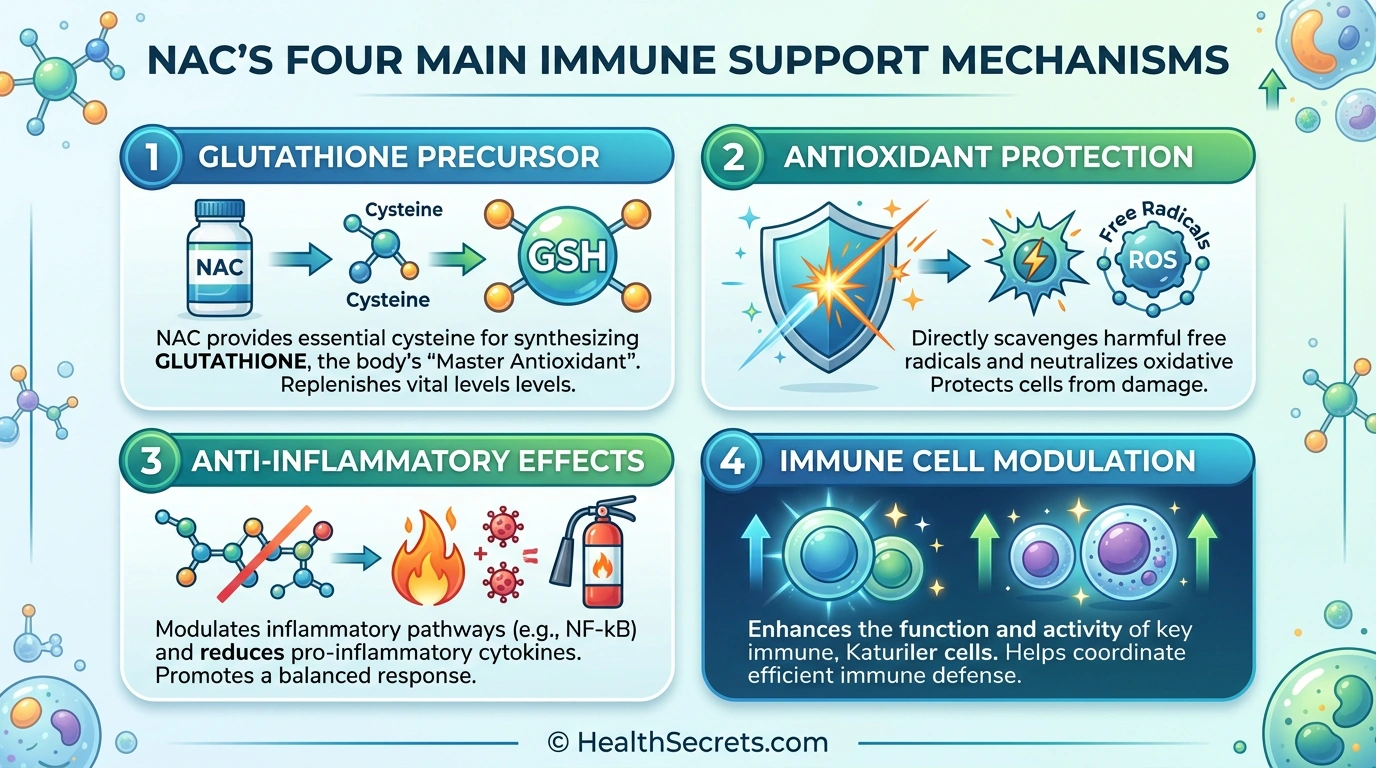
- Glutathione precursor: Provides bioavailable cysteine — the rate-limiting amino acid for glutathione synthesis. NAC supplementation can increase intracellular glutathione by 30–50% [9].
- Direct antioxidant: Scavenges free radicals and reactive oxygen species (ROS) independently of glutathione.
- Anti-inflammatory agent: Reduces pro-inflammatory cytokines including TNF-alpha, IL-6, and IL-1β by modulating NF-κB signaling [4].
- Mucolytic: Breaks disulfide bonds in mucus glycoproteins, thinning and loosening respiratory secretions.
- Immune modulator: Supports T cell proliferation, NK cell cytotoxicity, and balanced Th1/Th2 immune responses.
NAC contains sulfur — which gives it a characteristic smell that's completely normal and actually indicates the molecule is intact. This sulfur component is essential for its biological activity.

Are You Unknowingly Inflaming Your Body?
Get the free Health Vitals & Nutrient Checklist — the daily guide that shows you which habits and supplements are silently triggering inflammation.
How Does NAC Support Your Immune System? (It's More Than Just Antioxidants)
NAC strengthens immune function through multiple overlapping pathways — from replenishing glutathione to directly modulating immune cell behavior and reducing chronic inflammation that weakens your body's defenses. Research shows it enhances T cell function, boosts NK cell activity, and helps regulate the inflammatory cytokines that determine whether your immune response is protective or destructive.
How Does NAC Boost Glutathione — and Why Does That Matter for Immunity?
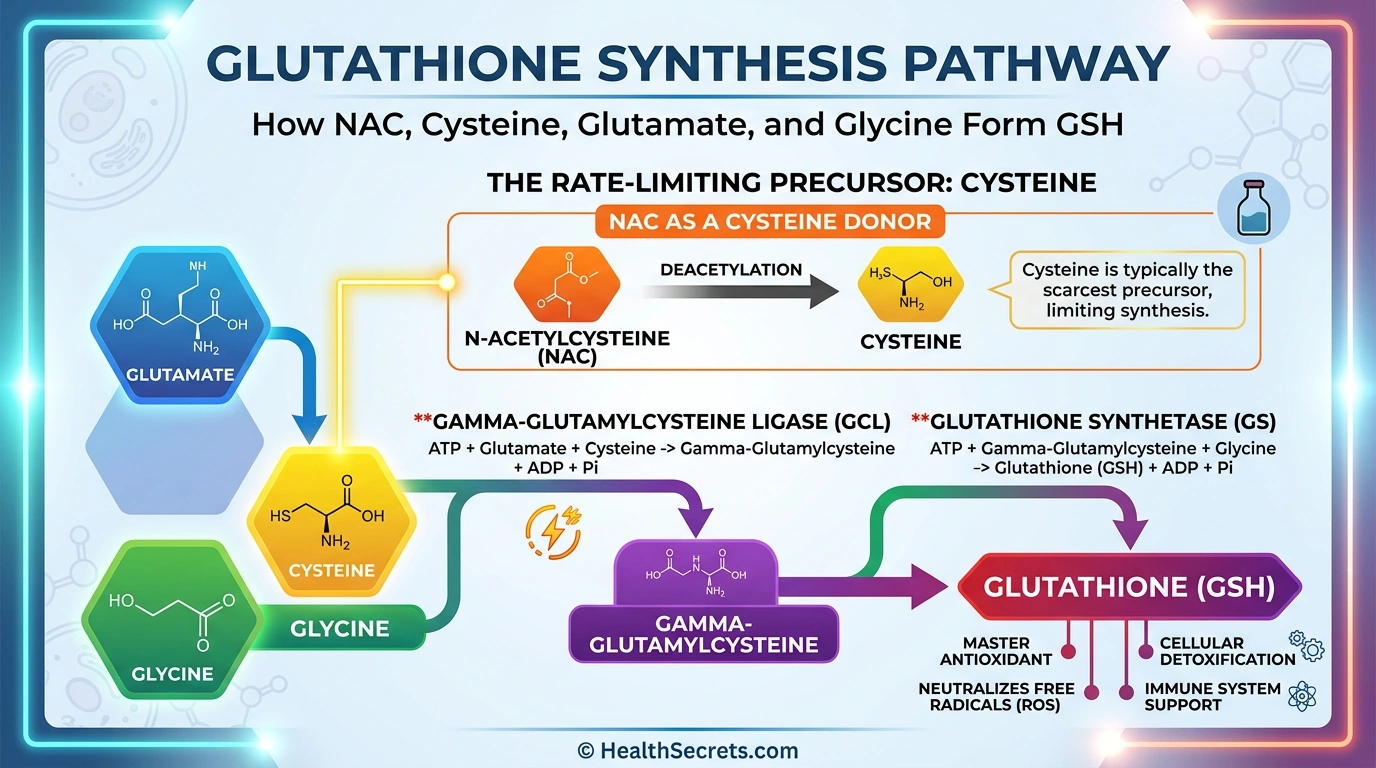
Glutathione is a tripeptide made from three amino acids: glutamate, cysteine, and glycine. While glutamate and glycine are abundant in most diets, cysteine is the bottleneck. NAC provides bioavailable cysteine that crosses cell membranes and fuels glutathione production where it's needed most — inside immune cells [10].
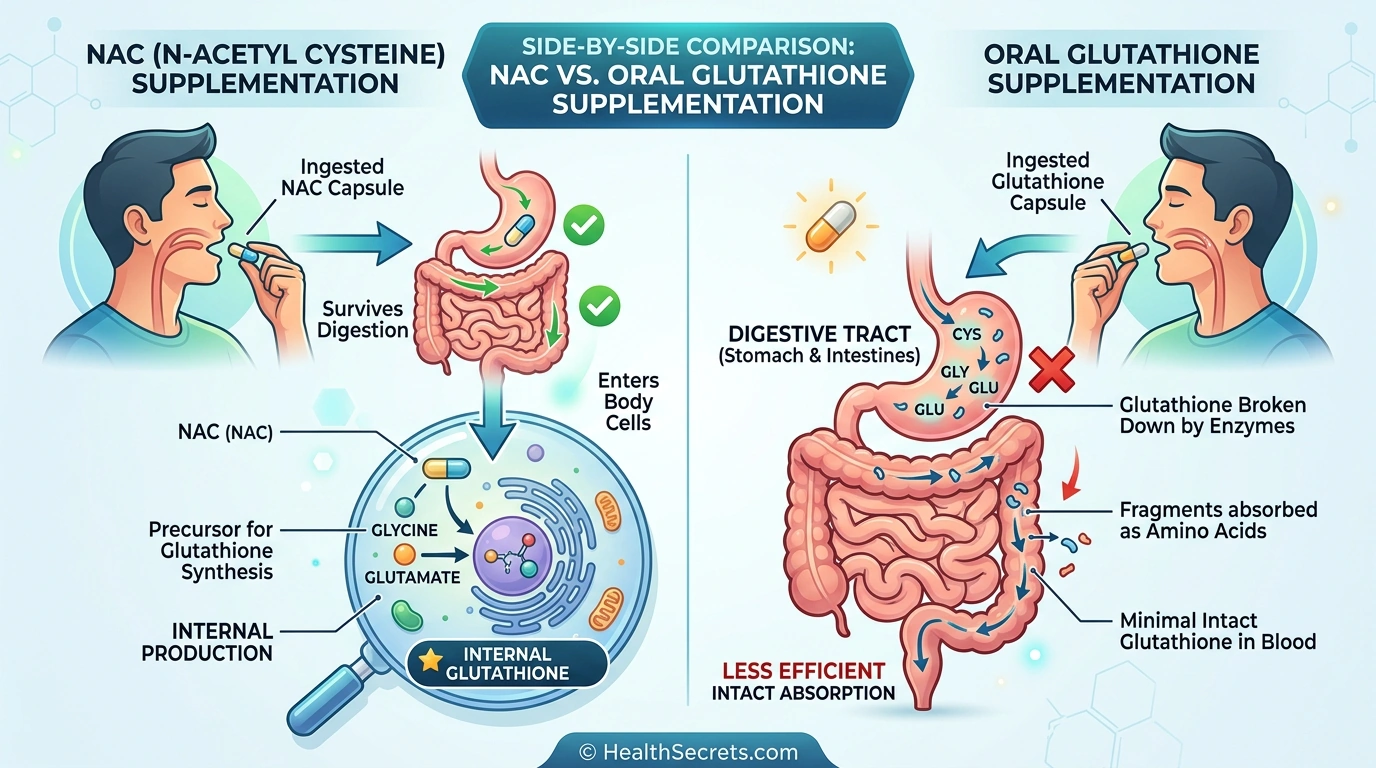
Critically, NAC is more effective than taking oral glutathione directly. Oral glutathione is largely broken down in the digestive tract before absorption — while NAC survives digestion, enters cells, and gets converted to glutathione intracellularly. For immune support, glutathione is essential: T cells, NK cells, and macrophages all require adequate glutathione to function properly.
Glutathione levels naturally decline with age — approximately 10–15% per decade after age 40 — which partly explains why older adults have weaker immune responses. Factors like chronic stress, pollution, alcohol, acetaminophen use, and infections further deplete glutathione stores.
How Does NAC Modulate Immune Cell Function?
NAC directly supports key immune cells. Research in postmenopausal women showed that 2–4 months of NAC supplementation significantly improved overall immune function parameters — and these benefits persisted for three months after stopping supplementation [8]. NAC enhances T cell proliferation and activity, supports NK cell cytotoxicity against virus-infected cells, and helps balance Th1/Th2 immune responses to prevent both immune deficiency and overactivation.
Additionally, NAC reduces pro-inflammatory cytokines — particularly TNF-alpha and IL-6 — that contribute to the excessive inflammation seen in severe respiratory infections [3]. This anti-inflammatory action helps maintain a balanced immune response rather than the damaging "cytokine storm" pattern.
What Does the Flu Prevention Research Actually Show?
The most compelling evidence for NAC's immune benefits comes from a landmark 1997 randomized controlled trial by De Flora and colleagues. In this study, 262 elderly adults received either NAC (600mg twice daily) or placebo for six months during flu season. The results were striking: while seroconversion rates were similar in both groups (meaning both groups were infected at similar rates), only 25% of NAC-treated subjects developed symptomatic illness compared to 79% in the placebo group [1].
That's a 75% reduction in symptomatic flu — not by preventing infection, but by strengthening the immune system's ability to handle the virus without becoming severely ill. NAC treatment also significantly improved cell-mediated immunity, shifting participants from anergy (impaired immune response) toward normal immune function.
More recently, observational studies during the COVID-19 pandemic noted that patients with severe disease had significantly depleted glutathione levels, and preliminary data suggested NAC supplementation might reduce disease severity — though more rigorous trials are needed before drawing firm conclusions [7].

Evidence-Based Supplement Organizer & Safety Log
An inventory that adds up the cost, thirty-three supplements graded on the evidence, an upper-limit tally, an interaction screen, a daily schedule and a one-sheet for your clinician.
How Well Is NAC Absorbed — and Does It Actually Reach Your Immune Cells?
Oral NAC has a bioavailability of roughly 6–10%, which sounds low but is actually sufficient to meaningfully increase intracellular glutathione levels. The acetyl group on NAC improves its stability through the digestive tract compared to free L-cysteine, and the supplement has decades of clinical evidence supporting its oral effectiveness at standard doses.
NAC vs. Oral Glutathione: Which Is Better?
This is one of the most important distinctions in antioxidant supplementation. Oral glutathione supplements are largely broken down by digestive enzymes into individual amino acids before reaching cells — meaning very little intact glutathione actually enters circulation. NAC, by contrast, survives digestion, enters cells, and provides the rate-limiting cysteine that cells need to manufacture glutathione internally. For boosting intracellular glutathione — the form that actually protects immune cells — NAC is the superior choice.
The exception is liposomal glutathione, which uses lipid encapsulation to improve absorption. However, liposomal forms are significantly more expensive, and NAC remains the most cost-effective and well-studied approach for most people. If you're interested in glutathione optimization for detoxification, NAC should be your foundation.
How Can You Maximize NAC Absorption?
- Empty stomach (30–60 minutes before meals) provides optimal absorption
- With food if you experience nausea — slightly reduced absorption but much better tolerance
- Split doses (600mg twice daily rather than 1,200mg once) maintain more consistent blood levels
- Combine with cofactors: Vitamin C regenerates glutathione, selenium supports glutathione peroxidase, and glycine provides the other glutathione precursor
How Much NAC Should You Take for Immune Support?
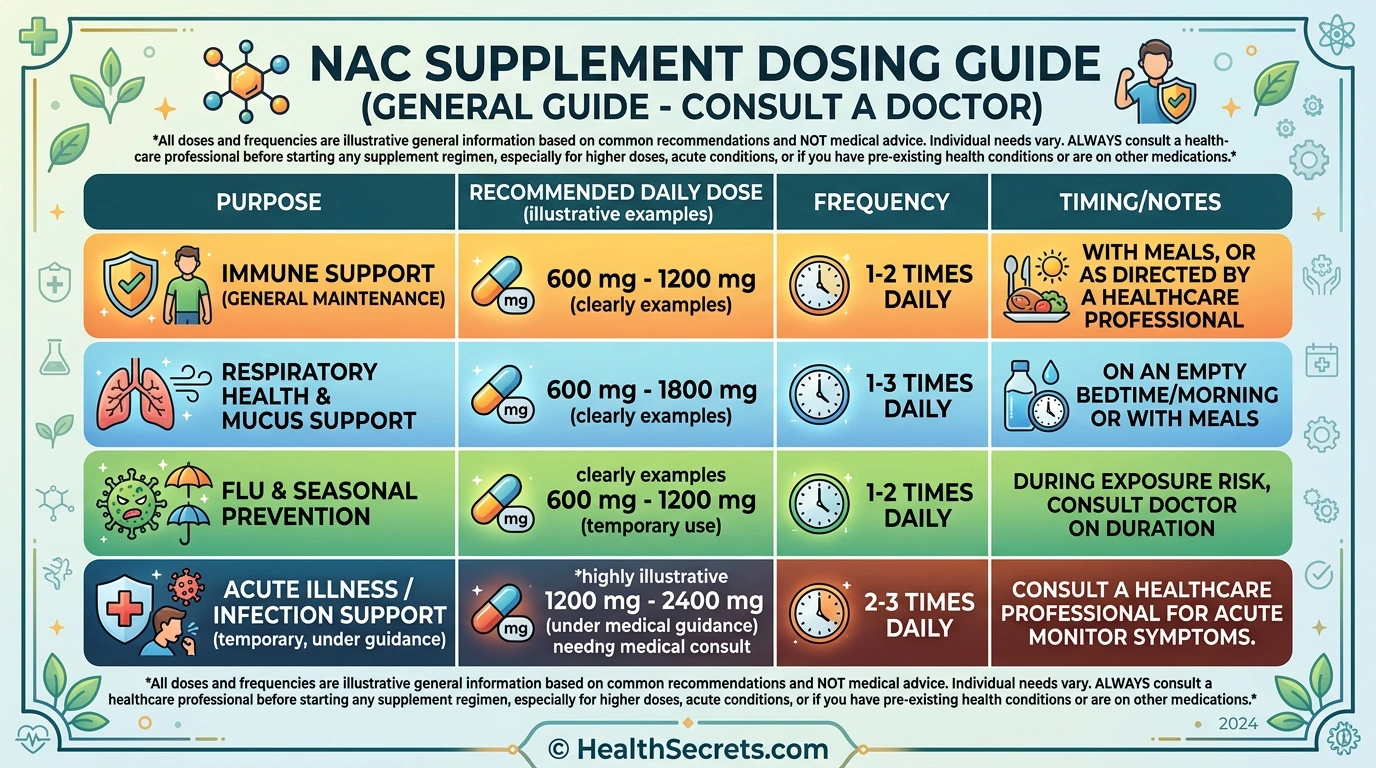
For general immune maintenance, research supports 600–1,200mg daily, while therapeutic applications for respiratory conditions typically use 1,200mg daily (600mg twice). Acute illness may warrant short-term doses up to 1,800mg daily. The key is splitting your dose and being consistent — NAC's benefits are cumulative over weeks of regular use.
| Purpose | Daily Dose | Frequency | Duration |
|---|---|---|---|
| General immune support | 600–1,200mg | 1–2x daily | Ongoing |
| Flu prevention (elderly) | 1,200mg | 600mg 2x daily | Flu season |
| Respiratory health (COPD/bronchitis) | 1,200mg | 600mg 2x daily | Ongoing |
| Acute illness (cold/flu) | 1,200–1,800mg | 600mg 2–3x daily | During illness |
| Mental health (OCD/addiction) | 1,200–3,000mg | Divided 2–3x | Medical supervision |
Timing Tips
- Optimal: Empty stomach, 30–60 minutes before meals — maximizes glutathione synthesis
- Alternative: With food if you experience GI upset — the trade-off in absorption is worth the tolerance
- Split doses: Always divide doses above 600mg — maintains steady blood levels and reduces side effects
- Allow time: Full immune benefits develop over 4–8 weeks of consistent use — don't expect overnight results
Can You Get Enough NAC from Food Alone?
You cannot get NAC itself from food — it's a synthetic derivative of L-cysteine. However, you can support glutathione production through dietary cysteine sources. The challenge is that food-based cysteine rarely provides therapeutic amounts, making supplementation the practical choice for immune support.
Cysteine-rich foods include poultry (especially chicken breast), eggs, garlic, onions, cruciferous vegetables (broccoli, Brussels sprouts), and whey protein. Sulfur-containing foods like garlic and alliums also support glutathione pathways. A balanced diet rich in these foods provides a solid foundation, but if your goal is therapeutic glutathione elevation — particularly for immune support during aging, illness, or high oxidative stress — supplemental NAC at 600–1,200mg daily is far more reliable.
The balanced approach: eat a diet rich in sulfur-containing foods and quality protein while supplementing with NAC for targeted immune support. For broader supplement guidance, see our evidence-based supplements guide.
Is NAC Safe? Side Effects, Drug Interactions, and Who Should Avoid It
NAC has an excellent safety profile backed by over 60 years of medical use, with doses up to 8,000mg daily tolerated in clinical settings. At standard supplement doses of 600–1,200mg daily, most people experience minimal or no side effects. However, several important cautions apply.
Common Side Effects
- Nausea — the most frequent complaint, usually dose-dependent and reduced by taking with food
- GI upset — stomach discomfort, indigestion, diarrhea at higher doses
- Sulfur smell — breath, urine, or sweat may have a sulfur odor; completely normal and harmless
- Management: Start at 600mg daily, increase gradually, take with food if needed
Serious Contraindications and Drug Interactions
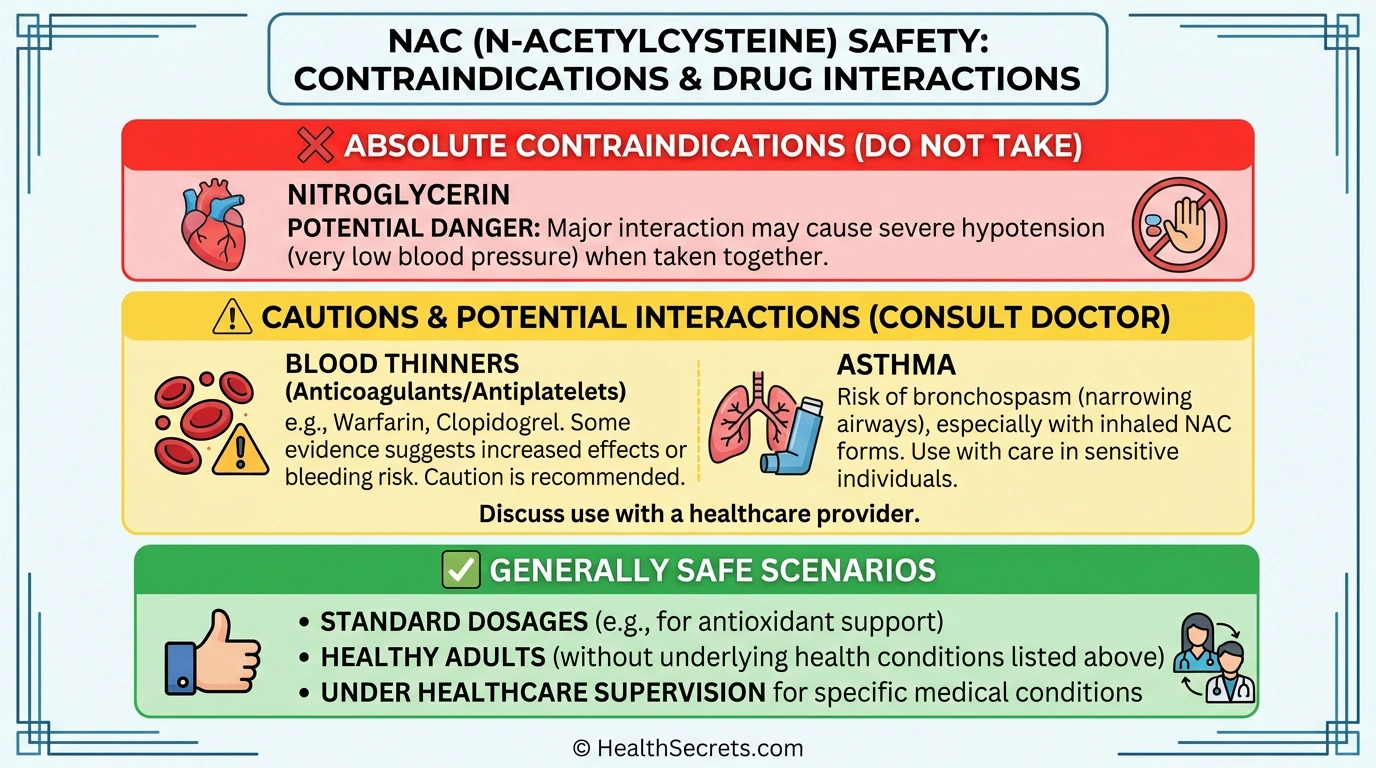
- Nitroglycerin (ABSOLUTE contraindication): NAC combined with nitroglycerin can cause severe hypotension and intense headaches — never combine these [16]
- Blood thinners (warfarin, aspirin, clopidogrel): NAC may have mild antiplatelet effects — consult your doctor and monitor INR
- Surgery: Stop NAC 2 weeks before scheduled surgery due to theoretical bleeding risk
- Asthma: Inhaled NAC may trigger bronchospasm; oral NAC is generally safer but monitor closely
- Antibiotics: NAC may reduce effectiveness of some antibiotics — separate doses by 2 hours
- Chemotherapy: Controversial — antioxidants may interfere with certain chemo drugs; consult your oncologist
- Pregnancy/breastfeeding: Insufficient data for routine supplementation; consult your provider
What Can NAC Actually Do for Your Immune System — and What Can't It Do?
NAC is a well-researched supplement with genuine evidence supporting immune and respiratory benefits — but it's not a miracle cure. Setting realistic expectations helps you evaluate whether it's working and prevents disappointment from overblown claims.
What NAC can realistically do:
- Increase glutathione levels by 30–50% with consistent supplementation
- Reduce frequency and severity of respiratory infections, particularly in older adults
- Thin mucus and improve respiratory symptoms in chronic lung conditions
- Lower oxidative stress markers and pro-inflammatory cytokines
- Support immune cell function during periods of high demand (illness, aging, stress)
What NAC cannot do:
- Cure active infections or replace medical treatment
- Provide immediate immune protection (benefits build over 4–8 weeks)
- Replace a healthy diet, adequate sleep, regular exercise, or stress management
- Guarantee you won't get sick — it reduces risk and severity, not eliminates them
Realistic timeline:
- Weeks 1–2: Minimal noticeable changes; glutathione levels begin increasing
- Weeks 3–4: Some people notice improved respiratory comfort and recovery
- Weeks 5–8: Full immune benefits establish; reduced infection frequency may become apparent
- Months 3+: Maximum long-term benefit for those with chronic oxidative stress or respiratory conditions
Individual results vary based on baseline glutathione status, age, overall health, and lifestyle factors. People with significant glutathione depletion (elderly, smokers, those with chronic illness) tend to notice the most dramatic improvements.
Action Plan
What Should You Do First to Start Using NAC for Immune Health?
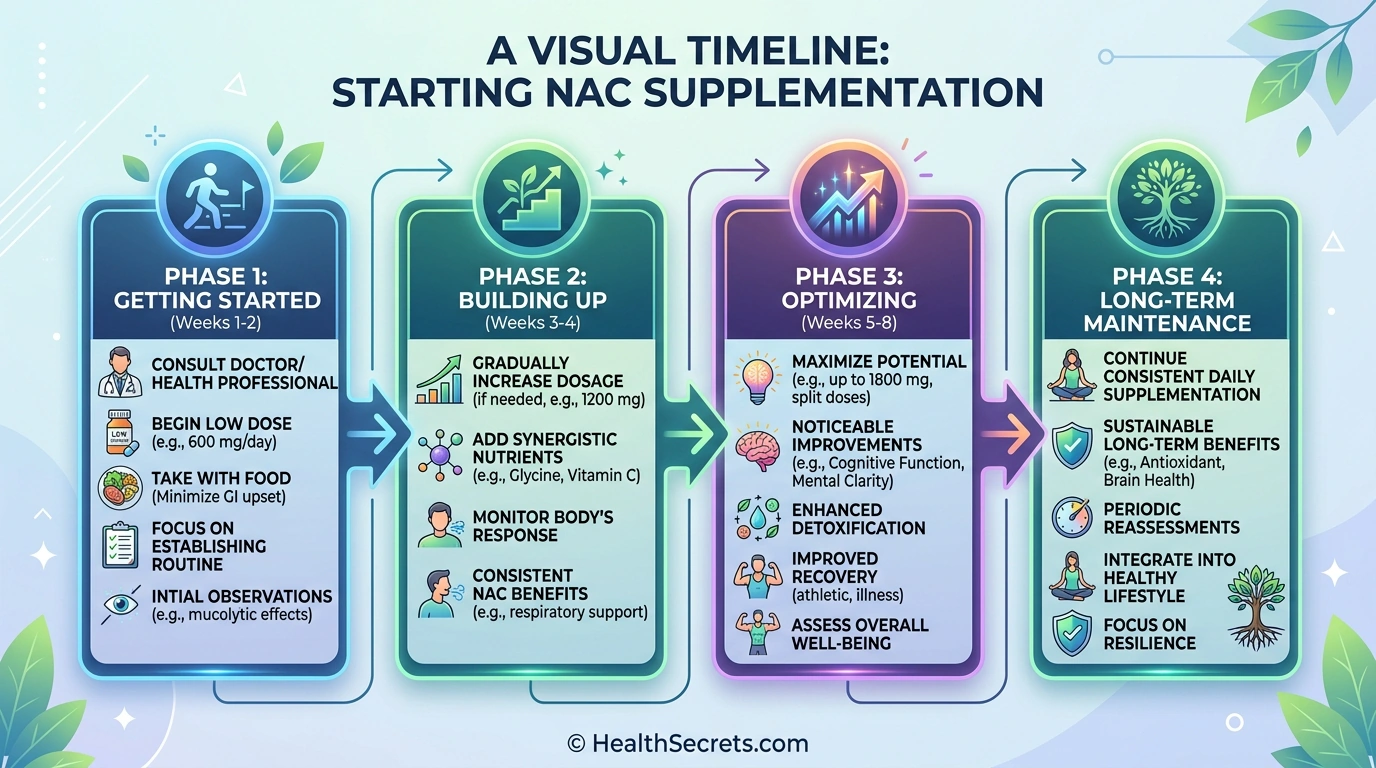
Follow the sequence below, work through each phase in order, and use the checklist as your practical implementation guide.
Start with a quality 600mg NAC supplement taken once daily, then gradually increase to twice daily over 1–2 weeks as tolerated. Combine with cofactors like vitamin C and selenium for maximum glutathione support, and give it at least 6–8 weeks of consistent use before evaluating results.
Phase 1 — Getting Started (Weeks 1–2):
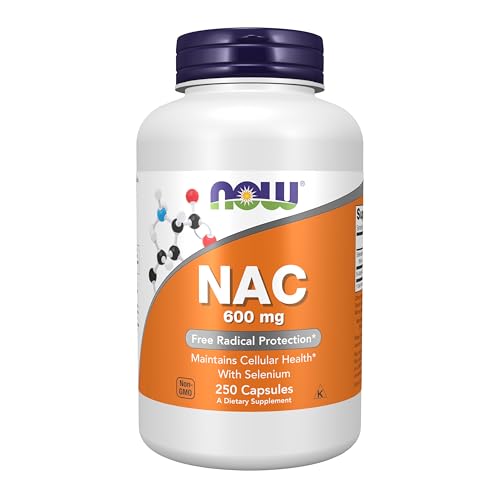
- Choose a pharmaceutical-grade, third-party tested NAC supplement (600mg capsules)
- Start with 600mg once daily, preferably on an empty stomach 30–60 minutes before a meal
- If nausea occurs, switch to taking with food
- Monitor for any side effects
Phase 2 — Building Up (Weeks 3–4):
- Increase to 600mg twice daily (morning and evening) if tolerated
- Add cofactors: vitamin C (500–1,000mg daily) and selenium (200mcg daily)
- Continue monitoring tolerance
Phase 3 — Optimizing (Weeks 5–8+):
- Maintain consistent 1,200mg daily dose (600mg twice daily)
- Track respiratory health and infection frequency
- During acute illness: temporarily increase to 600mg three times daily
- Evaluate benefits after 8 weeks of consistent use
Phase 4 — Long-Term Maintenance:
- Continue 600–1,200mg daily for ongoing immune support
- Increase during flu season or periods of high stress
- Combine with a diet rich in sulfur-containing foods and quality protein
- Review with your healthcare provider annually