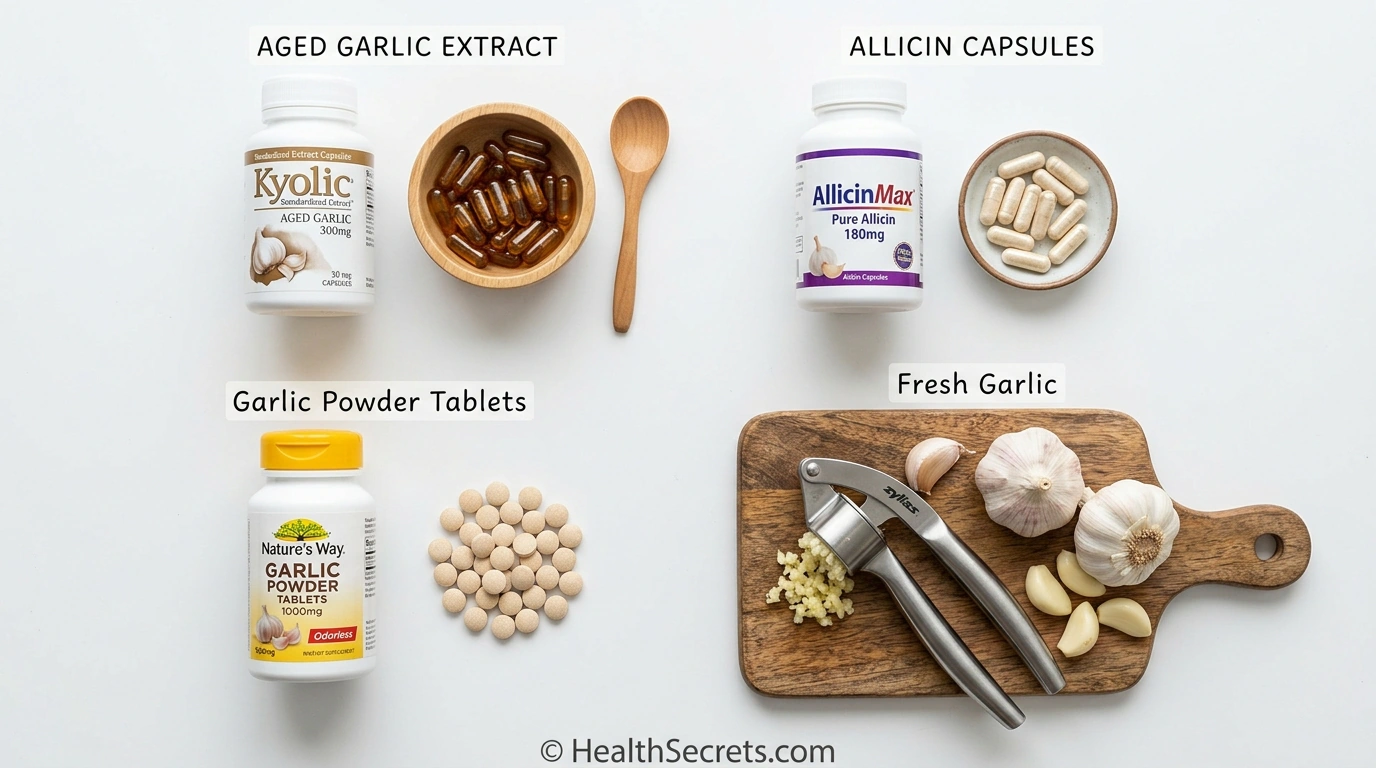
Garlic has been used as medicine for over 5,000 years—from ancient Egyptian laborers who ate it for stamina to Hippocrates who prescribed it for respiratory problems. Today, modern research validates what traditional healers knew: garlic is one of nature's most potent immune-boosting foods, with clinical evidence showing it can reduce cold incidence by up to 63% and shorten illness duration by 70%. [2] [4]
The secret lies in allicin—a powerful sulfur compound that forms only when you crush, chop, or chew raw garlic. This volatile compound activates within minutes and delivers broad-spectrum antimicrobial, antiviral, and antifungal properties. But here's the catch most people miss: if you toss garlic straight into a hot pan without waiting, you destroy the enzyme that creates allicin before it ever forms.
This guide covers everything you need to know about garlic for immune health—from the biochemistry of allicin formation to practical preparation techniques, clinical evidence for cold and flu prevention, the differences between raw, cooked, and aged garlic extract, proper dosing for prevention and during illness, and safety considerations including drug interactions.
What Makes Garlic One of Nature's Most Powerful Immune Foods?
Garlic (Allium sativum) contains over 100 biologically active compounds, but its immune-boosting power centers on sulfur-containing organosulfur compounds—particularly allicin, S-allyl cysteine (SAC), diallyl disulfide (DADS), and ajoene. These compounds work through multiple mechanisms to enhance immune cell function, kill pathogens directly, reduce inflammation, and protect immune cells from oxidative damage.
The Allicin Story: How Garlic Creates Its Most Powerful Compound
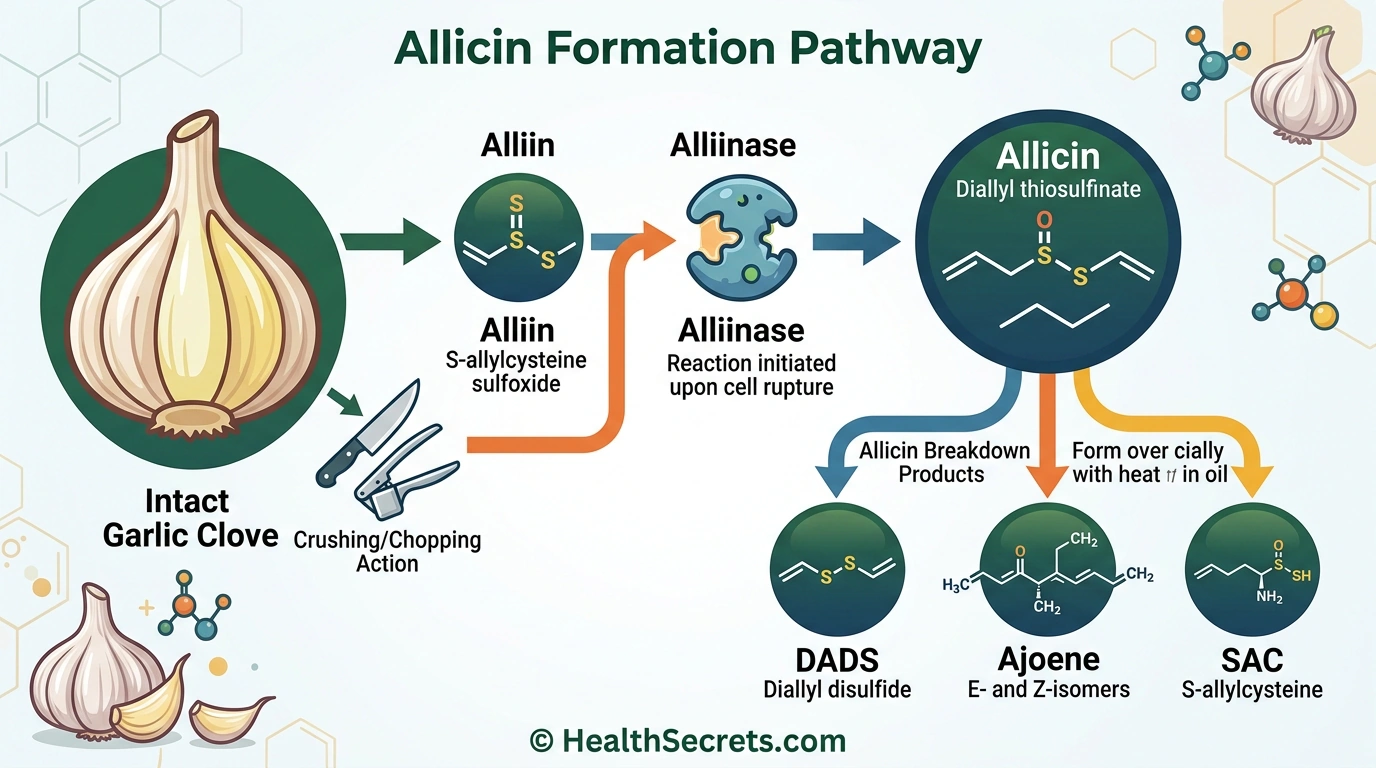
Allicin doesn't actually exist in an intact garlic clove. Instead, garlic stores two separate components in different cell compartments:
- Alliin — a stable, odorless sulfur amino acid in the clove's cytoplasm
- Alliinase — an enzyme stored in the cell vacuoles, kept separate from alliin
When you crush, chop, slice, or chew garlic, you rupture the cell walls and bring alliin and alliinase together. The enzyme converts alliin into allicin within seconds—the compound responsible for garlic's characteristic sharp smell and most of its antimicrobial properties.
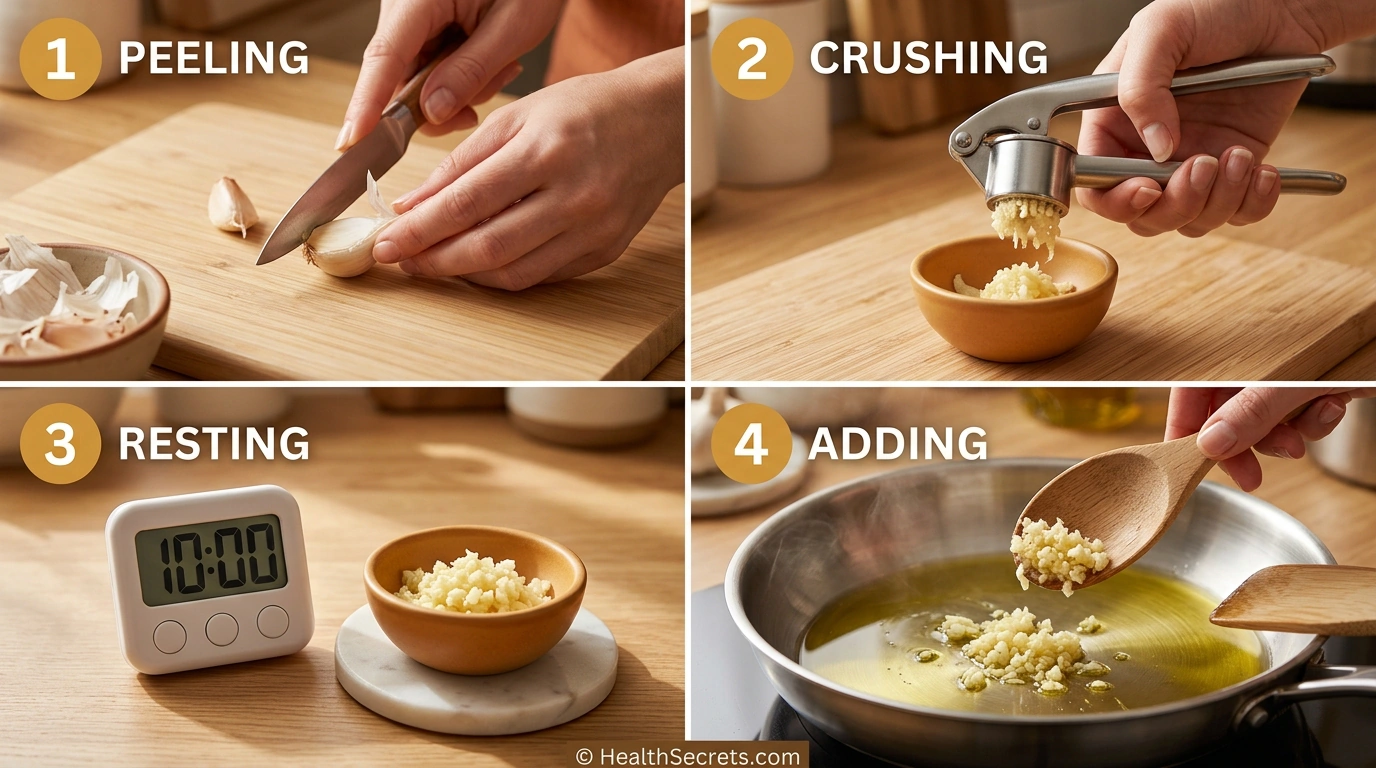
Always crush garlic and wait at least 10 minutes before cooking or eating. This allows the alliinase enzyme to fully convert alliin into allicin. If you add garlic directly to a hot pan, heat destroys the alliinase enzyme before allicin can form—dramatically reducing the immune benefits. Research confirms that pre-crushing preserves allicin formation even with subsequent cooking.
Other Beneficial Garlic Compounds
- S-allyl cysteine (SAC): The primary active compound in aged garlic extract. Water-soluble, stable, and a potent antioxidant—doesn't degrade like allicin does
- Diallyl disulfide (DADS): Formed when allicin breaks down. Antimicrobial and anti-cancer properties
- Ajoene: Anti-clotting and antimicrobial compound formed from allicin degradation
- γ-glutamylcysteines: Precursors to SAC in aged garlic, with antioxidant and blood pressure-lowering effects

Tired of Confusing Health Numbers?
Get the free 7-point clinical worksheet that takes the guesswork out of your daily vitals, blood pressure, and immune recovery metrics.
Does Garlic Enhance Your Immune Cell Function?
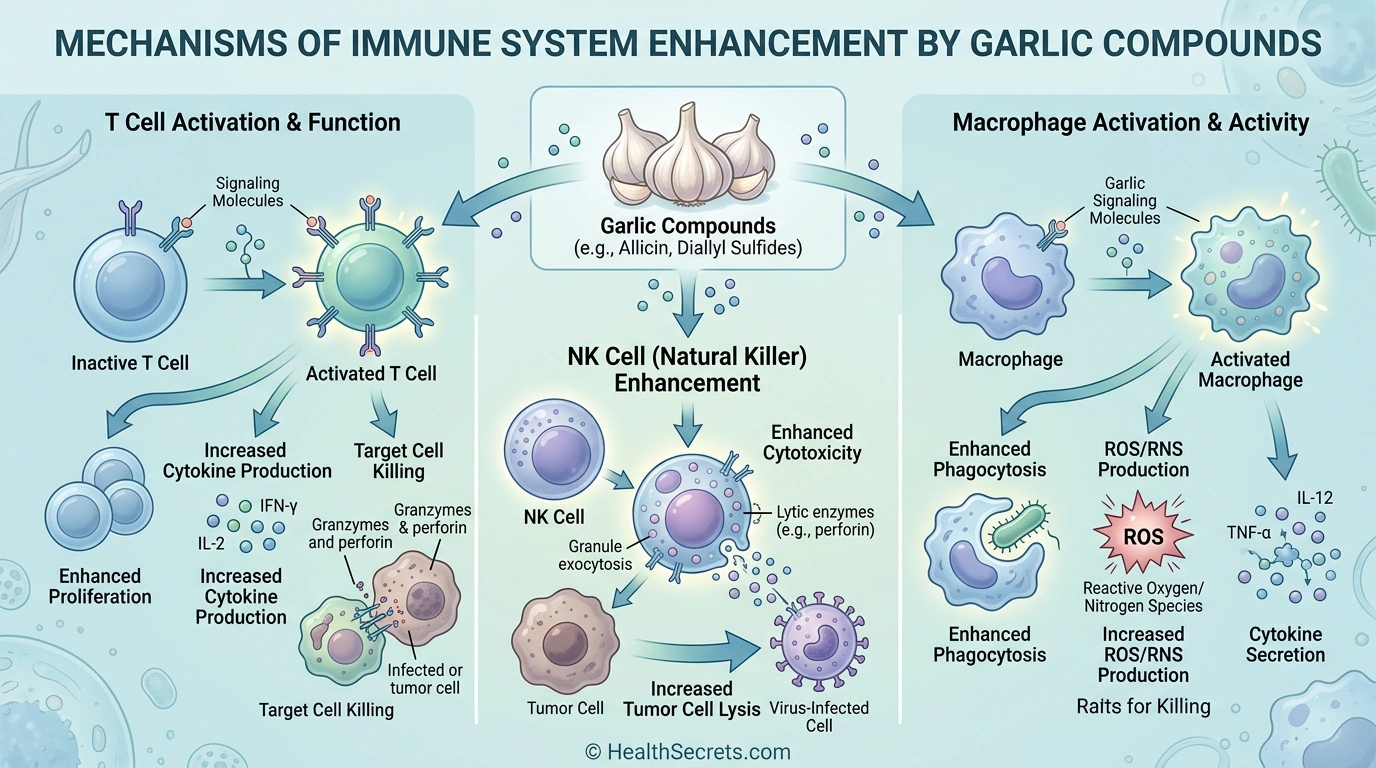
Garlic compounds stimulate virtually every major type of immune cell — including T cells, natural killer (NK) cells, macrophages, and dendritic cells — through cytokine modulation, increased phagocytosis, and enhanced immunoglobulin production. This multi-pronged immune enhancement makes garlic uniquely effective among immune-supporting foods [3].
| Immune Cell | Garlic's Effect | Why It Matters |
|---|---|---|
| T Cells | Increases proliferation and activity | Drives cell-mediated immunity against viruses |
| NK Cells | Enhances cytotoxicity (up to 140%) | First-line defense against viruses and cancer cells |
| Macrophages | Stimulates activation and phagocytosis | Engulf and destroy pathogens |
| Dendritic Cells | Enhances antigen presentation | Bridges innate and adaptive immunity |

Home Blood Pressure Tracking Kit
Choose and fit a validated monitor, measure the way the guidelines ask, and log 30 days morning and evening; the kit works out your weekly averages and fills in a one-page summary for your clinician.
What Are Garlic's Direct Antimicrobial Properties Against Pathogens?
Allicin is a broad-spectrum antimicrobial agent effective against bacteria, viruses, and fungi. It works by reacting with thiol (sulfhydryl) groups in pathogen enzymes, disrupting their metabolism and ability to replicate — giving garlic uniquely powerful and broad antimicrobial properties among common foods.
- Antibacterial: Inhibits both Gram-positive and Gram-negative bacteria, including multi-drug resistant strains like MRSA and E. coli. The mechanism involves disrupting bacterial enzyme function through thiol group reactions
- Antiviral: Shows activity against influenza, herpes simplex, rhinovirus, and other viral pathogens by inhibiting viral replication and enhancing immune gene expression
- Antifungal: Effective against Candida albicans and other fungal species through membrane disruption
ℹ️ Important: Garlic's antimicrobial properties are supportive, not a replacement for medical treatment. Always consult your healthcare provider for diagnosed infections.
Can Garlic Reduce Harmful Inflammation in Your Body?
Garlic compounds—particularly aged garlic extract—modulate the NF-κB inflammatory pathway, reducing production of pro-inflammatory cytokines including IL-6 and TNF-α. This prevents the excessive inflammation that can damage tissues and weaken immune function. A 2024 clinical trial found that 1,000mg garlic extract significantly decreased serum CRP and TNF-α levels compared to placebo.
Does Garlic Provide Antioxidant Protection for Your Immune Cells?
Organosulfur compounds in garlic scavenge free radicals and upregulate the body's own antioxidant enzyme systems—including superoxide dismutase (SOD), catalase, and glutathione peroxidase (GPx). This protects immune cells from the oxidative damage they encounter while fighting infections.
What Does the Research Say About Garlic for Cold and Flu Prevention?
The clinical evidence for garlic's immune benefits is strongest in the area of cold and flu prevention. A landmark 12-week study of 146 adults found that daily supplementation with an allicin-containing garlic supplement reduced cold incidence by 63% and shortened the average duration from 5 days to 1.5 days—a 70% reduction compared to placebo. These results have been the foundation of garlic's reputation as an immune booster.
Subsequent research has reinforced these findings. Aged garlic extract has been shown to reduce the severity and duration of respiratory infections, particularly in elderly populations with naturally weakened immune systems. Studies also demonstrate that garlic supplementation increases circulating white blood cell counts and enhances overall immune cell activity.
Key clinical findings:
- Cold prevention: 63% reduction in incidence with daily garlic supplementation
- Cold duration: 70% shorter illness duration (5 days → 1.5 days)
- Respiratory infections in elderly: Reduced severity and duration with aged garlic extract
- Immune cell counts: Increased white blood cells and enhanced immune activity
- Most effective preventively: Taking garlic daily before getting sick, rather than starting during illness
Garlic also provides well-documented cardiovascular benefits—lowering blood pressure (approximately 12 mmHg systolic reduction with 240–960mg aged garlic extract), reducing LDL cholesterol, and providing anti-clotting effects [12].
How Should You Add Garlic to Your Diet for Maximum Immune Benefits?
The most effective approach combines daily garlic in your cooking with proper preparation techniques and the right supplemental form for your needs. Whether you choose fresh garlic, aged garlic extract, or both, consistency matters most — garlic works best taken preventively, not just when you're already sick.
What Are the Differences Between Raw, Cooked, and Aged Garlic?
Not all garlic preparations are equal. The form you choose determines which active compounds you get, how well you tolerate it, and which health benefits you'll receive. Understanding these differences helps you choose the right approach for your needs.
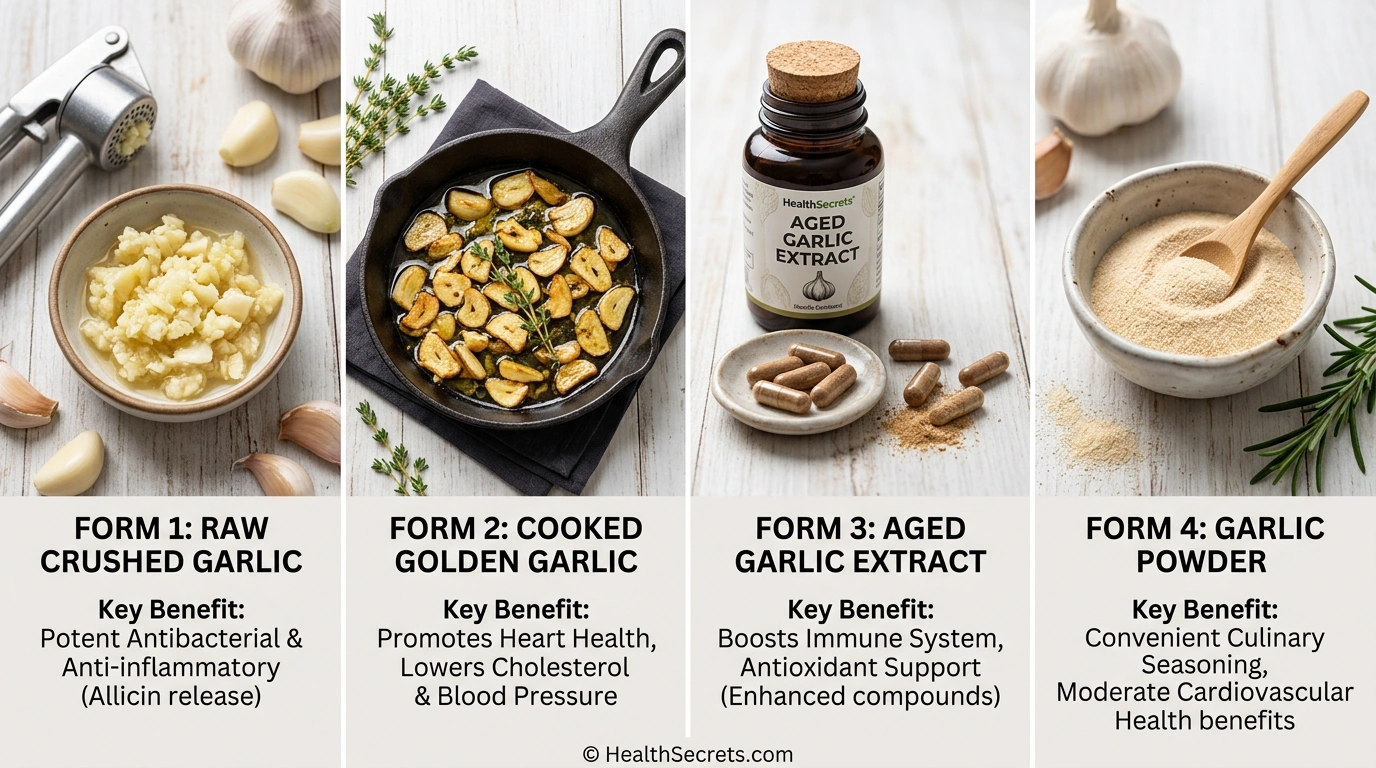
| Form | Allicin Content | Key Benefits | Tolerability | Best For |
|---|---|---|---|---|
| Raw Garlic | Highest (if crushed + 10 min wait) | Maximum antimicrobial activity | Harsh—GI upset, strong odor | Maximum immune potency [10] |
| Cooked Garlic | Low (heat destroys alliinase) | Other sulfur compounds form | Well-tolerated, mild flavor | Daily culinary use |
| Aged Garlic Extract | None (converted to SAC) | Strong antioxidant, immune + cardio | Excellent—no odor, no GI issues | Convenient supplementation |
| Garlic Powder | Variable (enzyme may be inactivated) | Some alliin preserved | Good—mild | Cooking enhancement |
Raw Garlic: Maximum Potency, Maximum Challenge
Raw garlic delivers the highest allicin potential—making it the most potent form for antimicrobial and direct immune effects. However, it comes with significant GI side effects (heartburn, nausea, gas) and the infamous garlic breath. Start with ½ clove daily and work up to 1–2 cloves.
Tips for consuming raw garlic:
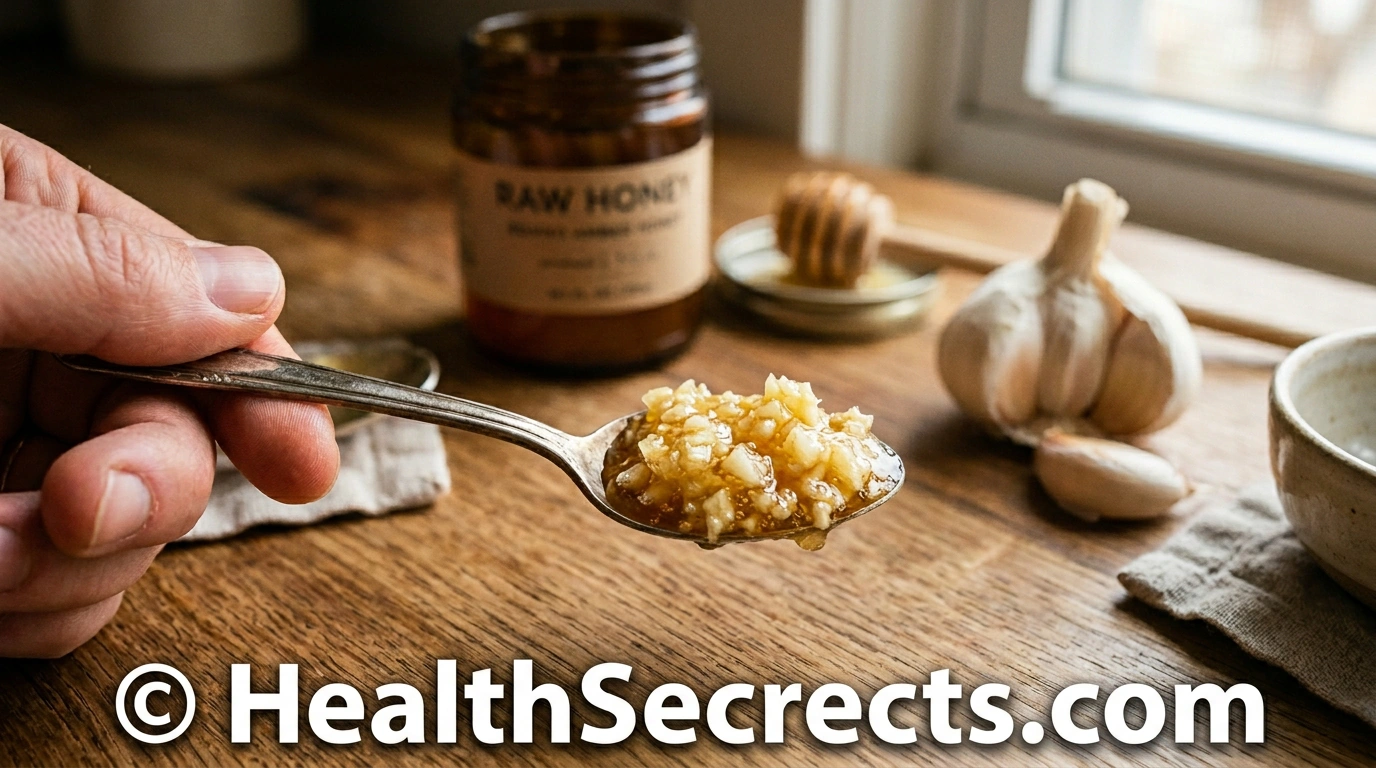
- Mix 1 crushed clove with 1 tsp honey—swallow like medicine
- Mince finely and add to olive oil as a dressing
- Create a "garlic shot"—minced garlic in a small amount of water, swallowed quickly
Cooked Garlic: Convenient but Different Benefits
Cooking destroys the alliinase enzyme that creates allicin, but heat generates other beneficial sulfur compounds like diallyl disulfide and ajoene.
The key trick: crush garlic and wait 10 minutes before adding to heat. This pre-forms the allicin, some of which survives brief cooking.
- Best: Crush, wait 10 min, add at end of cooking (minimal heat exposure)
- Good: Crush, wait 10 min, sauté briefly over medium heat
- Still beneficial: Whole cloves in slow-cooked dishes (different compounds form)
Aged Garlic Extract: The Research Favorite
Aged garlic extract (AGE) is garlic aged in ethanol for 20+ months. The process converts allicin into stable S-allyl cysteine (SAC) and other compounds. While AGE contains no allicin, it's the most researched form of garlic—particularly the Kyolic brand—with strong evidence for immune enhancement, cardiovascular benefits, and antioxidant protection [1]. It's odorless, easy on the stomach, and provides consistent, standardized dosing.
Dosage: 600–1,200mg daily for prevention; 1,200–2,400mg during illness
Daily Preventive Protocol
- Fresh garlic: 1–2 raw cloves daily (2–4g) OR 2–4 cooked cloves daily
- Aged garlic extract: 600–1,200mg daily (2–4 capsules), taken with meals
- Optimal approach: Cook with fresh garlic daily + take aged garlic extract supplement
During Illness (Cold/Flu)
- Increase dose: 3–4 raw cloves daily OR 1,200–2,400mg aged garlic extract
- Frequency: Divide into 2–3 doses throughout the day
- Duration: Continue for the full duration of illness + 1 additional week
- Combine with: Vitamin C (500–1,000mg), zinc (15–30mg), elderberry
Step-by-Step: Maximizing Allicin from Fresh Garlic
- Peel the garlic clove
- Crush, chop, or press the clove (this ruptures cell walls, releasing alliinase)
- Wait 10 minutes (allows alliin → allicin conversion to complete)
- Then cook or eat (allicin has already formed and partially survives brief heat)
Reducing Garlic Odor
- Chew fresh parsley, mint, or fennel seeds after eating garlic
- Drink milk (fat binds to sulfur compounds, neutralizing odor)
- Eat an apple or lemon (acids help neutralize garlic breath)
- Switch to aged garlic extract (virtually odorless)
What Are the Side Effects and Safety Concerns of Garlic?
Garlic is generally recognized as safe (GRAS) by the FDA in food amounts, and supplements at recommended doses (600–1,200mg aged garlic extract) are well-tolerated by most adults. However, garlic has clinically significant blood-thinning effects and important drug interactions that require awareness.
Common Side Effects
- Breath and body odor (from sulfur compounds)—manageable with aged garlic extract or odor-neutralizing foods
- GI discomfort (heartburn, nausea, gas, diarrhea)—most common with raw garlic; take with food or switch to aged garlic extract
Serious Considerations
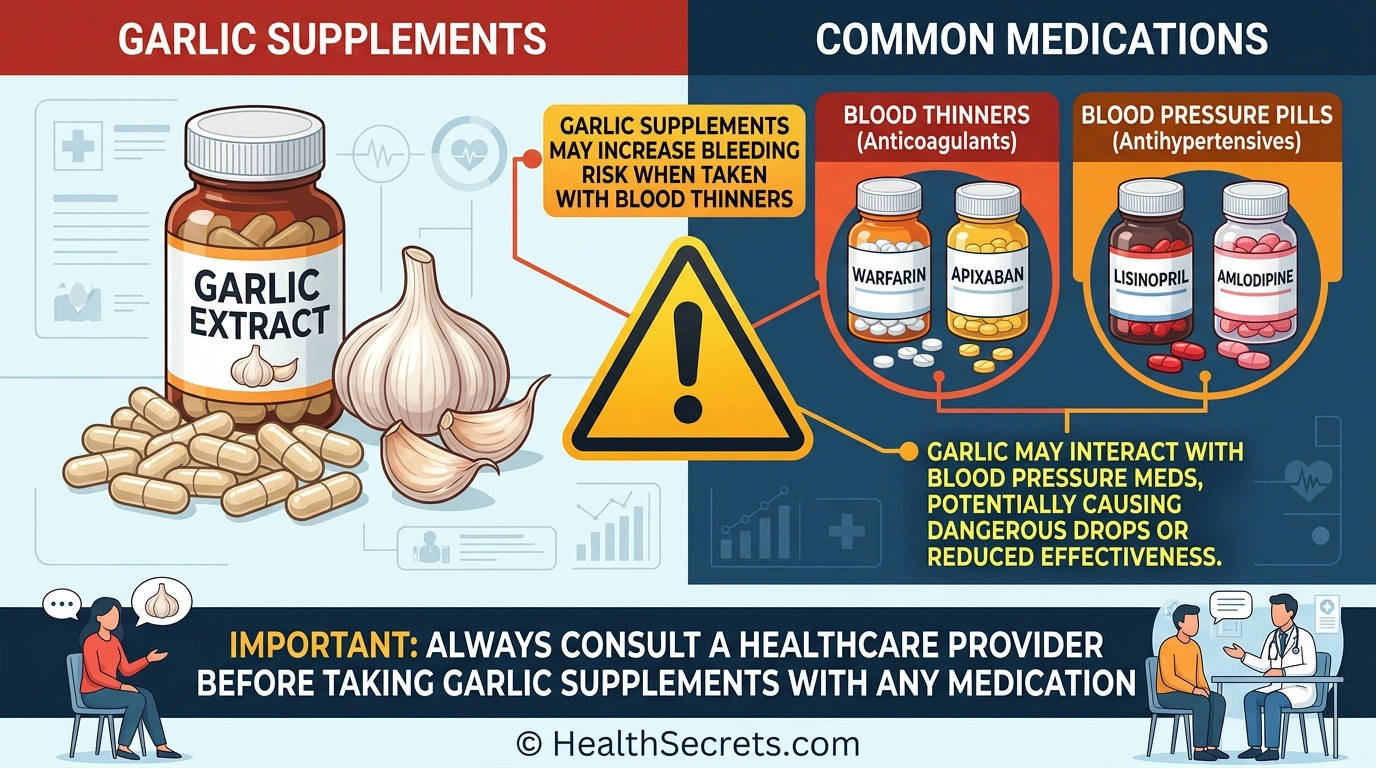
Garlic has antiplatelet effects that can increase bleeding risk.
Stop garlic supplements 2 weeks before any scheduled surgery. If you take blood thinners (warfarin, aspirin, clopidogrel), consult your doctor before taking garlic supplements. Fresh garlic in normal food amounts is generally fine.
Drug Interactions
| Medication | Interaction | Recommendation |
|---|---|---|
| Blood thinners (warfarin, aspirin) | Enhanced anticoagulant effect | Consult doctor; monitor INR |
| HIV medications (saquinavir) | May reduce drug levels | Avoid high-dose garlic supplements |
| Immunosuppressants | May counteract immunosuppression | Consult doctor before supplementing |
Who Should Use Caution
- People with bleeding disorders
- Those scheduled for surgery (within 2 weeks)
- Those taking HIV medications or immunosuppressants
- Pregnant or breastfeeding (food amounts are safe; supplement safety is unclear)
Action Plan
What's the Best Way to Start Using Garlic for Immune Health?
Follow the sequence below, work through each phase in order, and use the checklist as your practical implementation guide.
Start with small amounts and build up gradually over 1–2 weeks. Most people tolerate cooked garlic and aged garlic extract immediately, while raw garlic requires a slower introduction to avoid GI discomfort. The goal is consistent daily use for ongoing immune protection.
🔰 Phase 1: Getting Started (Week 1)
- Buy fresh garlic bulbs and a quality garlic press
- Practice the crush-and-wait technique: crush 1 clove, wait 10 minutes, add to dinner
- Try ½ raw clove mixed with honey to test tolerance
- Consider ordering aged garlic extract (600mg) for convenience
🔄 Phase 2: Building Your Routine (Weeks 2–4)
- Incorporate 2–4 cloves of crushed garlic into daily cooking
- If supplementing, take 600mg aged garlic extract daily with meals
- Try 1 raw clove daily (crushed, mixed with honey or olive oil)
- Combine with vitamin C and zinc for synergistic immune support
🏆 Phase 3: Ongoing Immune Protection (Week 5+)
- Maintain daily garlic use (cooking + supplement if desired)
- Increase dose at first sign of illness (double your regular amount)
- Keep aged garlic extract on hand for travel and cold/flu season
- Review the complete immune system guide for a comprehensive protection strategy