Imagine sitting down to a meal of aged cheese, a glass of red wine, and some leftover salmon — all perfectly normal foods — only to experience a sudden wave of flushing, headaches, bloating, and nasal congestion within minutes. For millions of people living with histamine intolerance, this scenario is an everyday reality that leaves them feeling confused and frustrated [5] [16].
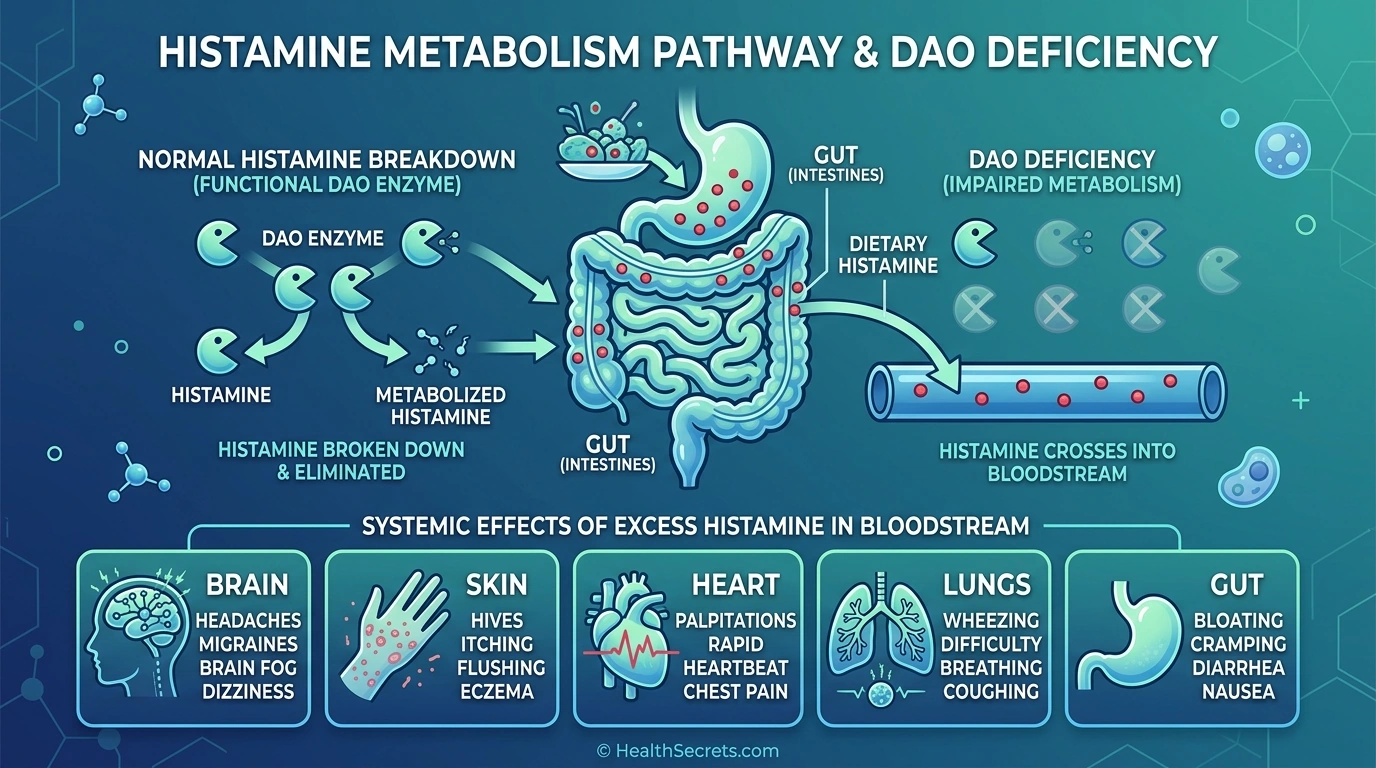
Histamine intolerance is not a true allergy, but its symptoms can be just as disruptive. The culprit is often a deficiency in diamine oxidase (DAO), the primary enzyme responsible for breaking down histamine in your gut [2] [6] [8] [11]. When DAO activity falls short, histamine from foods accumulates in your bloodstream, triggering a cascade of symptoms that can affect virtually every organ system.
The good news? Once you understand what drives histamine intolerance, you can take targeted steps — from dietary changes to strategic supplementation — to dramatically reduce symptoms and improve your quality of life [17]. [1]
If you are new to understanding how gut health connects to food sensitivities, start with our Gut Health Complete Guide. For readers dealing with related digestive challenges, our Gut Detox Protocol and Detox Diet 7-Day Cleanse offer complementary strategies. [7] [9]
What Is Histamine Intolerance and How Does It Differ from a True Allergy?
Histamine intolerance (HIT) is a condition caused by a disproportionate accumulation of histamine in the body, primarily due to reduced activity of the diamine oxidase (DAO) enzyme. Unlike true allergies that involve an IgE-mediated immune response, HIT is a metabolic disorder — sometimes called a "pseudoallergy" — where the body simply cannot degrade histamine fast enough to prevent symptoms [4]. [13]
Histamine is a biogenic amine that plays essential roles throughout your body. It acts as a neurotransmitter, regulates stomach acid production, helps control the sleep-wake cycle, and serves as a key mediator of the inflammatory and immune response. Your body both produces histamine internally and absorbs it from foods you eat. [14] [15]
Two primary enzymes are responsible for breaking down histamine:
- Diamine oxidase (DAO) — the main enzyme for degrading histamine in the gut, preventing dietary histamine from entering the bloodstream
- Histamine N-methyltransferase (HNMT) — handles intracellular histamine breakdown throughout the body
When DAO activity is insufficient, dietary histamine passes through the intestinal wall into the bloodstream, where it can trigger widespread symptoms. Research published in Nutrients (2024) confirms that food intolerance affects approximately one in five individuals worldwide, with histamine intolerance representing a significant and growing subset [19].
A 2023 study referenced by Cleveland Clinic found that many people who believe they have histamine intolerance may actually have other underlying conditions causing similar symptoms — making proper diagnosis essential.
What Causes Histamine Intolerance and Why Is Your DAO Enzyme Deficient?
Histamine intolerance develops when the balance between histamine accumulation and histamine degradation tips toward excess. The root cause is usually reduced DAO enzyme activity, which can result from genetic, dietary, medical, and pharmacological factors working alone or in combination.
Genetic Factors
Genetic variants in the AOC1 gene (which encodes DAO) can reduce enzyme production or activity from birth. Some individuals are genetically predisposed to produce less DAO, making them more vulnerable to dietary histamine.
Medications That Block DAO
Numerous commonly prescribed medications inhibit DAO activity, including:
- NSAIDs (ibuprofen, aspirin)
- Certain antibiotics (isoniazid, clavulanic acid)
- Antidepressants (amitriptyline, MAOIs)
- Antihistamines (paradoxically, some can worsen gut DAO function)
- Antiarrhythmics and antihypertensives
- Muscle relaxants and narcotics
Gastrointestinal Conditions
Since DAO is primarily produced in the intestinal lining, any condition that damages the gut mucosa can impair DAO production:
- Inflammatory bowel disease (IBD)
- Small intestinal bacterial overgrowth (SIBO)
- Celiac disease and gluten sensitivity
- Intestinal permeability ("leaky gut")
- Gut dysbiosis
Dietary Factors
A diet consistently high in histamine-rich foods can overwhelm even normal DAO capacity. Combined with other factors, this creates a cumulative histamine burden that exceeds your body's breakdown threshold.
Nutrient Deficiencies
DAO requires specific cofactors to function properly — vitamin B6 (as P5P), vitamin C, copper, and zinc. Deficiencies in any of these nutrients can reduce DAO activity even when the enzyme itself is present in adequate amounts.
The Low-FODMAP Cheat Sheet
A four-page green / amber / red FODMAP food map with Monash-style portion thresholds, plus a seven-day single-variety reintroduction grid that turns elimination into an actual diagnosis.
What Are the Most Common Symptoms of Histamine Intolerance?
Histamine intolerance produces a wide range of symptoms that can affect virtually every organ system, making it one of the most challenging food sensitivities to identify. Symptoms typically appear within 30 minutes to 2 hours after consuming histamine-rich foods, though delayed reactions can occur.
Gastrointestinal Symptoms (Most Common)
- Abdominal bloating and pain
- Diarrhea or loose stools
- Nausea and vomiting
- Acid reflux and heartburn
- Stomach cramps
Neurological Symptoms
- Headaches and migraines (one of the most frequent symptoms)
- Dizziness and vertigo
- Brain fog and difficulty concentrating
- Anxiety and irritability
- Sleep disturbances
Skin Symptoms
- Flushing (especially face and chest)
- Hives and urticaria
- Itching and eczema flares
- Rashes
Cardiovascular Symptoms
- Heart palpitations and tachycardia
- Low blood pressure
- Irregular heartbeat
Respiratory Symptoms
- Nasal congestion and runny nose
- Sneezing
- Difficulty breathing or asthma-like symptoms
A key diagnostic clue is that symptoms tend to be dose-dependent and cumulative. A small amount of histamine might cause no reaction, but consuming multiple histamine-rich foods in one meal — or over several meals — can push you past your tolerance threshold. A recent case series published in PMC (2026) highlighted that DAO deficiency is frequently misdiagnosed as anxiety or panic attacks in patients presenting with tachycardia [18].
How Is Histamine Intolerance Diagnosed?
Diagnosing histamine intolerance remains challenging because there is no single definitive test. Diagnosis typically relies on a combination of clinical assessment, dietary intervention, and laboratory testing. The lack of a validated biomarker means that clinical evaluation and response to a low-histamine diet remain the gold standard.
Elimination Diet (Primary Diagnostic Tool)
The most reliable diagnostic approach is a low-histamine elimination diet lasting 2–4 weeks, followed by systematic reintroduction of histamine-containing foods. Significant symptom improvement during elimination strongly suggests histamine intolerance.
Serum DAO Activity Testing
Blood tests measuring DAO enzyme activity are available, though their reliability has been debated. A large population-based survey published in Nutrients (2023) found that while lower DAO levels correlate with histamine intolerance in some studies, the relationship is not always consistent [3] [20]. Still, a retrospective cohort study concluded that low DAO levels can serve as a reliable biomarker when combined with clinical symptoms.
Histamine Provocation Test
In clinical settings, a controlled oral histamine challenge can confirm the diagnosis, though this is rarely performed outside of specialized centers due to the risk of triggering severe symptoms.
Ruling Out Other Conditions
Because histamine intolerance symptoms overlap with many other conditions, your healthcare provider should rule out:
- True food allergies (IgE testing)
- Mast cell activation syndrome (MCAS)
- Mastocytosis
- Celiac disease
- Inflammatory bowel disease
- Small intestinal bacterial overgrowth (SIBO)
What Are the Conventional Medical Treatments for Histamine Intolerance?
Conventional treatment for histamine intolerance focuses on reducing histamine intake, supporting histamine degradation, and managing acute symptoms. The primary approach combines dietary modification with targeted pharmacological support when needed.
Low-Histamine Diet
The cornerstone of conventional treatment is a structured low-histamine diet. This involves avoiding or minimizing:
High-histamine foods to avoid:
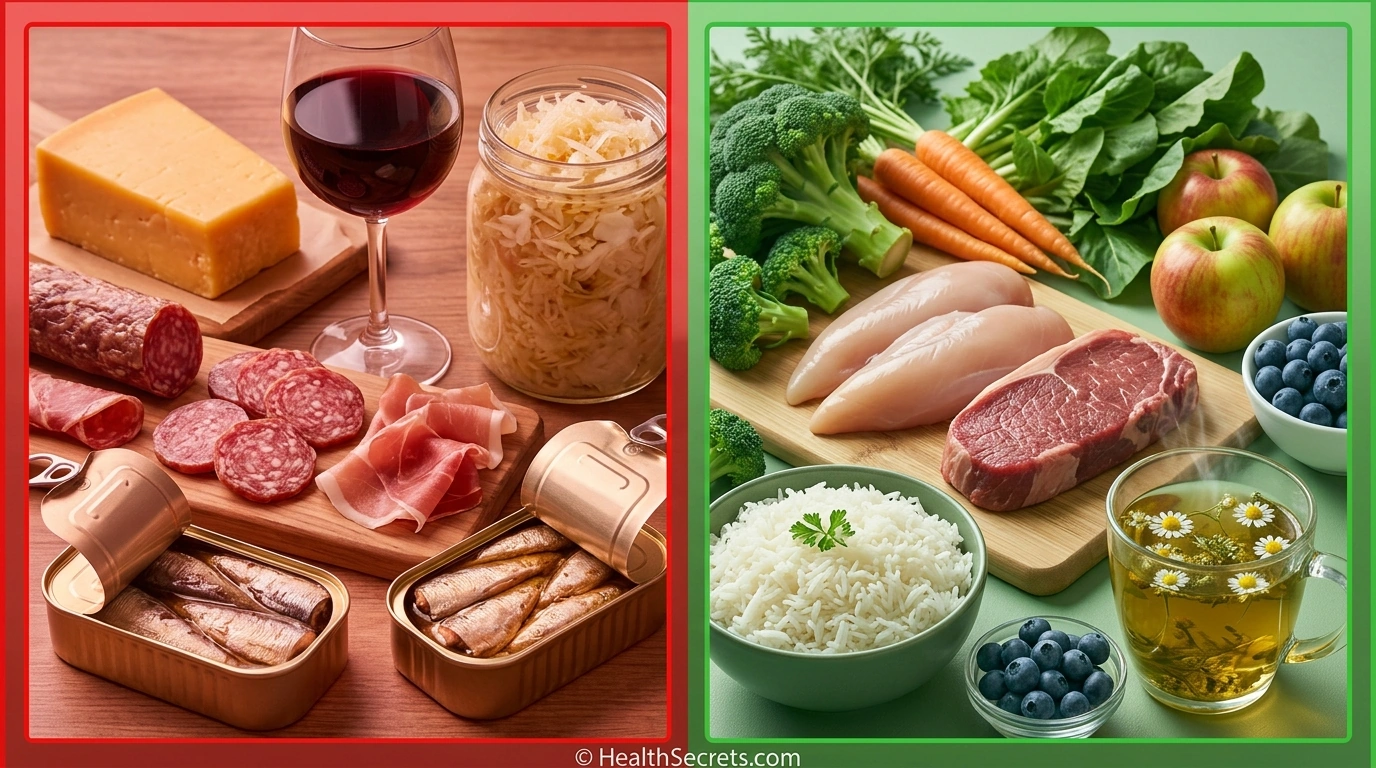
- Aged and fermented cheeses (parmesan, blue cheese, brie, cheddar)
- Fermented foods (sauerkraut, kimchi, kombucha, miso, tempeh)
- Processed and cured meats (salami, pepperoni, bacon, ham)
- Alcoholic beverages (especially red wine, beer, champagne)
- Canned and smoked fish (tuna, sardines, mackerel)
- Certain vegetables (tomatoes, spinach, eggplant, avocado)
- Certain fruits (strawberries, citrus fruits, bananas, pineapple)
- Vinegar and vinegar-containing foods
- Chocolate and cocoa
Low-histamine foods generally well-tolerated:
- Fresh meat and poultry (cooked and consumed promptly)
- Fresh-caught or flash-frozen fish
- Fresh fruits (apples, blueberries, mangoes, peaches, pomegranates)
- Fresh vegetables (except those listed above)
- Rice, quinoa, and gluten-free grains
- Fresh dairy (butter, cream cheese, ricotta, mozzarella)
- Olive oil and coconut oil
- Herbal teas
Antihistamine Medications
- H1 blockers (cetirizine, loratadine, fexofenadine) — help with skin and respiratory symptoms
- H2 blockers (famotidine) — reduce gastrointestinal symptoms
- Mast cell stabilizers (cromolyn sodium) — may help in more severe cases
DAO Enzyme Supplementation
Exogenous DAO supplements taken 15–20 minutes before meals can support histamine degradation in the gut. An open-label pilot study published in Food Science and Biotechnology (2019) found that all 28 enrolled patients showed significant symptom improvement during 4 weeks of DAO supplementation, with symptoms returning during the follow-up period without DAO. A 2023 observational study in Clinical Nutrition ESPEN confirmed that DAO supplementation at 4.2 mg per serving significantly reduced all severity scores from the first week of treatment.
What Natural Supplements and Lifestyle Changes Support Histamine Intolerance Management?
Beyond dietary restriction, several evidence-based natural strategies can support histamine metabolism, stabilize mast cells, and reduce overall histamine burden. These approaches work best when combined with a low-histamine diet.
DAO Cofactor Support
Since DAO requires specific nutrients to function optimally, ensuring adequate intake of these cofactors is essential:
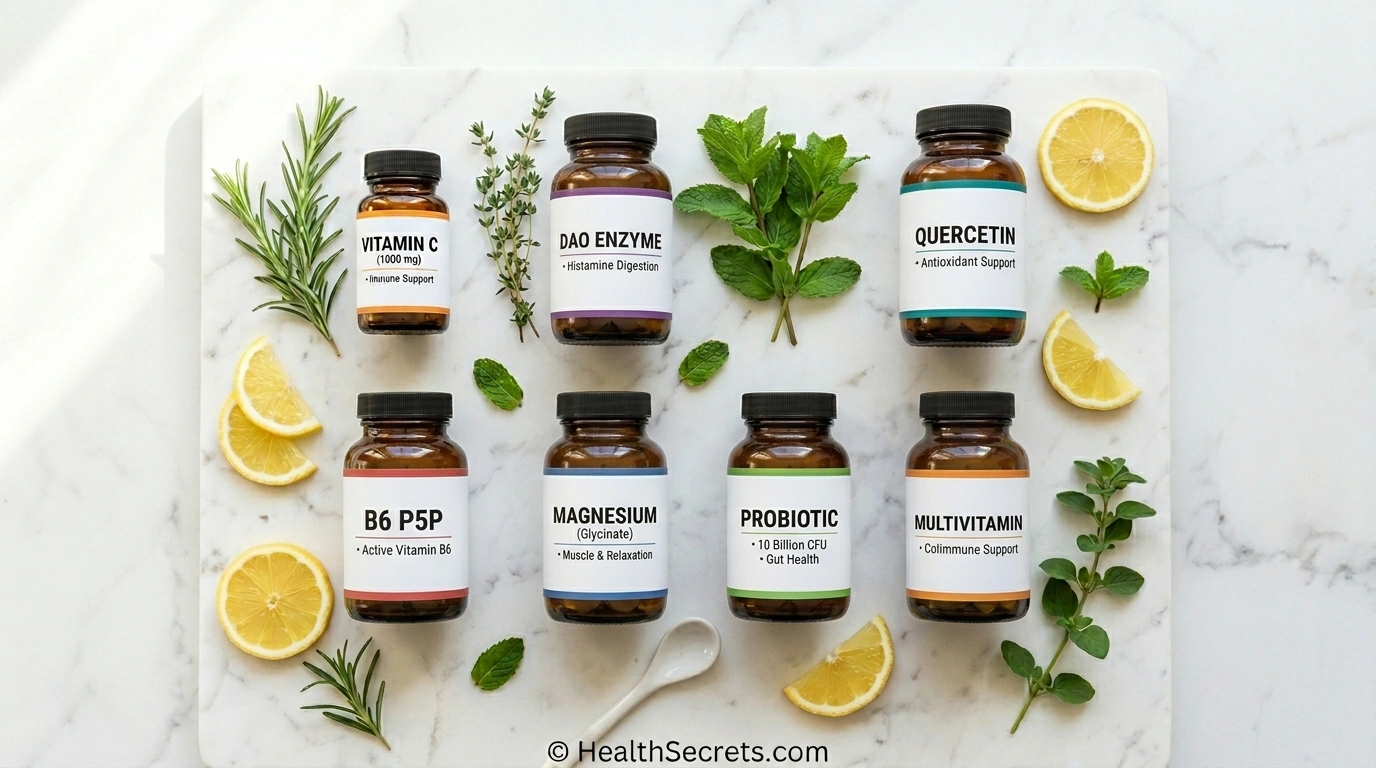
- Vitamin B6 (as P5P) — the bioactive form of B6 is a direct DAO cofactor; deficiency impairs histamine breakdown
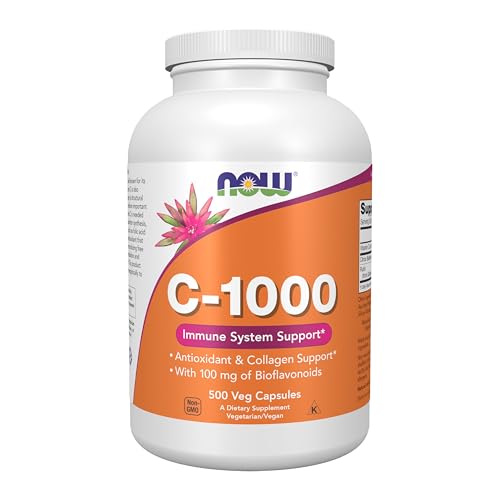
- Vitamin C — supports DAO activity and acts as a natural antihistamine by promoting histamine degradation
- Copper and zinc — essential mineral cofactors for DAO enzyme function
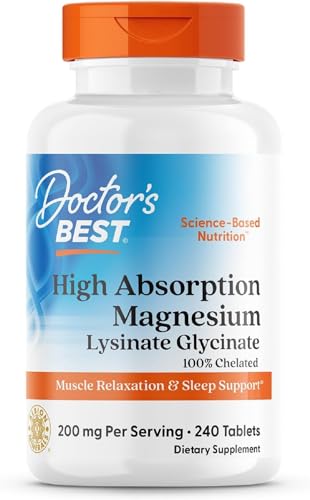
- Magnesium — supports mast cell stability and overall enzymatic function
Natural Mast Cell Stabilizers
- Quercetin — a flavonoid with potent mast cell stabilizing properties that inhibits histamine release; the phytosome form offers enhanced bioavailability
- Vitamin C — at higher doses (1,000–2,000 mg daily), acts as both a DAO cofactor and a natural antihistamine
- Omega-3 fatty acids — reduce inflammatory mediators that can trigger mast cell degranulation
Gut Health Restoration
Since DAO is produced primarily in the intestinal mucosa, healing the gut lining is a foundational strategy:
- L-Glutamine — supports intestinal barrier repair and tight junction integrity (see our L-Glutamine for Gut Health guide)
- Histamine-friendly probiotics — specific strains like Lactobacillus rhamnosus, Bifidobacterium infantis, and Bifidobacterium longum are considered low-histamine or histamine-degrading; avoid Lactobacillus casei and Lactobacillus bulgaricus which can increase histamine
Lifestyle Strategies
- Prioritize food freshness — cook and eat food promptly; freeze leftovers immediately rather than refrigerating
- Keep a symptom and food diary — track reactions to identify your personal trigger threshold
- Manage stress — chronic stress activates mast cells and increases histamine release
- Review medications — work with your provider to identify and potentially replace DAO-inhibiting medications
- Support sleep quality — histamine plays a role in the sleep-wake cycle; disrupted sleep can worsen symptoms (see our Sleep Optimization Guide)
How Can You Prevent Histamine Intolerance Flare-Ups?
Preventing histamine intolerance flare-ups requires a proactive approach that addresses both dietary triggers and the underlying factors that impair histamine metabolism. While you may not be able to eliminate the condition entirely, consistent management strategies can dramatically reduce symptom frequency and severity.
Food Preparation and Storage Rules
- Cook fresh and eat immediately — histamine levels rise rapidly in cooked food left at room temperature
- Freeze leftovers within 30 minutes — freezing halts bacterial histamine production; thaw quickly and consume immediately
- Choose flash-frozen fish — only consume fish that was frozen within 30 minutes of catch
- Avoid slow cooker meals — prolonged cooking at moderate temperatures increases histamine formation
- Buy fresh, unprocessed foods — the more perishable and protein-rich a food, the more important freshness becomes
The Three-Phase Approach
- Phase 1 — Elimination (2–4 weeks): Strictly avoid all high-histamine foods while supporting DAO function with cofactor supplementation. Most patients see significant improvement within this window.
- Phase 2 — Reintroduction (4–8 weeks): Gradually reintroduce one food at a time, waiting 48–72 hours between introductions to observe delayed reactions. Record everything in your food diary.
- Phase 3 — Personalized maintenance: Build your long-term diet around your identified tolerance thresholds. Most people can tolerate moderate amounts of some histamine-containing foods once their overall histamine load is managed.
Cumulative Histamine Load Management
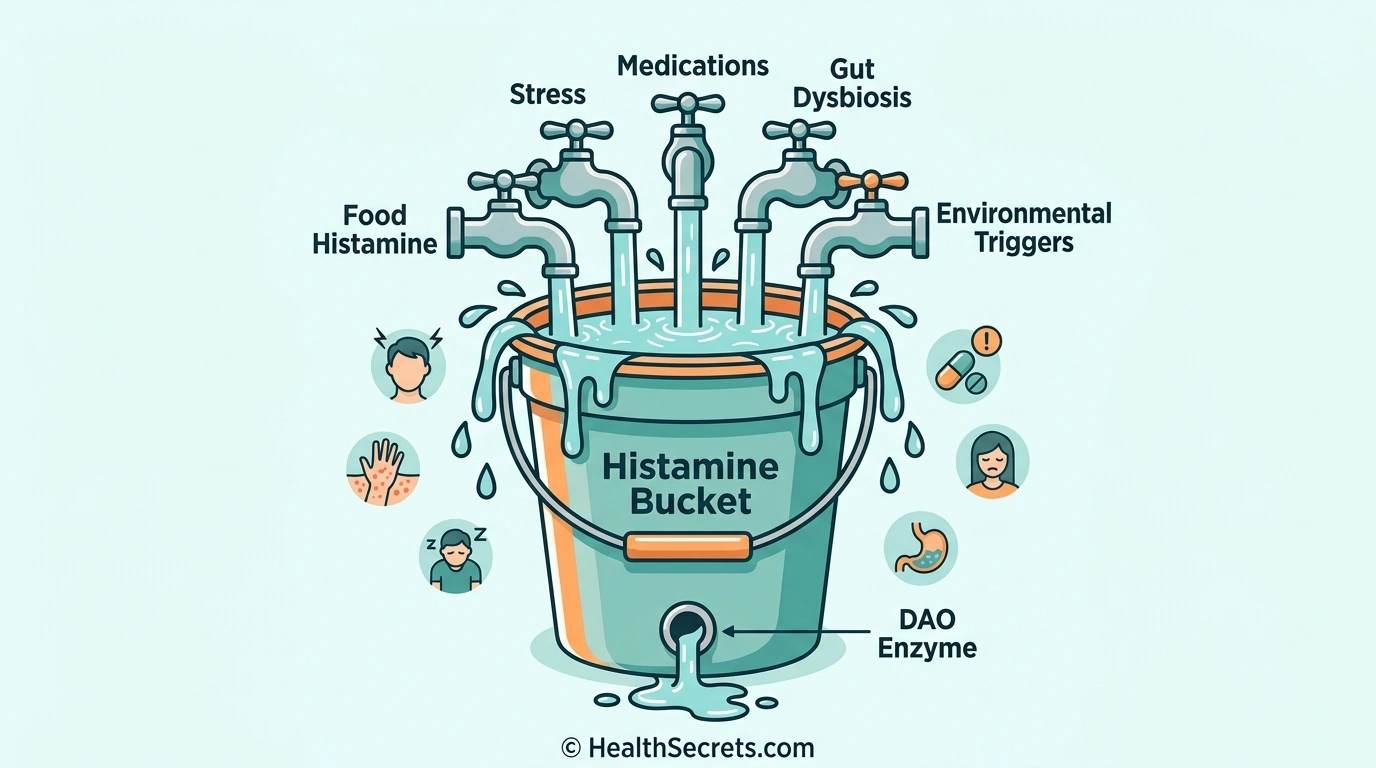
Remember that histamine tolerance works like a bucket — individual foods may not overflow it, but combinations can. Space out moderate-histamine foods throughout the day rather than combining them in one meal.
When Should You See a Doctor About Histamine Intolerance?
While dietary and supplement strategies can effectively manage mild to moderate histamine intolerance, certain situations require prompt medical evaluation. Knowing when to seek professional help ensures you receive appropriate care and rules out more serious conditions.
Seek immediate emergency care if you experience:
- Severe swelling of the face, lips, or throat
- Difficulty breathing or wheezing
- Rapid drop in blood pressure or fainting
- Severe chest pain or heart palpitations
These symptoms may indicate anaphylaxis or a severe allergic reaction that requires emergency treatment, not just histamine intolerance management.
Schedule a medical appointment if:
- Your symptoms persist despite 4 weeks on a strict low-histamine diet
- Symptoms are worsening or new symptoms are developing
- You suspect mast cell activation syndrome (MCAS) — symptoms triggered by stress, temperature changes, or exercise, not just food
- You have a history of autoimmune conditions or inflammatory bowel disease
- You need help identifying DAO-inhibiting medications in your current regimen
- You experience significant anxiety, depression, or sleep disturbances alongside physical symptoms
The key distinction between HIT and MCAS: Histamine intolerance is typically triggered only by food and improves with dietary changes and DAO supplementation. MCAS involves overactive mast cells that release excessive histamine and other mediators in response to diverse triggers (stress, heat, cold, infections, chemicals) and produces broader systemic symptoms. If your symptoms extend well beyond food triggers, MCAS evaluation is warranted.
Action Plan
What Is the Step-by-Step Action Plan for Managing Histamine Intolerance?
Follow the sequence below, work through each phase in order, and use the checklist as your practical implementation guide.
Managing histamine intolerance effectively requires a structured, phased approach that addresses diet, supplementation, gut health, and lifestyle factors simultaneously. Follow this evidence-based action plan to systematically reduce your histamine burden and restore tolerance.
Phase 1: Assessment and Elimination (Weeks 1–4)
- Consult a healthcare provider to rule out allergies, MCAS, and other conditions
- Begin a strict low-histamine elimination diet
- Start a detailed food and symptom diary
- Begin DAO enzyme supplementation 15–20 minutes before each meal
- Start DAO cofactors: vitamin C (1,000 mg), vitamin B6 as P5P (50 mg), magnesium glycinate (200 mg)
- Review all current medications with your provider for DAO-inhibiting effects
- Implement fresh food preparation and storage rules
Phase 2: Optimization and Support (Weeks 5–8)
- Add quercetin phytosome for natural mast cell stabilization
- Introduce a histamine-friendly probiotic to support gut microbiome health
- Assess symptom improvement and adjust supplementation as needed
- Begin slow, systematic food reintroduction (one food every 48–72 hours)
- Continue food diary to map personal tolerance thresholds
Phase 3: Long-Term Maintenance (Ongoing)
- Build a personalized diet based on your identified tolerances
- Maintain DAO supplementation before higher-histamine meals
- Continue cofactor support daily
- Practice stress management techniques to reduce mast cell activation
- Re-evaluate quarterly with your healthcare provider
- Monitor for changes in tolerance over time — many people see improvement as gut health improves