
Imagine eating a small meal and feeling painfully full for hours — or waking up nauseous because last night's dinner still hasn't left your stomach. For the estimated 5 million Americans living with gastroparesis, this is daily reality. Delayed gastric emptying disrupts everything from nutrition to blood sugar control, and conventional options remain frustratingly limited. [1] [4]
The good news? A growing body of research supports natural strategies — from targeted dietary changes and prokinetic herbs to vagus nerve stimulation techniques — that can meaningfully improve symptoms and quality of life. This guide brings together the latest evidence so you can work with your healthcare team to build a personalized management plan. [5] [6]
If you're looking for foundational digestive health strategies, start with our complete guide to gut health. For related digestive concerns, explore our guides on natural IBS relief strategies and bloating relief. [7]
What Is Gastroparesis and How Does It Affect Your Digestive System?
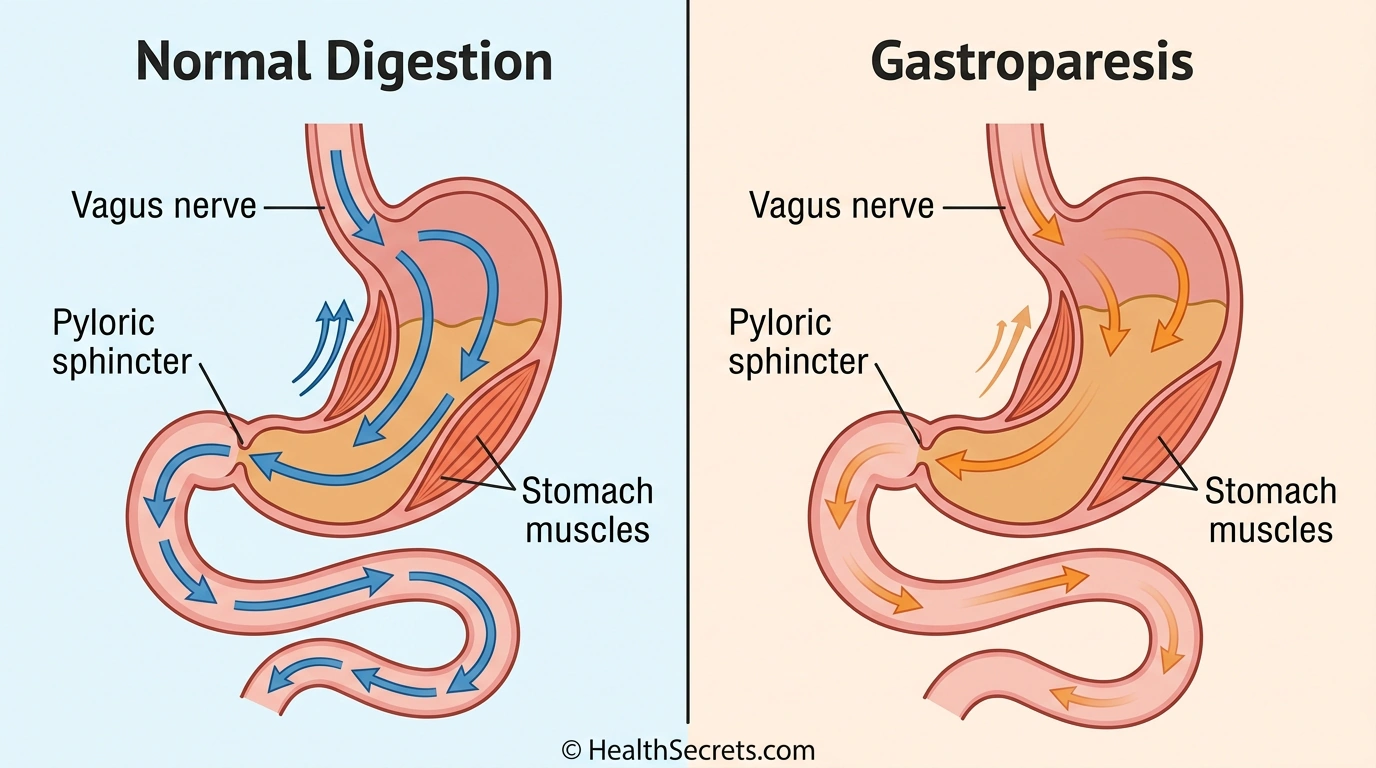
Gastroparesis is a chronic motility disorder characterized by delayed gastric emptying in the absence of any mechanical obstruction. In simple terms, the stomach muscles that normally contract to push food into the small intestine slow down or stop working properly, causing food to sit in the stomach far longer than it should — sometimes for many hours after a meal.
In a healthy digestive system, the stomach empties roughly 90% of a solid meal within four hours [17]. With gastroparesis, this process is significantly delayed. The gastric emptying study (scintigraphy) — the gold standard diagnostic test — defines gastroparesis as retention of more than 10% of a radiolabeled meal after four hours.
What Are the Main Types of Gastroparesis?
There are several recognized forms of this condition, each with different underlying mechanisms:
- Diabetic gastroparesis is the most common identifiable cause, affecting up to 50% of people with longstanding diabetes. Chronically elevated blood sugar damages the vagus nerve, which controls stomach contractions.
- Idiopathic gastroparesis accounts for roughly 36% of cases, where no clear cause can be identified despite thorough testing.
- Post-surgical gastroparesis can develop after procedures that inadvertently damage the vagus nerve, particularly upper abdominal surgeries.
- Medication-induced gastroparesis results from drugs that slow gastric motility, including opioids, certain antidepressants, and GLP-1 receptor agonists.
| Aspect | Normal Digestion | Gastroparesis |
|---|---|---|
| Gastric emptying time (solids) | 90% within 4 hours | More than 10% retained at 4 hours |
| Stomach contractions | Regular, coordinated waves | Weak, uncoordinated, or absent |
| Meal tolerance | Standard portions tolerated | Small meals often cause fullness |
| Nausea after eating | Rare | Common, can be severe |
| Nutritional status | Generally adequate | Deficiencies common |

The Vagal Reset Breathing Cards
Four cut-out breathing patterns with exact counts and the moment each fits, a ten-session log that averages your before-and-after tension, and when breathwork is the wrong tool.
What Causes Gastroparesis?
Gastroparesis develops when the complex network of nerves, smooth muscle cells, and pacemaker cells (interstitial cells of Cajal) that coordinate stomach contractions becomes damaged or dysfunctional. The vagus nerve — which controls the rhythmic contractions that move food through the digestive tract — is the most common site of injury.

Primary Causes
- Diabetes mellitus — Chronically elevated blood sugar damages the vagus nerve over time. Both type 1 and type 2 diabetes increase risk, with longer disease duration and poor glucose control being major factors.
- Vagus nerve damage — From surgery, trauma, or viral infections. Post-viral gastroparesis can develop after acute gastroenteritis and may resolve within 12–18 months.
- Autoimmune conditions — The immune system may attack the nerves or interstitial cells of Cajal that regulate gastric motility.
- Neurological disorders — Parkinson's disease, multiple sclerosis, and other conditions affecting the autonomic nervous system.
- Connective tissue disorders — Scleroderma and Ehlers-Danlos syndrome can affect stomach muscle function.
- Hypothyroidism — Underactive thyroid slows overall metabolic and digestive processes.
Secondary and Modifiable Causes
- Medications — Opioid pain relievers, tricyclic antidepressants, calcium channel blockers, and GLP-1 agonists (like semaglutide) can all delay gastric emptying.
- Eating disorders — Long-term anorexia or bulimia can impair stomach function.
- Chemotherapy and radiation — Cancer treatments may damage the nerves and muscles of the stomach.
Understanding the root cause is critical because it guides treatment. For example, if medications are the culprit, adjusting prescriptions may resolve symptoms entirely. If you're interested in the gut-brain connection and how neural pathways influence digestion, that article provides additional context.
What Are the Signs and Symptoms of Gastroparesis?
The hallmark symptoms of gastroparesis include nausea, vomiting (sometimes of undigested food eaten hours earlier), early satiety, bloating, and upper abdominal pain. These symptoms can range from mildly inconvenient to severely debilitating, significantly affecting quality of life, nutritional status, and mental health.
Common Symptoms by Severity
Mild gastroparesis:
- Feeling full quickly after starting a meal (early satiety)
- Mild nausea, especially after eating
- Occasional bloating and belching
- Mild upper abdominal discomfort
Moderate gastroparesis:
- Persistent nausea with occasional vomiting
- Significant bloating and abdominal distension
- Heartburn and acid reflux (from food sitting too long)
- Unintentional weight loss
- Erratic blood sugar levels (in people with diabetes)
Severe gastroparesis:
- Frequent vomiting of undigested food
- Inability to maintain adequate nutrition orally
- Severe abdominal pain
- Dehydration and electrolyte imbalances
- Malnutrition and significant weight loss
Symptoms often fluctuate — many people experience "flare-ups" triggered by stress, dietary indiscretion, illness, or hormonal changes, interspersed with periods of relative stability.
How Is Gastroparesis Diagnosed?
Accurate diagnosis requires objective measurement of gastric emptying, because many other conditions (including SIBO, pyloric stenosis, and functional dyspepsia) share similar symptoms. A proper diagnosis before self-treating is essential — what feels like gastroparesis may have a different cause that requires different treatment.
- Gastric emptying scintigraphy — The gold standard. You eat a standardized meal containing a small amount of radioactive tracer, and images are taken at 1, 2, and 4 hours to measure how quickly your stomach empties.
- Wireless motility capsule (SmartPill) — A swallowable capsule that measures pressure, pH, and transit time throughout the entire GI tract.
- Gastric emptying breath test — A non-radioactive alternative that measures carbon isotopes in your breath after eating a labeled meal.
- Upper endoscopy — Used primarily to rule out mechanical obstruction, ulcers, or other structural problems.
If you suspect gastroparesis, ask your doctor specifically about gastric emptying testing. For those also exploring digestive enzyme support, proper diagnosis helps determine whether enzymes would be beneficial as part of your management plan.
What Are the Conventional Treatment Options for Gastroparesis?
Conventional treatment focuses on symptom management and maintaining adequate nutrition, since no current medication can fully restore normal gastric motility. Understanding these options helps you make informed decisions about integrating natural approaches alongside medical care.
- Prokinetic medications — Metoclopramide (Reglan) is the only FDA-approved prokinetic for gastroparesis. It increases stomach contractions but carries risks of tardive dyskinesia with long-term use. Domperidone is available in some countries and has fewer neurological side effects.
- Anti-nausea medications — Ondansetron (Zofran), promethazine, and prochlorperazine help manage nausea and vomiting.
- Dietary modifications — Often the most effective first-line intervention (covered in detail below).
- Gastric electrical stimulation (Enterra) — A surgically implanted device that delivers mild electrical pulses to the stomach muscles, primarily reducing nausea and vomiting in severe cases.
- Pyloric interventions — Gastric per-oral endoscopic myotomy (G-POEM) and botulinum toxin injections can help in cases of pyloric dysfunction.
- Feeding tubes — For severe cases where oral nutrition is insufficient.
Given the limitations and side effects of medications, many patients and practitioners turn to evidence-based natural approaches to supplement conventional care.
What Natural Approaches Support Gastroparesis Management?
Several natural strategies have demonstrated meaningful benefits for gastroparesis symptoms in clinical research [20]. These approaches work best as complements to — not replacements for — medical treatment. The three main pillars are dietary modification, prokinetic herbs and supplements, and vagus nerve support.
What Dietary Changes Help Manage Gastroparesis Symptoms?
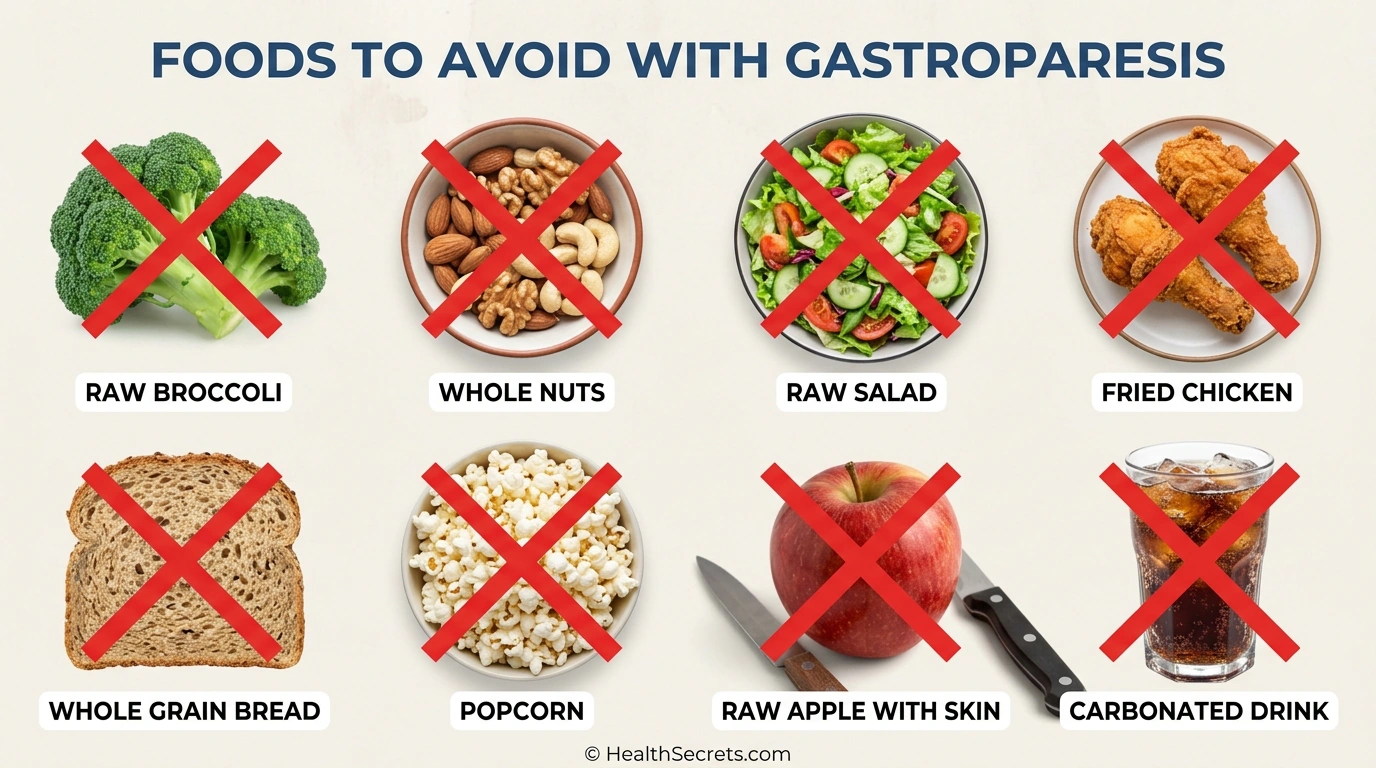
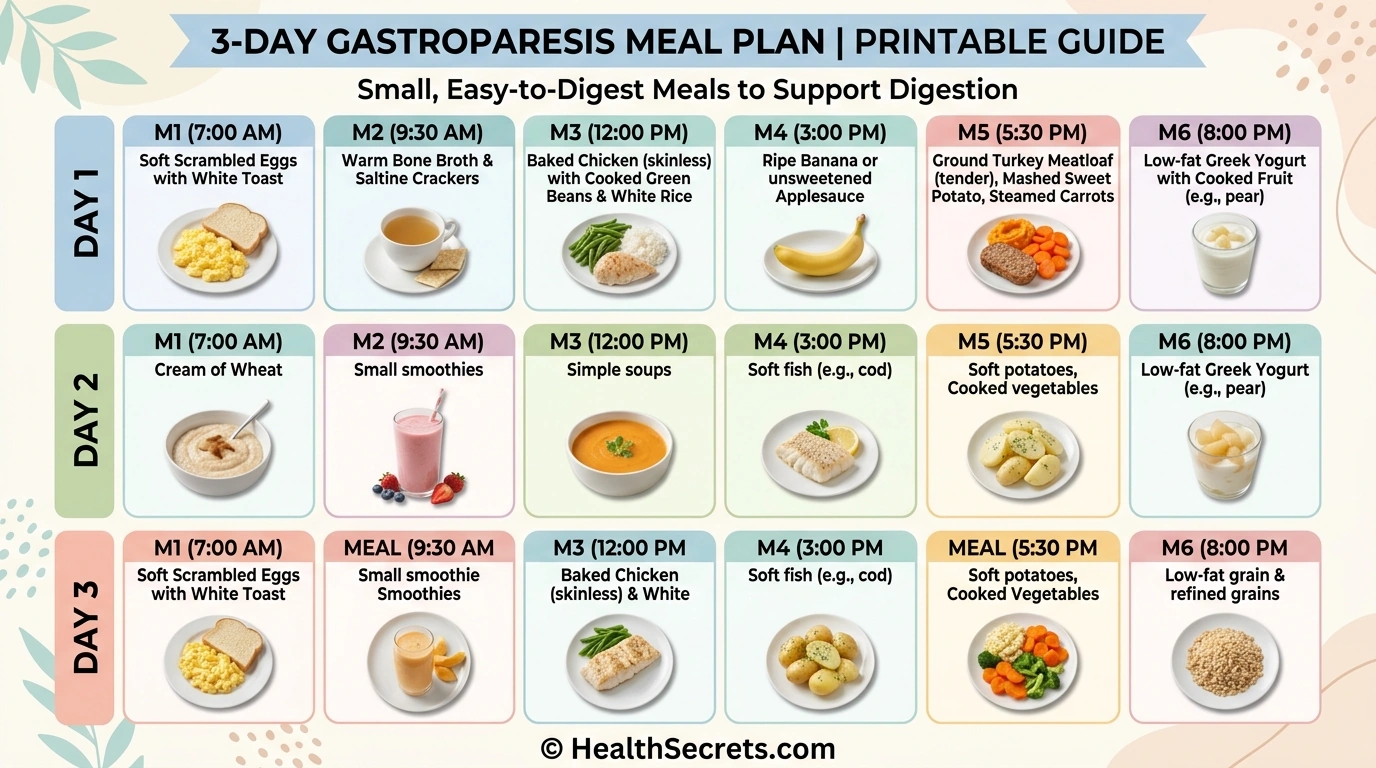
Diet is the single most impactful natural intervention for gastroparesis. The fundamental principles are: eat smaller meals more frequently, reduce fat and fiber, favor pureed and liquid foods, and stay well hydrated.
| Food Category | Gastroparesis-Friendly Foods | Foods to Avoid |
|---|---|---|
| Proteins | Skinless chicken, turkey, white fish, eggs, tofu, protein shakes | Fatty meats, bacon, sausage, tough steaks |
| Carbohydrates | White rice, white bread, mashed potatoes, applesauce, ripe bananas | Whole grains, brown rice, raw fruits with skin |
| Vegetables | Cooked carrots, pureed squash, cooked spinach, vegetable juices | Raw vegetables, cruciferous vegetables, beans, legumes |
| Beverages | Water, clear broths, smoothies (no seeds), coconut water | Carbonated drinks, alcohol, high-fat milkshakes |
| Dairy | Low-fat yogurt, skim milk | Full-fat cheese, cream, ice cream |
| Meal | Day 1 | Day 2 | Day 3 |
|---|---|---|---|
| Breakfast | Well-cooked oatmeal with ripe banana | Scrambled eggs with white toast | Smoothie: yogurt, banana, peeled peaches |
| Mid-morning | Low-fat yogurt | Applesauce | Meal replacement shake |
| Lunch | Pureed chicken soup with crackers | Baked white fish with mashed potatoes | Turkey and white rice with cooked carrots |
| Afternoon | Protein shake | Gelatin with canned peaches | Smooth peanut butter on white bread |
| Dinner | Soft tofu stir-fry with white rice | Chicken noodle soup (strained) | Baked chicken breast with pureed squash |
| Evening | Ginger tea with crackers | Low-fat pudding | Banana smoothie |
Which Prokinetic Herbs and Supplements Support Gastric Motility?
Several natural compounds have clinical evidence for improving gastric emptying and reducing gastroparesis symptoms.
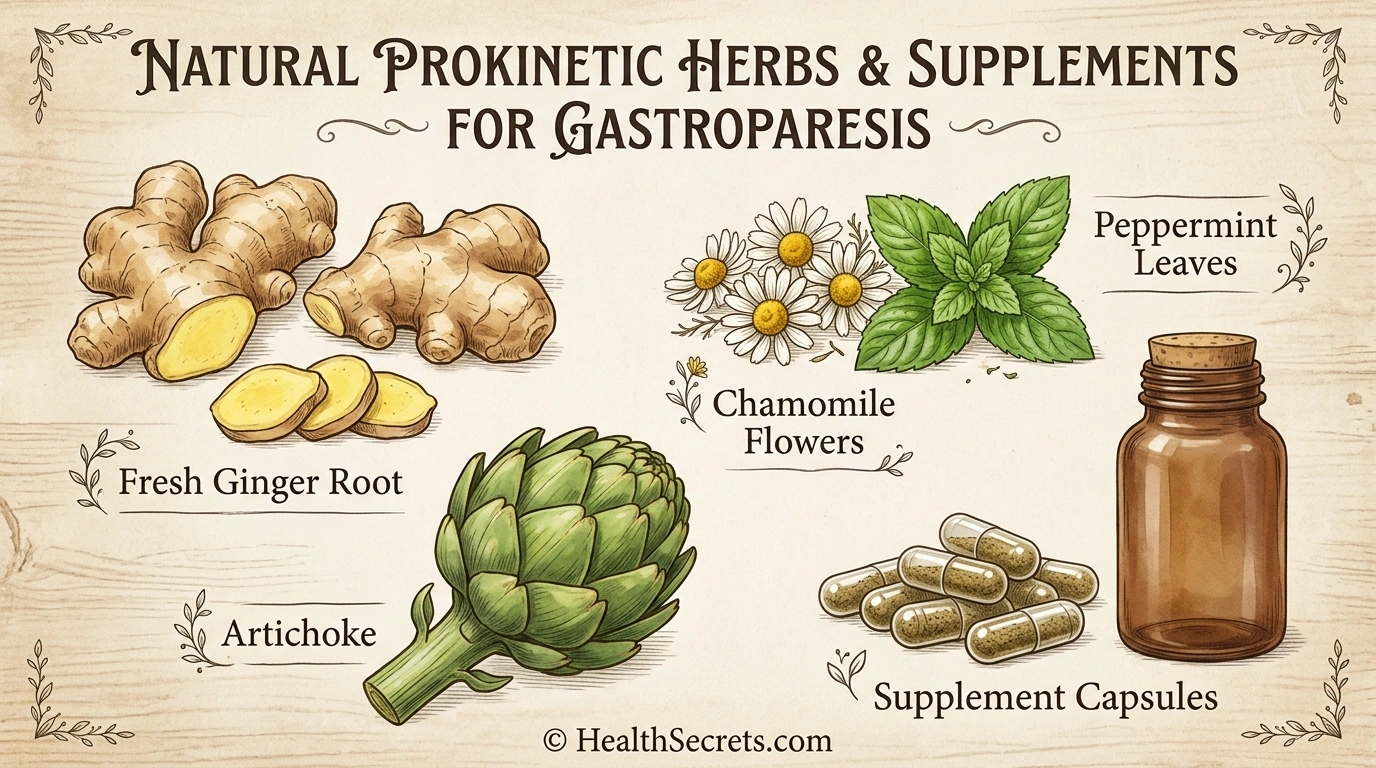
- Ginger (Zingiber officinale): The most researched natural prokinetic. A randomized controlled trial found that 1,200 mg of ginger accelerated gastric emptying by approximately 50% compared to placebo (gastric half-emptying time of 13.1 vs. 26.7 minutes) while also increasing the frequency of antral contractions. Dosage: 1–1.5 g daily in divided doses. Available as capsules, fresh ginger tea, or candied ginger.
- Artichoke extract (Cynara cardunculus): Contains cynarin and other compounds that stimulate bile secretion and digestive motility [10]. A pilot study showed that a standardized ginger-artichoke combination (Prodigest) reduced post-meal gastric area by 24% compared to placebo, indicating significantly faster gastric emptying [8]. Dosage: 320–640 mg, taken before meals.
- Iberogast (STW-5): A proprietary blend of nine herbal extracts (including iberis amara, chamomile, peppermint, caraway, and licorice) with extensive European research [12]. Multiple clinical trials involving over 2,000 patients with functional dyspepsia showed symptom improvement rated as "very good" or "good" by approximately 80% of physicians and patients. Notably, its benefits appear to work through mechanisms beyond just accelerating gastric emptying.
- Digestive enzymes: Supplemental lipase, protease, and amylase can help break down food more efficiently, potentially reducing the workload on a sluggish stomach. Particularly useful for protein and fat digestion.
Additional supportive supplements:
- Vitamin B12 (sublingual or liquid) — Deficiency is common due to poor absorption
- Vitamin D — Often low in gastroparesis patients
- Iron (liquid form preferred) — Malabsorption risk increases with delayed emptying
- Probiotics — May help with bloating and overall gut health
| Supplement | How It Helps | Dosage | Precautions |
|---|---|---|---|
| Ginger | Accelerates gastric emptying, reduces nausea | 1,000–1,500 mg/day | May cause heartburn at high doses; avoid with blood thinners |
| Artichoke extract | Stimulates bile flow and digestive secretions | 320–640 mg before meals | Avoid with bile duct obstruction or gallstones |
| Iberogast (STW-5) | Multi-target symptom relief, motility support | 20 drops, 3x daily | Contains alcohol base; rare liver concerns reported |
| Digestive enzymes | Breaks down proteins, fats, and carbs faster | With each meal | May interact with blood sugar medications |
| Digestive bitters | Stimulates digestive secretions | 15–30 min before meals | Avoid with GERD or active ulcers |
How Can Vagus Nerve Support Improve Gastroparesis?
Since vagus nerve dysfunction is a primary driver of gastroparesis, strategies that support vagal tone may help improve gastric motility over time. A pilot study at Stanford found that non-invasive vagal nerve stimulation improved symptoms and gastric emptying in patients with idiopathic gastroparesis [14].
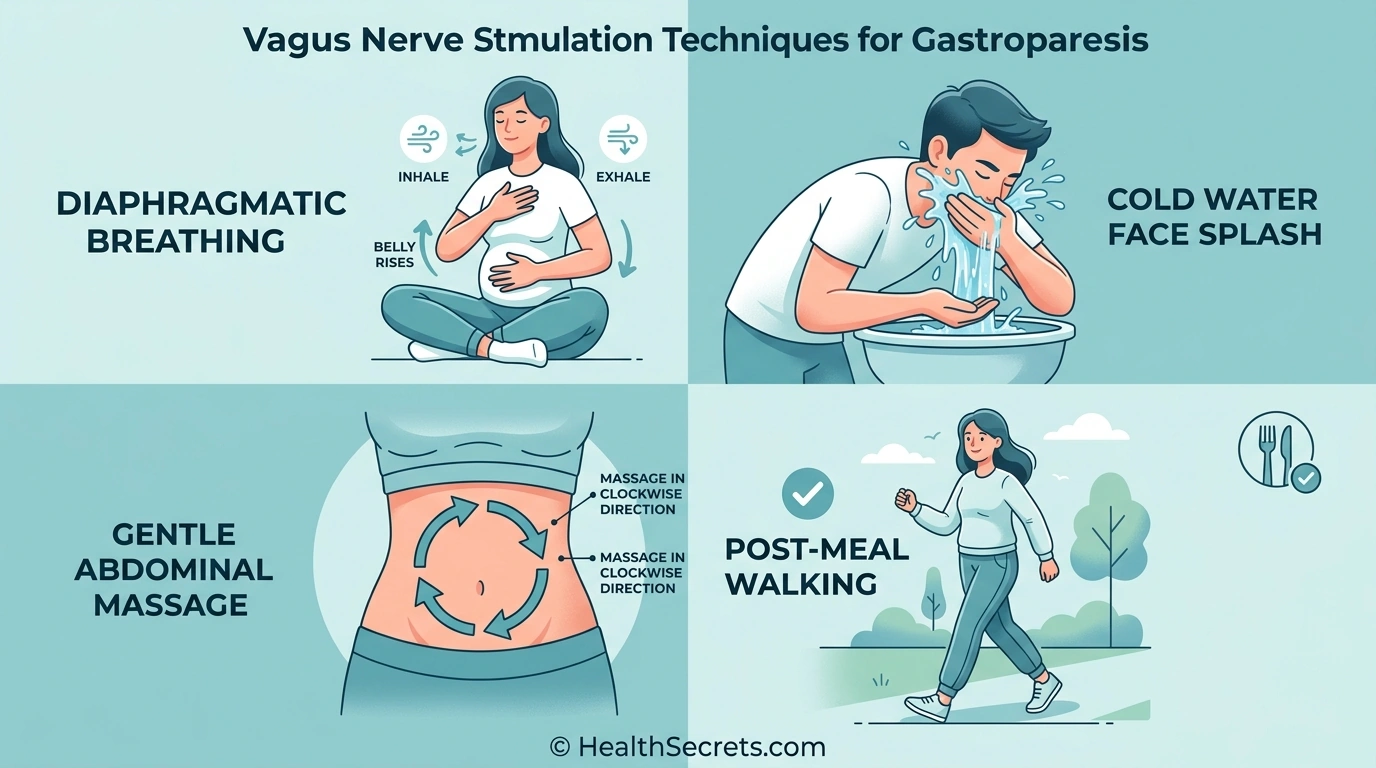
Natural vagus nerve support techniques include:
- Diaphragmatic (deep belly) breathing — 5–10 minutes, twice daily. This directly stimulates the vagus nerve.
- Gentle abdominal massage — Clockwise circular motions after meals may support motility.
- Cold water face immersion — Briefly stimulates the dive reflex and vagal activity.
- Meditation and stress reduction — Chronic stress suppresses vagal tone. Regular mindfulness practice can help restore it.
- Gentle post-meal walking — 15–20 minutes of light walking after meals aids gastric emptying.
- Acupuncture — Emerging evidence suggests electroacupuncture at specific points (ST36, PC6) may improve gastric motility.
For a deeper dive into vagus nerve health, see our guide on vagus nerve stimulation techniques.
Can You Prevent Gastroparesis From Getting Worse?
While gastroparesis cannot always be prevented, you can take meaningful steps to slow progression, reduce flare frequency, and maintain better quality of life. Prevention focuses on addressing modifiable risk factors and building consistent daily habits.
- Blood sugar control — For diabetic gastroparesis, maintaining tight glucose control is the single most important preventive measure. Work closely with your endocrinologist.
- Medication review — Regularly discuss your medications with your doctor. Opioids, certain antidepressants, and GLP-1 agonists can worsen gastroparesis.
- Consistent meal patterns — Eating at regular times, in small portions, helps your stomach establish a predictable rhythm.
- Stress management — Chronic stress directly impairs vagal tone and gastric motility. Build daily stress-reduction practices.
- Hydration — Adequate fluid intake helps food move through the digestive system. Sip water throughout the day rather than drinking large amounts at once.
- Avoid lying down after meals — Stay upright for at least 2 hours after eating. Elevate the head of your bed if you have nighttime symptoms.
Managing Gastroparesis Flare-Ups
When flares occur, temporarily shift to a liquid or pureed diet to reduce stomach workload. Focus on hydration with clear broths, electrolyte drinks, and ginger tea. If vomiting persists beyond 24 hours or you notice signs of dehydration, contact your healthcare provider promptly.
When Should You See a Doctor for Gastroparesis?
Seek immediate medical attention if you experience any of these red-flag symptoms, as they may indicate complications requiring urgent treatment. Gastroparesis can lead to serious issues like bezoars (solid masses of undigested food), severe dehydration, and dangerous blood sugar fluctuations.
Seek emergency care for:
- Severe, uncontrollable vomiting (especially vomiting blood)
- Inability to keep any food or liquids down for 24+ hours
- Severe abdominal pain that is new or worsening
- Signs of dehydration (dark urine, dizziness, rapid heartbeat)
- Uncontrolled blood sugar (for people with diabetes)
- Significant unintentional weight loss (more than 5% of body weight)
Schedule a medical visit for:
- New or changing digestive symptoms that haven't been evaluated
- Symptoms not improving with dietary modifications after 2–4 weeks
- Suspected nutritional deficiencies (fatigue, hair loss, weakness)
- Need for guidance from a registered dietitian specializing in gastroparesis
- Interest in prescription prokinetic medications or interventional procedures
A multidisciplinary team — gastroenterologist, registered dietitian, and your primary care provider — provides the best outcomes for gastroparesis management.
Action Plan
What Should You Do First to Manage Gastroparesis Naturally?
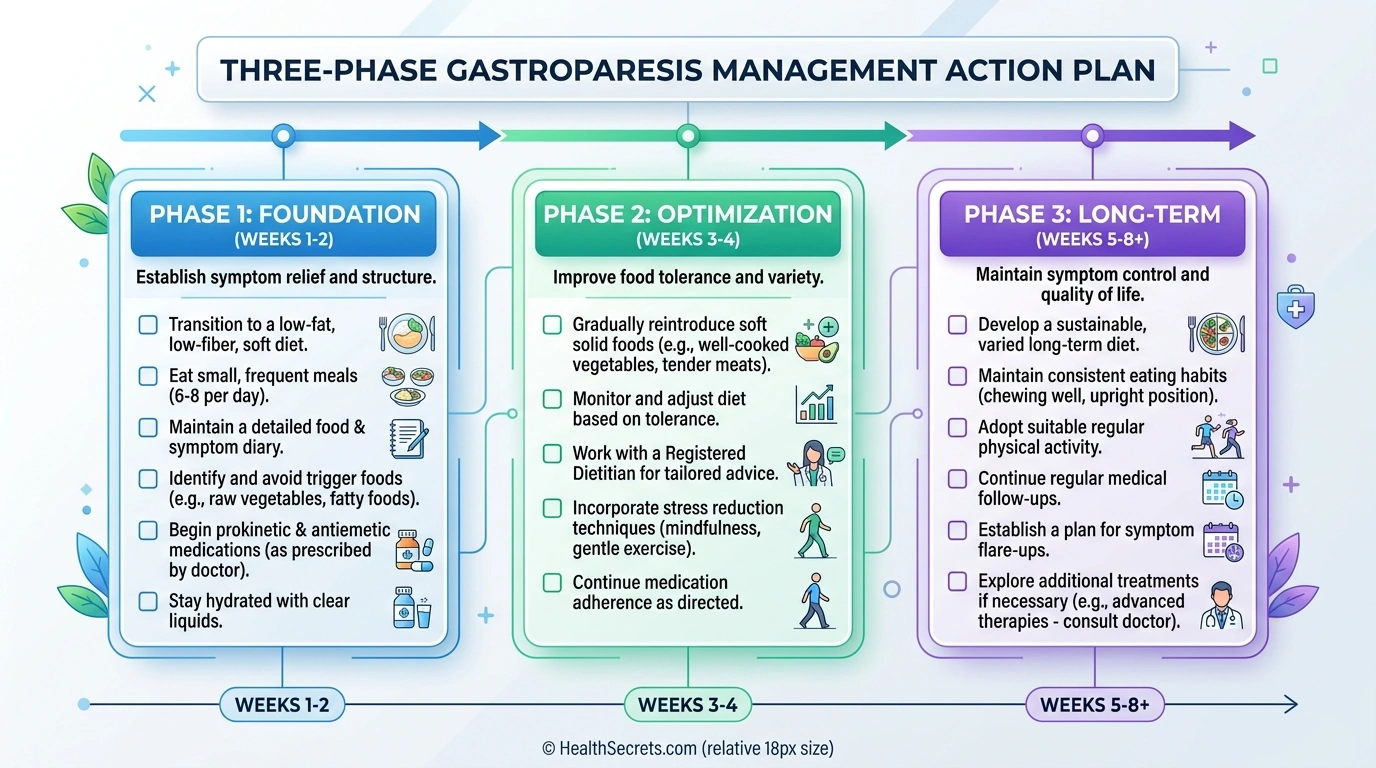
Follow the sequence below, work through each phase in order, and use the checklist as your practical implementation guide.
Start with these evidence-based steps, building gradually over 4–8 weeks. Each phase builds on the previous one, and consistency matters more than perfection. Always coordinate with your healthcare team.
Phase 1 — Foundation (Weeks 1–2):
- Get a proper diagnosis with a gastric emptying study if you haven't already
- Switch to 5–6 small meals per day (reduce portion sizes by half)
- Eliminate high-fat and high-fiber foods; favor soft, well-cooked options
- Start a food and symptom diary to identify personal triggers
- Begin daily ginger tea (1–2 cups) or 500 mg ginger capsules
Phase 2 — Optimization (Weeks 3–4):
- Increase ginger to therapeutic dose (1,000–1,500 mg daily)
- Add digestive enzymes with each meal
- Begin daily diaphragmatic breathing (5 minutes, twice daily)
- Start gentle 15-minute walks after meals
- Consider adding artichoke extract or Iberogast
Phase 3 — Long-Term Management (Weeks 5–8+):
- Get bloodwork to check B12, iron, vitamin D, and calcium levels
- Supplement any identified deficiencies (liquid or sublingual forms preferred)
- Establish a consistent daily routine for meals, supplements, and stress management
- Schedule follow-up with your gastroenterologist to assess progress
- Connect with a registered dietitian for personalized meal planning

Integrative Therapeutics Motility Activator
Editor's ChoiceIntegrative Therapeutics · Overall gastric motility support with clinically studied ginger and artichoke combination

Oregon's Wild Harvest Organic Ginger Root
Best ValueOregon's Wild · Affordable, high-dose organic ginger for nausea relief and gastric emptying
Enzymedica Digest Gold + ATPro
Best Digestive EnzymeEnzymedica Digest · Comprehensive enzyme support for breaking down proteins, fats, carbs, and fiber
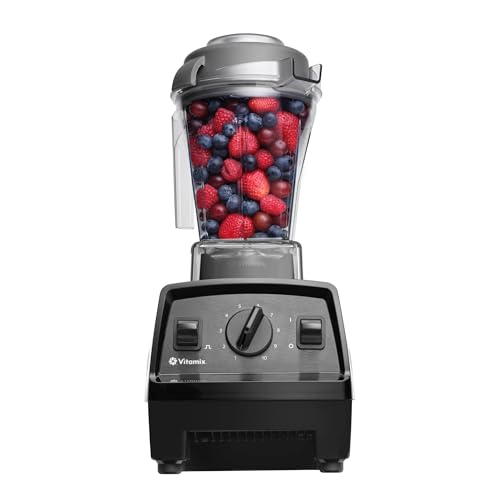
Vitamix E310 Explorian Blender
Best Kitchen ToolVitamix E310 · Pureeing gastroparesis-friendly meals, making smoothies, and preparing liquid nutrition
Ensure Original Nutrition Shake
Best Meal ReplacementEnsure Original · Easy-to-digest liquid nutrition when solid foods aren't tolerated
Read the detailed review cards below before opening any retailer link
Top Recommended Products
Integrative Therapeutics
Integrative Therapeutics Motility Activator
This is the only supplement that combines the two most researched prokinetic herbs — ginger and artichoke — in the exact standardized extract (Prodigest) used in clinical trials showing 24% faster gastric emptying.
Pros
- + Clinically studied ginger-artichoke combination
- + convenient dosing
- + well-tolerated
- + targets gastric motility specifically
Cons
- - Premium price point compared to standalone ginger supplements
Why we included it: This is the only supplement that combines the two most researched prokinetic herbs — ginger and artichoke — in the exact standardized extract (Prodigest) used in clinical trials showing 24% faster gastric emptying.
As an Amazon Associate, Health Secrets earns from qualifying purchases. Product links open on Amazon, where current pricing and availability are displayed. We only feature products discussed in our editorial guides.
Oregon's Wild
Oregon's Wild Harvest Organic Ginger Root
Delivers a clinically relevant dose of organic ginger root at an excellent price point, making it an accessible starting point for gastroparesis symptom management.
Pros
- + Certified organic
- + affordable
- + clinically relevant dose
- + no stearates or fillers
- + made in USA
Cons
- - May cause mild heartburn at full dose in sensitive individuals
Why we included it: Delivers a clinically relevant dose of organic ginger root at an excellent price point, making it an accessible starting point for gastroparesis symptom management.
As an Amazon Associate, Health Secrets earns from qualifying purchases. Product links open on Amazon, where current pricing and availability are displayed. We only feature products discussed in our editorial guides.
Enzymedica Digest
Enzymedica Digest Gold + ATPro
Enzymedica's Thera-blend technology ensures enzymes remain active across the full pH range of the digestive tract, making this particularly useful for gastroparesis where stomach pH may be unpredictable.
Pros
- + Comprehensive multi-enzyme formula
- + Thera-blend technology for broad-spectrum activity
- + includes ATPro for enhanced absorption
- + vegan-friendly
Cons
- - Higher price than basic enzyme formulas
Why we included it: Enzymedica's Thera-blend technology ensures enzymes remain active across the full pH range of the digestive tract, making this particularly useful for gastroparesis where stomach pH may be unpredictable.
As an Amazon Associate, Health Secrets earns from qualifying purchases. Product links open on Amazon, where current pricing and availability are displayed. We only feature products discussed in our editorial guides.
Vitamix E310
Vitamix E310 Explorian Blender
For gastroparesis management, the ability to puree foods to a completely smooth consistency is essential. The Vitamix E310 handles everything from soups to smoothies to pureed meals with ease.
Pros
- + Professional-grade blending power
- + creates perfectly smooth purees
- + durable and long-lasting
- + variable speed for different textures
Cons
- - Premium price point
- - can be loud during use
Why we included it: For gastroparesis management, the ability to puree foods to a completely smooth consistency is essential. The Vitamix E310 handles everything from soups to smoothies to pureed meals with ease.
As an Amazon Associate, Health Secrets earns from qualifying purchases. Product links open on Amazon, where current pricing and availability are displayed. We only feature products discussed in our editorial guides.
Ensure Original
Ensure Original Nutrition Shake
During gastroparesis flares when solid food tolerance is low, having a reliable liquid nutrition source prevents malnutrition and dehydration. Ensure provides balanced macros in an easy-to-digest format.
Pros
- + Complete nutrition with 9g protein per serving
- + easy to digest liquid form
- + no cooking required
- + available in multiple flavors
- + widely accessible
Cons
- - Contains added sugars
- - not organic
- - may be too sweet for some
Why we included it: During gastroparesis flares when solid food tolerance is low, having a reliable liquid nutrition source prevents malnutrition and dehydration. Ensure provides balanced macros in an easy-to-digest format.
As an Amazon Associate, Health Secrets earns from qualifying purchases. Product links open on Amazon, where current pricing and availability are displayed. We only feature products discussed in our editorial guides.
Further Reading
Further Reading
"Eating for Gastroparesis: Guidelines, Tips & Recipes"
by Crystal Saltrelli
Step-by-step dietary guidelines for different symptom severity levels; over 100 gastroparesis-friendly recipes; meal planning templates; food tolerance tracking tools
Why it adds value here
Written by someone who lives with gastroparesis, this book bridges the gap between clinical dietary recommendations and real-world meal preparation with tested, practical recipes.
Best for: Anyone newly diagnosed with gastroparesis who needs practical dietary guidance and gastroparesis-friendly recipes
View book detailsFurther Reading
"The Gastroparesis Healing Diet: A Guided Program for Promoting Gastric Relief"
by Tamara Duker Freuman
Evidence-based dietary protocols for acute flares and remission; guidance on identifying trigger foods; nutritional strategies to prevent deficiencies; meal plans organized by symptom severity
Why it adds value here
Authored by a registered dietitian who specializes in digestive disorders, this book provides the clinical nutritional framework that complements the natural management strategies discussed in this article.
Best for: Patients seeking a structured, dietitian-designed approach to managing gastroparesis through food
View book detailsAEO FAQ
Frequently Asked Questions
12 common questions answered
Gastroparesis cannot be "cured" in most cases, but it can be effectively managed. Post-viral gastroparesis may resolve within 12–18 months, and medication-induced gastroparesis can improve when the offending drug is stopped. For chronic cases (diabetic, idiopathic), natural strategies like dietary modification, prokinetic herbs, and vagus nerve support can significantly reduce symptoms and improve quality of life, though ongoing management is typically required.
Clinical studies showing gastric motility benefits used doses of 1,000–1,500 mg of ginger root daily. Start with 500 mg per day and gradually increase over 1–2 weeks. Ginger can be taken as capsules, fresh ginger tea (1-inch piece steeped in hot water), or candied ginger. Take it 30 minutes before meals for best results, and reduce the dose if you experience heartburn.
Liquids and pureed foods empty from the stomach most easily and are generally best tolerated. Well-cooked, low-fat, low-fiber options like mashed potatoes, white rice, applesauce, scrambled eggs, and smooth soups are good staples. Protein shakes and meal replacement beverages provide nutrition when solid foods cause discomfort. Always eat small portions — 5 to 6 mini-meals rather than 3 large ones.
Yes, untreated gastroparesis can lead to serious complications. These include malnutrition and weight loss, dehydration from persistent vomiting, bezoars (hardened masses of undigested food that can cause obstruction), unpredictable blood sugar swings in diabetics, and reduced quality of life. Proper medical supervision combined with dietary management helps prevent these complications.
Yes, stress significantly worsens gastroparesis symptoms. The vagus nerve — which controls stomach contractions — is directly suppressed by chronic stress and sympathetic nervous system activation (the "fight or flight" response). Stress reduction techniques like diaphragmatic breathing, meditation, and gentle yoga can help improve vagal tone and, consequently, gastric motility over time.
Probiotics may be helpful for some people with gastroparesis, particularly for managing bloating and supporting overall gut health. However, start cautiously with a single-strain probiotic at a low dose, as some people with delayed gastric emptying may experience increased bloating initially. Spore-based or soil-based probiotics may be better tolerated since they don't require refrigeration and survive stomach acid well.
Iberogast (STW-5) has strong clinical evidence for functional dyspepsia, with multiple randomized controlled trials showing significant symptom improvement. In patients with both functional dyspepsia and gastroparesis, STW-5 improved symptoms even though it didn't directly accelerate gastric emptying — suggesting it works through multiple mechanisms including reducing visceral hypersensitivity. It's widely used in Europe and available over-the-counter in the US.
Fiber should be limited, not necessarily eliminated entirely. Raw, insoluble fiber (raw vegetables, whole grains, nuts, seeds) is most problematic because it's difficult to break down and can form bezoars. Well-cooked, soft vegetables and ripe fruits in small amounts are often tolerated. During flare-ups, minimize all fiber. During stable periods, you may gradually test small amounts of well-cooked fiber sources.
Many people notice some symptom improvement within the first 1–2 weeks of switching to small, frequent, low-fat, low-fiber meals. More significant and stable improvement typically takes 4–8 weeks of consistent dietary modification. Full optimization — including supplement integration, vagus nerve support, and identified trigger avoidance — may take 3–6 months to reach maximum benefit.
The most common deficiencies include vitamin B12, iron, vitamin D, calcium, and zinc. These develop because gastroparesis reduces food intake and impairs nutrient absorption. Liquid or sublingual supplement forms are preferred because they bypass the compromised stomach. Ask your doctor to check these levels regularly — at minimum every 6 months — and supplement any identified deficiencies.
Yes, gentle walking after meals is one of the simplest and most effective natural strategies for gastroparesis. A 15–20 minute walk after eating promotes gastric motility through gentle physical movement and gravity. It also supports vagal tone and helps prevent post-meal blood sugar spikes. Avoid vigorous exercise, which can actually slow digestion and worsen symptoms.
It depends on the cause. Post-viral gastroparesis resolves on its own in many cases within 12–18 months. Medication-induced gastroparesis typically improves once the offending drug is discontinued. However, diabetic and idiopathic gastroparesis are usually chronic conditions that require ongoing management, though symptoms can improve significantly with proper dietary changes, supplements, and lifestyle modifications.

Stress Recovery Micro-Habits Workbook
Seven five-minute practices with the evidence for each, a chooser for every kind of moment, and a thirty-day log that shows your baseline settle.
What is inside:
PDF e-book + free online edition • 60-day money-back guarantee
Test Your Knowledge
Take our Gut Health Quiz and see how much you really know about gut health.
Was this article helpful?
Researched & Fact-Checked
Author
Health Secrets Editorial TeamThe Health Secrets editorial team researches, writes and fact-checks every guide against the primary studies and clinical guidelines it cites.
Fact-Checked By
Health Secrets Editorial TeamAll content is evidence-based, checked against peer-reviewed research, and updated regularly. Our editorial team follows strict guidelines for accuracy and transparency.
References & Citations
20 sources cited
Medical Disclaimer
This article is for informational purposes only and does not constitute medical advice. Read the full medical disclaimer. Always consult with a qualified healthcare provider before starting any new supplement, treatment, or major dietary change.
The Complete Guide to Gut Health
Explore our foundational comprehensive guide covering all clinical protocols, dietary strategies, and evidence for gut health.
You Might Also Like
Gut Motility: How to Improve Digestive Transit
Gut motility — the coordinated muscular movement that pushes food through your digestive tract — is the foundation of healthy digestion. When motility slows, bloating, constipation, and even small intestinal bacterial overgrowth (SIBO) can follow. This guide walks you through six evidence-based steps to restore and optimize your digestive transit naturally.
→Bloating Relief: 15 Natural Ways to Reduce Gas and Bloating
Bloating affects up to 30% of adults regularly, causing uncomfortable abdominal pressure, visible swelling, and excessive gas. These 15 natural remedies — backed by clinical research from PubMed and major medical institutions — offer both fast-acting relief and long-term solutions to help you reduce bloating without medication.
→SIBO Treatment Guide: Natural Protocols That Work
Small intestinal bacterial overgrowth (SIBO) affects up to 80% of people diagnosed with IBS, causing chronic bloating, gas, and digestive distress. This evidence-based condition guide walks you through a proven 4-phase treatment protocol — from herbal antimicrobials and dietary strategies to prokinetics and relapse prevention — so you can address the root causes and restore healthy gut function.
→Discussion
0No comments yet
Be the first to share your thoughts, clinical insights, or questions about this protocol.