If you've been struggling with persistent bloating, unexplained fatigue, sugar cravings that won't quit, and a foggy brain that makes it hard to focus — candida overgrowth might be the hidden culprit. Millions of people carry excess Candida albicans without realizing it, and conventional medicine often overlooks this condition until it becomes severe.
The good news? A targeted combination of dietary changes, natural antifungal supplements, and lifestyle modifications can help you reclaim your gut health and overall well-being. This guide walks you through everything you need to know — from identifying symptoms and root causes to implementing a step-by-step treatment protocol backed by current research.
For more on restoring gut health, see our complete guide to gut health and learn about healing leaky gut syndrome, which is closely linked to candida overgrowth.
What Is Candida Overgrowth and Why Should You Take It Seriously?
Candida overgrowth is a condition where the opportunistic yeast Candida albicans — normally present in small amounts in your gut, mouth, and skin — multiplies beyond healthy levels, producing toxins and penetrating the intestinal lining. Left unchecked, it can trigger widespread inflammation, nutrient malabsorption, and symptoms across nearly every body system.
Candida albicans is the most common of over 200 Candida species and naturally inhabits the human gastrointestinal tract, oral cavity, vaginal canal, and skin. Under normal conditions, beneficial bacteria like Lactobacillus and a functioning immune system keep Candida populations in check. Problems arise when this balance is disrupted.
When Candida overgrows, it can shift from a harmless yeast form to an invasive hyphal (filamentous) form that physically penetrates intestinal epithelial cells [1]. This morphological switch is a key virulence factor — the hyphae produce enzymes called secreted aspartyl proteases (SAPs) and phospholipases that degrade mucosal barriers [2].
Candida overgrowth exists on a spectrum:
- Localized overgrowth — oral thrush, vaginal yeast infections, skin/nail fungus
- Intestinal overgrowth — gut dysbiosis with digestive symptoms, food sensitivities, and nutrient deficiencies
- Systemic candidiasis — a serious medical condition where Candida enters the bloodstream (candidemia), requiring immediate medical treatment
Research published in Nature Reviews Microbiology estimates that Candida species are responsible for over 400,000 life-threatening systemic infections annually worldwide, with mortality rates of 30–50% in immunocompromised patients [3]. While most readers are dealing with intestinal or localized overgrowth rather than systemic infection, the condition still significantly impacts quality of life and deserves proper attention.

The Low-FODMAP Cheat Sheet
A green / amber / red FODMAP food map with portion sizes, a symptom baseline and a fillable reintroduction log that adds up your scores, so you can see which foods suit you.
What Causes Candida Overgrowth in Your Body?
Candida overgrowth is primarily caused by factors that weaken your immune system or destroy the beneficial bacteria that normally keep yeast in check. Antibiotic use, high-sugar diets, chronic stress, hormonal changes, and compromised immunity are the most well-documented triggers — and most people have multiple overlapping risk factors.

How Do Antibiotics Trigger Candida Overgrowth?
Antibiotics are the single most common trigger. Broad-spectrum antibiotics kill beneficial Lactobacillus and Bifidobacterium species that produce lactic acid and other compounds inhibiting Candida growth. A 2021 study in Cell Host & Microbe demonstrated that a single course of antibiotics can reduce microbial diversity by 25–50% and allow Candida populations to expand 10- to 100-fold within days [4].
Does a High-Sugar Diet Feed Candida?
Yes — Candida thrives on simple sugars. Glucose and fructose are primary carbon sources for C. albicans growth and biofilm formation. Research in the Journal of Fungi (2022) confirmed that high-sugar environments significantly increase Candida colonization density and biofilm production in the gut [5].
Other Major Risk Factors
- Chronic stress — elevated cortisol suppresses secretory IgA and T-cell function, both critical for mucosal antifungal defense [6]
- Weakened immune system — HIV/AIDS, chemotherapy, organ transplant immunosuppression
- Oral contraceptives and HRT — estrogen promotes Candida adhesion to vaginal and intestinal epithelium [7]
- Diabetes and insulin resistance — elevated blood glucose directly fuels yeast growth
- Excessive alcohol consumption — damages gut lining and impairs liver detoxification
- Poor gut health and dysbiosis — reduced microbial diversity creates ecological niches for Candida
- Proton pump inhibitors (PPIs) — reduced stomach acid allows Candida to survive gastric transit
- Mold exposure — environmental mycotoxins further burden the immune system
- Heavy metal toxicity — mercury and lead impair neutrophil antifungal activity [8]
What Are the Symptoms of Candida Overgrowth?
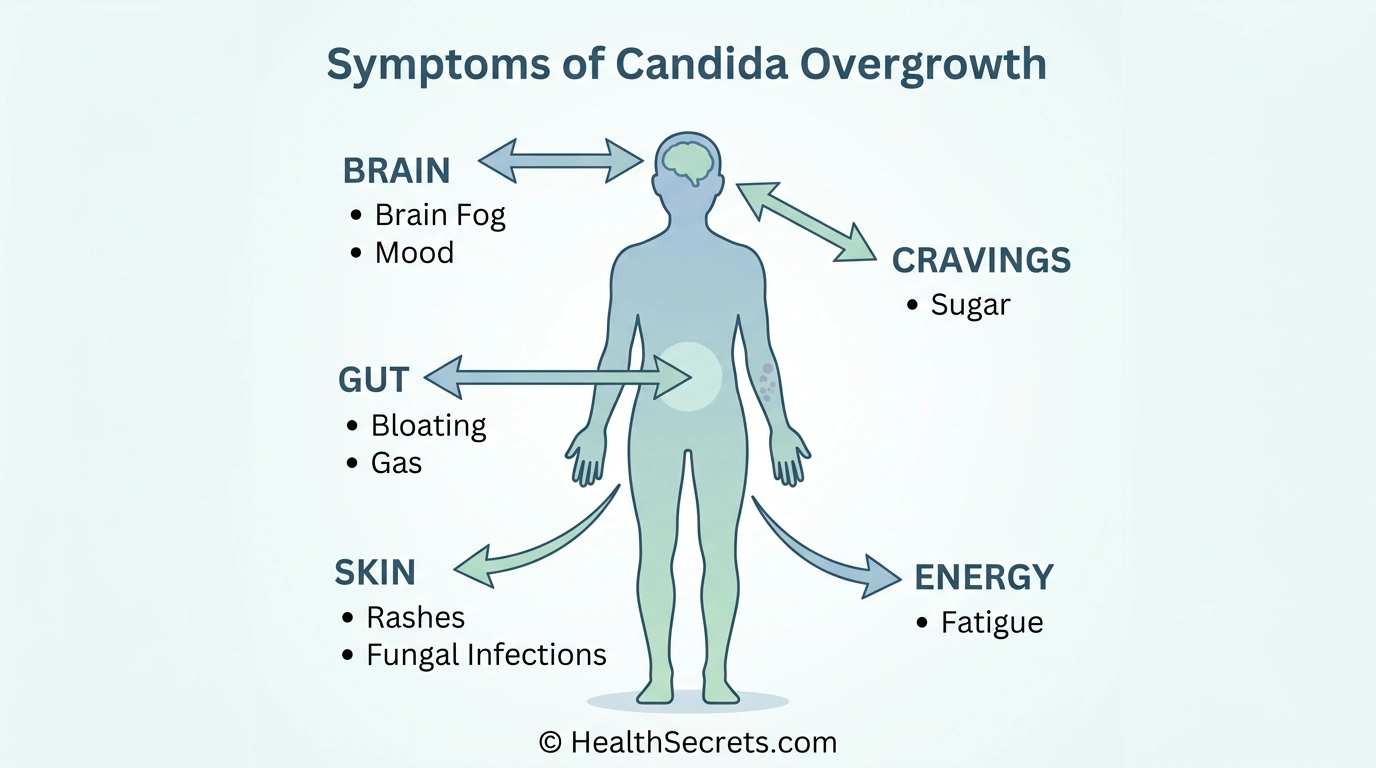
Candida overgrowth produces a wide range of symptoms spanning digestive, neurological, dermatological, and immune systems — which is why it's frequently misdiagnosed. The most common symptoms include chronic bloating, brain fog, persistent fatigue, recurrent yeast infections, and intense sugar cravings that don't respond to dietary willpower alone.
Digestive Symptoms
- Bloating and excessive gas (especially after eating carbohydrates)
- Alternating diarrhea and constipation
- Abdominal pain and cramping
- Rectal itching
- White coating on the tongue (oral thrush)
- Acid reflux and nausea
Skin, Hair, and Nail Symptoms
- Fungal skin infections (athlete's foot, jock itch, ringworm)
- Nail fungus (onychomycosis)
- Eczema, psoriasis flares, and unexplained rashes
- Itchy skin, especially in warm, moist areas
Neurological and Emotional Symptoms
Candida produces acetaldehyde — the same neurotoxin created when your body processes alcohol. This toxin crosses the blood-brain barrier and disrupts dopamine and serotonin metabolism [9]:
- Brain fog and difficulty concentrating
- Mood swings and irritability
- Anxiety and depression
- Poor memory
Energy and Immune Symptoms
- Chronic fatigue unresponsive to rest
- Recurrent vaginal yeast infections
- Recurrent urinary tract infections
- Chronic sinus congestion
- Seasonal allergies that worsen over time
- Joint pain and muscle aches
Cravings
- Intense sugar and carbohydrate cravings — Candida manipulates host appetite by producing metabolites that trigger sugar-seeking behavior [10]
- Bread and yeast cravings
If you experience symptoms across three or more of these categories, candida overgrowth deserves investigation. For related digestive support, explore our guide on best digestive enzymes.
How Is Candida Overgrowth Diagnosed?
Candida overgrowth is best diagnosed through a comprehensive stool analysis that measures Candida species and beneficial bacteria levels, often combined with an organic acids urine test that detects Candida metabolites like D-arabinitol. No single test is definitive, so practitioners typically use a combination approach alongside symptom assessment.
Medical Laboratory Tests
- Comprehensive Digestive Stool Analysis (CDSA) — The gold standard. Quantifies Candida species, measures beneficial and pathogenic bacteria, and includes antifungal sensitivity testing. Labs like Genova Diagnostics and Doctor's Data offer these panels.
- Organic Acids Test (OAT) — Urine test measuring Candida metabolic byproducts including D-arabinitol, citramalic acid, and tartaric acid. A 2020 study in Clinical Chemistry and Laboratory Medicine validated D-arabinitol as a reliable biomarker for invasive candidiasis [11].
- Blood Antibody Testing — Measures IgG, IgA, and IgM antibodies against Candida. Elevated IgG suggests past or chronic exposure; elevated IgA suggests active mucosal infection; elevated IgM suggests acute or recent infection.
- Candida Culture and Sensitivity — Direct culture from stool, oral swab, or vaginal swab with antifungal sensitivity testing.
At-Home Assessment
- Symptom questionnaire — Validated questionnaires like the Candida Questionnaire by William Crook, MD can help assess probability
- Elimination diet response — Symptom improvement on a strict anti-candida diet within 2–3 weeks is suggestive
- Note: The "spit test" (saliva in water) is widely circulated online but has no scientific validation and should not be used for diagnosis
What to Ask Your Doctor
Request a comprehensive stool analysis and organic acids test. If your doctor is unfamiliar with these, consider consulting a functional medicine practitioner who specializes in gut health and candida assessment.
What Are the Conventional Treatment Options for Candida Overgrowth?
Conventional treatment typically involves prescription antifungal medications — fluconazole (Diflucan) for systemic cases, nystatin for intestinal overgrowth, and topical azoles for localized infections. These medications work quickly but do not address the underlying causes of overgrowth and carry risks of liver toxicity and antifungal resistance.
Prescription Antifungals
| Medication | Use | Duration | Key Concern |
|---|---|---|---|
| Fluconazole (Diflucan) | Systemic/severe | 2–6 weeks | Liver toxicity risk |
| Nystatin | Intestinal | 2–4 weeks | GI side effects |
| Clotrimazole | Oral thrush | 1–2 weeks | Localized only |
| Miconazole | Vaginal/skin | 3–7 days | Recurrence common |
Limitations of Conventional Treatment
- Does not address root cause — antibiotics, diet, stress, and gut dysbiosis persist after medication ends
- Antifungal resistance — C. albicans can develop resistance to fluconazole, and Candida auris is emerging as a multidrug-resistant threat [12]
- Microbiome disruption — some antifungals further reduce beneficial fungal and bacterial diversity
- High recurrence rates — without dietary and lifestyle changes, overgrowth commonly returns within weeks to months
Best Approach: Integrative
Many functional medicine practitioners recommend combining short-term prescription antifungals (for severe cases) with long-term natural antifungal, dietary, and probiotic protocols to address root causes and prevent recurrence.
What Natural Approaches Support Candida Overgrowth Treatment?
The most effective natural approach to candida overgrowth combines three strategies: an anti-candida elimination diet that starves yeast of its fuel, targeted natural antifungal supplements that kill Candida directly, and high-dose probiotics that restore competitive microbial balance. Research supports this multi-pronged approach as both effective and sustainable.
What Should You Eat (and Avoid) on an Anti-Candida Diet?
The anti-candida diet removes foods that feed yeast while emphasizing foods with natural antifungal and prebiotic properties. Strict elimination lasts 4–8 weeks, followed by gradual reintroduction.
Foods to Strictly Avoid (4–8 Weeks):
- All sugars and sweeteners (except stevia and monk fruit in moderation)
- Refined grains and gluten-containing grains
- High-sugar fruits (tropical fruits, dried fruits, fruit juice)
- Starchy vegetables (potatoes, corn, peas)
- Dairy with lactose (milk, soft cheese) — butter and ghee are acceptable
- All alcohol
- Yeast-containing fermented foods (kombucha, beer, wine, yeast-risen bread)
- Mushrooms and fungi (cross-reactivity concern)
- Peanuts (high aflatoxin risk)
- Vinegar (except raw apple cider vinegar)
- Processed and packaged foods with hidden sugars
Foods to Emphasize (Anti-Candida):
- Non-starchy vegetables — leafy greens, broccoli, cauliflower, zucchini, asparagus, garlic, onions
- Quality proteins — wild-caught fish, organic poultry, grass-fed beef, pastured eggs
- Healthy fats — coconut oil (contains caprylic acid), extra virgin olive oil, avocado, nuts and seeds (except peanuts)
- Antifungal herbs and spices — raw garlic, ginger, turmeric, oregano, cinnamon, cloves, thyme
- Bacterial ferments — raw sauerkraut, kimchi, coconut yogurt, coconut kefir
- Low-sugar fruits (after 4–6 weeks) — berries, green apples, lemon, lime
- Gluten-free whole grains (after initial phase) — quinoa, buckwheat, millet
- Beverages — filtered water (8–10 glasses), herbal teas (pau d'arco, ginger, peppermint), bone broth
For more on gut-healing nutrition, see our guide on gut-healing foods and fermented foods for gut health.
Which Natural Antifungal Supplements Have the Best Evidence?
Several natural compounds have demonstrated antifungal activity against Candida albicans in peer-reviewed research:
Primary Antifungals:
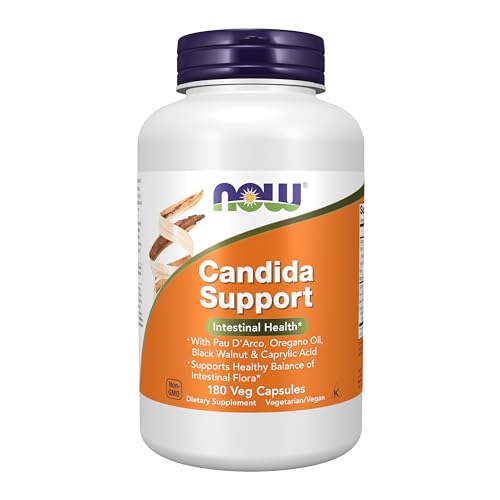
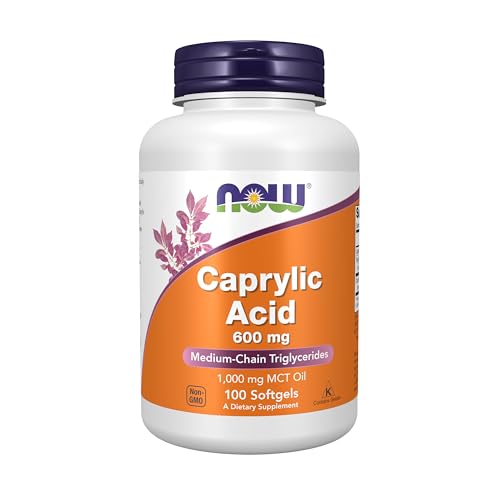
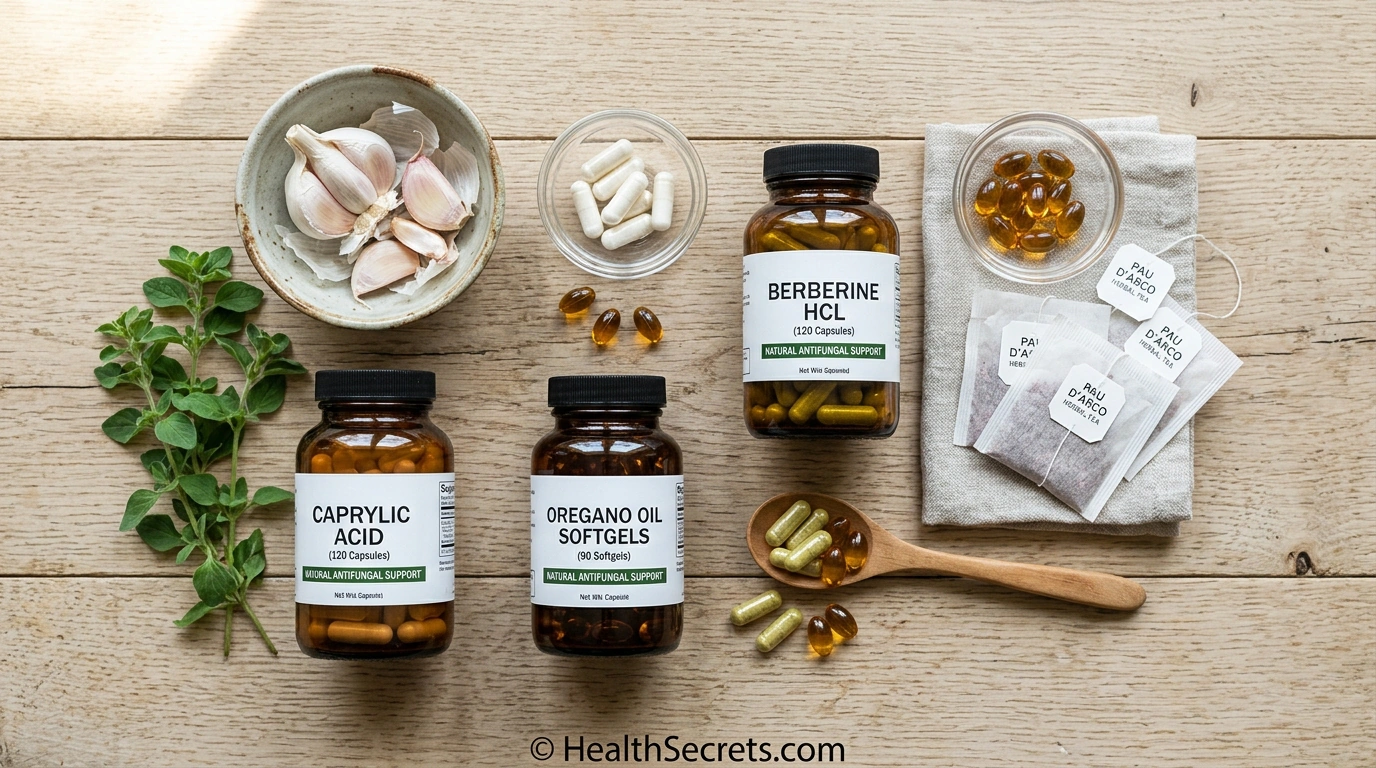
- Caprylic Acid — A medium-chain fatty acid from coconut oil that disrupts Candida cell membranes. A 2021 study in Frontiers in Microbiology confirmed its fungicidal activity against C. albicans biofilms [13]. Dose: 1,000–2,000 mg three times daily with meals.
- Oregano Oil (Carvacrol) — The compound carvacrol in oregano oil inhibits Candida growth and biofilm formation. Research in Molecules (2022) demonstrated its effectiveness against fluconazole-resistant strains [14]. Dose: 500 mg enteric-coated capsules, 2–3 times daily.
- Berberine — Found in goldenseal and Oregon grape, berberine has broad-spectrum antimicrobial activity and helps regulate blood sugar (starving Candida of glucose). A 2023 meta-analysis in Phytomedicine confirmed its antifungal efficacy [15]. Dose: 500 mg, 2–3 times daily.
- Pau d'Arco — Contains lapachol and beta-lapachone, which inhibit Candida oxygen metabolism. Dose: 500–1,000 mg, 2–3 times daily, or as a tea.
- Garlic Extract (Allicin) — Allicin disrupts Candida cell walls and inhibits biofilm formation. A 2020 study in Antimicrobial Agents and Chemotherapy showed garlic extract was effective against multiple Candida species [16]. Dose: 600–900 mg daily or 2–3 raw crushed cloves.
Supporting Supplements:
- Probiotics — Saccharomyces boulardii (a beneficial yeast that competes with Candida) and Lactobacillus rhamnosus GG. Dose: 50–100 billion CFU daily, taken 2 hours away from antifungals.
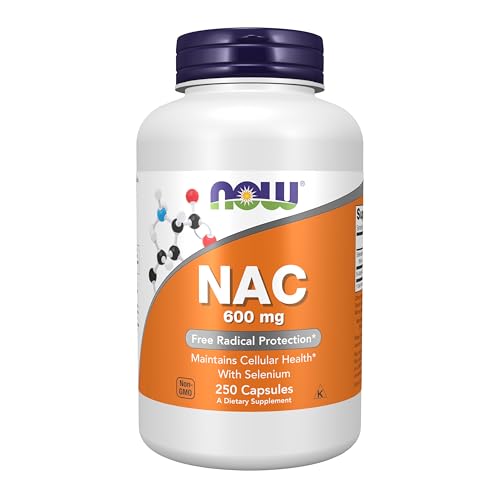
- Biofilm disruptors — NAC (N-acetyl cysteine) helps break down Candida biofilms. A 2021 study showed NAC significantly reduced C. albicans biofilm formation [17]. Dose: 600 mg twice daily.
- Molybdenum — Helps the liver process acetaldehyde (a Candida toxin). Dose: 150–300 mcg daily.
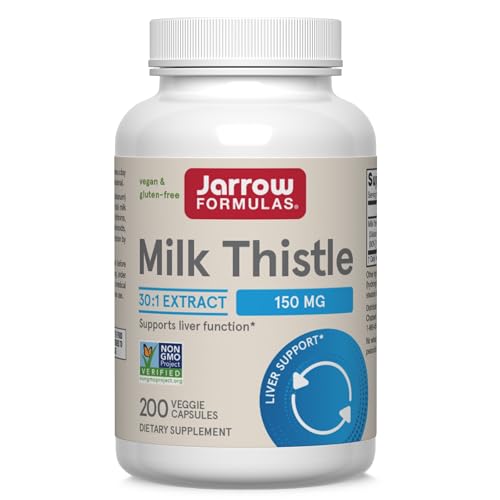
- Milk Thistle — Supports liver detoxification during die-off. Dose: 300 mg, 2 times daily.
- Digestive Enzymes with Cellulase — Cellulase and hemicellulase enzymes break down Candida cell walls (made of cellulose and chitin).
Learn more about L-glutamine for gut healing and natural remedies that work for additional support options.
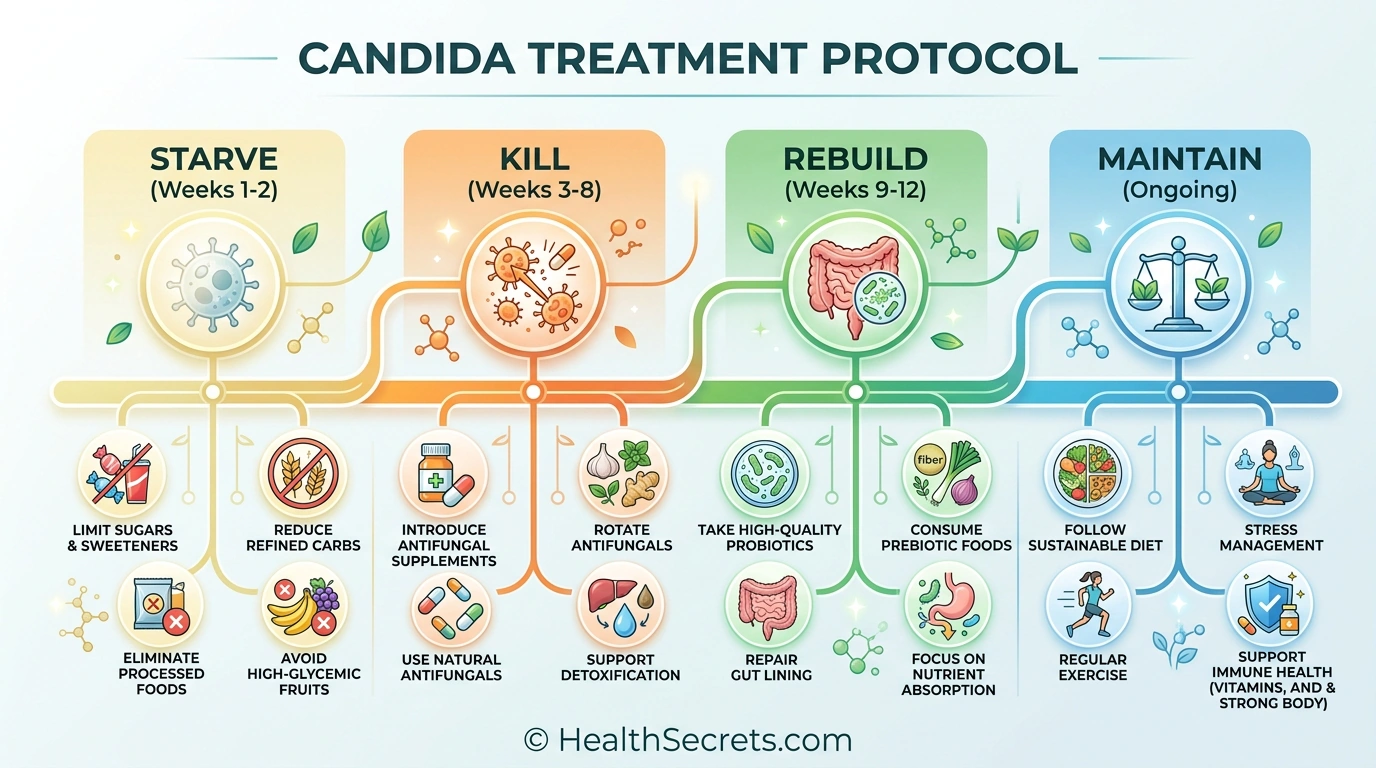
How Does the 12-Week Candida Treatment Protocol Work?
The most effective approach follows a phased protocol that prevents overwhelming die-off reactions while systematically eliminating overgrowth:
Phase 1: Starve (Weeks 1–2)
- Begin strict anti-candida diet
- Remove all sugar, grains, and high-sugar fruits
- Start probiotics at a low dose (25 billion CFU) and increase gradually
- Hydrate aggressively (8–10 glasses of filtered water daily)
- Begin liver support (milk thistle, molybdenum)
Phase 2: Kill (Weeks 3–8)
- Continue strict diet
- Introduce antifungal supplements — rotate 2–3 antifungals every 2 weeks to prevent Candida adaptation
- Increase probiotics to 50–100 billion CFU
- Add biofilm disruptors (NAC 600 mg twice daily)
- Support detox pathways (adequate water, fiber, sweating)
- Manage die-off symptoms as needed
Phase 3: Rebuild (Weeks 9–12)
- Continue diet with slightly more flexibility (reintroduce low-sugar fruits, gluten-free grains)
- Taper antifungals gradually
- Maintain high-dose probiotics
- Add prebiotic foods (garlic, onions, asparagus)
- Support gut lining repair with L-glutamine, bone broth, and collagen
Phase 4: Maintain (Ongoing)
- Transition to a low-sugar, whole foods diet
- Continue probiotics at maintenance dose (25–50 billion CFU)
- Periodic antifungal rotation (1 week per month for 3 months)
- Address underlying triggers (stress, sleep, immune support)
How Do You Manage Candida Die-Off Symptoms?
Candida die-off (Jarisch-Herxheimer reaction) occurs when large numbers of yeast cells are killed rapidly, releasing acetaldehyde, gliotoxin, and other endotoxins. Symptoms typically peak on days 3–7 and may include flu-like symptoms, headache, fatigue, nausea, brain fog, and skin breakouts [18].
Die-off management strategies:
- Start antifungals at half dose and increase gradually over 1–2 weeks
- Drink 10+ glasses of filtered water daily
- Take molybdenum (150–300 mcg) to process acetaldehyde
- Use activated charcoal (500 mg between meals) to bind circulating toxins
- Take Epsom salt baths (2 cups in warm water, 20 minutes)
- Support liver with milk thistle (300 mg twice daily)
- Get adequate rest and reduce intense exercise during peak die-off
- Do not stop the protocol — symptoms indicate the treatment is working
For comprehensive detox support strategies, see our evidence-based detox guide.
What Lifestyle Changes Support Candida Treatment?
- Stress management — chronic stress elevates cortisol, which suppresses mucosal immunity. Practice daily meditation, deep breathing, or yoga.
- Sleep — aim for 7–9 hours nightly; immune repair peaks during deep sleep
- Moderate exercise — supports lymphatic drainage and detoxification; avoid overtraining, which suppresses immunity
- Reduce mold exposure — inspect home for water damage, use HEPA air purifiers, address bathroom and basement moisture
- Minimize toxin exposure — choose natural cleaning products, filter drinking water, avoid plastics
- Dry brushing — 5 minutes before showering to support lymphatic drainage
Can You Prevent Candida Overgrowth From Returning?
Yes — preventing candida recurrence requires maintaining the dietary and lifestyle habits that resolved the overgrowth in the first place. The most important long-term strategies are keeping sugar intake low, taking a daily maintenance probiotic, avoiding unnecessary antibiotics, and managing stress consistently.
Long-term prevention checklist:
- Maintain a low-sugar, whole foods diet (not necessarily as strict as the elimination phase)
- Take a daily probiotic with Saccharomyces boulardii and Lactobacillus strains (25–50 billion CFU)
- Avoid unnecessary antibiotic use — if antibiotics are medically necessary, take probiotics simultaneously (2 hours apart) and for 4 weeks after
- Manage blood sugar through balanced meals with protein, fat, and fiber at every meal
- Practice consistent stress management
- Support immune function with adequate sleep, vitamin D, zinc, and vitamin C
- Consider periodic antifungal support (1 week per month for the first 3 months after completing the protocol)
- Address underlying conditions (diabetes, hormonal imbalances, mold exposure)
- Rotate antifungal herbs periodically to prevent yeast adaptation
For broader gut health maintenance, explore our complete guide to gut health and best probiotics for gut health.
When Should You See a Doctor for Candida Overgrowth?
You should see a healthcare provider if your symptoms are severe, if you've followed a natural protocol for 4–6 weeks without meaningful improvement, or if you experience warning signs of systemic infection such as fever, chills, or rapidly worsening symptoms. Immunocompromised individuals should always seek medical guidance before self-treating.

Seek medical attention if you experience:
- Fever, chills, or night sweats (possible systemic candidiasis)
- Severe or worsening abdominal pain
- Blood in stool
- Difficulty swallowing (esophageal candidiasis)
- Recurrent vaginal yeast infections (4+ per year)
- Symptoms that persist beyond 6 weeks of consistent natural treatment
- New or unexplained weight loss
- Skin infections that spread or do not respond to topical antifungals
Consider specialist referrals:
- Functional medicine practitioner — for comprehensive stool testing, organic acids testing, and integrative treatment plans
- Gastroenterologist — if digestive symptoms are severe or other GI conditions need to be ruled out
- Immunologist — if recurrent infections suggest underlying immune dysfunction
- Endocrinologist — if diabetes or hormonal imbalances are contributing factors
Prescription antifungals may be necessary alongside natural support for severe intestinal overgrowth, recurrent vaginal candidiasis, oral thrush that doesn't resolve, and any suspected systemic infection.
Action Plan
What Should You Do First to Start Treating Candida Overgrowth?
Follow the sequence below, work through each phase in order, and use the checklist as your practical implementation guide.
Start with the anti-candida diet immediately — removing sugar, refined carbs, and alcohol is the single most impactful step. Add a quality probiotic in week one, introduce antifungal supplements gradually in week three, and support your liver throughout with milk thistle and adequate hydration.
Week 1–2 Action Plan (Starve Phase):
- Remove all sugar, sweeteners (except stevia), refined grains, and alcohol from your diet
- Stock your kitchen with anti-candida staples: leafy greens, coconut oil, garlic, wild-caught fish, bone broth
- Start a probiotic with Saccharomyces boulardii — begin at 25 billion CFU and increase
- Begin liver support: milk thistle (300 mg) and molybdenum (150 mcg) daily
- Drink 8–10 glasses of filtered water daily
- Schedule testing with your healthcare provider (comprehensive stool analysis + organic acids test)
Week 3–8 Action Plan (Kill Phase):
- Add your first antifungal: caprylic acid (1,000 mg, three times daily with meals)
- After 2 weeks, rotate to oregano oil or berberine
- Add NAC (600 mg twice daily) for biofilm disruption
- Increase probiotics to 50–100 billion CFU daily
- Manage die-off with activated charcoal, Epsom salt baths, and extra hydration
Week 9–12 Action Plan (Rebuild Phase):
- Gradually reintroduce low-sugar fruits (berries, green apples)
- Taper antifungals slowly
- Add L-glutamine (5 g daily) for gut lining repair
- Introduce prebiotic foods (garlic, onions, asparagus, chicory root)
- Continue high-dose probiotics
Ongoing Maintenance:
- Maintain a low-sugar, whole foods diet
- Continue daily probiotics (25–50 billion CFU maintenance dose)
- Rotate antifungal herbs 1 week per month for 3 months
- Manage stress, sleep 7–9 hours, exercise moderately