
Gut Health
Explore the science of the gut microbiome, probiotics, prebiotics, and the gut-brain axis. Every guide is backed by gastroenterology research and clinical studies on digestive wellness.
Start Here
Start with the flagship guide for foundational research.
SUBTOPIC MAP
Browse by subtopic
The archive is organized so readers can move from the pillar into the exact slice they need.
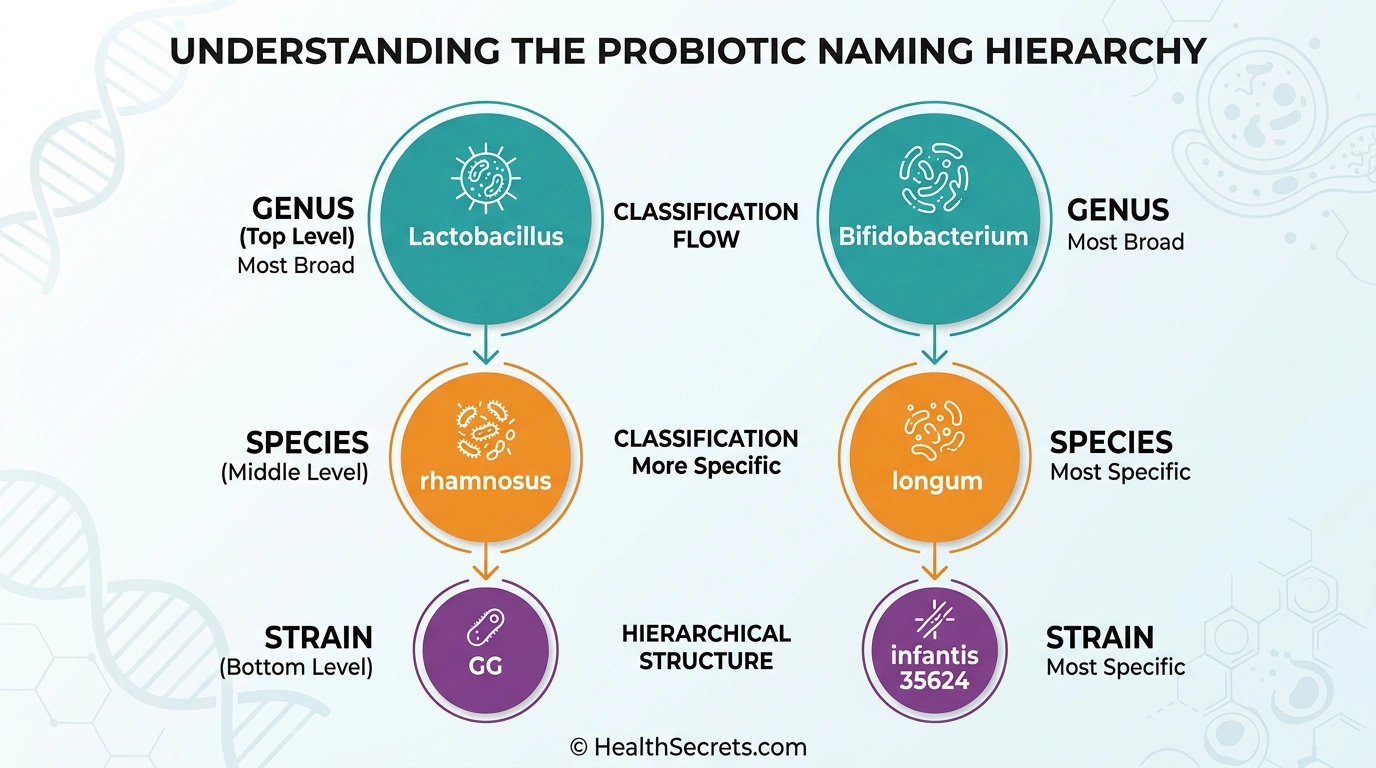
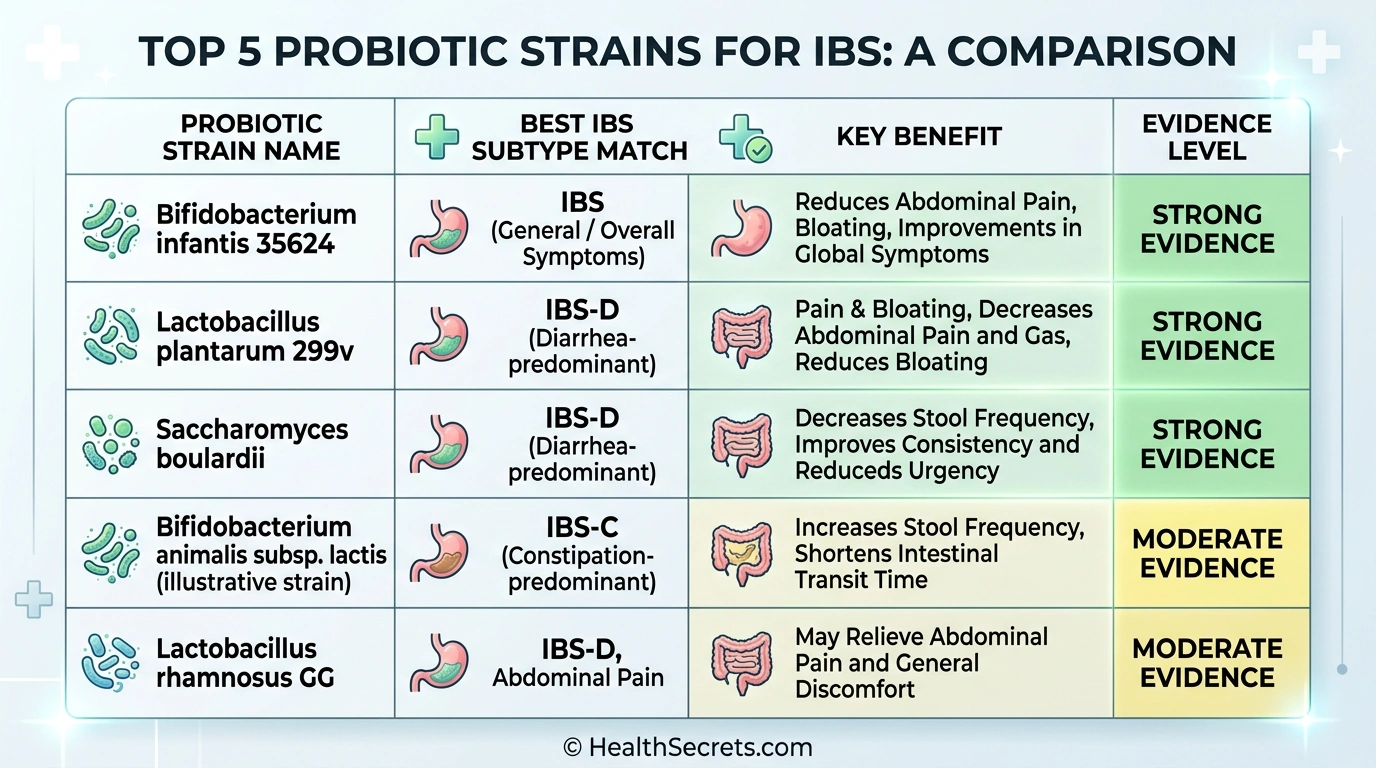
Probiotic Strains Guide: Which Strains Do What
Not all probiotics are created equal. Different probiotic strains deliver different health benefits, and understanding strain-specific effects is essential for choosing the right probiotic for your goals — whether you're targeting digestive issues, immune support, mental health, or overall gut balance.
Anti-Inflammatory Foods for Gut Health
Discover the 30 best anti-inflammatory foods that heal your gut, reduce intestinal inflammation, and support a thriving microbiome — backed by science and easy to add to your daily meals.
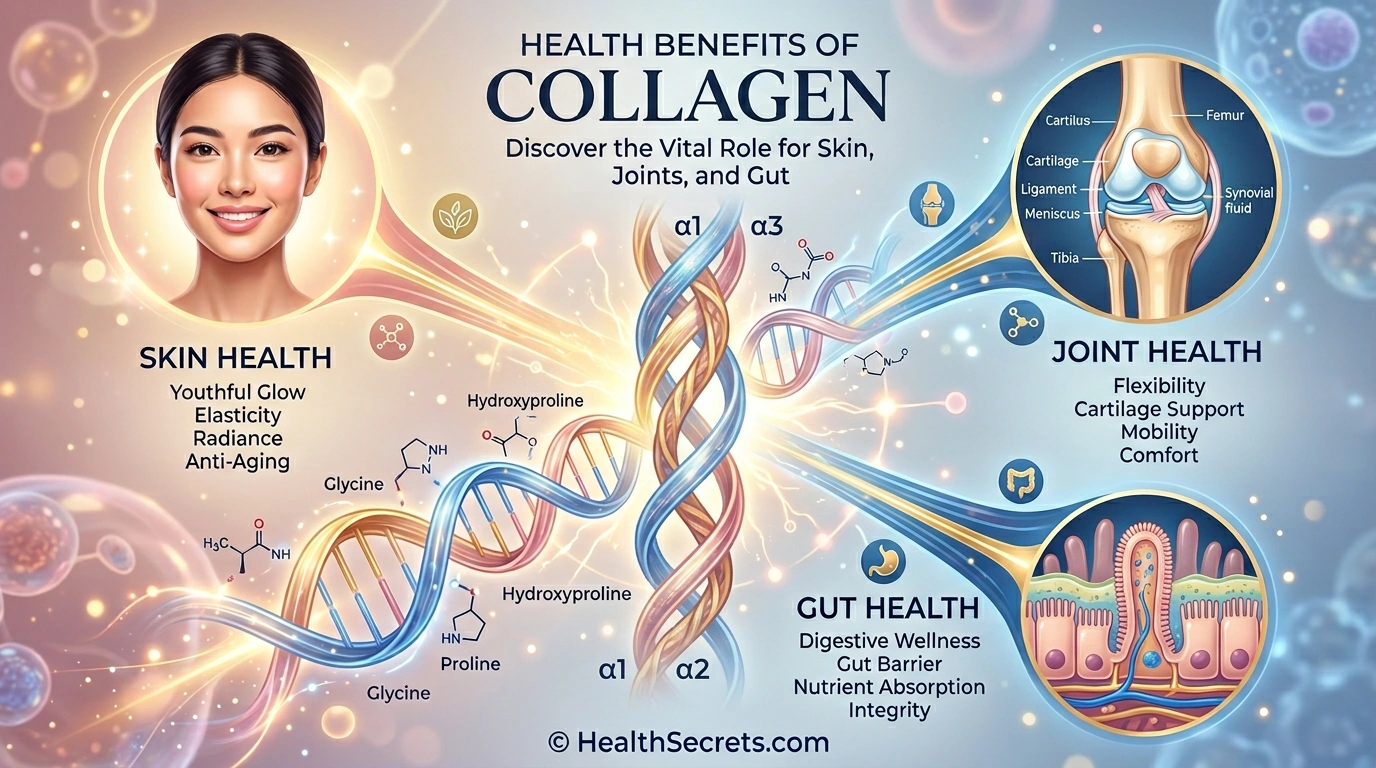
30 Gut-Healing Foods to Transform Your Microbiome
Your gut doesn't just digest food — it houses trillions of microorganisms that control your immunity, mood, and inflammation levels. These 30 science-backed gut-healing foods — organized into six powerful categories — can measurably shift your microbiome diversity and reduce inflammatory markers in just weeks.
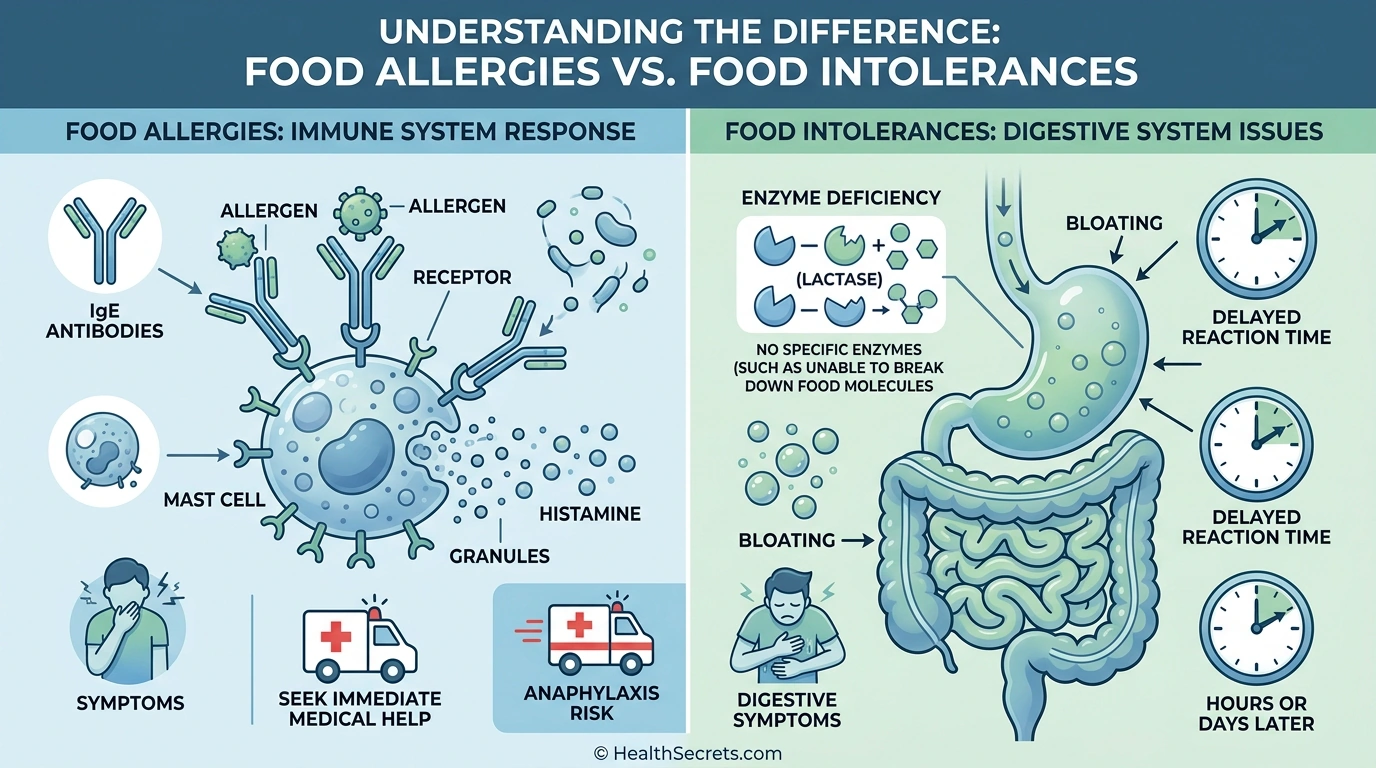
Food Intolerances vs Food Allergies: Complete Guide
Food intolerances and food allergies are frequently confused, but they involve fundamentally different biological mechanisms — one triggers the immune system, the other does not. This complete guide explains how to tell them apart, identifies the most common intolerances, and walks you through a proven elimination diet protocol to pinpoint your trigger foods.

Low FODMAP Diet: Complete Beginner's Guide
The low FODMAP diet is the most evidence-based dietary approach for managing irritable bowel syndrome (IBS), with research showing up to 86% of patients experience significant symptom relief. This complete beginner's guide walks you through the three-phase protocol — elimination, reintroduction, and personalization — so you can identify your trigger foods and build a sustainable, gut-friendly eating plan.
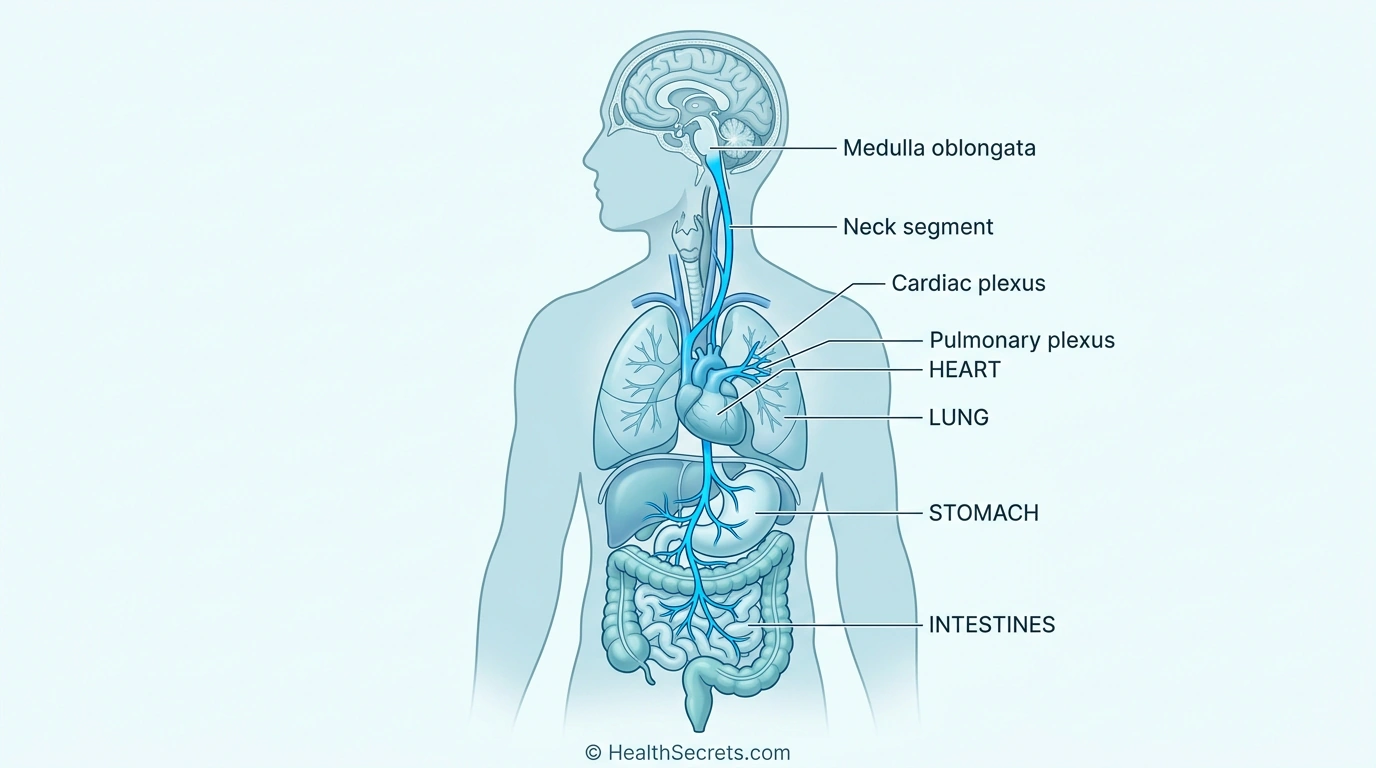
Vagus Nerve Stimulation: Natural Ways to Activate
Discover evidence-based natural vagus nerve stimulation techniques — from deep breathing and cold exposure to humming and meditation — that activate your parasympathetic nervous system, improve gut health, and build stress resilience.
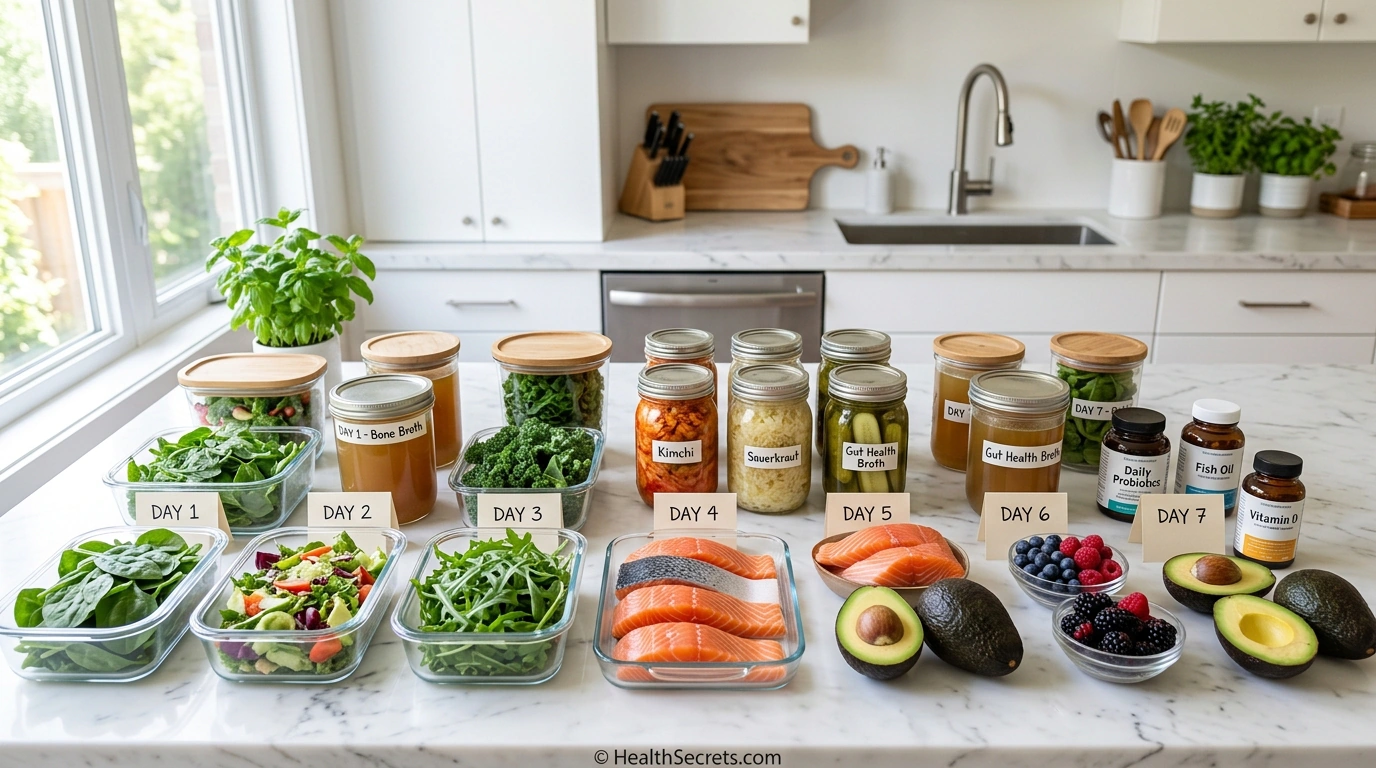
7-Day Gut Reset Protocol: Complete Step-by-Step Guide
A 7-day gut reset protocol uses strategic food elimination, gut-healing nutrients, and probiotic reintroduction to restore digestive balance, reduce inflammation, and rebuild a diverse microbiome in just one week.
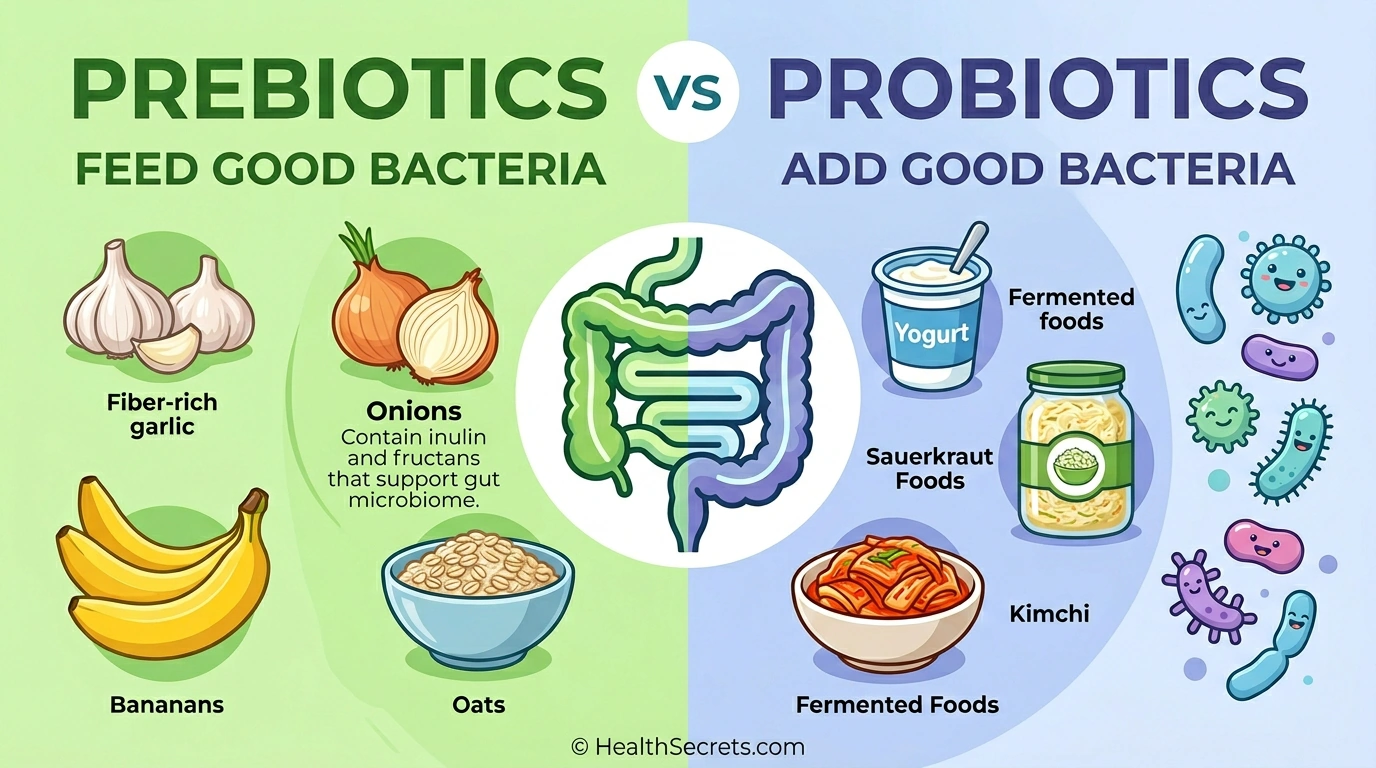
Prebiotics vs Probiotics: What’s the Difference?
Understand the key differences between prebiotics and probiotics — what they are, how they work together, the best food sources for each, and whether you should take one, the other, or both for optimal gut health.
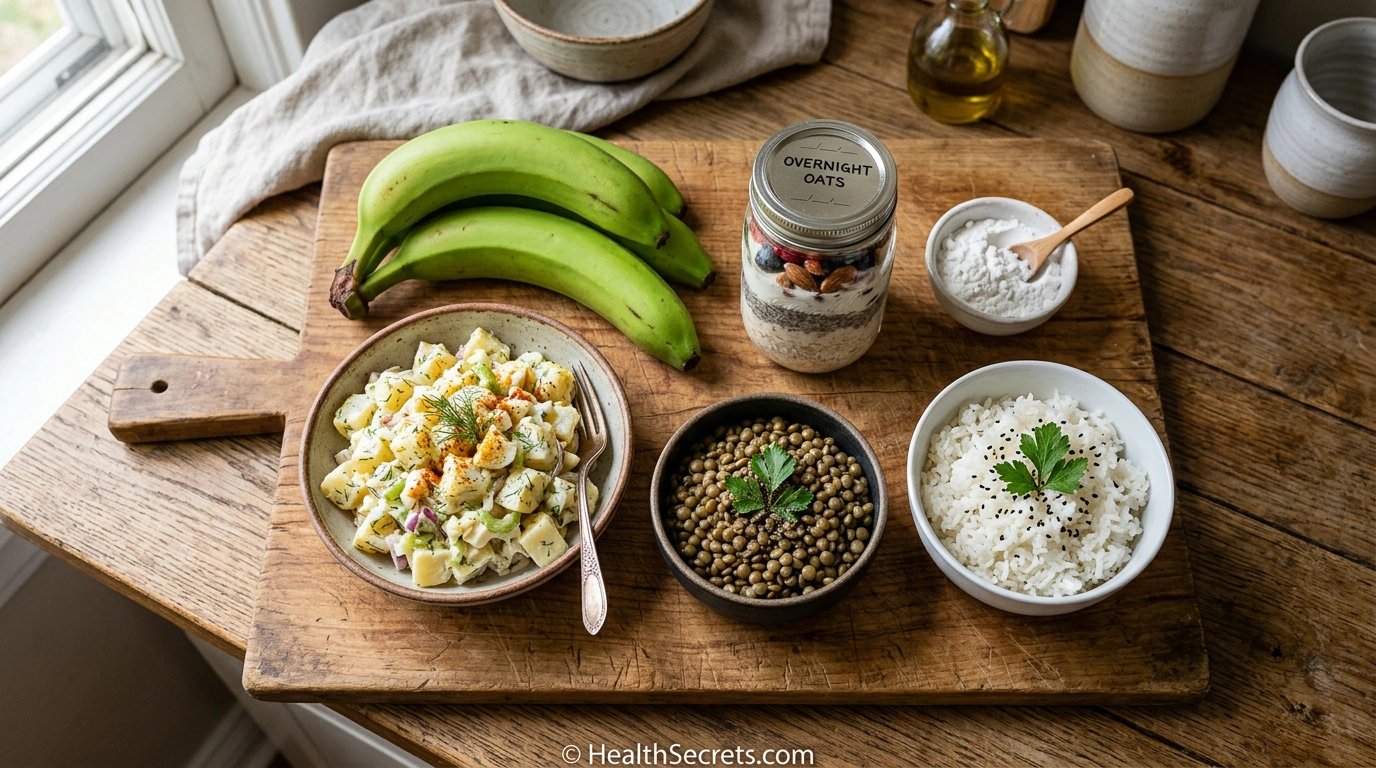
Resistant Starch: Benefits and Best Food Sources
Resistant starch is a unique type of carbohydrate that passes through your small intestine undigested, feeding beneficial gut bacteria and producing butyrate — a short-chain fatty acid critical for colon health, blood sugar regulation, and weight management. This guide explains the four types of resistant starch (RS1–RS4), their proven health benefits, and the best food sources to increase your daily intake.
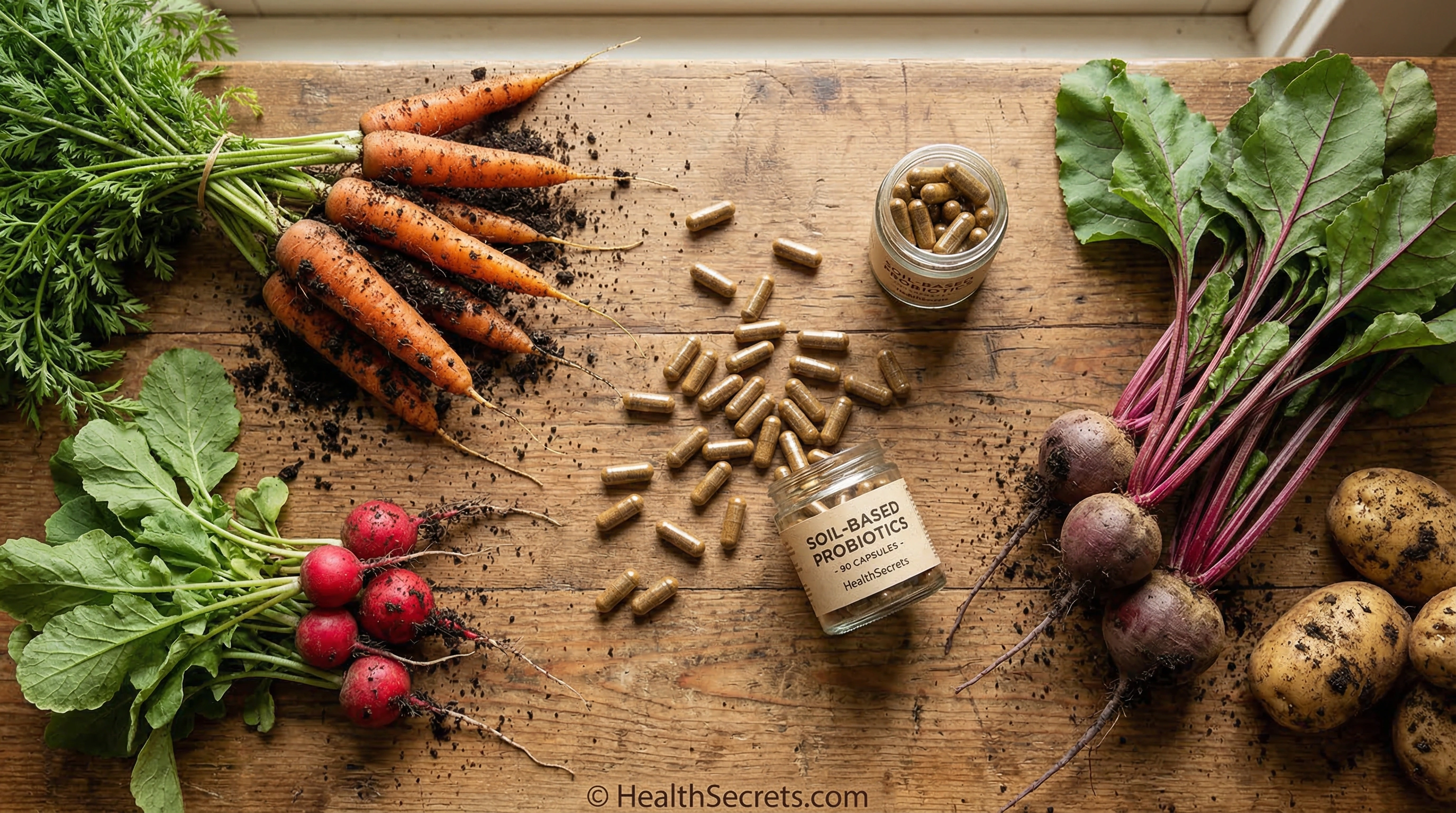
Soil-Based Probiotics: Complete Guide
Soil-based probiotics (SBOs) are spore-forming bacteria — primarily Bacillus species — that survive stomach acid far better than traditional probiotics, making them a compelling option for people with SIBO, histamine intolerance, or anyone looking for a shelf-stable, research-backed probiotic supplement.
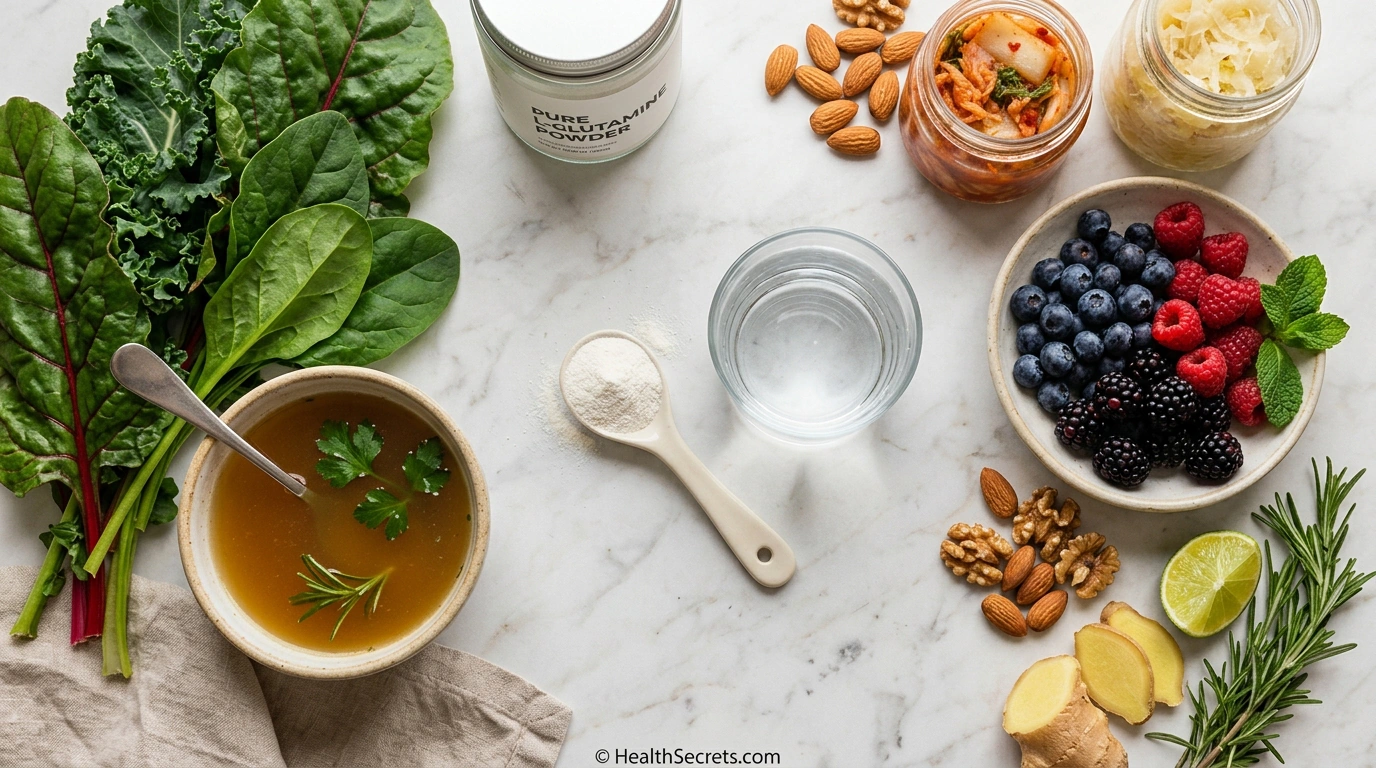
L-Glutamine for Gut Health: Complete Guide
L-glutamine is the most abundant amino acid in the human body and the primary fuel source for the cells lining your intestinal tract. This comprehensive supplement guide covers how L-glutamine supports gut barrier function, the research behind its use for leaky gut and IBS, evidence-based dosing protocols, and the best L-glutamine supplements available.
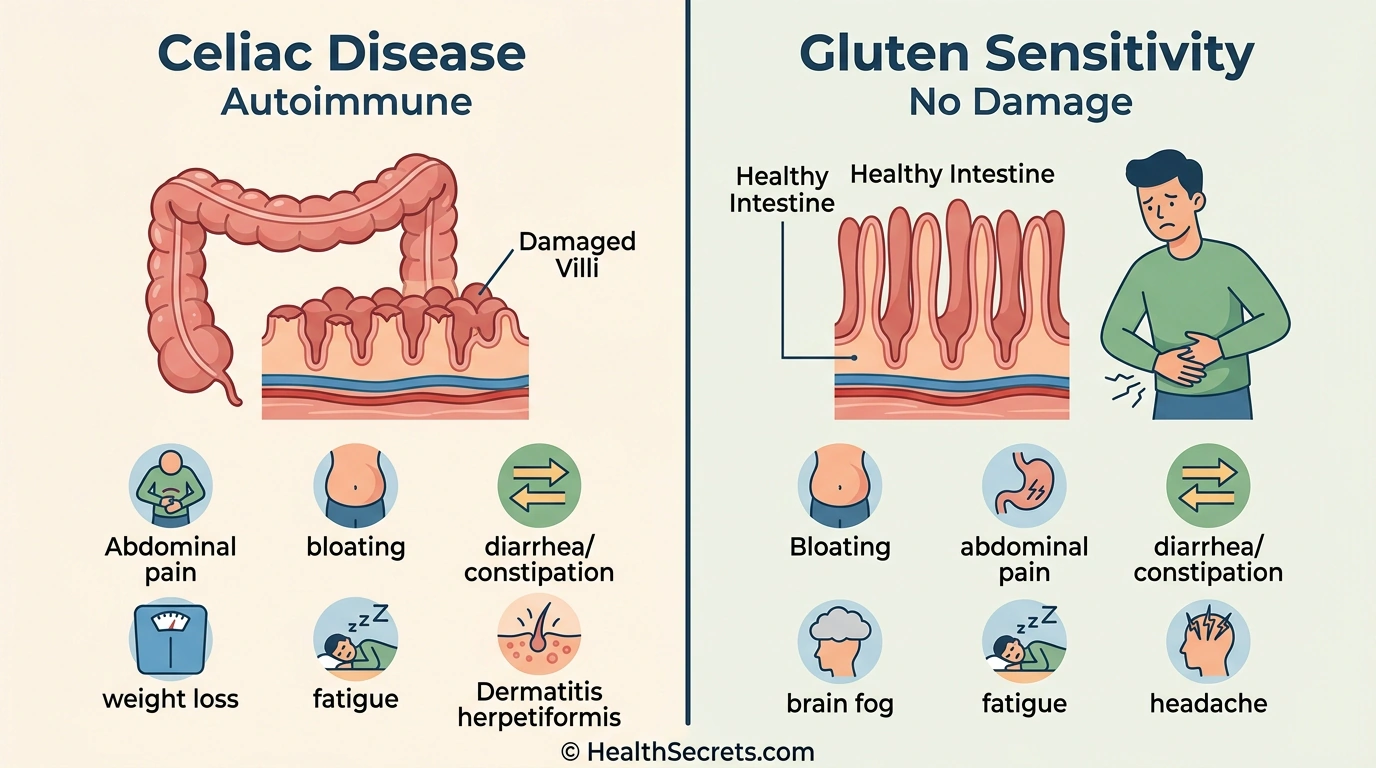
Celiac Disease vs Gluten Sensitivity: Complete Guide
Celiac disease and gluten sensitivity share similar symptoms but require very different management approaches. This complete guide explains the key differences between celiac disease, non-celiac gluten sensitivity (NCGS), and wheat allergy — including how each is diagnosed, treated, and managed for long-term health.
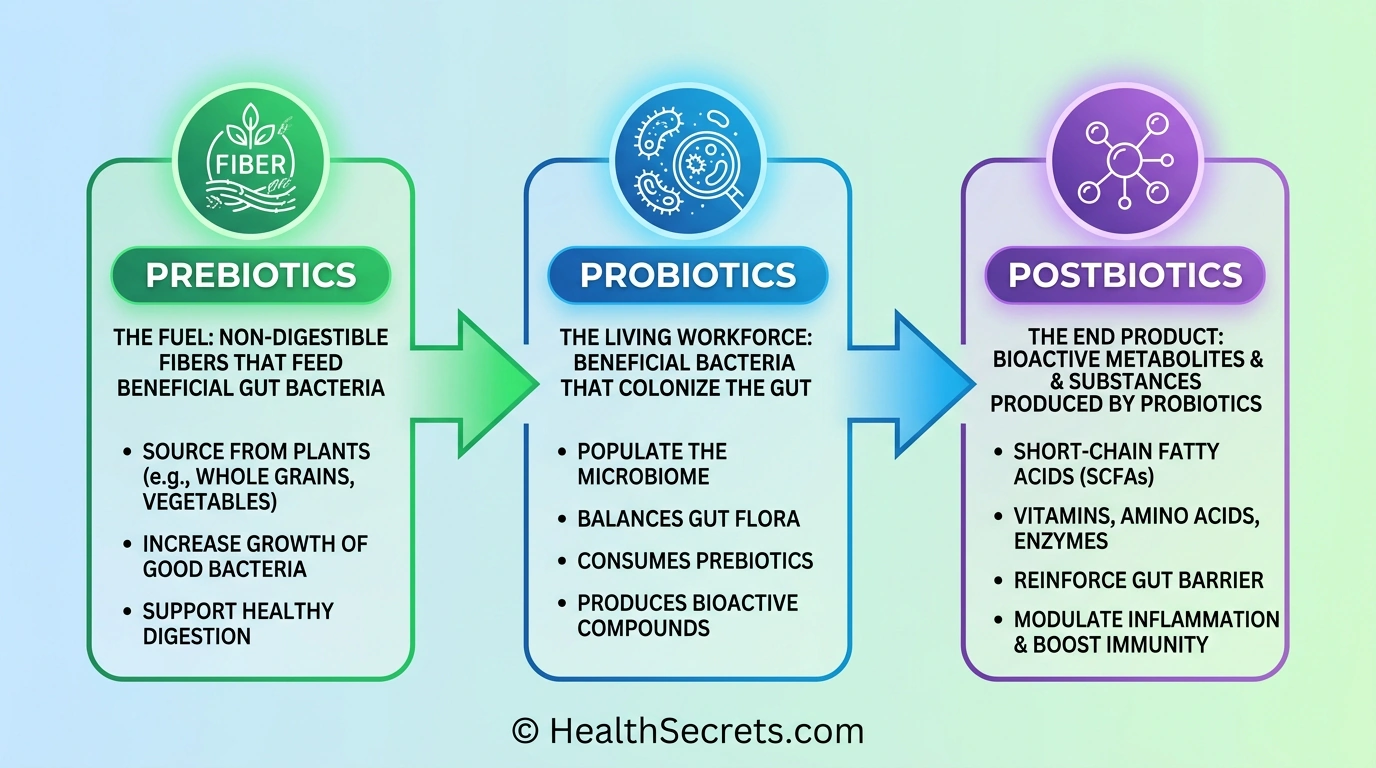
Postbiotics: The Next Frontier in Gut Health
Postbiotics are bioactive compounds produced by beneficial gut bacteria that deliver health benefits without requiring live organisms. This complete guide explains what postbiotics are, how they differ from probiotics and prebiotics, the science behind short-chain fatty acids like butyrate, and how to optimize your postbiotic production through diet, lifestyle, and targeted supplementation.
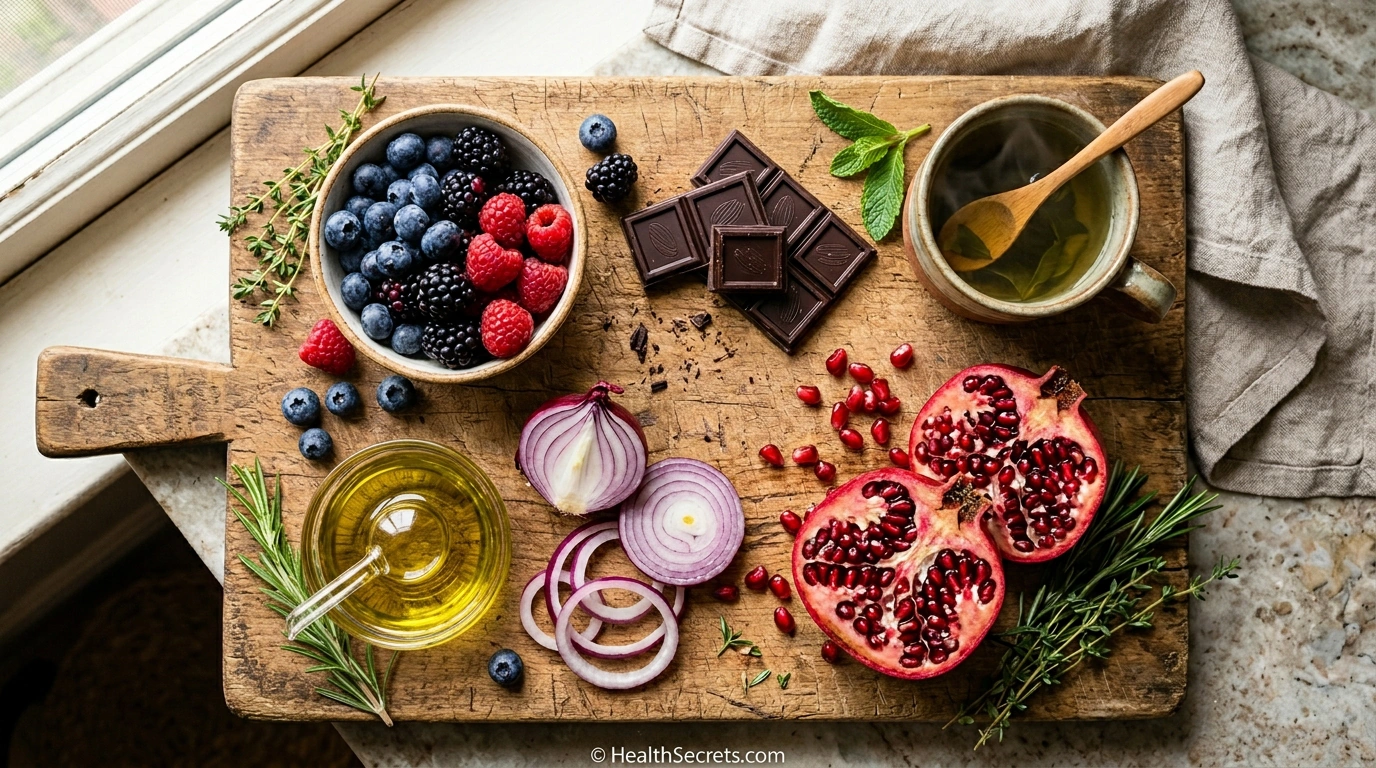
Polyphenols for Gut Health: Complete Guide
Polyphenols are powerful plant compounds that act as prebiotics in your gut, feeding beneficial bacteria like *Bifidobacterium* and *Lactobacillus* while inhibiting harmful pathogens. This evidence-based guide explains the four main polyphenol classes, how your gut bacteria transform them into bioactive metabolites, and practical strategies to boost your daily intake for better digestive health.
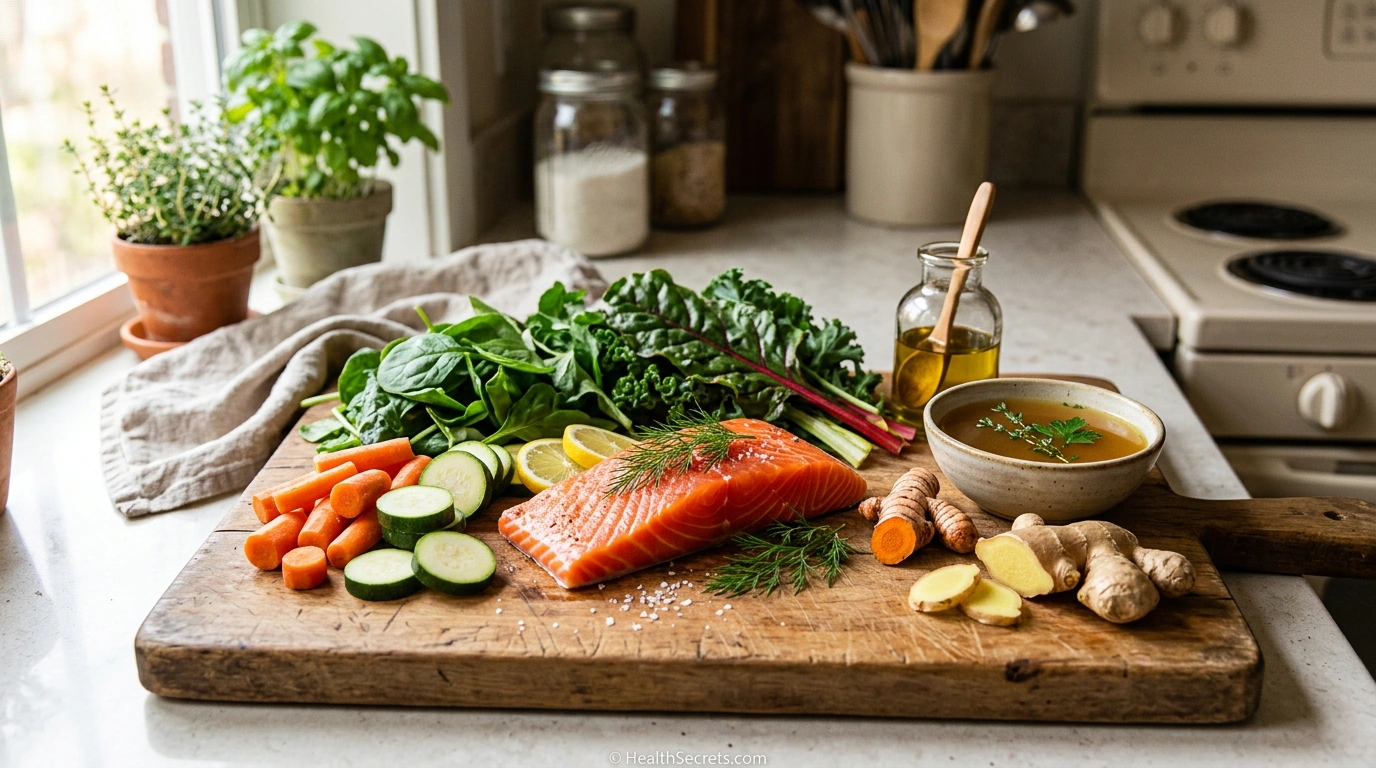
Inflammatory Bowel Disease Natural Support
Inflammatory bowel disease (IBD) affects over 3 million Americans and demands lifelong medical management. This evidence-based condition guide explores how dietary strategies, targeted supplements like curcumin and omega-3s, plus stress reduction can complement conventional treatment — helping you reduce flares, support remission, and improve quality of life.
The Complete Guide to Gut Health: Transform Your Microbiome in 30 Days
Your gut microbiome—home to 100 trillion microorganisms—influences everything from digestion and immunity to mood and metabolism. This complete guide covers the science behind gut health, practical dietary strategies, a 30-day transformation protocol, and the best products and supplements to restore your microbiome.
Stomach Ulcers Natural Treatment and Prevention
Stomach ulcers affect roughly 10% of people at some point in life, but natural approaches like DGL licorice, zinc carnosine, and mastic gum can support healing alongside medical treatment. This evidence-based guide covers causes, symptoms, proven natural remedies, and when to see a doctor.
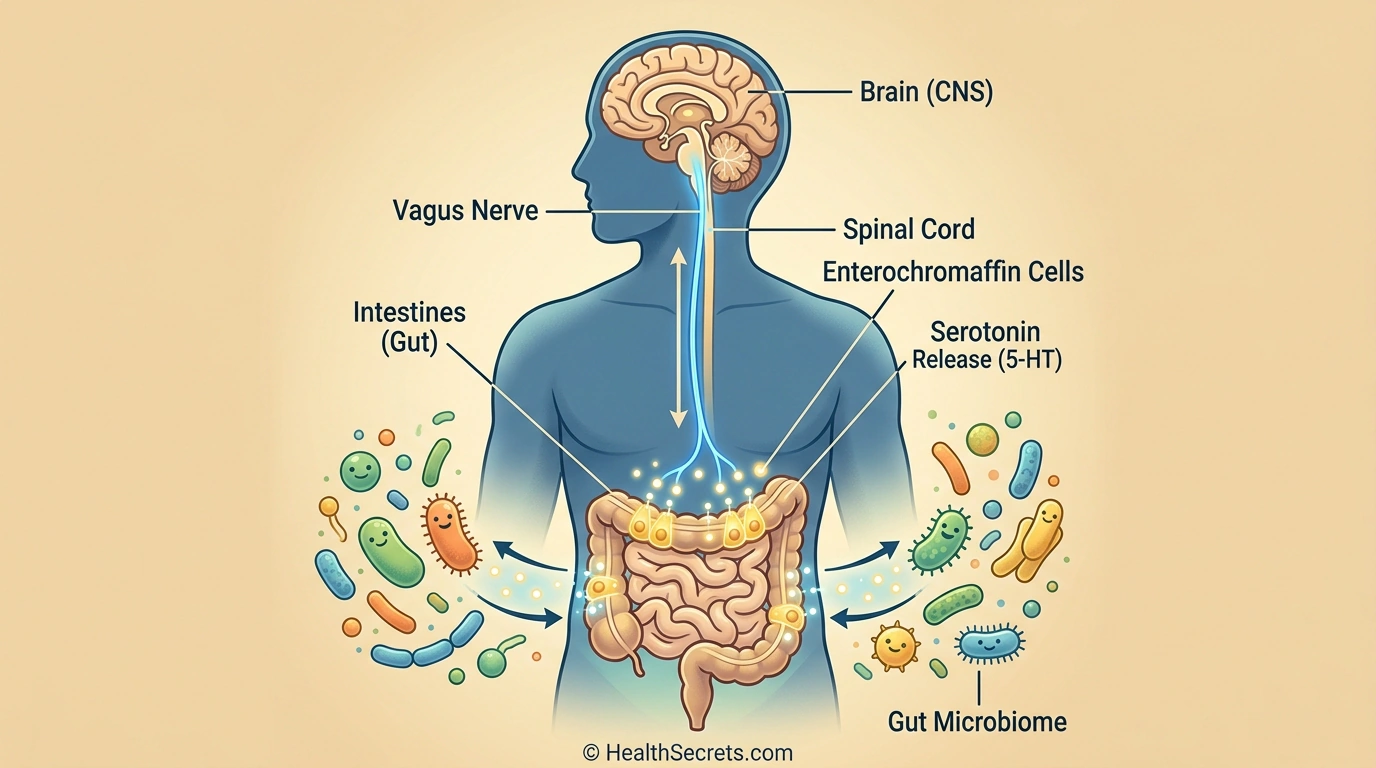
Serotonin and Gut Health: The 90% Connection
Discover why 90–95% of your body's serotonin is produced in the gut, how gut bacteria influence mood through the gut-brain axis, and practical strategies to optimize serotonin levels through diet, lifestyle, and targeted supplements.

Probiotic Foods vs Supplements: Which is Better?
Probiotic foods like yogurt and kefir deliver diverse bacterial strains with additional nutrients, while supplements offer targeted, high-dose strains for specific conditions. This guide compares effectiveness, safety, cost, and convenience to help you decide — or combine both for optimal gut health.
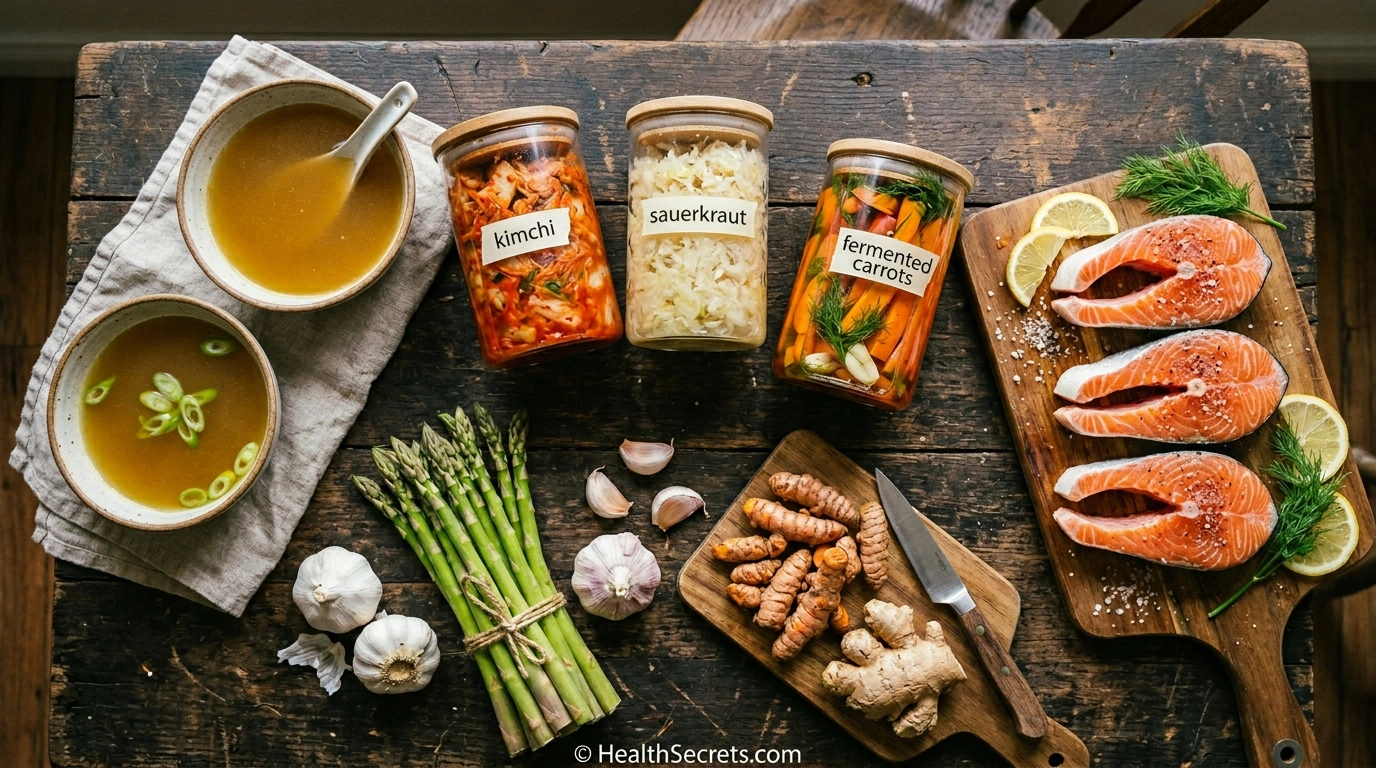
Gut-Healing Recipes: 20 Microbiome-Friendly Meals
Discover 20 science-backed gut-healing recipes including bone broth, fermented vegetables, prebiotic meals, and anti-inflammatory dinners designed to repair your intestinal lining, boost beneficial bacteria, and calm chronic inflammation for optimal microbiome health.
Understanding Gut Health: The Foundation of Whole-Body Wellness
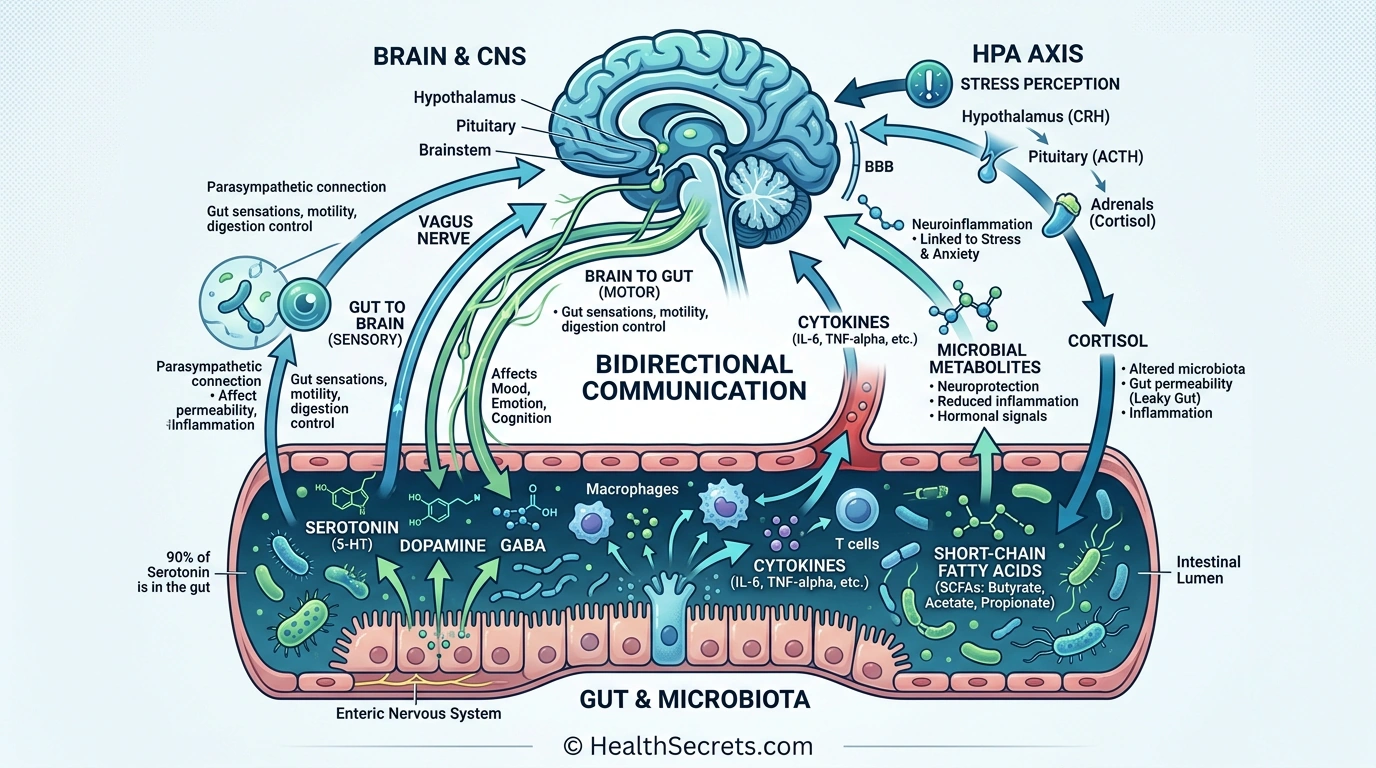
Your gut is home to roughly 38 trillion microorganisms collectively known as the gut microbiome — a living ecosystem that weighs about as much as your brain and influences nearly every system in your body. Far from being a simple digestive tube, the gastrointestinal tract houses around 70% of your immune cells and produces more than 90% of your body's serotonin, the neurotransmitter most associated with mood regulation. This is why researchers increasingly describe the gut as the body's "second brain."
The connection runs through the gut-brain axis, a bidirectional communication network linking the enteric nervous system in your digestive tract to your central nervous system via the vagus nerve, immune signaling, and microbial metabolites. When the balance of beneficial and harmful bacteria shifts — a state called dysbiosis — it has been associated in clinical research with conditions ranging from irritable bowel syndrome and inflammatory bowel disease to anxiety, depression, and metabolic disorders.
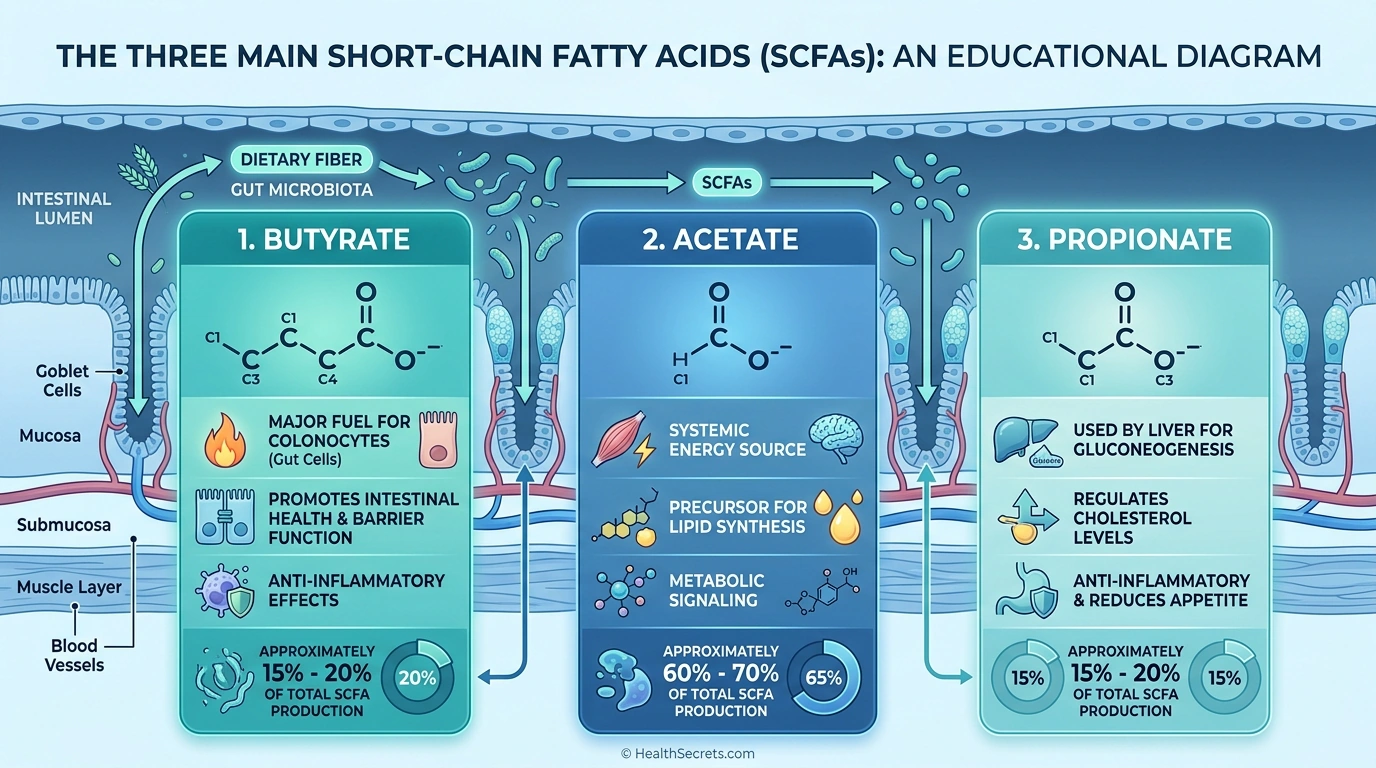
The most reliable way to support a healthy microbiome is also the simplest: eat a diverse range of plant foods. Fiber-rich foods act as prebiotics, feeding beneficial bacteria that ferment them into short-chain fatty acids like butyrate, which nourish the cells lining your colon and help maintain the gut barrier. Fermented foods such as yogurt, kefir, sauerkraut, and kimchi introduce live probiotic cultures, while polyphenol-rich foods like berries, green tea, and dark chocolate further encourage microbial diversity.
Lifestyle factors matter just as much as diet. Chronic stress, inadequate sleep, overuse of antibiotics, and a sedentary routine all reduce microbial diversity. Conversely, regular physical activity, quality sleep, and stress-management practices have measurable benefits for gut composition. Our guides below translate the latest gastroenterology and microbiome research into practical, evidence-based steps you can apply today.
This overview is for educational purposes and is not a substitute for personalized medical advice. Always consult a qualified healthcare professional before making changes to your diet, supplement, or treatment routine.