That gnawing, burning pain between your breastbone and belly button — especially on an empty stomach — is something millions of people know all too well. Stomach ulcers, also called peptic ulcers, are open sores in the lining of the stomach or upper small intestine that develop when the protective mucus layer erodes and stomach acid damages the underlying tissue. [4] [6]
The good news? Stomach ulcers are highly treatable, and natural approaches can play a meaningful complementary role alongside conventional medicine. From DGL licorice that boosts mucus production to zinc carnosine that adheres directly to ulcerated tissue, science-backed natural remedies offer real support for healing and prevention. [14] [17]
If you're looking to understand the complete picture of gut health, how gut-healing foods support recovery, or specifically how to address H. pylori naturally as a complement to antibiotics, this guide connects all the pieces.
What Are Stomach Ulcers and How Common Are They?
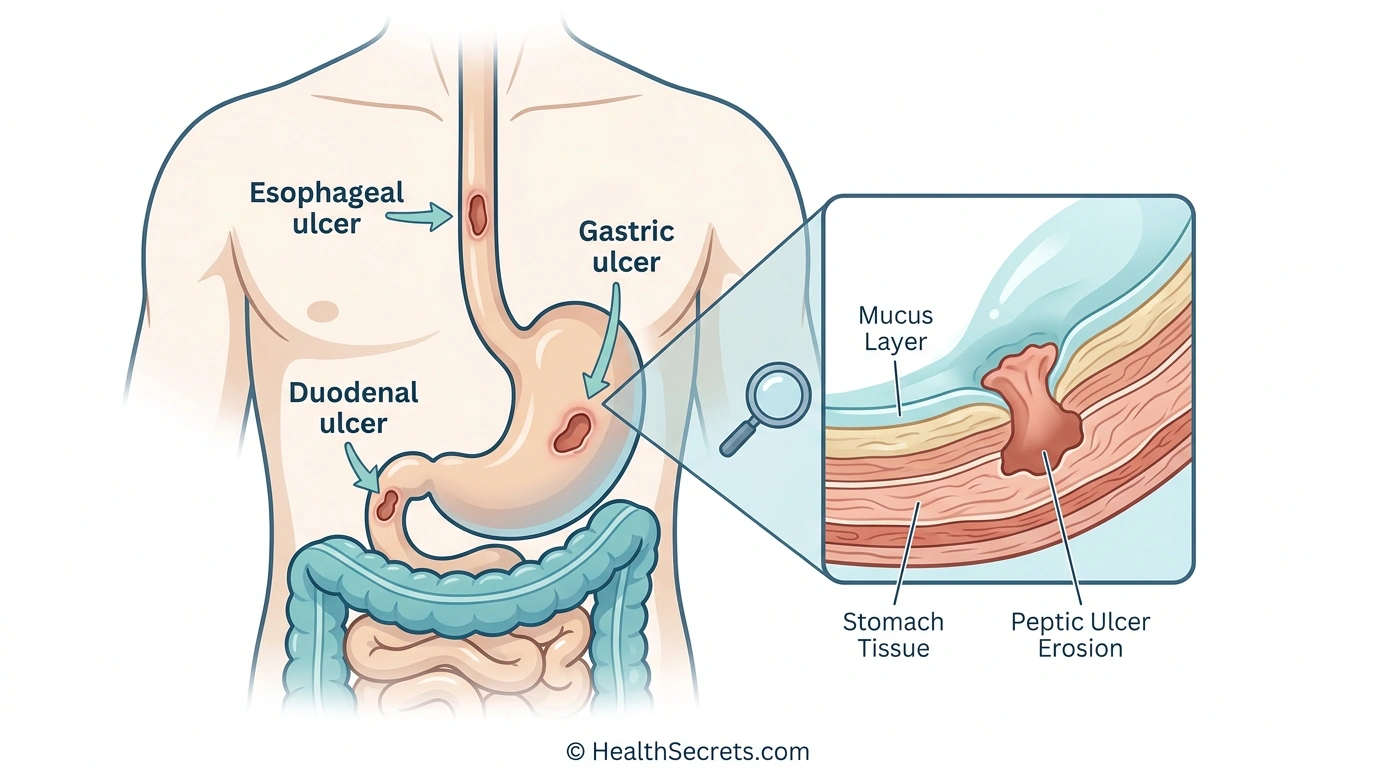
Stomach ulcers (peptic ulcers) are open sores that develop in the lining of the stomach, upper small intestine (duodenum), or esophagus when the protective mucus barrier breaks down and stomach acid erodes the underlying tissue. They affect approximately 10% of people at some point in life and are more common in adults over 60.
What Is the Difference Between Gastric and Duodenal Ulcers?
Gastric ulcers form in the stomach lining and often worsen with eating, since food stimulates acid production. Duodenal ulcers develop in the first part of the small intestine and are the more common type — they often temporarily improve after eating because food buffers the acid, but pain typically returns between meals and at night.
| Feature | Gastric Ulcers | Duodenal Ulcers |
|---|---|---|
| Location | Stomach lining | Upper small intestine |
| Pain with eating | Often worsens | Often temporarily improves |
| Worst pain timing | During and after meals | Between meals, at night |
| Primary cause | H. pylori, NSAIDs | H. pylori, NSAIDs |
| Prevalence | Less common | More common |
What Causes Stomach Ulcers?
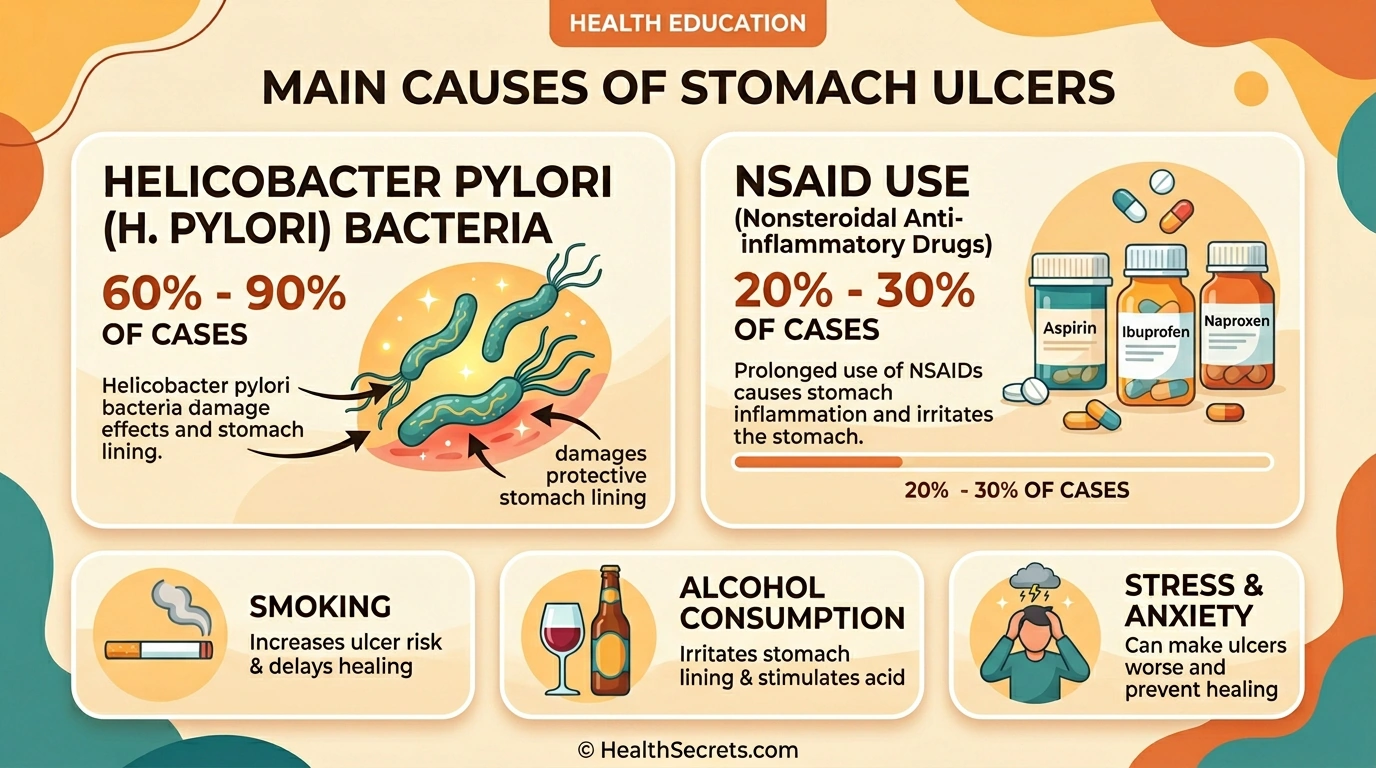
The two primary causes of stomach ulcers are Helicobacter pylori (H [1] [16] [18]. pylori) bacterial infection, responsible for 60–90% of cases, and chronic use of NSAIDs like ibuprofen and aspirin, which account for 20–30%. Contrary to popular belief, stress and spicy foods do not directly cause ulcers, though they can worsen symptoms.
How Does H. pylori Cause Ulcers?
H. pylori is a spiral-shaped bacterium that burrows into the stomach's protective mucus layer, weakening it and increasing acid production. The bacteria trigger chronic inflammation that gradually erodes the stomach lining. Remarkably, many people carry H. pylori without ever developing ulcers — other factors like genetics, diet, and immune function influence whether infection progresses to ulcer formation.
How Do NSAIDs Damage the Stomach Lining?
NSAIDs inhibit prostaglandin production — the very compounds that maintain the stomach's protective mucus layer and regulate acid secretion. Without adequate prostaglandins, the mucus barrier thins, bicarbonate production drops, and acid secretion may increase. Risk factors include long-term use, high doses, age over 60, and combining NSAIDs with corticosteroids or blood thinners.
What Other Factors Contribute to Ulcer Development?
- Smoking reduces blood flow to the stomach lining, delays healing, and increases recurrence risk
- Excessive alcohol irritates and erodes the mucosa while increasing acid production
- Severe physiological stress (ICU stays, major burns, trauma) can cause stress ulcers
- Genetics play a role — family history and blood type O slightly increase risk
- Zollinger-Ellison syndrome (rare) causes tumors that overproduce gastrin, leading to excessive acid

The One-Page Doctor Visit Agenda
A single printable sheet that prioritises three concerns, reconciles every medication and supplement, and closes with a teach-back block so nothing is lost on the walk to the car.
What Are the Symptoms of Stomach Ulcers?
The hallmark symptom is a burning, gnawing pain in the upper abdomen between the breastbone and belly button, often worse on an empty stomach. Other common symptoms include bloating, nausea, heartburn, loss of appetite, and unintended weight loss. Some ulcers are "silent" and produce no noticeable symptoms.
What Digestive Symptoms Should You Watch For?
- Burning stomach pain — the most common symptom, often between meals or at night
- Bloating and feeling of fullness even after small meals
- Nausea and occasional vomiting
- Heartburn and acid reflux
- Loss of appetite and unintended weight loss
- Intolerance to fatty or rich foods
What Are the Emergency Warning Signs?
Seek immediate medical attention if you experience:
- Vomiting blood (bright red or coffee-ground appearance)
- Black, tarry stools (melena) — a sign of internal bleeding
- Severe, sudden abdominal pain that doesn't improve
- Fainting or severe dizziness
- Signs of shock: cold, clammy skin, rapid heartbeat, confusion
These symptoms may indicate a bleeding ulcer, perforated ulcer (hole through the stomach wall), or obstruction — all of which are medical emergencies.
How Are Stomach Ulcers Diagnosed?
Diagnosis typically begins with H. pylori testing (breath test, stool antigen test, or blood antibody test) followed by upper endoscopy (EGD) if needed, which allows direct visualization and biopsy of the ulcer. It's important to get tested while still experiencing symptoms, as testing accuracy depends on timing.
What Tests Does Your Doctor Use?
- Urea breath test — most common non-invasive H. pylori test; you drink a solution and breathe into a bag
- Stool antigen test — detects H. pylori proteins in stool; highly accurate
- Blood antibody test — shows past or current infection (cannot distinguish between the two)
- Upper endoscopy (EGD) — gold standard; a camera examines the stomach lining directly and can take tissue samples
- Upper GI series — barium X-ray that outlines ulcers (less commonly used today)
- Blood tests — check for anemia from chronic bleeding
What Are the Conventional Treatment Options for Stomach Ulcers?
Conventional treatment depends on the cause. H. pylori ulcers require triple or quadruple antibiotic therapy combined with proton pump inhibitors (PPIs) for 10–14 days. NSAID-induced ulcers are treated by stopping the offending medication and using PPIs or H2 blockers to reduce acid and allow healing.
How Is H. pylori Treated?
Triple therapy typically combines two antibiotics (such as clarithromycin and amoxicillin) with a PPI like omeprazole for 10–14 days.
Quadruple therapy adds bismuth subsalicylate for resistant cases. Follow-up testing 4+ weeks after treatment is essential to confirm the bacteria have been eradicated.
What Medications Reduce Stomach Acid?
- Proton pump inhibitors (PPIs): Omeprazole, lansoprazole, esomeprazole — most effective acid reducers
- H2 receptor blockers: Famotidine — less potent but useful for milder cases
- Antacids: Provide quick symptom relief by neutralizing acid but don't heal ulcers
- Sucralfate: Coats the ulcer to protect it from acid during healing
What Natural Approaches Support Stomach Ulcer Healing?
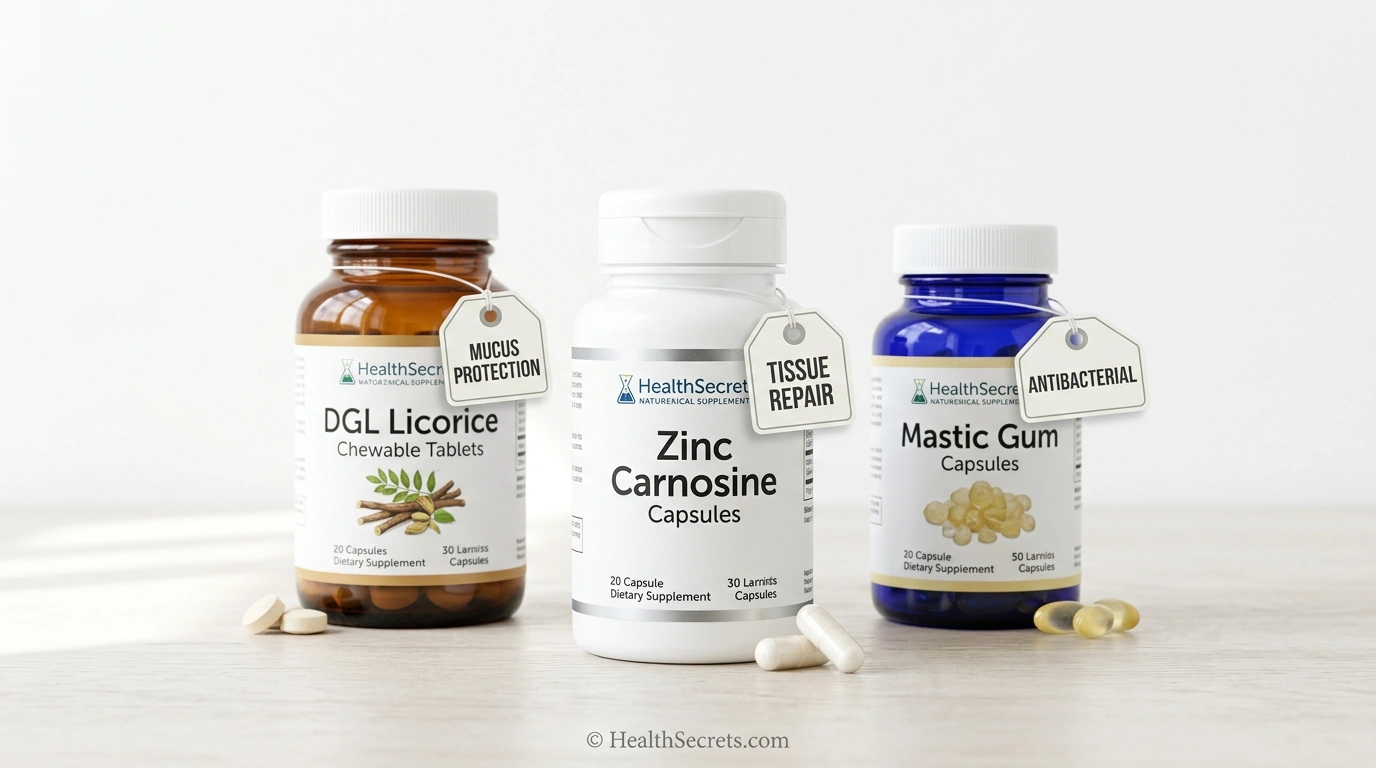
The most evidence-backed natural supplements for ulcer support include DGL licorice (which increases protective mucus production), zinc carnosine (which adheres to ulcerated tissue and promotes repair), and mastic gum (which has antibacterial activity against H. pylori). These work alongside — not instead of — conventional medical treatment.
How Does DGL Licorice Help Heal Ulcers?
Deglycyrrhizinated licorice (DGL) is licorice root with the glycyrrhizin removed to prevent side effects like high blood pressure. DGL works by stimulating mucus production, protecting the stomach lining, and exerting anti-inflammatory effects. Several studies have shown effectiveness comparable to some conventional medications. Take 380–760 mg as chewable tablets 20 minutes before meals, 2–3 times daily.
Can Zinc Carnosine Repair Stomach Lining Damage?
Zinc carnosine is a chelated compound of zinc and L-carnosine that specifically targets the stomach lining. It adheres directly to ulcerated tissue, promotes healing, provides antioxidant protection, and supports mucus production. It is approved in Japan (as Polaprezinc) for gastric ulcer treatment and has particularly strong evidence for protecting against NSAID-induced damage [15]. Take 75–150 mg twice daily on an empty stomach.
Does Mastic Gum Fight H. pylori?
Mastic gum, a resin from the mastic tree (Pistacia lentiscus), has demonstrated antibacterial activity against H. pylori in laboratory studies. As a traditional Mediterranean remedy for stomach ailments, it may help reduce H. pylori populations when used alongside antibiotic therapy. It also has anti-inflammatory properties and protects the stomach lining. Take 1–2 grams per day in divided doses for 4–8 weeks.
Which Other Natural Remedies Support Ulcer Healing?
- Probiotics — Lactobacillus, Bifidobacterium, and Saccharomyces boulardii may improve H [8]. pylori eradication rates by 10% or more when combined with antibiotics, and reduce antibiotic side effects. A 2024 umbrella review in Scientific Reports confirmed these benefits [9].
- Slippery elm — Forms a soothing gel that coats and protects the stomach lining; 400–500 mg capsules 3–4 times daily
- Aloe vera juice — Anti-inflammatory and promotes tissue healing; 100–200 mL food-grade inner leaf gel 2–3 times daily
- Cabbage juice — Rich in vitamin U (S-methylmethionine) which promotes stomach lining repair; older studies showed rapid ulcer healing with 1 liter daily
- Broccoli sprouts — Contain sulforaphane, which research suggests may inhibit H [13]. pylori growth
What Foods Help Heal Stomach Ulcers?
Healing foods to emphasize:
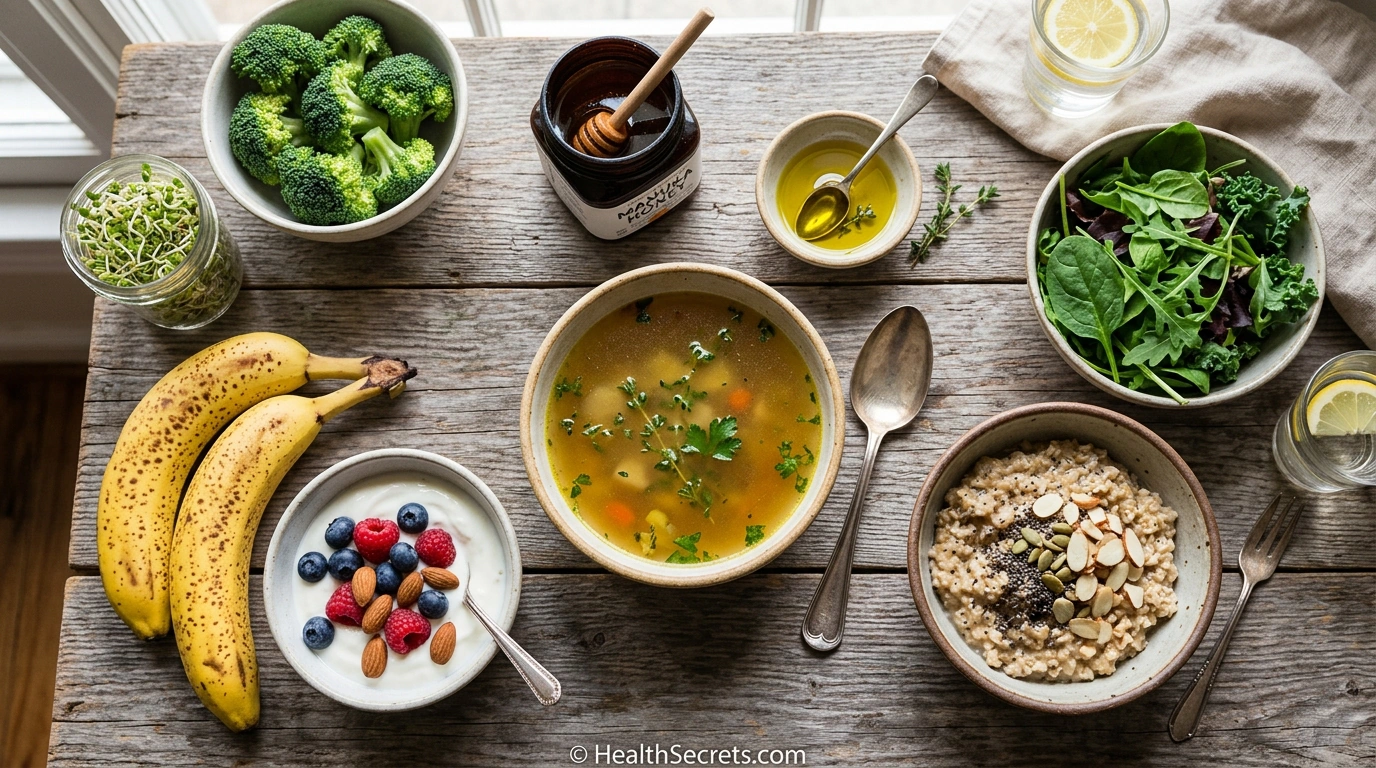
- Broccoli and broccoli sprouts — sulforaphane may inhibit H. pylori
- Manuka honey — natural antibacterial properties
- Bone broth — collagen and amino acids support tissue repair (learn more about bone broth benefits)
- Bananas — soothing, may stimulate mucus production
- Yogurt and kefir — probiotics support gut balance (explore the best probiotics)
- Leafy greens — antioxidants and fiber that may protect the stomach lining
- Olive oil — anti-inflammatory, may help inhibit H. pylori
Foods to avoid or limit:
- Alcohol — irritates stomach lining, increases acid, delays healing
- Coffee on an empty stomach — increases acid production
- Spicy foods — won't cause ulcers but may irritate existing ones
- Acidic foods (citrus, tomatoes) — may worsen pain
- Fried and fatty foods — slow digestion, increase acid
- Carbonated beverages — may increase bloating and discomfort
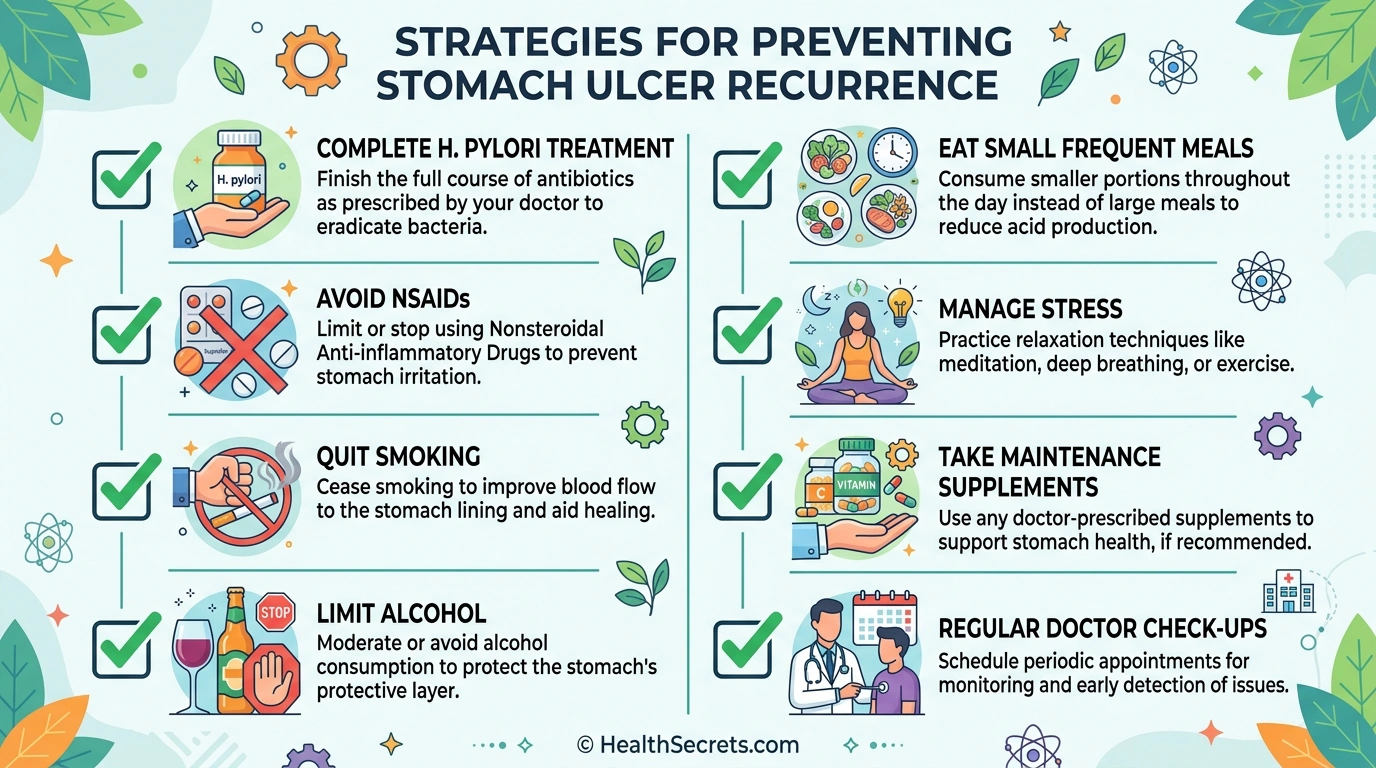
Can You Prevent Stomach Ulcers From Recurring?
Preventing ulcer recurrence centers on fully eradicating H. pylori infection (if present), avoiding or minimizing NSAID use, quitting smoking, limiting alcohol, managing stress, and maintaining a diet rich in fiber, fruits, vegetables, and probiotic foods. Maintenance supplements like DGL and zinc carnosine may provide ongoing protective benefits.
What Are the Most Effective Prevention Strategies?
- Complete H. pylori eradication — finish the full course of antibiotics and confirm with follow-up testing
- Avoid NSAIDs — use acetaminophen instead; if NSAIDs are necessary, take with food and use the lowest effective dose
- Quit smoking — smoking significantly delays healing and increases recurrence
- Limit alcohol — if you drink, do so in moderation and always with food
- Eat small, frequent meals — 5–6 smaller meals rather than 3 large ones
- Don't eat before bed — stop eating at least 2–3 hours before lying down
- Manage stress — meditation, yoga, deep breathing, and adequate sleep (7–9 hours)
- Consider maintenance supplements — DGL before meals and zinc carnosine can provide ongoing stomach lining protection
- Support overall gut health — L-glutamine and collagen support intestinal lining repair [2]
When Should You See a Doctor for Stomach Ulcers?
See a doctor if you have persistent stomach pain lasting more than a few days, unexplained weight loss, difficulty swallowing, or if over-the-counter antacids provide only temporary relief. Seek emergency care immediately for vomiting blood, black tarry stools, severe sudden abdominal pain, or signs of shock.
What Red Flags Require Immediate Medical Attention?
- Vomiting blood (bright red or coffee-ground appearance)
- Black, tarry, or bloody stools
- Severe, sudden abdominal pain that doesn't improve
- Fainting, severe dizziness, or rapid heartbeat
- Cold, clammy skin or confusion (signs of shock)
These symptoms may indicate a bleeding ulcer, perforated ulcer, or gastric obstruction — all of which are medical emergencies requiring immediate treatment.
Which Specialists Can Help?
- Gastroenterologist — primary specialist for diagnosis, endoscopy, and treatment
- Primary care physician — initial evaluation, H. pylori testing, and medication management
- Registered dietitian — personalized dietary guidance for ulcer healing
- Functional medicine practitioner — integrative approach combining conventional and natural therapies
If natural approaches don't improve symptoms within 2–4 weeks, or if symptoms worsen at any point, see your doctor promptly. Understanding the gut-brain connection can also help you manage stress-related symptom flares.
What Should You Do First If You Suspect a Stomach Ulcer?
Start by seeing your doctor for proper diagnosis — get tested for H. pylori and follow prescribed treatment if positive. While undergoing medical treatment, add evidence-based natural supports like DGL before meals, zinc carnosine between meals, and a healing-focused diet to accelerate recovery and prevent recurrence.
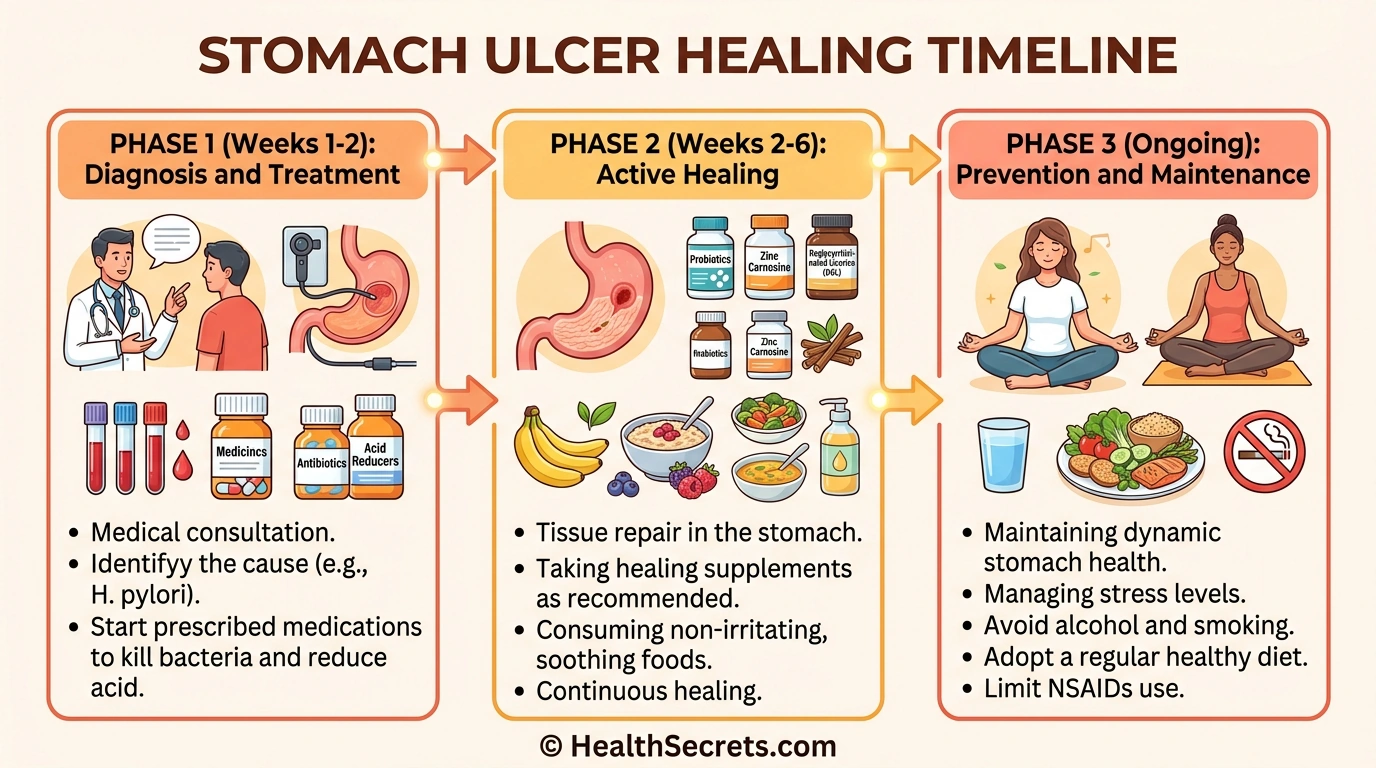
Phase 1: Diagnosis and Treatment (Weeks 1–2)
- See your doctor for H. pylori testing and evaluation
- Follow prescribed antibiotic and PPI therapy if H. pylori positive
- Begin DGL licorice (380–760 mg) 20 minutes before each meal
- Start zinc carnosine (75 mg) twice daily between meals
- Eliminate alcohol, smoking, and unnecessary NSAIDs
Phase 2: Active Healing (Weeks 2–6)
- Add probiotics (Lactobacillus + S. boulardii) to support antibiotic therapy
- Follow an ulcer-healing diet: small frequent meals, emphasis on fiber, broccoli, honey, yogurt
- Consider mastic gum (1 g twice daily) for additional H. pylori support
- Practice stress management: 10–20 minutes daily meditation or deep breathing
- Confirm H. pylori eradication with follow-up testing (4+ weeks after antibiotics)
Phase 3: Prevention and Maintenance (Ongoing)
- Continue DGL before meals and zinc carnosine as maintenance
- Maintain anti-inflammatory diet with plenty of fiber and probiotic foods
- Avoid NSAIDs or use protective measures if necessary
- Support overall gut health with anti-inflammatory foods and stress management
- Schedule regular check-ups with your gastroenterologist