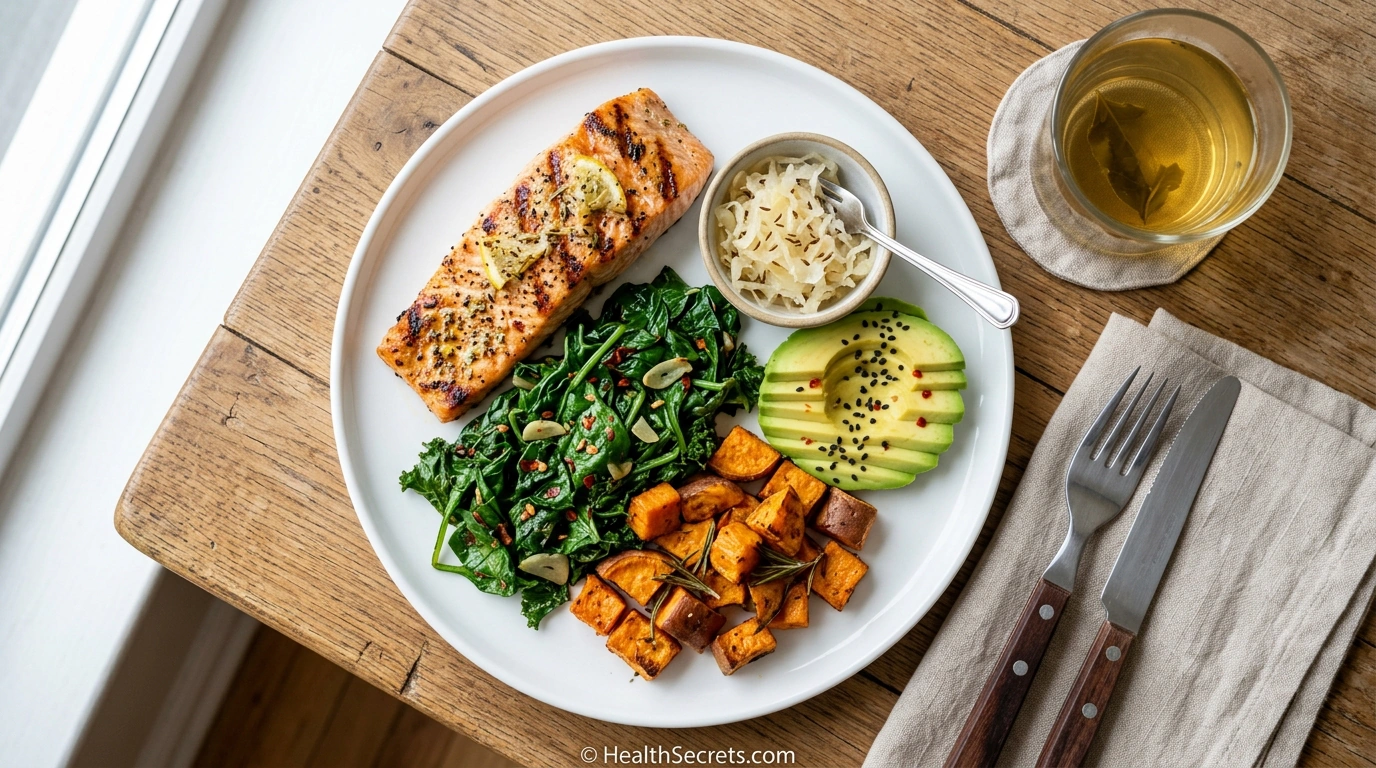
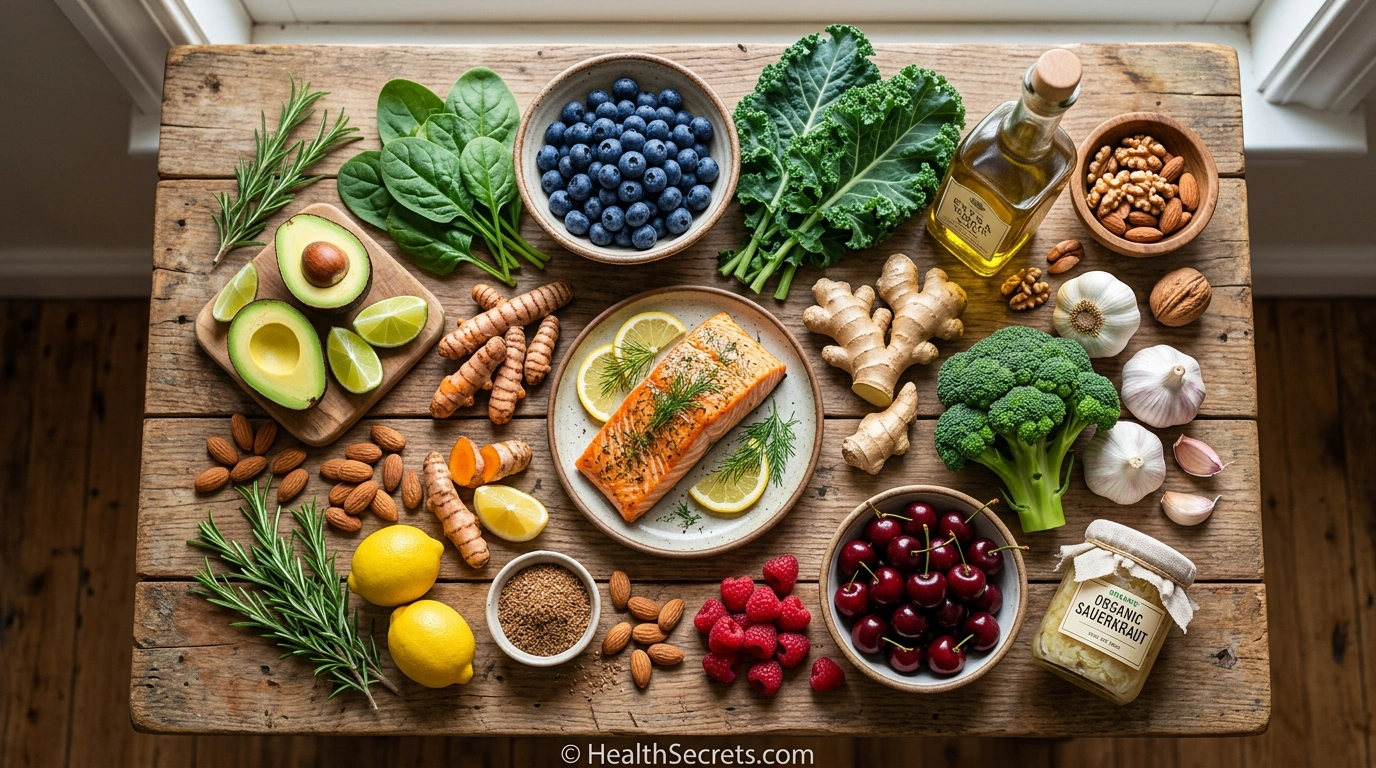
If your gut feels like a battleground — bloating after meals, cramping that comes and goes, food sensitivities that seem to multiply — chronic inflammation may be the hidden driver. The foods on your plate can either fuel that fire or help extinguish it. Research from Harvard Medical School and the National Institutes of Health consistently shows that specific anti-inflammatory compounds in whole foods can calm intestinal inflammation, repair the gut lining, and shift your microbiome toward a healthier balance [1]. [2]
The good news? You don't need expensive supplements or a complicated protocol to start. The 30 foods in this guide are available at any grocery store, and many of them deliver results you can feel within weeks. Whether you're managing IBS, recovering from leaky gut syndrome, or simply want to protect your digestive health long-term, these foods form the foundation of a gut-healing diet. [4] [9]
For a comprehensive overview of digestive wellness, see our complete guide to gut health. If you're specifically interested in fermented foods or prebiotic-rich foods, we have dedicated guides for those as well.
How Did We Choose These 30 Anti-Inflammatory Foods for Gut Health?
We selected these 30 foods based on four evidence-based criteria: published research demonstrating anti-inflammatory activity in the gut, the presence of specific bioactive compounds (polyphenols, omega-3s, fiber, or probiotics), practical availability at standard grocery stores, and versatility in everyday cooking. Each food earned its place through peer-reviewed studies — not trends or marketing claims.
Our selection process prioritized foods with multiple mechanisms of action. For example, a food that reduces inflammatory cytokines and feeds beneficial bacteria scored higher than one with a single benefit. We also weighted gut-specific research over general anti-inflammatory evidence, since some foods that reduce systemic inflammation don't directly benefit the intestinal environment.
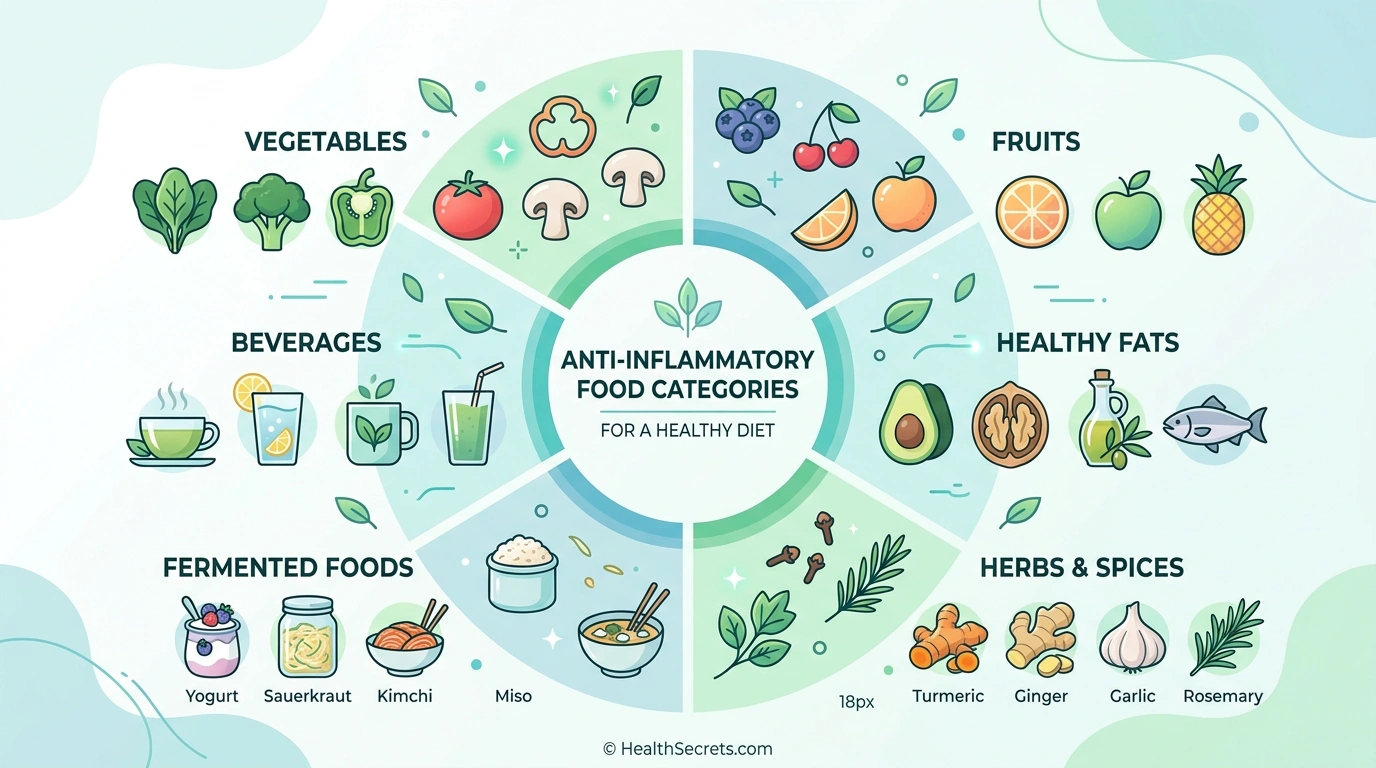
The foods are organized into six categories — vegetables, fruits, healthy fats, herbs and spices, fermented foods, and beverages — so you can easily build balanced, anti-inflammatory meals. Each entry includes the specific anti-inflammatory compounds, evidence-based serving sizes, and practical tips for incorporating it into your diet.

The Low-FODMAP Cheat Sheet
A green / amber / red FODMAP food map with portion sizes, a symptom baseline and a fillable reintroduction log that adds up your scores, so you can see which foods suit you.
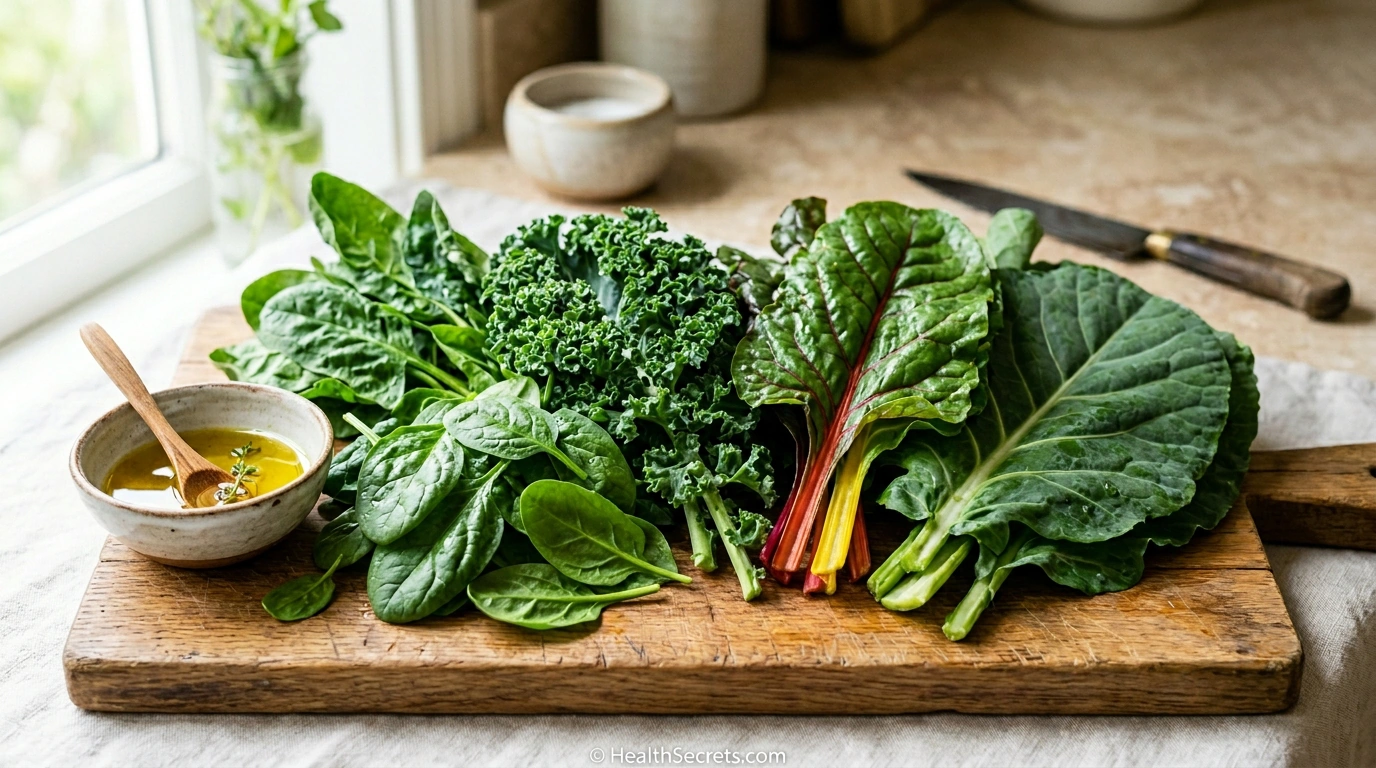
1. Leafy Greens: Why Are Spinach, Kale, and Swiss Chard Essential for Gut Inflammation?
Leafy greens are foundational anti-inflammatory foods because they deliver fiber, antioxidants, and a unique sugar called sulfoquinovose that specifically feeds protective gut bacteria. Research from Johns Hopkins shows that eating leafy greens regularly helps develop an ideal gut microbiome by fueling the growth of healthy bacterial populations [10] [11].
- Key anti-inflammatory compounds: Chlorophyll, carotenoids (lutein, zeaxanthin), flavonoids, vitamin K, folate, and sulfoquinovose.
- How to use: Add 2–3 cups daily through smoothies, salads, sautéed sides, or stirred into soups. Cooking breaks down cell walls and increases bioavailability of some nutrients, while raw preparations preserve heat-sensitive compounds like vitamin C [7].
- Best choices: Spinach (mildest flavor, most versatile), kale (highest nutrient density), Swiss chard (rich in magnesium), collard greens (excellent fiber content).
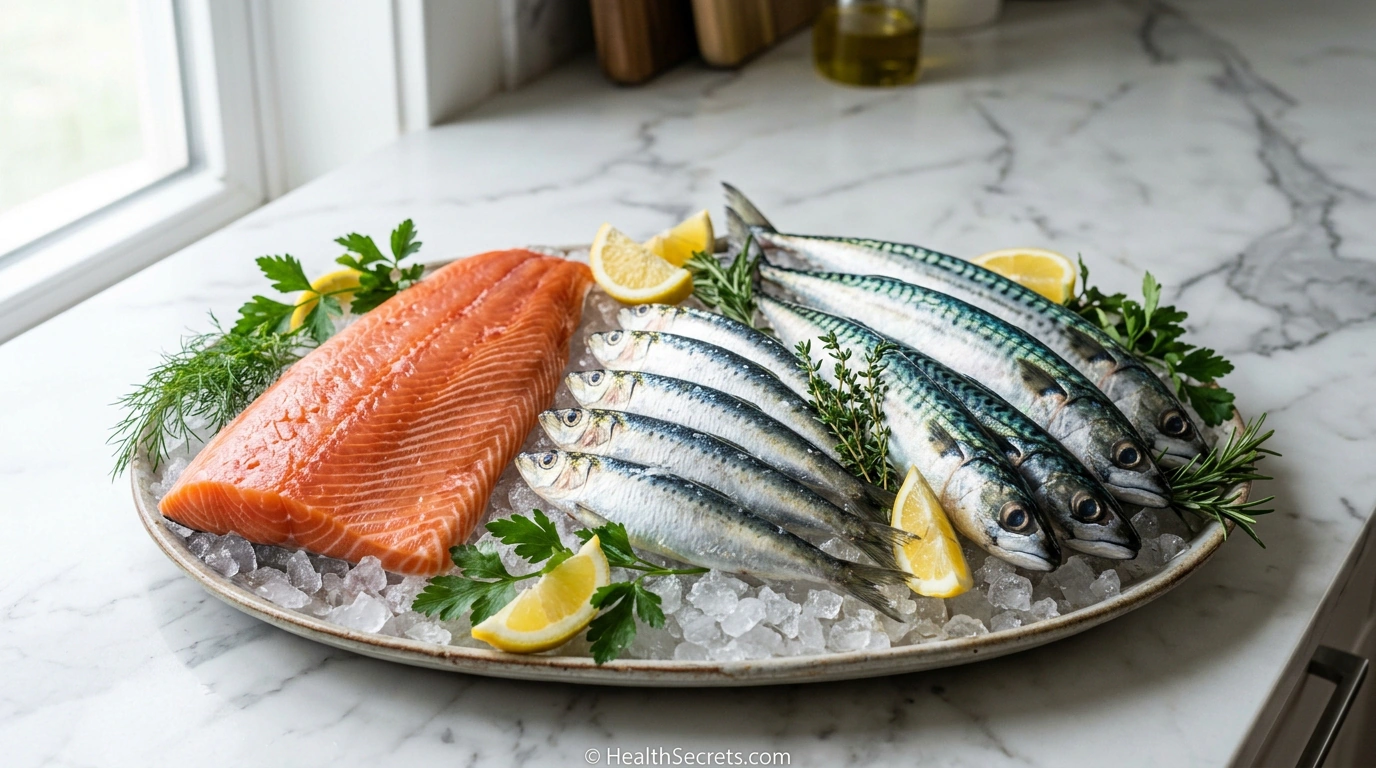
2. Wild-Caught Fatty Fish: How Do Omega-3s From Salmon and Sardines Reduce Gut Inflammation?
Wild-caught fatty fish provide EPA and DHA omega-3 fatty acids — the most potent natural anti-inflammatory compounds available through diet [3]. A 2026 review in Frontiers in Nutrition confirmed that omega-3 PUFAs significantly influence gut microbiota composition, modulate metabolite production, and strengthen the intestinal mucus barrier when consumed as part of a balanced diet [14].
- Key anti-inflammatory compounds: EPA, DHA, astaxanthin (in salmon), vitamin D, selenium.
- How to use: Aim for 3–4 ounces of fatty fish 2–3 times per week. Baking, grilling, or poaching preserves omega-3 content better than frying. Canned sardines and wild salmon are affordable, convenient options.
- Best choices: Wild Alaskan salmon, sardines, mackerel, anchovies, and herring. Farmed fish contains fewer omega-3s and more omega-6s, which can promote inflammation.
3. Blueberries: What Makes Blueberries a Powerhouse Against Intestinal Inflammation?
Blueberries contain one of the highest concentrations of anthocyanins among common fruits — polyphenols that act as both antioxidants and prebiotics in the gut. A 2024 review in PMC found that polyphenol-rich whole foods like blueberries were more effective than purified extracts at lowering IL-6 and C-reactive protein levels, suggesting the whole food matrix creates synergistic anti-inflammatory effects.
Key anti-inflammatory compounds: Anthocyanins, pterostilbene, quercetin, vitamin C, dietary fiber.
How to use: Eat ½–1 cup daily, fresh or frozen (frozen berries retain full nutrient content). Add to smoothies, oatmeal, yogurt, or eat as a snack. Avoid cooking at high temperatures, which degrades anthocyanins.
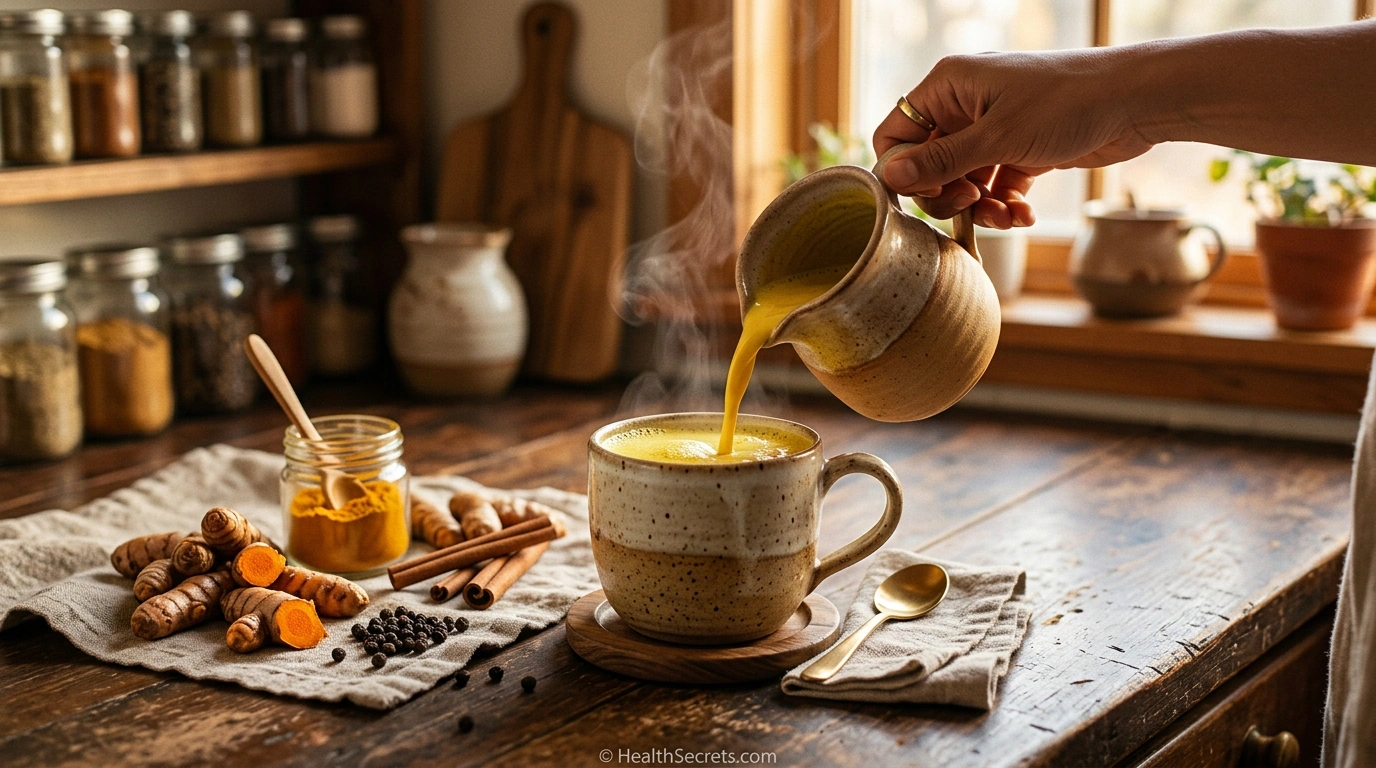
4. Turmeric: How Does Curcumin Fight Gut Inflammation at the Cellular Level?
Turmeric's active compound curcumin is one of the most extensively studied natural anti-inflammatories [8]. An umbrella meta-analysis of randomized clinical trials (5,870 participants) found that curcumin supplementation significantly decreased C-reactive protein, IL-6, and TNF-α — three key markers of gut and systemic inflammation [6] [12]. A 2026 randomized controlled trial also showed that curcumin increased beneficial butyrogenic bacteria (Faecalibacterium prausnitzii) in the gut [15].
Key anti-inflammatory compounds: Curcumin, turmerone, demethoxycurcumin.
How to use: Consume 1–2 teaspoons daily in golden milk, curries, smoothies, or scrambled eggs. Always combine with black pepper (piperine increases curcumin absorption by up to 2,000%) and a fat source for optimal bioavailability.
5. Extra Virgin Olive Oil: Why Is EVOO Compared to Ibuprofen for Inflammation?
Extra virgin olive oil contains oleocanthal, a phenolic compound that inhibits the same inflammatory enzymes (COX-1 and COX-2) as ibuprofen. Research shows that EVOO's polyphenol content supports gut microbiome diversity and reduces intestinal inflammatory markers when consumed as a primary dietary fat.
Key anti-inflammatory compounds: Oleocanthal, oleuropein, hydroxytyrosol, oleic acid.
How to use: Use 1–2 tablespoons daily as a salad dressing base, drizzled over cooked vegetables, or for low-to-medium heat cooking. Choose cold-pressed, extra virgin varieties in dark glass bottles — refined olive oil has significantly fewer anti-inflammatory compounds.
6. Ginger: How Does Ginger Soothe an Inflamed Digestive Tract?
Ginger has been used for digestive complaints for thousands of years, and modern research validates its anti-inflammatory and prokinetic effects. Gingerols and shogaols inhibit prostaglandin synthesis and reduce gut inflammation while also promoting healthy digestive motility — making ginger uniquely beneficial for both inflammation and sluggish digestion.
Key anti-inflammatory compounds: Gingerols, shogaols, paradols, zingerone.
How to use: Consume 1–2 teaspoons of fresh grated ginger or ¼ teaspoon of powder daily. Add to teas, stir-fries, smoothies, salad dressings, or soups. Fresh ginger is more potent than dried for digestive benefits.
7. Sauerkraut: Why Is Raw Sauerkraut a Dual-Action Gut Healer?
Raw, unpasteurized sauerkraut delivers a one-two punch: live probiotic bacteria that colonize the gut and glucosinolates from cabbage that have direct anti-inflammatory effects. Stanford's landmark 2021 clinical trial found that a diet high in fermented foods like sauerkraut increased microbiome diversity and decreased 19 inflammatory proteins over just 10 weeks.
Key anti-inflammatory compounds: Lactobacillus probiotics, glucosinolates, vitamin C, fiber.
How to use: Eat 2–4 tablespoons daily as a side dish or topping. Never heat sauerkraut above 115°F — high temperatures kill the beneficial bacteria. Look for refrigerated varieties labeled "raw" or "unpasteurized."
8. Avocado: What Makes Avocado Uniquely Anti-Inflammatory for the Gut?
Avocados provide a rare combination of anti-inflammatory monounsaturated fats, soluble fiber, and carotenoids that work synergistically to calm intestinal inflammation. Their oleic acid content supports the growth of beneficial Faecalibacterium bacteria — the same butyrate-producing species linked to reduced gut inflammation.
Key anti-inflammatory compounds: Oleic acid, lutein, zeaxanthin, vitamin E, glutathione, fiber.
How to use: Eat ½–1 avocado daily in salads, smoothies, on toast, or as a healthy fat addition to any meal. The fat content also enhances absorption of fat-soluble anti-inflammatory compounds from other foods in the same meal.
9. Broccoli and Cruciferous Vegetables: How Does Sulforaphane Protect the Gut Lining?
Broccoli and its cruciferous relatives (cauliflower, Brussels sprouts, cabbage) contain sulforaphane — a compound that activates the Nrf2 pathway, one of the body's most powerful cellular defense mechanisms against inflammation. Sulforaphane also strengthens tight junctions in the gut lining, directly addressing intestinal permeability.
Key anti-inflammatory compounds: Sulforaphane, glucosinolates, indole-3-carbinol, vitamin C, fiber.
How to use: Eat 1–2 cups daily, steamed or lightly roasted for best sulforaphane retention. Raw broccoli sprouts contain 10–100 times more sulforaphane than mature broccoli. If you experience gas, start with ½ cup and increase gradually as your gut adapts.
10. Garlic: Why Is Garlic Considered a Natural Antibiotic for the Gut?
Garlic's allicin compound provides both antimicrobial and anti-inflammatory effects in the gut. It selectively inhibits harmful bacteria while supporting beneficial species — functioning as a natural prebiotic that shapes the microbiome toward an anti-inflammatory profile.
Key anti-inflammatory compounds: Allicin, diallyl disulfide, S-allyl cysteine, fructooligosaccharides (prebiotic).
How to use: Eat 1–2 cloves daily. Crush or chop garlic and let it sit for 10 minutes before cooking — this activates the enzyme alliinase, which produces allicin. Raw garlic is most potent, but cooked garlic still provides significant benefits.
11. Sweet Potatoes: How Do Sweet Potatoes Support Gut Lining Repair?
Sweet potatoes are gentle on the digestive system and packed with beta-carotene, which the body converts to vitamin A — a nutrient essential for maintaining the integrity of the intestinal mucosal barrier. Their soluble fiber feeds beneficial bacteria that produce butyrate, the primary fuel source for colon cells.
Key anti-inflammatory compounds: Beta-carotene, anthocyanins (in purple varieties), sporamins, fiber.
How to use: Eat 1 medium sweet potato several times per week, baked, mashed, or roasted. Purple sweet potatoes contain additional anthocyanins for extra anti-inflammatory benefits.
12. Kimchi: What Gut Benefits Does Kimchi Offer Beyond Probiotics?
Kimchi delivers probiotics, prebiotics, and anti-inflammatory spices (garlic, ginger, chili) in a single food. The fermentation process creates bioactive peptides and organic acids that reduce gut inflammation while the capsaicin from chili peppers modulates immune responses in the intestinal lining.
Key anti-inflammatory compounds: Lactobacillus probiotics, capsaicin, allicin (from garlic), gingerols, organic acids.
How to use: Eat 2–4 tablespoons daily as a side dish, in rice bowls, or alongside proteins. Like sauerkraut, choose unpasteurized varieties and avoid heating.
13. Walnuts: How Do Walnuts Feed Anti-Inflammatory Gut Bacteria?
Walnuts are unique among nuts for their high omega-3 ALA content and ellagitannins — polyphenols that gut bacteria convert into urolithins, compounds with potent anti-inflammatory and gut barrier-strengthening effects. Clinical studies show that walnut consumption increases populations of beneficial Faecalibacterium, Roseburia, and Clostridium species.
Key anti-inflammatory compounds: Omega-3 ALA, ellagitannins, pedunculagin, fiber.
How to use: Eat ¼ cup (a small handful) daily, raw or lightly toasted. Soaking walnuts overnight can improve digestibility. Add to oatmeal, salads, or eat as a snack.
14. Kefir: Why Is Kefir More Anti-Inflammatory Than Regular Yogurt?
Kefir contains up to 61 different strains of bacteria and yeasts — far more diverse than yogurt's typical 2–7 strains. This exceptional microbial diversity translates to broader anti-inflammatory effects in the gut. Kefir also contains bioactive peptides produced during fermentation that directly inhibit inflammatory enzymes.
Key anti-inflammatory compounds: Diverse probiotics (Lactobacillus, Bifidobacterium, Saccharomyces), bioactive peptides, kefiran (polysaccharide).
How to use: Drink ½–1 cup daily, plain or in smoothies. Coconut or water kefir are dairy-free alternatives that still provide probiotic diversity. Choose unsweetened varieties — added sugar counteracts the anti-inflammatory benefits.
15. Green Tea: How Does EGCG in Green Tea Reduce Intestinal Inflammation?
Green tea's EGCG (epigallocatechin gallate) is one of the most studied polyphenols for gut health. It reduces intestinal inflammation through multiple pathways: inhibiting NF-κB signaling, reducing oxidative stress in the gut lining, and selectively promoting the growth of beneficial Bifidobacterium and Lactobacillus species.
Key anti-inflammatory compounds: EGCG, catechins, L-theanine, polyphenols.
How to use: Drink 2–3 cups daily, steeped for 3–5 minutes at 160–180°F (not boiling). Matcha provides concentrated polyphenols since you consume the whole leaf. Avoid adding milk — casein can bind to EGCG and reduce its bioavailability.
16. Pineapple: How Does Bromelain in Pineapple Fight Gut Inflammation?
Pineapple contains bromelain, a proteolytic enzyme that breaks down inflammatory proteins in the gut and has been shown to reduce mucosal inflammation in the colon. Bromelain also aids protein digestion, reducing the inflammatory burden of undigested food particles on the intestinal lining.
Key anti-inflammatory compounds: Bromelain, vitamin C, manganese, beta-carotene.
How to use: Eat 1 cup of fresh pineapple (not canned — pasteurization destroys bromelain). The core contains the highest bromelain concentration. Blend it into smoothies or eat fresh as a digestive aid after protein-rich meals.
17. Flaxseeds: Why Are Ground Flaxseeds a Must for Gut Inflammation?
Flaxseeds deliver omega-3 ALA, lignans, and both soluble and insoluble fiber — a trifecta for gut anti-inflammatory support. Their lignans are converted by gut bacteria into enterolactone and enterodiol, metabolites with direct anti-inflammatory and antioxidant effects on the intestinal lining.
Key anti-inflammatory compounds: Omega-3 ALA, secoisolariciresinol diglucoside (SDG lignans), mucilage fiber.
How to use: Consume 1–2 tablespoons of ground flaxseed daily (whole seeds pass through undigested). Add to smoothies, oatmeal, or baked goods. Store ground flaxseed in the refrigerator to prevent oxidation of the delicate omega-3s.
18. Beets: How Do Betalains in Beets Combat Gut Inflammation?
Beets contain betalains — pigments unique to this vegetable that inhibit COX-2 and NF-κB inflammatory pathways. Beet fiber also serves as a prebiotic that increases short-chain fatty acid production, particularly butyrate, which directly nourishes and heals colon cells.
Key anti-inflammatory compounds: Betalains, betaine, nitrates, fiber.
How to use: Eat 1 cup of roasted, raw, or juiced beets several times per week. Roasting at moderate temperatures preserves betalains better than boiling. Beet juice is a concentrated source but lacks the fiber benefits of whole beets.
19. Chia Seeds: What Makes Chia Seeds an Anti-Inflammatory Superfood for Digestion?
Chia seeds absorb up to 12 times their weight in water, forming a gel that soothes the intestinal lining while delivering omega-3 ALA and antioxidants. This gel-forming property creates a slow-release prebiotic effect that sustains beneficial bacterial populations throughout the colon.
Key anti-inflammatory compounds: Omega-3 ALA, quercetin, kaempferol, chlorogenic acid, mucilage fiber.
How to use: Consume 1–2 tablespoons daily, soaked in liquid for at least 15 minutes (chia pudding, smoothies, or stirred into oatmeal). Always hydrate chia seeds before eating — consuming them dry can cause digestive discomfort.
20. Asparagus: Why Is Asparagus a Prebiotic Powerhouse for Gut Health?
Asparagus is one of the richest natural sources of inulin — a prebiotic fiber that selectively feeds Bifidobacterium and Lactobacillus species. It also provides glutathione, the body's master antioxidant, and saponins with documented anti-inflammatory activity in the gut.
Key anti-inflammatory compounds: Inulin (prebiotic), saponins, flavonoids (rutin, quercetin), glutathione.
How to use: Eat 1 cup steamed, roasted, or grilled several times per week. Steaming preserves the most nutrients. The prebiotic effect may cause temporary gas in those with low Bifidobacterium populations — start with small servings and increase gradually.
21. Papaya: How Does Papain in Papaya Heal the Digestive Tract?
Papaya contains papain, a proteolytic enzyme that reduces gut inflammation while aiding protein digestion. Traditional medicine has used papaya for centuries for digestive complaints, and modern research confirms its anti-inflammatory, antioxidant, and antimicrobial properties in the gastrointestinal tract.
Key anti-inflammatory compounds: Papain, chymopapain, carotenoids (lycopene, beta-cryptoxanthin), vitamin C.
How to use: Eat 1 cup of ripe papaya fresh, in smoothies, or as part of a tropical fruit salad. The seeds have antimicrobial properties and can be consumed in small amounts. Green (unripe) papaya contains higher papain concentrations.
22. Coconut Oil: Can Medium-Chain Triglycerides Reduce Intestinal Inflammation?
Coconut oil's medium-chain triglycerides (MCTs), particularly lauric acid and caprylic acid, have antimicrobial properties that help rebalance the gut microbiome. Lauric acid is converted to monolaurin in the body, which selectively targets pathogenic bacteria and yeasts while sparing beneficial species — reducing the inflammatory burden of microbial imbalance.
Key anti-inflammatory compounds: Lauric acid, caprylic acid, capric acid (MCTs).
How to use: Consume 1–2 tablespoons daily for cooking (high smoke point makes it ideal for sautéing), in smoothies, or as a base for gut-healing elixirs. Choose virgin, cold-pressed coconut oil for maximum antimicrobial benefits.
23. Cinnamon: How Does Cinnamon Support Gut Health Beyond Blood Sugar?
Cinnamon's cinnamaldehyde compound inhibits NF-κB activation and reduces production of pro-inflammatory cytokines in the gut. It also has antimicrobial properties that help control pathogenic bacteria like H. pylori and E. coli without disrupting beneficial species.
Key anti-inflammatory compounds: Cinnamaldehyde, eugenol, polyphenols (proanthocyanidins).
How to use: Consume ½–1 teaspoon of Ceylon cinnamon daily in smoothies, oatmeal, tea, or baked goods. Choose Ceylon ("true") cinnamon over Cassia — Cassia contains higher levels of coumarin, which can be hard on the liver in large amounts.
24. Cherries: How Do Tart Cherries Reduce Inflammation Markers in the Gut?
Tart cherries contain some of the highest anthocyanin concentrations among common fruits, and research shows they significantly reduce inflammatory markers including CRP and IL-6. Their combination of polyphenols and fiber feeds beneficial gut bacteria while suppressing inflammatory pathways.
Key anti-inflammatory compounds: Anthocyanins (cyanidin-3-glucoside), quercetin, kaempferol, melatonin.
How to use: Eat 1 cup of fresh or frozen cherries, or drink 8 ounces of tart cherry juice daily. Tart (Montmorency) cherries have higher anthocyanin content than sweet varieties. Frozen tart cherries are available year-round and retain full nutrient content.
25. Celery: Why Is Celery More Than Just Water for Gut Inflammation?
Celery contains apigenin and luteolin — flavonoids that inhibit multiple inflammatory enzymes and reduce oxidative stress in the gut lining. Its high water content and gentle fiber make it one of the most digestively tolerable anti-inflammatory foods, even for sensitive guts.
Key anti-inflammatory compounds: Apigenin, luteolin, polyacetylenes, vitamin K.
How to use: Eat 2–3 stalks daily raw, juiced, or cooked. Celery juice has gained popularity, though whole celery provides additional fiber benefits. Cooking celery softens the fiber and can make it easier to digest for those with IBD.
26. Bananas: How Do Bananas Help Heal an Inflamed Gut?
Bananas — especially slightly green ones — contain resistant starch, a prebiotic fiber that reaches the colon intact and is fermented into butyrate by beneficial bacteria. This butyrate is the preferred energy source for colonocytes (colon cells) and directly reduces intestinal inflammation.
Key anti-inflammatory compounds: Resistant starch, dopamine (antioxidant form), fructooligosaccharides, potassium.
How to use: Eat 1 medium banana daily. For maximum resistant starch, choose slightly green (underripe) bananas. Ripe bananas are gentler on the stomach but contain less resistant starch. Frozen banana slices in smoothies are a versatile option.
27. Rosemary: What Anti-Inflammatory Compounds Make Rosemary Gut-Protective?
Rosemary contains carnosic acid and rosmarinic acid — compounds that protect gut epithelial cells from inflammatory damage and oxidative stress. These compounds also exhibit selective antimicrobial activity against pathogenic gut bacteria.
Key anti-inflammatory compounds: Carnosic acid, rosmarinic acid, carnosol, ursolic acid.
How to use: Use 1 teaspoon fresh or ½ teaspoon dried rosemary in cooking several times per week. Rosemary tea is another easy delivery method. The herb's anti-inflammatory compounds are heat-stable, making it effective in cooked dishes.
28. Miso: Why Is Unpasteurized Miso a Gut-Healing Staple in Japanese Diets?
Miso is a fermented soybean paste that provides diverse probiotic strains, isoflavones, and digestive enzymes. Japanese populations who consume miso daily show lower rates of digestive inflammation, and research links regular miso consumption to improved gut microbiome diversity.
Key anti-inflammatory compounds: Probiotics, isoflavones (genistein, daidzein), melanoidins, digestive enzymes.
How to use: Consume 1–2 tablespoons daily in miso soup, salad dressings, or marinades. Always add miso after cooking (not during) — heat above 115°F kills the live probiotic cultures. Choose unpasteurized varieties for maximum benefit.
29. Carrots: How Do Carrots Support the Gut Mucosal Barrier?
Carrots provide beta-carotene, which converts to vitamin A — critical for maintaining the mucus layer that protects the gut lining from inflammatory damage. Their soluble fiber (pectin) is fermented into short-chain fatty acids that nourish colonocytes and reduce intestinal inflammation.
Key anti-inflammatory compounds: Beta-carotene, polyacetylenes (falcarinol), pectin (soluble fiber), vitamin K.
How to use: Eat 1 cup raw, cooked, or juiced several times per week. Cooking actually increases beta-carotene bioavailability by breaking down cell walls. Pair with a healthy fat (olive oil, avocado) to enhance carotenoid absorption.
30. Zucchini: Why Is Zucchini a Safe Anti-Inflammatory Food for Sensitive Guts?
Zucchini is one of the most gut-friendly vegetables available — low in FODMAPs, easy to digest, and gently anti-inflammatory. Its carotenoids and vitamin C reduce oxidative stress in the gut while its high water content supports hydration of the intestinal mucosal layer.
Key anti-inflammatory compounds: Carotenoids (lutein, zeaxanthin), vitamin C, manganese, pectin.
How to use: Eat 1–2 cups several times per week, sautéed, spiralized as noodles, grilled, or added to soups. Zucchini's mild flavor and soft texture make it an ideal base for gut-healing meals, especially during flare-ups when the digestive system is sensitive.
Action Plan
What Should You Do First to Start an Anti-Inflammatory Gut Diet?
Follow the sequence below, work through each phase in order, and use the checklist as your practical implementation guide.
Begin by removing the top inflammatory triggers — refined sugar, processed meats, and trans fats — while adding 2–3 foods from this list to each meal. You don't need to overhaul your entire diet overnight. Small, consistent changes create lasting anti-inflammatory shifts in your gut microbiome within 2–4 weeks.
Phase 1 — Week 1 (Remove and Replace):
- Eliminate refined sugar, processed foods, and artificial additives
- Replace cooking oils with extra virgin olive oil or coconut oil
- Add 2–3 cups of leafy greens daily
- Start drinking 2 cups of green tea daily
Phase 2 — Weeks 2–3 (Build the Foundation):
- Add wild-caught fatty fish 2–3 times per week
- Introduce 1 fermented food daily (sauerkraut, kimchi, or kefir)
- Include turmeric with black pepper in one meal daily
- Add ½ cup of blueberries or cherries daily
Phase 3 — Weeks 4+ (Optimize and Diversify):
- Rotate through all 30 foods, aiming for 8–12 different anti-inflammatory foods daily
- Add flaxseeds and chia seeds to breakfast
- Incorporate garlic and ginger into cooking regularly
- Track symptoms to identify which foods provide the most benefit for your gut