Living with inflammatory bowel disease changes everything — from the foods you eat to the plans you make [2] [4] [5] [6] [7] [9] [14] [17] [18] [20]. Whether you're dealing with Crohn's disease or ulcerative colitis, you already know the unpredictability of flares, the frustration of dietary restrictions, and the exhaustion that comes with chronic inflammation [1] [13].
The honest answer about natural approaches? Yes, they can meaningfully support your IBD management — but they should never replace the medications and monitoring your gastroenterologist prescribes. Think of them as additional tools in your toolkit, not replacements. [10]
In this guide, we'll walk through the research on IBD natural treatment strategies — from anti-inflammatory diets and evidence-backed supplements to stress management techniques that actually matter for gut inflammation. Everything is grounded in clinical research, and every recommendation comes with context you need to discuss with your healthcare team.
For a broader foundation on digestive wellness, our complete guide to gut health covers microbiome fundamentals that apply to everyone — including those managing IBD.
Learn more about how IBD and chronic inflammation connect, or explore how probiotics for IBD might fit your plan as we cover these intersections throughout this guide. You may also find our guides on healing leaky gut and gut-healing foods helpful alongside this article.
What Is Inflammatory Bowel Disease and Who Does It Affect?
Inflammatory bowel disease (IBD) is a group of chronic inflammatory conditions affecting the digestive tract, characterized by an abnormal immune response that attacks intestinal tissue. IBD affects approximately 3 million Americans and is a lifelong condition requiring ongoing medical management. The two main types — Crohn's disease and ulcerative colitis — differ in location, pattern, and depth of inflammation.
IBD is fundamentally different from irritable bowel syndrome (IBS).
While IBS is a functional disorder with no structural damage, IBD involves visible inflammation, tissue damage, and carries increased health risks including colorectal cancer.
What Is the Difference Between Crohn's Disease and Ulcerative Colitis?
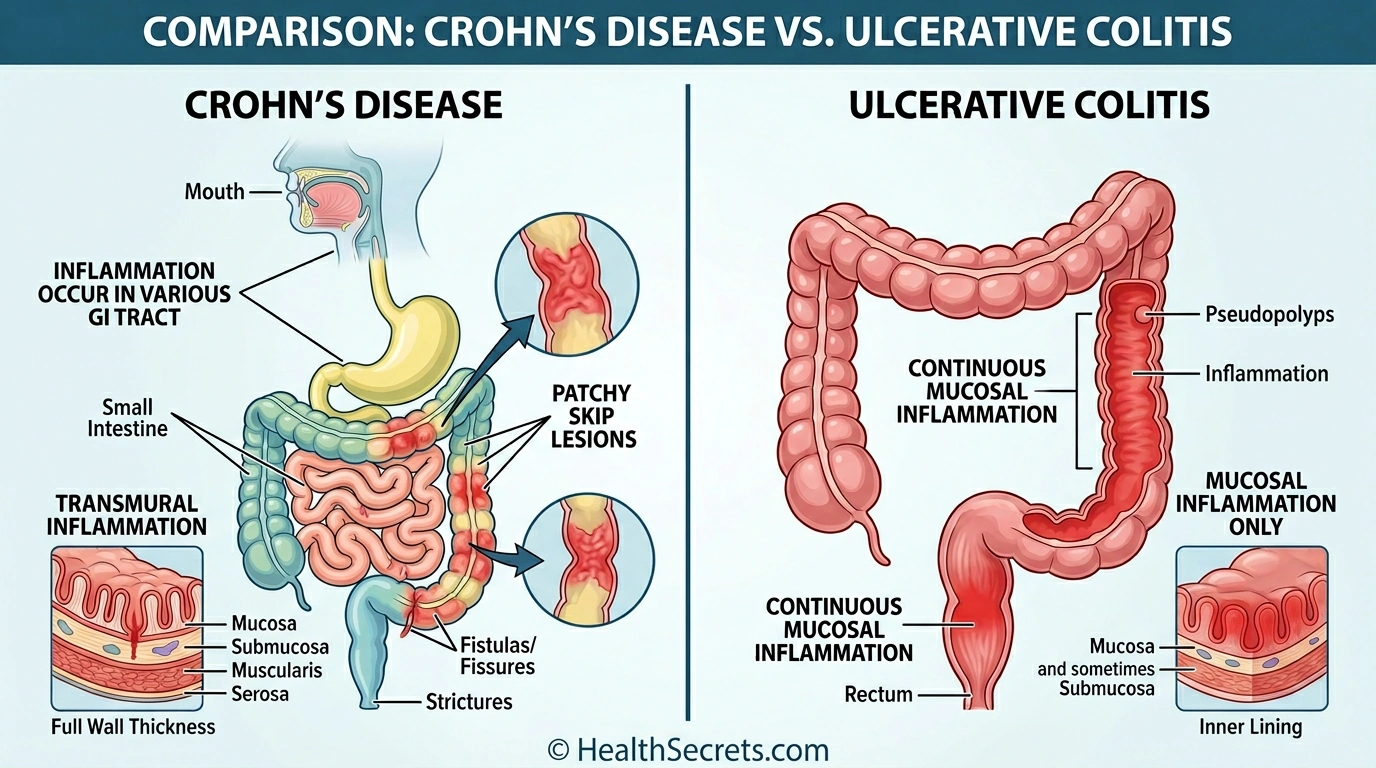
Crohn's disease and ulcerative colitis are the two primary forms of IBD, each with distinct characteristics. Crohn's can affect any part of the GI tract and penetrates all intestinal wall layers, while ulcerative colitis is limited to the colon's inner lining in a continuous pattern.
| Feature | Crohn's Disease | Ulcerative Colitis |
|---|---|---|
| Location | Any part of GI tract (mouth to anus) | Colon and rectum only |
| Inflammation Pattern | Patchy "skip lesions" | Continuous, starts at rectum |
| Depth | All layers of intestinal wall | Innermost lining (mucosa) only |
| Complications | Strictures, fistulas, abscesses | Toxic megacolon, cancer risk |
| Prevalence (US) | ~780,000 | ~910,000 |
What Causes Inflammatory Bowel Disease?
IBD results from a complex interplay of genetic susceptibility, immune system dysfunction, environmental triggers, and gut microbiome imbalance. Over 200 genes have been associated with IBD risk, and having a first-degree relative with IBD increases your risk by 10–25%. However, genetics alone don't determine who develops the condition — environmental factors play a critical role.
What Role Does the Immune System Play in IBD?
In IBD, the immune system mistakenly attacks the intestinal lining, driven by an abnormal response to gut bacteria. This creates chronic inflammation that damages tissue and disrupts normal digestive function. The immune dysfunction involves overactivation of inflammatory pathways, including elevated TNF-alpha, IL-6, and other pro-inflammatory cytokines.
What Environmental Factors Trigger IBD?
Key environmental triggers include the Western diet (high in processed foods, low in fiber), childhood antibiotic use, smoking (worsens Crohn's but paradoxically may protect against UC), chronic stress, NSAID use, and infections. Gut microbiome dysbiosis — reduced bacterial diversity and loss of beneficial species — is consistently found in IBD patients and contributes to intestinal permeability, sometimes called leaky gut.

The Vagal Reset Breathing Cards
Four cut-out breathing protocols with count patterns and the situation each one fits, a session log, and the medical situations where breathwork is the wrong tool.
What Are the Symptoms of Inflammatory Bowel Disease?
IBD symptoms vary by type and severity but typically include persistent diarrhea (often bloody in UC), abdominal pain and cramping, urgent bowel movements, rectal bleeding, unintended weight loss, fatigue, and fever during flares. IBD cycles between active flares and periods of remission.
What Are the Extra-Intestinal Symptoms of IBD?
IBD commonly causes symptoms beyond the digestive tract, affecting up to 40% of patients. These extra-intestinal manifestations include joint pain and arthritis, skin conditions (erythema nodosum, pyoderma gangrenosum), eye inflammation (uveitis), liver problems (primary sclerosing cholangitis), osteoporosis, kidney stones, and increased blood clot risk.
Crohn's-specific symptoms include mouth sores, perianal disease (fissures, fistulas), and malabsorption leading to nutritional deficiencies. UC's hallmark is bloody diarrhea with tenesmus (feeling of incomplete evacuation) and urgency.
How Is Inflammatory Bowel Disease Diagnosed?
IBD diagnosis typically requires a combination of clinical evaluation, laboratory tests, imaging, and endoscopy with biopsy. Your gastroenterologist will use these tools to distinguish IBD from IBS and other conditions, determine the type (Crohn's vs. UC), and assess disease extent and severity.
What Tests Are Used to Diagnose IBD?
Key diagnostic tools include blood tests (CBC, CRP, ESR for inflammation; albumin for nutritional status), stool tests (fecal calprotectin is a reliable inflammation marker), H. pylori testing, upper endoscopy and colonoscopy with biopsy (gold standard), and imaging studies (MRI enterography, CT scan). If you experience persistent digestive symptoms lasting more than a few weeks, blood in your stool, or unexplained weight loss, see your doctor promptly.
What Are the Conventional Treatment Options for IBD?
Conventional IBD treatment aims to achieve and maintain remission, heal intestinal inflammation (mucosal healing), prevent complications, and improve quality of life. Treatment is absolutely essential — untreated IBD can lead to bowel obstruction, perforation, fistulas, abscesses, and increased cancer risk.
Standard medications include:
- Aminosalicylates (5-ASA): Mesalamine, sulfasalazine — first-line for mild-moderate UC
- Corticosteroids: Prednisone, budesonide — for flares, short-term only
- Immunomodulators: Azathioprine, 6-MP, methotrexate — long-term maintenance
- Biologics: Anti-TNF drugs (infliximab/Remicade, adalimumab/Humira), vedolizumab, ustekinumab
- JAK inhibitors: Tofacitinib, upadacitinib — newer targeted therapies
- Surgery: Colectomy for UC, bowel resection for Crohn's complications
Natural approaches work alongside these treatments, not instead of them. Always inform your gastroenterologist about any complementary strategies.
What Natural Approaches Support IBD Management?
Evidence-based natural approaches for IBD include dietary modifications, targeted supplementation, stress management, and lifestyle optimization. When used alongside conventional treatment, these strategies may help reduce flare frequency, support remission, address nutritional deficiencies, and improve overall quality of life. The key framework: natural approaches work WITH your medical team, never against your treatment plan.
What Dietary Approaches Help Manage IBD?
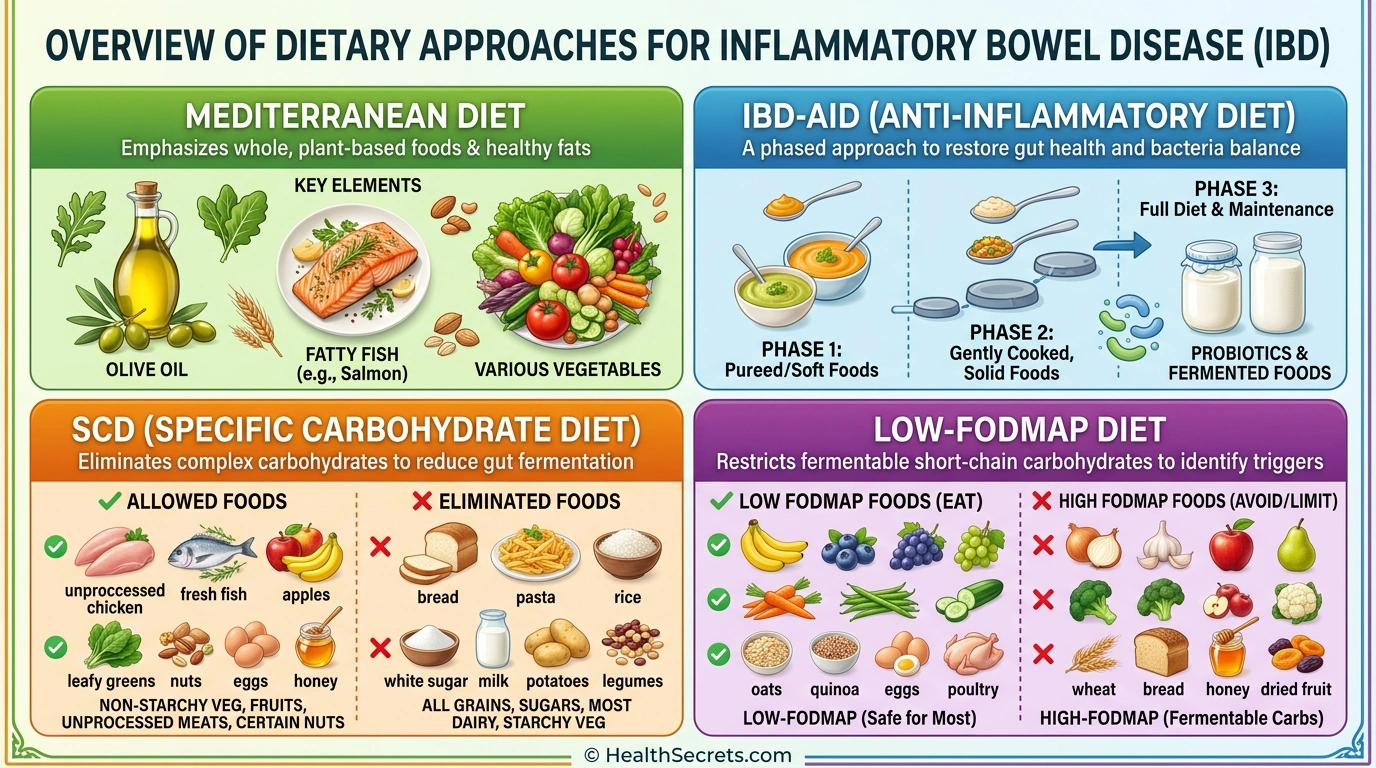
Dietary interventions are among the most impactful natural strategies for IBD. Research supports several approaches, each with different strengths. The Mediterranean diet and IBD Anti-Inflammatory Diet (IBD-AID) show the most consistent evidence for supporting remission through anti-inflammatory eating patterns [15].
| Diet | Approach | Evidence | Best For |
|---|---|---|---|
| Mediterranean | Whole foods, healthy fats, fish, vegetables | Moderate-strong | General remission support |
| IBD-AID | SCD + prebiotics/probiotics, phased | Preliminary-moderate | Active disease, individualized |
| SCD | Eliminates complex carbohydrates | Moderate (anecdotal) | Bacterial overgrowth reduction |
| Low-FODMAP | Reduces fermentable carbohydrates | Moderate for symptoms | IBS-type symptoms in IBD |
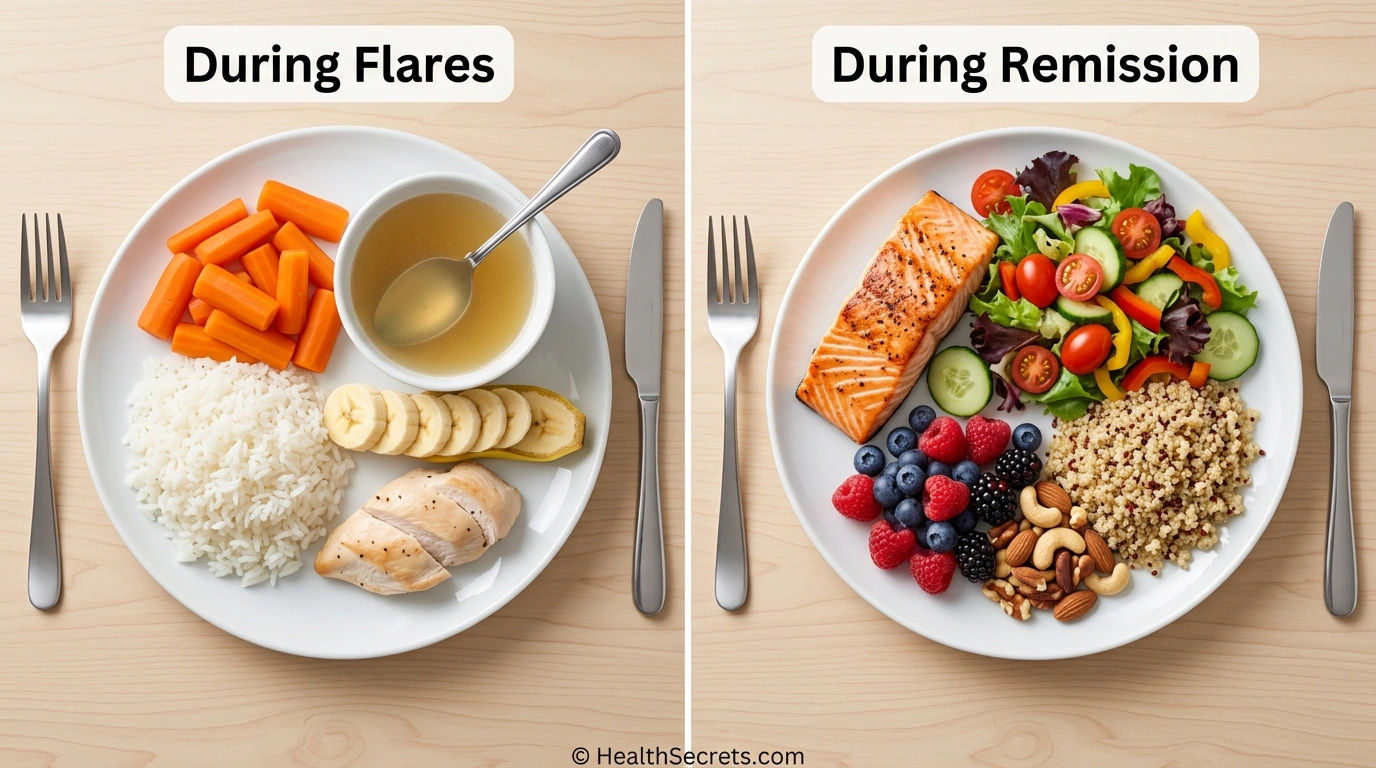
| Foods to emphasize: Omega-3 rich fish (salmon, sardines), cooked colorful vegetables, bone broth, olive oil, lean proteins, well-cooked grains (if tolerated), and fermented foods like yogurt and kefir (if tolerated). |
Foods to limit: Processed foods, refined sugars, alcohol, high-fat fried foods, raw vegetables during flares, and dairy if lactose intolerant.
During flares, shift to a low-residue diet: well-cooked soft foods, small frequent meals, bone broth, electrolyte drinks, and avoid raw vegetables, nuts, seeds, and high-fiber foods. For more on gut-supportive nutrition, see our guide on polyphenols for gut health.
Which Supplements Have Evidence for IBD Support?
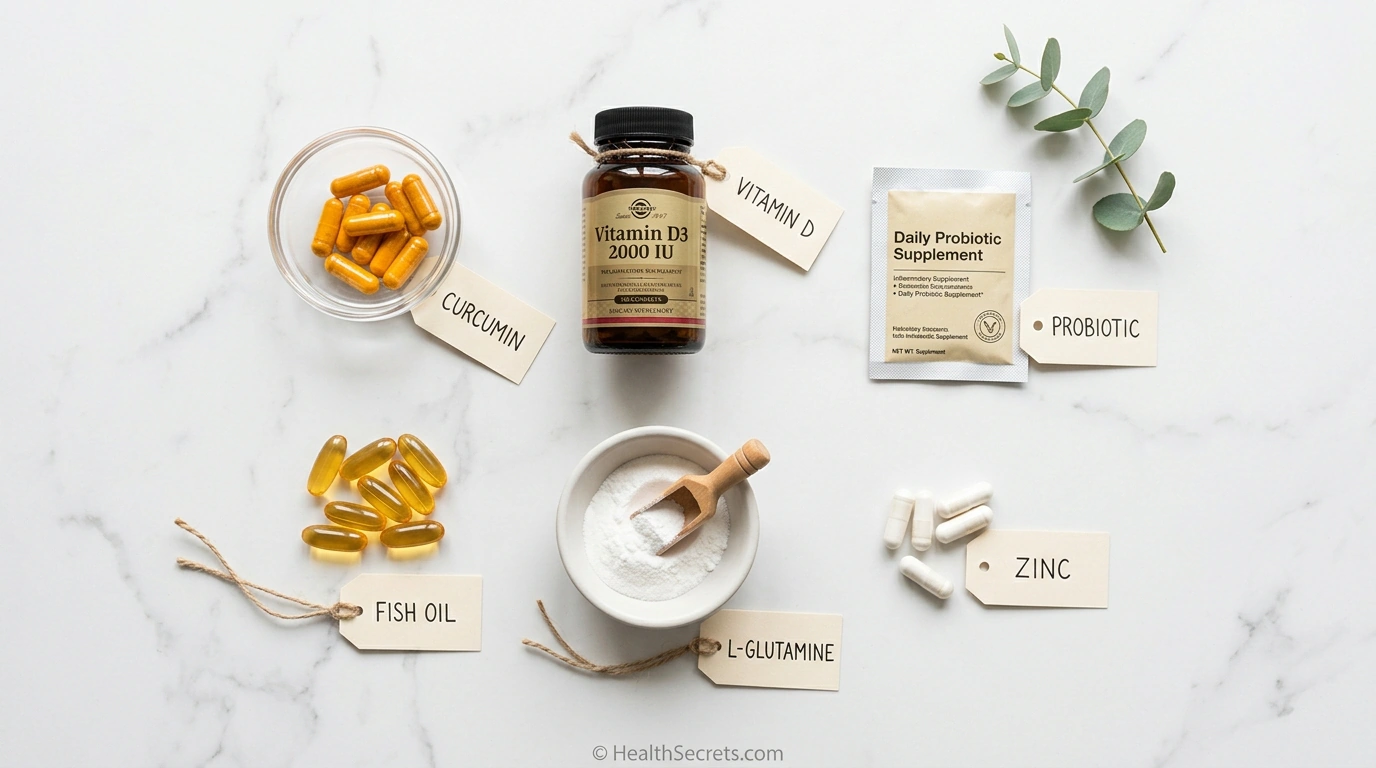
Several supplements show meaningful evidence for IBD — but always discuss these with your gastroenterologist before starting, as some may interact with IBD medications.
- Curcumin (Turmeric Extract): Perhaps the most promising IBD supplement [3]. A 2024 meta-analysis of placebo-controlled RCTs found curcumin (1–3 g/day) helped maintain remission in UC, particularly when combined with mesalamine. Take with piperine (black pepper) or use liposomal/phytosome forms for better absorption.
- Vitamin D: Up to 70% of IBD patients are vitamin D deficient. Strong research links deficiency to increased flare risk. Test levels first (target 40–60 ng/mL), then supplement 2,000–5,000 IU daily. Monitor with blood tests. Critical for bone health too, especially if using corticosteroids.
- Omega-3 Fatty Acids: Anti-inflammatory EPA and DHA (2–4 g/day) may help reduce inflammatory markers and support remission in UC. Results are mixed across studies, but the cardiovascular benefits alone make omega-3 for IBD worth discussing with your doctor.
- Probiotics: VSL#3 (now Visbiome) is the most-studied probiotic for UC, with good evidence for pouchitis prevention and mild-moderate UC maintenance. Saccharomyces boulardii may also help maintain remission. Evidence for Crohn's is more limited. Use high-CFU counts (25–100+ billion).
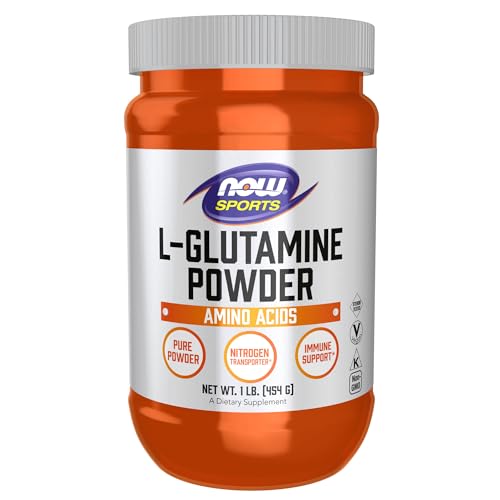
- L-Glutamine: The primary fuel for intestinal cells, L-glutamine (10–30 g/day in divided doses) supports gut barrier integrity and may reduce intestinal permeability. Start low and increase gradually.
- Zinc: Many IBD patients are deficient due to diarrhea losses. Zinc carnosine (75–150 mg twice daily) specifically targets the stomach and intestinal lining. Supports immune function and wound healing.
- Boswellia (Indian Frankincense): Anti-inflammatory herb (300–500 mg, 3x daily) with some studies showing comparable efficacy to mesalamine for UC maintenance.
How Does Stress Management Help IBD?
Stress doesn't cause IBD, but it's a well-documented trigger for flares through the gut-brain axis [19]. Chronic stress increases intestinal permeability, alters gut bacteria, and amplifies inflammatory responses. Research shows mindfulness-based interventions improve quality of life and may reduce inflammation in IBD patients.
Evidence-based strategies:
- Mindfulness meditation: 10–20 minutes daily reduces stress hormones and may lower mucosal inflammation
- Yoga: Gentle, restorative styles improve stress markers and QoL in IBD
- Cognitive Behavioral Therapy (CBT): Helps manage anxiety and depression common in IBD (affects 30–40% of patients)
- Deep breathing exercises: Activates parasympathetic nervous system, supporting gut motility
- Regular gentle exercise: 30 minutes most days — walking, swimming, cycling reduce inflammation
- Sleep optimization: 7–9 hours nightly; poor sleep increases inflammatory markers
Learn more about the gut-brain connection and how postbiotics and SCFAs play a role in reducing intestinal inflammation.
Can You Prevent IBD Flares and Maintain Long-Term Remission?
While IBD itself cannot be prevented, flare frequency and severity can be significantly reduced through consistent management strategies. Research shows that medication adherence, dietary consistency, stress management, and trigger avoidance are the strongest predictors of sustained remission.

Keys to long-term remission:
- Medication adherence: Take prescribed medications even when feeling well — this is the single most important factor
- Regular monitoring: Colonoscopies and blood tests as recommended by your gastroenterologist
- Consistent anti-inflammatory diet: Mediterranean or IBD-AID pattern
- Daily stress management: Not optional — it's medically relevant
- Adequate sleep: 7–9 hours consistently
- Identify personal triggers: Keep a food and symptom diary
- Don't smoke: Critical for Crohn's disease — smoking worsens outcomes significantly
- Limit NSAIDs: Use acetaminophen instead when possible
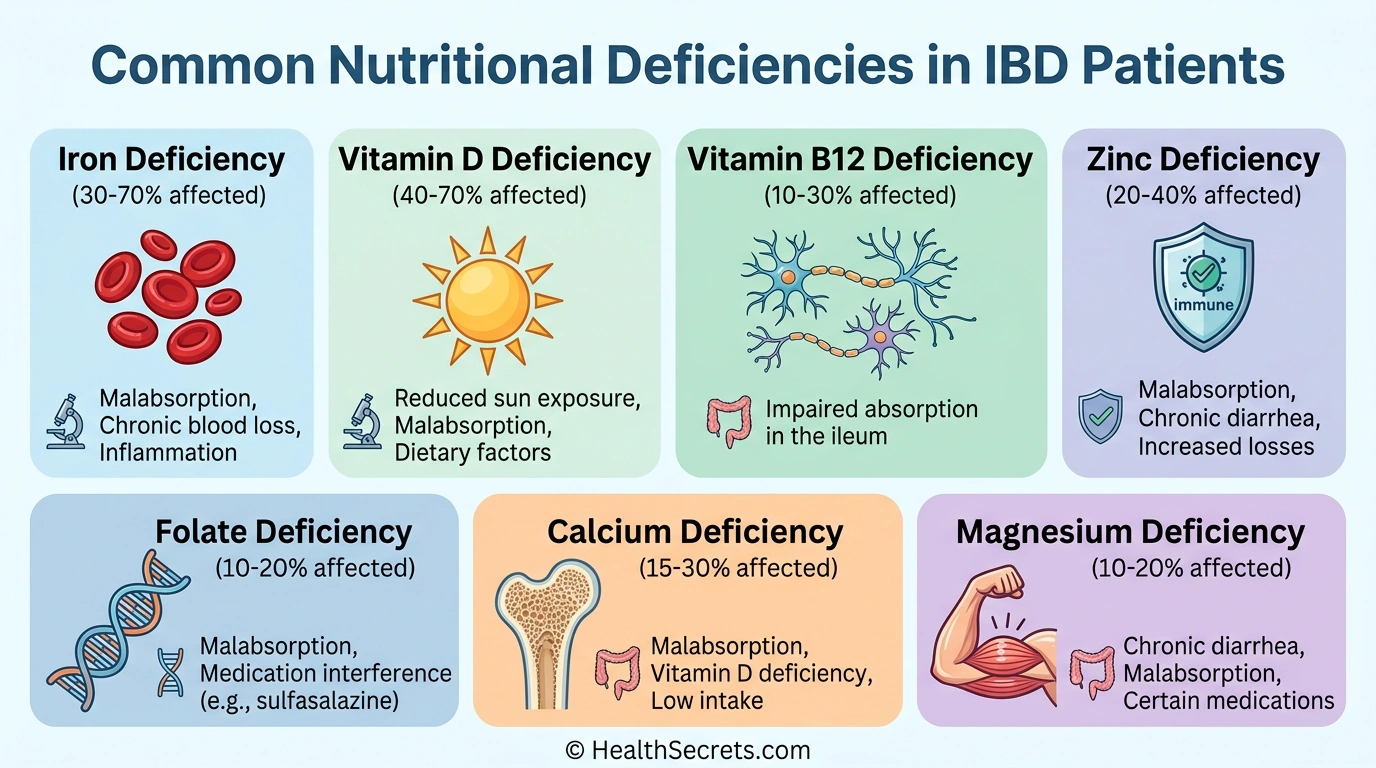
- Nutritional monitoring: Regular blood tests for iron, B12, folate, vitamin D, zinc, calcium, and magnesium — deficiencies are common in IBD
- Stay up-to-date with vaccinations: IBD and immunosuppressant medications increase infection risk
For related digestive conditions, our guide on diverticulitis covers another common colon condition with complementary dietary approaches.
When Should You See a Doctor for IBD Symptoms?
IBD requires ongoing medical supervision, but certain symptoms demand immediate attention. Recognizing emergency warning signs can prevent life-threatening complications like perforation, severe bleeding, or toxic megacolon. Never attempt to manage a severe flare with natural approaches alone.
Seek emergency care immediately for:
- Severe, sudden abdominal pain or rigid abdomen
- Vomiting blood or coffee-ground material
- Black, tarry stools (melena) or heavy rectal bleeding
- High fever over 101°F (38.3°C)
- Signs of dehydration (dizziness, decreased urination, confusion)
- Signs of bowel obstruction (no bowel movements, severe bloating, vomiting)
Contact your gastroenterologist for:
- Increased diarrhea, blood, or pain (flare symptoms)
- New or worsening symptoms
- Medication side effects
- Before starting any new supplements
- Weight loss or signs of nutritional deficiency
Work with an integrated healthcare team: gastroenterologist, registered dietitian (IBD-specialized), mental health professional, and primary care physician.
Action Plan
What Should You Do First to Support IBD Naturally?
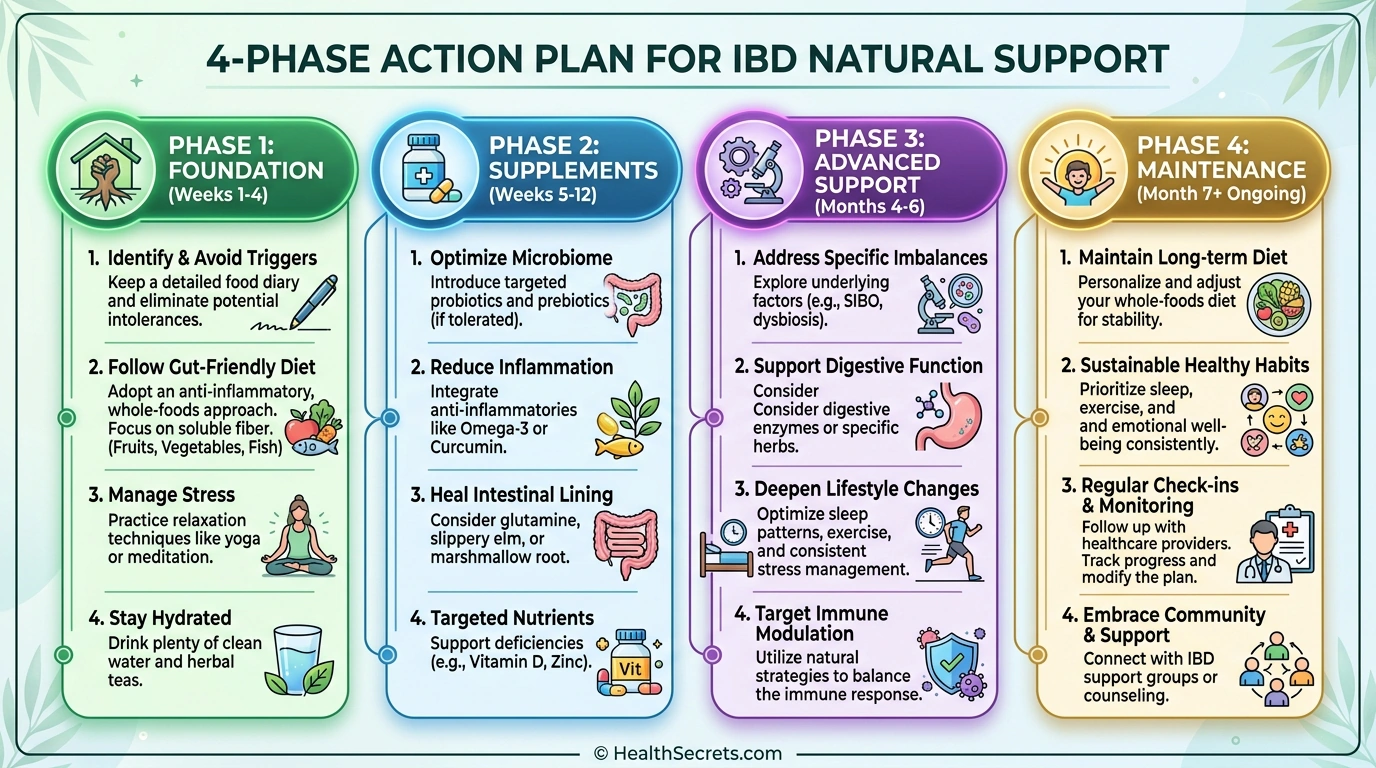
Follow the sequence below, work through each phase in order, and use the checklist as your practical implementation guide.
Start with the highest-impact, lowest-risk strategies and build from there. This phased approach ensures you're making changes your medical team can monitor and that won't interfere with your prescribed treatment plan. Always communicate every change to your gastroenterologist.
Phase 1 — Foundation (Weeks 1–2):
- Discuss complementary approaches with your gastroenterologist
- Get blood tests for vitamin D, iron, B12, folate, zinc, and magnesium
- Start a food and symptom diary to identify personal triggers
- Begin daily stress management: 10 minutes meditation or deep breathing
- Adopt Mediterranean-style anti-inflammatory eating patterns
Phase 2 — Targeted Supplements (Weeks 3–4):
- Start vitamin D supplementation based on test results (2,000–5,000 IU daily)
- Add curcumin with piperine (1–3 g/day) — discuss with doctor first
- Consider omega-3 fish oil (2–4 g EPA+DHA daily)
- Address any identified nutritional deficiencies
Phase 3 — Advanced Support (Weeks 5–8):
- Add L-glutamine (start 5 g, increase to 10–30 g/day) for gut barrier support
- Trial a high-quality probiotic (VSL#3/Visbiome for UC, S. boulardii for Crohn's)
- Establish regular gentle exercise (30 min, 5x/week)
- Consider zinc carnosine if deficient
Phase 4 — Long-Term Maintenance (Ongoing):
- Continue supplements that show personal benefit
- Maintain anti-inflammatory diet consistently
- Practice daily stress management
- Follow all scheduled medical appointments and monitoring
- Adjust strategies during flares (low-residue diet, rest, contact GI doctor)