You've probably heard of probiotics and prebiotics. But there's a third category of gut health compounds that scientists are calling the most exciting development in microbiome research in decades: postbiotics [12] [13].
Here's the twist — postbiotics aren't alive. They're the beneficial byproducts that your gut bacteria produce when they ferment dietary fiber. Think of probiotics as the factory workers, prebiotics as the raw materials, and postbiotics as the finished products that actually do the work inside your body. And it turns out, many of the health benefits we've been attributing to probiotics may actually come from the postbiotics they produce. [9] [10]
For foundational context, you may want to read our complete guide to gut health, our guide on probiotics for gut health, and our article on prebiotics vs probiotics. [17] [18]
What Are Postbiotics and Why Are They Considered the Future of Gut Health?
Postbiotics are bioactive compounds — including metabolites, cell wall fragments, and inactivated microorganisms — produced by beneficial gut bacteria that deliver measurable health benefits without requiring live organisms. They represent a paradigm shift in microbiome science because they offer the therapeutic benefits of probiotics with greater stability, consistency, and safety.
The International Scientific Association for Probiotics and Prebiotics (ISAPP) published a consensus definition in 2021 defining postbiotics as "a preparation of inanimate microorganisms and/or their components that confers a health benefit on the host." This definition requires that dead microbes or microbial cell structures be present, with or without metabolic end products [1] [3].
How Do Postbiotics Fit Into the Gut Health Ecosystem?
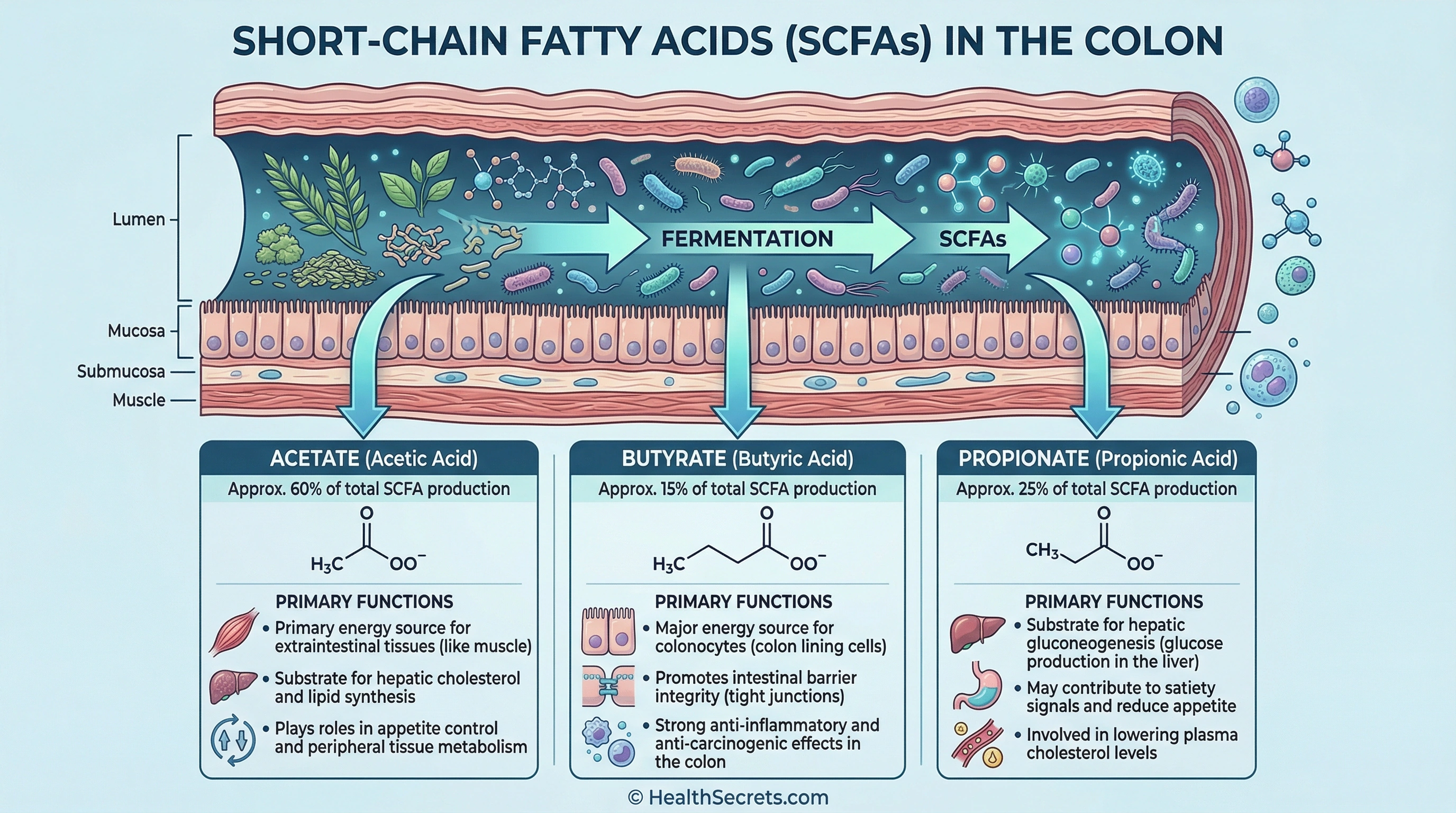
The gut health ecosystem works as a chain: prebiotics (dietary fiber) feed probiotics (beneficial bacteria), which produce postbiotics (bioactive compounds). This means postbiotics are the final functional output of a healthy microbiome. When you eat fiber-rich foods, your gut bacteria ferment that fiber and produce short-chain fatty acids, vitamins, antimicrobial peptides, and other compounds that directly benefit your health [11] [14].
What Are the Main Types of Postbiotics?
| Postbiotic Type | Examples | Primary Benefits |
|---|---|---|
| Short-chain fatty acids | Butyrate, acetate, propionate | Gut barrier, anti-inflammatory, energy |
| Cell wall components | Peptidoglycan, lipoteichoic acids | Immune modulation |
| Bacterial enzymes | Lactase, proteases, lipases | Digestive support |
| Metabolites | Vitamins (B12, K2), bacteriocins, GABA | Nutrition, antimicrobial, neurological [15] |
| Heat-killed bacteria | Inactivated Lactobacillus, Bifidobacterium | Immune training, gut barrier support |
How Do Postbiotics Work Inside Your Body?
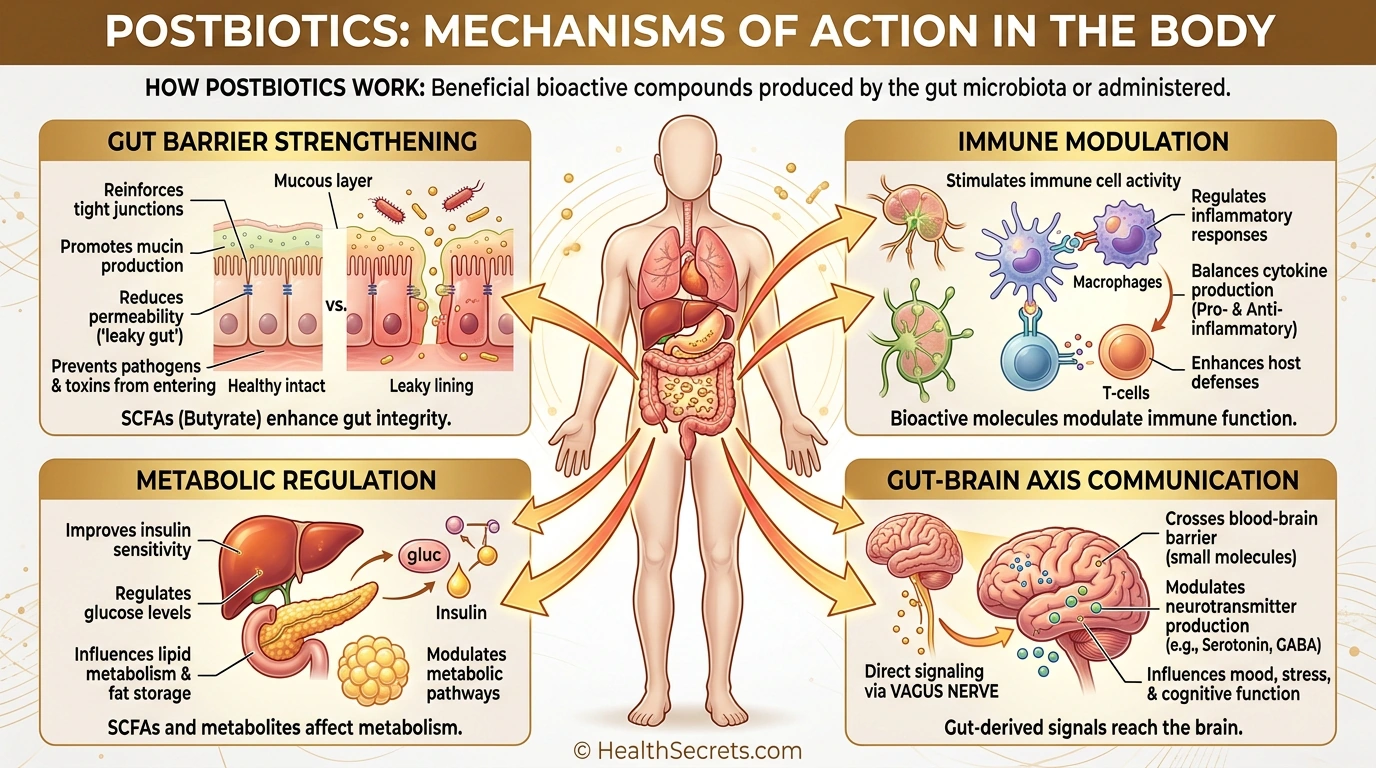
Postbiotics work through multiple mechanisms including direct interaction with intestinal cells, immune system modulation, metabolic regulation, and gut-brain axis signaling [4]. Unlike probiotics, which must survive stomach acid and colonize the gut to function, postbiotics are immediately bioactive upon consumption.
How Does Butyrate Fuel and Protect the Colon?
Butyrate is the primary energy source for colonocytes, providing approximately 70% of their energy needs. It strengthens tight junctions between intestinal cells, stimulates mucus production, reduces inflammation by inhibiting NF-κB signaling, and acts as a histone deacetylase (HDAC) inhibitor — a mechanism that regulates gene expression involved in cell growth, immune function, and cancer prevention. Research published in Gut Microbes (2024) confirmed that butyrate-producing bacteria play a critical role in maintaining intestinal homeostasis.
How Do Postbiotics Modulate the Immune System?
Postbiotics interact with immune cells in the gut-associated lymphoid tissue (GALT), which houses approximately 70% of your immune system. Cell wall components like peptidoglycan bind to pattern recognition receptors on immune cells, training the immune system to distinguish between harmful pathogens and beneficial microbes. This helps balance Th1/Th2 immune responses and promotes regulatory T-cell development — reducing both autoimmune overreaction and infection susceptibility.
What Makes Postbiotics More Stable Than Probiotics?
| Feature | Probiotics | Postbiotics |
|---|---|---|
| Alive? | Yes (must be viable) | No (inactivated) |
| Refrigeration | Often required | Not required |
| Stomach acid survival | Variable (strain-dependent) | Not applicable (already processed) |
| Shelf stability | Limited | Excellent |
| Dosing consistency | Viability varies over time | Consistent and predictable |
The Low-FODMAP Cheat Sheet
A four-page green / amber / red FODMAP food map with Monash-style portion thresholds, plus a seven-day single-variety reintroduction grid that turns elimination into an actual diagnosis.
What Are the Key Health Benefits of Postbiotics?
Postbiotics deliver a wide range of health benefits including gut barrier repair, systemic inflammation reduction, immune regulation, metabolic optimization, and neuroprotective effects. The evidence is strongest for butyrate and other SCFAs, with growing research supporting heat-killed probiotics and bacterial metabolites.
Can Postbiotics Help Repair Leaky Gut?
Yes. Butyrate directly strengthens the intestinal barrier by upregulating tight junction proteins (claudin-1, occludin, ZO-1) and stimulating mucus-producing goblet cells. A 2023 systematic review found that butyrate supplementation significantly improved markers of intestinal permeability in both animal models and human trials. This makes postbiotics particularly relevant for people with leaky gut syndrome.
Do Postbiotics Reduce Chronic Inflammation?
SCFAs — especially butyrate — are potent anti-inflammatory agents. They inhibit NF-κB activation, reduce pro-inflammatory cytokines (TNF-α, IL-6, IL-1β), and promote anti-inflammatory IL-10 production. This systemic anti-inflammatory effect extends beyond the gut to cardiovascular, metabolic, and neurological health [16].
Can Postbiotics Support Mental Health Through the Gut-Brain Axis?
Emerging research suggests SCFAs influence brain function through the vagus nerve and by modulating neurotransmitter production. Gut bacteria produce precursors to serotonin, GABA, and dopamine — all of which are postbiotic metabolites. A 2024 clinical trial found that butyrate supplementation improved symptoms of depression in adults with mild-to-moderate depressive disorder.
Are Postbiotics Safer Than Probiotics for Immunocompromised People?
Yes. Because postbiotics contain no live organisms, there is zero risk of bacterial translocation — a rare but serious complication where live probiotic bacteria cross the intestinal barrier and enter the bloodstream. This makes postbiotics a safer option for people with compromised immune systems, critically ill patients, and those with central venous catheters.
Are There Any Risks or Side Effects of Postbiotics?
Postbiotics are generally well-tolerated with a favorable safety profile. Side effects are rare and typically mild — primarily initial digestive adjustment symptoms like mild gas or bloating that resolve within days. The main risk is assuming postbiotics can replace medical treatment for serious conditions.
- Mild digestive changes — temporary gas or bloating when starting butyrate supplements (usually resolves within 3–5 days)
- Dose-dependent effects — very high doses of SCFAs may cause loose stools; start low and increase gradually
- Drug interactions — butyrate may enhance the effects of certain anti-inflammatory medications; consult your healthcare provider
- Quality variability — the postbiotic supplement market is less regulated than pharmaceuticals; choose products with third-party testing
- Limited long-term data — while short-term safety is well-established, some applications are still being researched
People with severe inflammatory bowel disease, those who are pregnant or breastfeeding, and anyone on immunosuppressive therapy should consult a healthcare provider before starting postbiotic supplements.
How Should You Use Postbiotic Supplements for Best Results?
Start with a low dose of butyrate (300–600mg daily) and gradually increase over 2–4 weeks to your target dose (up to 1,200mg daily). Take postbiotic supplements with meals for optimal absorption, maintain consistency, and allow 4–8 weeks to evaluate benefits. Combine with a high-fiber diet for synergistic effects.
What Dose of Butyrate Should You Take?
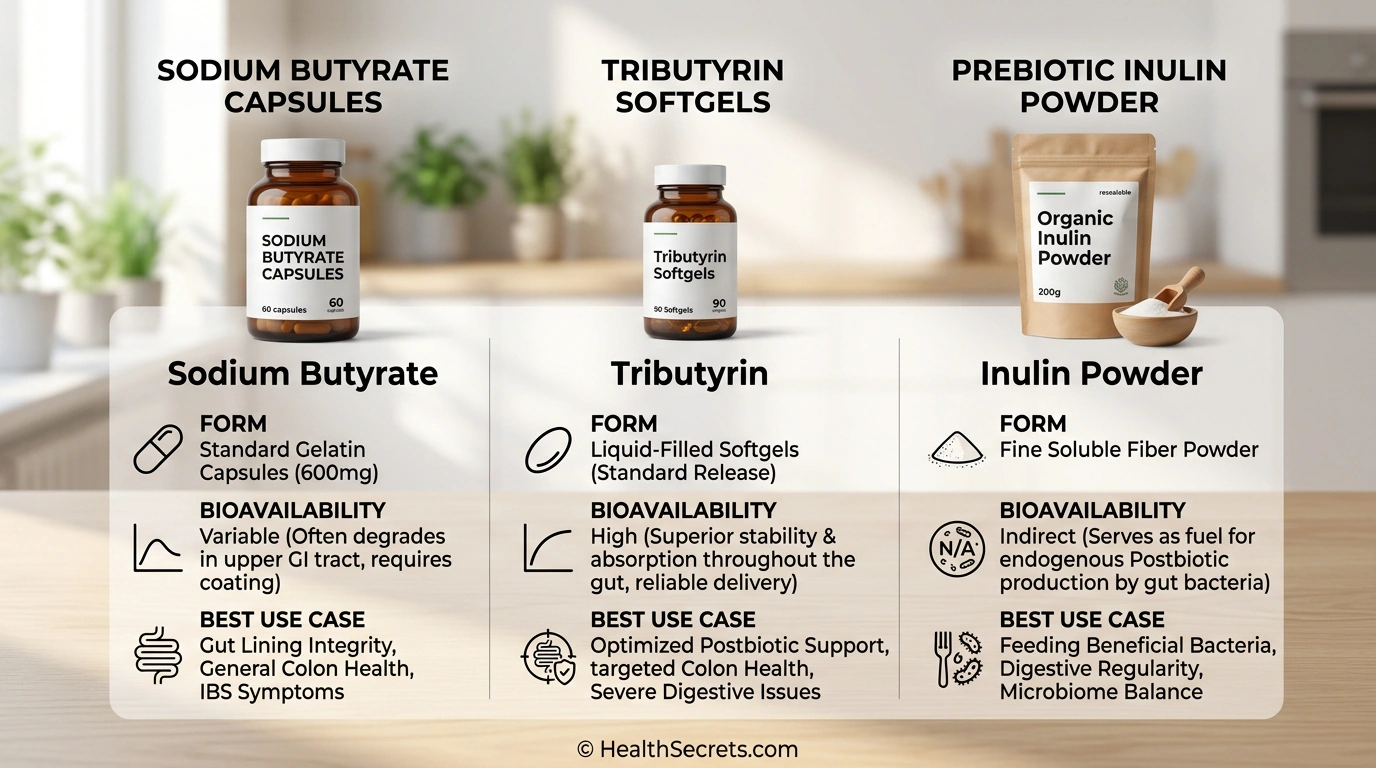
Most clinical studies use 300–1,200mg of butyrate daily. Sodium butyrate and tributyrin are the two main supplemental forms. Tributyrin (a triglyceride form) offers superior bioavailability because it survives stomach acid and delivers butyrate directly to the colon. Start with the lower end of the dosing range and increase based on tolerance.
When Should You Take Postbiotic Supplements?
Unlike probiotics, which may be sensitive to meal timing and stomach acid, postbiotics can be taken with or without food. However, taking them with meals may improve tolerability and provide digestive support benefits. Consistency matters more than timing — take them at the same time daily.
How Long Do Postbiotics Take to Work?
Most people notice digestive improvements within 1–2 weeks, with full benefits developing over 4–8 weeks. Because postbiotics are immediately bioactive (no colonization period needed), they may work faster than probiotics for some applications.
What Diet and Lifestyle Changes Boost Your Natural Postbiotic Production?
The most effective strategy for increasing postbiotic levels is eating a diverse, fiber-rich diet that feeds butyrate-producing bacteria. Aim for 25–35g of fiber daily from varied plant sources, include resistant starch foods, consume fermented foods regularly, and support your microbiome through stress management, exercise, and adequate sleep.
Which Foods Are the Best Natural Sources of Postbiotics?
Fermented foods contain both probiotics and postbiotics produced during fermentation: yogurt, kefir, sauerkraut, kimchi, miso, tempeh, and kombucha. Regularly consuming fermented foods provides a natural postbiotic boost.
Which Foods Boost Butyrate Production Most Effectively?
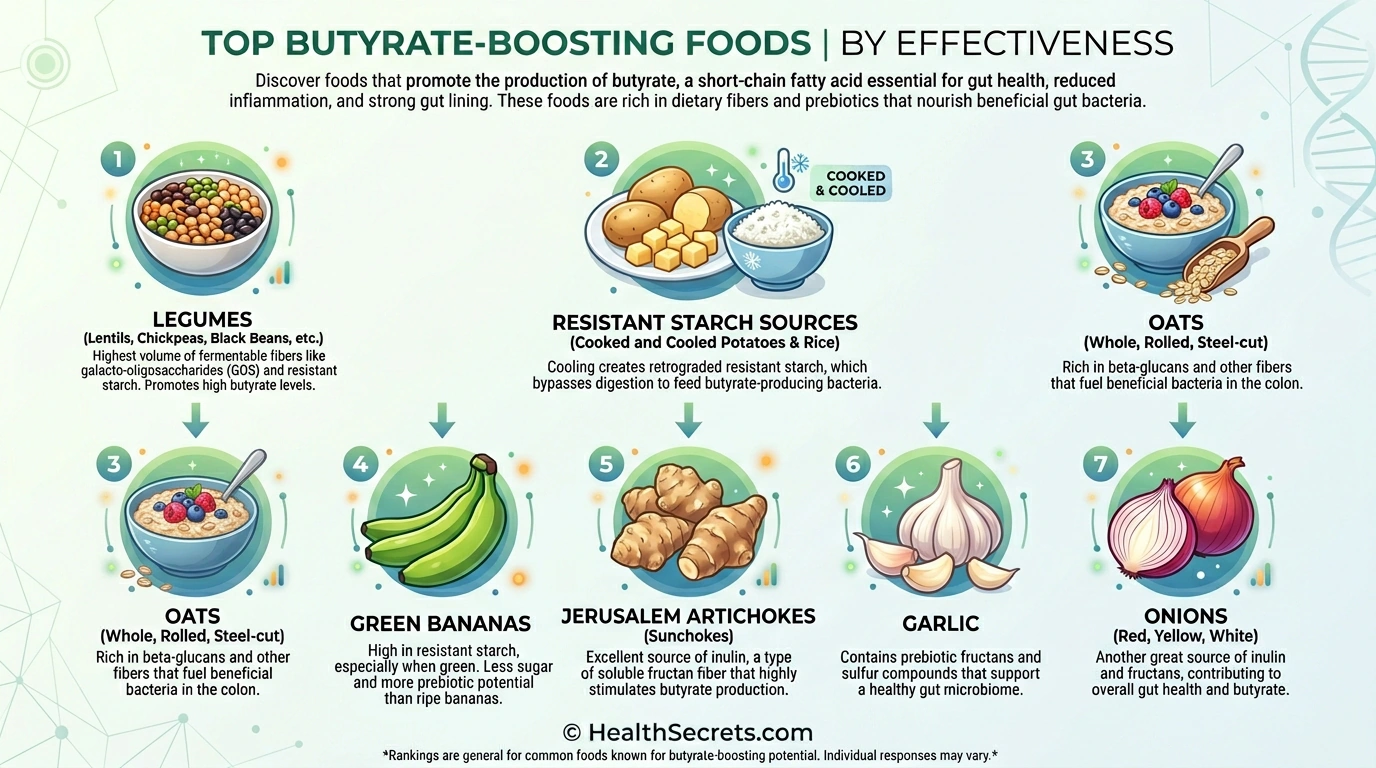
Resistant starch is the most potent butyrate booster. Cooked and cooled potatoes, rice, and pasta develop resistant starch through retrogradation. Other top butyrate-boosting foods include legumes, oats, green bananas, Jerusalem artichokes, garlic, and onions. Including gut-healing foods rich in both soluble and insoluble fiber creates the ideal environment for SCFA production.
What Lifestyle Habits Support Postbiotic Production?
- Exercise regularly — moderate exercise increases butyrate-producing bacteria (Faecalibacterium, Roseburia)
- Manage stress — chronic stress reduces microbial diversity and SCFA production
- Sleep 7–9 hours — sleep deprivation disrupts the microbiome within 48 hours
- Avoid unnecessary antibiotics — antibiotics decimate butyrate-producing populations
- Eat diverse plant foods — aim for 30+ different plant species per week to support microbial diversity
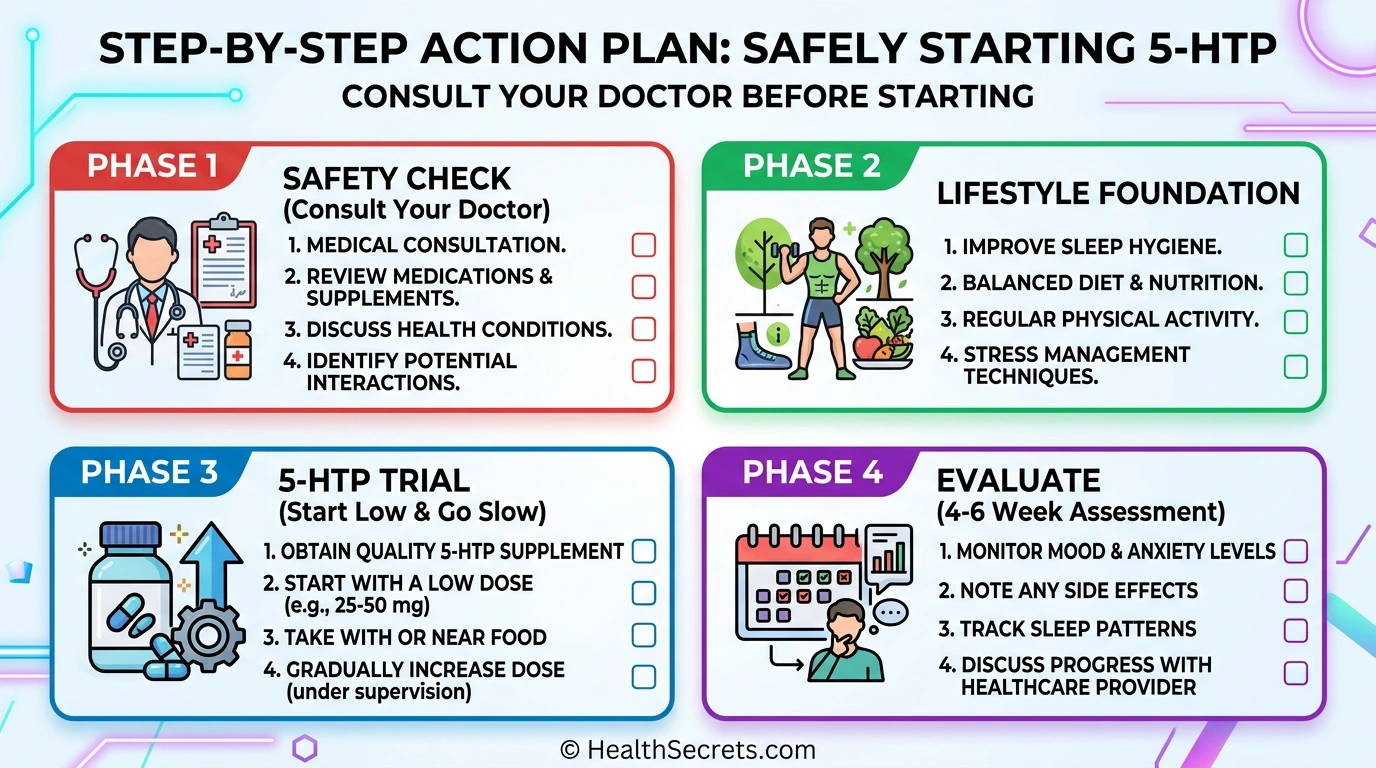
What Is the Best Step-by-Step Plan for Optimizing Your Postbiotic Levels?
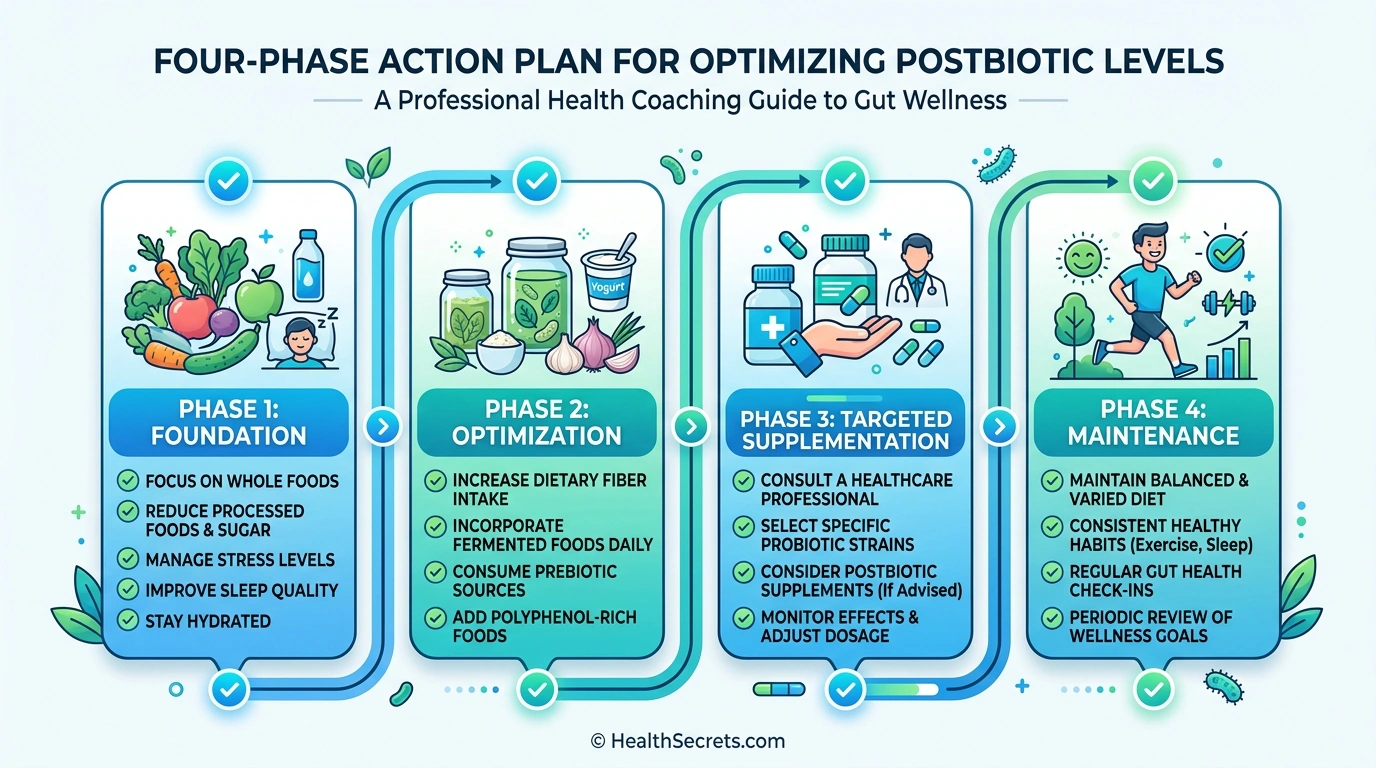
Begin by increasing dietary fiber and fermented foods to boost natural SCFA production, then consider targeted supplementation if you have specific gut health concerns. This phased approach builds a sustainable foundation before adding supplements.
Phase 1 — Foundation (Weeks 1–2):
- Increase fiber intake to 25–35g daily from diverse plant sources
- Add one serving of fermented food daily (yogurt, kefir, sauerkraut)
- Include resistant starch foods 3–4 times per week (cooled potatoes, oats, legumes)
- Start a food and symptom journal to track changes
Phase 2 — Optimization (Weeks 3–4):
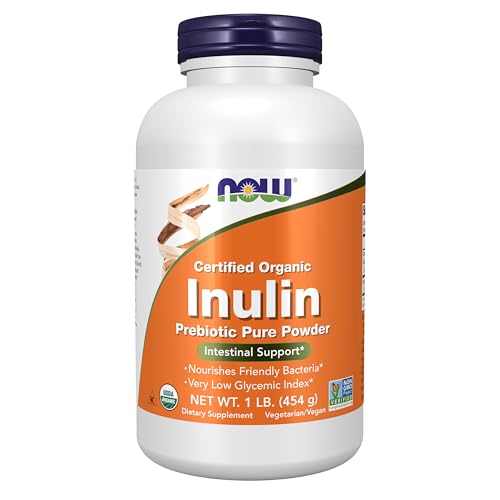
- Add a prebiotic supplement if fiber intake is difficult through diet alone
- Increase fermented food variety (add kimchi, miso, kombucha)
- Begin moderate exercise routine (30 minutes, 5x per week) if not already active
- Prioritize 7–9 hours of quality sleep
Phase 3 — Targeted Supplementation (Weeks 5–8):
- Consider butyrate supplement (start at 300–600mg daily)
- Gradually increase dose based on tolerance over 2 weeks
- Evaluate digestive symptoms, energy, and overall wellbeing
- Consult healthcare provider if managing a specific condition
Phase 4 — Maintenance (Ongoing):
- Maintain high-fiber, fermented food-rich diet
- Continue supplementation if beneficial
- Reassess every 3 months with your healthcare provider
- Track progress and adjust as needed