That familiar burning sensation creeping up your chest after dinner. The sour taste at the back of your throat that wakes you at 2 AM. The constant worry about which foods will trigger another episode. If you live with acid reflux, you know these experiences all too well — and you're far from alone. [1] [11]
Gastroesophageal reflux disease (GERD) affects an estimated 20% of the Western population, and rates continue to climb alongside modern dietary patterns, rising stress levels, and increasingly sedentary lifestyles [2] [5] [13] [15]. While proton pump inhibitors (PPIs) and H2 blockers offer short-term relief, growing research links long-term PPI use to nutrient deficiencies, bone fractures, kidney disease, and disrupted gut microbiome balance.
The good news? A growing body of evidence supports natural approaches to acid reflux that address root causes — not just symptoms. From targeted dietary modifications and herbal remedies like DGL licorice and aloe vera to simple sleep position changes and stress management techniques, you have more drug-free options than you might realize. [16]
If you're looking to understand the foundations of digestive health, start with our Complete Guide to Gut Health. For targeted gut repair strategies, explore our guides on Healing Leaky Gut Syndrome and L-Glutamine for Gut Health. Those dealing with related digestive issues may also benefit from our Natural IBS Relief Strategies and SIBO Treatment Guide.
What Do You Need to Know Before Starting Natural Acid Reflux Remedies?
Before implementing natural acid reflux remedies, it's important to understand that GERD is a multifactorial condition involving LES dysfunction, excess stomach acid, delayed gastric emptying, and esophageal sensitivity. The most effective natural approach combines dietary changes, targeted supplements, sleep hygiene, and lifestyle modifications — working together to address multiple root causes simultaneously rather than masking symptoms.
What Causes Acid Reflux in the First Place?
Acid reflux occurs when the lower esophageal sphincter — a ring of muscle between your esophagus and stomach — fails to close properly. This allows hydrochloric acid and partially digested food to flow back (reflux) into the esophagus, causing the characteristic burning pain known as heartburn.
Common contributing factors include:
- Dietary triggers — fatty foods, citrus, tomatoes, chocolate, caffeine, alcohol, and carbonated beverages
- Excess body weight — abdominal fat increases intra-abdominal pressure, pushing stomach contents upward
- Hiatal hernia — a structural condition where part of the stomach pushes through the diaphragm
- Delayed gastric emptying — food sitting in the stomach longer creates more opportunity for reflux
- Chronic stress — increases cortisol and stomach acid production while impairing LES tone
- Medications — NSAIDs, calcium channel blockers, and certain asthma medications can weaken the LES
Who Should Try Natural Remedies vs. Seek Medical Care?
Natural remedies work best for people with mild to moderate acid reflux (experiencing symptoms 1–3 times per week). You should see a doctor first if you experience difficulty swallowing, unintended weight loss, vomiting blood, black stools, or chest pain that could indicate a cardiac event. If you've been on PPIs long-term, work with your doctor to taper gradually while introducing natural alternatives — never stop PPIs abruptly.
Expect to see noticeable improvement within 2–4 weeks of consistently applying these strategies, with optimal results at 8–12 weeks.

The Vagal Reset Breathing Cards
Four cut-out breathing patterns with exact counts and the moment each fits, a ten-session log that averages your before-and-after tension, and when breathwork is the wrong tool.
How Do You Modify Your Diet to Reduce Acid Reflux?
Dietary modification is the cornerstone of natural acid reflux management. Research published in JAMA Otolaryngology found that a Mediterranean-style diet with alkaline water was as effective as PPI therapy for reducing reflux symptoms [3]. By identifying and eliminating your personal trigger foods while emphasizing gut-healing, anti-inflammatory options, you can reduce reflux episodes significantly within the first two weeks.
Which Foods Should You Eliminate First?
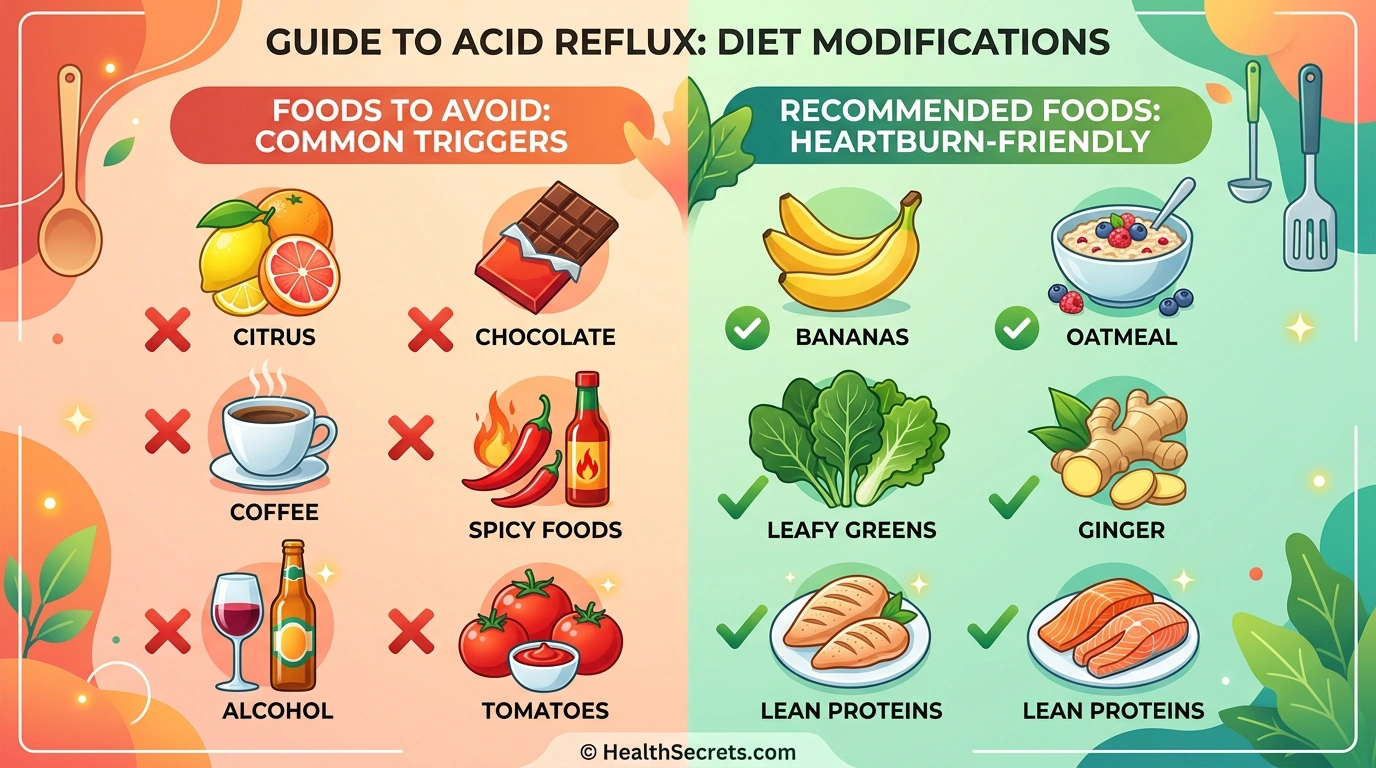
Start by removing the most common GERD triggers for a minimum of 2–3 weeks:
- Citrus fruits and juices — oranges, lemons, grapefruit, tomatoes
- Spicy foods — chili peppers, hot sauce, black pepper in large amounts
- Chocolate — contains methylxanthine, which relaxes the LES
- Caffeine — coffee, tea, energy drinks (decaf coffee can still trigger reflux)
- Carbonated beverages — increase gastric pressure and promote belching
- Alcohol — directly irritates the esophageal lining and relaxes the LES
- Fatty and fried foods — slow gastric emptying and increase reflux risk
- Mint — peppermint and spearmint relax the LES
- Onions and garlic — especially raw, can trigger reflux in sensitive individuals
What Should You Eat Instead?
- Non-citrus fruits — bananas, melons, apples, pears
- Vegetables — leafy greens, broccoli, cauliflower, cucumbers, zucchini
- Whole grains — oatmeal, brown rice, whole wheat bread
- Lean proteins — chicken, turkey, fish, tofu
- Healthy fats — avocado, olive oil, nuts (in moderation)
- Fermented foods — plain yogurt, kefir, sauerkraut (support gut microbiome balance)
- Ginger — has natural anti-inflammatory and prokinetic properties
- Alkaline water — pH 8+ may help deactivate pepsin in the esophagus
How Should You Change Your Eating Habits?
- Eat smaller, more frequent meals (5–6 small meals vs. 3 large ones)
- Chew food thoroughly — aim for 20–30 chews per bite
- Eat slowly — meals should take at least 20 minutes
- Stop eating at least 3 hours before bedtime
- Avoid lying down after meals — take a gentle 10–15 minute walk instead
How Do You Optimize Your Sleep Position to Prevent Nighttime Reflux?
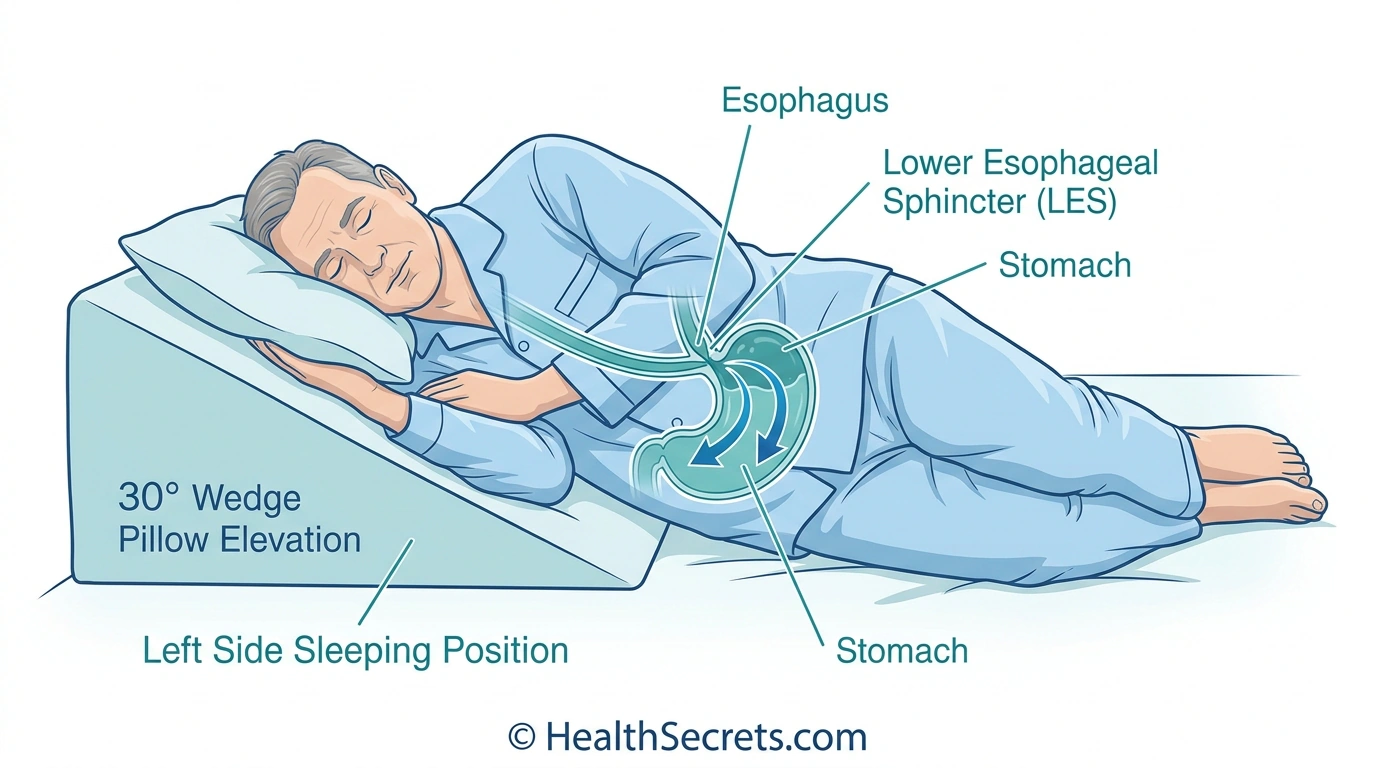
Nighttime acid reflux is often the most damaging because prolonged acid exposure during sleep causes greater esophageal injury [8]. Elevating the head of your bed by 6–8 inches and sleeping on your left side can reduce nighttime reflux episodes by over 70%. These positional changes use gravity to keep stomach acid where it belongs — a simple yet remarkably effective strategy.
Why Does Bed Elevation Work?
When you lie flat, gravity no longer helps keep stomach contents in place. Elevating the head of your bed creates a downward slope that uses gravity to prevent acid from traveling up the esophagus. Research in the Journal of Clinical Gastroenterology demonstrated that head-of-bed elevation significantly reduced esophageal acid exposure time and improved symptom scores.
Important: Use a wedge pillow or raise the head of your bed frame with risers — simply stacking pillows bends you at the waist, which can actually increase abdominal pressure and worsen reflux.
Why Is Left-Side Sleeping Better?
The stomach's natural anatomy positions the esophageal junction above the level of gastric acid when you sleep on your left side. Right-side sleeping positions the junction below the acid level, promoting reflux. A study published in the American Journal of Gastroenterology found that right-side sleepers had significantly more reflux episodes and longer acid clearance times compared to left-side sleepers [9] [17].
Nighttime Reflux Prevention Checklist
- Elevate the head of your bed 6–8 inches (wedge pillow or bed risers)
- Sleep on your left side
- Finish your last meal at least 3 hours before bed
- Avoid alcohol within 4 hours of bedtime
- Wear loose-fitting sleepwear
- Keep a glass of alkaline water on your nightstand
Which Herbal Remedies and Supplements Help Acid Reflux?
Several natural supplements have demonstrated meaningful anti-reflux effects in clinical studies. DGL licorice coats and protects the esophageal lining, aloe vera reduces inflammation, slippery elm forms a soothing mucilage barrier, and melatonin at 6 mg has shown comparable effectiveness to omeprazole for GERD symptoms. These supplements work best as part of a comprehensive approach alongside dietary and lifestyle changes.
DGL Licorice (Deglycyrrhizinated Licorice)
DGL licorice stimulates mucus production in the stomach and esophagus, creating a protective barrier against acid damage. Unlike regular licorice, DGL has the glycyrrhizin removed, eliminating risks of high blood pressure and potassium depletion.
- Dose: 380–760 mg, chewed 20 minutes before meals, 2–3 times daily
- Form: Chewable tablets work best (activates with saliva)
- Evidence: Multiple studies show DGL promotes healing of gastric and esophageal mucosa
Aloe Vera Juice
Aloe vera contains compounds that reduce inflammation, promote tissue repair, and have mild acid-neutralizing properties. A 2015 study in the Journal of Traditional Chinese Medicine found aloe vera syrup was as effective as omeprazole and ranitidine for reducing GERD symptoms [4].
- Dose: 1–3 oz of inner-leaf aloe vera juice, 20 minutes before meals
- Form: Look for purified, decolorized inner-leaf juice (avoids laxative anthraquinones)
- Caution: Whole-leaf products may cause diarrhea
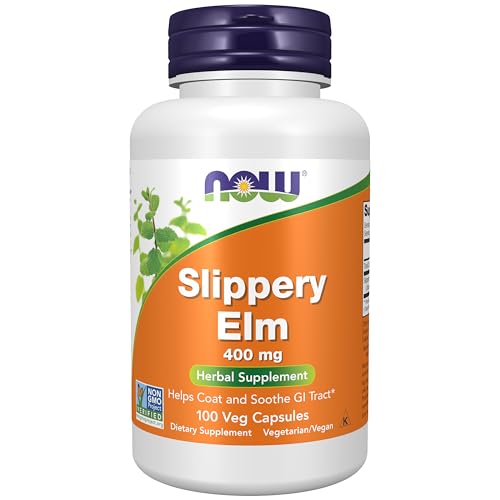
Slippery Elm Bark
Slippery elm contains mucilage — a gel-like substance that coats and soothes the esophageal and stomach lining when mixed with water. It has been used in traditional medicine for centuries and is recognized by the FDA as a safe demulcent.
- Dose: 400–800 mg in capsules, or 1–2 tablespoons of powder mixed into water, before meals
- Form: Capsules, powder, or lozenges
- Note: Take 2 hours apart from medications (mucilage may slow absorption)
Melatonin
Melatonin is produced in the GI tract at 400 times the concentration found in the pineal gland. Research shows it strengthens LES tone, inhibits gastric acid secretion, and promotes esophageal healing. A landmark study found that a supplement containing 6 mg melatonin achieved complete GERD symptom resolution in 100% of participants within 40 days — outperforming omeprazole.
- Dose: 3–6 mg at bedtime
- Form: Tablets or capsules
- Bonus: Also improves sleep quality, which is often disrupted by nighttime reflux
Ginger
Ginger has natural prokinetic properties — it speeds gastric emptying, reducing the window for reflux. It also has anti-inflammatory and anti-nausea effects.
- Dose: 1–2 grams daily (fresh ginger tea, capsules, or crystallized ginger)
- Caution: Very high doses (above 4g daily) may paradoxically worsen heartburn
What Lifestyle Changes Have the Biggest Impact on Acid Reflux?
Beyond diet and supplements, several lifestyle modifications can dramatically reduce acid reflux frequency and severity. Losing just 10% of body weight reduces GERD symptoms by over 50% in overweight individuals, while quitting smoking, managing stress, and adjusting clothing choices all contribute to stronger LES function and less acid exposure. These changes address the root causes of reflux rather than simply managing symptoms.
Weight Management
Excess abdominal fat increases intra-abdominal pressure, physically pushing stomach contents toward the esophagus. A large prospective study in the New England Journal of Medicine found that even moderate weight gain increased GERD risk, while weight loss of 10% or more significantly reduced symptoms — regardless of starting BMI.

Stress Reduction
Chronic stress increases cortisol, which stimulates stomach acid production, impairs gastric motility, and weakens LES function. The gut-brain axis plays a direct role in GERD — anxiety and stress literally increase the perception of acid reflux symptoms even at the same acid exposure levels.
Effective stress-reduction strategies:
- Diaphragmatic breathing — 5–10 minutes, 2–3 times daily (also strengthens the diaphragmatic crura around the LES)
- Progressive muscle relaxation — before meals and at bedtime
- Mindful eating — reduces swallowed air and improves digestion
- Regular moderate exercise — 30 minutes most days (avoid high-impact exercise within 2 hours of eating)
For a deeper dive into the gut-brain connection, see our guide on The Gut-Brain Axis Explained.
Quit Smoking
Smoking weakens the LES, increases stomach acid production, reduces saliva (which neutralizes acid), and impairs esophageal clearance. Quitting smoking improves GERD symptoms within weeks.
Clothing and Posture
- Avoid tight belts, waistbands, and shapewear that increase abdominal pressure
- Maintain good posture — slouching compresses the stomach
- Avoid bending at the waist after meals — bend at the knees instead
How Do You Build a Long-Term Acid Reflux Prevention Plan?
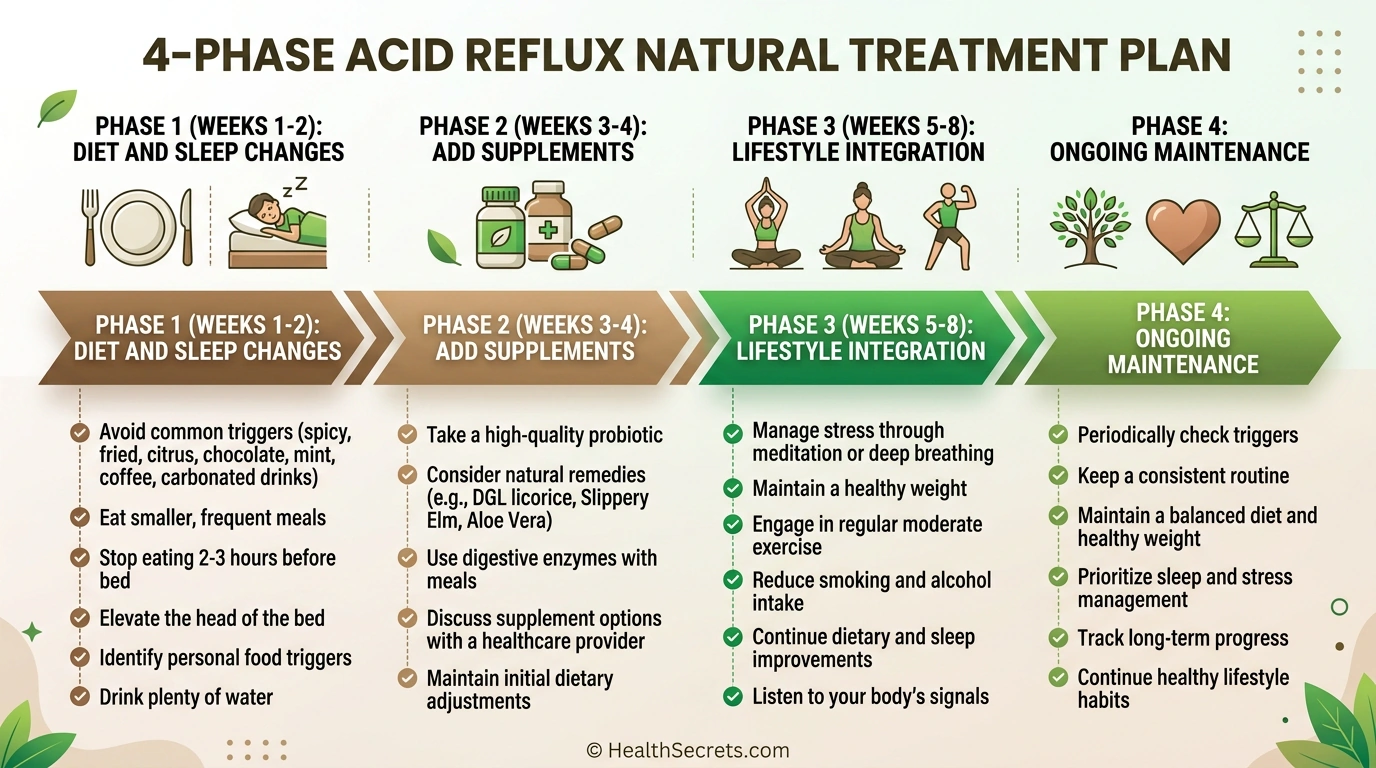
The most effective acid reflux management plan combines all the previous steps into a sustainable daily routine. Start with the highest-impact changes first — dietary triggers and sleep position — then layer in supplements and lifestyle modifications over 2–4 weeks. Track your symptoms daily to identify personal patterns and optimize your individual protocol for lasting relief.
Phase 1: Weeks 1–2 (Foundation)
- Eliminate top trigger foods (citrus, chocolate, caffeine, alcohol, spicy, fatty)
- Elevate the head of your bed and start left-side sleeping
- Stop eating 3 hours before bedtime
- Begin a food-symptom diary
Phase 2: Weeks 3–4 (Supplement Layer)
- Add DGL licorice before meals
- Introduce aloe vera juice (1 oz before meals, increase gradually)
- Start melatonin 3–6 mg at bedtime
- Consider slippery elm if symptoms persist
Phase 3: Weeks 5–8 (Lifestyle Integration)
- Begin a moderate exercise routine (walking, yoga, swimming)
- Implement daily stress management (diaphragmatic breathing, meditation)
- Start gradual weight loss plan if applicable
- Reintroduce eliminated foods one at a time to identify personal triggers
Phase 4: Ongoing Maintenance
- Continue avoiding confirmed personal triggers
- Maintain sleep position habits
- Use supplements as needed (many people can reduce to maintenance doses)
- Schedule annual check-ups with your gastroenterologist
- Practice 80/20 rule — strict 80% of the time, flexible 20%
What Are the Most Common Mistakes People Make with Natural Acid Reflux Remedies?
The biggest mistake people make with natural acid reflux remedies is expecting overnight results from a single change. Acid reflux develops over months or years due to multiple contributing factors, and effective natural treatment requires addressing several root causes simultaneously. Patience and consistency with a multi-pronged approach yields far better results than chasing quick fixes.
Top Mistakes to Avoid
- Relying on a single remedy — no single supplement or diet change works alone for most people
- Stopping too soon — natural approaches typically take 2–4 weeks for noticeable improvement
- Stacking pillows instead of elevating the bed — pillow stacking bends the waist and worsens reflux
- Drinking large amounts of water with meals — dilutes digestive enzymes and increases stomach volume
- Exercising immediately after eating — especially high-impact exercises or anything involving bending
- Taking apple cider vinegar for acid reflux — despite popular claims, vinegar can worsen esophageal irritation in many GERD patients
- Ignoring stress as a factor — stress is a major but often overlooked driver of reflux
- Abruptly stopping PPI medications — causes rebound acid hypersecretion; always taper with medical guidance
Expert Optimization Tips
- Keep a detailed food-symptom diary for at least 2 weeks to identify your unique triggers
- Chew sugar-free gum (not mint-flavored) after meals — stimulates saliva production, which neutralizes acid
- Try incorporating more fiber — a high-fiber diet is associated with reduced GERD risk [14]
- Practice the "20-minute rule" — if symptoms appear after eating, walk for 20 minutes before lying down
- Consider probiotics — emerging research links gut microbiome health to improved GERD outcomes
For more strategies on supporting your digestive system, explore our Gut-Healing Foods Guide and Anti-Inflammatory Foods for Gut Health.
Is It Safe to Treat Acid Reflux Naturally? When Should You See a Doctor?
Natural acid reflux remedies are generally safe for most adults when used appropriately, but they are not a substitute for medical evaluation of persistent or severe symptoms. You should see a doctor immediately if you experience alarm symptoms such as difficulty swallowing, unintended weight loss, vomiting blood, or chest pain. Natural approaches work best as a complement to — not a replacement for — professional medical care.
Supplement Safety Considerations
- DGL licorice — generally well tolerated; rare side effects include headache. Safe for most adults but consult your doctor if pregnant or taking blood pressure medications
- Aloe vera juice — use only purified inner-leaf products; whole-leaf may cause diarrhea and electrolyte imbalances
- Slippery elm — may slow absorption of other medications; take 2 hours apart from prescription drugs
- Melatonin — may cause morning drowsiness; start with 3 mg and increase if needed. Avoid with immunosuppressants and blood thinners
- Ginger — avoid doses above 4g daily; may interact with blood thinners
Red Flags: See a Doctor Immediately If You Experience
- Difficulty swallowing or food getting stuck
- Unintended weight loss
- Vomiting blood or coffee-ground-like material
- Black, tarry stools
- Chest pain (especially with exertion — rule out cardiac causes)
- Symptoms that persist despite 8 weeks of lifestyle changes
- Symptoms that started after age 50
- Hoarseness, chronic cough, or asthma-like symptoms that worsen at night
Action Plan
What Should You Do First to Start Relieving Acid Reflux Naturally?
Follow the sequence below, work through each phase in order, and use the checklist as your practical implementation guide.
Start with the two highest-impact changes today: eliminate your top 3 dietary triggers and elevate the head of your bed tonight. These two steps alone can reduce reflux episodes by 40–70% within the first week. Then follow this phased action plan to systematically layer in additional strategies over the next 8 weeks.
Immediate Actions (Today)
- Identify and remove your top 3 trigger foods
- Stop eating at least 3 hours before bedtime
- Order or set up bed elevation (wedge pillow or 6-inch bed risers)
- Start a food-symptom diary
Week 1–2 Actions
- Implement all dietary changes from Step 1
- Begin left-side sleeping with elevated head
- Practice eating smaller, slower meals
- Start DGL licorice before meals (chew 20 min before eating)
Week 3–4 Actions
- Add aloe vera juice (1 oz before meals)
- Start melatonin 3–6 mg at bedtime
- Begin daily diaphragmatic breathing practice
- Add slippery elm if symptoms persist
Week 5–8 Actions
- Start moderate exercise routine (30 min, 5 days/week)
- Begin systematic food reintroduction testing
- Implement full stress management protocol
- Evaluate progress and adjust supplement doses
Ongoing Maintenance
- Continue avoiding confirmed triggers
- Maintain sleep position and timing habits
- Annual gastroenterology check-up
- Adjust supplements to maintenance doses as symptoms improve