
Supplements
Evidence-based supplement reviews with dosing, bioavailability, forms, interactions, and third-party testing. We analyze what the research actually shows — not marketing claims.
Start Here
Start with the flagship guide for foundational research.
SUBTOPIC MAP
Browse by subtopic
The archive is organized so readers can move from the pillar into the exact slice they need.

Quercetin for Immune Health: The Antiviral Flavonoid
Quercetin is a plant flavonoid with potent antiviral and immune-modulating properties. Acting as a zinc ionophore, quercetin helps shuttle zinc into cells where it can inhibit viral replication. This evidence-based guide covers quercetin's immune mechanisms, bioavailability challenges, optimal dosing, and how to pair it with zinc for maximum antiviral support.
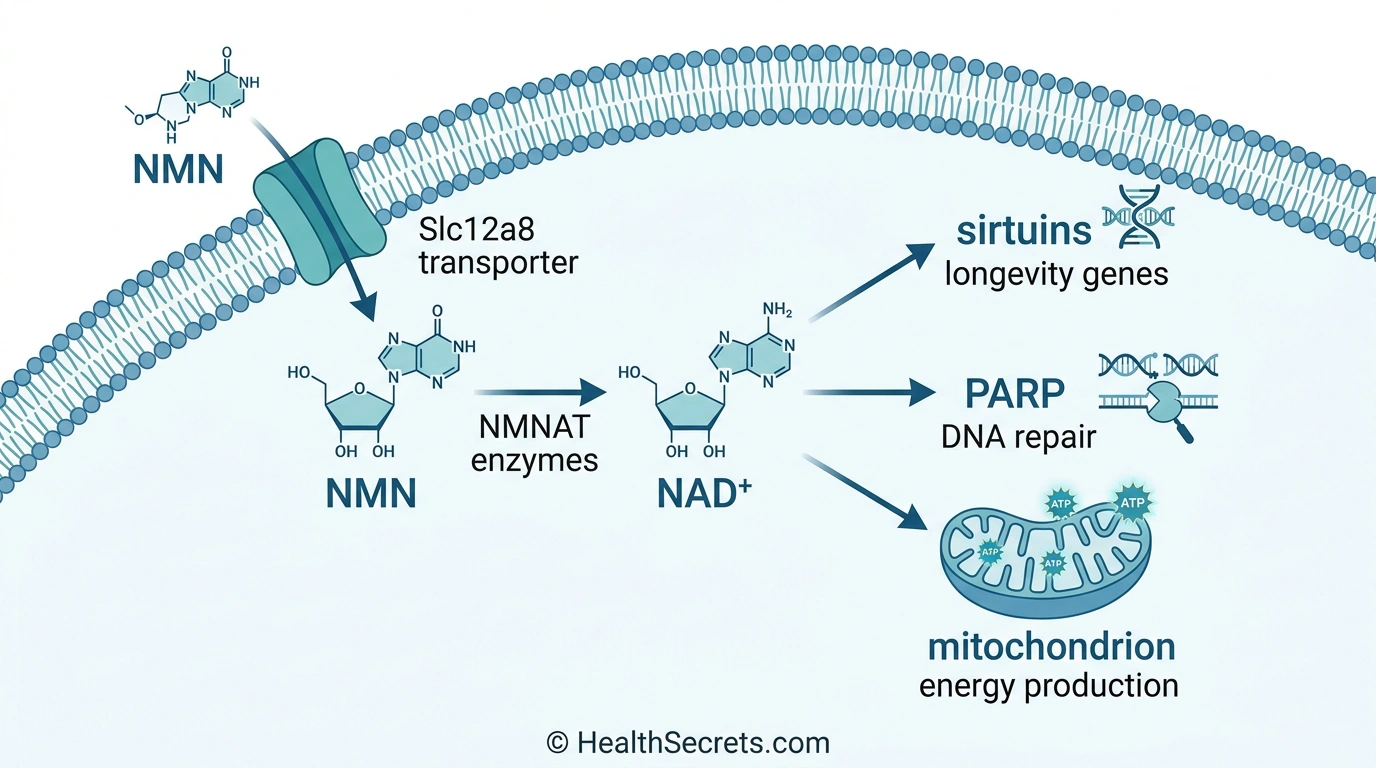
NMN Supplement Guide: NAD+ Precursor for Longevity
NMN (nicotinamide mononucleotide) is a direct NAD+ precursor that has gained massive popularity as an anti-aging supplement. This evidence-based guide covers NMN mechanisms, clinical research, dosing protocols, bioavailability, safety, and realistic expectations to help you decide if this longevity supplement is right for you.
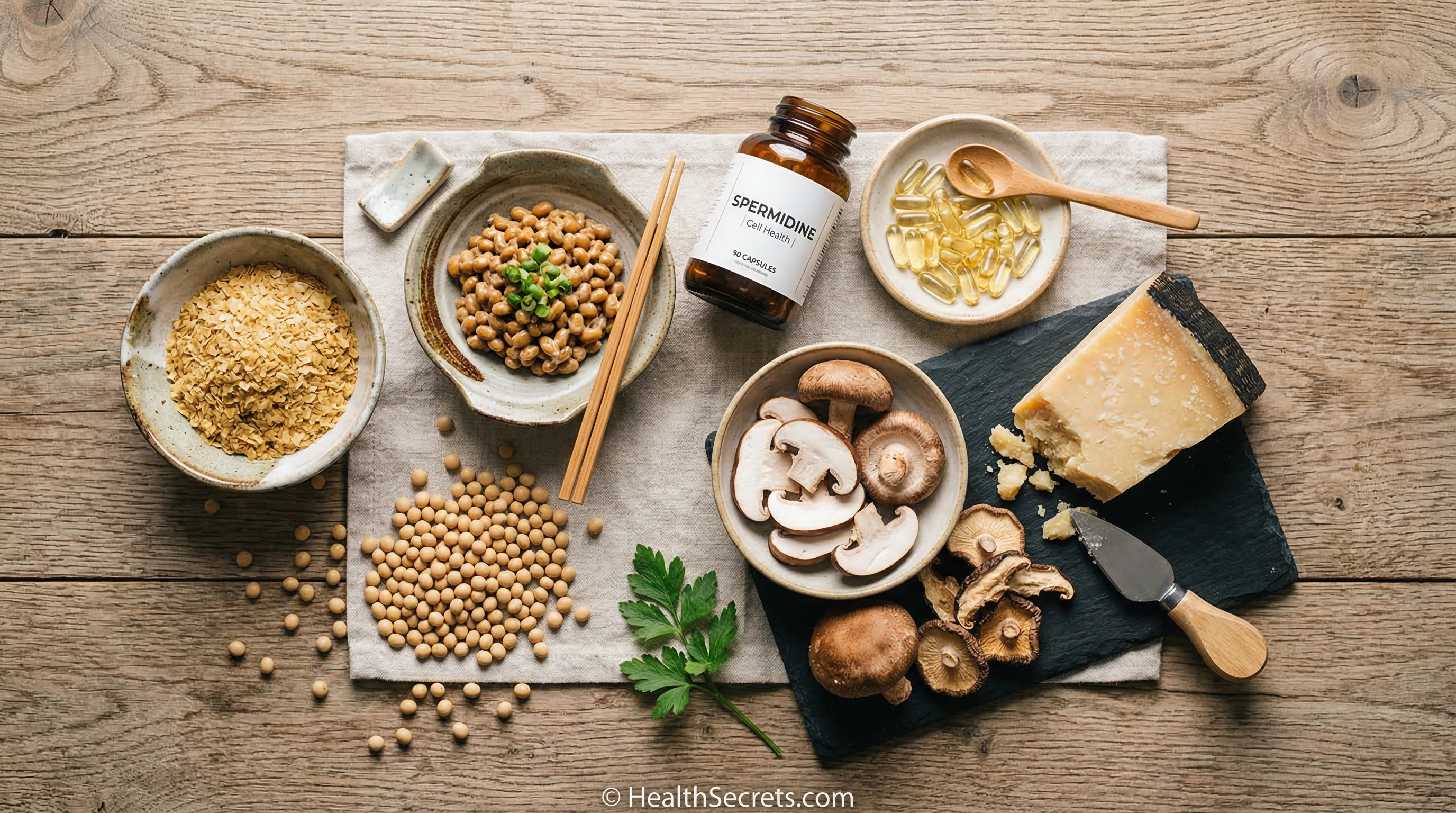
Spermidine for Longevity: Autophagy-Inducing Compound
Spermidine is a naturally occurring polyamine that activates autophagy — the cellular recycling process linked to longevity and disease prevention. This evidence-based guide covers what spermidine is, how it works, optimal dosing, food sources, and what the latest research says about its anti-aging potential.
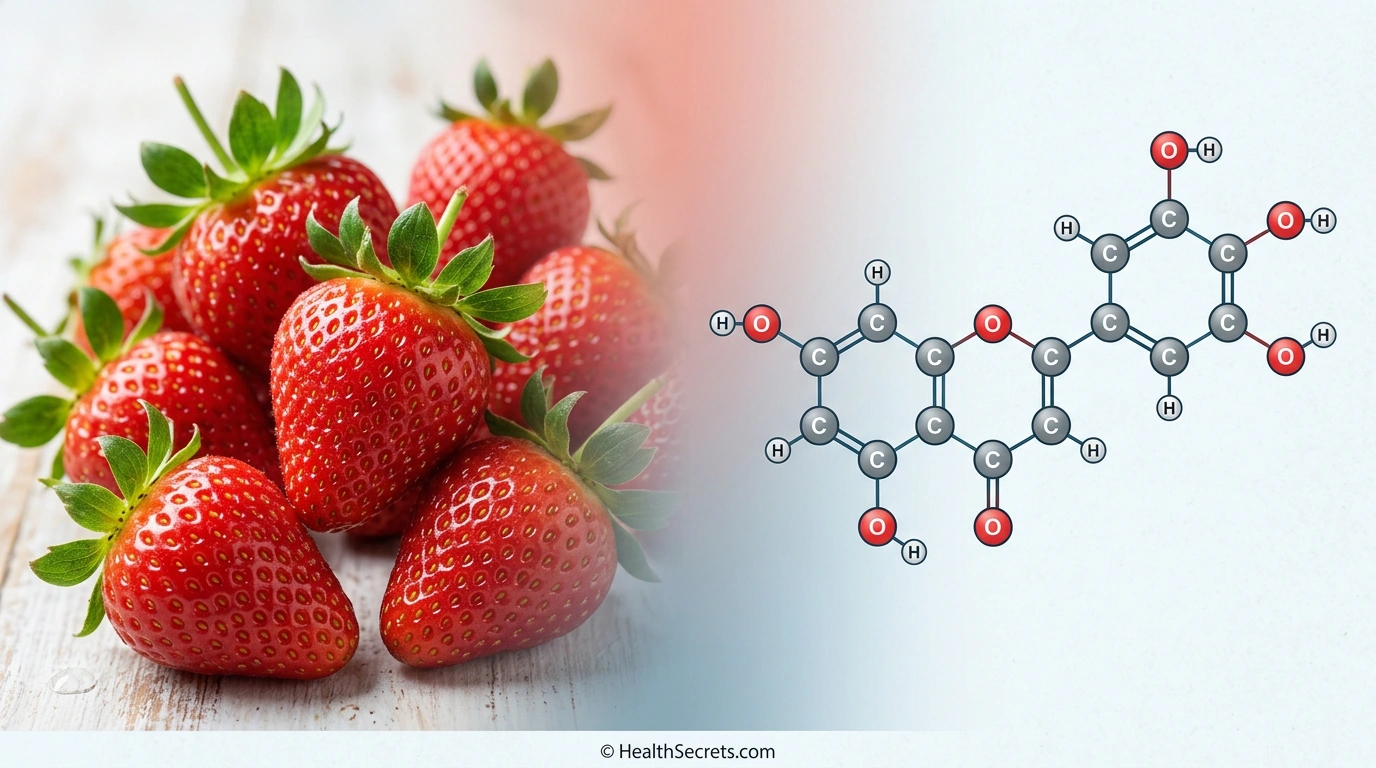
Fisetin for Longevity: Senolytic Flavonoid Guide
Fisetin is a plant flavonoid found in strawberries that emerged as one of the most potent natural senolytics—compounds that selectively kill zombie cells driving aging. This guide covers the science behind fisetin, how it clears senescent cells, clinical trial evidence, dosing protocols, bioavailability challenges, and practical supplementation advice.
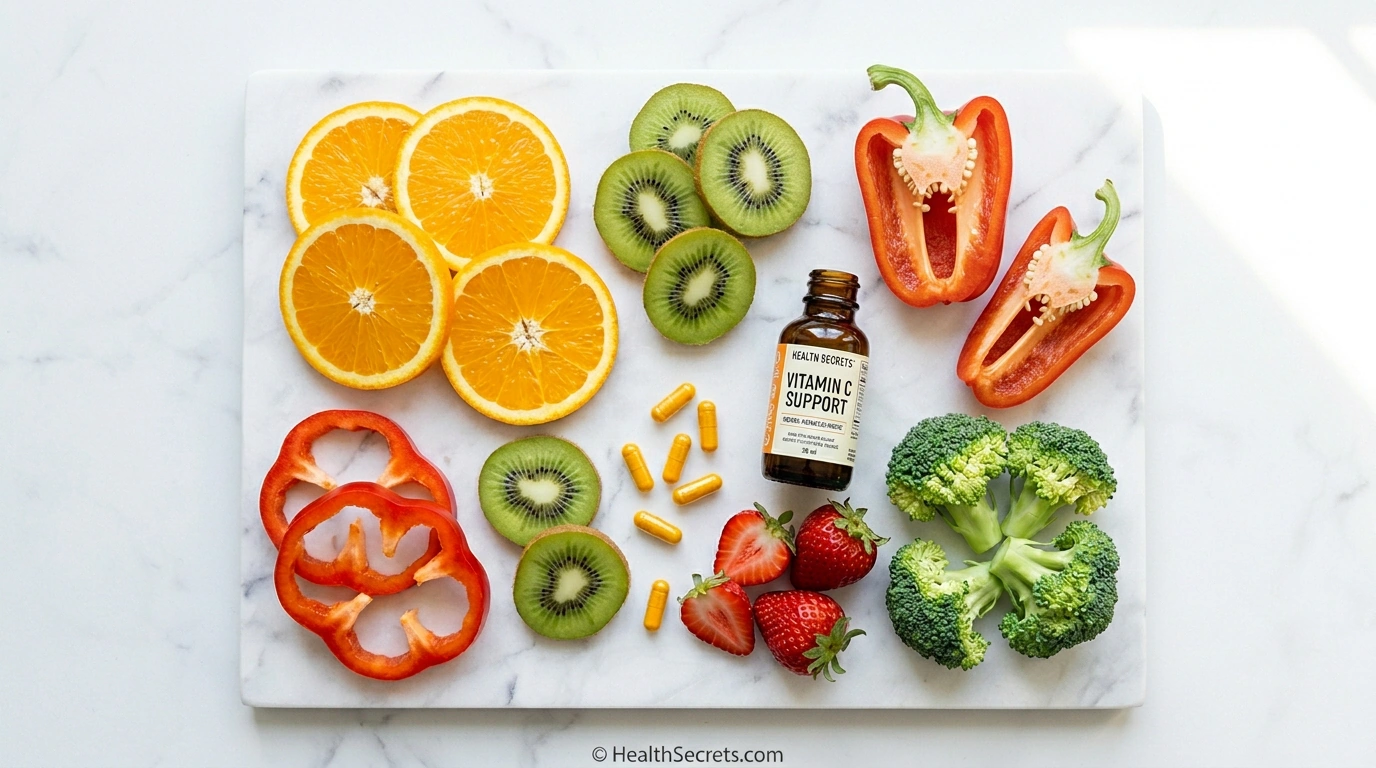
Vitamin C Complete Guide: Immune and Antioxidant Support
Vitamin C is an essential water-soluble vitamin that supports immune defense, collagen synthesis, and antioxidant protection throughout your body. Because humans cannot produce it internally, daily intake through diet or supplementation is critical for optimal health — and choosing the right form and dose can make a significant difference in how much your body actually absorbs.

Anti-Aging Skin Care: Natural Strategies for Youthful Skin
Anti-aging skin care isn't about chasing perfection—it's about protecting what you have and supporting your skin's natural repair processes. This evidence-based guide walks you through the most effective strategies, from retinoids and vitamin C to sunscreen, collagen support, and lifestyle changes that actually make a difference.
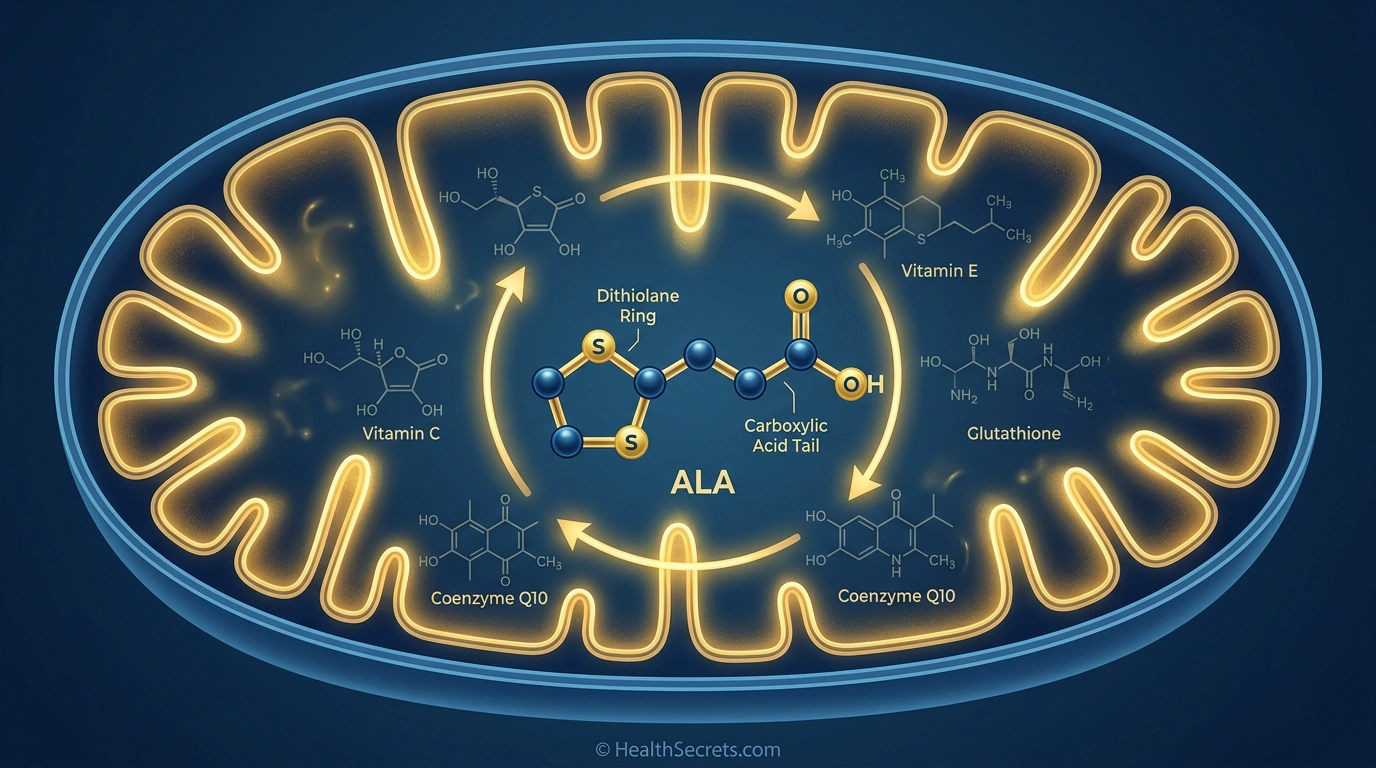
Alpha-Lipoic Acid for Anti-Aging: Universal Antioxidant
Alpha-lipoic acid stands apart from every other antioxidant supplement because it works in both water and fat — protecting virtually every tissue in your body, including the brain. This guide covers what ALA actually does, how to choose between R-lipoic acid and racemic forms, dosing protocols, and what the clinical research genuinely supports.
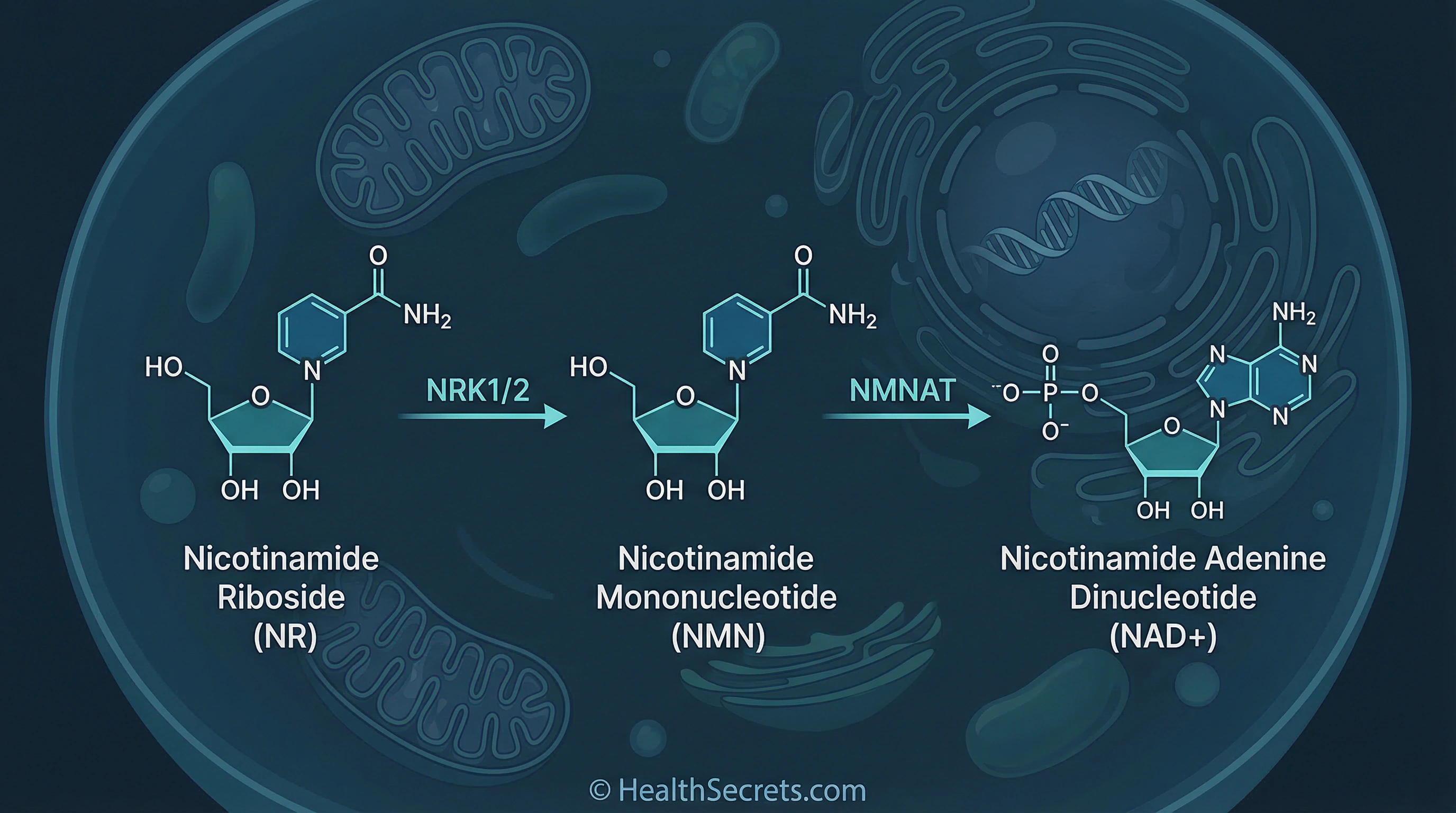
Nicotinamide Riboside (NR): NAD+ Booster Guide
Nicotinamide riboside (NR) is a vitamin B3 derivative that reliably boosts NAD+ levels by 50–150% in human clinical trials. This supplement guide covers how NR works, clinical evidence, NR vs NMN comparison, dosing protocols, Niagen quality considerations, safety profile, and a realistic cost-benefit analysis for longevity-focused supplementation.
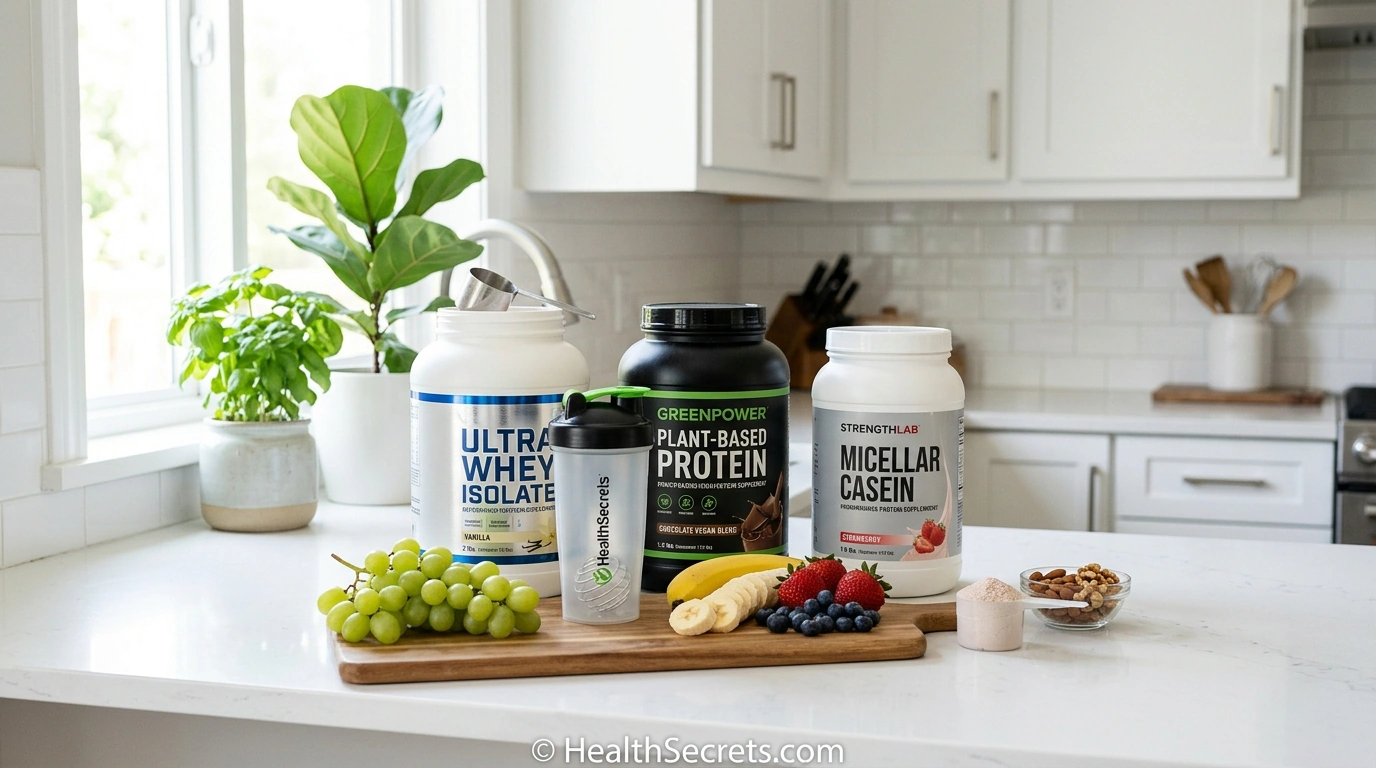
Protein Supplements: Complete Guide for Health and Fitness
Discover the best protein supplements for 2025 with our evidence-based guide. We compare whey, casein, and plant-based proteins, review the top 10 products for purity and value, and share expert tips on dosing, timing, and safety backed by peer-reviewed research.
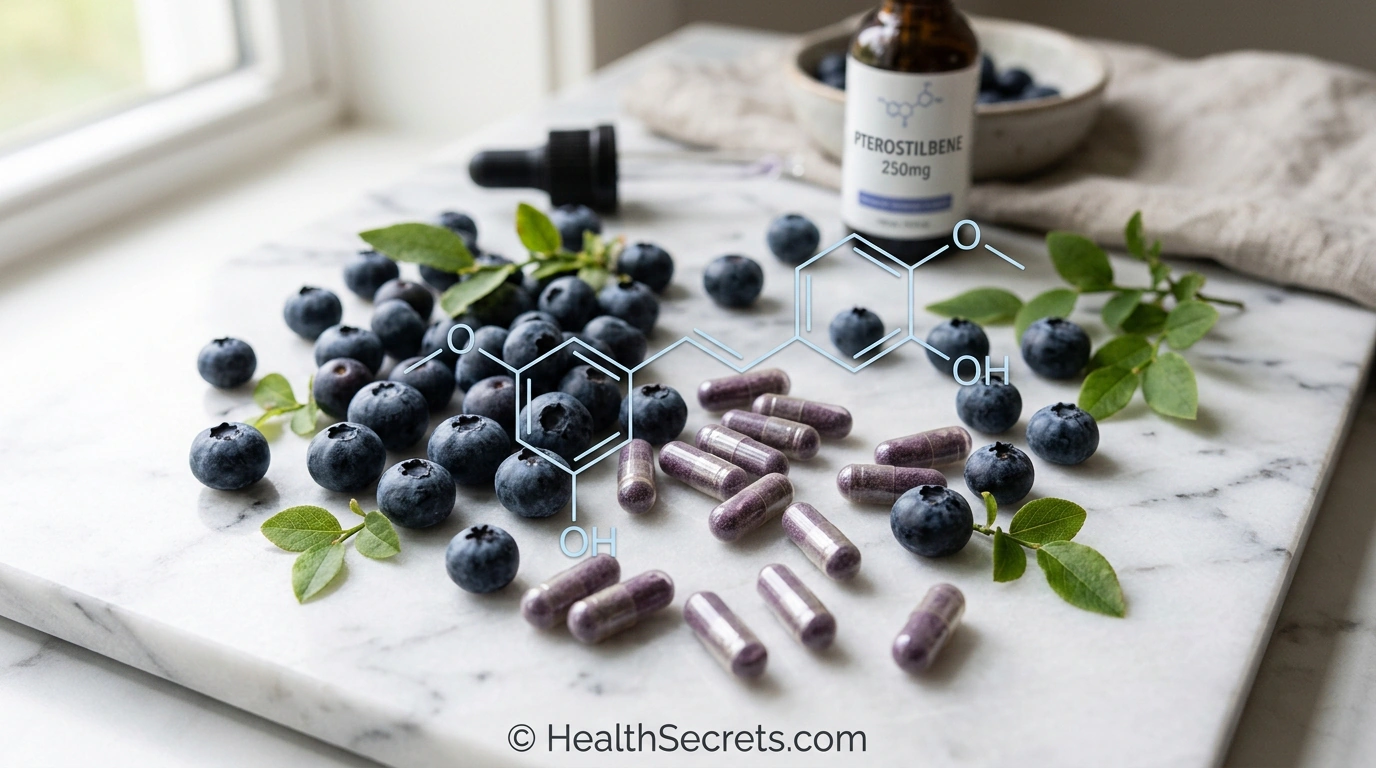
Pterostilbene: Enhanced Resveratrol Alternative
Pterostilbene is a naturally occurring blueberry compound with roughly 80% bioavailability—compared to resveratrol's meager 20%. This guide breaks down the science behind pterostilbene's superior absorption, its sirtuin-activating mechanisms, cognitive benefits, dosing protocols, and how it stacks up against resveratrol for longevity support.
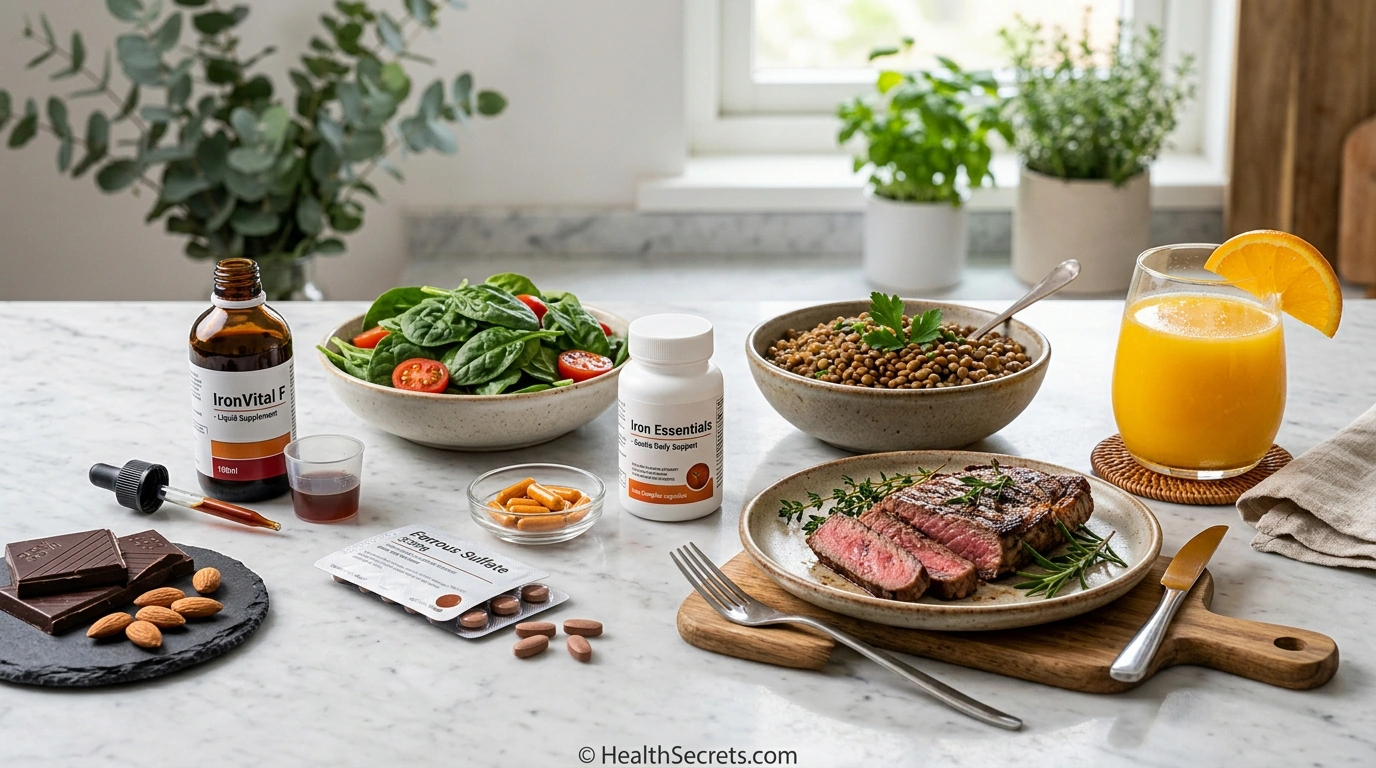
Iron Supplements: Complete Guide for Anemia and Energy
Iron is the most common nutrient deficiency worldwide, affecting over 2 billion people and causing fatigue, weakness, and anemia. This evidence-based guide covers iron supplement forms, proper dosing, absorption optimization, testing protocols, and the best products to safely correct deficiency and restore energy.
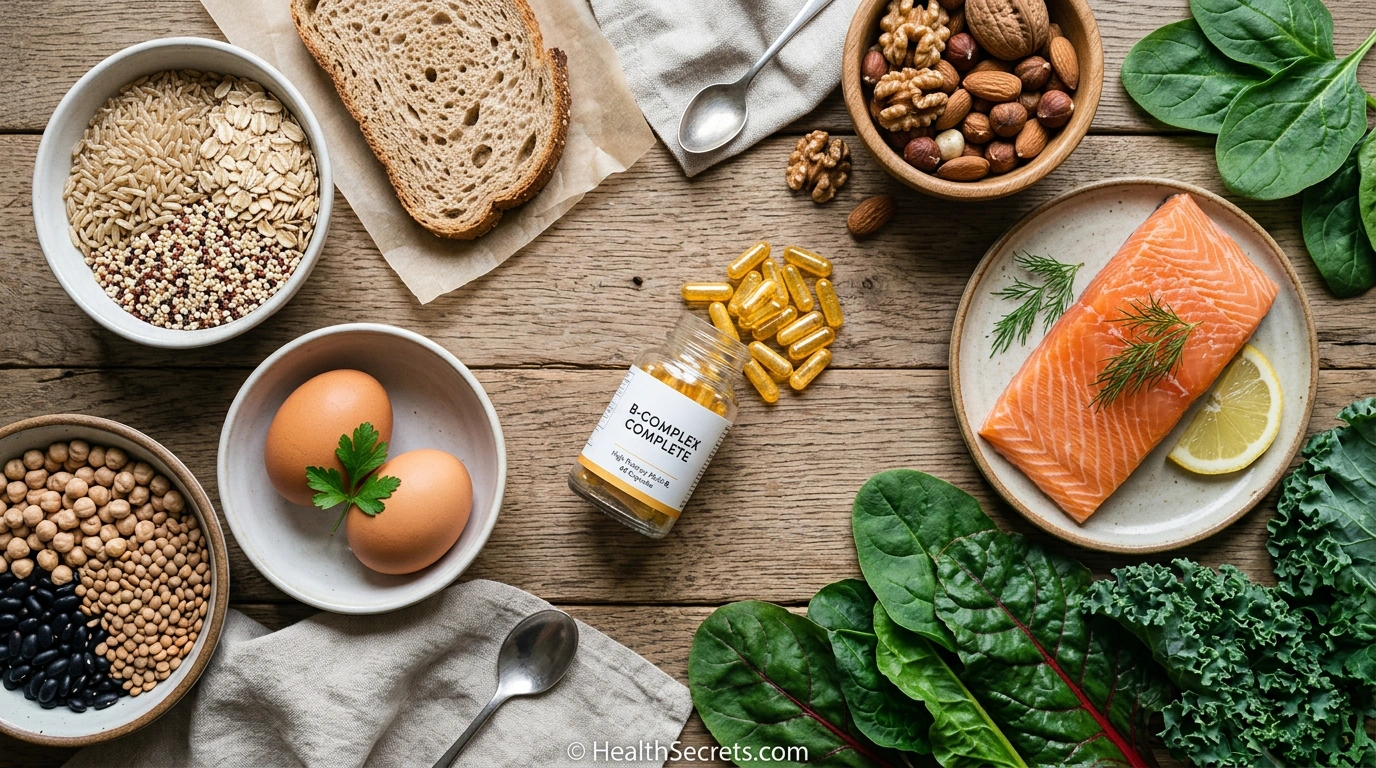
B Vitamins Complete Guide: Energy and Nervous System
B vitamins are a family of eight water-soluble nutrients that serve as essential cofactors in over 100 enzymatic reactions — from converting food into cellular energy to synthesizing neurotransmitters, building myelin sheaths around nerves, and regulating homocysteine for cardiovascular protection. This complete guide covers every B vitamin individually, explains methylated forms and the MTHFR polymorphism affecting 40% of the population, provides evidence-based dosing, and reviews the best supplements.
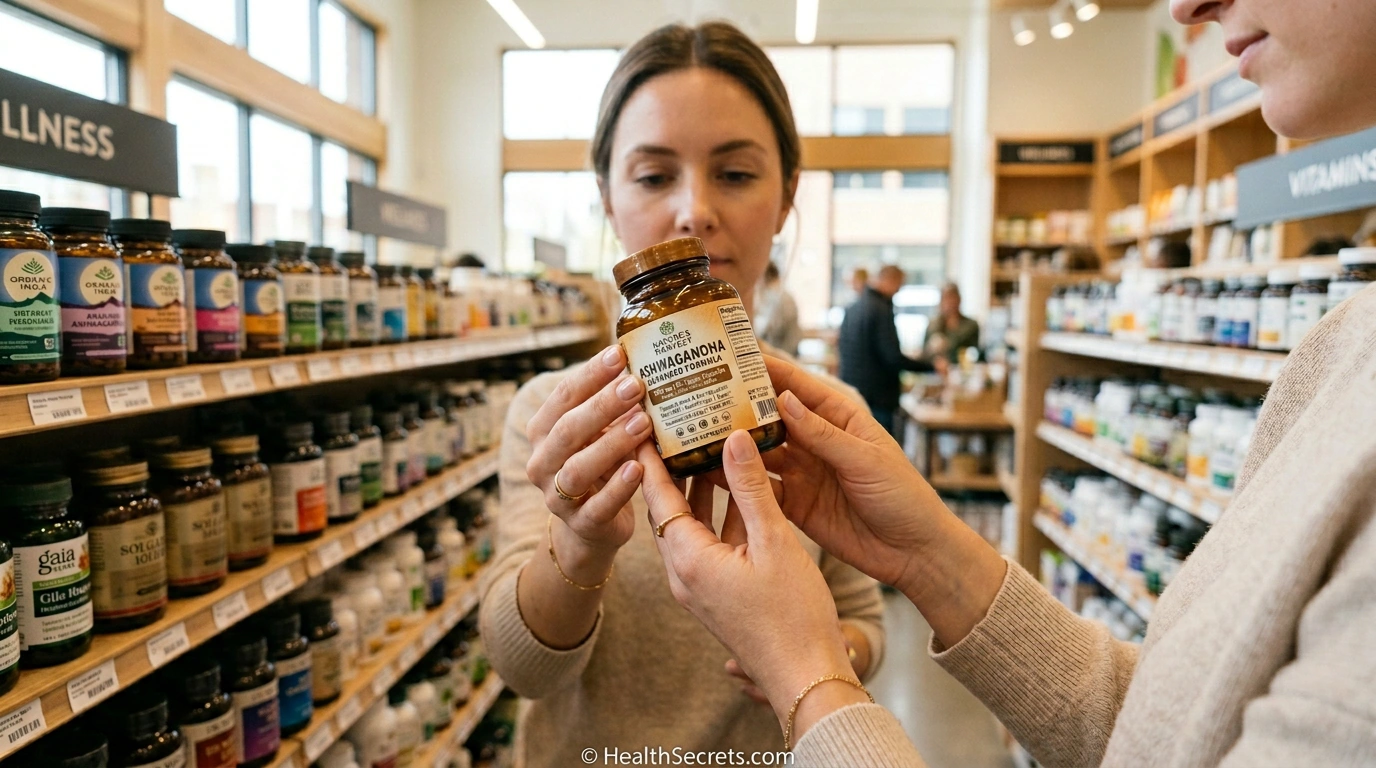
How to Choose Quality Supplements: Buyer's Guide
Choosing quality supplements requires understanding third-party testing certifications, GMP manufacturing standards, and bioavailability science — because in a $50+ billion industry where the FDA does not approve products before they hit shelves, the difference between a safe, effective supplement and a contaminated one comes down to what you know before you buy.
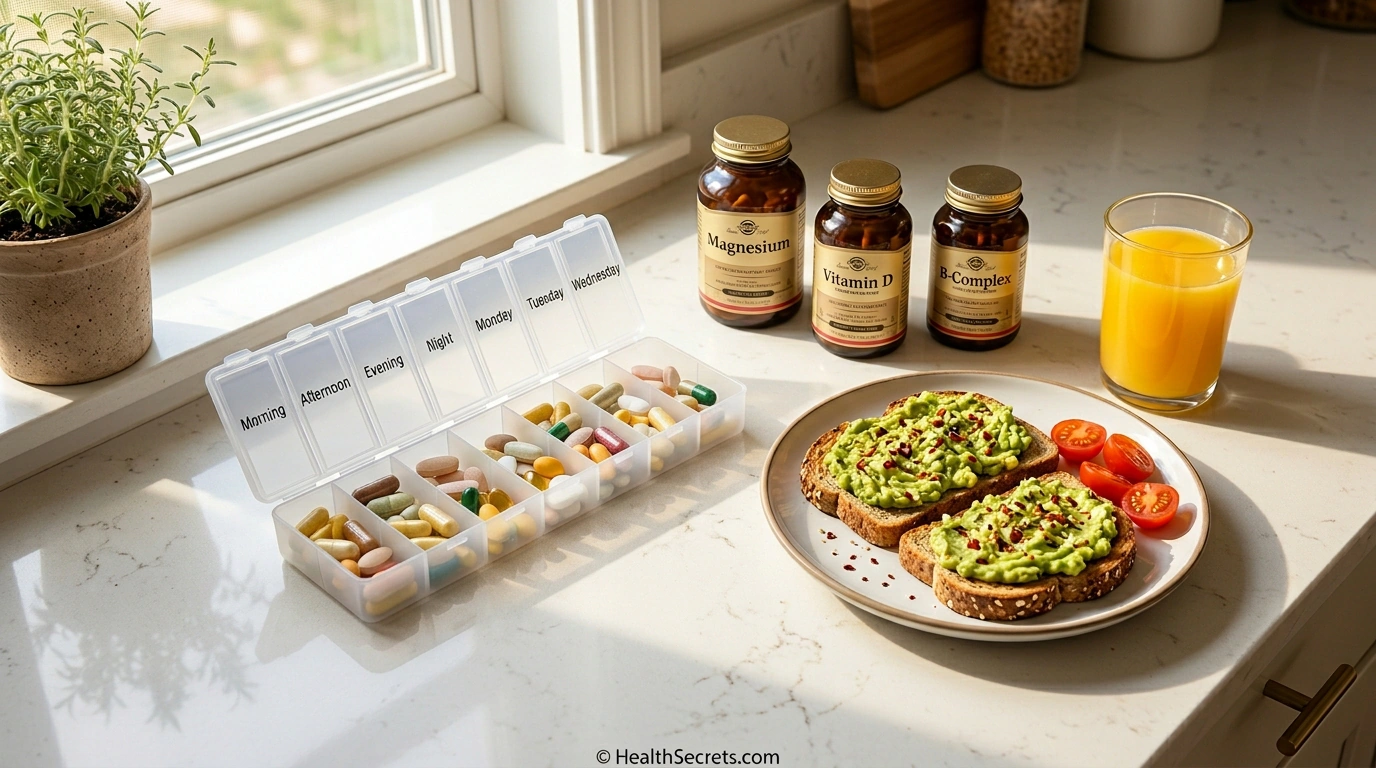
Supplement Timing and Absorption: When to Take What
Taking supplements at the right time can dramatically change how well your body absorbs them. This guide breaks down exactly when to take each type of supplement — from fat-soluble vitamins with meals to magnesium before bed — so you get the most from every capsule.
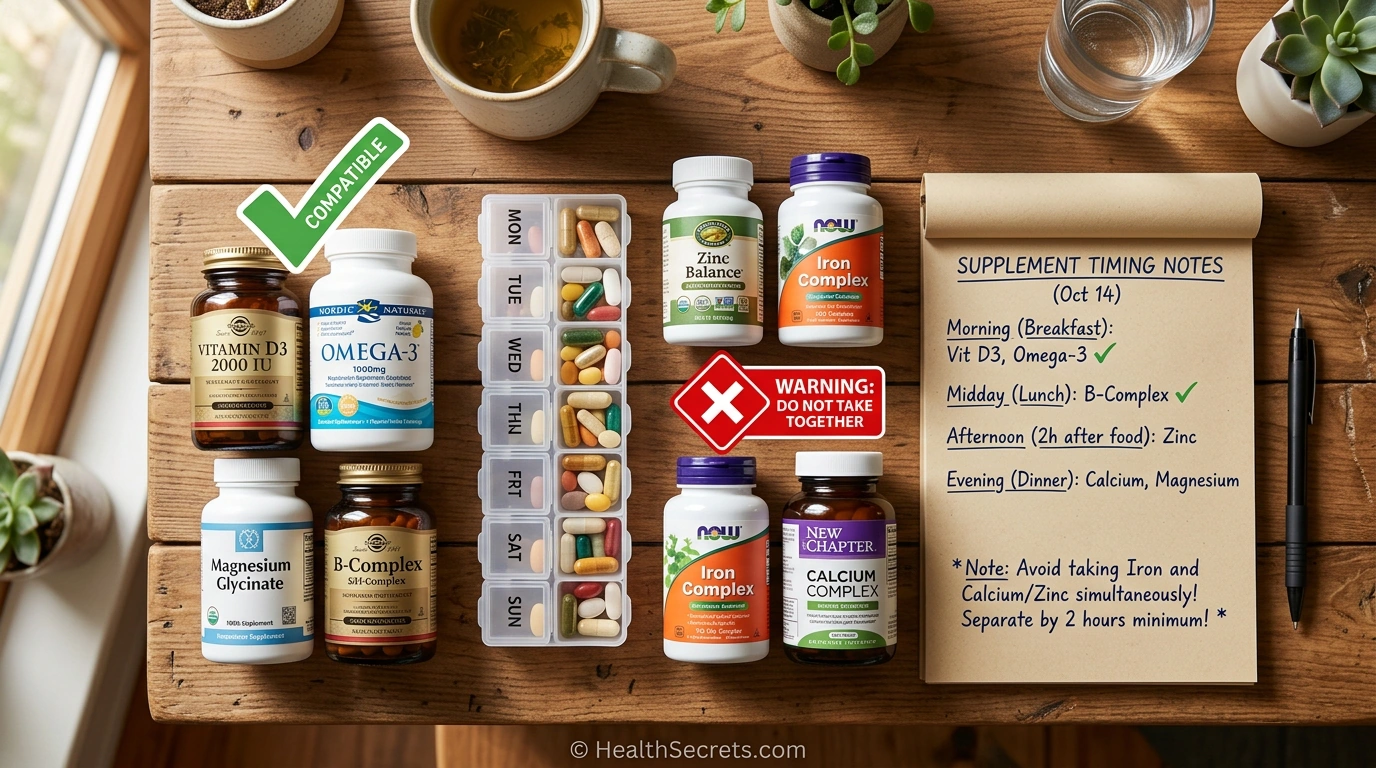
Supplement Interactions: What Not to Take Together
Supplement interactions can reduce absorption, trigger dangerous side effects, or cancel out medications entirely. This evidence-based guide covers the most critical supplement-to-supplement and drug-supplement interactions — including St. John's wort, vitamin K-warfarin, calcium-iron, and zinc-copper — plus practical spacing strategies to keep your regimen safe.
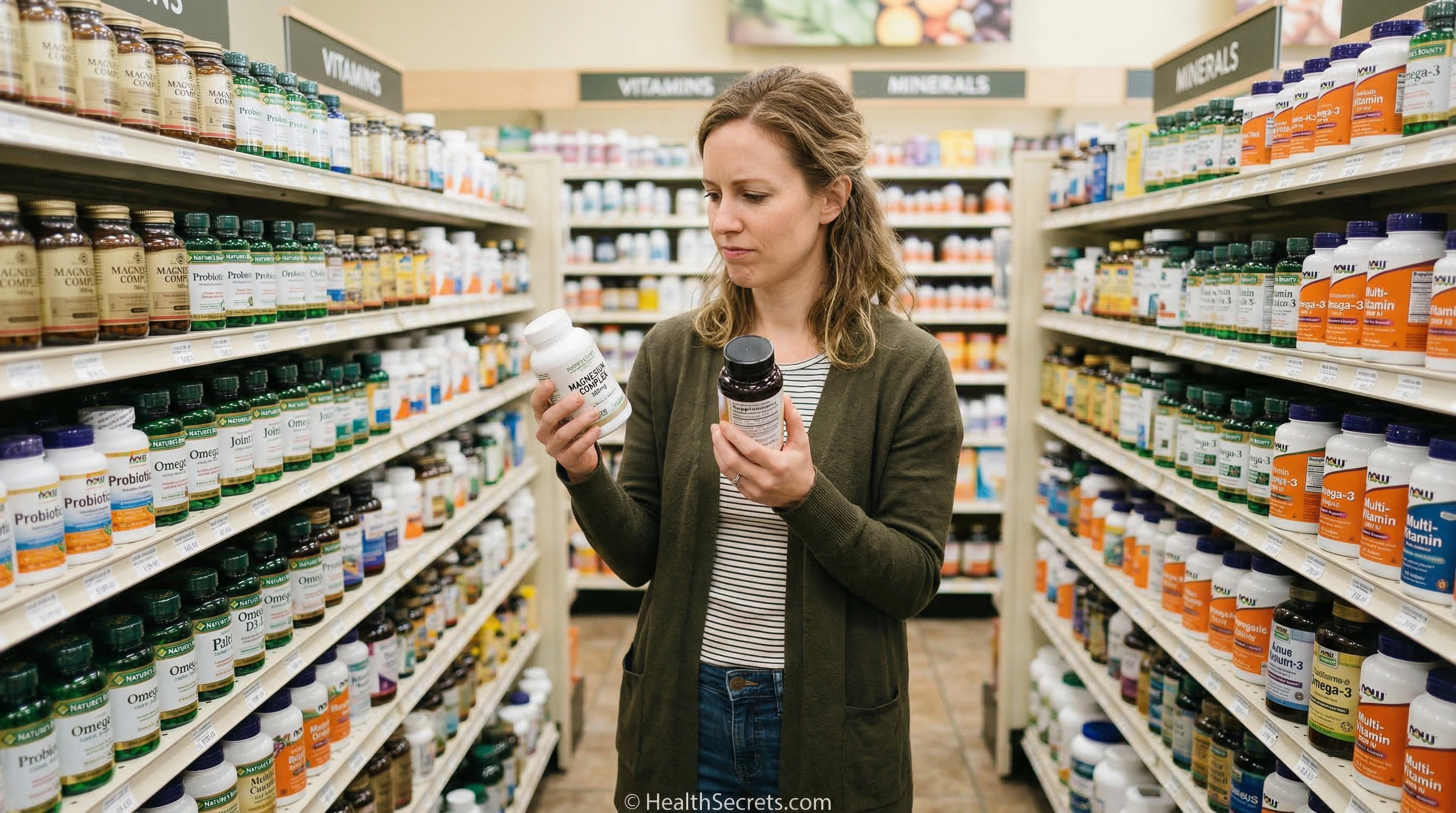
Supplement Myths Debunked: Separating Fact from Fiction
Supplement myths like "expensive urine" and "natural means safe" mislead millions of consumers every year. This evidence-based guide separates supplement facts from fiction, debunks the most common vitamin myths, and helps you make smarter decisions about whether supplements actually work for your health goals.
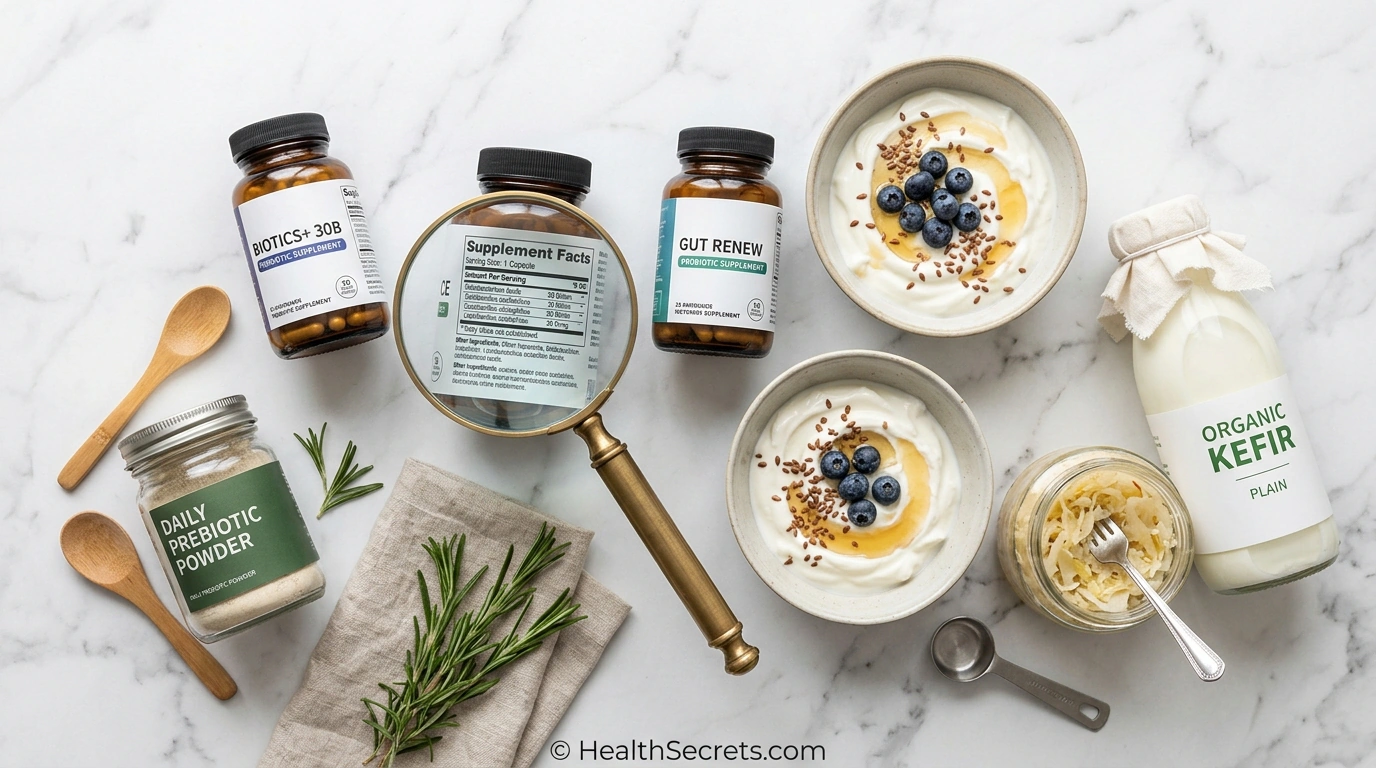
Probiotics and Prebiotics: Complete Supplement Guide
Choosing the right probiotic or prebiotic supplement can transform your gut health, but with thousands of products available, finding what actually works requires understanding strains, CFU counts, and delivery mechanisms. This evidence-based guide reviews the top 11 probiotic, prebiotic, and synbiotic supplements for 2025, with detailed comparisons to help you find your ideal match.
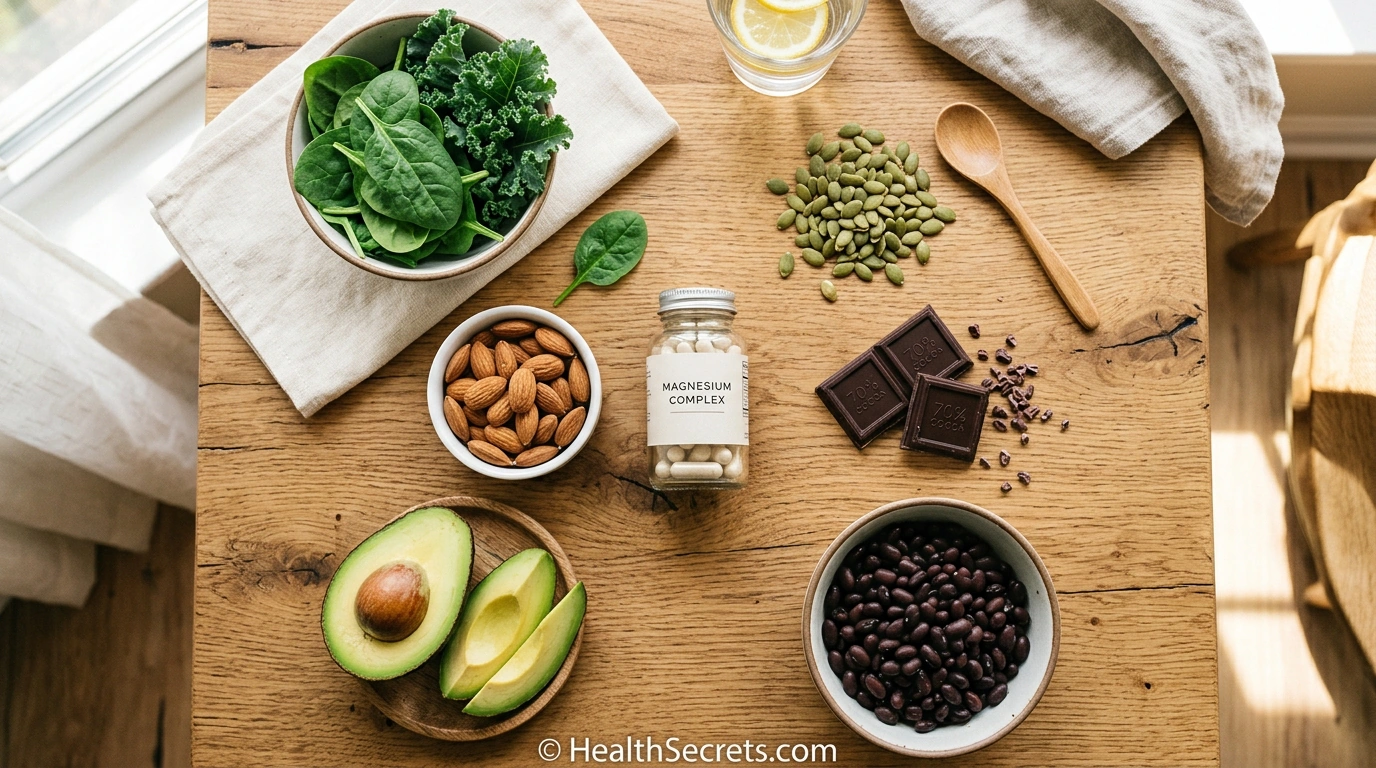
Magnesium Complete Guide: The Relaxation Mineral
Magnesium is the fourth most abundant mineral in the human body and a critical cofactor in over 300 enzymatic reactions — yet up to 50–70% of people don't get enough from diet alone. This complete guide covers magnesium's essential functions, the key differences between supplement forms (glycinate, threonate, citrate, and more), evidence-based dosing, food sources, and how to choose the right type for your health goals.
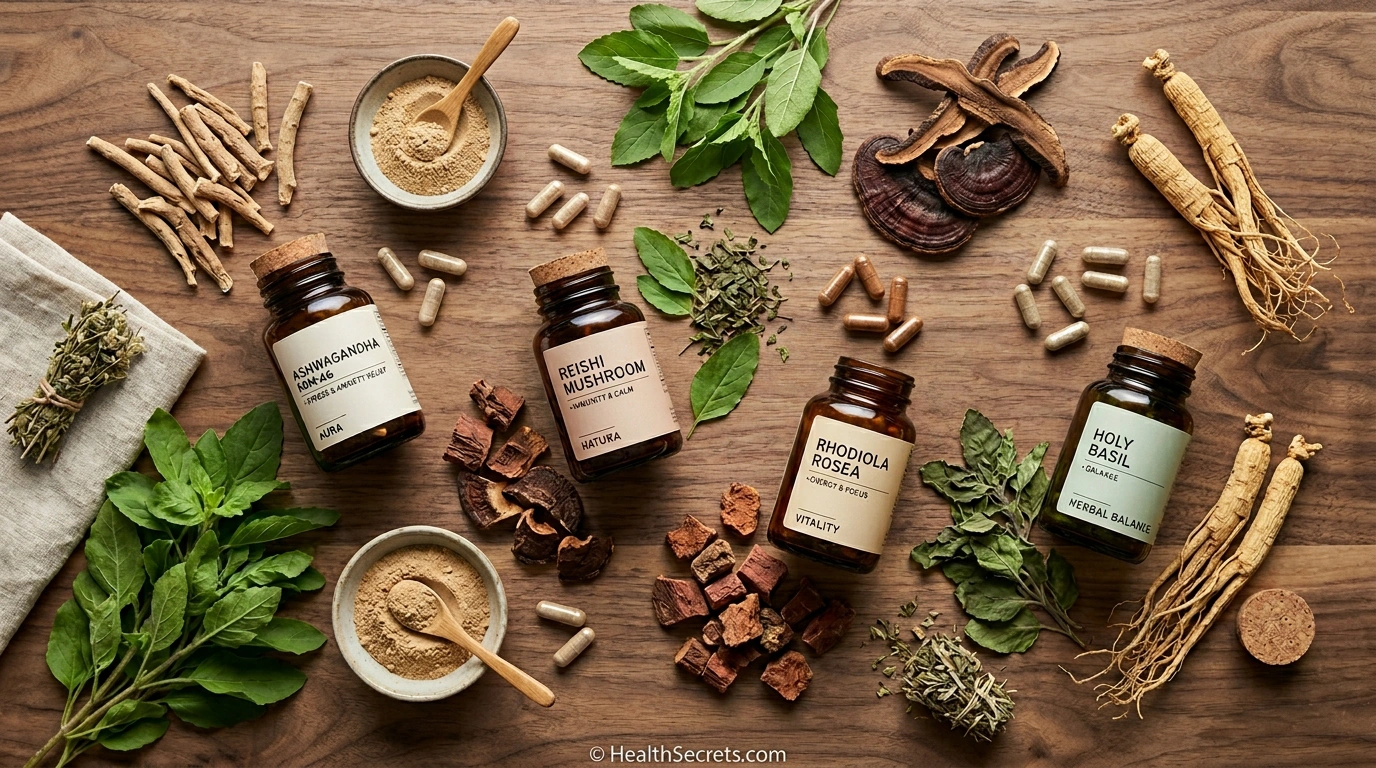
Adaptogen Supplements: Complete Guide to Stress Support
Adaptogen supplements like ashwagandha, rhodiola, and holy basil help your body manage stress by modulating the HPA axis and regulating cortisol. This evidence-based product review covers the best adaptogen supplements, what to look for in quality products, proper dosing and cycling, and safety considerations backed by clinical trials.
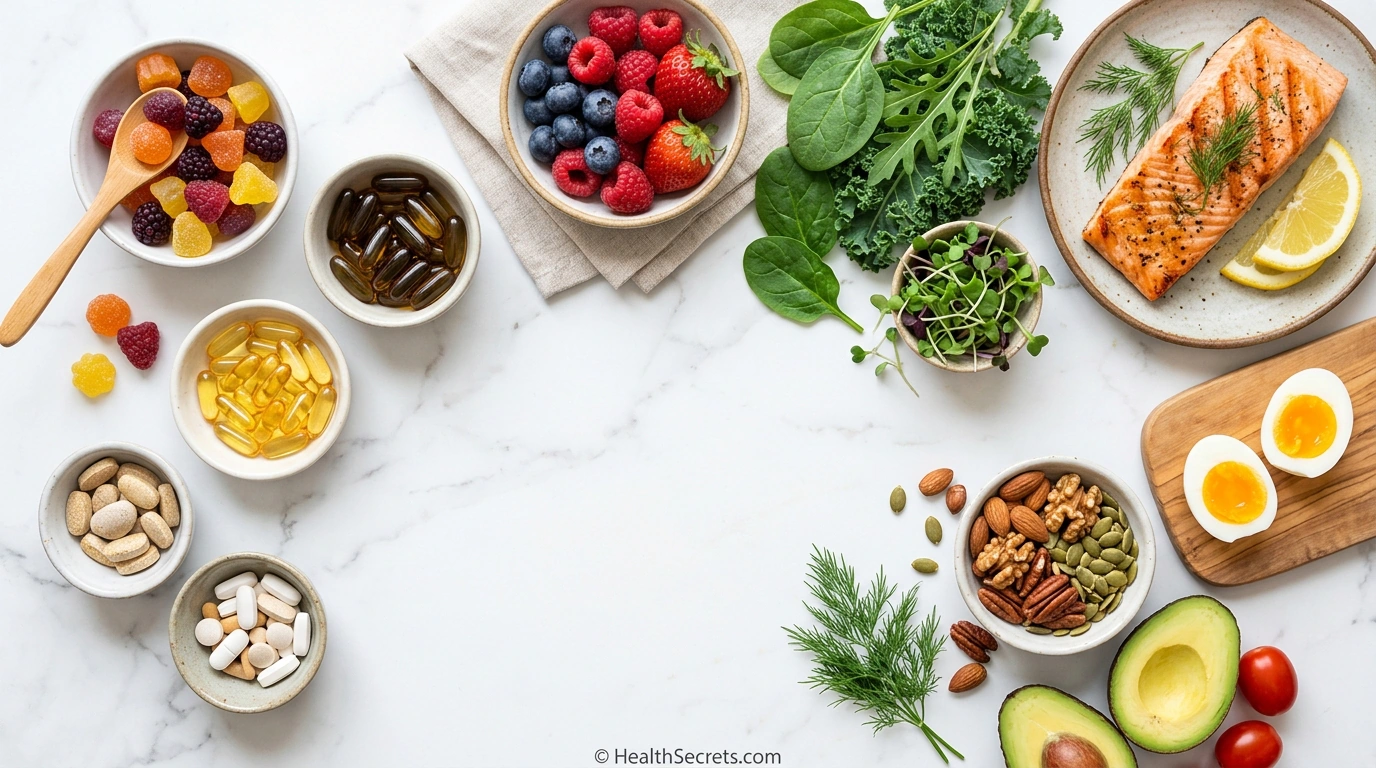
Multivitamin Guide: Do You Need One?
Multivitamins are the world's most popular supplement — yet the evidence for their benefits is surprisingly mixed. This honest, evidence-based guide examines who truly needs a multivitamin, what quality markers to look for, the difference between bioavailable and cheap synthetic forms, and which products deliver real value for men, women, seniors, and pregnant individuals.

Nutrient Deficiency Testing: What to Test and Why
Nutrient deficiency testing reveals hidden gaps in your vitamin and mineral levels that standard bloodwork often misses. Understanding which tests to request — and how to interpret optimal versus reference ranges — empowers you to make targeted dietary and supplement decisions that can transform your energy, immunity, and long-term health.
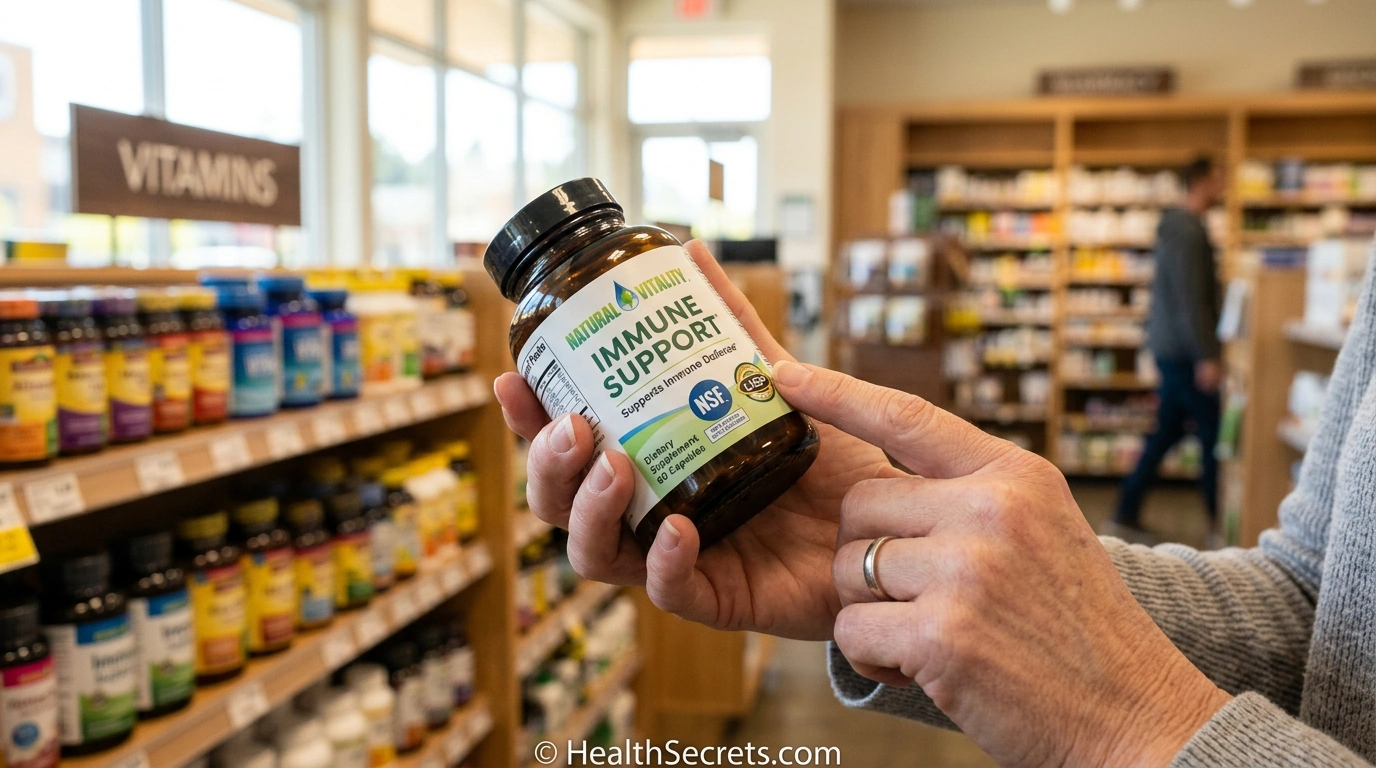
Supplement Safety: Myths, Risks and Precautions
Supplement safety is far more complex than most people realize. With the FDA unable to approve dietary supplements before they reach store shelves, quality varies dramatically between brands—and certain products can interact dangerously with medications or cause toxicity at high doses. This complete guide breaks down what the science actually says about using supplements safely.
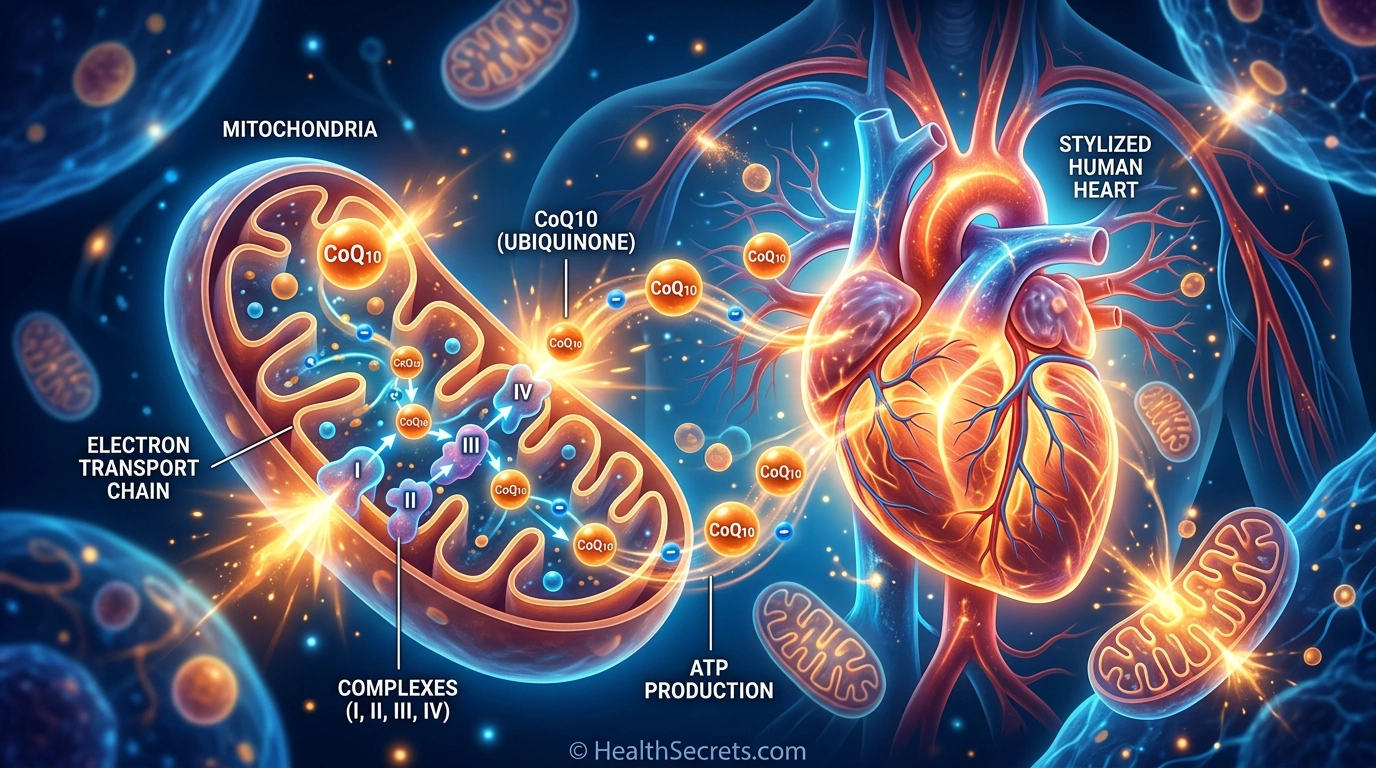
CoQ10 Complete Guide: Cellular Energy and Heart Health
CoQ10 (coenzyme Q10) is an essential compound found in every cell that powers mitochondrial energy production and acts as a potent antioxidant. This evidence-based guide covers ubiquinol vs ubiquinone, cardiovascular benefits, statin-induced depletion, optimal dosing, absorption tips, and the best CoQ10 supplements for heart health and cellular energy.
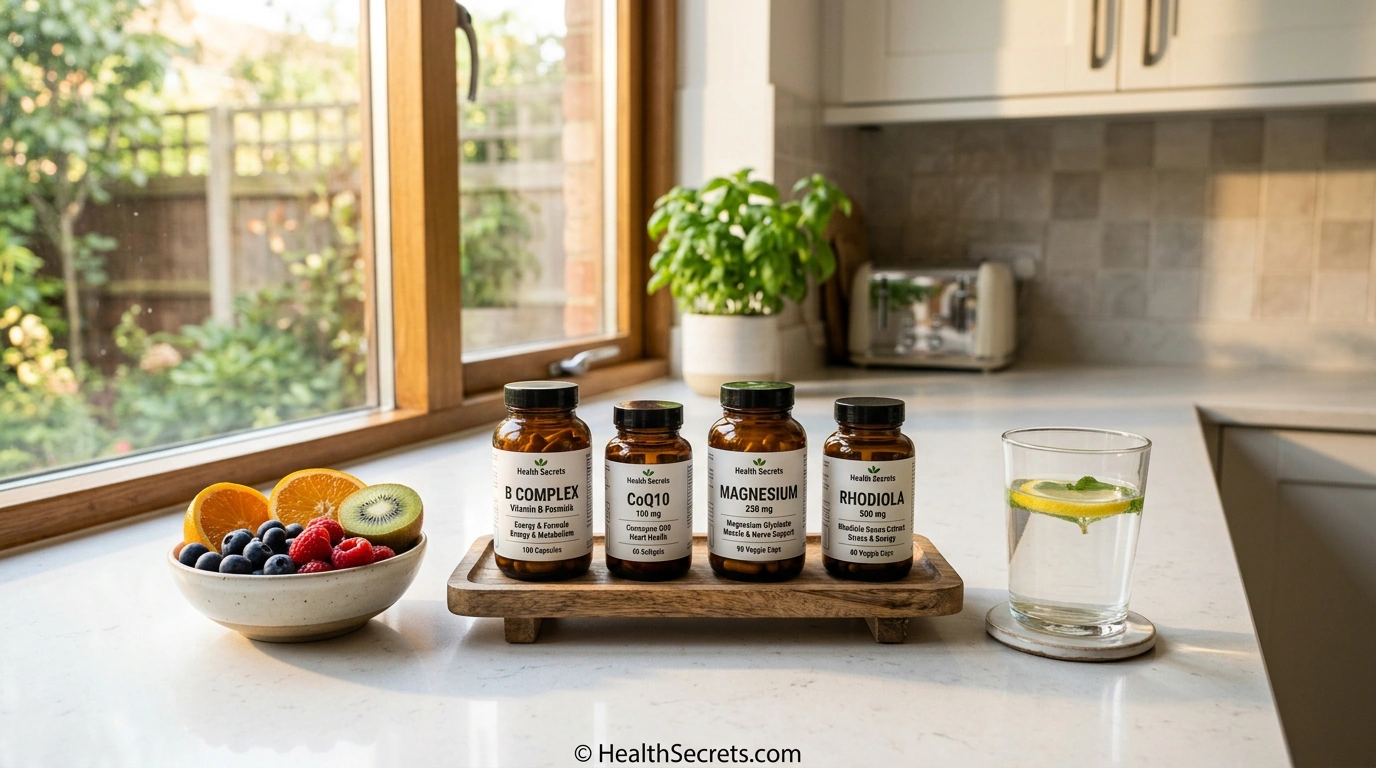
Supplements for Energy: Combat Fatigue Naturally
Supplements for energy can help combat persistent fatigue when the right ones target your specific deficiency. B vitamins, iron, CoQ10, magnesium, and adaptogens like rhodiola are among the most evidence-backed options — but testing your levels first is critical to avoid wasting money or causing harm.
How to Evaluate Supplements Like a Scientist
The global supplement industry exceeds $150 billion annually, yet the quality and efficacy of products vary enormously. Unlike pharmaceuticals, dietary supplements in most countries are not reviewed for safety or effectiveness before they reach store shelves — regulators typically act only after problems are reported. That places the burden of evaluation on the consumer, which is exactly where evidence-based analysis becomes essential.
The first question to ask of any supplement is whether you actually need it. Nutrients are best obtained from whole foods, where they arrive alongside fiber, cofactors, and phytonutrients that enhance absorption. Supplementation makes the most sense when there is a documented deficiency or elevated need — vitamin D in low-sunlight climates, vitamin B12 for those following plant-based diets, omega-3s for people who rarely eat fatty fish, or iron and folate during pregnancy.
When a supplement is warranted, three factors determine its real-world value: form, dose, and bioavailability. The chemical form changes how well a nutrient is absorbed — magnesium glycinate is gentler and better absorbed than magnesium oxide, and methylated B vitamins suit people with certain genetic variants. Dose matters because both too little and too much can be ineffective or harmful; fat-soluble vitamins A, D, E, and K can accumulate to toxic levels, while water-soluble vitamins are generally excreted.
Quality and purity are the final filters. Look for products verified by independent third parties such as USP, NSF International, or ConsumerLab, which test for label accuracy and contaminants. Be wary of proprietary blends that hide individual ingredient amounts, and remember that many supplements interact with medications — fish oil with blood thinners, St. John's Wort with antidepressants and birth control. The reviews below cut through marketing claims to show what the peer-reviewed research actually supports.
This overview is for educational purposes and is not a substitute for personalized medical advice. Always consult a qualified healthcare professional before making changes to your diet, supplement, or treatment routine.