
Supplements
Evidence-based supplement reviews with dosing, bioavailability, forms, interactions, and third-party testing. We analyze what the research actually shows — not marketing claims.
Start Here
Start with the flagship guide for foundational research.
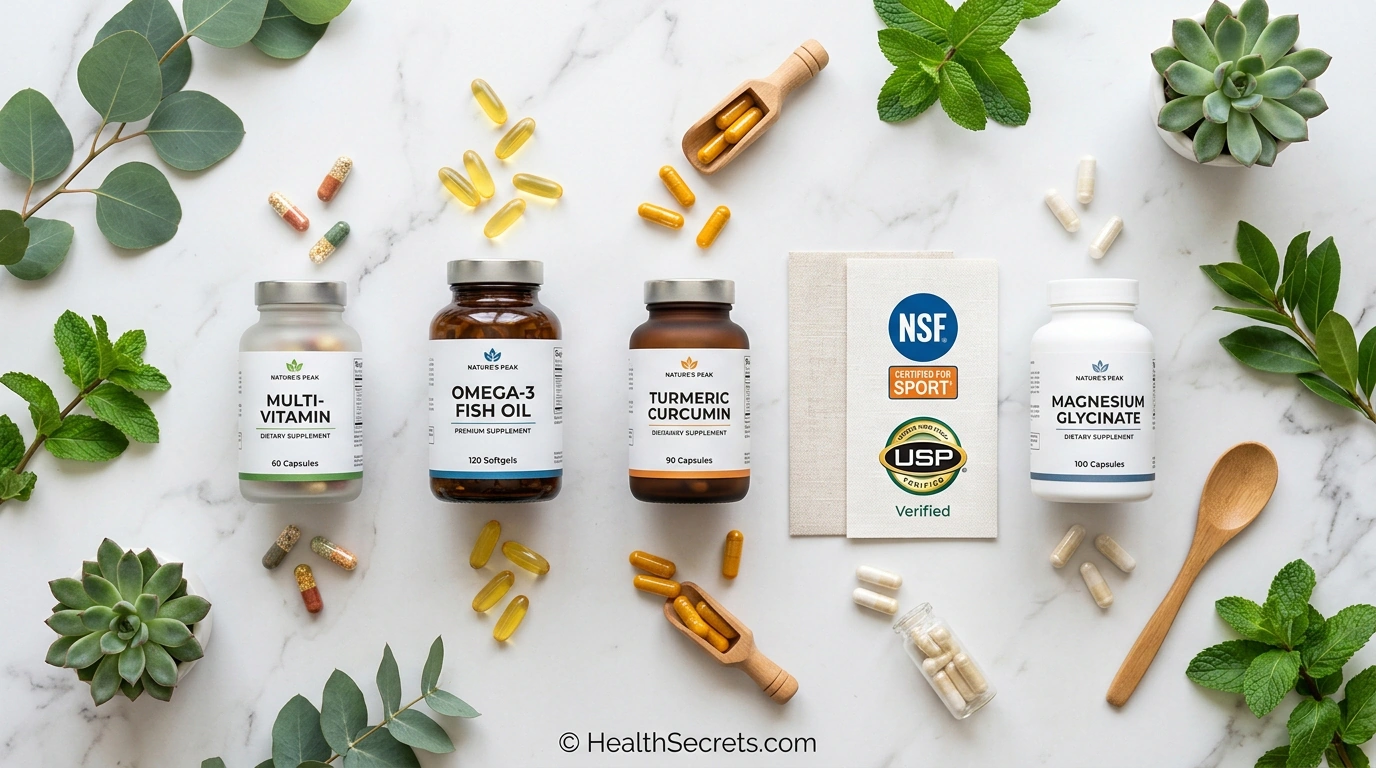
Supplements Guide: Complete Evidence-Based Reference
With thousands of dietary supplements on the market, choosing the right ones can feel overwhelming. This evidence-based supplements guide breaks down the science behind vitamins, minerals, and popular supplements — helping you make informed decisions about what actually works, what to avoid, and how to build a safe, effective supplement routine.
Foundational Research Roadmap
This flagship guide synthesizes clinical evidence into actionable protocols. Master this guide first before exploring niche subtopics.

Evidence-Based Supplement Organizer & Safety Log
An inventory that adds up the cost, thirty-three supplements graded on the evidence, an upper-limit tally, an interaction screen, a daily schedule and a one-sheet for your clinician.
SUBTOPIC MAP
Browse by subtopic
The archive is organized so readers can move from the pillar into the exact slice they need.
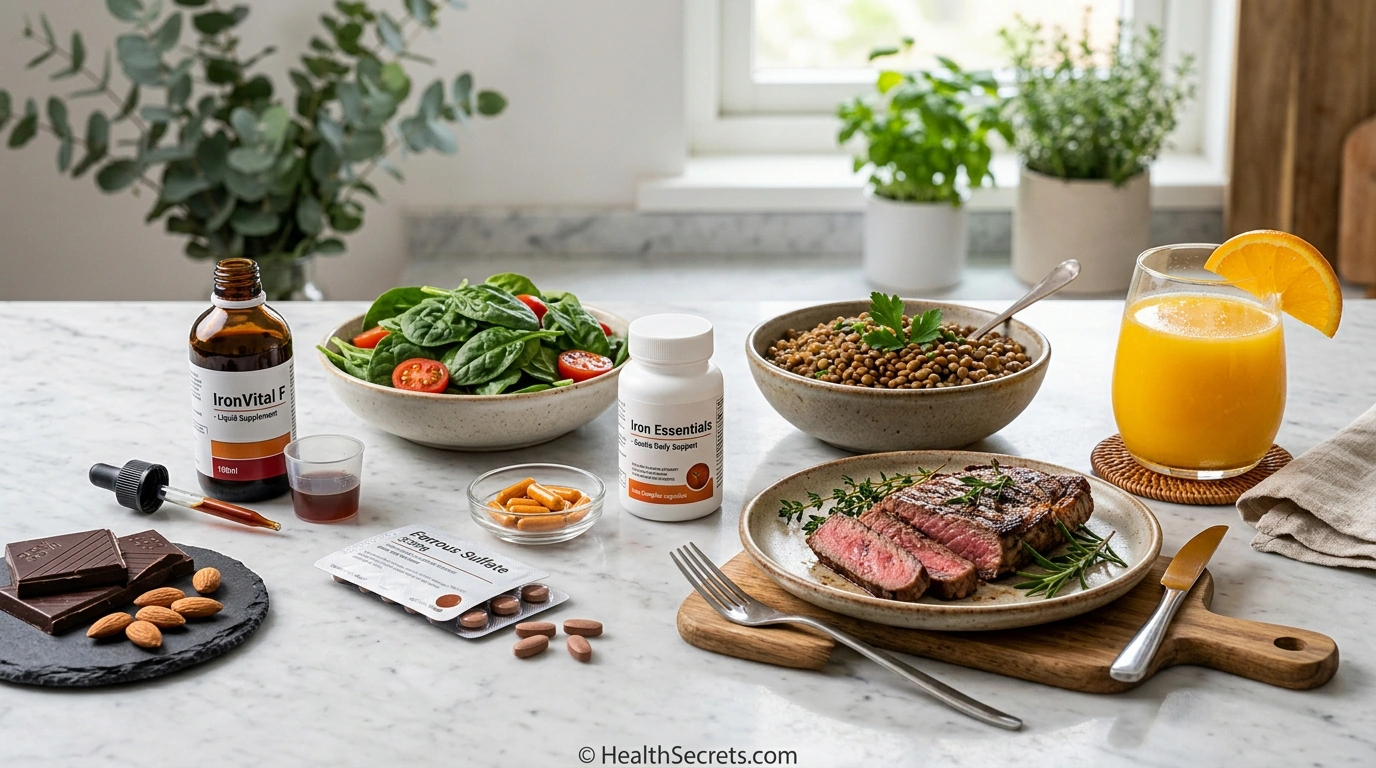
Iron Supplements: Complete Guide for Anemia and Energy
Iron is the most common nutrient deficiency worldwide, affecting over 2 billion people and causing fatigue, weakness, and anemia. This evidence-based guide covers iron supplement forms, proper dosing, absorption optimization, testing protocols, and the best products to safely correct deficiency and restore energy.
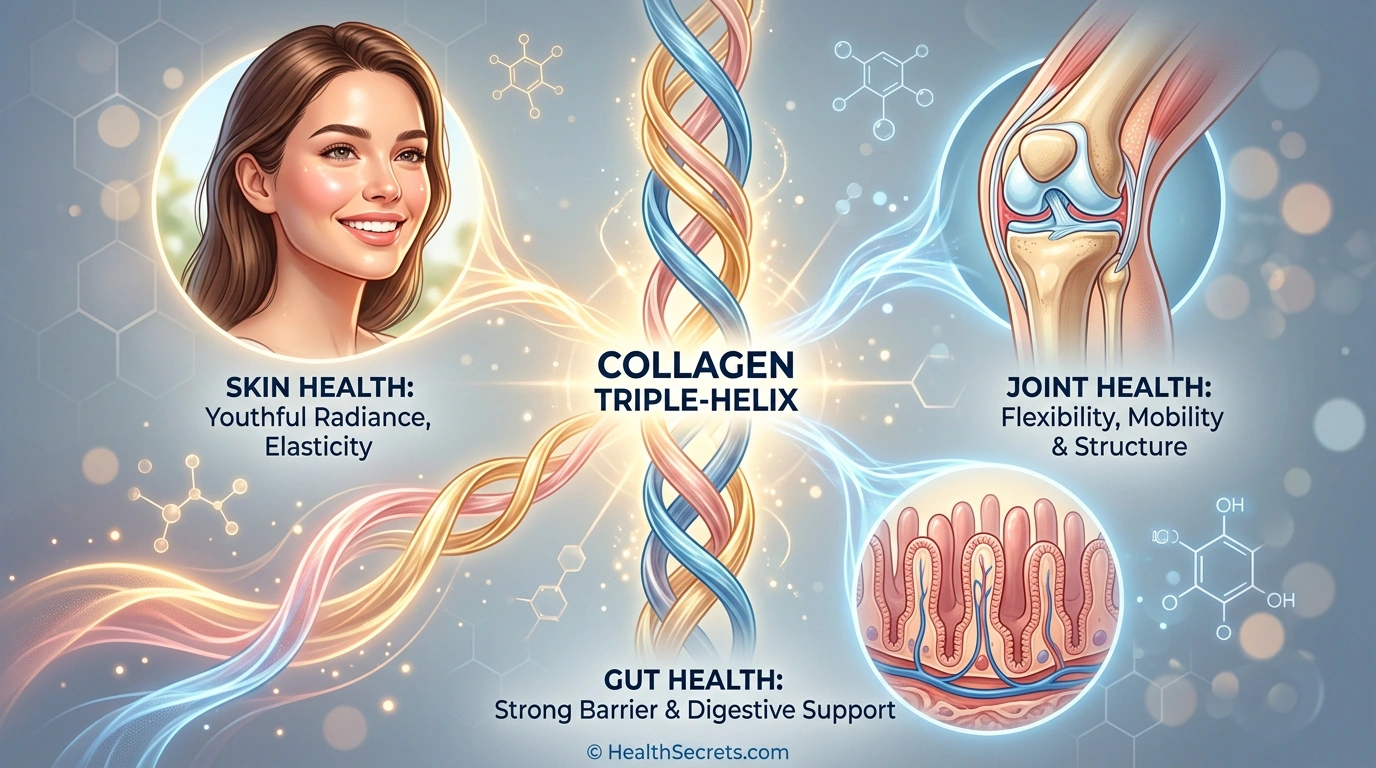
Collagen Supplements: Complete Guide for Skin, Joints and Gut
Collagen supplements — the most abundant protein in your body — have strong clinical evidence for improving skin elasticity, reducing joint pain, and supporting gut health. This comprehensive product review covers collagen types, sources (marine vs bovine vs chicken), dosing, essential cofactors like vitamin C, and the 10 best collagen supplements for every goal and budget.

Magnesium for Anxiety: The Most Underrated Natural Remedy
Magnesium is one of the most effective and underrated natural remedies for anxiety. It enhances GABA receptor function, blocks excitatory glutamate, and lowers cortisol — addressing anxiety at the neurochemical level. Magnesium glycinate (200–400 mg daily) is the best form, with clinical evidence showing meaningful anxiety reduction within 2–6 weeks.
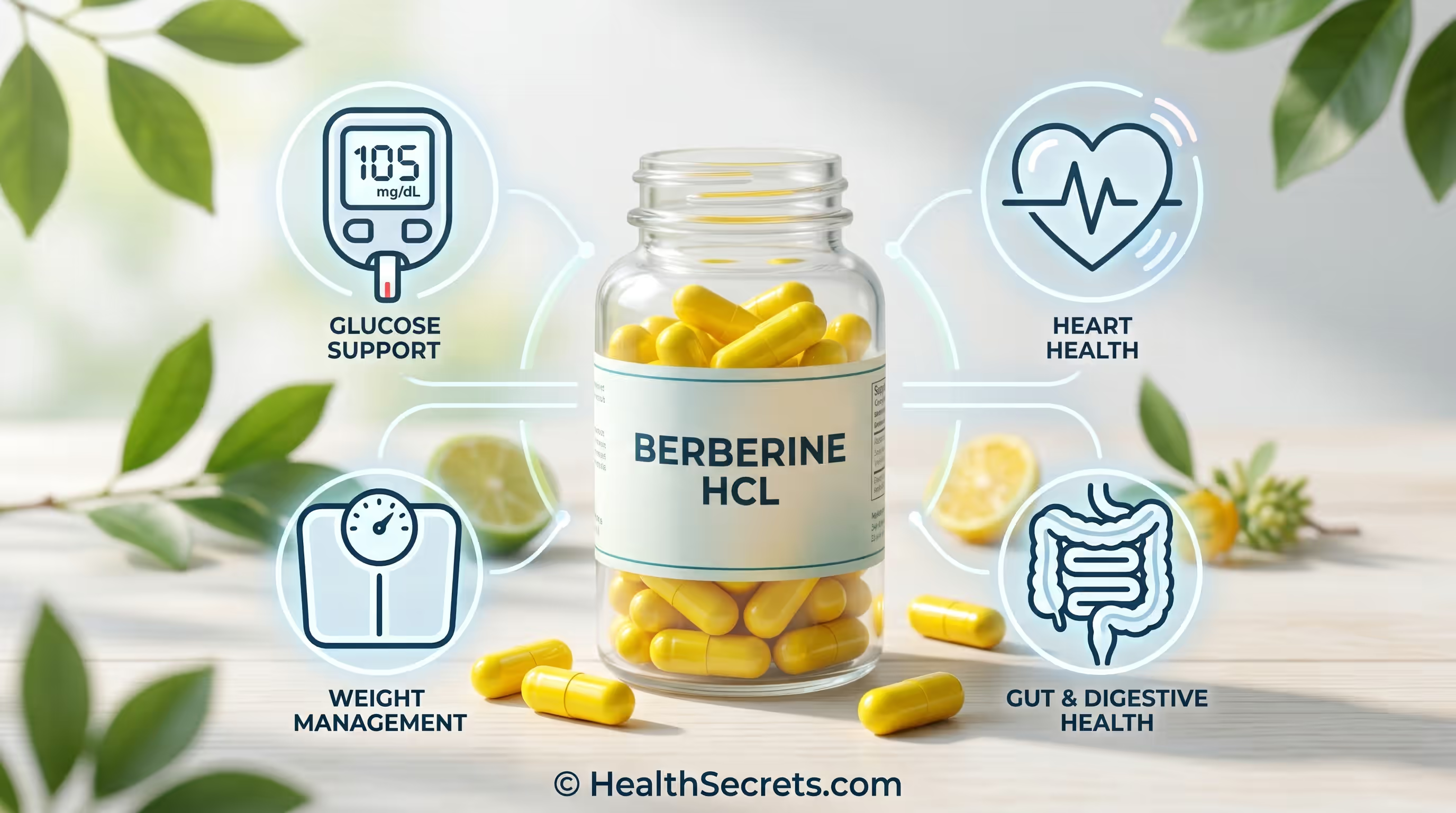
Berberine Complete Guide: The Natural Metformin
Berberine is one of the most potent natural metabolic supplements available, with clinical trials showing blood sugar reduction comparable to metformin, 15–25% triglyceride reduction, and modest weight loss. This Supplements pillar guide covers the AMPK mechanism, dosing protocols, the critical drug interactions most guides miss, and evidence for PCOS, weight management, and gut health.
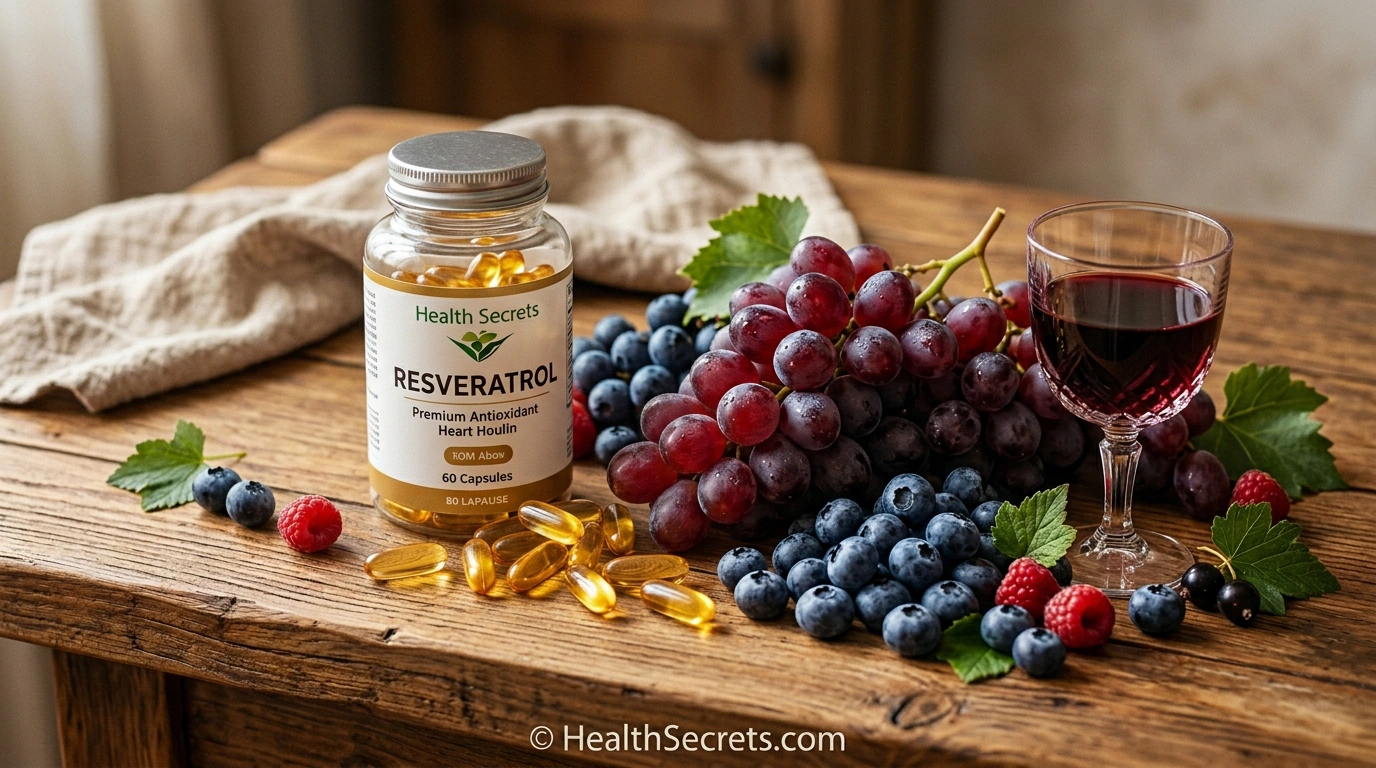
Resveratrol for Longevity: Red Wine Compound Guide
Resveratrol—the polyphenol behind red wine's health halo—has been extensively studied for anti-aging and longevity effects. While animal research is promising, human evidence remains mixed. This guide covers sirtuin activation, bioavailability challenges, pterostilbene as a superior alternative, dosing, and realistic expectations for this popular longevity supplement.
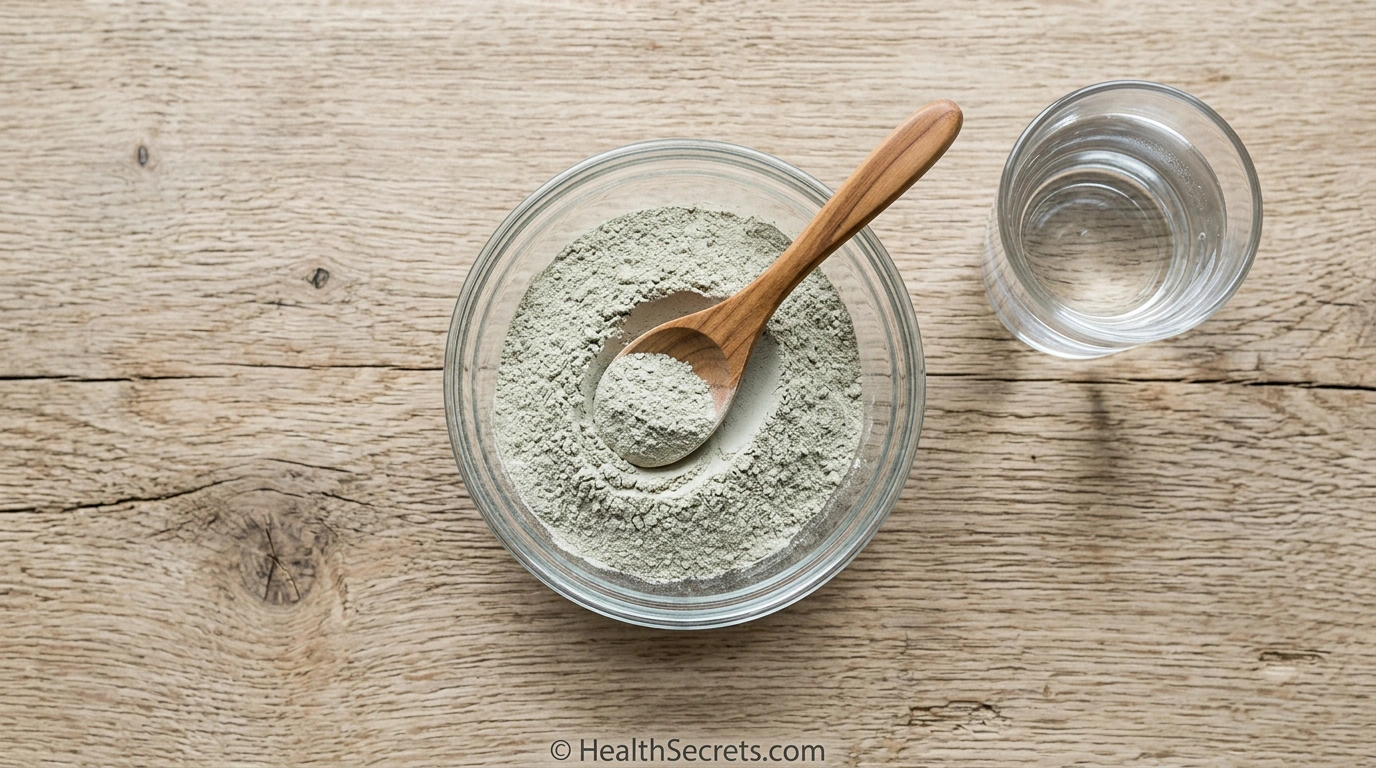
Bentonite Clay for Detox: Internal Cleansing Clay
Bentonite clay is a volcanic ash-derived montmorillonite clay with a negatively charged surface that binds positively charged toxins through ion exchange and adsorption. While external use for skin conditions is well-established, internal use for detoxification has limited human evidence and should be approached with caution, proper hydration, and short-term use only.
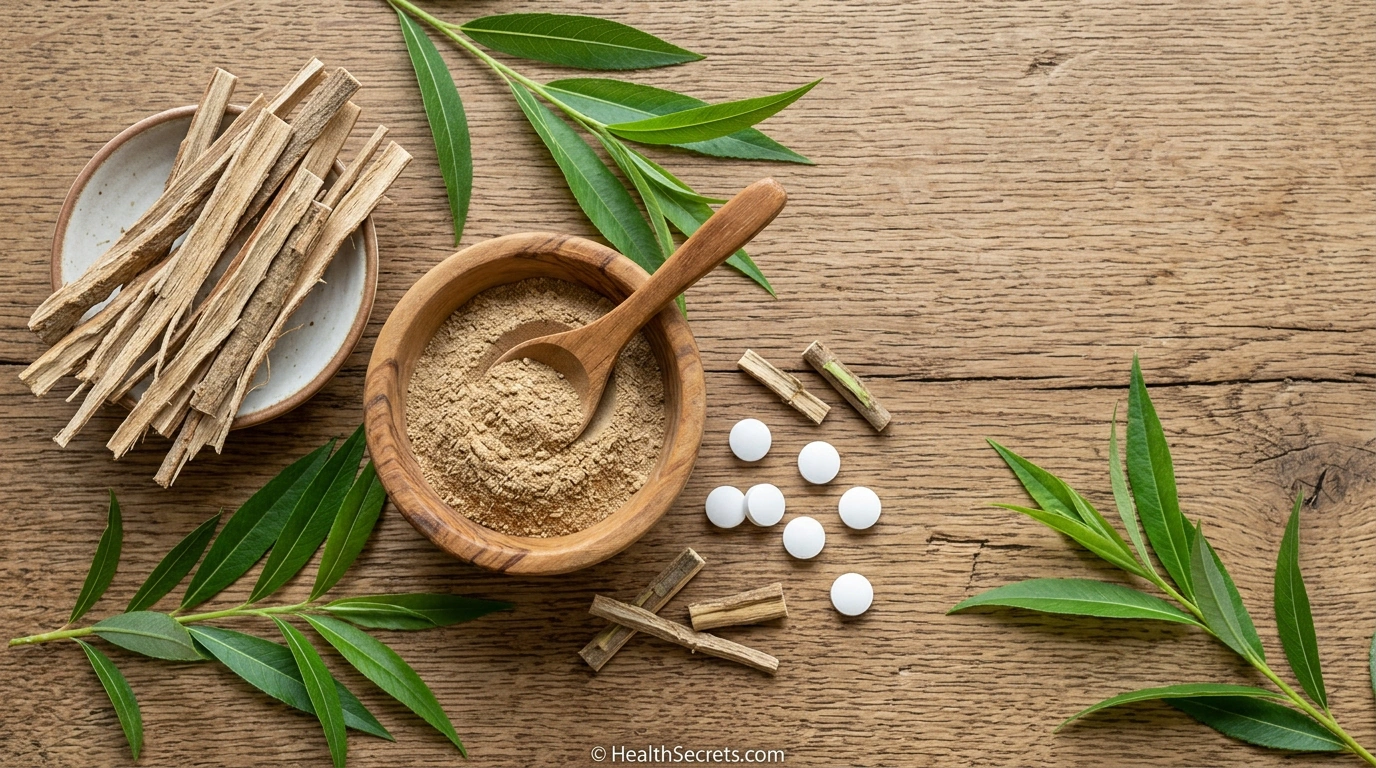
White Willow Bark: Natural Aspirin Alternative
White willow bark (Salix alba) contains salicin, a natural compound your body converts to salicylic acid—the same active metabolite behind aspirin. Research shows it reduces lower back pain by 30–40% with fewer GI side effects than conventional NSAIDs, making it a practical natural alternative for chronic pain.
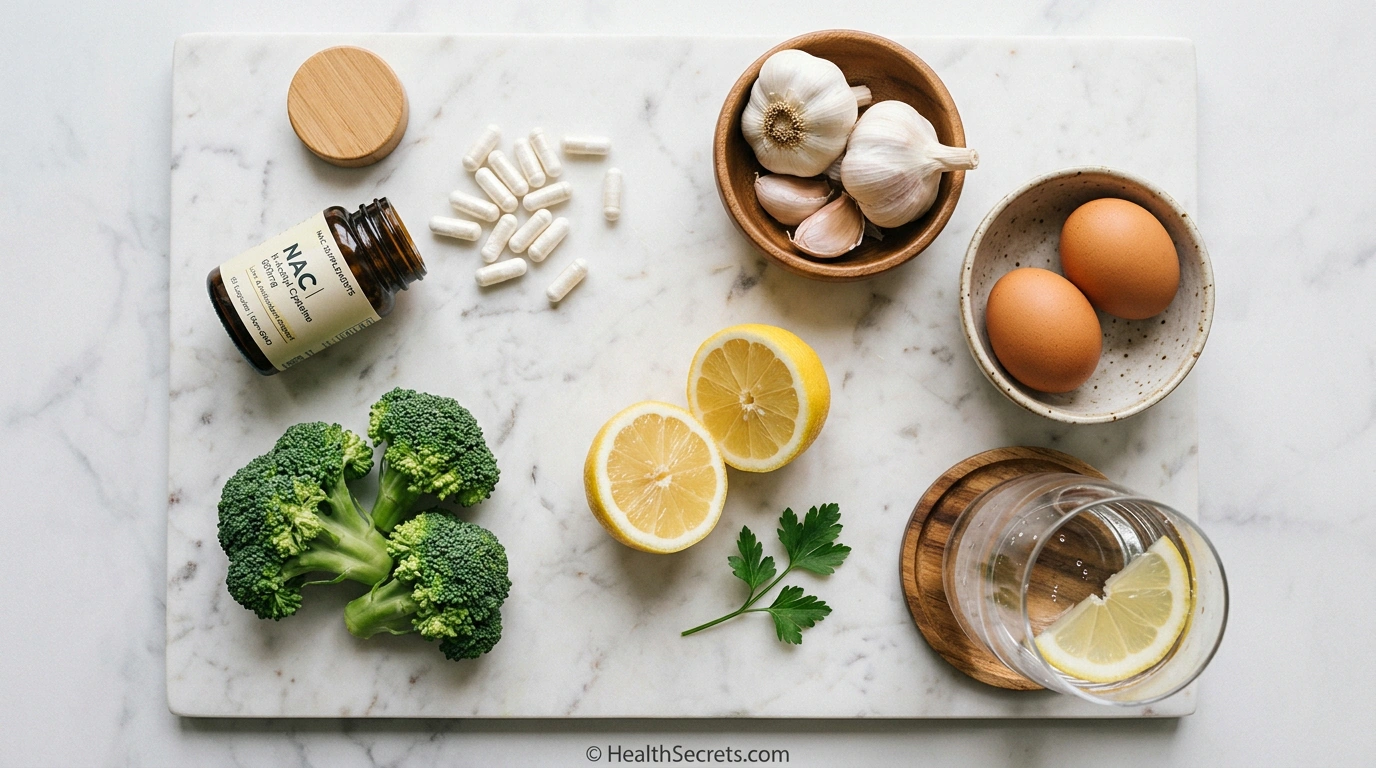
NAC for Detox: N-Acetyl Cysteine Liver Support
N-acetyl cysteine (NAC) is a powerful glutathione precursor that supports liver detoxification, neutralizes free radicals, and has FDA-approved status as an acetaminophen overdose antidote — making it one of the most well-researched and versatile supplements for whole-body detox support.
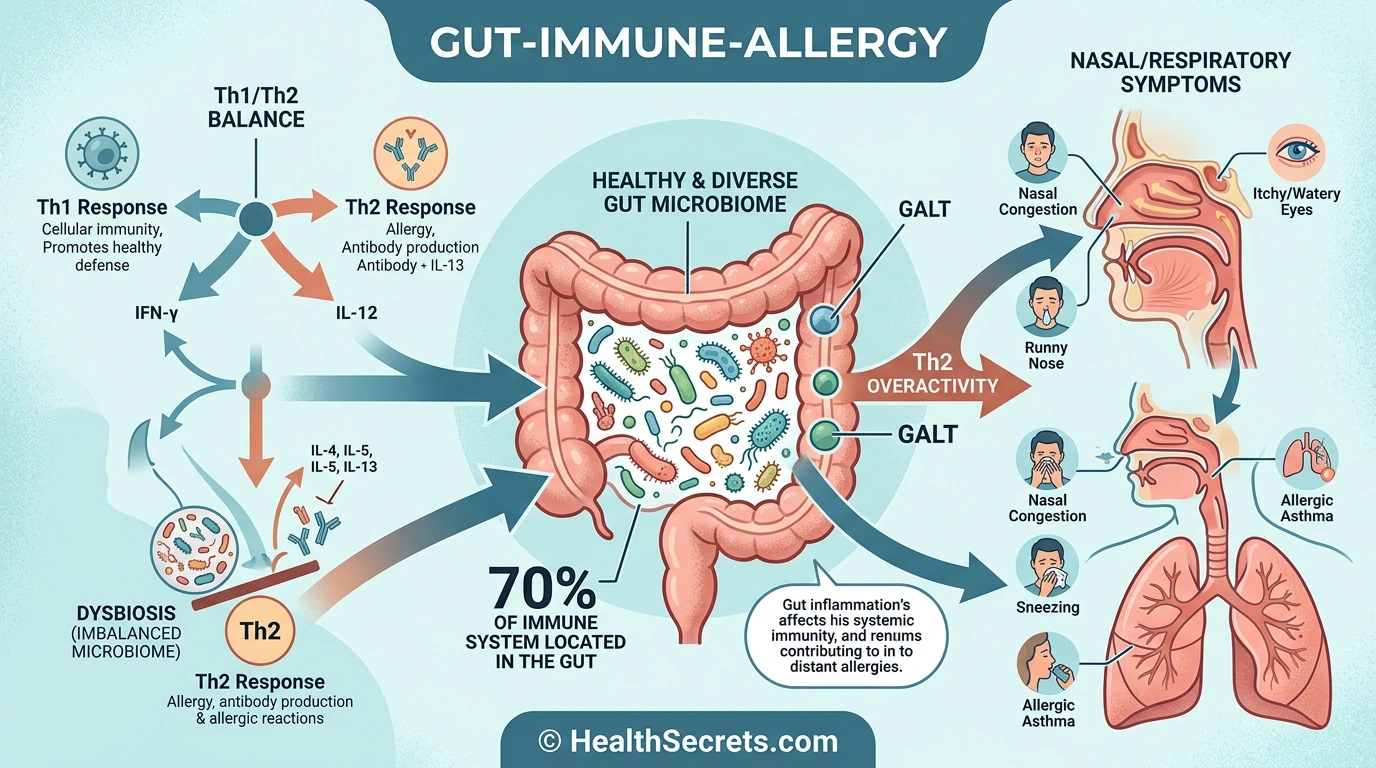
Vitamin D Complete Guide: The Sunshine Vitamin
Vitamin D is far more than a bone vitamin — it's a hormone-like compound that regulates over 1,000 genes, supports immunity, mood, and cardiovascular health. With 40–50% of the global population deficient, this evidence-based guide covers optimal levels, D3 vs D2, dosing protocols, essential cofactors (K2 and magnesium), and the best supplement strategies to optimize your vitamin D status.
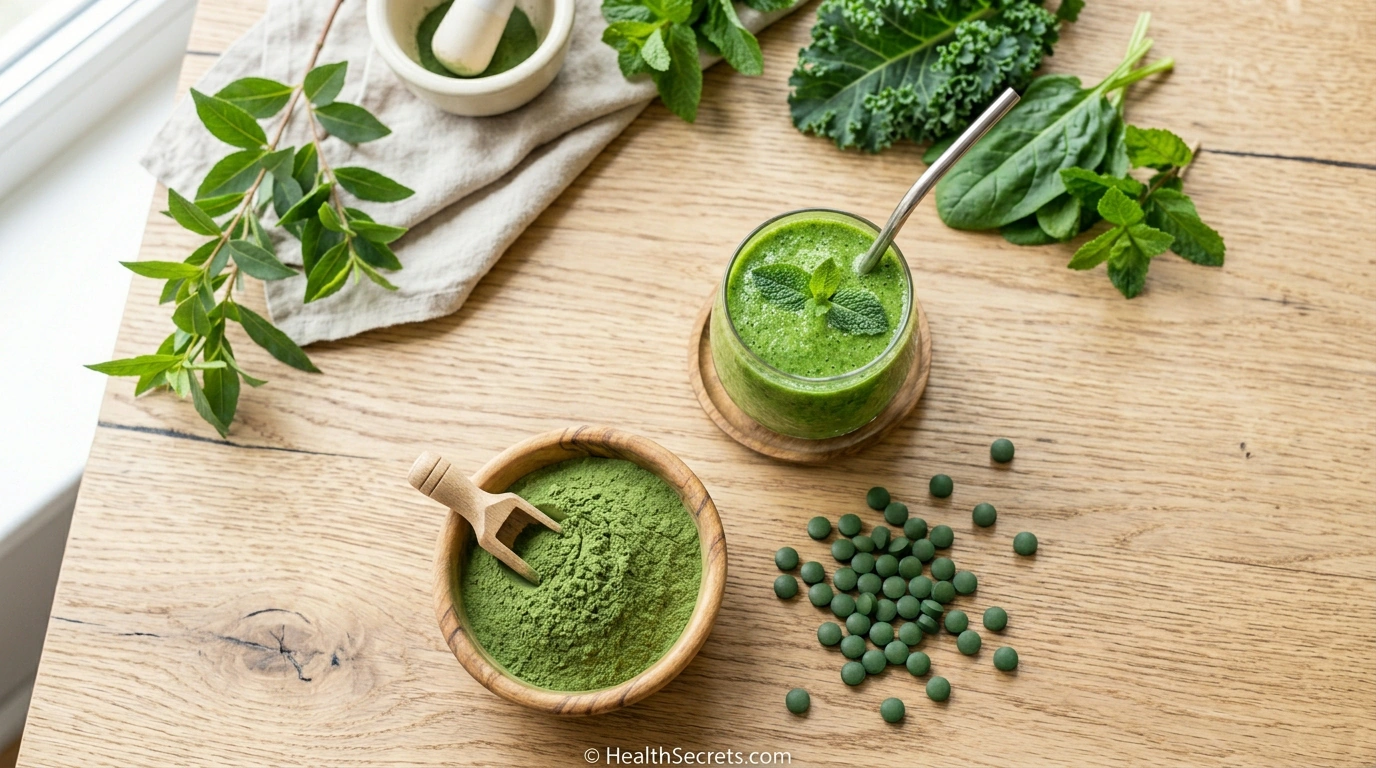
Chlorella for Detox: Green Algae Detoxifier
Chlorella is a nutrient-dense freshwater green algae that binds heavy metals through its unique cell wall structure, supports liver detoxification, and delivers one of nature's highest concentrations of chlorophyll. This guide covers the science behind chlorella detox, optimal dosing, broken cell wall bioavailability, and how to choose a quality supplement.
MSM for Joint Health: Methylsulfonylmethane Guide
MSM (methylsulfonylmethane) is a naturally occurring sulfur compound that supports joint health, reduces inflammation, and helps maintain connective tissue. This evidence-based guide covers MSM benefits, proper dosing, bioavailability, safety, and the best MSM supplements for joint pain relief.

Omega-3 Supplements: Complete Fish Oil Guide
Choosing the right omega-3 supplement can be overwhelming with hundreds of fish oil, krill oil, and algae oil options on the market. This evidence-based guide reviews the top omega-3 supplements for 2025, comparing EPA/DHA potency, purity certifications, absorption forms, and value to help you find the best fish oil supplement for your health goals.
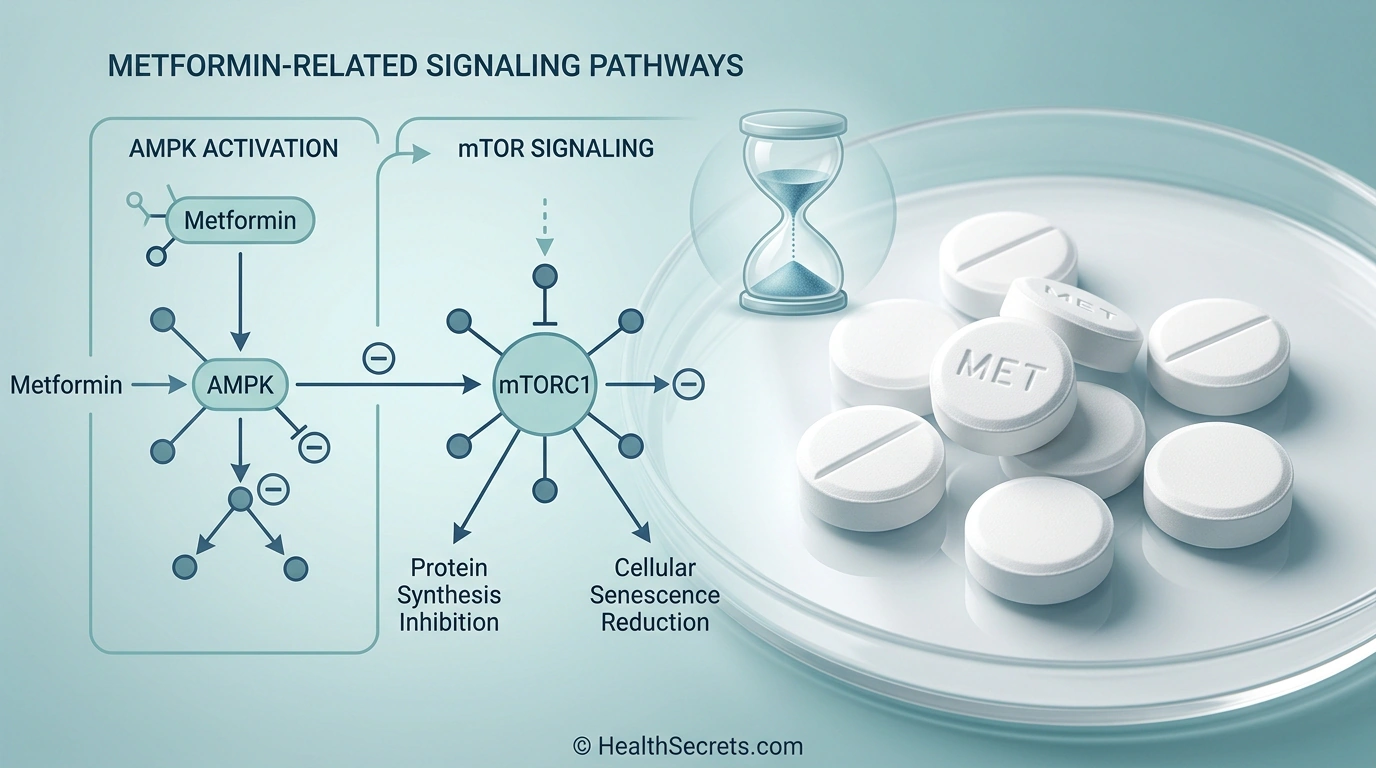
Metformin for Longevity: Diabetes Drug as Anti-Aging?
Metformin, the world's most prescribed diabetes drug, has sparked intense interest among longevity researchers. This guide examines the science behind metformin's anti-aging potential—its AMPK and mTOR mechanisms, the landmark TAME trial, real side effects, and whether healthy people should consider this controversial prescription intervention.
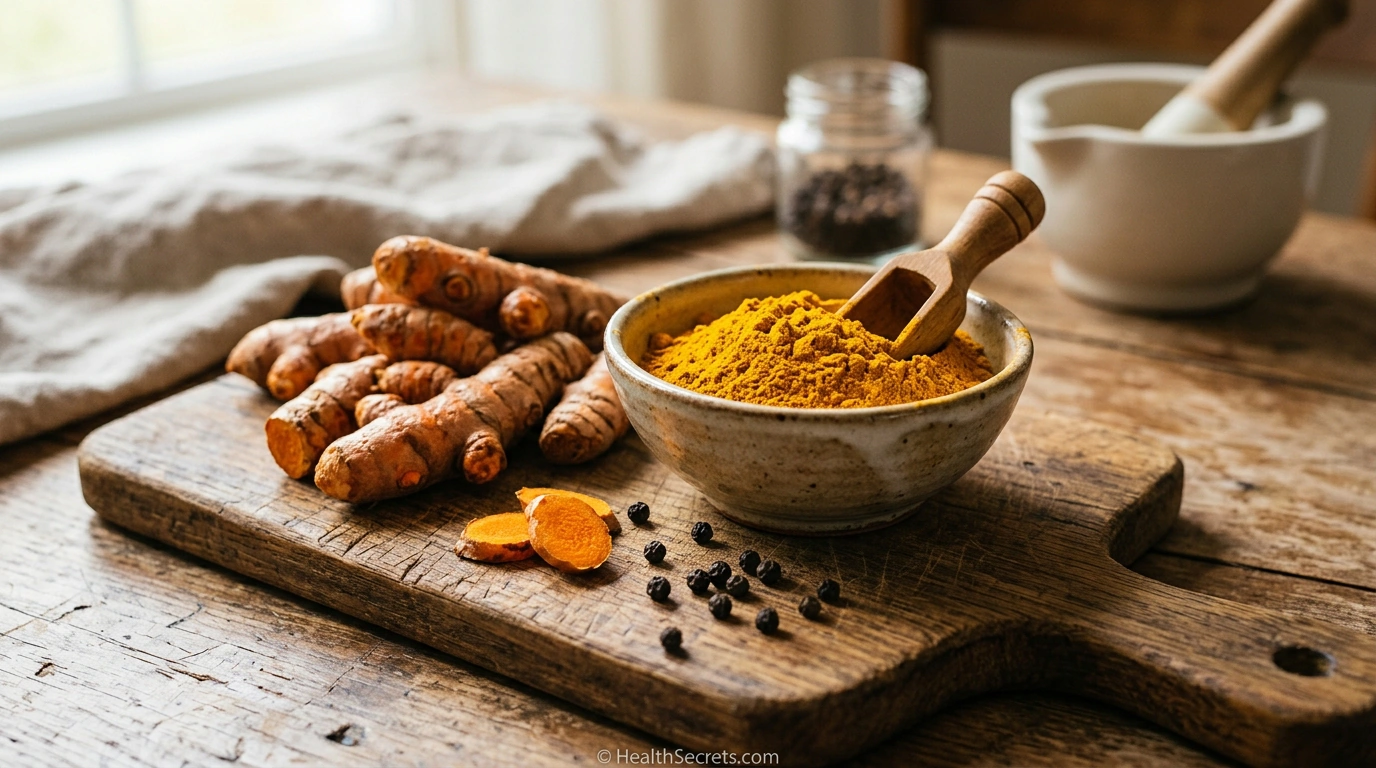
Turmeric for Inflammation: Curcumin Complete Guide
Turmeric's active compound curcumin is one of nature's most potent anti-inflammatory agents, backed by thousands of studies showing it inhibits NF-κB, reduces inflammatory cytokines, and rivals NSAIDs for conditions like osteoarthritis — but only when you solve the critical bioavailability problem.
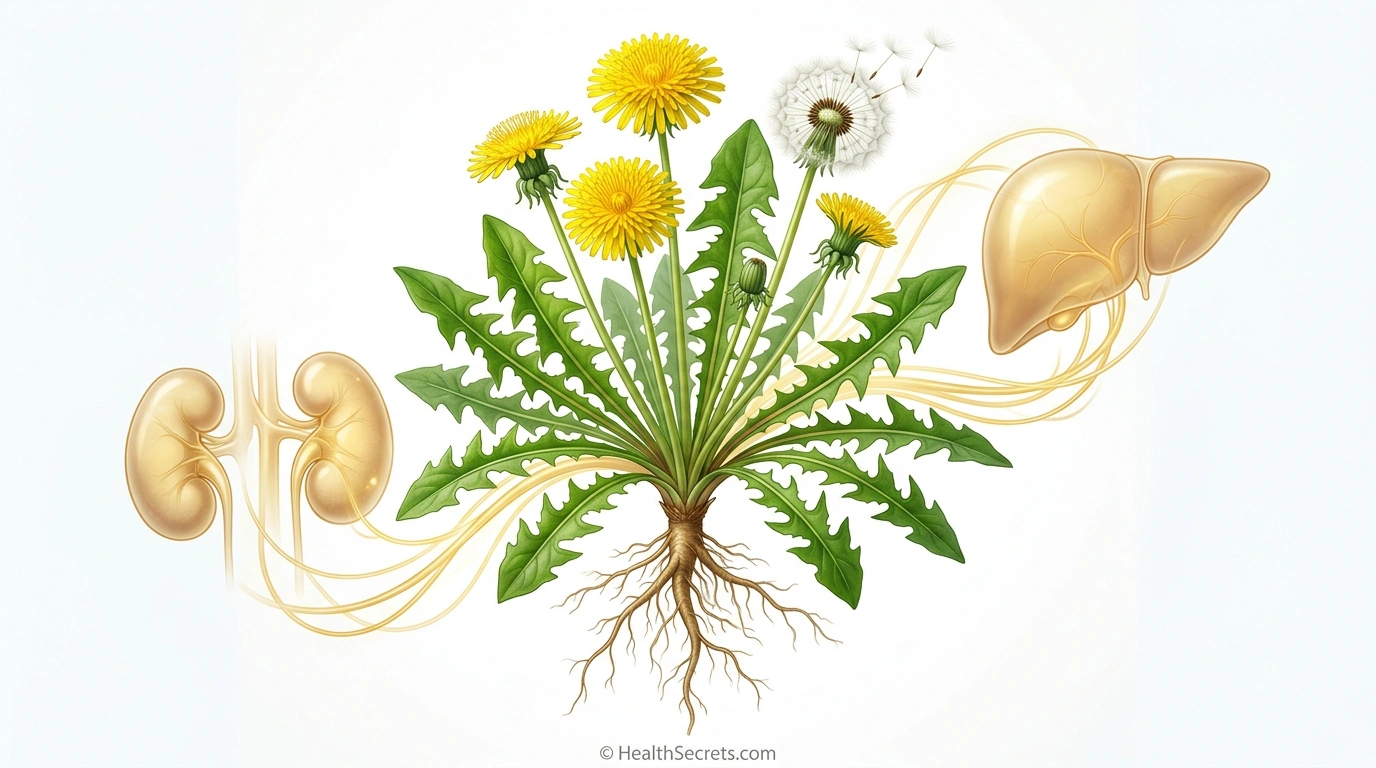
Dandelion for Detox: Liver and Kidney Support
Dandelion root and leaf have been used for centuries to support liver detoxification and kidney function. Modern research confirms that dandelion's active compounds — including taraxasterol, chicoric acid, and inulin — promote bile flow, protect liver cells, and act as a natural diuretic that spares potassium.
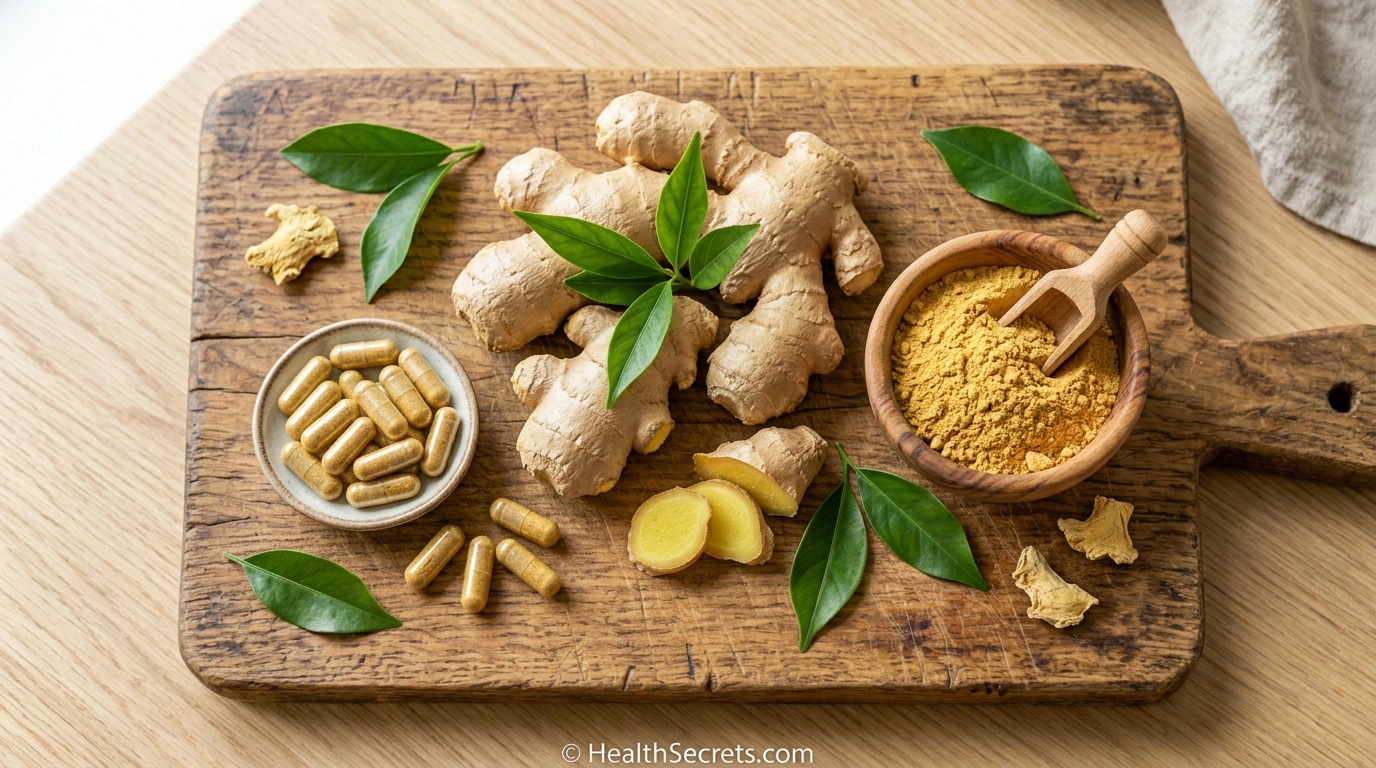
Ginger for Inflammation: Ancient Anti-Inflammatory
Ginger (Zingiber officinale) is one of nature's most potent anti-inflammatory compounds, with active ingredients gingerol and shogaol that inhibit COX-2 and 5-LOX enzymes — reducing pain and inflammation comparable to NSAIDs but without the stomach damage. Here's what the research actually shows about using ginger for inflammation.
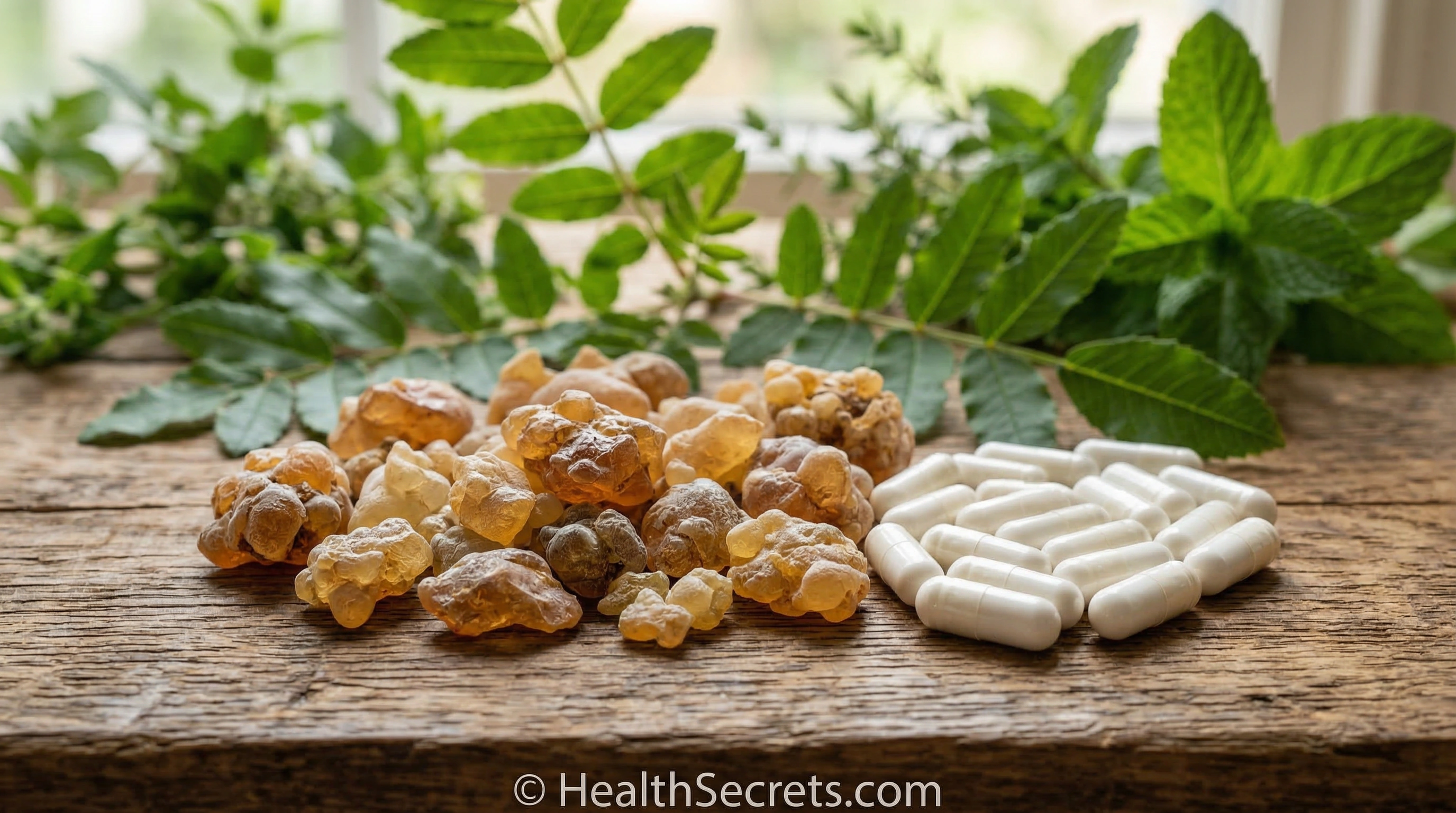
Boswellia for Inflammation: Frankincense Extract Guide
Boswellia serrata, the ancient Ayurvedic herb known as Indian frankincense, offers a clinically proven approach to reducing inflammation through its unique 5-LOX enzyme inhibition. This comprehensive guide covers AKBA standardization, evidence-based dosing for osteoarthritis, rheumatoid arthritis, IBD, and asthma, plus quality selection tips and safety considerations.
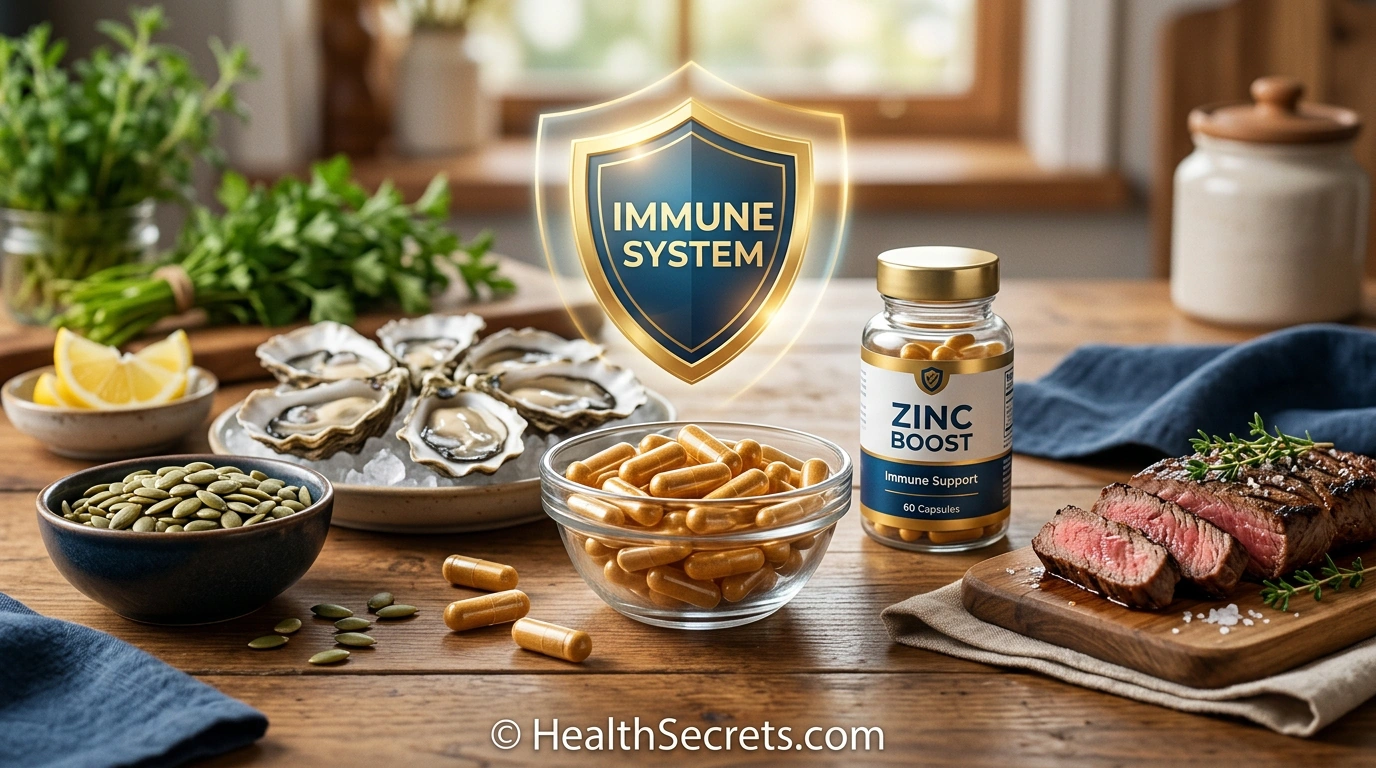
Zinc Complete Guide: Immune and Hormone Support
Zinc is an essential trace mineral involved in over 300 enzymatic reactions, critical for immune defense, wound healing, hormone production, and cognitive function. This evidence-based guide covers the best zinc forms, optimal dosing protocols, the critical zinc-copper balance, and how to choose the right supplement for your needs.
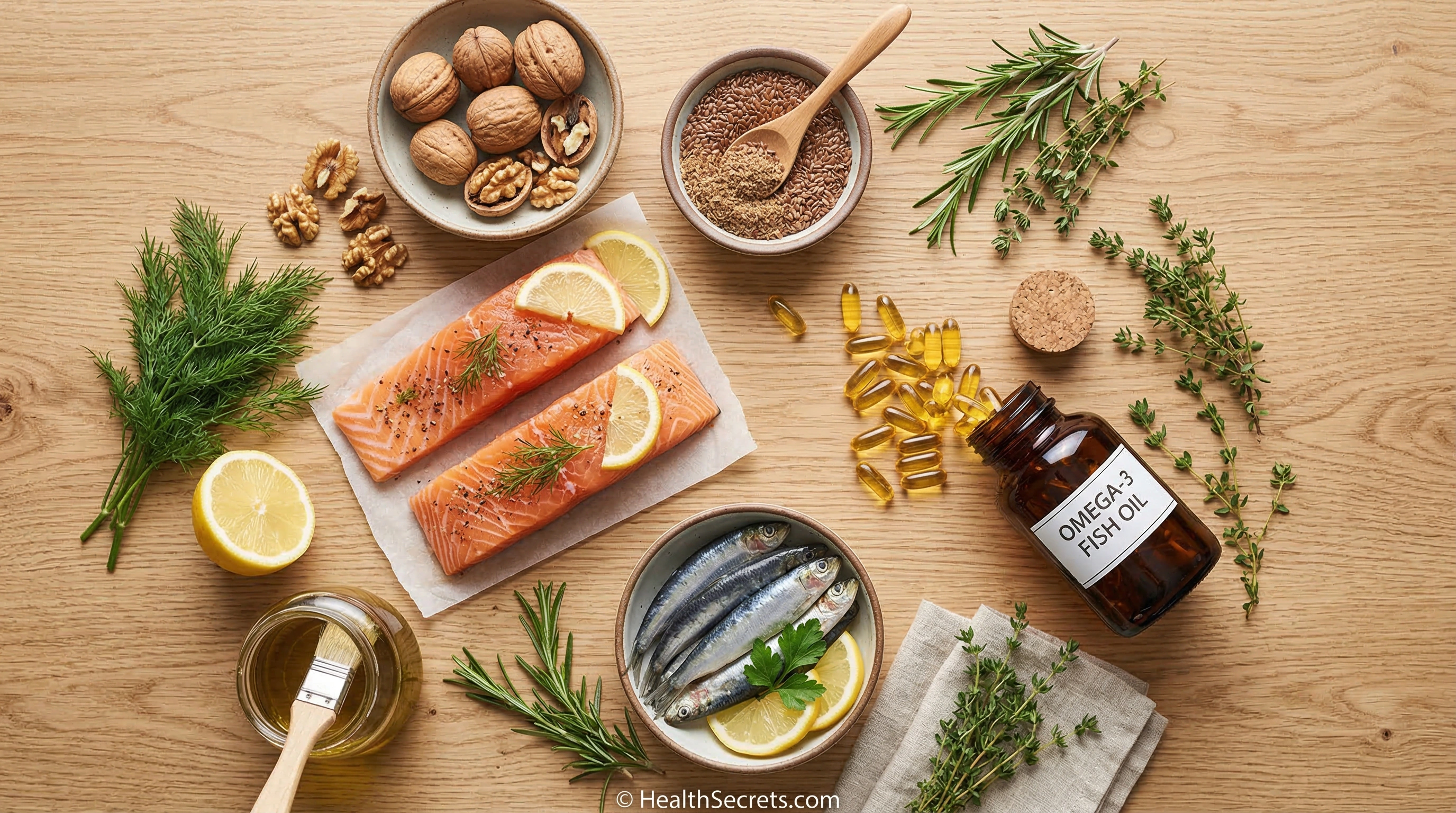
Omega-3 for Inflammation: EPA and DHA Benefits
Omega-3 fatty acids — particularly EPA and DHA — are among the most well-researched natural anti-inflammatory compounds available. This evidence-based supplement guide covers how omega-3s reduce inflammation through multiple pathways, the clinical evidence for conditions like arthritis and heart disease, optimal dosing for therapeutic results, and how to choose a high-quality supplement.
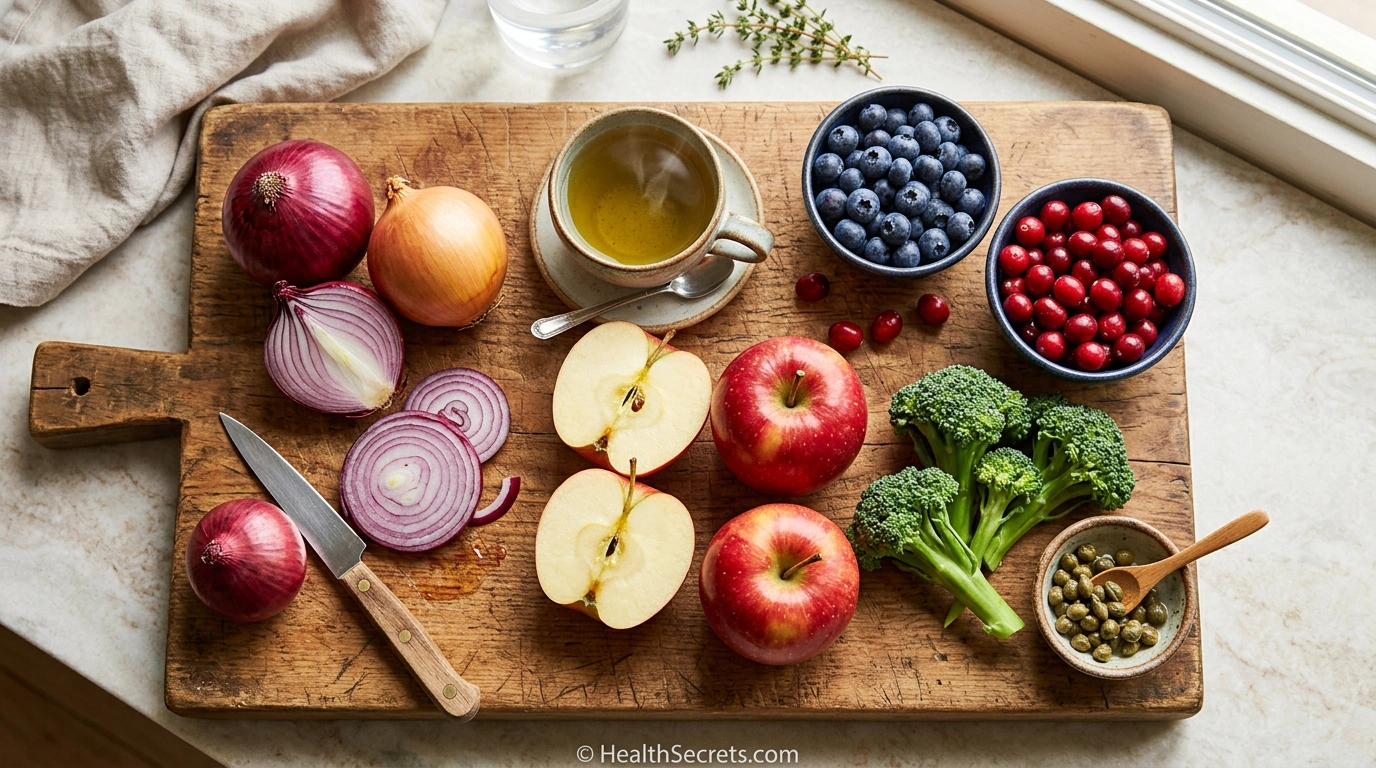
Quercetin for Inflammation: Flavonoid Anti-Inflammatory
Quercetin is a powerful flavonoid found in onions, apples, and berries that fights inflammation through multiple pathways — inhibiting NF-κB, COX-2, and mast cell degranulation. This evidence-based guide covers quercetin's anti-inflammatory mechanisms, bioavailability challenges (and how phytosome solves them), optimal dosing, food sources, and safety.
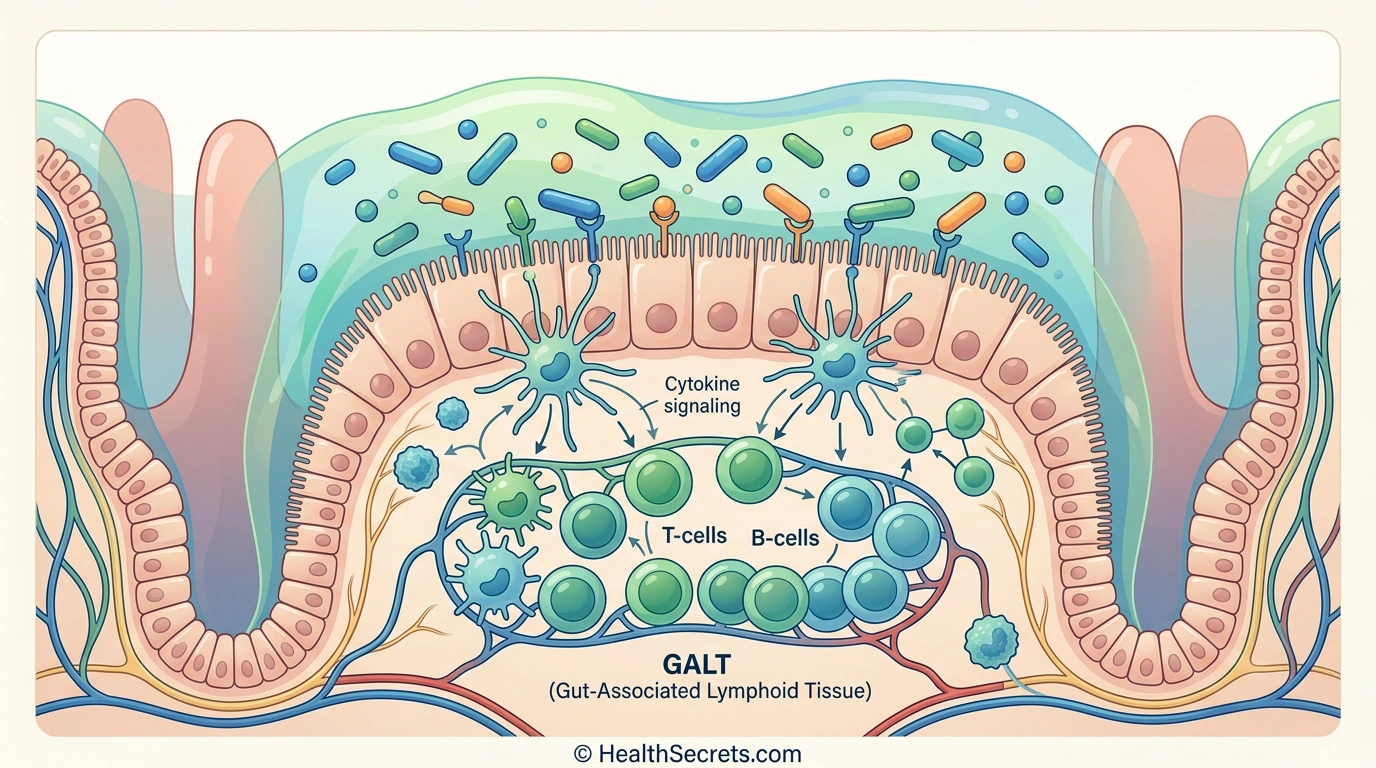
Probiotics for Immune Health: Strains That Matter
Not all probiotics support immunity equally. This evidence-based supplement guide identifies the specific probiotic strains clinically proven to reduce respiratory infections, enhance immune cell function, and strengthen gut-associated immunity, plus practical dosing protocols and the best products for every age group.
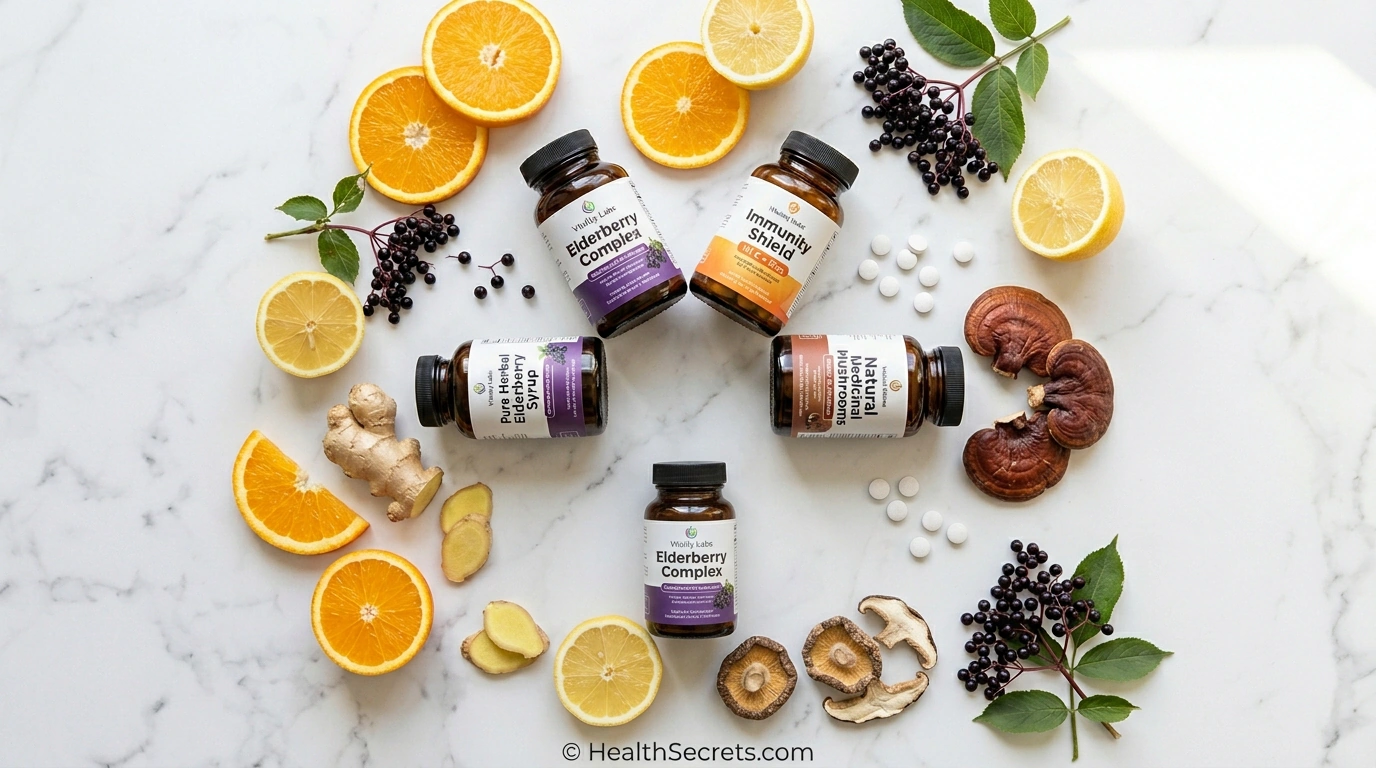
Best Immune Boosting Supplements: Top 10 Science-Backed Options
Discover the best immune boosting supplements backed by clinical research. We reviewed dozens of products to find the top 10 science-backed options for vitamin C, D, zinc, elderberry, NAC, and mushroom immune support in 2025.
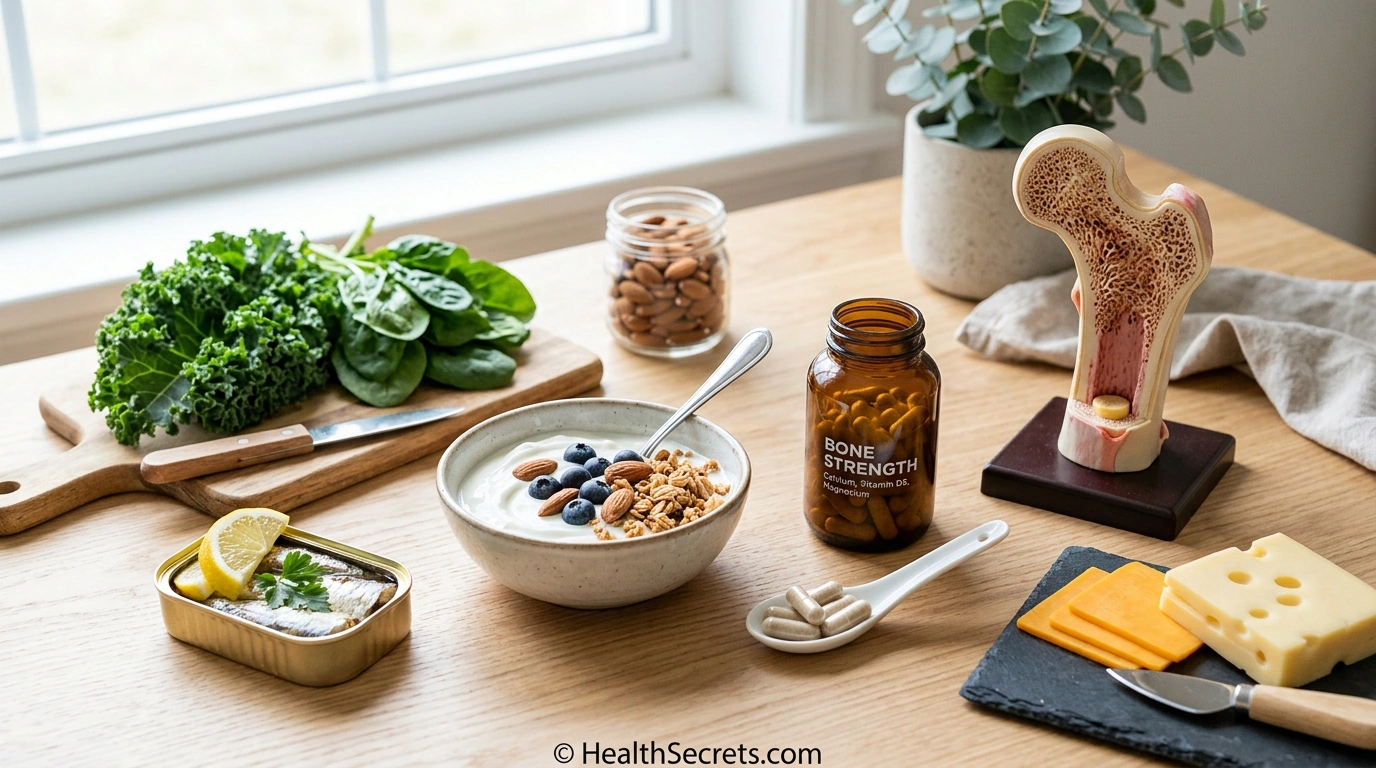
Calcium and Bone Health: Complete Supplement Guide
Calcium is the most abundant mineral in your body and the primary building block for strong bones and teeth. But supplementing calcium alone is not enough — optimal bone health requires a synergistic approach combining calcium with vitamin D, K2, magnesium, and weight-bearing exercise to truly protect against osteoporosis.
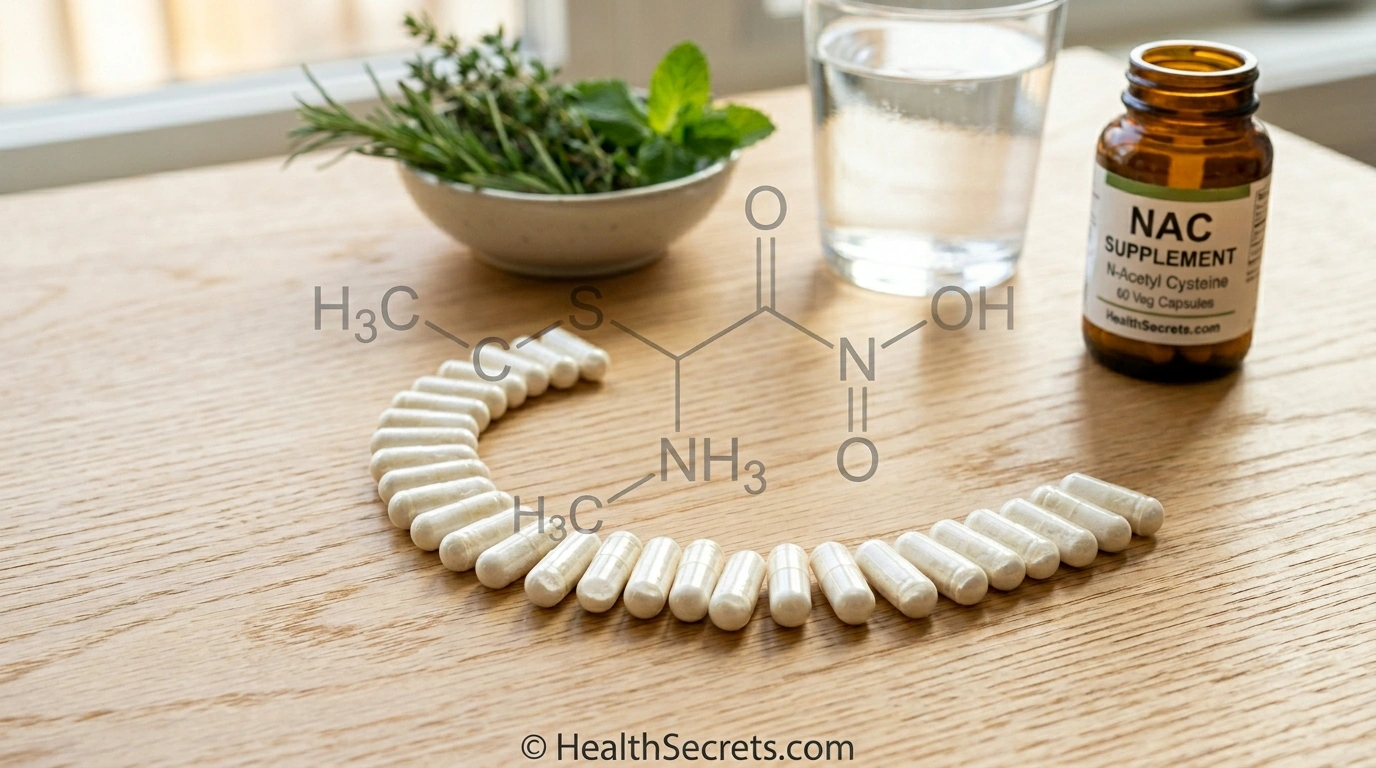
NAC for Immune Health: N-Acetyl Cysteine Benefits
NAC (N-acetyl cysteine) is a powerful glutathione precursor that supports immune function, reduces respiratory infections, and protects cells from oxidative damage — here's what the research actually says about dosing, timing, and who benefits most.
How to Evaluate Supplements Like a Scientist
The global supplement industry exceeds $150 billion annually, yet the quality and efficacy of products vary enormously. Unlike pharmaceuticals, dietary supplements in most countries are not reviewed for safety or effectiveness before they reach store shelves — regulators typically act only after problems are reported. That places the burden of evaluation on the consumer, which is exactly where evidence-based analysis becomes essential.
The first question to ask of any supplement is whether you actually need it. Nutrients are best obtained from whole foods, where they arrive alongside fiber, cofactors, and phytonutrients that enhance absorption. Supplementation makes the most sense when there is a documented deficiency or elevated need — vitamin D in low-sunlight climates, vitamin B12 for those following plant-based diets, omega-3s for people who rarely eat fatty fish, or iron and folate during pregnancy.
When a supplement is warranted, three factors determine its real-world value: form, dose, and bioavailability. The chemical form changes how well a nutrient is absorbed — magnesium glycinate is gentler and better absorbed than magnesium oxide, and methylated B vitamins suit people with certain genetic variants. Dose matters because both too little and too much can be ineffective or harmful; fat-soluble vitamins A, D, E, and K can accumulate to toxic levels, while water-soluble vitamins are generally excreted.
Quality and purity are the final filters. Look for products verified by independent third parties such as USP, NSF International, or ConsumerLab, which test for label accuracy and contaminants. Be wary of proprietary blends that hide individual ingredient amounts, and remember that many supplements interact with medications — fish oil with blood thinners, St. John's Wort with antidepressants and birth control. The reviews below cut through marketing claims to show what the peer-reviewed research actually supports.
This overview is for educational purposes and is not a substitute for personalized medical advice. Always consult a qualified healthcare professional before making changes to your diet, supplement, or treatment routine.
Supplements FAQ
Supplements Frequently Asked Questions
Clinical, evidence-based answers to key questions about supplements.
Look for supplements backed by peer-reviewed human randomized controlled trials (RCTs), standardized active ingredient concentrations, third-party purity certifications (USP, NSF, Informed-Sport), and transparent formula labels that avoid proprietary blends.
Total compound weight refers to the entire bound molecule (for example, 1,000 mg of Magnesium Glycinate), whereas elemental dosage measures strictly the active nutrient (yielding roughly 140 mg of pure elemental magnesium). Always verify and calculate dosage based on elemental content.
Fat-soluble vitamins (A, D3, E, K2) must be taken alongside a meal containing healthy dietary fats for optimal micellar absorption. Water-soluble vitamins (B-complex vitamins and Vitamin C) are best absorbed when taken in the morning with water, either on an empty stomach or with a light meal.
Yes. For example, St. John’s Wort strongly induces hepatic CYP3A4 enzymes, blunting the efficacy of oral contraceptives and antidepressants. High-dose Vitamin K counteracts blood thinners like Warfarin. Always review your supplement protocol with a prescribing physician or licensed pharmacist.
Patented, clinically studied extracts (such as KSM-66 Ashwagandha, Curcumin C3 Complex, or Kaneka Ubiquinol) provide standardized bioactive potency and verified batch consistency that generic commodity powders often fail to deliver.