You've probably taken aspirin at some point. Maybe for a headache, maybe for a sore back. But here's something most people don't realize: aspirin is basically a lab-made version of a compound that's been sitting in willow tree bark for thousands of years.
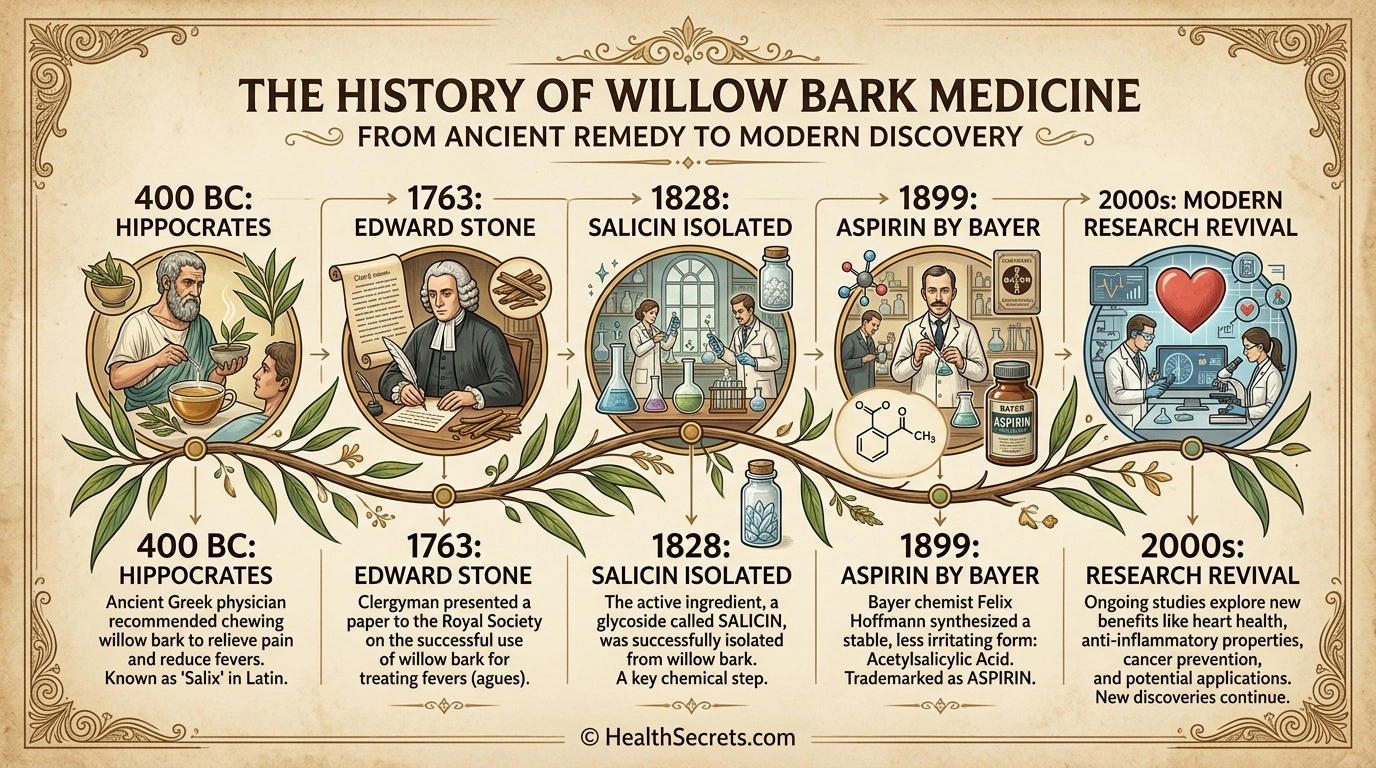
White willow bark—the actual bark from the Salix alba tree—has been used for pain and fever since at least 400 BC, when Hippocrates reportedly recommended chewing it. The active ingredient, salicin, gets converted into salicylic acid in your body. Sound familiar? That's because aspirin (acetylsalicylic acid) is a synthetic derivative of the exact same compound.
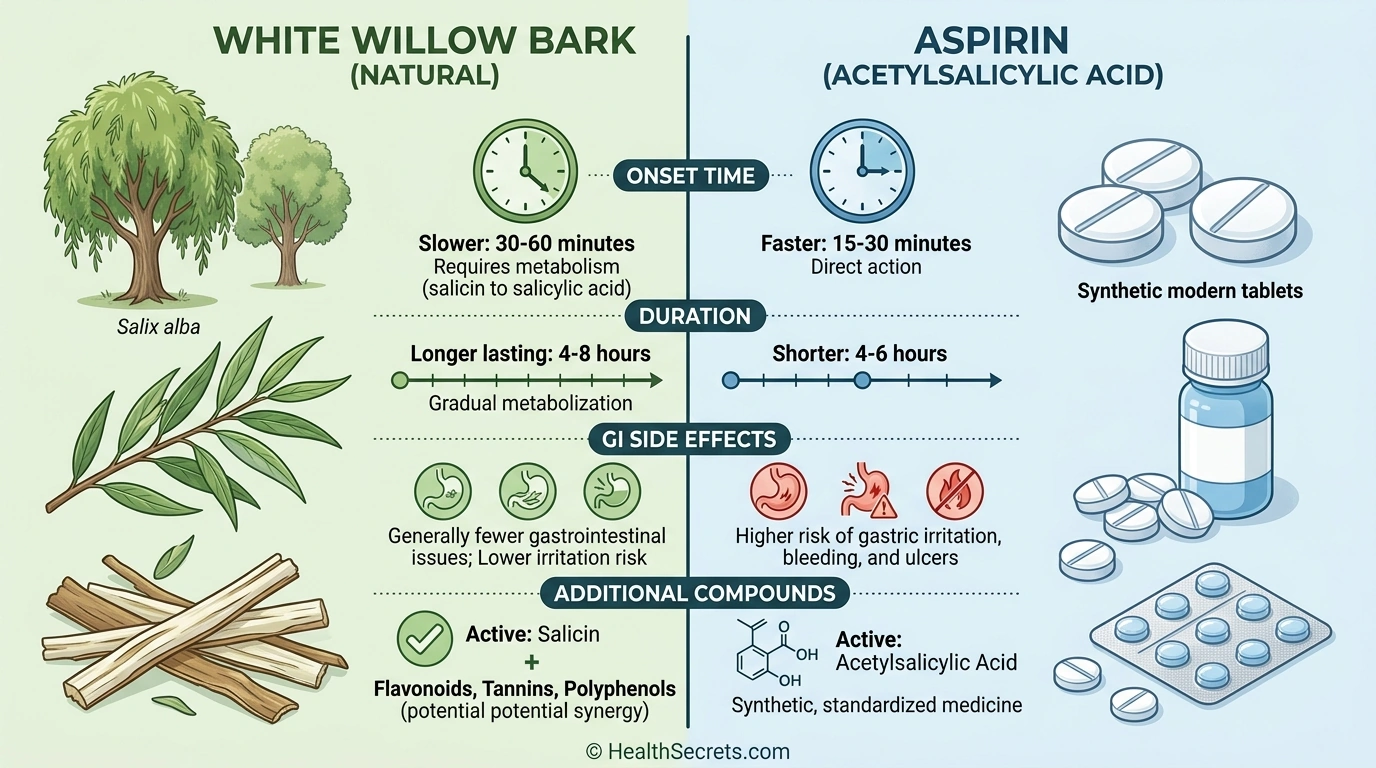
So why would anyone choose the bark over the pill? Slower onset, sure—but fewer stomach problems, longer-lasting effects, and additional plant compounds that aspirin doesn't have. If you're dealing with chronic pain and want something gentler on your gut, white willow bark deserves a serious look. Learn more about how to reduce inflammation naturally as part of a comprehensive approach.
What Is White Willow Bark and Why Is It Called "Nature's Aspirin"?
White willow bark (Salix alba) is the bark of the white willow tree, containing salicin—a glycoside that your body converts to salicylic acid. Aspirin (acetylsalicylic acid) was developed in 1899 as a synthetic, more stable derivative of this same compound. That makes white willow bark the original pain reliever, with over 2,400 years of documented use.
Where Did Willow Bark Medicine Begin?
Hippocrates documented willow bark for pain and fever around 400 BC, though ancient Egyptian and Chinese texts reference it even earlier. In 1828, scientists isolated salicin from the bark. By 1899, Bayer developed aspirin as a more concentrated, shelf-stable version. Today, willow bark is resurging as people look for natural pain relief alternatives with fewer side effects.
What Makes Salicin Different from Aspirin?
Salicin is a prodrug—it's inactive until bacteria in your intestines and enzymes in your liver convert it to salicylic acid. This slower conversion is actually an advantage: it means less direct irritation to your stomach lining. The bark also contains flavonoids and polyphenols that provide additional anti-inflammatory and antioxidant effects—compounds aspirin simply doesn't have ([4]).
How Does White Willow Bark Reduce Pain and Inflammation?
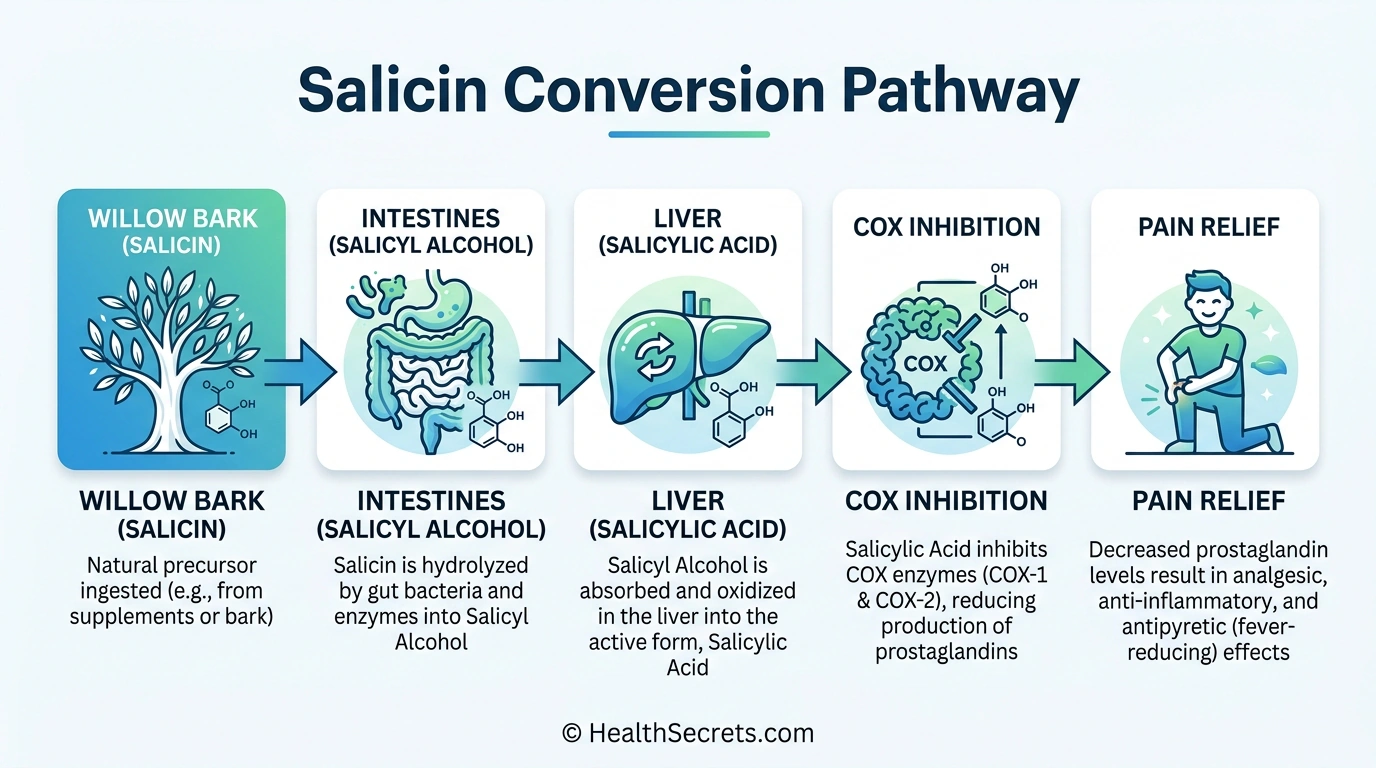
White willow bark works through a three-step process: salicin is converted to salicylic acid in the gut and liver, which then inhibits COX-1 and COX-2 enzymes to reduce prostaglandins—the same mechanism as aspirin, but with a gentler, slower onset that's easier on your stomach.
How Does Salicin Get Converted in Your Body?
When you swallow willow bark, intestinal bacteria hydrolyze salicin into salicyl alcohol. Your liver then oxidizes it into salicylic acid—the active anti-inflammatory compound. This two-step conversion takes 1–2 hours, which explains the slower onset compared to aspirin's direct 30-minute absorption ([7]).
How Does It Block Pain Signals?
Salicylic acid inhibits both COX-1 and COX-2 enzymes, reducing production of prostaglandin E2 (PGE2)—a key mediator of pain, inflammation, and fever. This gives willow bark a triple action: analgesic (pain relief), anti-inflammatory (reduces swelling), and antipyretic (lowers fever). The flavonoids and polyphenols in the bark provide additional antioxidant and anti-inflammatory effects that work synergistically with salicin ([15]).
What Additional Compounds Does Willow Bark Contain?
Beyond salicin, willow bark contains flavonoids (naringenin, eriodictyol), tannins, and polyphenols. These compounds contribute antioxidant and anti-inflammatory effects that may explain why willow bark sometimes outperforms equivalent doses of isolated salicylic acid in clinical settings ([6]).
The Supplement Seal Verifier
What USP, NSF, NSF Certified for Sport, ConsumerLab, BSCG and Informed Choice each actually test for, the label claims that mean nothing, and a bottle-by-bottle audit sheet.
How Well Is White Willow Bark Absorbed?
Salicin absorption is moderate—the two-step conversion through gut bacteria and liver metabolism means it takes 1–2 hours to reach peak blood levels, compared to aspirin's 30 minutes. However, the slower metabolism also results in a longer duration of action (4–6 hours vs. aspirin's 4 hours) and gentler GI impact.
Does Standardization Matter for Absorption?
Absolutely—and this is critical. Standardized extracts containing 15–25% salicin ensure consistent potency per dose. Non-standardized whole bark products contain variable salicin levels (sometimes as low as 1–2%), making dosing unpredictable. A 2023 meta-analysis confirmed that only standardized extracts at 240 mg salicin daily showed reliable pain reduction ([2]).
Should You Take It with Food?
Taking willow bark with meals reduces the already-low risk of GI upset and may improve absorption. Since salicylic acid is the active form, anything that supports healthy gut flora and liver function indirectly supports conversion efficiency.
How Much White Willow Bark Should You Take?
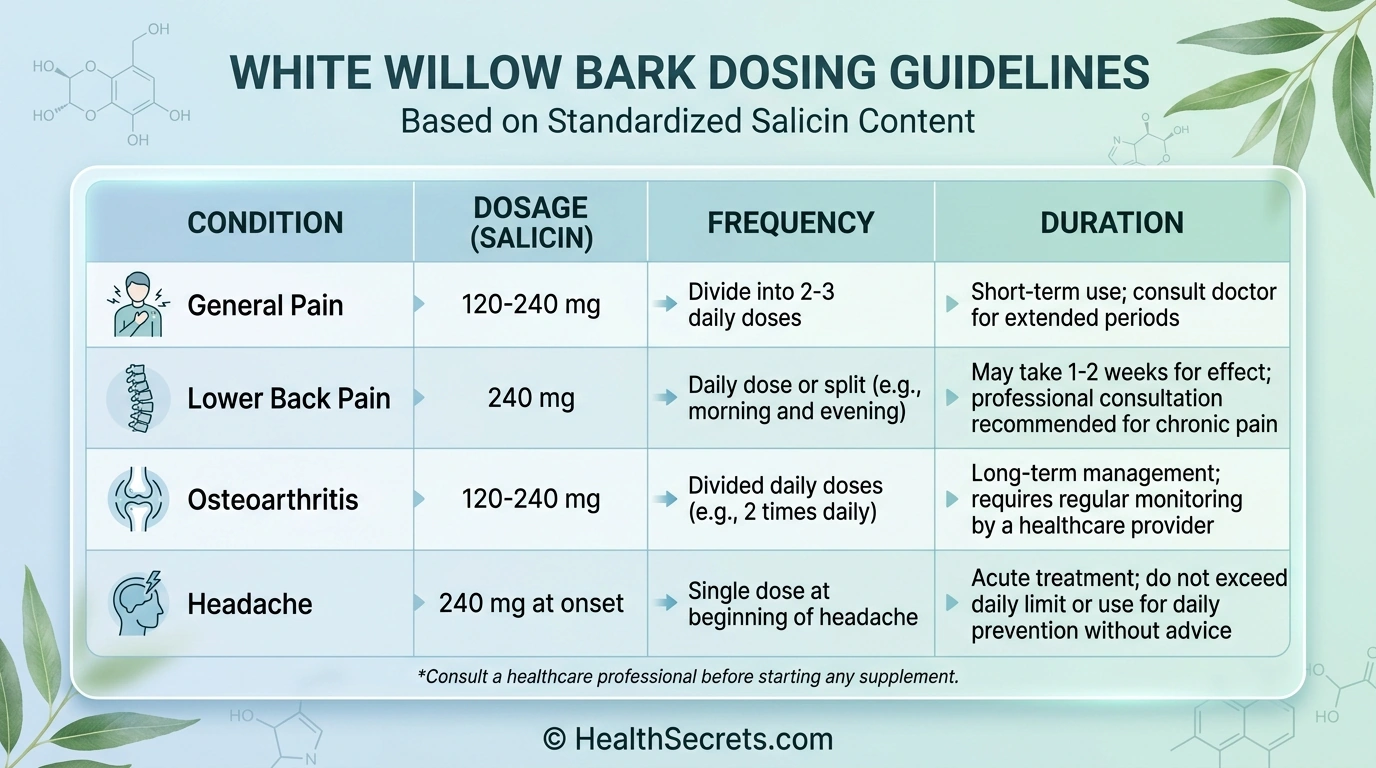
The effective dose is 120–240 mg of salicin daily from a standardized extract (15–25% salicin). For lower back pain, the research supports 240 mg salicin daily. Take with meals, allow 4 weeks minimum for full anti-inflammatory effects, and don't exceed 480 mg salicin daily.
| Condition | Salicin Dose | Frequency | Duration |
|---|---|---|---|
| General pain relief | 120–240 mg/day | 1–2x daily | 4+ weeks |
| Lower back pain | 240 mg/day | 1–2x daily | 4+ weeks |
| Osteoarthritis | 120–240 mg/day | 1–2x daily | 2–4+ weeks |
| Headache/migraine | 240 mg at onset | Repeat 4 hrs | As needed |
| The landmark Chrubasik study found that 240 mg salicin daily resulted in 39% of patients being pain-free after 4 weeks, compared to only 21% at 120 mg and 4% with placebo ([1]). |
Can You Get Enough Salicin from Willow Bark Tea?
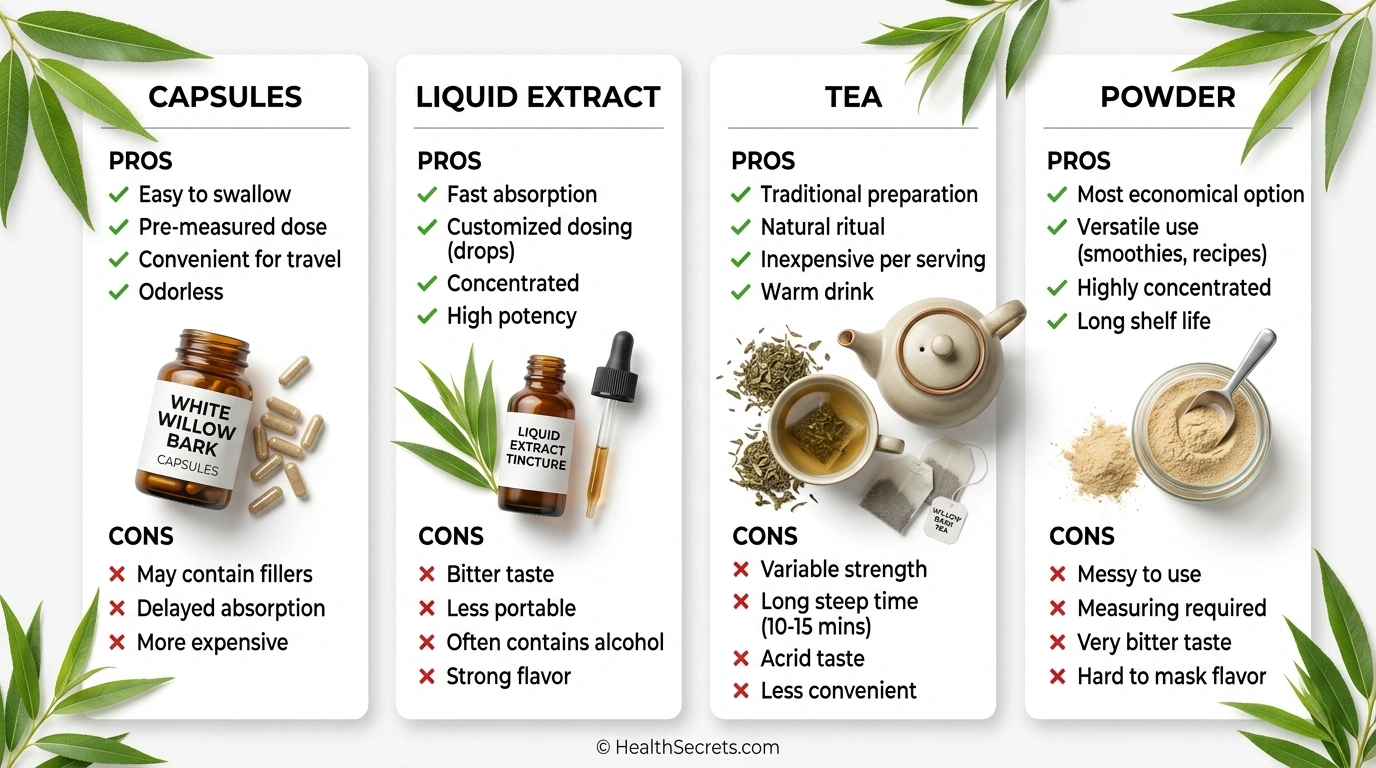
You can brew willow bark tea, but the salicin content is much lower and highly variable—typically 1–2 mg per cup compared to the 120–240 mg needed for therapeutic effects. Tea is fine as a gentle daily ritual, but supplements with standardized extracts are necessary for meaningful pain relief.
Willow bark tea has been a traditional preparation for centuries. Steep 1–2 teaspoons of dried bark in hot water for 10–15 minutes. It tastes bitter—adding honey helps. But don't rely on tea alone if you're treating chronic pain. The math doesn't work: you'd need dozens of cups daily to match clinical doses. Standardized capsules or liquid extracts are the practical choice for therapeutic use.
That said, if you're already taking a standardized supplement, willow bark tea makes a pleasant complementary ritual—just don't count it toward your daily salicin dose.
Is White Willow Bark Safe? What Are the Side Effects?
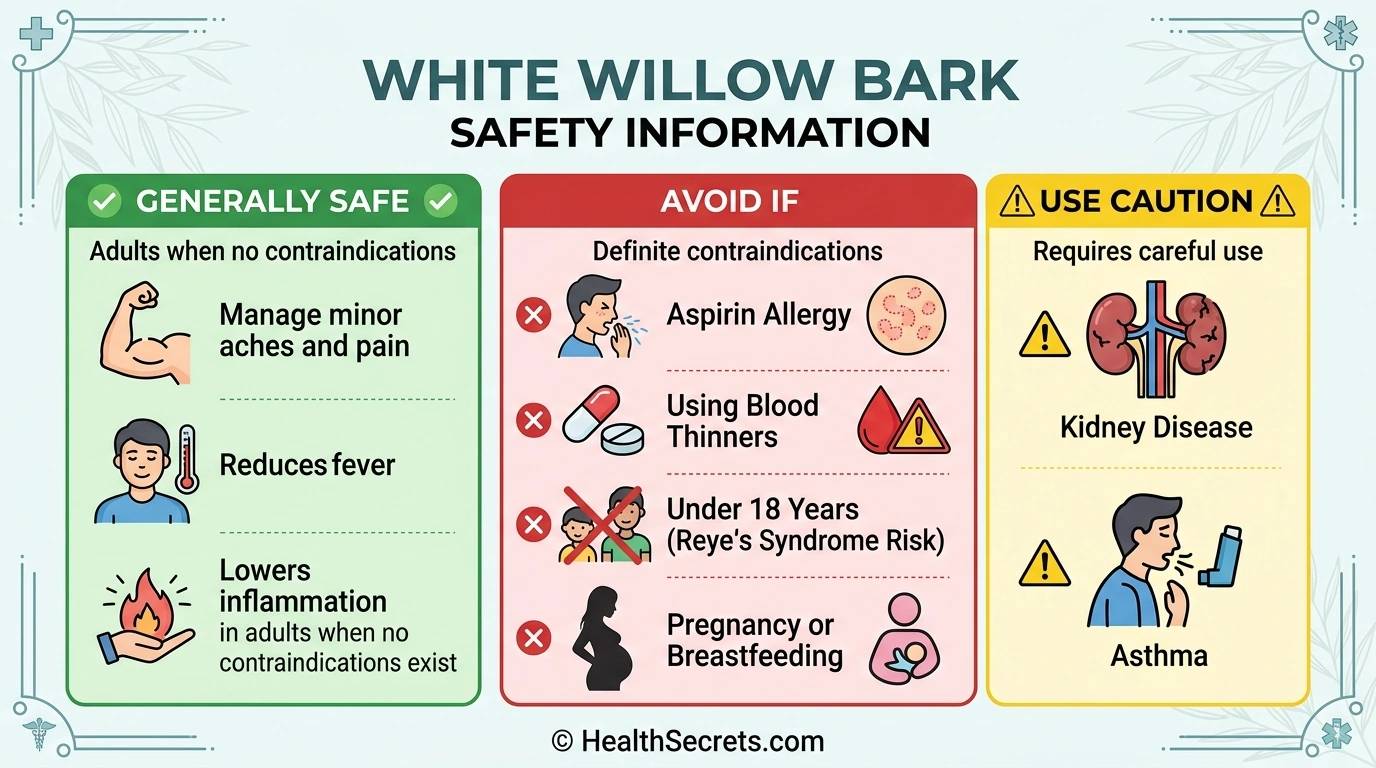
White willow bark is generally well-tolerated, with GI side effects in only 5–10% of users compared to 20–30% with aspirin. However, it shares similar contraindications with aspirin—including aspirin allergy, blood thinners, bleeding disorders, and children under 18—because salicin converts to the same salicylic acid family.
A 2026 randomized controlled trial of 120 osteoarthritis patients found that willow bark extract (240 mg salicin/day) reduced pain comparably to ibuprofen (1,200 mg/day) over 12 weeks, with CRP decreasing 55% vs. 60% and significantly fewer GI adverse events ([8]).
Common side effects: Mild GI upset (nausea, stomach discomfort) in 5–10% of users. Tinnitus at doses above 300 mg salicin—reduce dose if this occurs. Mild antiplatelet effects (less pronounced than aspirin).
Contraindications:
- Aspirin allergy or salicylate sensitivity — cross-reactivity likely, avoid completely
- Blood thinners (warfarin, clopidogrel) — increases bleeding risk, consult doctor
- Bleeding disorders — avoid due to antiplatelet effects
- Surgery — stop 1–2 weeks before any surgical procedure
- Children under 18 — theoretical Reye's syndrome risk
- Pregnancy/breastfeeding — insufficient safety data, avoid
- Kidney disease — salicylates affect kidney function
- Aspirin-sensitive asthma — may trigger bronchospasm
Drug interactions: Blood thinners (monitor INR), NSAIDs (avoid combining—additive GI effects), methotrexate (may increase levels), beta-blockers and diuretics (may reduce effectiveness) ([21]).
What Can White Willow Bark Actually Do for You?
White willow bark can meaningfully reduce chronic pain—particularly lower back pain and osteoarthritis—with fewer GI side effects than aspirin or NSAIDs. But it's slower to act (1–2 hours, with full effects at 4 weeks), it won't replace prescription medications for severe conditions, and quality matters enormously.
- What it can do: Reduce chronic pain 30–40% (lower back pain, osteoarthritis). Provide anti-inflammatory effects comparable to low-dose NSAIDs. Offer a gentler option for long-term pain management. Deliver additional antioxidant benefits from whole-plant compounds.
- What it can't do: Provide immediate pain relief like aspirin (patience required). Replace cardiovascular-dose aspirin (no evidence for heart protection). Cure the underlying cause of pain. Work reliably with non-standardized products.
- Timeline: Week 1—some pain reduction, especially at 240 mg salicin. Weeks 2–4—progressive anti-inflammatory effects build. Week 4+—full benefit achieved. The Chrubasik study showed significant results appearing within the first week at high doses, with maximum benefit by week 4 ([1]).
Combine with exercise, weight management, and an anti-inflammatory diet for best results. Willow bark is a tool in your toolkit—not a standalone solution.
What Should You Do First to Try White Willow Bark for Pain?
Start by confirming you don't have any contraindications (aspirin allergy, blood thinners, under 18), choose a standardized extract with 15–25% salicin, begin at 120 mg salicin daily with meals, and increase to 240 mg after one week if tolerated. Allow 4 weeks for full effects.
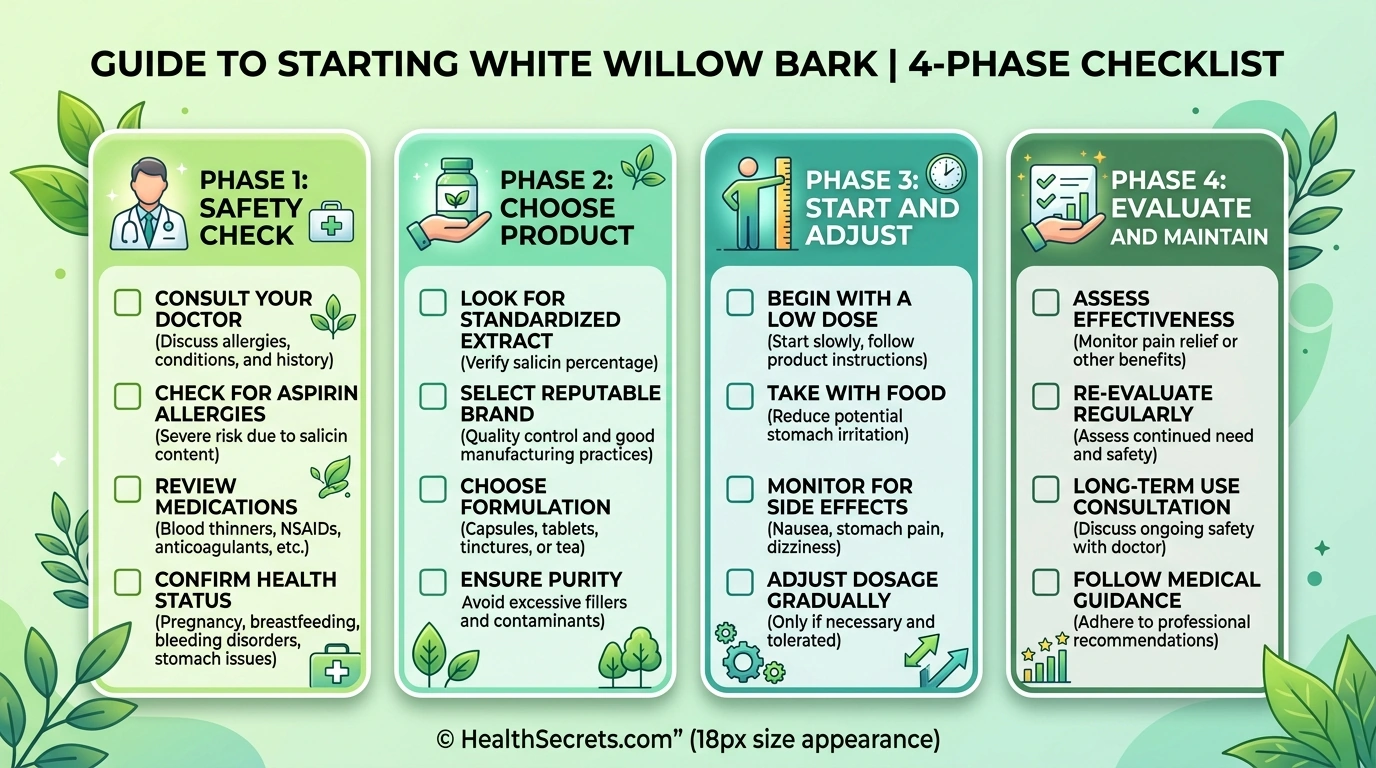
Phase 1 — Safety Check (Before Starting)
- Confirm no aspirin allergy or salicylate sensitivity
- Review medications with doctor (blood thinners, NSAIDs, methotrexate)
- Rule out contraindications (bleeding disorders, pregnancy, kidney disease, under 18)
Phase 2 — Choose Quality Product (Week 1)
- Select standardized extract: 15–25% salicin content
- Verify third-party testing (USP, NSF, or equivalent)
- Choose reputable brand (Nature's Way, Solaray, NOW Foods, Gaia Herbs)
Phase 3 — Start and Adjust (Weeks 1–4)
- Begin 120 mg salicin daily with meals
- Increase to 240 mg salicin daily after 1 week if tolerated
- Track pain levels daily (1–10 scale)
- Note any GI upset, tinnitus, or unusual bleeding
Phase 4 — Evaluate and Maintain (Week 4+)
- Assess pain improvement at 4 weeks
- If no improvement at 240 mg after 4 weeks, consult doctor
- Combine with joint pain relief strategies and lifestyle changes
- Continue long-term if effective and tolerated