Joint pain is one of those things that creeps up on you. One day you're fine, the next you're wincing every time you climb stairs or open a jar. And if you've been reaching for ibuprofen or naproxen to get through the day, you're not alone — but you might be setting yourself up for problems down the road.
Here's the thing about joint pain relief natural approaches: they actually work. Not overnight, not like popping an Advil, but with consistent use over 4–12 weeks, many natural strategies deliver results comparable to NSAIDs — with significantly fewer side effects. We're talking glucosamine and chondroitin reducing osteoarthritis pain by 20–30%, strength training cutting pain by 30–40%, and even modest weight loss slashing knee pain by up to 50%.
Whether you're dealing with osteoarthritis, rheumatoid arthritis, or general joint stiffness from aging or overuse, this guide walks you through a step-by-step approach to reclaiming comfortable movement. You'll learn which supplements have the strongest evidence, how to build a joint-friendly exercise routine, and what lifestyle changes make the biggest difference.
For a deeper understanding of how inflammation drives joint pain, see our chronic inflammation guide. If you're looking for dietary strategies, our anti-inflammatory diet guide covers the nutritional foundations.
What Do You Need to Know Before Starting a Natural Joint Pain Protocol?
Before diving into natural joint pain strategies, it's essential to understand what type of joint pain you're dealing with and set realistic expectations for your timeline.
Osteoarthritis — the most common form affecting 32.5 million U.S. adults — involves cartilage breakdown from wear and tear, while rheumatoid arthritis is an autoimmune condition affecting 1.3 million Americans where the immune system attacks joint tissues.
Who Is This Guide For?
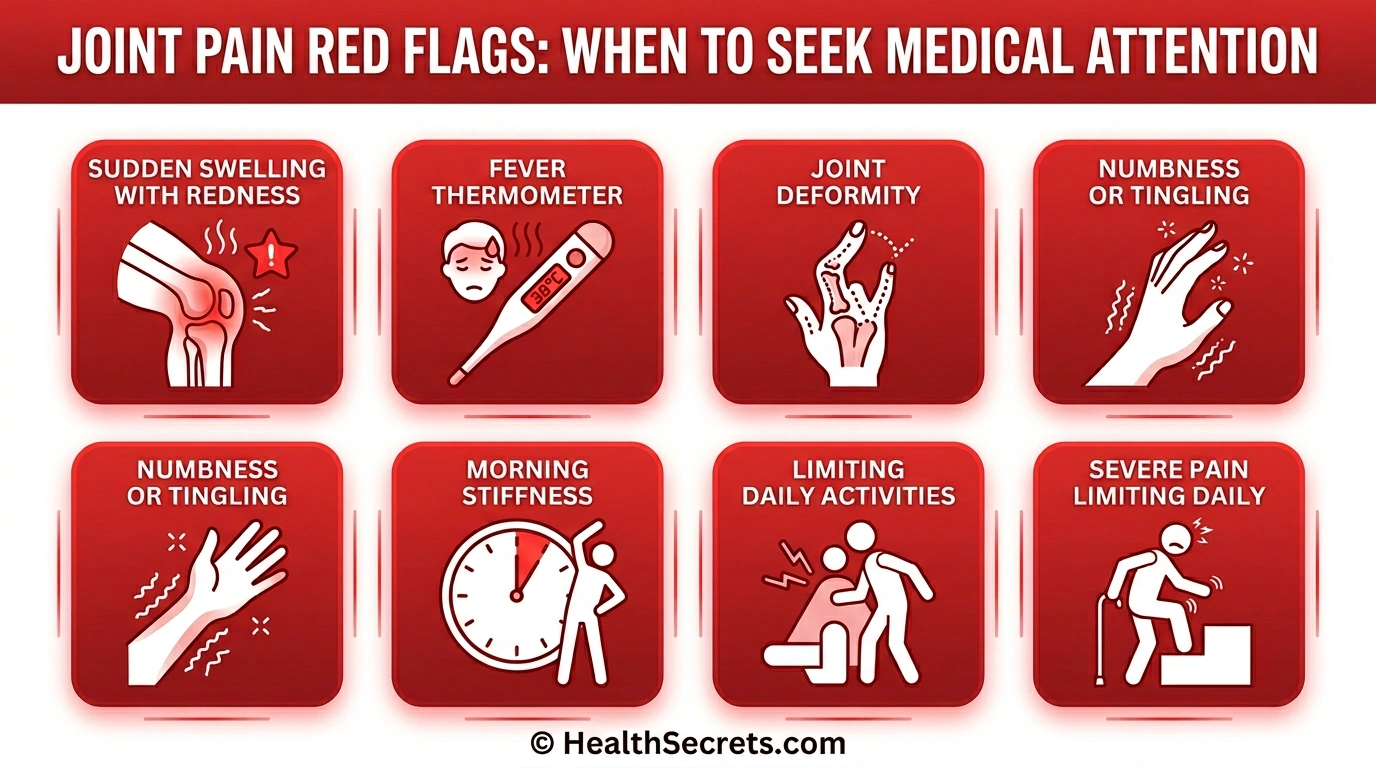
This protocol is designed for adults experiencing mild to moderate joint pain from osteoarthritis, general wear and tear, overuse injuries, or age-related stiffness. If you have severe joint deformity, sudden swelling with fever, or persistent morning stiffness lasting over an hour, see a doctor first — these may indicate conditions requiring medical intervention.
What Should You Expect?
Natural approaches don't work like popping an NSAID. Most supplements require 4–12 weeks of consistent daily use before you'll notice meaningful improvement. Exercise benefits accumulate over weeks. Weight loss effects are proportional and progressive. The good news? Once these strategies take hold, the benefits tend to be more sustainable and come with far fewer side effects than long-term NSAID use.
What's the Overall Approach?
The most effective joint pain relief comes from combining multiple strategies simultaneously:
- Targeted supplements — address cartilage repair, inflammation, and lubrication
- Exercise — strengthen supporting muscles, improve flexibility, reduce stiffness
- Weight management — reduce mechanical stress on joints
- Hot/cold therapy — manage acute and chronic symptoms
- Lifestyle optimization — posture, sleep, stress, hydration
- Topical treatments — localized relief for specific joints

Are You Unknowingly Inflaming Your Body?
Get the free Health Vitals & Nutrient Checklist — the daily guide that shows you which habits and supplements are silently triggering inflammation.
How Do You Identify Your Joint Pain Type and Severity?
Accurate identification of your joint pain type determines which natural strategies will be most effective for your specific situation. Osteoarthritis pain typically worsens with activity and improves with rest, with morning stiffness lasting under 30 minutes, while rheumatoid arthritis pain is worse at rest with morning stiffness exceeding 30 minutes.
Osteoarthritis (OA) — Degenerative
- Cause: Cartilage breakdown from age, injury, overuse, or obesity
- Symptoms: Pain worse with activity, stiffness after rest (under 30 minutes), reduced range of motion, joint cracking or grinding
- Commonly affects: Knees, hips, hands, spine
- Risk factors: Age over 50, obesity (BMI >25), previous joint injury, family history, repetitive occupational stress
A 2026 systematic review confirmed that osteoarthritis remains the most prevalent degenerative joint disease globally, with obesity and age as the strongest modifiable and non-modifiable risk factors respectively [9].
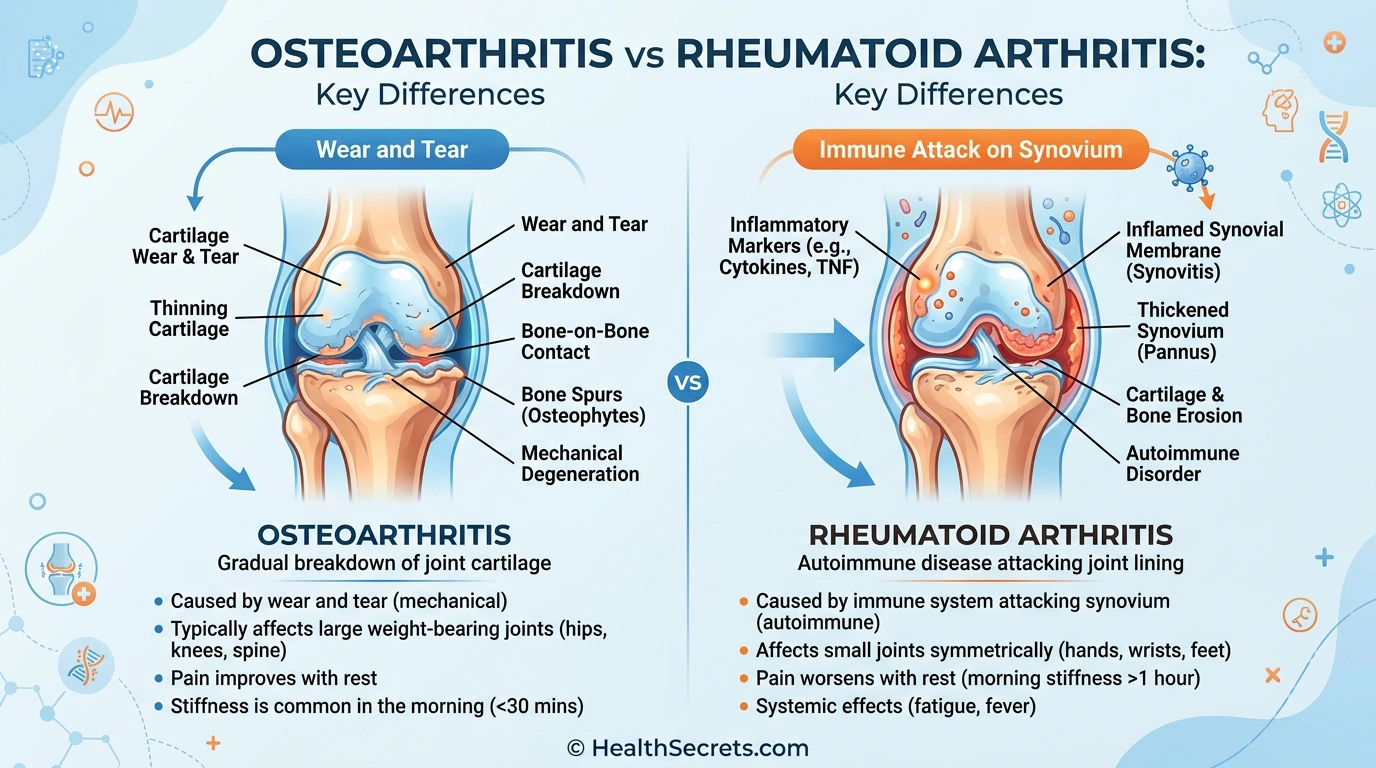
Rheumatoid Arthritis (RA) — Autoimmune
- Cause: Immune system attacks joint lining (synovium)
- Symptoms: Pain worse at rest, morning stiffness over 30 minutes (improves with activity), warmth, redness, symmetrical joint involvement
- Commonly affects: Small joints — hands, feet, wrists (both sides simultaneously)
- Note: Requires medical management with DMARDs — natural strategies are complementary, not replacement
How to Assess Your Severity
- Mild: Occasional pain during or after activity, no significant limitation
- Moderate: Daily pain, limits some activities, regular use of pain relievers
- Severe: Constant pain, significant functional limitation, affects quality of life — see a doctor

30-Day Walking & Mobility Planner
One test walk sets your starting point; thirty days build from it at a pace your joints keep up with, with four short mobility routines and a log that adds up the month.
Which Natural Supplements Actually Help Joint Pain?
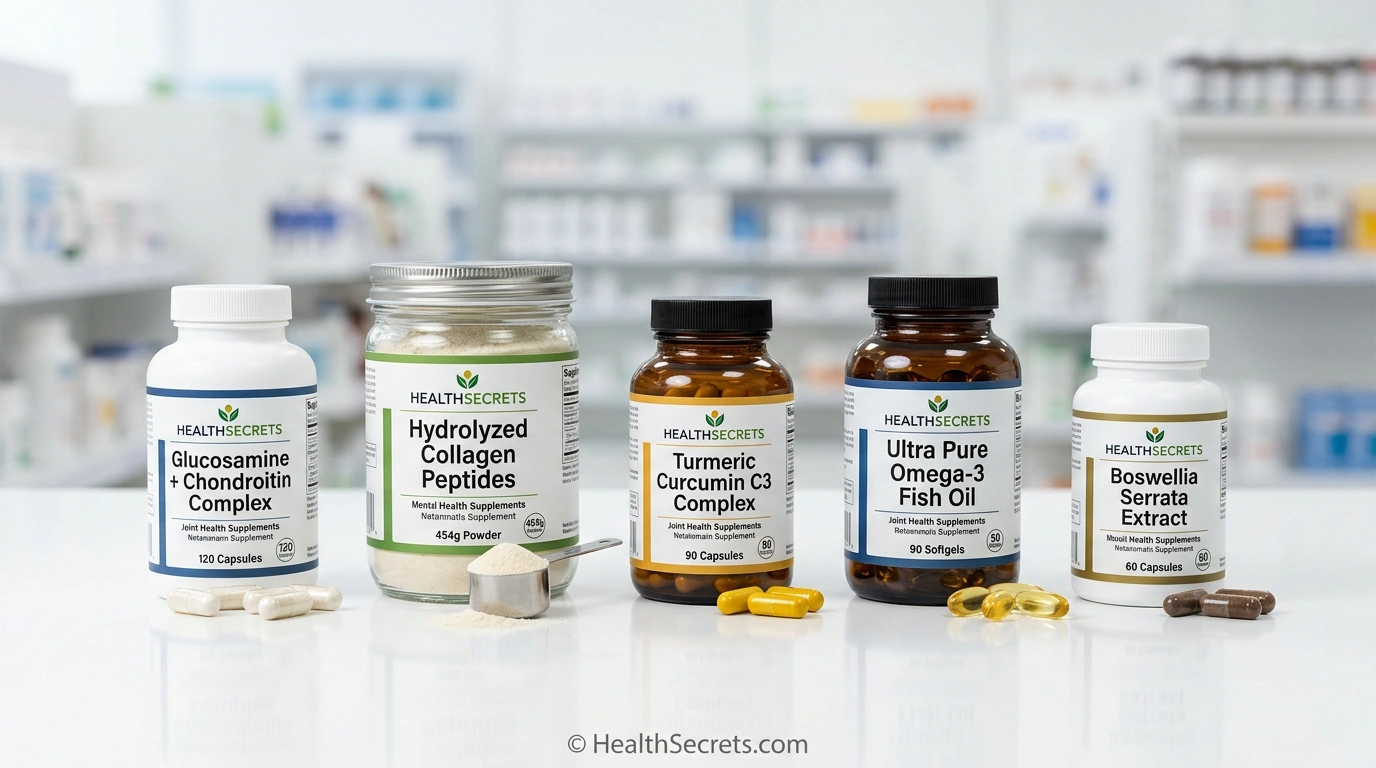
The strongest evidence supports glucosamine with chondroitin for cartilage support, undenatured type II collagen for immune-mediated joint protection, and anti-inflammatory botanicals like turmeric and boswellia — with typical improvement timelines of 8–12 weeks for structural supplements and 2–4 weeks for anti-inflammatories.
Does Glucosamine and Chondroitin Really Work for Joints?
Glucosamine (1,500mg daily) and chondroitin (1,200mg daily) remain the most widely studied joint supplements. A 2024 systematic review found that over 90% of efficacy studies reported positive outcomes, with the combination reducing osteoarthritis pain by 20–30% and potentially slowing cartilage loss with long-term use [1]. Stanford Lifestyle Medicine notes the combination was found "nearly equal to a nonsteroidal anti-inflammatory drug in reducing moderate to severe pain" Stanford Lifestyle Medicine.
- Dose: 1,500mg glucosamine + 1,200mg chondroitin daily
- Timeline: 8–12 weeks minimum for noticeable effects
- Best for: Osteoarthritis, cartilage preservation
How Effective Is Undenatured Type II Collagen (UC-II)?
UC-II works through a unique immune tolerance mechanism — small doses (40mg) train the immune system to stop attacking cartilage collagen. One clinical trial found UC-II produced a 40% decrease in VAS pain scores after 90 days, compared to only 15% for glucosamine-chondroitin Safety and Efficacy of UC-II in OA of the Knee. A 2023 review in the American Journal of Translational Research confirmed UC-II shows promise for early knee OA with good pain relief and improved function Efficacy of UC-II in Knee OA, AJTR.
- Dose: 40mg undenatured type II collagen daily
- Timeline: 60–90 days for optimal results
- Best for: Osteoarthritis, autoimmune joint inflammation
Can MSM Help With Joint Stiffness?
MSM (methylsulfonylmethane) at 3,000mg daily provides sulfur for connective tissue support and reduces inflammatory cytokines, with studies showing 25–35% improvement in pain and stiffness.
- Dose: 1,500–3,000mg daily (divided doses)
- Timeline: 4–8 weeks
- Best for: Stiffness, osteoarthritis, exercise recovery
Does Turmeric Curcumin Work for Joint Inflammation?
Curcumin at 1,000mg daily inhibits COX-2 and NF-κB pathways. A systematic review and meta-analysis found curcuminoid formulations were "significantly more effective than placebo for pain relief and functional improvement" with patients "significantly less likely to experience gastrointestinal adverse events" compared to NSAIDs [7].
- Dose: 1,000mg curcumin daily (95% curcuminoids with BioPerine)
- Timeline: 2–4 weeks for anti-inflammatory effects
- Best for: Inflammatory joint pain, comparable efficacy to NSAIDs
For a comprehensive guide on curcumin, see our turmeric for inflammation article.
How Do Omega-3 Fatty Acids Reduce Joint Inflammation?
Omega-3s (EPA+DHA) at 2–4g daily reduce pro-inflammatory cytokines and produce specialized pro-resolving mediators. They show the strongest evidence for inflammatory arthritis (rheumatoid arthritis), with studies demonstrating 30–50% reduction in joint pain and stiffness and reduced NSAID use [8].
- Dose: 2–4g EPA+DHA daily
- Timeline: 4–12 weeks
- Best for: Rheumatoid arthritis, inflammatory joint conditions
Learn more in our omega-3 for inflammation guide.
Is Boswellia Effective for Joint Pain?
Boswellia serrata inhibits 5-lipoxygenase (5-LOX), reducing leukotrienes through a different pathway than NSAIDs. A systematic review of seven RCTs found Boswellia "significantly more effective than placebo, ibuprofen, or glucosamine sulfate in relieving pain and stiffness and improving joint function" with a recommended treatment duration of at least 4 weeks [8].
- Dose: 300–500mg standardized extract three times daily (30–65% boswellic acids)
- Timeline: 4–8 weeks
- Best for: Osteoarthritis, inflammatory stiffness
See our boswellia for inflammation guide for detailed information.
Should You Add Hyaluronic Acid?
Oral hyaluronic acid (200mg daily) supports synovial fluid and joint lubrication. While injections are more effective, oral supplementation shows emerging evidence for mild pain reduction.
- Dose: 200mg daily
- Timeline: 8–12 weeks
- Best for: Joint lubrication, mild OA
How Do You Build a Joint-Friendly Exercise Routine?
Exercise is one of the most powerful tools for joint pain — strengthening muscles around joints, improving flexibility, and reducing stiffness. A 2024 meta-analysis confirmed that resistance training produces moderate but significant improvements in pain, strength, and function for osteoarthritis patients [10].
What Low-Impact Aerobic Exercise Works Best?
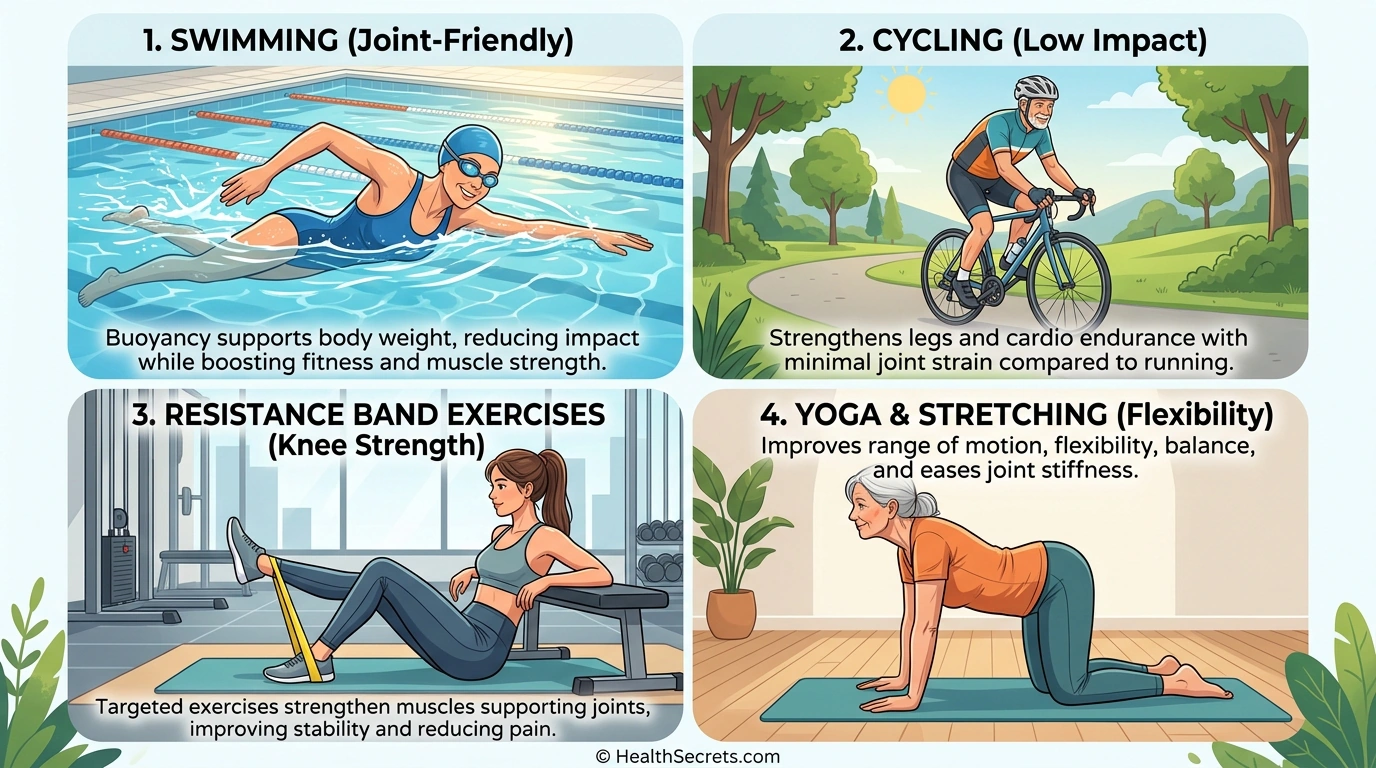
- Swimming/water aerobics: Non-weight-bearing, reduces joint stress while providing resistance
- Cycling: Low-impact, strengthens quadriceps (critical for knee OA)
- Walking: Accessible, weight-bearing for bone health
- Elliptical: Full-body with minimal joint impact
- Target: 150 minutes per week (30 minutes, 5 days or 50 minutes, 3 days)
How Does Strength Training Help Joint Pain?
Strengthening muscles around joints is critical — strong muscles absorb shock and stabilize joints, reducing cartilage stress. The Arthritis Foundation emphasizes that strength training is crucial because muscle mass declines 3–5% per decade after age 30, and muscle loss accelerates after menopause Arthritis Foundation, Exercise and Strength Training.
- Frequency: 2–3 times per week
- Exercises: Bodyweight squats, wall sits, leg raises, resistance band work, light weights
- Reps: 8–12 repetitions, 2–3 sets per exercise
- Key muscles: Quadriceps (knee OA), hip abductors (hip OA), grip strength (hand OA)
Why Are Flexibility and Balance Important?
- Daily stretching: 10–15 minutes improves range of motion, reduces stiffness
- Yoga: Gentle poses improve flexibility, balance, and reduce stress-related inflammation
- Tai chi: Slow controlled movements improve balance, reduce fall risk
- Balance exercises: Single-leg stands, heel-to-toe walking — 2–3 times per week
How Should You Start?
- Week 1–2: Start with 10–15 minutes of low-impact movement daily
- Week 3–4: Add 5 minutes per session, introduce light strength training
- Week 5–8: Build toward 150 minutes aerobic + 2–3 strength sessions per week
- Rule: Stop if you feel sharp pain — muscle soreness is normal, joint pain is not
How Does Weight Management Reduce Joint Pain?
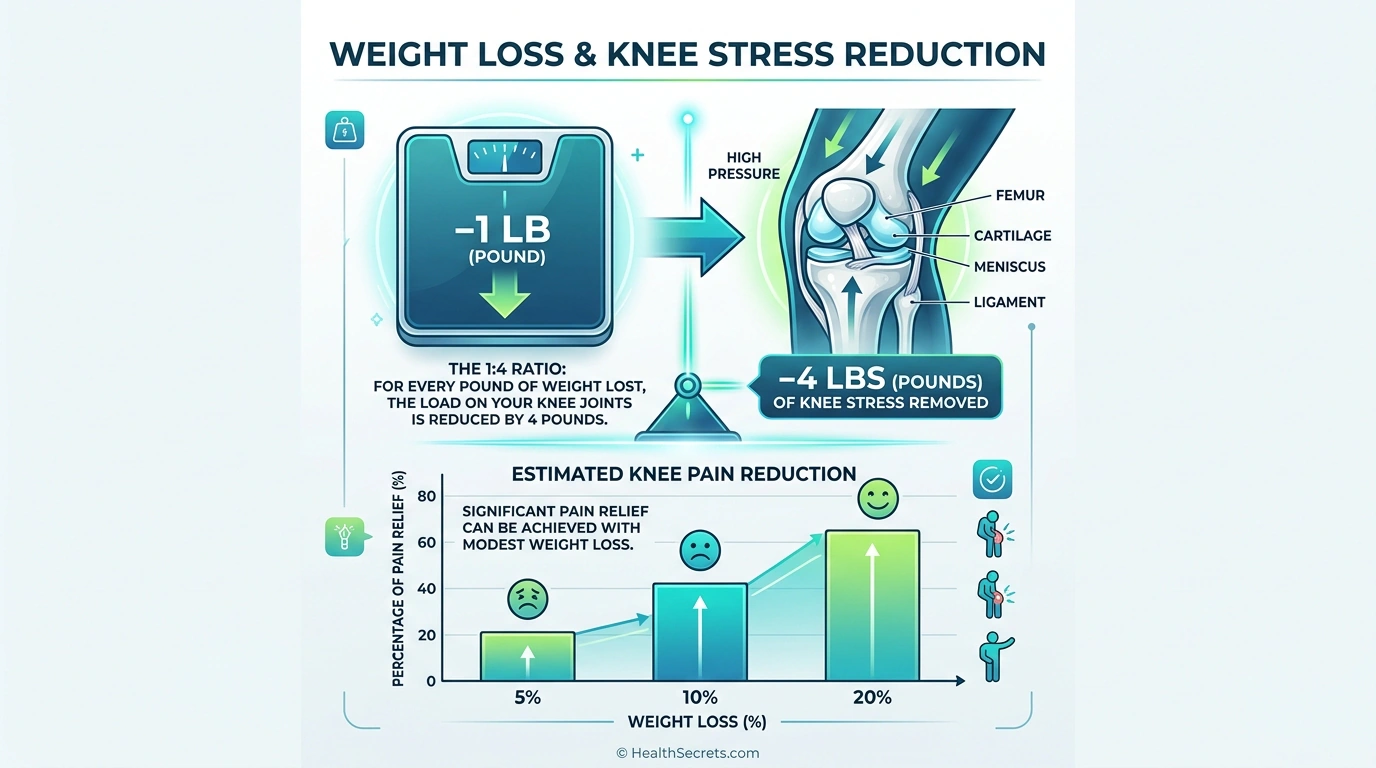
Weight management is one of the most impactful strategies for joint pain relief — research shows that losing just 5–10% of body weight can reduce knee pain by approximately 50%, and every single pound lost removes roughly 4 pounds of stress from the knee joint with each step.
The NIH reported that intensive weight loss of 20% from diet and exercise was significantly better than moderate weight loss for relieving symptoms of knee arthritis among overweight older adults [13]. The Arthritis Foundation confirmed that losing 10–20% of starting bodyweight improved pain, function, and quality of life better than losing just 5% Arthritis Foundation, Weight Loss Benefits.
What's the Target?
- BMI over 25: Increased OA risk — weight loss is a priority
- Goal: 5–10% of current body weight as initial target
- Rate: 1–2 pounds per week (500–1,000 calorie daily deficit) — sustainable pace
- Example: A 200-pound person losing 10–20 pounds can dramatically reduce knee pain
What Should You Eat?
Follow an anti-inflammatory dietary pattern (Mediterranean-style):
- Increase: Vegetables, fruits, fatty fish (2–3 servings/week), nuts, olive oil, whole grains
- Reduce: Processed foods, added sugar, refined carbohydrates, trans fats, excess omega-6 oils
- Key nutrients: Omega-3 fatty acids, vitamin D, calcium, collagen-supporting vitamin C
For detailed dietary guidance, see our anti-inflammatory diet guide.
How Do You Use Hot and Cold Therapy for Joint Pain?
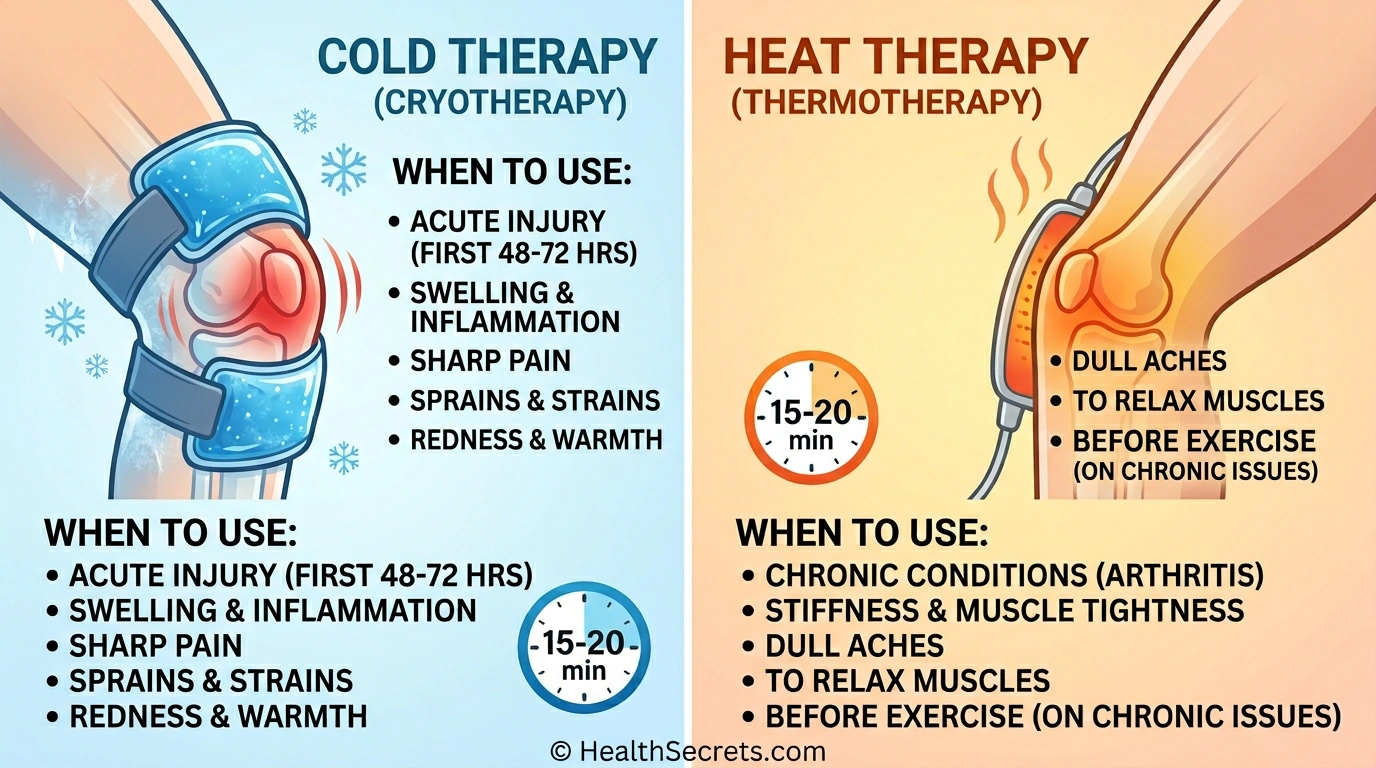
Hot and cold therapy provides immediate, drug-free pain relief — cold reduces acute inflammation and swelling within minutes, while heat relaxes stiff muscles and improves blood flow to chronically painful joints. The key is knowing which to use and when.
When Should You Use Cold Therapy?
- Best for: Acute inflammation, swelling, injury (first 48 hours), post-exercise flare-ups
- How: Ice pack wrapped in towel, applied 15–20 minutes, 2–3 times daily
- Mechanism: Vasoconstriction reduces blood flow, decreasing swelling and numbing pain
- Caution: Never apply ice directly to skin — use a barrier
When Should You Use Heat Therapy?
- Best for: Chronic stiffness, morning stiffness, muscle tension around joints
- How: Heating pad, warm compress, or warm bath for 15–20 minutes, 2–3 times daily
- Mechanism: Vasodilation increases blood flow, delivering oxygen and nutrients while relaxing muscles
- Caution: Avoid heat on acutely inflamed, swollen joints — it worsens acute inflammation
What Is Contrast Therapy?
- Technique: Alternate 3 minutes warm, 1 minute cold — repeat 3–5 cycles
- Best for: Chronic joint conditions between acute flares
- Mechanism: Alternating vasoconstriction and vasodilation improves circulation and reduces inflammation
What Lifestyle Changes Support Long-Term Joint Health?
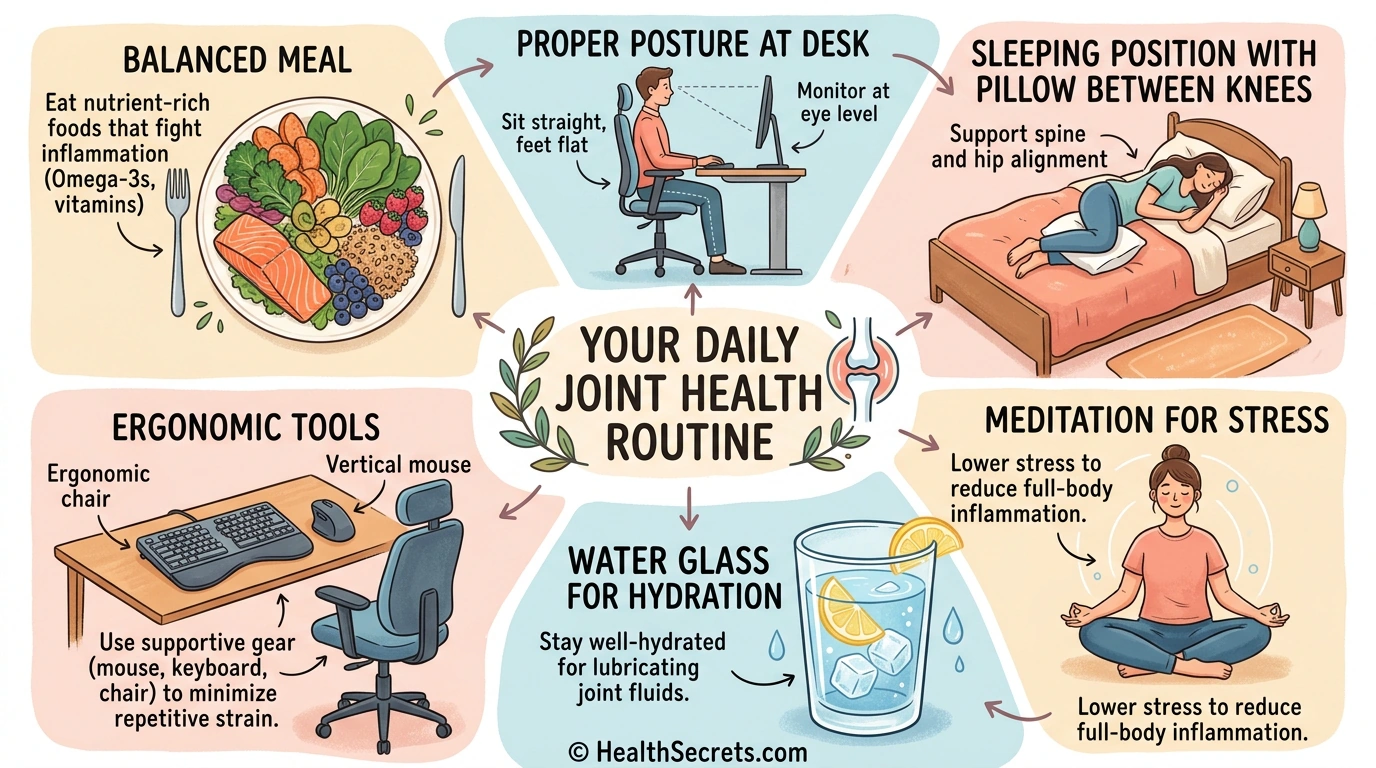
Beyond supplements and exercise, daily habits including proper posture, adequate sleep, stress management, and hydration play crucial roles in managing joint pain and preventing further deterioration. These lifestyle factors influence inflammation levels, pain perception, and tissue repair.
How Does Posture Affect Joint Pain?
- Proper alignment: Reduces abnormal stress on joints — avoid slouching, crossing legs for extended periods
- Ergonomic workspace: Adjust chair height, monitor position, keyboard placement to reduce neck, back, and wrist strain
- Movement breaks: Stand and move every 30–60 minutes — prolonged sitting or standing increases joint stiffness
Do Assistive Devices Help?
- Canes and braces: Reduce joint load by 20–30%, improve stability
- Shoe inserts (orthotics): Correct alignment, reduce knee and hip stress
- Arthritis-friendly tools: Jar openers, reachers, ergonomic grips — reduce hand and wrist strain
Why Is Sleep Critical for Joint Health?
- 7–9 hours nightly: Inadequate sleep increases inflammatory cytokines and lowers pain threshold
- Sleep position: Side sleeping with a pillow between knees reduces hip and knee stress
- Sleep hygiene: Consistent schedule, dark cool room, limit screens before bed
How Does Stress Affect Joint Pain?
- Chronic stress: Increases cortisol and pro-inflammatory cytokines, amplifying pain
- Meditation: 15–20 minutes daily reduces cortisol and inflammation markers
- Yoga: 3–5 times per week — combines stress relief with flexibility and strength
- Deep breathing: 4-7-8 technique or box breathing activates parasympathetic nervous system
Does Hydration Matter for Joints?
- 8–10 cups water daily: Synovial fluid is 70–80% water — dehydration reduces joint lubrication
- Cartilage health: Adequate hydration supports nutrient delivery to cartilage (avascular tissue)
Which Topical Treatments Provide Localized Joint Relief?
Topical treatments deliver pain relief directly to affected joints with minimal systemic absorption, making them among the safest options for localized joint pain. Capsaicin cream and arnica gel have the strongest evidence for arthritis-related topical relief.
How Does Capsaicin Cream Work?
- Mechanism: Depletes substance P — the neurotransmitter that sends pain signals to the brain
- Application: 0.025–0.075% cream, apply 3–4 times daily to affected joint
- Expect: Burning sensation for first few applications — subsides with continued use (typically 3–7 days)
- Evidence: Proven effective for osteoarthritis and neuropathic pain in multiple clinical trials
- Tip: Wash hands thoroughly after application, avoid eyes and mucous membranes

Is Arnica Gel Effective?
- Mechanism: Anti-inflammatory compounds reduce swelling and bruising
- Application: Gel or cream, massage into affected joint 2–3 times daily
- Best for: Bruises, sprains, mild osteoarthritis pain
- Caution: Topical use only — do not apply to broken skin; oral arnica (non-homeopathic) can be toxic
What About Menthol and CBD?
- Menthol/camphor: Cooling sensation acts as counterirritant, provides temporary relief
- CBD topicals: Emerging evidence suggests anti-inflammatory and analgesic effects — more research needed
What Are the Most Common Mistakes to Avoid With Natural Joint Pain Relief?
The biggest mistake people make with natural joint strategies is giving up too early — most supplements need 4–12 weeks of consistent daily use before delivering meaningful results, and starting multiple interventions simultaneously makes it impossible to identify what's actually working.
Mistake 1: Expecting Instant Results
Natural approaches are not NSAIDs. Glucosamine needs 8–12 weeks. Collagen needs 60–90 days. If you quit after 2 weeks, you'll never know if it would have worked.
Mistake 2: Starting Everything at Once
Add one supplement or strategy every 2 weeks. This helps you identify what works, assess tolerability, and track which intervention deserves credit.
Mistake 3: Skipping Exercise Because of Pain
Gentle movement actually reduces joint pain over time. Avoiding exercise leads to muscle weakness, which increases joint stress. Start slowly and build gradually.
Mistake 4: Ignoring Weight Management
You can take every supplement on the market, but if excess weight is overloading your joints, you're fighting an uphill battle. Weight loss is often the single most impactful intervention.
Mistake 5: Choosing Low-Quality Supplements
- Look for: Standardized extracts, third-party testing (USP, NSF, ConsumerLab)
- Dosing matters: Underdosed supplements won't produce results — match clinical trial doses
- Bioavailability: Curcumin needs piperine or liposomal form; plain curcumin has less than 1% absorption
Mistake 6: Combining Blood-Thinning Supplements Without Awareness
Omega-3 + turmeric + ginger at high doses all have mild antiplatelet effects. Individually they're safe, but stacking them without medical guidance may increase bleeding risk.
Is a Natural Joint Pain Protocol Safe? When Should You Stop?
Natural joint supplements are generally well-tolerated with excellent safety profiles compared to NSAIDs, but they're not risk-free — certain combinations and conditions require medical supervision, and specific red flags demand immediate professional evaluation.
Common Side Effects
- Glucosamine: Mild GI upset, rare shellfish allergy concern (shellfish-derived forms)
- Chondroitin: Mild nausea, diarrhea (uncommon)
- MSM: Mild GI discomfort at high doses
- Turmeric: GI upset at high doses; piperine may irritate sensitive stomachs
- Omega-3: Fishy burps (take with meals or freeze capsules), mild GI upset
- Boswellia: Rare GI upset, generally very well tolerated
Drug Interactions to Watch
- Blood thinners (warfarin, aspirin): Omega-3, turmeric, and ginger may increase bleeding risk — consult doctor
- Diabetes medications: Glucosamine and turmeric may affect blood sugar — monitor glucose
- Immunosuppressants: UC-II modulates immune function — consult doctor before use
When to See a Doctor Immediately
- Severe pain that limits daily activities and doesn't improve after 6–8 weeks of natural treatment
- Sudden swelling, redness, and warmth in a joint — possible infection or gout (medical emergency)
- Fever accompanying joint pain — possible septic arthritis or systemic disease
- Joint deformity or instability — structural damage requiring evaluation
- Numbness or tingling — nerve compression requiring assessment
- Persistent morning stiffness lasting over 1 hour — possible rheumatoid arthritis requiring rheumatologist evaluation and DMARDs
Action Plan
What Should You Do First for Natural Joint Pain Relief?
Follow the sequence below, work through each phase in order, and use the checklist as your practical implementation guide.
Start with a targeted two-phase approach: Phase 1 focuses on assessment, foundational supplements, and gentle movement, while Phase 2 adds advanced strategies and tracks progress over the critical 8–12 week window where most natural interventions reach full effectiveness.
Phase 1: Foundation (Weeks 1–4)
- Identify your joint pain type (OA vs RA vs injury) and severity
- Start glucosamine 1,500mg + chondroitin 1,200mg daily (or UC-II 40mg if preferred)
- Add turmeric curcumin 1,000mg daily with BioPerine for inflammation
- Begin 15–20 minutes of low-impact movement daily (walking, swimming, cycling)
- Apply cold therapy after activity if joints swell; heat therapy for morning stiffness
- Assess current weight — calculate BMI and set 5–10% weight loss goal if needed
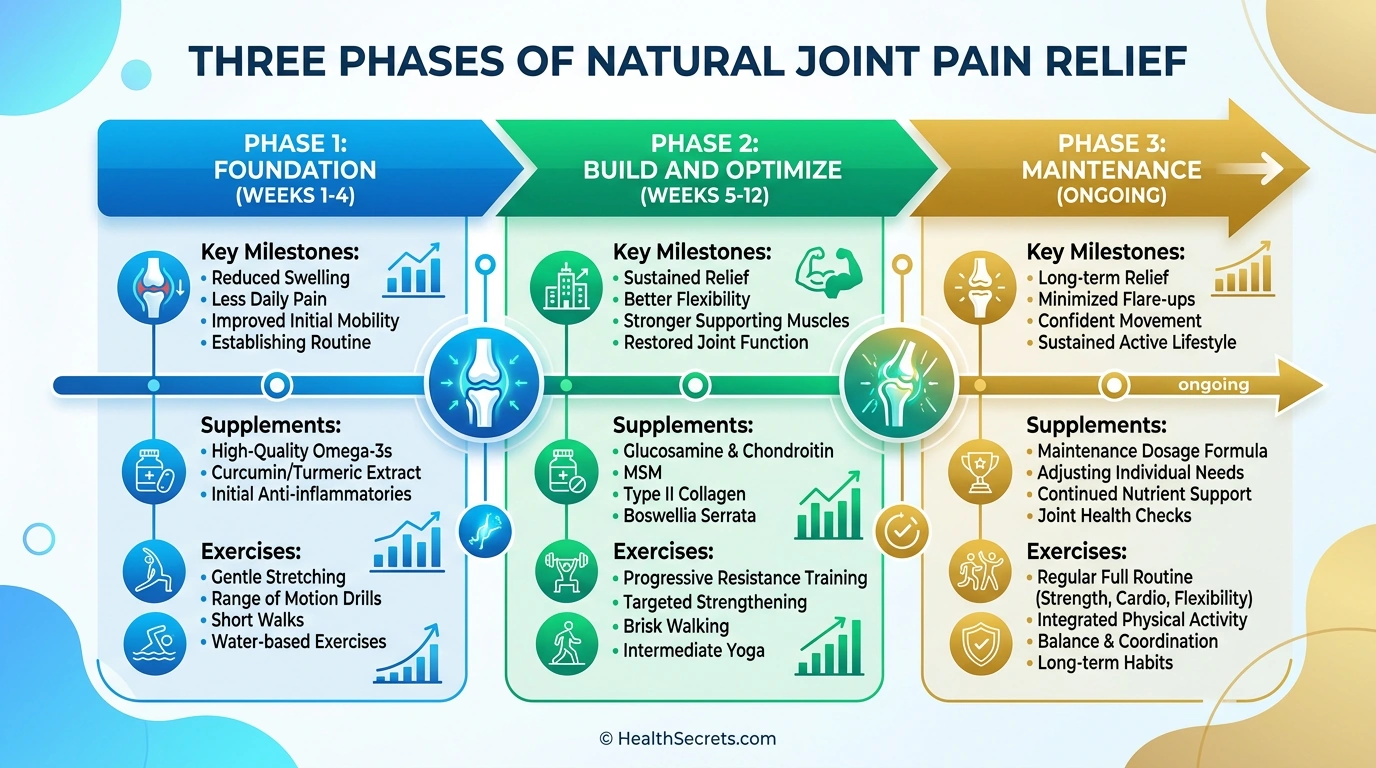
Phase 2: Build and Optimize (Weeks 5–12)
- Add MSM 3,000mg daily if stiffness persists
- Build to 150 minutes aerobic exercise per week + 2–3 strength sessions
- Add omega-3 (2–4g EPA+DHA daily) if inflammatory arthritis is present
- Consider boswellia 300–500mg three times daily for additional anti-inflammatory support
- Implement anti-inflammatory dietary pattern
- Add daily flexibility routine (10–15 minutes stretching, yoga, or tai chi)
- Track pain levels weekly using a 1–10 scale to monitor progress
Phase 3: Maintenance (Ongoing)
- Continue effective supplements at maintenance doses
- Maintain exercise routine — consistency is more important than intensity
- Monitor weight — prevent regain
- Keep NSAIDs available for occasional acute flares only
- Re-evaluate with healthcare provider every 6–12 months