If you've been researching natural ways to support your body's detoxification pathways, chlorella has probably come up more than once. This single-celled freshwater green algae has been used for decades in Japan and Taiwan as both a food and a supplement — and for good reason. Chlorella packs an impressive nutritional profile: roughly 50–60% protein by weight, all essential amino acids, B vitamins, iron, magnesium, and the highest chlorophyll concentration of any known plant (3–5%).
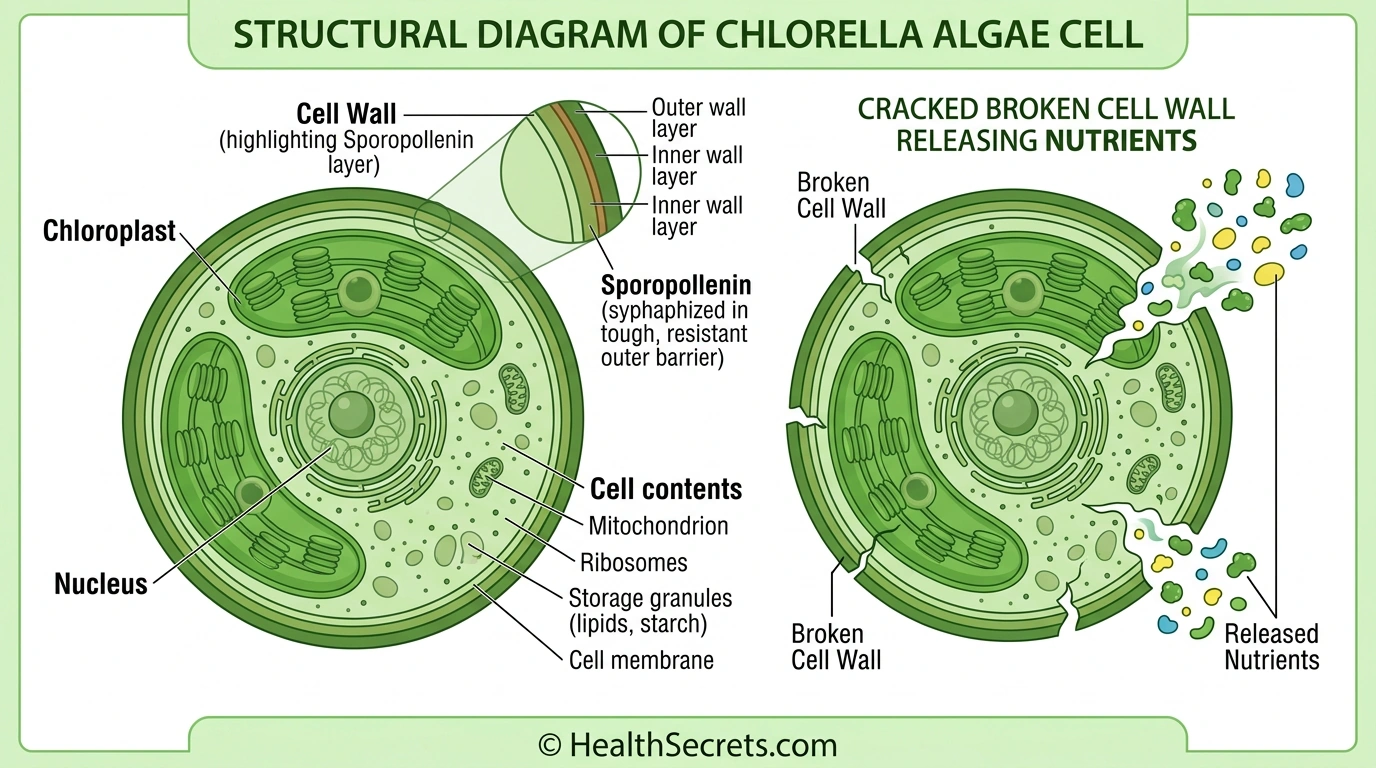
But what really sets chlorella apart in the detox world is its cell wall. The polysaccharides and sporopollenin in chlorella's cell wall carry a negative electrical charge that attracts positively charged heavy metals like mercury, lead, and cadmium. Research in animal models suggests this binding mechanism can reduce heavy metal body burden by 20–40% over time.
However — and this is important — you need broken cell wall chlorella for this to work. Intact chlorella cells pass through your digestive tract largely undigested, with bioavailability estimated at only 40% compared to roughly 80% for broken cell wall forms.
Related guides: Complete detox and cleansing guide · NAC for liver detox · Glutathione: master antioxidant · Heavy metal detox and chelation · Activated charcoal for detox · Gut detox protocol
What Is Chlorella and What Does It Do for Detoxification?
Chlorella is a single-celled freshwater green algae — primarily Chlorella vulgaris and Chlorella pyrenoidosa — that functions as both a nutrient-dense superfood and a natural heavy metal binder. Its unique cell wall structure attracts and traps toxins in the gastrointestinal tract, preventing their absorption and facilitating excretion through stool.
Measuring just 2–10 microns in diameter, chlorella is microscopic yet extraordinarily nutrient-dense. It contains roughly 50–60% protein with a complete amino acid profile, plus significant amounts of B vitamins (B1, B2, B6, B12, folate), iron, magnesium, beta-carotene, and nucleic acids (RNA/DNA). Most commercially available chlorella is cultivated in controlled freshwater ponds in Japan and Taiwan, then harvested, dried, and processed into powder or tablet form [1].
What makes chlorella particularly relevant for detoxification is its chlorophyll content — at 3–5% by dry weight, it's the most chlorophyll-dense organism known. Chlorophyll supports liver phase II detoxification pathways, binds certain toxins in the gut, and acts as a potent antioxidant WholisticMatters, Chlorella vulgaris.
What nutrients does chlorella contain?
Chlorella's nutrient profile is remarkably dense for a single-celled organism. Per 100g of dried chlorella, you'll typically find approximately 50–60g protein, 58mg iron (higher than beef), 315mg magnesium, 3–5g chlorophyll, plus significant B vitamins and beta-carotene. The protein is complete, meaning it contains all nine essential amino acids needed for human nutrition.

Are You Unknowingly Inflaming Your Body?
Get the free Health Vitals & Nutrient Checklist — the daily guide that shows you which habits and supplements are silently triggering inflammation.
How Does Chlorella Work as a Detoxifier in the Body?
Chlorella detoxifies through three primary mechanisms: heavy metal chelation via cell wall polysaccharides, chlorophyll-mediated antioxidant activity, and immune system modulation. Its negatively charged cell wall attracts positively charged heavy metal ions, binding them in the gut and preventing reabsorption into the bloodstream.
How does chlorella bind heavy metals?
The key mechanism is electrostatic attraction. Chlorella's cell wall contains polysaccharides and a compound called sporopollenin, both of which carry a strong negative charge. Heavy metals like mercury (Hg²⁺), lead (Pb²⁺), cadmium (Cd²⁺), and arsenic exist as positively charged ions. When chlorella encounters these metals in the gastrointestinal tract, the cell wall binds them through ion exchange, preventing intestinal absorption and promoting fecal excretion. Animal studies demonstrate that dietary chlorella supplementation can reduce cadmium accumulation in tissues and facilitate excretion [2]. A study on patients with dental amalgams found that long-term algae supplementation (including chlorella) reduced mercury and tin levels while modulating antioxidant enzyme activity [3].
How does chlorophyll support detoxification?
Chlorella's chlorophyll content (3–5%) — the highest of any plant — provides antioxidant, anti-inflammatory, and direct detoxification support. Chlorophyll neutralizes free radicals, reduces inflammation markers including CRP and IL-6, supports liver phase II detoxification through glutathione conjugation, and can bind certain environmental toxins (aflatoxins, dioxins, pesticides) in the gut, preventing their absorption.
Does chlorella support immune function?
Research suggests chlorella supplementation increases natural killer (NK) cell activity and enhances salivary IgA antibody production, strengthening mucosal immunity in the respiratory and GI tracts. Studies in healthy adults have shown measurable increases in NK cell activity and interferon-gamma levels after chlorella supplementation [1]. This immune-modulating effect is generally beneficial but is why those with autoimmune conditions should exercise caution.
Can chlorella improve cardiovascular health?
A meta-analysis of randomized controlled trials found that chlorella supplementation improved total cholesterol, LDL cholesterol, systolic blood pressure, diastolic blood pressure, and fasting blood glucose levels. Specifically, supplementation for 8 weeks or longer at doses above 4g/day produced significant reductions in total and LDL cholesterol, as well as blood pressure in hypertensive individuals [6]. A controlled study found participants taking 5g chlorella daily showed a 10% reduction in triglycerides and an 11% reduction in LDL cholesterol Healthline [17].

Evidence-Based Supplement Organizer & Safety Log
Track your daily intake, verify third-party certifications, and prepare clear questions for your clinician.
How Well Is Chlorella Absorbed — and Why Does Cell Wall Processing Matter?
Broken cell wall chlorella achieves roughly 80% bioavailability compared to only 40% for intact cell wall forms, making cell wall processing the single most important factor in chlorella supplement quality. Without breaking the tough cellulose cell wall, most nutrients remain trapped and pass through your body undigested.
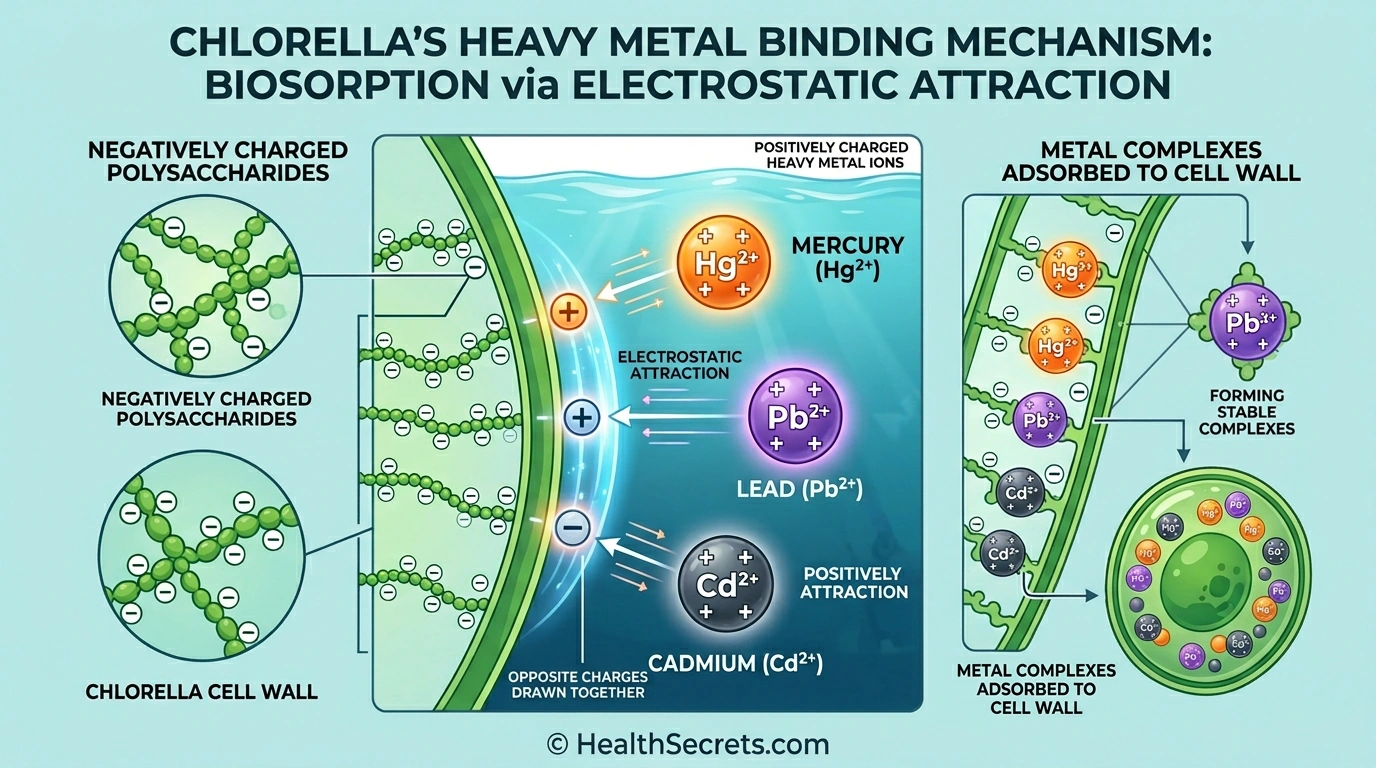
Humans lack cellulase, the enzyme needed to break down cellulose. Chlorella's cell wall is made primarily of cellulose, making intact cells largely indigestible. Research confirms that more than 80% of chlorella proteins become digestible after mechanical cell wall disruption [1]. Cell wall disruption methods include mechanical milling, high-pressure processing, and enzymatic treatment [5].
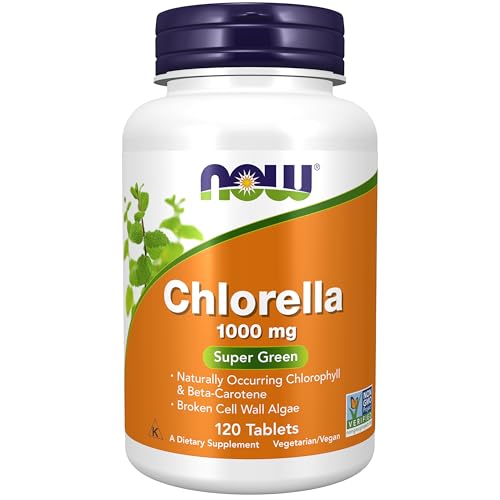
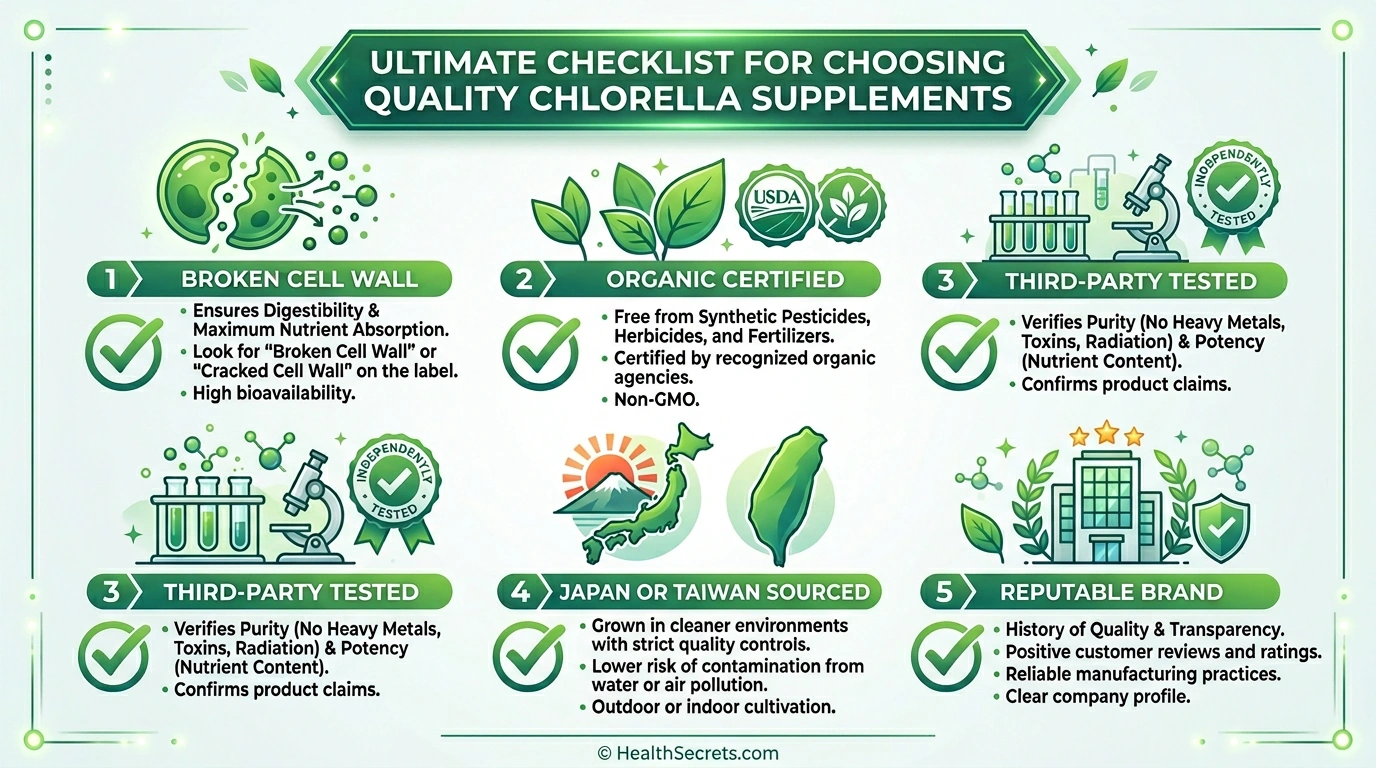
When shopping for chlorella, look for labels that explicitly state "broken cell wall" or "cracked cell wall." Products without this designation likely contain intact cells with significantly reduced bioavailability — both for nutrient absorption and for heavy metal binding capacity.
How Much Chlorella Should You Take for Detox Support?
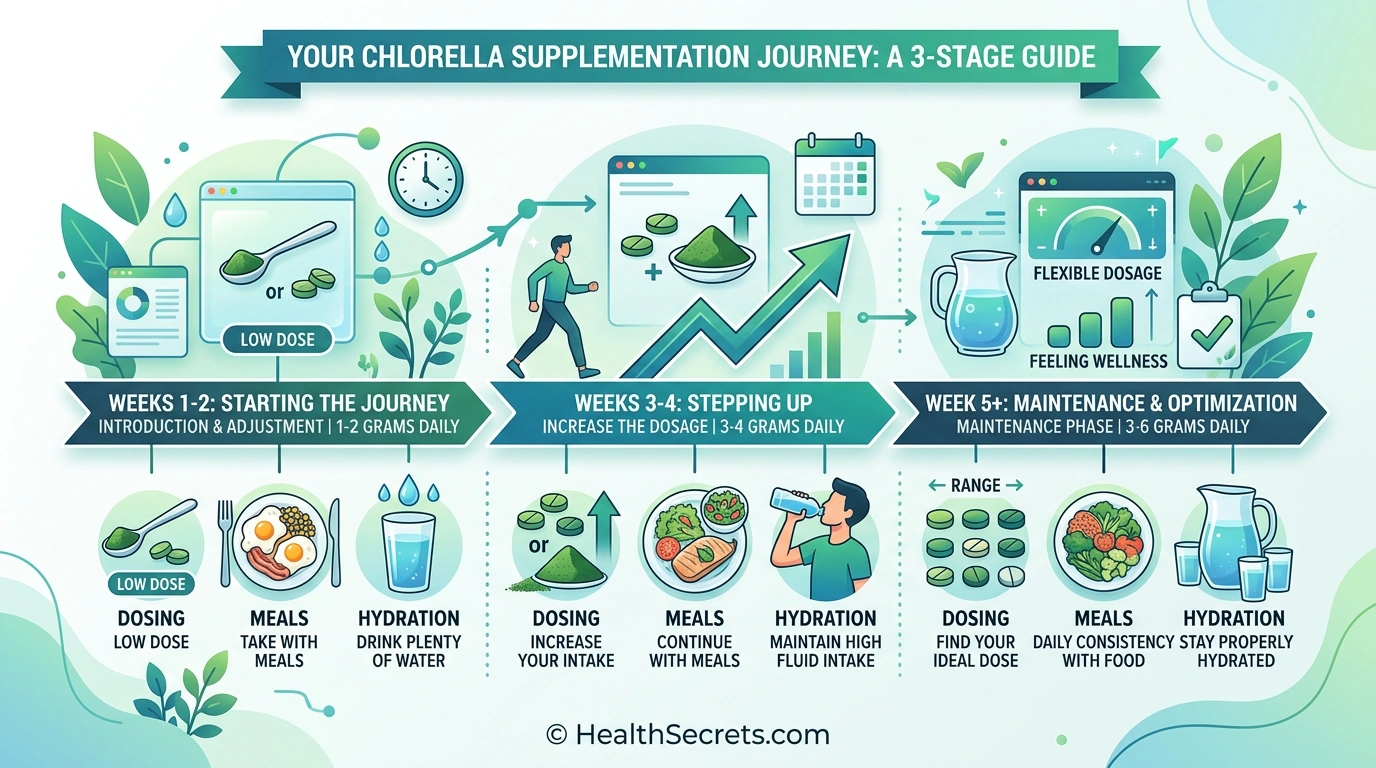
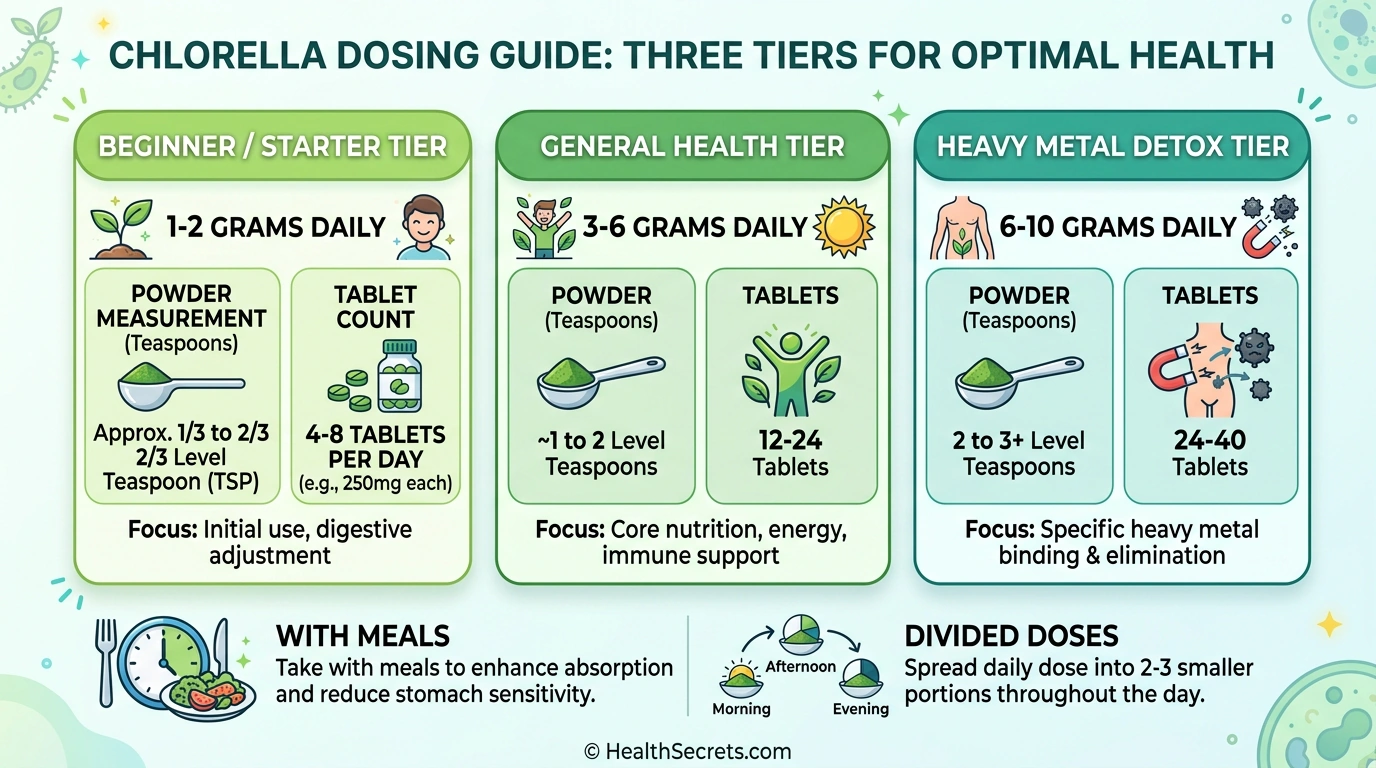
For general health maintenance, take 3–6g of broken cell wall chlorella daily in divided doses with meals. For targeted heavy metal detox protocols, doses of 6–10g daily may be used, though always start at 1–2g and increase gradually over 2–4 weeks to assess tolerance and minimize GI side effects.
Most clinical studies have used doses of 3–10g daily for periods of 2–3 months WebMD [15]. Doses up to 10–15g per day appear safe based on available evidence Examine.com [16]. Cardiovascular benefits have been observed with as little as 4g per day.
Dosing by form:
- Powder: 1–2 teaspoons daily (1 tsp ≈ 3g) — add to smoothies, water, or juice
- Tablets: 6–12 tablets daily (typically 500mg each) — convenient, no taste
- Capsules: 6–12 capsules daily (typically 500mg each) — no taste, easy to swallow
Timing tips: Take with meals to improve absorption of fat-soluble nutrients and reduce nausea. Divide into 2–3 doses throughout the day rather than taking one large dose. If using for heavy metal support, consistency over months matters more than taking high single doses.
Can You Get Enough Chlorella From Food Alone?
Chlorella is not naturally found in common foods — it must be consumed as a supplement in powder, tablet, or capsule form. While chlorella is increasingly added to smoothie blends and green powders, supplementation is the only practical way to achieve therapeutic doses for detoxification support.
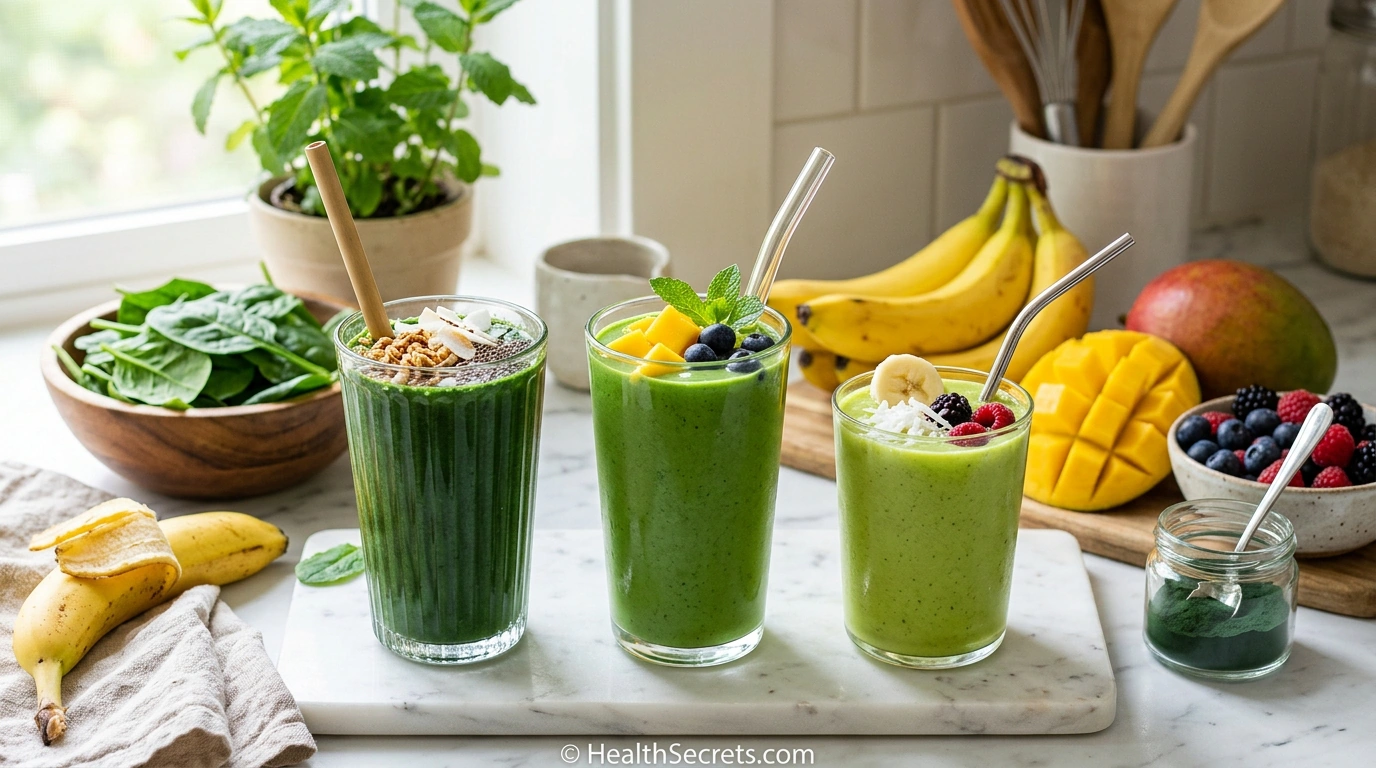
Some greens powders contain small amounts of chlorella, but typically at doses far below the 3–6g needed for health benefits. If you enjoy the taste (many describe it as earthy or slightly "fishy"), adding pure chlorella powder to smoothies is an effective approach. Otherwise, tablets or capsules provide the same benefits without the strong flavor.
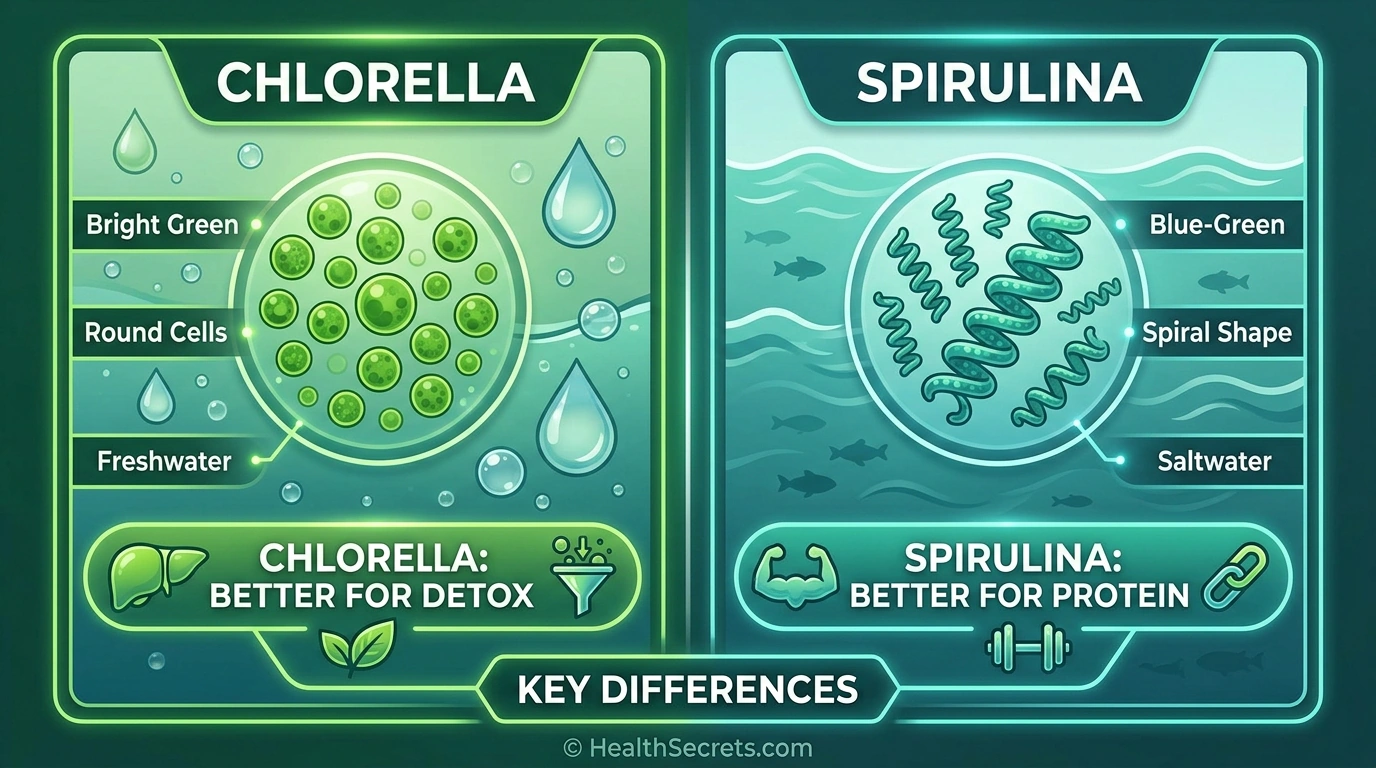
You can also pair chlorella with chlorophyll-rich foods like spinach, parsley, wheatgrass, and spirulina for complementary benefits. In fact, combining chlorella (3g) with spirulina (3g) daily offers synergistic benefits — chlorella for detoxification and immune support, spirulina for protein and energy Healthline [17].
Is Chlorella Safe? What Are the Side Effects and Drug Interactions?
Chlorella is generally well-tolerated at recommended doses, with most side effects being mild and temporary — GI discomfort (nausea, diarrhea, cramping) in the first 1–2 weeks, green stools from chlorophyll (completely harmless), and occasional mild headache or fatigue as the body adjusts.
A clinical trial in hepatitis C patients reported that the main side effects of chlorella supplementation were mild constipation and diarrhea, both of which resolved within the first two weeks. No patients reported abdominal pain, fever, or other serious complaints during the 12-week study [7].
Contraindications:
- Autoimmune diseases: Chlorella stimulates immune activity (NK cells, cytokines), which may worsen symptoms of lupus, MS, or rheumatoid arthritis
- Warfarin/blood thinners: Chlorella contains vitamin K, which can interfere with anticoagulation — monitor INR closely
- Iodine sensitivity: Chlorella contains iodine and may affect thyroid function
- Pregnancy/breastfeeding: Insufficient safety data — consult your doctor
Drug interactions: Chlorella may reduce the effectiveness of immunosuppressant medications. It may interfere with warfarin (vitamin K content) and thyroid medications (iodine content). Always maintain 2+ hours between chlorella and any prescription medication, and consult your healthcare provider before starting.
Quality safety note: Choose products that are third-party tested for heavy metals and microcystin contamination. Algae supplements from uncontrolled sources may paradoxically contain the very contaminants you're trying to avoid [8].
What Can Chlorella Actually Do for You — and What Are Its Limits?
Chlorella offers real, evidence-backed benefits for cardiovascular health, nutrient supplementation, and immune support, with promising but less conclusive evidence for heavy metal detoxification. Expect gradual improvements over 8–12 weeks of consistent supplementation — not overnight miracles.
What the evidence strongly supports:
- Improvements in cholesterol, blood pressure, and blood sugar markers (meta-analysis-level evidence)
- Nutrient supplementation — protein, iron, B vitamins, chlorophyll, antioxidants
- Immune modulation — increased NK cell activity, IgA production
What the evidence moderately supports:
- Heavy metal binding in the GI tract (strong in animal studies, limited human data)
- Anti-inflammatory and antioxidant effects from chlorophyll
- Gut health support through prebiotic fiber content
What to be realistic about:
- Most heavy metal detox evidence comes from animal studies — human clinical trials are limited
- Chlorella supports your body's existing detox pathways but doesn't replace liver and kidney function
- For confirmed heavy metal toxicity, medical chelation therapy (EDTA, DMSA) under physician supervision is the standard of care
- Individual results vary based on health status, exposure levels, and supplement quality
The timeline for noticeable benefits is typically 4–8 weeks for cardiovascular markers and 2–4 weeks for digestive comfort. Heavy metal reduction, if measurable, requires consistent supplementation over 3–6 months.
Action Plan
What Should You Do First to Start Using Chlorella for Detox?
Follow the sequence below, work through each phase in order, and use the checklist as your practical implementation guide.
Start with a high-quality broken cell wall chlorella at 1–2g daily for the first week, gradually increasing to your target dose of 3–6g over 3–4 weeks. Focus on quality sourcing, consistent timing with meals, and adequate hydration to support your body's detoxification pathways.
Phase 1 — Weeks 1–2 (Start Low):
- Choose quality chlorella: organic, broken cell wall, third-party tested
- Start at 1–2g daily (½ tsp powder or 2–4 tablets)
- Take with meals to improve absorption and reduce nausea
- Drink 8–10 glasses of water daily to support detoxification
- Monitor for GI discomfort — green stools are normal and harmless
Phase 2 — Weeks 3–4 (Increase Gradually):
- Increase to 3–4g daily in divided doses (morning and evening)
- Continue monitoring — symptoms should decrease as your body adjusts
- Add liver-supportive habits: cruciferous vegetables, adequate sleep, reduced alcohol
Phase 3 — Weeks 5+ (Maintenance):
- General health: maintain 3–6g daily
- Heavy metal support: 6–10g daily if directed by a healthcare provider
- Consider adding spirulina (3g) for synergistic benefits
- Continue for 3+ months for cumulative detox support
Quality checklist before buying:
- Label says "broken cell wall" or "cracked cell wall"
- Organic certification (USDA or equivalent)
- Third-party tested for heavy metals and microcystin
- Sourced from controlled environments (Japan or Taiwan preferred)