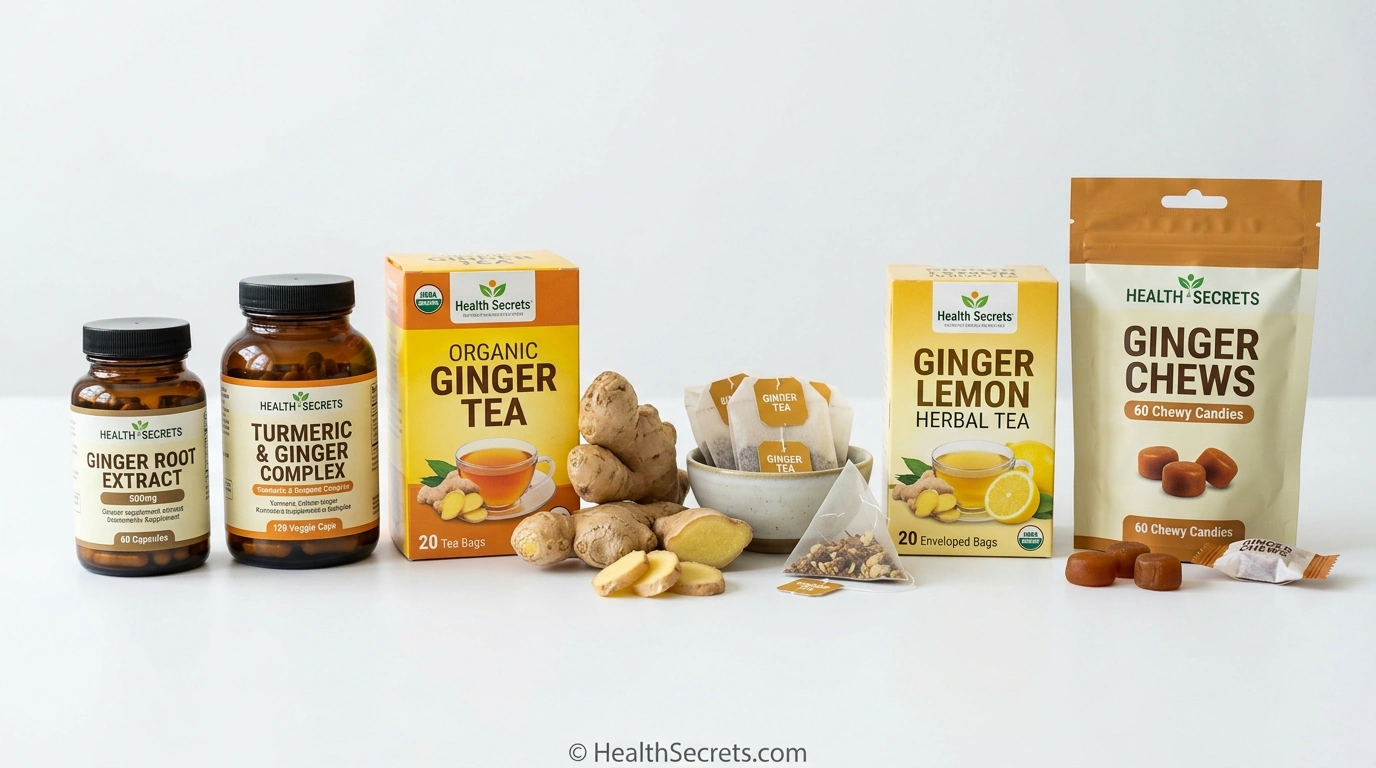
If you've ever sipped ginger tea to settle an upset stomach, you've already tapped into a remedy that's been used for over 5,000 years across Asia, India, and China. But ginger does far more than calm nausea. Modern research shows that ginger's active compounds — particularly gingerol and shogaol — act as powerful anti-inflammatory agents, inhibiting the same enzymes targeted by ibuprofen and other NSAIDs.
The difference? Ginger actually protects your stomach lining instead of damaging it.
Whether you're dealing with chronic inflammation, osteoarthritis pain, or post-workout soreness, ginger offers a natural, evidence-backed approach worth understanding. In this guide, we'll break down exactly how ginger fights inflammation, what the clinical trials show, how much you actually need, and which forms work best.
Related reading: anti-inflammatory diet guide · omega-3 for inflammation · boswellia for inflammation · inflammation and pain relief guide
What Is Ginger and Why Is It a Powerful Anti-Inflammatory?
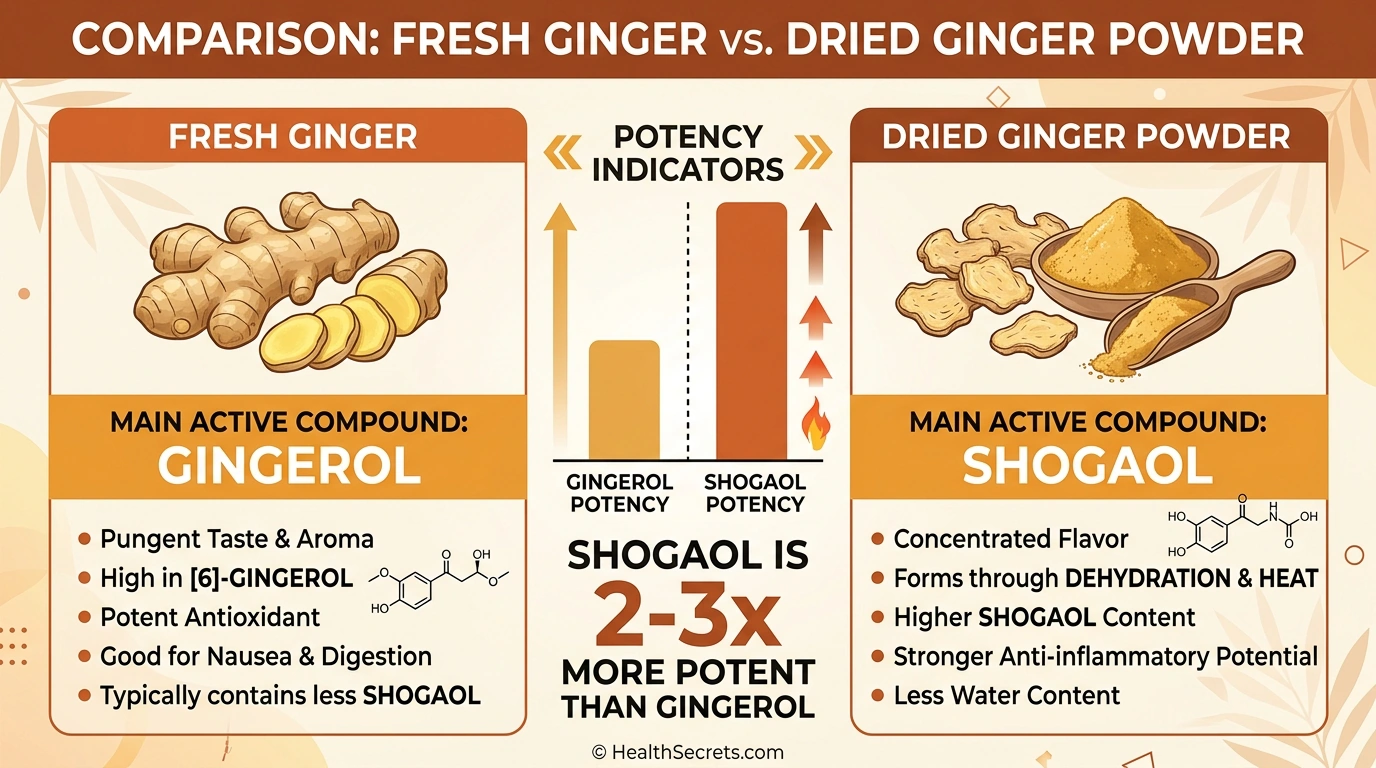
Ginger (Zingiber officinale) is a flowering plant whose underground rhizome — commonly called ginger root — contains over 400 bioactive compounds with potent anti-inflammatory, antioxidant, and analgesic properties. The most clinically significant are gingerol (abundant in fresh ginger) and shogaol (formed when ginger is dried or heated), both of which inhibit key inflammatory pathways at the molecular level.
What Are the Active Compounds in Ginger?
6-Gingerol is the most abundant bioactive compound in fresh ginger and gives it that characteristic spicy kick. It's responsible for much of ginger's anti-inflammatory and antioxidant activity. When ginger is dried, heated, or cooked, gingerol converts to 6-shogaol, which research shows is 2–3 times more potent as an anti-inflammatory agent ([4]).
Other notable compounds include paradol, zingerone, and gingerdiones — all contributing to ginger's therapeutic profile. This multi-compound approach is part of why ginger works: the compounds act synergistically rather than through a single mechanism.
Traditional Medicine Meets Modern Science
Ginger has been a cornerstone of Ayurvedic and Traditional Chinese Medicine for over 5,000 years, prescribed for digestive complaints, nausea, pain, and respiratory conditions. Modern pharmacological research has validated many of these traditional uses. Today, ginger is one of the most extensively studied medicinal plants, with hundreds of peer-reviewed studies confirming its anti-inflammatory properties ([1]).

The Supplement Seal Verifier
What six certification programs each test, the label claims that test nothing, and a ten-bottle audit sheet that counts your verified products.
How Does Ginger Fight Inflammation in the Body?
Ginger combats inflammation through multiple simultaneous pathways — inhibiting inflammatory enzymes, suppressing pro-inflammatory cytokines, blocking the NF-κB signaling cascade, and neutralizing free radicals. This multi-target approach gives ginger broader anti-inflammatory coverage than single-mechanism drugs like traditional NSAIDs, which only block the COX pathway.
How Does Ginger Inhibit COX-2 and 5-LOX Enzymes?
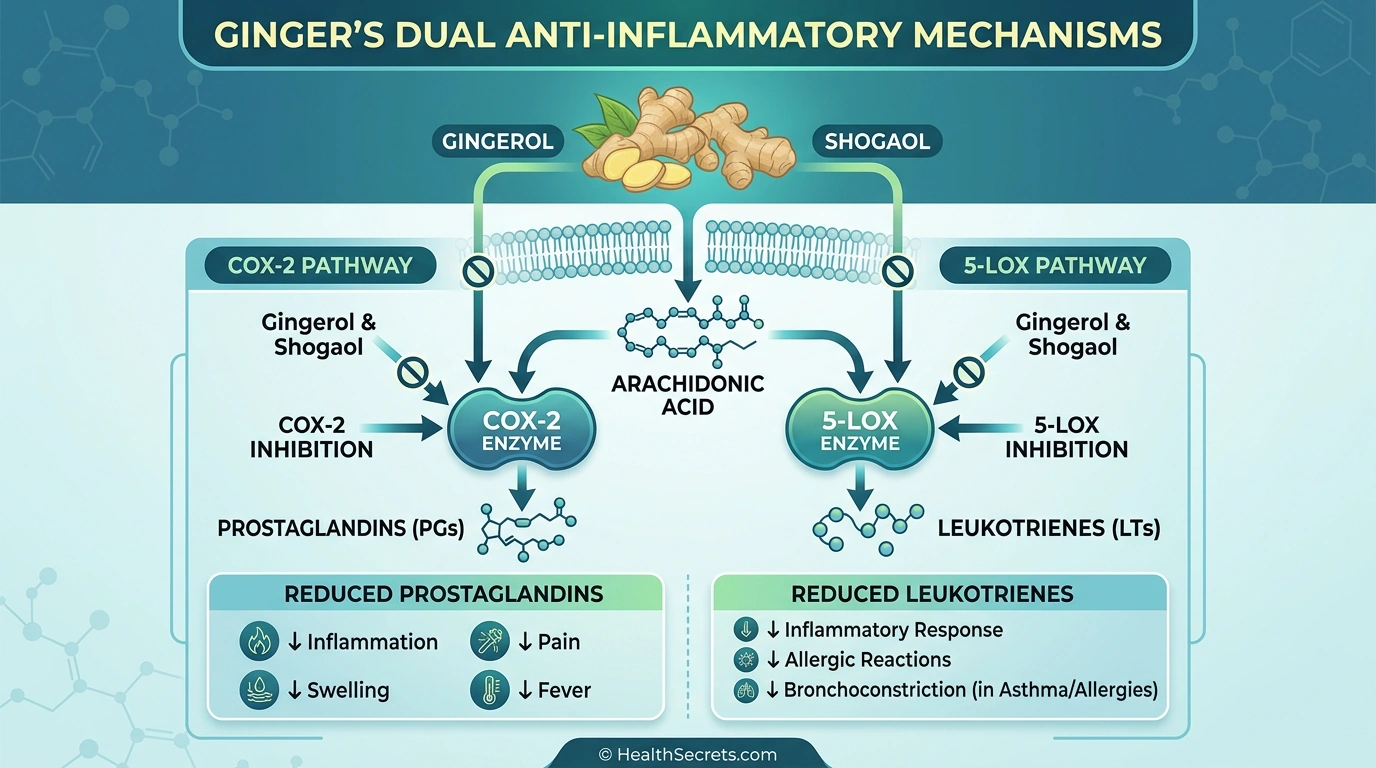
Ginger compounds — particularly 10-gingerol, 8-shogaol, and 10-shogaol — selectively inhibit cyclooxygenase-2 (COX-2) without significantly affecting COX-1, which protects the stomach lining. This selectivity is crucial: it means ginger reduces inflammatory prostaglandins (PGE2) while sparing gastrointestinal protection ([21]).
Ginger also inhibits 5-lipoxygenase (5-LOX), reducing pro-inflammatory leukotrienes (LTB4). This dual COX-2/5-LOX inhibition is something most conventional NSAIDs can't achieve — ibuprofen and naproxen only target the COX pathway ([2]).
How Does Ginger Reduce Inflammatory Cytokines?
Beyond enzyme inhibition, ginger suppresses the production of pro-inflammatory cytokines including IL-6, TNF-alpha, and IL-1beta by 30–40% in clinical studies. It accomplishes this partly by inhibiting NF-κB (nuclear factor kappa B), a transcription factor that acts as a master switch for inflammatory gene expression ([3]).
Ginger's antioxidant properties add another layer — neutralizing reactive oxygen species (free radicals) that drive oxidative stress and perpetuate the inflammatory cycle.
How Well Is Ginger Absorbed by the Body?
Ginger compounds show low to moderate oral bioavailability, with absorption varying significantly by form and preparation method. Research indicates that a high-fiber diet can improve gingerol bioavailability to around 33%, compared to only 21% with a basic diet. Taking ginger with food and choosing standardized extracts helps ensure consistent absorption.
Ginger phenolics are stable in simulated gastric and intestinal fluids, confirming their suitability for oral administration ([8]). However, they undergo extensive first-pass metabolism in the liver.
Practical bioavailability tips:
- Take ginger supplements with meals — food improves absorption and reduces GI upset
- Dried ginger and cooked ginger contain shogaol, which is more bioavailable than gingerol
- Standardized extracts provide more consistent blood levels than raw ginger
- A high-fiber diet appears to enhance bioavailability of ginger polyphenols by up to 60% compared to standard diets ([9])
- Combining ginger with black pepper (piperine) or healthy fats may further enhance absorption
How Much Ginger Should You Take for Inflammation?
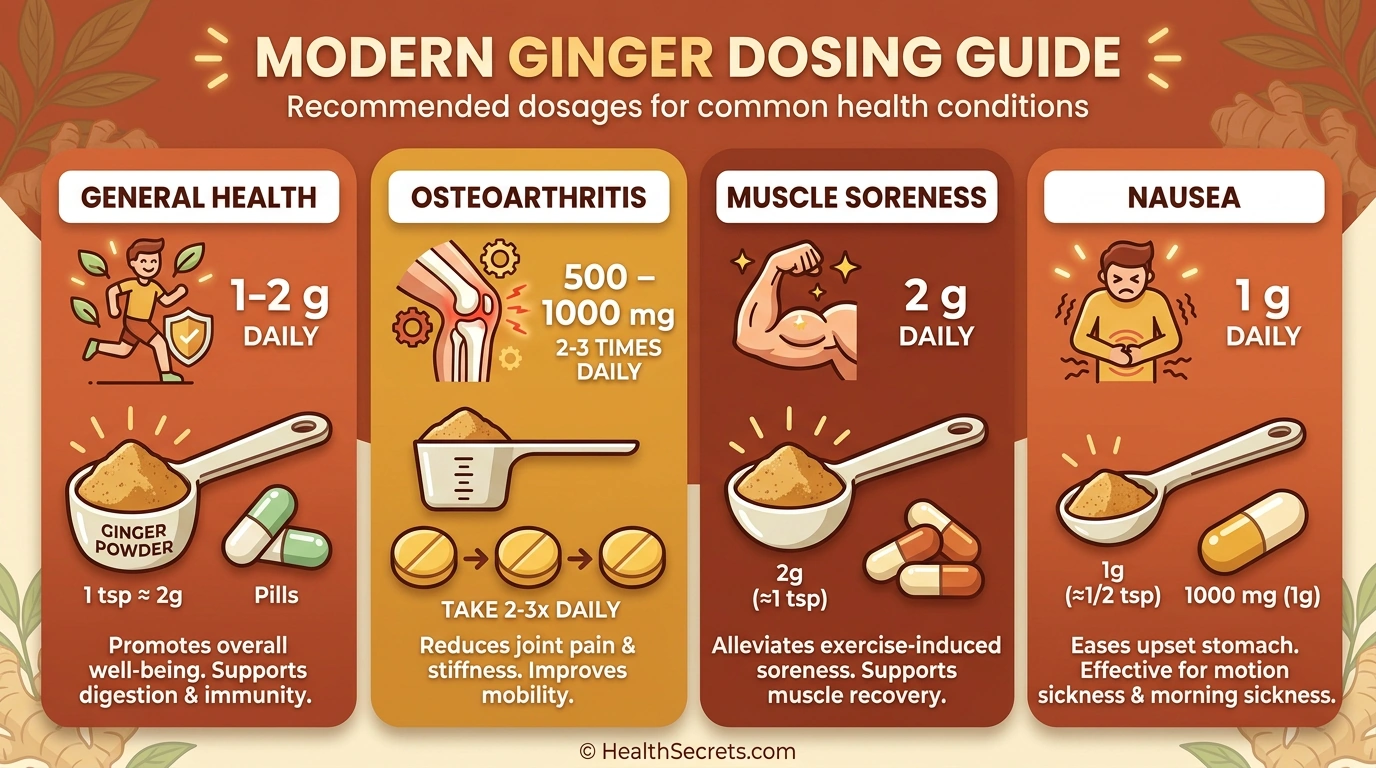
For general anti-inflammatory support, 1–2g of ginger daily is effective for most people. For osteoarthritis, clinical trials support 500–1,000mg of standardized extract taken 2–3 times daily (total 1,500–3,000mg) or 2–4g of fresh ginger. The key is consistency — anti-inflammatory effects build over 4–8 weeks of daily use.
| Condition | Dose | Form | Duration |
|---|---|---|---|
| General health | 1–2g daily | Any form | Ongoing |
| Osteoarthritis | 500–1,000mg 2–3x daily | Standardized extract | 8–12 weeks min |
| Rheumatoid arthritis | 750mg 2x daily | Ginger powder/extract | 12 weeks min |
| Muscle soreness (DOMS) | 2g daily | Extract or powder | 1–2 days pre to 3–5 days post |
| Nausea (pregnancy) | 1g daily (250mg 4x) | Capsules | As needed |
| Timing: Take with meals to reduce GI upset and improve absorption. Split doses throughout the day rather than taking everything at once. |
Duration matters: Don't expect overnight results. Ginger's anti-inflammatory benefits are cumulative. Most clinical trials showing significant pain reduction ran for at least 8–12 weeks ([5]).
Can You Get Enough Anti-Inflammatory Ginger from Food?
Yes — but it depends on your goals. Culinary amounts of fresh ginger (1–2 inches or 4–5g daily in cooking and tea) provide meaningful anti-inflammatory benefits for general health. However, for therapeutic doses targeting osteoarthritis or significant inflammation, standardized supplements deliver more consistent and concentrated active compounds.
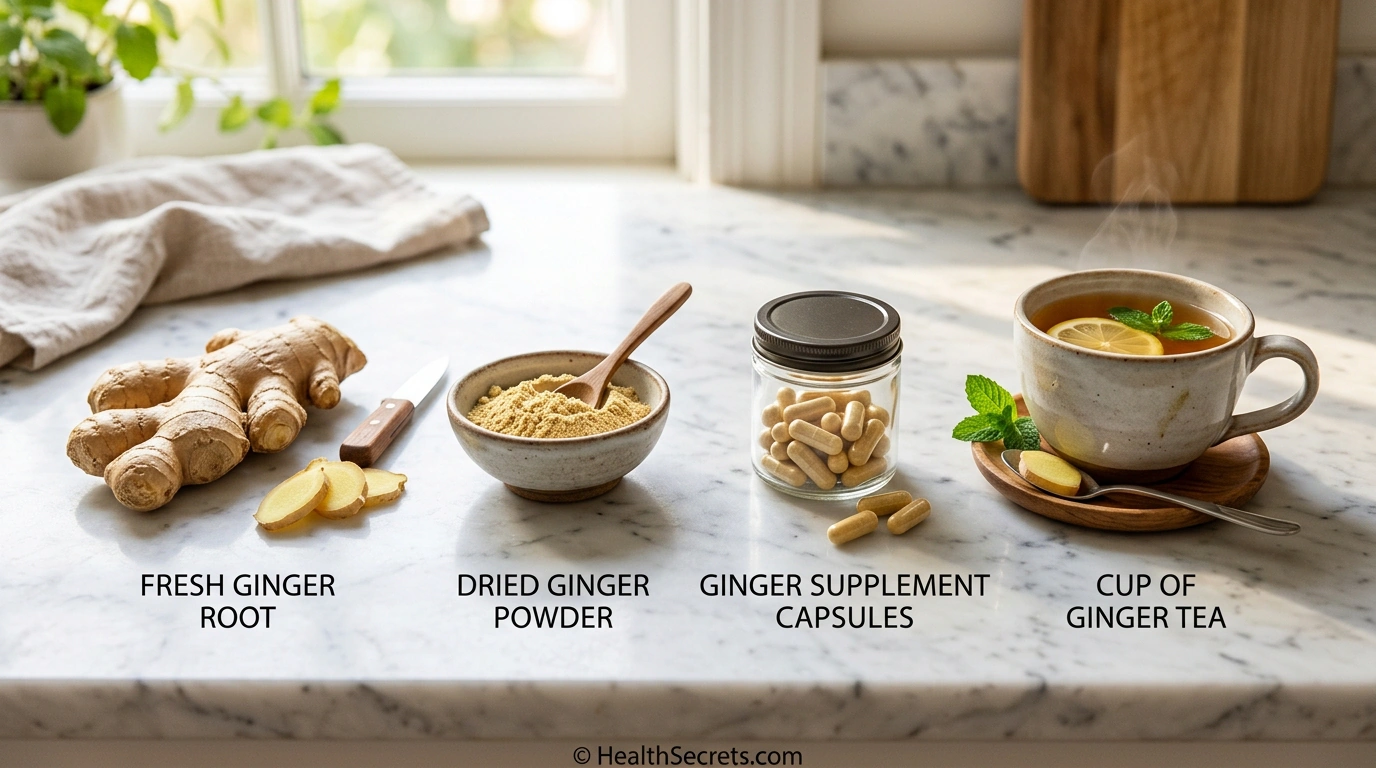
- Fresh ginger (1–2 inches root, about 4–5g): Rich in gingerol, milder anti-inflammatory effect. Great in stir-fries, smoothies, soups, and homemade tea. Grate or slice for maximum compound release.
- Dried ginger powder (1–2 teaspoons, about 2–4g): Contains shogaol — the more potent anti-inflammatory compound formed during drying. Works well in baking, spice blends, golden milk, and tea.
- Ginger tea: Steep 1–2 teaspoons of freshly grated ginger (or ½ teaspoon dried powder) in hot water for 10 minutes. Soothing and effective for nausea and mild digestive issues, though the dose is lower than therapeutic levels for arthritis.
- Pickled ginger (gari): Lower potency due to the pickling process, but still provides some bioactive compounds alongside sushi or salads.
A balanced approach works best: incorporate fresh and dried ginger into daily cooking for baseline benefits, and add a standardized supplement if you're targeting a specific inflammatory condition like osteoarthritis or joint pain.
Is Ginger Safe and What Are the Side Effects?
Ginger is generally well-tolerated and considered safe for most adults at recommended doses. Side effects are uncommon at doses below 4–5g daily but can include mild heartburn, diarrhea, or stomach discomfort in about 5–10% of users at higher doses. The primary safety concern is ginger's mild blood-thinning effect at high doses.
Side Effects
- GI upset (5–10% at doses >5g): Heartburn, diarrhea, stomach discomfort — take with food and reduce dose if needed
- Blood thinning (doses >4g daily): Ginger inhibits platelet aggregation, increasing bleeding risk ([10])
- Gallstone concerns: High doses may stimulate bile production — use caution if you have gallstones
Drug Interactions
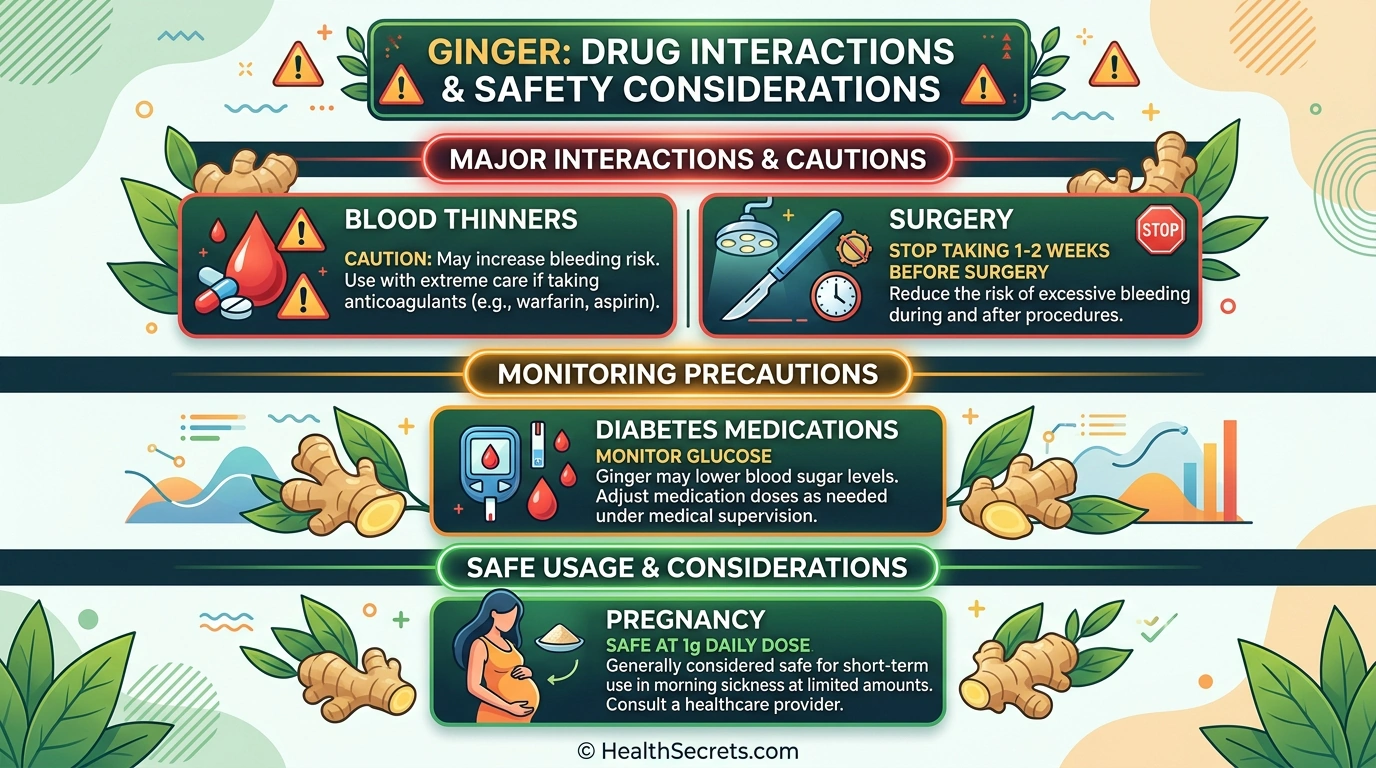
- Blood thinners (warfarin, aspirin, clopidogrel): Ginger may increase bleeding risk — monitor INR and consult your doctor before combining
- Diabetes medications: Ginger can lower blood sugar, potentially enhancing medication effects — monitor glucose levels
- Blood pressure medications: Ginger may lower blood pressure, potentially increasing medication effects
- Antacids/PPIs: Ginger increases stomach acid production — take 2 hours apart
Contraindications
- Bleeding disorders: Avoid high doses (>2g daily)
- Upcoming surgery: Discontinue 1–2 weeks before scheduled surgery
- Pregnancy: Safe at 1g daily per clinical studies — avoid doses exceeding 2g daily ([11])
What Can Ginger Actually Do for Inflammation?
Ginger is a genuinely effective natural anti-inflammatory — but it's not a miracle cure. Clinical evidence supports pain reduction of 30–40% for osteoarthritis over 8–12 weeks, with effects comparable to ibuprofen but slower to develop. Setting realistic expectations helps you stick with it long enough to see results.
What ginger CAN do:
- Reduce osteoarthritis pain by 30–40% over 8–12 weeks ([12])
- Lower inflammatory markers (CRP, IL-6, TNF-alpha) with consistent use
- Reduce post-exercise muscle soreness by approximately 25% ([6])
- Effectively treat nausea from pregnancy, chemotherapy, and motion sickness
- Protect your stomach lining (unlike NSAIDs that damage it)
- Complement an anti-inflammatory diet and active lifestyle
What ginger WON'T do:
- Provide immediate pain relief like popping an ibuprofen — effects build over weeks
- Replace disease-modifying drugs for rheumatoid arthritis (DMARDs)
- Cure arthritis or eliminate chronic inflammation entirely
- Work well if your diet and lifestyle are actively promoting inflammation
Individual variation is real. Some people respond strongly to ginger; others notice minimal effects. Quality matters enormously — a standardized extract with verified gingerol content will outperform a random grocery store supplement.
What Steps Should You Take to Start Using Ginger for Inflammation?
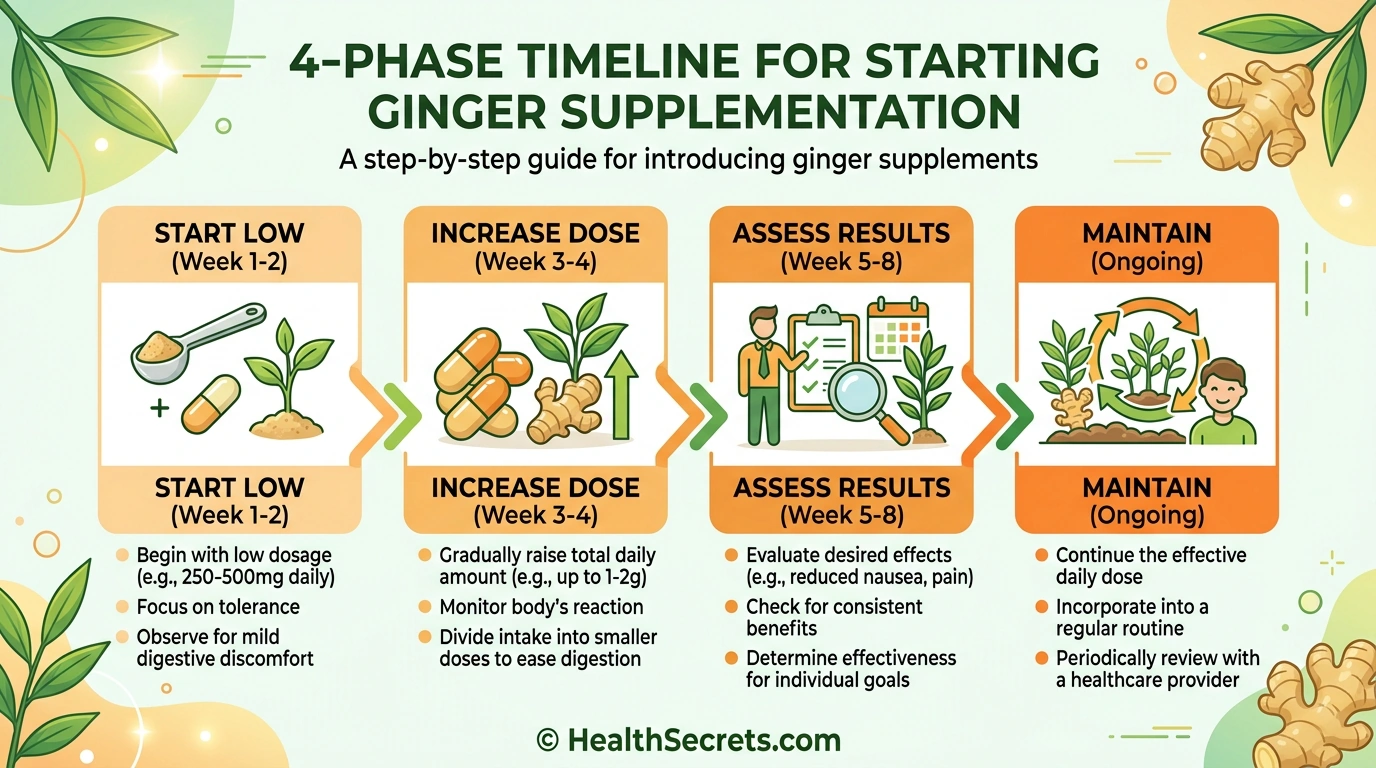
Begin by choosing the right ginger form for your specific goal, start with a moderate dose, give it at least 4–8 weeks, and track your symptoms. A phased approach lets you assess tolerance and effectiveness without overdoing it from day one.
Phase 1 — Week 1–2: Start Low
- Choose your primary form: standardized extract (for therapeutic use) or fresh/dried ginger (for culinary approach)
- Start at 1g daily with meals to assess tolerance
- Note baseline pain levels and symptoms in a journal
Phase 2 — Week 3–4: Increase to Target Dose
- If well-tolerated, increase to your target dose (see dosing table above)
- Add fresh ginger to at least one meal daily for additional benefits
- Continue tracking symptoms weekly
Phase 3 — Week 5–8: Assess and Optimize
- Evaluate symptom changes after 6–8 weeks of consistent use
- Combine with omega-3 fatty acids for synergistic anti-inflammatory effects
- Incorporate other anti-inflammatory lifestyle practices: exercise, sleep optimization, stress management
Phase 4 — Ongoing: Maintain
- Continue effective dose long-term if well-tolerated
- Regular check-ins with healthcare provider, especially if on medications
- Adjust dose seasonally or based on symptom changes