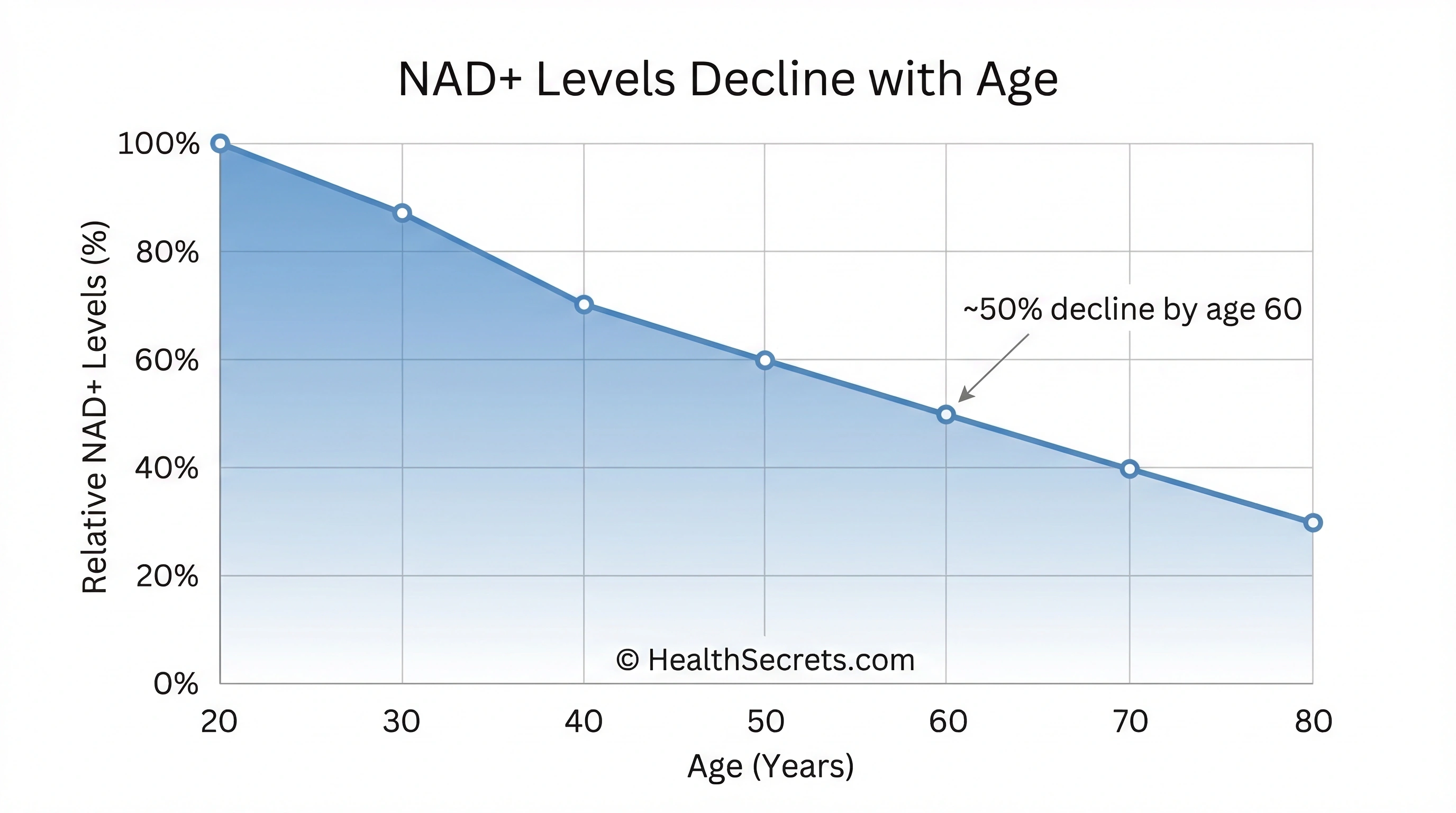
Something quietly breaks down inside your cells starting around age 30. It's not dramatic — no sudden symptoms, no clear warning signs. But a molecule called NAD+ begins to decline, and by the time you hit 60, you've lost roughly half of what you had at 20. [2] [5]
Nicotinamide riboside has become one of the most talked-about supplements in the longevity space because it directly addresses this decline [4]. NR is a form of vitamin B3 that your body converts into NAD+, a coenzyme that every single one of your 37 trillion cells depends on for energy production, DNA repair, and the activation of longevity-linked proteins called sirtuins. [13]
The science behind NAD+ boosting is genuinely compelling. Multiple human clinical trials confirm that NR supplementation raises blood NAD+ levels reliably — sometimes by more than 100%. But here's what the marketing rarely mentions: whether those increased NAD+ levels actually translate into measurable health improvements remains an open question.
This guide walks you through what NR actually does in your body, the real clinical evidence (including where it falls short), how NR stacks up against NMN, practical dosing and quality considerations, and an honest cost-benefit analysis. If you're exploring longevity and anti-aging strategies or considering mitochondrial support supplements, understanding NR starts here.
What Is Nicotinamide Riboside and What Does It Do?
Nicotinamide riboside is a naturally occurring form of vitamin B3 that serves as a direct precursor to NAD+ (nicotinamide adenine dinucleotide), an essential coenzyme found in every living cell [9]. NR supplementation at 300–1,000mg daily reliably boosts cellular NAD+ levels, supporting energy production, DNA repair, and sirtuin activation — processes that decline significantly with aging.
What exactly is NAD+ and why should you care about it?
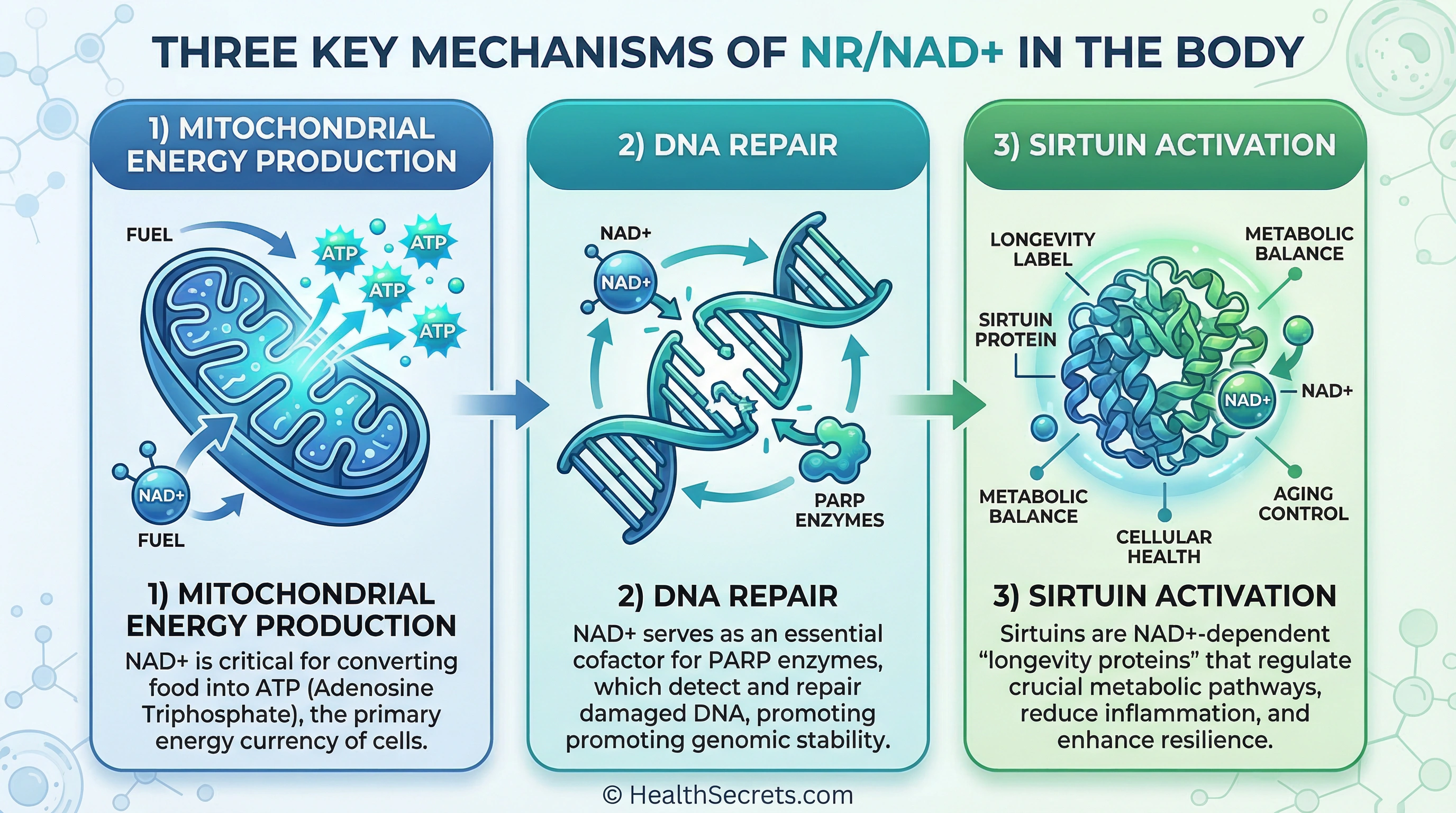
NAD+ is a coenzyme your body cannot function without. It participates in over 500 enzymatic reactions and serves three critical roles: powering the electron transport chain for ATP energy production in mitochondria, activating PARP enzymes that repair damaged DNA, and switching on sirtuins — a family of proteins linked to cellular stress resistance and longevity.
The problem is that NAD+ levels decline dramatically as you age. Research published in Cell Metabolism demonstrates that this decline — roughly 50% from age 20 to 60 — represents one of the most consistent biomarkers of biological aging [1]. Reduced NAD+ means less cellular energy, accumulating DNA damage, diminished sirtuin activity, and accelerating mitochondrial dysfunction.
How is NR different from other NAD+ precursors?
Your body can make NAD+ from several precursors: tryptophan (an amino acid), nicotinic acid (niacin), nicotinamide (niacinamide), NMN, and NR. What makes NR interesting is its efficiency. NR was identified as an NAD+ precursor in the early 2000s through research by Charles Brenner at the University of Iowa. It enters cells and gets phosphorylated by NRK1 and NRK2 enzymes into NMN, which then converts to NAD+ via NMNAT enzymes — bypassing the rate-limiting step that slows NAD+ synthesis from nicotinamide.
NR exists naturally in trace amounts in cow's milk, yeast, and certain vegetables. But dietary quantities are far too small to meaningfully boost NAD+ levels — supplementation provides 300–500mg versus micrograms from food.
What is Niagen and why does it matter?
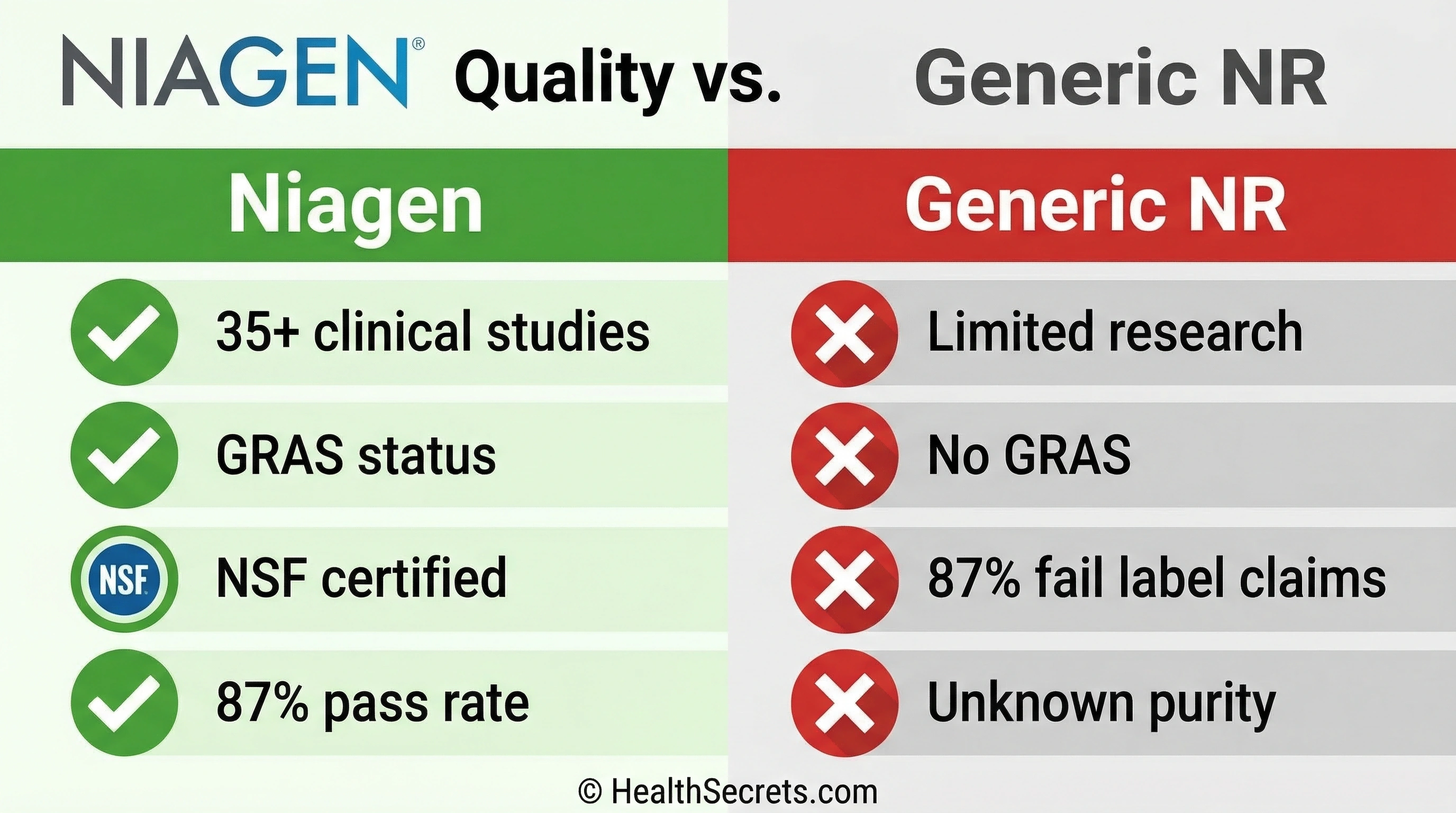
Niagen is the patented, branded form of NR developed by ChromaDex (now Niagen Bioscience). It holds GRAS (Generally Recognized As Safe) status from the FDA and backs the vast majority of published human NR research — over 35 clinical studies to date. Niagen is licensed to several supplement brands, with Tru Niagen being the most prominent consumer product. A 2026 ChromaDex market surveillance study found that 87% of 39 tested NR supplements failed to meet their label claims, with only five products containing the advertised NR amount — making the Niagen distinction genuinely important for quality assurance [18].

Are You Unknowingly Inflaming Your Body?
Get the free Health Vitals & Nutrient Checklist — the daily guide that shows you which habits and supplements are silently triggering inflammation.
How Does Nicotinamide Riboside Work in the Body?
NR is absorbed in the small intestine and enters cells where NRK1 and NRK2 enzymes phosphorylate it into NMN, which is then converted to NAD+ by NMNAT enzymes. This two-step conversion pathway efficiently raises cellular NAD+ levels, supporting mitochondrial function, DNA repair mechanisms, and sirtuin-mediated stress resistance.
How does NR boost mitochondrial energy production?
Mitochondria — your cellular power plants — depend on NAD+ to run the electron transport chain and generate ATP. As NAD+ declines with age, mitochondrial efficiency drops, contributing to fatigue and reduced physical capacity. NR supplementation restores NAD+ availability in mitochondria, which preclinical studies show improves oxidative metabolism and mitochondrial biogenesis. A 2023 twin study published in Science Advances demonstrated that NR supplementation improved muscle mitochondrial biogenesis and satellite cell differentiation in humans [8] [11] [14].
How does NR support DNA repair?
DNA damage accumulates continuously from normal metabolic processes, environmental toxins, and UV radiation. PARP enzymes — your primary DNA repair workforce — consume NAD+ every time they fix a break. When NAD+ runs low, PARP activity decreases and damage accumulates. By restoring NAD+ pools, NR supplementation ensures PARP enzymes have the fuel they need to maintain genomic stability.
How does NR activate longevity-linked sirtuins?
Sirtuins (particularly SIRT1 and SIRT3) are NAD+-dependent enzymes that regulate cellular stress responses, inflammation, and metabolic efficiency. They're sometimes called "longevity genes" because their activation in animal models extends lifespan. NR-driven NAD+ increases activate sirtuins, which in turn improve insulin sensitivity, reduce inflammation, enhance mitochondrial function, and support stem cell regeneration. Research in Nature Communications confirms that NR supplementation elevates NAD+ and activates downstream sirtuin pathways in healthy middle-aged and older adults [3].

Healthy Aging Annual Planning Binder
Bring your longevity priorities, preventive screening schedules, and strength routines into one organized quarterly system.
How Well Is Nicotinamide Riboside Absorbed?
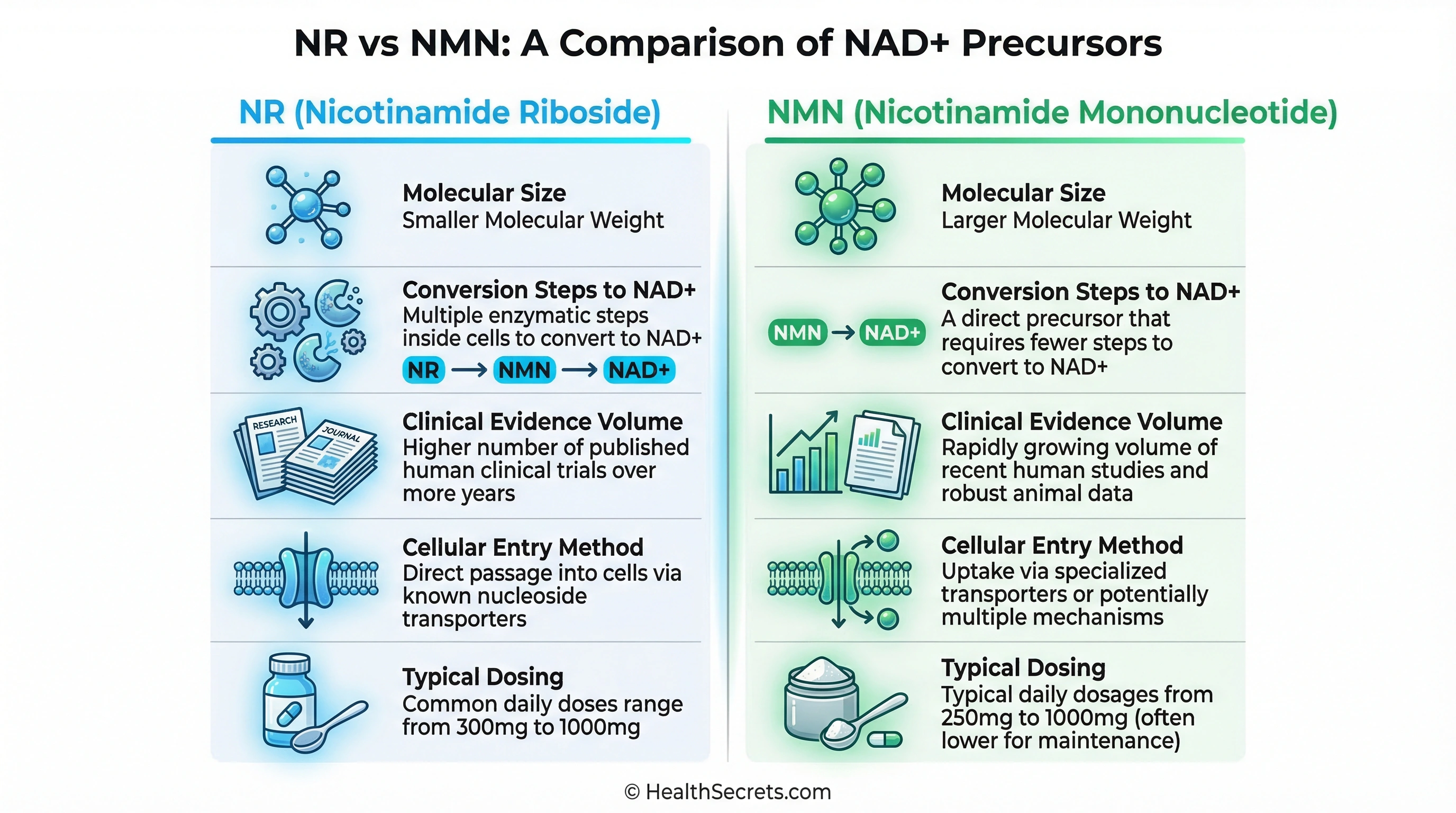
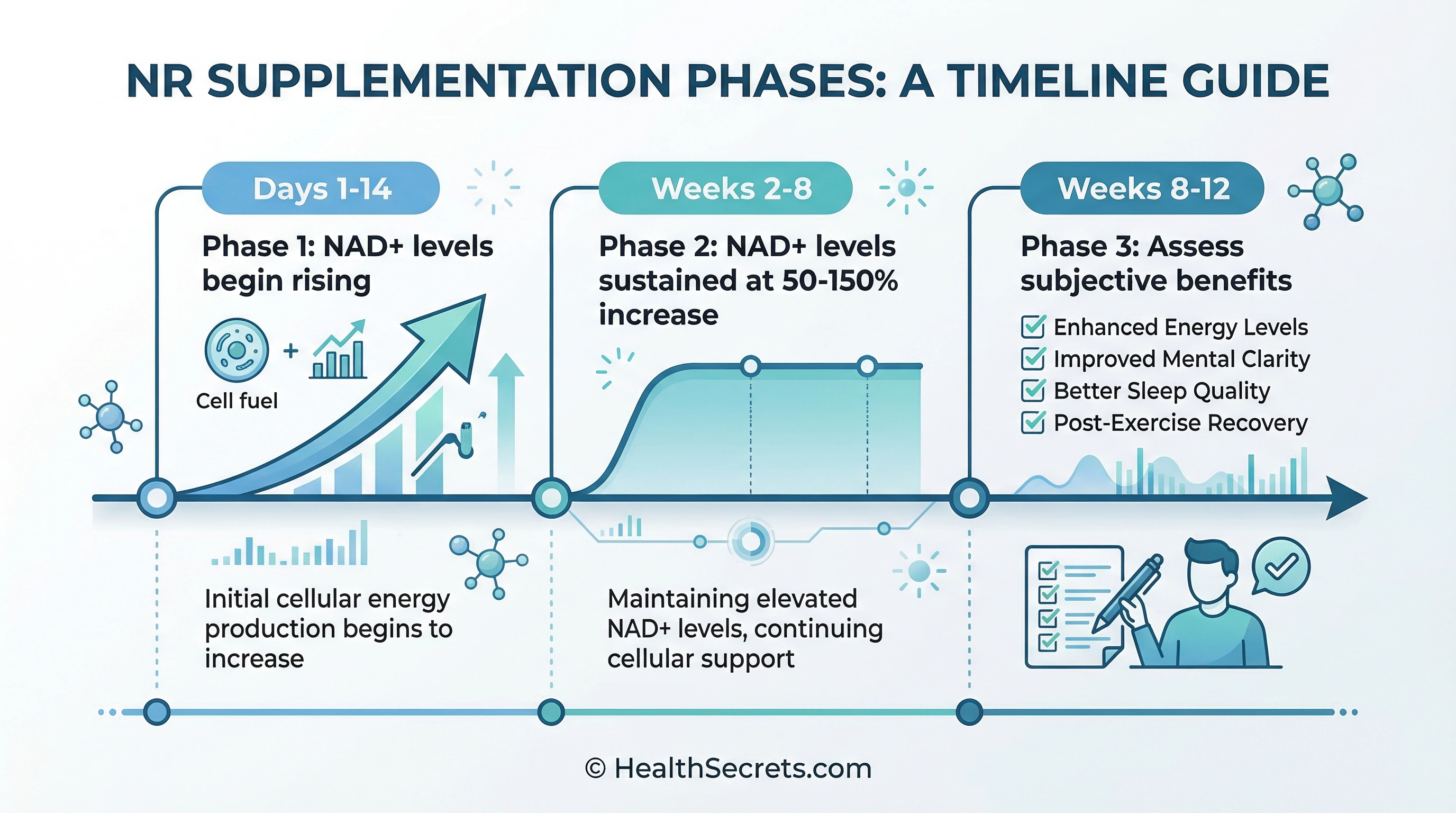
Oral NR is efficiently absorbed in the small intestine and enters cells directly through equilibrative nucleoside transporters. Clinical trials consistently demonstrate that NR supplementation increases blood NAD+ levels in a dose-dependent manner, with 300mg daily raising NAD+ by approximately 50% and 1,000mg daily increasing it by up to 150% within two to eight weeks.
NR has a notable advantage over NMN in cellular absorption. A study published in Nature Communications demonstrated that NMN cannot enter cells directly — it must first be converted to NR by the enzyme CD73 before crossing the cell membrane. This means NR may have a more efficient cellular uptake pathway, though NMN advocates argue the larger molecule offers other advantages.
Recent research published in Science Advances (2026) investigated the enterohepatic circulation of both NR and NMN, showing that both compounds undergo significant metabolism in the gut and liver before reaching systemic circulation.
Some NR is converted to nicotinamide in the gut, which then follows its own pathway to NAD+ production.
Formulation matters significantly. Niagen-branded NR undergoes rigorous stability testing — NR is sensitive to heat, light, and moisture, meaning poorly manufactured products may degrade before consumption. Third-party testing from NSF Certified for Sport and Alkemist Labs validates Tru Niagen's potency and purity claims.
How Much Nicotinamide Riboside Should You Take?
Clinical trials support 300–500mg daily as the standard effective dose for NR supplementation, taken in the morning to align with the body's circadian NAD+ rhythm. Start with 300mg daily for 8–12 weeks before considering dose increases. Higher doses up to 1,000mg have been studied safely, though functional benefits don't appear to scale linearly with dose.
| Protocol | Daily Dose | Duration | Expected NAD+ Increase |
|---|---|---|---|
| Starting / Maintenance | 300mg | Ongoing | ~50% increase |
| Standard Therapeutic | 500mg | 8–12 weeks minimum | ~80–100% increase |
| Higher Dose (research) | 1,000mg | 8–12 weeks | ~150% increase |
| Timing: Morning dosing is preferred. NAD+ follows a circadian pattern with higher levels during waking hours. If taking 500mg or more, splitting into morning and early afternoon doses may be beneficial. |
- With or without food: Absorption appears similar regardless of meal timing. Take whichever way is most convenient and consistent.
- Assessment timeline: NAD+ levels begin rising within days, but subjective benefits (if any) typically require 8–12 weeks to notice. Give NR a fair trial before deciding it doesn't work for you.
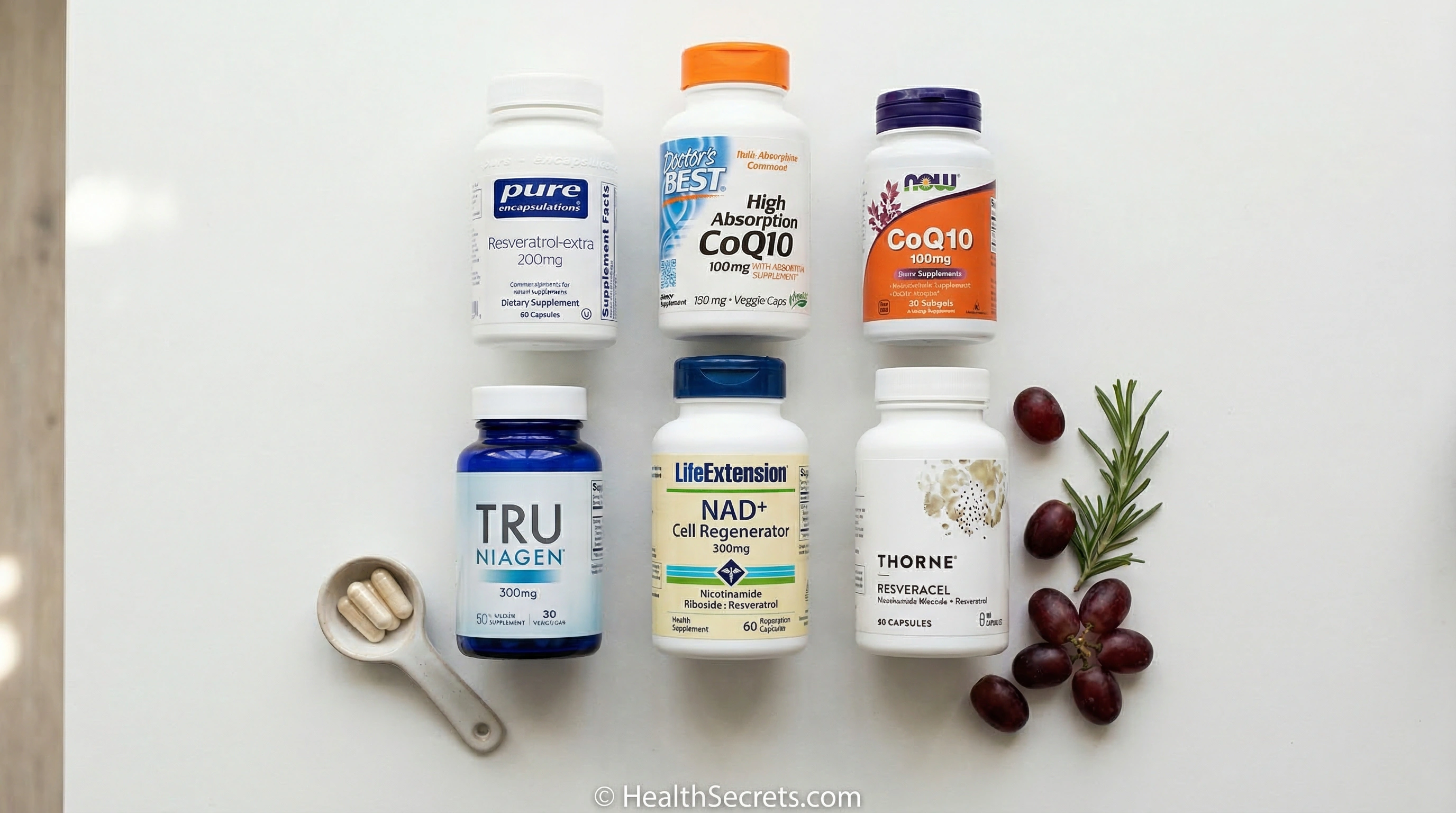
- Common stacking combinations: NR is frequently combined with resveratrol or pterostilbene (sirtuin activators), TMG/trimethylglycine (methylation support), and CoQ10 for mitochondrial support. No clinical evidence confirms these combinations are superior, but they're popular in longevity circles.
Can You Get Enough Nicotinamide Riboside From Food?
No. While NR occurs naturally in cow's milk, yeast, and some vegetables, dietary amounts provide only micrograms compared to the 300–500mg used in clinical trials. Getting meaningful NAD+-boosting doses of NR from food alone is not realistic, making supplementation the only practical approach for those pursuing NAD+ optimization [12].
That said, your body can produce NAD+ from other dietary sources. Tryptophan-rich foods (turkey, chicken, eggs) feed the de novo synthesis pathway. Niacin-rich foods (liver, tuna, peanuts, mushrooms) support the Preiss-Handler pathway. These won't produce the dramatic NAD+ increases that NR supplementation delivers, but they contribute to baseline NAD+ maintenance.
A balanced approach combines NR supplementation with a diet rich in NAD+ precursor foods. Exercise, caloric restriction, and time-restricted eating also naturally support NAD+ production through upregulation of NAMPT, the rate-limiting enzyme in the NAD+ salvage pathway.
Is Nicotinamide Riboside Safe?
NR demonstrates a favorable safety profile across multiple human clinical trials. Studies lasting up to 12 weeks at doses of 300–1,000mg daily report no serious adverse events. The NR-SAFE trial published in Nature Communications (2023) specifically assessed high-dose NR (3,000mg daily) in Parkinson's disease patients and confirmed it was well-tolerated with no significant safety concerns [10].
Common side effects (rare and mild):
- Mild nausea, particularly at higher doses
- Flushing similar to niacin, but much less common with NR
- Occasional headache
- Paradoxical fatigue (rare)
Long-term safety: Unknown beyond 2–3 years of continuous use. While animal studies show no long-term safety concerns, comprehensive human data over decades does not yet exist.
Who should avoid NR:
- Pregnant or breastfeeding individuals — insufficient safety data
- People with active cancer or cancer history — NAD+ supports cellular metabolism broadly, which theoretically could benefit cancer cells. No evidence this occurs, but discuss with an oncologist
- Children and adolescents — no safety data available
Drug interactions: No documented drug interactions exist, but NR is relatively new. Inform your healthcare provider if you take NR alongside blood pressure medications (NR may lower BP), diabetes medications (may affect blood sugar), or chemotherapy.
Quality warning: Not all NR products are equal. ChromaDex's 2026 market analysis found that 87% of tested NR supplements failed label claims. Stick with Niagen-licensed brands and look for third-party testing (NSF, USP, ConsumerLab).
What Can Nicotinamide Riboside Actually Do for You?
NR reliably boosts NAD+ levels — that's proven beyond reasonable doubt across multiple human trials. However, whether those NAD+ increases translate into meaningful health improvements remains uncertain. A 2024 systematic review in Science Advances concluded that NR supplementation has displayed "few clinically relevant effects" in humans, with some potential for reducing inflammatory states.
What NR can do (proven):
- Increase blood NAD+ levels by 50–150% depending on dose
- Reduce certain inflammatory markers in older adults
- Potentially improve blood pressure and arterial stiffness (some cardiovascular studies show benefit)
What NR might do (preliminary evidence):
- Support cognitive function and neuroprotection (a 2026 eClinicalMedicine trial showed some benefit in long-COVID patients) [15]
- Improve subjective energy levels (some users report this, objective measures are inconsistent)
- Enhance mitochondrial biogenesis and muscle function
What NR cannot do (unproven):
- Extend human lifespan (animal studies are promising, human evidence doesn't exist)
- Reverse aging or prevent all age-related diseases
- Replace exercise, proper nutrition, quality sleep, or stress management
The honest timeline: NAD+ levels increase within days. Any subjective benefits may take 8–12 weeks. Some people notice improved energy or mental clarity. Many notice nothing perceptible despite confirmed NAD+ increases.
NR is not a magic pill. Think of it as a potential tool in a comprehensive longevity strategy — not a replacement for the fundamentals that actually have decades of proven benefit behind them.
Action Plan
What Should You Do First if You're Considering Nicotinamide Riboside?
Follow the sequence below, work through each phase in order, and use the checklist as your practical implementation guide.
Before spending $40–80 monthly on NR, optimize the free and proven interventions first. Then, if you're over 40 with a budget for cutting-edge supplements, run a structured 3-month NR trial with a Niagen-licensed brand at 300mg daily, assessing subjective benefits before committing long-term.
Phase 1 — Optimize Foundations (Weeks 1–4):
- Ensure regular exercise (150+ minutes moderate aerobic + resistance training weekly)
- Optimize sleep quality (7–9 hours, consistent schedule)
- Clean up diet (reduce processed foods, increase NAD+ precursor-rich foods)
- Manage stress (chronic stress accelerates NAD+ consumption)
Phase 2 — Start NR Trial (Weeks 5–16):
- Purchase a Niagen-licensed NR supplement (Tru Niagen recommended)
- Begin at 300mg daily, taken in the morning
- Track subjective markers: energy, mental clarity, recovery, sleep quality
- Continue for full 12 weeks before assessing
Phase 3 — Evaluate and Adjust (Week 17+):
- Assess whether you noticed meaningful subjective improvements
- Consider NAD+ blood testing if available (optional, expensive)
- If benefits noticed, continue at effective dose
- If no benefits after 12 weeks, discontinue and reallocate budget
- Consider adding complementary supplements (CoQ10, resveratrol) if continuing