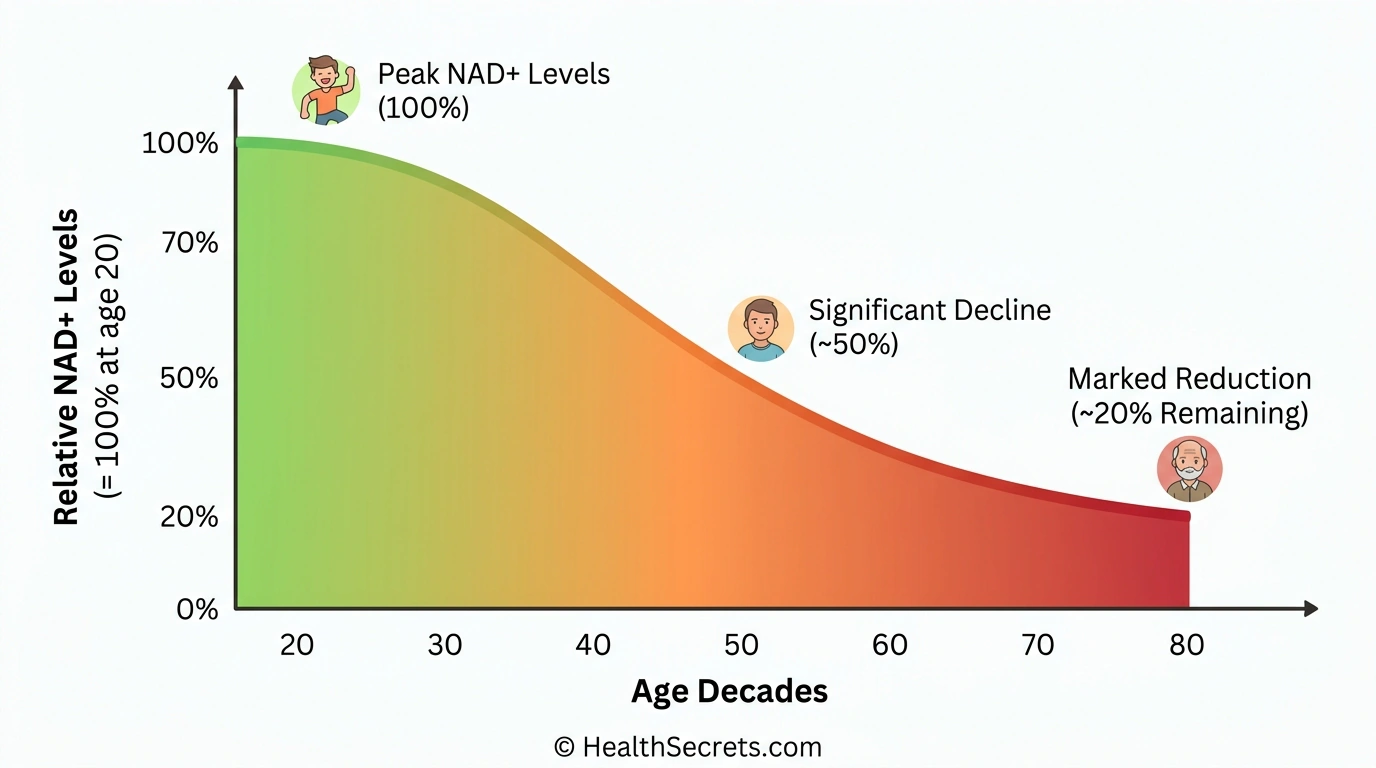
NMN has exploded in popularity as one of the most talked-about anti-aging supplements on the market — and with good reason. Nicotinamide mononucleotide is a direct precursor to NAD+, a coenzyme involved in over 500 enzymatic reactions essential for energy production, DNA repair, and cellular survival. As we age, NAD+ levels decline dramatically — dropping roughly 50% by age 50 — and this decline is now recognized as a central driver of aging processes including mitochondrial dysfunction, impaired DNA repair, and metabolic decline ([17]).
Harvard geneticist David Sinclair brought NMN into the mainstream spotlight, personally taking 1g daily and publishing extensive research on NAD+ and sirtuins — the so-called "longevity genes" that depend on NAD+ to function. His bestselling book Lifespan popularized the idea that aging itself might be treatable.
But how much of the NMN hype is supported by actual human evidence? While animal studies are impressive — showing lifespan extension of 10–30% and reversal of age-related decline — human clinical trials remain limited in both size and duration. This guide separates the science from the marketing to give you a balanced, evidence-based perspective on NMN supplementation.
Related reading: The Complete Guide to Longevity and Anti-Aging · Resveratrol and Sirtuin Activation for Longevity · Evidence-Based Supplements Guide
What Is NMN and What Does It Do for Longevity?
NMN (nicotinamide mononucleotide) is a naturally occurring molecule and direct precursor to NAD+ (nicotinamide adenine dinucleotide), one of the most critical coenzymes in human biology. NMN is converted to NAD+ by NMNAT enzymes in cells, making it one step closer to NAD+ than other precursors like nicotinamide riboside (NR) ([19]).
What Is NAD+ and Why Does It Decline With Age?
NAD+ is present in every living cell and participates in over 500 enzymatic reactions. It is essential for energy metabolism (glycolysis, TCA cycle, electron transport chain), DNA repair via PARP enzymes, sirtuin activation (SIRT1–7 longevity genes), and circadian rhythm regulation. Research shows NAD+ levels decline approximately 50% by age 50 and up to 80% by age 80, driven by increased consumption by CD38 enzymes and chronic inflammation ([13]).
How Does NMN Become NAD+ in the Body?
NMN enters cells via the recently discovered Slc12a8 transporter and is converted to NAD+ by NMNAT enzymes. In the NAD+ salvage pathway — the primary synthesis route — NMN bypasses the rate-limiting enzyme NAMPT (nicotinamide phosphoribosyltransferase), which is a theoretical advantage over precursors like nicotinamide. However, recent research suggests NMN may also be converted through unexpected enterohepatic pathways rather than direct cellular uptake alone ([8]).

Are You Unknowingly Inflaming Your Body?
Get the free Health Vitals & Nutrient Checklist — the daily guide that shows you which habits and supplements are silently triggering inflammation.
How Does NMN Work in the Body to Fight Aging?
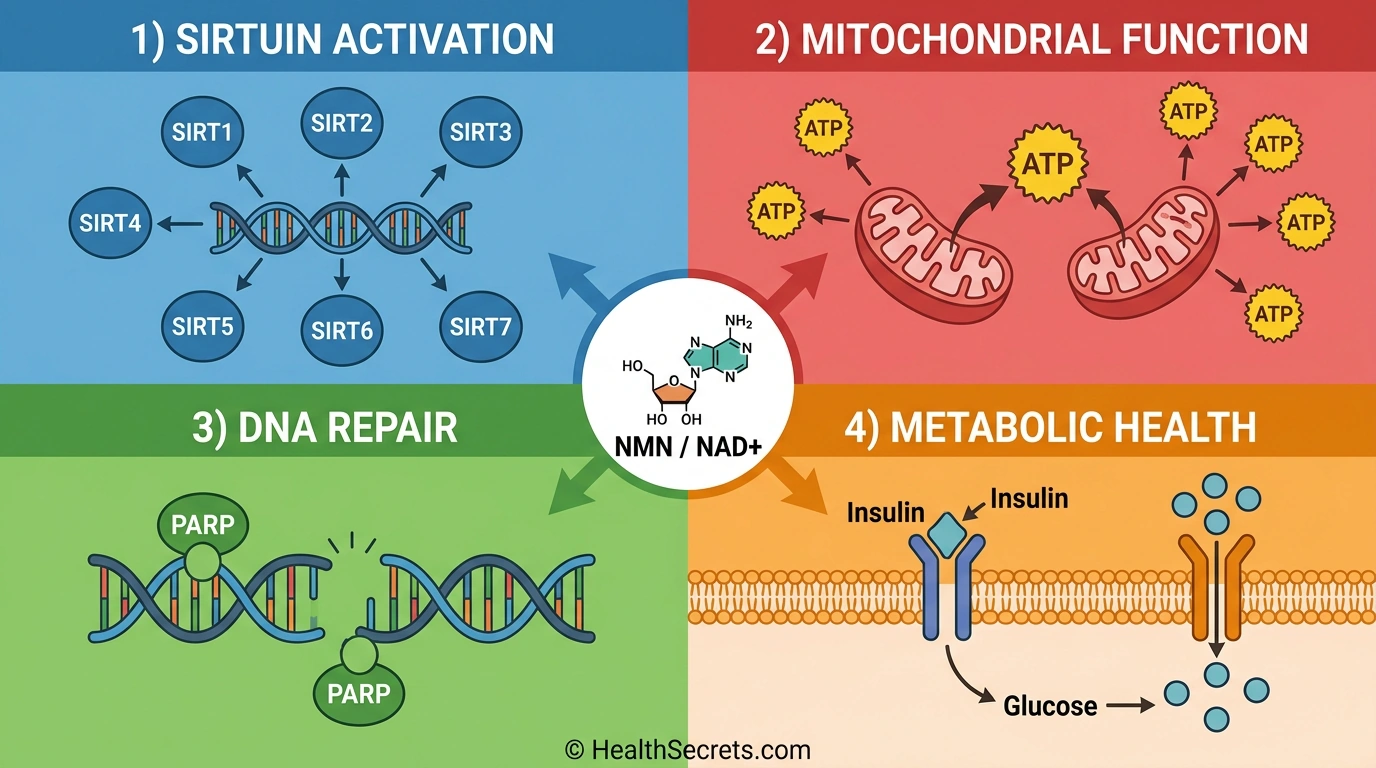
NMN combats aging through multiple interconnected mechanisms centered on restoring NAD+ levels. By replenishing this critical coenzyme, NMN activates sirtuins, enhances mitochondrial function, supports DNA repair, and improves metabolic health — addressing the core biological processes that drive age-related decline ([19]).
Does NMN Activate Sirtuins and Longevity Genes?
Sirtuins (SIRT1–7) are NAD+-dependent deacetylases that regulate metabolism, inflammation, DNA repair, and stress resistance. SIRT1 controls metabolic regulation and insulin signaling, SIRT3 governs mitochondrial antioxidant defense, and SIRT6 maintains telomeres and genomic stability. NMN supplementation activates these pathways by providing the NAD+ fuel they require. Animal studies demonstrate that sirtuin activation extends lifespan across multiple species ([14]).
Can NMN Improve Mitochondrial Function and Energy?
NMN enhances mitochondrial energy production by restoring NAD+ levels needed for the electron transport chain and ATP synthesis. It also activates mitochondrial biogenesis through the PGC-1α pathway and reduces oxidative stress via SIRT3-mediated antioxidant enzyme activation. A randomized controlled trial found NMN supplementation at 600mg daily improved physical performance metrics in healthy adults ([2]).
Does NMN Support DNA Repair and Cellular Protection?
NAD+ is consumed by PARP enzymes (Poly ADP-Ribose Polymerases) during DNA damage repair. As NAD+ declines with age, DNA damage accumulates — a hallmark of cellular aging. NMN supplementation restores the NAD+ pool available for PARP activity, potentially slowing the accumulation of genomic damage that drives aging and age-related diseases.

Healthy Aging Annual Planning Binder
Bring your longevity priorities, preventive screening schedules, and strength routines into one organized quarterly system.
How Well Is NMN Absorbed by the Body?
Oral NMN supplementation effectively raises blood NAD+ levels in humans, though the exact bioavailability pathway remains under active investigation. Human clinical trials using standard oral capsules have consistently demonstrated 40–100% increases in NAD+ metabolites, confirming that oral administration is effective regardless of the precise absorption mechanism ([20]).
Sublingual vs. Capsules: Which NMN Form Is Better?
Sublingual (under-the-tongue) NMN is marketed as having superior bioavailability by bypassing the digestive system. However, no clinical trials have directly compared sublingual to oral NMN absorption in humans. All published human RCTs have used standard oral capsules and demonstrated effective NAD+ boosting. While sublingual delivery is theoretically plausible, capsules currently have stronger clinical evidence supporting their efficacy.
What Enhances NMN Absorption?
Taking NMN on an empty stomach in the morning aligns with the natural circadian rhythm of NAD+ levels (highest during active periods). Some researchers suggest combining NMN with resveratrol (a sirtuin activator) and healthy fats may enhance utilization, though direct evidence for absorption enhancement is limited. Proper storage — cool, dry, light-protected — is essential as NMN degrades with heat and moisture.
How Much NMN Should You Take Daily?
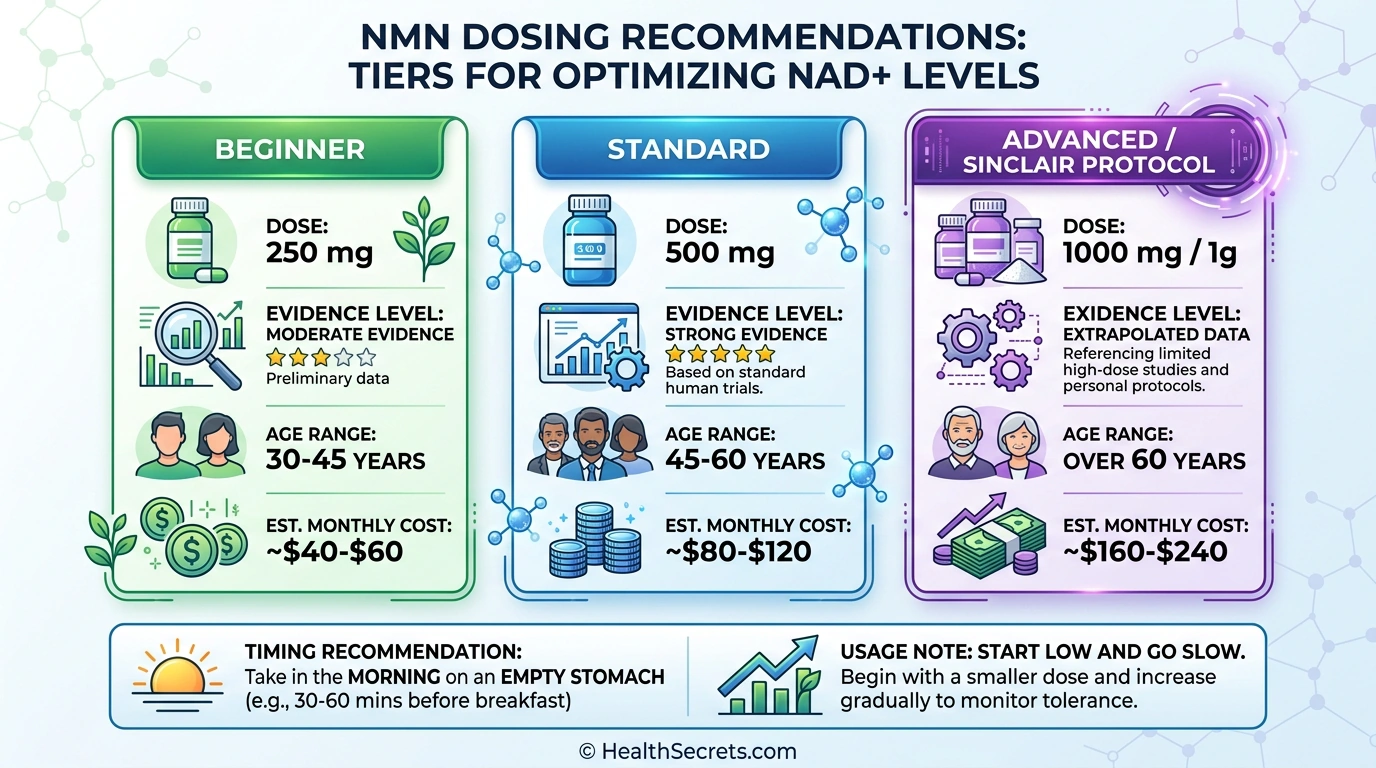
Research-supported NMN dosing ranges from 250–900mg daily, with most human clinical trials using 250–500mg. A 2022 RCT demonstrated that 600mg daily was optimal for raising NAD+ levels and improving physical performance, while doses up to 900mg were safe with no adverse effects. Start with 250mg daily and increase gradually based on tolerance and goals ([2]).
| Protocol | Daily Dose | Evidence Level | Monthly Cost |
|---|---|---|---|
| Beginner (Age 40–50) | 250mg | Strong (multiple RCTs) | $30–50 |
| Standard (Age 50–60) | 500mg | Strong (multiple RCTs) | $50–80 |
| Sinclair Protocol (Age 60+) | 1,000mg | Extrapolated (no RCTs at this dose) | $80–120+ |
| Timing: Morning on an empty stomach (30 minutes before food) is preferred, mimicking the natural NAD+ circadian peak during active hours. Consistent daily dosing maintains elevated NAD+ levels. |
Cycling: Some practitioners recommend 5 days on / 2 days off, but no clinical evidence supports cycling over continuous daily use.
Can You Get Enough NMN From Food Alone?
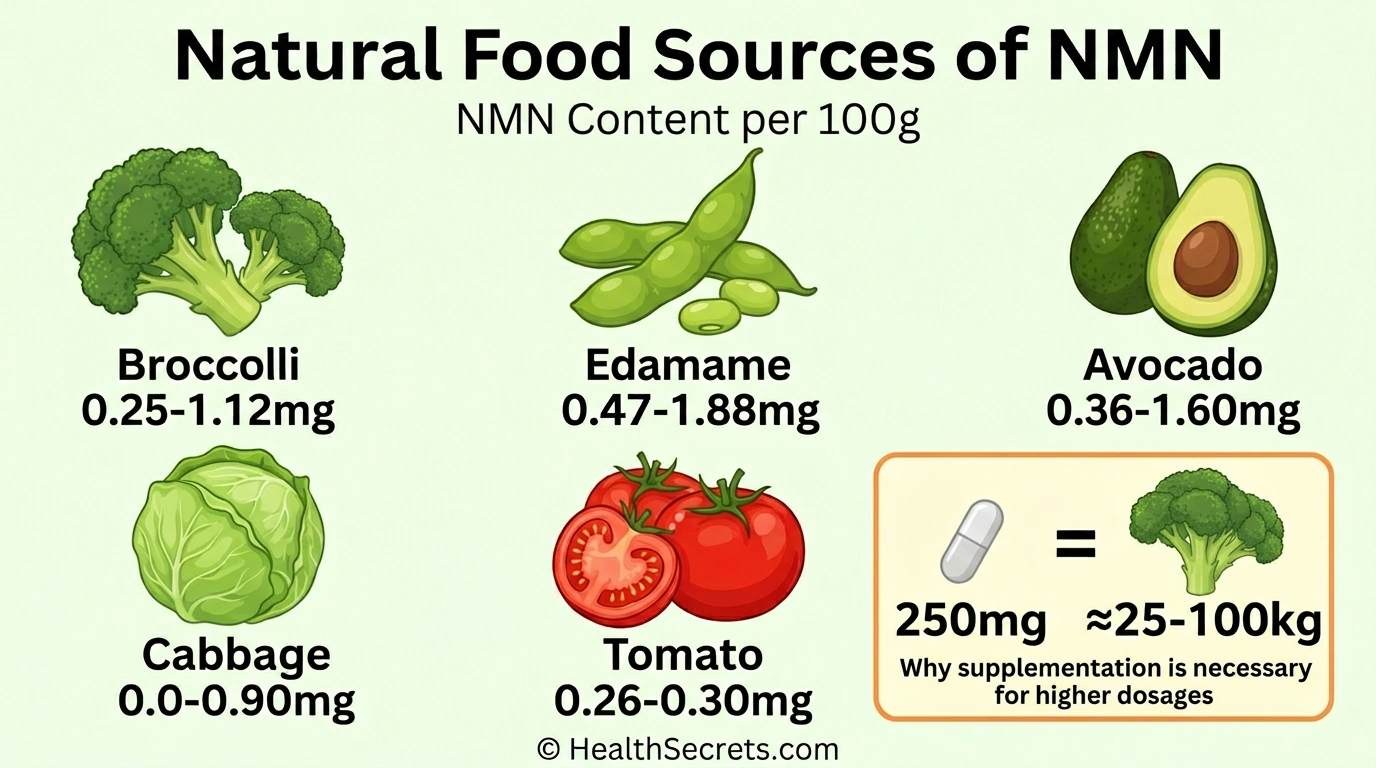
NMN occurs naturally in several foods, but dietary amounts are far too low to achieve therapeutic doses. The richest food sources — broccoli, cabbage, avocado, and tomatoes — contain less than 1mg of NMN per serving, meaning you would need to eat hundreds of kilograms of broccoli daily to match even the lowest supplemental dose of 250mg ([19]).
NMN content in common foods:
- Broccoli: 0.25–1.12 mg/100g
- Cabbage: 0.0–0.90 mg/100g
- Avocado: 0.36–1.60 mg/100g
- Tomato: 0.26–0.30 mg/100g
- Edamame: 0.47–1.88 mg/100g
While a nutrient-rich diet supports overall NAD+ metabolism through tryptophan (de novo pathway) and niacin, supplementation is the only practical way to achieve the doses shown to meaningfully boost NAD+ levels in clinical research.
Is NMN Safe to Take Every Day?
NMN has demonstrated a favorable safety profile in human clinical trials at doses of 100–1,250mg daily for up to 12 weeks, with no serious adverse effects reported. A comprehensive 2024 safety review of multiple human trials confirmed good tolerability across all tested doses. Mild side effects (nausea, fatigue, headache) occur in fewer than 5% of users ([20]).
What Are the Theoretical Safety Concerns?
- Cancer risk: A theoretical concern exists that boosting NAD+ might fuel cancer cell metabolism. However, sirtuins activated by NAD+ also enhance DNA repair and tumor suppression. No animal or human studies have shown increased cancer risk from NMN supplementation.
- Methyl donor depletion: High-dose NAD+ metabolism produces nicotinamide (NAM) that requires methylation for excretion, potentially depleting SAMe, folate, and B12. Some practitioners recommend TMG (trimethylglycine) supplementation alongside high-dose NMN as a precaution.
- Contraindications: Avoid during pregnancy/breastfeeding (no safety data). Use caution with active cancer (consult oncologist), severe liver or kidney disease, and diabetes medications (NMN may improve insulin sensitivity, potentially requiring dose adjustment).
- Long-term safety: No studies exceed 12 weeks in humans. This is a significant limitation for a supplement intended for long-term daily use.
What Can NMN Actually Do for You?
NMN is a promising but still-emerging supplement where the hype has outpaced the evidence. Animal studies are impressive — lifespan extension, reversed aging markers, improved cognition — but human data remains limited to small, short-term trials measuring surrogate markers rather than actual longevity outcomes. Set realistic expectations based on current evidence ([5]).
What the Evidence Supports
- NAD+ restoration: Consistently demonstrated in human trials (40–100% increase)
- Muscle function: Improved grip strength and walking speed in older men at 250mg/day ([3])
- Insulin sensitivity: Improved in prediabetic women at 250mg/day ([4])
- Safety: Well-tolerated at tested doses for up to 12 weeks
What the Evidence Does NOT Support (Yet)
- Lifespan extension in humans — impossible to measure in current studies
- Dramatic anti-aging reversal — animal results have not been replicated in humans
- A 2024 meta-analysis of 8 RCTs (250–2,000mg/day) found no significant benefits on glucose or lipid metabolism in mainly healthy adults ([5])
- Cognitive enhancement — strong in animal models, no controlled human data
- Sublingual superiority — no clinical evidence comparing delivery methods
NMN vs. NR: Which NAD+ Booster Should You Choose?
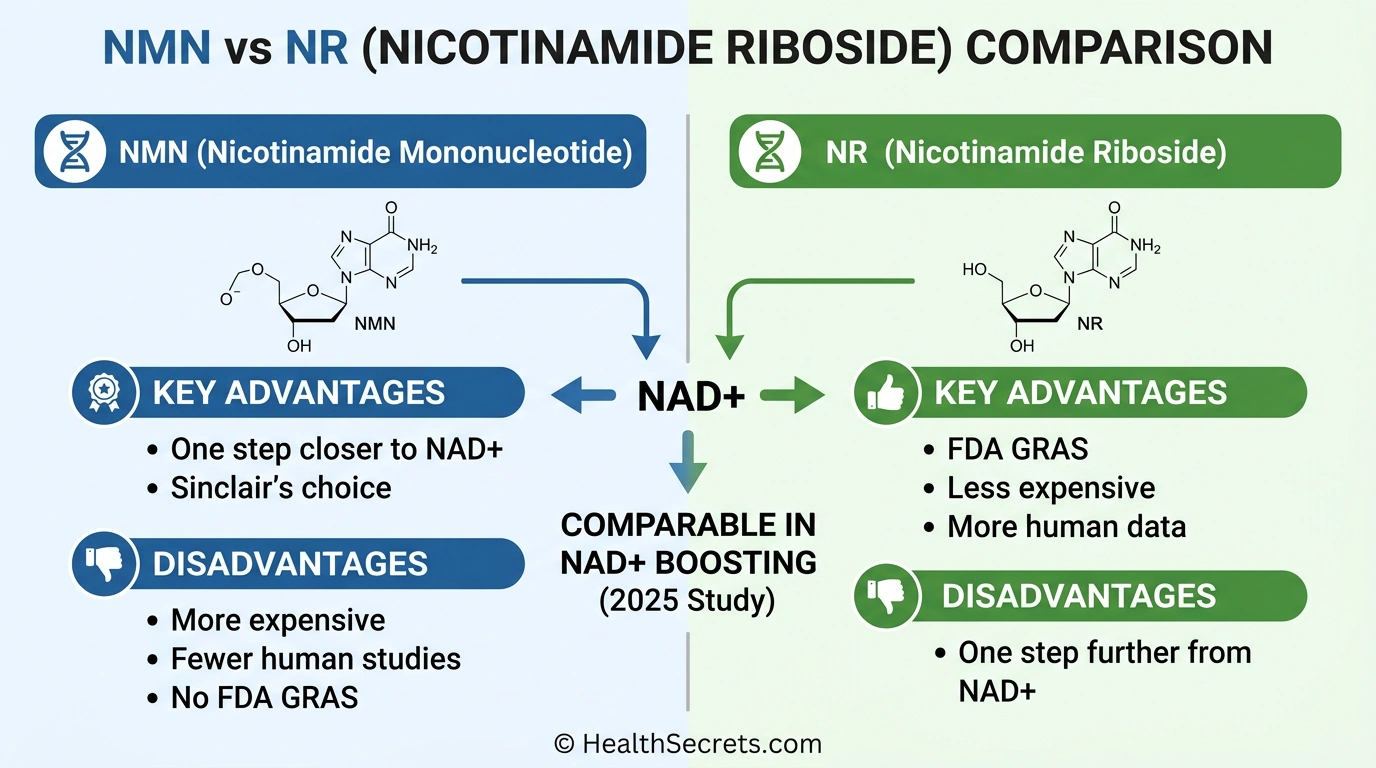
A landmark 2026 head-to-head comparison found NMN and NR (nicotinamide riboside) are comparable in NAD+ boosting ability, challenging the assumption that NMN is inherently superior ([7]). Choose NMN if you want the cutting-edge option David Sinclair uses. Choose NR if you prefer a less expensive alternative with FDA GRAS status and a longer track record of human studies. Both effectively raise NAD+ levels.
Expected timeline: Weeks 1–4 for tolerance assessment and initial NAD+ increase. Weeks 4–12 for potential subjective improvements (energy, exercise performance). Months 6+ for any meaningful cellular-level changes. Anti-aging effects, if real, require years of consistent use and cannot be subjectively felt.
Action Plan
What Is the Best Way to Start Taking NMN?
Follow the sequence below, work through each phase in order, and use the checklist as your practical implementation guide.
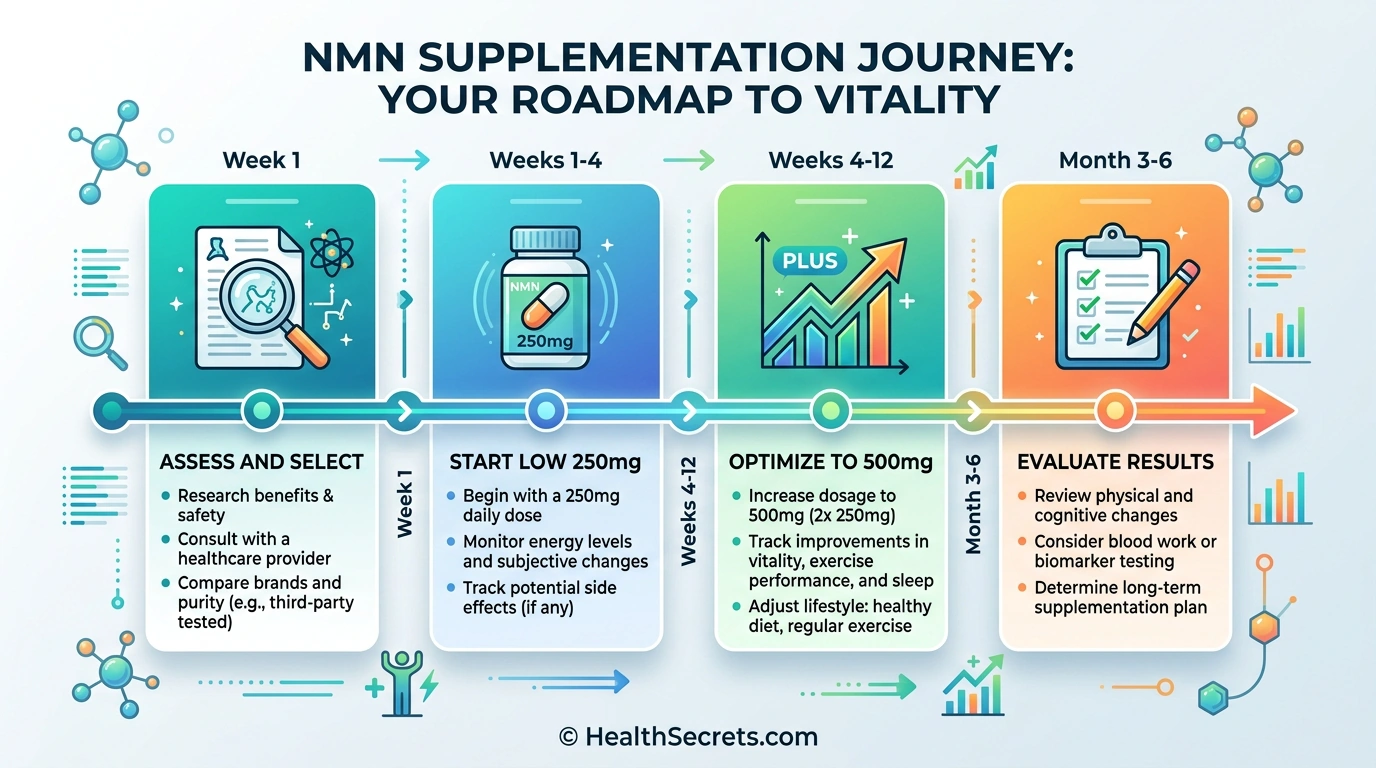
The ideal NMN protocol starts with quality verification and conservative dosing, then scales based on personal tolerance and measurable response. Follow this evidence-based action plan to maximize potential benefits while minimizing risk and unnecessary spending.
Phase 1 — Assess and Select (Week 1):
- Confirm you are age 40+ with no contraindications (not pregnant, no active cancer, no severe liver/kidney disease)
- Set a realistic budget ($40–120+/month) and expectations
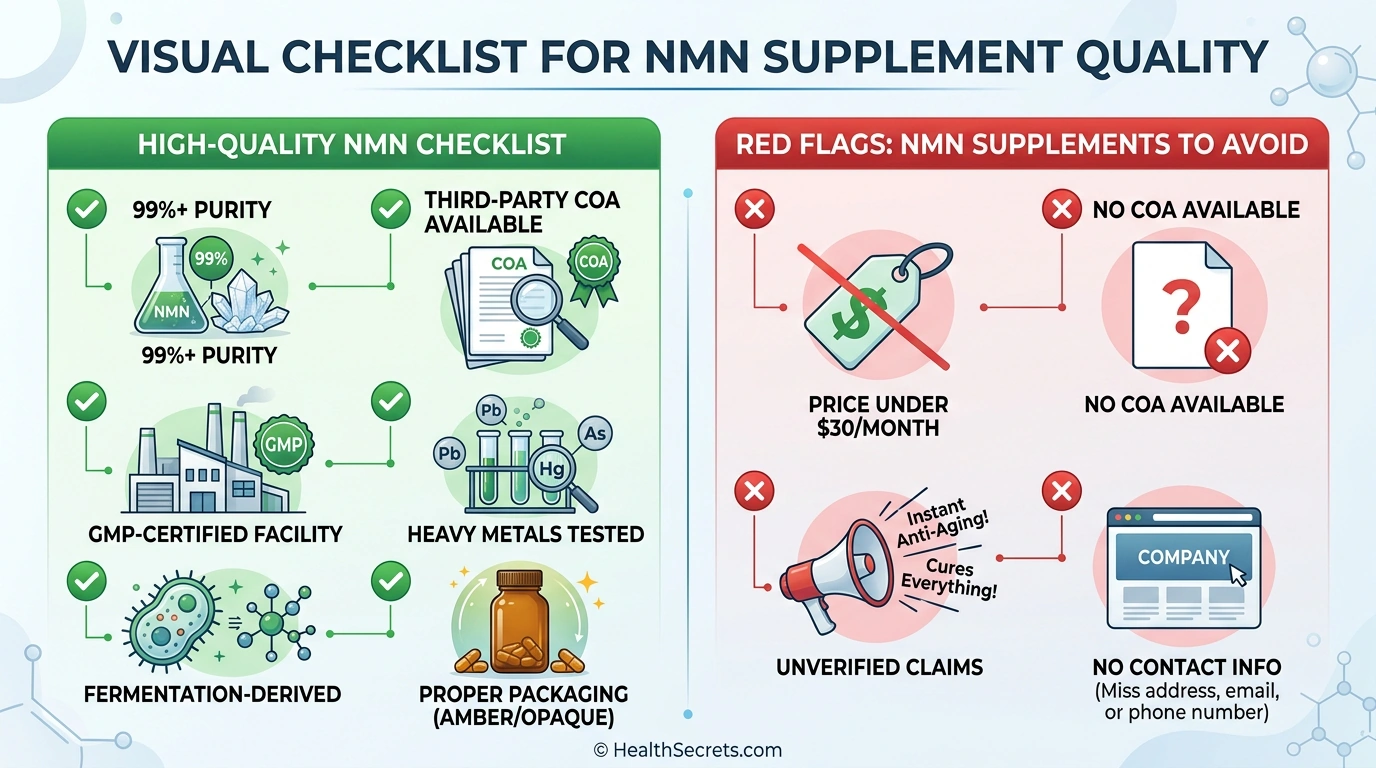
- Choose a reputable brand with ≥99% purity, third-party COA, and GMP certification
- Select form: capsules (evidence-backed) or sublingual powder (theoretical advantage)
Phase 2 — Start Low (Weeks 1–4):
- Begin with 250mg daily, morning on empty stomach
- Monitor for rare side effects: nausea, fatigue, headache
- Track subjective markers: energy, sleep quality, exercise performance
Phase 3 — Optimize (Weeks 4–12):
- Increase to 500mg daily if well-tolerated and budget allows
- Consider adding resveratrol (500mg) for sirtuin synergy
- Consider TMG (500mg) for methylation support at higher doses
- Maintain lifestyle foundations: exercise 150 min/week, 7–9 hours sleep, stress management
Phase 4 — Evaluate (Month 3–6):
- Assess subjective improvements in energy, performance, and well-being
- Evaluate cost-benefit — is $40–120+/month justified by your response?
- Get baseline metabolic panel if interested in objective markers
- Decide: continue, adjust dose, or try NR as a less expensive alternative


 NMN Powder](https://images-na.ssl-images-amazon.com/images/P/B079S3XF4H.jpg)