Skip to content
Pin It
10

Remedios naturales para los gases y la hinchazón: alivio digestivo

HS
Health Secrets Editorial Team
| ಸತ್ಯ-ಪರಿಶೀಲಿಸಲಾಗಿದೆ | 1,809 ord | 18 ಉಲ್ಲೇಖಗಳು
ಈ ತಿಂಗಳಲ್ಲಿ ಅಪ್‌ಡೇಟ್ ಮಾಡಲಾಗಿದೆ Updated: October 6, 2026

ಇದಕ್ಕೆ ಯಾರು ಅರ್ಹರು?

ಪ್ರಾಯೋಗಿಕ ಕ್ರಿಯೆಯ ಯೋಜನೆಯನ್ನು ಬಯಸುವ ಓದುಗರಿಗೆ ಇದು ಅತ್ಯುತ್ತಮವಾಗಿದೆ.

ಯಾರಿಗೆ ಎಚ್ಚರಿಕೆಯಿಂದ ಇರಬೇಕು?

ವೈದ್ಯಕೀಯ ಪರಿಶೀಲನೆಯಿಲ್ಲದೆ ತೀವ್ರ ಲಕ್ಷಣಗಳಿಗೆ ಸ್ವಯಂ ಚಿಕಿತ್ಸೆ ಪಡೆಯಲು ಇದುವಲ್ಲ.

ಸಂಬಂಧಿತ ಉಲ್ಲೇಖ | Este artículo puede contener enlaces de afiliados a productos en los que confiamos. Si decide comprar a través de ellos, podemos ganar una pequeña comisión sin ningún costo adicional para usted. Divulgación completa

ಚಿಕಿತ್ಸಾತ್ಮಕ ನಿರಾಕರಣ | ಮಾಹಿತಿಯನ್ನು ಮಾತ್ರ. ವೃತ್ತಿಪರ ವೈದ್ಯಕ ಸಲಹೆಯನ್ನು ಬದಲಾಯಿಸುವುದಿಲ್ಲ. ಪೂರ್ಣ ನಿರಾಕರಣವನ್ನು 읽ಿ

Descubra cinco remedios naturales basados en evidencia para los gases y la hinchazón, incluyendo el aceite de menta, enzimas digestivas, probióticos y hierbas carminativas. Esta guía paso a paso le muestra cómo identificar los desencadenantes y crear un protocolo de confort digestivo duradero.

M
7
64%
10 1.8K ord

ಪ್ರಮುಖ ಅಂಶಗಳು

Enteric-coated peppermint oil capsules are backed by meta-analyses showing significant relief from bloating and abdominal pain in IBS patients
Taking digestive enzymes with meals can reduce post-meal gas by helping break down hard-to-digest foods like beans, dairy, and complex carbohydrates
The probiotic strain Bifidobacterium infantis 35624 specifically reduces bloating and distention in clinical trials
Identifying personal food triggers through an elimination diet is the single most effective first step for lasting relief
Carminative herbs like fennel, ginger, and chamomile have centuries of traditional use supported by emerging clinical evidence
Most natural remedies require 2–4 weeks of consistent use before you see significant improvement
Combining multiple approaches (trigger avoidance + supplementation + lifestyle changes) produces better results than any single remedy alone
Severe or sudden-onset bloating warrants medical evaluation to rule out serious underlying conditions
Fermentation Safety Starter Kit
29 Pages
The e-book for this topic PDF e-book + free online edition

Fermentation Safety Starter Kit

A salt calculator, the pH 4.6 checker, a keep, fix or discard atlas, six recipes from the easiest up, and batch logs that do the math.

Why It Is Safe
Salt, Weighed
Watching the Jar
$22 $27
Code READER20 (-20%)
See the e-book 60-day money-back guarantee

Few things disrupt your day quite like persistent gas and bloating. That uncomfortable fullness after meals, the embarrassing rumbling, the pressure that makes your waistband feel two sizes too small — these symptoms affect an estimated 16–31% of the general population, yet many people simply accept them as normal. They are not.

The good news is that nature offers a powerful toolkit for digestive relief. From clinically studied peppermint oil capsules that relax intestinal smooth muscle to targeted probiotic strains that rebalance your gut microbiome, natural remedies can address the root causes of gas and bloating — not just mask the symptoms.

For a deeper understanding of how gut health connects to overall wellness, explore our Complete Guide to Gut Health. If you suspect toxin buildup is contributing to your digestive issues, our Gut Detox Protocol offers a comprehensive approach.

What Causes Gas and Bloating and How Can Natural Remedies Help?

Gas and bloating result from excess air swallowing, bacterial fermentation of undigested carbohydrates in the colon, and impaired gut motility. Natural remedies help by relaxing intestinal smooth muscle, improving enzymatic digestion, rebalancing gut bacteria, and reducing fermentation. Evidence-based options include peppermint oil, digestive enzymes, probiotics, and carminative herbs.

Your digestive tract produces 0.5–1.5 liters of gas daily through normal bacterial fermentation. Problems arise when gas production exceeds your body's ability to absorb or expel it, or when visceral hypersensitivity makes normal gas volumes feel painful. Common culprits include FODMAPs (fermentable oligosaccharides, disaccharides, monosaccharides, and polyols), insufficient digestive enzymes, dysbiotic gut flora, and stress-related motility changes.

Natural remedies target these mechanisms at multiple levels. Rather than simply suppressing symptoms like conventional antacids, they address underlying causes — making them ideal for a sustainable, long-term approach to digestive comfort.

The Home Fermentation Safety Card
6 Pages • Free PDF
Free safety card 6 pages • fillable PDF

The Home Fermentation Safety Card

A salt calculator that weighs it for you, a day-7 pH check against the 4.6 safety line, and a keep, fix or discard grid for every film, smell and color in the jar.

The PDF opens in a new tab. Unsubscribe from our emails at any time.

How Can You Identify Your Gas and Bloating Triggers?

Identifying triggers requires a systematic elimination diet where you remove common gas-producing foods for 2–3 weeks, then reintroduce them one at a time while tracking symptoms. The most common triggers include dairy (lactose), beans and lentils (galacto-oligosaccharides), cruciferous vegetables, wheat (fructans), and artificial sweeteners like sorbitol and mannitol.
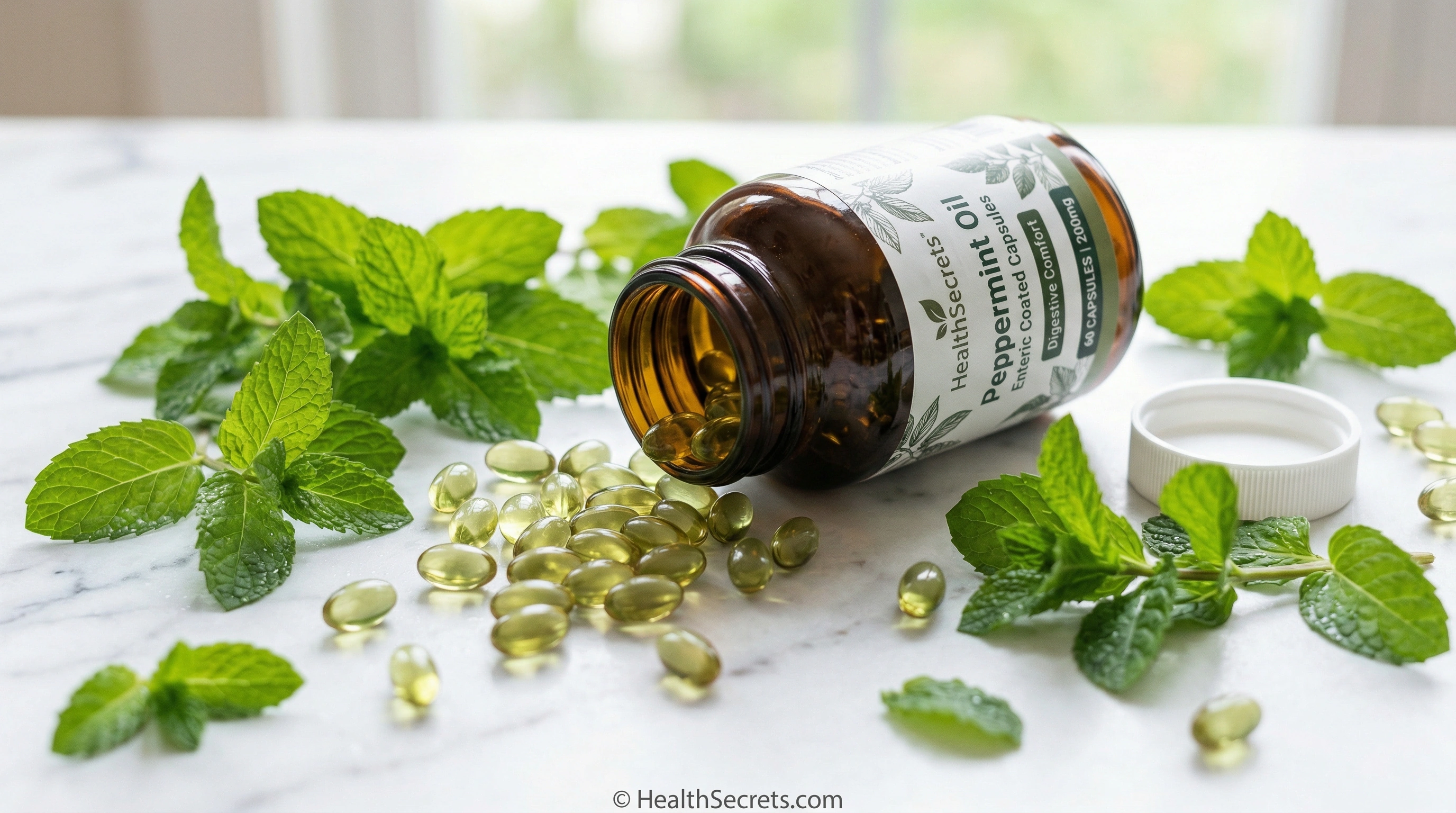
Enteric-coated peppermint oil capsules with fresh peppermint leaves for natural gas and bloating relief

How Should You Structure a Bloating Elimination Diet?

Start by keeping a detailed food-and-symptom diary for one week without changing your diet. This baseline reveals patterns you might miss otherwise. Then eliminate the top gas-producing food groups simultaneously for 14–21 days. Reintroduce one group every 3 days, noting any return of symptoms within 6–24 hours.

The low-FODMAP diet, developed by Monash University, provides a well-researched framework. Studies show it reduces bloating symptoms in up to 76% of IBS patients. However, it should be used as a short-term diagnostic tool, not a permanent diet, since long-term FODMAP restriction can reduce beneficial gut bacteria diversity.

How Does Peppermint Oil Relieve Gas and Bloating Naturally?

Peppermint oil works by relaxing the smooth muscle lining your intestinal walls through calcium channel blockade, which reduces spasms, trapped gas, and abdominal pain. A 2014 meta-analysis by Khanna et al. found peppermint oil significantly superior to placebo for global IBS symptoms (RR 2.23), while the 2019 PERSUADE trial confirmed that small-intestinal-release peppermint oil significantly reduced abdominal pain and discomfort.

What Is the Correct Way to Take Peppermint Oil for Bloating?

Always use enteric-coated capsules — never liquid peppermint oil, which can cause heartburn by relaxing the lower esophageal sphincter. The clinically studied dose is 0.2–0.4 mL (180–225 mg) taken 2–3 times daily, 30–60 minutes before meals. IBgard, used in the PERSUADE study, uses a patented microsphere delivery system (SST) for targeted small-intestinal release.

Expect initial relief within a few days for acute symptoms, but allow 2–4 weeks for full therapeutic benefit. Peppermint oil is generally well tolerated, though some people experience a cool sensation in the chest or perianal area.

Can Digestive Enzymes Reduce Gas and Bloating After Meals?

Yes, supplemental digestive enzymes can significantly reduce post-meal gas and bloating by breaking down food components that would otherwise ferment in your colon. Multi-enzyme supplements containing amylase, lipase, protease, lactase, and alpha-galactosidase address the most common enzymatic deficiencies. Clinical trials show meaningful reductions in bloating, flatulence, and abdominal discomfort when enzymes are taken with meals.
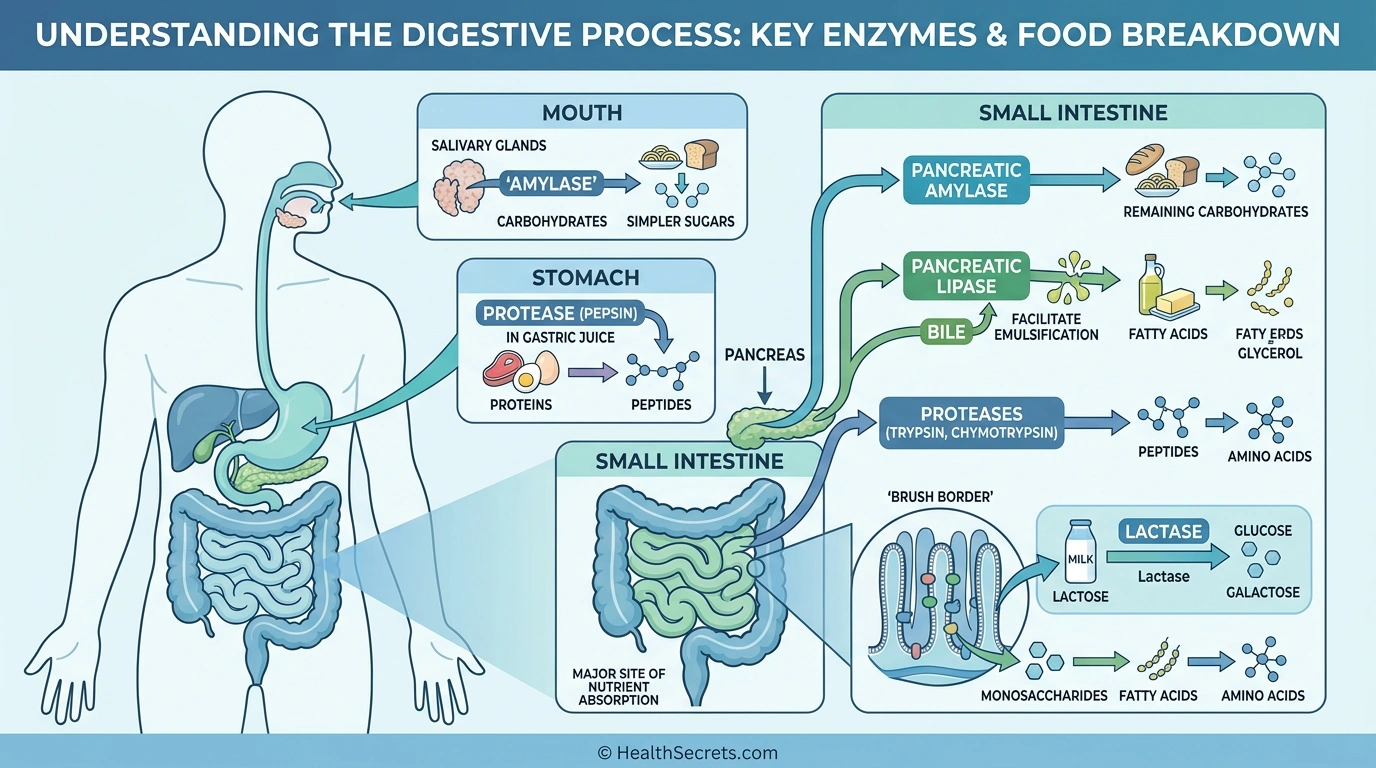
Illustration of digestive enzymes breaking down food types in the digestive system for gas and bloating relief

Which Digestive Enzymes Should You Take for Gas and Bloating?

Choose a broad-spectrum enzyme supplement that covers multiple food types:

  • Lactase — breaks down dairy sugar (essential if lactose intolerant)
  • Alpha-galactosidase — breaks down raffinose and stachyose in beans and cruciferous vegetables
  • Lipase — helps digest fats that slow gastric emptying
  • Protease and amylase — support protein and starch digestion

Take enzymes at the beginning of each meal, not after. This ensures they mix with food in the stomach for maximum effectiveness. Start with the manufacturer's recommended dose and adjust based on meal size and composition.

How Do Probiotics Help Prevent Gas and Bloating Long-Term?

Probiotics reduce gas and bloating by restoring healthy microbial balance, reducing gas-producing pathogenic bacteria, strengthening the intestinal barrier, and modulating visceral sensitivity. The strain Bifidobacterium infantis 35624 specifically reduced abdominal bloating and distention in a landmark Gastroenterology study (2005), while the multi-strain formula VSL#3 improved bloating scores in IBS-D patients.

What Probiotic Strains and Doses Work Best for Bloating?

For targeted bloating relief, look for these clinically validated strains:

  • Bifidobacterium infantis** 35624** — the most studied strain for bloating specifically
  • Lactobacillus plantarum** 299v** — reduces flatulence and abdominal pain
  • Multi-strain formulas (10+ strains) — provide broad-spectrum microbiome support

Aim for 10–20 billion CFU daily from a reputable manufacturer with third-party testing. Take probiotics on an empty stomach (morning or before bed) for best survival through stomach acid. Allow 4–8 weeks of consistent use before evaluating effectiveness, as microbiome rebalancing takes time.

Which Carminative Herbs Work Best for Gas and Bloating Relief?

Carminative herbs — plants that relieve intestinal gas — have centuries of traditional use now supported by clinical evidence. Fennel seed, ginger root, chamomile, and caraway are the most effective options. These herbs work by relaxing intestinal smooth muscle, stimulating digestive secretions, and promoting healthy gut motility. They can be consumed as teas, tinctures, or capsules.
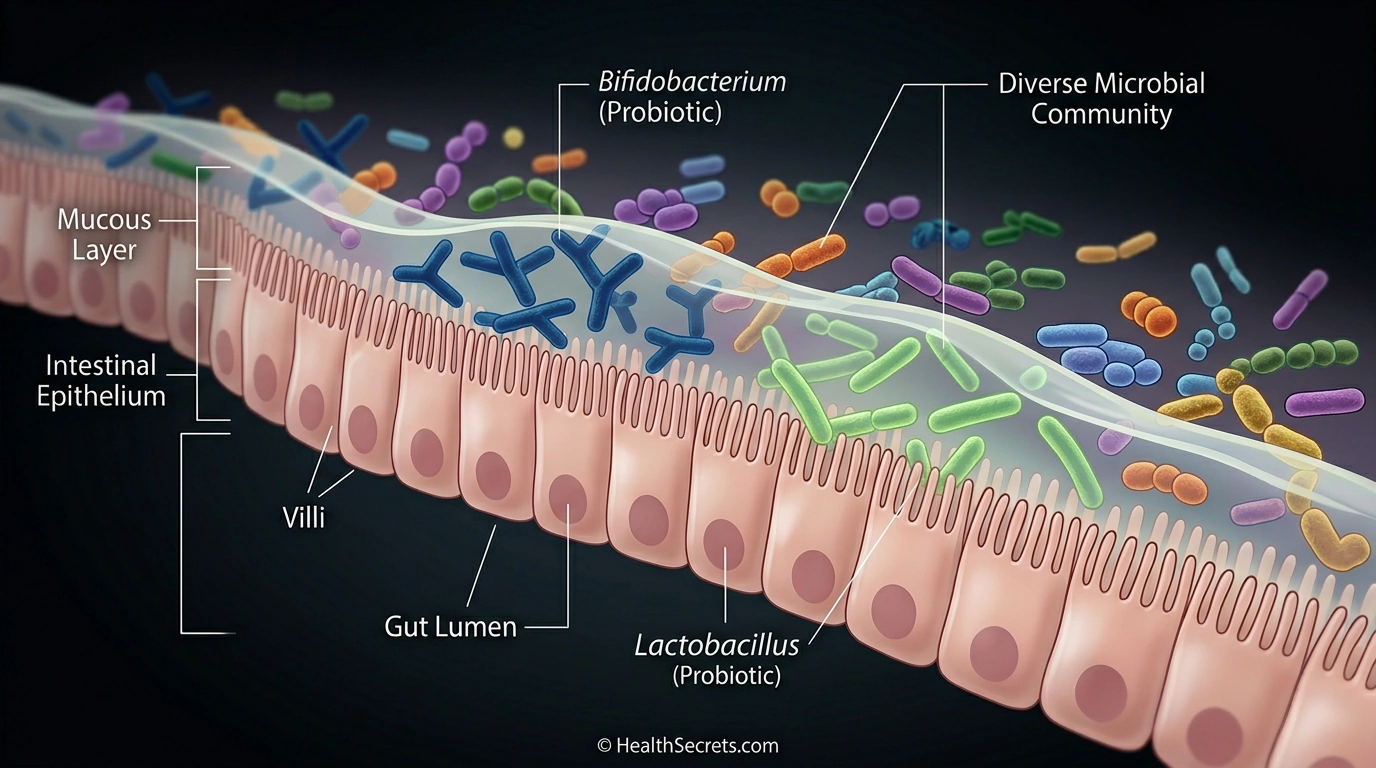
Gut microbiome illustration showing probiotic bacteria supporting digestive health and reducing bloating

How Should You Use Fennel, Ginger, and Chamomile for Digestive Relief?

  • Fennel seed contains anethole, which relaxes GI smooth muscle. Brew 1–2 teaspoons of crushed seeds in hot water for 10 minutes, or chew whole seeds after meals. A clinical trial showed fennel oil capsules significantly reduced bloating severity compared to placebo.
  • Ginger root stimulates gastric motility and has prokinetic effects that help move gas through your system. Use 1–2 grams of fresh ginger in tea or 250 mg of standardized extract before meals. Studies confirm ginger accelerates gastric emptying by up to 25%.
  • Chamomile combines antispasmodic and anti-inflammatory properties. Drink 1–3 cups of chamomile tea daily between meals. It works particularly well for stress-related bloating due to its mild anxiolytic effects.

What Are the Best Daily Habits for Preventing Gas and Bloating?

The most effective daily habits include eating slowly and chewing thoroughly (20–30 chews per bite), avoiding carbonated beverages and chewing gum, taking a 10–15 minute walk after meals, managing stress through deep breathing or meditation, and staying well hydrated with still water. These behavioral changes often reduce bloating by 30–50% even without supplements.

  • Eat mindfully — put your fork down between bites and avoid talking while chewing to reduce air swallowing
  • Limit gas-producing combinations — avoid pairing beans with cruciferous vegetables in the same meal
  • Cook gas-producing foods thoroughly — cooking breaks down some fermentable fibers
  • Soak beans overnight — discard soaking water to remove up to 75% of gas-causing oligosaccharides
  • Try warm lemon water — drink 15 minutes before meals to stimulate digestive secretions
  • Wear loose clothing — tight waistbands increase intra-abdominal pressure and worsen bloating perception

What Safety Precautions Should You Take with Natural Gas and Bloating Remedies?

While natural remedies are generally safe, important precautions include avoiding peppermint oil if you have GERD or a hiatal hernia, starting probiotics at a low dose to prevent initial die-off bloating, checking for herb-drug interactions (especially ginger with blood thinners), and seeking immediate medical attention for bloating with severe pain, bloody stool, unexplained weight loss, or fever.
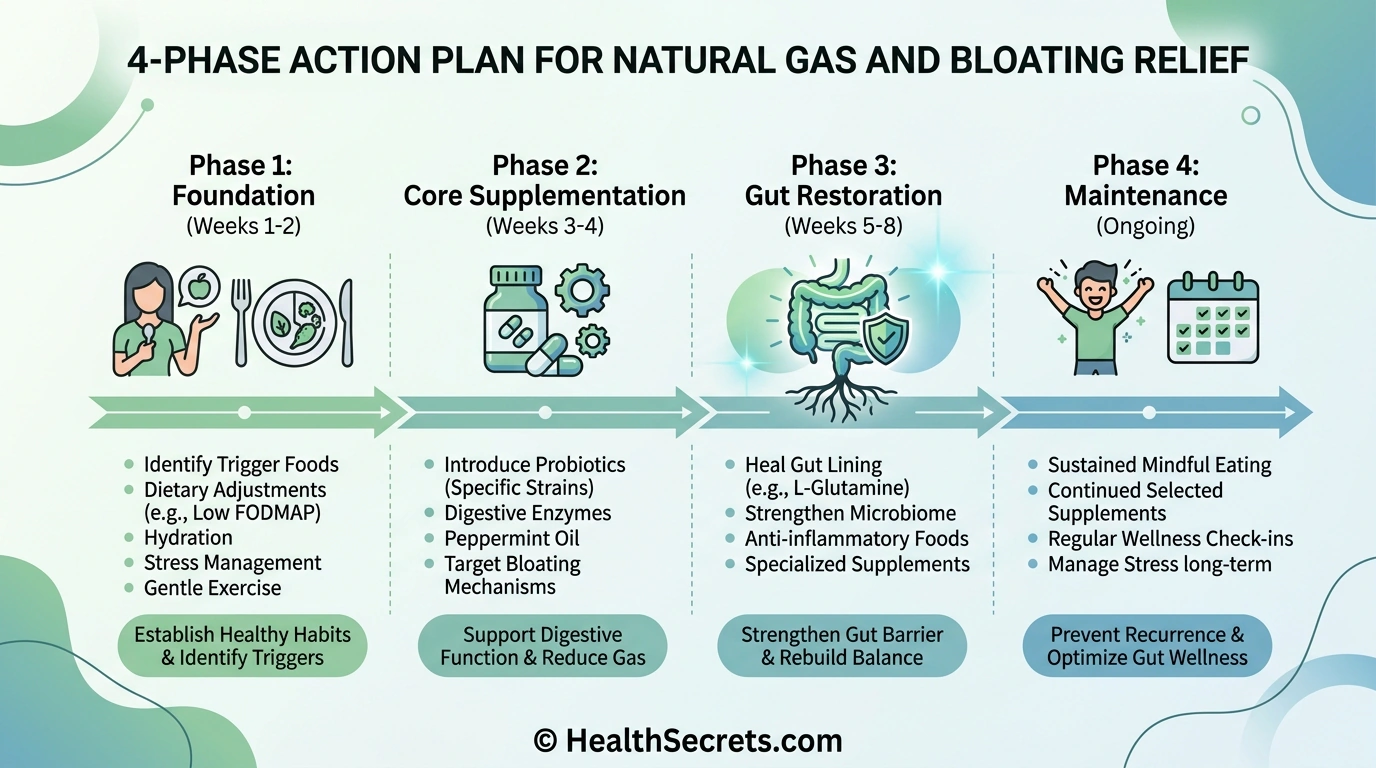
Four-phase action plan infographic for implementing natural gas and bloating remedies over 8 weeks
  • Peppermint oil — contraindicated in GERD, hiatal hernia, and gallbladder disease. Avoid during pregnancy.
  • Digestive enzymes — generally safe; rarely cause mild nausea. Those with pancreatic conditions should consult their doctor.
  • Probiotics — may cause temporary increased gas during the first 3–5 days as your microbiome adjusts. Start with half the recommended dose.
  • Ginger — may interact with warfarin and other anticoagulants. Limit to 4 grams daily.
  • Activated charcoal — take 2 hours away from medications, as it can reduce their absorption.

ಕ್ರಿಯೆಯ ಯೋಜನೆ

What Is the Best Step-by-Step Action Plan for Natural Gas and Bloating Relief?

ಕೆಳಗಿನ ಕ್ರಮವನ್ನು ಅನುಸರಿಸಿ, ಪ್ರತಿ ಹಂತವನ್ನು ಕ್ರಮಬದ್ಧವಾಗಿ ಪೂರೈಸಿ, ಮತ್ತು ನಿಮ್ಮ ಪ್ರಾಯೋಗಿಕ ಅನುಷ್ಠಾನ ಮಾರ್ಗದರ್ಶಿಯಾಗಿ ಪರಿಶೀಲನಾ ಪಟ್ಟಿಯನ್ನು ಬಳಸಿ.

ಹಂತ-ಹಂತವಾಗಿ

Start with a two-week trigger identification phase using a food diary and elimination diet, then layer in targeted supplements one at a time every 1–2 weeks. This phased approach lets you identify which remedies work best for your specific bloating pattern and avoids the confusion of changing everything simultaneously.

Phase 1: Foundation (Weeks 1–2)

  • Start a detailed food-and-symptom diary
  • Begin a low-FODMAP elimination diet
  • Implement mindful eating practices (slow chewing, no distractions)
  • Add daily post-meal walks (10–15 minutes)

Phase 2: Core Supplementation (Weeks 3–4)

  • Introduce enteric-coated peppermint oil capsules (180–225 mg, 2–3x daily before meals)
  • Add a broad-spectrum digestive enzyme with meals
  • Begin daily fennel or ginger tea between meals

Phase 3: Gut Restoration (Weeks 5–8)

  • Start a high-quality probiotic (10–20 billion CFU daily)
  • Begin reintroducing eliminated foods one at a time
  • Track and compare symptoms to your baseline diary

Phase 4: Maintenance (Ongoing)

  • Continue supplements that showed benefit
  • Maintain your personalized trigger-avoidance list
  • Re-evaluate your protocol every 3 months

ಶ್ರೇಷ್ಠ ಶಿಫಾರಸು ಮಾಡಲಾದ ಉತ್ಪನ್ನಗಳು

ಮಾರ್ಗಸೂಚಿಯನ್ನು ಬಿಡುವ ಮೊದಲು ಪರಿಶೀಲಿಸಲು ಹೋಲಿಕೆ ಮಾಡಿದ ಪಟ್ಟಿಯ ಕಿರುಪಟ್ಟಿ

5 ವಸ್ತುಗಳು
01

IBgard Peppermint Oil Capsules

IBgard Peppermint · Acute bloating, abdominal spasms, and IBS-related gas

ವಿವರಗಳನ್ನು ಹೋಲಿಸಿ
02

NOW Foods Super Enzymes

NOW Foods · Post-meal gas, bloating from hard-to-digest foods

ವಿವರಗಳನ್ನು ಹೋಲಿಸಿ
03

Renew Life Ultimate Flora Extra Care 50 Billion

Renew Life · Long-term gut microbiome rebalancing and bloating prevention

ವಿವರಗಳನ್ನು ಹೋಲಿಸಿ
04

NOW Foods L-Glutamine Powder

NOW Foods · Strengthening intestinal lining and supporting gut barrier function

ವಿವರಗಳನ್ನು ಹೋಲಿಸಿ
05

Nature's Way Activated Charcoal 560mg

Nature's Way · Acute gas episodes and emergency bloating situations

ವಿವರಗಳನ್ನು ಹೋಲಿಸಿ

ಯಾವುದೇ ರೀಟೇಲರ್ ಲಿಂಕ್ ಅನ್ನು ತೆರೆಯುವ ಮೊದಲು ಕೆಳಗಿನ ವಿವರವಾದ ವಿಮರ್ಶಾ ಕಾರ್ಡ್‌ಗಳನ್ನು ಓದಿ

ಮುಂದಿನ ಓದಿಗೆ

ಮುಂದಿನ ಓದಿಗೆ

"The Good Gut: Taking Control of Your Weight, Your Mood, and Your Long-Term Health"

ಅವರಿಂದ Justin Sonnenburg, PhD and Erica Sonnenburg, PhD

Evidence-based dietary strategies for feeding beneficial gut bacteria; explanation of how modern diets damage the microbiome; practical meal planning guidance; actionable steps to reduce gas and bloating through microbiome optimization

ಇದು ಏಕೆ ಇಲ್ಲಿ ಮೌಲ್ಯವನ್ನು ನೀಡುತ್ತದೆ

The Sonnenburgs translate decades of Stanford microbiome research into practical dietary advice that directly addresses the bacterial fermentation underlying most gas and bloating

ಉತ್ತಮವಾದದ್ದು: Understanding how gut bacteria influence bloating, digestion, and overall health

ಪುಸ್ತಕದ ವಿವರಗಳನ್ನು ನೋಡಿ

ಮುಂದಿನ ಓದಿಗೆ

"Gut: The Inside Story of Our Body's Most Underrated Organ"

ಅವರಿಂದ Giulia Enders, MD

Clear explanations of digestive anatomy and physiology; understanding of why certain foods cause gas; practical tips for better digestion; debunking of common digestive myths

ಇದು ಏಕೆ ಇಲ್ಲಿ ಮೌಲ್ಯವನ್ನು ನೀಡುತ್ತದೆ

Enders makes complex digestive science genuinely enjoyable to read, helping readers understand the why behind their symptoms so they can make better daily choices

ಉತ್ತಮವಾದದ್ದು: Accessible, entertaining overview of how digestion works and why gas and bloating happen

ಪುಸ್ತಕದ ವಿವರಗಳನ್ನು ನೋಡಿ

AEO FAQ

ಪದೇ ಪದೇ ಕೇಳಲಾಗುವ ಪ್ರಶ್ನೆಗಳು

8 common questions answered

La mayoría de los remedios naturales proporcionan un alivio inicial en un plazo de 1 a 7 días, y los beneficios terapéuticos completos se desarrollan en un periodo de 2 a 8 semanas. El aceite de menta y el carbón activado ofrecen el alivio más rápido (en cuestión de horas o días), mientras que los probióticos requieren de 4 a 8 semanas de uso constante para reequilibrar significativamente la microbiota intestinal. Las enzimas digestivas actúan de inmediato cuando se toman con las comidas, pero se vuelven más eficaces con el tiempo a medida que la digestión mejora en general.

Sí, el aceite de menta y los probióticos pueden combinarse de forma segura y pueden actuar sinérgicamente. El aceite de menta proporciona un alivio agudo de los síntomas al relajar los músculos intestinales, mientras que los probióticos abordan el desequilibrio microbiano subyacente. Para obtener resultados óptimos, tome el aceite de menta entre 30 y 60 minutos antes de las comidas y los probióticos con el estómago vacío (por la mañana o al acostarse).

Los alimentos que producen gases con mayor frecuencia incluyen frijoles y lentejas, verduras crucíferas (brócoli, coliflor, repollo), productos lácteos (si se es intolerante a la lactosa), trigo y centeno (fructanos), cebollas y ajo, edulcorantes artificiales (sorbitol, manitol, xilitol) y bebidas carbonatadas. Sin embargo, los desencadenantes individuales varían ampliamente, razón por la cual llevar un diario de alimentos y realizar una dieta de eliminación es más eficaz que seguir listas de alimentos genéricas.

While occasional bloating is usually harmless, persistent or severe bloating can signal conditions requiring medical attention, including SIBO (small intestinal bacterial overgrowth), celiac disease, ovarian cancer, gastroparesis, or inflammatory bowel disease. Seek immediate medical evaluation if bloating is accompanied by severe pain, bloody stools, unexplained weight loss, fever, or progressive worsening over weeks.

Yes, digestive enzyme supplements have clinical evidence supporting their effectiveness for gas and bloating, particularly in people with specific enzyme deficiencies. Lactase helps lactose-intolerant individuals, alpha-galactosidase reduces gas from beans and vegetables, and broad-spectrum enzymes improve overall digestion. They work best when taken at the start of meals and when matched to your specific food triggers.

Bifidobacterium infantis 35624 has the strongest clinical evidence specifically for reducing abdominal bloating and distention. A landmark study published in Gastroenterology showed it significantly outperformed placebo for bloating relief in IBS patients. Lactobacillus plantarum 299v is another well-studied option. For comprehensive support, multi-strain formulas with 10+ billion CFU daily provide broad-spectrum benefits.

Yes, stress is a significant contributor to gas and bloating through the gut-brain axis. Stress hormones like cortisol slow gastric motility, increase intestinal permeability, alter gut bacteria composition, and heighten visceral sensitivity — making normal gas volumes feel more uncomfortable. Stress management techniques like deep breathing, meditation, and gentle post-meal walks can meaningfully reduce stress-related bloating.

Drink 1–3 cups of fennel tea daily for gas relief. Steep 1–2 teaspoons of crushed fennel seeds in 8 ounces of hot water for 10–15 minutes, strain, and drink between meals or after meals. Alternatively, chew half a teaspoon of whole fennel seeds after eating. Fennel is generally very safe, though pregnant women should limit intake to moderate dietary amounts.

The e-book for this topic
Sources cited inside
Fermentation Safety Starter Kit
29 pages • fillable PDF

Fermentation Safety Starter Kit

A salt calculator, the pH 4.6 checker, a keep, fix or discard atlas, six recipes from the easiest up, and batch logs that do the math.

What is inside:

✓ Why It Is Safe: The acid timeline hour by hour, the microbes in the jar, seven safety rules, the equipment, and how ferments differ from vinegar pickles.
✓ Salt, Weighed: A salt calculator for three batches by total weight, pound-to-gram and gram-to-spoon converters, salt by vegetable, spoon weights, jar sizes, worked examples and temperature.
✓ Watching the Jar: Day by day with a temperature log, the pH checker for days 5, 7 and 14, and a 15-sign atlas sorted leave it, fix it, discard, with a jar check that counts the signs.
✓ Six Recipes, Easiest First: Carrot and ginger sticks, classic sauerkraut, napa cabbage kimchi, fermented hot sauce, brined cucumber pickles and garlic in brine, each with checkpoints, storage and a tip.
$22 $27 20% Off w/ Code READER20

PDF e-book + free online edition • 60-day money-back guarantee

🌿

ನಿಮ್ಮ ಜ್ಞಾನವನ್ನು ಪರೀಕ್ಷಿಸಿ

Take our Natural Remedies Quiz and see how much you really know about natural remedies.

ರಸಪ್ರಶ್ನೆ ತೆಗೆದುಕೊಳ್ಳಿ

ಈ ಲೇಖನವು ಉಪಯುಕ್ತವಾಗಿದೆಯೇ?

ಸಂಶೋಧಿಸಿ ಸತ್ಯ-ಪರಿಶೀಲಿಸಲಾಗಿದೆ

HS

ಲೇಖಕ

Health Secrets Editorial Team

The Health Secrets editorial team researches, writes and fact-checks every guide against the primary studies and clinical guidelines it cites.

HS

ಸತ್ಯ-ಪರಿಶೀಲಕರು

Health Secrets Editorial Team

ಎಲ್ಲ ವಿಷಯವೂ ಪುರಾವೆ-ಆಧಾರಿತವಾಗಿದ್ದು, ಪೀರ್-ರಿವ್ಯೂ ಮಾಡಲಾದ ಸಂಶೋಧನೆಯ ವಿರುದ್ಧ ಪರಿಶೀಲಿಸಲಾಗಿದೆ ಮತ್ತು ನಿಯಮಿತವಾಗಿ ನವೀಕರಿಸಲಾಗುತ್ತದೆ. ನಮ್ಮ ಸಂಪಾದಕೀಯ ತಂಡವು ನಿಖರತೆ ಮತ್ತು ಪಾರದರ್ಶಕತೆಗಾಗಿ ಕಠಿಣ ಮಾರ್ಗಸೂಚಿಗಳನ್ನು ಅನುಸರಿಸುತ್ತದೆ.

ಉಲ್ಲೇಖಗಳು & ಸೂಚನೆಗಳು

18 ಉಲ್ಲೇಖಿಸಲಾದ ಮೂಲಗಳು

1
Khanna R, MacDonald JK, Levesque BG. Peppermint oil for the treatment of irritable bowel syndrome: a systematic review and meta-analysis. J Clin Gastroenterol. 2014;48(6):505-512.
PubMed: 24100754 Vis back
2
Weerts ZZRM, Masclee AAM, Witteman BJM, et al. Efficacy and safety of peppermint oil in a randomized, double-blind trial of patients with irritable bowel syndrome (PERSUADE). Gastroenterology. 2020;158(1):123-136.
PubMed: 31470006 Vis back
3
Whorwell PJ, Altringer L, Morel J, et al. Efficacy of an encapsulated probiotic Bifidobacterium infantis 35624 in women with irritable bowel syndrome. Am J Gastroenterol. 2006;101(7):1581-1590.
PubMed: 16863564 Vis back
4
Kim HJ, Vazquez Roque MI, Camilleri M, et al. A randomized controlled trial of a probiotic combination VSL#3 and placebo in irritable bowel syndrome with bloating. Neurogastroenterol Motil. 2005;17(5):687-696.
PubMed: 16185307 Vis back
5
Halmos EP, Power VA, Shepherd SJ, Gibson PR, Muir JG. A diet low in FODMAPs reduces symptoms of irritable bowel syndrome. Gastroenterology. 2014;146(1):67-75.
PubMed: 24076059 Vis back

ಚಿಕಿತ್ಸಾತ್ಮಕ ನಿರಾಕರಣ

Este artículo es solo para fines informativos y no constituye asesoramiento médico. Lea el descargo de responsabilidad médico completo. Siempre consulte con un proveedor de atención médica calificado antes de comenzar cualquier suplemento, tratamiento o cambio dietético importante.

Natural Remedies Cornerstone Pillar

The Complete Guide to Natural Remedies

Explore our foundational comprehensive guide covering all clinical protocols, dietary strategies, and evidence for natural remedies.

Read Pillar Guide →

ನಿಮಗೆ ಇಷ್ಟವಾಗಬಹುದು

natural remedies

Remedios Naturales para el Hipotiroidismo: Apoyo Tiroideo

Los remedios naturales para el hipotiroidismo — incluyendo selenio, ashwagandha, zinc y cambios dietéticos específicos— pueden complementar el tratamiento médico y apoyar la función tiroidea. Esta guía basada en evidencia lo guía paso a paso, desde las pruebas adecuadas hasta la sincronización de los suplementos, para que pueda trabajar con su médico hacia una mejor salud tiroidea.

→
natural remedies

ಸೈನಸ್ ಸೋಂಕೆಗೆ ನೈಸರ್ಗಿಕ প্রতিকారಗಳು:קಟ್ಟಣೆಯನ್ನು (Congestion) ಕಡಿಮೆ ಮಾಡಿ ಮುಕ್ತಗೊಳಿಸಿ

<p>ಪ್ರತಿ ವರ್ಷ ಸುಮಾರು 3.1 ಕೋಟಿ ಅಮೆರಿಕನ್ನರು ಸೈನಸ್ ಸೋಂಕಿಯಿಂದ (Sinus infections) ಬಳಲುತ್ತಿದ್ದಾರೆ. ಇದು ತೀವ್ರವಾದ ಮೂಗಿನ அடைப்பு, ಮುಖದ ಭಾಗದಲ್ಲಿ ಒತ್ತಡ ಮತ್ತು ದಪ್ಪವಾದ ಮೂಗಿನ ಸ್ರವಿಕೆಯನ್ನು ಉಂಟುಮಾಡುತ್ತದೆ. ನ್ಯಾಸಲ್ ಇರಿಗೇಶನ್ (nasal irrigation), ಹಬೆ ತೆಗೆದುಕೊಳ್ಳುವುದು (steam inhalation), ಬ್ರೋಮಲೈನ್ (bromelain) ಮತ್ತು ಎನ್-ಅಸಿಟೈಲ್ ಸಿಸ್ಟೀನ್ (N-acetylcysteine) ನಂತಹ ನೈಸರ್ಗಿಕ ಮನೆಮದ್ದುಗಳು ಸಾಕ್ಷ್ಯಾಧಾರಿತ ಪರಿಹಾರವನ್ನು ನೀಡುತ್ತವೆ — ಇವುಗಳ ಮೂಲಕ ನೀವು ಪ್ರತಿ lần యాಂಟಿಬಯೋಟಿಕ್‌ಗಳ ಮೊರೆ ಹೋಗುವ ಅಗತ್ಯವಿಲ್ಲದೆ ఉపಶಮನ ಪಡೆಯಬಹುದು.</p>

→
natural remedies

Remedios Naturales para el Asma: Apoyo Respiratorio

Los remedios naturales para el asma pueden complementar su plan de tratamiento prescrito y ayudar a reducir los brotes. Desde la suplementación con magnesio y vitamina D hasta ejercicios respiratorios y mejoras en la calidad del aire, existen estrategias basadas en evidencia para apoyar un mejor control del asma junto con sus medicamentos.

→

ಚರ್ಚೆ

0

No comments yet

Be the first to share your thoughts, clinical insights, or questions about this protocol.