Skip to content
← ಎಲ್ಲಾ ಪರಿಕರಗಳು

Water Intake Calculator

Water is the most essential nutrient — you can survive weeks without food but only days without water. It serves as a solvent for biochemical reactions, regulates body temperature, transports nutrients, cushions joints, and removes waste products. Even mild dehydration (1-2% body weight loss) impairs cognitive function, mood, and physical performance before thirst is perceived.

Activity Level
Climate

The Science of Hydration

Water is the most essential nutrient — you can survive weeks without food but only days without water. It serves as a solvent for biochemical reactions, regulates body temperature, transports nutrients, cushions joints, and removes waste products. Even mild dehydration (1-2% body weight loss) impairs cognitive function, mood, and physical performance before thirst is perceived.

ಪ್ರಮುಖ ಅಂಶಗಳು

  • The "8 glasses a day" rule has no scientific basis — needs vary by 2-3x between individuals
  • Thirst is a late indicator — by the time you feel thirsty, you may already be 1-2% dehydrated
  • Caffeine is a mild diuretic but habitual coffee drinkers develop tolerance (net hydrating)
  • Pale yellow urine indicates adequate hydration; clear may indicate overhydration
  • Exercise in heat can require 1-2 liters per hour to replace sweat losses
  • About 20% of daily water intake comes from food (fruits, vegetables, soups)

Electrolytes: Why Water Alone Is Not Enough

Hydration is not just about water volume — it requires electrolyte balance. Sodium, potassium, magnesium, and chloride create the osmotic gradients that allow cells to absorb and retain water. Drinking large amounts of plain water without electrolytes can actually dilute blood sodium (hyponatremia), which is dangerous. During exercise or fasting, adding a pinch of salt or an electrolyte supplement ensures that consumed water is actually retained and distributed to cells rather than quickly excreted by the kidneys.

ಪದೇ ಪದೇ ಕೇಳಲಾಗುವ ಪ್ರಶ್ನೆಗಳು

How much water should I drink per day? +

A good starting formula is 0.5-1 oz per pound of body weight, adjusted for activity and climate. A 150-lb person needs approximately 75-150 oz (2.2-4.4 liters). More active people, those in hot climates, and those eating high-protein diets need more.

Can you drink too much water? +

Yes. Overhydration (hyponatremia) dilutes blood sodium below safe levels, causing headache, confusion, and in severe cases, seizures. This primarily affects endurance athletes drinking excessive plain water. Adding electrolytes prevents this.

Does coffee dehydrate you? +

Minimally. While caffeine has a mild diuretic effect, regular coffee drinkers develop tolerance within 4-5 days. Studies show that moderate coffee consumption (3-4 cups) contributes to net hydration rather than detracting from it.

What are signs of chronic mild dehydration? +

Fatigue, headaches, difficulty concentrating, dry skin, constipation, dark urine, and increased hunger (thirst is often mistaken for hunger). Many people are chronically mildly dehydrated without realizing it, especially older adults whose thirst mechanism weakens with age.

ಶಿಫಾರಸು ಮಾಡಿದ ಓದುವಿಕೆ

Prebiotic Foods Guide: Feed Your Beneficial Bacteria

Prebiotic Foods Guide: Feed Your Beneficial Bacteria

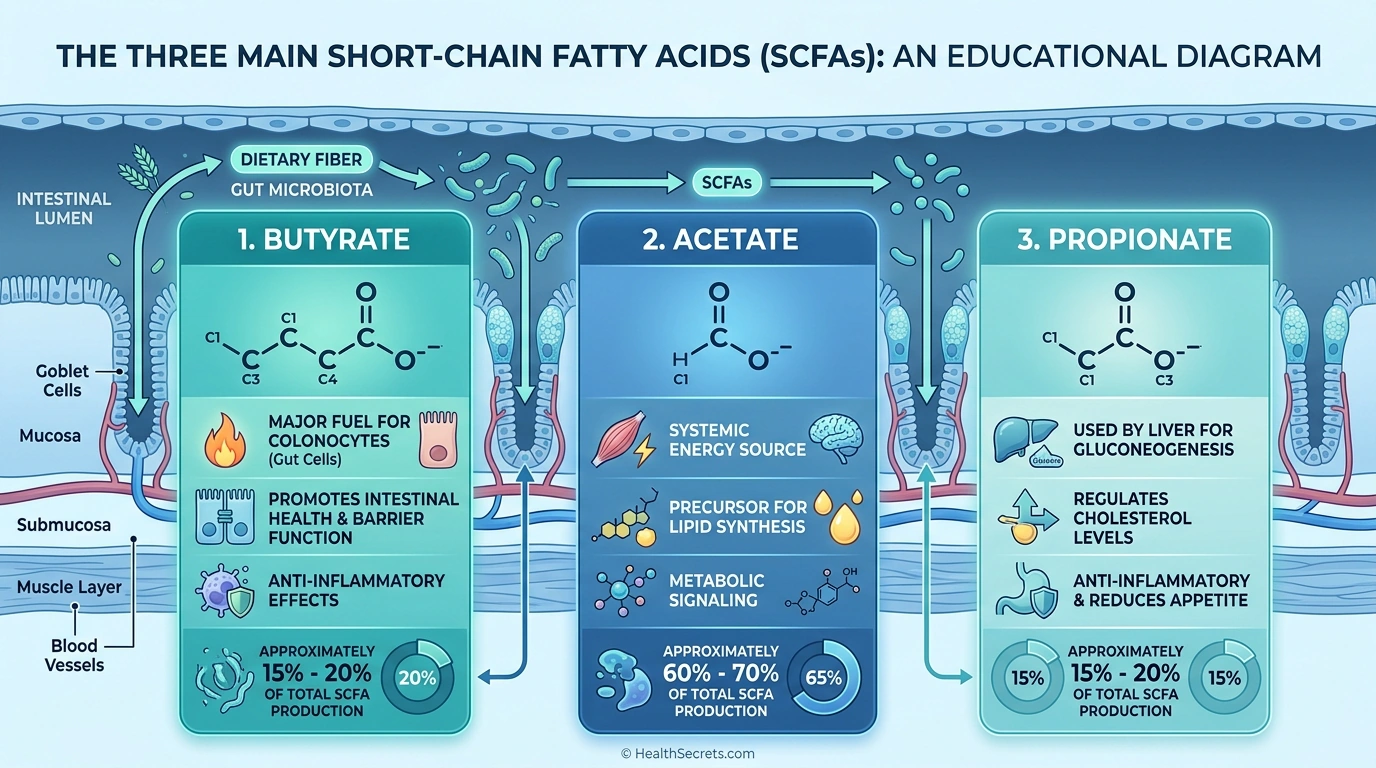
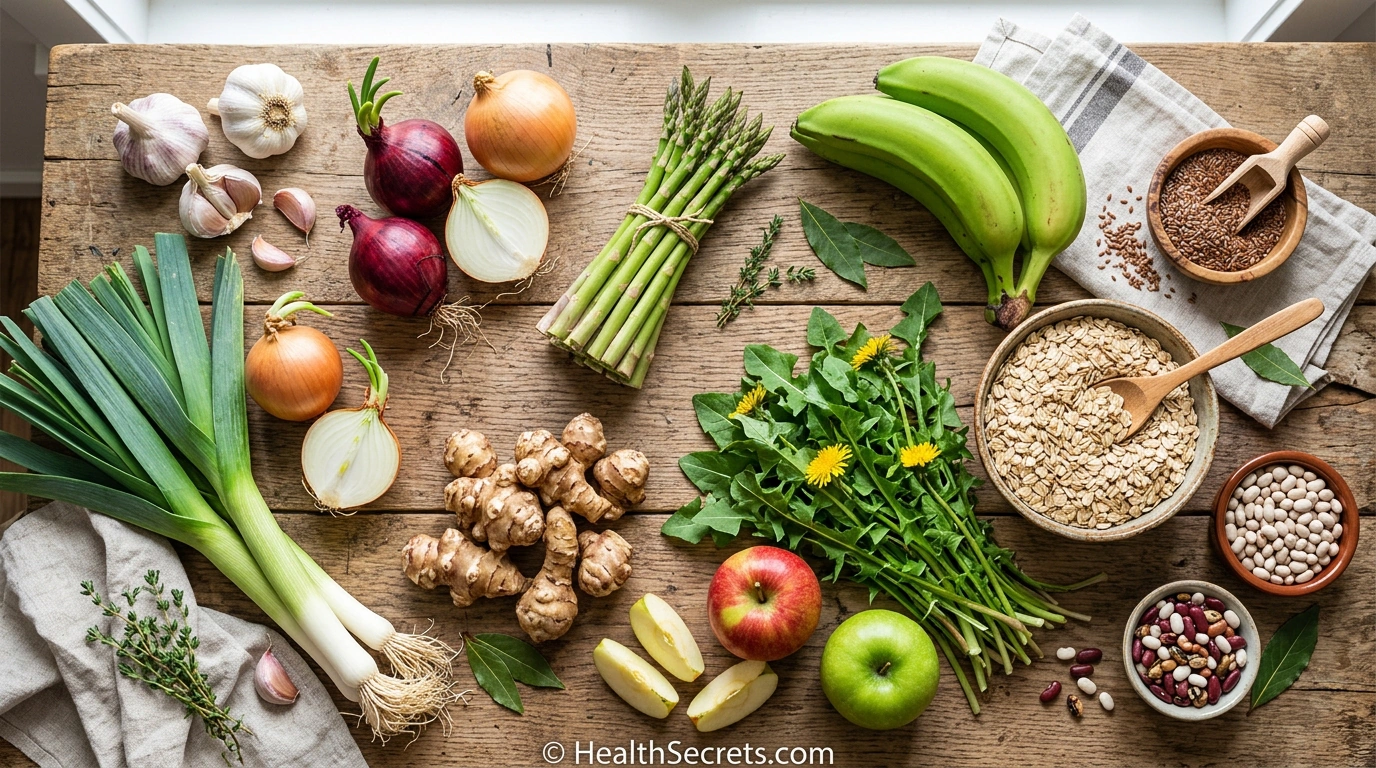
Prebiotic foods fuel the beneficial bacteria in your gut, helping produce short-chain fatty acids that strengthen your immune system, reduce inflammation, and improve digestion. This guide covers the best prebiotic-rich foods, fiber types, and how to add them to your diet safely.

ಲೇಖನವನ್ನು ಓದಿ

Stomach Ulcers Natural Treatment and Prevention

Stomach Ulcers Natural Treatment and Prevention

Stomach ulcers affect roughly 10% of people at some point in life, but natural approaches like DGL licorice, zinc carnosine, and mastic gum can support healing alongside medical treatment. This evidence-based guide covers causes, symptoms, proven natural remedies, and when to see a doctor.

ಲೇಖನವನ್ನು ಓದಿ

Collagen for Gut Health: Complete Guide

Collagen for Gut Health: Complete Guide

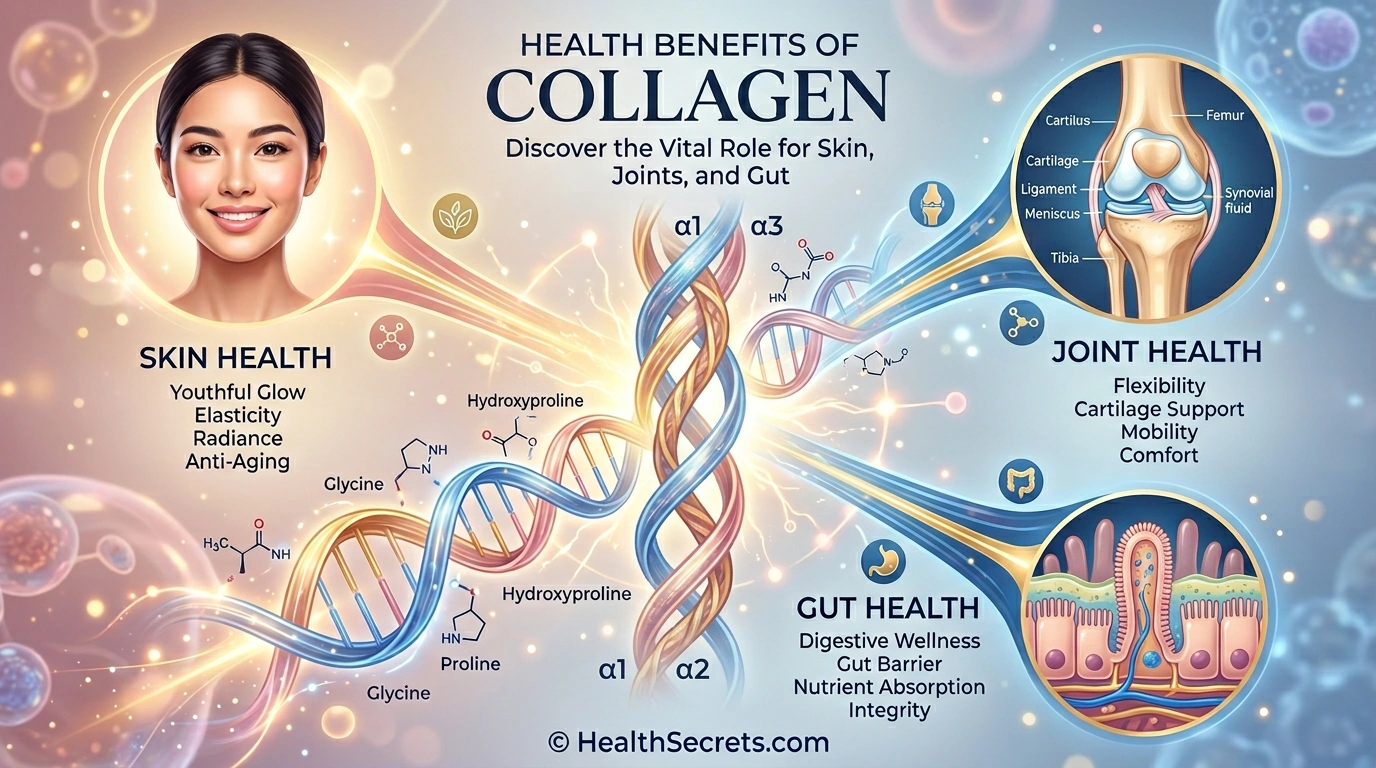
Collagen supplements provide key amino acids—glycine, proline, and glutamine—that support gut barrier integrity and intestinal lining repair. This evidence-based guide reviews the best collagen types, forms, and products for gut health, with dosing protocols and expert-reviewed recommendations for 2025.

ಲೇಖನವನ್ನು ಓದಿ

Constipation Relief: Natural Remedies That Work Fast

Constipation Relief: Natural Remedies That Work Fast

Constipation affects up to 15% of adults worldwide, but fast-acting natural remedies — from hydration and fiber-rich foods to magnesium supplements and proper toilet posture — can restore regular bowel movements without harsh medications.

ಲೇಖನವನ್ನು ಓದಿ

Gut Health and Mental Health: The Complete Connection

Gut Health and Mental Health: The Complete Connection

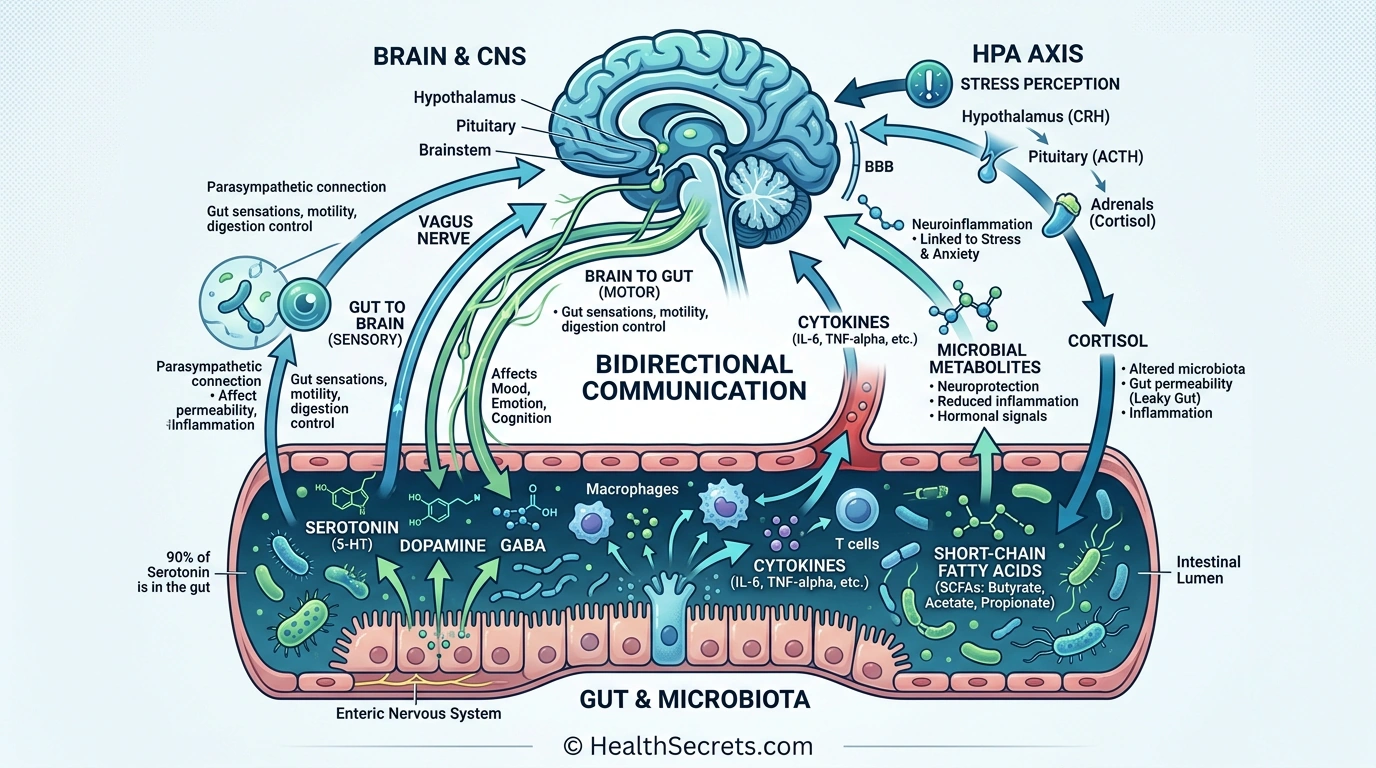
Your gut and brain communicate constantly through a sophisticated network of nerves, hormones, and microbial metabolites. Understanding the gut-mental health connection reveals why healing your digestive system may be one of the most powerful steps you can take for anxiety, depression, and overall emotional well-being.

ಲೇಖನವನ್ನು ಓದಿ

Polyphenols for Gut Health: Complete Guide

Polyphenols for Gut Health: Complete Guide

Polyphenols are powerful plant compounds that act as prebiotics in your gut, feeding beneficial bacteria like *Bifidobacterium* and *Lactobacillus* while inhibiting harmful pathogens. This evidence-based guide explains the four main polyphenol classes, how your gut bacteria transform them into bioactive metabolites, and practical strategies to boost your daily intake for better digestive health.

ಲೇಖನವನ್ನು ಓದಿ

ಆರೋಗ್ಯ ವಿಜ್ಞಾನದಲ್ಲಿ ಮುಂಚೂಣಿಯಲ್ಲಿರಿ

ಪುರಾವೆ ಆಧಾರಿತ ಆರೋಗ್ಯ ಮಾಹಿತಿ, ಕ್ಯಾಲ್ಕುಲೇಟರ್ ಅಪ್‌ಡೇಟ್‌ಗಳು ಮತ್ತು ವಾರಿಕ ಆಯುಷ್ಯದ ಸುಧಾರಣೆ ಮಾರ್ಗಸೂಚಿಗಳನ್ನು ನಿಮ್ಮ ಇನ್ಬಾಕ್ಸ್‌ಗೆ ಪಡೆಯಿರಿ.

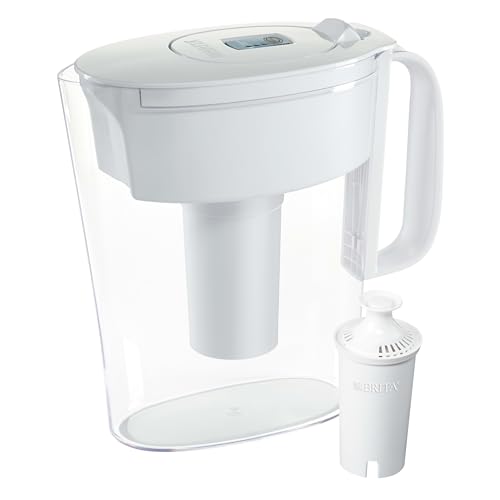
Hydration Products

Stay hydrated all day with these water bottles, filters, and electrolyte solutions.

ವ್ಯಾಪಾರಿ ಸಂಪರ್ಕವು ಪರಿಶೀಲನ ವಿವರಣೆಗಳ ಮೇಲೆ ಅಮ್ಯಾಜಾನ್‌ನಲ್ಲಿ ತೆರೆಯುತ್ತದೆ