If you dread the arrival of spring because it means weeks of sneezing, watery eyes, and a runny nose, you're far from alone. Seasonal allergies—also known as hay fever or allergic rhinitis—affect roughly 30% of adults and 40% of children worldwide. Prevalence continues to rise due to climate change extending pollen seasons and the "hygiene hypothesis," which suggests reduced microbial exposure in childhood may play a role.
The good news? You don't have to rely solely on drowsy antihistamines or nasal sprays that cause rebound congestion. Research shows that several natural remedies can significantly reduce allergy symptoms: quercetin stabilizes mast cells and reduces histamine release; stinging nettle blocks histamine receptors for fast-acting relief; butterbur has been shown to be as effective as cetirizine (Zyrtec) in clinical trials; and simple nasal irrigation can dramatically cut both symptoms and medication use.
If you're new to natural health approaches, our natural remedies guide provides a comprehensive foundation, and our immune system ultimate guide explores how your immune system drives allergic responses.
What Do You Need to Know Before Starting Natural Allergy Relief?
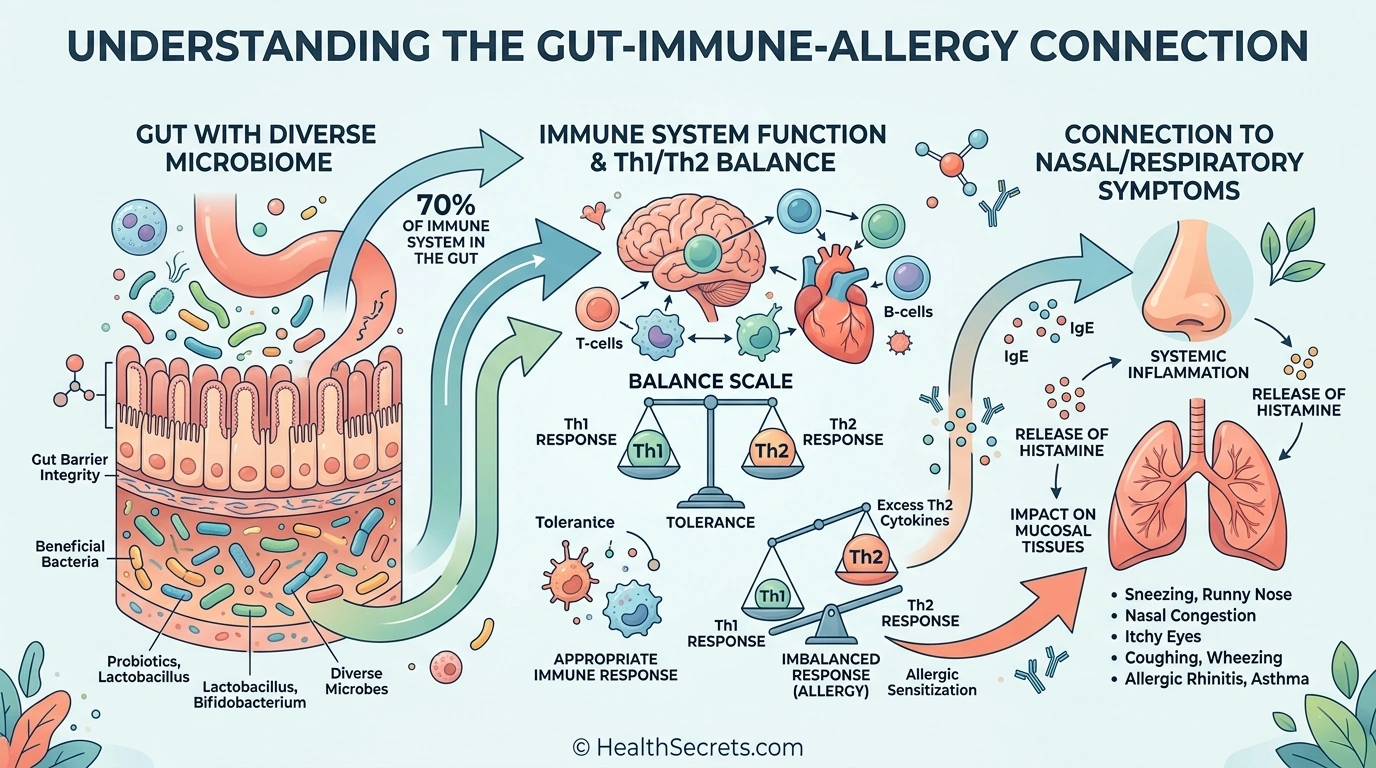
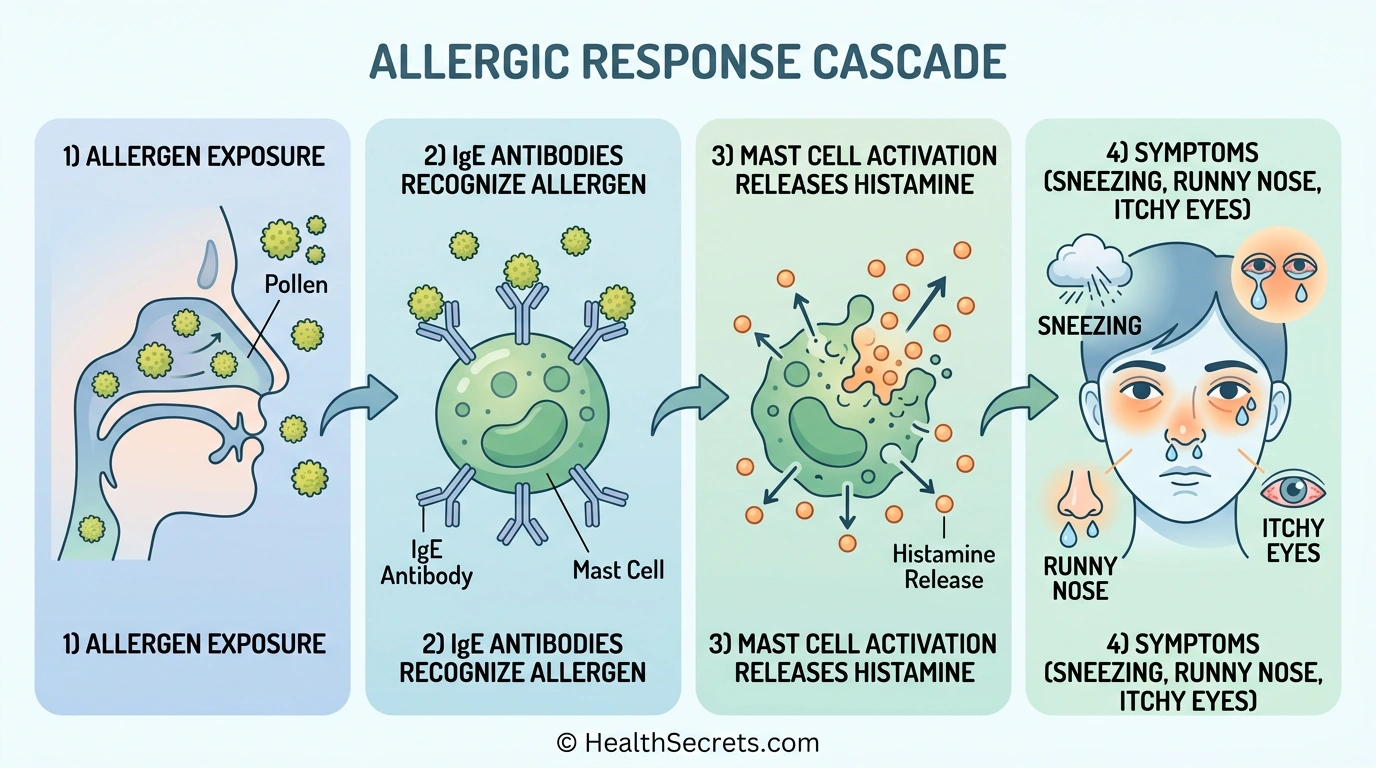
Seasonal allergies occur when your immune system overreacts to harmless airborne substances like pollen, producing IgE antibodies that trigger mast cells to release histamine and other inflammatory mediators. Understanding this cascade helps you target remedies at the right stage—from prevention (quercetin, probiotics) to acute relief (stinging nettle, nasal irrigation).
How Does the Allergic Response Work in Your Body?
The allergic cascade follows a predictable four-step sequence. First, exposure sensitizes your immune system, which creates allergen-specific IgE antibodies. On subsequent exposures, these IgE antibodies recognize the allergen and activate mast cells. The mast cells then degranulate, releasing histamine, leukotrienes, and prostaglandins. These inflammatory mediators cause the classic symptoms: sneezing, runny nose, itchy and watery eyes, nasal congestion, and postnasal drip.
What Are the Main Types of Seasonal Allergens?
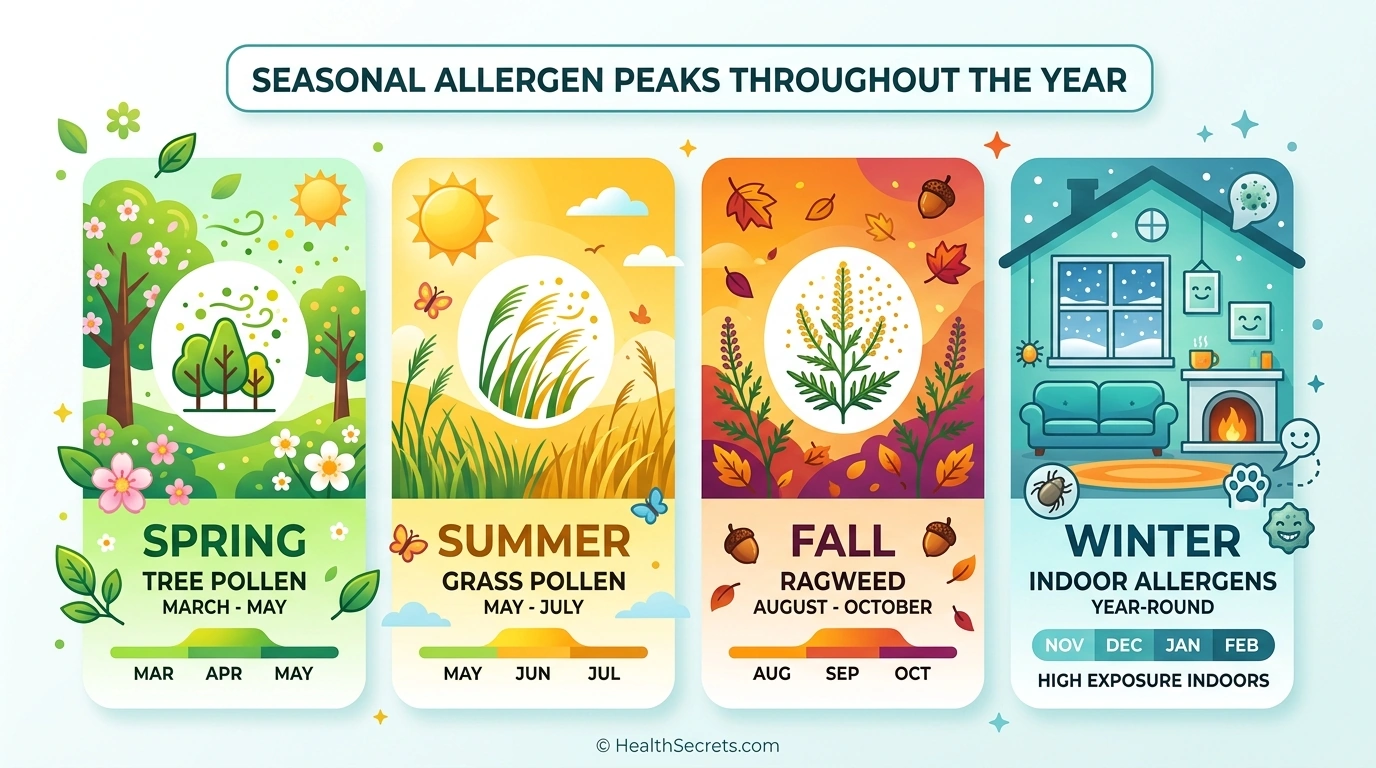
- Spring (March–May): Tree pollen from oak, birch, cedar, maple, and elm. Symptoms often peak in the morning when trees release pollen.
- Summer (May–July): Grass pollen from Bermuda, Timothy, and Kentucky bluegrass. Symptoms often peak in the late afternoon and evening.
- Fall (August–October): Ragweed is the dominant allergen, responsible for approximately 75% of fall pollen allergies, lasting until the first frost.
- Year-round (perennial): Indoor allergens including dust mites, pet dander, and mold spores.
Who Should Try Natural Allergy Remedies?
Natural remedies are best suited for mild-to-moderate seasonal allergies. They work well as a first-line approach before resorting to pharmaceuticals, and many can be combined with conventional medications if needed. Expect a timeline of 4–6 weeks for preventive supplements like quercetin and probiotics to reach full effectiveness, while stinging nettle and nasal irrigation provide more immediate relief.

Want Everyday Habits That Actually Stick?
Download the free printable habit checklist — evidence-backed clinical frameworks for daily energy, cellular recovery, and longevity.
How Do You Use Quercetin to Prevent Allergy Symptoms?
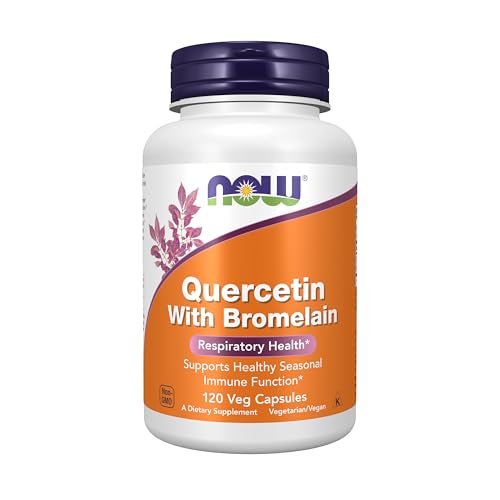
Quercetin is a plant bioflavonoid found in onions, apples, berries, and green tea that acts as a natural mast cell stabilizer. Research demonstrates that quercetin inhibits histamine release, blocks inflammatory cytokines, and suppresses IgE-mediated allergic responses—making it one of the most promising natural antihistamines available when taken preventively.
A comprehensive review in Molecules confirmed that quercetin's anti-allergic properties stem from inhibiting the release of histamine, leukotrienes, and prostaglandin D2 from mast cells. The study also found that quercetin was more effective than cromolyn sodium (a prescription mast cell stabilizer) at blocking cytokine release from human mast cells. Researchers noted that quercetin also inhibits calcium influx and NF-kappa B activation, two key pathways in the allergic cascade.
How to Take Quercetin for Allergies
- Dose: 500–1,000 mg daily, divided into two doses (250–500 mg twice daily).
- With bromelain: Take with 500–1,000 mg of bromelain to enhance absorption. Bromelain is a pineapple enzyme that also possesses anti-inflammatory and mucus-thinning properties.
- Timing: Start 4–6 weeks before your allergy season begins for full preventive effect.
- Continue: Take daily throughout the allergy season.
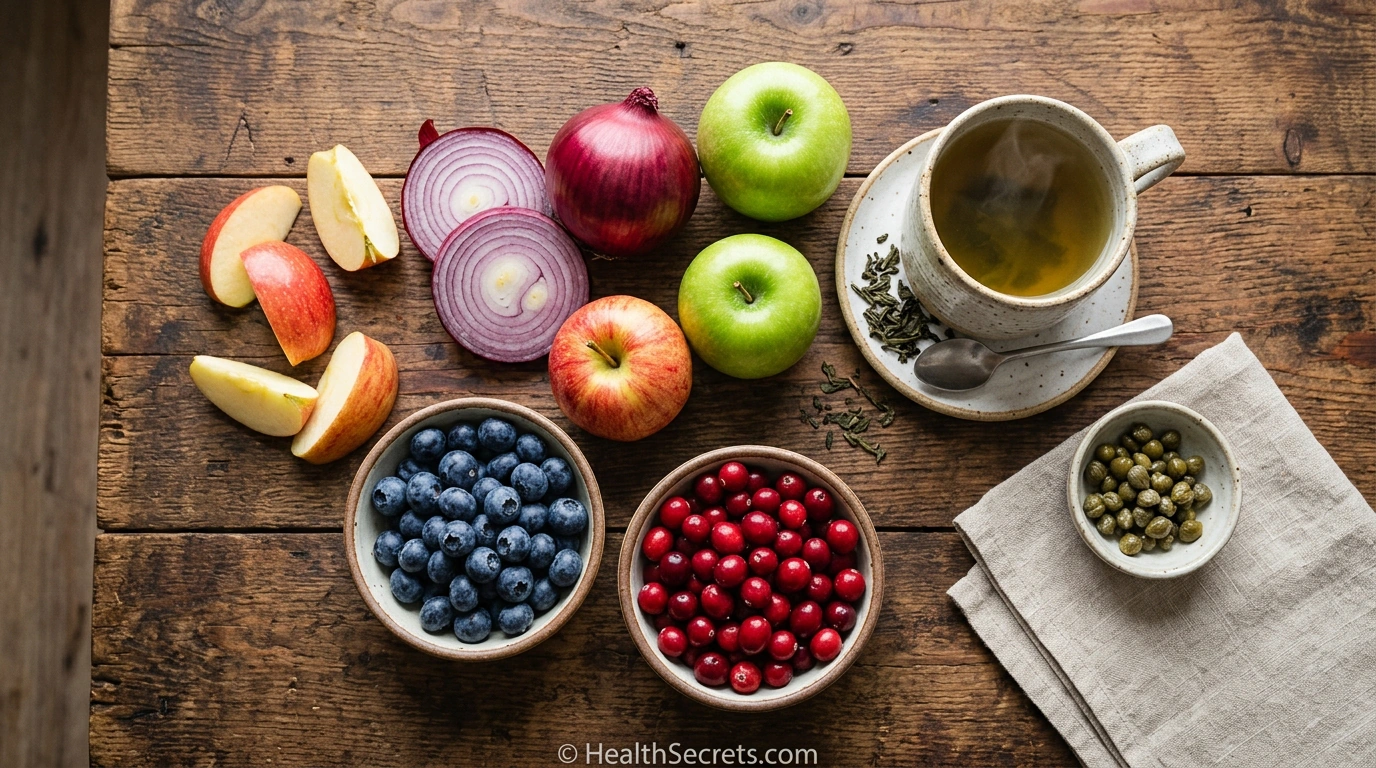
- Food sources: Red onions (highest concentration), capers (180 mg per 100g), apples with skin, blueberries, cranberries, and green tea.
Safety Considerations
Quercetin is generally well-tolerated. Doses above 1,000 mg may cause headaches or gastrointestinal upset in some individuals. Those on blood-thinning medications should consult their doctor, as quercetin may have mild antiplatelet effects.

Fermentation Safety Starter Kit
A 32-page downloadable digital PDF guide featuring brine salinity calculation charts, equipment sanitation checklists, batch tracking logs, and 6 guided beginner recipes. (Digital PDF Only — No physical items shipped).
How Do You Use Stinging Nettle for Fast Allergy Relief?
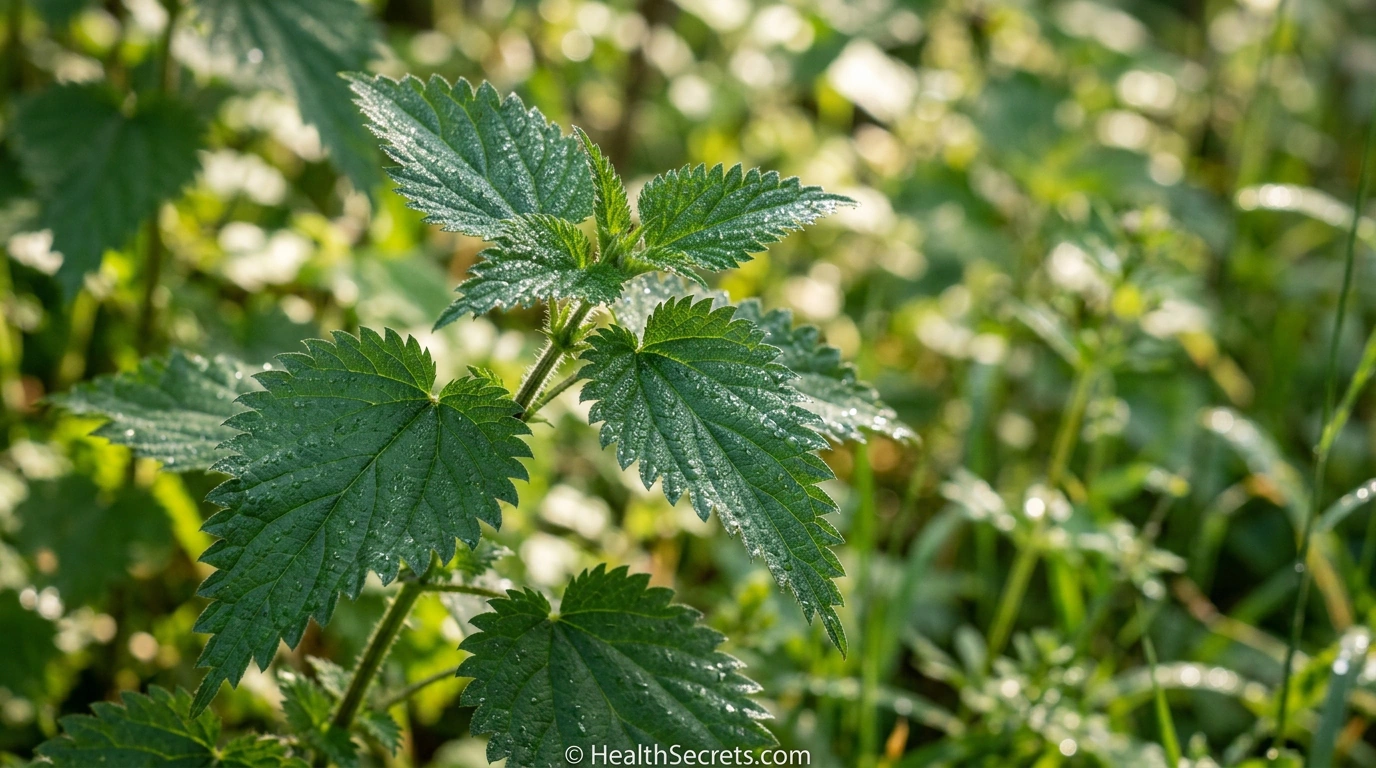
Stinging nettle (Urtica dioica) is a fast-acting herbal remedy that provides relief within hours by blocking histamine receptors and inhibiting inflammatory enzymes. Unlike quercetin, which works best as a preventive, stinging nettle shines as an acute symptom reliever—making these two remedies excellent partners in a comprehensive allergy protocol.
A randomized, double-blind study found that freeze-dried Urtica dioica was rated higher than a placebo for allergic rhinitis relief after just one week of treatment. Research has also shown that nettle blocks histamine H1 receptors and inhibits tryptase, reducing mast cell degranulation and the release of pro-inflammatory cytokines.
How to Take Stinging Nettle for Allergies
- Dose: 300–600 mg freeze-dried leaf extract, 2–3 times daily.
- Form: Freeze-dried leaf extract is the most studied and effective form.
- Timing: Can be taken as needed for acute symptoms or daily throughout allergy season.
- Onset: Works within hours (unlike the weeks-long buildup required for quercetin).
- Best for: Sneezing, nasal itching, runny nose, and congestion.
Safety Considerations
Stinging nettle is generally safe and well-tolerated. Rare side effects include mild gastrointestinal upset and skin rash. It may have mild diuretic effects. Pregnant women should avoid nettle, as it may stimulate uterine contractions.
How Do You Use Butterbur as a Natural Alternative to Antihistamines?
Butterbur (Petasites hybridus) is one of the most clinically validated natural allergy remedies available. A landmark randomized, double-blind trial published in the British Medical Journal found that butterbur extract was as effective as cetirizine (Zyrtec) for treating seasonal allergic rhinitis—without the drowsiness that affects two-thirds of antihistamine users.
The study randomized 125 patients across four clinics in Switzerland and Germany, comparing butterbur (ZE 339 extract, one tablet four times daily) with cetirizine for two weeks. Both treatments showed similar improvements in quality-of-life scores and clinical global impression scales. Notably, 8 of the 12 reported adverse events in the cetirizine group were sedation-related, while butterbur was well-tolerated.
How to Take Butterbur for Allergies
- Dose: 50–75 mg standardized extract (15% petasins), twice daily.
- Form: Carbon dioxide extract tablets (such as ZE 339 or Petadolex).
- Duration: During allergy season as needed.
- Best for: Moderate-to-severe hay fever, nasal congestion, and inflammation.
Critical Safety Warning: PA-Free Only
Unprocessed butterbur contains pyrrolizidine alkaloids (PAs) that are hepatotoxic and potentially carcinogenic. Look for labels that explicitly state "PA-free" or "pyrrolizidine alkaloid-free." Additionally, people with ragweed allergies should use caution—butterbur belongs to the same plant family (Asteraceae) and cross-reactivity is possible. Avoid during pregnancy, breastfeeding, or if you have liver disease.
How Do You Practice Nasal Irrigation to Remove Allergens?
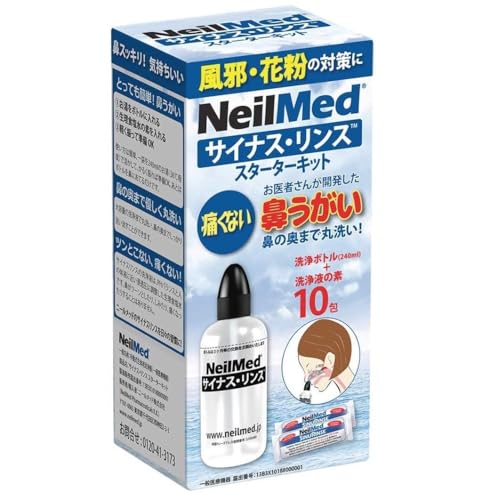
Nasal saline irrigation is one of the most effective and underutilized allergy strategies. A Cochrane systematic review confirmed that saline irrigation improves patient-reported disease severity compared to no treatment in both adults and children with allergic rhinitis, and that adverse effects are unlikely. By physically flushing allergens, mucus, and irritants from the nasal passages, irrigation addresses symptoms at their source.
How to Perform Nasal Irrigation
What You Need:
- A squeeze bottle (e.g., NeilMed Sinus Rinse), neti pot, or powered irrigation system.
- Saline solution: ¼ teaspoon non-iodized salt + ¼ teaspoon baking soda in 8 oz water, or pre-mixed saline packets.
- Water safety: Use ONLY distilled, sterile, or previously boiled (and cooled) water—NEVER use tap water (due to the risk of Naegleria fowleri parasites).
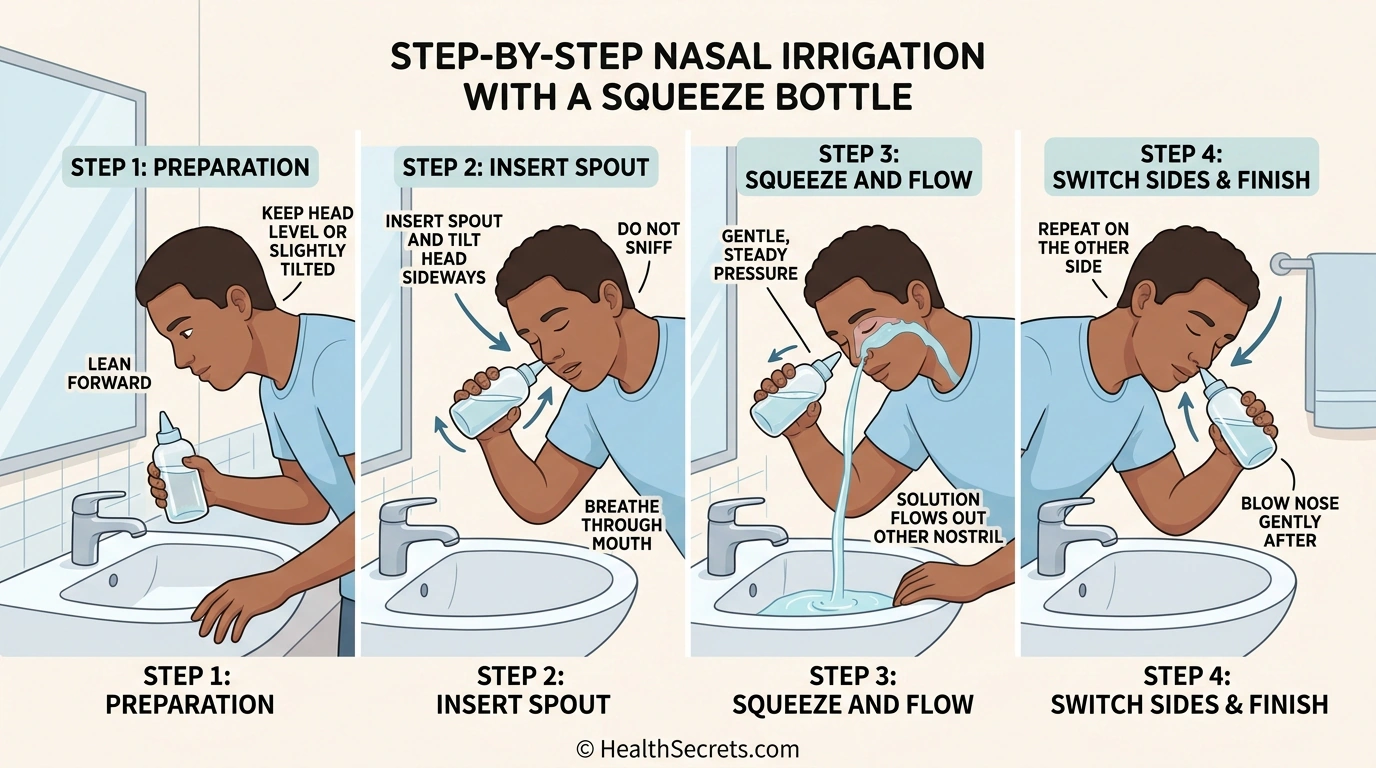
Step-by-Step Technique:
- Lean over the sink and tilt your head to one side (ear toward the ceiling).
- Insert the spout into the upper nostril while breathing through your mouth.
- Gently squeeze or pour—the solution should flow through the upper nostril and out the lower nostril.
- Repeat on the other side.
- Blow your nose gently to clear any remaining solution.
Frequency:
- 1–2 times daily during allergy season (morning and/or evening).
- After being outdoors—this immediately removes pollen before an immune response can occur.
- Safe for daily long-term use with proper water and device hygiene.
Device Maintenance
Clean your irrigation device after each use and allow it to air dry completely. Replace the device every 3–6 months to prevent bacterial buildup.
How Do You Optimize Indoor Air Quality to Reduce Allergen Exposure?
Controlling your indoor environment is a powerful and often overlooked strategy for allergy management. HEPA (High-Efficiency Particulate Air) filters capture 99.97% of particles 0.3 microns and larger—including pollen, dust mite debris, pet dander, and mold spores. Studies confirm that HEPA air cleaners effectively reduce indoor allergen levels, and a systematic review found that air filter use led to measurable improvements in allergic rhinitis symptoms.
Indoor Air Quality Strategies
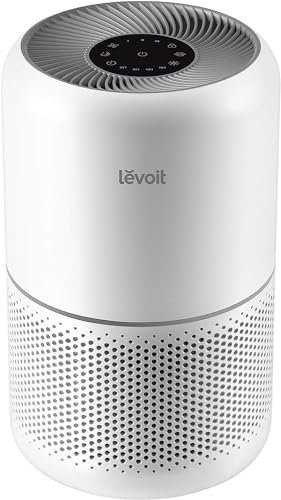
- HEPA air purifier: Place one in your bedroom first (where you spend 8 hours sleeping), then in living areas. Match the CADR (Clean Air Delivery Rate) to your room size. Run it continuously during allergy season.
- Keep windows closed during high pollen days. Use air conditioning with clean filters instead.
- Shower after being outside—this removes pollen from your hair and skin, which is especially important before bed.
- Wash bedding weekly in hot water (130°F / 54°C) to kill dust mites. Use allergen-proof covers on pillows and mattresses.
- Maintain humidity at 30–50% with a dehumidifier—levels too high promote mold, while levels too low can dry out your nasal passages.
- Check pollen counts daily using weather apps or pollen.com. Stay indoors during peak hours (5–10 AM and dusk).
- Wear wraparound sunglasses outdoors to protect your eyes from pollen.
- Change clothes after being outside and leave shoes at the door to prevent tracking pollen into your home.
How Do You Support Gut Health to Reduce Allergic Responses?
The gut-immune connection is a critical and often overlooked factor in allergy management. Approximately 70% of the immune system resides in the gut (GALT—gut-associated lymphoid tissue), and the gut microbiome directly influences whether your immune system mounts an appropriate or an excessive response to allergens.
A 2026 narrative review in Cureus confirmed that Lactobacillus and Bifidobacterium species demonstrate efficacy in allergic rhinitis by modulating gut microbiota and restoring Th1/Th2 immune balance. A systematic review and meta-analysis in Frontiers in Immunology (2022) found that probiotics were effective in improving quality of life and reducing symptom scores in patients with allergic rhinitis.
Probiotic Protocol for Allergies
- Dose: 10–50 billion CFU daily.
- Effective strains: Lactobacillus paracasei, L. acidophilus, L. rhamnosus GG, Bifidobacterium longum, and B. bifidum.
- Multi-strain formulas are often more effective than single strains.
- Timing: Begin well before allergy season and continue year-round for best results.
- Consistency: Allow 8–12 weeks for immune-modulating effects to fully develop.
Dietary Support for Allergy Relief
- Anti-inflammatory diet: Follow a Mediterranean-style diet rich in omega-3 fatty acids (fatty fish 2–3 times per week), colorful vegetables (5–9 servings daily), and healthy fats.
- Fermented foods: Yogurt, kefir, sauerkraut, and kimchi provide natural probiotics.
- Omega-3 supplementation: 2–4 g of EPA+DHA daily reduces the inflammatory leukotrienes involved in allergic responses.
- Elimination trial: Consider removing dairy and gluten for 3–4 weeks if allergies are severe—food sensitivities can exacerbate allergic responses by increasing systemic inflammation.
- Prebiotic fiber: 25–35 g daily from vegetables, fruits, and legumes feeds beneficial gut bacteria.
How Do You Know When to Add Conventional Allergy Medications?
Natural remedies are effective as a first-line treatment for mild-to-moderate seasonal allergies. However, some people require pharmaceutical support—especially for severe symptoms. The key is knowing when natural remedies alone are insufficient and how to combine approaches safely.
When Natural Remedies May Be Insufficient
- Symptoms significantly impair work, school, sleep, or quality of life despite 4–6 weeks of consistent natural treatment.
- Asthma symptoms develop (wheezing, shortness of breath, chest tightness).
- A sinus infection develops (thick yellow/green mucus, facial pain, fever).
Conventional Medication Options
- Non-drowsy antihistamines (OTC): Cetirizine (Zyrtec), loratadine (Claritin), or fexofenadine (Allegra)—10–180 mg daily depending on the specific medication.
- Nasal corticosteroids (most effective for nasal symptoms): Fluticasone (Flonase), mometasone (Nasonex), or triamcinolone (Nasacort)—typically 2 sprays per nostril daily; it can take 3–7 days to reach full effect.
- Decongestants (short-term only, <3 days): Pseudoephedrine (Sudafed) or oxymetazoline (Afrin) nasal spray—prolonged use causes rebound congestion.
- Immunotherapy (allergy shots): 80–90% effective for long-term desensitization, but requires a 3–5 year commitment with gradually increasing allergen doses.
Combination Approach
Natural remedies and medications can work synergistically. Continue taking quercetin, probiotics, and using nasal irrigation alongside medications. As natural remedies take full effect (4–6 weeks), you may be able to reduce medication doses under your doctor's guidance.
What Are the Most Common Mistakes to Avoid With Natural Allergy Remedies?
Even well-intentioned natural allergy protocols can fail due to common pitfalls. Avoiding these mistakes will significantly improve your results and ensure you get the full benefit from each remedy.
Timing Mistakes
- Starting quercetin too late: Quercetin needs 4–6 weeks to stabilize mast cells. Starting on the first day of symptoms means you've missed the prevention window. Begin supplementation in late winter for spring allergies.
- Stopping too soon: Many people quit after a few days without seeing results. Give each remedy an adequate trial—quercetin and probiotics need weeks, while stinging nettle should work within hours.
Dosing and Form Mistakes
- Using the wrong nettle form: Regular dried nettle is less effective than freeze-dried extract. Always choose freeze-dried for allergy relief.
- Taking quercetin without bromelain: Bromelain significantly enhances quercetin absorption. Always pair them together.
- Using non-PA-free butterbur: This is a serious safety risk. Always verify "PA-free" on the label.
Nasal Irrigation Mistakes
- Using tap water: This is potentially dangerous due to the risk of parasitic contamination. Always use distilled, sterile, or previously boiled and cooled water.
- Inconsistent practice: Nasal irrigation works best with daily consistency during allergy season, rather than just occasional use.
The Local Honey Myth
Despite popular belief, eating local honey does NOT effectively treat seasonal allergies. The American Academy of Allergy, Asthma & Immunology confirms there are no high-quality studies demonstrating that local honey reduces allergy symptoms. The fundamental flaw: bees collect flower pollen, but seasonal allergies are caused by wind-pollinated trees, grasses, and weeds—completely different pollen types. A controlled study published in the Annals of Allergy, Asthma & Immunology found that honey consumption provided no benefit compared to a placebo for allergic rhinoconjunctivitis symptoms. Honey has other health benefits, but don't rely on it for allergy relief.
Are Natural Allergy Remedies Safe, and When Should You See a Doctor?
Natural allergy remedies have excellent safety profiles when used correctly, but certain precautions are essential. Most side effects are mild and reversible, and serious interactions are uncommon—but knowing the boundaries of self-treatment is critical.
Supplement Safety Summary
| Remedy | Common Side Effects | Cautions | Avoid If |
|---|---|---|---|
| Quercetin | Headache, GI upset at high doses | May interact with blood thinners | Kidney disease |
| Stinging Nettle | Mild GI upset (rare) | Mild diuretic effect | Pregnant |
| Butterbur | GI upset, headache | PA-free only; ragweed cross-reactivity | Liver disease, pregnant, ragweed allergy |
| Vitamin C | GI upset, diarrhea at >2,000 mg | Reduce dose if GI symptoms | History of kidney stones |
| Probiotics | Temporary bloating, gas | Start slowly to minimize GI adjustment | Immunocompromised (consult doctor) |
When to See a Doctor Immediately
- Severe difficulty breathing or swallowing.
- Widespread hives or swelling of the face, lips, or tongue (possible anaphylaxis—call 911).
- A fever above 101°F lasting more than 2 days.
- Thick yellow or green nasal discharge accompanied by facial pain (possible sinus infection).
- Wheezing or chest tightness (asthma symptoms).
- Symptoms that worsen despite 4–6 weeks of consistent natural treatment.
- Chronic, year-round symptoms that significantly affect your quality of life.
What Should You Do First to Start Your Natural Allergy Relief Protocol?
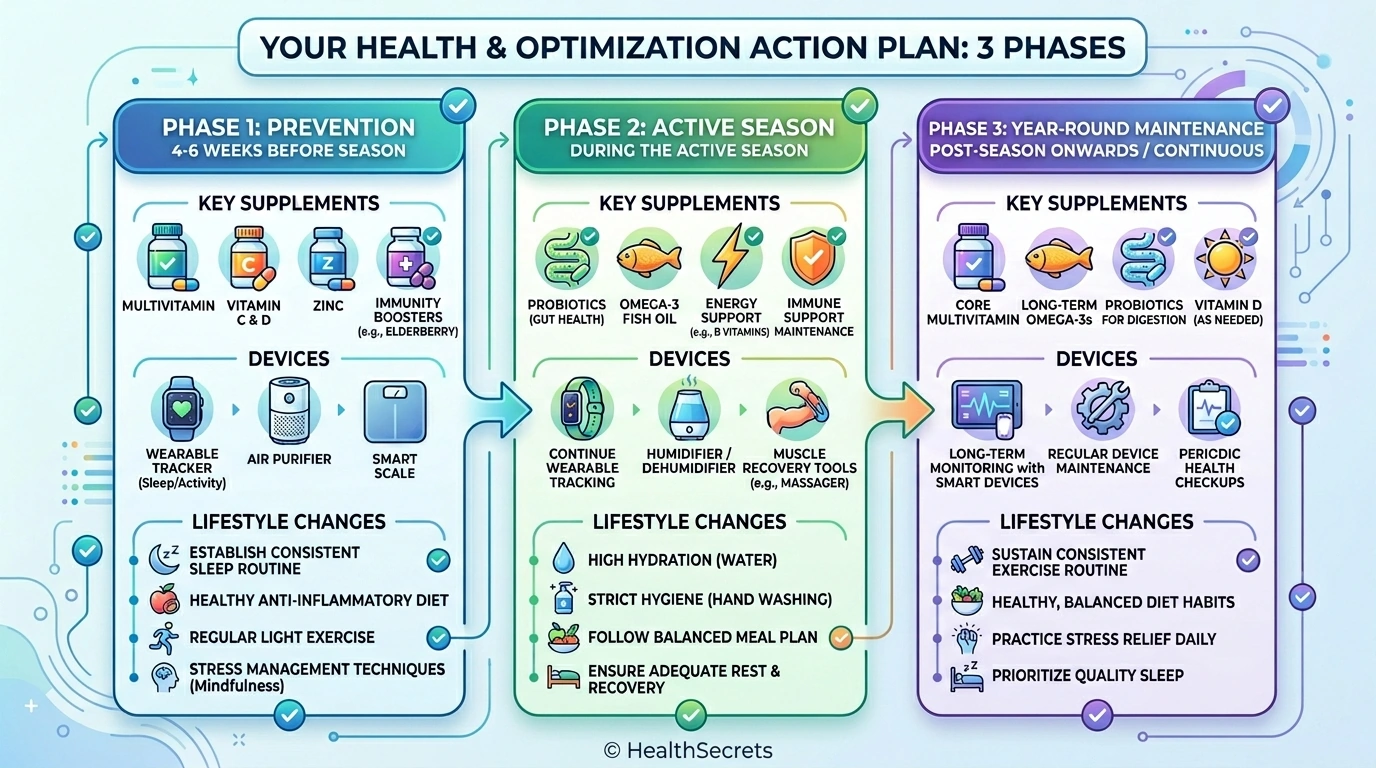
The most effective approach is to layer remedies strategically: start with preventive supplements weeks before allergy season, add acute relief strategies when symptoms appear, and maintain long-term immune support year-round. Here is your phased action plan.
Phase 1: Prevention (4–6 Weeks Before Allergy Season)
- Start quercetin 500–1,000 mg daily with bromelain 500–1,000 mg (to stabilize mast cells).
- Begin probiotics 10–50 billion CFU daily (Lactobacillus/Bifidobacterium strains for immune modulation).
- Add omega-3 supplementation 2–4 g EPA+DHA daily (anti-inflammatory support).
- Start vitamin C 1,000–2,000 mg daily in divided doses (natural antihistamine).
- Switch to an anti-inflammatory diet (Mediterranean-style, rich in colorful vegetables and omega-3 fatty fish).
- Set up a HEPA air purifier in your bedroom and run it continuously.
- Install allergen-proof covers on pillows and mattresses.
Phase 2: Allergy Season (Acute Relief)
- Add stinging nettle 300–600 mg freeze-dried extract 2–3 times daily (for fast-acting relief).
- Begin nasal saline irrigation 1–2 times daily with distilled or boiled water.
- Add butterbur 50–75 mg PA-free extract twice daily if symptoms are moderate-to-severe.
- Continue quercetin, probiotics, omega-3, and vitamin C (foundational support).
- Check pollen counts daily and limit outdoor time during peak hours (5–10 AM and dusk).
- Shower and change clothes immediately after being outdoors.
- Keep windows closed and use air conditioning with clean filters.
- Wash bedding weekly in hot water (130°F).
Phase 3: If Natural Remedies Are Insufficient (After 4–6 Weeks)
- Add a non-drowsy OTC antihistamine (cetirizine, loratadine, or fexofenadine).
- Consider a nasal corticosteroid spray (fluticasone or mometasone—most effective for nasal symptoms).
- Consult an allergist for evaluation, testing, and possible immunotherapy.
Phase 4: Year-Round Maintenance
- Continue probiotics, omega-3, and an anti-inflammatory diet year-round.
- Maintain the HEPA purifier in your bedroom.
- Prepare early—start Phase 1 supplements 4–6 weeks before the next season.
- Track symptoms to identify specific patterns and triggers.