
Natural Remedies
Separating evidence-based natural medicine from pseudoscience. Clinical studies on herbs, adaptogens, essential oils, and traditional remedies — what works and what doesn't.
Start Here
Start with the flagship guide for foundational research.
SUBTOPIC MAP
Browse by subtopic
The archive is organized so readers can move from the pillar into the exact slice they need.

Natural Remedies for Back Pain: Relief Without Pills
Back pain affects roughly 80% of adults at some point, but you don't always need a prescription to find relief. This guide walks you through evidence-based natural remedies — from yoga and anti-inflammatory herbs to lifestyle changes — that can help manage chronic back pain safely and effectively.

Natural Remedies for Sinus Infection: Clear Congestion
Sinus infections affect 31 million Americans every year, causing miserable congestion, facial pressure, and thick nasal discharge. Natural remedies like nasal irrigation, steam inhalation, bromelain, and N-acetylcysteine offer real, evidence-backed relief — often without reaching for antibiotics.

Natural Remedies for Depression: Mood Support Strategies
Natural remedies like St. John's wort (900mg daily), SAMe (800–1,600mg), omega-3 fatty acids (1–2g EPA), and regular exercise (150 min/week) show clinical evidence for supporting mild-to-moderate depression. This guide covers eight evidence-based steps for natural mood support — always as a complement to professional care, never a replacement.
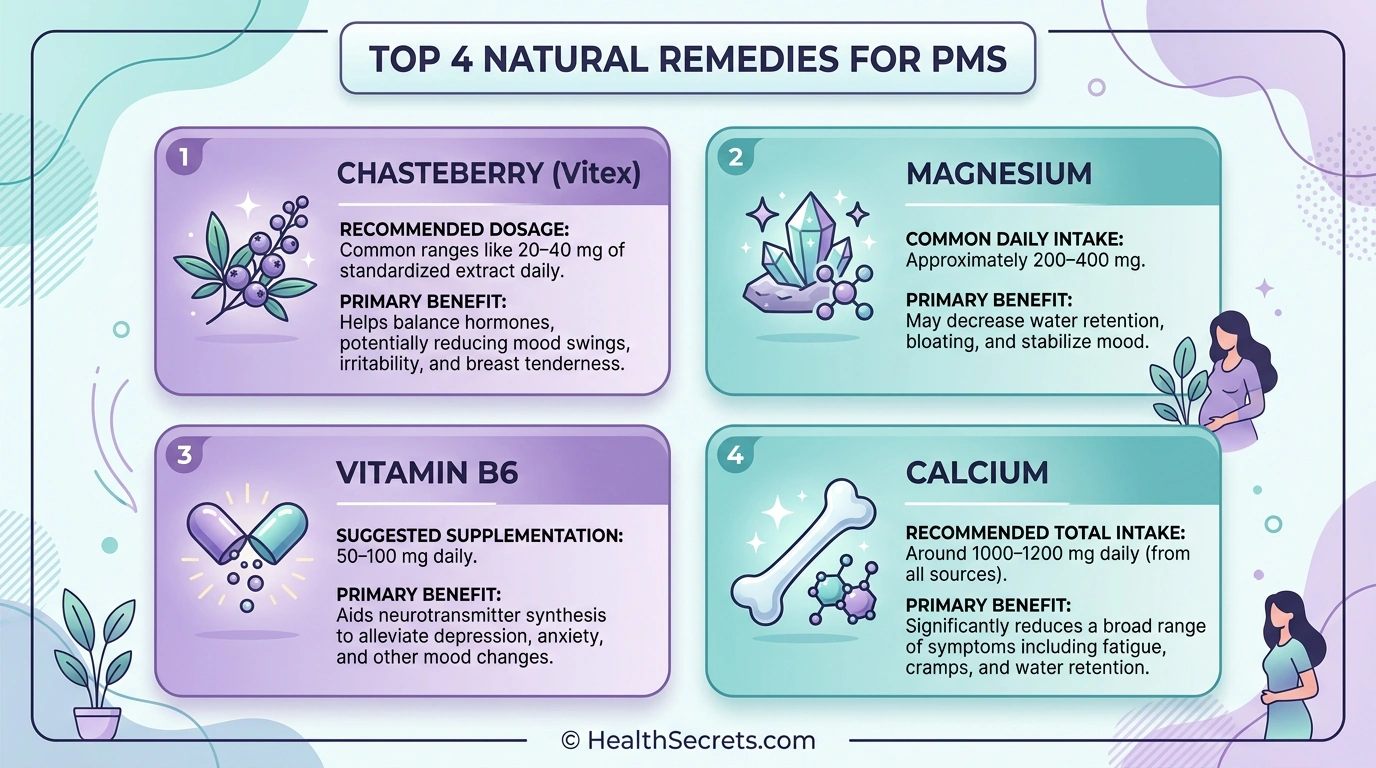
Natural Remedies for PMS: Menstrual Symptom Relief
Premenstrual syndrome affects up to 90% of menstruating women, but evidence-based natural remedies — including chasteberry, magnesium, vitamin B6, and calcium — can significantly reduce both physical and emotional symptoms when used consistently over two to three menstrual cycles.

Natural Remedies for Anxiety: Calm Your Mind Naturally
Discover 8 evidence-based natural remedies for anxiety — from ashwagandha and L-theanine to breathing techniques and lifestyle changes. Learn what actually works, how to use each remedy safely, and when to seek professional help.
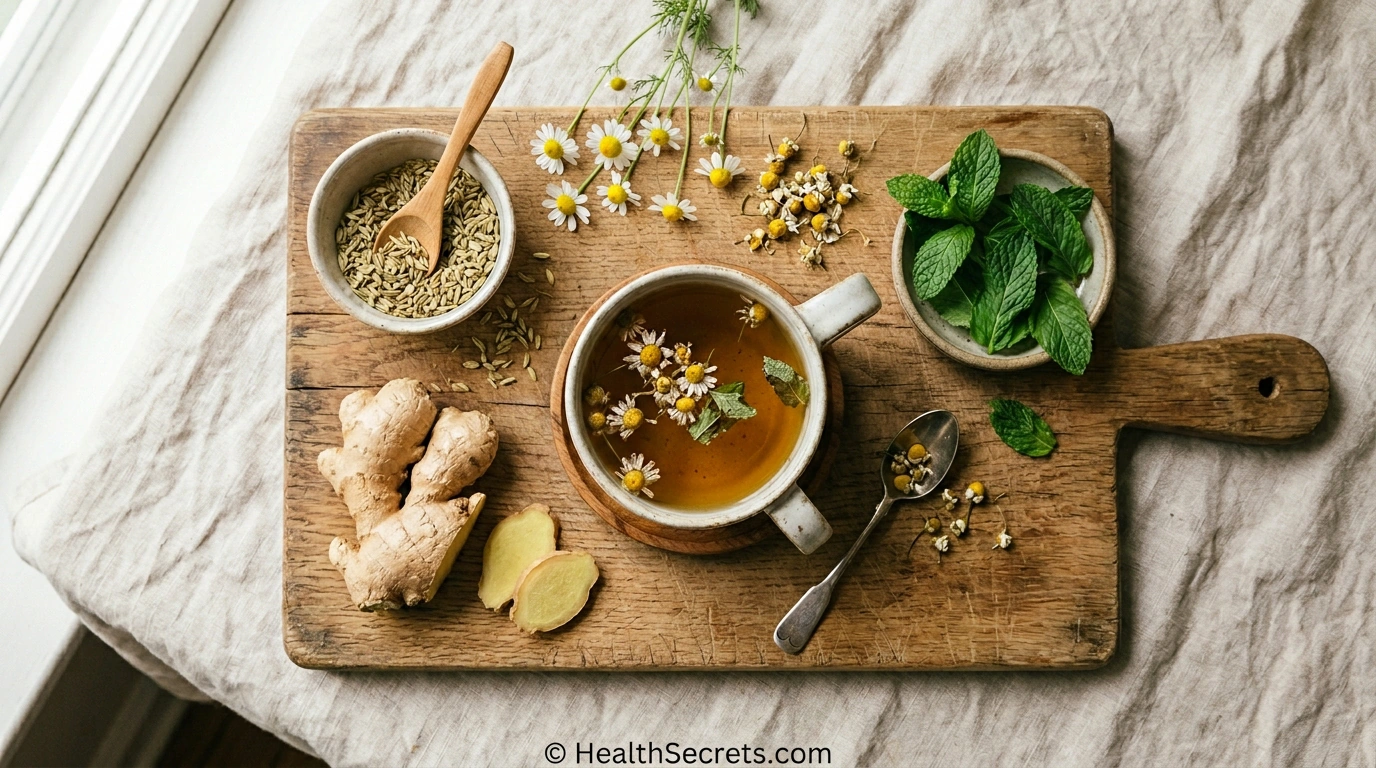
Natural Remedies for Gas and Bloating: Digestive Relief
Discover five evidence-based natural remedies for gas and bloating, including peppermint oil, digestive enzymes, probiotics, and carminative herbs. This step-by-step guide shows you how to identify triggers and build a lasting digestive comfort protocol.

Natural Remedies for Rosacea: Calm Inflamed Skin
Natural remedies for rosacea—including niacinamide, azelaic acid, green tea extract, and probiotics—can significantly reduce facial redness, strengthen the skin barrier, and calm inflammatory flare-ups when combined with trigger avoidance and a gentle skincare routine.

Natural Remedies for Bronchitis: Respiratory Relief
Acute bronchitis affects millions every year, and while it usually resolves on its own within one to three weeks, the persistent cough and chest congestion can be miserable. Evidence-based natural remedies like NAC, honey, and thyme-ivy combinations can provide meaningful symptom relief while your body fights the infection.
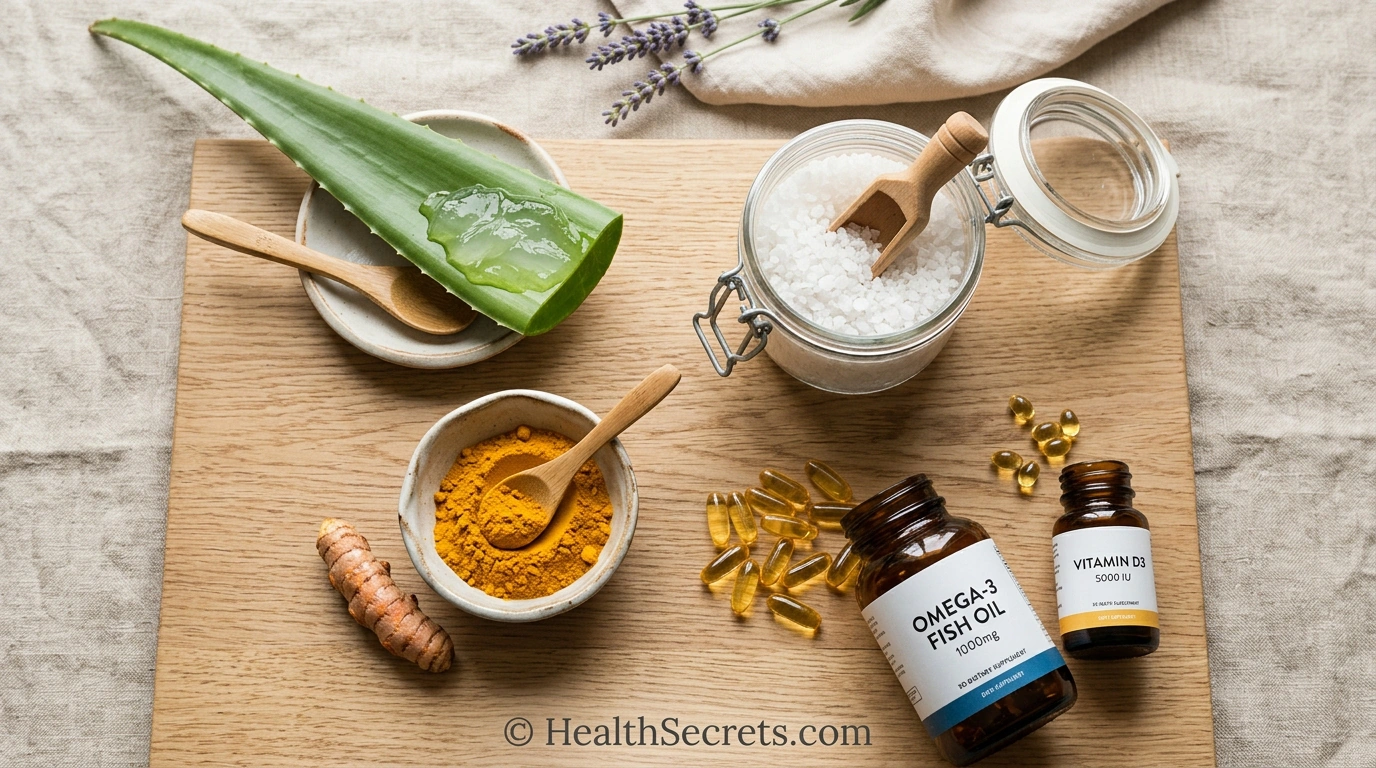
Natural Remedies for Psoriasis: Skin Inflammation Relief
Discover evidence-based natural remedies for psoriasis including omega-3 fatty acids, vitamin D, curcumin, and aloe vera. This step-by-step guide shows you how to complement medical treatment with proven natural approaches that reduce inflammation, ease scaling, and manage flares.
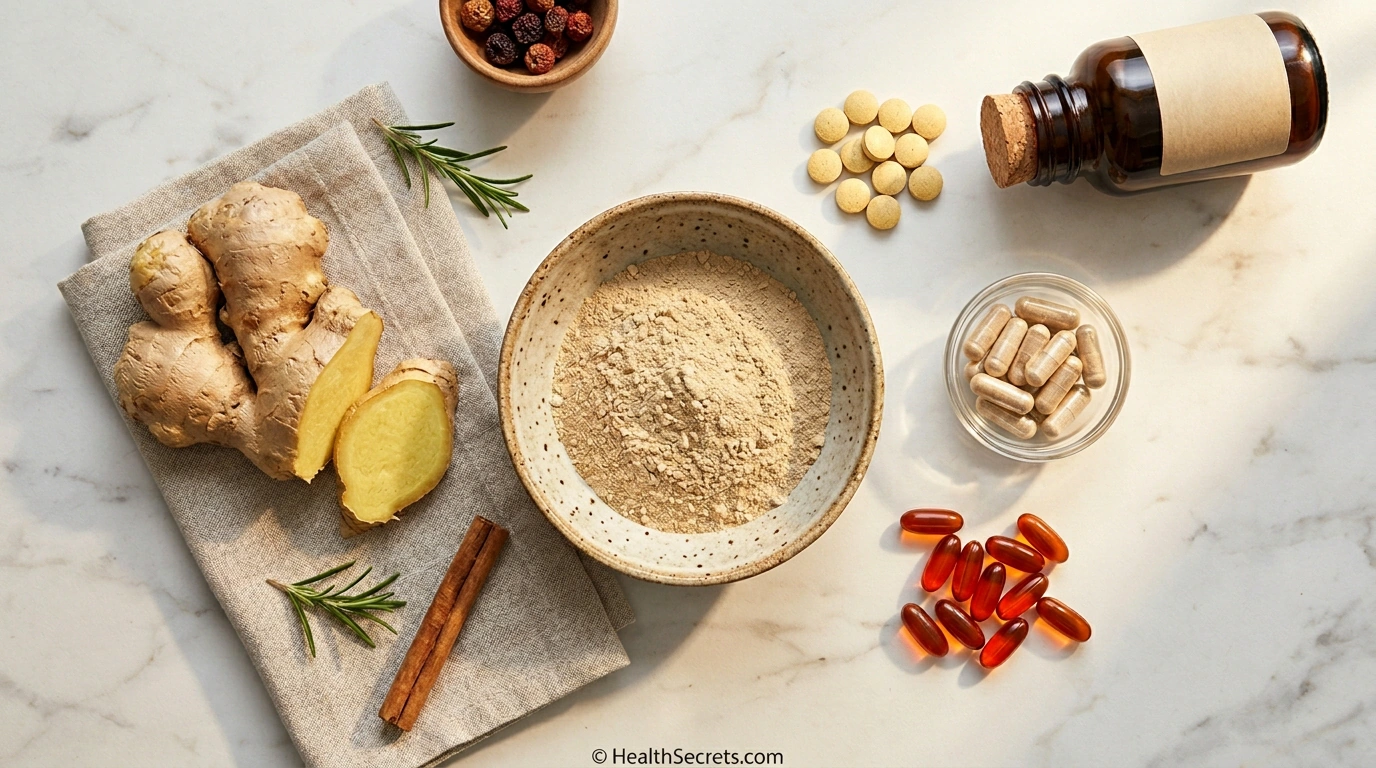
Natural Remedies for Fatigue: Boost Energy Naturally
Persistent fatigue affects up to 30% of adults, but evidence-backed natural remedies like rhodiola rosea, ashwagandha, CoQ10, and targeted nutrient repletion can restore energy levels — provided you first rule out underlying medical conditions driving the exhaustion.

Natural Remedies for Headaches: 15 Ways to Find Relief
Natural remedies for headaches include magnesium supplementation, peppermint oil application, acupressure techniques, and lifestyle modifications like consistent sleep schedules and hydration. This evidence-based guide walks you through 15 proven strategies to relieve tension headaches and migraines without relying solely on medication.

Natural Remedies for Hair Loss: Promote Hair Growth
Natural remedies for hair loss offer evidence-based approaches to slow thinning and promote regrowth. Rosemary oil performs comparably to minoxidil in clinical trials, while saw palmetto, pumpkin seed oil, and targeted nutrition address hair loss from multiple angles with fewer side effects than pharmaceutical options.

Natural Remedies for Ear Infection: Ear Pain Relief
Natural remedies for ear infection focus on pain relief and prevention — not treating the underlying infection itself. Evidence-backed options like herbal ear drops, warm compresses, xylitol, and watchful waiting can help manage earache while you decide whether antibiotics are truly needed.

Natural Remedies Guide: Evidence-Based Alternative Healing
From turmeric and ginger to elderberry and valerian root, natural remedies have been used for thousands of years — but which ones actually work? This evidence-based guide separates herbal medicine fact from fiction, covering the most researched natural treatments, their safety profiles, drug interactions, and how to use them effectively alongside conventional medicine.

Natural Remedies for High Blood Sugar: Glucose Management
Natural remedies for high blood sugar — including berberine, cinnamon, chromium, and alpha-lipoic acid — can complement medical treatment by improving insulin sensitivity and supporting glucose metabolism. These evidence-based approaches work best alongside prescribed medications, regular monitoring, and lifestyle changes under physician supervision.

Natural Remedies for High Blood Pressure: Heart Health
High blood pressure affects nearly half of all American adults, yet many don't realize that evidence-backed natural remedies like CoQ10, magnesium, garlic extract, and hibiscus tea can meaningfully lower blood pressure when used alongside medical treatment and lifestyle changes such as the DASH diet.

Natural Remedies for Hypothyroidism: Thyroid Support
Natural remedies for hypothyroidism — including selenium, ashwagandha, zinc, and targeted dietary changes — can complement medical treatment and support thyroid function. This evidence-based guide walks you through each step, from proper testing to supplement timing, so you can work with your doctor toward better thyroid health.

Natural Remedies for Hangover: Recovery Support
Natural remedies for hangover recovery include NAC for glutathione replenishment and acetaldehyde detoxification, B vitamins to support alcohol metabolism, electrolytes for rehydration, milk thistle for liver protection, and ginger to reduce nausea. Prevention strategies like hydration between drinks and eating before drinking remain the most effective approach to minimizing hangover severity.

Natural Remedies for Menopause: Complete Symptom Relief
Menopause affects roughly 75–85% of women with bothersome symptoms like hot flashes, night sweats, and mood changes. Evidence-backed natural remedies—including black cohosh, red clover, maca, and sage—can significantly reduce these symptoms without hormone therapy. This guide walks you through a step-by-step protocol for natural menopause relief.
Evidence-Based Natural Remedies: Separating Science from Hype
Natural remedies occupy a fascinating middle ground between traditional wisdom and modern pharmacology. Many of today's most important drugs originated in nature — aspirin from willow bark, the diabetes medication metformin from French lilac, and numerous cancer therapies from plant compounds. This heritage is a reminder that "natural" and "effective" are not opposites. At the same time, natural status is no guarantee of safety or efficacy, which is why the same standard of evidence applied to pharmaceuticals must apply to herbs and remedies.
Some natural compounds have accumulated genuinely impressive clinical support. Curcumin, the active compound in turmeric, has demonstrated anti-inflammatory effects in numerous trials, though its poor absorption means it requires piperine from black pepper or specialized formulations to be useful. Ginger has solid evidence for nausea relief, peppermint oil for irritable bowel symptoms, and honey performs comparably to over-the-counter suppressants for nighttime cough in children.
Adaptogens — herbs such as ashwagandha, rhodiola, and ginseng that are claimed to help the body resist stress — have a growing but mixed evidence base. Ashwagandha shows the most consistent results for reducing cortisol and perceived stress, while others need larger, higher-quality trials before firm conclusions can be drawn.
The key to using natural remedies wisely is critical thinking. Look for human clinical trials rather than test-tube or animal studies alone, be cautious of remedies marketed as cures for many unrelated conditions, and recognize that herbs are pharmacologically active — they can interact with medications and cause side effects. Quality and standardization vary widely between products. The articles below evaluate each remedy on its own merits, showing you where the science is strong, where it is preliminary, and where the marketing has outrun the evidence.
This overview is for educational purposes and is not a substitute for personalized medical advice. Always consult a qualified healthcare professional before making changes to your diet, supplement, or treatment routine.
Natural Remedies FAQ
Natural Remedies Frequently Asked Questions
Clinical, evidence-based answers to key questions about natural remedies.
Natural remedies utilize whole-plant botanical compounds, herbs, and phytonutrients that work synergistically across multiple biological pathways, whereas pharmaceuticals isolate or synthesize single molecular entities with high potency for specific targeted receptor outcomes.
Botanicals with the strongest human clinical evidence include Curcumin for joint inflammation, Enteric-Coated Peppermint Oil for irritable bowel syndrome (IBS), Ginger root for gastric motility and nausea, Standardized Elderberry for respiratory viral symptom duration, and St. John’s Wort for mild depression.
No. The term natural does not equate to inherently safe. Herbal extracts contain pharmacologically active compounds that can burden hepatic or renal clearance at elevated doses or trigger contraindications when paired with prescription medications.
Adaptogens modulate the Hypothalamic-Pituitary-Adrenal (HPA) axis and molecular chaperones (heat shock proteins), preventing excessive cortisol spikes and blunting physical exhaustion during acute and chronic stressors.
Enteric-coated peppermint oil provides direct antispasmodic relaxation of intestinal smooth muscle, steeped ginger tea accelerates delayed gastric emptying, and digestive herbal bitters stimulate endogenous bile flow and digestive enzymes.