Finding more hair in your brush than on your head is one of those quiet frustrations that chips away at confidence over time. About half of men and a quarter of women experience noticeable hair loss by age 50, and the supplement aisle promises everything from miracle regrowth to overnight thickness. Most of it is noise. [14]
But here's what the actual research says: natural remedies for hair loss do have clinical evidence behind them—just not in the way most marketing suggests [6]. Rosemary oil performed as effectively as 2% minoxidil for androgenetic alopecia in a head-to-head clinical trial. Pumpkin seed oil produced a 40% increase in hair count versus 10% for placebo over 24 weeks [7]. Saw palmetto inhibits the same enzyme (5-alpha reductase) that the prescription drug finasteride targets, but with fewer side effects. And biotin supplementation genuinely helps—if you're actually deficient (38% of women with hair loss are) [9].
The catch? Natural remedies take 3–6 months minimum. There are no overnight solutions. This guide gives you the evidence-based steps, realistic timelines, and practical protocols to work with.
For related natural health strategies, explore our immune system ultimate guide, hormonal health guide, and mental wellness complete guide.
What Do You Need to Know Before Trying Natural Remedies for Hair Loss?
Natural remedies for hair loss can slow thinning and promote modest regrowth, but setting realistic expectations is critical. Most evidence-based natural treatments require 3–6 months of consistent use, work best for androgenetic alopecia (pattern baldness), and produce gradual improvement rather than dramatic transformation.
Understanding Hair Loss Types
Hair loss isn't one-size-fits-all.
- Androgenetic alopecia (male and female pattern baldness) is the most common type—driven by genetics and the hormone DHT (dihydrotestosterone), which miniaturizes hair follicles over time [16].
- Telogen effluvium is stress or illness-related shedding that's usually temporary.
- Alopecia areata is autoimmune and requires medical treatment.
- Nutritional deficiency hair loss responds well to correcting the underlying shortage.
The normal hair growth cycle includes anagen (growth, 2–7 years), catagen (transition, 2–3 weeks), and telogen (resting/shedding, 2–4 months). Losing 50–100 hairs daily is normal.
Before You Start
Rule out medical causes first. Thyroid disorders, iron deficiency anemia, hormonal imbalances, and autoimmune conditions all cause hair loss and need treatment beyond natural remedies [12]. See your doctor if hair loss is sudden, patchy, or accompanied by other symptoms like fatigue or weight changes. Once medical causes are excluded, natural remedies can be a practical first-line or complementary approach.
How Can Rosemary Oil Promote Hair Growth as Effectively as Minoxidil?
Rosemary oil matched the performance of 2% minoxidil for androgenetic alopecia in a randomized comparative trial, with significantly less scalp itching as a side effect [1]. The study found no significant difference between rosemary and minoxidil groups in hair count improvement after six months of treatment.
Multiple studies confirm rosemary oil's efficacy: it improves scalp vascularity (blood flow to follicles), has antioxidant and anti-inflammatory properties, and may inhibit 5-alpha reductase—the enzyme that converts testosterone to the follicle-damaging DHT. A 2022 review of natural alternatives for androgenetic alopecia highlighted rosemary oil as one of the most promising botanical treatments available [3] [4].
How to use rosemary oil:
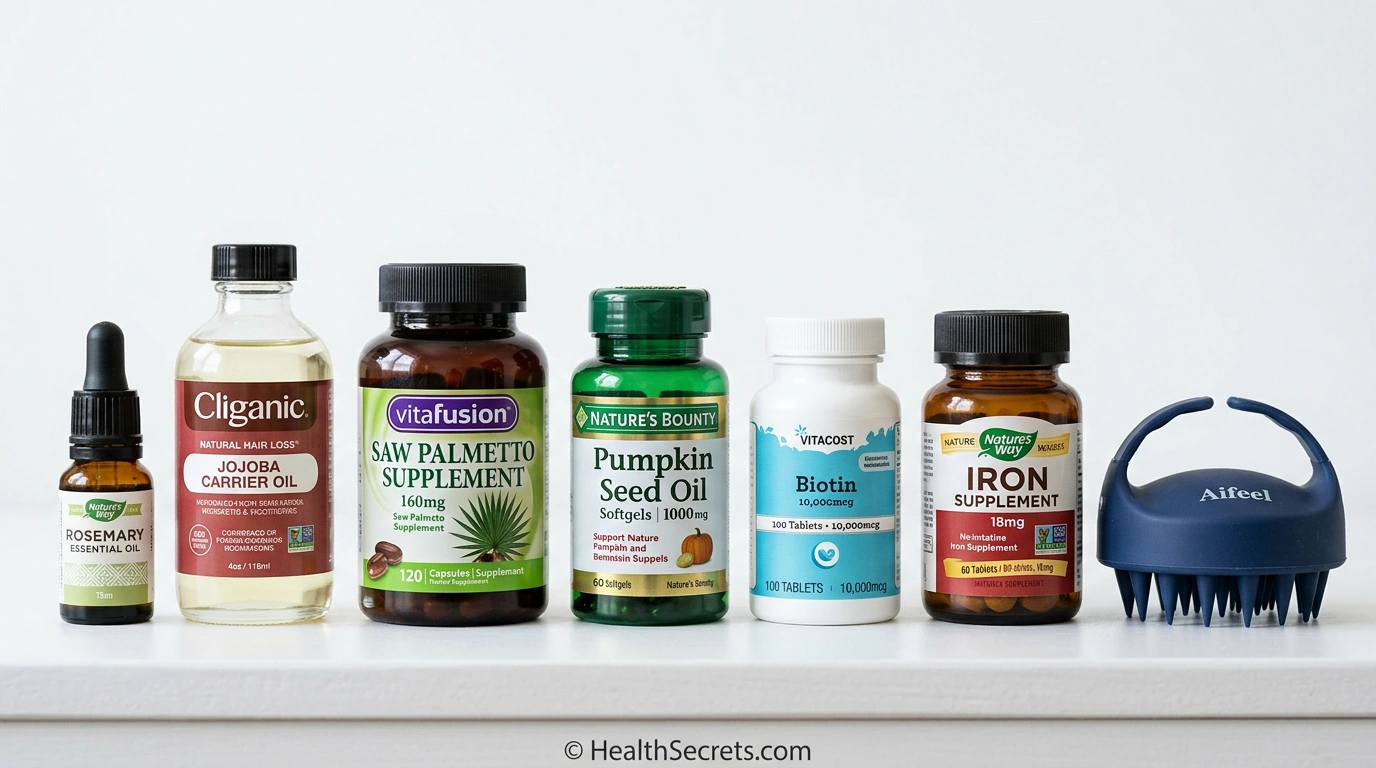
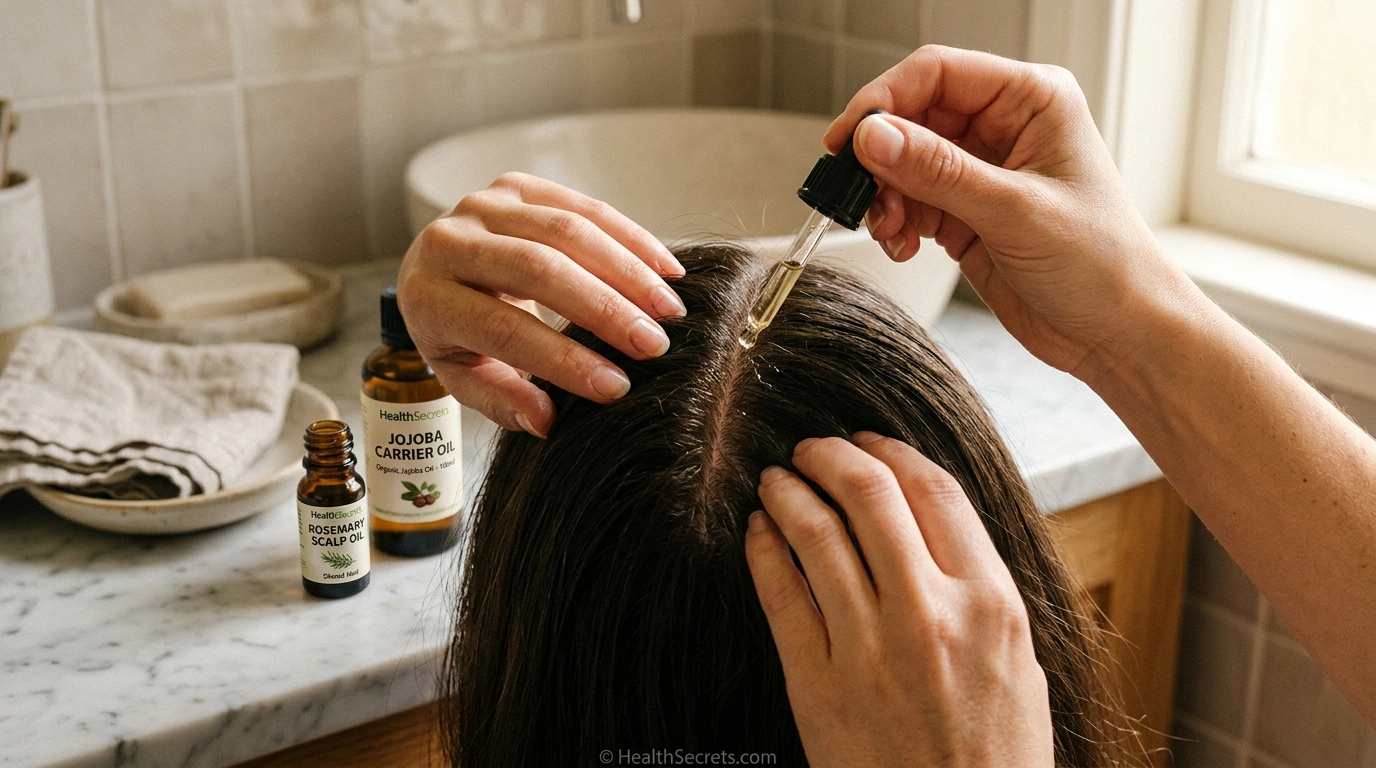
- Dilute 3–5 drops of rosemary essential oil in 1 tablespoon of carrier oil (jojoba, coconut, or argan)
- Massage into scalp for 2–3 minutes
- Leave on for 30 minutes to overnight, then shampoo out
- Apply 2–3 times weekly
- Alternatively, add 5–10 drops to your shampoo bottle
- Timeline: 6 months minimum for visible results (same as minoxidil)
- Safety: Do a patch test first. Avoid during pregnancy and nursing. May cause mild scalp irritation in sensitive individuals.

The Cooking Oil & Smoke Point Chart
Smoke point, refining and fatty-acid profile for fifteen everyday oils, matched to a cooking-method decision table so the right fat meets the right pan temperature.
How Does Saw Palmetto Block DHT and Reduce Hair Loss?
Saw palmetto competitively inhibits 5-alpha reductase activity—the same mechanism as the prescription drug finasteride—restricting the conversion of testosterone to DHT. Five randomized clinical trials and two prospective cohort studies demonstrated positive effects of topical and oral supplements containing saw palmetto at 100–320 mg doses for androgenetic alopecia.
The evidence is less robust than finasteride, but saw palmetto offers a meaningful advantage: significantly fewer side effects. Finasteride carries risks of sexual dysfunction, while saw palmetto is generally well-tolerated with occasional mild digestive upset.
How to use saw palmetto:
- Take 320 mg standardized extract daily (oral capsule)
- Best for: androgenetic alopecia (pattern baldness) in men; limited data in women
- Timeline: 3–6 months for noticeable results
- Safety: Generally safe. May cause mild GI upset. Avoid if taking hormonal medications or blood thinners. Consult your doctor if you have a hormone-sensitive condition.
Can Pumpkin Seed Oil Really Increase Hair Count by 40%?
Yes—in a well-designed randomized, double-blind study, men taking 400 mg of pumpkin seed oil daily for 24 weeks saw a 40% increase in mean hair count, compared to just 10% in the placebo group. Participants with mild to moderate pattern hair loss also reported significant improvement in self-rated hair growth satisfaction.
Pumpkin seed oil likely works through multiple mechanisms: inhibiting 5-alpha reductase (similar to saw palmetto and finasteride), providing zinc and phytosterols that support follicle health, and delivering anti-inflammatory fatty acids. Follow-up research including a 2019 topical application study in mice confirmed hair growth promotion, and a 2021 study found results comparable to minoxidil 5% foam for female pattern hair loss [2] [8].
How to use pumpkin seed oil:
- Take 400 mg daily as oral capsules (the dose used in the landmark study)
- Can also be used topically: massage pure pumpkin seed oil into scalp 2–3 times weekly
- Timeline: 6 months for meaningful results (24 weeks in the study)
- Safety: Generally safe with no reported serious side effects. May cause mild digestive changes initially.
Does Biotin Actually Help with Hair Loss, and What Other Nutrients Matter?
Biotin helps with hair loss only if you're deficient—and 38% of women complaining of hair loss have been found to have low biotin levels [10] [15]. In healthy individuals who aren't deficient, biotin supplementation will likely have no effect on hair growth. Multiple case reports confirmed improvement in hair and nail growth when established biotin deficiency was corrected.
Biotin
- Who benefits: People with confirmed or suspected biotin deficiency
- Dose: 2.5–5 mg (2,500–5,000 mcg) daily
- Note: High-dose biotin can interfere with lab tests (thyroid, troponin)—tell your doctor
Other Critical Nutrients
- Iron: Test ferritin levels first. Deficiency is a common cause of hair loss in women. Supplement 25–65 mg elemental iron daily if low, taken with vitamin C for absorption.
- Zinc: Deficiency causes hair loss. Take 15–30 mg daily (don't exceed 40 mg—interferes with copper absorption).
- Vitamin D: Deficiency linked to hair loss across multiple studies. Test levels, supplement 2,000–4,000 IU daily if low.
- Protein: Hair is made of keratin (a protein). Ensure adequate intake: 0.8–1 g per kg body weight daily.
- Omega-3 fatty acids: Support scalp health and reduce inflammation. Take 1,000–2,000 mg EPA/DHA daily.
Key principle: Test before you supplement. Random supplementation wastes money if you're not deficient. Ask your doctor for a comprehensive panel including ferritin, zinc, vitamin D, and thyroid function.

How Does Scalp Massage Support Hair Regrowth?
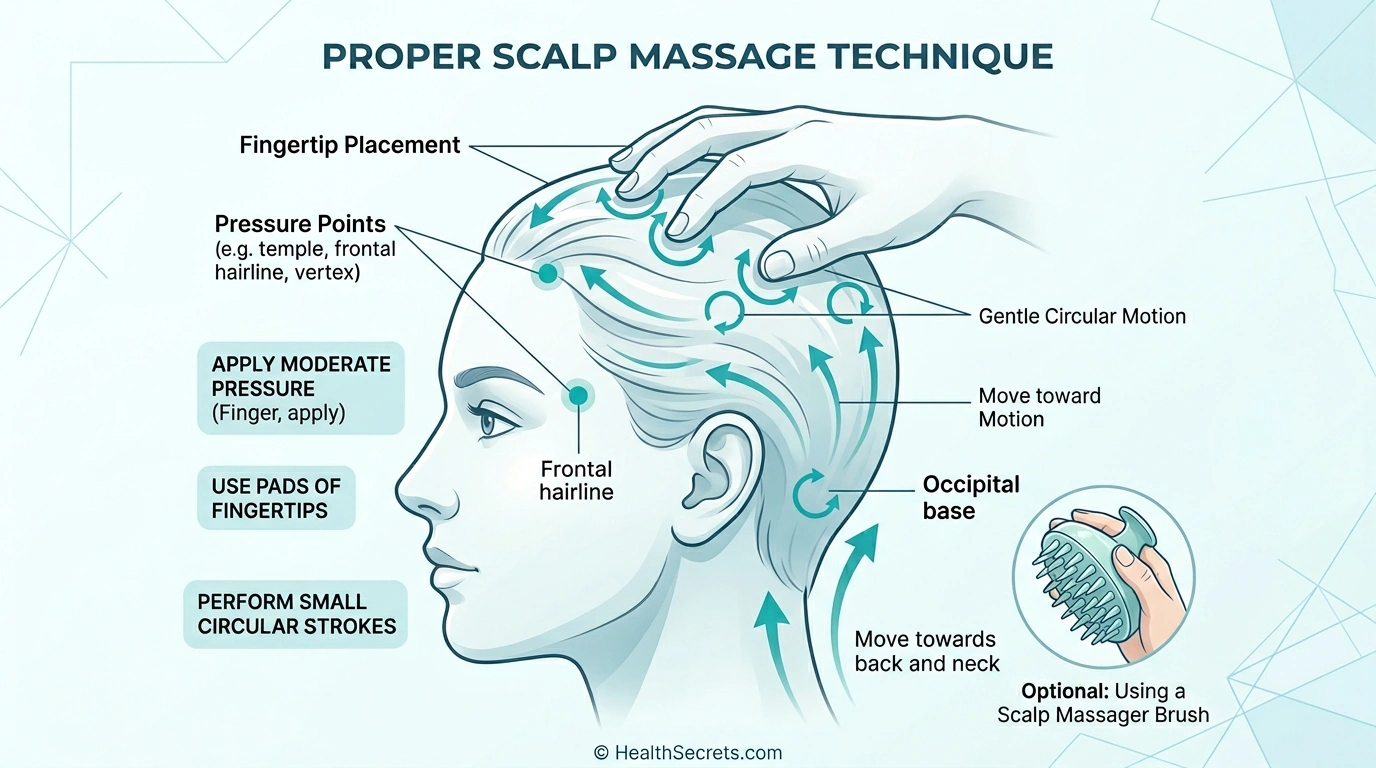
Scalp massage improves blood circulation to hair follicles and may stretch follicle cells in ways that stimulate growth factors. Small studies show modest but real benefits, and combining massage with topical oils (rosemary, pumpkin seed) enhances delivery of active compounds to the scalp.
How to practice scalp massage:
- Use fingertips (not nails) in gentle circular motions across the entire scalp
- Apply moderate pressure for 5–10 minutes daily
- Can be done dry or with rosemary oil blend, pumpkin seed oil, or castor oil
- Use a silicone scalp massager brush during shampooing for convenience
- Consistency matters more than duration—daily short sessions beat occasional long ones
Other Topical Remedies
- Peppermint oil: Animal studies show hair growth promotion. Dilute 2–3 drops in carrier oil. May cause tingling.
- Castor oil: Traditional remedy rich in ricinoleic acid. Massage into scalp overnight, wash out in morning.
- Onion juice: Small studies show benefit for alopecia areata. Apply to scalp 15 minutes before washing. Strong odor.
- Green tea rinse: EGCG may promote follicle stimulation. Brew strong green tea, cool, and use as a scalp rinse after shampooing.
What Diet and Lifestyle Changes Support Healthy Hair Growth?
What you eat directly impacts hair follicle health, and lifestyle factors like stress and sleep quality influence the hair growth cycle. Crash dieting is one of the most common triggers for telogen effluvium (stress shedding)—rapid weight loss can push large numbers of follicles into the resting phase simultaneously.
Hair-Supporting Foods
- Protein-rich: Eggs, fish, poultry, beans, lentils, Greek yogurt
- Iron-rich: Red meat, spinach, lentils, fortified cereals
- Biotin-rich: Eggs, nuts, seeds, sweet potatoes, salmon
- Zinc-rich: Oysters, beef, pumpkin seeds, chickpeas
- Omega-3 rich: Fatty fish, walnuts, flaxseeds, chia seeds
Lifestyle Modifications
- Manage stress: Chronic stress triggers telogen effluvium. Practice meditation, yoga, exercise, or therapy.
- Gentle hair care: Avoid tight hairstyles (traction alopecia), limit heat styling, use wide-tooth combs, don't brush wet hair aggressively.
- Avoid harsh chemicals: Limit bleaching, perming, and chemical straightening.
- Don't smoke: Smoking damages hair follicles and reduces blood flow to the scalp.
- Sleep 7–9 hours: Growth hormone peaks during deep sleep and supports hair follicle repair.
- Avoid crash diets: Gradual, sustainable weight loss is fine; rapid restriction triggers shedding.
What Are the Most Common Mistakes When Treating Hair Loss Naturally?
The biggest mistake is quitting too early. Natural hair loss remedies require 3–6 months of consistent use before visible results, and many people abandon treatments after just a few weeks. Here are the other common pitfalls:
- Expecting overnight results. Hair grows approximately half an inch per month. Even effective treatments need full growth cycles to show visible improvement.
- Supplementing without testing. Taking biotin, iron, or zinc without knowing your levels wastes money and can cause side effects (excess iron is dangerous; excess zinc depletes copper).
- Using undiluted essential oils. Rosemary and peppermint oils must be diluted in carrier oil before scalp application. Undiluted oils cause irritation and chemical burns.
- Ignoring the root cause. If hair loss stems from thyroid disease, anemia, or hormonal imbalances, natural remedies alone won't fix it—you need medical treatment.
- Trying everything at once. Start with one or two remedies so you can tell what's working. Add others after 2–3 months.
- Skipping scalp care. A healthy scalp environment supports follicle function. Address dandruff, inflammation, or excess oil production.
When Should You See a Doctor About Hair Loss?
Hair loss sometimes signals underlying health conditions that require medical diagnosis and treatment. Natural remedies are appropriate for mild-to-moderate androgenetic alopecia and general hair thinning, but certain patterns demand professional evaluation.
See a doctor if you experience:
- Sudden or rapid hair loss (large clumps falling out)
- Patchy hair loss (circular bald spots—may indicate alopecia areata)
- Hair loss with scalp symptoms (redness, scaling, pain, itching)
- Hair loss with other symptoms (fatigue, weight changes, irregular periods—may indicate thyroid or hormonal issues)
- Hair loss after starting a new medication
- No improvement after 6 months of consistent natural treatment
- Family history of autoimmune conditions
Supplement interactions to watch:
- Iron supplements can interact with thyroid medications and antacids
- Saw palmetto may interact with hormonal medications and blood thinners
- High-dose biotin interferes with blood test results
- Zinc in excess depletes copper stores
What Should You Do First to Address Hair Loss Naturally?
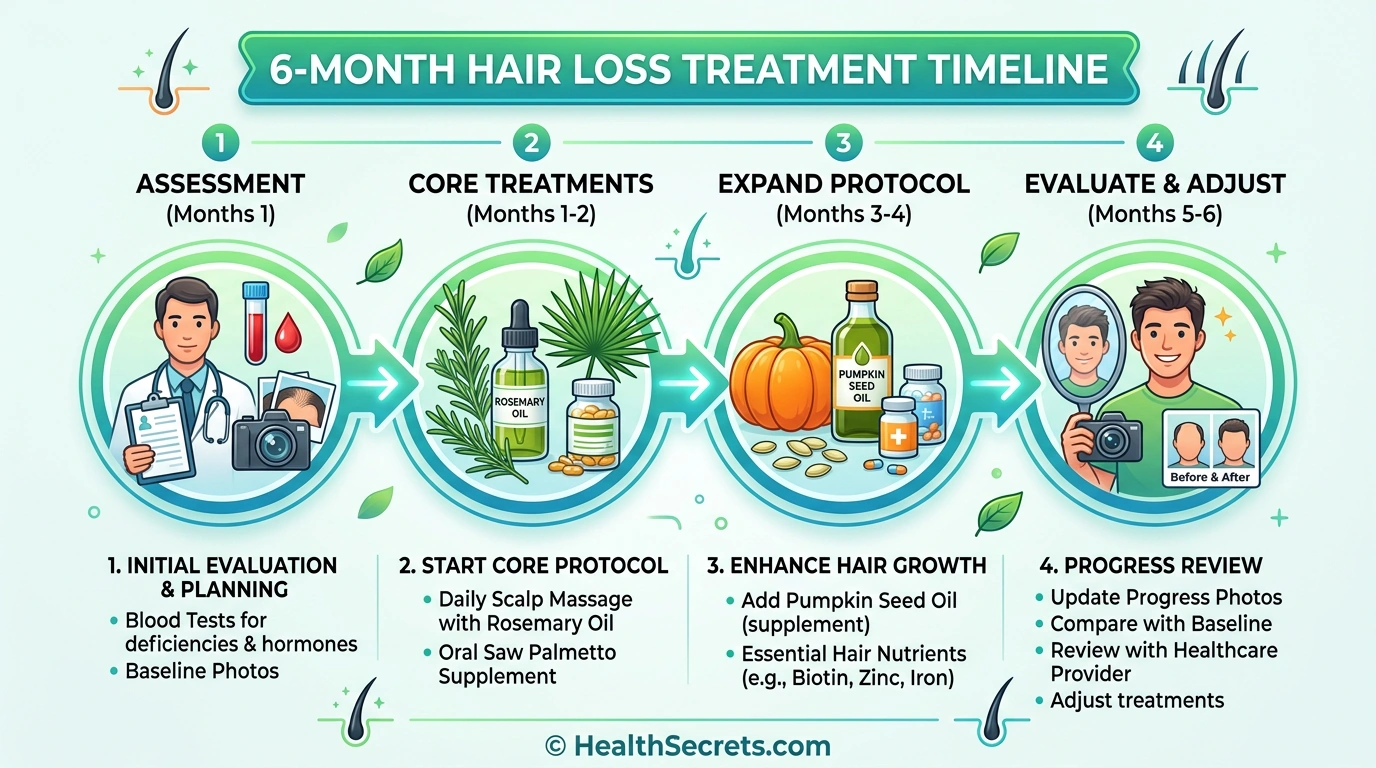
Start with identifying your hair loss type and ruling out nutritional deficiencies—these two steps determine which remedies will actually help you. Build your protocol in phases over 6 months, adding one or two treatments at a time.
Phase 1: Weeks 1–2 (Assessment)
- See your doctor for blood work: ferritin, zinc, vitamin D, thyroid panel, CBC
- Identify your hair loss pattern (diffuse thinning, receding hairline, patchy)
- Start daily scalp massage (5 minutes) to establish the habit
- Take photos for baseline comparison (same lighting, same angle monthly)
Phase 2: Weeks 3–4 (Core Treatments)
- Begin rosemary oil application (diluted in carrier oil, 2–3 times weekly)
- Start saw palmetto 320 mg daily (if androgenetic alopecia)
- Correct any nutritional deficiencies identified in blood work
- Adopt hair-supporting dietary changes
Phase 3: Months 2–3 (Expand Protocol)
- Add pumpkin seed oil 400 mg daily
- Incorporate biotin 2,500–5,000 mcg if deficient
- Optimize lifestyle factors (stress management, sleep, gentle hair care)
- Continue scalp massage with rosemary oil blend
Phase 4: Months 4–6 (Evaluate and Adjust)
- Compare progress photos to baseline
- Retest nutrient levels
- Assess which treatments seem most effective for you
- Consult doctor if no improvement after 6 months