If you've ever spent a week breathing through your mouth, pressing a warm towel against your face, and wondering whether that yellowish discharge will ever stop — you already know how debilitating a sinus infection can be. Natural remedies for sinus infection relief aren't just folk wisdom anymore. Research shows that approaches like saline nasal irrigation can improve symptom severity by more than 60% in people with chronic sinus issues, while enzymes like bromelain and mucolytics like NAC tackle the underlying inflammation and mucus buildup that make you miserable [2]. [1]
Here's the thing most people don't realize: roughly 90% of sinus infections are viral. They resolve on their own within 7 to 10 days. Antibiotics won't touch a viral infection — and overprescribing them contributes to resistance. That's exactly where natural approaches shine. They reduce symptoms, support your body's healing process, and help you get through those miserable days more comfortably. [3] [8]
For related natural health approaches, check out our guides on immune system support, inflammation and pain relief, and gut health — since roughly 70% of your immune system resides in your gut. [13] [16]
What Do You Need to Know Before Treating a Sinus Infection Naturally?
Before starting any natural sinus infection protocol, you need to understand what you're dealing with. Sinusitis is inflammation of the sinus cavities — the air-filled spaces behind your forehead, cheeks, and eyes. Acute sinusitis (under 4 weeks) is usually viral and follows a cold or flu, while chronic sinusitis (over 12 weeks) often involves allergies, structural issues, or biofilms and requires medical evaluation.
The remedies in this guide work best for acute viral sinusitis and for managing symptoms of chronic sinusitis alongside medical care. You don't need special medical training to use them, but you do need to follow safety guidelines — especially the water safety rules for nasal irrigation [6]. Most people notice meaningful relief within 1–3 days of starting a combined protocol, though full resolution of a viral infection typically takes 7–10 days.
Who should skip self-treatment and see a doctor first: anyone with symptoms lasting over 10 days, fever above 102°F, severe facial pain, vision changes, a history of recurrent infections (4+ per year), or a compromised immune system.

The Home Fermentation Safety Card
A salt calculator that weighs it for you, a day-7 pH check against the 4.6 safety line, and a keep, fix or discard grid for every film, smell and color in the jar.
How Do You Perform Nasal Irrigation for Sinus Infection Relief?
Nasal saline irrigation is the single most effective natural remedy for sinus infections, backed by stronger clinical evidence than any other home treatment [5] [10]. Studies show that high-volume nasal irrigation effectively clears nasal secretions, reduces post-nasal drip, and improves symptom severity by more than 60% in chronic sinus sufferers. The American Academy of Otolaryngology gives it a "strong recommendation" for chronic rhinosinusitis [18].
How Does Saline Irrigation Actually Work in Your Sinuses?
The saline solution physically flushes out mucus, bacteria, allergens, and irritants from your nasal passages. It reduces mucosal inflammation, improves mucociliary clearance (your nose's natural cleaning mechanism), and moisturizes dry, irritated tissues. Hypertonic saline (slightly saltier than body fluid) provides extra decongestion by drawing fluid out of swollen tissue.
What's the Proper Nasal Irrigation Technique?
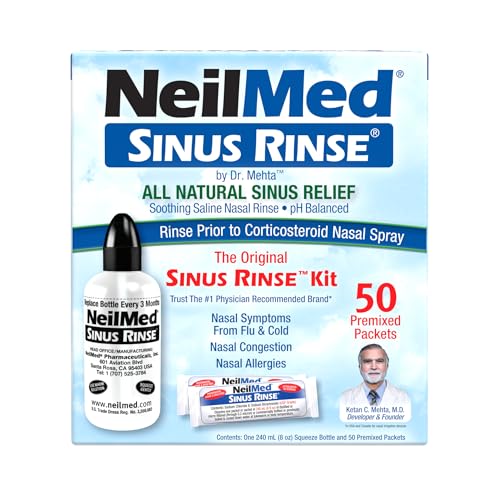
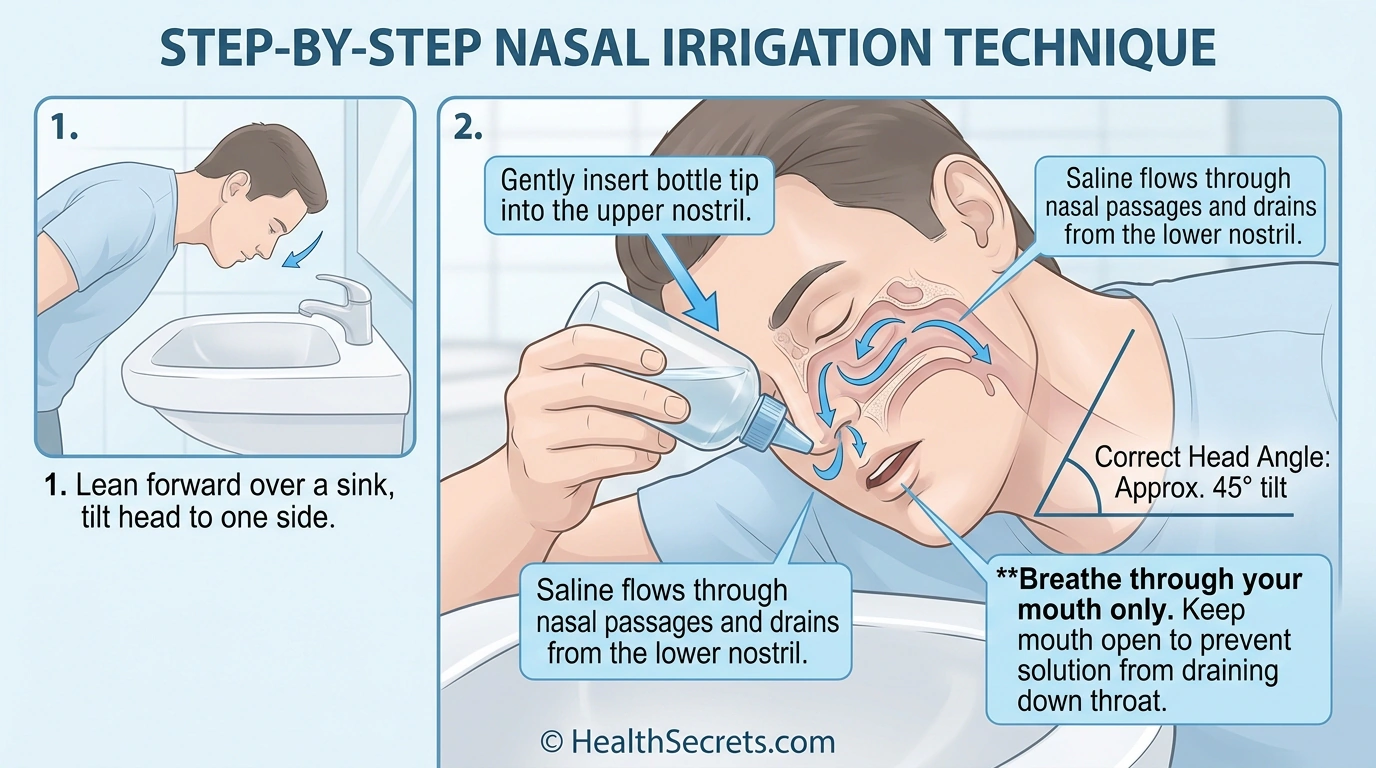
- Prepare the solution: Mix 1/4 teaspoon non-iodized salt and 1/4 teaspoon baking soda in 8 ounces of water — or use pre-mixed saline packets.
- Use a squeeze bottle or neti pot: Lean over a sink, tilt your head slightly, insert the spout into your upper nostril [17].
- Let it flow: The solution moves through your sinuses and exits through the lower nostril. Breathe through your mouth.
- Repeat on the other side. Gently blow your nose afterward.
- Frequency: 1–2 times daily during an active infection.
Use only distilled, sterile, or previously boiled (then cooled) water.
Never use tap water — it can contain harmful organisms including Naegleria fowleri (a potentially fatal brain-eating amoeba). This is non-negotiable. Clean your irrigation device after every use and replace it every 3 months.
How Does Steam Inhalation Relieve Sinus Congestion?
Steam inhalation provides temporary but meaningful relief from sinus congestion by moisturizing nasal passages, thinning mucus, increasing blood flow to sinus tissues, and delivering soothing warmth that reduces pain and pressure. While research shows it doesn't cure infections or work well for chronic sinusitis, it remains a valuable comfort measure during acute episodes.
What's the Best Way to Do Steam Inhalation?
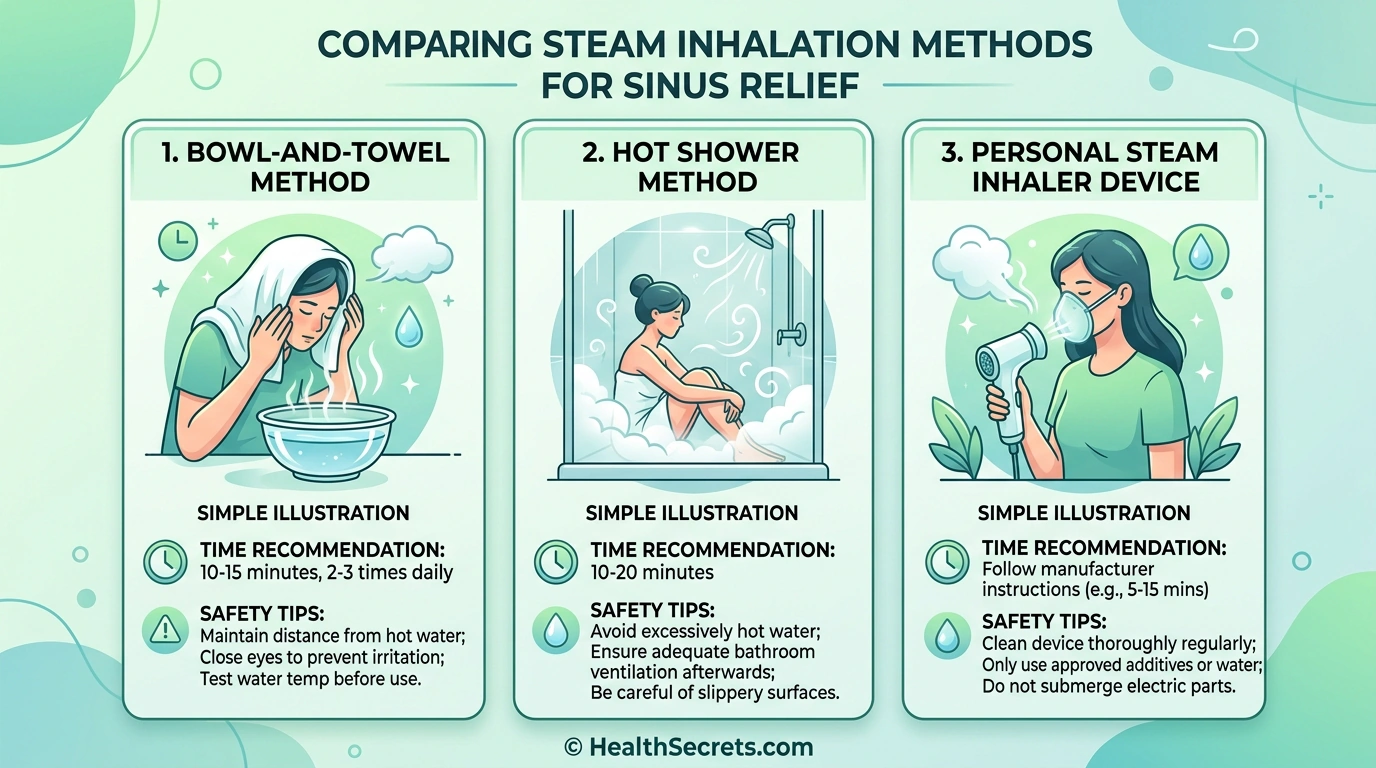
- Bowl method: Fill a large bowl with hot (not boiling) water. Drape a towel over your head and the bowl, creating a tent. Inhale the steam for 10–15 minutes, keeping your face 8–12 inches above the water to avoid burns.
- Shower method: Run a hot shower with the bathroom door closed. Sit in the steam-filled room for 10–15 minutes.
- Optional additions: Add 2–3 drops of eucalyptus oil (contains cineole, a natural decongestant with anti-inflammatory properties), peppermint oil (menthol opens airways), or tea tree oil (antimicrobial) to the hot water.
- Frequency: 2–4 times daily during an active infection.
- Safety: Supervise children closely. Avoid if asthma symptoms worsen with steam. Never lean too close to boiling water — burn injuries from steam inhalation are more common than people realize.
How Does Bromelain Help Fight Sinus Inflammation?
Bromelain, a proteolytic enzyme extracted from pineapple stems, has demonstrated the ability to penetrate directly into sinonasal mucosa in patients with chronic rhinosinusitis [7]. Clinical studies show it can reduce the duration and severity of acute sinusitis symptoms, with one trial finding that children treated with bromelain alone recovered significantly faster than those on standard therapy.
Bromelain works through several mechanisms: it breaks down inflammatory proteins, reduces tissue swelling, thins mucus secretions, and may even have antimicrobial properties. A 2023 systematic review and meta-analysis confirmed that bromelain "may be effective against sinusitis" with a favorable safety profile [9].
How Should You Take Bromelain for Sinus Infections?
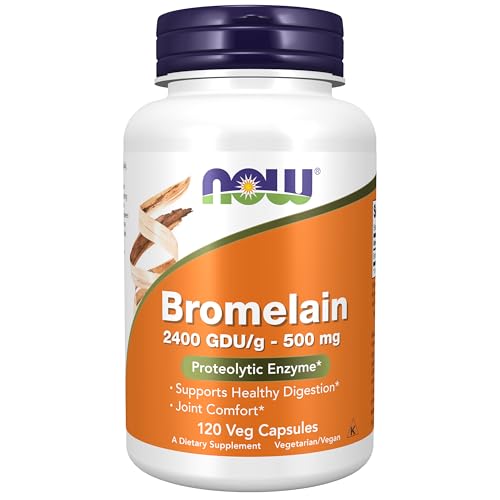
- Dose: 500–1,000 mg (2,400 GDU/g) two to three times daily
- Timing: On an empty stomach — at least 1 hour before or 2 hours after meals (taking it with food shifts its action toward digestion rather than anti-inflammation)
- Duration: Allow 2–3 days for noticeable effects
- Caution: Avoid if allergic to pineapple. May increase bleeding risk — avoid with blood thinners. May increase antibiotic absorption.
4: How Does N-Acetylcysteine (NAC) Break Down Sinus Mucus?
N-acetylcysteine is an approved mucolytic agent that reduces mucus viscosity by breaking the disulfide bonds that make mucus thick and sticky [12]. Research shows NAC aids in clearing sinuses, reducing postoperative crusting, and has significant effects on mucus reduction in recurrent acute rhinosinusitis. It also functions as a potent antioxidant that reduces sinus inflammation.
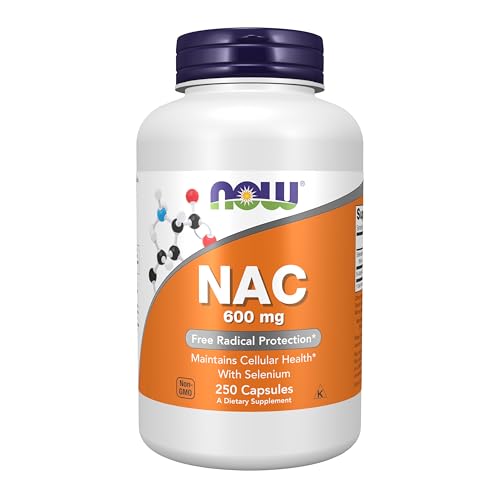
- Dose: 600–1,200 mg daily in divided doses
- Best for: Thick, stubborn mucus that won't drain; chronic sinusitis
- Timeline: Several days for full mucolytic effect
- Side effects: Mild nausea (take with food), distinctive sulfur smell/taste
- Bonus: NAC may enhance antibiotic effectiveness by disrupting bacterial biofilms and improving drug penetration
For more on NAC's antioxidant benefits, see our guide on glutathione — the master antioxidant, since NAC is a direct precursor to glutathione production.
What Supporting Remedies Round Out a Natural Sinus Protocol?
Beyond the core interventions, several additional approaches provide meaningful complementary relief when combined with nasal irrigation, steam, bromelain, and NAC.
Does Hydration Actually Help Clear Sinus Congestion?
Yes — adequate fluid intake thins mucus, promotes drainage, and prevents dehydration. Drink plenty of water, herbal teas, and warm broths throughout the day. Warm liquids are especially soothing. Avoid alcohol (dehydrating) and excess caffeine.
How Do Warm Compresses Relieve Sinus Pressure?
Apply a warm, moist towel over your sinuses (forehead, cheeks, nose bridge) for 10–15 minutes, 3–4 times daily. The moist heat reduces facial pain, eases pressure, and promotes drainage.
Why Should You Use a Humidifier During a Sinus Infection?
Dry indoor air — especially in winter — dries out nasal passages and thickens mucus. A cool-mist humidifier (safer than warm-mist) maintains humidity between 30–50%, keeping passages moist. Clean it regularly to prevent mold and bacteria growth.
Can Herbal Teas and Immune Support Supplements Help?
Herbal teas (3–4 cups daily): Ginger (anti-inflammatory), peppermint (natural decongestant), chamomile (calming, anti-inflammatory), and elderberry (immune support, antiviral properties).
Immune support supplements: Vitamin C 1,000–2,000 mg daily, zinc 15–30 mg daily, and quercetin 500–1,000 mg daily (anti-inflammatory, natural antihistamine). Start at the first sign of symptoms. For deeper immune support strategies, explore our immune system ultimate guide.
What Are the Most Common Mistakes When Treating Sinus Infections Naturally?
The biggest mistakes people make aren't choosing the wrong remedies — they're using the right remedies incorrectly. Avoiding these pitfalls will dramatically improve your results and keep you safe.
- Using tap water for nasal irrigation — This is the single most dangerous mistake. Always use distilled, sterile, or previously boiled water. Period.
- Giving up too soon — Nasal irrigation and supplements like bromelain need consistency. One session won't fix a sinus infection. Commit to the protocol for at least 5–7 days.
- Taking bromelain with food — This redirects its enzyme activity toward digestion instead of reducing sinus inflammation. Take it on an empty stomach.
- Using steam that's too hot — Keep your face 8–12 inches from the water. Burns from steam inhalation send people to emergency rooms every year.
- Assuming all sinus infections need antibiotics — About 90% are viral. Antibiotics only work for the 10–15% that are bacterial.
- Ignoring warning signs — Natural remedies are for symptom relief. Symptoms lasting over 10 days, high fever, vision changes, or worsening after improvement all require medical evaluation.
- Neglecting humidity — Dry air is your enemy during a sinus infection. Run a humidifier and stay hydrated.
Is a Natural Sinus Infection Protocol Safe? When Should You See a Doctor?
For most adults with acute viral sinusitis, the natural remedies in this guide are safe, well-tolerated, and supported by clinical evidence. Nasal irrigation carries minimal risk when done correctly with safe water. Bromelain and NAC have favorable safety profiles in studies, with adverse events limited to occasional digestive upset.
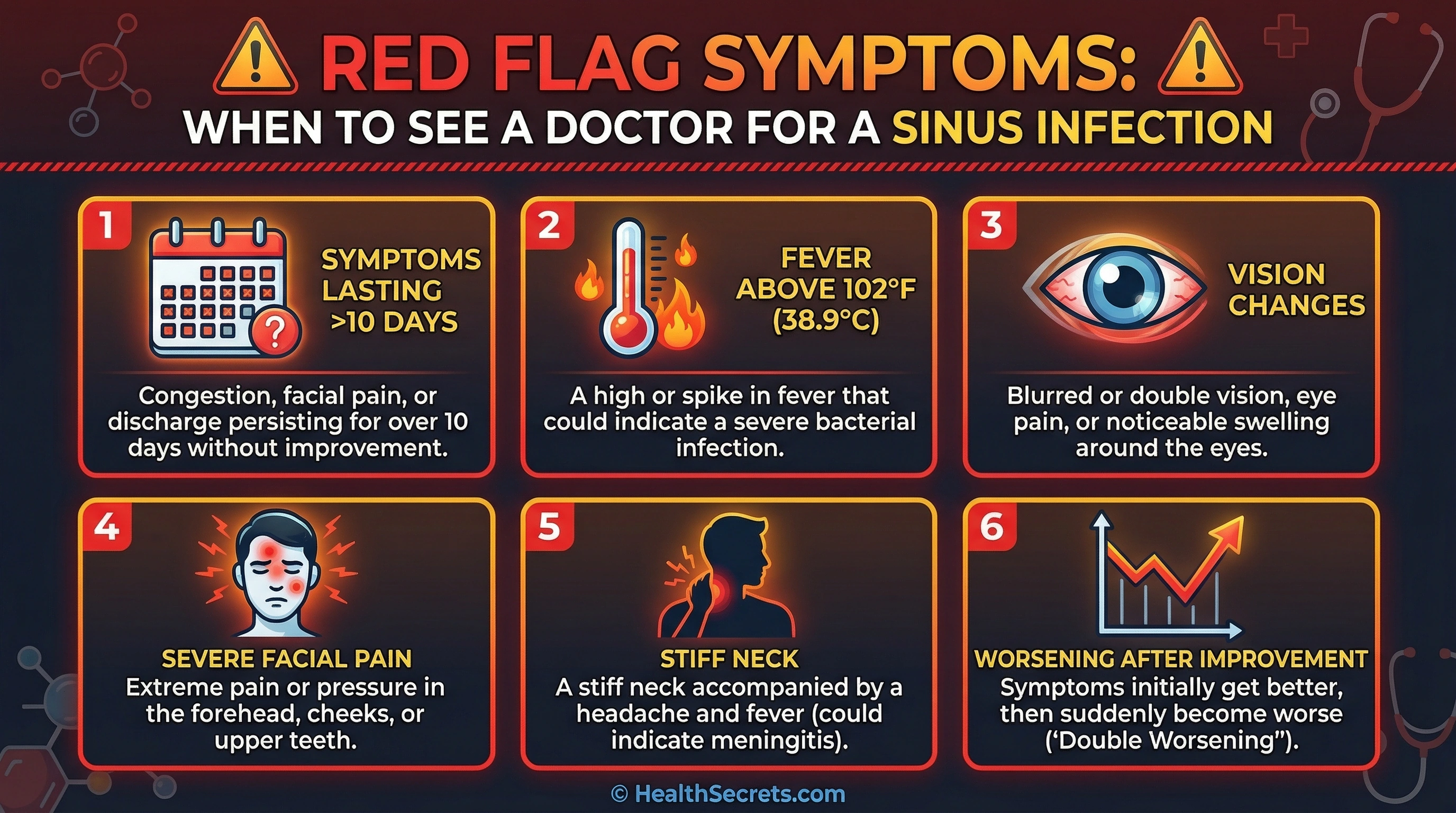
See a doctor immediately if you experience:
- Symptoms persisting beyond 10 days without improvement
- High fever above 102°F (39°C)
- Severe facial pain or headache
- Vision changes or eye swelling
- Stiff neck or confusion
- "Double worsening" — improvement followed by sudden deterioration
- Four or more sinus infections per year (recurrent sinusitis)
- Symptoms lasting over 12 weeks (chronic sinusitis requires medical evaluation)
Supplement cautions: Bromelain may increase bleeding risk (avoid with blood thinners like warfarin). NAC may interact with nitroglycerin and some blood pressure medications. Consult your healthcare provider before combining any supplement with prescription medications.
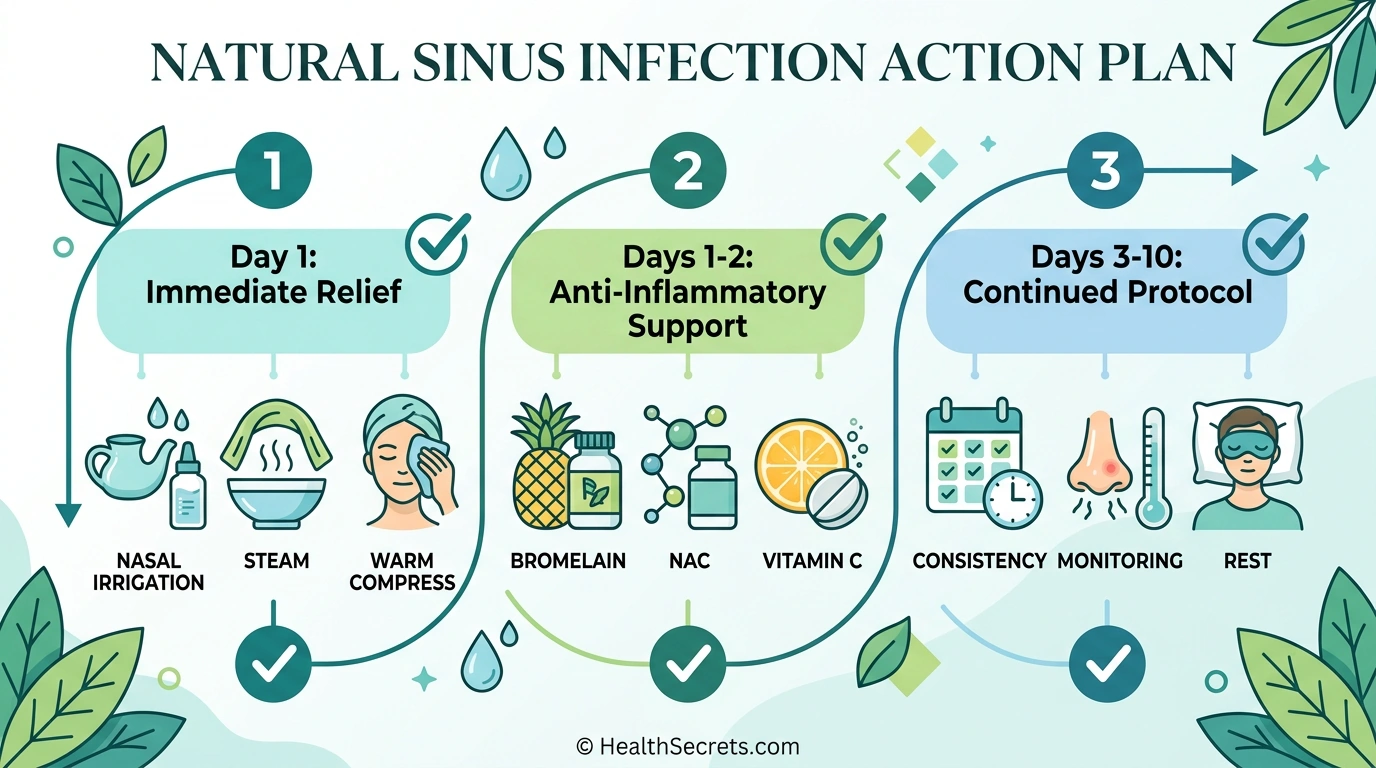
Action Plan
What Should You Do First When a Sinus Infection Hits?
Follow the sequence below, work through each phase in order, and use the checklist as your practical implementation guide.
Start with the highest-evidence interventions immediately and layer in additional support over the first 48 hours. This phased approach gives you the fastest relief while supporting your body's natural healing process.
Phase 1 — Immediate Relief (Day 1):
- Begin nasal saline irrigation twice daily (distilled or boiled water only)
- Start steam inhalation 3–4 times daily
- Apply warm compresses to face 3–4 times daily
- Increase fluid intake — water, herbal teas, broth
- Set up humidifier in bedroom (30–50% humidity)
Phase 2 — Anti-Inflammatory Support (Days 1–2):
- Start bromelain 500 mg three times daily on an empty stomach
- Start NAC 600 mg twice daily with food
- Begin vitamin C 1,000 mg and zinc 15–30 mg daily
- Drink 3–4 cups of ginger or peppermint herbal tea daily
Phase 3 — Continued Protocol (Days 3–10):
- Maintain all interventions consistently
- Monitor symptoms — expect gradual improvement by days 3–5
- Rest adequately and elevate head while sleeping
- If symptoms haven't improved by day 10, schedule a doctor visit