
Here's something that catches most people off guard: roughly 5% of Americans have hypothyroidism, and women are five to eight times more likely to develop it than men. If you've been dragging through your days with unexplained fatigue, stubborn weight gain, or brain fog that just won't lift, an underactive thyroid might be the culprit — and you're far from alone in looking for natural remedies for hypothyroidism to support your recovery.
But let's get one thing straight before we go any further. Hypothyroidism is a serious endocrine condition. Natural remedies are complementary approaches — they work alongside medical treatment, never as replacements. If your doctor has prescribed levothyroxine, keep taking it. Period.
That said, the research on supportive natural strategies is genuinely encouraging. A systematic review and meta-analysis of randomized controlled trials found that selenium supplementation significantly reduced TPO antibodies and TSH levels in Hashimoto's thyroiditis patients ([1]). A double-blind, placebo-controlled trial showed ashwagandha (600mg daily) improved TSH, T3, and T4 levels in subclinical hypothyroidism after just eight weeks ([6]). And zinc plays a critical role in converting inactive T4 to active T3 — the hormone your cells actually use ([14]).
This guide covers the evidence-based supplements, dietary shifts, and lifestyle changes that can support your thyroid — step by step, with honest expectations about what each one can (and can't) do.
If you're also exploring broader hormonal support, check out our hormonal health guide and our complete detox and cleansing guide for related strategies.
What Do You Need to Know Before Starting Natural Thyroid Support?
Before adding any natural remedy to your thyroid protocol, you need a clear diagnosis, a collaborative relationship with your doctor, and realistic expectations about timelines. Most supplements take 8–12 weeks minimum to show measurable effects, and some — like selenium for Hashimoto's — need 3–6 months.
Hypothyroidism means your thyroid gland doesn't produce enough thyroid hormones. Your thyroid makes T4 (thyroxine, the inactive storage form) and small amounts of T3 (triiodothyronine, the active form). TSH from your pituitary gland tells the thyroid to produce more — so elevated TSH signals an underactive thyroid.
The most common cause in the United States is Hashimoto's thyroiditis, an autoimmune condition where your immune system attacks thyroid tissue. Worldwide, iodine deficiency remains the leading cause ([10]). This distinction matters enormously because the approach differs: Hashimoto's patients benefit from selenium and anti-inflammatory strategies, while iodine supplementation can actually make autoimmune thyroid disease worse ([11]).
Who this guide is for:
- People with diagnosed hypothyroidism seeking complementary support
- Those with subclinical hypothyroidism (TSH 4.5–10, normal free T4) exploring options
- Anyone with Hashimoto's wanting to reduce antibodies naturally
Who should proceed with extra caution:
- Pregnant or planning pregnancy (thyroid needs increase significantly)
- Currently on thyroid medication (supplement timing is critical)
- Anyone with undiagnosed symptoms (get tested first)

The One-Page Doctor Visit Agenda
Three concerns ranked, a 30-second opening, every medicine on one list, and a teach-back block that counts what the clinician confirmed.
How Do You Get Proper Thyroid Testing?
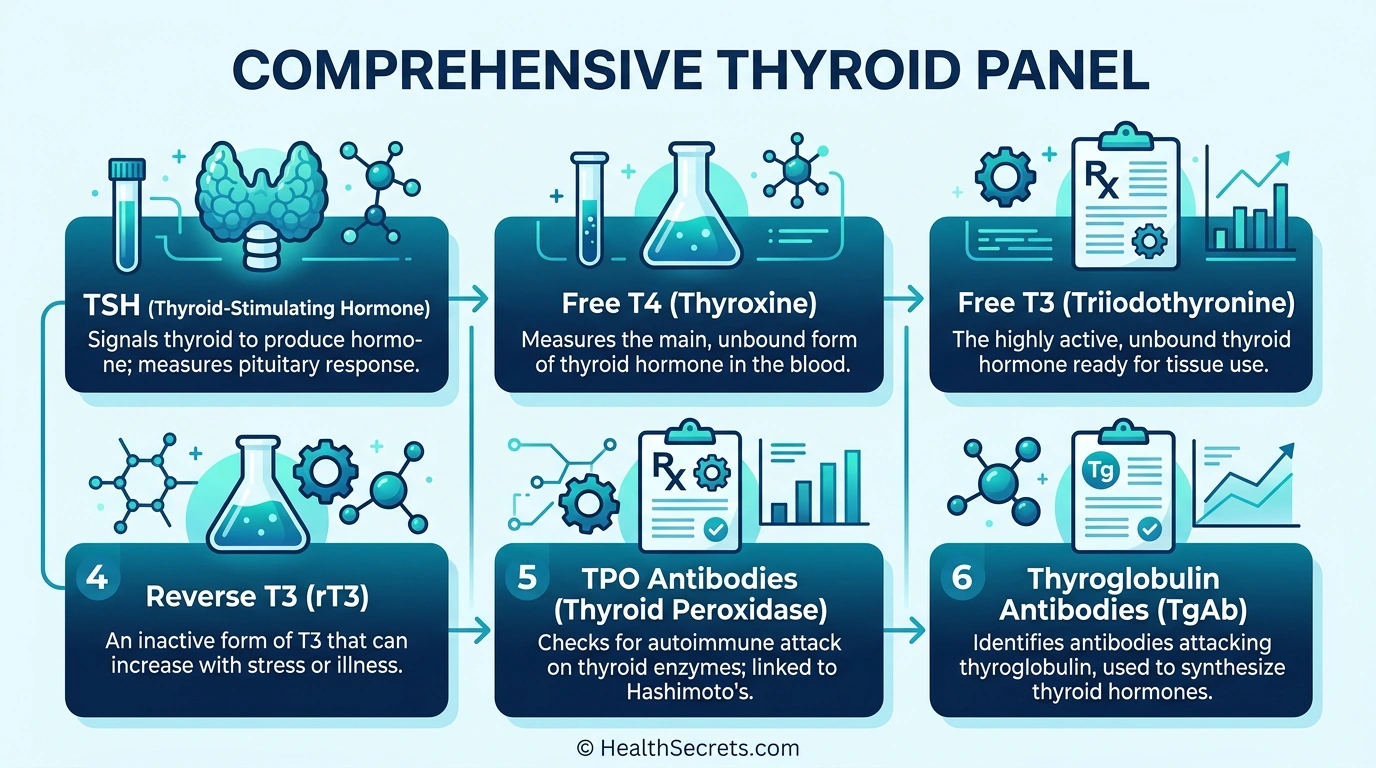
A comprehensive thyroid panel — not just TSH — is the essential first step because TSH alone misses T4-to-T3 conversion problems, autoimmune markers, and subclinical patterns that change your entire treatment approach. Request TSH, free T4, free T3, reverse T3, TPO antibodies, and thyroglobulin antibodies.
Here's what most people don't realize: a "normal" TSH doesn't mean your thyroid is fine. Standard lab ranges run from 0.4 to 4.0 mIU/L, but many endocrinologists consider an optimal TSH closer to 1.0–2.0 mIU/L. If your TSH is 3.8 and you feel terrible, you might be told everything is "within range" while your body is clearly struggling.
The tests you actually need:
- TSH — baseline thyroid function (elevated = underactive)
- Free T4 — how much inactive hormone is available
- Free T3 — the active hormone your cells use (critical if T4 is normal but you still have symptoms)
- Reverse T3 — blocks T3 receptors; elevated in chronic stress
- TPO Antibodies — confirms Hashimoto's (autoimmune cause)
- Thyroglobulin Antibodies — additional autoimmune marker
Also test nutrient levels that directly affect thyroid function: selenium, zinc, ferritin (iron stores), vitamin D, and B12. Deficiencies in any of these can mimic or worsen hypothyroid symptoms.
Test every 6–8 weeks when starting treatment or adjusting doses, then annually once stable.
How Does Selenium Reduce Thyroid Antibodies in Hashimoto's?
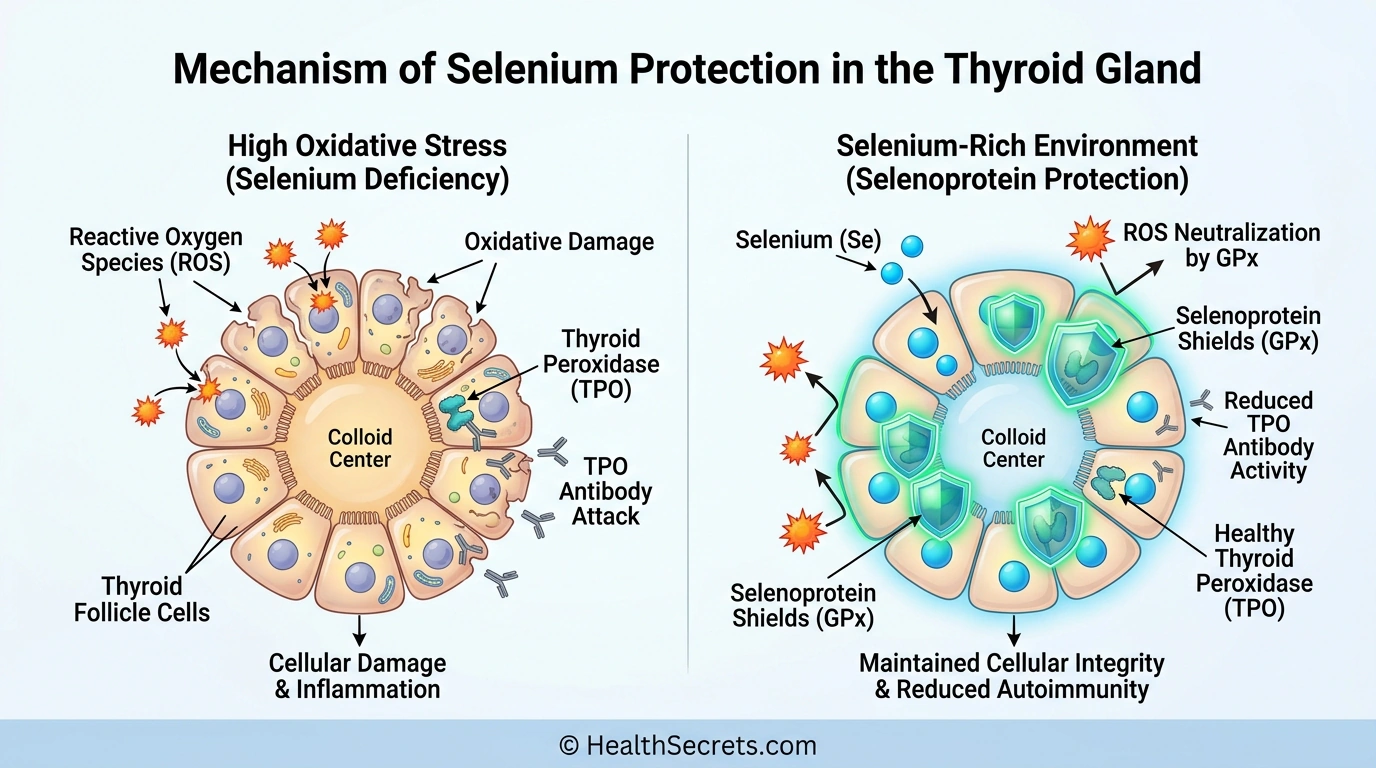
Selenium supplementation (200mcg daily as selenomethionine) has the strongest evidence of any natural thyroid intervention — multiple systematic reviews confirm it reduces TPO antibodies by 20–40% in Hashimoto's patients and may improve mood and well-being over 3–6 months of use.
The thyroid contains more selenium per gram than any other organ in the body ([4]). Selenium is a cofactor for selenoproteins — including glutathione peroxidase and thioredoxin reductase — that protect thyroid cells from oxidative damage during hormone production.
A 2024 systematic review and meta-analysis of RCTs found selenium supplementation significantly decreased TPOAb and TSH levels in Hashimoto's patients, with selenomethionine outperforming other selenium forms ([1]). An overview of systematic reviews confirmed these findings across multiple analyses, with TPO-Ab reductions significant at both 3 and 6 months ([3]).
Practical dosing:
- Dose: 200mcg daily (selenomethionine form — best absorbed)
- Food alternative: 1–2 Brazil nuts daily provide roughly 200mcg
- Timeline: 3–6 months for measurable antibody reduction
- Safety ceiling: Stay below 400mcg daily long-term to avoid selenosis
- Best for: Hashimoto's thyroiditis (autoimmune hypothyroidism)
Can Ashwagandha Improve Thyroid Hormones in Subclinical Hypothyroidism?
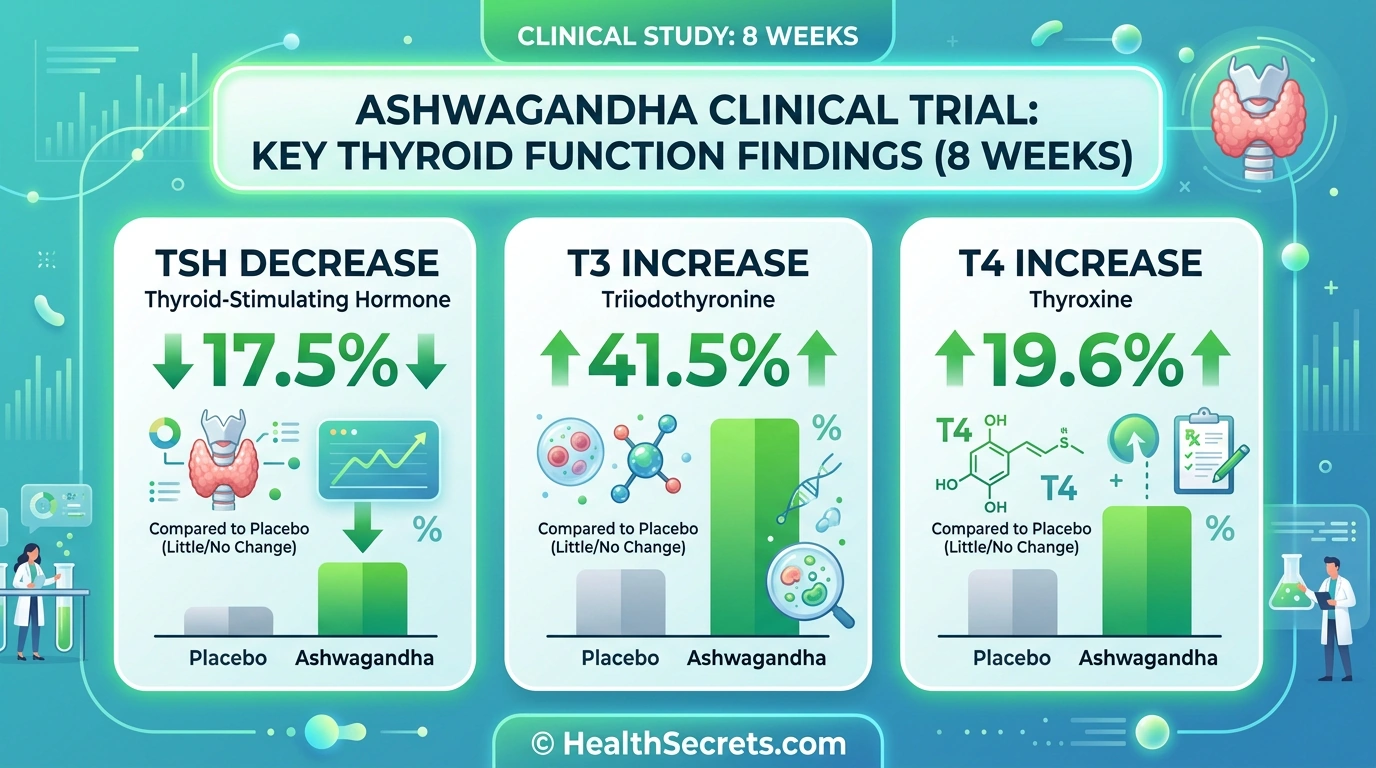
Ashwagandha root extract (600mg daily) significantly improved TSH, T3, and T4 levels compared to placebo in a double-blind RCT of subclinical hypothyroid patients — making it the most promising adaptogen for mild thyroid underperformance, though it requires careful monitoring if you're already on medication.
The landmark study by Sharma et al. (2018) enrolled 50 participants with subclinical hypothyroidism. After eight weeks, the ashwagandha group showed significant improvements: T3 increased by 41.5%, T4 by 19.6%, and TSH decreased by 17.5% ([6]). Ashwagandha's mechanism likely involves cortisol reduction — chronic stress suppresses thyroid function, and ashwagandha modulates the HPA axis.
A separate placebo-controlled study in bipolar patients also observed T4 increases in ashwagandha-treated subjects ([7]). A comprehensive review confirmed ashwagandha's positive effects on thyroid secretory function ([8]).
Practical dosing:
- Dose: 600mg daily (standardized to 5% withanolides, KSM-66 form preferred)
- Timing: Evening (can be mildly sedating) or split into two 300mg doses
- Timeline: 8 weeks for measurable improvement
- ⚠️ CAUTION: May increase thyroid hormones — if you're on levothyroxine, your dose may need reduction. Monitor with blood tests and inform your doctor.
- Avoid if: Hyperthyroidism, taking immunosuppressants, pregnant/breastfeeding
Should You Supplement Iodine for an Underactive Thyroid?
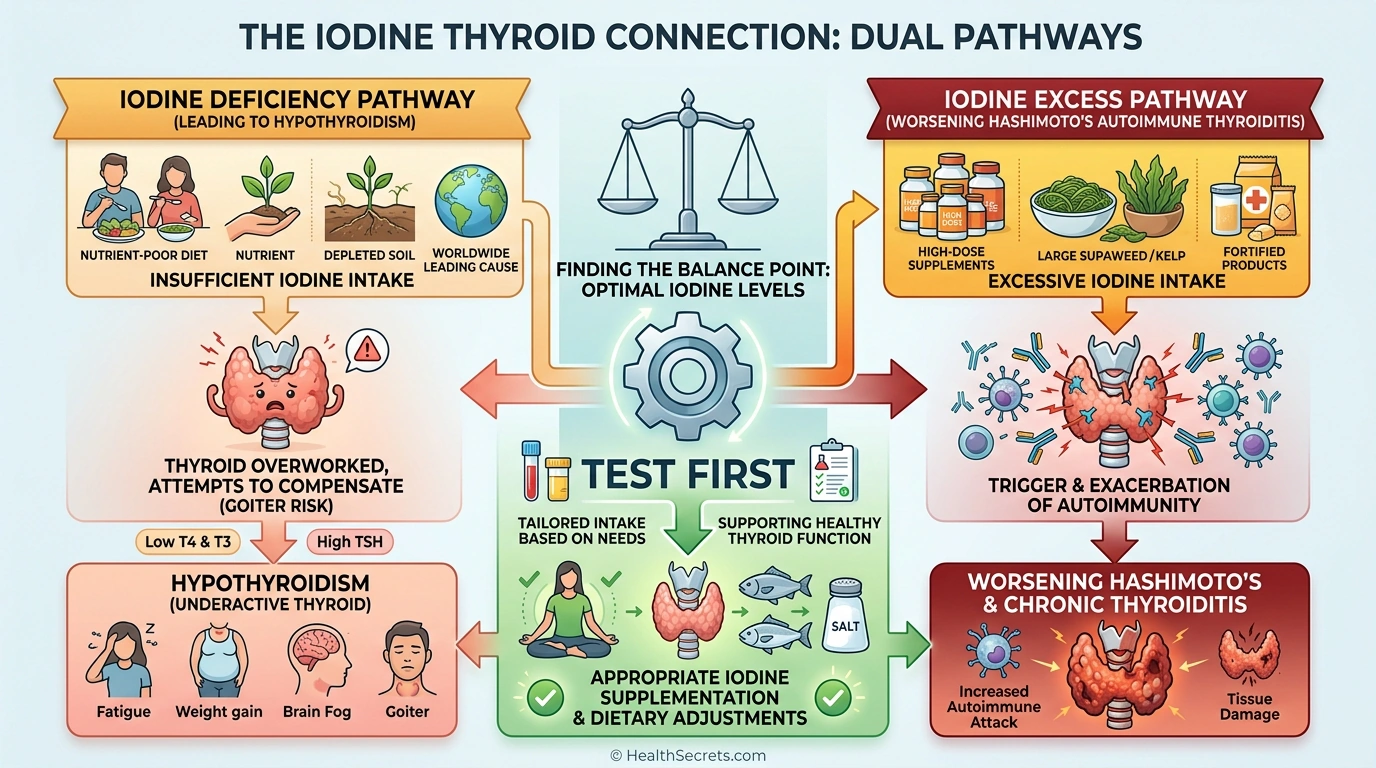
Iodine is essential for thyroid hormone production — T4 contains four iodine atoms and T3 contains three — but supplementing without confirmed deficiency is risky because excess iodine can trigger or worsen Hashimoto's thyroiditis, which is the most common cause of hypothyroidism in developed countries.
This is where well-intentioned people get into trouble. Since iodine deficiency causes hypothyroidism globally, the logical leap is "I'm hypothyroid, so I need iodine." But in the US and other developed nations, iodine deficiency is rare thanks to iodized salt. Most American hypothyroidism is Hashimoto's — autoimmune, not deficiency-driven ([9]).
Research shows that populations with excessive iodine intake actually have higher rates of hypothyroidism and thyroid autoimmunity ([11]). The Mayo Clinic explicitly warns: getting too much iodine from supplements could cause hypothyroidism or make it worse ([13]).
The rule: Test first, supplement only if deficient.
- Test: 24-hour urine iodine collection
- If deficient: 150–300mcg daily (potassium iodide or dietary sources)
- Dietary sources: Seaweed, fish, dairy, eggs, iodized salt
- ⚠️ AVOID high-dose iodine supplements if you have Hashimoto's or positive TPO antibodies
How Does Zinc Support T4-to-T3 Conversion?
Zinc is a cofactor for deiodinase enzymes that convert inactive T4 into active T3, and it's also required for T3 receptor binding and TSH synthesis — so zinc deficiency can impair thyroid function at multiple levels even when your thyroid gland itself is working normally.
A review of the evidence confirmed that zinc regulates deiodinase enzyme activity, TRH synthesis, and TSH production, and that serum zinc concentrations correlate with T3, T4, and TSH levels ([14]). Clinical studies have shown that zinc supplementation normalized free T3 and improved the TRH-stimulated TSH response in zinc-deficient patients ([15]). A case study of zinc-deficient individuals found that supplementation increased total T3 concentrations and resting metabolic rate ([16]).
Practical dosing:
- Dose: 15–30mg daily (zinc picolinate or zinc glycinate — best absorbed)
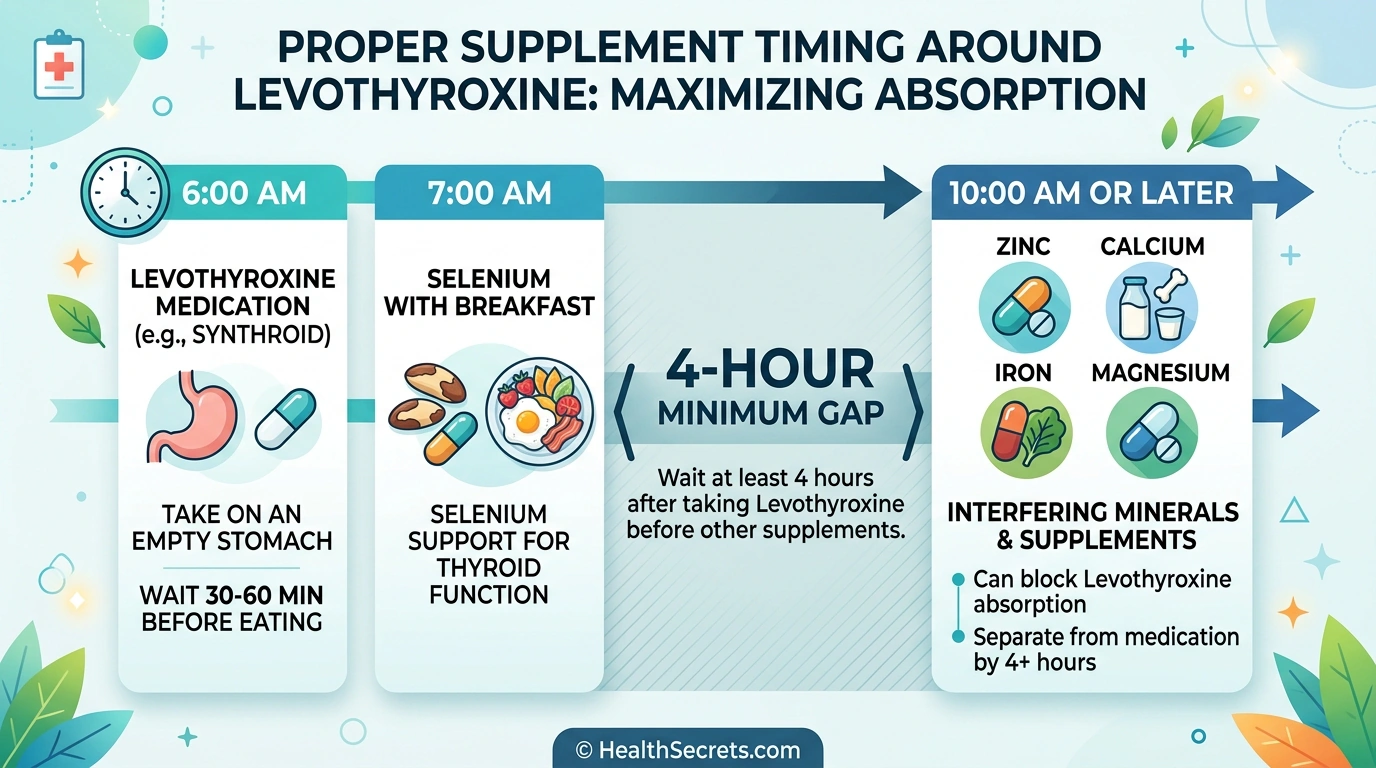
- Timing: Take at least 4 hours apart from levothyroxine (zinc interferes with absorption)
- Safety: Don't exceed 40mg daily long-term (interferes with copper absorption)
- Food sources: Oysters, beef, pumpkin seeds, chickpeas, cashews
What Diet Changes Best Support Thyroid Function?
An anti-inflammatory, nutrient-dense diet supports thyroid function by providing essential cofactors, reducing autoimmune activity, and optimizing gut health — which directly influences thyroid hormone metabolism and immune regulation. For Hashimoto's patients, a gluten-free trial may be particularly beneficial.
Foods to prioritize:
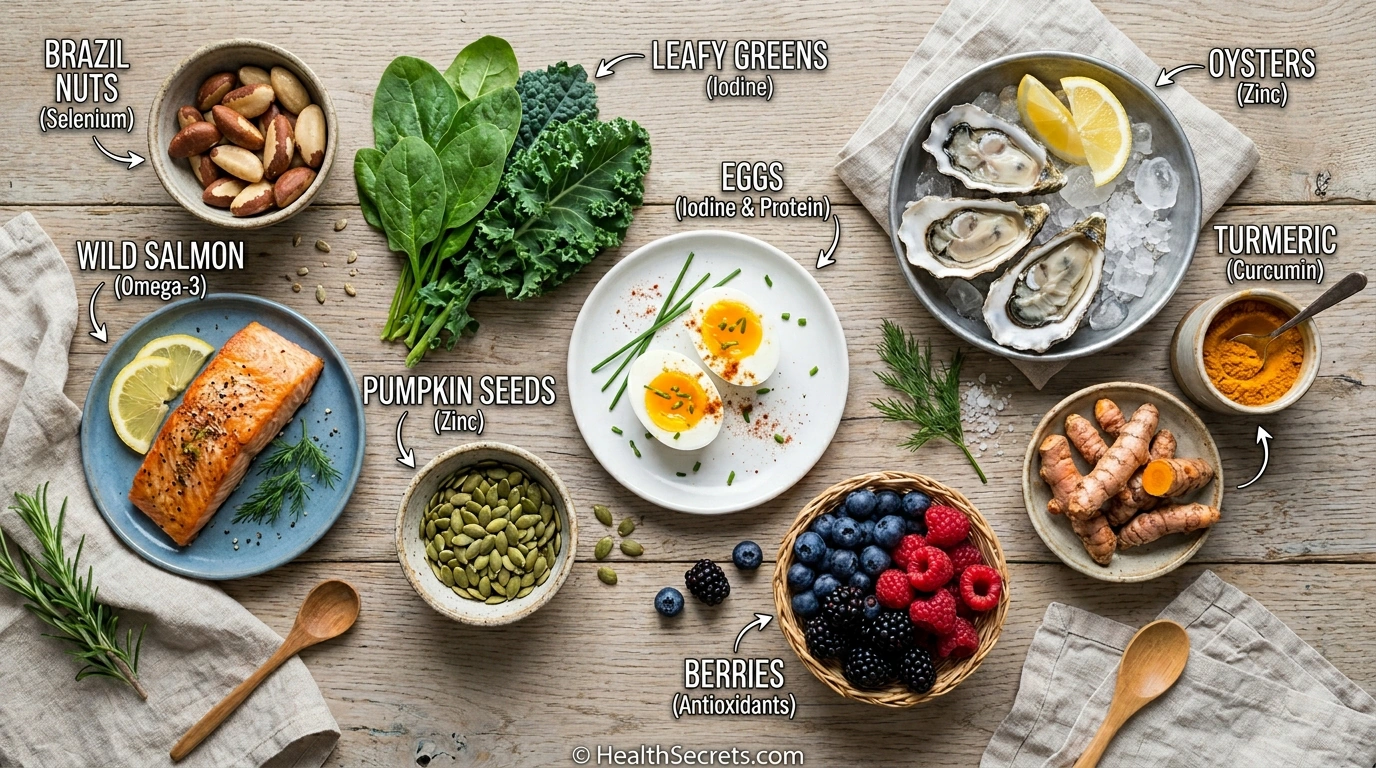
- Selenium-rich: Brazil nuts (1–2 daily), wild-caught fish, eggs, turkey
- Zinc-rich: Oysters, grass-fed beef, pumpkin seeds, lentils
- Anti-inflammatory: Fatty fish (omega-3s), leafy greens, berries, turmeric
- Adequate protein: Supports thyroid hormone production (0.8–1g per kg body weight)
- Complex carbohydrates: Support T3 production (very low-carb diets can lower T3)
Foods to approach with awareness:
- Goitrogens (cruciferous vegetables, soy, millet): Cooking deactivates most goitrogens. Moderate cooked amounts are safe and beneficial for most people on thyroid medication. Only a concern if eating large amounts raw while iodine-deficient and not on medication.
- Gluten: Molecular mimicry between gluten peptides and thyroid tissue may worsen Hashimoto's. Consider a 3–6 month elimination trial if you have positive TPO antibodies.
- Excessive soy: Large quantities of unfermented soy may interfere with thyroid function. Moderate amounts of fermented soy (tempeh, miso) are generally fine.
For gut healing strategies that support thyroid health, see our gut detox protocol.
Which Lifestyle Changes Make the Biggest Difference for Thyroid Health?
Stress management, quality sleep, and moderate exercise form the lifestyle foundation of thyroid support because chronic stress directly suppresses thyroid function through elevated cortisol, while sleep deprivation and overtraining further tax an already struggling endocrine system.
Stress management (most impactful):
- Chronic stress elevates cortisol, which suppresses TSH and impairs T4-to-T3 conversion
- Daily practices: meditation (15–20 minutes), yoga, deep breathing exercises
- Consider adaptogenic support (ashwagandha addresses both stress and thyroid — see Step 3)
Sleep optimization:
- 7–9 hours nightly — thyroid hormone production follows circadian rhythms
- Consistent sleep-wake schedule supports hormonal balance
- See our sleep optimization guide for detailed strategies
Exercise (with a caveat):
- Moderate exercise (150 minutes/week) improves metabolism, mood, and energy
- Avoid overtraining — intense prolonged exercise increases cortisol and suppresses thyroid function
- Walking, swimming, yoga, and light resistance training are ideal
Environmental considerations:
- Minimize exposure to BPA, pesticides, and flame retardants (endocrine disruptors)
- Use glass food containers and natural cleaning products where possible
- Filter drinking water (chlorine and fluoride may interfere with iodine uptake)
What Are the Most Common Mistakes with Natural Hypothyroidism Support?
The biggest mistakes people make are supplementing blindly without testing, taking supplements at the same time as thyroid medication, and expecting natural remedies to replace prescribed treatment — all of which can worsen your condition or delay proper care.
- Mistake 1: Taking iodine without testing. If your hypothyroidism is autoimmune (Hashimoto's), iodine supplementation can pour gasoline on the fire. Always test first.
- Mistake 2: Taking supplements with levothyroxine. Calcium, iron, magnesium, and zinc all interfere with thyroid medication absorption. Maintain a strict 4-hour separation.
- Mistake 3: Expecting overnight results. Selenium takes 3–6 months. Ashwagandha takes 8 weeks. Dietary changes take 2–3 months. Set realistic expectations.
- Mistake 4: Not retesting. You can't manage what you don't measure. Retest your full thyroid panel plus nutrient levels every 8–12 weeks when making changes.
- Mistake 5: Stopping medication because you "feel better." Feeling better means the treatment is working — not that you don't need it anymore. Never stop levothyroxine without your doctor's direct guidance.
Is Natural Thyroid Support Safe? When Should You See a Doctor?
Natural thyroid support is generally safe when used appropriately and under medical supervision, but certain supplements can interact with thyroid medications, and some — like iodine and ashwagandha — carry specific risks that require monitoring and professional guidance.
See your doctor immediately if you experience:
- Rapid heartbeat, anxiety, tremors, or unexpected weight loss (signs of overmedication or hyperthyroidism)
- Worsening fatigue, significant weight gain, or severe depression
- Symptoms not improving after 3 months of consistent natural support
- You're pregnant or planning pregnancy (thyroid needs increase 25–50%)
Supplement-specific cautions:
- Ashwagandha: May increase thyroid hormones — requires monitoring if on levothyroxine
- Iodine: Excess worsens Hashimoto's. Only supplement with confirmed deficiency
- Selenium: Stay below 400mcg daily. Excess causes selenosis (hair loss, nail brittleness)
- Zinc: Above 40mg daily depletes copper. Balance with 1–2mg copper if using higher doses
| Supplement | Minimum gap from levothyroxine |
|---|---|
| Calcium | 4 hours |
| Iron | 4 hours |
| Zinc | 4 hours |
| Magnesium | 4 hours |
| Selenium | 1 hour |
| Ashwagandha | No direct interaction (timing flexible) |
Action Plan
What Should You Do First to Support Your Thyroid Naturally?
Follow the sequence below, work through each phase in order, and use the checklist as your practical implementation guide.
Start with comprehensive testing and a conversation with your doctor, then layer in evidence-based supplements one at a time — beginning with selenium if you have Hashimoto's — while simultaneously improving your diet and stress management for the greatest cumulative benefit.
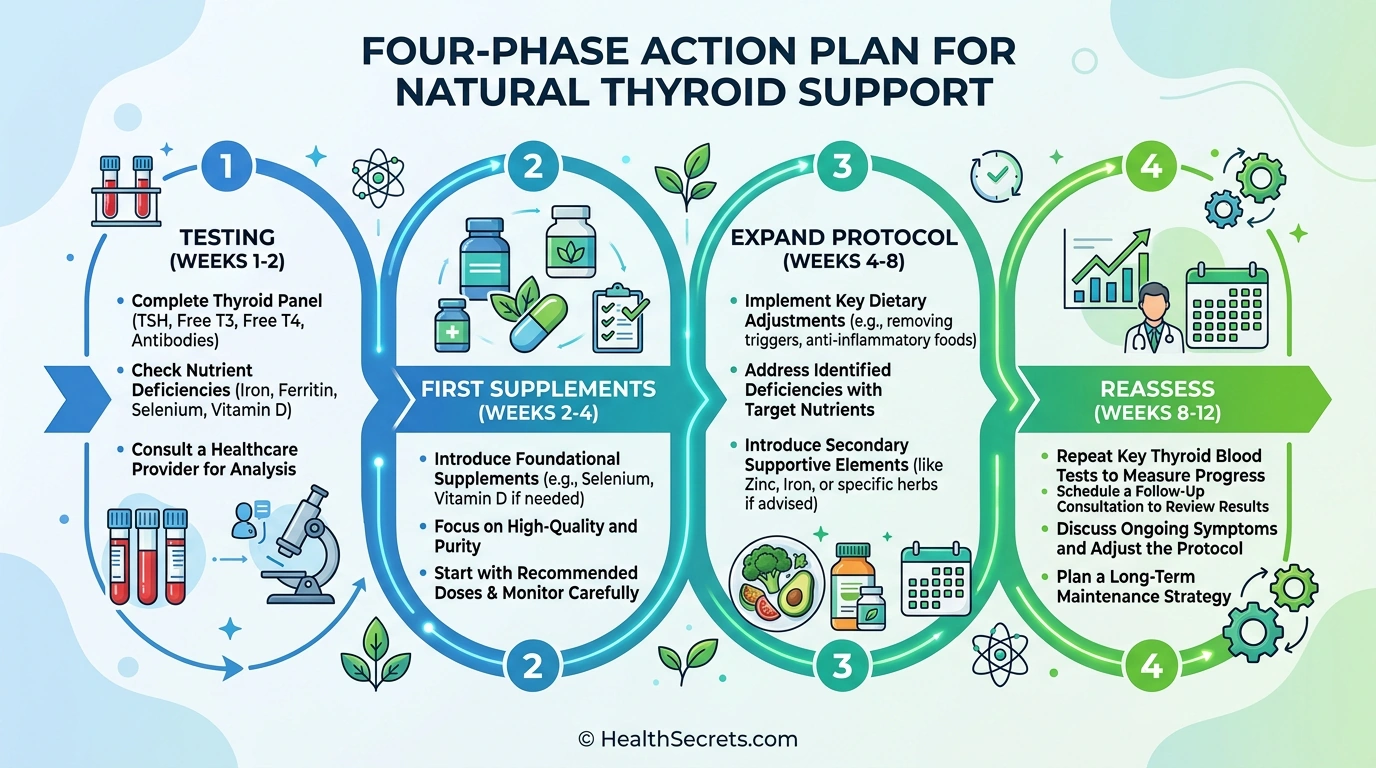
Phase 1 (Weeks 1–2): Foundation
- Get comprehensive thyroid panel (TSH, free T4, free T3, TPO antibodies, TgAb)
- Test nutrient levels (selenium, zinc, ferritin, vitamin D, B12)
- Discuss results with your doctor and establish baseline
- Begin dietary improvements (anti-inflammatory focus, reduce processed foods)
Phase 2 (Weeks 2–4): First Supplements
- Start selenium 200mcg daily if Hashimoto's confirmed (selenomethionine form)
- Add zinc 15–30mg daily if deficient (4 hours from medication)
- Correct vitamin D deficiency if present (2,000–4,000 IU daily)
- Implement stress management practice (15–20 minutes daily)
Phase 3 (Weeks 4–8): Expand Protocol
- Consider ashwagandha 600mg daily if subclinical hypothyroidism (discuss with doctor)
- Add omega-3s (1,000–2,000mg EPA/DHA daily) for inflammation
- Begin gluten-free trial if Hashimoto's (commit to 3 months minimum)
- Establish consistent sleep and exercise routine
Phase 4 (Weeks 8–12): Reassess
- Retest full thyroid panel and nutrient levels
- Compare to baseline and adjust protocol with your doctor
- Continue what's working, modify what isn't
NOW Foods Selenium 200mcg
Editor's ChoiceNOW Foods · Reducing TPO antibodies in Hashimoto's thyroiditis

Thorne Zinc Picolinate 30mg
Best for T4-to-T3 ConversionThorne Zinc · Supporting deiodinase enzyme function and thyroid hormone conversion
KSM-66 Ashwagandha Root Extract
Best for Subclinical HypothyroidismKSM-66 Ashwagandha · Supporting TSH, T3, and T4 levels in subclinical hypothyroidism
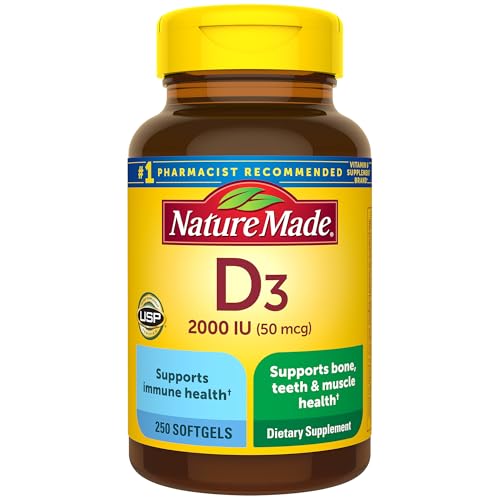
Nature Made Vitamin D3 2000 IU
Best ValueNature Made · Correcting vitamin D deficiency common in Hashimoto's patients
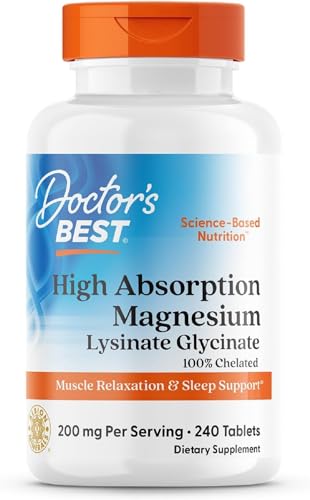
Doctor's Best High Absorption Magnesium Glycinate
Best for Stress SupportDoctor's Best · Calming the nervous system and supporting thyroid-related stress
Read the detailed review cards below before opening any retailer link
Top Recommended Products
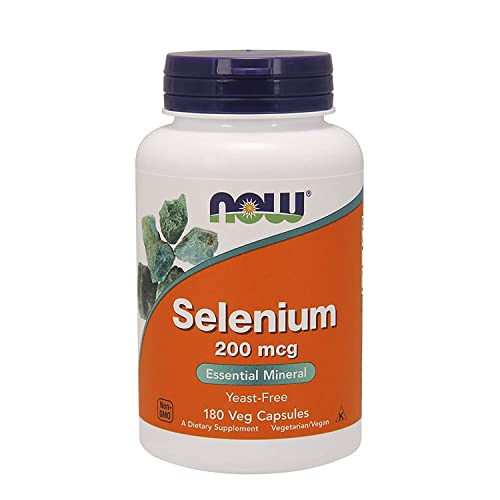
NOW Foods
NOW Foods Selenium 200mcg
Selenomethionine is the exact form used in the clinical trials showing TPO antibody reduction in Hashimoto's patients, and NOW's GMP-certified facility ensures consistent potency.
Pros
- + Most studied selenium form for thyroid
- + affordable 6-month supply
- + clean formula with minimal fillers
Cons
- - May cause mild GI upset in sensitive individuals
Why we included it: Selenomethionine is the exact form used in the clinical trials showing TPO antibody reduction in Hashimoto's patients, and NOW's GMP-certified facility ensures consistent potency.
As an Amazon Associate, Health Secrets earns from qualifying purchases. Product links open on Amazon, where current pricing and availability are displayed. We only feature products discussed in our editorial guides.
Thorne Zinc
Thorne Zinc Picolinate 30mg
Zinc picolinate is one of the most bioavailable zinc forms, and Thorne's NSF certification provides an extra layer of quality assurance critical for thyroid patients on medication.
Pros
- + Third-party tested (NSF)
- + well-absorbed picolinate form
- + trusted by practitioners
- + clean label
Cons
- - Lower capsule count requires more frequent repurchase
Why we included it: Zinc picolinate is one of the most bioavailable zinc forms, and Thorne's NSF certification provides an extra layer of quality assurance critical for thyroid patients on medication.
As an Amazon Associate, Health Secrets earns from qualifying purchases. Product links open on Amazon, where current pricing and availability are displayed. We only feature products discussed in our editorial guides.
KSM-66 Ashwagandha
KSM-66 Ashwagandha Root Extract
KSM-66 is the exact ashwagandha extract form used in the landmark subclinical hypothyroidism trial, providing the most evidence-backed adaptogenic thyroid support.
Pros
- + Clinically studied for thyroid function
- + adaptogenic stress support
- + well-tolerated
Cons
- - May increase thyroid hormones (requires monitoring if on medication)
- - limited long-term studies
Why we included it: KSM-66 is the exact ashwagandha extract form used in the landmark subclinical hypothyroidism trial, providing the most evidence-backed adaptogenic thyroid support.
As an Amazon Associate, Health Secrets earns from qualifying purchases. Product links open on Amazon, where current pricing and availability are displayed. We only feature products discussed in our editorial guides.
Nature Made
Nature Made Vitamin D3 2000 IU
Vitamin D deficiency is common in Hashimoto's patients and linked to higher antibody levels. USP verification ensures what's on the label is actually in the bottle.
Pros
- + USP verified (gold standard testing)
- + affordable 8-month supply
- + widely available
- + trusted brand
Cons
- - Lower dose may be insufficient for severe deficiency
Why we included it: Vitamin D deficiency is common in Hashimoto's patients and linked to higher antibody levels. USP verification ensures what's on the label is actually in the bottle.
As an Amazon Associate, Health Secrets earns from qualifying purchases. Product links open on Amazon, where current pricing and availability are displayed. We only feature products discussed in our editorial guides.
Doctor's Best
Doctor's Best High Absorption Magnesium Glycinate
Magnesium glycinate supports stress reduction and sleep quality without the GI side effects of oxide or citrate forms — critical for hypothyroid patients where stress management is a priority.
Pros
- + Gentle on stomach (glycinate form)
- + high bioavailability
- + good value per serving
- + no laxative effect
Cons
- - Requires 4 tablets per full serving
- - must take 4 hours from thyroid medication
Why we included it: Magnesium glycinate supports stress reduction and sleep quality without the GI side effects of oxide or citrate forms — critical for hypothyroid patients where stress management is a priority.
As an Amazon Associate, Health Secrets earns from qualifying purchases. Product links open on Amazon, where current pricing and availability are displayed. We only feature products discussed in our editorial guides.
Further Reading
Further Reading
"Hashimoto's Protocol"
by Izabella Wentz
Step-by-step liver, adrenal, and gut healing protocols; supplement recommendations backed by research; dietary guidance tailored to autoimmune thyroid disease; strategies for reducing antibodies naturally
Why it adds value here
Dr. Wentz drew from her own Hashimoto's experience and pharmacological training to create one of the most practical guides for autoimmune thyroid management, covering the exact supplement and dietary strategies discussed in this article.
Best for: Hashimoto's patients seeking a comprehensive root-cause protocol
View book detailsFurther Reading
"Why Do I Still Have Thyroid Symptoms?"
by Datis Kharrazian
Understanding of T4-to-T3 conversion issues; autoimmune thyroid mechanisms explained; functional medicine approach to thyroid health; actionable testing and treatment strategies
Why it adds value here
This book changed how many practitioners approach thyroid treatment and is particularly valuable for patients who've been told their labs are fine but continue to struggle with classic hypothyroid symptoms.
Best for: Anyone whose thyroid labs are "normal" but still experiencing symptoms
View book detailsAEO FAQ
Frequently Asked Questions
10 common questions answered
No — natural remedies cannot cure hypothyroidism. They can support thyroid function, reduce autoimmune antibodies (particularly selenium for Hashimoto's), and improve symptoms when used alongside medical treatment. Hypothyroidism is a chronic condition that typically requires lifelong management. Never stop prescribed thyroid medication in favor of supplements.
Most studies show significant TPO antibody reductions after 3–6 months of consistent selenium supplementation at 200mcg daily. Some patients notice improvements in well-being and mood sooner, but measurable antibody changes require patience. Selenomethionine is the most effective form based on meta-analysis evidence.
Ashwagandha does not directly interfere with levothyroxine absorption like minerals do, but it may increase thyroid hormone production. This means your levothyroxine dose might become too high, causing hyperthyroid symptoms. Always inform your doctor, start at a low dose, and retest thyroid levels after 8 weeks.
If your hypothyroidism is caused by Hashimoto's thyroiditis (the most common cause in developed countries), excess iodine can worsen the autoimmune attack on your thyroid. Only supplement iodine if a urine iodine test confirms deficiency. In the US, most people get adequate iodine from iodized salt and dairy.
Take levothyroxine on an empty stomach with water only, at least 30–60 minutes before food. Calcium, iron, magnesium, and zinc must be taken at least 4 hours after thyroid medication because they bind to levothyroxine and prevent absorption. Selenium can be taken 1 hour after medication.
Subclinical hypothyroidism means your TSH is mildly elevated (4.5–10 mIU/L) but your free T4 is still normal. You may or may not have symptoms. Overt hypothyroidism means TSH is above 10 with low free T4 and typically produces clear symptoms. Natural remedies may be most helpful for subclinical cases.
For Hashimoto's thyroiditis specifically, some research suggests gluten proteins trigger molecular mimicry — where the immune system confuses gluten peptides with thyroid tissue. A 3–6 month gluten-free trial may reduce antibodies and improve symptoms in some Hashimoto's patients, though results vary individually.
No — you do not need to eliminate cruciferous vegetables. Cooking deactivates most goitrogens, and moderate amounts are safe for people on thyroid medication. These vegetables provide valuable nutrients and fiber. The concern only applies to eating large quantities raw while iodine-deficient and not on medication.
Request a comprehensive panel including TSH, free T4, free T3, reverse T3, TPO antibodies, and thyroglobulin antibodies. Also test selenium, zinc, ferritin, vitamin D, and B12 levels. TSH alone can miss T4-to-T3 conversion problems, autoimmune markers, and nutrient deficiencies that worsen symptoms.
Chronic stress doesn't directly cause hypothyroidism, but it significantly worsens it. Elevated cortisol suppresses TSH release, impairs T4-to-T3 conversion, and increases reverse T3 (which blocks T3 receptors). Stress management through meditation, adequate sleep, and adaptogens like ashwagandha supports overall thyroid function.

Medical Appointment Prep System
A one-page agenda, a symptom timeline and diary, a medication sheet that is actually right, and a teach-back worksheet so the plan survives the door.
What is inside:
PDF e-book + free online edition • 60-day money-back guarantee
Test Your Knowledge
Take our Natural Remedies Quiz and see how much you really know about natural remedies.
Was this article helpful?
Researched & Fact-Checked
Author
Health Secrets Editorial TeamThe Health Secrets editorial team researches, writes and fact-checks every guide against the primary studies and clinical guidelines it cites.
Fact-Checked By
Health Secrets Editorial TeamAll content is evidence-based, checked against peer-reviewed research, and updated regularly. Our editorial team follows strict guidelines for accuracy and transparency.
References & Citations
18 sources cited
Medical Disclaimer
This article is for informational purposes only and does not constitute medical advice. Read the full medical disclaimer. Always consult with a qualified healthcare provider before starting any new supplement, treatment, or major dietary change.
The Complete Guide to Natural Remedies
Explore our foundational comprehensive guide covering all clinical protocols, dietary strategies, and evidence for natural remedies.
You Might Also Like
Natural Remedies for Hangover: Recovery Support
Natural remedies for hangover recovery include NAC for glutathione replenishment and acetaldehyde detoxification, B vitamins to support alcohol metabolism, electrolytes for rehydration, milk thistle for liver protection, and ginger to reduce nausea. Prevention strategies like hydration between drinks and eating before drinking remain the most effective approach to minimizing hangover severity.
→Natural Remedies for Depression: Mood Support Strategies
Natural remedies like St. John's wort (900mg daily), SAMe (800–1,600mg), omega-3 fatty acids (1–2g EPA), and regular exercise (150 min/week) show clinical evidence for supporting mild-to-moderate depression. This guide covers eight evidence-based steps for natural mood support — always as a complement to professional care, never a replacement.
→Natural Remedies for ADHD: Focus and Attention Support
Natural remedies for ADHD—including omega-3 fatty acids, zinc, iron, magnesium, exercise, and behavioral strategies—can complement conventional treatment to improve focus and reduce symptoms. This evidence-based guide walks you through a step-by-step protocol for supporting ADHD naturally, while emphasizing that professional diagnosis and medical treatment remain essential.
→Discussion
0No comments yet
Be the first to share your thoughts, clinical insights, or questions about this protocol.